Everyone wants the cheapest print on demand company. It feels like the obvious way to protect your profit.
But cheap base cost is only half the story. Your real profit is what survives two more numbers.
Here is the formula that decides everything: profit = retail price - base cost - fees.
A $7 t-shirt looks cheaper than an $11 one. Yet the pricier product can leave far more money in your pocket per sale.
This guide compares the cheapest print on demand companies in 2026 on real base costs. Then it shows you how to actually maximize profit - the part most "cheapest" lists skip. We lean on our own fulfillment and pricing data throughout, because base price alone has never paid anyone's rent.
Key Takeaways
- Printify has the lowest apparel base price at about $7.32 a t-shirt; SPOD, Gelato, and Printful follow (Merch Titans, 2026).
- Profit equals retail price minus base cost minus fees, so the cheapest sticker price rarely wins on margin.
- Podbase runs 10-15% better margins than competitors, up to 20% in some categories.
- Tech accessories beat apparel on margin: a €10 phone case sells for €35-60.
- Free plans exist everywhere; a paid plan only pays off past roughly 13 orders a month.
What is the cheapest print on demand company?
The cheapest print on demand company is the one with the lowest base cost for the product you actually sell - and that changes by product.
For apparel, Printify has the lowest base price, at roughly $7.32 for a standard unisex t-shirt on its free plan (Merch Titans, 2026). For tech accessories like phone cases, the picture flips, and specialists price for margin instead.
So there is no single cheapest provider. There is a cheapest provider for your product and your order volume, which is why our best print on demand companies breakdown compares them by category. It helps to know how big this market has become before you pick one.
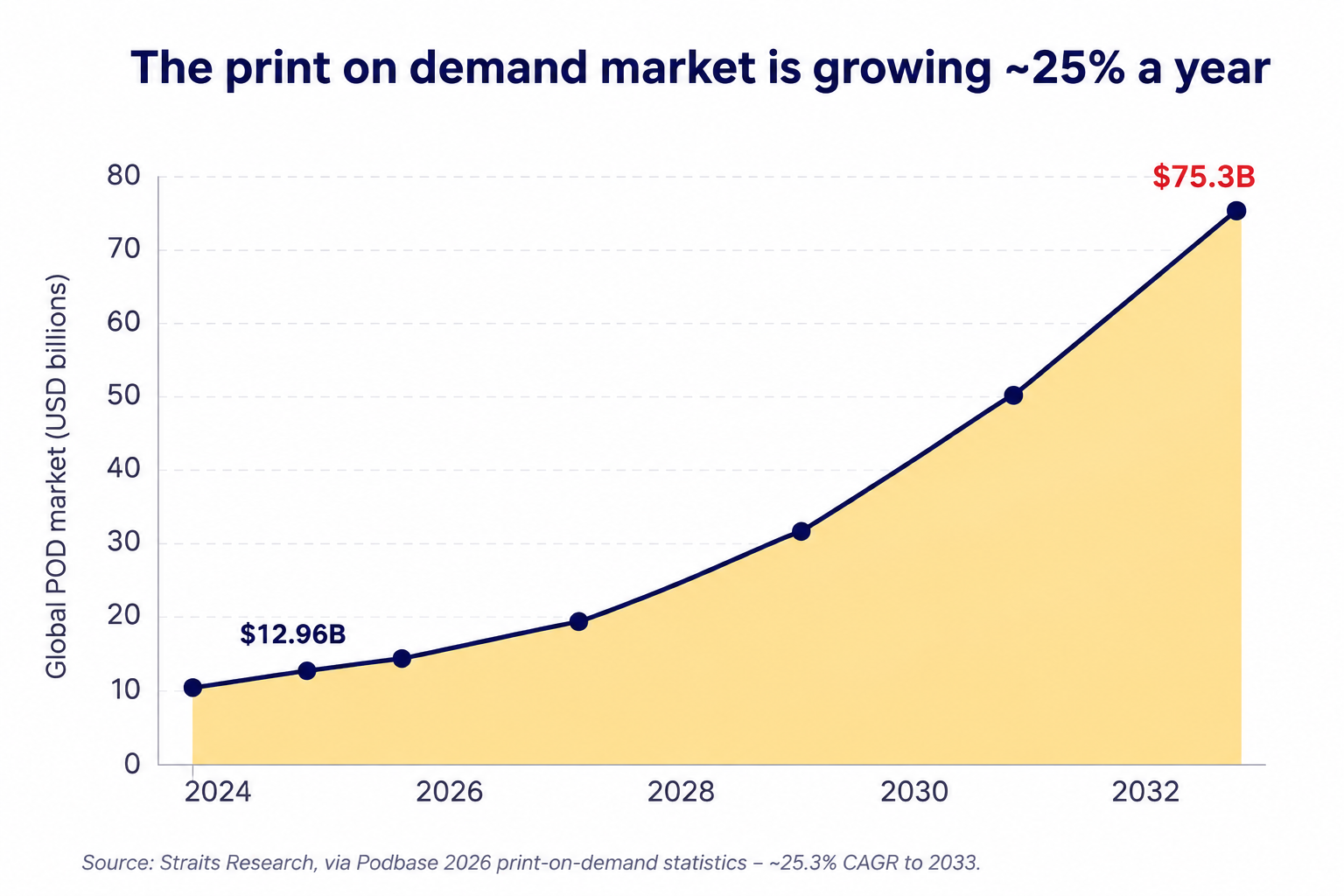
The global print on demand market reached about $12.96B in 2025 and is on track for $75.30B by 2033, growing near 25% a year (Straits Research). You can see the full 2026 print on demand growth data in our statistics hub. A market this large rewards sellers who protect margin, not just chase the lowest tag.
Cheapest print on demand companies compared (2026)
Here are the cheapest POD companies in 2026, compared on base cost, monthly fee, and typical margin. Prices are for the cheapest standard product on each free plan, cross-checked against our own print on demand statistics.
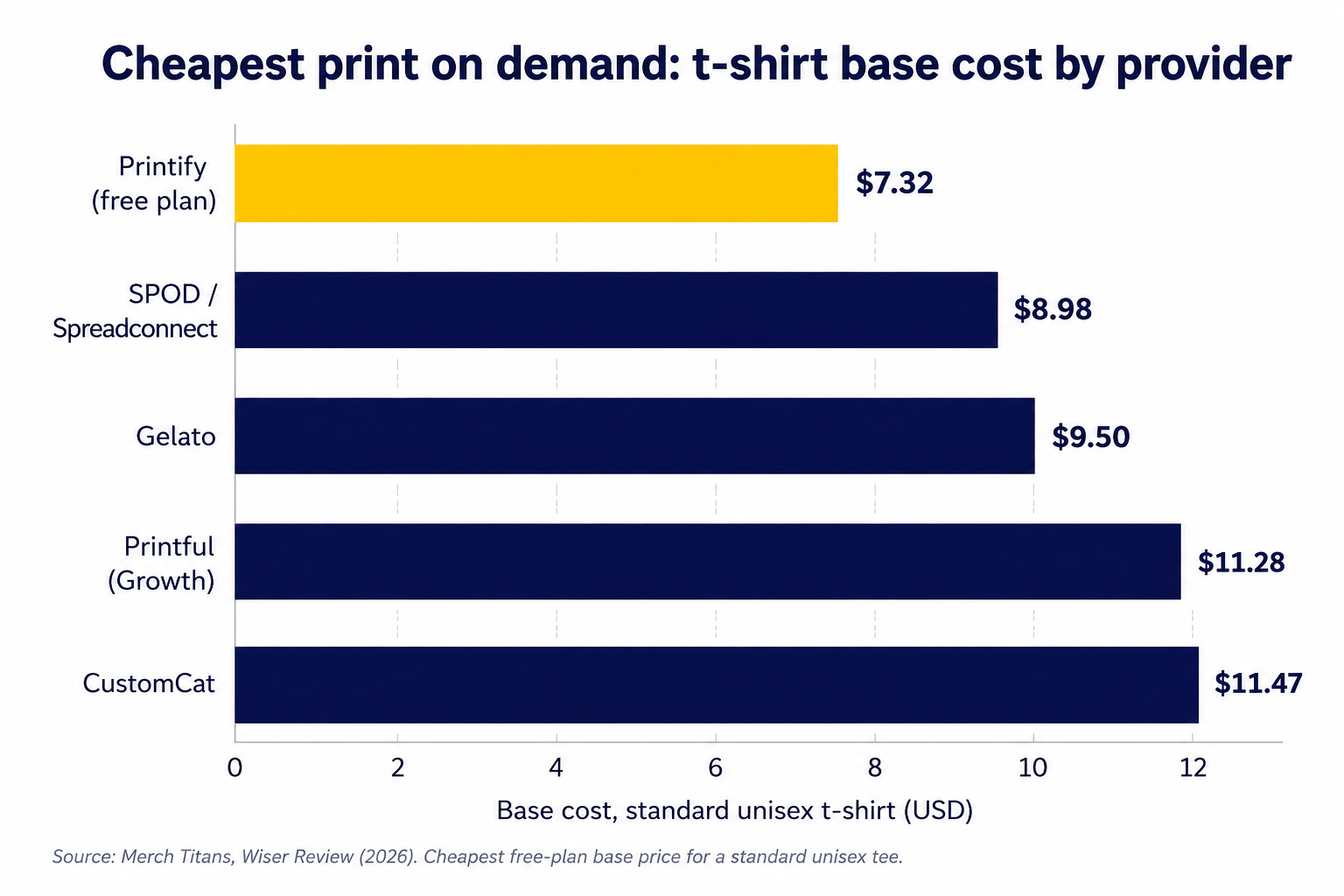
Printify wins on apparel sticker price. SPOD and Spreadconnect print a tee from $8.98 with no subscription at all. Gelato sits near $9.50 with local production in dozens of countries, and Printful runs about $11.28 but pays it back in branding and quality.
A common question - is there a cheaper alternative to Printify - has a clear answer: yes, several. SPOD undercuts it with no fee, and Podbase beats it on margin for tech accessories. The cheaper option depends on your category, not on a single base price.
Pro Tip: Before you switch providers to save a few cents per unit, multiply the base-cost gap by your monthly order count. Saving $0.40 a shirt is worth almost nothing at 15 orders, and real money at 1,500.
Why 'cheapest' should mean best margin, not lowest price
Most "cheapest" guides assume the lowest base cost delivers the most profit. Our data says the opposite: margin and product choice decide profit, not the sticker price.
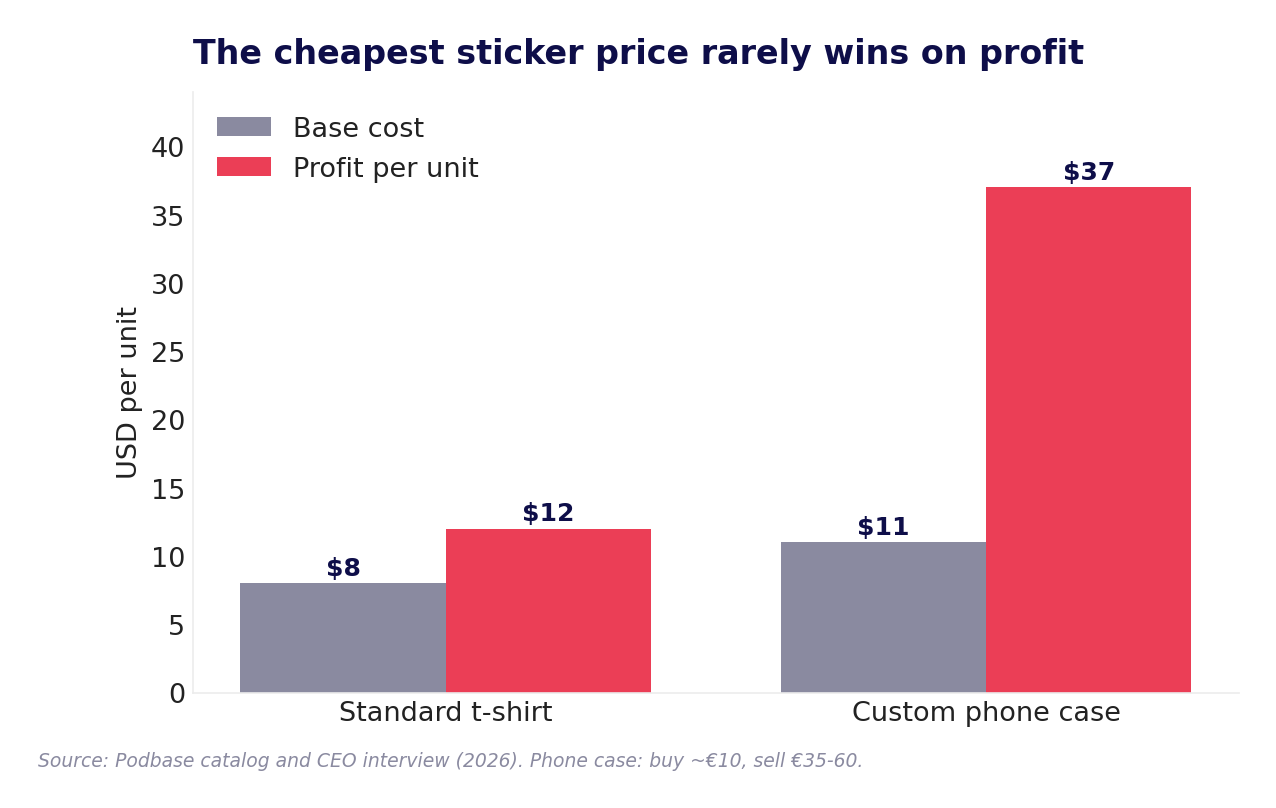
Take a worked example. A t-shirt with an $8 base sells for around $22; after roughly $2 in fees you keep about $12. A custom phone case costs about €10, sells for €45, and after fees leaves close to €32 - nearly three times the profit per order.
"What we are really selling is not a cheaper product. It is a better margin combined with a better customer experience, a faster fulfillment process, and a product that reinforces what a seller is building," says Podbase Head of Sales Sidas.
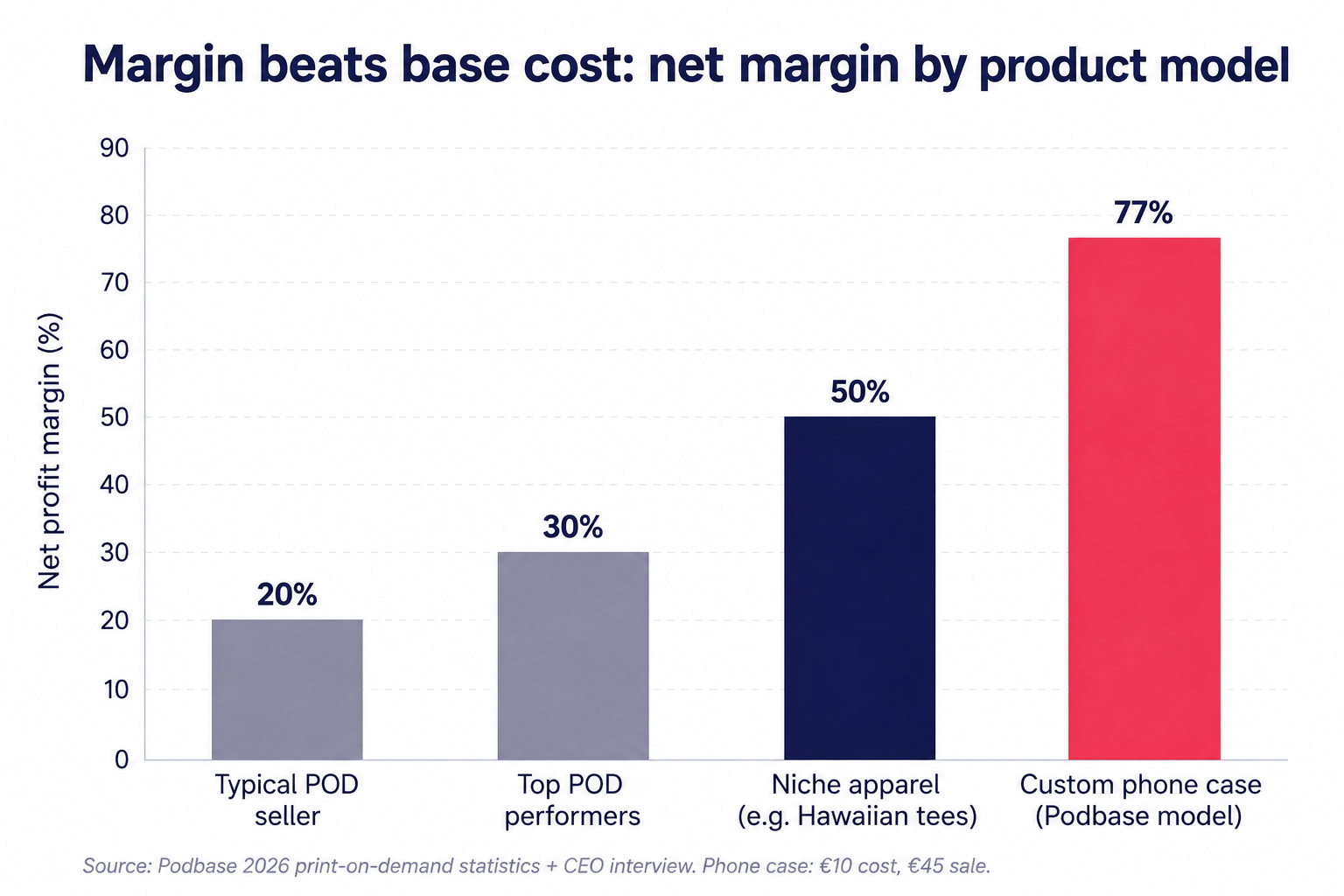
A typical print on demand seller earns about a 20% margin; top performers reach 30%, and some niches hit 30-60% (Podbase, 2026). Podbase pricing sits 10-15% better than competitors across most categories, up to 20% in some. That gap compounds on every single order.
If margin is what you are really buying, it is worth seeing the numbers for your product.
See Podbase pricing and margins →
No inventory. No subscription. You pay only when you sell.
Cheapest print on demand by product
The cheapest provider changes with the product. Here is how the three most common categories stack up.
T-shirts
T-shirts have the lowest base costs and the thinnest margins. Printify starts around $7.32, SPOD at $8.98, and Printful near $11.28 (Merch Titans, 2026). Apparel leads global print on demand with a 39.7% category share (verified 2026 POD market data, Dropshipping.com, 2024), which is exactly why it is so crowded.
Cheap tees sell, but a saturated niche can trap you at a 20% margin. Win here on design and audience, not on shaving forty cents off a Bella+Canvas blank.
Phone cases
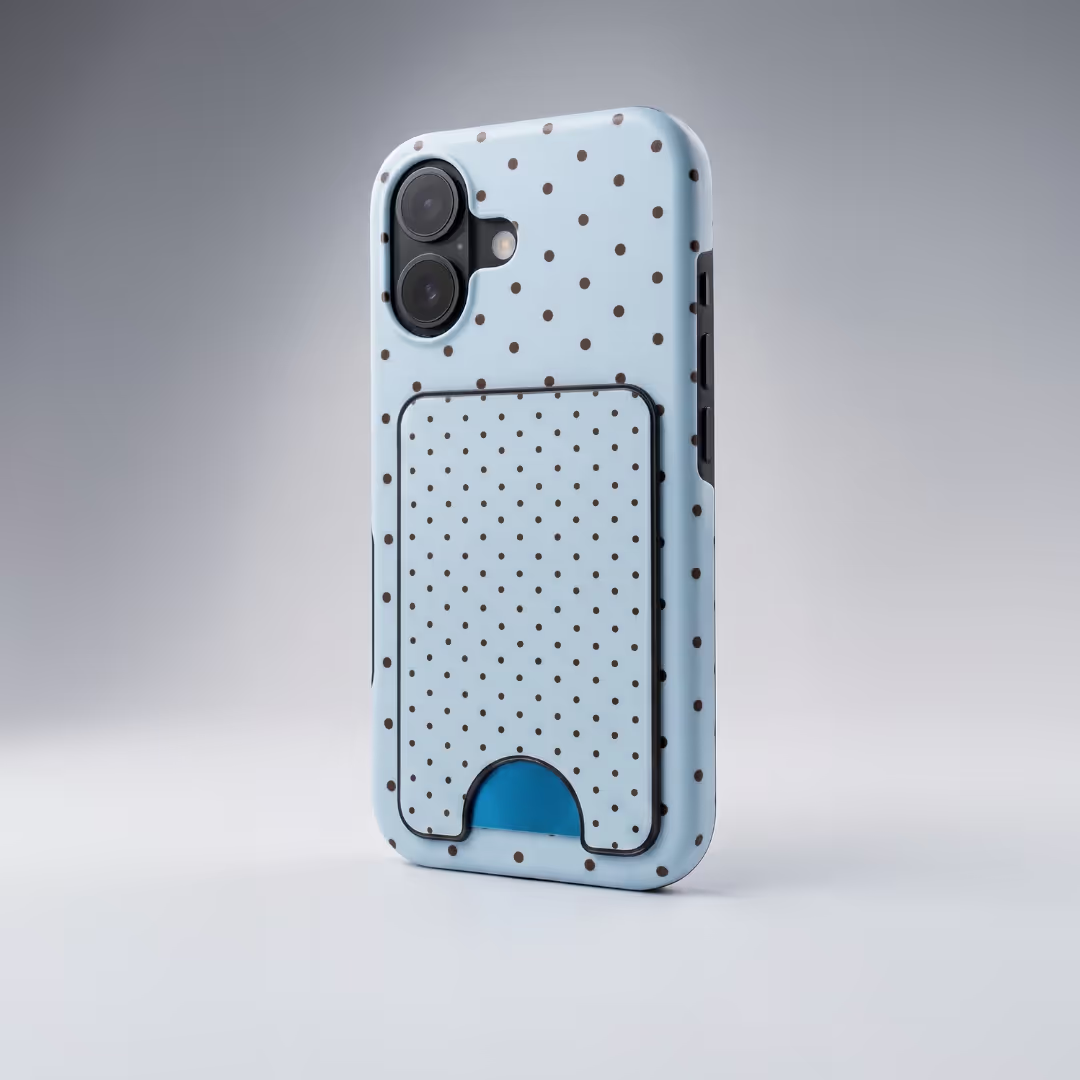
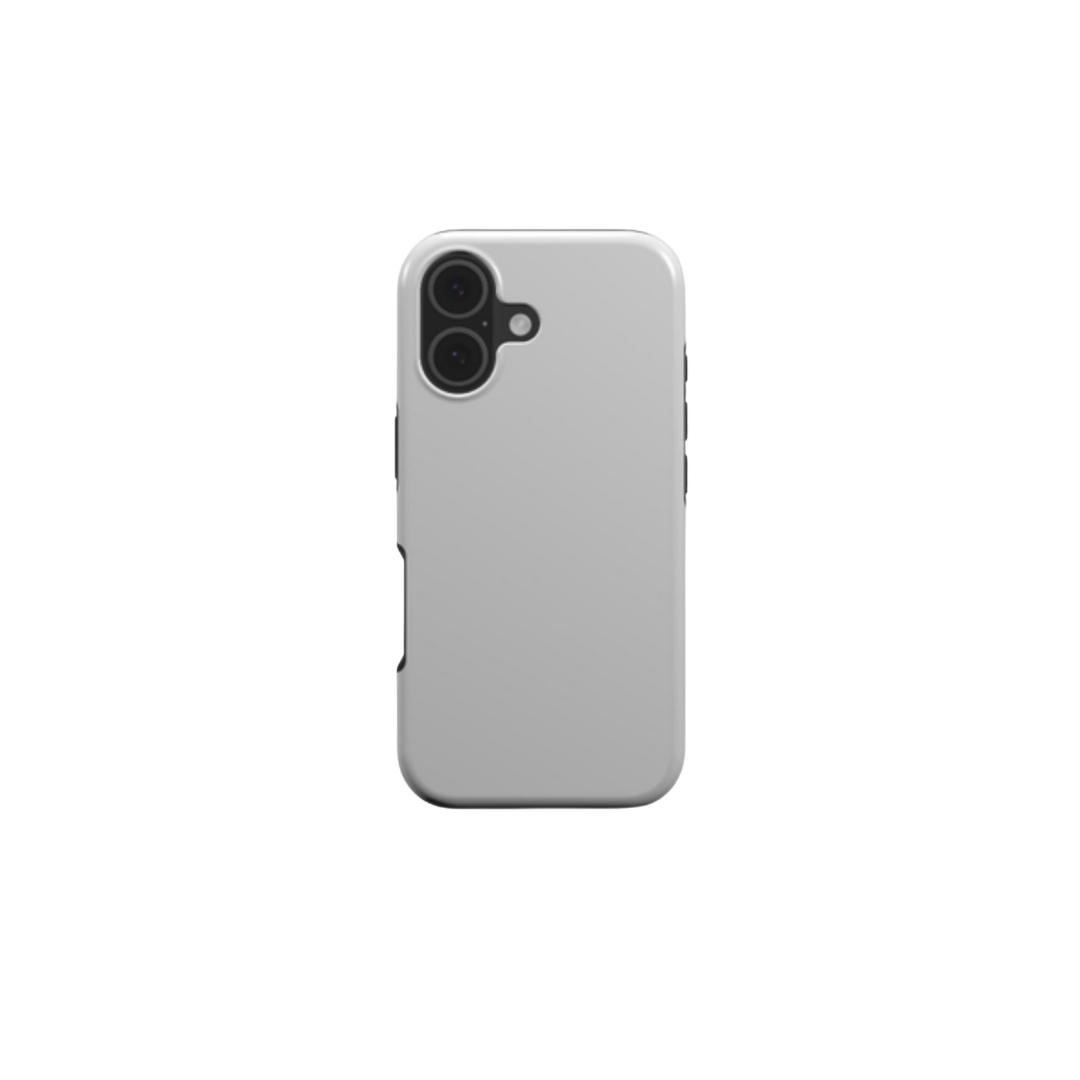
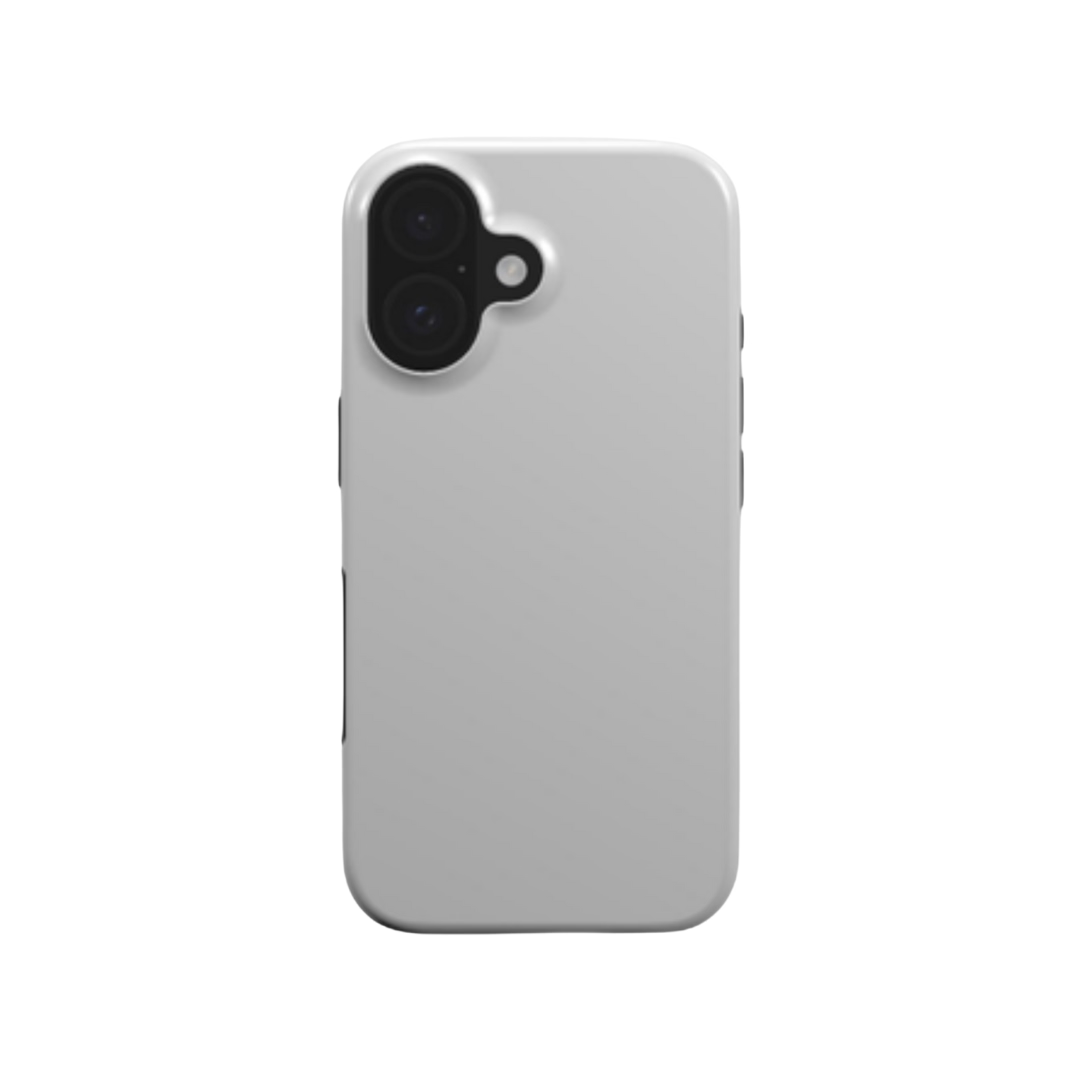
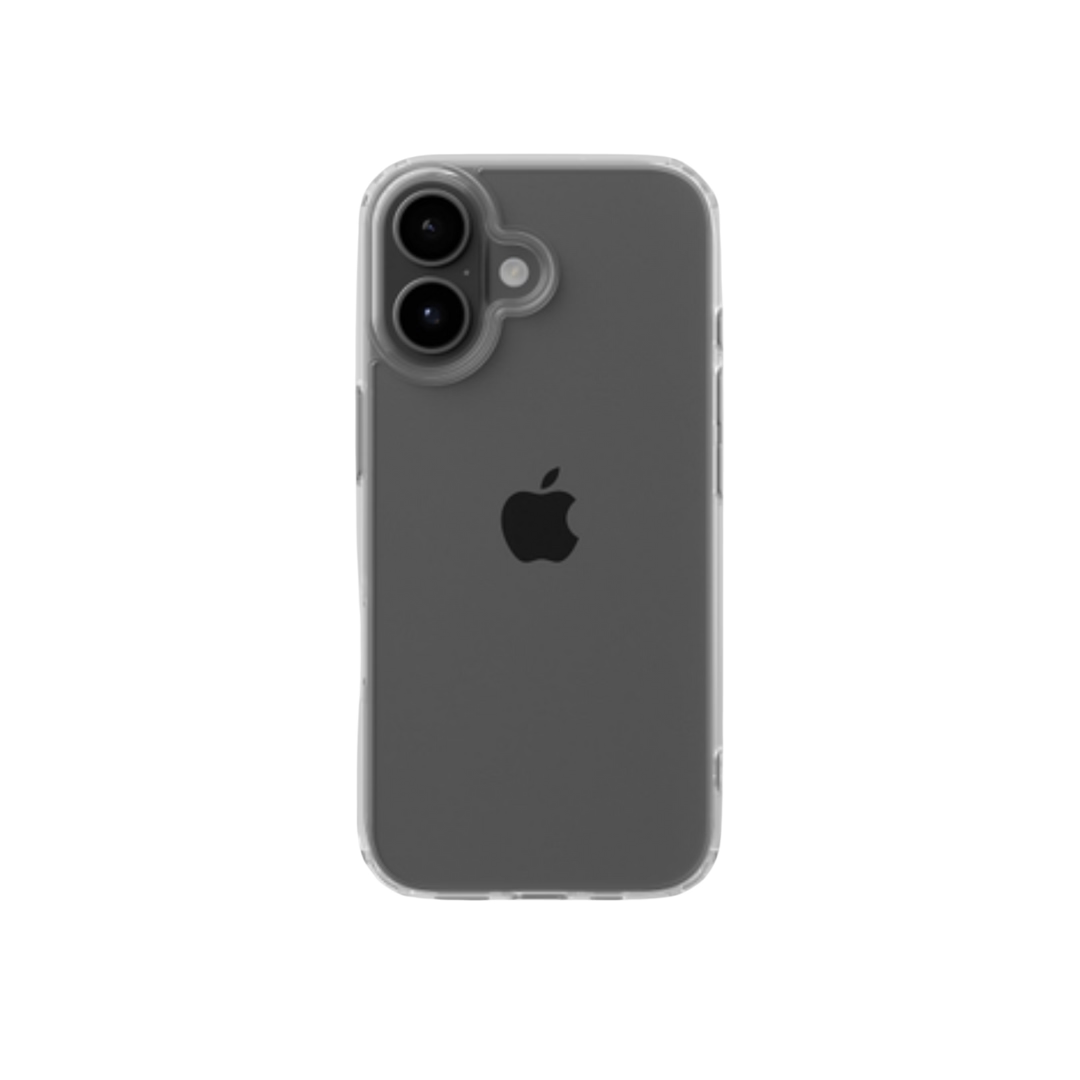
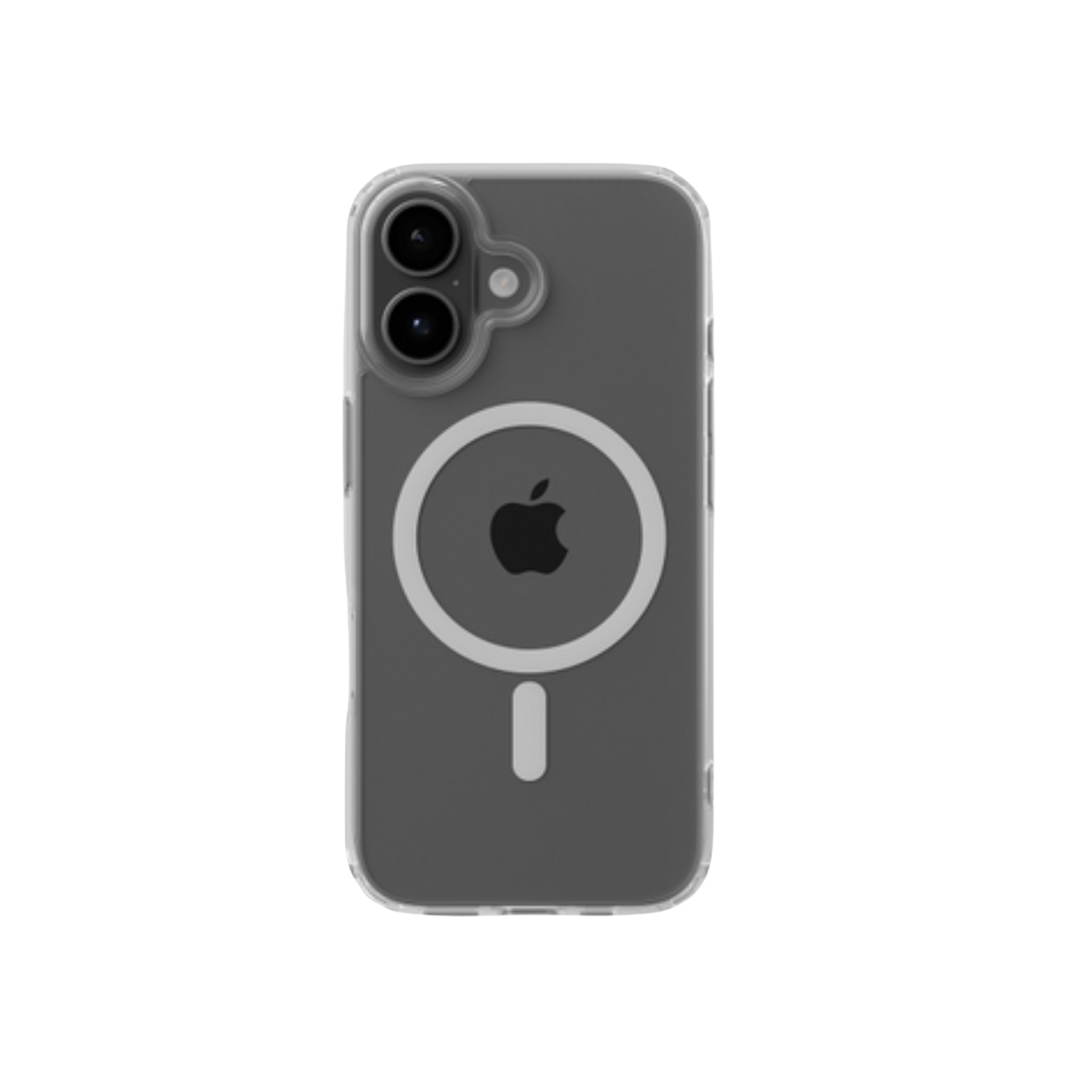
Phone cases are where cheap base cost and strong margin finally meet. "You can buy from Podbase for 10 euro and sell for 35-60 euro," says Podbase CEO Saulius Meilutis - a healthy, profitable model, and the reason custom phone cases are our core category.
Demand is enormous. About 68% of smartphone owners use a case (YouGov), roughly 1 billion cases sell worldwide each year (Towards Packaging), and the market is projected to hit $41.4B by 2030 (Grand View Research). Our full phone case sales statistics break this down further.
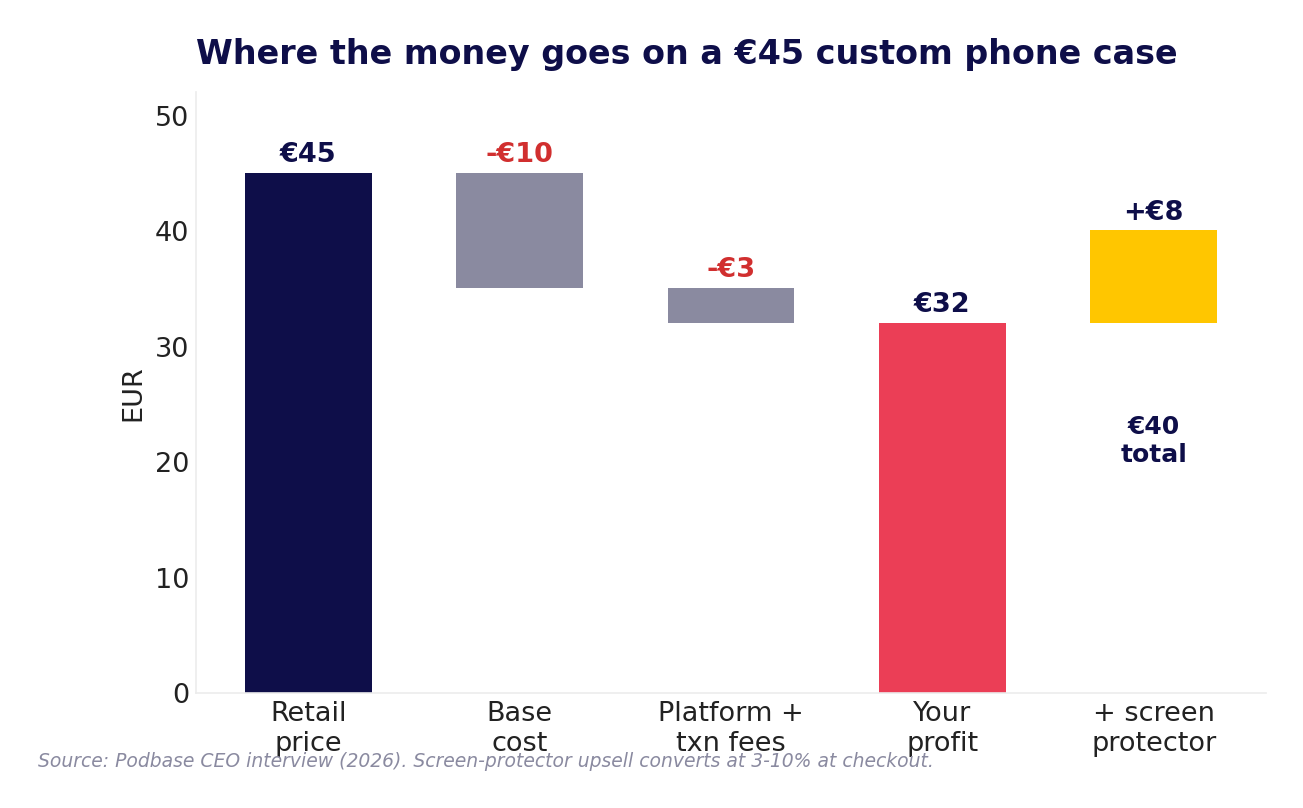
Pro Tip: Add a one-click screen-protector option at checkout. It converts at 3-10% from our internal data, adding about €10 of profit for the same customer you already paid to acquire.
Mugs and drinkware
Mugs and drinkware carry low base costs and strong gifting demand, which makes them reliable margin builders. "Podbase in the next 12 months will become, from a single-category supplier of tech accessories, a provider of three strong categories: tech accessories, wall art, and drinkware," says Meilutis.
Wall art is an especially open lane: about 65% of wall art sales are still offline, leaving large headroom for print on demand sellers online.
Free vs paid print on demand
Every major provider is free to start - you pay only when an order comes in. So a free print on demand service is the norm, not the exception.
No-subscription options: SPOD, Gooten, and Podbase charge no monthly fee at all - a point we cover in our Printify alternatives guide. Printify, Printful, and Gelato are free to start, with optional paid tiers that lower your base prices.
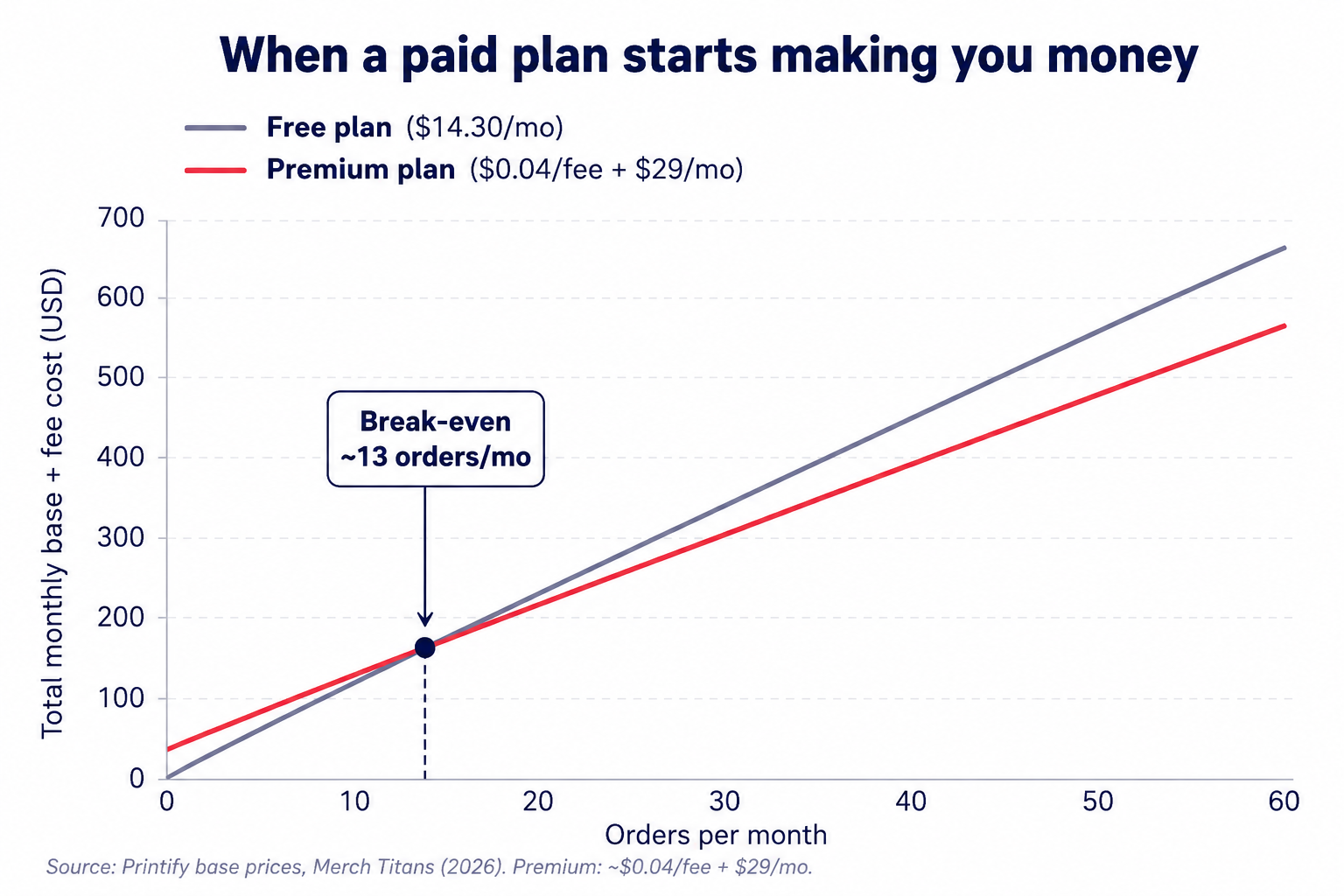
When a fee nets more profit: Printify Premium costs $29/month and cuts base prices by roughly 20%. That only pays off past about 13 orders a month - below that, the free plan wins. Match the plan to your real volume, not your ambition.
Pro Tip: Do not buy a subscription on day one. Launch on the free plan, prove the product sells, then upgrade once your monthly orders clear the break-even line in the chart above.
The hidden cost of cheap: quality and returns
The cheapest base cost can become the most expensive choice you make. "A cheap product that fails after a few days carries a cost that never shows up in a margin calculation. That customer tells their friends. That return lands in a support queue," says Sidas.
Quality is the quiet margin lever. Podbase runs quality checks between every production stage and verifies color accuracy with a spectrophotometer, according to our Manufacturing and Operations lead Ieva - part of how Podbase works.
30% fewer tickets: Sellers who migrated to Podbase's quality-checked production saw a 30% drop in order-issue support tickets and a 15% rise in customer reviews left (Podbase Head of Sales, 2026).
Fewer failures means fewer refunds, fewer angry emails, and more word-of-mouth sales you never paid for. That is margin the cheapest blank tee quietly costs you.
How to maximize your print on demand profit
Once you optimize for margin, four levers do most of the work. None of them require a lower base cost.
- Price for perceived value. A €45 custom case is not competing with Amazon; it competes with a small gift. About 1 in 5 buyers pays at least 20% more for a personalized product.
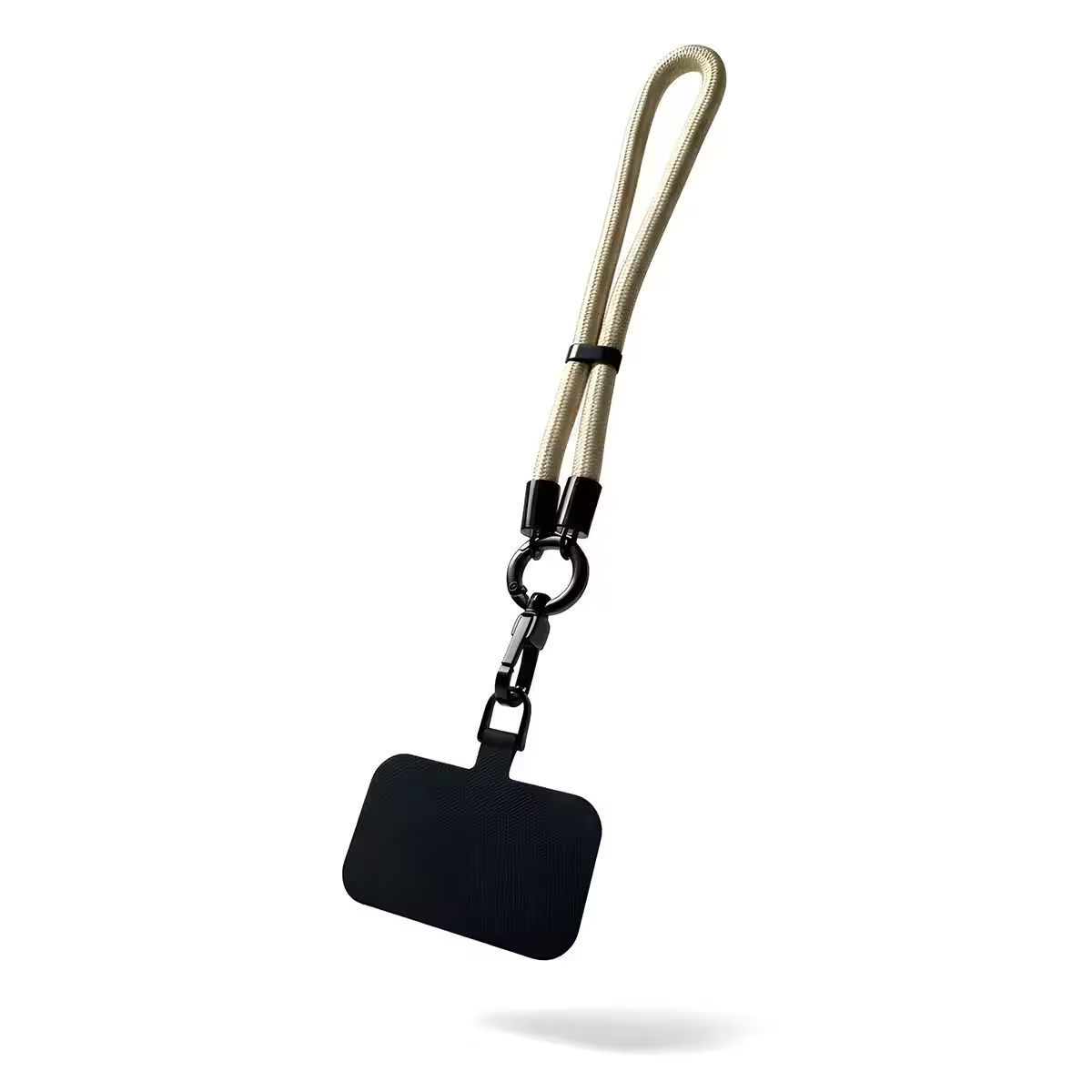
- Widen your product mix. Add AOV boosters like phone straps (from €6.95), ring holders, and screen protectors so each order carries more profit.
- Ship fast. Podbase print stages run 6-8 hours with fulfillment inside about a day; faster delivery cuts complaints and cancellations, notes Sidas.
- Protect against refunds with quality. A product that holds up sells again through word of mouth - the cheapest marketing there is.
Want the full picture on returns and unit economics? Our guide on whether print on demand is still profitable runs the math end to end.
The cheapest path to profit is a better margin on a product people keep.
1-3 day fulfillment. No inventory. No risk.
Frequently Asked Questions
What is the cheapest print on demand company?
Printify has the lowest apparel base price, at roughly $7.32 for a standard t-shirt on its free plan (Merch Titans, 2026). SPOD, Gelato, and Printful follow. But cheapest depends on your product: for tech accessories, Podbase delivers 10-15% better margins with no subscription fee.
Is there a cheaper alternative to Printify?
Yes, several providers rival or beat Printify on cost. SPOD prints t-shirts from $8.98 with no subscription, and Podbase runs 10-15% better margins on tech accessories. The cheaper choice depends on your product category and order volume, not on base price alone.
Is there a free print on demand service?
Yes, Printify, Printful, Gelato, and Podbase all cost nothing to start, charging only when you place an order. Paid subscriptions like Printify Premium ($29/month) unlock lower base prices, but only pay off once you exceed roughly 13 orders a month.
Which print on demand has the best profit margins?
Podbase reports 10-15% better margins than competitors across most categories, up to 20% in some. Tech accessories drive the strongest returns: a phone case bought for about €10 sells for €35-60, says Podbase CEO Saulius Meilutis, far outpacing a typical 20% apparel margin.
Does the cheapest print on demand mean the most profitable?
No, the cheapest base cost does not guarantee the most profit. Profit equals retail price minus base cost minus fees, so margin, product category, and return rate matter more. A slightly pricier, higher-quality product that sells and rarely gets returned beats a cheap one that fails.
Conclusion
The cheapest print on demand company is not the one with the lowest base cost - it is the one that leaves the most profit after base cost and fees. Printify wins the sticker-price race on apparel, but margin, product choice, and quality decide who actually makes money.
Optimize for margin, pick a product that protects it, and treat quality as the profit lever it is. If you want the strongest margins on high-demand tech accessories with no subscription, see Podbase pricing and margins and create a Podbase account today to get started.

Saulius Meilutis is the CEO of Podbase, helping creators and entrepreneurs monetize their ideas with print-on-demand. He shares insights on eCommerce, growth, and building lean online businesses.

.avif)



.avif)
.avif)
.avif)
.avif)
.avif)
.avif)

.avif)



.avif)
.avif)

.avif)

.avif)

.avif)