To sell digital art online in 2026, you upload high-resolution artwork to a print-on-demand (POD) platform, list it on products like phone cases, wall art, and drinkware, then the provider prints and ships each order after a customer buys - so you earn on every sale without holding inventory.
The opportunity is real and growing. The global online art market reached roughly $11.7 billion in 2025 and is on track for about $18.9 billion by 2033 (Straits Research). More tellingly, digital art's share of high-net-worth collections jumped from just 3% in 2024 to 13% in 2025, according to the Art Basel & UBS Survey of Global Collecting 2025 - digital work is now a mainstream collecting category, not a speculative bet.
But here is the part most guides get wrong: the durable money in digital art is not in selling files that can be copied and undercut. It is in turning your art into physical products people pay a premium to own. That is exactly what print-on-demand makes possible - and where Podbase sellers consistently out-earn file sellers.
This guide walks you through the whole process: preparing your art, protecting it, choosing where to sell, and using POD to maximize earnings. Connect Podbase, publish in minutes, and ship worldwide on demand.
Is Selling Digital Art Worth It in 2026?
Yes - and the data backs it up more strongly than it did a year ago. Digital art is any piece you make through or transfer to a digital medium, and it comes in many forms:
- NFTs or crypto art
- Digital paintings
- Computer graphics
- Mixed media art
- Digital photography
- 3D print models
- Fonts and typography
- VR and AR art

The clearest signal comes from collectors. Digital art's share of high-net-worth collections climbed from 3% in 2024 to 13% in 2025, and more than half (51%) of surveyed collectors bought a digital artwork in 2024 or 2025 (Art Basel & UBS Survey of Global Collecting 2025). The speculative NFT frenzy of 2021-2022 has cooled, but demand for digital work has rebounded through mainstream platforms and physical products - a healthier, more durable base than pure crypto hype.
The print-on-demand market that powers physical sales is booming too. The global print-on-demand market sits at roughly $12.96 billion in 2025 and is growing about 25.3% a year toward $75.30 billion by 2033. And there is real headroom in physical art specifically: as Podbase CEO Saulius Meilutis notes, “Almost 65% of wall art sales are still offline, so there is huge potential for digital web sales.”
Also Read:
- Smart Ways to Make Money as an Artist
- Best Print On Demand Sites for Artists (Compared)
- Print On Demand Design Ideas for 2026: What's Trending Now
How to Prepare Your Digital Art for Sale
Proper preparation makes the whole selling process smoother and protects your print quality. Here is how to get your art ready.
1. Digitize Your Art
If you are transitioning from traditional to digital art, digitize your work with a high-quality scanner or camera. Watch for shadows and uneven lighting, and account for the type and size of the piece. After digitizing, refine the file in editing software, paying close attention to resolution, detail, and color accuracy.
2. Nail Your File Specs and Resolution
Different platforms have different requirements for formats, resolutions, and dimensions. PNG and TIFF are preferred because they use lossless compression and preserve image quality; JPG works when file size matters, but aggressive compression can degrade detail.
For print-on-demand specifically, the file settings that look fine on screen are not always the ones that print accurately. Podbase's manufacturing team is blunt about it: “The most accurate results are achieved when designs are submitted in high resolution and in the CMYK color space,” and color accuracy is verified with a spectrophotometer before products ship. Submit high-resolution CMYK files and your printed colors will match your intent - not drift toward a muddy approximation.
3. Protect Your Digital Art
If you sell digital downloads, theft is a real risk. A few common safeguards:
- Watermarks: Add a semi-transparent signature or logo to previews so unauthorized copies are obvious. Buyers receive the clean, unwatermarked file after purchase.
- Copyrights: Learn your local copyright rules and register your work for legal protection against infringement.
- Passwords: Password-protect files and use a different password per buyer to discourage sharing.
- Restricted downloads: Cap the number of downloads so a shared link cannot be reused indefinitely.

Image via Etsy
Here is the contrarian truth, though: protecting a pure digital file is a game you can only play defense in. A determined buyer can screenshot, re-upload, or resell it. Selling print-on-demand products sidesteps the problem almost entirely - the value lives in the physical item and the fulfillment behind it, not in a copyable file. Your design still sells; it just sells as something that cannot be pirated with a right-click.
4. Package Your Digital Art Files
When you do sell downloads, package them well: offer clear product tiers (high-resolution downloads, prints, or POD products), spell out the license and usage terms, and bundle deliverables into a ZIP with a simple readme and descriptive file names. For POD, always provide the highest-quality source file for the best print result.
Preparing product imagery used to be the slow part. Not anymore - according to Podbase's CEO, “you can take a static picture and generate high-quality multi-angle output of your products... you no longer have to order samples, organize photo shoots, and extend your product launch by weeks.” AI-assisted mockups let you list a new design in minutes instead of waiting on a sample run.
How to Sell Digital Art With Print-on-Demand Services
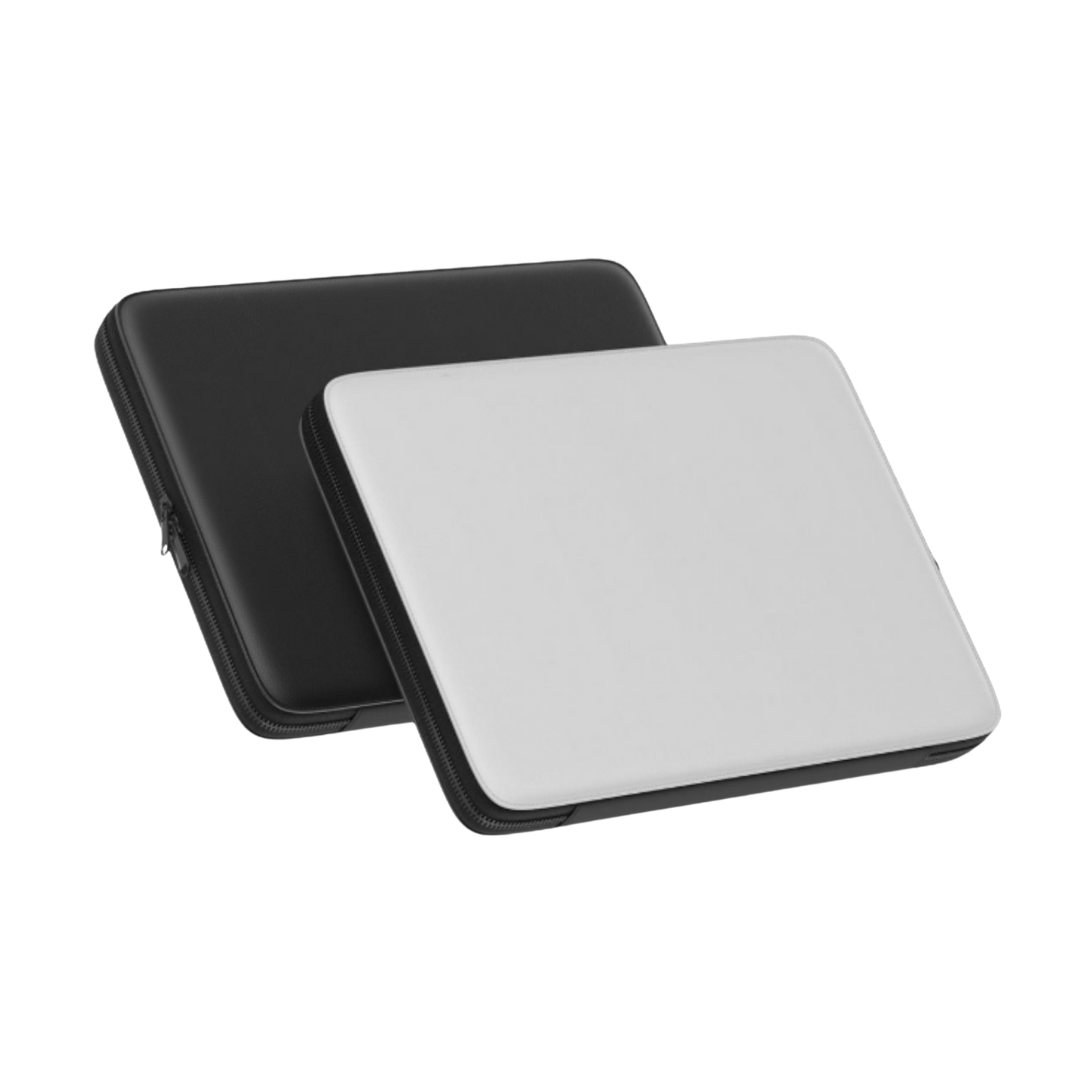
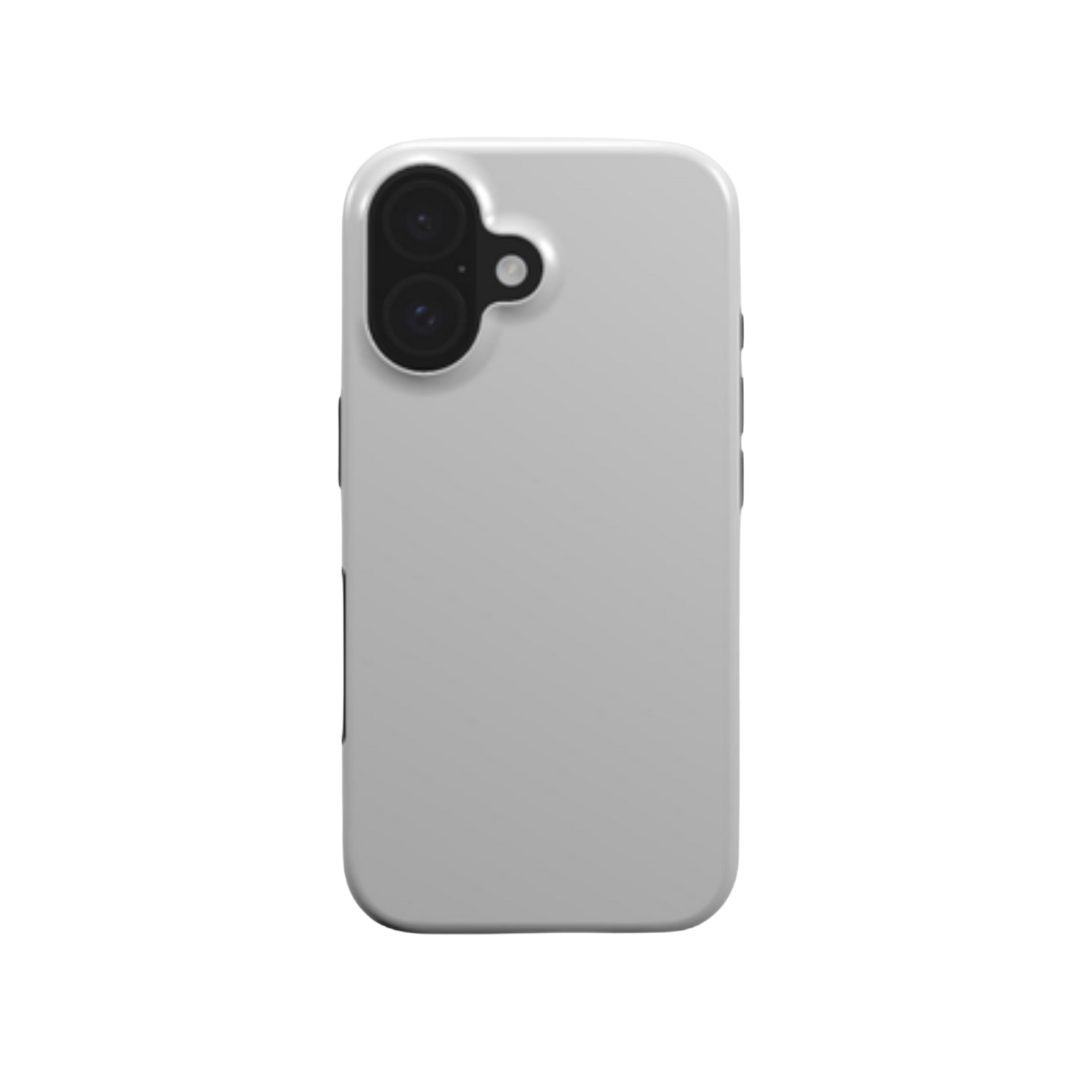
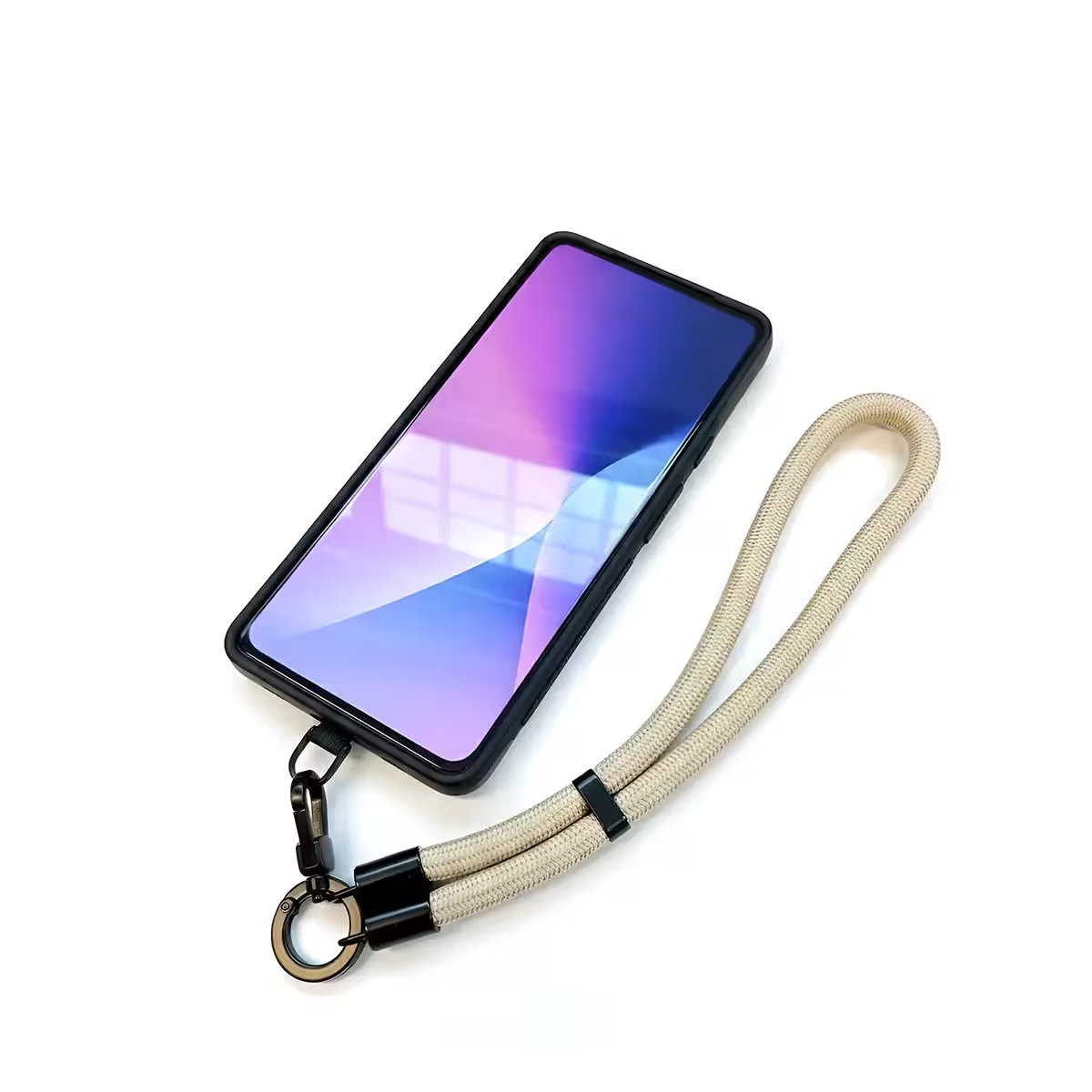
Beyond selling downloads, you can sell your art on physical products using print-on-demand services. You upload your artwork and it gets printed on items - wall art, drinkware, phone cases, and more - with no upfront manufacturing or inventory cost. Here is how it works:
- Upload your high-resolution designs, following each platform's specs.
- Customers buy products featuring your designs.
- The POD platform prints your design and ships it directly to the customer.
The benefits for digital artists are real:
- Flexibility: Put one design on dozens of product types - from wall art to phone cases to mugs - and reach buyers you would never capture with files alone.
- Global reach: Fulfillment partners worldwide print and ship your art almost anywhere, with no logistics on your end.
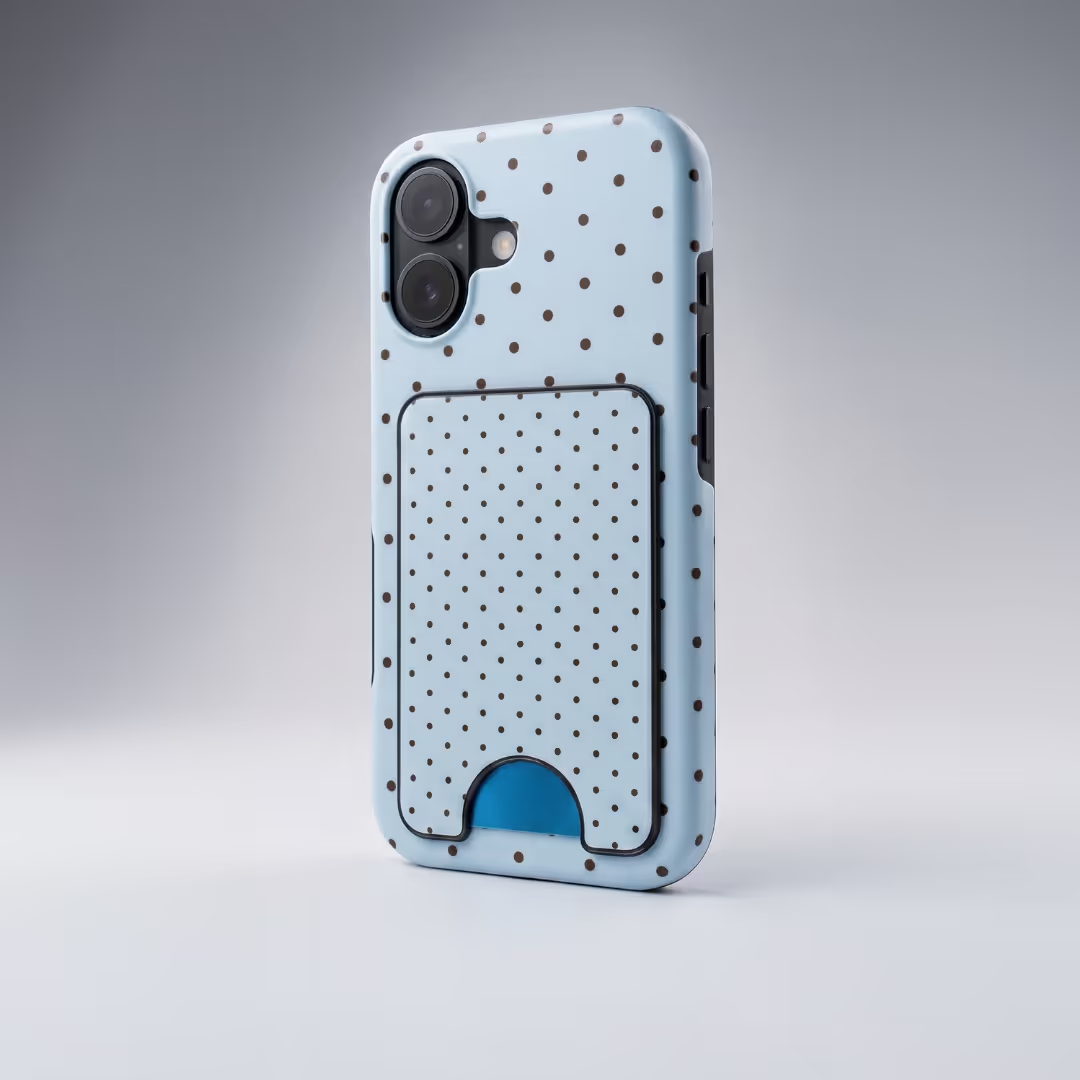
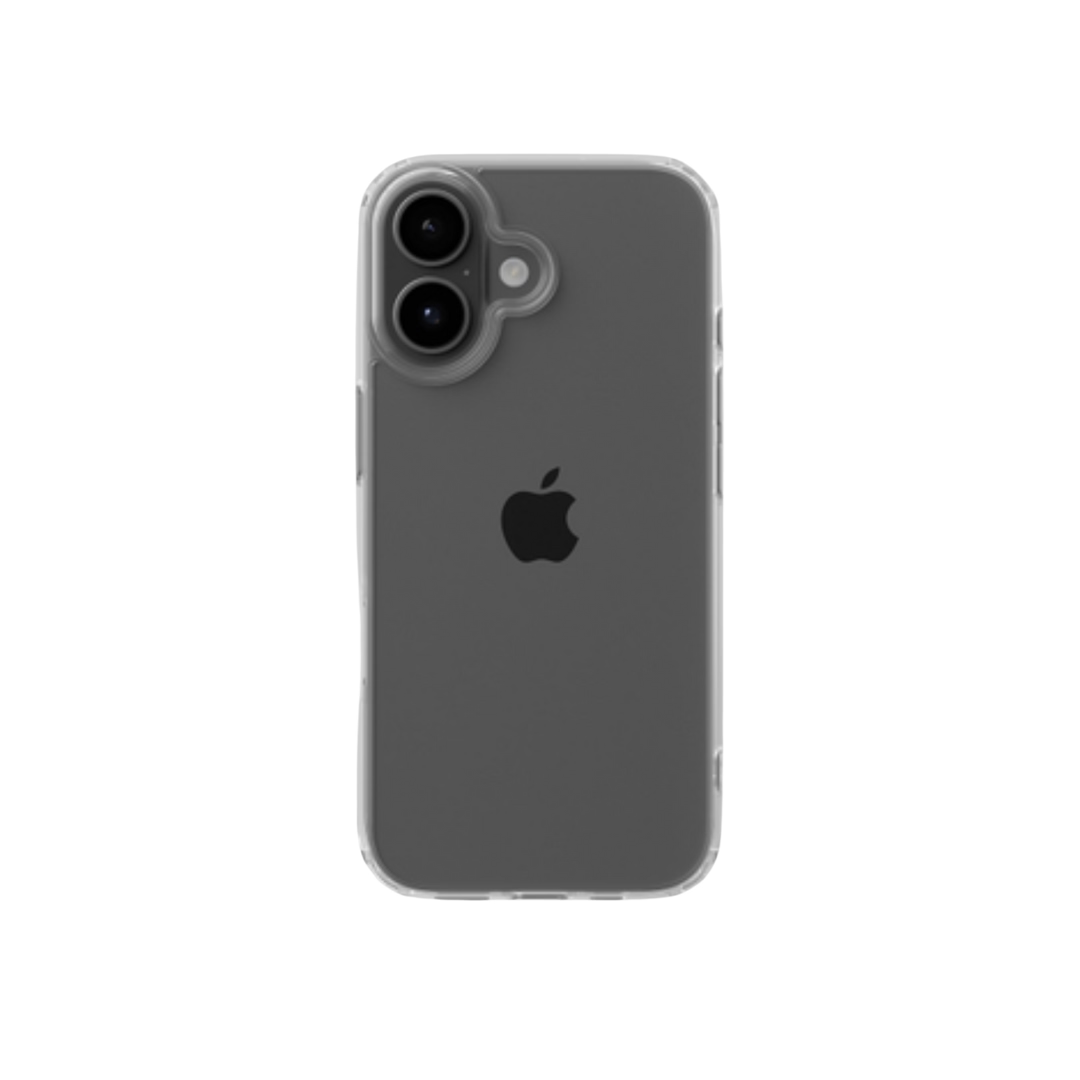
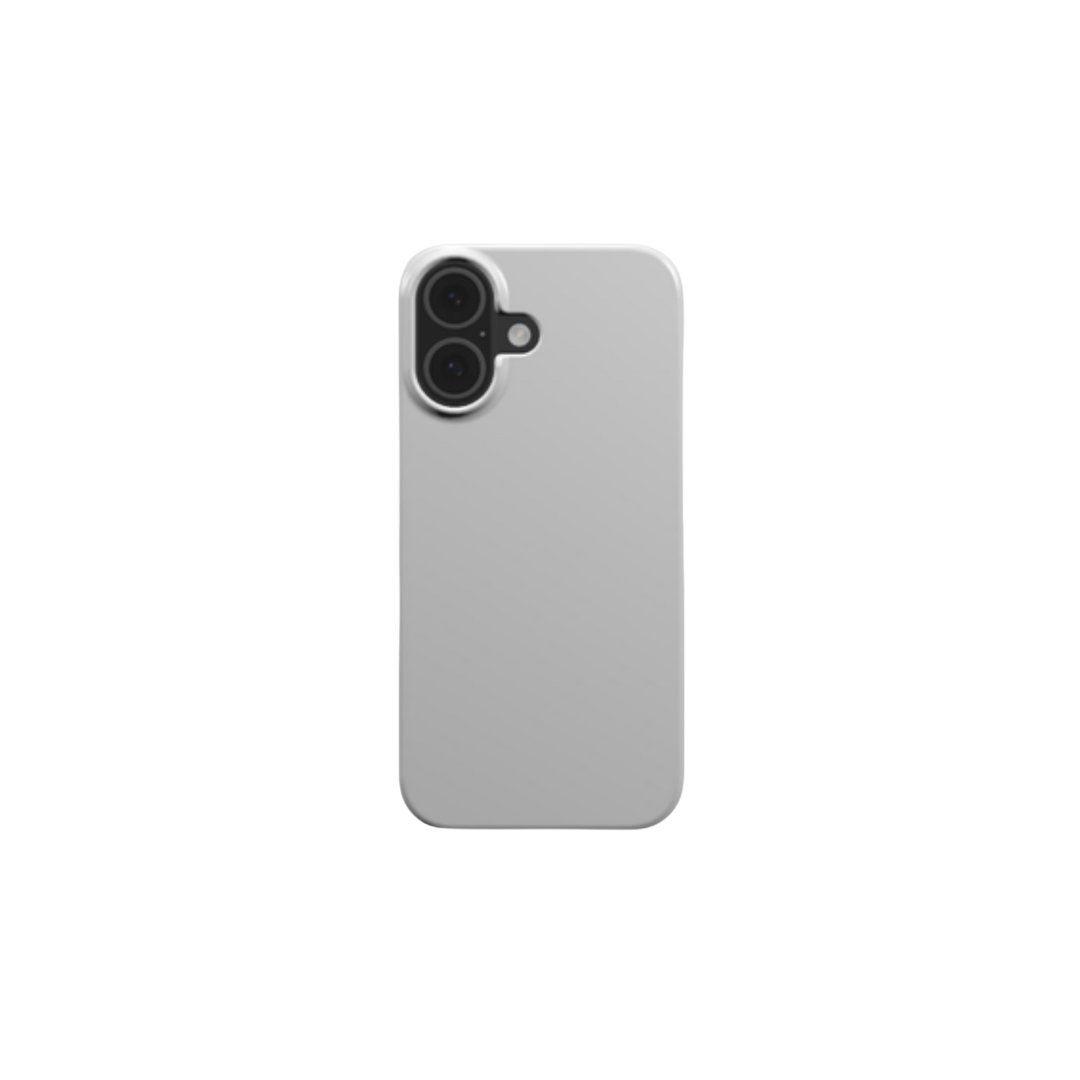
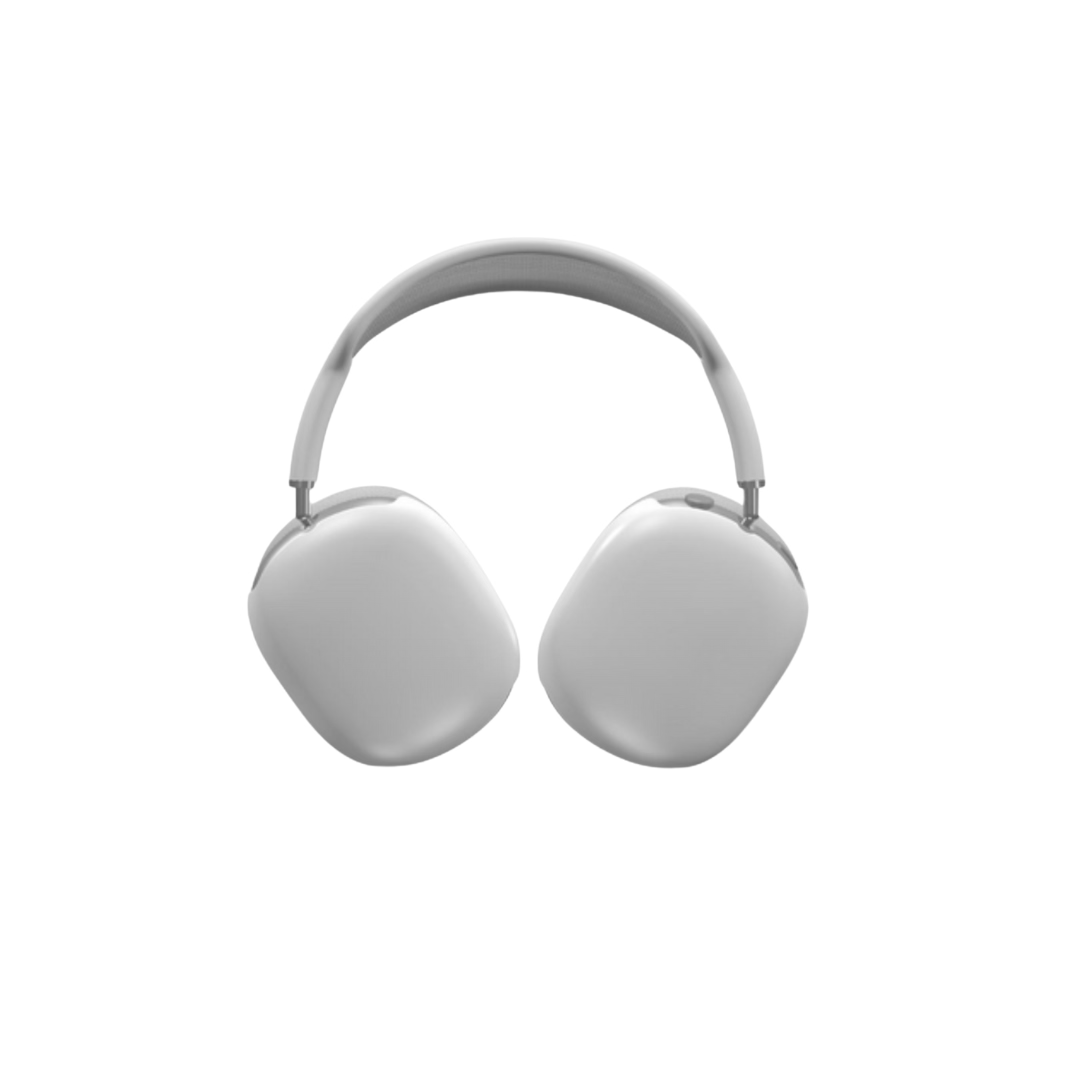
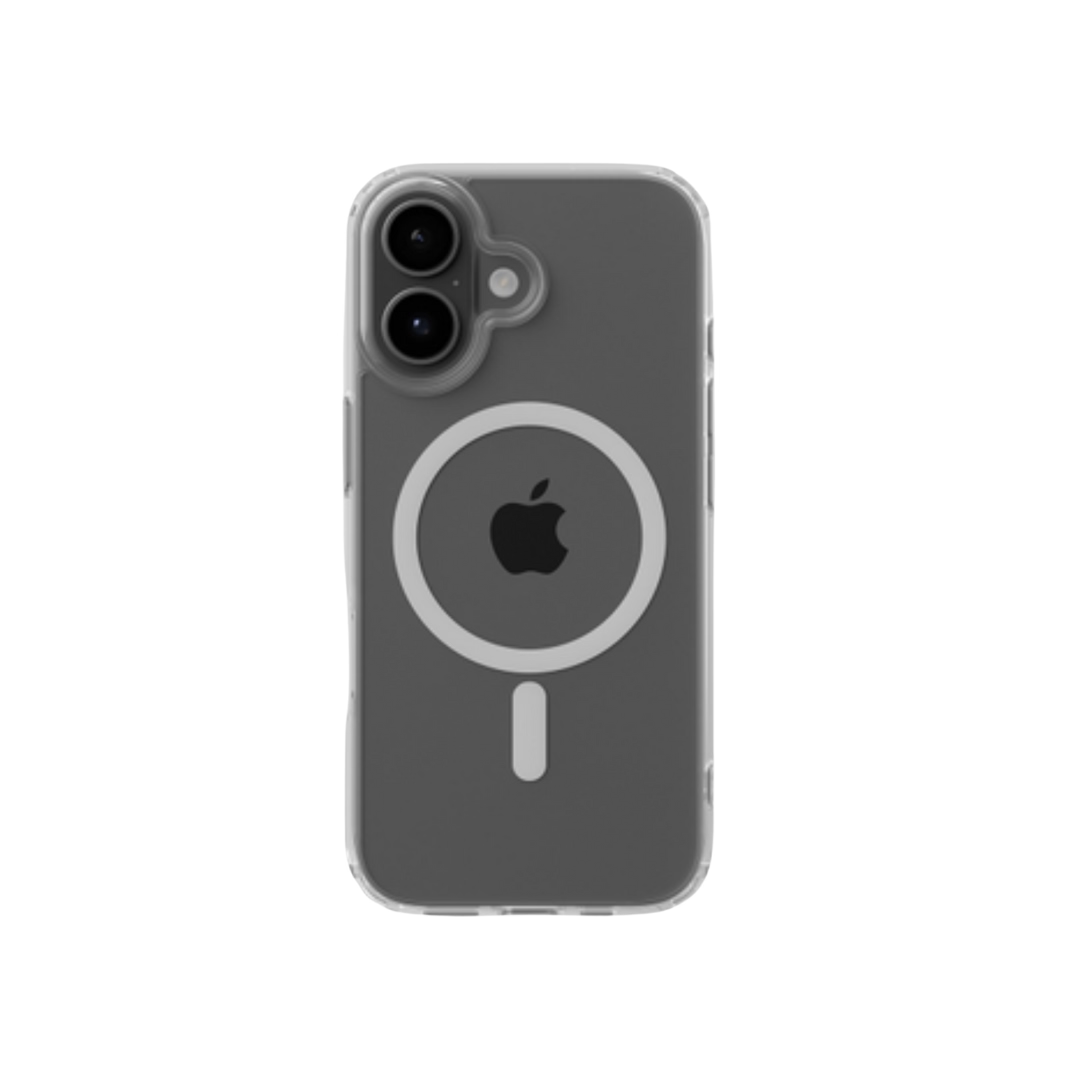
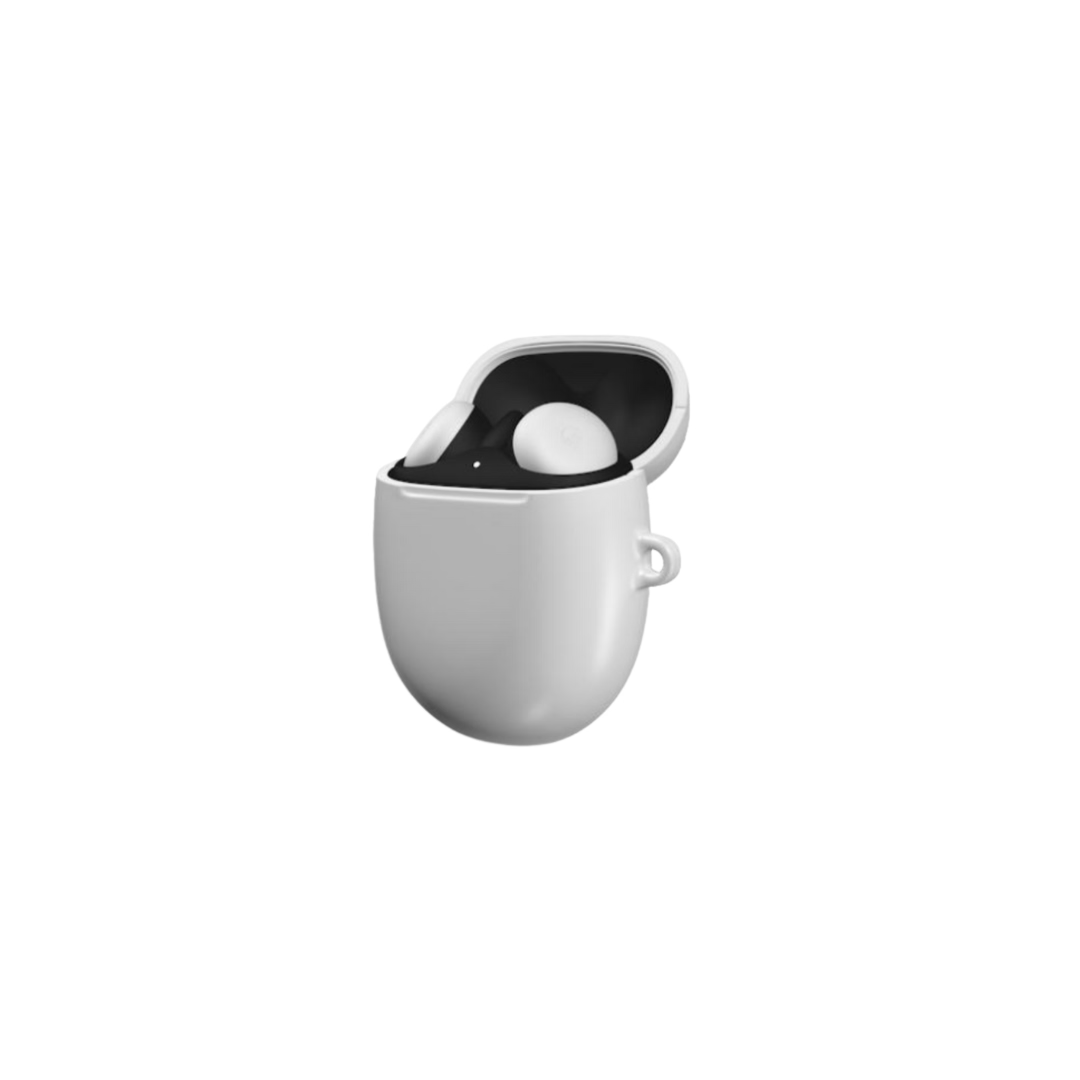
This is where the economics get interesting - and where the consensus advice falls short. Most “how to sell digital art” guides treat digital downloads as the main event and POD as a footnote. The numbers say the opposite. A digital file has near-zero marginal cost, which means it competes on price and is easy to copy. The same artwork on a custom phone case is a different business: Podbase sellers buy a case for around €10 and sell it for €35-60. As Head of Sales Sidas puts it, Podbase pricing runs “around 10 to 15% better margins than our competitors across most product categories, with certain products reaching up to 20%.”
There is a brand angle too. “Your art becomes a personal billboard,” in the CEO's words - on tech accessories people carry everywhere. Popular POD platforms for artists include Podbase, Printful, Printify, Gooten, Apliiq, and Gelato. Here is how the main ones compare:
Onboarding is fast, too: Podbase's average project setup dropped from about three months to under one with AI-assisted workflows. And quality compounds - sellers who migrated to Podbase's automated, quality-checked production saw a 15% increase in customer reviews and a 30% drop in order-issue support tickets.
Where to Sell Digital Art Online
Where you sell depends on the kind of art you make. The main options:
- Print-on-demand websites: Upload your designs to platforms like Podbase and sell them on wall art, tech accessories, and drinkware - printing, shipping, and customer service are handled for you.
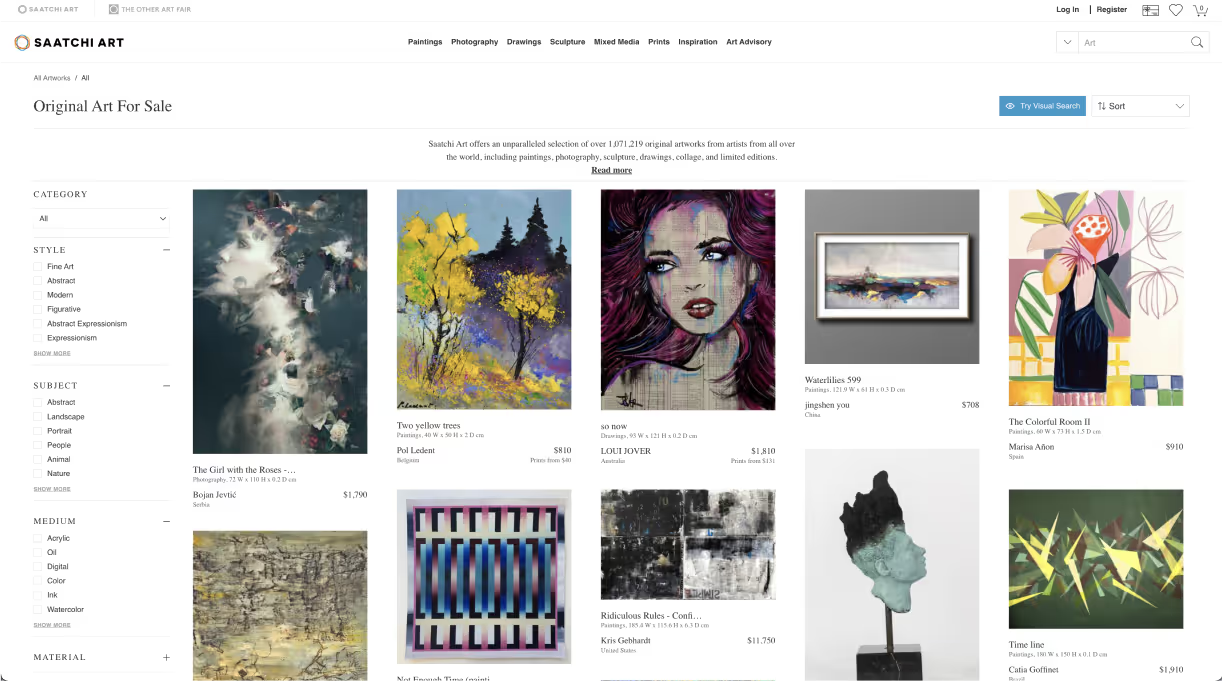
- Online galleries and marketplaces: Sites like Saatchi Art, Pixels, and Artfinder come with an existing audience of art buyers and collectors.
- Stock photo websites: Submit work to iStock, Adobe Stock, or Shutterstock and earn royalties on downloads.
- Your own store or website: Use Shopify, WooCommerce, or Squarespace for full control over how your art is presented and priced.
- Social media platforms: Sell and run ads through Facebook and Instagram marketplaces while building your brand and audience.
- NFT marketplaces: Platforms like OpenSea, Rarible, and SuperRare let you sell digital art as verified blockchain assets - though demand is far below its 2021-2022 peak.
Here’s what an NFT website looks like.

One caution on strategy. The instinct is to be everywhere at once, but that is exactly the approach that stopped working after 2026's search changes. As Podbase CMO Vytautas Mikaila observes, “the old way of doing organic - publish a lot, go broad, expect traffic - is clearly not enough anymore. The game is now about relevance, usefulness, specificity, freshness.” The same logic applies to sales channels: pick two or three that fit your art and audience, and go deep, rather than spreading thin across all of them.
How to Market Your Digital Art
Creating and listing your art is only half the job - marketing is what turns it into sales. A few proven moves:
- Build an online presence: Set up a portfolio or website, stay active on social media, use SEO, and share your process to build trust and loyalty.
- Price competitively: Factor in materials, time, and perceived value; research your niche; and test models like tiered pricing or limited editions.
- Protect your work: Understand copyright, register where appropriate, and use watermarks or POD products that remove file-theft risk entirely.
- Collaborate and cross-promote: Partner with artists, influencers, or brands whose style aligns with yours to reach new audiences.

Speed of execution matters more than perfection. Podbase's sales data is striking: “if a seller places a sample order within the first two days of opening their store and has at least five products published within 30 days, they are already ahead of 80% of POD stores. If they make ten sales, they are in the top 10%.” Sellers who plug into a community or mentor scale about 32% faster than solo operators - so launch quickly, then iterate.
Also Read:
- 7 Best Print On Demand Services For Artists
- WooCommerce vs Shopify: Which Platform Is Right for You?
- Dropshipping Statistics 2026: Key Trends & Industry Insights
FAQ
1. How do I start selling digital art online?
Start by digitizing and exporting your art in high resolution, then upload it to a print-on-demand platform like Podbase. List your designs on products such as phone cases, wall art, and drinkware. When a customer buys, the provider prints and ships the order, so you earn without holding any inventory.
2. Is selling digital art still profitable in 2026?
Yes. Digital art's share of high-net-worth collections jumped from 3% in 2024 to 13% in 2025, and the global print-on-demand market is growing about 25% a year. Profitability comes from margin: Podbase sellers buy products near €10 and sell them for €35-60, far above what copy-paste digital files earn.
3. What file format is best for selling digital art?
PNG and TIFF are best because they use lossless compression and preserve detail; JPG works when file size matters. For print-on-demand products, Podbase's operations team recommends submitting designs in high resolution and the CMYK color space, since that produces the most accurate, spectrophotometer-verified color on the final printed product, with no surprises between screen and print.
4. How do print-on-demand services make money for digital artists?
Print-on-demand lets you sell artwork on physical products without inventory. You upload a design, set a retail price, and the platform prints and ships each item after purchase. You keep the margin between the base cost and your price - typically 10-15% higher at Podbase than at other print-on-demand platforms.
5. How do I protect my digital art from being stolen?
Watermark previews, register copyrights, limit downloads, and password-protect files when selling digital downloads. A more durable approach is selling print-on-demand products: because the value lives in the physical item and fulfillment, not a copyable file, print-on-demand sidesteps most digital theft while still showcasing your art to buyers worldwide and earning on every physical sale.
6. Where is the best place to sell digital art?
The best place depends on your art, but options include print-on-demand platforms like Podbase, online galleries such as Saatchi Art and Artfinder, stock sites, your own store, social media, and NFT marketplaces. For physical products and reliable margins, print-on-demand platforms offer the widest reach with the least risk, since the platform handles printing, shipping, and customer service for you.
Conclusion
Selling digital art online in 2026 is a genuine business - but the artists who win are the ones who stop thinking of their work as a file to download and start thinking of it as a product to own. Downloads have their place, yet the margins, the brand, and the protection from theft all point the same direction: physical, print-on-demand products. With wall art prints, tech accessories, and drinkware, Podbase turns your designs into products buyers love, with higher margins and zero inventory risk. Create a free Podbase account today to get started.

Saulius Meilutis is the CEO of Podbase, helping creators and entrepreneurs monetize their ideas with print-on-demand. He shares insights on eCommerce, growth, and building lean online businesses.

.avif)



.avif)
.avif)
.avif)
.avif)
.avif)
.avif)

.avif)



.avif)
.avif)

.avif)

.avif)

.avif)