Print-on-demand (POD) is an ecommerce model where custom products are created only after a customer places an order - so you never hold inventory or risk unsold stock. It is one of the most accessible ways to start an online business, which is why the market keeps growing fast.
According to recent market data, the global print-on-demand market reached roughly $12.96 billion in 2025 and is projected to grow about 25.3% a year, on track for around $75.30 billion by 2033.

But what exactly is print-on-demand, and how can your business benefit from it? In this post we cover everything you need to know - from how POD works to how you can get started - with data from our own production line built in. Let’s go.
What is Print-on-Demand?
Print-on-demand (POD) is an innovative ecommerce business model where customized white-label products, such as clothing or home decor, are created and sold on an as-needed basis. This eliminates the need to manage large-scale inventory, creating room for more flexibility and efficiency in meeting demand.
POD lets you outsource production after the sale - from printing to packaging to shipping - to your provider. This frees up your time and keeps operational costs low.
A common mistake is to confuse print-on-demand with dropshipping. They are not the same. Dropshipping resells pre-made products from a third-party supplier that handles production and fulfillment. POD, by contrast, gives you more control over the quality and appearance of your products, because you customize them with your own designs and branding.

That control is exactly where the provider you choose matters most. “Print quality is our top priority - we put a lot of effort into color accuracy, durability, and consistency in every order, and we test a wide range of materials before even launching a product,” says our Operations team. The POD model removes inventory risk, but the provider determines whether your finished product reinforces your brand or undermines it.

The print-on-demand model is perfect for ecommerce entrepreneurs who want to offer unique, personalized products with minimal logistical or cost requirements. It is also a great way to test new business ideas without spending heavily on inventory.
Also Read:
- Printful vs Printify: Which Print On Demand Platform Wins in 2026?
- How to Make Money on Etsy: Complete 2026 Guide
How Does Print-on-Demand Work?
Print-on-demand is a simple, convenient way to create and sell custom products online. Here is an A-to-Z breakdown of how it works.
1. Product Design and Creation
The process begins with a product design - your chance to showcase your brand identity through logos, slogans, images, or patterns. Create unique designs with graphic software like Photoshop, Illustrator, or Canva. Keep in mind:
- Designs must be original and not infringe on intellectual property rights.
- Designs should be high quality and high resolution.
- Designs must fit your provider’s product specifications and dimensions.
2. Integration with a POD Platform
Next, integrate your online store with a print-on-demand provider that handles printing and fulfillment. Compare providers on product quality, shipping options, pricing, and integrations. Podbase offers exceptional quality and fast turnaround at a reasonable price, starting at $6 per unit - and average onboarding for a new project has dropped from three months to under one with our AI-assisted workflows.
3. Listing Products for Sale
Once integrated, upload your designs, choose the products to print them on, and list them in your store. Then promote them with social media, email, SEO, and influencer marketing to drive traffic.
4. Fulfilling a Customer Order
When a customer orders, the details are sent automatically to your POD provider. There is little to no involvement from you - the provider handles the entire fulfillment process, so you never manage inventory or stock.
5. Printing and Fulfillment
The provider prints the design using methods like direct-to-garment (DTG) or all-over printing (AOP) for apparel. For tech accessories, the methods differ: at Podbase a print runs 6 to 8 hours depending on whether we use sublimation, UV printing, or heat press, with assembly and packaging adding about two hours and quality checks between every stage.

AOP printing uses a large-scale printer to print on fabric that is then cut and sewn into the product. Whatever the method, the finished item is packaged and shipped directly to your customer with your brand name and design.

6. Payment and Profit
Customers pay through your store via PayPal, Stripe, or card. The provider deducts production and shipping costs, and your profit is the difference between the retail price and those charges. With Podbase pricing running roughly 10-15% better than other POD providers, more of each sale stays with you - a case bought at about EUR 10 can sell for EUR 35-60.
7. After-Sale Service
Post-sale service - customer questions, complaints, refunds, exchanges - is typically handled by you, though some providers help here too. Check your provider’s terms to see what after-sale support it offers and how it handles disputes.
Advantages of Print-on-Demand
Print-on-demand is a convenient, cost-effective way to create and sell custom products online. It offers several advantages over traditional ecommerce models.
1. No Inventory Management
Managing inventory is one of the biggest challenges in traditional ecommerce - you buy stock in advance, store it, and track it, which is costly and risky. With POD, products are produced only after a sale, eliminating excess stock, storage fees, inventory taxes, and waste. “POD significantly reduces the risk of overstocking,” notes Justina, our Head of Product Development. “As demand for particular devices fades, we simply buy less and less material - we do not have to throw away undesired stock.”
2. Minimal Upfront Investment
Traditional ecommerce demands upfront spending on products, equipment, materials, and labor. POD removes that barrier - you make no significant financial commitment upfront, so the business can pay for itself with little to no risk. A few optional costs remain, such as advertising, apps and plugins, store hosting, a domain, a store theme, and payment or platform subscriptions.
3. Product Offering Flexibility
POD gives you a wide range of customizable products and the freedom to change designs or products on the fly. That makes it easy to test new products, enter new markets, and respond to customer feedback fast. We lean into this ourselves: when a new device launches, we usually have materials and product interfaces ready a couple of weeks ahead, so sellers can be proactive rather than reactive.
Also Read:
- Is Print on Demand Profitable? What the Numbers Say
- Best Print-on-Demand Niches: How to Find Profitable Ideas
Types of Products Available in POD
One of the best things about print-on-demand is that you can print on almost anything - if it has a printable surface, it can house your design. Here are the main categories and examples of each.
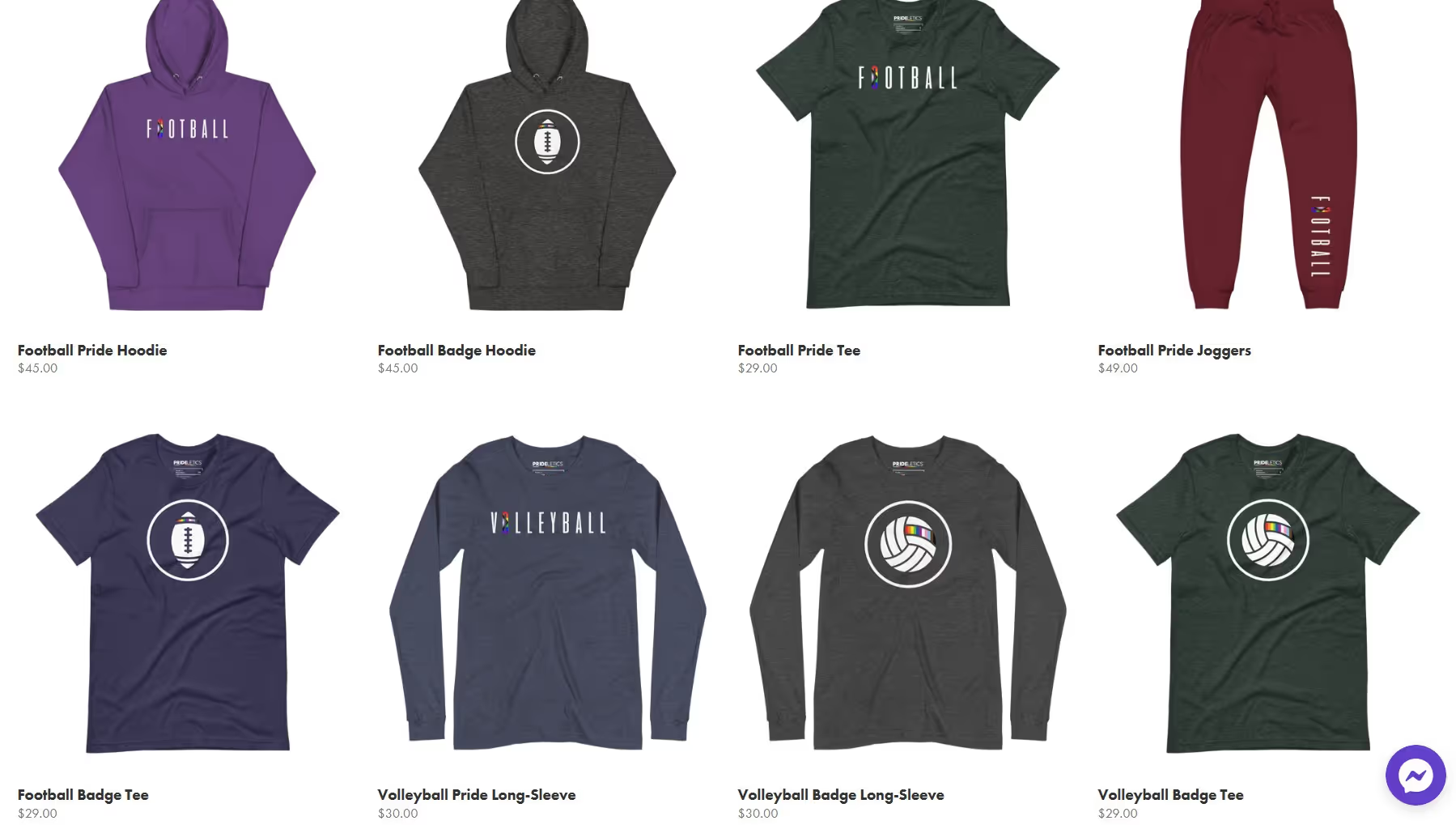
- Apparel: T-shirts, hoodies, dresses, leggings, tank tops, sweatshirts, jackets, skirts, and shorts.

- Accessories: necklaces, bracelets, hats, beanies, scarves, tote bags, backpacks, pouches, and socks.
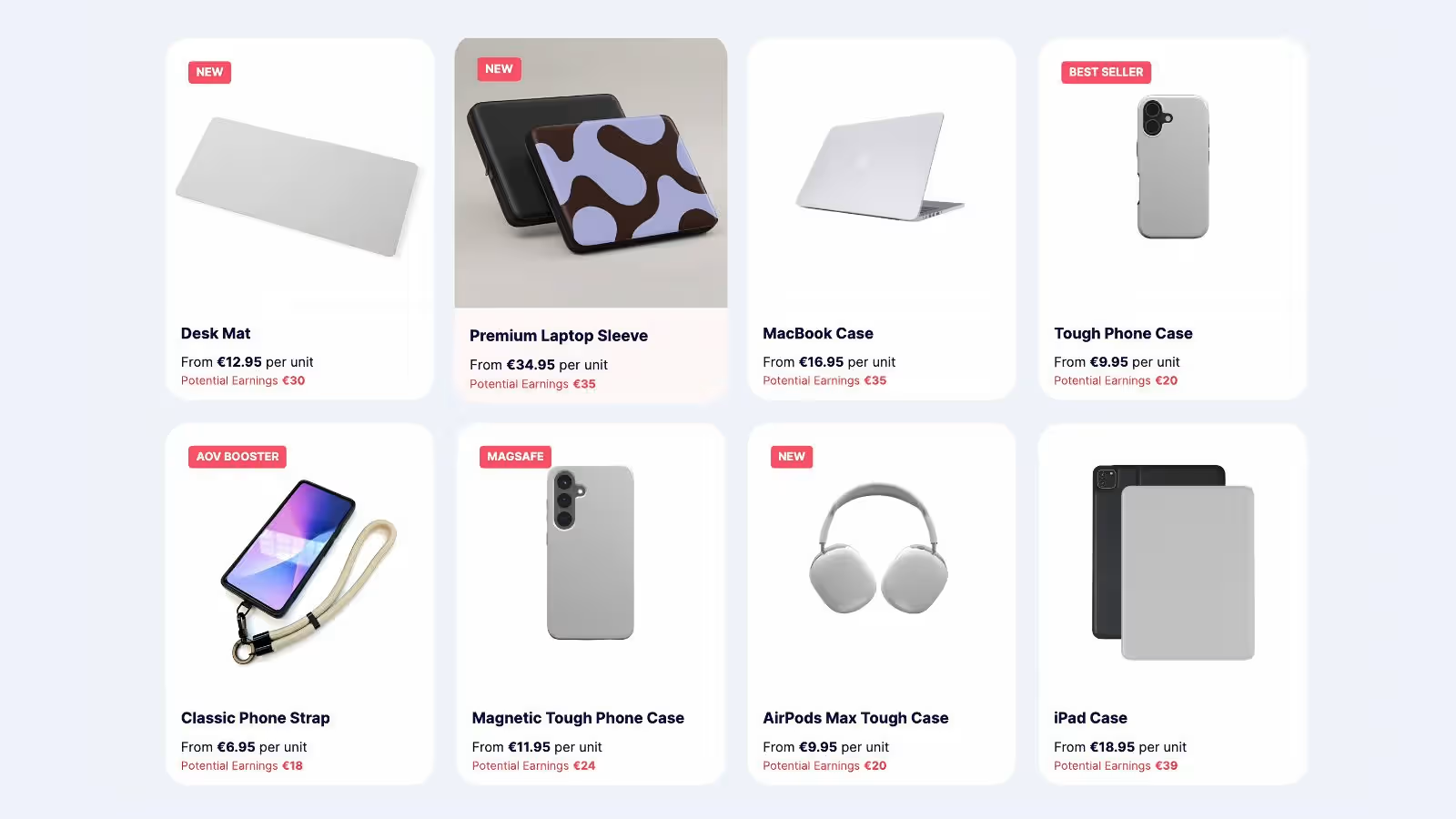
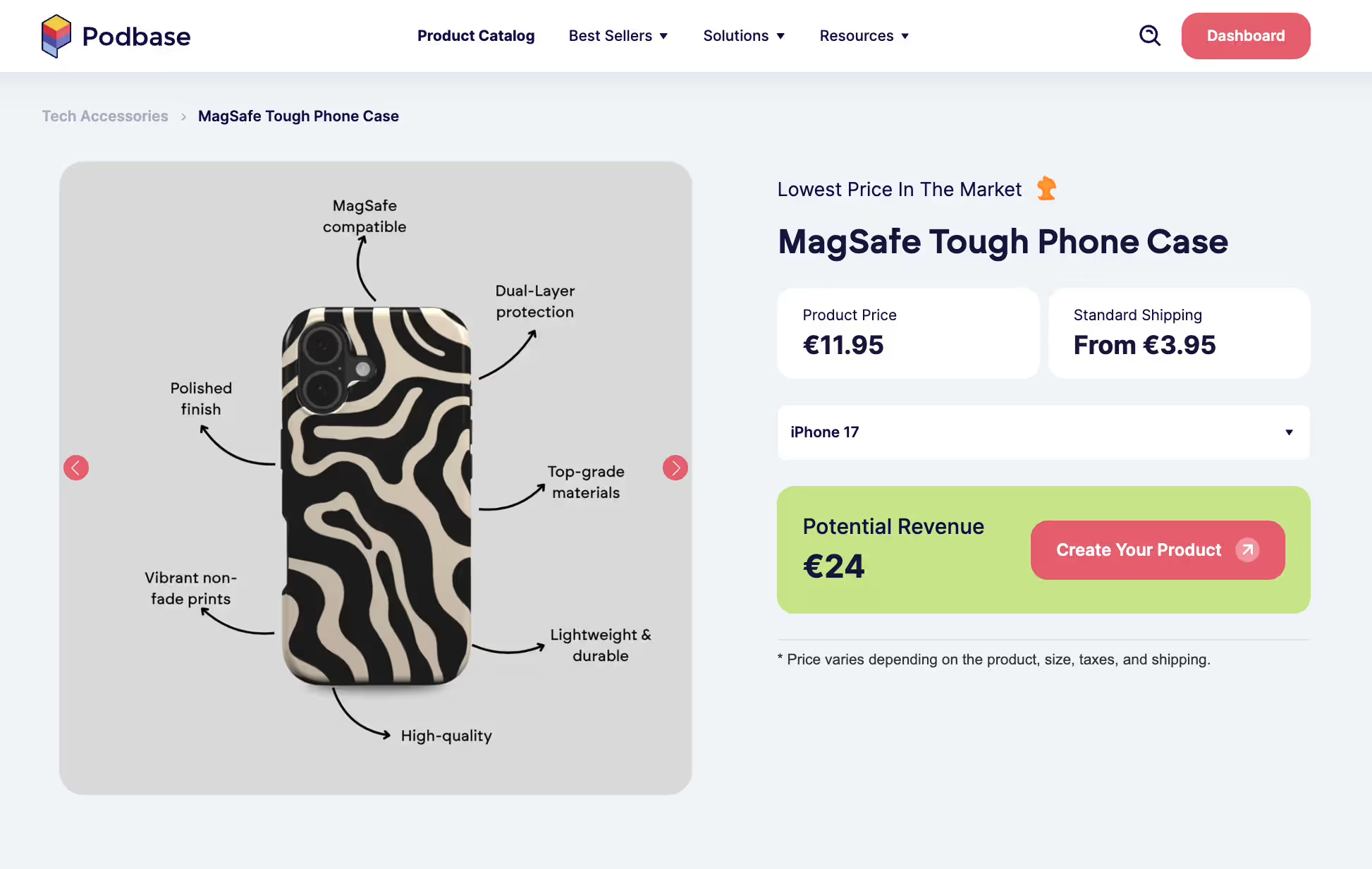
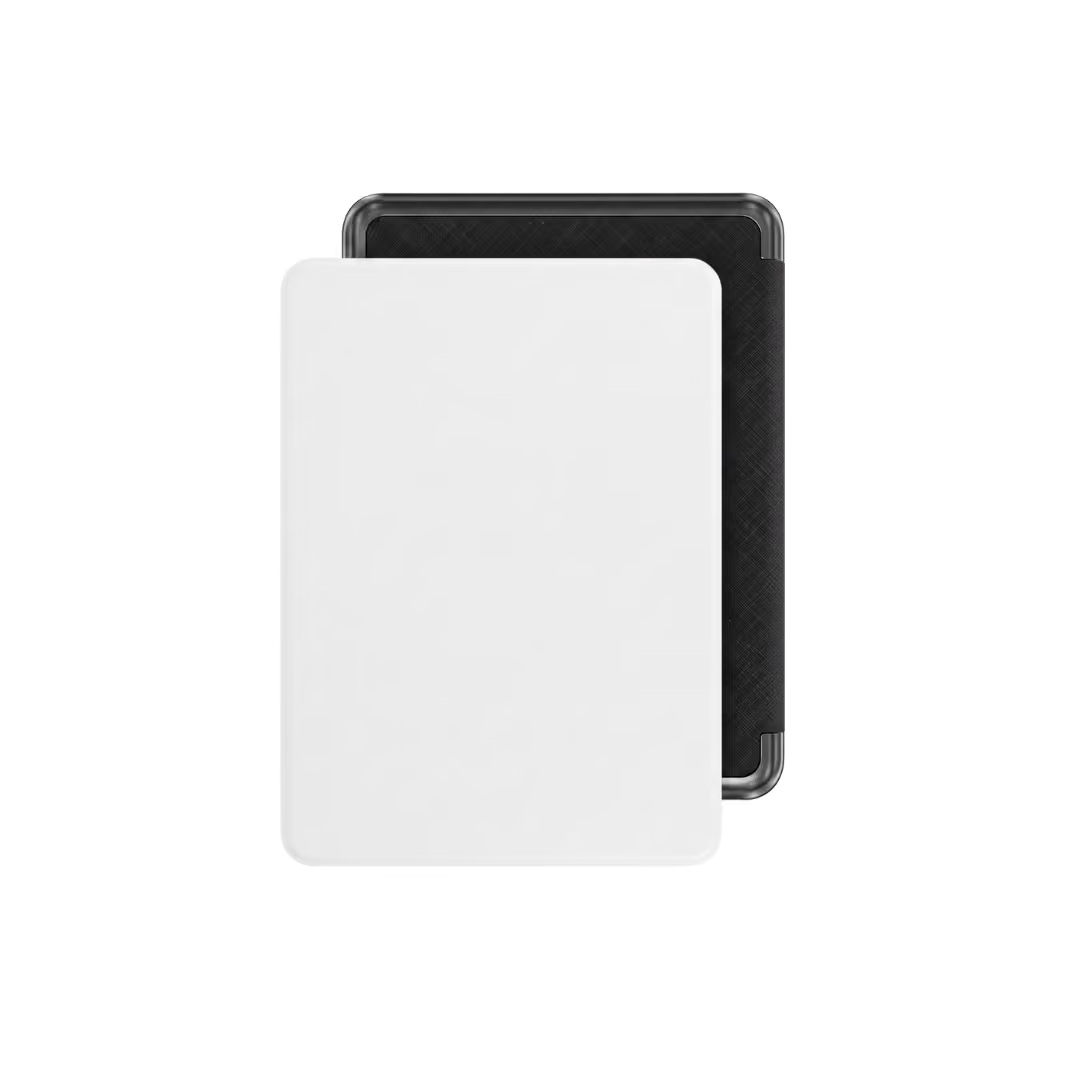
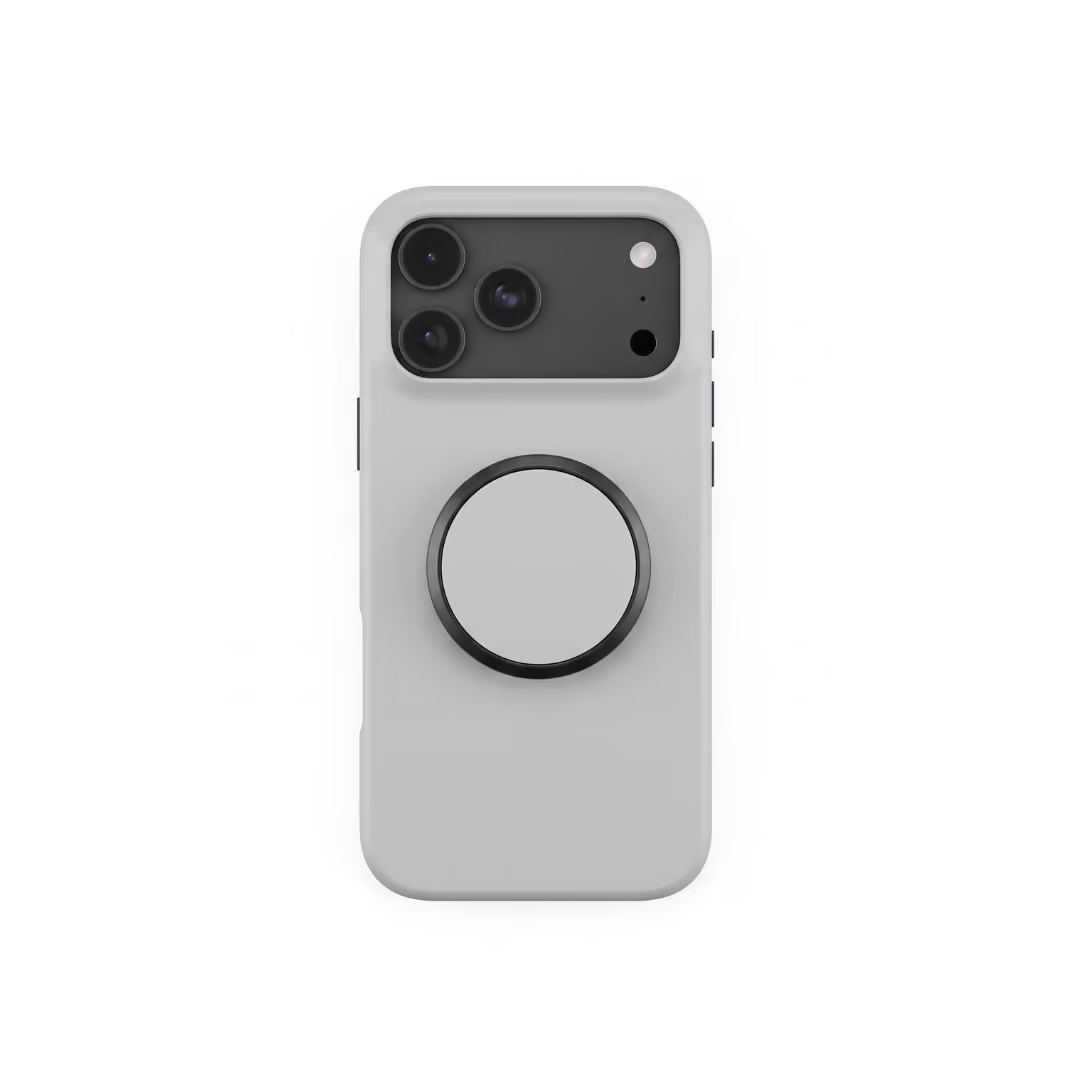
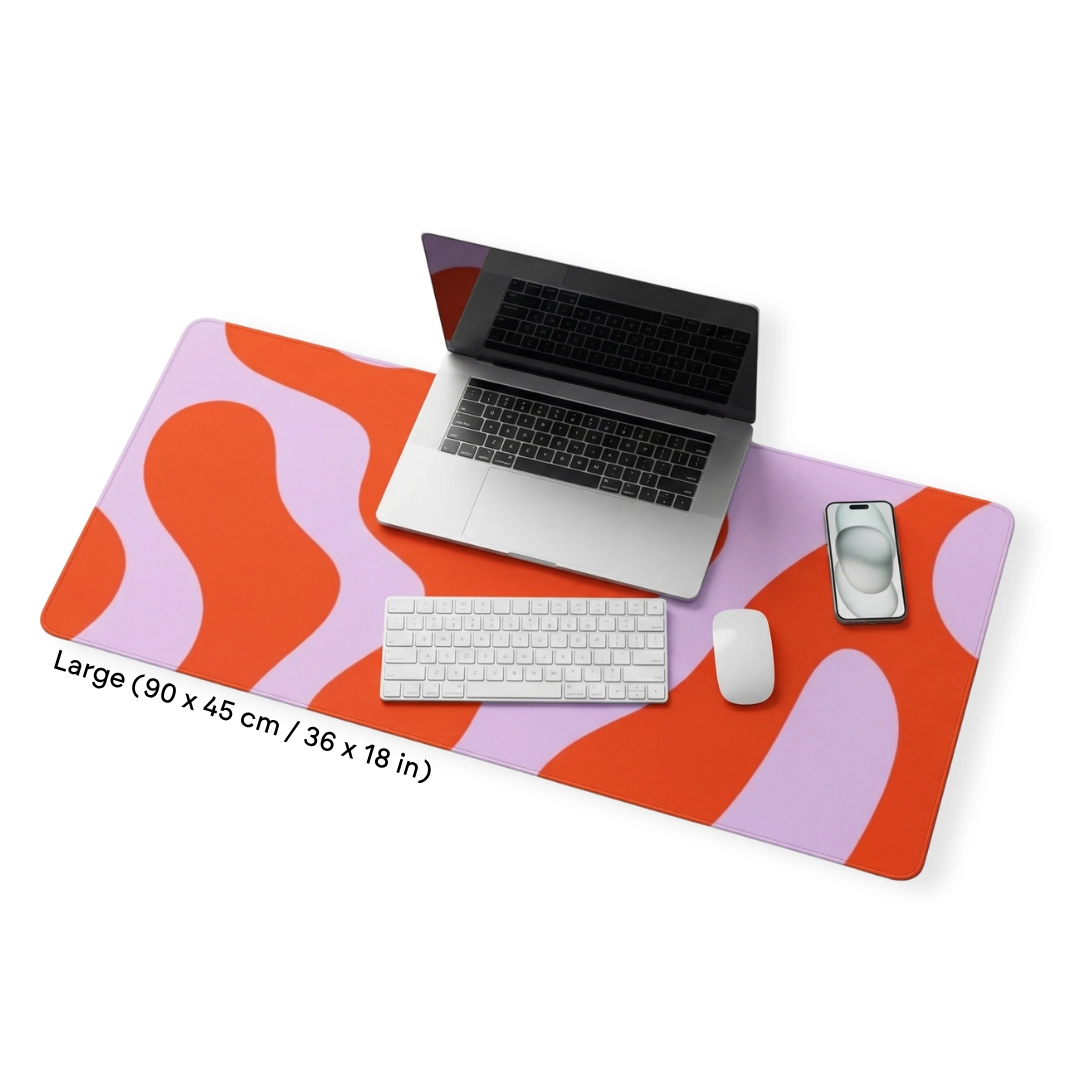
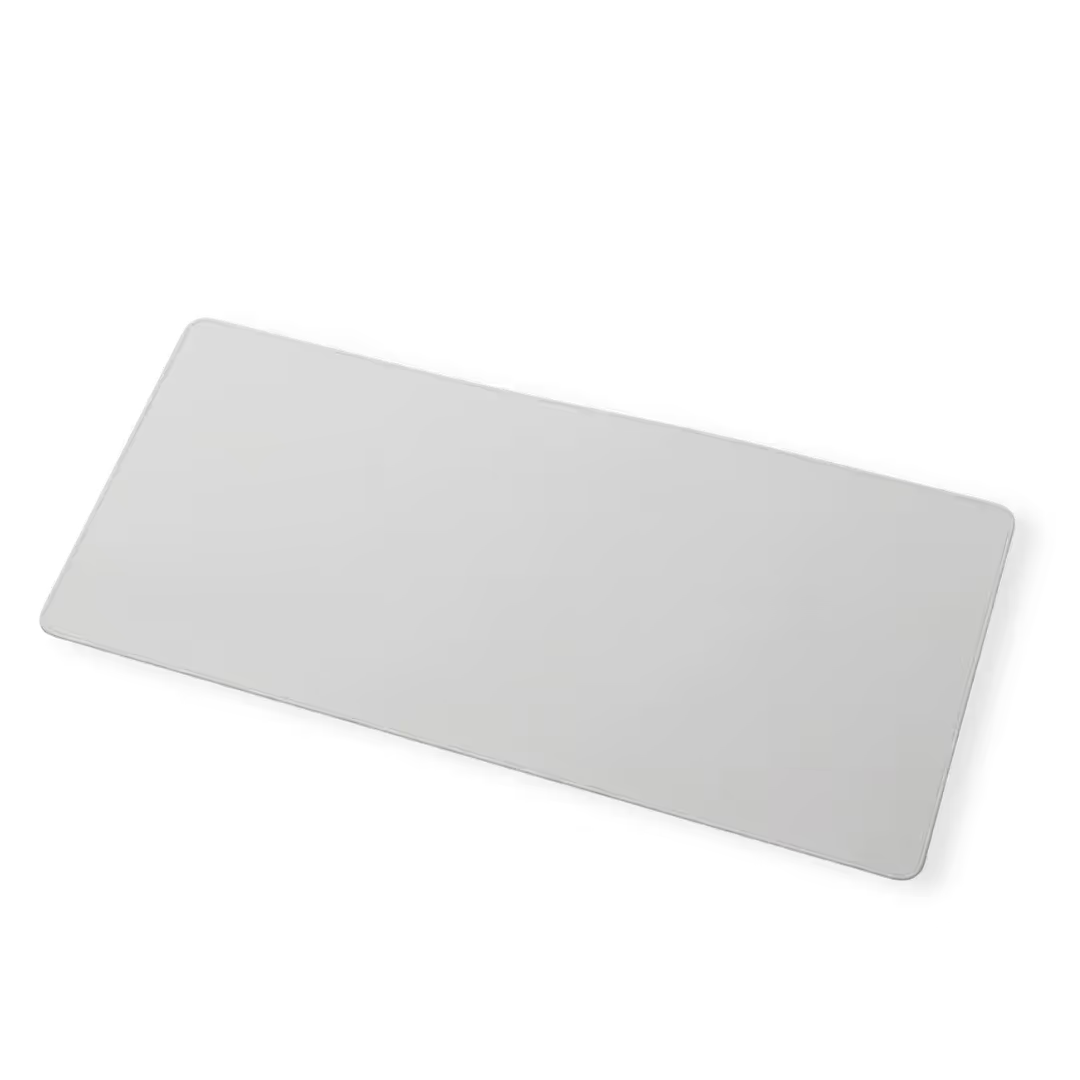
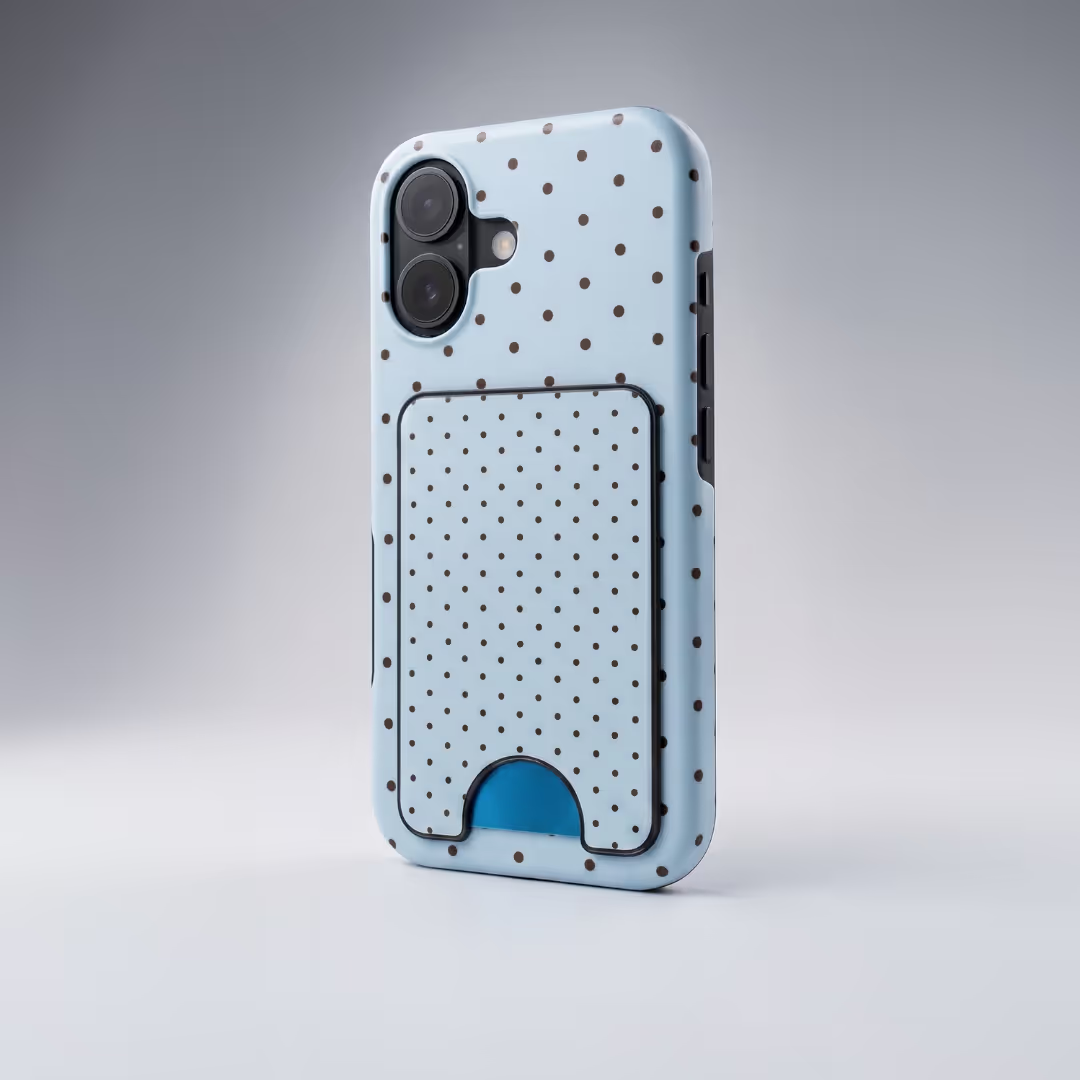
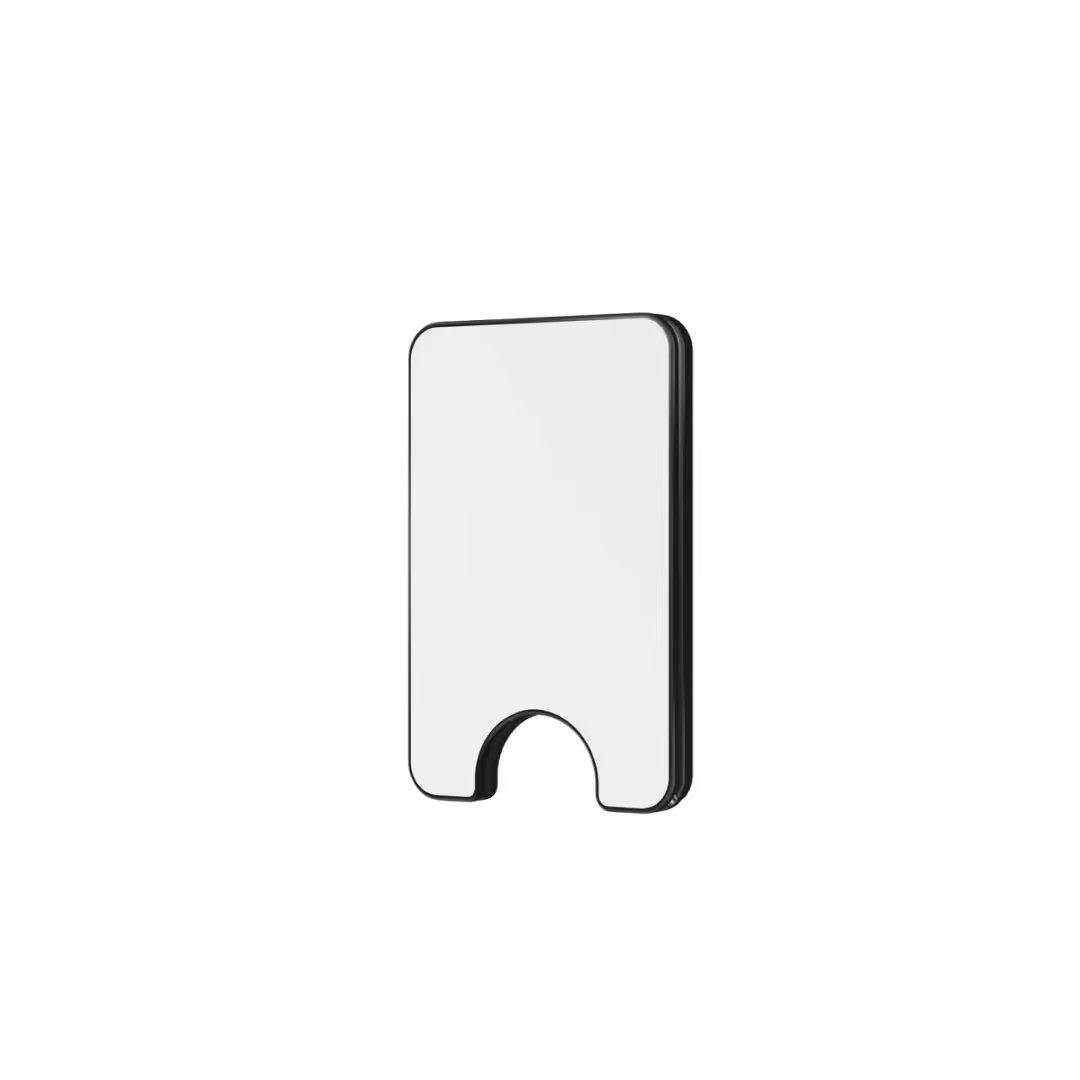
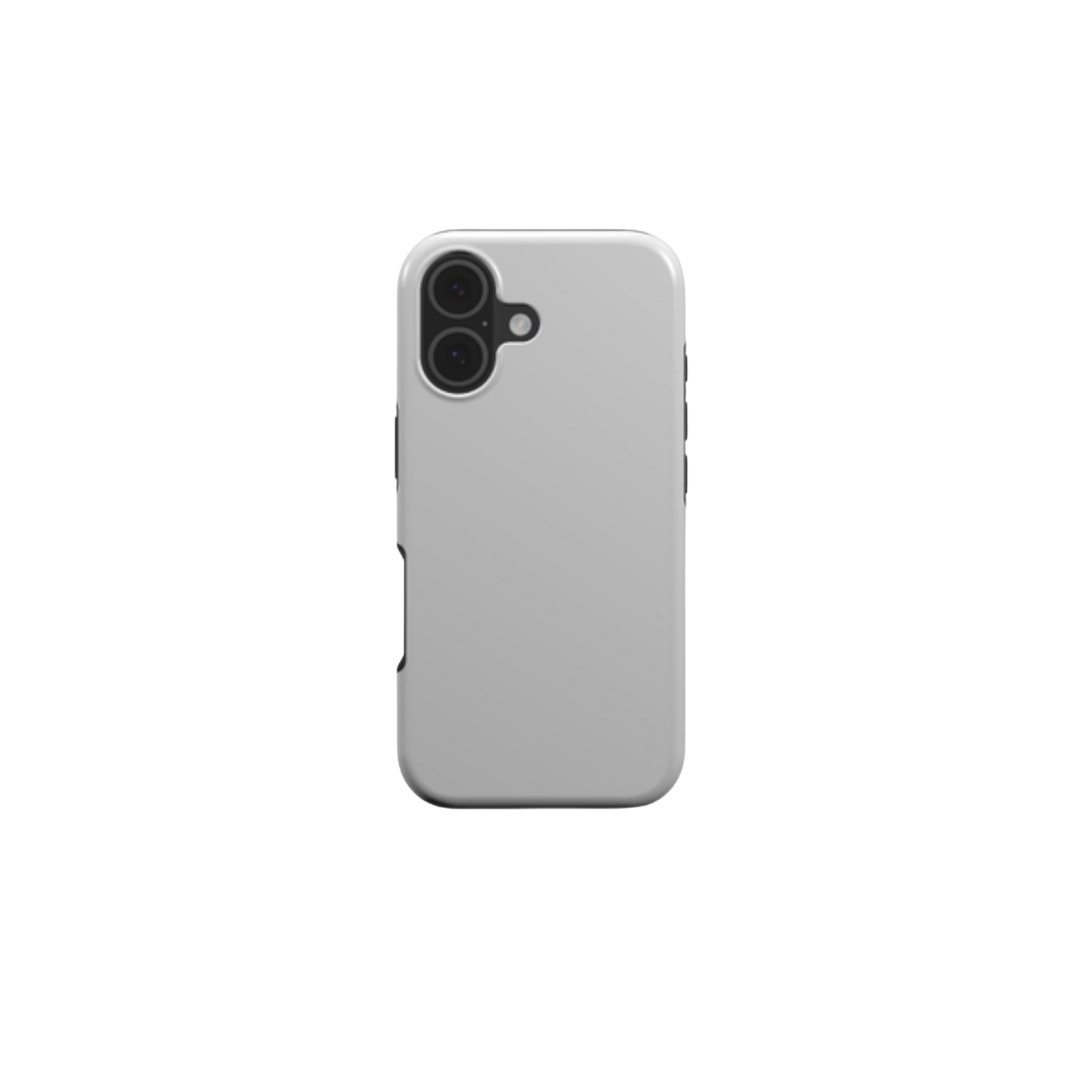
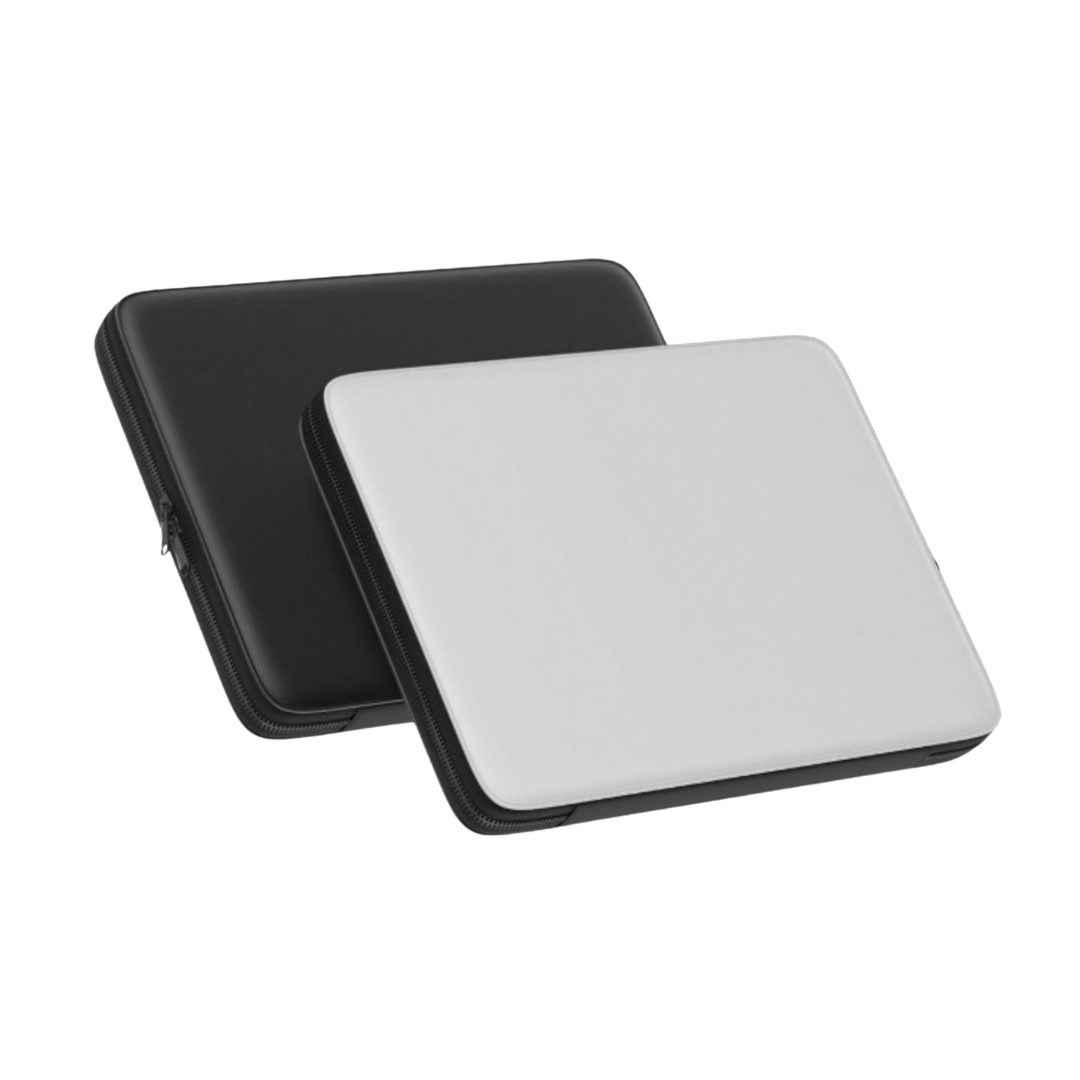
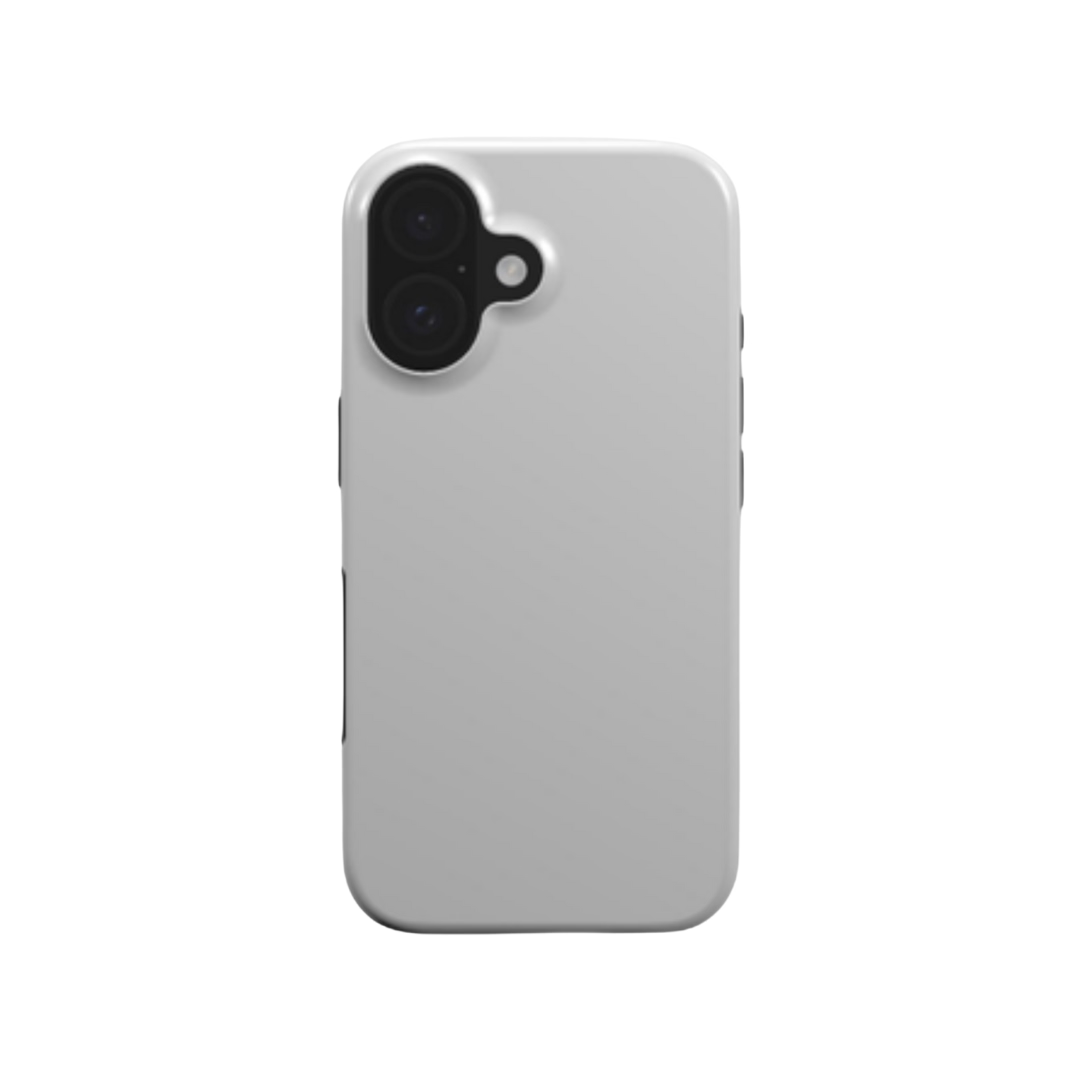
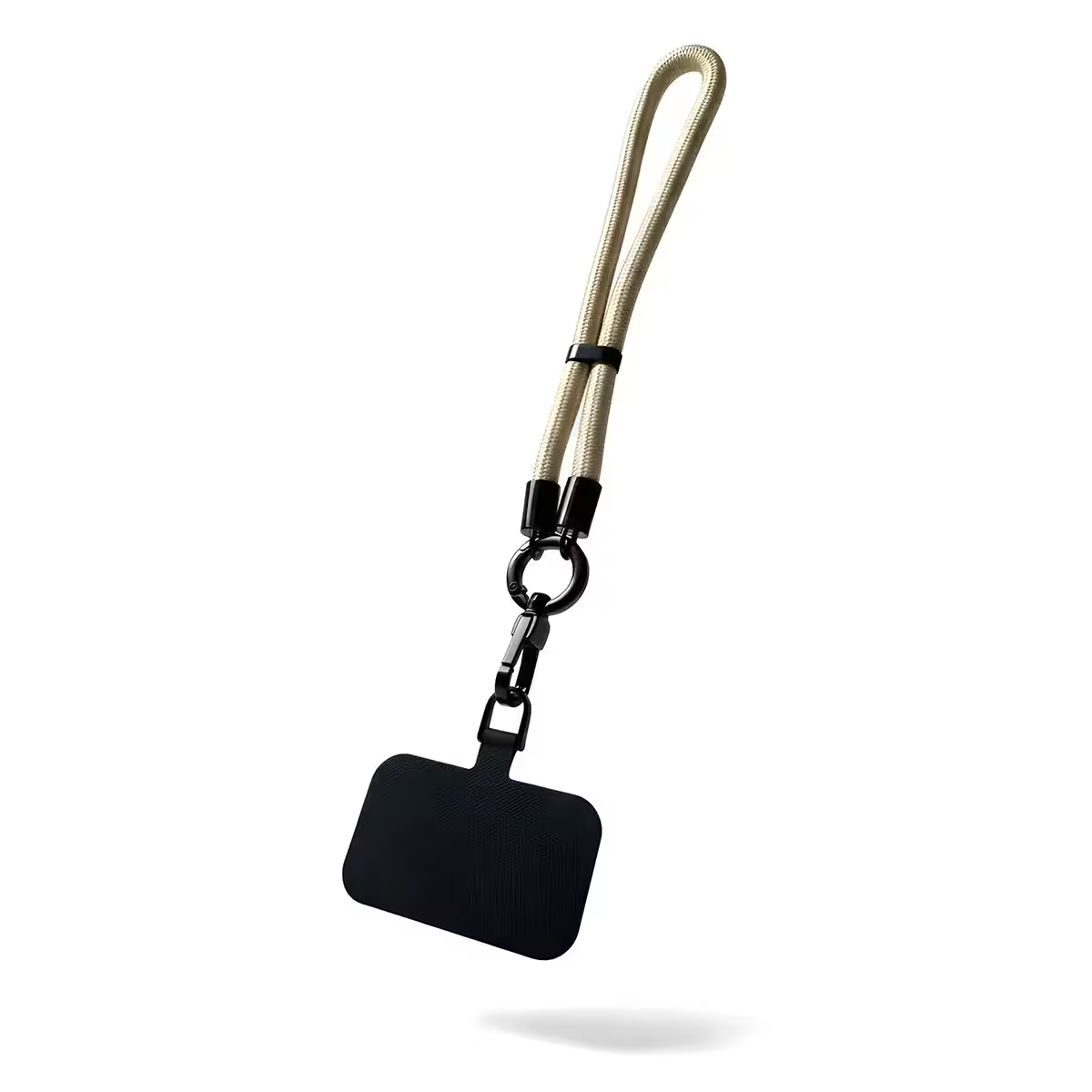
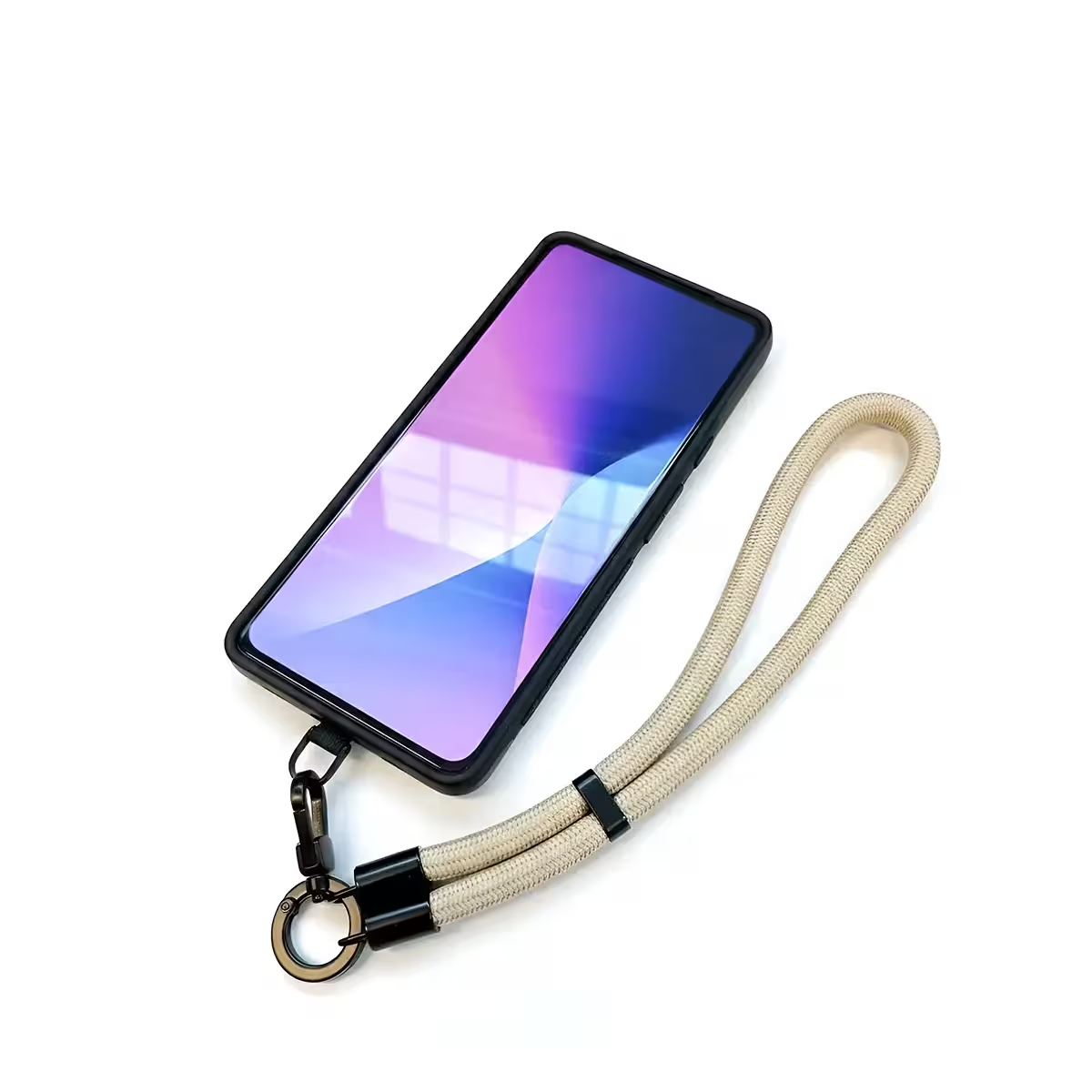
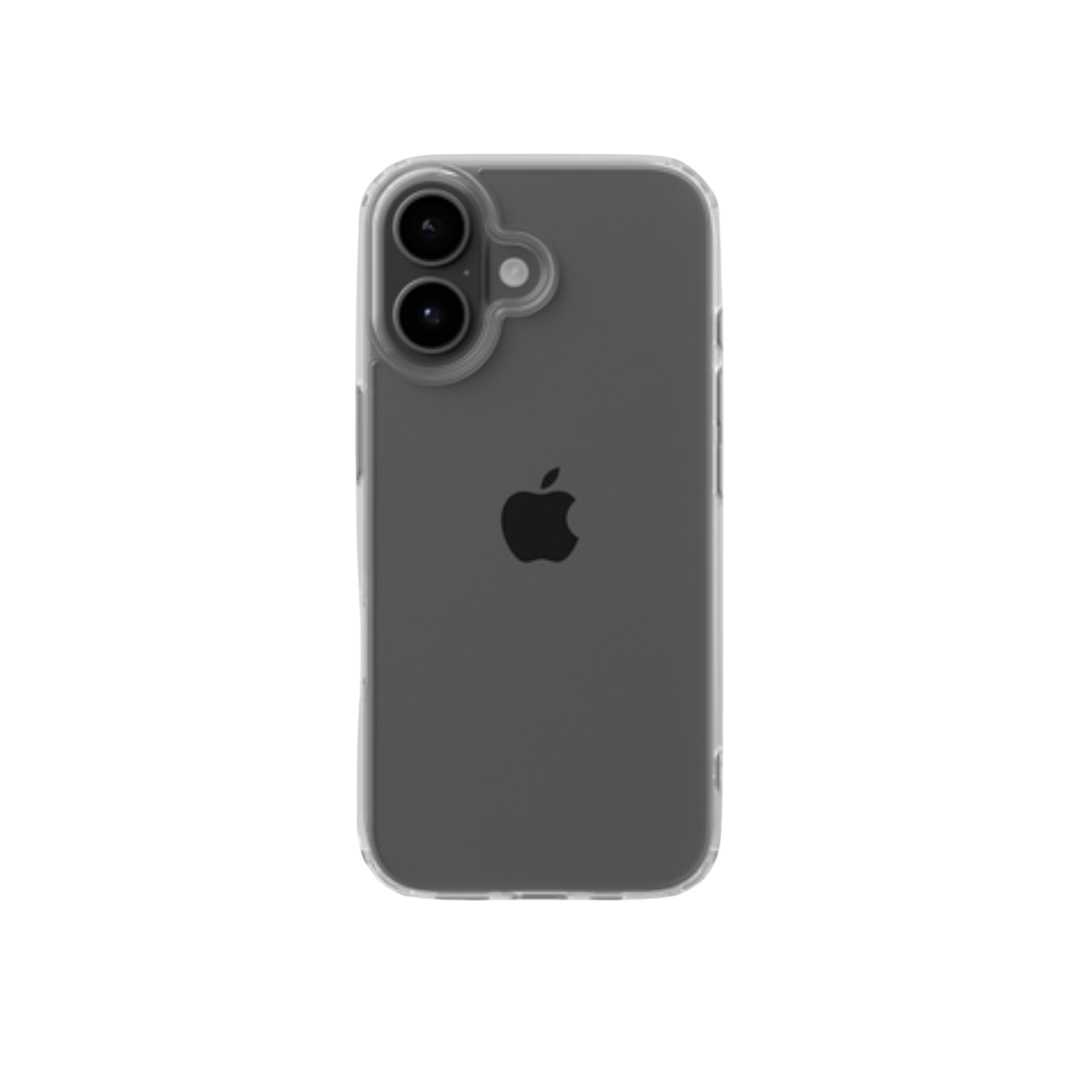
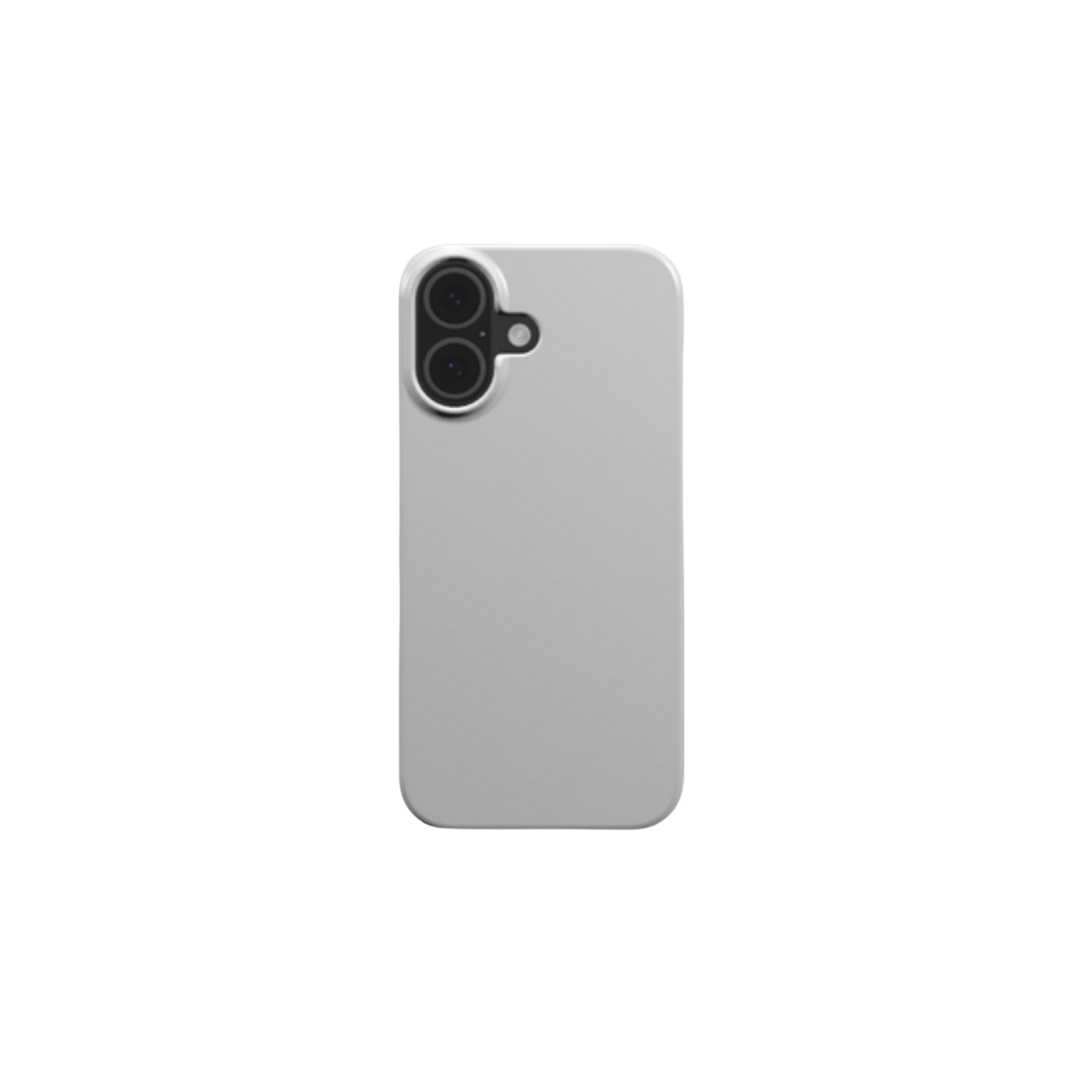
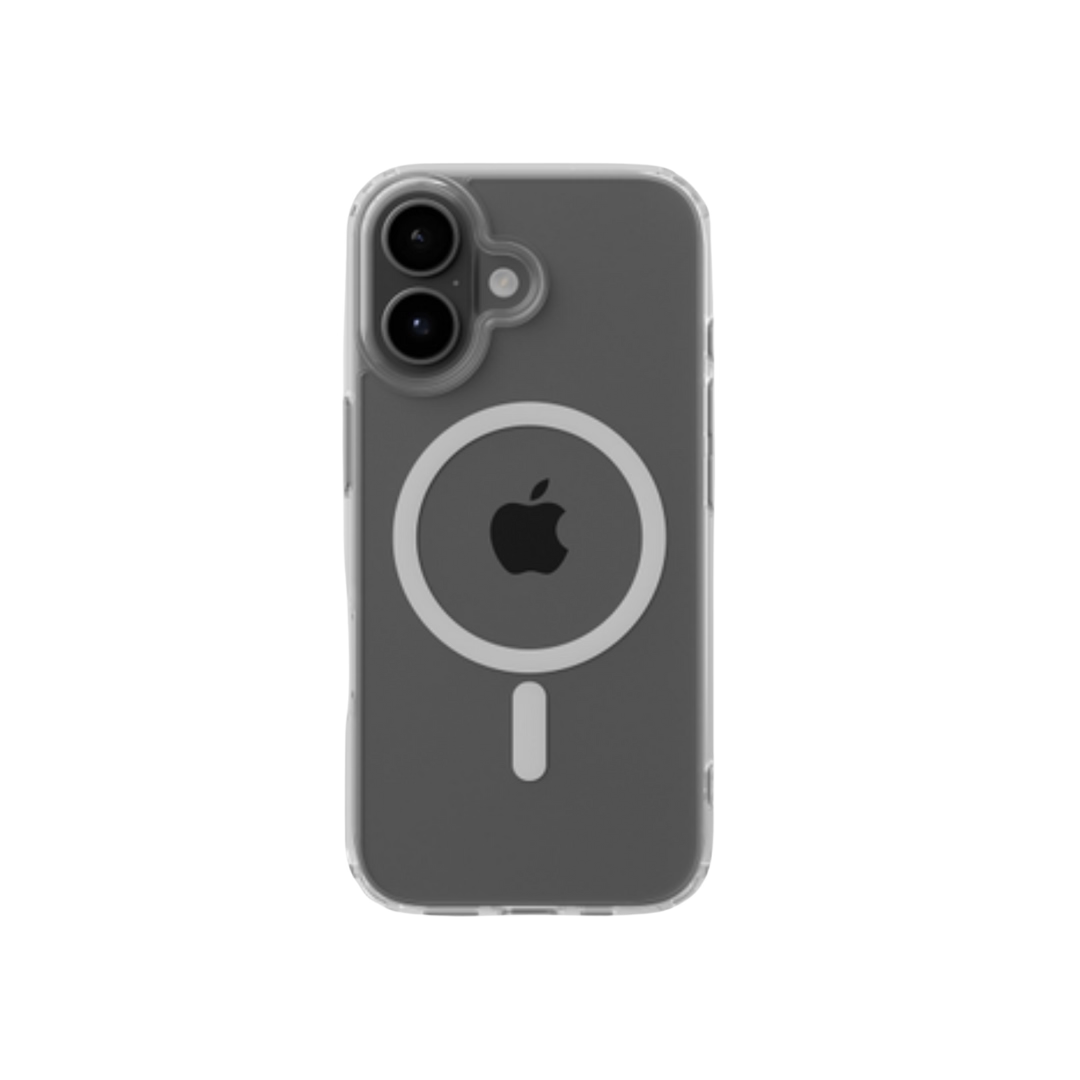
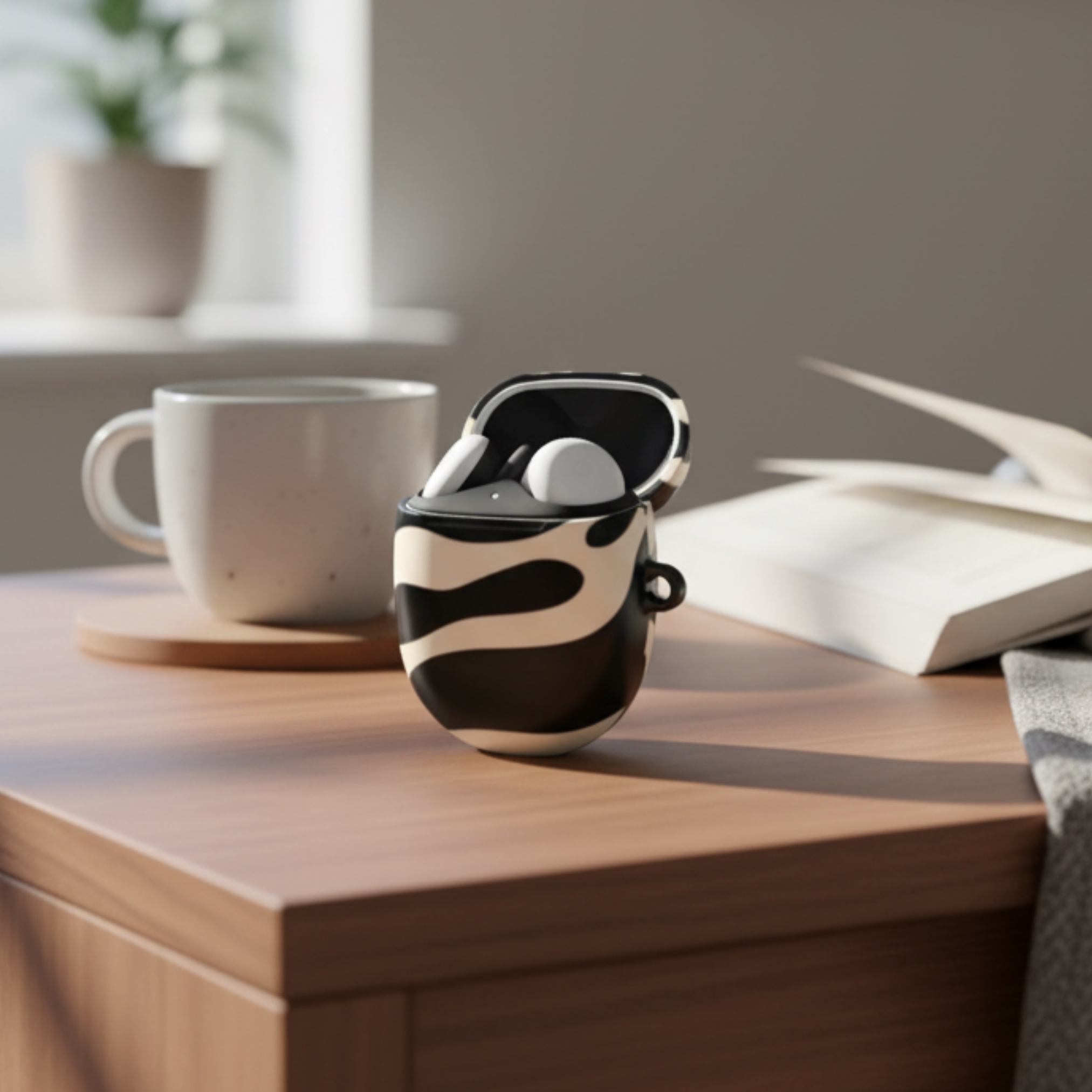
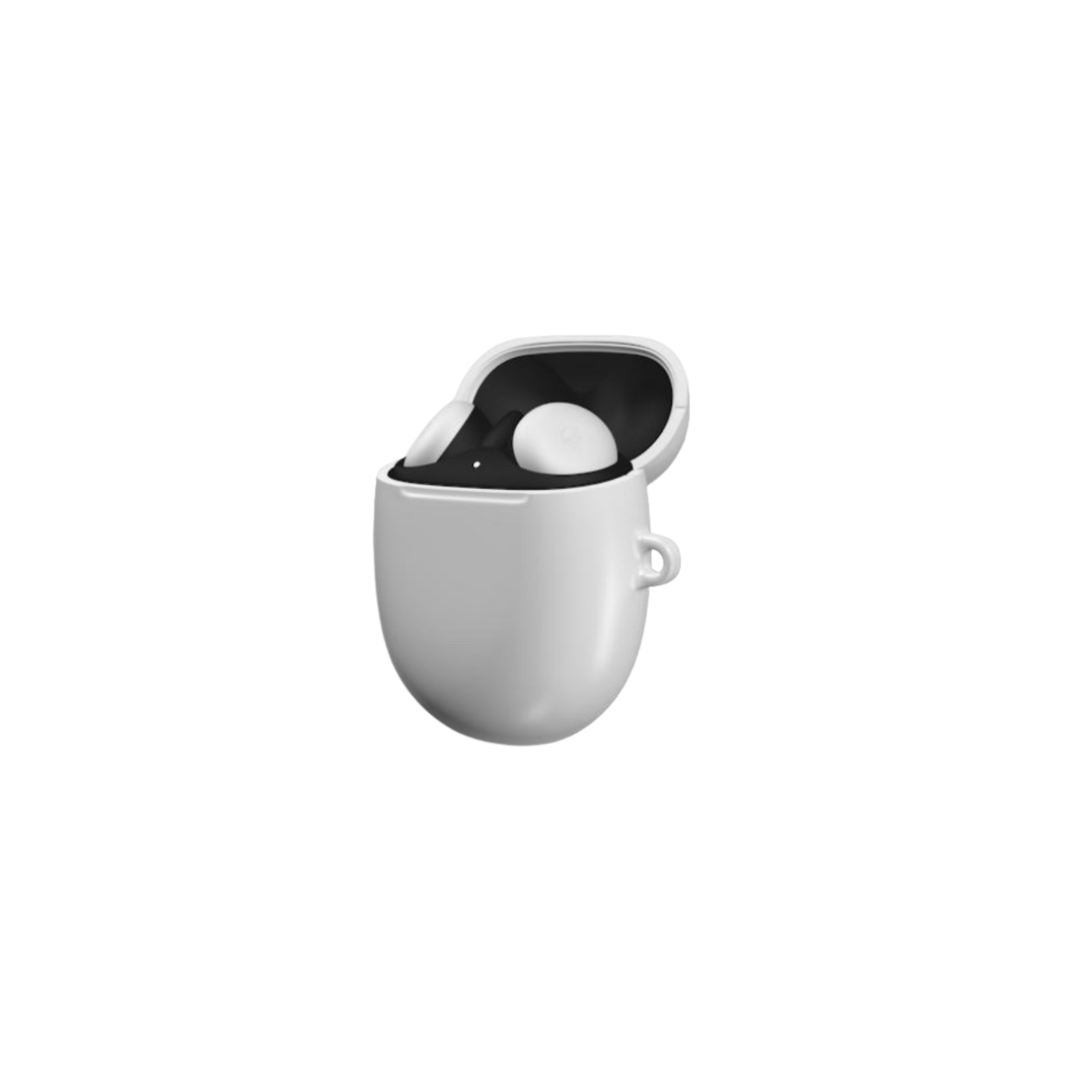
- Tech accessories: custom phone cases, wallet cases, earphone cases, laptop cases, stickers, and mousepads.
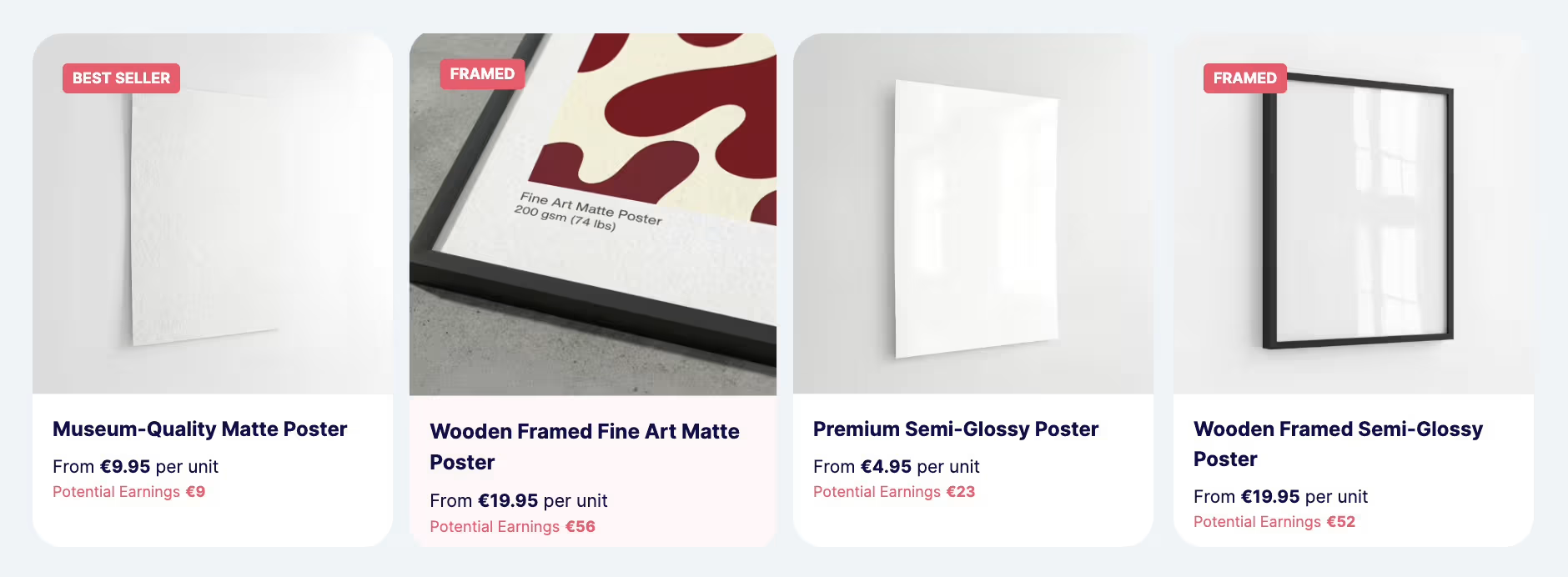
- Homeware: throw pillows, towels, mugs, candles, water bottles, wall art, canvas, and posters.
If you are deciding where to focus, tech accessories are the standout category. About 80% of phone users buy a case, roughly a billion cases sell worldwide each year, and the phone case market is projected to reach $41.4 billion by 2030 - durable, repeat-purchase demand you can build a brand on. Explore the full tech accessories range to see what is possible.
POD Fulfillment Services vs. Marketplaces
If you are choosing a POD provider, you broadly have two options: fulfillment services and marketplaces.
Fulfillment services integrate with your online store and handle everything after the sale, producing only when sales are made. You then sell on your own store or platforms like eBay, Amazon, or Etsy. Examples include Podbase, Printful, Printify, and Gelato. Marketplaces, by contrast, host your products on their own websites, keep stock of pre-made items, and may promote them to their built-in audience. The table below compares the two:
Ultimately the choice comes down to your goals and resources - and many brands use a hybrid approach to maximize reach and revenue. One thing our data is clear on: when sellers come to us needing custom solutions or more responsive support, we can meet their requirements about 95% of the time, and roughly 98% of sellers who work with us for three months keep giving us a growing share of their orders.
Starting a POD Ecommerce Store
Ready to start a print-on-demand business? Here is a clear roadmap.
1. Choose a POD Provider
First, choose a provider to print and ship your products. Weigh pricing and margins, product range and quality, integrations, fulfillment speed, and customer support. Podbase checks every box: a wide range of high-quality products, helpful support, quick fulfillment, transparent pricing (from $6), and fast integrations with WooCommerce, Etsy, BigCommerce, and Shopify. A good early benchmark - place a sample order in your first two days and publish five products within 30 days, and you are already ahead of 80% of POD stores.
2. Test Product Quality
Before selling, order samples and test print quality and accuracy, product durability, and fit and size. This helps you avoid complaints and returns. Quality control is where a serious provider earns its keep: Podbase checks color accuracy with a spectrophotometer and recommends submitting designs in high resolution and the CMYK color space for the most accurate results.
3. Create Mockups
Next, create mockups - realistic images showing how your designs look on products. You can use tools like Photoshop or Placeit, but the fastest route is your provider’s built-in generator. “You can take a static picture and generate high-quality multi-angle output of your products,” our CEO explains - “you no longer have to order samples, organize photo shoots, and extend your product launch by weeks.”
4. Market and Promote Your Products
Finally, drive traffic and sales with marketing: social media (Facebook, Instagram, X, TikTok, YouTube), email (promotions, newsletters, re-engagement), SEO, and paid ads (Google or Bing).
FAQ
1. What is print-on-demand in simple terms?
Print-on-demand is an ecommerce model where a product is printed and shipped only after a customer buys it. You upload a design, list it on products like phone cases or apparel, and a POD provider prints, packs, and ships each order. You hold no inventory and pay nothing until a sale happens.
2. How does print-on-demand make money?
Your profit is the difference between your retail price and the provider’s base cost plus shipping. For example, a phone case bought from Podbase at about EUR 10 can sell for EUR 35-60. Because Podbase pricing runs roughly 10-15% better than other POD providers, more of each sale stays as profit.
3. Is print-on-demand the same as dropshipping?
No. Dropshipping resells pre-made products from a third-party supplier, so you do not control design or branding. Print-on-demand prints your own designs on each product after an order, giving you control over quality, branding, and the customer experience while still avoiding inventory and upfront production costs.
4. How much does it cost to start a print-on-demand business?
Very little. Many POD platforms are free to join and you only pay when a customer orders, with Podbase products starting around $6 per unit. Your main costs are optional: a domain, store hosting or platform fees, and advertising. There is no equipment, inventory, or bulk production to fund upfront.
5. What products sell best with print-on-demand?
Apparel, accessories, homeware, and tech accessories all sell well. Tech accessories are especially strong: about 80% of phone users buy a case, and the phone case market is projected to reach $41.4 billion by 2030. Almost any item with a printable surface - phone cases, mugs, wall art, tote bags - can carry your design.
6. How big is the print-on-demand market in 2026?
The global print-on-demand market reached roughly $12.96 billion in 2025 and is growing about 25.3% per year, on track for around $75.30 billion by 2033. That rapid growth is why POD remains one of the most accessible, low-risk ways to start an ecommerce business in 2026.
Conclusion
And there you have it - everything you need to know before starting a print-on-demand business. POD is a simple, cost-effective ecommerce model for creating and selling custom products online, letting you design and sell without lifting a finger through production or delivery.
To start, follow a clear roadmap: choose a provider like Podbase that fits your needs, test product quality and samples, create mockups for easy inspection, and market your products to drive traffic and sales. Interested? Create a Podbase account today and build your store in minutes.

Saulius Meilutis is the CEO of Podbase, helping creators and entrepreneurs monetize their ideas with print-on-demand. He shares insights on eCommerce, growth, and building lean online businesses.

.avif)




.avif)
.avif)
.avif)
.avif)
.avif)
.avif)

.avif)


.avif)
.avif)

.avif)

.avif)
.avif)