This guide explores 13 proven automated business ideas for 2026, from print-on-demand stores to AI-powered content sites and vending machines. Learn what makes each model effective, what tools you'll need, and how to launch a passive income stream that works around your life. One honest thread runs through every model here: automation handles the routine work, but the businesses that actually pay are the ones where you keep steering - so we'll flag, idea by idea, what the machines do and what stays yours.
Do you want a business that runs while you sleep, take vacations, or focus on creative projects? The good news is, some automated business ideas can make this happen in 2026.
These aren't get-rich-quick schemes. They're legitimate business models that use technology to handle routine tasks. The key is selecting the right automated business ideas for your skills and budget - some need upfront investment in equipment or software, others just your time and creativity.
This guide covers 13 proven automated business ideas that work in 2026: what makes each one tick, what it costs to start, and which tools you need.
What Is an Automated Business?
An automated business uses technology to perform daily tasks with minimal supervision or input. These systems handle operations so you can earn income while focusing on other things.
Why Passive Income Still Works in 2026
People still want freedom - both financial and personal. The rise of automated businesses proves it's possible to earn passively, and the tooling has never been better: our CEO notes that workflows which used to require hiring a developer - like connecting a custom store to a fulfillment supplier - are now built by store owners themselves using AI, with no coding experience, "and their fulfillment flows work really, really great." That collapse in setup cost is why our average onboarding time for a new POD project has dropped from about three months to under one.
Common Misconceptions About Automated Business Models
Some people think automation means "set it and forget it." That's not true - and our pipeline data is blunt about what happens to people who believe it. The majority of aspiring sellers get excited, set something up, and quit within the first two weeks when it doesn't run itself to riches. Even the best automated business ideas need updates, oversight, and improvement. The realistic model: automation removes the *routine* work (orders, printing, shipping, email flows), while you keep the *judgment* work (what to sell, to whom, and how to improve it). A few focused hours a week is the honest price of "passive."
Benefits of Running a Low-Maintenance Business
Low-maintenance businesses offer clear advantages:
- Time freedom: travel, spend time with loved ones, or work on other goals
- Ongoing income: keep earning even when you take time off
- Scalability: serve more customers without changing your core setup
- Lower staffing costs: automation reduces the need for extra hires
Top Automated Business Ideas That Run Themselves
Here are 13 proven automated business ideas you can start in 2026.
1. Print-on-Demand Stores
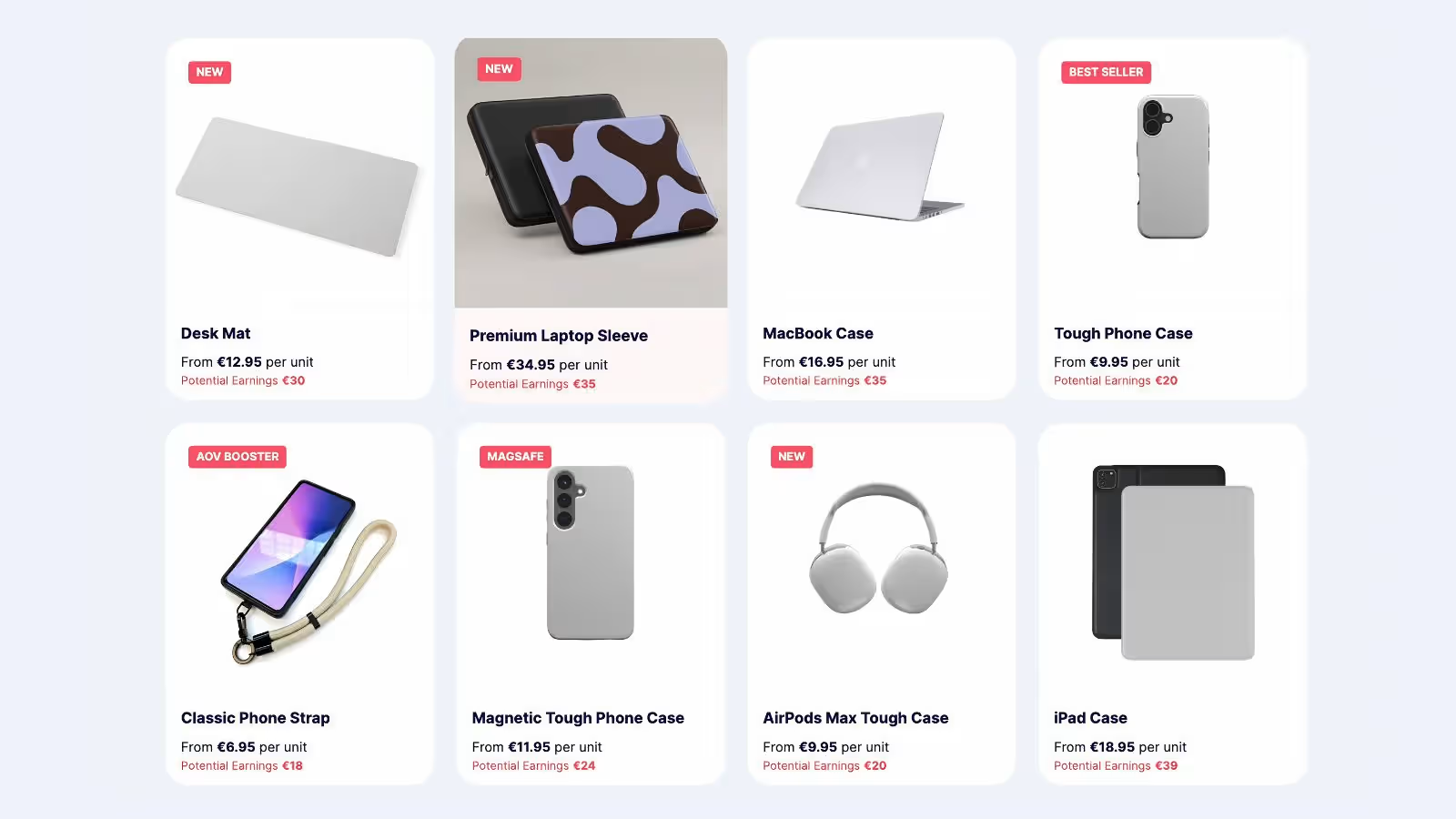
Print-on-demand lets you sell custom products like shirts, mugs, or phone cases without holding inventory. When someone orders, your supplier prints the design and ships it directly to the customer.
This is the most automatable model on this list, and we can describe the automation precisely because we run it: an order placed in your Shopify or Etsy store flows automatically into production and leaves our facility in about 23 hours on average - printing, quality checks, packing, and shipping all happen with zero touches from you. For larger or custom setups, our Open API supports fully automated order routing; bigger clients "can start sending orders the same day, while full automation is prepared within a week," as our Head of Sales describes it.
Why it works:
- You don't pay for inventory upfront - items are made only after a sale
- Margins are real: a phone case produced for ~€10 typically sells for €35-60
- AI removed the launch bottlenecks - multi-angle product mockups are generated from a single image, no photo shoots, no sample-ordering delays
How to get started: Use design tools like Canva or hire a freelancer for artwork. Upload your designs to a platform like Podbase. Then do the one part that can't be automated: launch 3-5 designs fast and iterate on what sells - our data shows sellers with five products live within 30 days are ahead of 80% of POD stores.
Also Read:
2. Self-Service Car Washes
Running a self-service car wash is another excellent automated business idea. Customers use mobile apps or touchscreens for payments, while machines handle washing, drying, and timing.
Why it works:
- Local business with consistent demand
- Once set up, the system runs 24/7 with little human input
How to get started: Find a high-traffic location and make sure it's zoned for commercial use.
3. Laundromats with Smart Payments
Today's laundromats can often be run fully digitally. Customers pay with phones or contactless cards, and sensors let you monitor equipment remotely.
Why it works:
- It's a basic service people always need
- Automation reduces staffing needs
How to get started: Buy an existing laundromat or open one in an underserved area. Install smart washers and dryers that integrate with apps like SpeedQueen Connect.
4. Email Marketing Automation Sequences
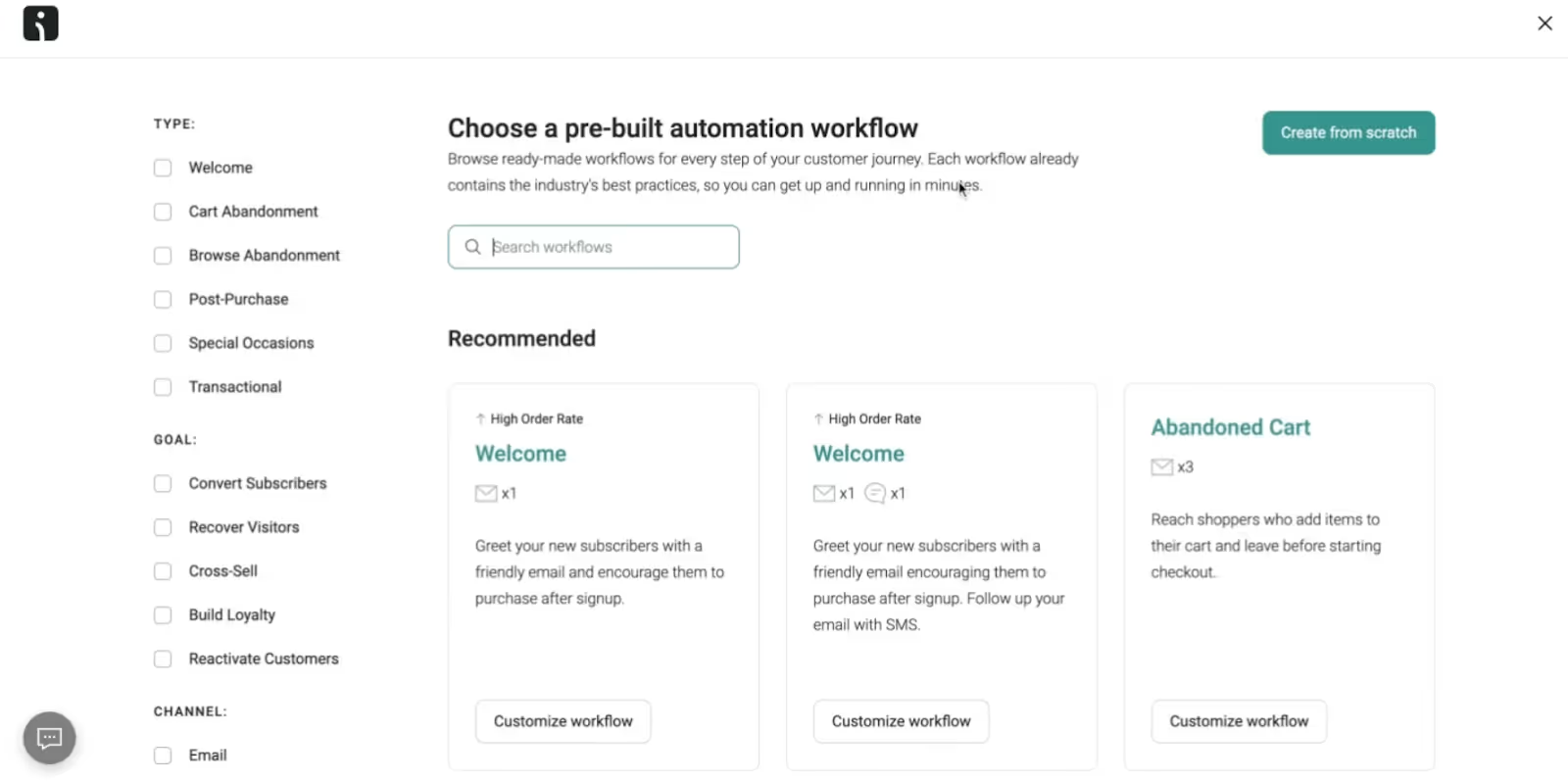
This automated business idea involves sending a pre-written series of emails based on customer actions - signing up, clicking a link, abandoning a cart.
[IMAGE]
Image via Omnisend
Why it works:
- Once set up, emails go out on autopilot and campaigns can run for months
- It monetizes customers you've already paid to acquire - our CMO calls retention through email "one of the strongest ROI channels," and the one most sellers neglect
How to get started: Use tools like ConvertKit, Omnisend, or Mailchimp. Offer a free download or other incentive to get signups.
5. Dropshipping with AI Tools
In traditional dropshipping, you source and sell products from suppliers without holding stock. AI takes digital dropshipping further by automating research, pricing, and customer service.
Why it works:
- You save time and stay competitive
- AI repricing tools keep listings accurate and optimized
How to get started: Choose a niche you know. Use platforms like Spocket or DSers to find suppliers, then add AI tools like Ecomdash or Tidio. One caution from our experience: AI levels the playing field on *operations*, which means differentiation moves to product and audience insight - the same AI tools are available to every competitor.
6. Selling Printables on Etsy
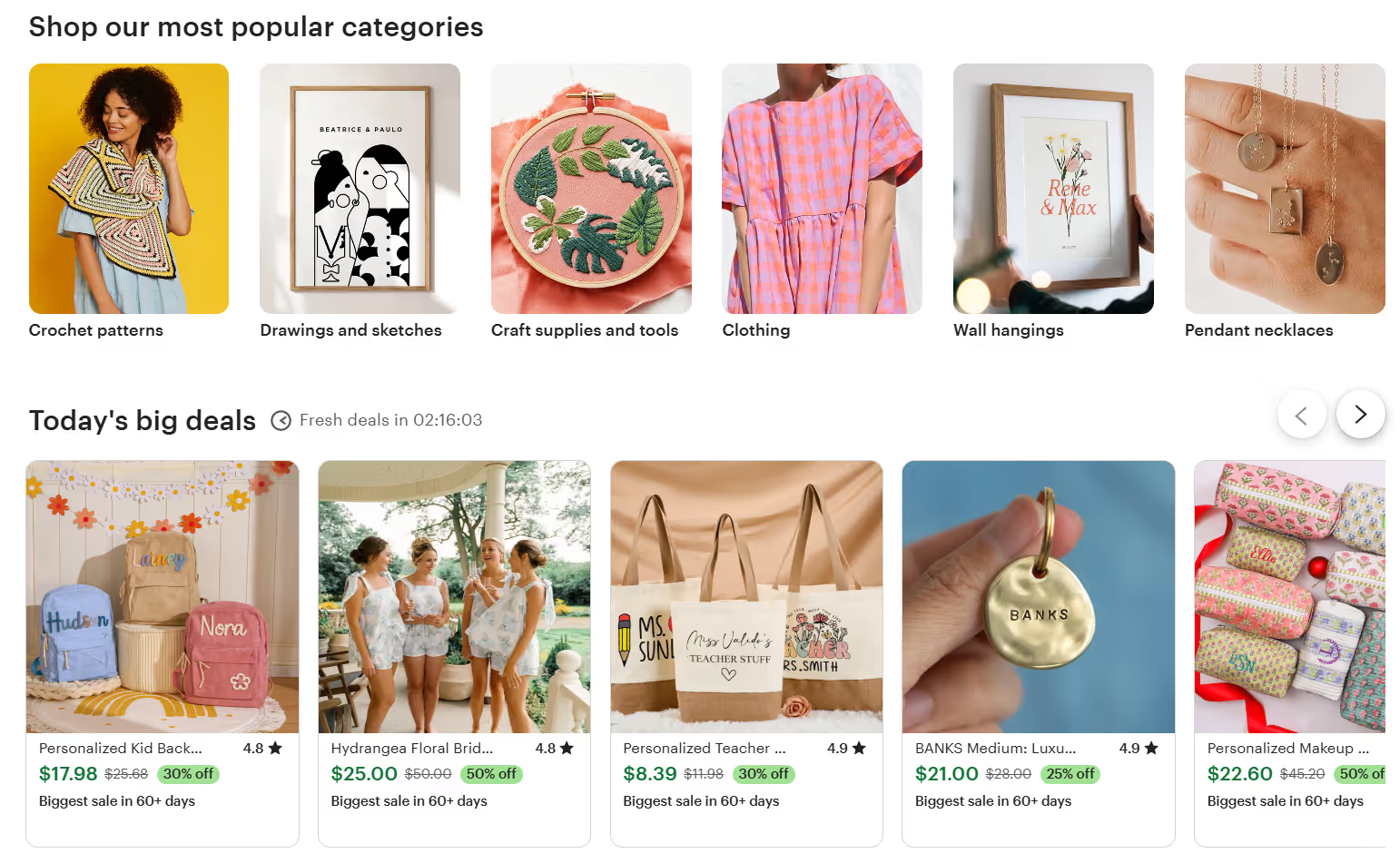
Printables include planners, calendars, journal pages, and wall art. Customers download files after purchase.
Why it works:
- "Create once, sell forever" - no inventory or delivery to manage
How to get started: Research best-selling printables on Etsy. Design with Canva or Adobe tools, write keyword-rich descriptions, and build a clean, branded shop.
7. Affiliate Product Review Channels (YouTube Automation)
You review products on YouTube and earn affiliate commissions when viewers click your links and buy.
Why it works:
- Videos generate traffic long after publication - affiliate links earn 24/7
How to get started: Pick a product category you're genuinely interested in and create helpful, honest reviews. (The "genuinely" matters: post-March-2026, both Google and audiences punish content that reads like it exists only to carry a link.)
8. Digital Course Sales with Auto-Enrollments
Once created, an online course can run on autopilot. Platforms like Teachable and Thinkific manage signups, payments, delivery, and certificates.

Why it works:
- No limit on enrollments; once built, courses can sell indefinitely
How to get started: Choose a topic you're confident teaching. Record with Loom or ScreenPal, then upload to your platform.
Also Read:
- How to Start an Ecommerce Business Without Money
- Top 10 YouTube Statistics You Must Know
- 20 Best Ecommerce Business Ideas to Start in 2026
9. Vending Machines with Inventory Apps
Modern vending machines track sales, inventory, and equipment issues. You only restock when needed.
Why it works:
- Ideal for high-traffic areas like offices, gyms, or schools
- Smart features cut back on travel and guesswork
How to get started: Scout locations with steady foot traffic, then buy or lease machines with inventory tracking.
10. Stock Photo/Video Sales
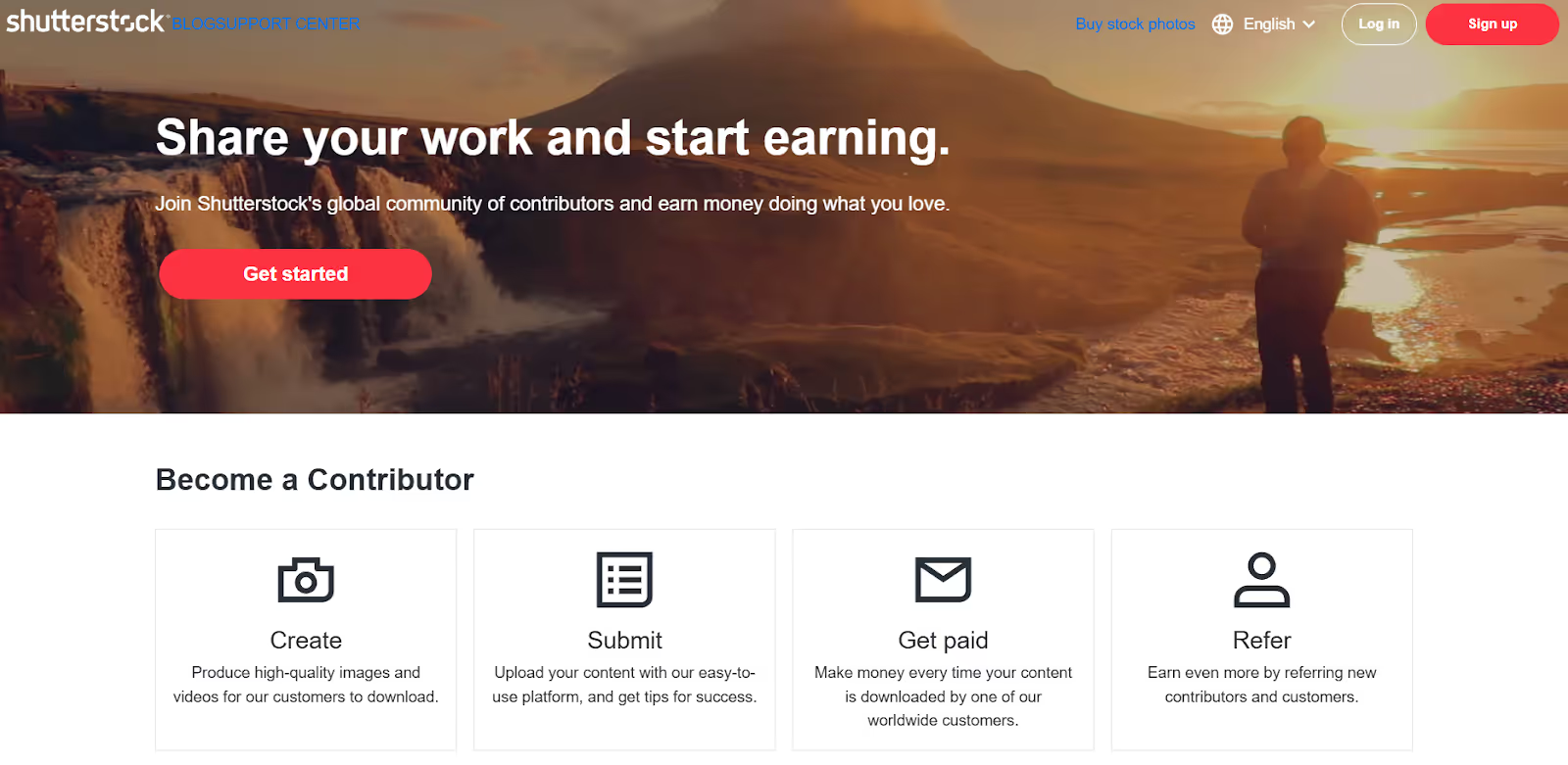
Photographers and videographers can sell content through platforms like Shutterstock or Adobe Stock, with royalties paid automatically per download.
Why it works:
- The same file can sell hundreds of times and earn for years
How to get started: Study popular categories like lifestyle, business, or health. Capture images with good lighting and composition.
11. AI Blogging or Niche Content Sites
This idea uses AI tools to create and manage content sites earning through ads, affiliate links, or product promotions.
Why it works:
- Live content can rank and drive traffic passively
How to get started: Choose a niche with consistent search demand and use tools like ChatGPT or Jasper to draft. A hard-won warning, though: Google's March 2026 core update specifically punished content "any LLM could generate in three seconds" - AI-content farms lost 60-80% of their traffic. AI drafting still works as a tool, but the sites that survive pair it with original data, real experience, or a genuinely specific audience. Pure AI blogging is the least "automated" idea on this list now, because the editorial judgment can't be skipped.
12. License Your Product Ideas
Instead of selling a product yourself, you license the idea to a company that handles production and distribution, earning royalties per unit.
Why it works:
- No production, logistics, or marketing on your plate
- The right idea can pay for years
How to get started: Identify problems, brainstorm unique solutions, and create basic prototypes or 3D mockups.
13. Sell Bandwidth or Idle Computing Power
Platforms like Honeygain pay you to share unused internet bandwidth; others, like Vast.ai, rent out spare processing power.

Why it works:
- Runs quietly in the background with no ongoing management
How to get started: Register on reputable platforms and install their apps on secondary devices.
Best Platforms and Tools for Automation
The right tools can turn even a low-cost business idea into a smooth, profitable, hands-off system.
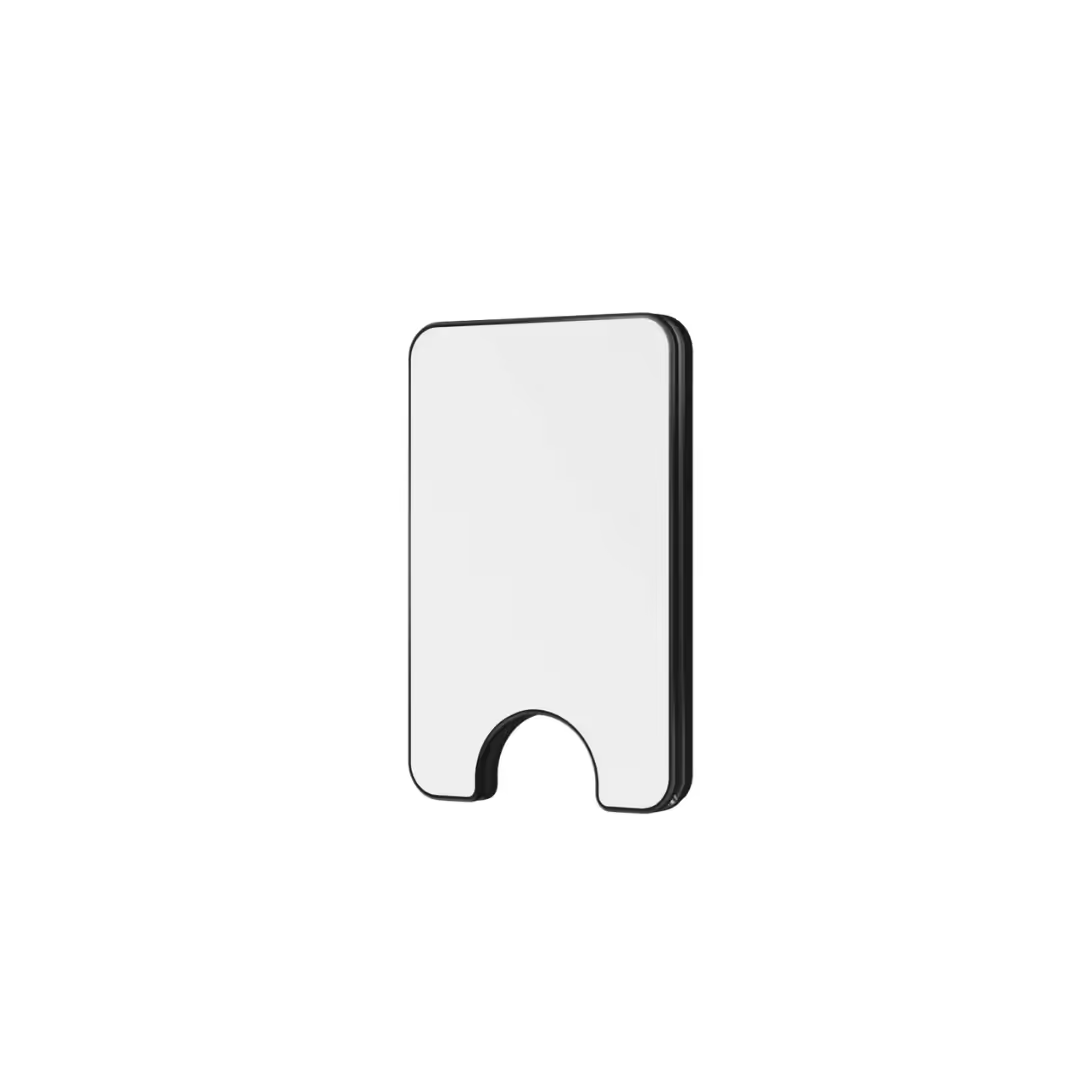
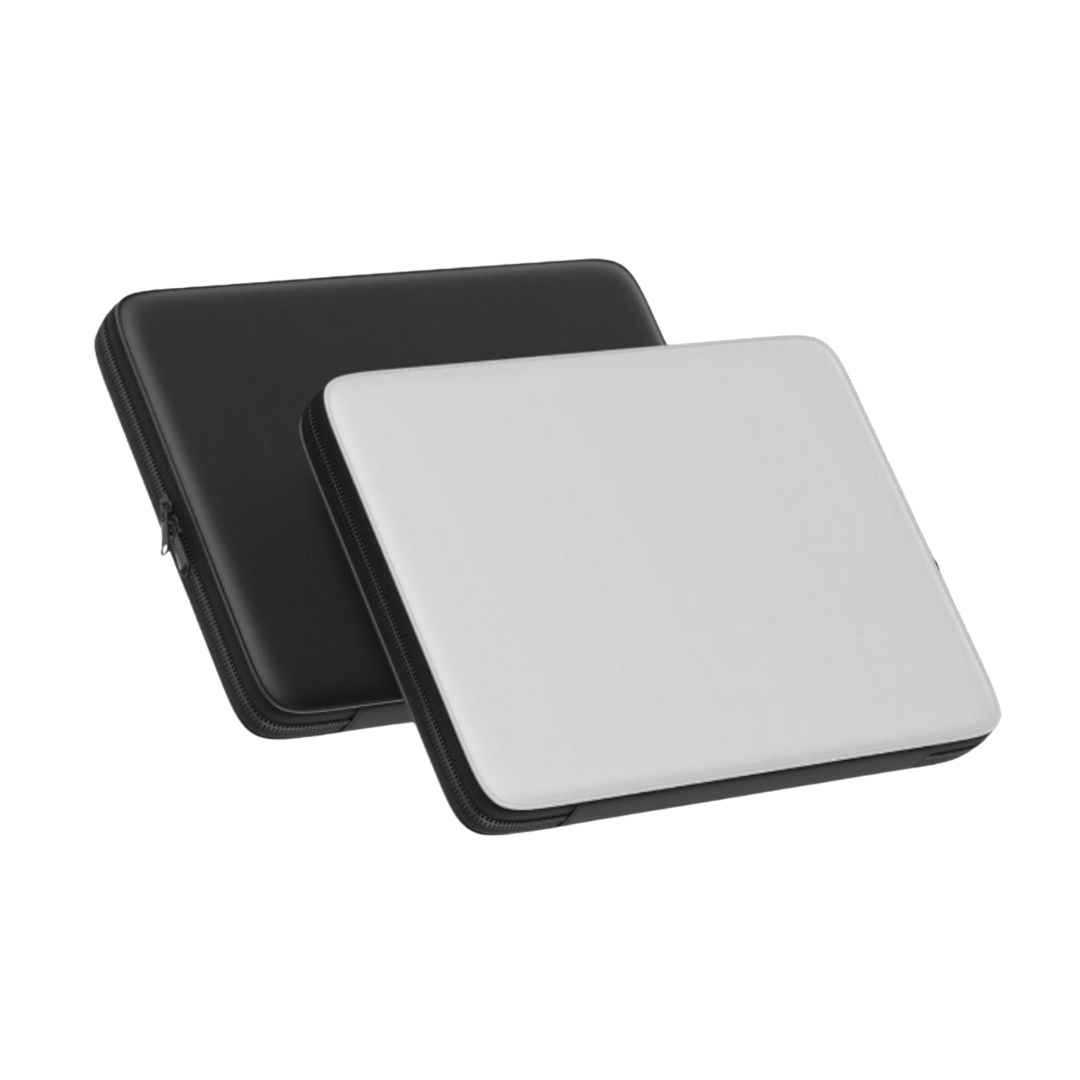
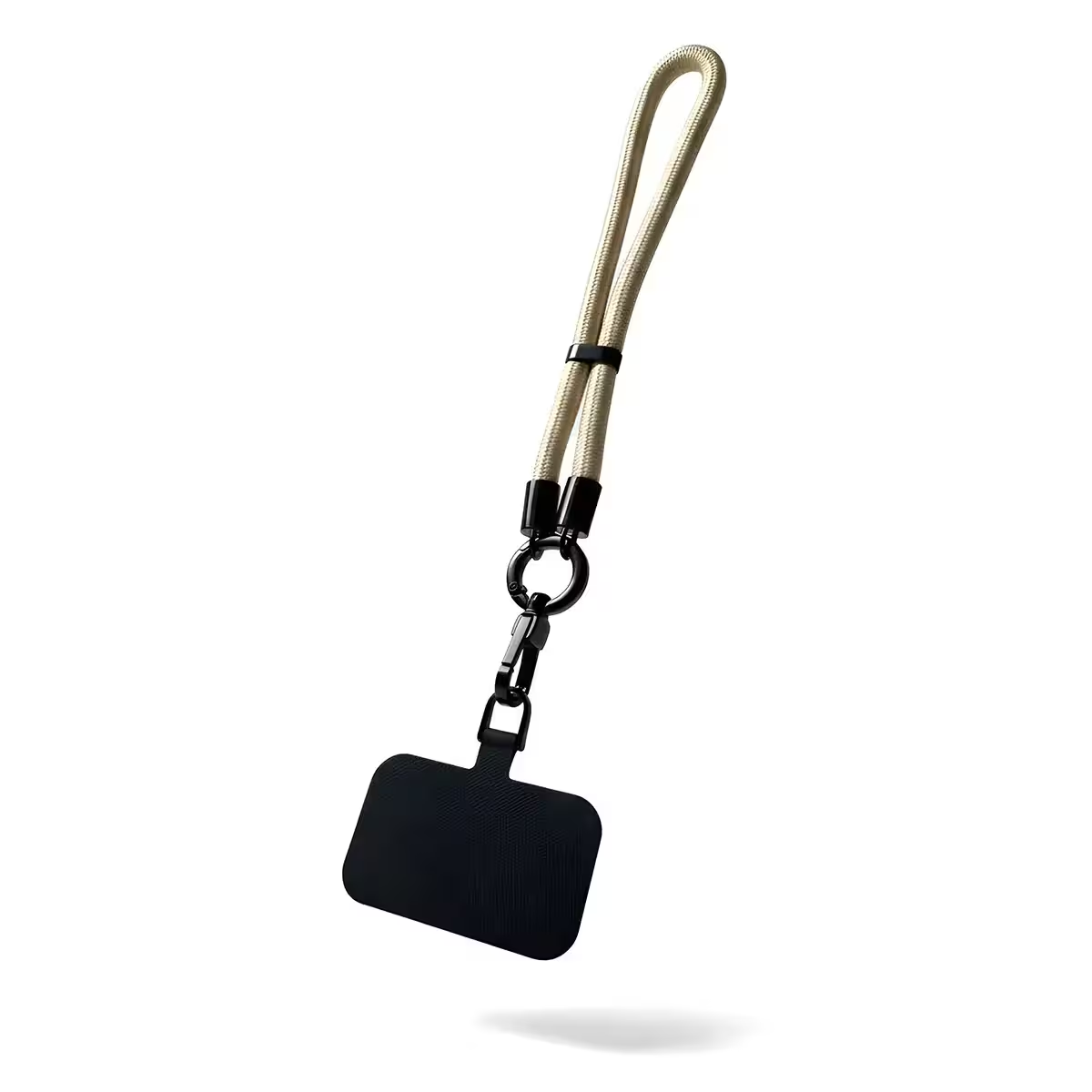
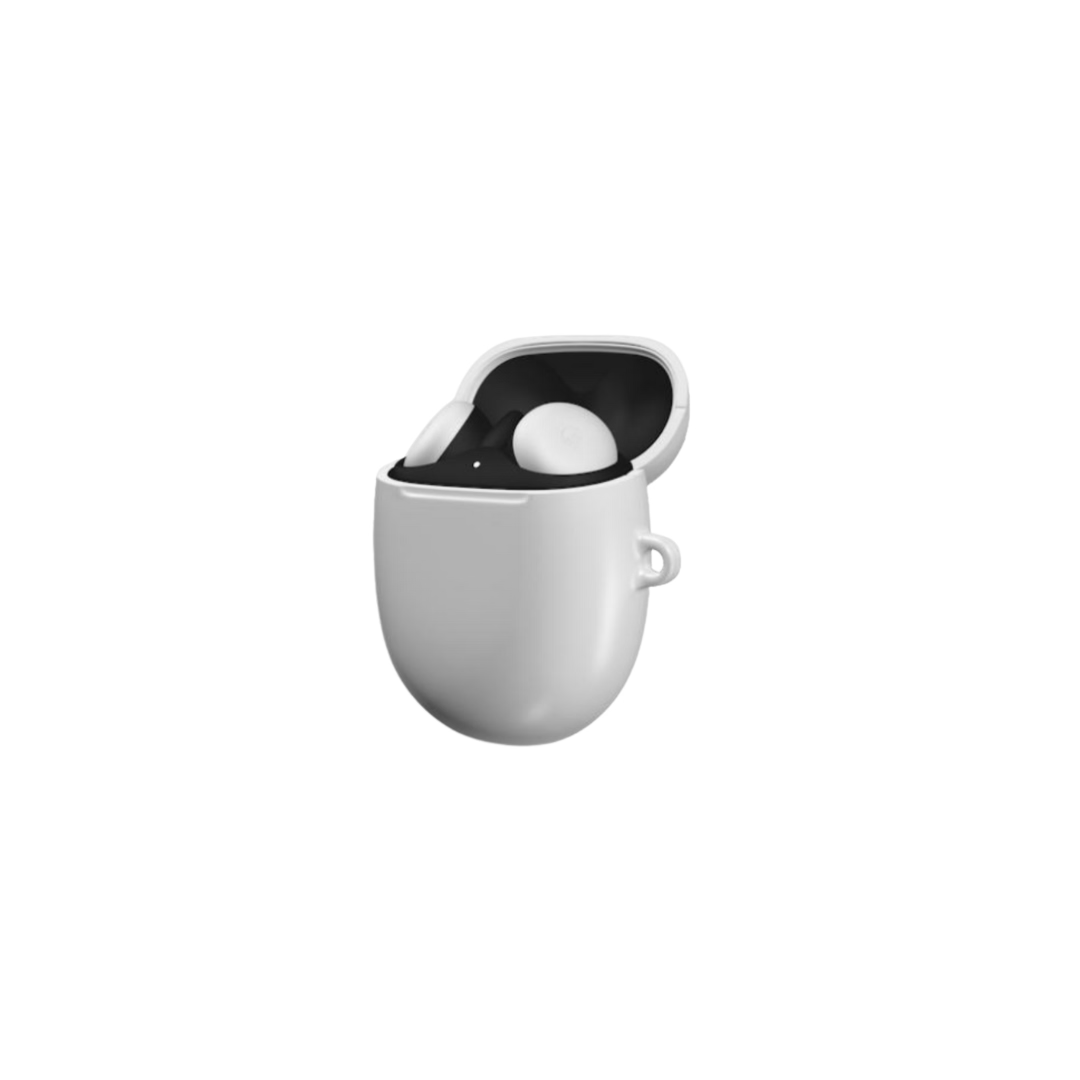
Print-on-Demand Tools: Podbase, Printful, Printify
Thinking about starting an automated business? Setting up a profitable print-on-demand business with these platforms is a great option.
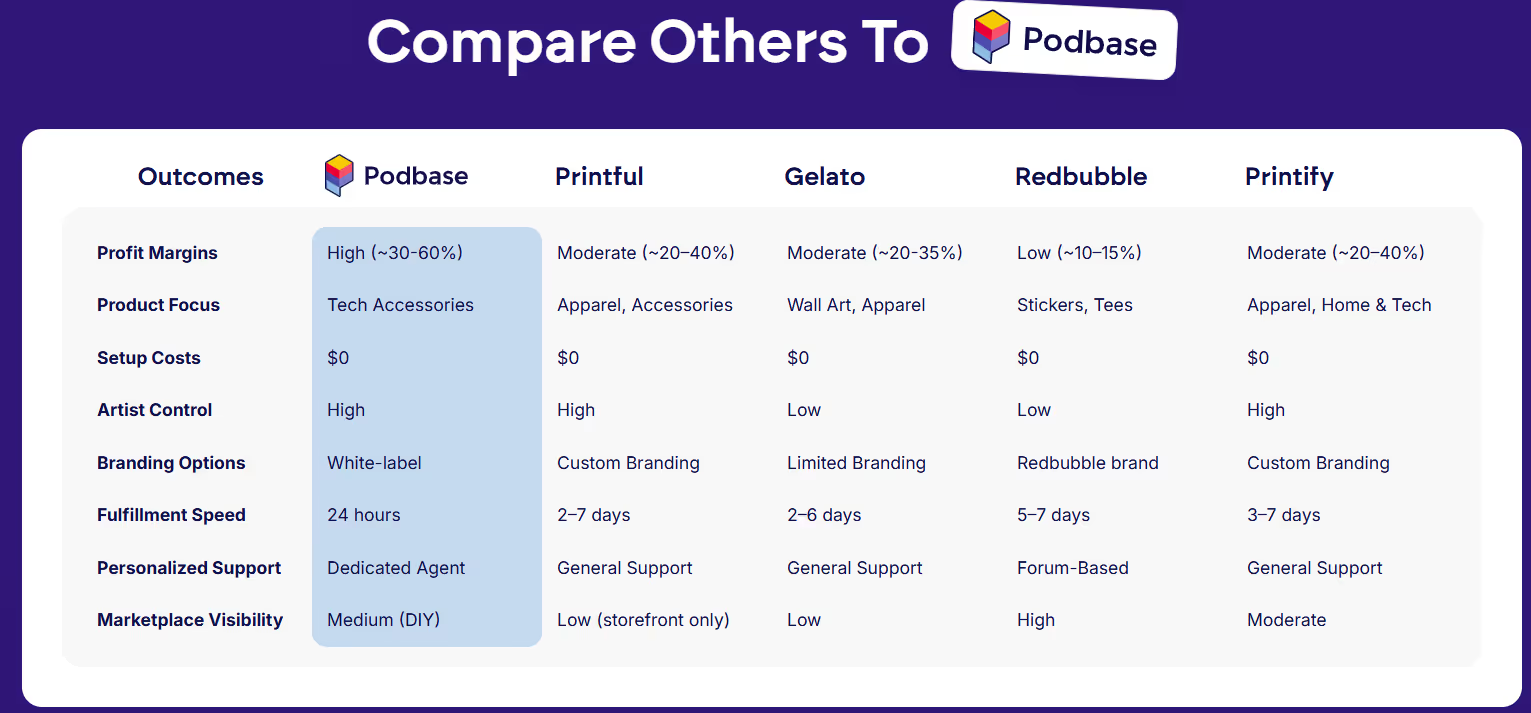
- Podbase focuses on tech accessories, wall art, and drinkware. Orders ship in about 23 hours on average, every client gets a dedicated account manager rather than a ticket queue, it runs on a pay-per-sale model (you pay nothing until something sells), and the Open API supports fully custom automated order flows.
- Printful offers high-quality products across a broad catalog. It costs a bit more, but the quality holds up.
- Printify has the biggest product range - lots of choices to test and sell.
Here's a table that compares their key features:
Automation Tools: Zapier, ActiveCampaign, Shopify Flow
These tools cut repeat tasks by letting your apps work together.
- Zapier connects your favorite tools - e.g., adding each new Shopify customer to your email list automatically.
- ActiveCampaign sends emails based on behavior - a click or page visit triggers the right follow-up.
- Shopify Flow handles store tasks: updating inventory, tagging loyal customers, sorting orders.
AI and Outsourcing Platforms: ChatGPT, Fiverr, Upwork
Use these to create content or delegate tasks.
- ChatGPT helps write blog posts, answer FAQs, and build chatbot scripts - and, increasingly, build the integrations themselves: our sellers use AI to write working scripts against our Open API with no programming background.
- Fiverr and Upwork make it easy to hire freelancers for logo design, product research, or video editing.
How to Start an Automated Business from Scratch
These steps build a solid foundation for any of the automated business ideas above.
1. Choose a Profitable Niche
Pick a niche you understand or care about. Use Google Trends or Etsy search to check demand - and define the niche as an audience, not a product category; our data shows niche-focused sellers scale roughly 32% faster than generalists.
2. Invest in the Right Tools
Most automated small business ideas only need a payment system, an email platform, and a way to fulfill orders.
3. Set Up Systems for Fulfillment & Support
Map out how orders are processed and how support is handled. Write simple guides or templates. (If you choose POD, this step largely *is* the platform: production, shipping, and quality checks run on the supplier side.)
4. Launch With a Minimal Viable Product (MVP)
Don't aim for perfection. Launch a basic version to test the market - the sellers we see scale put three to five products live fast and let real buyers tell them what to improve. Speed beats polish.
Common Mistakes to Avoid
Here are the mistakes that kill automated businesses - both come straight from watching thousands of sellers.
Overestimating "Set and Forget" Models
Even a business running on automation needs your time. Set aside a few hours each week to review results, answer messages, and make small updates. The failure pattern in our pipeline is consistent: it's rarely the automation that breaks - it's the operator who disengages. The sellers who quit in the first two weeks didn't have an automation problem; they had an expectations problem.
Not Tracking or Optimizing Systems
To grow, you need to know what's working. Track conversion rates, support questions, and average order value to spot problems early. Optimization is also where the upside hides: a single checkout add-on button converts at 3-10% in our internal data - roughly €10 of extra profit per take, from one automated tweak.
Wrapping Up
The pattern across all 13 automated business ideas is the same: automate the operations, keep the judgment. Machines now handle fulfillment, payments, emails, and even integration code - but choosing the audience, the product, and the next improvement stays human, and that's precisely why these models still pay.
Print-on-demand remains the cleanest expression of that split: with Podbase handling production, shipping, and support automatically - orders out in about 23 hours, pay-per-sale, no inventory ever - your only job is the creative one. Pick your idea, launch the MVP, and check in weekly.
Also Read:
- Low-cost Business Ideas To Start (Podbase Advice)
- How to Automate Print on Demand Order Management Across Every Channel
FAQ
1. What is an automated business?
An automated business uses technology to perform daily tasks - order processing, fulfillment, payments, email marketing - with minimal supervision, so you earn income without daily involvement. It is not fully 'set and forget': successful operators still spend a few hours weekly reviewing results and improving what the automation runs.
2. What are the most profitable automated businesses in 2026?
Top performers include print-on-demand stores (no inventory; a €10 phone case sells for €35-60), email automation sequences, digital courses with auto-enrollment, printables, vending machines with smart inventory, self-service car washes, and laundromats with smart payments. POD is the most automatable online model because production, shipping, and quality control all run on the supplier side.
3. Is print-on-demand really an automated business?
Yes - operationally it is among the most automated models available. With Podbase, an order placed in a connected Shopify or Etsy store flows automatically to production and ships in about 23 hours on average with zero owner involvement, and Open API integrations support fully custom automated order routing. The non-automated part is creative: choosing designs and audiences, and iterating on what sells.
4. Do automated businesses still require work?
Yes. Automation relocates work rather than removing it: machines handle routine operations, while you keep judgment tasks - niche selection, product decisions, and weekly optimization. Most failures are attention failures, not automation failures; sellers who disengage entirely tend to quit within weeks, while those who review metrics weekly scale.
5. Is AI blogging still a good automated business after Google's 2026 update?
Only with original input. Google's March 2026 core update hit AI-content farms with 60-80% traffic losses, targeting content any LLM could generate. AI drafting still works as a tool, but surviving sites pair it with original data, real experience, or a specific audience - making pure hands-off AI blogging the least automated idea in practice.

Saulius Meilutis is the CEO of Podbase, helping creators and entrepreneurs monetize their ideas with print-on-demand. He shares insights on eCommerce, growth, and building lean online businesses.

.avif)








.avif)
.avif)
.avif)
.avif)
.avif)
.avif)

.avif)






.avif)

.avif)


.avif)

.avif)

.avif)