Print on demand (POD) is a way to sell custom products without buying inventory: you create a design, list it on a print-on-demand platform, and the item is printed and shipped only when someone orders - so you pay nothing until you make a sale.
That makes it one of the easiest, lowest-risk ways to start an online business in 2026, whether you are an artist, an entrepreneur, or a side hustler. This guide walks you through how the model works, how to launch your store step by step, the top platforms to use, and the design and marketing tips that actually move sales.
What Is Print on Demand?
Simply put, print on demand is a way to sell custom products without buying stock upfront. You create your design, select a product, and upload it to a POD platform for online listing.
When someone orders, the item gets printed and shipped without you handling, packing, or storing anything. The print on demand site takes care of fulfillment on your behalf.
You do not pay anything until a customer makes a purchase, which makes it low-risk and beginner-friendly. It is perfect for artists, creators, or anyone trying unique business ideas without huge startup costs - you can run it from home and scale one order at a time. With the market set to hit $75.3 billion by 2033, now is a good time to jump in.

Also Read:
- Print on Demand vs Do-It-Yourself: Which Model Wins?
- Digital Dropshipping: The Smartest Way to Sell
- How to Sell on TikTok Shop: Step-by-Step Guide for Beginners
How Does Print on Demand Work?
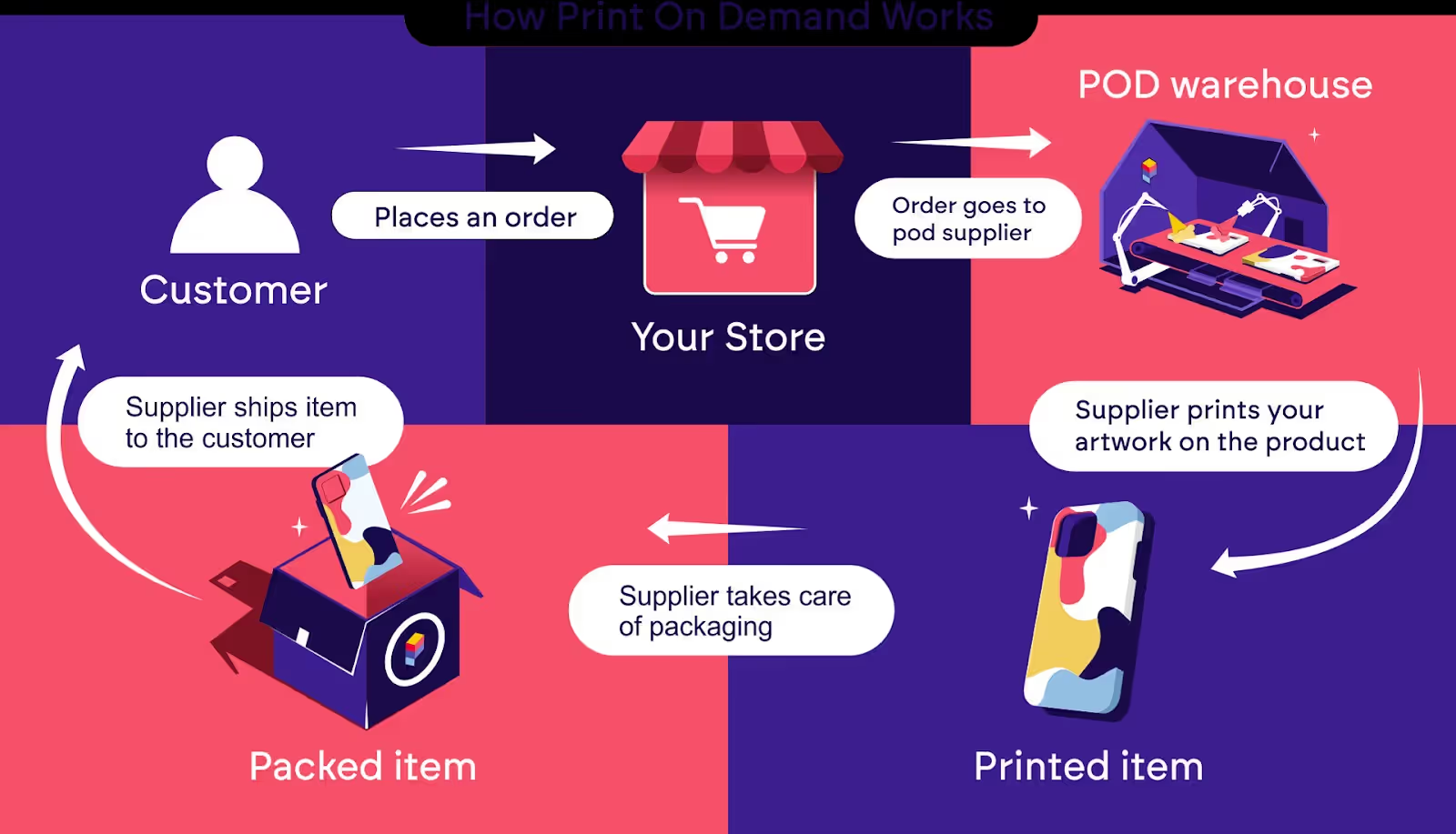
Here is exactly how the POD business works, from design to delivery, so you can see how your ideas become a thriving online business.
Step 1: Create a Design
Start by designing something people will want to wear or use. Use free tools like Canva or advanced ones like Photoshop. Keep it bold, simple, and suited to your niche.
Step 2: Select Your Products
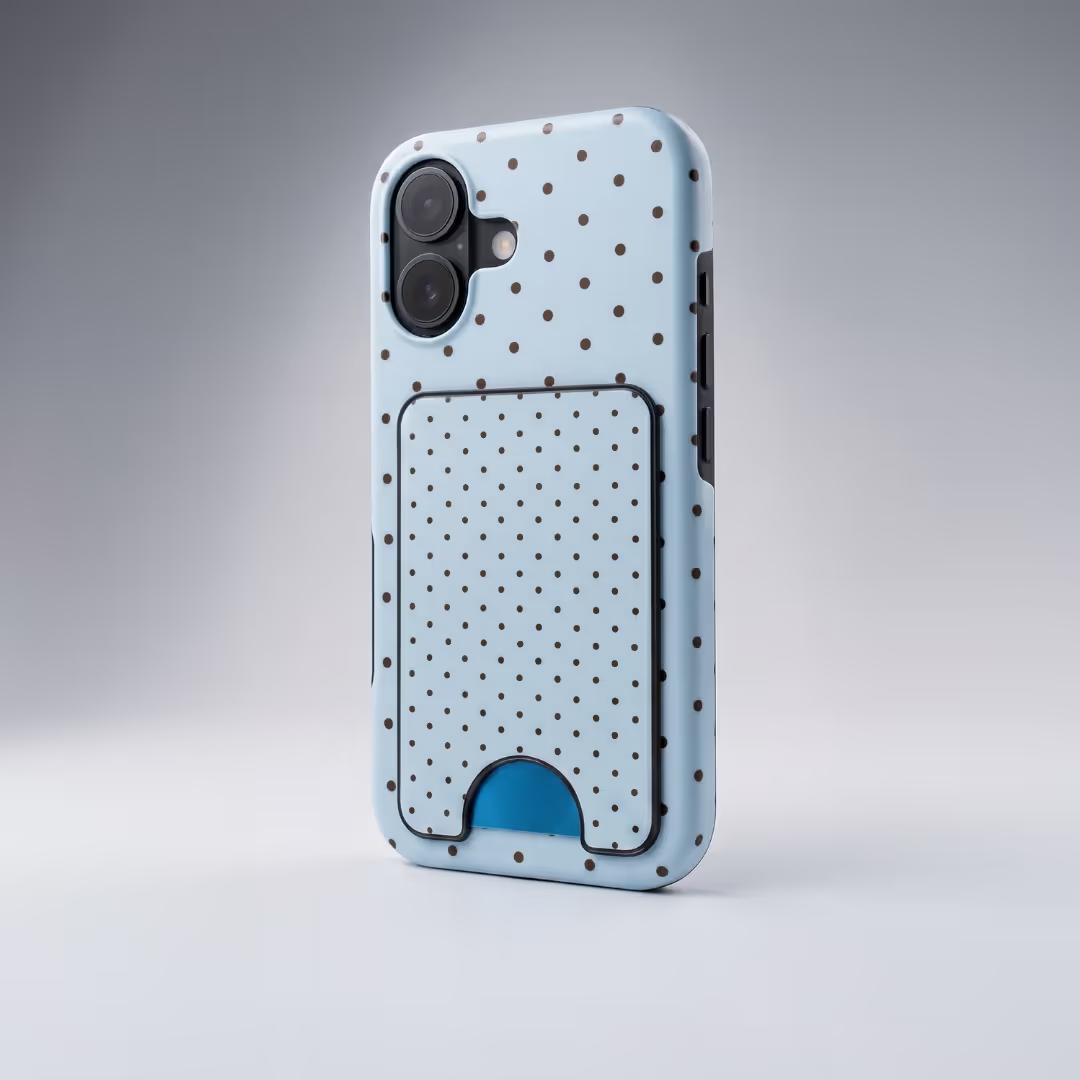
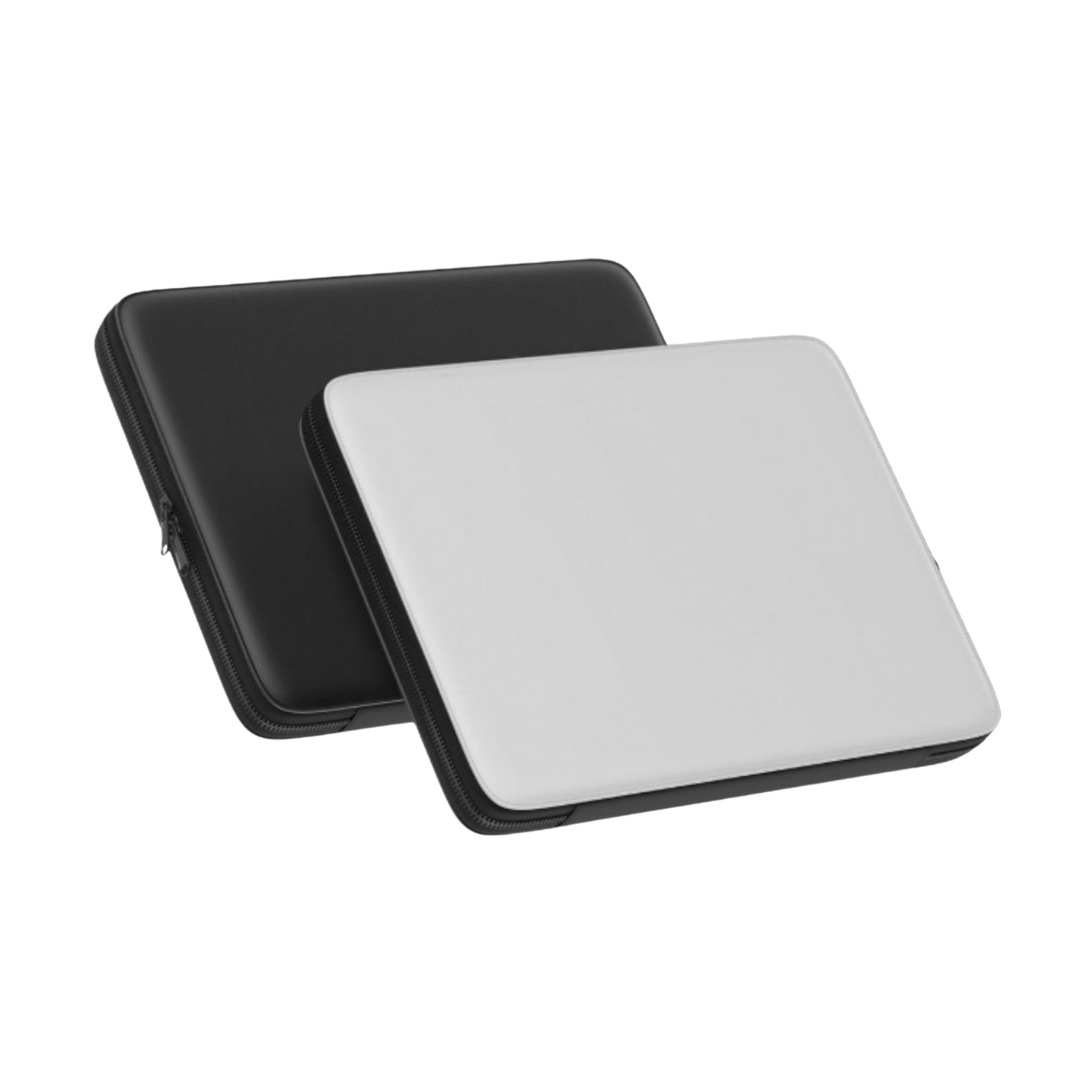
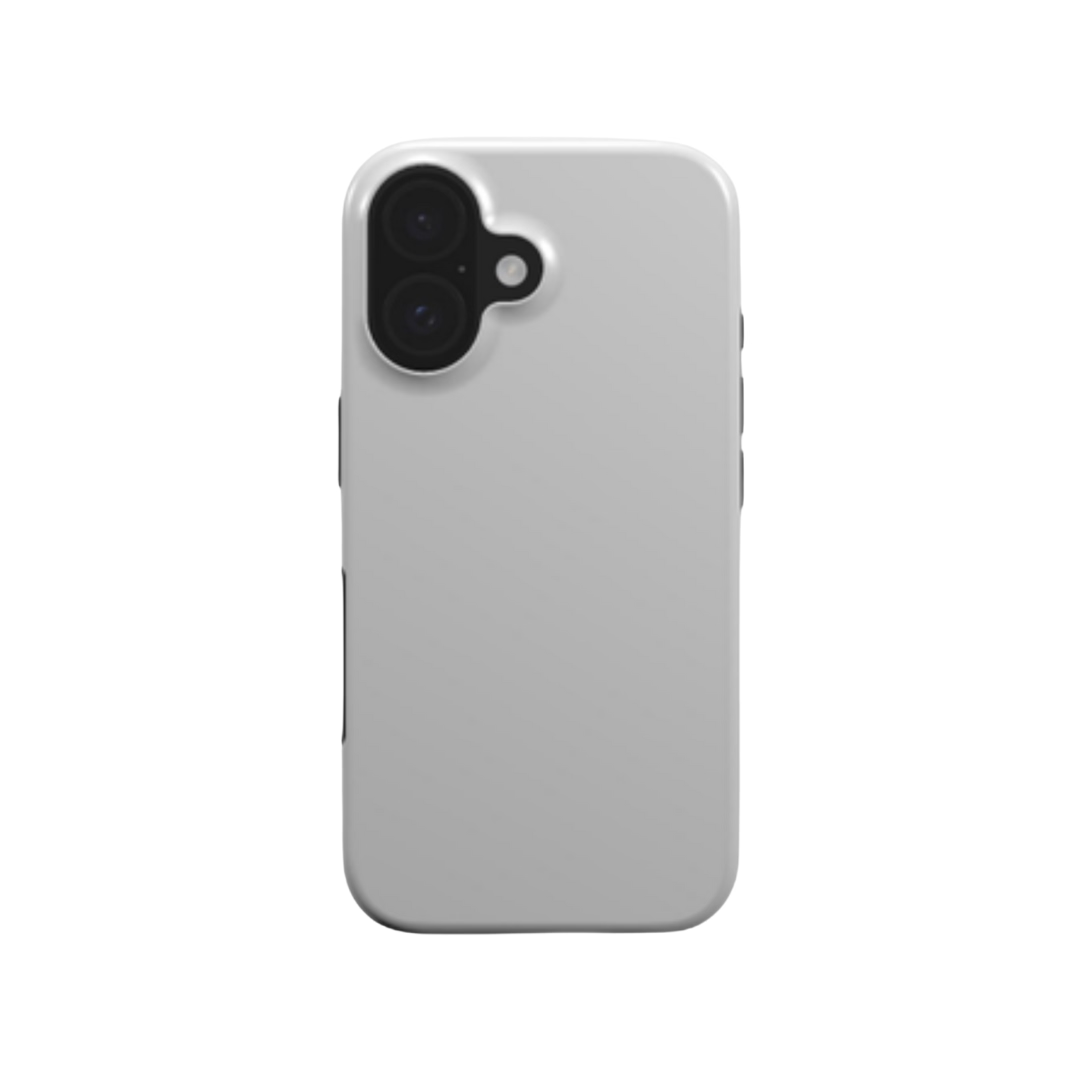
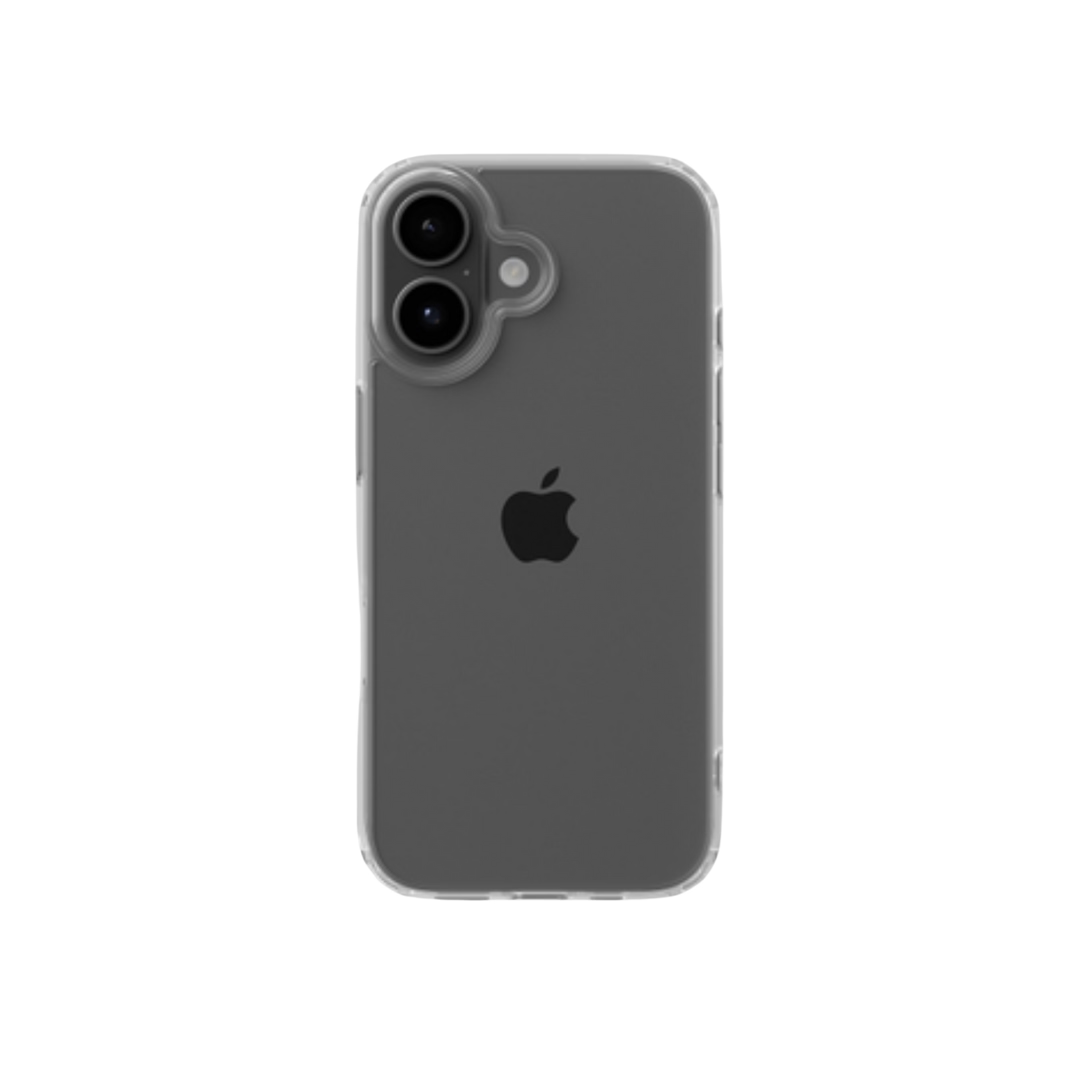
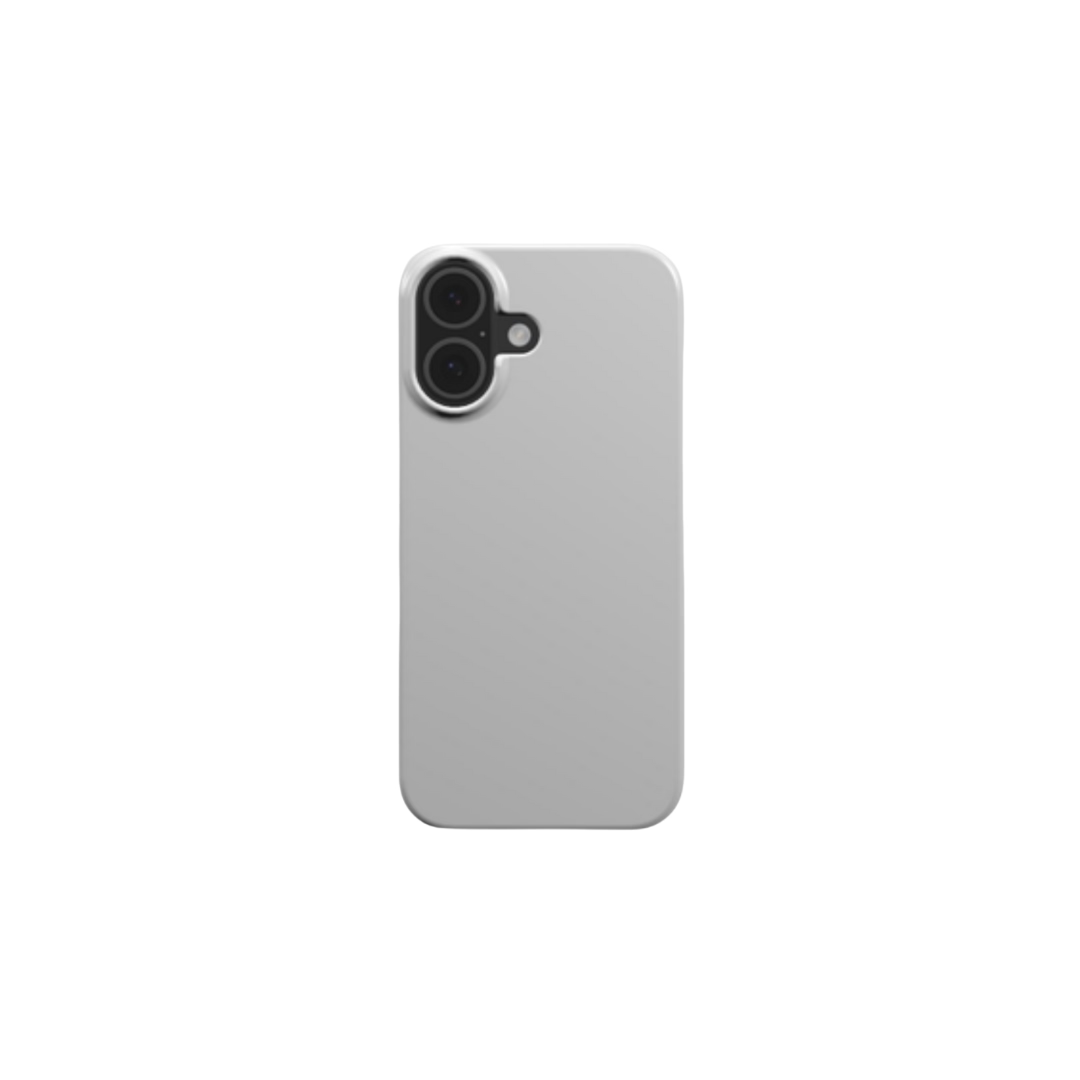
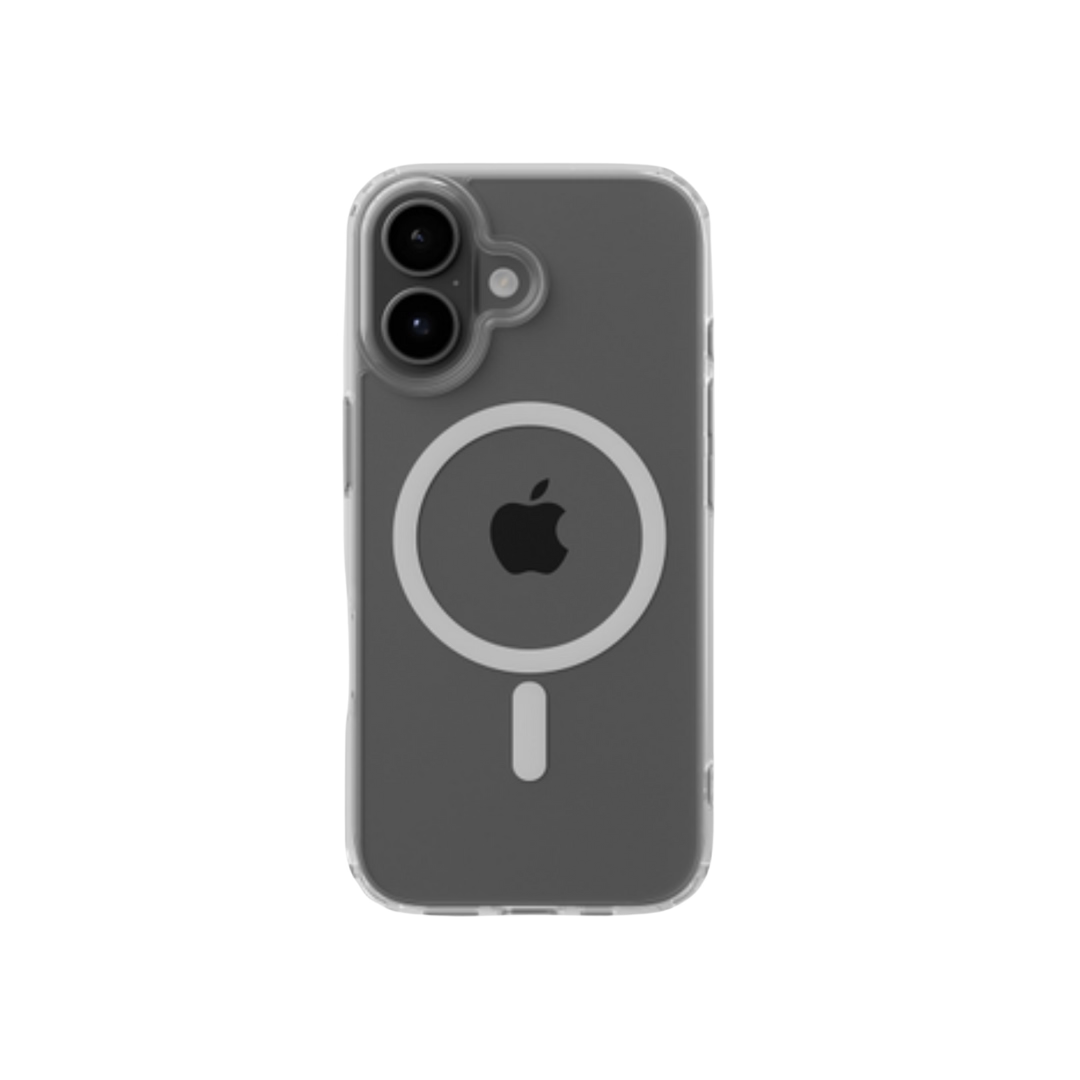
Pick products that fit your brand and show off your design in the best way. You can choose from best-selling items like T-shirts, hoodies, mugs, or phone cases.
Step 3: List Products
Upload your design to a print-on-demand platform like Podbase and apply it to your chosen products. Then write a product title and description, set your pricing, and publish it to your online store.
Step 4: Market Your Product
You can market your products using social media, ads, or influencer shoutouts. Focus on where your ideal customers spend time online - the more traffic you drive, the more sales you make.
Step 5: Customer Makes a Purchase
When a customer buys, you get paid automatically through your connected payment system. Common options include PayPal, Stripe, Shopify Payments, and Square.
Step 6: The Order Is Sent to the Print-on-Demand Provider
The platform receives the order with all the details - product, design, and shipping address - and everything is handled for you so you can put your ideas to work while earning profits.
Step 7: Print, Pack, and Ship
Your provider prints the design on the chosen product, carefully packs it, and ships it to the customer. You can monitor the entire process from your store dashboard.
Also Read:
- How to Price a Product (Without Losing Profit)
- How to Monetize Social Media: Ways to Turn Followers Into Income
- How to Sell Print on Demand on Amazon: Beginner’s Guide
Pros and Cons of Print on Demand
Print on demand is a great way to start a low-risk online business with minimal upfront costs. It is easy to launch and scale, making it ideal for creators and side hustlers. Key benefits:
- No inventory needed: Starting a POD business needs no storage or inventory; products are made only after a customer orders.
- Low startup cost: You only pay when there is an order, so there is no need to stock up to set up a store.
- Hands-off fulfillment: The POD company handles printing, packing, and shipping, so you do not worry about logistics.
It is convenient, but there are trade-offs when it comes to control and profit margins:
- Lower profit per item: Fulfillment or platform fees can eat into earnings and lower your margin per product.
- Less control over quality: Depending on third-party fulfillment means limited control over product quality.
- Longer shipping times: Delivery can take longer than holding your own stock.
Here is the part most beginner guides miss: the last two cons are not fixed laws of POD - they depend on your provider. A platform that outsources to a network of third-party printers will vary in quality and speed, but an in-house provider does not. Podbase manufactures everything in-house, averages about a 23-hour production-to-ship time with quality checks between every stage, and offers margins up to 100% higher than other POD companies - which directly counters the “lower profit” and “less control” concerns.
How to Start a Print-on-Demand Business
Starting a print-on-demand business is simple when you follow the right steps. Focus on three key areas: niche, product range, and selling platform. Once these are in place, you can confidently launch your store and start selling.
Your niche defines who you sell to and what your brand is about, and the right platform keeps your store running smoothly. Here is how to set it all up.
1. Choosing a Niche
First, choose a profitable niche with real demand - this makes it easier to create POD designs people actually want to buy. Avoid niches that are too broad or overly saturated. Tools like Google Trends help you check niches with steady demand under the print-on-demand category.
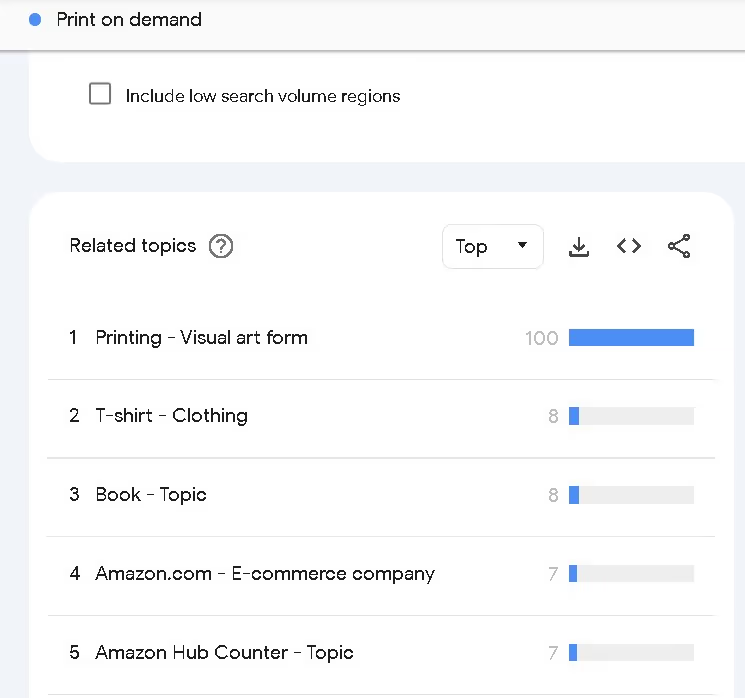
See what styles, themes, or messages are performing well, and let that data guide you toward creative ideas that will generate profit.
2. Picking Products
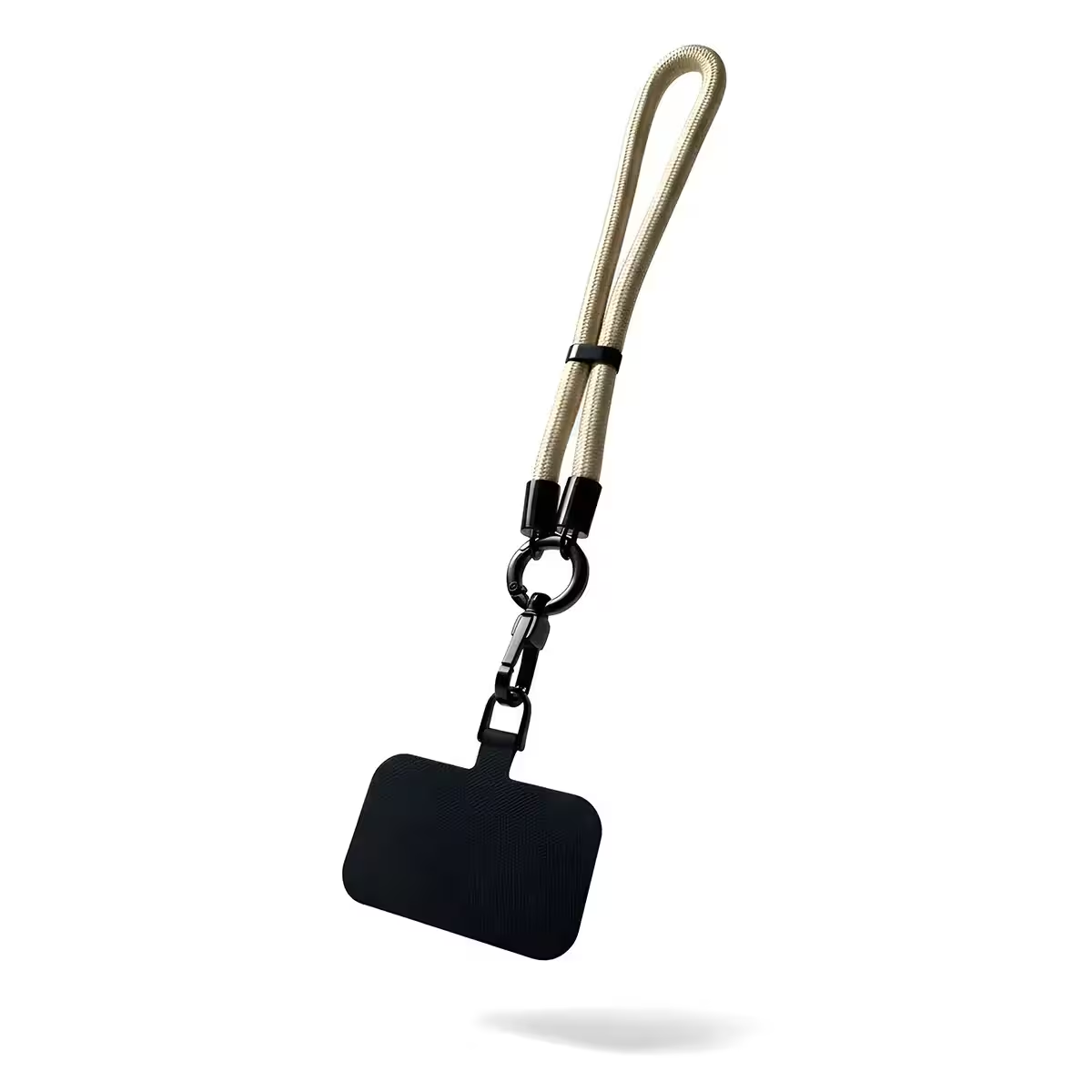
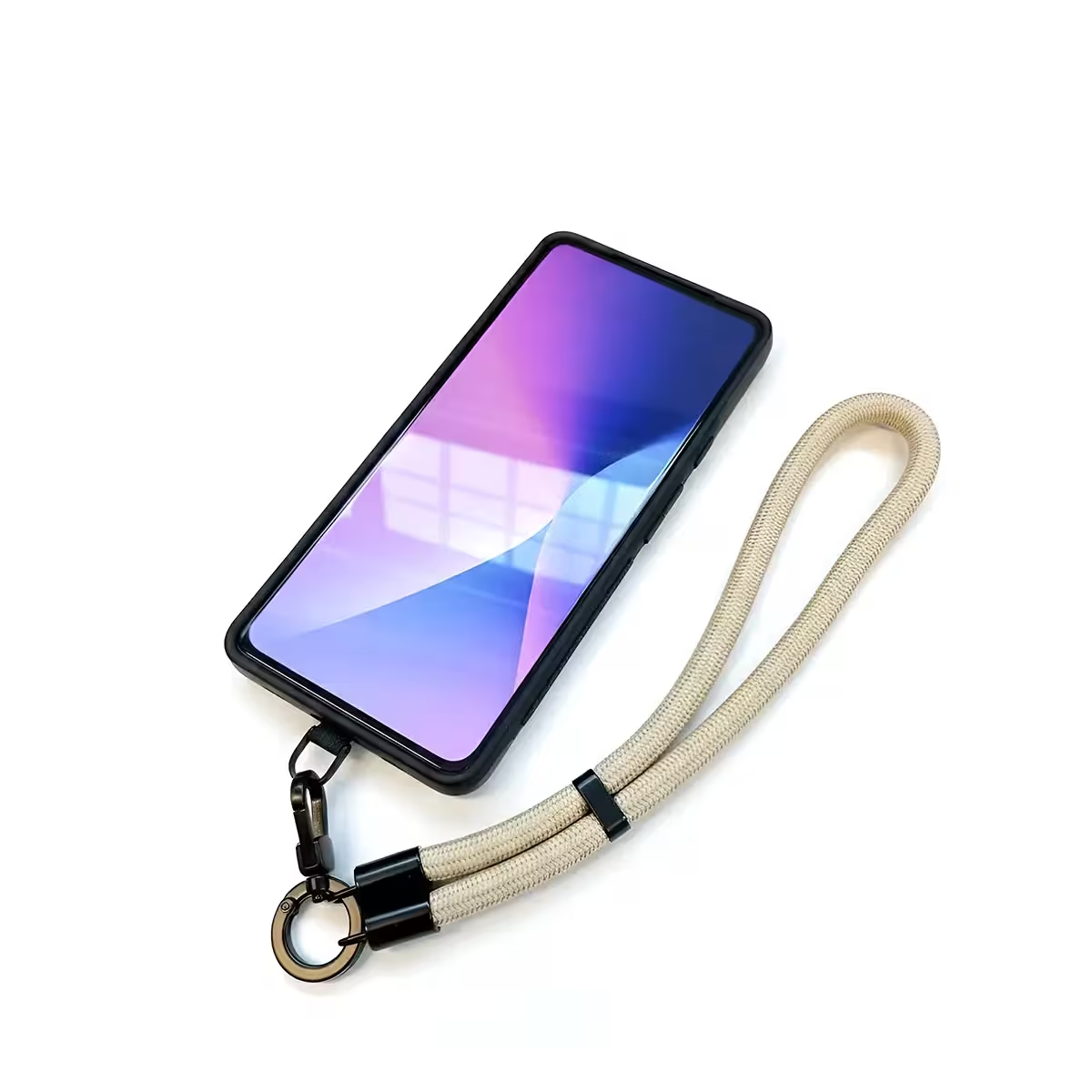
Next, decide on the products you want to sell. POD platforms offer options like T-shirts, phone cases, tech-based products, wall art, and more. Explore what other brands in your niche offer, then pick items that reflect your brand's style. Start with a small list of well-made products and grow gradually based on customer feedback.
3. Connecting to a Platform
Lastly, sign up for a reliable POD platform that fits your needs and budget. Compare product catalogs, shipping times, and integrations with ecommerce platforms. Choose one that supports your ideal products, offers good support, and integrates easily with your store.
Once you have picked a platform, create a free account and connect it to your online store. With Shopify or Etsy the setup is straightforward through built-in integrations. Then upload your designs, choose products, write titles, and set prices. A practical tip from our own seller data: place a sample order in your first couple of days - sellers who do end up ahead of 80% of POD stores, because they catch quality and sizing issues before customers do.
Also Read:
- How to Start an Ecommerce Business Without Money
- How to Make Extra Income While Working Full-Time: Ideas
5 Most Popular Print-on-Demand Sites
Not all print-on-demand sites offer the same features, quality, or speed. Some focus on global reach, others on unique products or fast fulfillment. Here are five top platforms worth exploring, at a glance and in detail.
1. Podbase
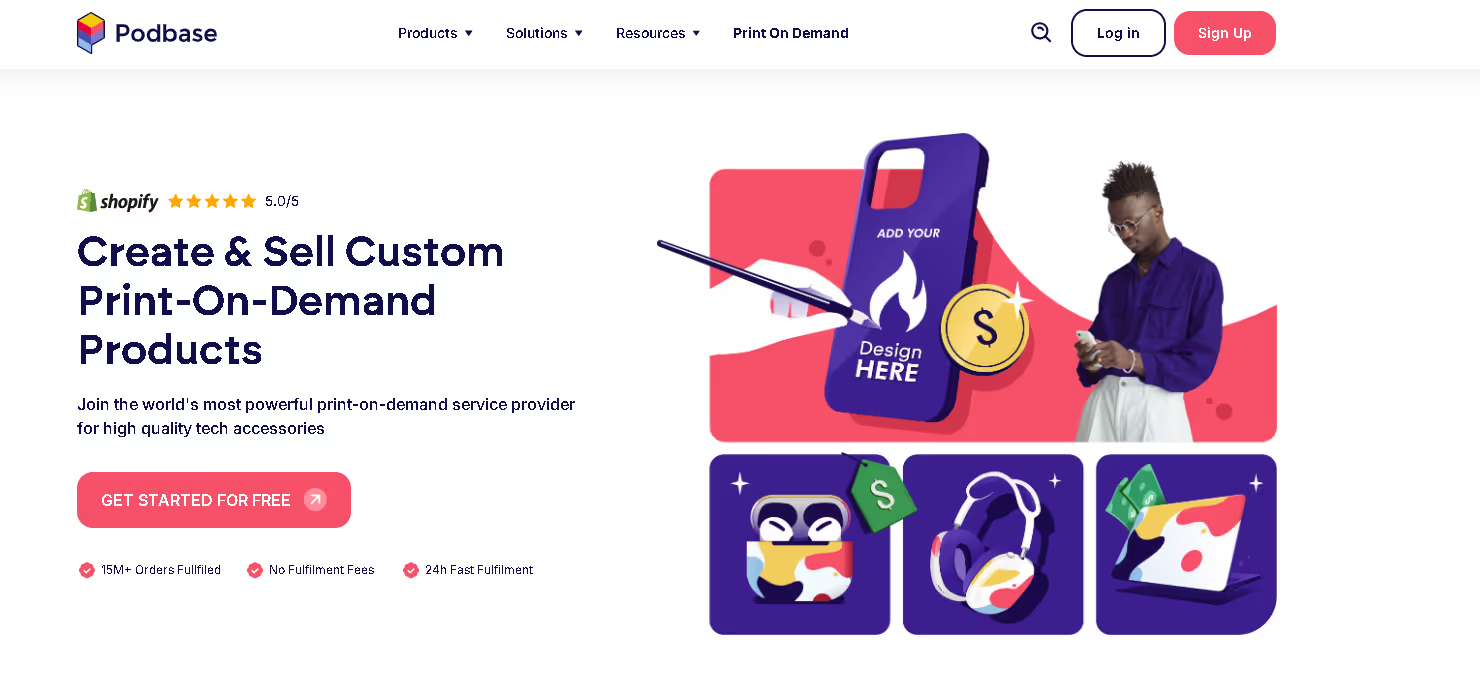
Podbase offers the highest profit margins in the tech accessories category and the fastest fulfillment times among major competitors - manufacturing in-house, it averages about a 23-hour production-to-ship time with quality checks between every production stage.
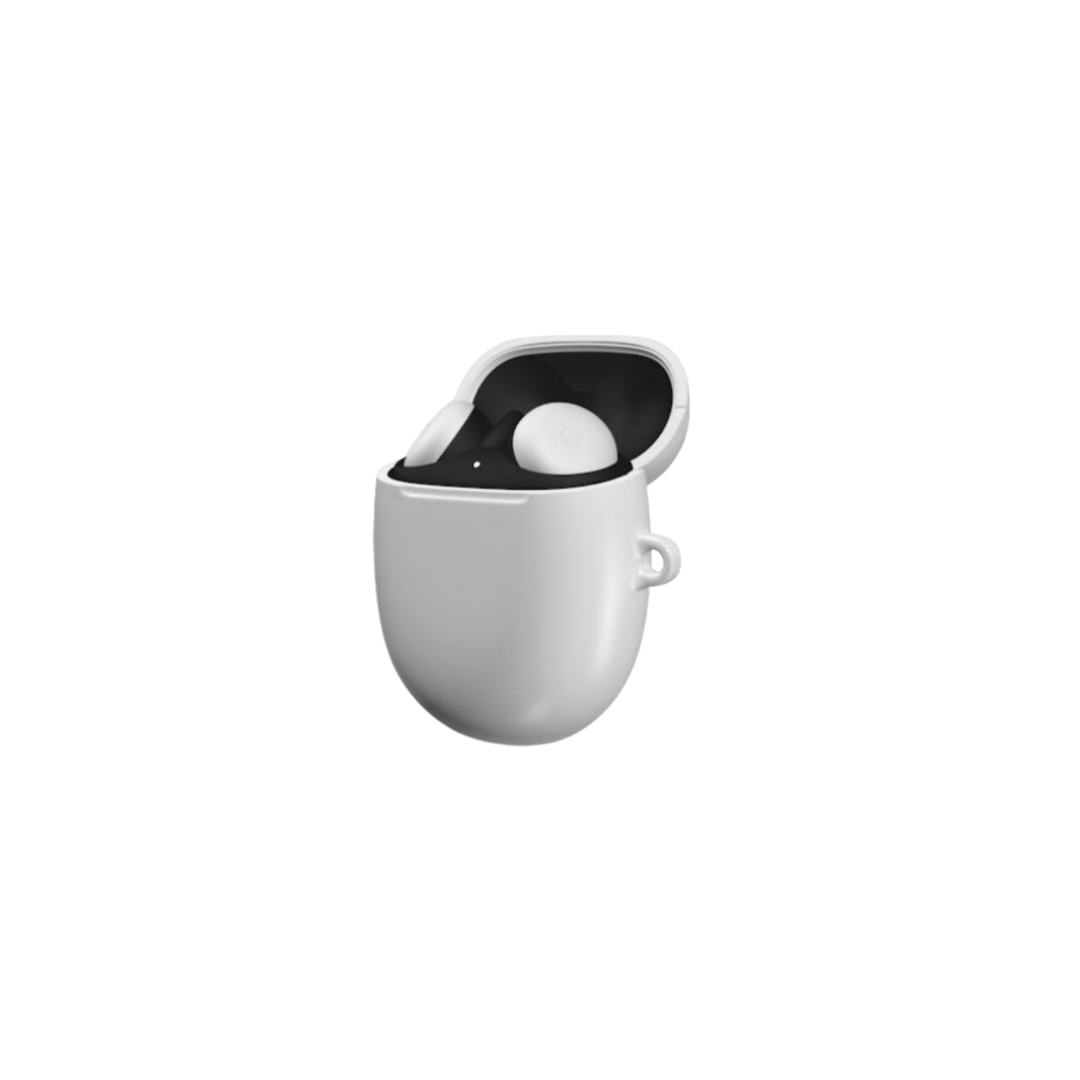
One of its biggest strengths is a huge phone case catalog, including niche models like Xiaomi, OnePlus, and Google that many POD services do not support. Podbase integrates with Shopify, WooCommerce, and Etsy, and offers live order tracking, branding tools, and professional product mockups. Sellers who migrated to Podbase saw 15% more customer reviews and 30% fewer order-issue tickets - so if you are figuring out how to make money with print on demand, you get fast shipping, unique products, and higher profits.
2. Printify
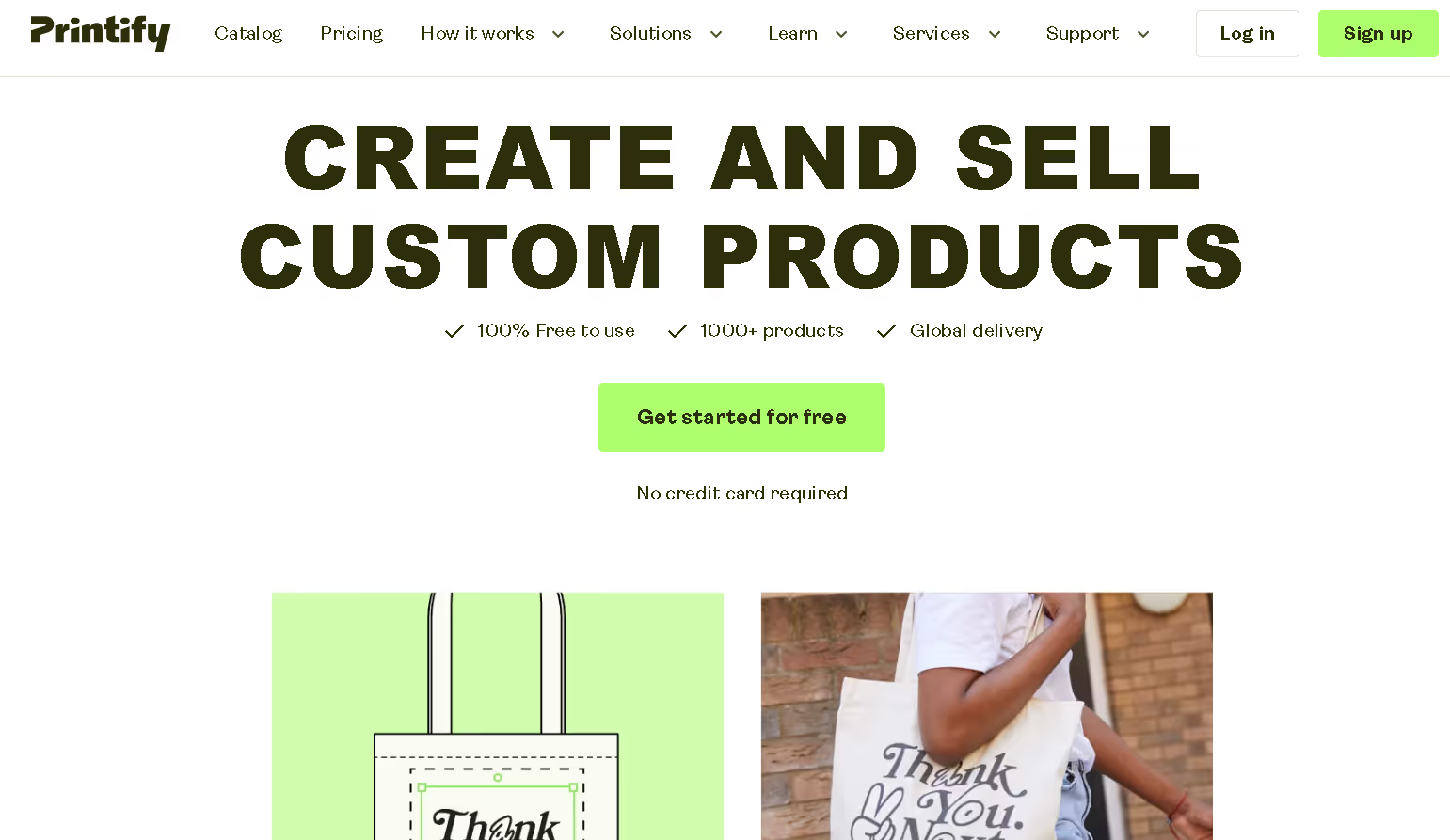
Printify is popular for its catalog of more than 1,000 customizable products and a global network of print providers. Its beginner-friendly design tool previews products before launch, and you can run multiple stores from one account linked to Shopify, Etsy, and more.
You only pay when you make a sale, and you can choose print providers based on location, pricing, or ratings - so you can offer faster shipping by picking partners closest to your customers.
3. Printful
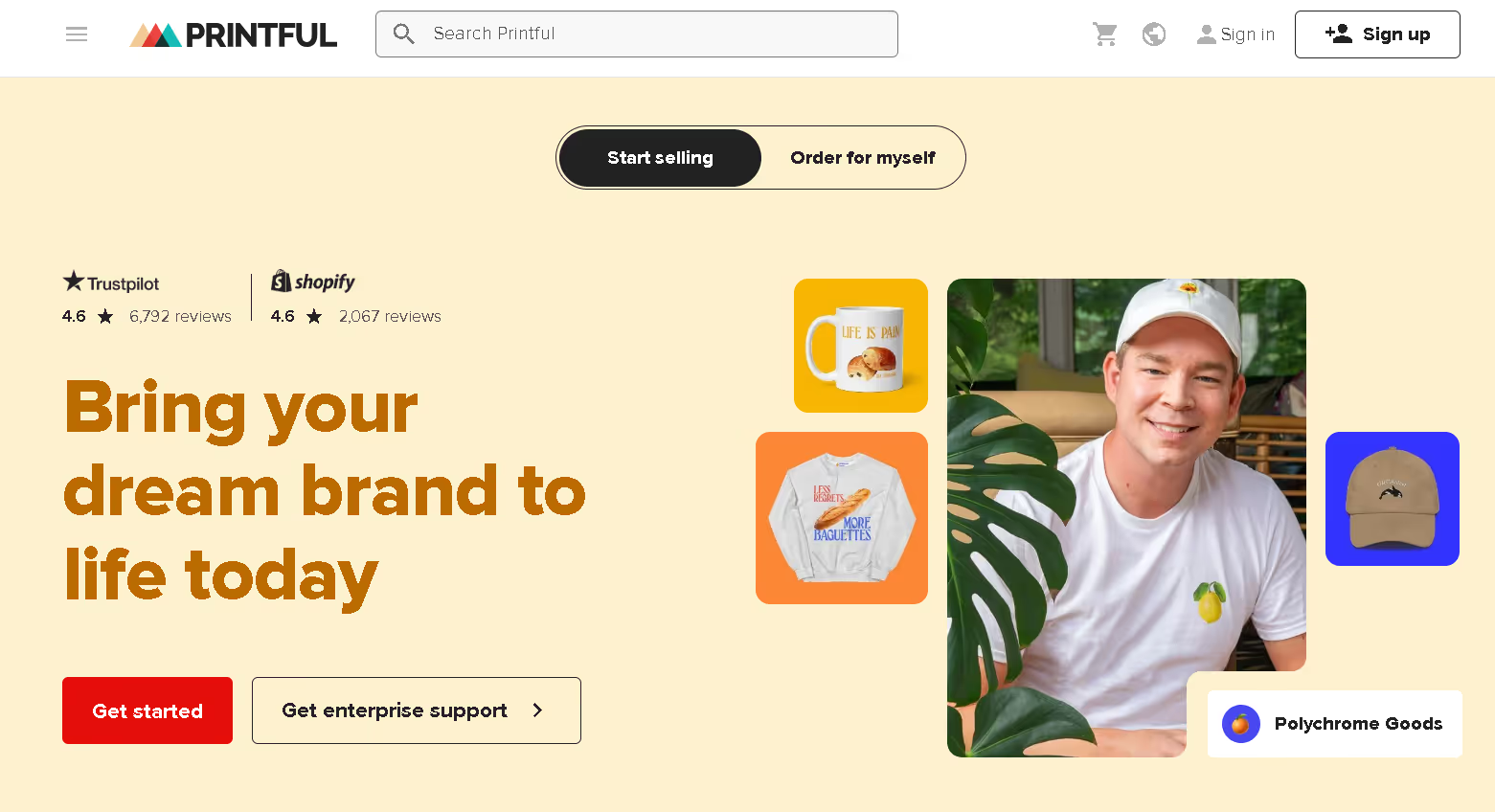
Printful is great for print-on-demand dropshipping, with over 430 items across apparel, accessories, and home decor. Its Mockup Generator previews listings, and the Design Maker helps customize white-label products with branded packing slips, labels, and inserts.
Printful supports multiple printing methods - DTG, embroidery, or all-over printing - to match your product style and budget.
4. Gelato
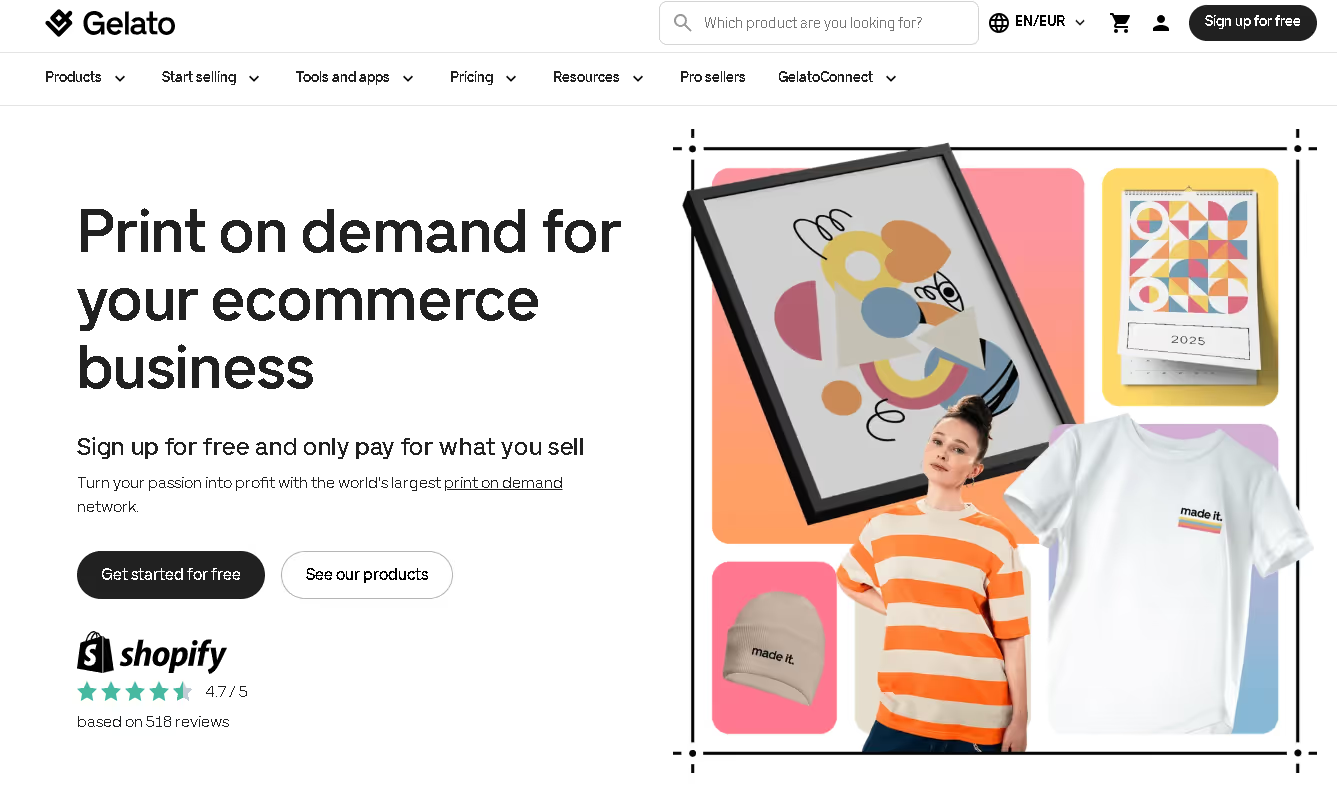
Gelato is a global platform with production partners in over 30 countries, so products are made closer to where your customers live for faster shipping and fewer delays. With more than 140 print partners, it is built for scaling internationally.
Gelato also offers free design tools and access to millions of Shutterstock images, so you can test different looks and products before adding them to your store.
5. Zazzle
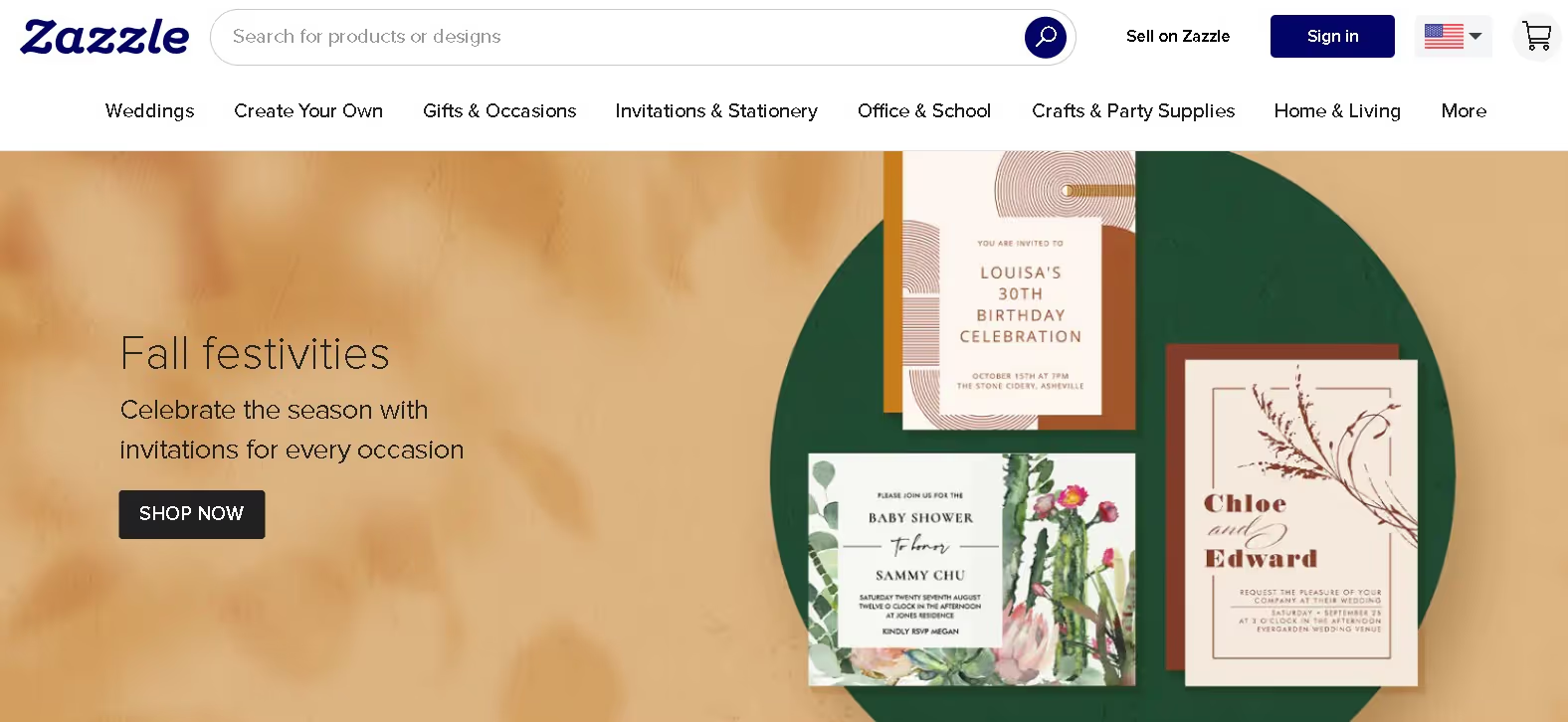
Zazzle is a great platform for selling unique, on-demand gift ideas. It focuses on customizable products like cards, mugs, shirts, and party supplies. You can design items and sell directly to millions of buyers on the Zazzle Marketplace.
You earn royalties when someone purchases your design. Plus, you have control over how much you make per sale. For physical products, the royalty ranges from 5% to 50%. On the other hand, you can earn up to 99% for digital products.
One of Zazzle’s biggest perks is its generous 30-day return policy for customers. This policy makes customers feel more confident in their purchase and helps increase overall sales.
Also Read:
Print-on-Demand Business Tips
Starting a print-on-demand business is exciting, but success takes strategy. These proven tips will help you start and scale your ecommerce business.
1. Focus on Niche Designs
A niche is a specialized group defined by shared interests or identity. Designs that speak directly to their passion feel personal, and niche audiences are more loyal and willing to support small brands - with less competition than a broad market.
2. Invest in Mockups
Use high-quality mockups to present products professionally so customers can see how they will look before buying. Great mockups make a big difference in how your products are perceived.
3. Test, Then Scale
Avoid launching many products at once. Begin with a few designs and track which sell best - look at clicks, add-to-carts, and purchases. Once you find what works, invest more in those winners and avoid wasting money on products that do not perform.
4. Optimize Product Descriptions
Use simple words to explain size, colors, and features, and include keywords your audience searches for. Clear descriptions improve both your search rankings and your sales.
5. Promote on Social Media
Post often to stay on people's minds and grow brand awareness. Share photos, behind-the-scenes content, and happy customer reviews - the more people see and connect with your brand, the more likely they are to buy.
Also Read:
- How to Start an Online Store Without Inventory
- Is Dropshipping Actually Profitable? (What No One Tells You)
Tips for Creating Designs
Unique designs translate to more sales. To create eye-catching products your audience will love, follow these tips.
1. Understand File Specifications
Every platform has rules for image size, format, and resolution, and ignoring them can mean poor-quality prints or rejected products. Read each product's guidelines, follow file-size limits, and use platform templates when available.
Upload high-resolution files for clean, sharp prints - most platforms recommend a minimum of 300 DPI. Save files as PNG with a transparent background, and check bleed areas, print areas, and safe zones before uploading. The Podbase design guide lists the exact specs, and because Podbase verifies color with a spectrophotometer and checks quality at every stage, a correctly prepared file is what your customer actually receives.
2. Find Design Ideas
Start by checking what is trending on social media, and browse Amazon, Etsy, and Redbubble to discover top-selling print-on-demand products. Etsy's most-loved categories are a good place to study what sells.
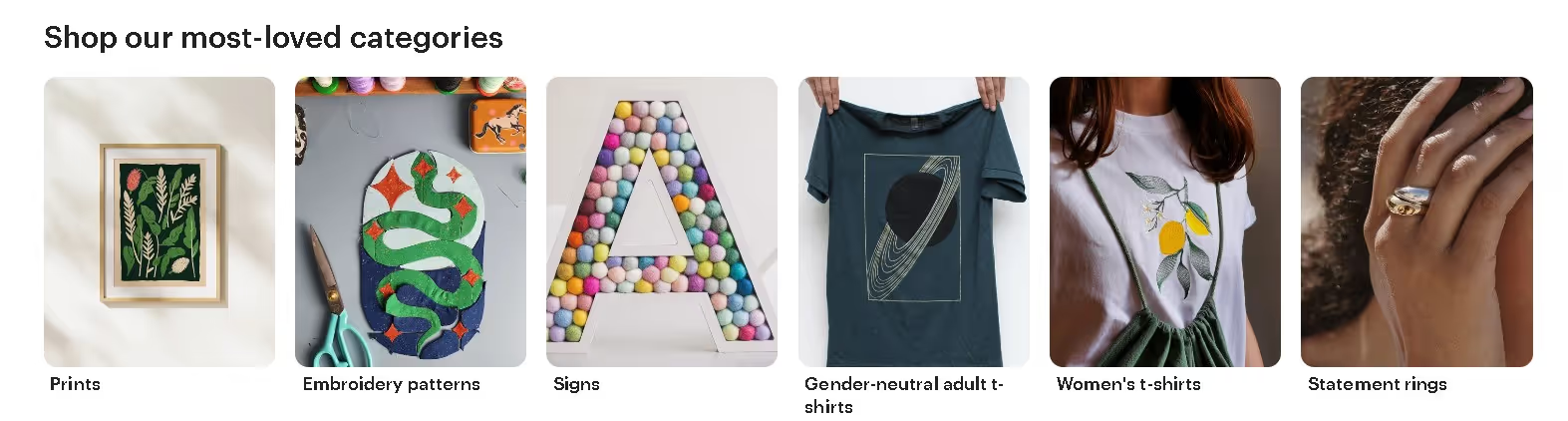
Pinterest and Instagram help you spot popular themes, and holidays, seasons, and events offer timely ideas. Read reviews on competitor listings to learn what customers want, and check Google Trends for hot topics. Most importantly, never copy designs - it can cause legal and copyright issues, so always add your own unique twist.
3. Hire a Freelancer
If you cannot design, hire a freelance designer to bring your ideas to life. You can find skilled creatives on Fiverr, Upwork, or 99designs across a range of budgets.
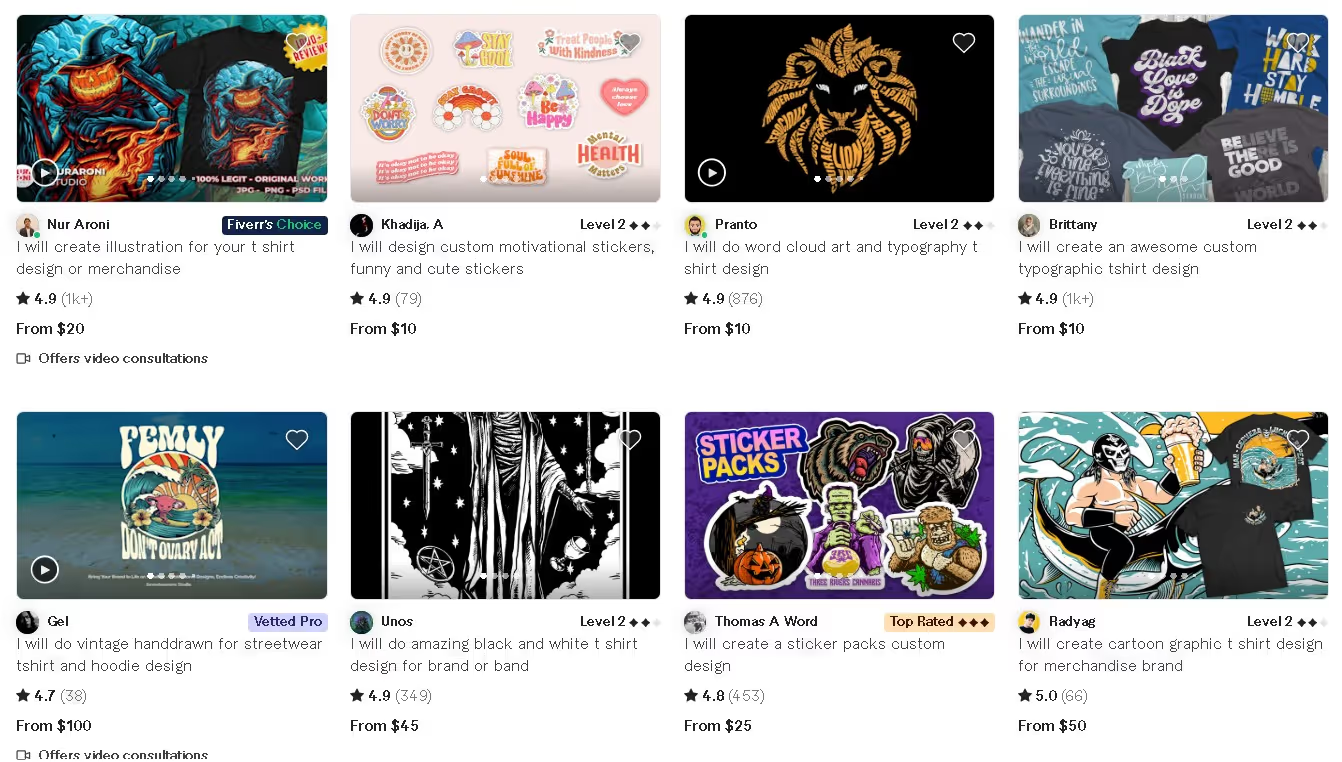
Look for designers experienced with print-on-demand formats and file specs, and review their portfolio first. Explain your target audience and the message each design should communicate, share inspiration images, and provide specific file requirements so the final design works seamlessly on your platform.
Also Read:
- How to Start a Shopify Store with Podbase: The Ultimate Guide for Success
- Smart Ways to Make Money From Your Phone
FAQ
1. What is print on demand and how does it work?
Print on demand (POD) lets you sell custom products without holding inventory. You upload a design, apply it to products like t-shirts or phone cases, and list them in your store. When a customer orders, the POD provider prints, packs, and ships the item, and you pay only after the sale - making it low-risk and beginner-friendly.
2. How do I start a print on demand business as a beginner?
To start a print on demand business, choose a focused niche, pick a few products that fit it, and connect a reliable POD platform to your Shopify or Etsy store. Upload designs, write titles and prices, and publish. Then market on social media, test what sells, and scale your winners - all with no inventory required.
3. Is print on demand profitable for beginners?
Yes, print on demand can be profitable with the right niche and provider. Margins per item are smaller than bulk manufacturing, but there is no inventory risk. Choosing an in-house provider like Podbase, which offers margins up to 100% higher than other POD companies, and focusing on a loyal niche improves profitability.
4. How much does it cost to start print on demand?
Print on demand is one of the cheapest businesses to start: most platforms, including Podbase, are free to join and charge only when you make a sale. Your main costs are optional - a store subscription, paid ads, or hiring a freelance designer. You pay for the product and shipping only after a customer orders.
5. What are the best print on demand sites for beginners?
Beginner-friendly print on demand sites include Podbase for high-margin tech accessories and phone cases, Printify for catalog size, Printful for branding, Gelato for fast global delivery, and Zazzle for marketplace gifting. Compare product range, fulfillment speed, integrations, and support, and order a sample before listing.
6. Do I need design skills to start print on demand?
No, you do not need advanced design skills. Free tools like Canva let beginners create clean designs, and you can hire freelancers on Fiverr or Upwork if needed. Keep designs bold and simple, work at 300 DPI in PNG with a transparent background, and follow each product's design guide for sharp prints.
Conclusion
Print on demand is low-risk and beginner-friendly: you create designs, choose products, and sell without holding inventory while a provider handles printing, packing, and shipping. That lets you focus on creativity and marketing instead of logistics. Define your niche, prepare your files properly, choose a reliable provider, and launch fast - then test and scale your winners. Create a Podbase account today to start selling print-on-demand products with no inventory and no upfront cost.
Also Read:

Saulius Meilutis is the CEO of Podbase, helping creators and entrepreneurs monetize their ideas with print-on-demand. He shares insights on eCommerce, growth, and building lean online businesses.

.avif)



.avif)
.avif)
.avif)
.avif)
.avif)
.avif)

.avif)


.avif)
.avif)

.avif)

.avif)

.avif)