Print-on-demand vs DIY in 2026 comes down to a single question: do you want to spend your time making products or selling them? For most creators building a brand, print-on-demand wins - but the right answer depends on your goals.
There has long been confusion about how to bring custom products to life. Should you print them yourself, or let a print-on-demand platform handle it? Both offer creative freedom, but the path you choose affects costs, profits, and how much time you spend managing orders.
This guide breaks it all down. We compare print-on-demand vs DIY across cost, quality, margins, scalability, and the AI tools that now power both - with data from our own production line built in - so you can confidently choose what fits your goals and skills. Let’s get into it.
What Is Print-on-Demand (POD)?
Print-on-demand (POD) is a business model where products are printed only after a customer places an order. That means no upfront inventory, no bulk printing, and no shipping hassles. You do not need to buy machines or worry about packaging. Print on demand is a hands-off, low-risk way to sell custom products online.
1. How It Works
The print-on-demand process is simple, streamlined, and beginner-friendly. Here is how it works:
- Upload your design: create your artwork with tools like Canva, then upload it to a POD platform.
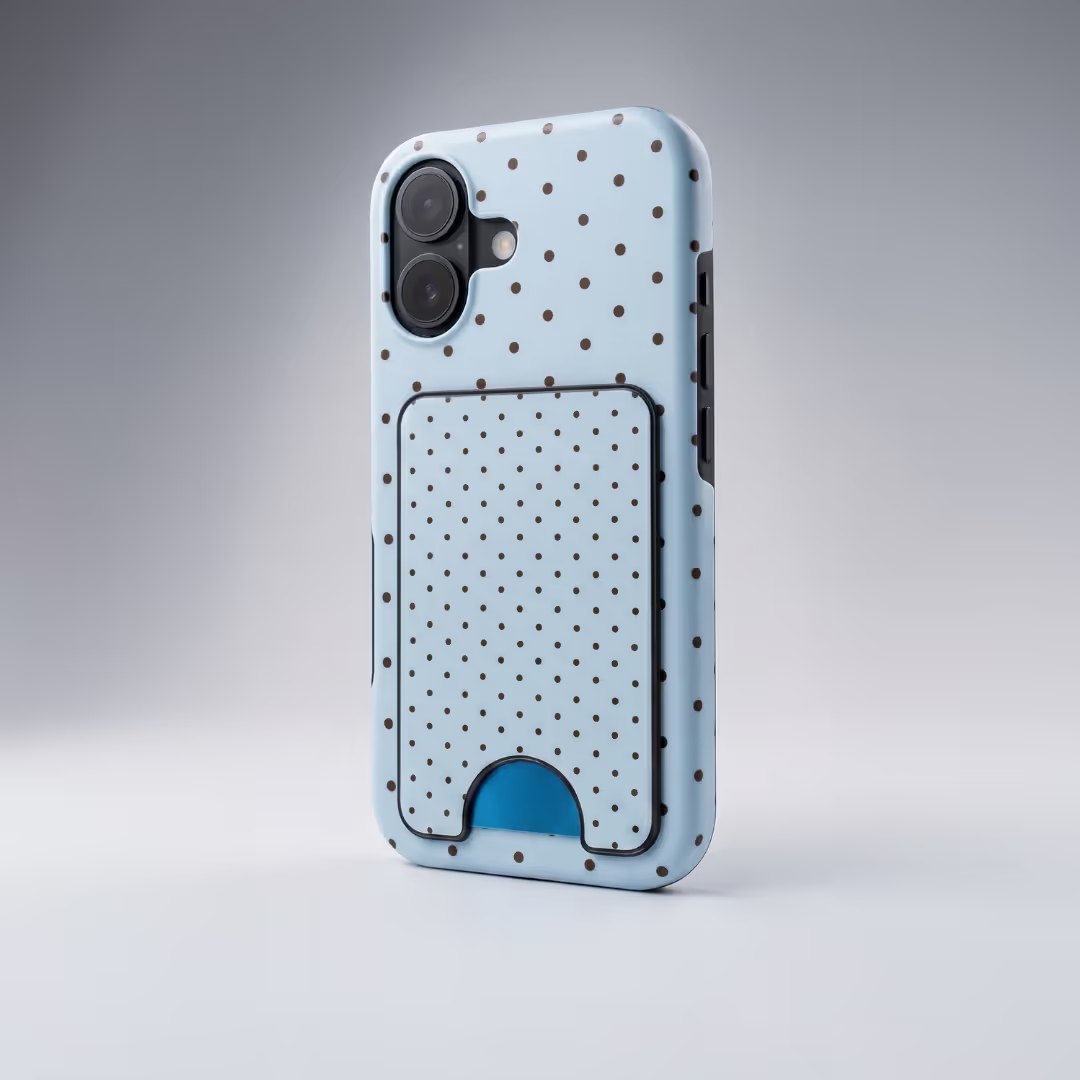
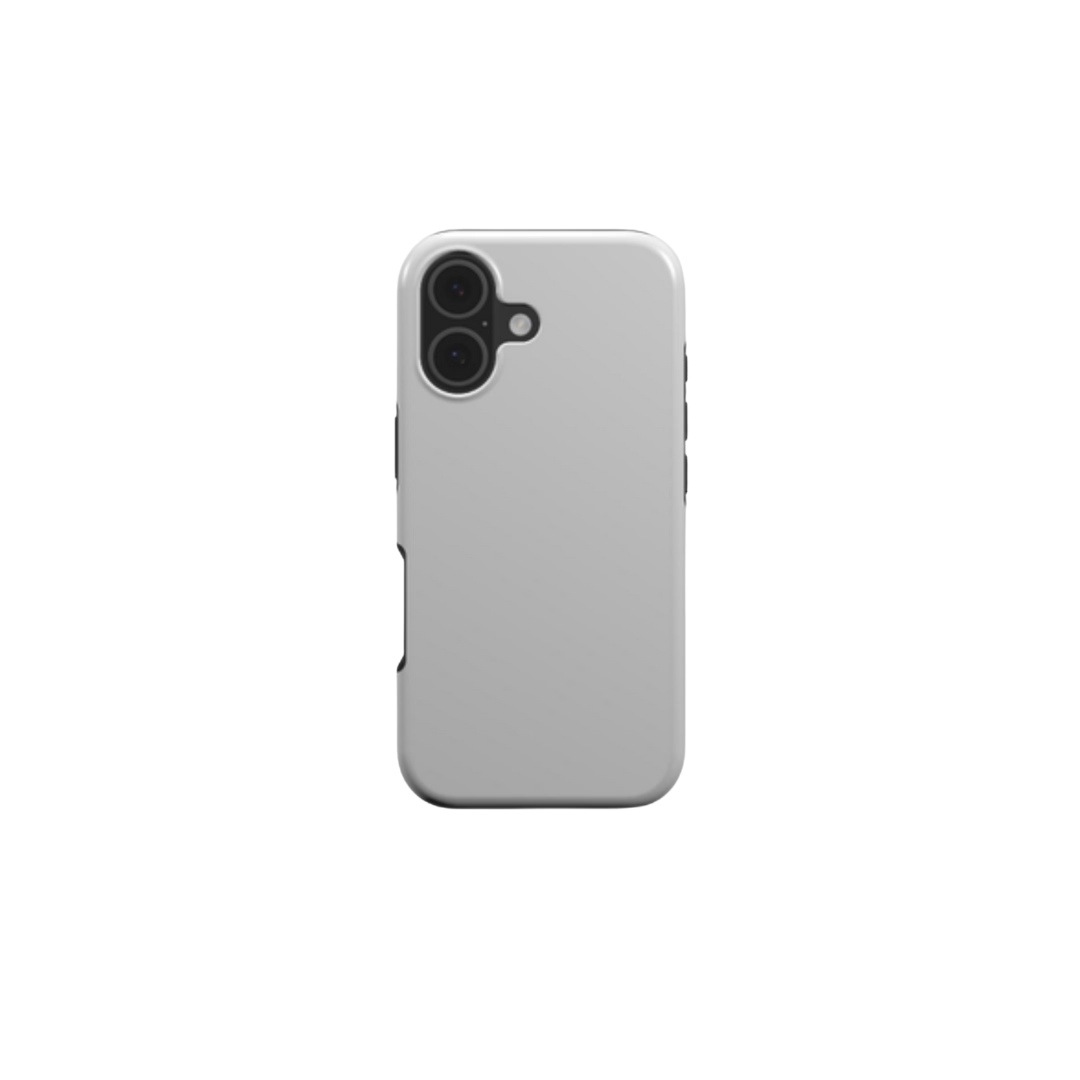
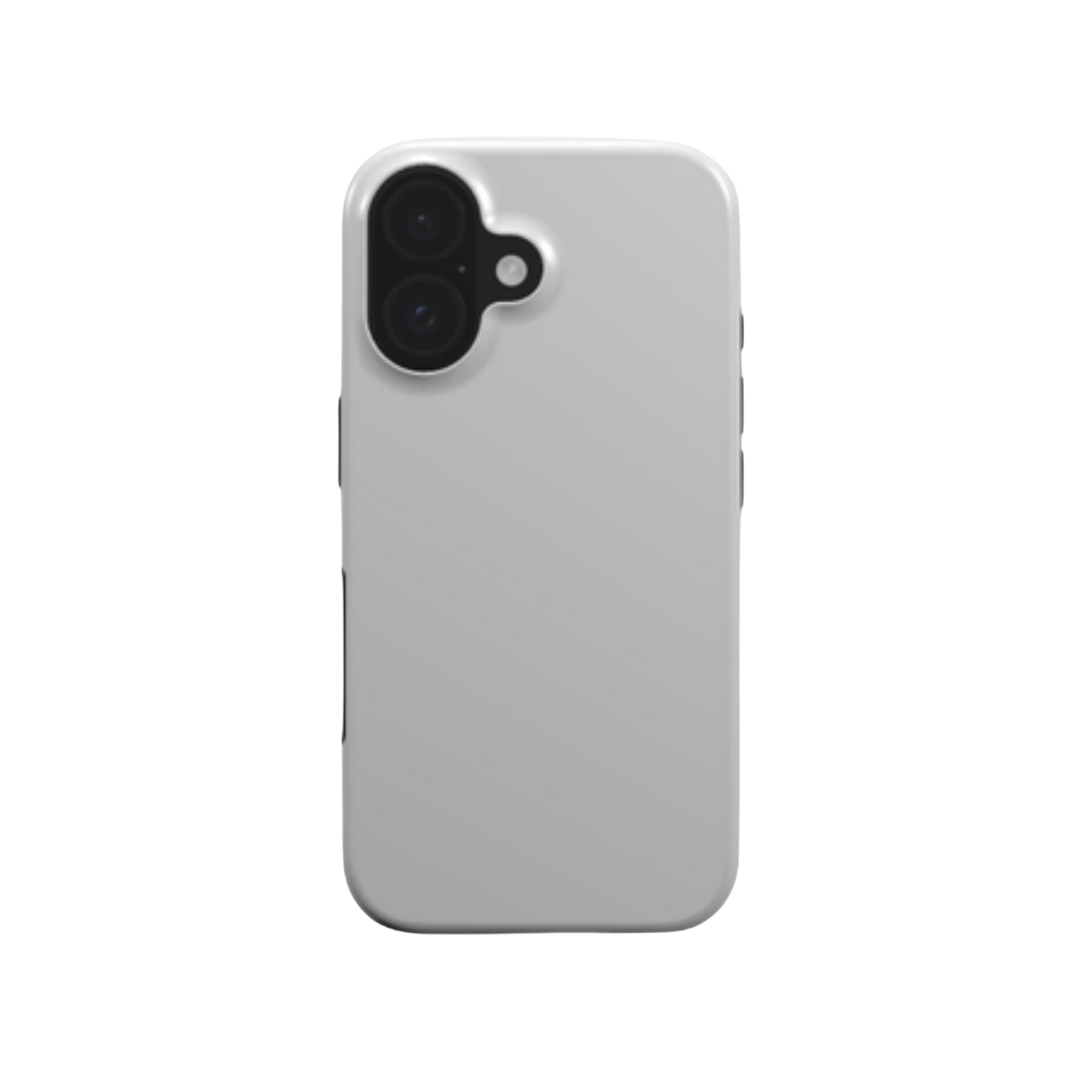
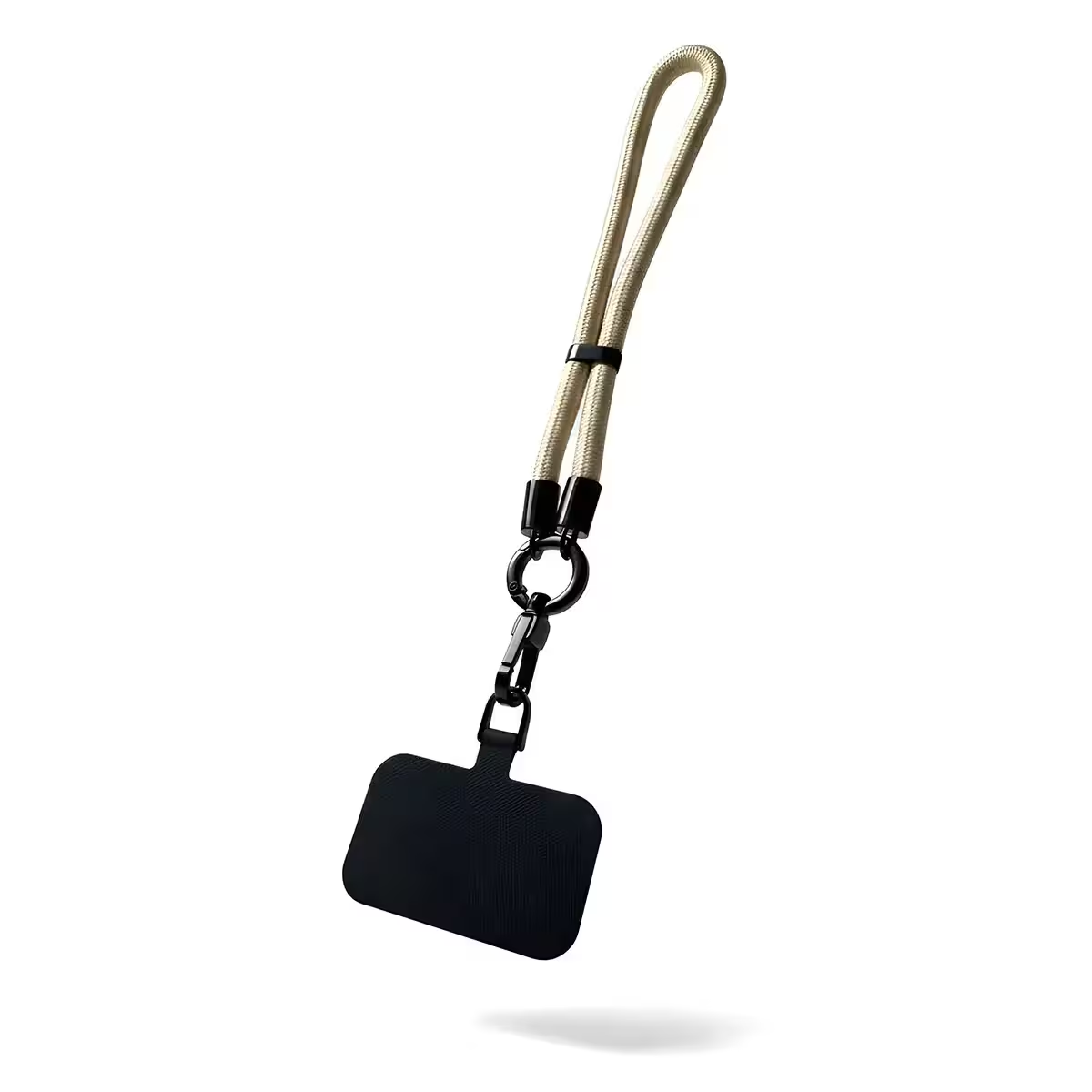
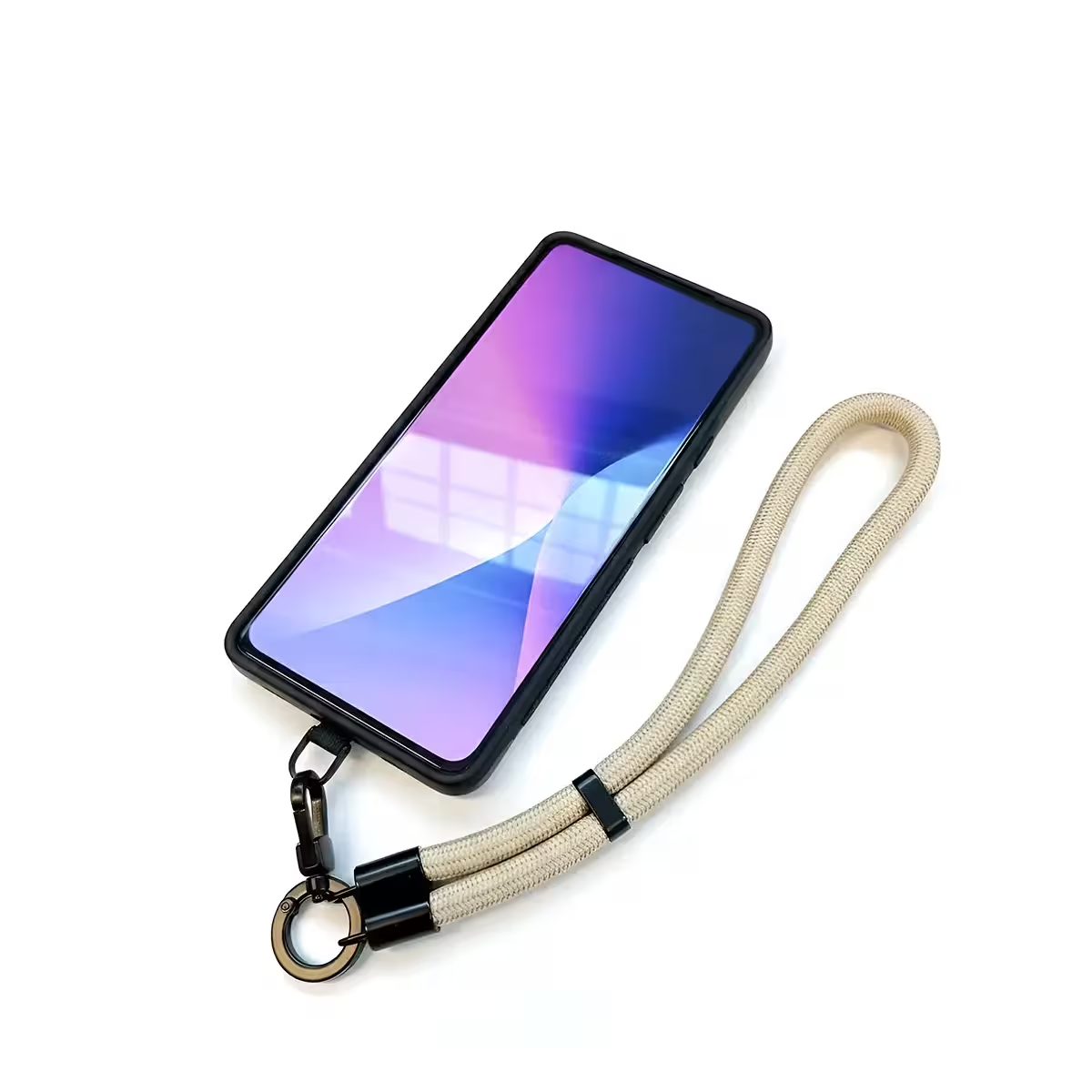
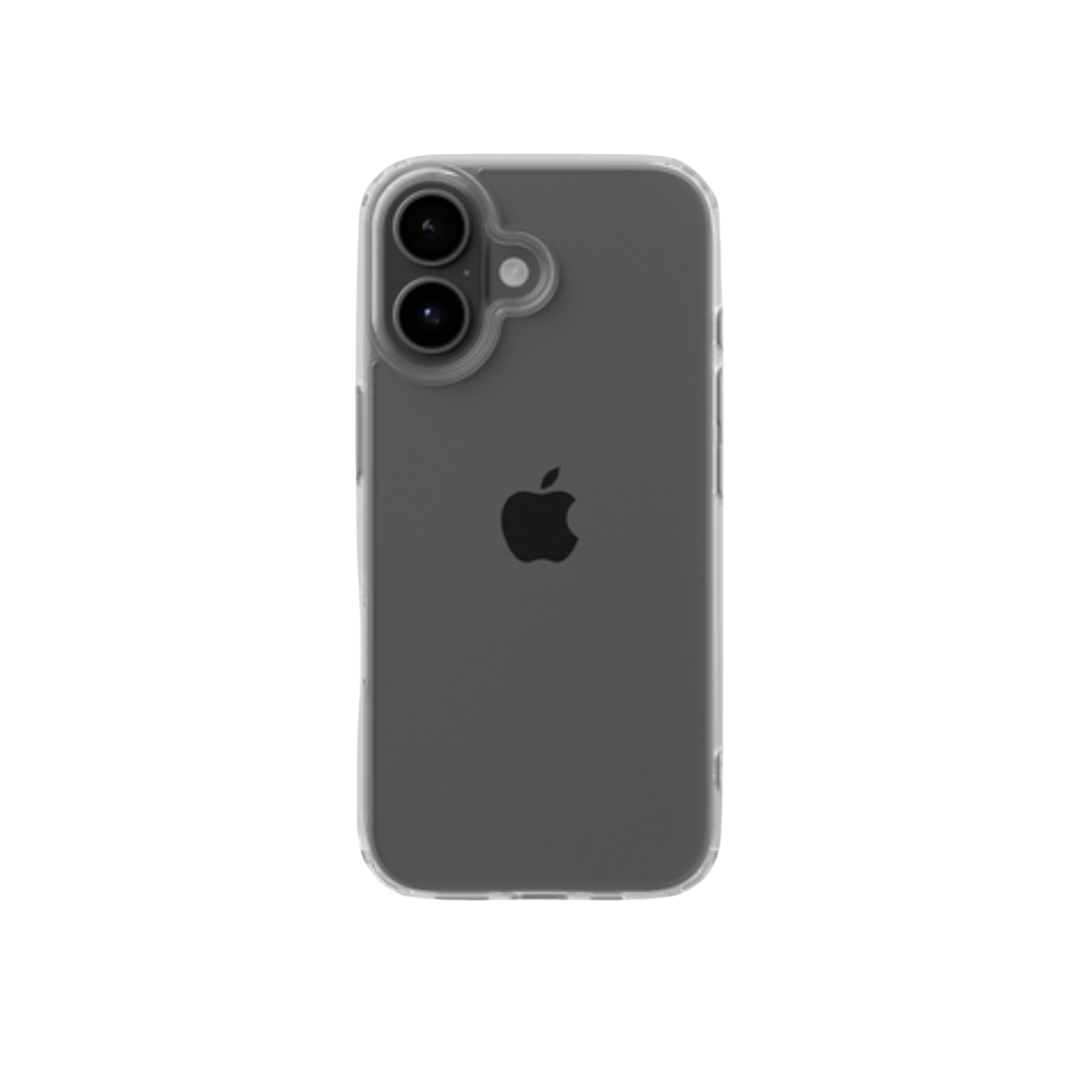
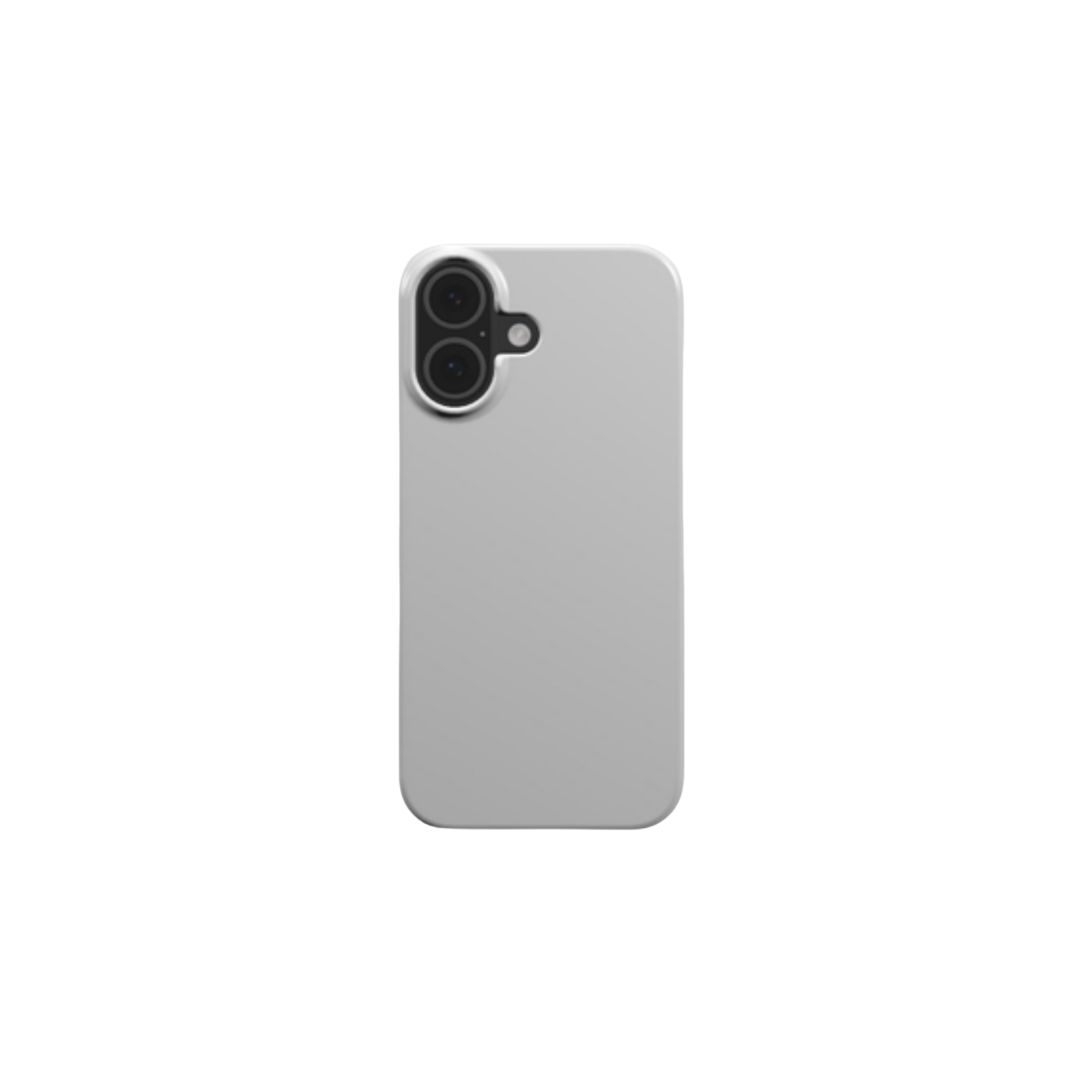
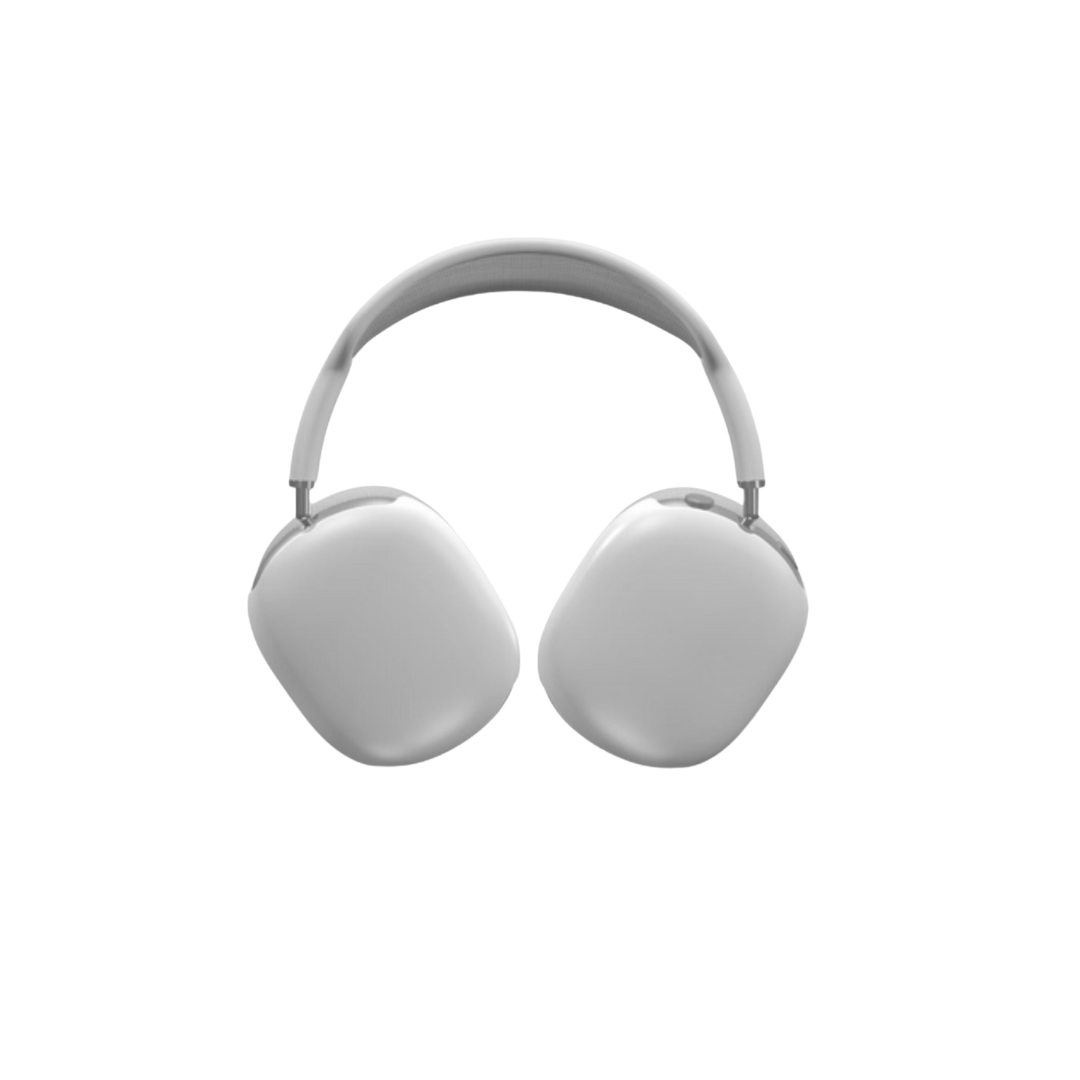
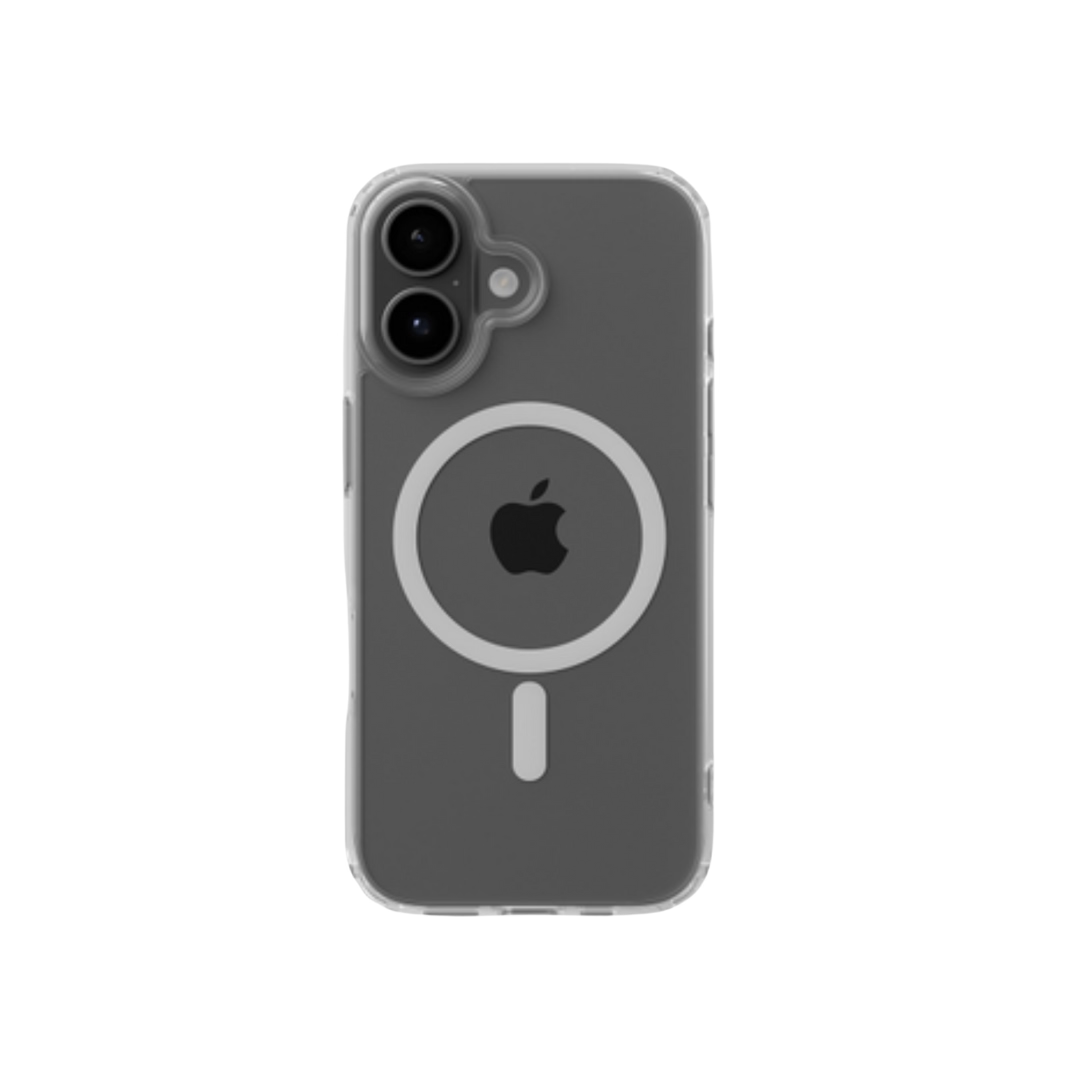
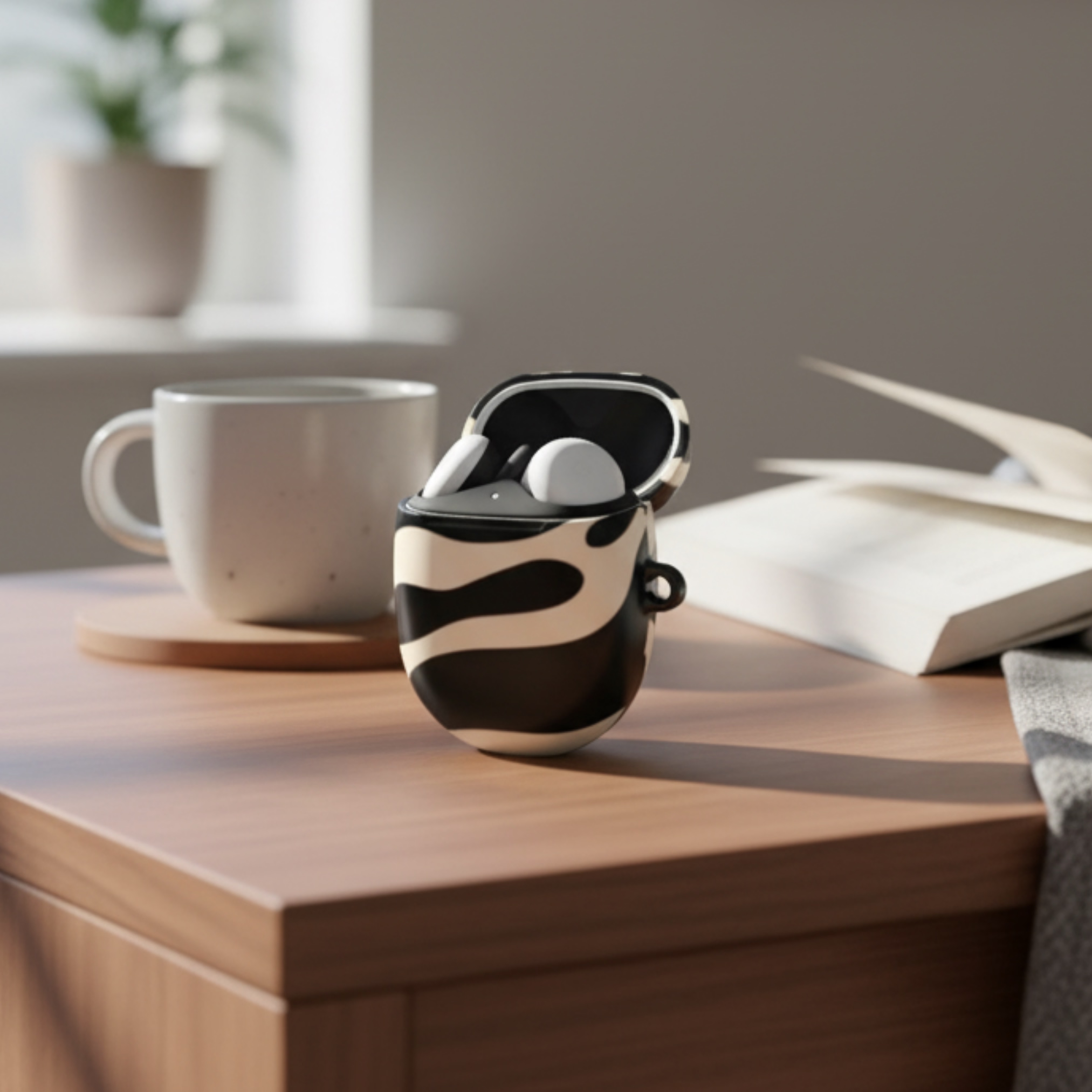
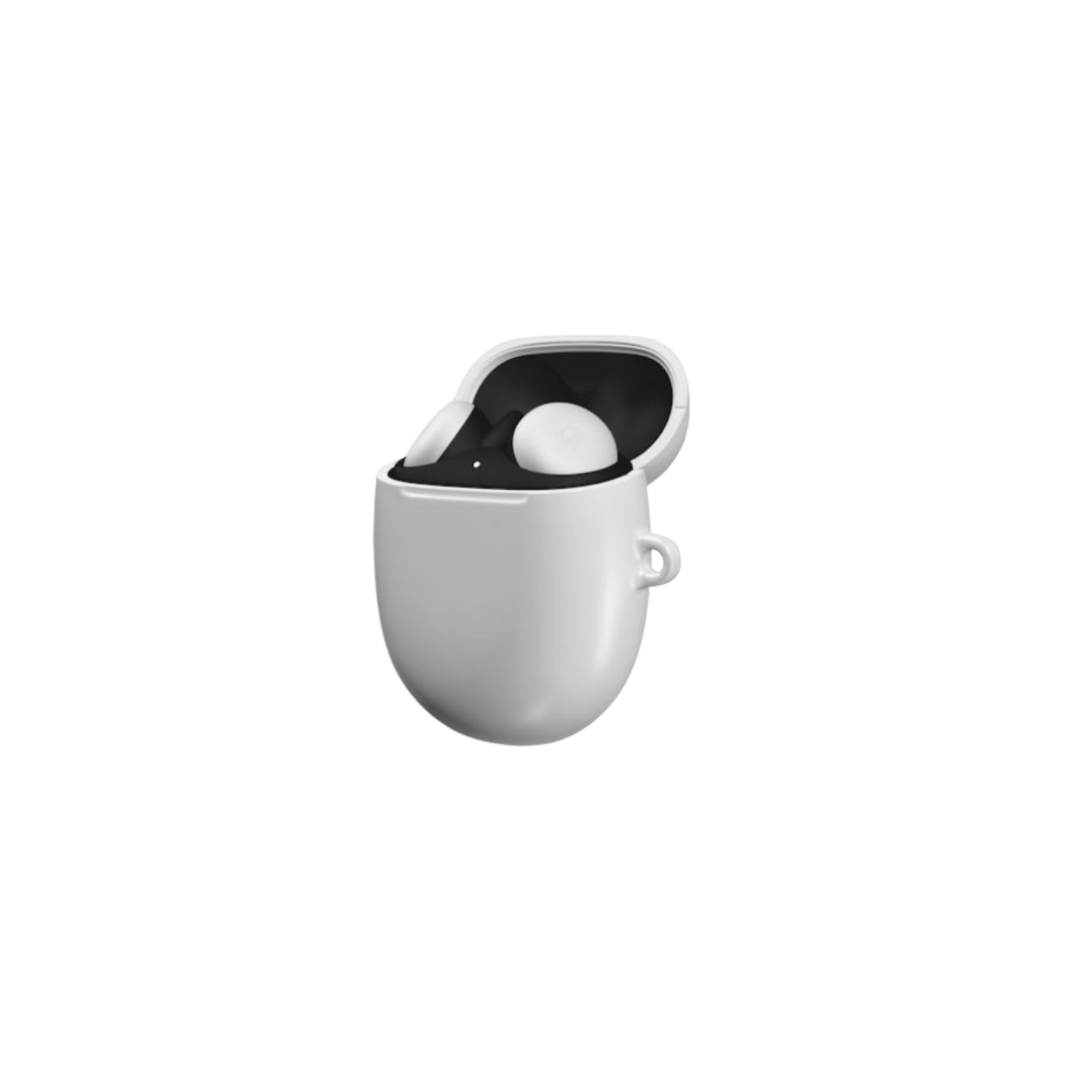
- Choose a product: select what you want to sell - custom phone cases, AirPods covers, and more.
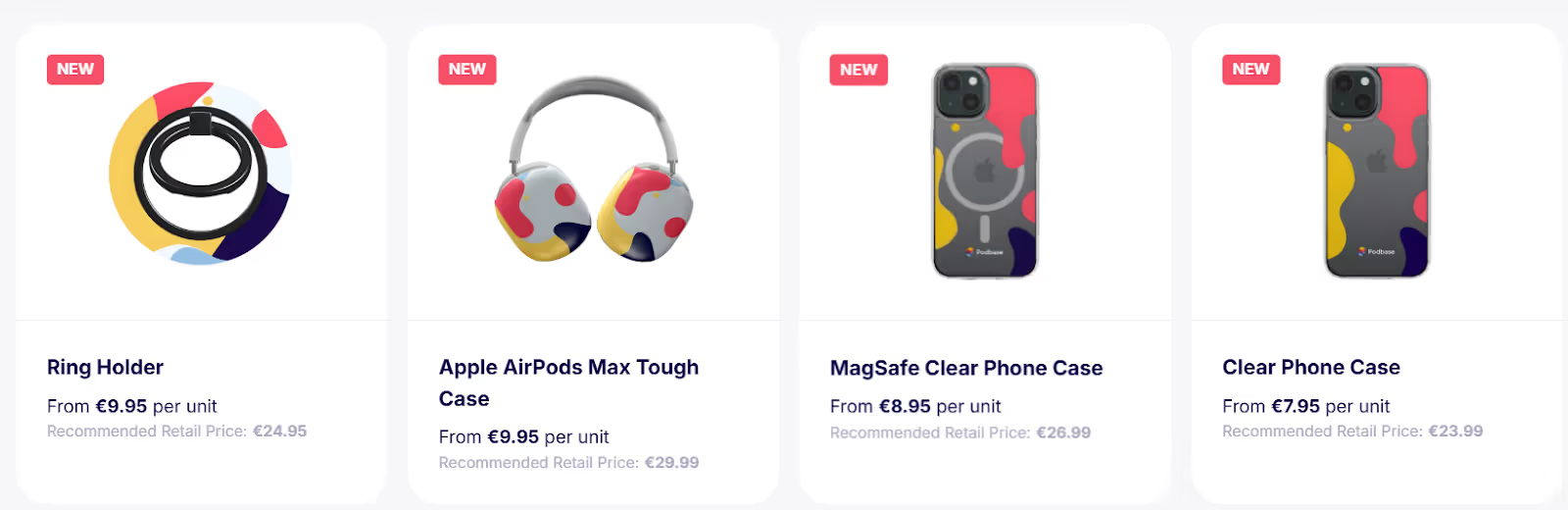
- Publish to your store: sync your POD account with ecommerce platforms like Shopify, Etsy, or TikTok Shop.
- Customer orders: when someone buys, the order details go straight to the POD provider - no manual work needed.
- Printing and shipping: the platform prints the product, packs it professionally, and ships it directly to your customer.
There is more craft behind that last step than most sellers realize. At Podbase, a print runs 6 to 8 hours depending on the method, with assembly and packaging adding about two hours and quality checks built in between every stage. “Print quality is our top priority - we test a wide range of materials before even launching a product,” notes our Operations team. The point of POD is not that quality is out of your hands; it is that a specialist owns it so you do not have to.
2. Benefits for Beginners
Print-on-demand is one of the easiest ways to launch a product business, especially for beginners. It is a smart way to make money that lets you focus on creativity. Key benefits include:
- No upfront inventory or equipment: you skip the capital that DIY demands before your first sale.
- Low startup cost and simple setup: many platforms are free or under $100.
- Hands-off fulfillment: printing, packing, and shipping are handled for you.
- Built-in design tools and wide product selection: great for testing ideas fast.
Speed is the underrated benefit. With AI-assisted workflows, the average time to onboard a new POD project has dropped from about three months to under one - three times faster - so beginners can validate an idea in weeks, not quarters.
3. Who Should Use Print on Demand?
Print-on-demand is ideal for selling custom products without handling inventory, equipment, or shipping. It is perfect for creatives, beginners, and side hustlers who want a low-risk, low-cost way to sell without managing logistics.
Also Read:
- 10 Low-Cost Business Ideas to Start
- 11 Money-Making Hobbies That Can Earn You Money This Year
- Print On Demand Design Ideas for 2026: What’s Trending Now
What Is Do-It-Yourself (DIY) Printing?
DIY printing means complete control - you create, print, and ship every product yourself. From equipment and design to packaging and delivery, you handle it all. This hands-on approach demands time, money, and effort, but offers total creative freedom.
1. Required Tools and Setup Costs
DIY printing needs upfront investment in tools, supplies, and space. Costs range from hundreds to thousands of dollars, plus time to learn the equipment, troubleshoot printing issues, and manage logistics as orders grow. You typically need:
- Design software: Canva, Photoshop, or Illustrator.
- Printing equipment: heat press, inkjet printer, or sublimation printer.
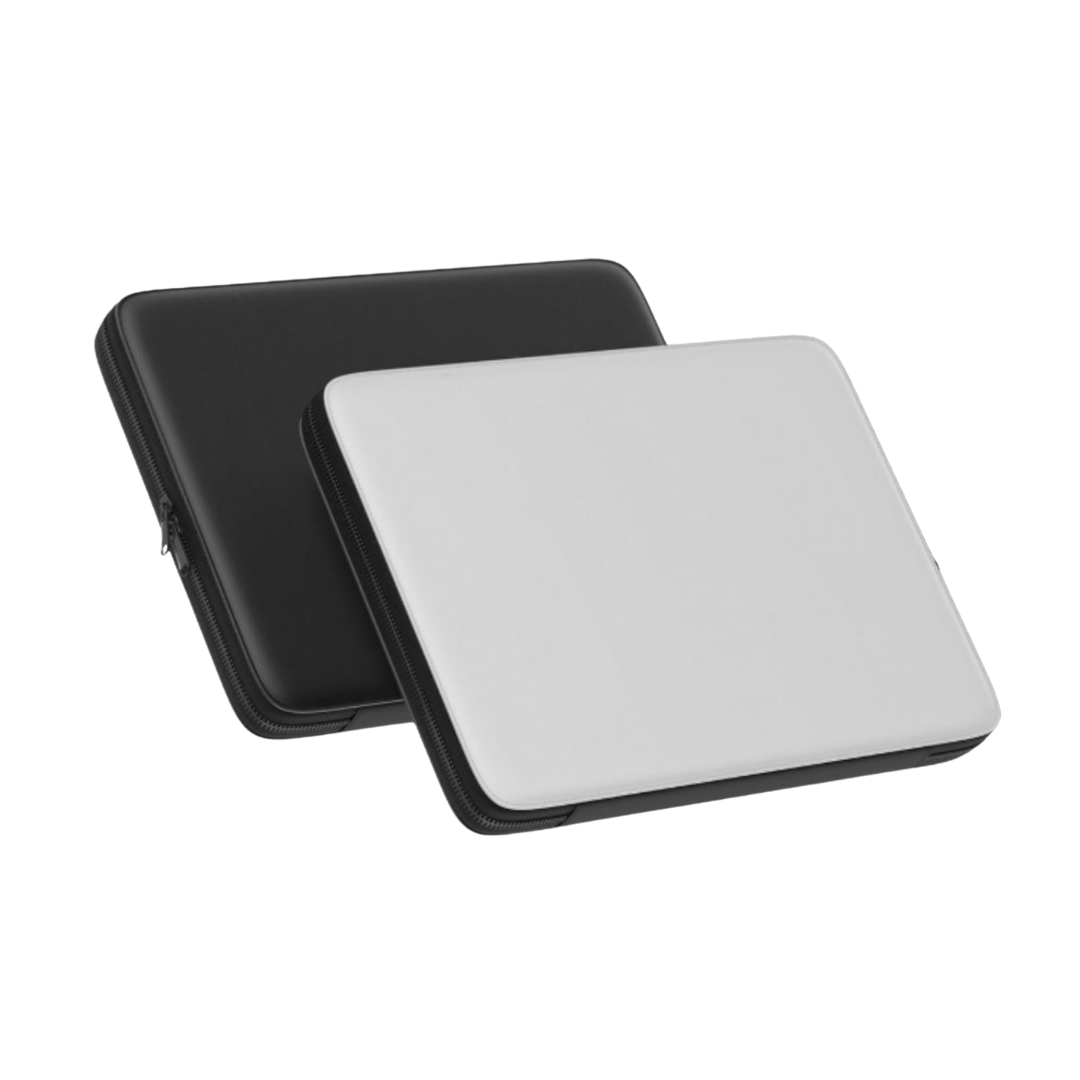
- Blank products: phone cases, T-shirts, laptop sleeves, and so on.
- Packaging and workspace: boxes, labels, bubble wrap, plus a clean production and storage area.
- Cutting tools: a Cricut or Silhouette machine.
2. Pros of Full Control
If you value craftsmanship and unique styles, DIY offers real upsides:
- Creative freedom: customize every detail.
- Higher per-item margins: no third-party fees or fulfillment cuts.
- Faster response times: handle urgent orders or changes instantly.
- Brand uniqueness: stand out with handcrafted, limited-edition designs.
- Hands-on quality checks: inspect each product before you ship it.
3. Who Should Consider DIY?
DIY printing works best for makers ready to invest serious time, effort, and money. Consider DIY-style platforms and equipment if you enjoy hands-on work and full creative control over a small, high-touch product line.
Also Read:
- Print-on-Demand: Your Complete Beginner’s Guide
- Best Print-on-Demand Niches: How to Find Profitable Ideas
Print-on-Demand vs DIY: Side-by-Side Comparison
Stuck between print-on-demand vs DIY? The factors below can help you decide.
1. Cost to Start
POD requires little to no upfront investment - some platforms are free or under $100. DIY needs $500 to $3,000+ for machines, supplies, and workspace before your first sale.
2. Time Investment
Launching with POD is fast - you can start in hours. DIY takes weeks to set up equipment, test prints, and organize production.
3. Quality Control
DIY lets you inspect every item by hand. POD quality depends on the platform - which is exactly why the provider matters. A serious POD partner closes that gap: Podbase tests materials before launch and verifies color with a spectrophotometer, and sellers who migrated to us saw 30% fewer order-issue tickets.
4. Profit Margins
DIY offers higher margins per item, but only after covering startup and ongoing costs. POD margins are moderate after fees - though Podbase pricing runs roughly 10-15% better than other POD providers, and a case bought at about EUR 10 can sell for EUR 35-60.
5. Scalability
POD is easy to scale - you add designs without extra labor. DIY gets harder to scale, because more orders mean more manual work and material restocking.
6. Logistics & Shipping
POD handles fulfillment and delivery for you. DIY means packing, shipping, and customer service on your own. The table below compares the two models side by side:
Also Read:
What AI Tools Can Help?
AI tools can speed up every step of your creative process, from brainstorming designs to fulfillment - and they help close the old quality-and-speed gap between POD and DIY.
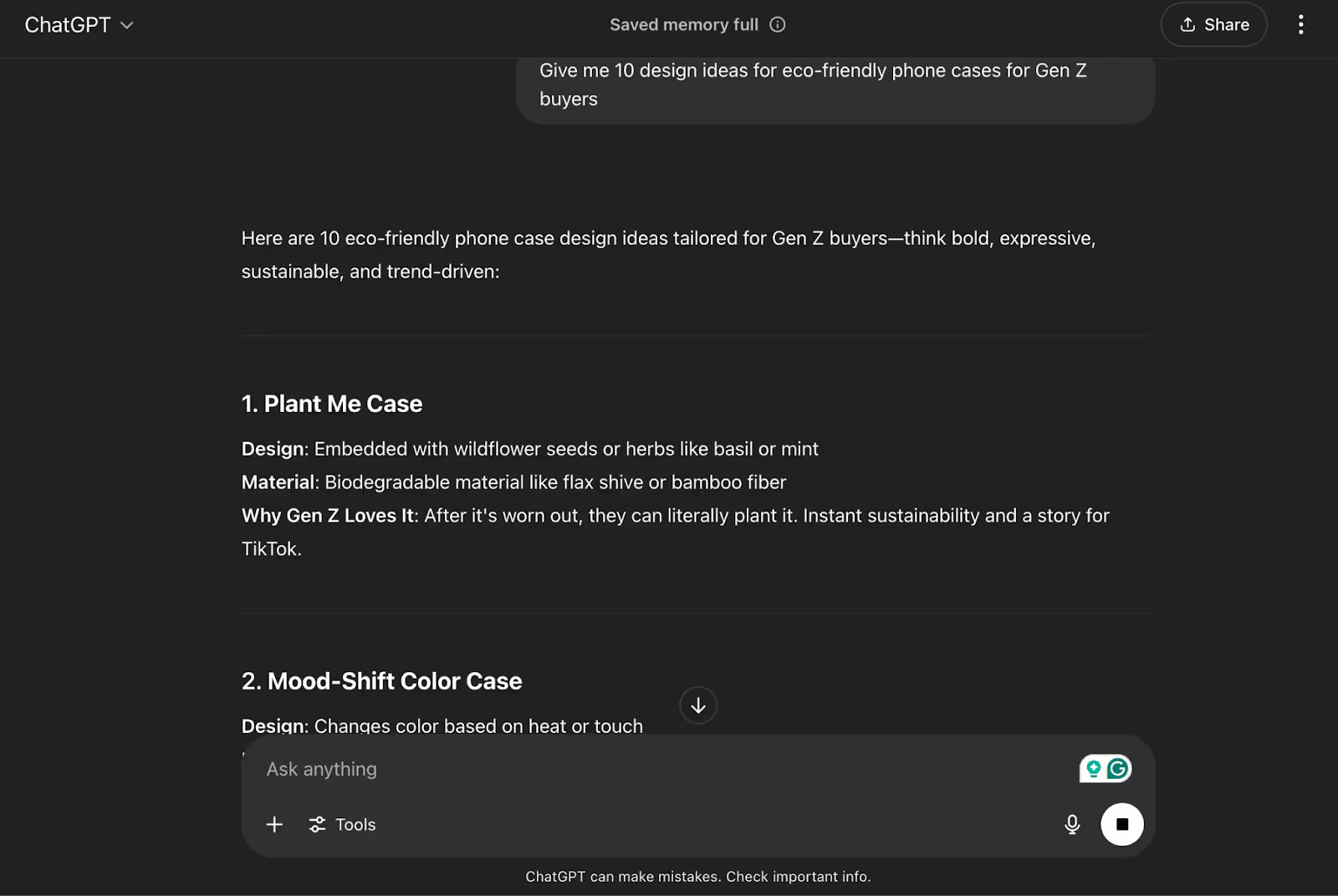
1. ChatGPT - Prompt-Based Design Ideas
ChatGPT helps you brainstorm product ideas and write engaging product descriptions. Type a prompt like “Give me 10 design ideas for eco-friendly phone cases for Gen Z buyers” and you get concepts you can turn into real designs in seconds.
2. MidJourney or DALL-E - AI Image Generation
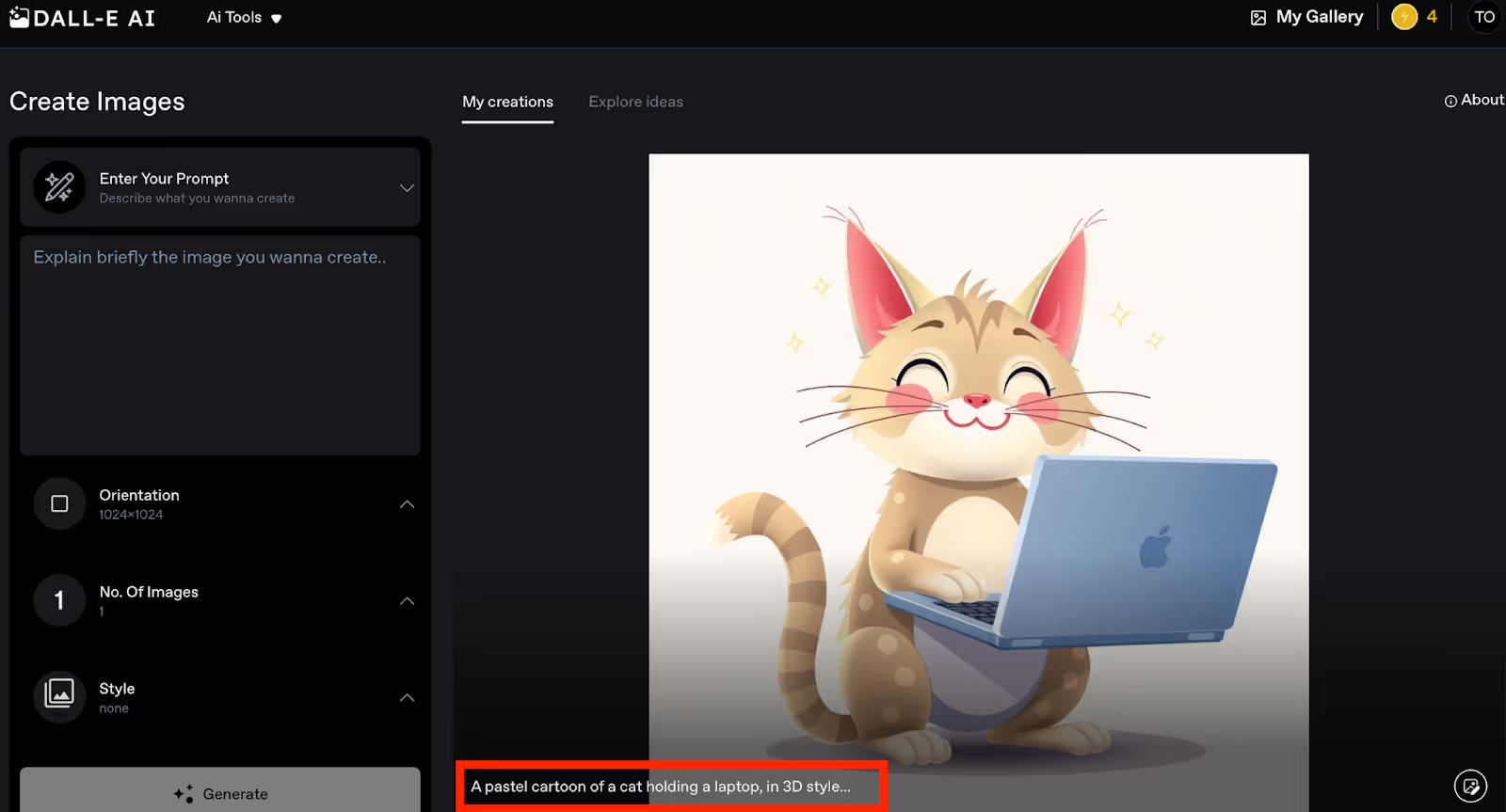
MidJourney and DALL-E create artistic, product-friendly images from a short description - for example, “a pastel cartoon of a cat holding a laptop, in 3D style”. They are a fast way to generate original artwork for your products.
3. Podbase + AI - Automate Listing and Fulfilment
Once your designs are ready, Podbase turns them into products without inventory. Upload your AI-generated designs, select tech accessories, and Podbase handles printing, packing, and shipping - while AI writing tools auto-generate titles and descriptions.
This is where POD pulls ahead of DIY on speed. “You can take a static picture and generate high-quality multi-angle output of your products,” our CEO explains - “you no longer have to order samples, organize photo shoots, and extend your product launch by weeks.” You can even connect Podbase to your Shopify store to sync listings and orders automatically.
Also Read:
Which Model Is Right for You?
The best choice between print-on-demand vs DIY depends on your goals and how you like to work.
1. Hobbyists & Artists
POD lets you sell your work without managing shipping, so you focus on your art and test designs without pressure or risk.
2. Small Business Owners
DIY gives full control over branding, quality, and per-item profit. It takes more time and effort, but can suit a small, niche, high-touch product line. That said, a quality-focused POD partner now delivers much of that control without the equipment - our switchers report 15% more reviews after moving to managed production.
3. Side Hustlers
POD is great for testing ideas or earning passive income with low startup costs. You can launch quickly, work flexibly, and validate products without major investment.
Also Read:
Why Podbase Is a Smarter Print-on-Demand Alternative
Podbase is built for creators and growing brands that prioritize quality, control, and creativity. Here is what makes it the smarter choice.
1. Zero Inventory, Low Risk
With Podbase you do not invest upfront or stockpile products. You only pay when a customer orders, which makes it a low-risk way to start - and a clean answer to the biggest downside of DIY.
2. High-Quality Products with Better Margins
Podbase offers premium products at competitive pricing - roughly 10-15% better margins than other POD providers - so you keep more from every sale while protecting your brand’s reputation. You can achieve profit margins up to 100% higher compared to other POD providers.
3. Built-In AI Design Features
Podbase uses AI automation to simplify order management, customer communication, and design quality checks. Our easy mockup tool and built-in AI catch design issues early, ensuring sharp, print-ready results - the kind of hands-on quality DIY makers prize, without the manual labor.
Also Read:
- How to Sell Podbase Print-on-Demand Products on Etsy: Step-by-Step Guide
- How to Start a Shopify Store with Podbase: The Ultimate Guide for Success
FAQ
1. What is the difference between print-on-demand and DIY printing?
Print-on-demand means a partner prints and ships each product only after a customer orders, so you hold no inventory and own no equipment. DIY printing means you buy the machines, print, pack, and ship every order yourself. POD trades hands-on control for speed and zero risk; DIY trades convenience for full control.
2. Is print-on-demand or DIY cheaper to start?
Print-on-demand is far cheaper to start. Many POD platforms are free or under $100, and you only pay when a customer orders. DIY printing typically costs $500 to $3,000 or more for a heat press, printer, blanks, packaging, and workspace, all spent before you make a single sale.
3. Does DIY printing really have higher profit margins than POD?
On paper DIY has a higher margin per item, but that ignores hidden costs: equipment, failed prints, storage, and your own time. With Podbase you can buy a phone case for about EUR 10 and sell it for EUR 35-60, with pricing roughly 10-15% better than other POD providers and no capital tied up.
4. Is print-on-demand worth it in 2026?
For most sellers, yes. Print-on-demand removes inventory risk, equipment cost, and fulfillment work, letting you test products fast. Average onboarding for a new project has dropped from about three months to under one with AI-assisted workflows, so you can launch and validate ideas quickly with little to no upfront investment.
5. Can print-on-demand match DIY quality?
Yes, when the provider takes quality seriously. Podbase tests materials before launching a product and checks color accuracy with a spectrophotometer, with multiple QC checkpoints during production. Sellers who switched to Podbase saw 30% fewer order-issue tickets and 15% more customer reviews, evidence that managed POD can match hands-on DIY quality.
6. Which is better for scaling, POD or DIY?
Print-on-demand scales far more easily. You can add designs and orders without extra labor, equipment, or restocking, because the provider absorbs production and shipping. DIY gets harder to scale with every order, since more sales mean more manual printing, packing, and material management for you to handle personally.
Conclusion
As the saying goes, create more and manage less - that is how today’s makers stay ahead. When it comes to print-on-demand vs DIY, your choice depends on what you enjoy most. POD lets you focus on designing and selling without worrying about shipping or inventory; DIY suits you if you love handling every detail from printing to packaging.
The bottom line: print-on-demand is a profitable model with little to no upfront investment, making it the low-risk option for most sellers. So ask yourself - do you want to spend more time making or managing? If the answer is making and selling, create a Podbase account today and build your store in minutes.

Saulius Meilutis is the CEO of Podbase, helping creators and entrepreneurs monetize their ideas with print-on-demand. He shares insights on eCommerce, growth, and building lean online businesses.

.avif)



.avif)
.avif)
.avif)
.avif)
.avif)
.avif)

.avif)


.avif)
.avif)

.avif)

.avif)
.avif)