Valentine's Day has become a major shopping event - people spend, gift thoughtfully, and celebrate love in new ways, which makes the occasion increasingly valuable for ecommerce and print-on-demand sellers. In 2026 it falls on a Saturday, and shoppers don't wait until the day itself: the buying surge happens in the full week before, so sellers with products live by February 7th capture the bulk of it.
This post covers the Valentine's Day statistics that matter in 2026 - how people are spending, which gift categories grow fastest, and what the data tells POD sellers about where to focus. First, the numbers at a glance.
Valentine's Day 2026 by the Numbers
Here are the headline Valentine's Day spending statistics for 2026 in one view.
2026 Spending: Who Is Buying and How Much?
According to the National Retail Federation, total US Valentine's Day spending reached a record $29.1 billion in 2026 - up from $27.5 billion in 2025 and beating the prior high of $23.9 billion in 2020. This is the core data that sets the scale of the opportunity.
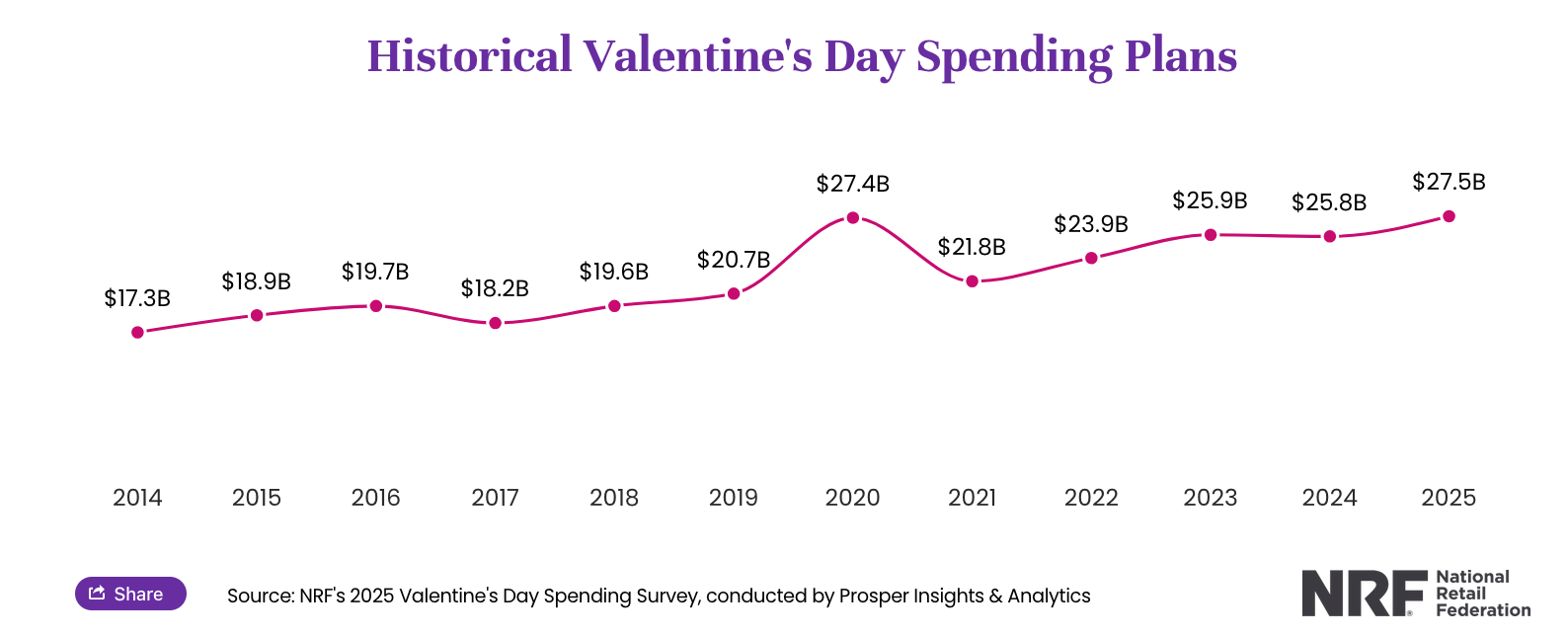
- Total market size: a record $29.1 billion, growing at roughly twice the pace of overall US retail sales.
- Average spend: a record $199.78 per person, up from $188.81 the prior year. Jewelry led at about $7B, an evening out $6.3B, clothing $3.5B, and flowers $3.1B.
- The Saturday effect: with February 14 on a Saturday, shopping concentrates in the week prior - products discoverable by February 7th capture disproportionate traffic.
- Generational leaders: Gen Z and Millennials make up about a third of spending and outspend older cohorts on personalized and experience-adjacent categories.
What the headline number hides is how spend is fragmenting. The fastest growth isn't in flowers and candy - it's in custom, personalized, and niche gifts. That fragmentation is exactly where print-on-demand has its structural advantage.
Also Read:
The “Expanding Circle of Love”: Beyond Romantic Partners
Valentine's Day is no longer just for couples - the single most important structural shift in the holiday's gifting data for POD sellers. The romantic-partner category (about $14.5B) is saturated. The three growth segments are Galentine's, pets, and self-gifting.
Galentine's Day
About one in three shoppers plans to buy gifts for friends this Valentine's season - a segment most generic catalogs don't serve well. It's a design brief: bright, playful, explicitly friendship-coded products (“I love you but not like that” mugs, BFF phone cases, matching-but-not-couple hoodies). Different buyer, different design language - and because most sellers don't target it deliberately, competition is thinner.
Pet Parents
A record 35% of shoppers planned to buy gifts for their pets in 2026, spending about $2.1 billion (up from $1.7 billion in 2025) as pet humanization accelerates. For POD sellers, that means pet-portrait products, custom pet-name items, and “my dog is my valentine” apparel - high-spend buyers who pay a premium for a product capturing their specific pet, not a generic paw print.
Self-Gifters
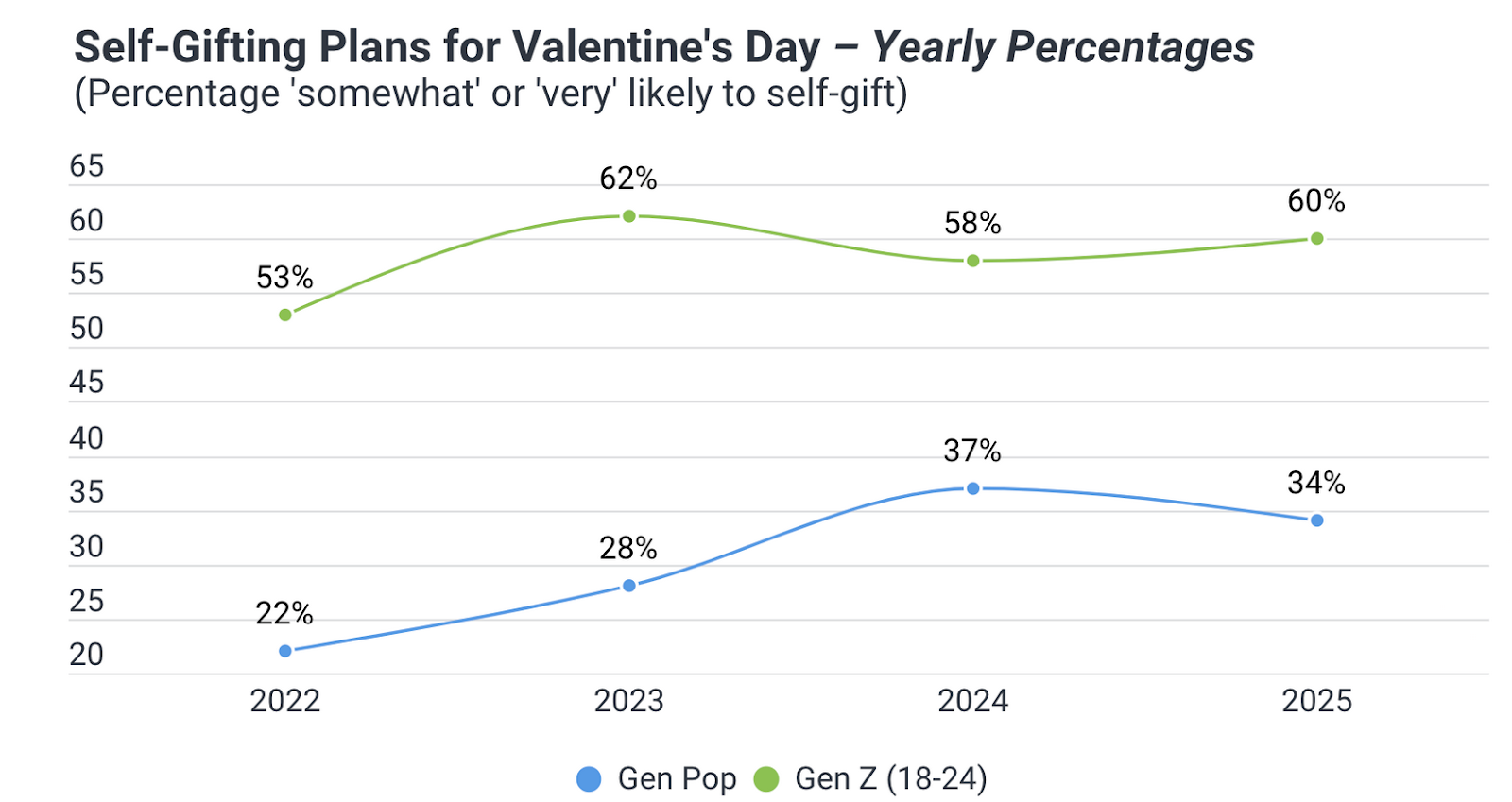
Self-gifting keeps growing, with about 34% of Americans buying themselves a Valentine's gift - the largest of the three non-romantic segments. Self-gifters are high-value: unconstrained by someone else's taste, they buy what they actually want. This segment rewards strong self-expression - bold statements, aesthetic-forward designs, items that feel like a treat.
The Valentine's Niche Strategy That Actually Works
The instinct is to make products for all three audiences at once. The data doesn't support that. As our CMO Vytautas Mikaila explains, social ads let you “test faster, adjust faster, and find what actually resonates faster - it's not only about traffic, it's about control.” Applied to Valentine's: pick one segment, build 3-5 tight designs for it, test with social ads in the week of January 28-February 4, and scale the winner. A seller who owns “pet parents Valentine's” outsells one who makes one of each and runs a generic campaign. Specificity beats coverage every time during gift-buying seasons.
Print on Demand & Personalization Trends for 2026
Research shows 1 in 5 people will pay at least 20% more for a custom product - which is what makes personalized Valentine's gifts uniquely well-positioned. The top POD categories to focus on:
Apparel
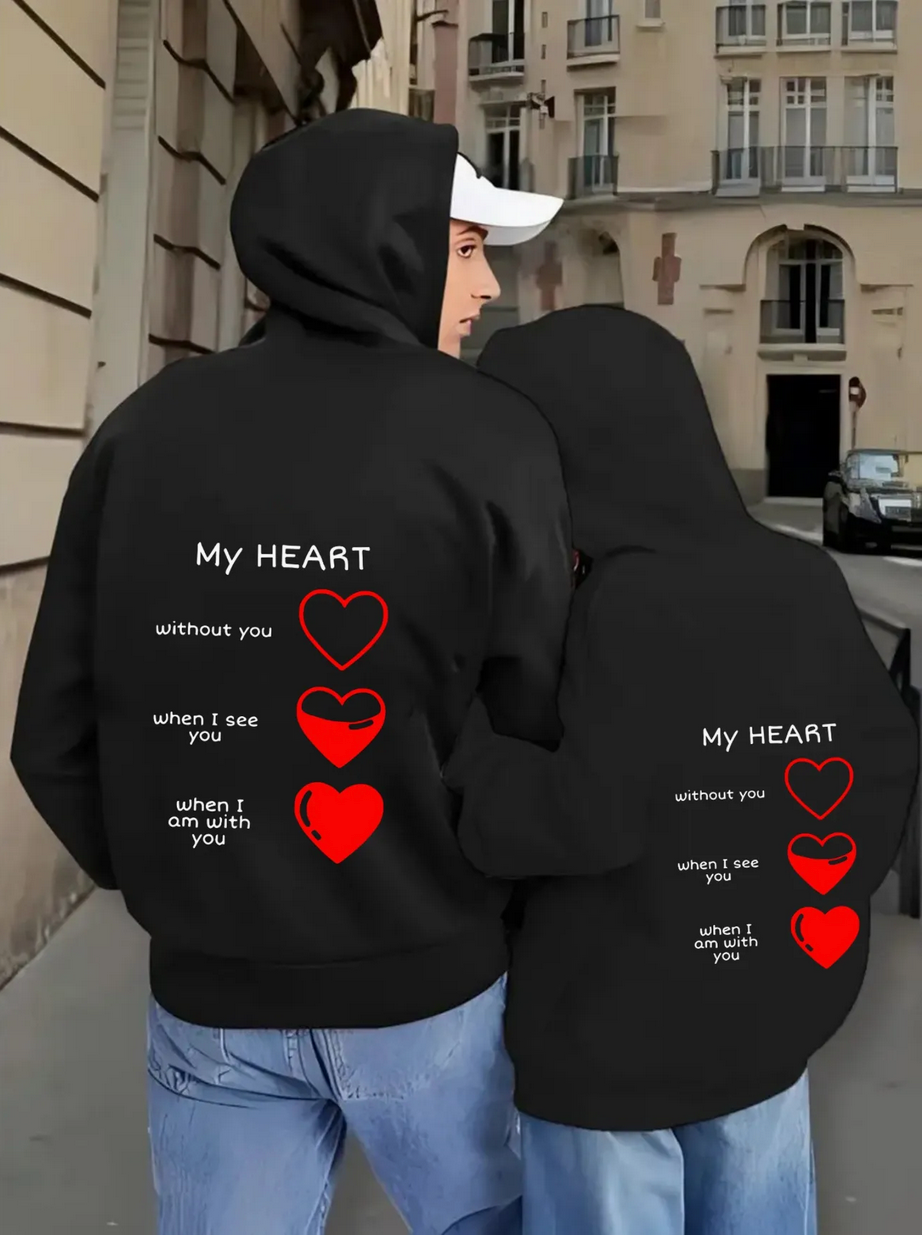
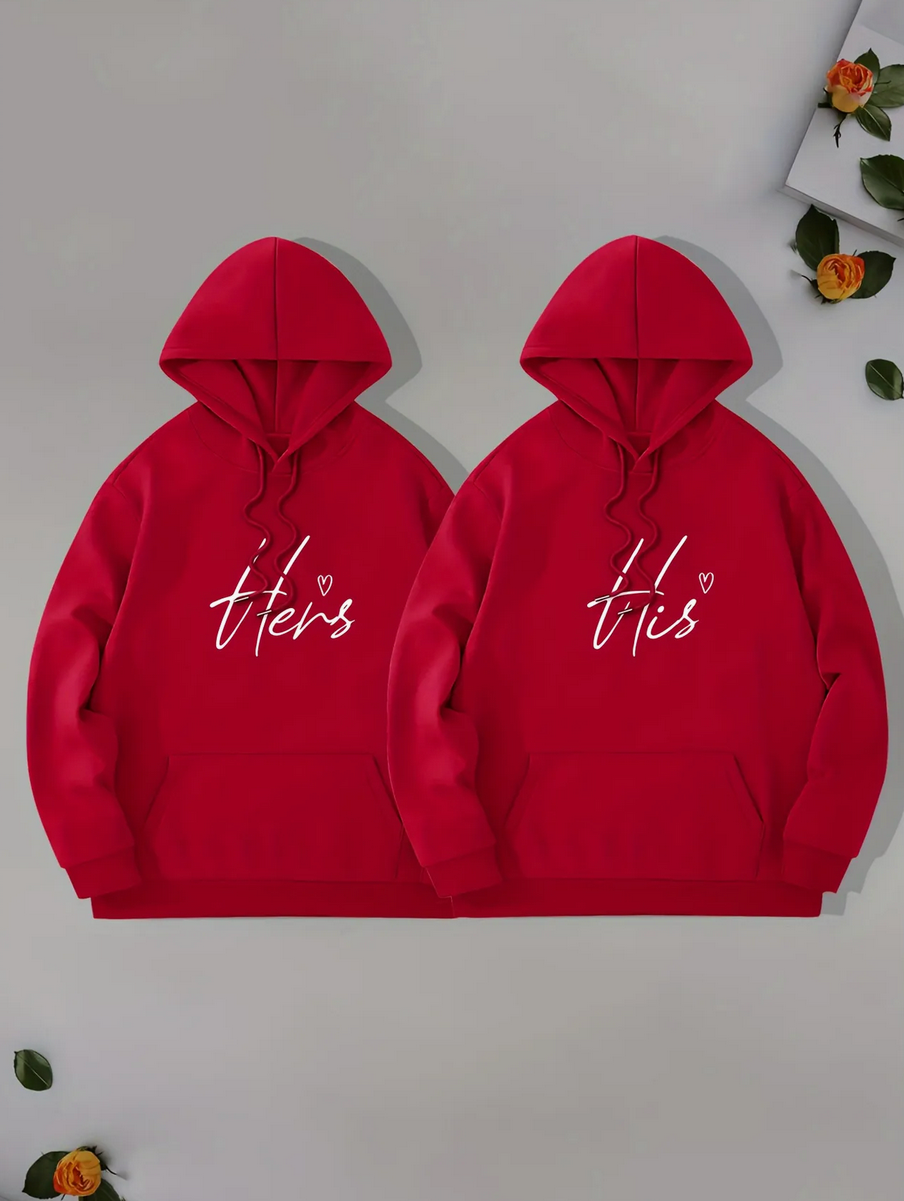
Matching hoodies, custom-name tees, and loungewear sets. The value is in the pairing - a “set” feels more considered and raises AOV. For Galentine's buyers, “best friend” apparel outperforms couple-coded designs; the brief is playful and declarative rather than romantic.
Home Decor
Home items outlast the holiday, and the best convert on a specific memory: “Where We Met” map posters, custom name plaques, initial pillows. Podbase has invested in wall art on direct seller feedback - as Head of Product Development Justina puts it, “sellers kept asking for more options - matte, thicker paper, even framing,” so the category can now carry premium framed Valentine's prints without the logistics complexity.

Drinkware
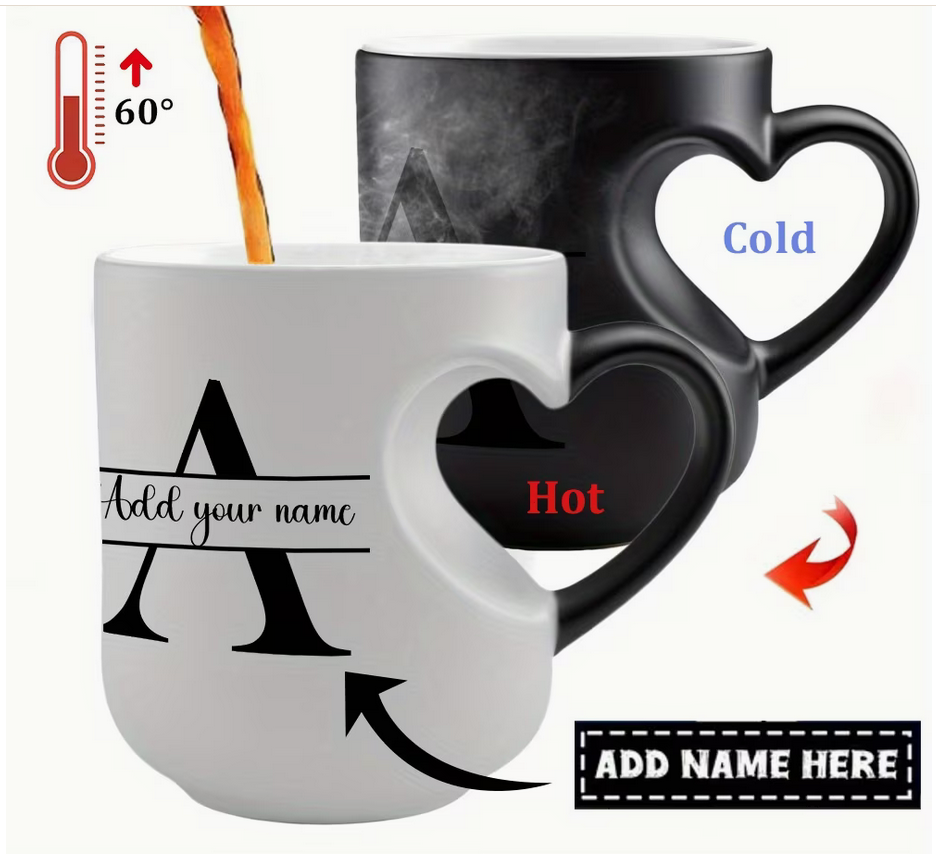
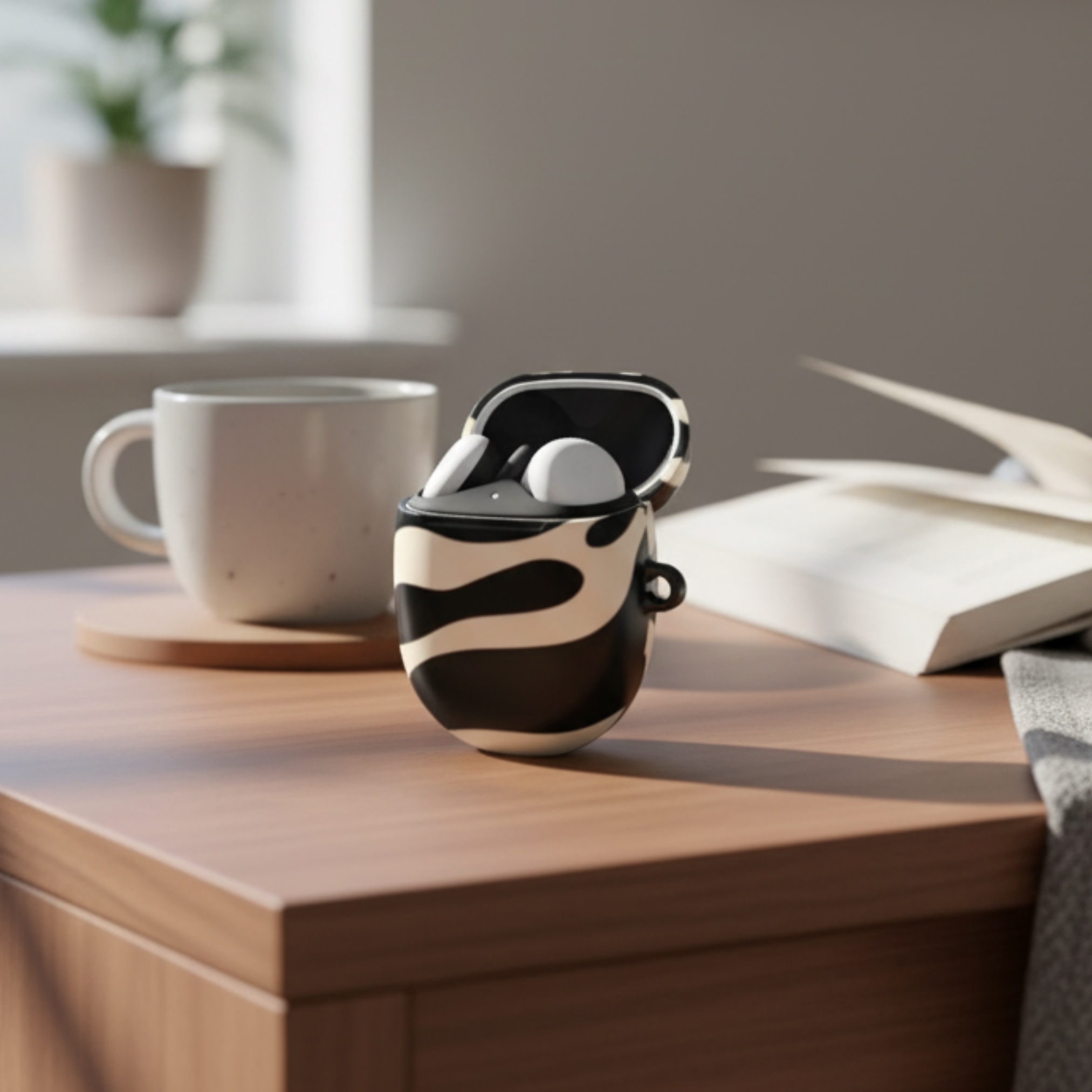
Mugs and glasses are popular Valentine's Day gifts because people use them every single day — which means they see the design, and the name or memory behind it, every single day. Custom "Bistro-style" mugs, matching tumbler sets for couples, engraved wine glasses or champagne flutes. The gifter gets a Valentine's product; the recipient gets an everyday object with meaning attached.
Drinkware is also a category Podbase is actively expanding. Saulius Meilutis, Podbase's CEO, describes the roadmap: "Podbase will expand from tech accessories into three strong categories: tech accessories, wall art, and drinkware. We want to provide a bigger selection of really high-quality products so that anyone can find what they need." Justina adds: "Currently we only have a ceramic mug in drinkware, but with a couple of different variations arriving this summer, the category will be strong and hopefully loved by our different clients." For POD sellers planning Q4 and next year's Valentine's season, the drinkware expansion opens a new product line alongside what they already sell.
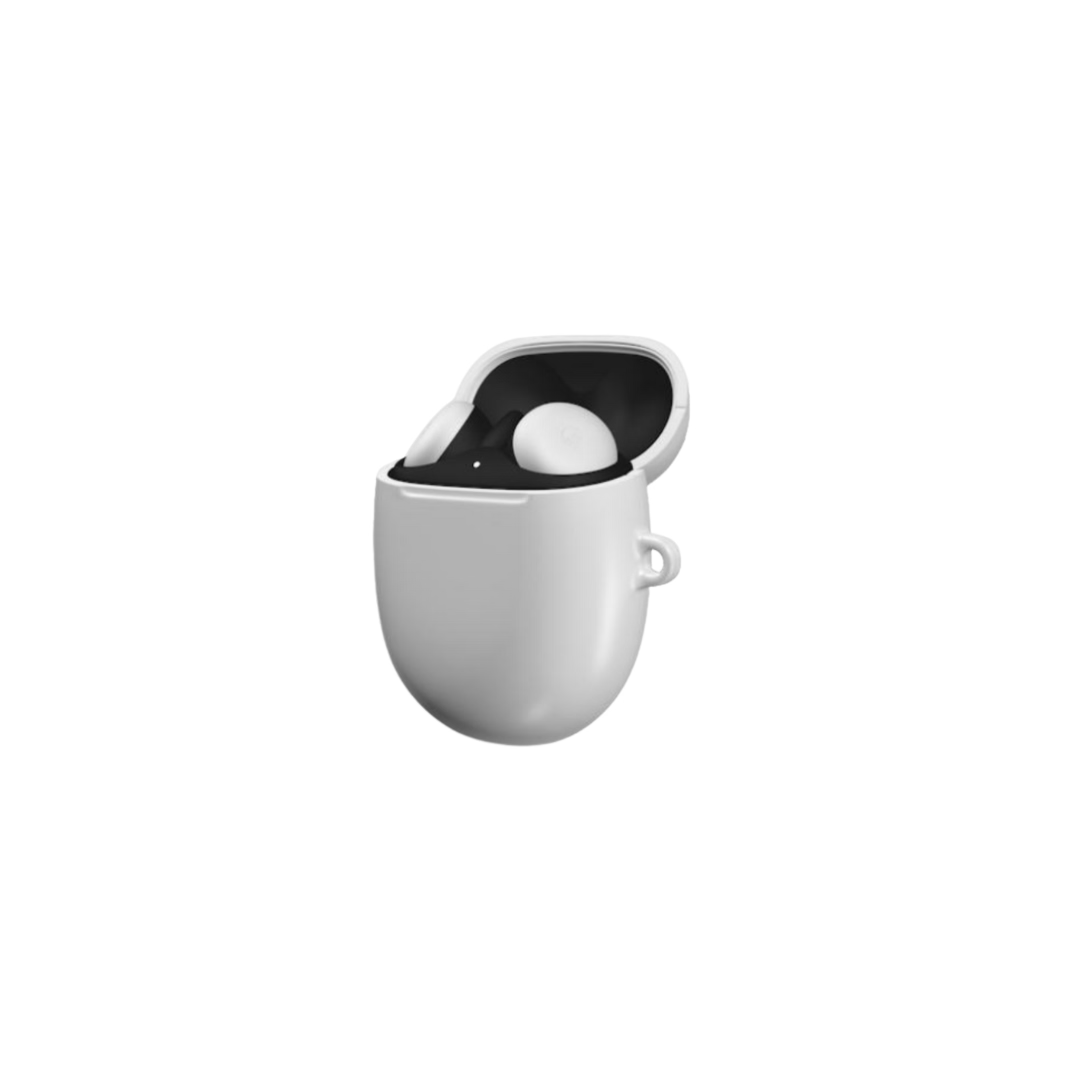
Tech Accessories
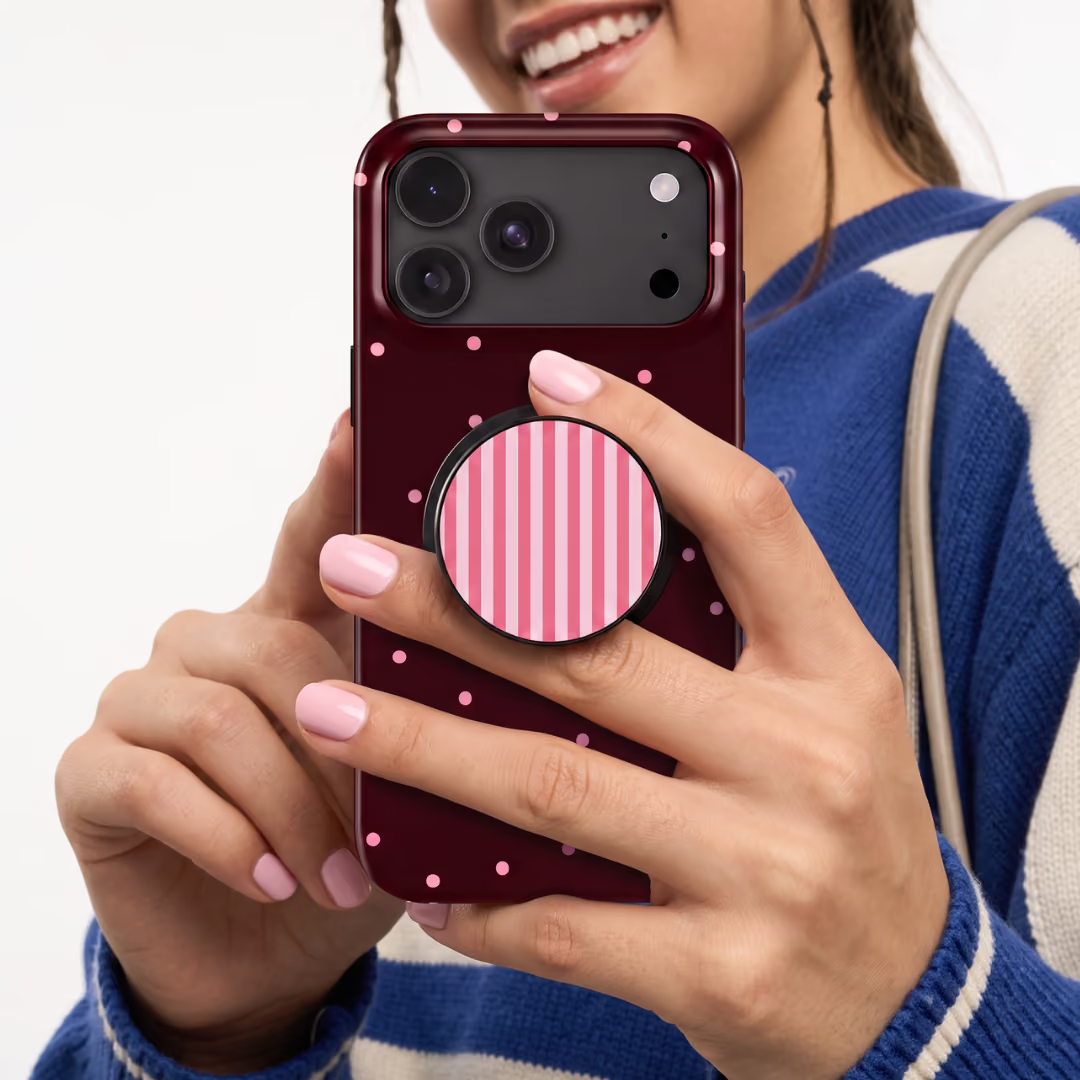
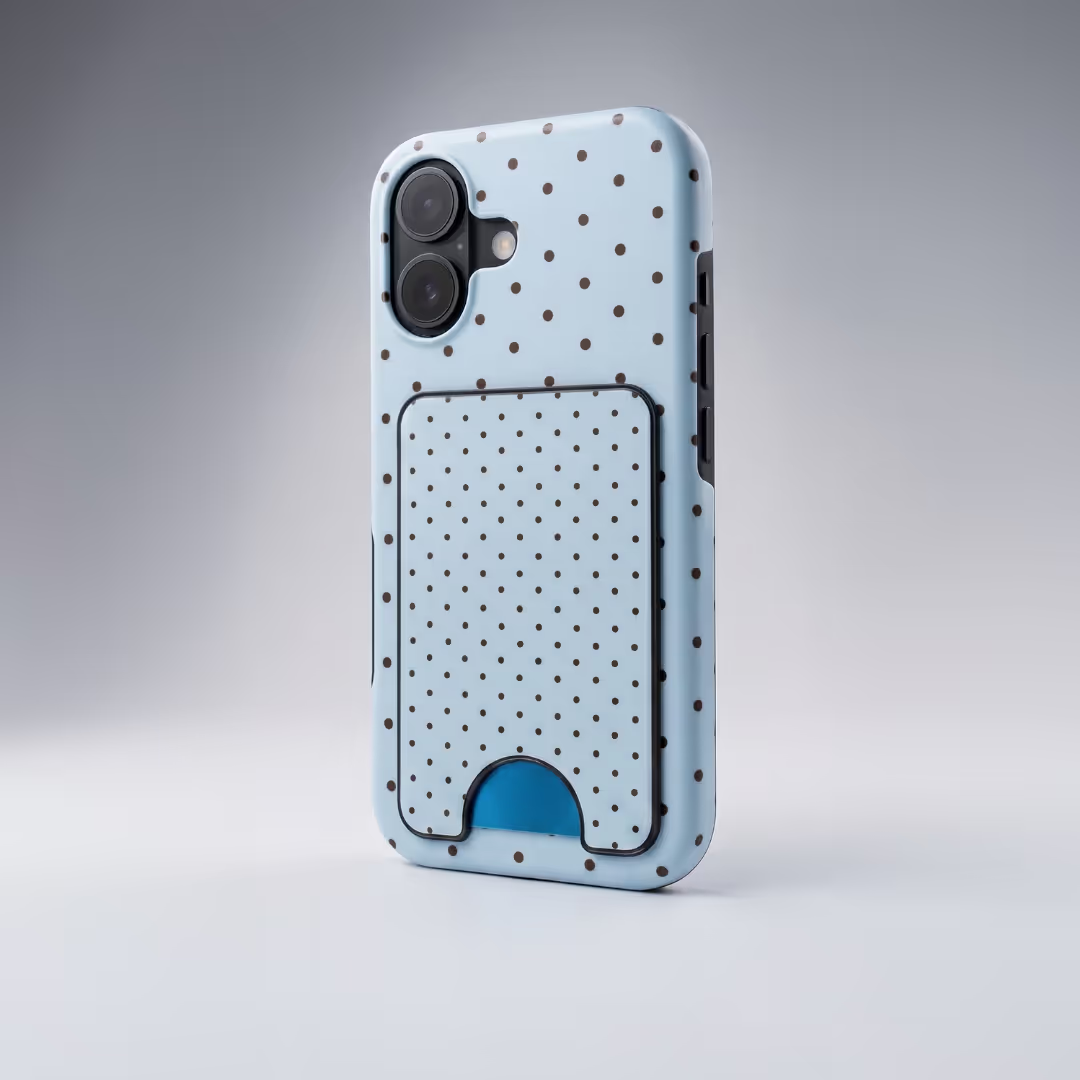
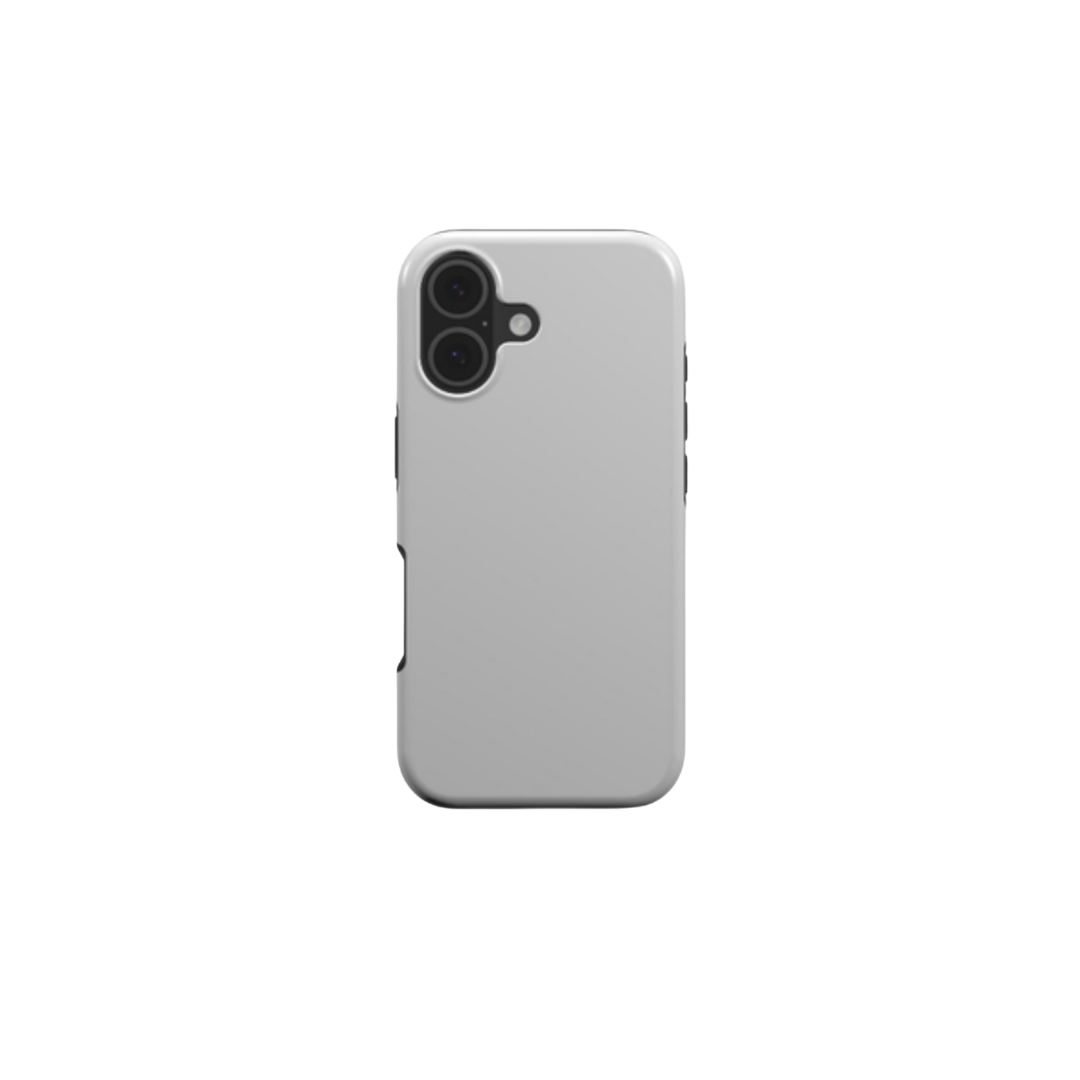
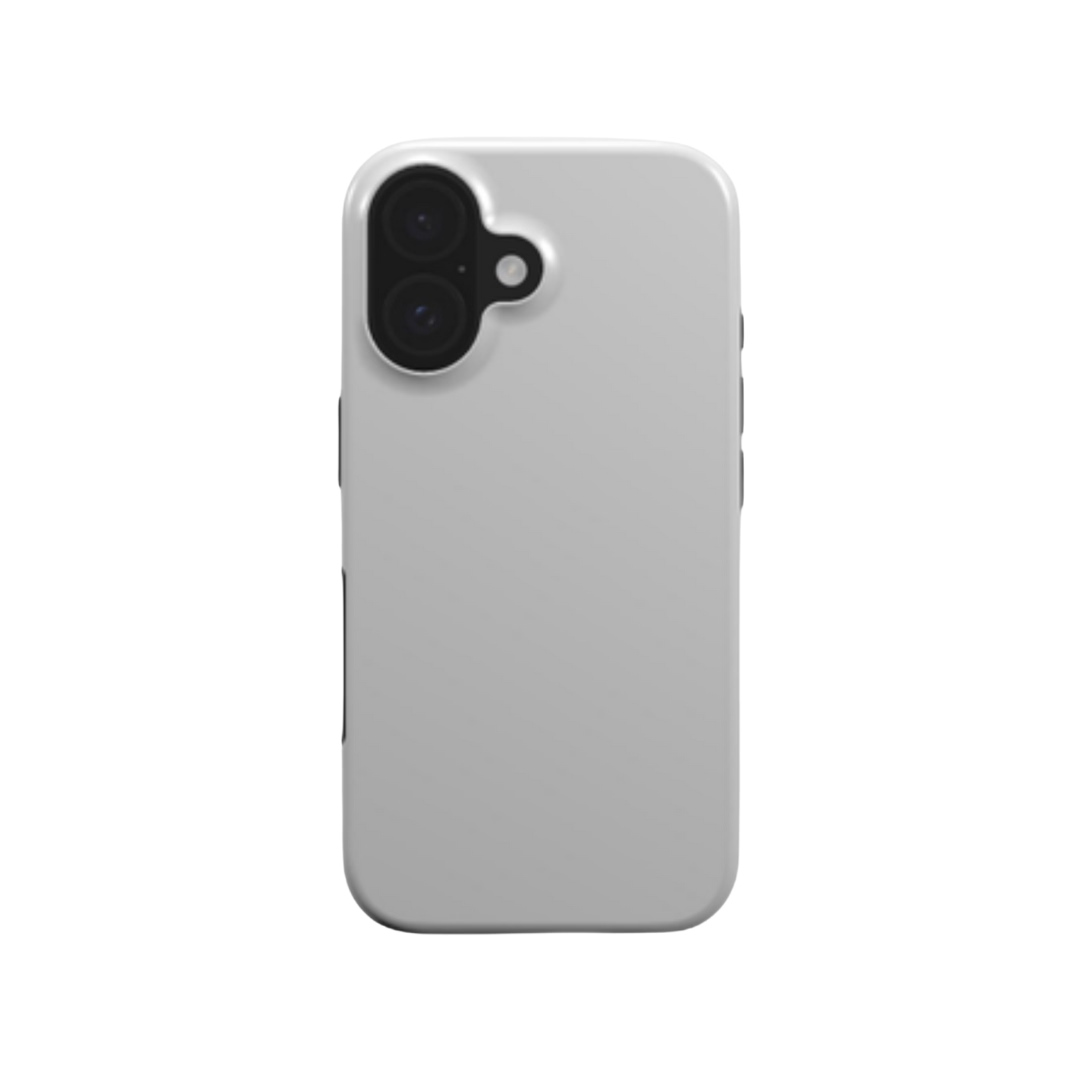
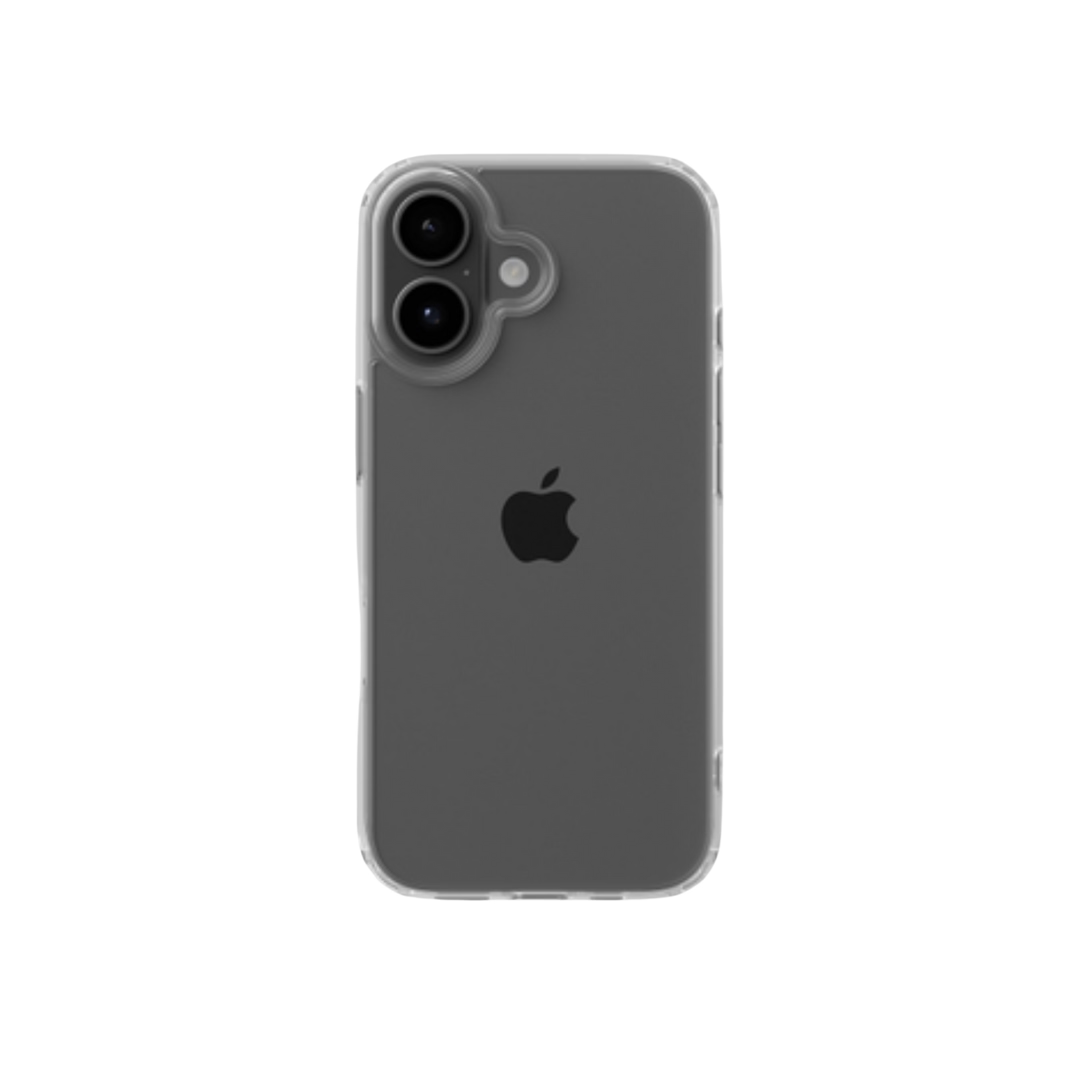
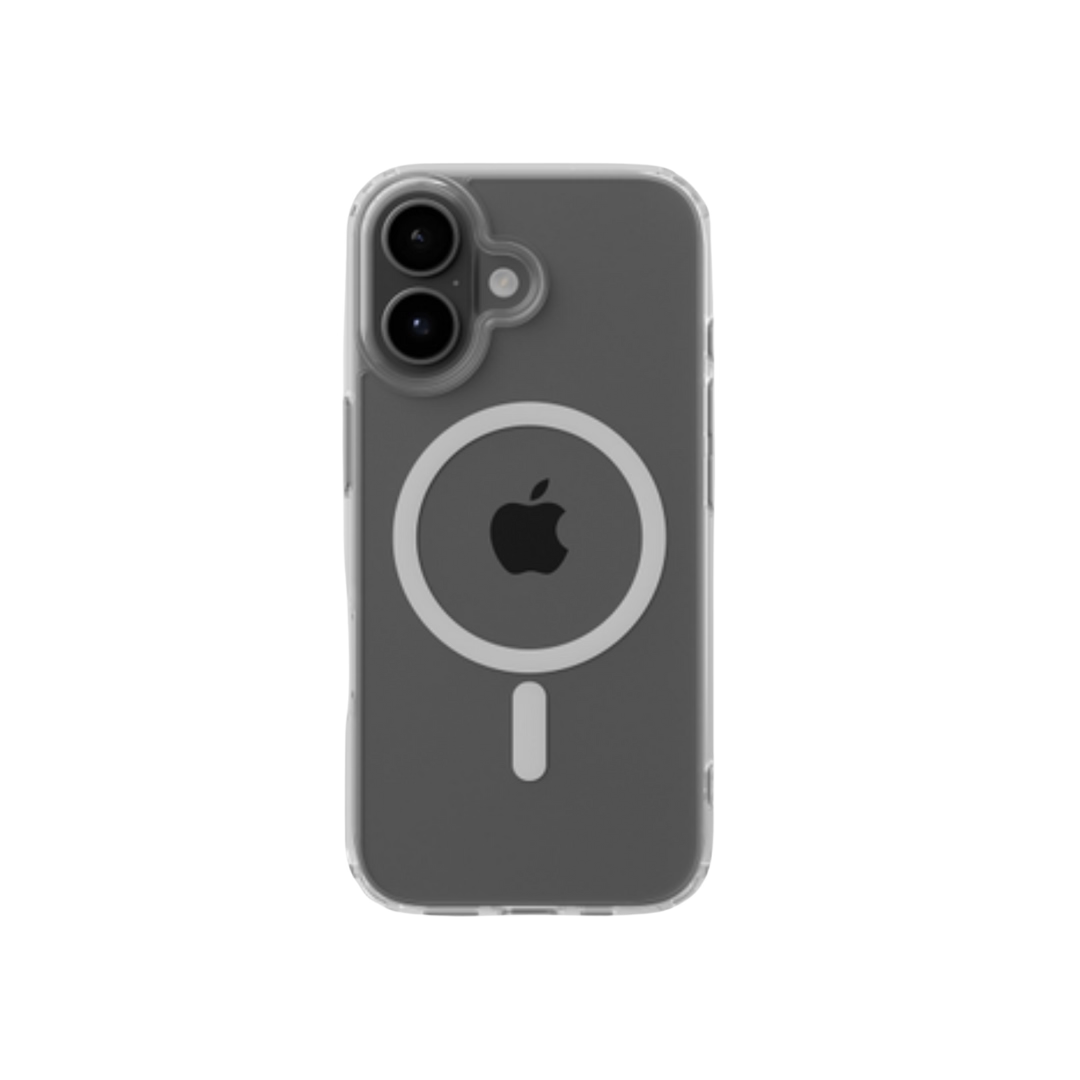
Most Valentine's roundups ignore phone cases - but the margin and daily-use data make the case. As our CEO Saulius Meilutis says, a case “became your personal billboard - you carry that art on your commute, put it on the table at the restaurant.” At €35-60 sell price on a €10 base cost, a custom case is one of the highest-margin Valentine's gifts in POD: personal, practical, and daily-visible in a way a card or flowers is not. For sellers with an existing case catalog, a Valentine's collection is just a seasonal design set.
AI-Generated Art: From Trend to Standard Tool
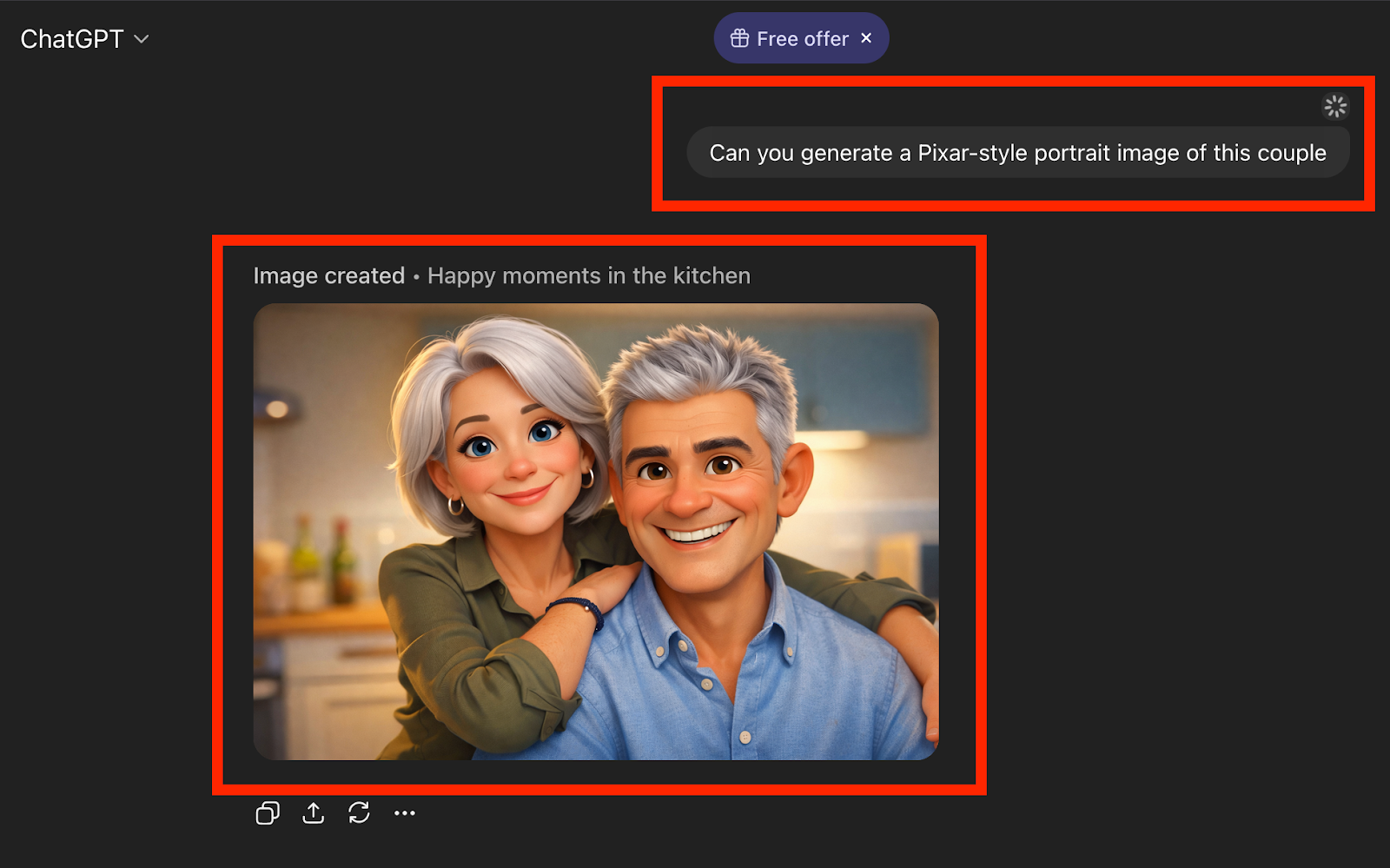
Shoppers are creating “Pixar-style” AI portraits of partners, pets, and shared memories, then printing them on cases, posters, and canvases. The workflow has simplified too - as our CEO notes, “you no longer have to order samples, organize photo shoots, and extend your launch by weeks; you can take a static picture and generate high-quality multi-angle mockups.” A seller can now launch a full seasonal collection with lifestyle mockups without touching a camera. Speed to market is the seasonal advantage, and AI removes the main bottleneck.
Also Read:

Tech Accessories
Most Valentine's roundups ignore phone cases - but the margin and daily-use data make the case. As our CEO Saulius Meilutis says, a case “became your personal billboard - you carry that art on your commute, put it on the table at the restaurant.” At €35-60 sell price on a €10 base cost, a custom case is one of the highest-margin Valentine's gifts in POD: personal, practical, and daily-visible in a way a card or flowers is not. For sellers with an existing case catalog, a Valentine's collection is just a seasonal design set.
Also Read:
Most Popular Design Aesthetics for 2026
Natural and Refreshing Styles
Organic, authentic aesthetics - natural palettes, earthy textures, embroidery and handcrafted details - are resonating, a reaction to years of template-driven imagery. Forecast colors gaining traction: transformative teal, deep expressive hues, and soft brights and pastels, all of which carry well across cases, posters, and seasonal items.
Playful Paradox
Pastel goth, moody romance motifs, soft hues with edgy graphics - this attracts the Gen Z and Millennial buyers who want products signaling personality, not just relationship status. It works especially well for Galentine's and self-gifting, where the design leans expressive rather than sentimental.
Hyper-Personalization That Speaks to Memory
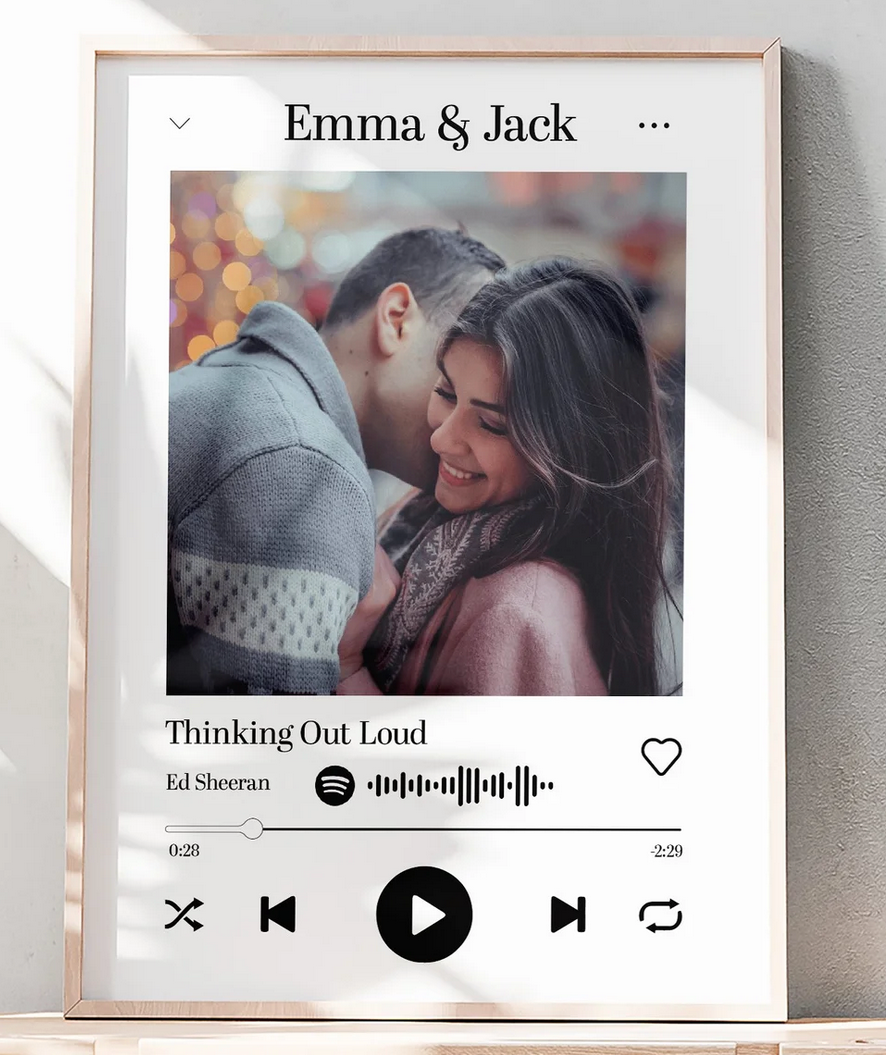
The strongest-converting 2026 products are tied to a specific shared experience: location map prints, soundwave prints of voice notes, Spotify song-code prints. As our CEO puts it, a €45 custom case with a shared photo or inside joke “isn't competing with Amazon - it's competing with jewelry, and it wins on personalization at a fraction of the price.” The 2026 opportunity is offering the tools for buyers to make the product themselves - a map generator, a photo-upload case builder, a soundwave tool - selling the experience of making something nobody else has.
Also Read:
- Inspiring Digital Art Ideas for Your Print on Demand Designs
- High-Demand Products With Low Competition to Launch
Also Read:
- Inspiring Digital Art Ideas for Your Print on Demand Designs
- High-Demand Products With Low Competition to Launch
FAQ
1. How much do people spend on Valentine's Day in 2026?
US Valentine's Day spending reached a record $29.1 billion in 2026, according to the National Retail Federation, up from $27.5 billion in 2025. Shoppers budgeted an average of $199.78 each, also a record. Valentine's spending is growing at roughly twice the pace of overall US retail sales.
2. What is the average Valentine's Day spend per person?
The average shopper budgeted a record $199.78 for Valentine's Day 2026, up from $188.81 the prior year. Spending skews toward higher-AOV categories: jewelry led at about $7 billion, followed by an evening out at $6.3 billion, clothing at $3.5 billion, and flowers at $3.1 billion.
3. Who buys Valentine's Day gifts besides romantic partners?
Three growing non-romantic segments matter for sellers: about a third of shoppers buy gifts for friends (Galentine's), a record 35% buy for their pets, and 34% buy themselves a gift. Most print-on-demand sellers design only for couples, leaving these segments structurally under-served and less competitive.
4. How much do people spend on Valentine's gifts for pets?
A record 35% of consumers planned to buy Valentine's Day gifts for their pets in 2026, spending about $2.1 billion, up from $1.7 billion in 2025. Pet spending grows each year as pet humanization accelerates, making custom pet-portrait and pet-name products a strong POD opportunity.
5. What are the best print-on-demand products for Valentine's Day?
The strongest POD Valentine's products are custom phone cases (high margin, daily visibility), personalized wall art tied to a memory, drinkware people use daily, and matching or friendship apparel. Personalization is key: 1 in 5 buyers pays at least 20% more for a custom product, so memory-based designs convert best.
6. When is Valentine's Day 2026 and when should sellers launch?
Valentine's Day 2026 falls on Saturday, February 14, which concentrates shopping in the full week before. Sellers whose products are discoverable by February 7th capture the bulk of seasonal traffic. Building and testing the collection in January, not February, is what separates sellers who capture the surge.
Conclusion
Valentine's Day data for 2026 shows a market that is bigger, more fragmented, and more personalization-driven than ever - a record $29.1 billion. But the opportunity for POD sellers lives in the three under-served segments (Galentine's, pet parents, self-gifters), the 20%+ personalization premium, and the speed advantage print-on-demand has over stocked retailers. Love is a great seller, but relevance is a better one: know which of the three audiences you're speaking to, design specifically for them, and get products live before the buying window opens. Podbase gives you the infrastructure to move that fast - phone cases that buy for €10 and sell for €35-60, wall art with framing, expanding drinkware, and AI mockups that remove the photo-shoot bottleneck. The sellers who win start building in January, not February. Sign up for Podbase and start your Valentine's collection.

Saulius Meilutis is the CEO of Podbase, helping creators and entrepreneurs monetize their ideas with print-on-demand. He shares insights on eCommerce, growth, and building lean online businesses.

.avif)



.avif)
.avif)
.avif)
.avif)
.avif)
.avif)

.avif)



.avif)

.avif)

.avif)

.avif)
.avif)