Many cultures see embroidery as a way to show status, identity, and family history. Stitching a gift makes it feel personal, thoughtful, and built to keep forever, with a premium look and durability that printed designs often lack.
Because of this higher perceived value, embroidered items typically sell for two to three times more than DTG or heat-transfer products in the same category. That margin headroom is real - but so are the operational tradeoffs most articles on this topic skip. In this guide we cover 16 embroidery gift ideas for 2026, ranked roughly by ease of execution and seller-success potential, and we point you to the right POD providers for embroidered products specifically.
A note on positioning before we begin: Podbase's manufacturing roadmap is tech accessories, wall art, and drinkware - three categories we run with UV printing, sublimation, and heat press. Machine embroidery is not on our 12-month roadmap. For pure embroidery-focused brands, Printful operates in-house embroidery and is the standout pick we would recommend. We come into the conversation if you want embroidered apparel and non-embroidered SKUs (phone cases, laptop sleeves, wall art, mugs) in the same brand - increasingly common as creators expand beyond their first product category.
Why Embroidery is the Top Premium POD Trend for 2026
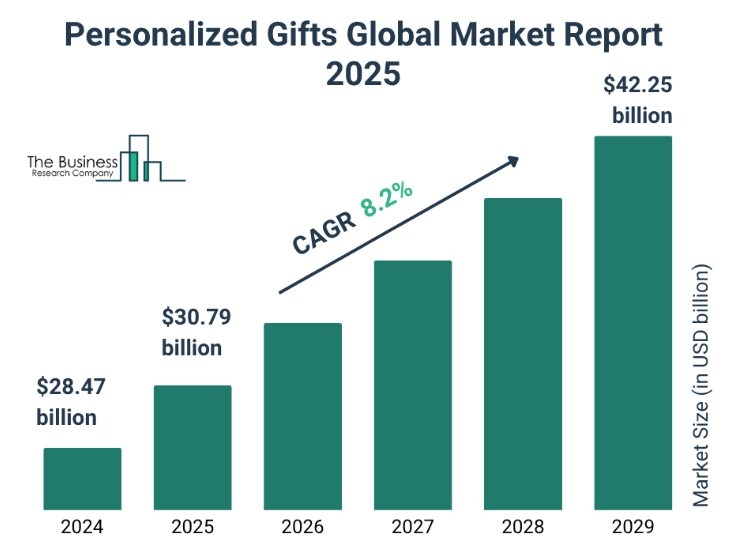
Shoppers want gifts that feel personal, well-made, and built to last, and embroidered products check all those boxes. The market reflects that demand: the global personalized gifts market is expected to rise from about $31 billion to $42 billion in the next few years, per The Business Research Company.
The broader POD context matters too. Per Podbase's own print-on-demand statistics, the global POD market reached $12.96 billion in 2025 and is growing at a 25.3% CAGR, with apparel at 39.7% of share. Embroidered apparel sits inside that 39.7% - but at a premium price point that has been less commoditized than DTG. A few reasons embroidery has become a stand-out category:
- Higher perceived value. Stitched designs add texture and depth, and studies show people trust handmade-looking products more, which translates to higher willingness to pay.
- The power of monograms. Initials and names are a classic touch for weddings, anniversaries, baby showers, and graduations - and the emotional weight drives strong repeat purchases.
- Low maintenance and longer lifespan. Unlike printed designs, embroidery doesn't crack or peel, which means fewer returns and better reviews - two of the biggest hidden cost levers in POD.
Before the ideas, here is the honest method-level tradeoff most embroidery listicles skip - embroidery is not simply better than printing, it is better at different things:
The lead-time point is the one that bites: during the 2025 winter peak, POD sellers across the industry quoted embroidered-apparel lead times of 7-14 days even before shipping. If your seasonal marketing is built around “order by X for delivery by Christmas,” embroidery tightens that window meaningfully. Pick a supplier whose peak-season embroidery capacity has been tested, not just their advertised average.
Also Read:
- Print on Demand Statistics That Matter in 2026
- Print On Demand Design Ideas for 2026: What's Trending Now
Category 1 - Apparel
Apparel is the largest single category in POD (39.7% of global share) and consistently the strongest fit for embroidery because the fabric surfaces hold stitches cleanly.
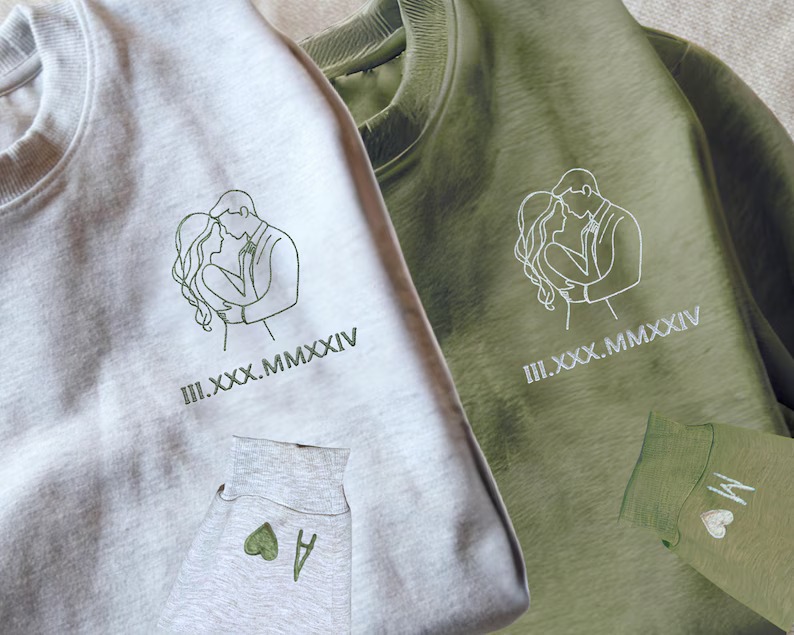
1. Custom Embroidered Sweatshirts
What it is: Cozy sweatshirts with stitched names, dates, pictures, or symbols. Why it works: Large, flat chest and sleeve surfaces let embroidery look clean and detailed. Best for: Friends, couples, graduates, milestone celebrations.
Small line-art figures on the chest or collar give a polished look. Roman numerals for anniversaries or birthdays are timeless, and simple monograms work for buyers who like minimal aesthetics.
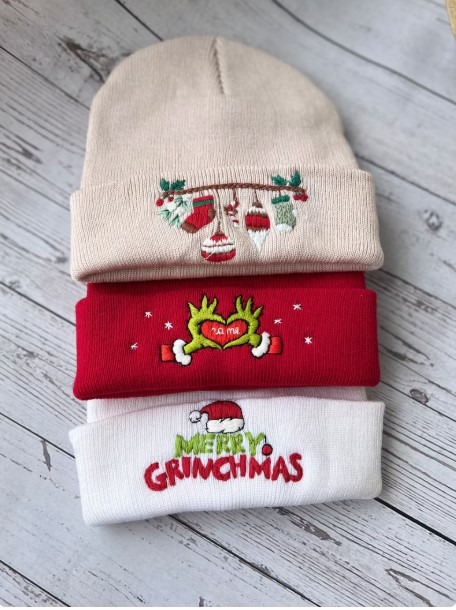
2. “Dad” Hats and Beanies
What it is: Casual caps and winter beanies with stitched icons or text. Why it works: Low unit cost, high sales volume, and a minimal stitching area add up to strong unit economics. Best for: Hobby niches, pet lovers, outdoor enthusiasts.
Dad hats are best-sellers because the stitching area is small and forgiving, which keeps production fast and costs low. Beanies are excellent seasonal items - pair them with niches (gaming, fishing, pets, pickleball, golf) for a high-margin category.
3. Hoodies with Sleeve Embroidery
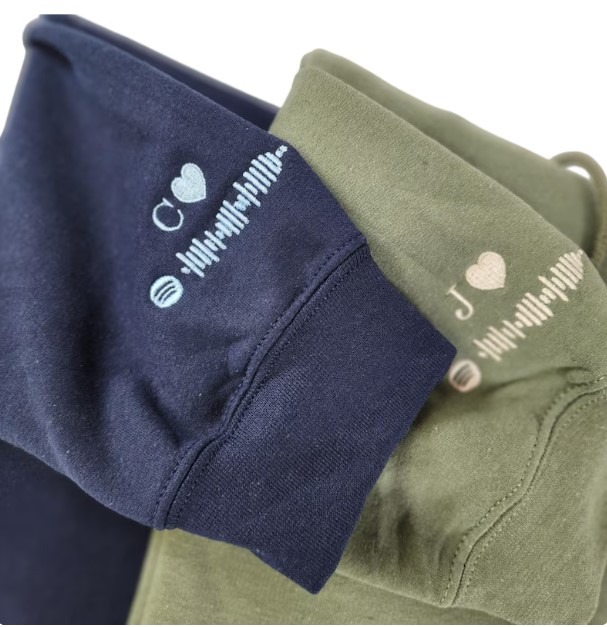
What it is: Hoodies with designs stitched along the sleeves or cuffs instead of the chest. Why it works: Sleeve placement reads as high-end and intentional - many premium streetwear brands use this exact placement. Best for: Couples, best friends, customers looking for refined streetwear.
4. Pocket T-Shirts
What it is: Classic tees with a tiny stitched design near or above the pocket. Why it works: Placement feels playful and minimal, and less stitching means lower production cost without sacrificing premium feel. Best for: Young adults, friends, minimalists, nature lovers, everyday wear.
Also Read:
Category 2 - Fashionable Accessories
5. Canvas Tote Bags
What it is: Durable canvas totes with stitched initials, quotes, or logos. Why it works: Wide stitching surface, near-universal appeal, and a low return rate. Best for: Students, gym-goers, teachers, eco-conscious shoppers.

6. Socks and Slipper Sets
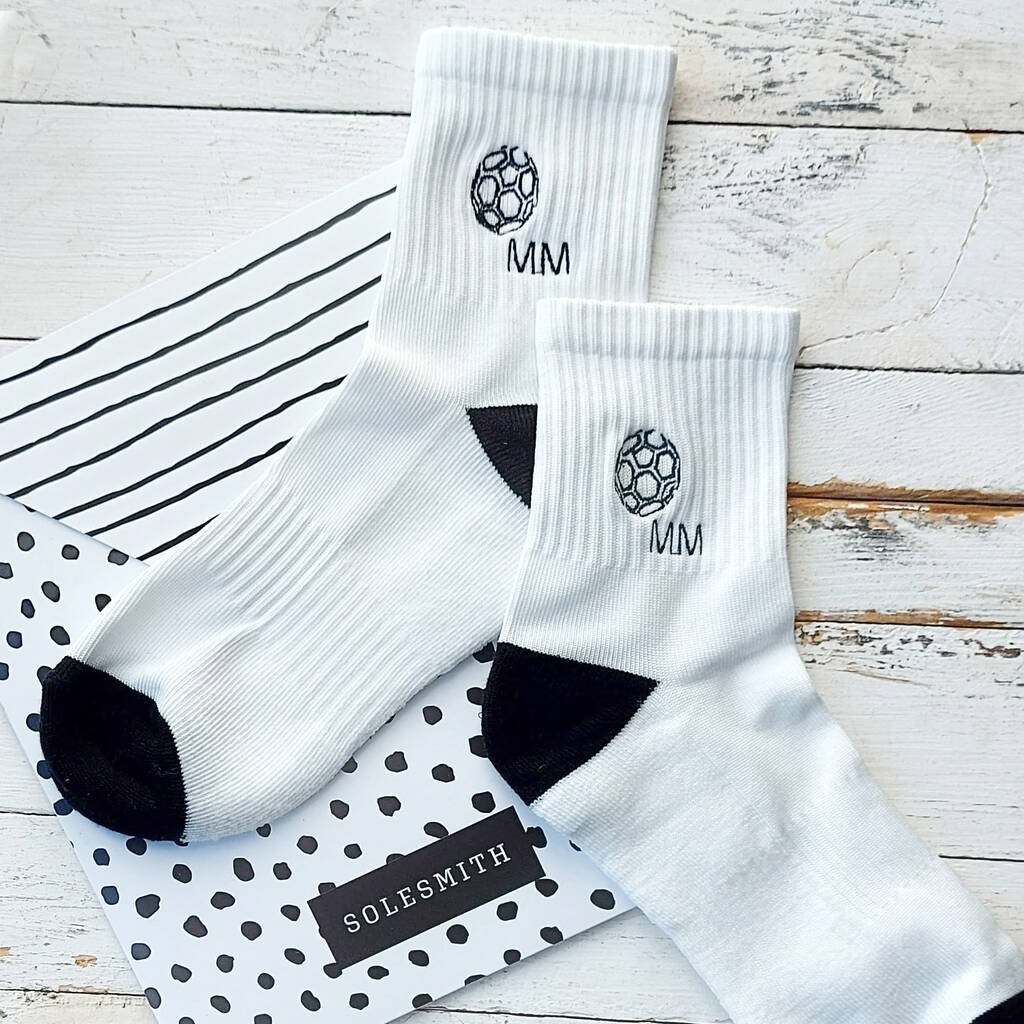
What it is: Cozy socks or slippers with stitched initials, holiday icons, or short messages. Why it works: Affordable, gift-friendly, and bundles naturally with other items. Best for: Holiday shoppers, couples, families, comfort-seekers.
7. Aprons for the Culinary Niche
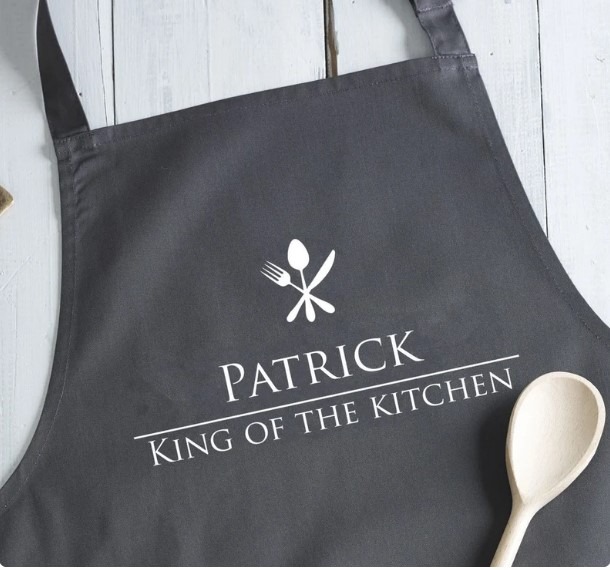
What it is: Aprons with stitched names, chef titles, or witty food puns. Why it works: Cooking-related products are high-interest visual gifts that perform well on Instagram and Pinterest. Best for: Home cooks, bakers, food influencers.
8. Patches and Badges
What it is: Embroidered patches and badges, sew-on or iron-on. Why it works: Collectible, low-cost, easy to ship, and customers can rotate them as their interests change. Best for: Clubs, hobby groups, pop-culture fans.
Category 3 - Home Goods and Seasonal Sellers
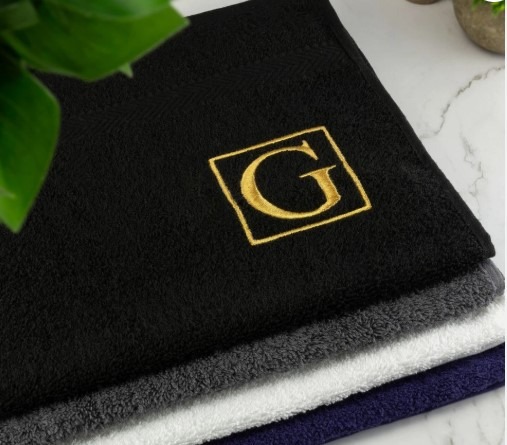
9. Luxury Bath and Hand Towels
What it is: Soft towels with stitched monograms or initials. Why it works: Classic, high-value gifts for weddings and housewarmings, and easy to bundle into sets. Best for: Newlyweds, couples, new homeowners, spa lovers.
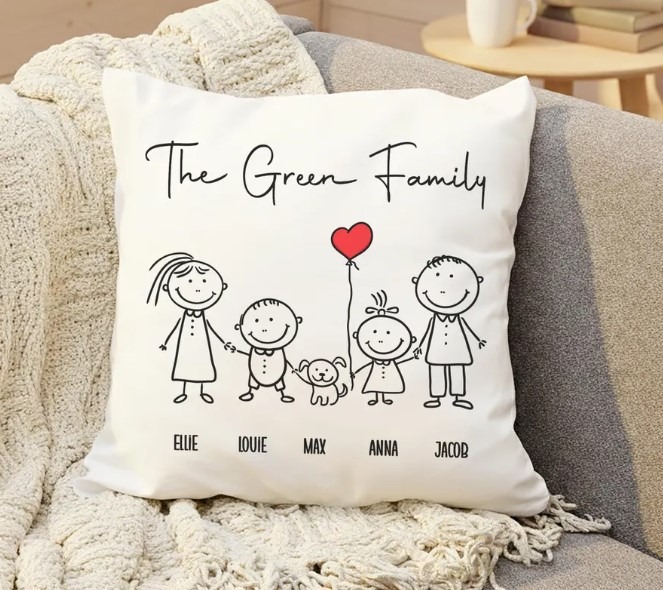
10. Custom Throw Pillows
What it is: Decorative pillows with stitched names, quotes, coordinates, or symbols. Why it works: One of the top-selling embroidered home goods online. Best for: Families, new homeowners, decor lovers.
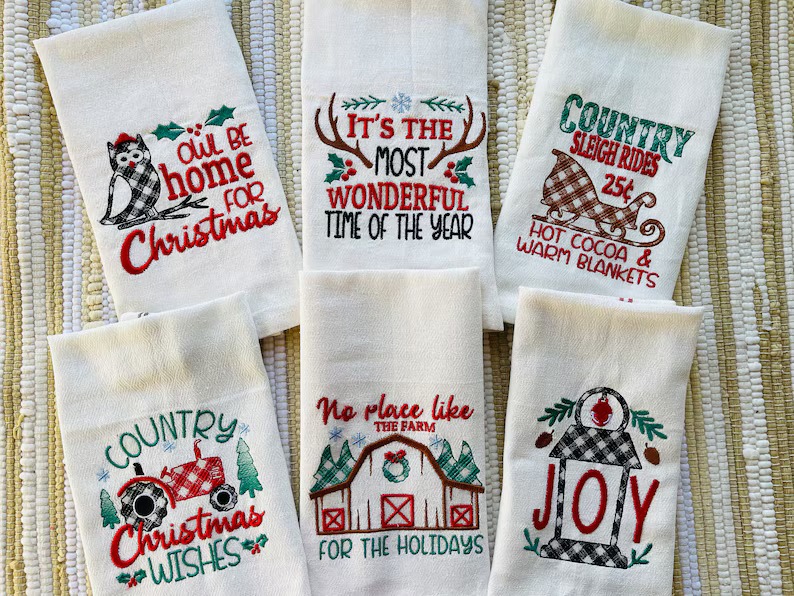
11. Tea and Kitchen Towels
What it is: Light kitchen towels stitched with botanical outlines, humor, or seasonal themes. Why it works: Affordable, versatile, and photograph beautifully for social media. Best for: Hosts, parents, casual gift-givers.
12. Plush Robes
What it is: Ultra-soft robes with stitched initials, names, or titles. Why it works: Luxury feel at an accessible price, with strong Q4 and bridal demand. Best for: Bridal parties, couples, honeymoon gifts, self-care shoppers.

Also Read
- Sublimation Printing: A Complete 2026 Guide for POD Sellers
- 15 Best Business Ideas for Couples to Start Together in 2026
Category 4 - High-Growth Niche Ideas
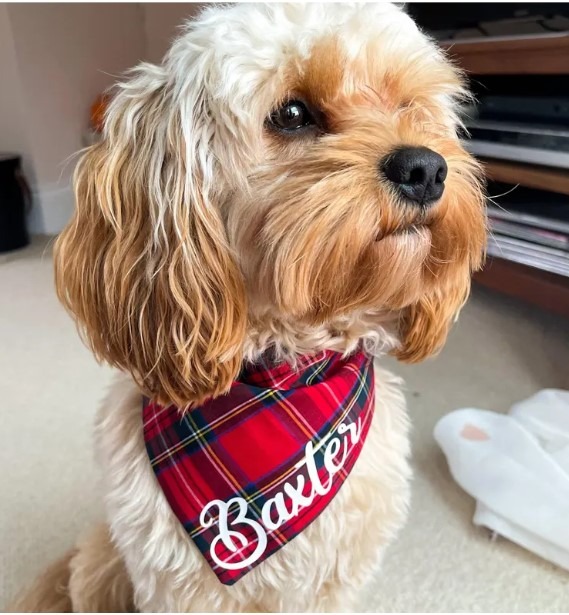
13. Pet Bandanas and Accessories
What it is: Embroidered bandanas, collars, or harness patches. Why it works: Pet products are one of the fastest-growing POD niches, and owners willingly pay premium prices to personalize their pet. Best for: Pet owners, boutiques, Instagram pet accounts, adoption communities.
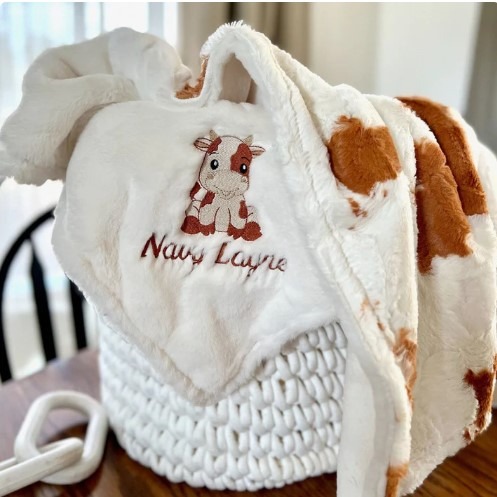
14. Baby Onesies and Blankets
What it is: Soft baby apparel with stitched names, dates, or icons. Why it works: Baby gifts are evergreen - birth announcements, baby showers, first birthdays. Best for: New parents, grandparents, baby showers.
15. Golf Towels and Accessories
What it is: Durable golf towels with stitched initials, club names, or logos. Why it works: Sports-niche customers pay premium prices for personalized gear. Best for: Golfers, country-club members, corporate gifting, sports teams.
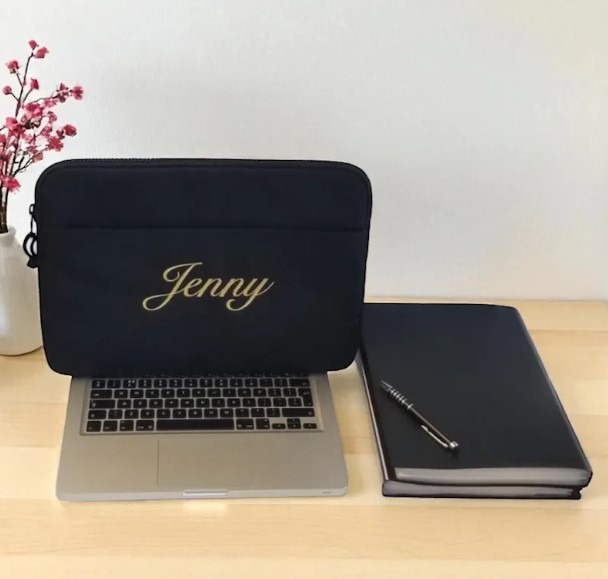
16. Laptop and Tablet Sleeves
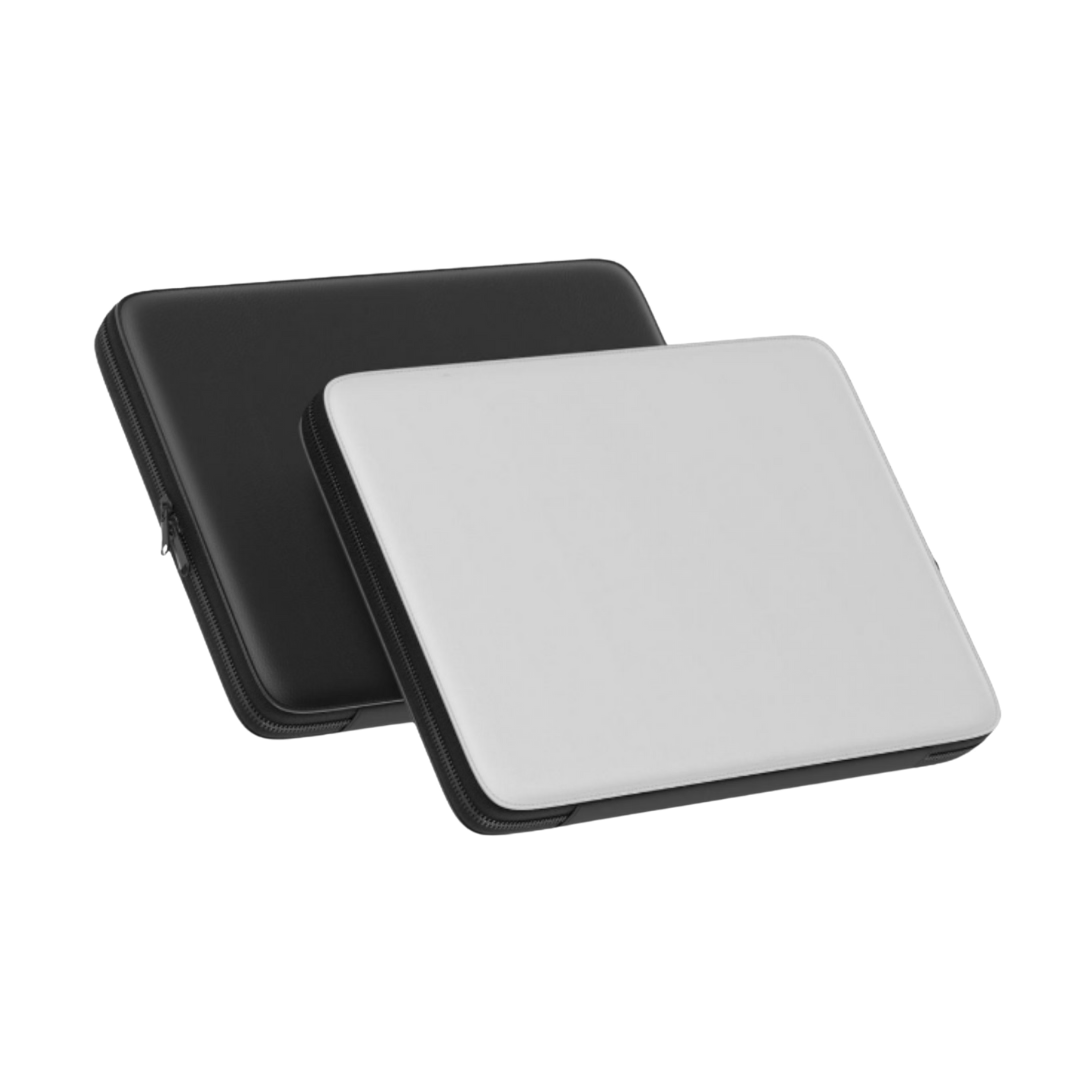
What it is: Protective sleeves with simple stitched logos or initials. Why it works: Tech accessories are one of the fastest-growing POD categories, and embroidery elevates a utility product into a gift product. Best for: Students, office workers, corporate gifts.
How to Evaluate a POD Embroidery Supplier: 5 Questions That Matter
Before you commit to a supplier for embroidered products specifically, use this framework. The same five questions apply to other POD categories, but for embroidery, Question 4 (peak-season capacity) matters more than in any other category, because embroidery is the most lead-time-sensitive POD method.
- Average production-to-ship time on embroidered apparel, and how it shifts in Q4: annual averages are marketing; Q4 peak is operations. For reference, Podbase (UV-printed tech accessories and wall art) runs 23 hours average production-to-ship and held 48 hours during the 2025 winter peak while several major providers quoted week-plus lead times. Embroidered apparel runs longer, so ask for the specific Q4 number.
- Stitch-count limits on different fabrics: embroidery quality varies with fabric thickness, stitch density, and machine speed. Premium suppliers state the max stitch count per square inch per fabric and proactively flag designs that exceed it.
- Sample policy: sellers who order a sample within their first two days are on the trajectory of the top 20% of POD stores. Ask the sample turnaround and whether the sample cost is refunded on the first bulk order.
- Customer support response time and CSAT, especially in Q4: support speed determines recovery when an order goes wrong. Podbase support averages an 11.8-hour first response, 24-hour full resolution, and 6.4/7.0 CSAT year-round; industry giants stretch to 24-72+ hours for first contact in Q4 unless you are on a top-tier plan.
- Thread colors and fabric blanks in stock: the same design looks materially different across blanks and threads. Premium thread on premium fabric is what justifies the 2-3x price premium - but only if the supplier actually stocks it, so ask for swatches first.
If your supplier evades any of these questions, that is your answer.
Niche Strategies to Launch Your Embroidered Gift Brand
To stand out in 2026, you need to specialize.
Monograms and Initials
Monograms are timeless for weddings, corporate gifts, luxury items, and holidays. Smooth stitching and classic fonts (Garamond, Didot, Bodoni) give a polished look. Offer customizable monograms so customers choose thread color, font, and placement - one of the easiest ways to lift average order value, because buyers willingly pay for custom configuration.
Minimalist Line Art
Single-line designs create a clean, modern look, and fewer stitches mean lower cost and faster turnaround. Great line art designs include nature scenes, abstract faces, pet outlines, and simple landscapes. This is also where AI design tools compress your workflow most - line art is where AI generation gets the cleanest results.
Hobby-Specific Designs
Hobby-based embroidery lets customers wear or carry their identity. Strong niches:
- Sports enthusiasts (running, cycling, golf, pickleball)
- Automotive clubs (specific car models, vintage classics)
- Pet owners (specific breeds, rescue communities)
- Gamers (esports teams, classic franchises)
- Outdoor and hiking communities
The narrower the hobby, the higher the willingness to pay - and the easier it is to find a Reddit or Facebook community to seed initial sales into. A community of 5,000 people who deeply care about one hobby will outperform a generic audience of 500,000.
Also Read:
- 20 Best Ecommerce Business Ideas to Start in 2026
- TikTok Shop Fees 2026: Commission, Refunds, and More
The Realistic Launch Plan
Most articles list ideas and stop. Here is what launching an embroidered gift brand actually looks like, based on the seller-success pattern across hundreds of thousands of Podbase orders.
Days 1-2: Open your store, upload 3-5 simple designs, and place a sample order from your chosen embroidery supplier. This single action puts you on the trajectory of the top 20% of POD stores.
Days 1-30: Get 5+ products live and run a small paid social test (EUR 500-2,000). Our CMO advises a calibrated range: “a couple of thousand, but not over EUR 5,000.” Underspending gives no signal; overspending before product-market fit burns cash.
Days 30-90: Reach your first 10 sales and you are in the top 10% of POD sellers - most stores never get there. Iterate on winning designs.
Months 3-6: Aim for stable weekly revenue if your niche is right, and reinvest profits rather than taking them home. The 13-month seven-figure POD seller we cite (a phone case brand, not embroidery) scaled by reinvesting almost everything for the first year.
The single biggest predictor of who scales versus who quits is community: sellers who join a community, mentor, or peer group scale roughly 32% faster than solo operators. For embroidered apparel, niche-community channels (sport subreddits, hobby Facebook groups) are also your highest-converting acquisition channels. And Q4 timing matters more here than for most categories - if you start now, you have just enough runway to be live, tested, and optimized by November; wait until October and you miss the bulk of the season.
FAQ
1. What are the best embroidery gift ideas?
The best embroidery gift ideas for 2026 include custom sweatshirts, dad hats and beanies, canvas tote bags, monogrammed towels and robes, throw pillows, pet bandanas, and baby onesies. Personalized pieces - monograms, milestone dates, and niche symbols - sell best because stitched designs feel premium, last longer, and drive strong repeat purchases.
2. Why do embroidered products sell for more than printed ones?
Embroidered products typically sell for two to three times more than DTG or heat-transfer items in the same category. Stitching adds texture, depth, and a handmade, premium feel that shoppers trust and willingly pay for, and because embroidery does not crack or peel, the added durability means fewer returns and better reviews.
3. Is embroidery better than printing for gifts?
Embroidery is better for premium, giftable, durable items - it looks considered and lasts for years without cracking. Printing wins on fine detail, full-color artwork, lower cost, and faster production. For monograms, apparel, and home textiles, embroidery justifies a higher price; for detailed graphics or phone cases and mugs, printing is the better method.
4. What is the best print-on-demand supplier for embroidery?
For pure embroidered apparel, Printful is the standout pick because it runs an in-house embroidery operation. If you also want non-embroidered SKUs - phone cases, laptop sleeves, wall art, drinkware - alongside your embroidered line, Podbase covers that side with 23-hour average production and spectrophotometer-verified color. Evaluate any supplier on peak-season capacity and sample policy.
5. How long does embroidery production take?
Embroidery takes longer than printing. During the 2025 winter peak, POD sellers quoted embroidered-apparel lead times of 7-14 days before shipping. Always ask a supplier for their specific Q4 peak production-to-ship time, not the annual average, and build seasonal deadlines around that longer window so your order-by promises stay realistic.
6. What sells best - personalized or generic embroidered gifts?
Personalized embroidered gifts sell best. Monograms, initials, names, milestone dates, and niche-specific symbols carry emotional weight that drives higher prices and strong repeat purchases. Offering customizable options such as thread color, font, and placement is one of the easiest ways to lift average order value, since customers willingly pay for custom configuration.
Conclusion
The 16 categories above are all proven sellers - but the discipline of picking the right supplier, ordering samples within 48 hours, getting 5 products live in 30 days, and reinvesting profits is what separates brands that hit consistent weekly revenue from those that fade at week six. The honest summary:
- For pure embroidered apparel brands: Printful (in-house embroidery) is the standout supplier. Order samples, evaluate with the 5-question framework, and start with 3-5 designs.
- For brands that want embroidered apparel plus non-embroidered POD (phone cases, laptop sleeves, wall art, drinkware): use Podbase for the non-embroidered side - 23-hour average production-to-ship, 48-hour winter peak, spectrophotometer-verified color, and 11.8-hour support response.
- Across either choice: the seller scoreboard is the same. Sample within 2 days, 5 products live in 30 days, 10 sales by day 90. Find your community. Don't quit at week two.
If you want to sell physical goods that aren't embroidered alongside your line - phone cases, laptop sleeves, drinkware, wall art - sign up for Podbase. If you want pure embroidered apparel, start with Printful and a sample order this week.

Saulius Meilutis is the CEO of Podbase, helping creators and entrepreneurs monetize their ideas with print-on-demand. He shares insights on eCommerce, growth, and building lean online businesses.

.avif)



.avif)
.avif)
.avif)
.avif)
.avif)
.avif)

.avif)


.avif)
.avif)

.avif)

.avif)
.avif)