Explore 20 of the best ecommerce business ideas to start in 2026 - from low-cost models like print-on-demand, dropshipping, and digital products to niche and service-based ventures such as handmade goods, private-label beauty, personalized gifts, and online courses. This guide covers how to choose the right idea for your skills, budget, and goals, with market sizes and profit potential for each - plus the part most lists skip: which of these models actually scale without trading your time for money, and the launch behavior that separates sellers who succeed from those who stall.
Ecommerce keeps growing: the global market is projected to reach $83.26 trillion by 2030 (that's the all-inclusive figure spanning B2B and B2C; the B2C slice alone is forecast at ~$17.77 trillion). More people buy from their phones every year, and you don't need a big budget or technical skills to start. Below are 20 beginner-friendly ideas for 2026 - and a clear-eyed view of which ones compound.
Why Start an Ecommerce Business in 2026?
- Low startup costs - no rent or storefront fees
- Global reach - you're not limited to local foot traffic
- Flexibility - your hours, your location
- Delivery options - dropshipping, print-on-demand, or self-fulfillment
- Smarter tech - Shopify and AI tools simplify design, marketing, and automation (our CEO notes AI has cut typical project onboarding "from three months to under one month")
- Rising online share - ecommerce will be ~22.5% of global retail by 2028

How to Choose the Right Ecommerce Business Idea
- Assess your interests and skills - you'll stay motivated longer in a niche you enjoy.
- Identify market demand - Google Trends, Amazon Best Sellers, and social tell you what people already want.
- Evaluate startup costs - you can even start without money.
- Consider your availability - side hustle or full-time?
- Think about scalability - and ask the question step 6 makes concrete.
- Test before committing - a small launch beats months of planning. (This isn't just prudent; our pipeline data shows the testers win - see "Which of These Actually Scale" below.)
20 Profitable Ecommerce Business Ideas for Beginners
Low-Cost Online Models
1. Print-on-Demand - Start with Zero Inventory
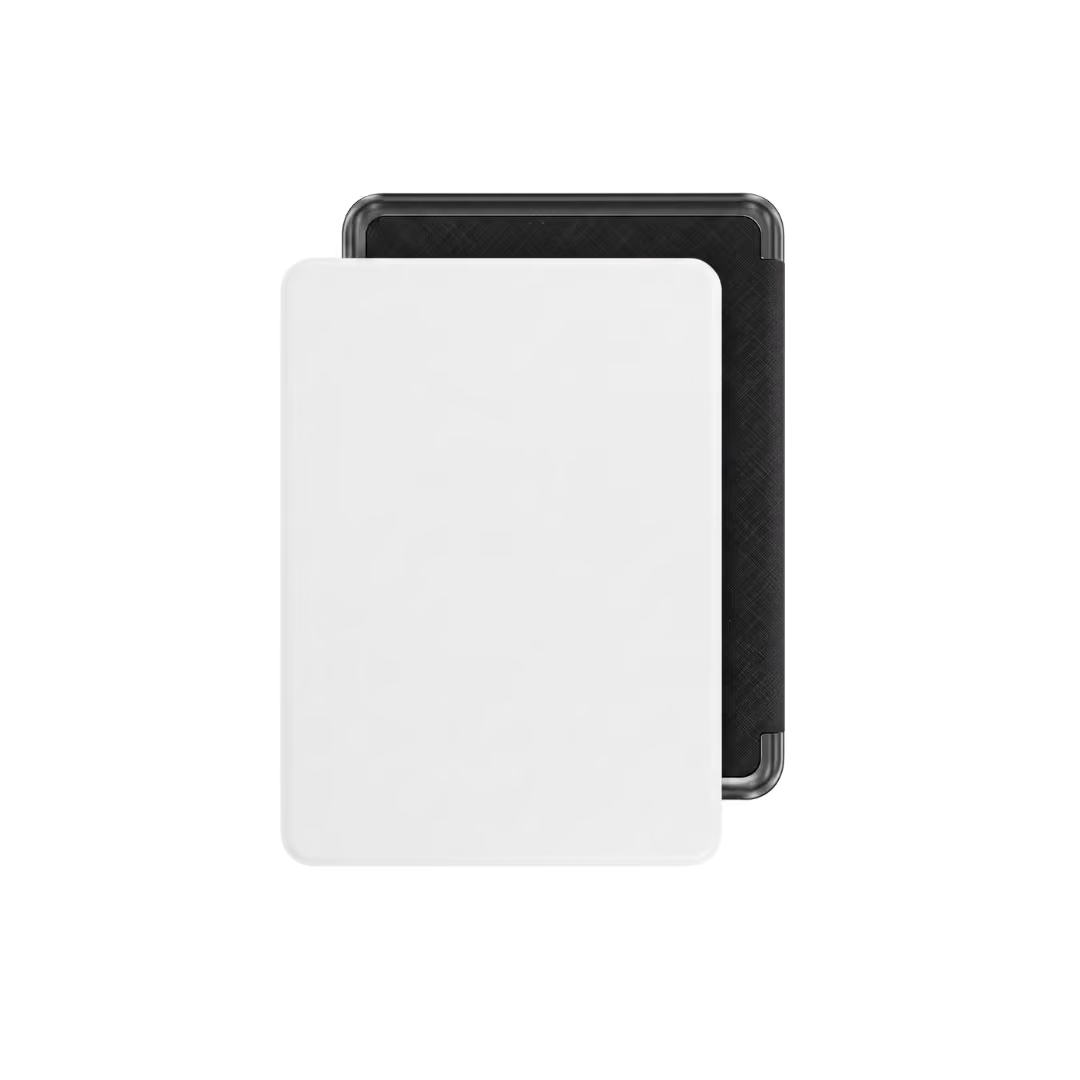
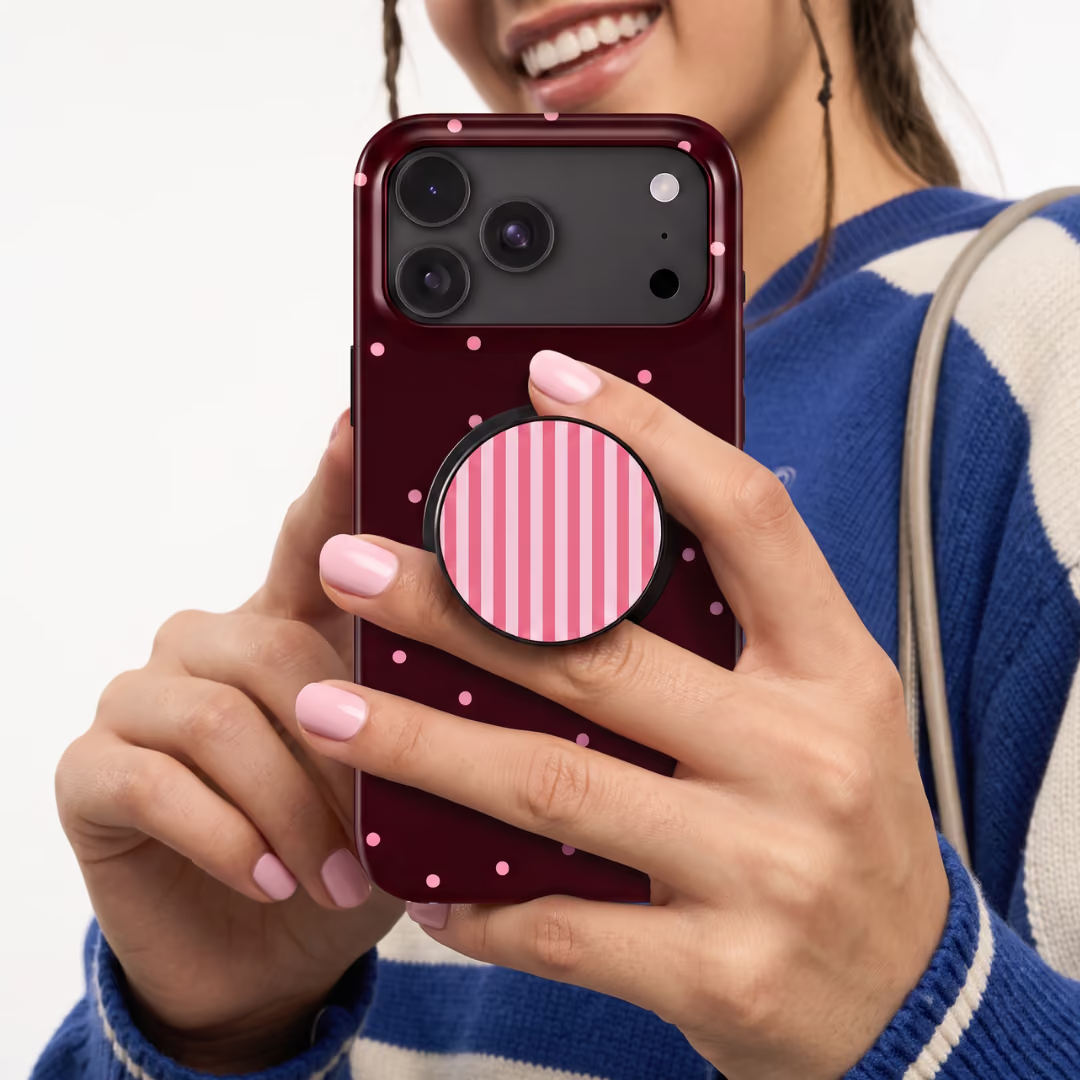
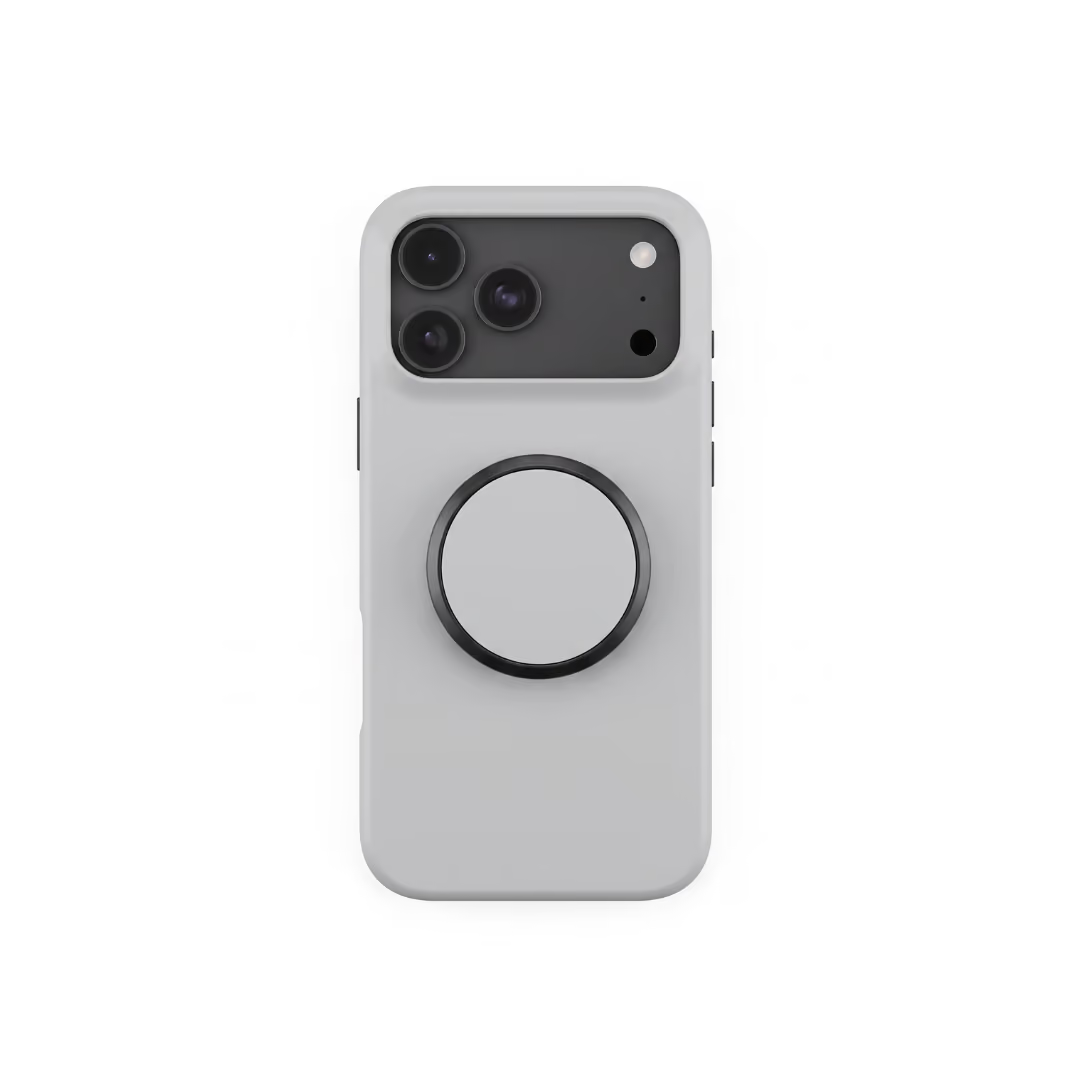
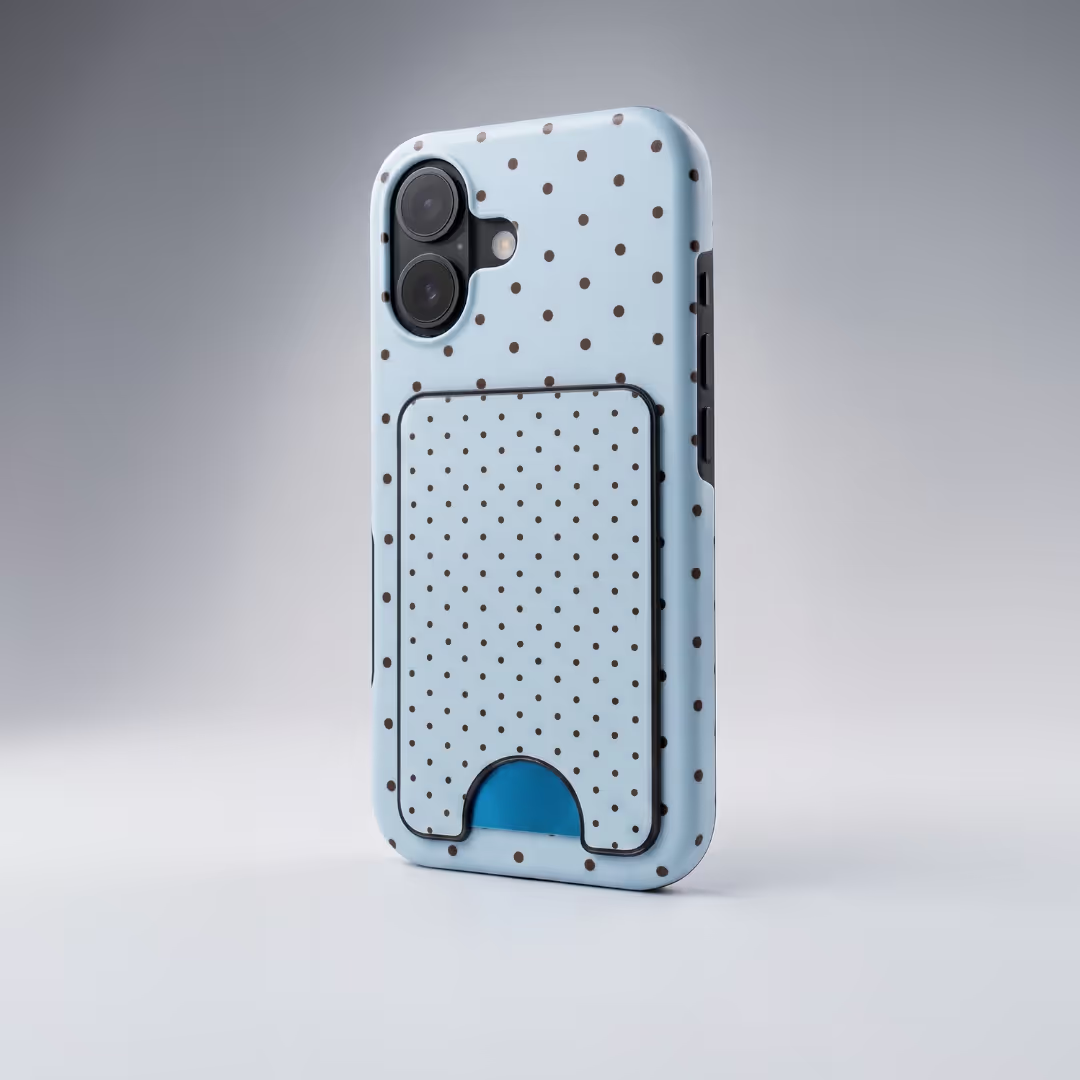
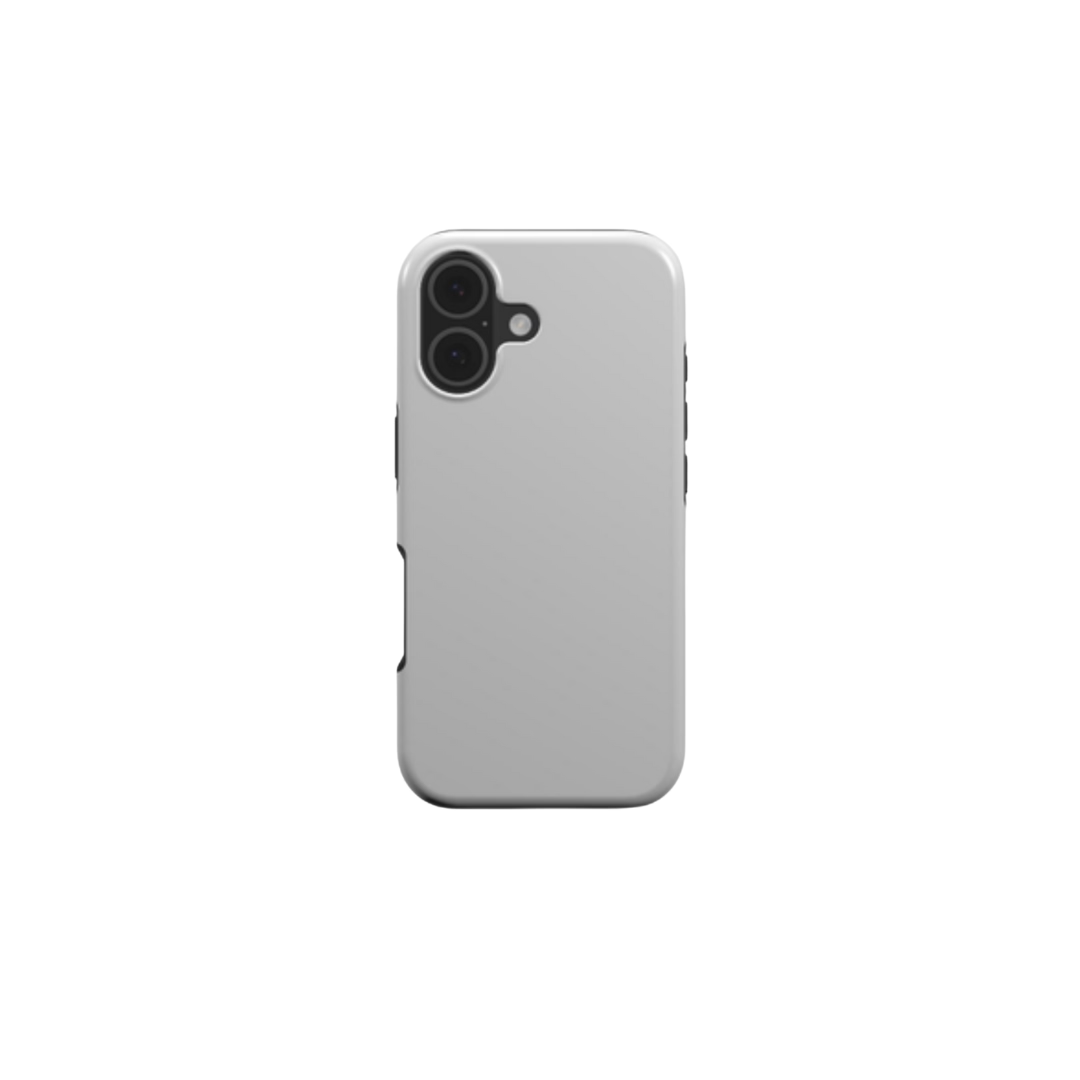
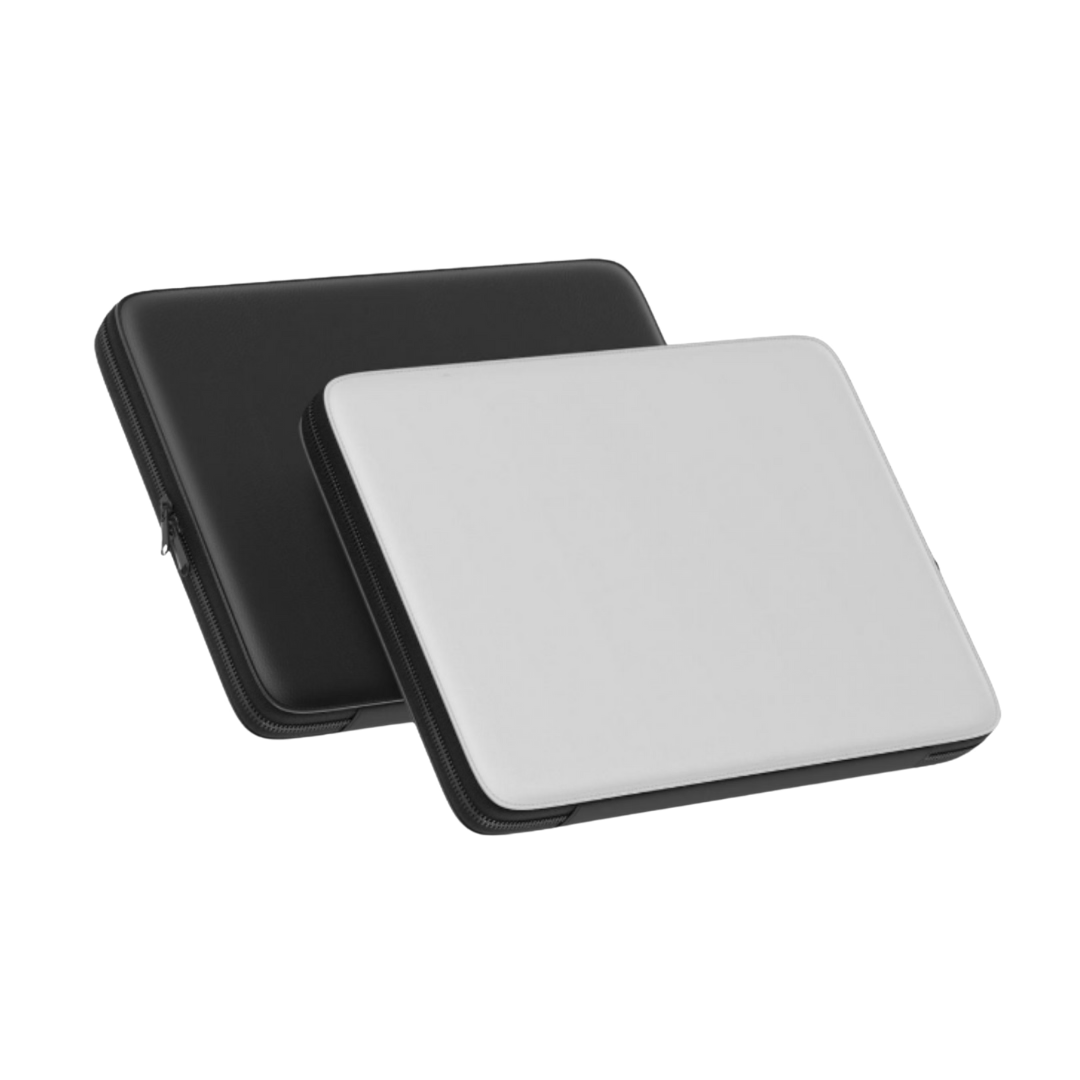
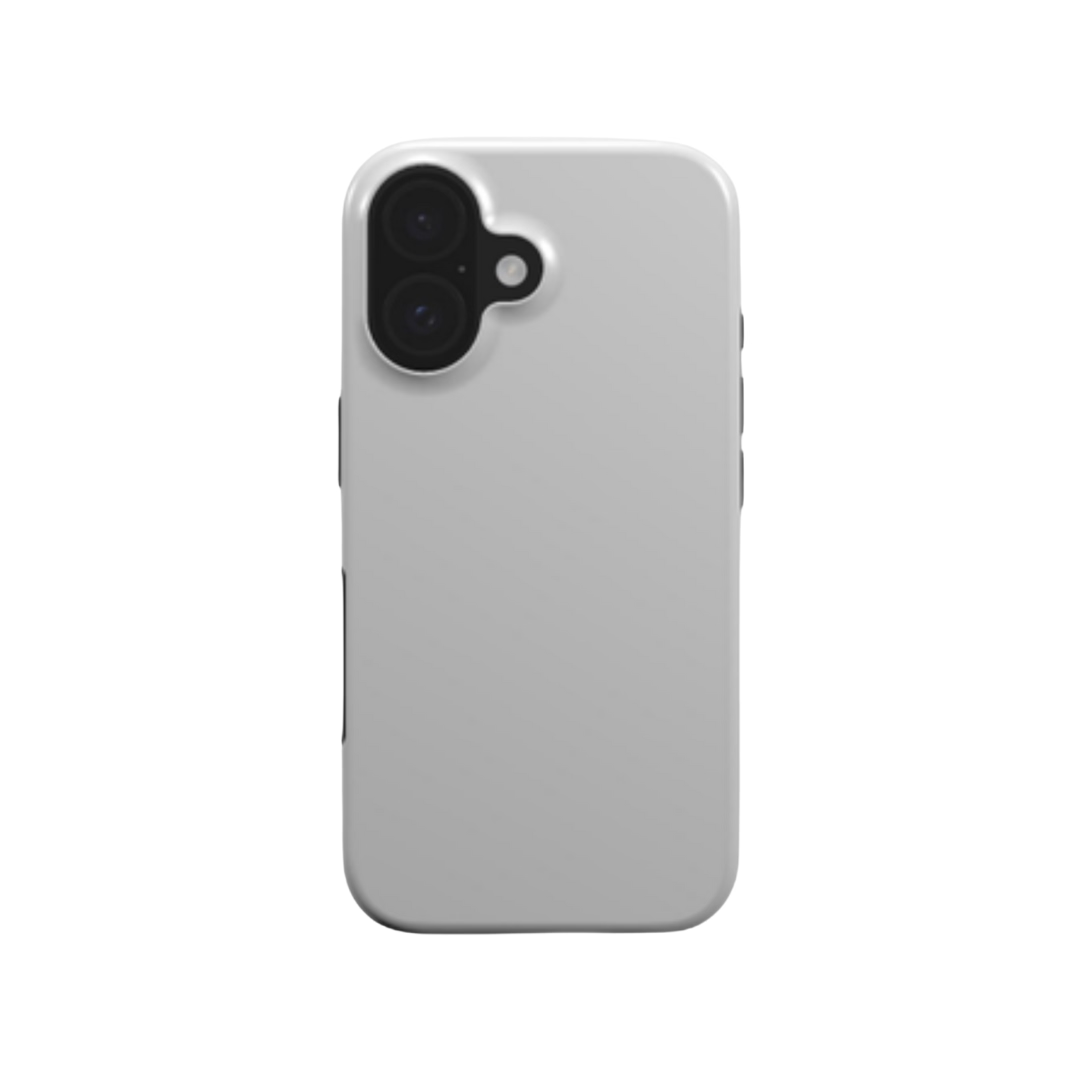
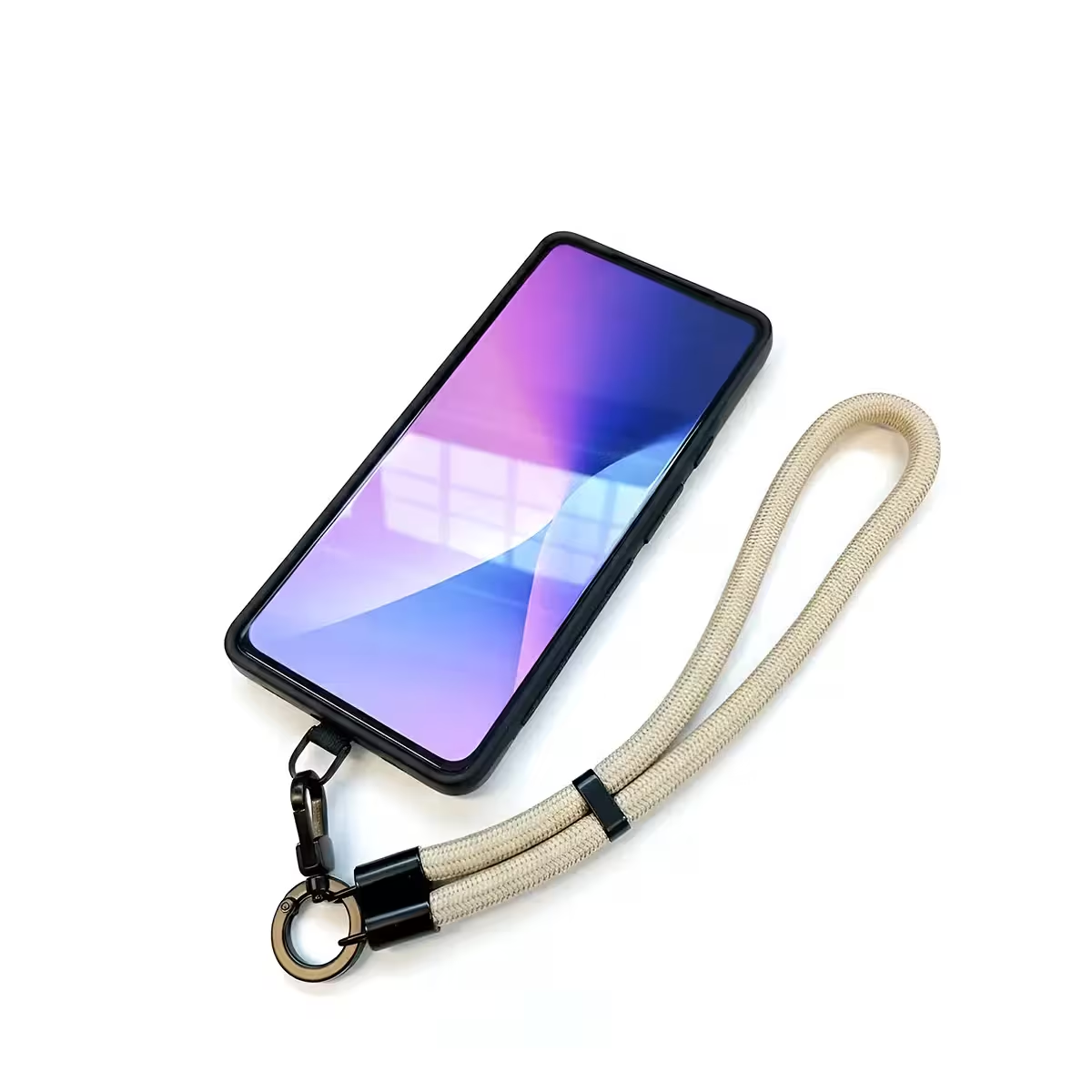
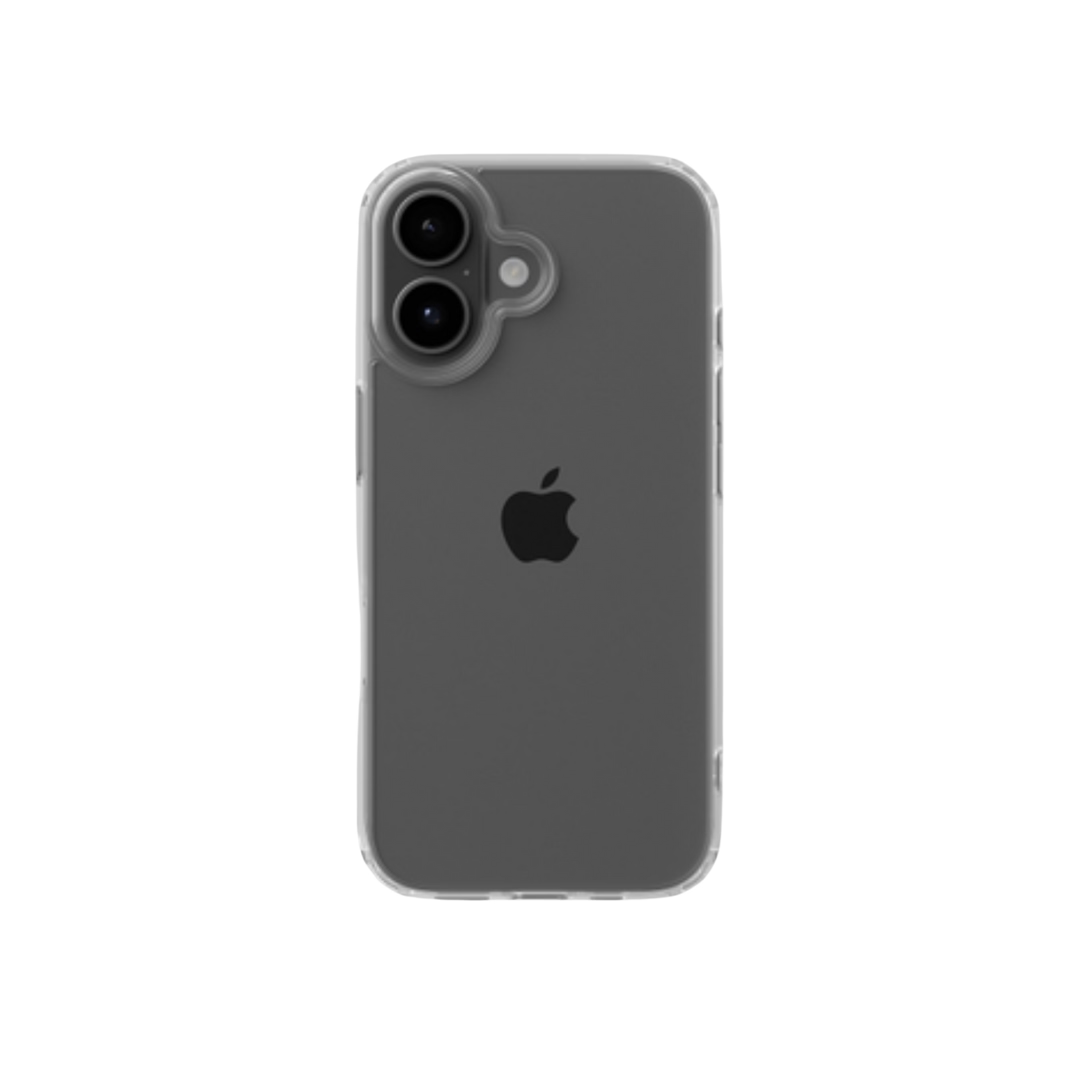
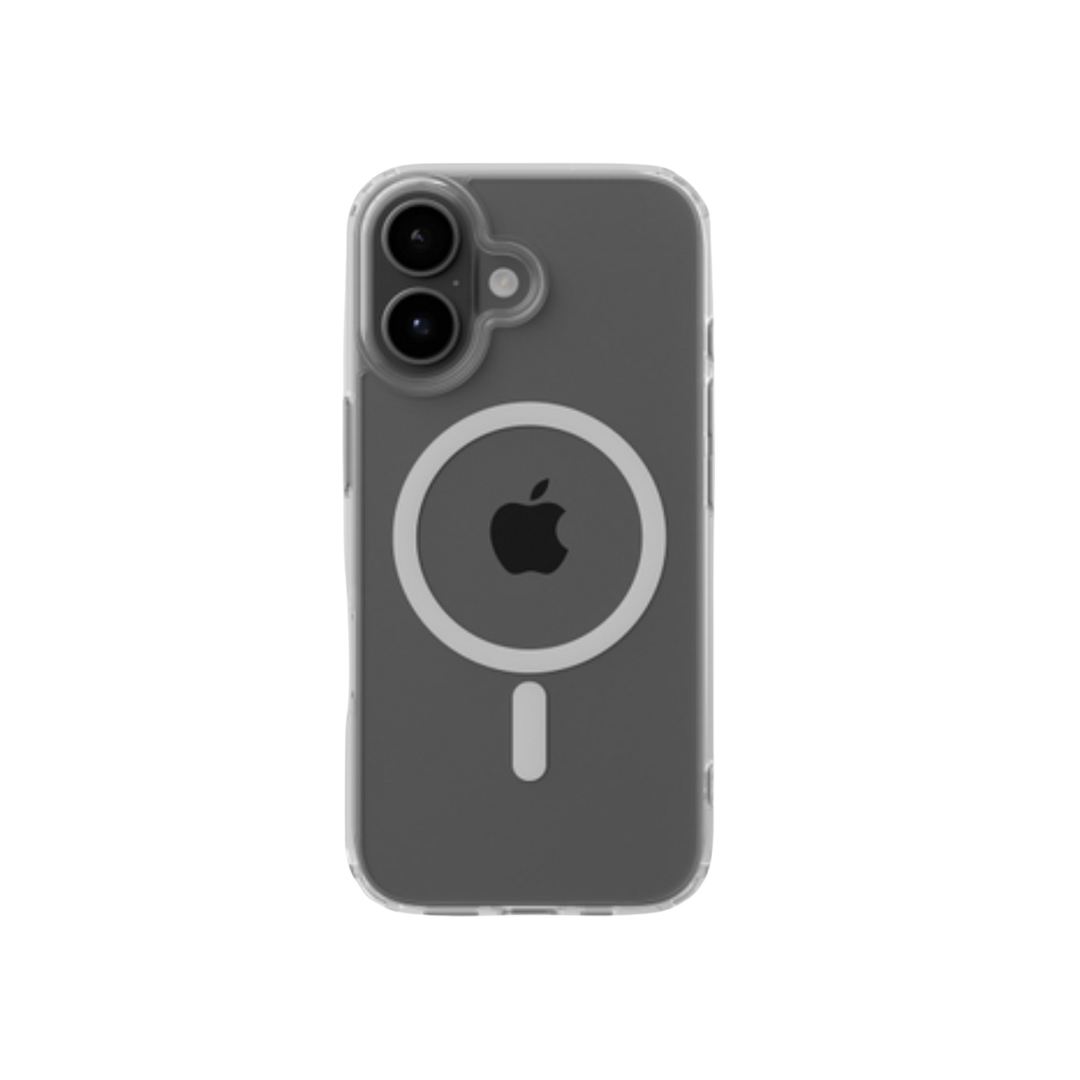
The lowest-risk entry point. You create designs for products like phone cases, clothing, laptop cases, and wall art; the manufacturer prints and ships each order. Platforms like Podbase specialize in tech accessories and drinkware with 1-3 day production and Etsy/Shopify integrations.
The economics are the clearest on this list: startup cost is essentially $0-$100 for design tools, a case costs ~€10 and sells for €35-60, and there's no inventory to buy or store. It's also proven at the top end - one Podbase seller scaled from zero to seven-figure annual revenue in 13 months selling phone cases, starting with about ten designs.
Best for: Creatives, designers, or anyone with a social following.

2. Dropshipping Store
Sell products without holding inventory; your supplier ships directly. The trade-off is honest: thinner margins, less control over shipping speed and quality. The fix is choosing a supplier whose *production* timeline (not just shipping window) holds up, and differentiating instead of reselling the same generic items everyone lists.
Best for: Those who want product variety with low upfront cost.
3. Affiliate Marketing Store
Promote other brands' products and earn a commission per sale - no production, low startup cost, easily paired with a blog or social channel. The ceiling is a slice of someone else's sale; many affiliates eventually add their own products (POD, digital) to keep the full margin.
Best for: Content creators, bloggers, influencers.
4. Digital Products Store
Courses, templates, ebooks, software - create once, sell infinitely at 80-95% margins with automatic delivery and zero shipping. The purest "sell while you sleep" model.
Best for: Experts, educators, designers, photographers.

Retail and Product-Based Ideas
5. Handmade Products
Jewelry, candles, bath goods, décor, pottery - high margins and a built-in brand story, usually sold on Etsy. Note: genuinely handmade items trade hours for money, so price for your time.
Best for: Artists and craft lovers.
6. Private-Label Beauty
Manufacturers make and package products under your brand. The private-label cosmetics market was worth $10.64 billion in 2024 and growing - higher margins than reselling, and you build a real brand.
Best for: Beauty enthusiasts with marketing skills.

7. Subscription Box Service
Themed monthly boxes (snacks, books, skincare, pet, hobby kits) generate recurring, predictable revenue and repeat customers.
Best for: People who love curating useful items.

8. Custom Apparel and Clothing Line
Design and sell fashion via print-on-demand, wholesale, or vintage resale. The global apparel market hits $2.26 trillion by 2030. (POD apparel is the most saturated category, so win on niche specificity, not generic tees.)
Best for: Fashion lovers.

9. Eco-Friendly Products
Reusables, organic personal care, zero-waste accessories. 87% of consumers say they'd buy more sustainable products if widely available, and many pay a premium.
Best for: Those promoting a greener lifestyle.
10. Pet Products and Accessories
Toys, treats, food, personalized gear. Americans spent over $151 billion on pets in 2024, and owners love personalization.
Best for: Pet lovers.

Niche and Specialty Stores
11. Smart Home Products
Speakers, cameras, lighting, thermostats. 48% of U.S. homes already own a smart device, and the market keeps growing.
Best for: Tech enthusiasts.
12. Personalized Gift Shop
Drinkware, décor, accessories, party supplies. The personalized-gifts market may reach $54.15 billion by 2033, at higher price points. This pairs naturally with POD - personalization is exactly what made-to-order production does best.
Best for: Creative people with design skills.
13. Health and Wellness Products
Supplements, fitness gear, yoga accessories - durable demand and strong repeat purchases.
Best for: Health-conscious sellers.
14. Children's Toys and Products
Games, educational items, baby products. The toy market is forecast at $445.97 billion by 2032, with steady gift-giving demand.
Best for: Parents and teachers.
15. Home Décor and Furniture
Furniture, wall art, pillows, lighting. People constantly redecorate, and visual products sell well online - wall art especially, since (per our CEO) "almost 65% of wall art sales are still offline," leaving the online shift early.
Best for: Interior-design lovers.

Service and Content-Based Ideas
16. Online Courses and Education
Teach what you know; the e-learning market may reach $2.3 trillion by 2034. Create once, earn repeatedly.
Best for: Experts and educators.
17. Freelance Services Marketplace
Design, writing, web dev, virtual assistance. Low cost, flexible - but it trades hours for money, so it caps unless you productize.
Best for: Skilled solo operators.
18. Stock Photography or Digital Assets
Upload once, sell repeatedly - photos, video, templates. Passive-income potential for creators.
Best for: Photographers, designers, videographers.
19. Ebooks and Self-Publishing
Write and sell via Amazon KDP - low production cost, global distribution, royalties for life.
Best for: Writers and experts.

20. Curated Marketplace or Niche Store
Hand-pick high-quality products in a specific niche (vintage, eco, luxury, regional). Buyers pay for trusted curation and a personal experience.
Best for: People with taste and industry connections.
Also Read:
Which of These Actually Scale? (The Part Most Lists Skip)
Twenty ideas, but they don't all behave the same way - and the difference decides your ceiling. Sort them by one question: does income keep coming when you stop working?
- Hours-for-money models - freelancing, handmade goods, services. Real income, often high margins per unit, but capped: you earn only while you work, and growth means more hours or hiring.
- Scalable, owned-product models - print-on-demand, digital products, private label, subscriptions. You build the asset once (a design, a course, a brand) and it sells repeatedly. This is where ecommerce compounds.
- Rented-audience models - affiliate, marketplaces. Lower effort, but you're earning a slice on someone else's terms; best as a complement, not the foundation.
None is "wrong" - but if you want a business rather than a second job, anchor on a scalable model. And whichever you pick, the decisive factor in our data isn't the idea, it's the launch: our Head of Sales notes the sellers who succeed "move fast and test first… put three to five designs live and push marketing on those," while those who churn spend months in the "guessing phase" perfecting a store that never goes live. A seller with five products live within 30 days is already ahead of 80% of POD stores. Pick an idea this week and ship - the market will teach you faster than more planning will.
Ecommerce Business Models Compared
Use this lens when comparing the models above: weigh startup cost against margin, and one-time effort against ongoing effort. Low-cost + high-margin + low-ongoing-effort (print-on-demand, digital products) is the most beginner-friendly quadrant; high-cost or high-ongoing-effort models (private label, handmade, services) can pay well but demand more capital or more of your time.
.png)
Conclusion
2026 offers more ecommerce opportunity than ever - and the winning move is the same regardless of which idea you choose: start small, test fast, and favor models where income isn't chained to your hours. Print-on-demand is the lowest-risk on-ramp (no inventory, ~€10 cost on a €35-60 product, 1-3 day production), but the real lesson from our seller data is universal - the people who succeed are the ones who launch and iterate, not the ones who keep researching.
Ready to start the lowest-risk option? Try Podbase - tech accessories, wall art, and drinkware with fast production and easy Shopify/Etsy integrations.
FAQ
1. What is the best ecommerce business idea for beginners in 2026?
Print-on-demand is the lowest-risk starting point: no inventory, startup costs of roughly $0-$100 for design tools, and strong margins (a phone case costs about €10 from Podbase and sells for €35-60). Digital products are similarly low-risk with 80-95% margins. Both are scalable models where income isn't tied to your hours, unlike freelancing or handmade goods.
2. Which ecommerce business models actually scale?
Owned-product models - print-on-demand, digital products, private label, subscriptions - scale because you build the asset once and sell it repeatedly. Hours-for-money models (freelancing, handmade, services) can be profitable but cap out because income stops when you stop working. Affiliate and marketplace models are low-effort but earn a slice on someone else's terms, so they work best as complements.
3. How much does it cost to start an ecommerce business?
It ranges from near-zero to significant. Print-on-demand and digital products start at roughly $0-$100 since there's no inventory. Dropshipping and affiliate are similarly low-cost. Private label, handmade at scale, and physical-inventory niches require more upfront capital for stock, manufacturing, or equipment.
4. How do I choose between 20 ecommerce ideas?
Match the idea to your skills, budget, and available time, then favor a scalable model (income not tied to your hours). Most importantly, test before over-committing - Podbase pipeline data shows sellers who publish five products within 30 days are ahead of 80% of stores, while those who spend months perfecting a store before launching tend to stall.
5. How big is the ecommerce market in 2026?
The global e-commerce market is projected to reach $83.26 trillion by 2030 according to Grand View Research - a figure that spans both B2B and B2C. The B2C (consumer) segment alone is forecast at about $17.77 trillion, and ecommerce is expected to make up roughly 22.5% of worldwide retail sales by 2028.

Saulius Meilutis is the CEO of Podbase, helping creators and entrepreneurs monetize their ideas with print-on-demand. He shares insights on eCommerce, growth, and building lean online businesses.

.avif)



.avif)
.avif)
.avif)
.avif)
.avif)
.avif)

.avif)


.avif)
.avif)

.avif)

.avif)

.avif)