Most people look for print on demand tips only after making mistakes. It's a common problem, especially when you aren't sure how design, pricing, and marketing work together.
Many beginners jump in without a plan. Experienced sellers often lean on old tricks that don't work anymore - and in 2026 that's a real risk, because the rules have shifted fast (Google's March 2026 update alone reshaped how POD content ranks). Instead of guessing, you need simple print-on-demand tips you can actually follow. That's what this guide offers - and we've added what our own data across hundreds of thousands of orders says actually moves the needle.
If you're just starting, begin with the beginner-friendly section and build from there. If you're already making sales, skip ahead to the growth section. By the end, you'll know how to design smarter, market better, and scale your POD business profitably.
Foundation Tips - For Beginners
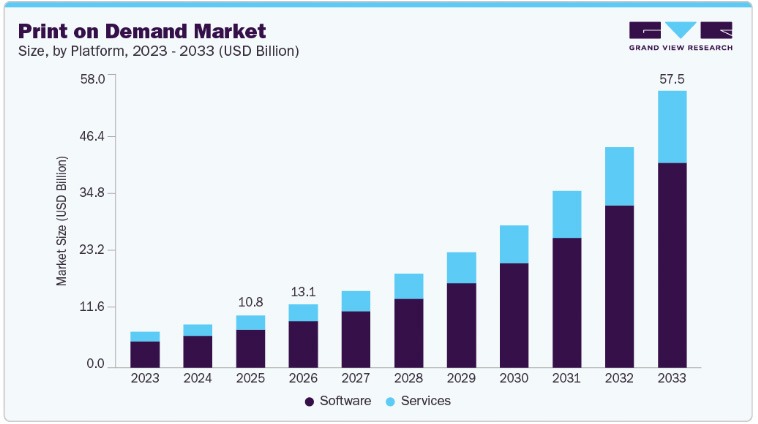
The global print on demand market, valued at about USD 13.1 billion in 2026, offers plenty of opportunity - and it's on track to reach roughly $75.3 billion by 2033. But there's a sobering number behind the hype: only about 24% of POD shops are still operating three years after launch. The tips below are about being in that 24%.
1. Pick a niche before you pick a product
Before deciding what to sell, pick an audience. Instead of basic t-shirts, sell to "dog owners" or "gym lovers." This makes design choices easier, sharpens your messaging, and helps your listings rank. It's the same logic our Head of Product applies to our catalog: "We always look for niche products that work with different types of clients." Narrow beats broad - for products and for audiences.
2. Start with 2-3 product types, not 20
It's tempting to offer many different products, but that confuses buyers fast. Focus on a few items first and learn what your customers actually like before adding more. Our sales data is blunt here: sellers who launch with five simple products outperform those who spend six months building the "perfect" 50-product store.
3. Test designs before scaling (use Etsy to test)
Check whether people like your ideas with real marketplace data before you scale your business. Etsy is a cheap place to see what actually sells, then expand winners to other ecommerce platforms. Speed helps here: AI has cut the time to spin up and test a new project on Podbase from about three months to under one, so you can test ten ideas in the time it used to take to test one.
Also Read:
4. Use high-resolution files (300 DPI minimum)
Poor designs lead to complaints. Create artwork at 300 DPI for sharp, clean prints; low-quality images cause blurry results, negative reviews, and returns. Submit in the CMYK color space, too - it's how our production verifies color accuracy with a spectrophotometer, so what's on your screen matches what arrives at your customer's door.
5. Use keywords for free traffic
Help people find your shop by using the words customers actually type into search. Clear, keyword-rich titles and descriptions improve visibility, especially in a Shopify print on demand store. One caution from our CMO for 2026: don't treat organic as passive free traffic anymore - it rewards specificity and usefulness, not volume.
6. Price for profit, not to be the cheapest
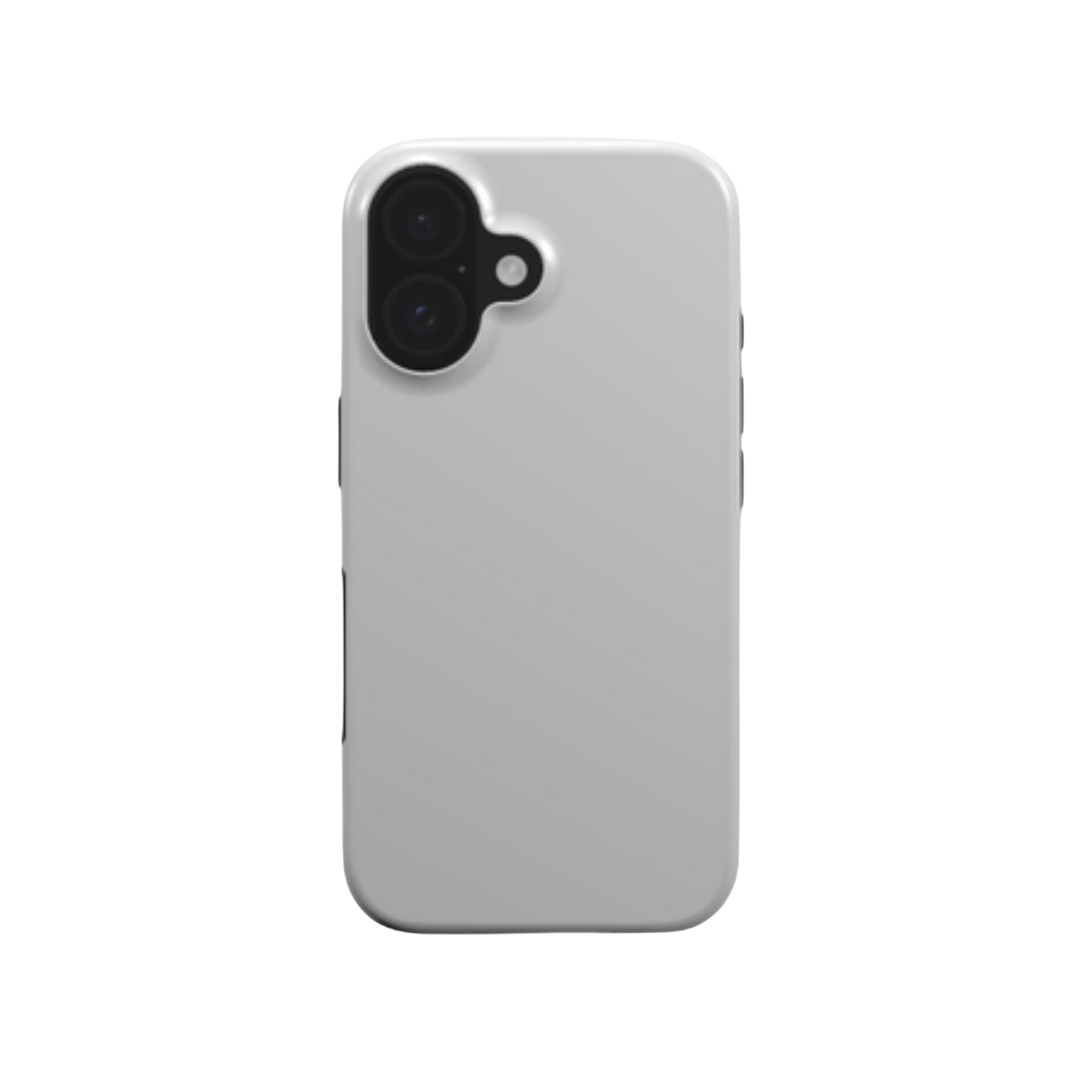
It's easy to price low to compete, and easy to go broke doing it. Calculate costs, fees, and margins before setting your price. Our Head of Sales puts the real cost of cheap plainly: "A cheap product that fails after a few days carries a cost that never shows up in a margin calculation - that customer tells their friends." For context on healthy economics: a Podbase phone case bought for about €10 comfortably retails at €35-€60, and our base pricing runs 10-15% better than competitors across most categories.
7. Choose a POD partner with fast fulfillment (1-3 day shipping matters)
Shipping speed directly affects satisfaction and repeat purchases. Look for processing within 1-3 days - but look at the *full* timeline, not just the shipping label. As our Head of Sales notes, a provider can advertise "3-5 day shipping" while fulfillment quietly adds another five days. Podbase starts printing within 24 hours of an order, and sellers who migrated to us saw a 30% drop in order-issue support tickets as a result.
8. Set up proper return and customer service policies from day one
Decide your return policy on day one and explain how refunds and response times work. Transparency reduces disputes and improves the buying experience. It also protects your brand: the migrated sellers above didn't just see fewer tickets - they saw a 15% increase in customer reviews left, because a clean post-purchase experience makes people want to vouch for you.
Design & Product Tips
Your foundations are set. These print on demand tips help you create products that actually sell.
9. Check what's already selling
Research what's already moving in your niche. Study popular items across marketplaces to understand current trends, pricing, and demand - decisions based on facts, not guesses.
10. Design for the product, not just aesthetically
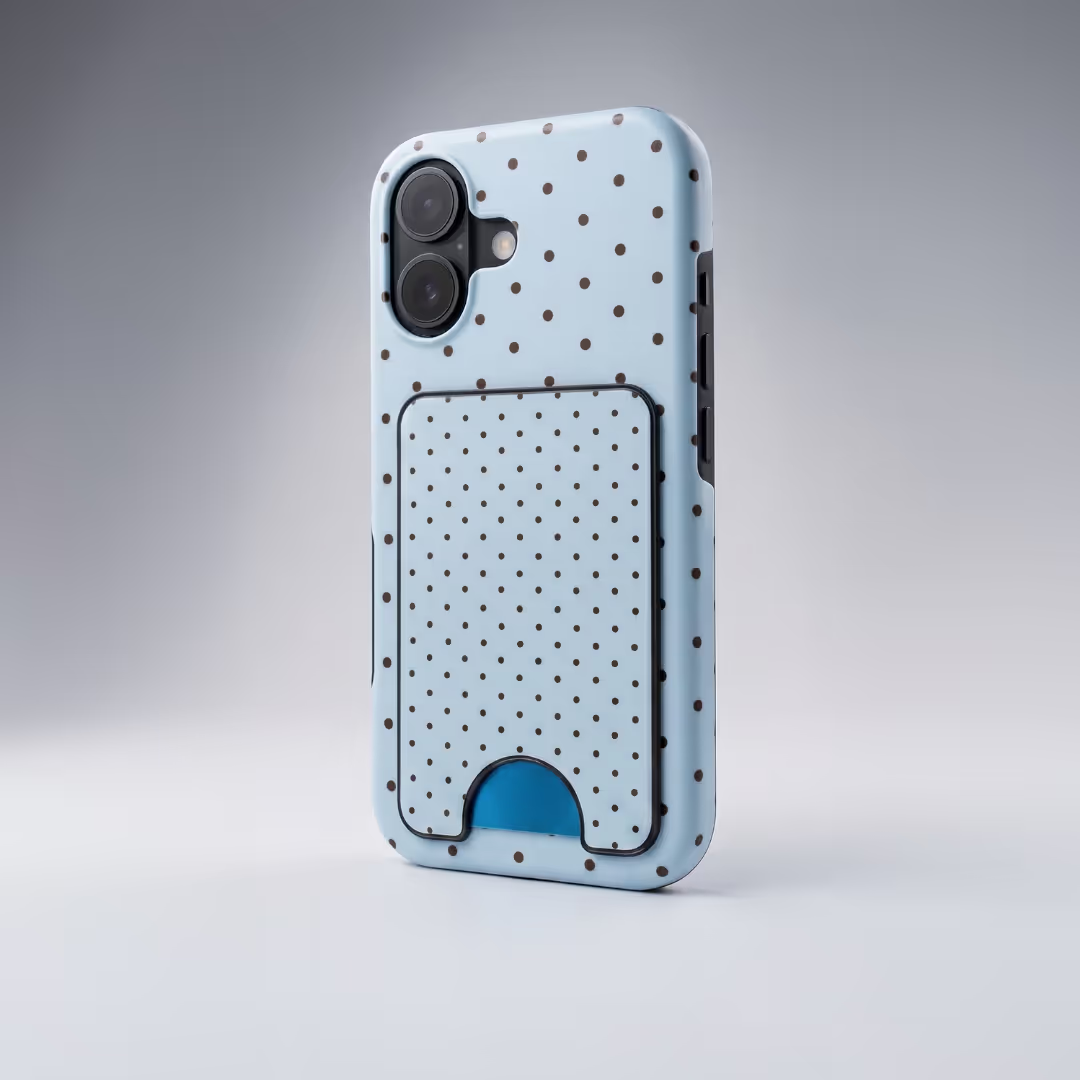
A design that looks great on screen may not work on every product. Consider shape and size - a phone case needs a different approach than a mug. Always design with the end product in mind.
11. Create design collections, not one-off products
Make groups of related designs rather than singles. A "Funny Cat Gym" theme - "Leg Day Cat," "No Pain No Meow," "Protein Cat" - applied across products makes your shop look professional and lifts units per order.
12. Use "lifestyle" photos
Show products in real life - someone holding the mug or using the phone case, not a plain white background. This builds an emotional connection and improves conversions. Podbase auto-generates professional mockups when you upload a design, so you get lifestyle-quality imagery without a photoshoot.

13. Test seasonal designs 6-8 weeks before the holiday
Seasonal products need lead time - upload 6-8 weeks early so listings can rank and you can adjust based on early performance. Our device-launch playbook works the same way: we prepare materials and listings a couple of weeks before a new phone drops so sellers are proactive, not reactive. Apply that mindset to holidays.
14. Try selling things other than clothes (wall art, phone cases, drinkware)
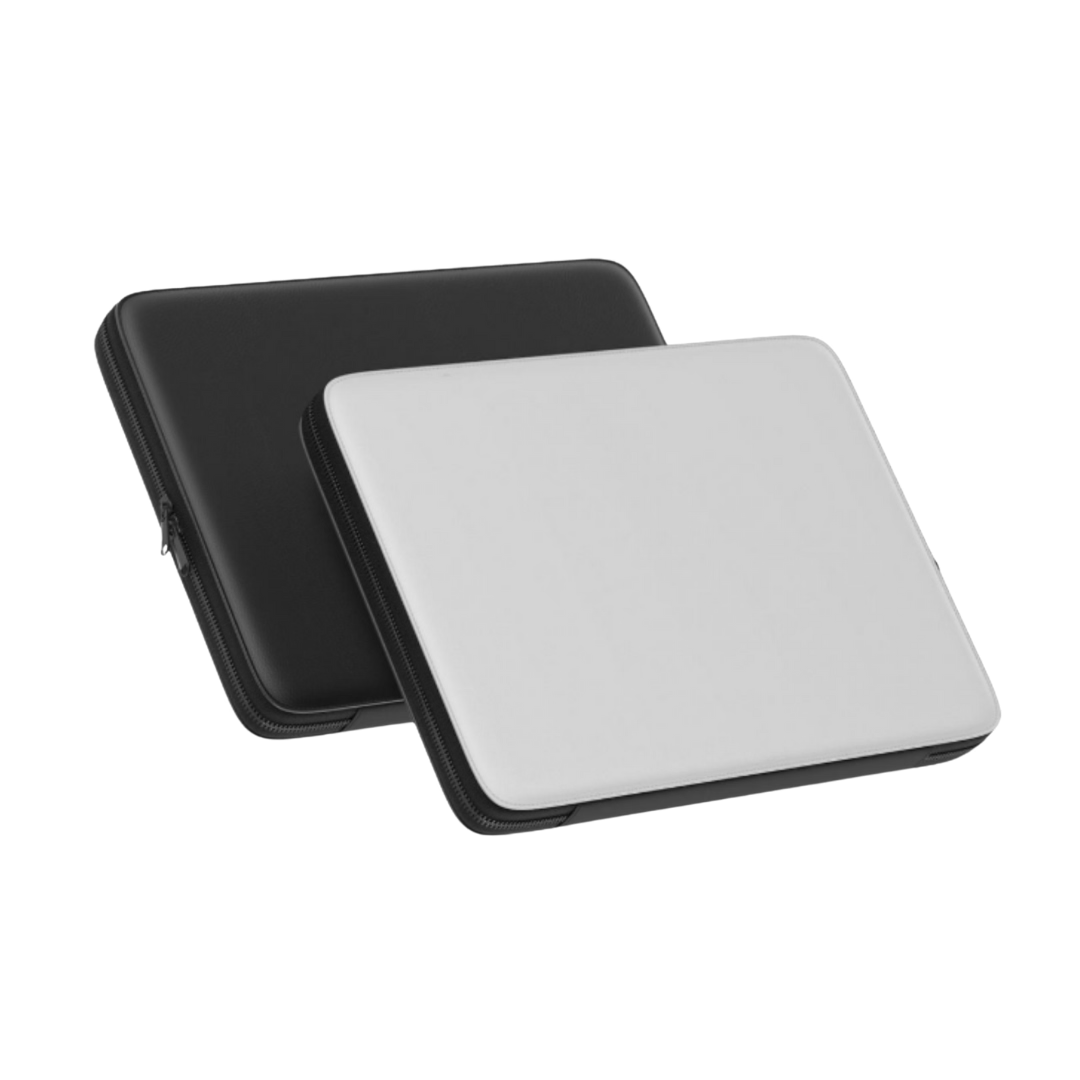
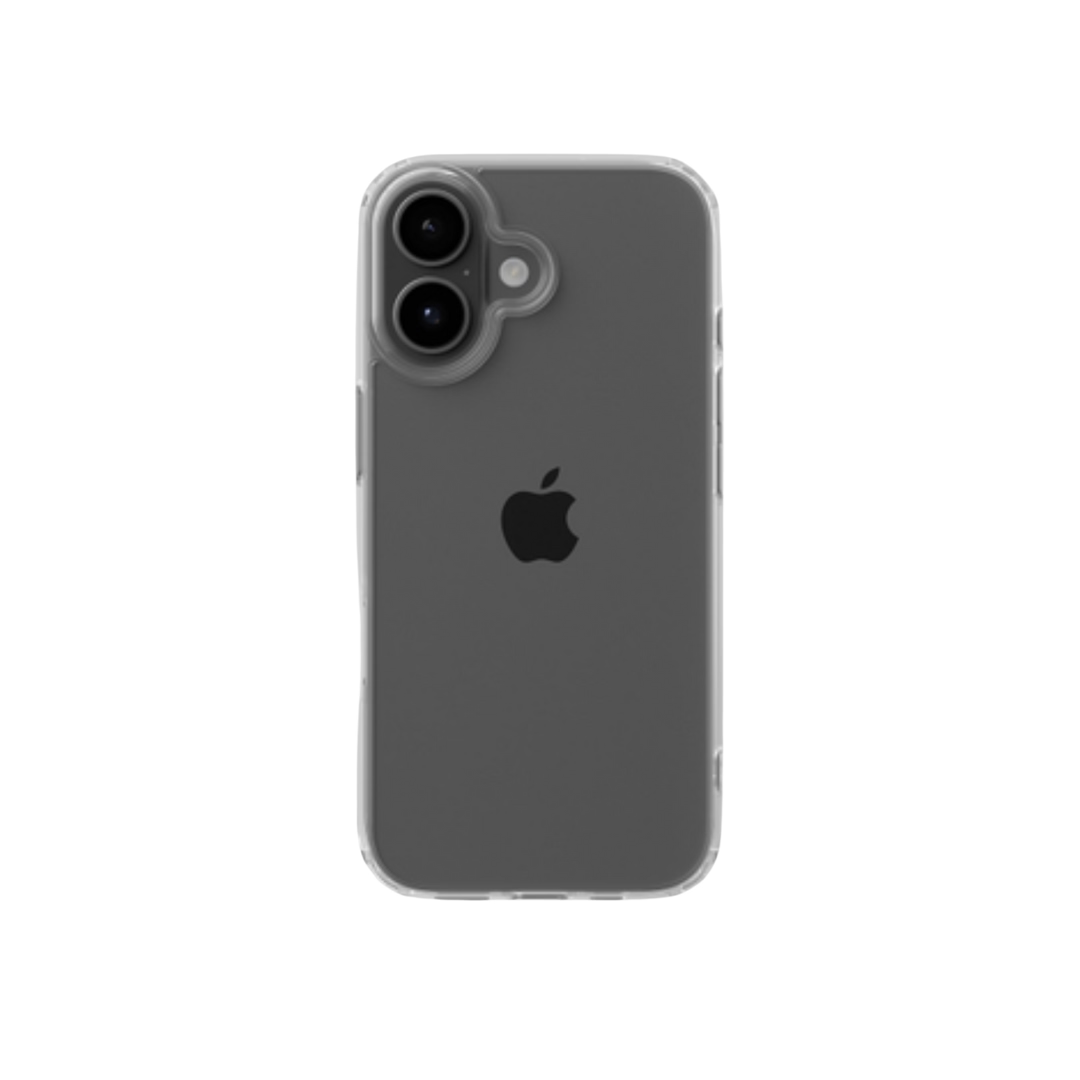
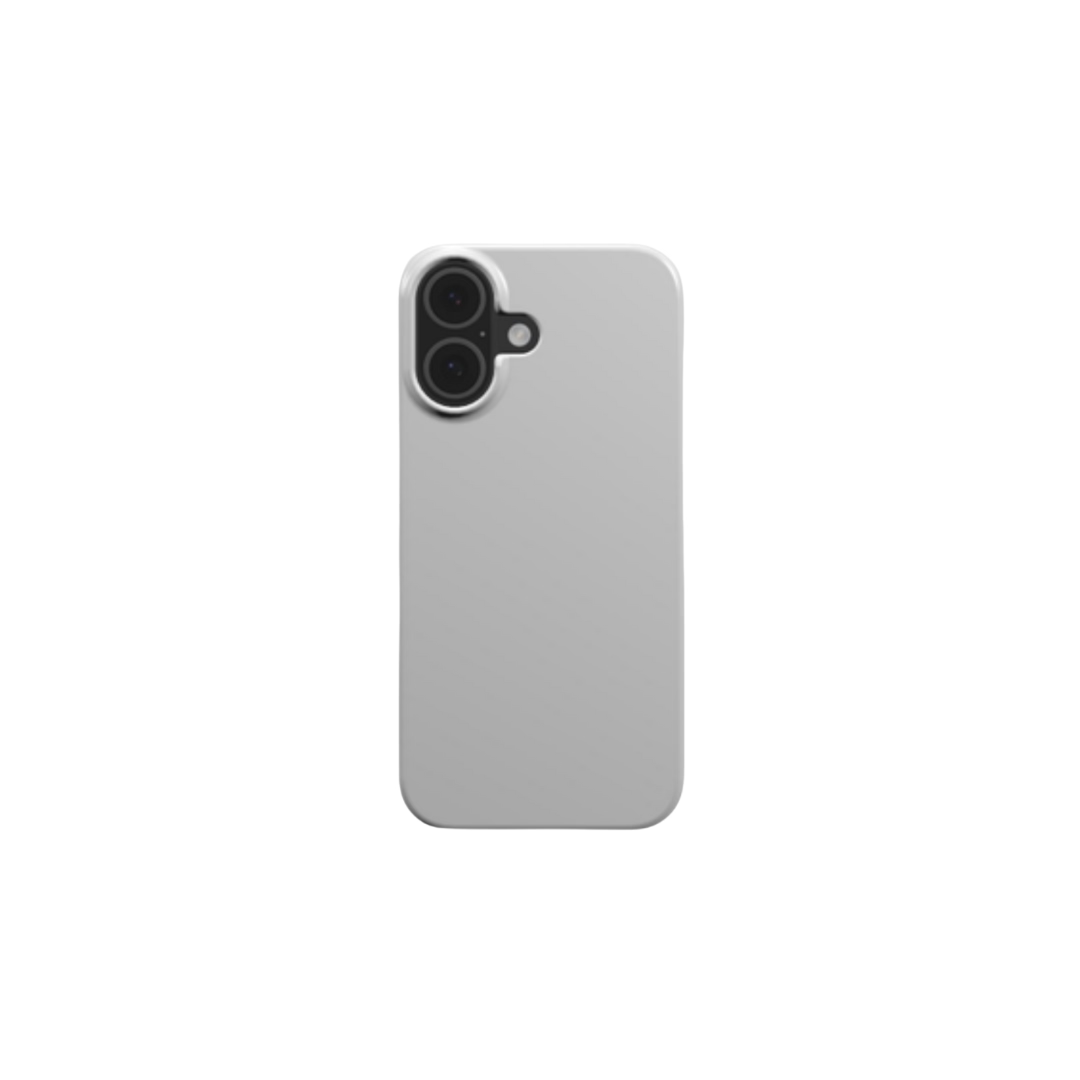
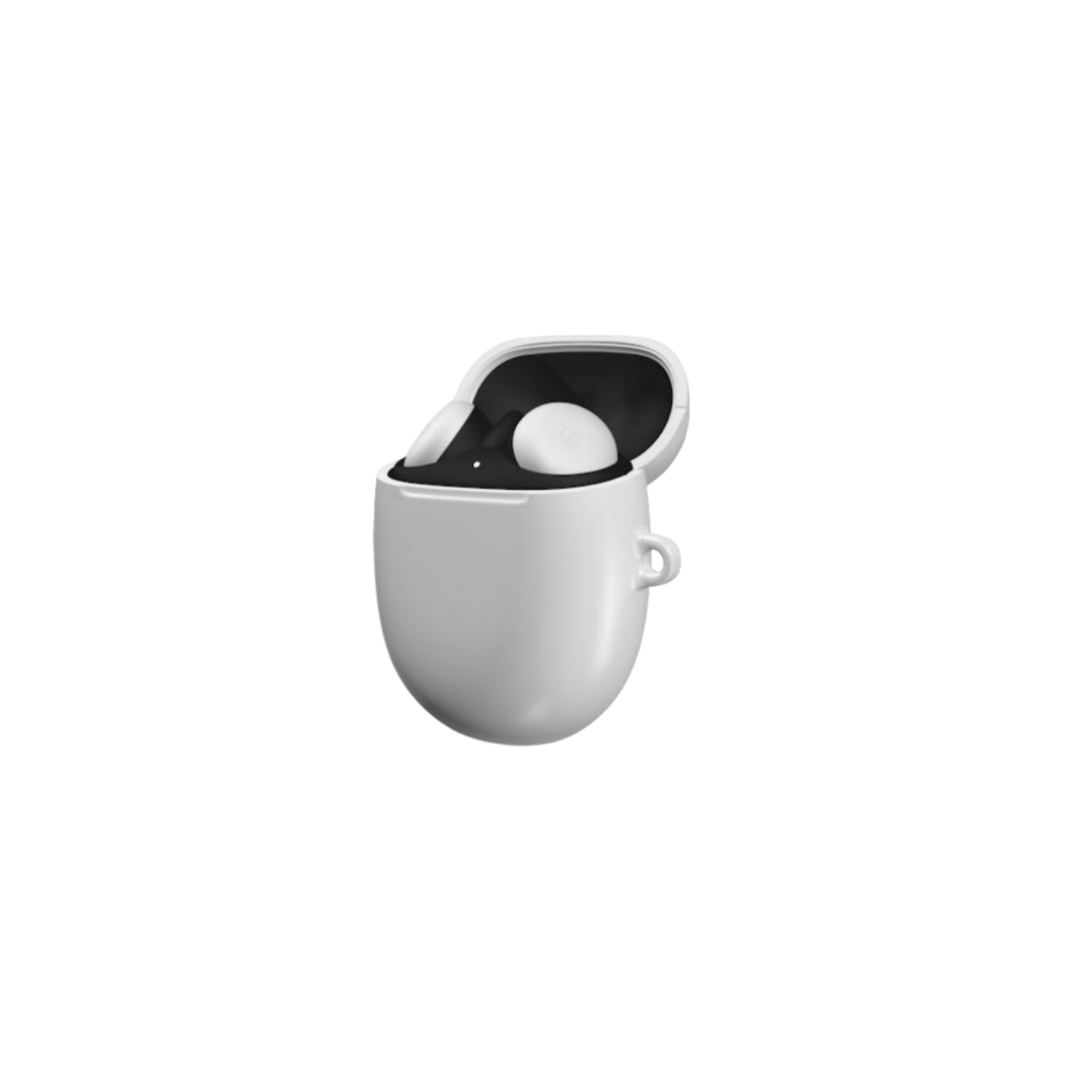
This is the tip most sellers under-use, and where we'll push harder than most guides: don't default to apparel. Tech accessories like phone cases, laptop sleeves, and AirPod cases face less competition and carry your brand in public daily. Our CEO calls a case "your personal billboard on your gadget" - and the demand is structural: about 68% of smartphone owners use a case and ~40% of Americans replace accessories every six months, which turns a one-off sale into recurring revenue. (As a bonus, wall art has no sizing issues and fewer returns; ~65% of wall art sales are still offline, so the online lane is wide open.)
15. Keep an eye on TikTok for micro-trend inspiration
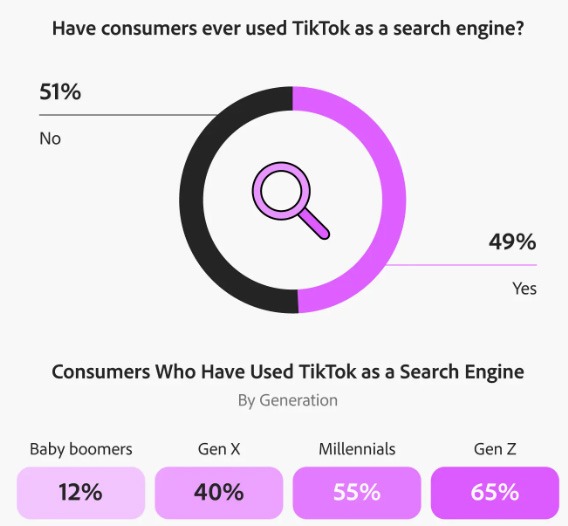
One of the best print on demand social media marketing tips is using TikTok to spot trends - 51% of people use it as a search engine (Adobe). It's also where conversions happen: our CMO calls social commerce "the number one place to sell your e-commerce products, especially print-on-demand products," with TikTok Shop a standout. Spot the micro-trend, then move fast.
16. Use your best-selling design across multiple products
Apply a winning design to mugs, hoodies, cases, and more to maximize earnings without starting from scratch. These POD design tools help you resize and repurpose quickly.
Also Read:
Growth Tips - For Experienced Sellers
Now, print on demand tips for experienced sellers ready to grow.
17. Build an email list from day one (most sellers skip this)
Email delivers up to a 3,600% ROI for some businesses (Litmus), and gives you direct access to your audience without depending on Etsy or Amazon. Our CMO ranks it among "the strongest ROI channels, because you're monetizing people that already know your brand." Collect emails with discounts or signup incentives, then promote new drops regularly.
18. Create product bundles to increase AOV
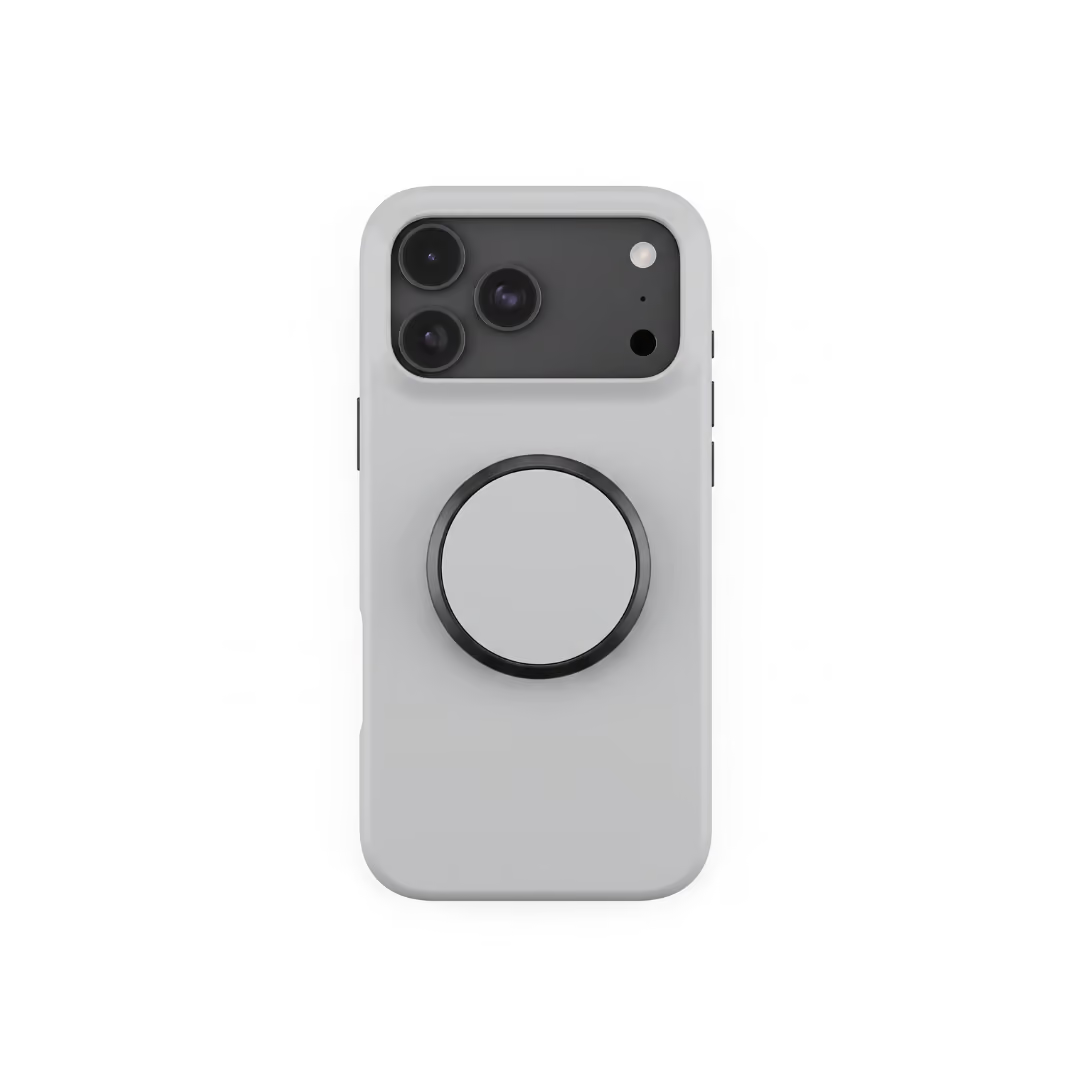
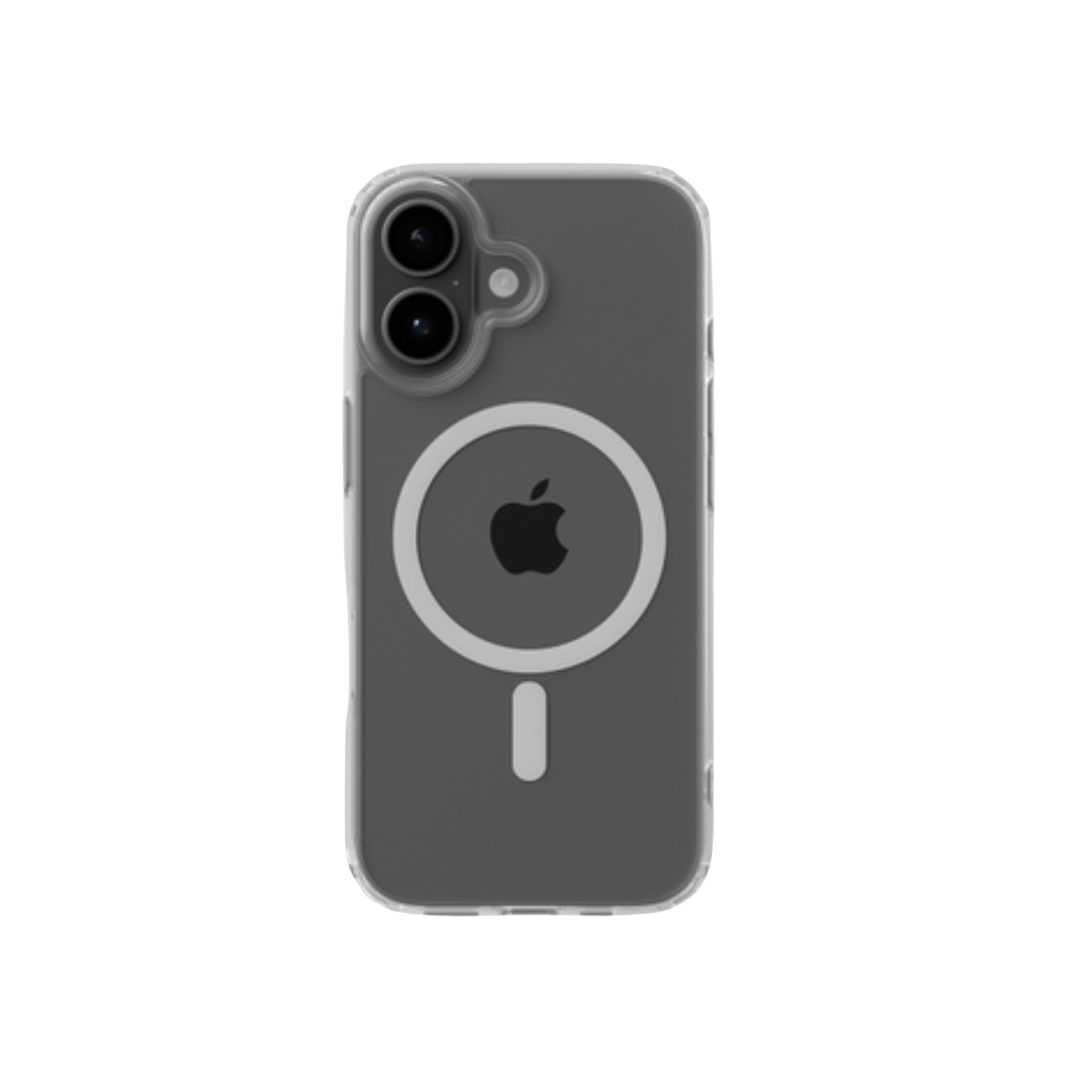
Bundles lift spend per transaction - combine related items and offer a small discount. The cleanest version we see: pair a phone case with a MagSafe accessory or a matching poster, or add a screen protector at checkout. That single add-on converts at 3-10% in our data and adds about €10 of profit per order, with zero extra acquisition cost.
19. Add packaging inserts to drive repeat purchases
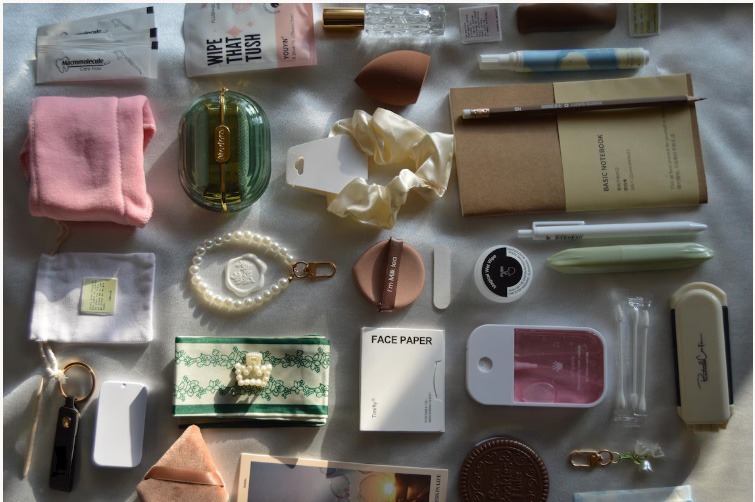
Packaging inserts - thank-you notes, discount codes, simple messages - keep your brand memorable after the sale and pull customers back. This is exactly the kind of brand-reinforcing detail B2B buyers now pay up for: we've seen roughly 3x more B2B inquiries in six months, and they're asking for quality and branding, not the lowest price.
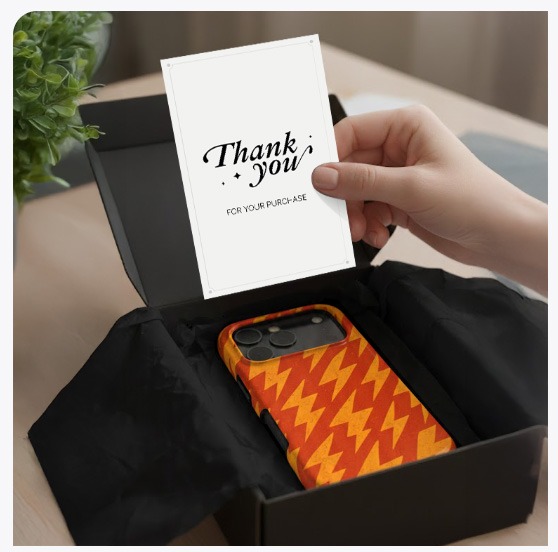
20. Expand to a second platform once your first is profitable
Once your first channel is profitable, add another - many sellers start on Etsy, then grow into a Shopify print on demand store. This reduces platform dependency and adds income sources. Podbase connects natively with Shopify, Etsy, and WooCommerce, so expanding doesn't mean rebuilding fulfillment.
21. Use Spark Ads on TikTok to amplify organic wins
Spark Ads boost posts that already have proven engagement - more reach without new content. This mirrors what our CMO says about creator content generally: its biggest value is often the creative itself, repurposed as performance ads rather than a one-off post.
22. Study your analytics: double down on what works, cut what doesn't
Track clicks, conversions, and product performance consistently, then double down on winners and cut underperformers. This matters most for Amazon print on demand sellers, where competition shifts quickly. Speed of iteration is the edge - the sellers who scale fastest in our data are the ones who read the data and act, not the ones with the best initial idea.
Mindset & Business Tips
These print on demand tips focus on building a sustainable, long-term business.
23. Treat POD like a business, not a passive income vending machine
POD isn't a passive engine - it needs systems, tracking, planning, and clear financial goals. This is the single biggest mindset gap we see: "The majority get excited by the idea of it, but then stop within the first 10 days or two weeks," says our CMO. The ones who treat it like a real business from day one are the ones still standing at month three (where retention on our platform runs about 98%).
24. Consistency over perfection - publish, iterate, improve
Don't wait for perfect; it just slows you down. Publish regularly and improve from feedback. The data is unambiguous: place a sample order within two days and publish five products within 30 days and you're ahead of 80% of POD stores; hit ten sales and you're in the top 10%. Most stores never get there - not because the idea was wrong, but because they never shipped.
25. Community and education: stay plugged into POD communities
Learning from others helps you grow faster and avoid mistakes - and we can quantify it: sellers who plug into a community, mentor, or peer group scale roughly 32% faster than solo operators. Join forums and groups, and lean on comprehensive POD guides you can actually use.
26. (Bonus) How Podbase makes all of the above easier - fast fulfillment, integrations, no minimums
As your store grows, doing everything manually gets hard. Using Podbase professionally helps with:
- Fast production (printing starts within 24 hours)
- Easy integrations (Shopify, Etsy, WooCommerce, open API)
- No minimum order requirements
Reliable fulfillment improves satisfaction and repeat purchases, and no minimums let you test new ideas without spending money upfront - the practical version of "consistency over perfection."
Conclusion
Building a profitable POD business takes time, but the right approach makes it far easier. If you strip these print on demand tips down to their essence, three things separate the 24% who survive from the rest: they launch fast instead of perfecting, they price for margin instead of cheapness, and they pick a partner whose speed and quality protect their brand.
Whether you're just starting or already scaling, there's always room to refine as trends evolve. So focus on testing, learning, and shipping - and don't wait. Connect Podbase to your store and start selling custom products today, with 1-3-day fulfillment and no inventory risk.
FAQ
1. What is the most important print-on-demand tip for beginners?
Launch fast instead of perfecting. Most aspiring sellers quit within 10-14 days, while Podbase data shows those who place a sample order within two days and publish five products within 30 days are already ahead of 80% of POD stores. Pick a niche audience, start with two or three product types, and ship - the market teaches you faster than more planning will.
2. How should I price print-on-demand products?
Price for margin, not to be the cheapest. Calculate product cost, fees, and shipping first, then set a price that leaves real profit - a Podbase phone case bought for about €10 comfortably retails at €35-60. Cheap products that fail generate returns, complaints, and lost referrals that never appear in a margin calculation, so quality protects profit over time.
3. What sells best with print-on-demand besides t-shirts?
Tech accessories - phone cases, laptop sleeves, AirPods cases - face less competition than apparel and carry your brand in public daily. About 68% of smartphone owners use a case and roughly 40% of Americans replace accessories every six months, turning one-off sales into recurring revenue. Wall art is another strong option: it has fewer sizing issues and returns, and about 65% of wall art still sells offline.
4. How do I increase average order value in a POD store?
Bundle related items and add a checkout upsell. Pairing a phone case with a MagSafe accessory or matching poster lifts units per order, and a single screen-protector add-on at checkout converts 3-10% of buyers for about €10 extra profit each - with no added acquisition cost. Building an email list and using packaging inserts also drive repeat purchases.
5. Why do most print-on-demand stores fail?
Only about 24% of POD shops survive three years, and most failures come from quitting early and treating POD as passive income rather than a business. The survivors launch fast, price for margin, iterate from real data, and choose a partner whose fulfillment speed and quality protect their brand. Sellers who plug into a community also scale roughly 32% faster than solo operators.
6. How fast should print-on-demand fulfillment be?
Aim for production within 1-3 days, but judge the full order-to-doorstep timeline, not just the advertised shipping window - a '3-5 day shipping' promise can hide five more days of fulfillment. Podbase starts printing within 24 hours of an order, and sellers who migrated to it saw a 30% drop in order-issue support tickets as a result.

Saulius Meilutis is the CEO of Podbase, helping creators and entrepreneurs monetize their ideas with print-on-demand. He shares insights on eCommerce, growth, and building lean online businesses.

.avif)




.avif)
.avif)
.avif)
.avif)
.avif)
.avif)

.avif)


.avif)

.avif)

.avif)

.avif)

.avif)