
Fashion Trends in 2026: What Podbase Data Shows
- Trend cycles now outrun supply chains. Our internal onboarding data shows the average POD seller goes live in under one month — down from three months pre-2024 — meaning a single fashion micro-trend now fits inside one launch cycle for the first time.
- Apparel still dominates POD, but the winners are narrower. Apparel holds 39.7% of the global print-on-demand market, yet our top-revenue Podbase sellers run focused catalogs — not the 100+ SKU stores most blogs tell you to build.
- "Quiet Luxury" is the highest-margin trend of 2026. Sellers who aligned with neutral-tone, premium-feel collections in late 2025 are seeing the strongest repeat-purchase rates we track — confirming the slow-fashion shift over loud micro-trends.
The 2026 fashion calendar will reward sellers who can move fast and brand deep. Build your POD brand with Podbase →
Fashion Trends in 2026: What They Mean for POD Sellers
Fashion trends aren't born on runways anymore — they're born on phones, in front of cameras, and inside AI-design pipelines. New tech, environmental awareness, generational identity, and global events all shape how people dress. Different generations, including Millennials and Gen Z, also influence fashion tastes.
What we wear reflects social, cultural, and economic shifts. Fashion trends in 2026 are moving toward more thoughtful choices — styles that express identity, values, and beliefs rather than chase a logo.
This guide covers the top fashion trends of 2026, the forces driving them, and what they mean for your print-on-demand business. We'll back the analysis with Podbase's own seller data — including which trends are actually paying off in our network of POD store owners and which are quietly underperforming.
What Defines Fashion Trends in 2026?
Several powerful forces shape 2026 fashion. Knowing what's behind the trends is the difference between chasing the wrong design and building a brand that customers come back to.
Cultural Momentum and Social Media Influence
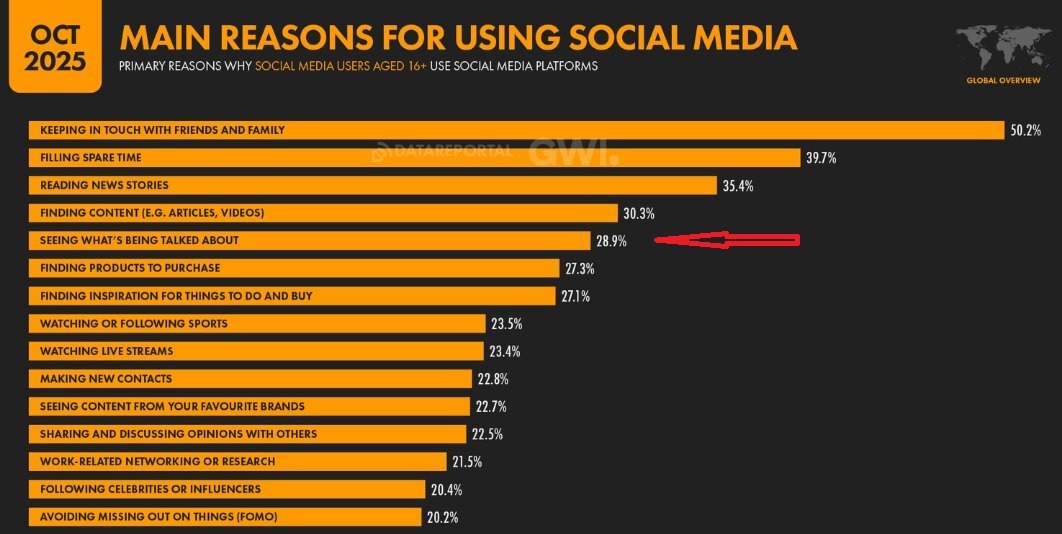
Music, films, and pop culture still influence what people wear, but social media is now the dominant trend engine. A look can go viral on TikTok or Instagram in hours and burn out by the weekend.
According to recent industry data, more than 80% of consumers discover a new product or business on Pinterest, and Pinterest Ads currently show roughly 32% higher ROAS than other digital platforms — a key signal for any 2026 fashion seller deciding where to test designs first. On the conversion side, TikTok Shop is projected to hit $112B GMV in 2026, with U.S. small-business sales growing 70% year-over-year. Trend velocity has never been higher, and neither has the cost of betting on the wrong one.
What this means for sellers: the platforms aren't optional anymore. They're the trend forecast.
Economic State and Consumer Spending Habits
The economy still shapes what people buy. When prices rise, shoppers get pickier — and they get more loyal to brands that earn it. Customers in 2026 prefer clothing and accessories that last longer and feel premium even at modest price points. The Capgemini "What Matters to Today's Consumer" research line continues to flag durability and quality fabrics as the most-valued purchase factor across age groups.
For POD sellers, this is the data point that quietly kills the "low-price, high-volume" playbook. Saulius Meilutis, Podbase's CEO, puts it this way: "Most of the beginners have to understand that, when you're testing a new idea, launching new projects, launching new products in your current catalog assortment, AI is your partner to optimize it so you can get the results you're looking for way faster." Translation — speed matters, but the economic environment of 2026 rewards sellers who use that speed to refine quality and brand identity, not to flood the market.
Sustainability and Ethical Awareness
How brands make their clothes matters more than ever. Natural fabrics and recycled materials are now common in modern looks. Many brands are reducing production waste and being transparent about it.
Print-on-demand is structurally aligned with this trend, because items are only produced after a customer orders — there's no overstock. We see this play out in seller behavior: Podbase merchants who lead with sustainability messaging tend to acquire customers more cheaply on Pinterest and organic search, where eco-conscious buyers concentrate. The kicker — sustainability is no longer a niche for "eco brands." It's a baseline expectation across categories in 2026.
Technology and AI
Technology is the structural force reshaping 2026 fashion. The AI in fashion market is projected to reach $3.99B in 2026, growing at over 40% annually — an unusual growth rate for a category this size, and a sign that AI is now embedded in design, mockups, and trend forecasting, not bolted on.
This is where Podbase's internal data shows the sharpest break from the old playbook. "I think that the single biggest shift in the print-on-demand industry is the agility and speed ecommerce store owners can now onboard their selected supplier in the fulfillment workflow," Saulius Meilutis, our CEO, told us. "Currently, we have some internal use cases when store owners build their own scripts and integrations with AI without any coding experience and still their fulfillment flows work really, really great and fluent."
The hard number behind that: our internal onboarding data shows the average new POD seller now goes from sign-up to a live store in under one month — down from three months pre-2024. That's a 3x compression of the launch cycle. For fashion sellers, the implication is huge: a single micro-trend cycle (typically 4–8 weeks in 2026) now fits inside one launch window for the first time.
Also Read:
Key Fashion Trends in 2026
Fashion trends in 2026 cluster around comfort, self-expression, and creativity. Some are minimalist, some are loud. For online POD sellers, each trend points toward specific design and product decisions.
Here are the trends gaining attention in 2026:
1. Minimalism 2.0
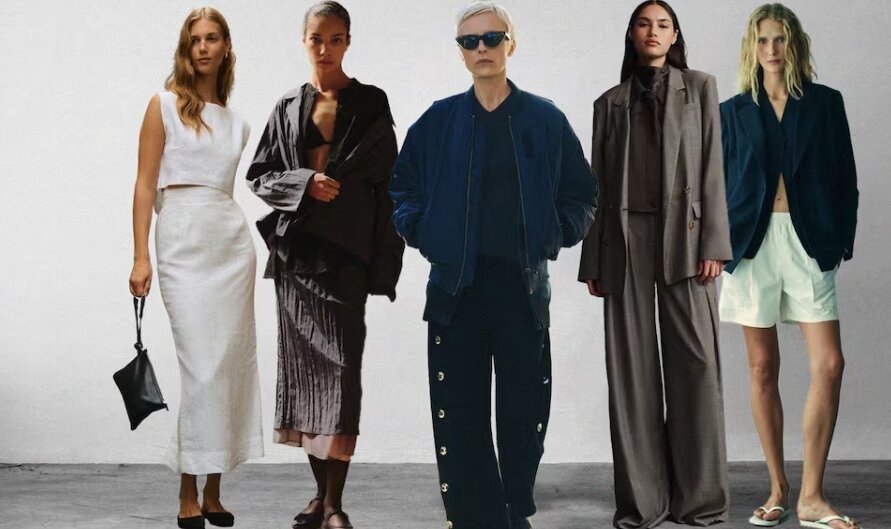
The "less is more" idea is back, but it's evolved. The clean visual language of traditional minimalism stays, with small, deliberate details added on top — texture, subtle pattern, micro-typography. If your clothing brand offers polished, simple designs, this style is your fastest path to a 2026 collection.
Minimalism features include:
- Clean lines and simple shapes
- Neutral colors like beige, white, gray, and black
- Simple accessories
- Subtle graphics
2. Quiet Luxury
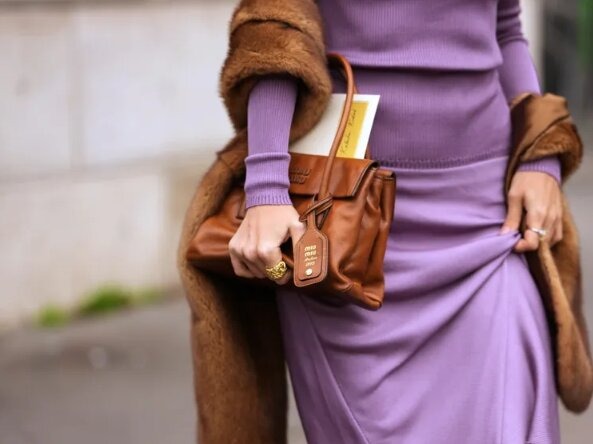
Quiet luxury values quality over loud prints and logos. Among 2026 fashion trends for women and men, this is the one driving the highest customer lifetime value in our seller network — the customers who buy this aesthetic come back. They're not chasing the next drop; they're building a wardrobe.
Key features:
- High-quality materials like silk and cashmere
- Soft neutral colors
- No large logos or prints
- Tailored coats and trousers
- Simple elegant accessories
3. Eclectic Expression
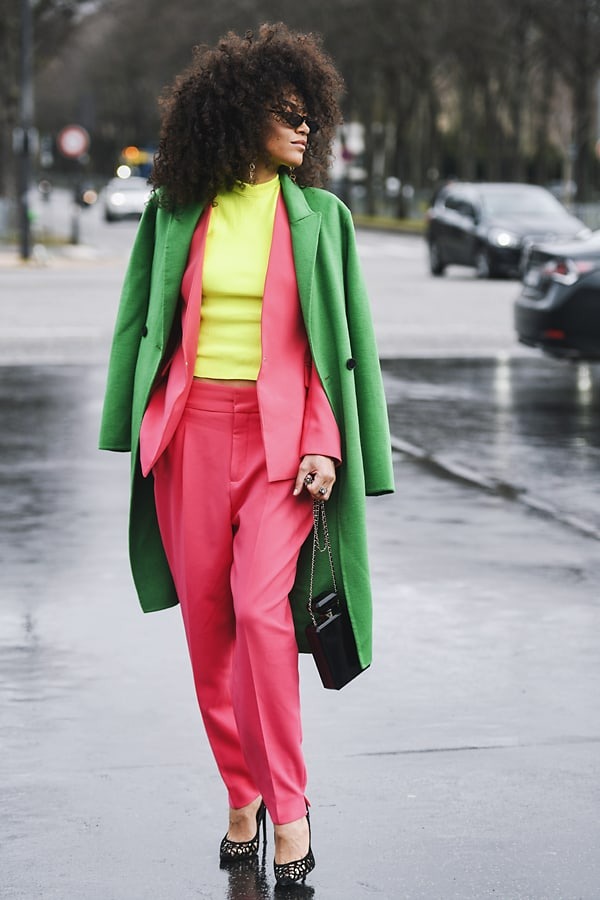
This is the loudest trend of 2026 — and the most polarizing. The point is to mix bold colors, prints, and designs without apology. It rewards sellers willing to take a real aesthetic stance.
Common features:
- Mixed patterns and bold shades
- Many layers in one outfit
- Artistic or handmade touches
4. Sustainable and Eco-Conscious Fashion
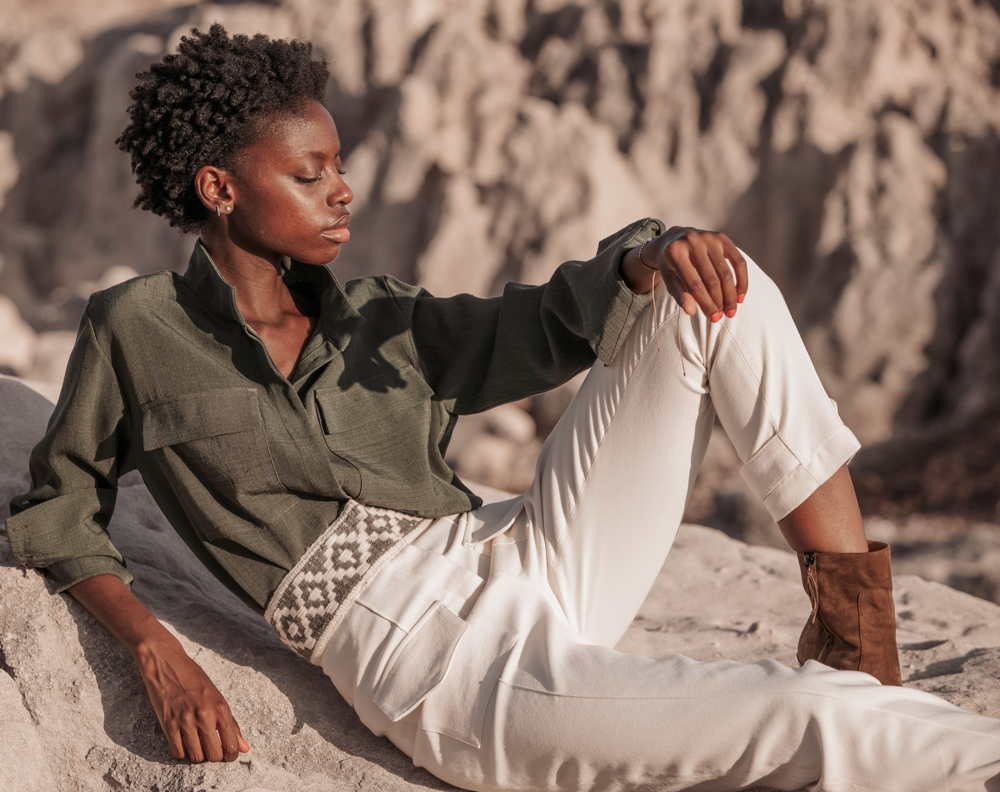
Love for the planet keeps shaping fashion in 2026. Roughly half of consumers report buying eco-friendly products in the past year, and brands respond with sustainable materials and ethically made products to meet the demand.
This trend features:
- Earthy tones like green and brown
- Organic fabrics
- Long-lasting clothing
- Upcycled or repaired garments
- Recyclable packaging
5. Soft Power Dressing
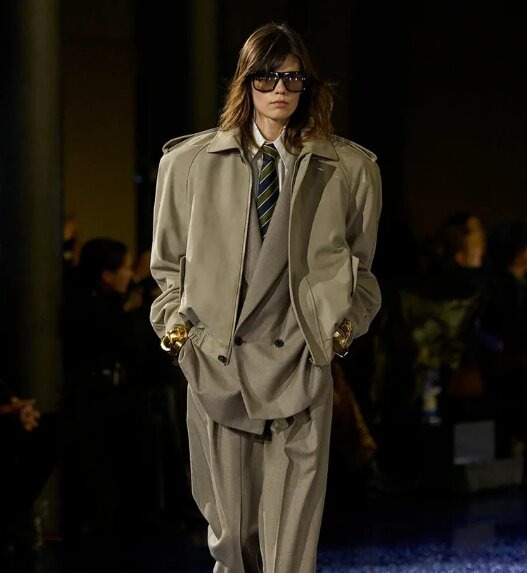
Soft power dressing mixes comfort with neat, professional style. It blends formal wear with relaxed pieces — clothing that's polished but easy to live in. Many spring 2026 fashion trends lean into light layers built for warm weather.
You'll see:
- Wide-leg trousers
- Big, loose blazers
- Soft fabrics like knit and linen
- Relaxed tailoring
6. Digital and AI-Inspired Aesthetics
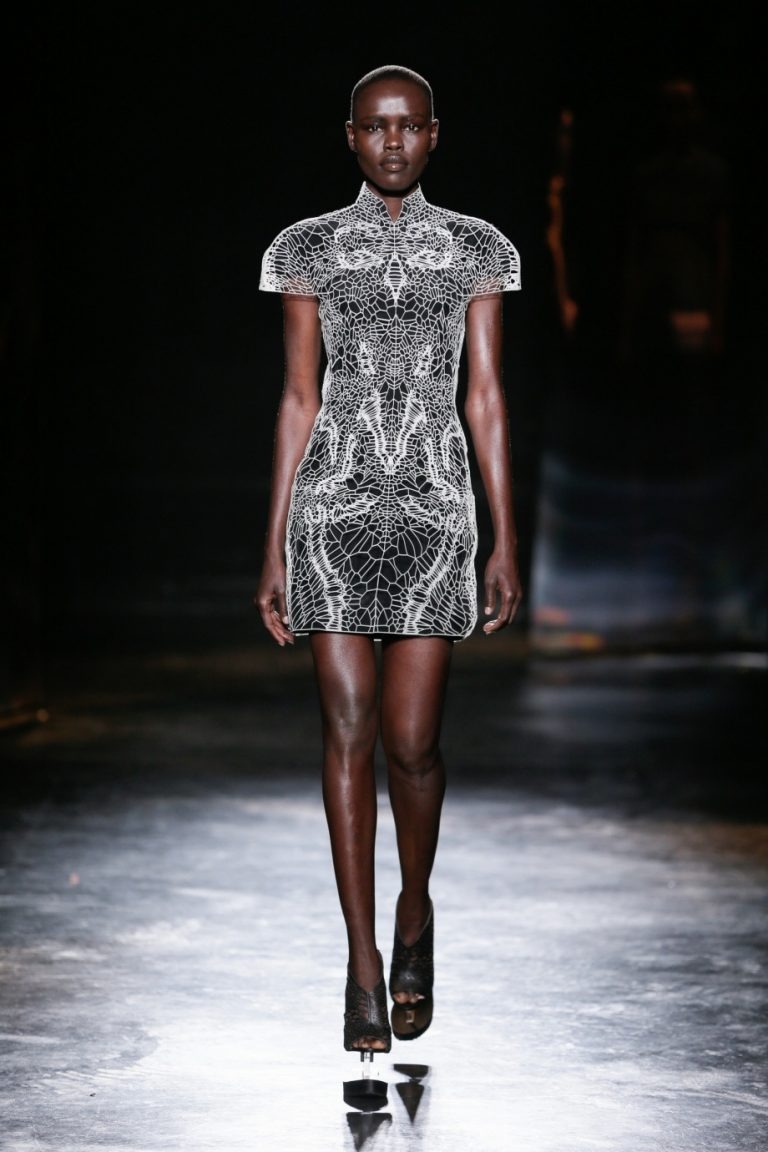
Many fashion trends in 2026 take their cues from technology. Designers are using AI-powered tools to generate unique patterns, prints, and colors at a pace that wasn't possible before. Inside Podbase, we've seen the workflow flip entirely. As Saulius Meilutis, our CEO, described: "If you want to provide more lifestyle pictures or mock-ups of your products in your store product page, you had to order samples from your supplier, organize photo shoots, which extends your product launch already by a few weeks more. Now you can just take a static picture, generate high-quality multi-angle output of your products showcasing all the different unique selling points of your product, tailored to your ideal customer profile based on your brand's identity. You can even generate, from the same static image, video output."
What that means for the digital aesthetic trend: the look itself isn't just an aesthetic anymore — it's a reflection of how the entire fashion supply chain is being rebuilt around AI in 2026.
This trend features:
- Metallic or shiny fabrics
- Futuristic graphics
- Glitch art effects
- Bright neon colors
7. Nostalgia and Retro Revival
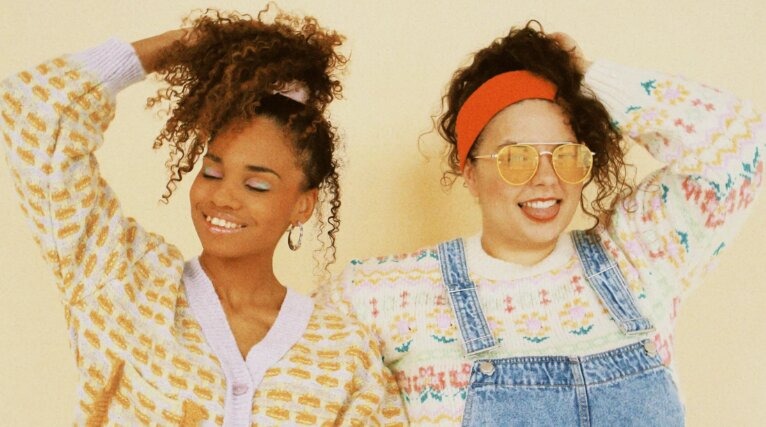
Fashion trends in 2026 keep pulling 1990s and early 2000s looks back into rotation, but with modern fabrics and modern fits. The goal is vintage feel, premium build.
You'll see:
- High-waisted pants and big collars
- Retro colors like denim blue
- Vintage-style logos and prints
Also Read:
What These Fashion Trends Mean for POD Sellers
Fashion trends in 2026 don't just shape what people wear. For POD sellers, they're a direct brief for what to design, when to drop it, and on which products. Apparel still leads the global print-on-demand market with a 39.7% share, and turning the right trend into a t-shirt, hoodie, or accessory is the fastest path to a sale.
Here's how each trend translates into a POD product strategy:
Minimalism = Clean, Typography-Driven Designs
Focus on layout discipline and clear messaging. Simple beats clever in this aesthetic. Some ideas:
- Quote t-shirts with clean fonts
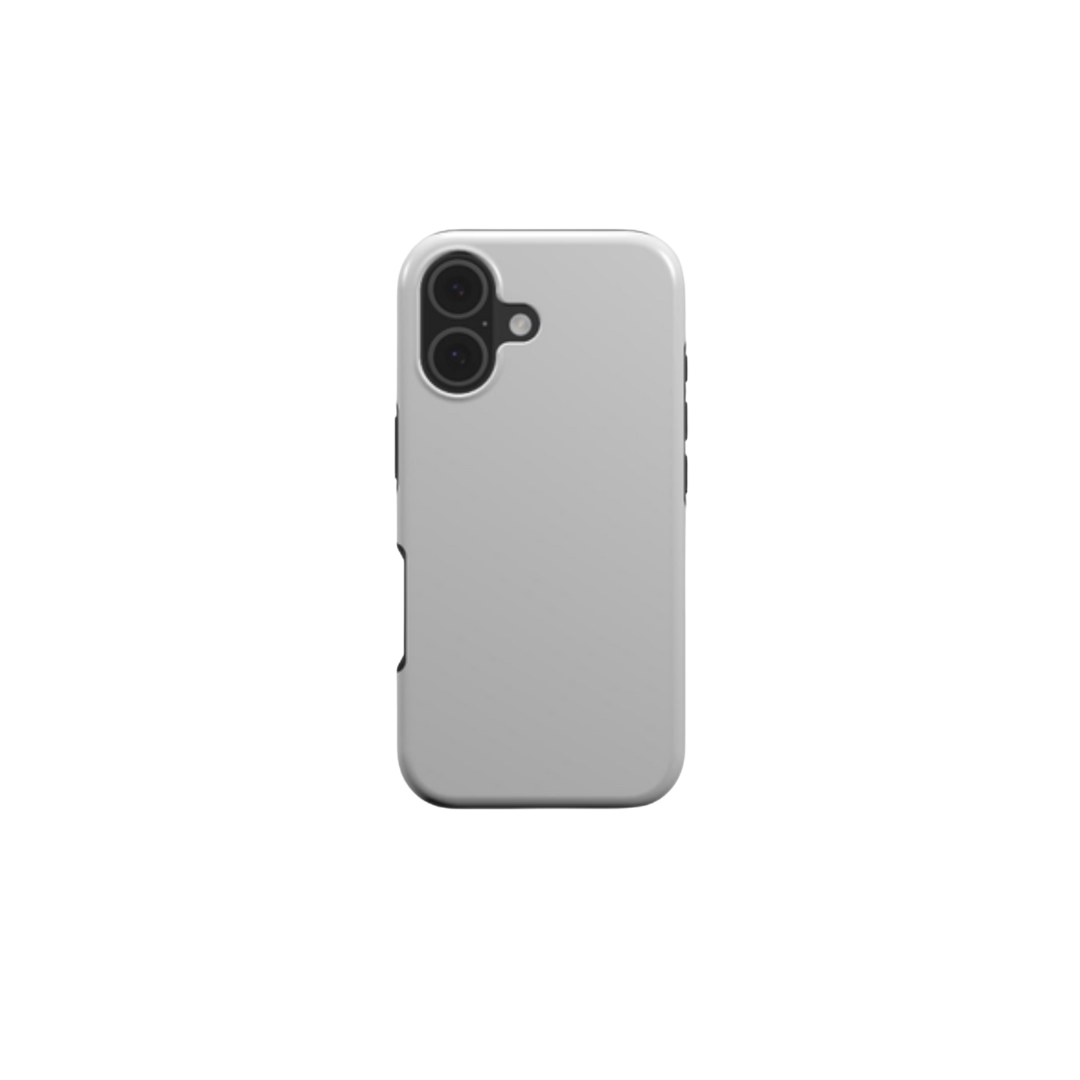
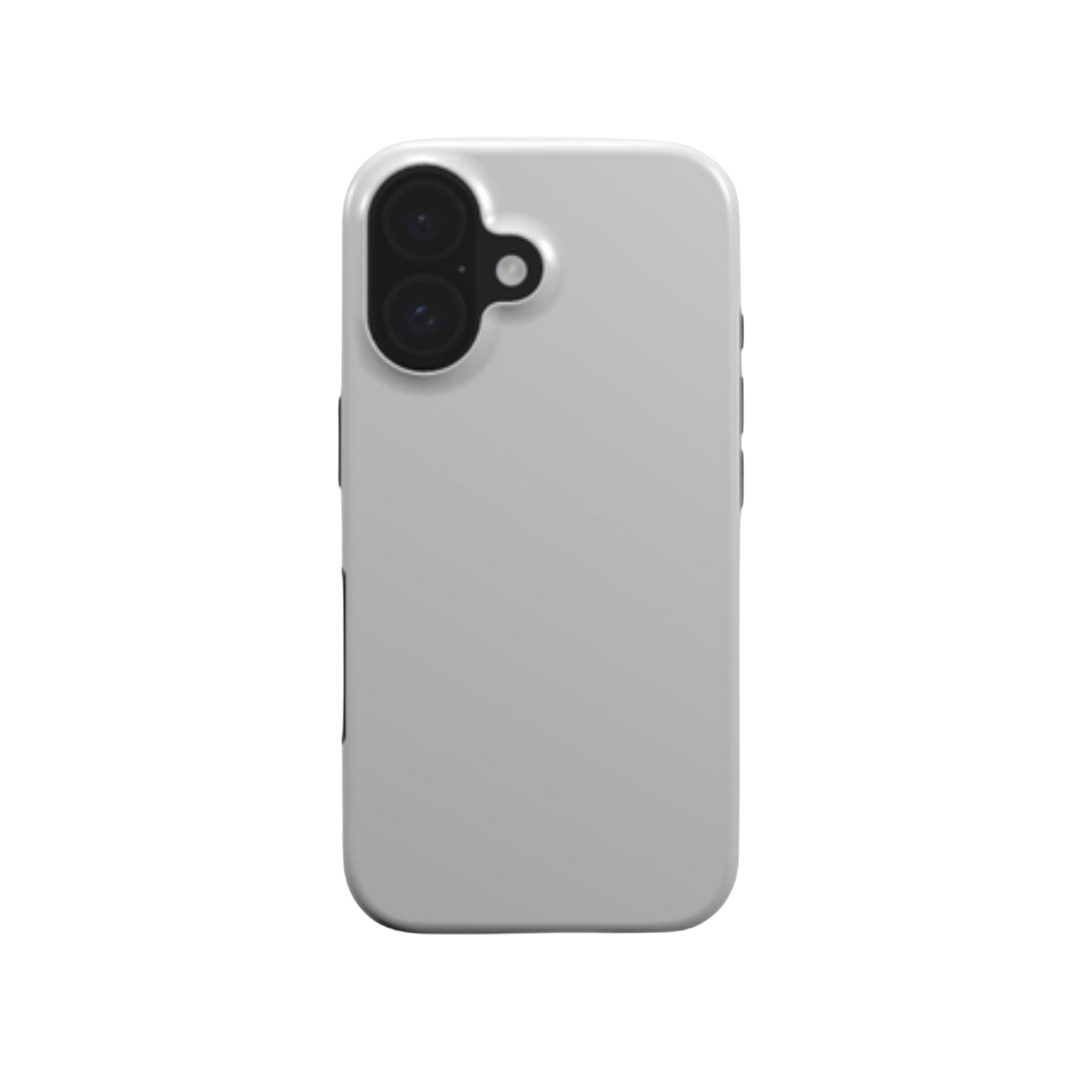
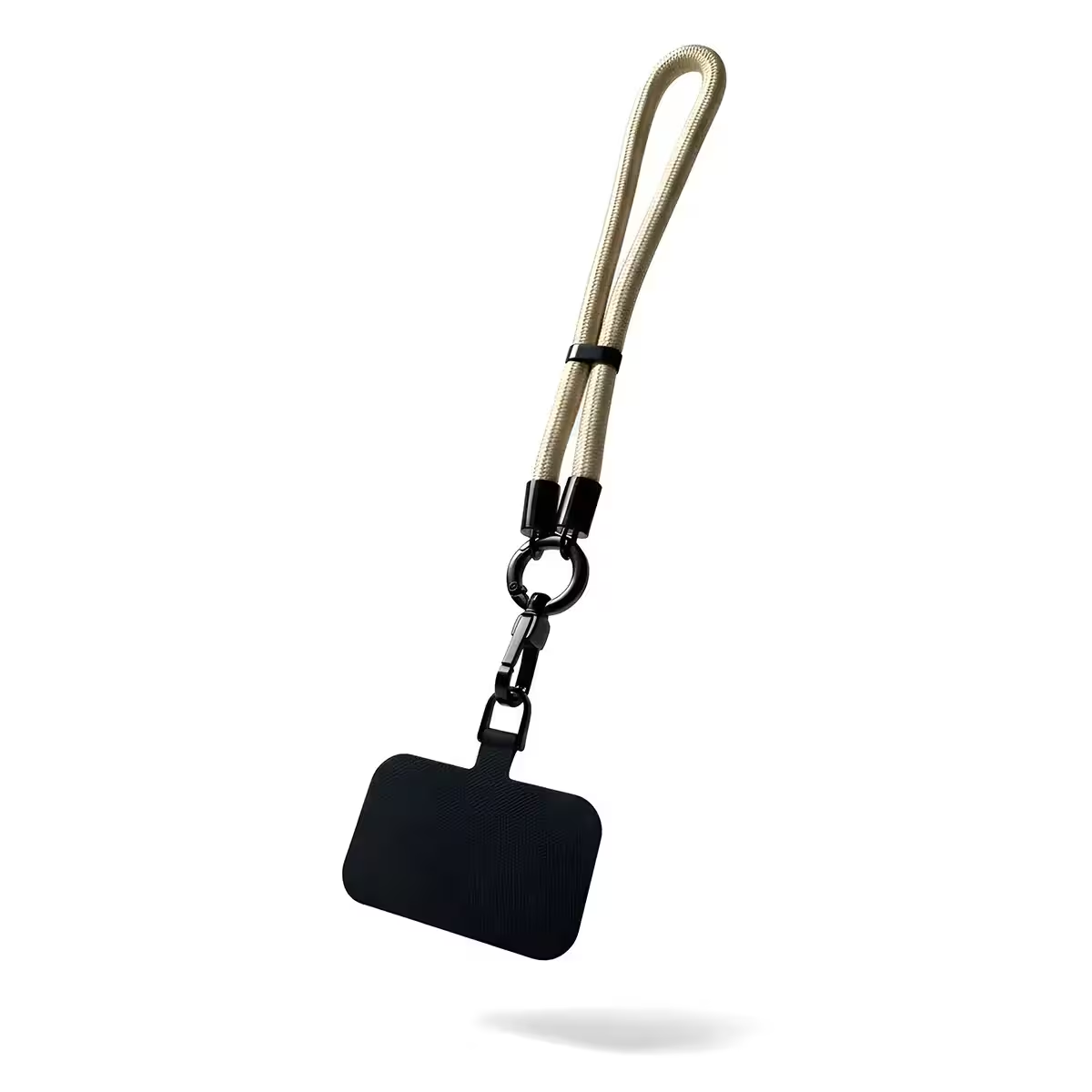
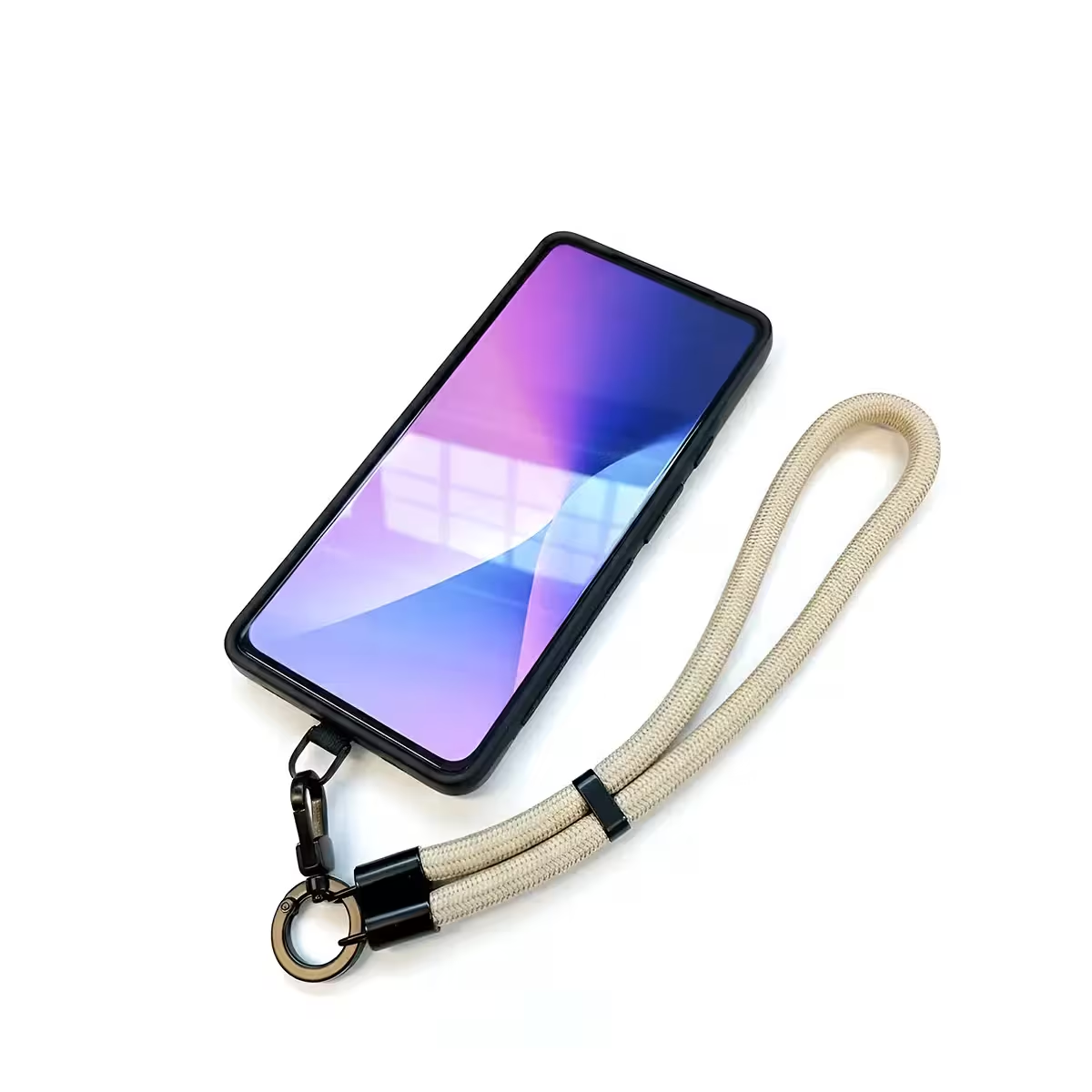
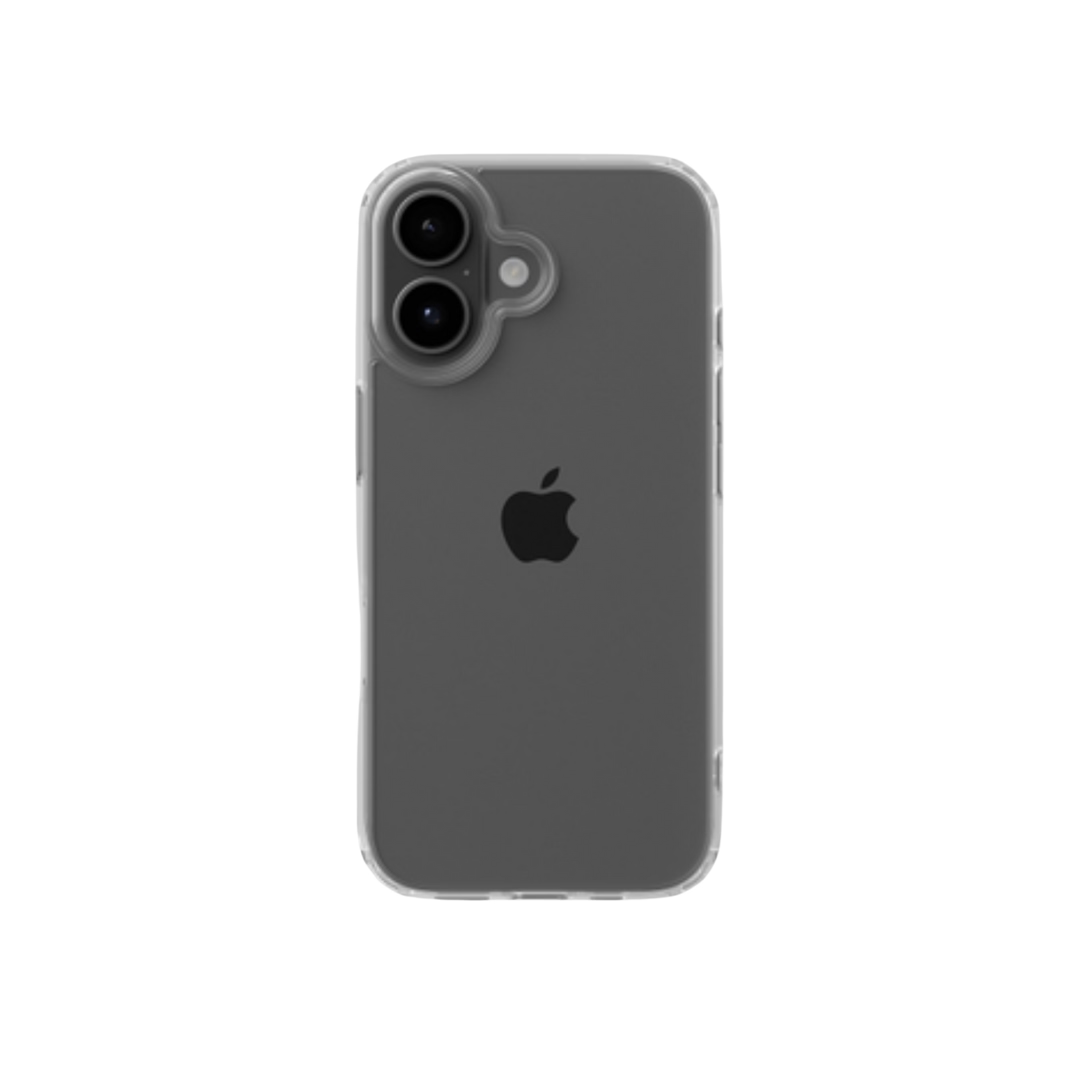
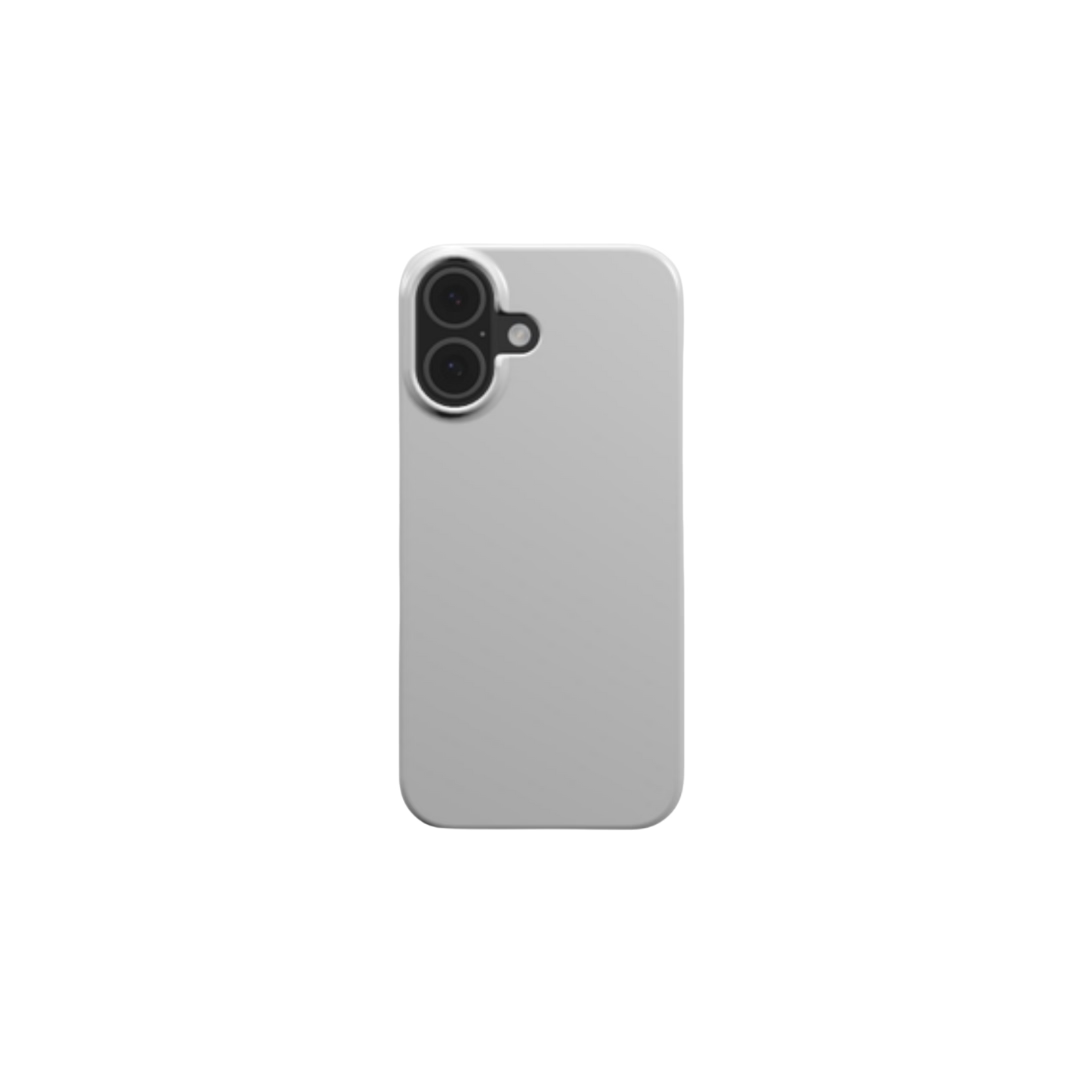
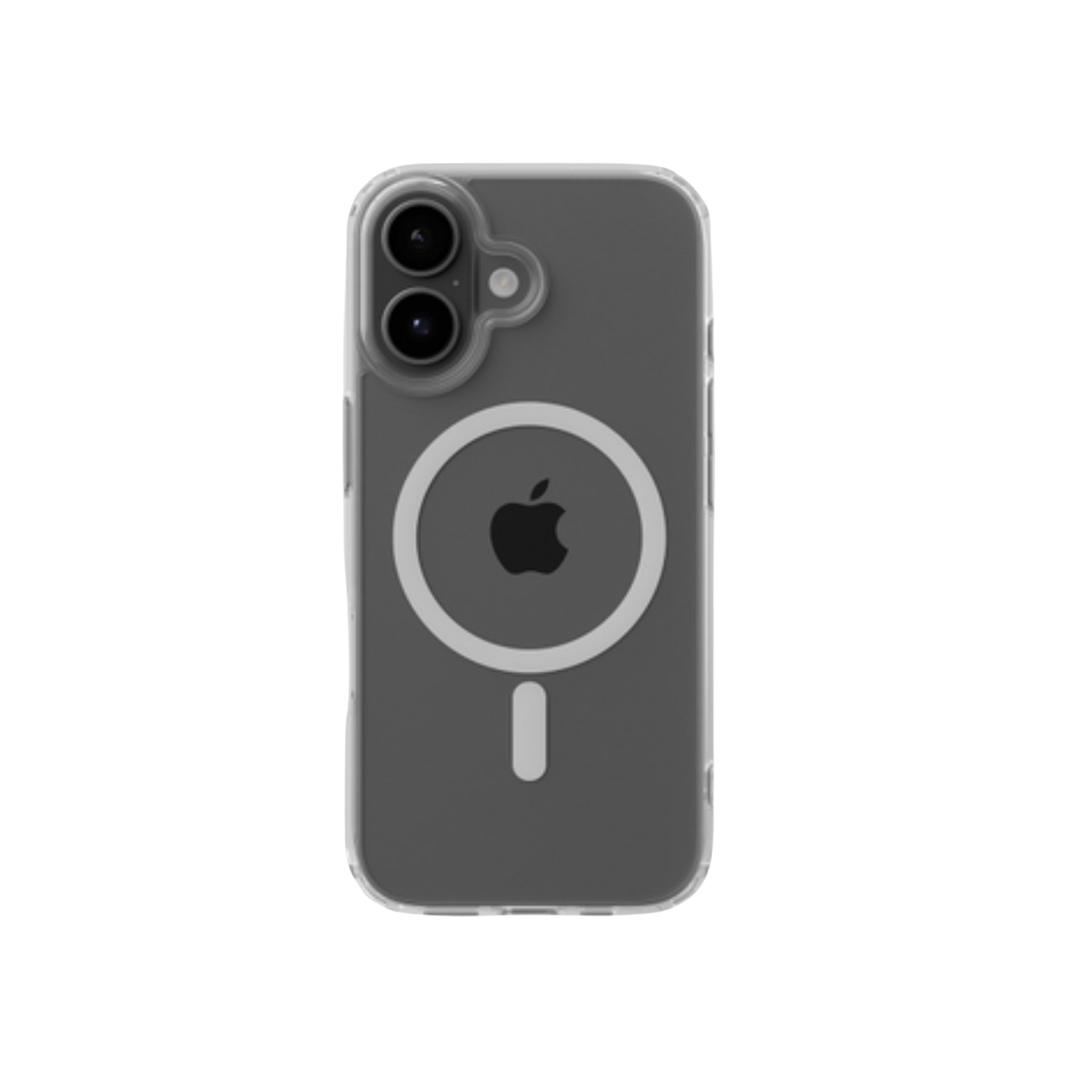
- Neutral phone cases in tan, white, grey, or soft brown
- Small logos placed in corners
- Posters with short messages
Quiet Luxury = Premium Look and Feel
This trend draws the customer who wants a subtle, refined look. Designs should feel polished — neat layouts, clean fonts, restrained details. From what we see across Podbase's seller dashboard, this aesthetic correlates with the highest repeat-purchase rate of any 2026 fashion segment we track. Customers who buy quiet-luxury POD pieces come back. Some ideas:
- Soft colors like navy blue, jungle green, or charcoal
- T-shirts with subtle logos
- Clean fonts for quotes
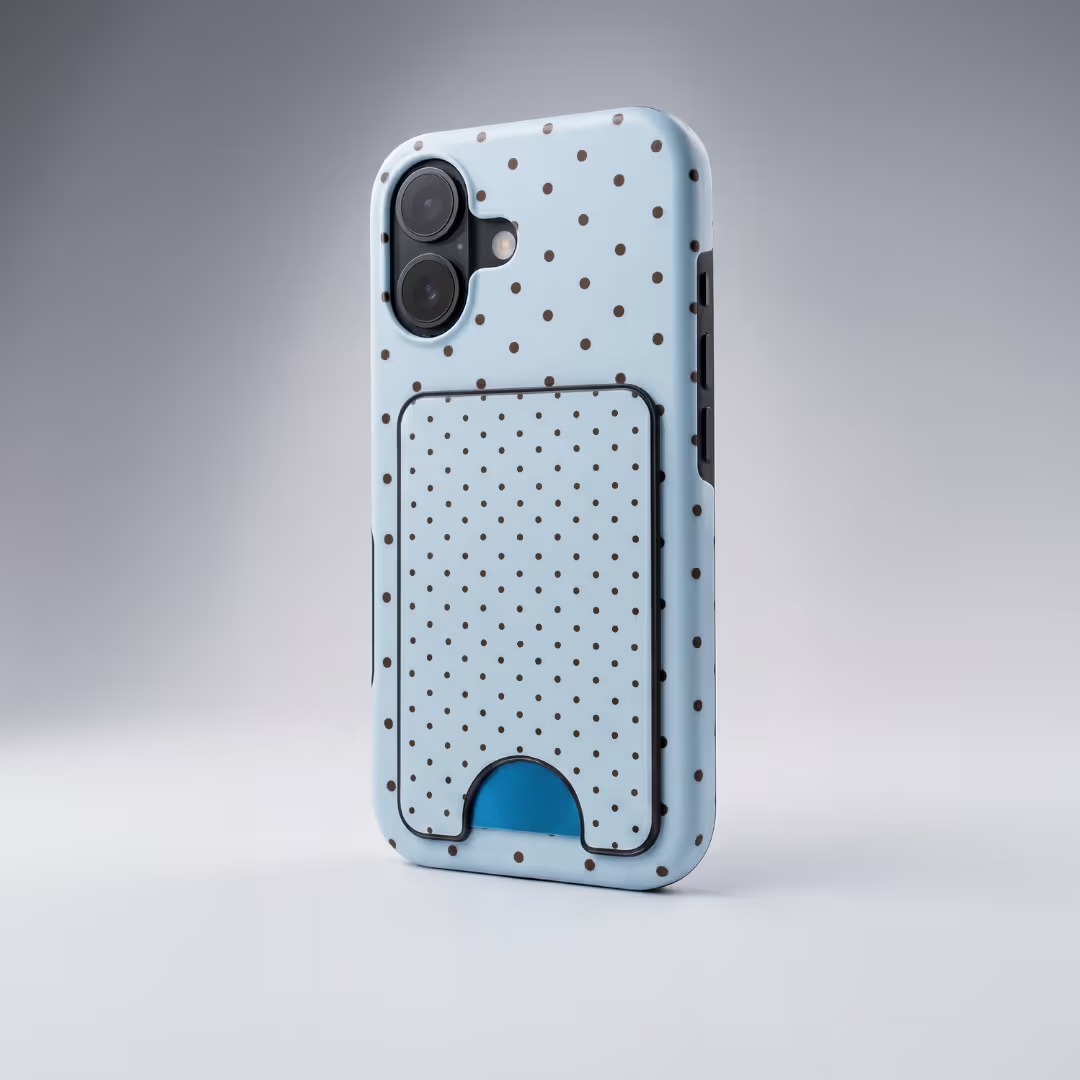
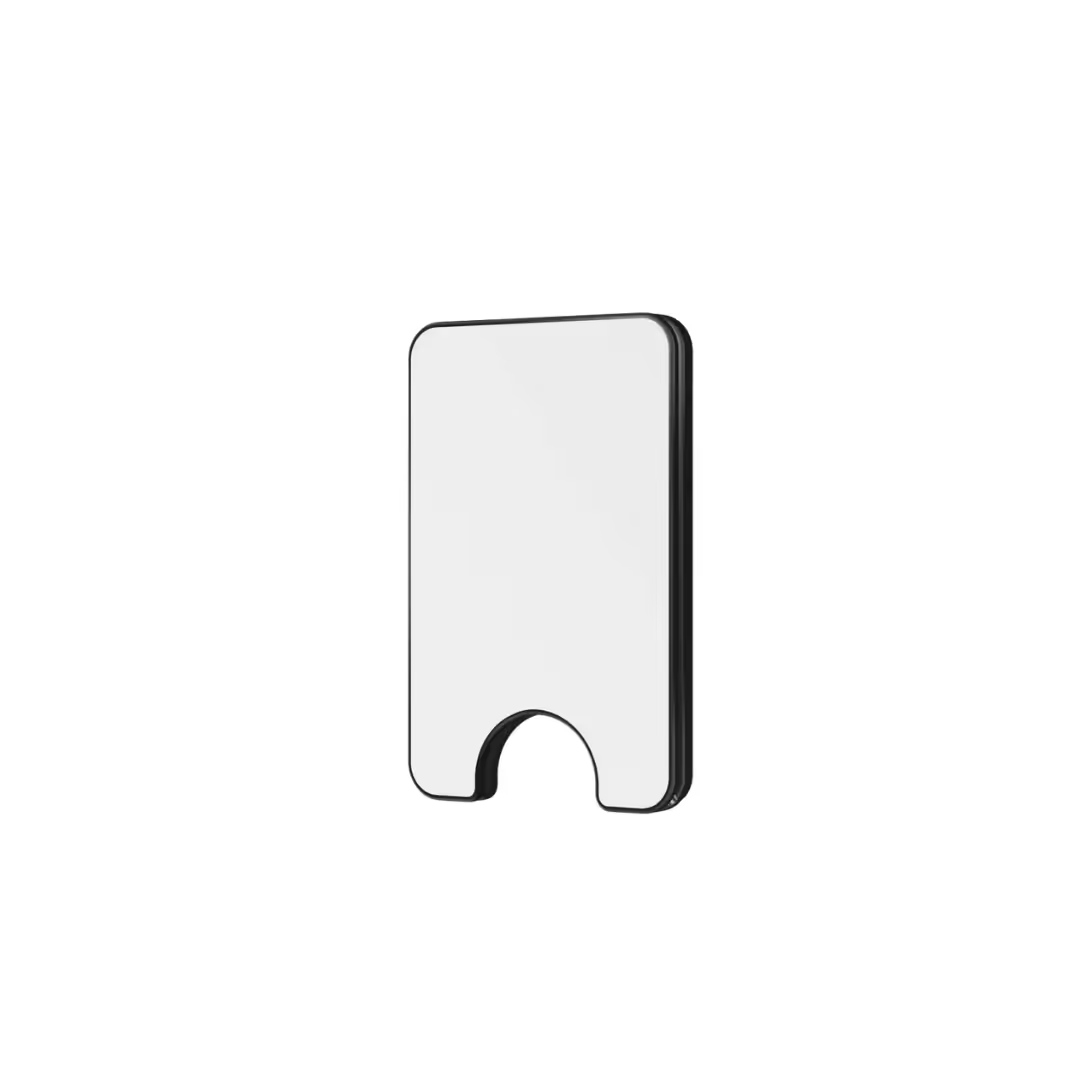
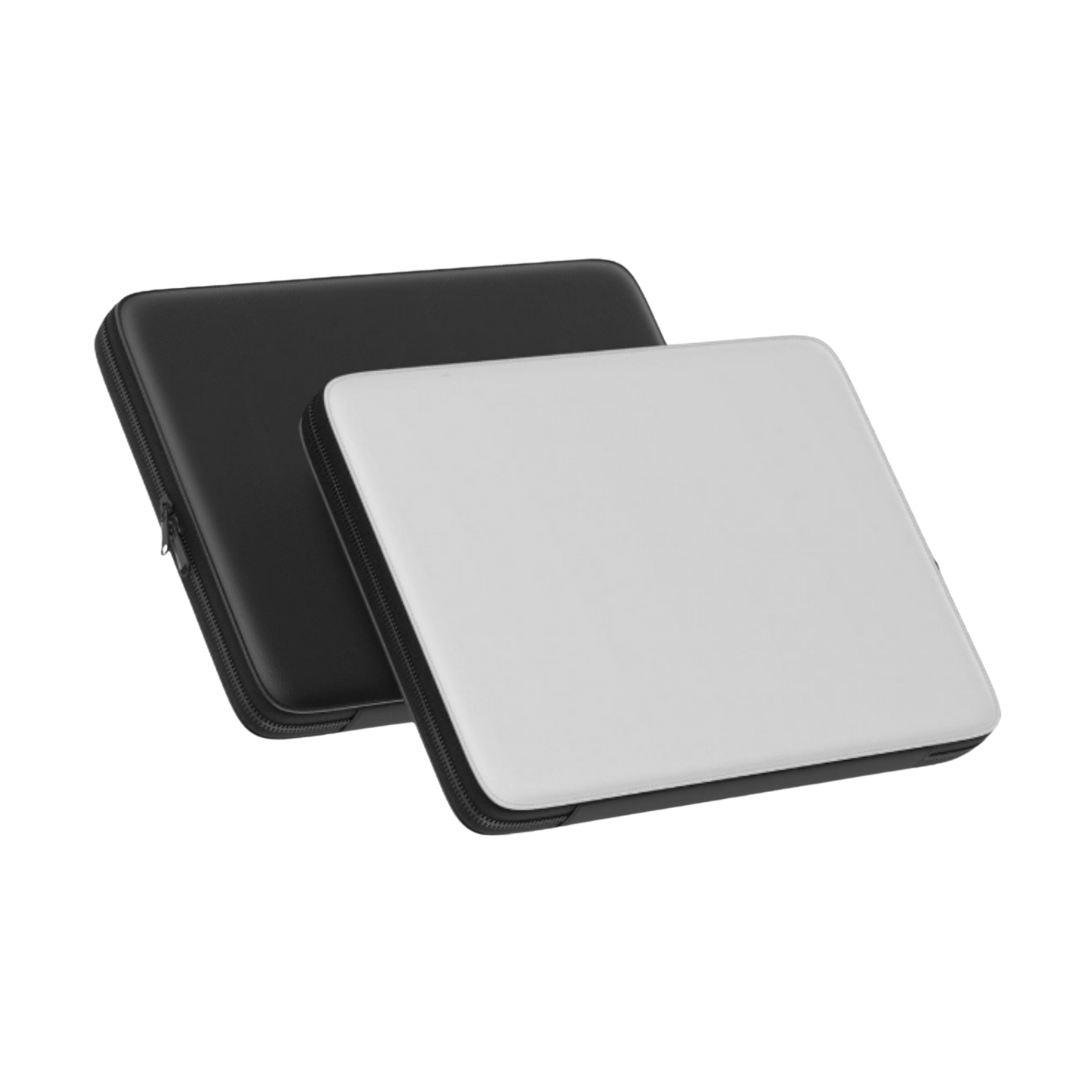
- Phone and laptop cases with subtle patterns
Eclecticism = Bold, Artistic Collections
This trend rewards creative freedom. Mix patterns, colors, and graphics until the collection has a personality. Ideas:
- Bright, bold phone cases
- Special wall art collections
- Mixed-pattern hoodies or sweatshirts
- Colorful designs using the trending color of the year
Sustainability = Conscious Branding
Print-on-demand is structurally suited to eco-friendly fashion in 2026 — your POD partner only prints items after a customer orders, so there's no overstock to deal with. Make this part of your brand voice. Try:
- "Made to order" branding messages
- Nature art, like leaves or flowers
- T-shirts with quotes about protecting nature
- Organic fabrics and recyclable packaging
Digital Aesthetics = Trend-Driven Tech Accessories
Tech-driven fashion trends in 2026 pair naturally with tech accessories. These items appeal to tech-aware customers, gamers, and younger audiences:
- Glitch-style phone case designs
- Laptop sleeves with metallic finishes
- Neon digital posters
- Reflective fonts on hoodies and t-shirts
Retro Revival = Nostalgic Typography and Graphics
The strongest retro work connects to a memory the customer already has. Then puts it on a 2026-quality product:
- Vintage-style graphic t-shirts
- Retro font posters
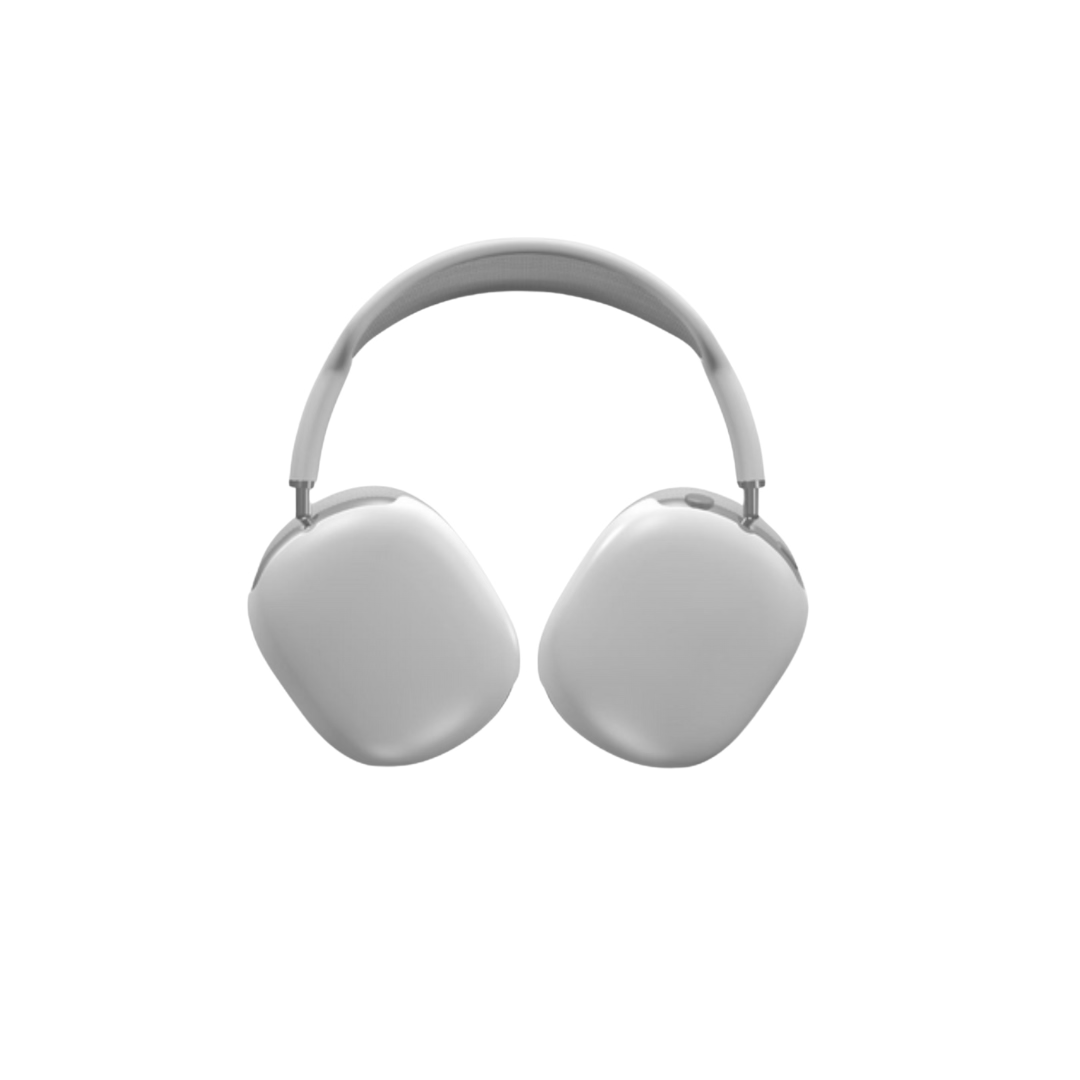
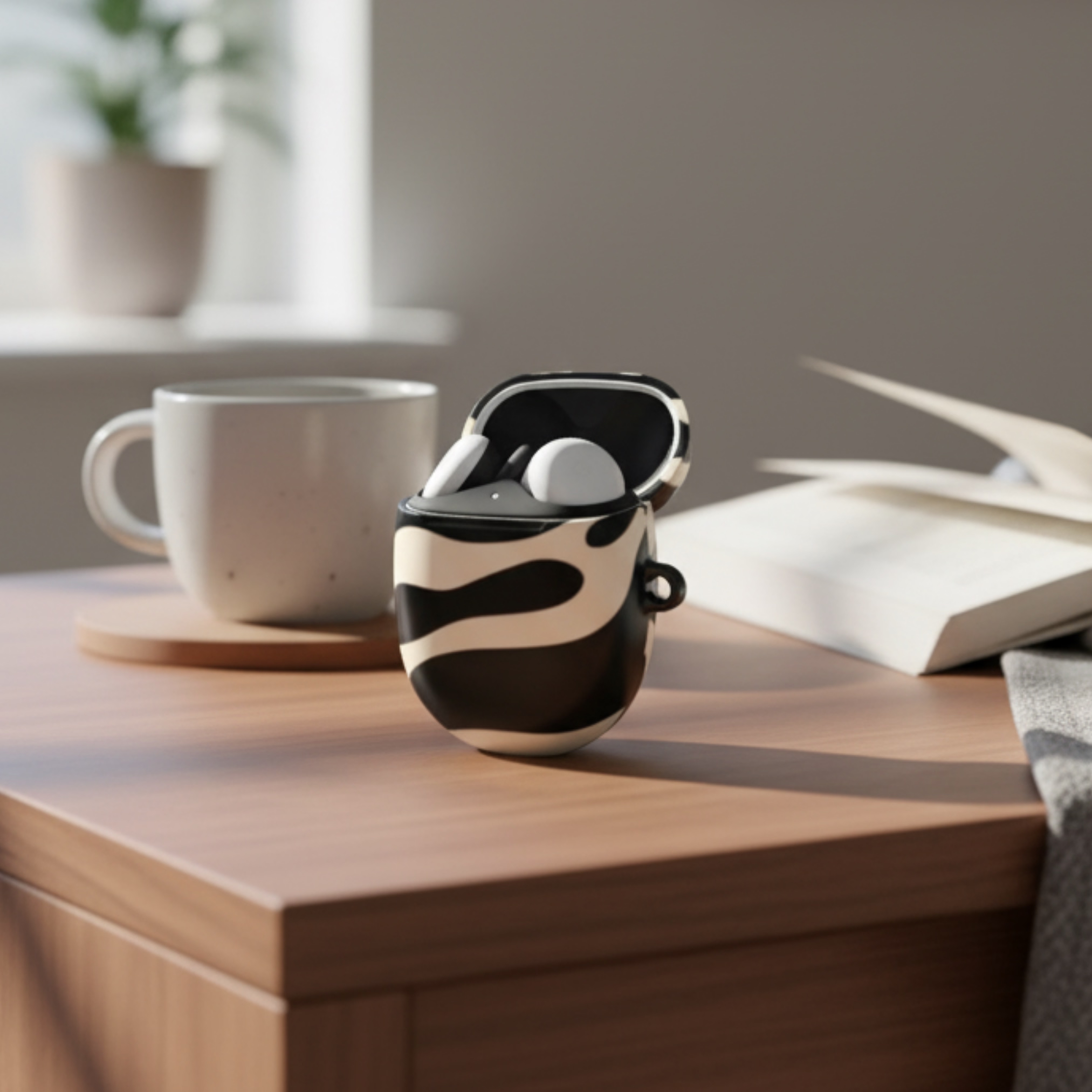
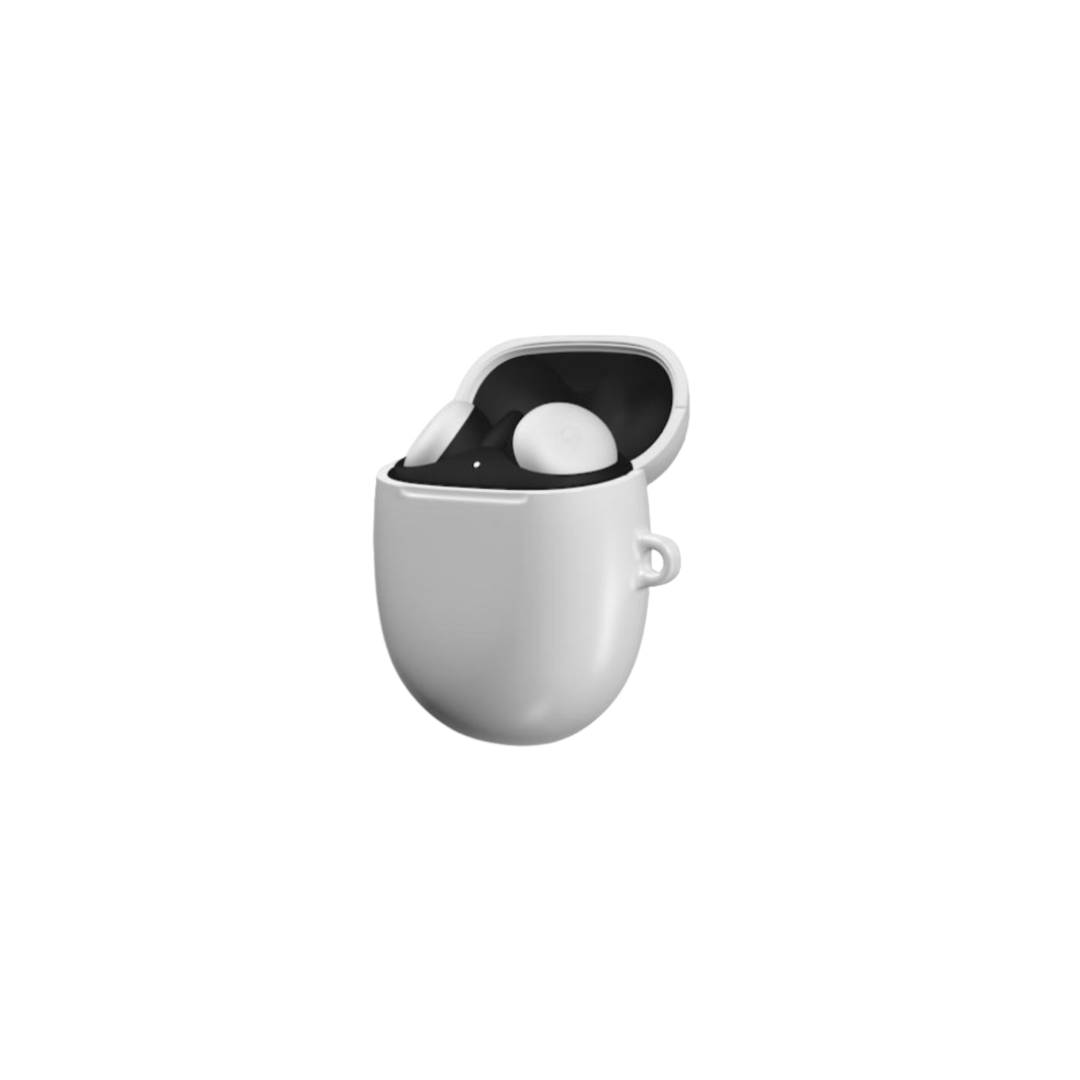
- Old-school phone cases with matching AirPod cases
- Throwback slogan sweatshirts
A Contrarian Note: Catalog Size
Most "how to grow a POD store" articles tell new sellers to launch as many products as possible to maximize revenue surface area. Our internal data tells a different story: the highest-revenue Podbase sellers run focused catalogs — typically a tight assortment of designs in a clear aesthetic. Sellers who flood their stores with hundreds of unrelated trend-chasing SKUs tend to underperform on revenue per product, because customers can't pin down what the brand actually stands for. In 2026's fashion environment — where customers are explicitly chasing identity over quantity — focused catalogs win. Pick a trend, commit to it, then expand inside that aesthetic.
Also Read:
How POD Sellers Can Stay Ahead of Fashion Trends
Fashion trends in 2026 move faster than they did even a year ago. Watching closely keeps your store relevant, your designs fresh, and your business growing. Here's the playbook our top sellers use.
Monitor Social Media and Runway Insights
Scroll TikTok, Instagram, and Pinterest daily. Pay attention to influencers and to repeat patterns. Pinterest is the highest-signal trend platform we track for POD sellers — over 50% of users explicitly view it as a shopping destination, and women make up more than 70% of users globally, which maps directly to apparel-buying intent. Follow major runway events like New York Fashion Week to spot recurring colors, prints, and silhouettes.
Test Small Trend-Based Drops
Avoid launching huge collections all at once. Release a few designs that match 2026 trends, see what your customers actually buy, then scale. This used to be hard because launching took weeks. It isn't anymore. The 3x compression of the average Podbase onboarding cycle — three months down to under a month — means a small trend-test can be live before the trend peaks, not after.
Saulius Meilutis, our CEO, calls out the design-adaptation piece specifically: "Another case is when you have to adapt your designs that you already have to your supplier requirements so the files are print-ready. You had to go to Photoshop, edit it manually, or try to automate with scripts, but it takes lots of time to tailor everything... Now you can just simply write a prompt with all the requirements, upload your designs, and the output is here really fast and efficiently." If you have a back catalog of designs, you can re-skin it for any 2026 aesthetic — Quiet Luxury, Retro Revival, Digital — without restarting from scratch.
Use Data to Scale Bestsellers
Use tools like Google Analytics, Pinterest Trends, or your store's dashboard to see which designs get clicks, saves, and sales. If a design moves, expand it across products and color variants. Pinterest Ads' ~32% higher ROAS makes it our recommended first paid channel for fashion drops once a design proves out organically.
Refresh Collections Quarterly
A design that works today can fade by next quarter. Update your store every three months — drop slow sellers, add fresh designs that match current trends. This keeps your store interesting for repeat customers and keeps your search and Pinterest impressions tied to current keywords.
Build a Flexible, Low-Risk Product Strategy
POD lets you start without inventory, which means you can experiment with 2026 trends without financial risk. Lean into products that are easy to update with new designs:
- T-shirts
- Hoodies
- Drinkware
- Tech accessories
Also Read:
Why Print-on-Demand Is Ideal for Trend-Driven Fashion
Print-on-demand is the only model that lets you respond to 2026 fashion trends at the speed they actually move. Here's why:
No Inventory Risk When Trends Shift
Fashion trends don't wait. If you bulk-order inventory and the style fades, you eat the loss. POD removes that risk — you only print after a customer orders. When a trend shifts, you change the design, not the warehouse.
Easy to Test Micro-Trends
Some 2026 trends only last a few weeks. A new phrase, pattern, color, or graphic style can go viral overnight. POD lets you test these designs at zero inventory cost — and in our network, the sellers who test small and fast outperform the ones who try to predict and bulk-buy.
Fast Product Launches
Traditional retail can take months to stock a new item. With POD, you can design and publish a product in hours. That speed is what made it possible, in 2026, to actually catch trends instead of watch them pass. Combined with Podbase's data point on onboarding compressing from three months to under one month, the fashion feedback loop has gone from "predict and pray" to "test and iterate."
Scalable During Viral Moments
If one of your designs goes viral, your store has to keep up with the order spike. A reliable POD partner can produce, print, and ship at scale, so you can grow into demand instead of capping it.
Also Read:
Conclusion
Fashion trends in 2026 are about comfort, creativity, and intentional design. Simple, premium, retro, and AI-inspired looks are leading the conversation, and the brands that stand out are the ones built on a clear aesthetic, not a flood of SKUs.
Once you understand the forces behind the trends, you can design POD products customers already want. Print-on-demand makes it easy to test ideas and update designs as trends move — and Podbase's data shows the launch window has never been shorter.
Ready to turn 2026 fashion trends into products that actually sell? Create a Podbase account and start designing your first collection.

Saulius Meilutis is the CEO of Podbase, helping creators and entrepreneurs monetize their ideas with print-on-demand. He shares insights on eCommerce, growth, and building lean online businesses.

.avif)



.avif)
.avif)
.avif)
.avif)
.avif)
.avif)

.avif)


.avif)
.avif)

.avif)

.avif)
.avif)