Starting a Clothing Brand: What Podbase Data Shows
- The 2% who succeed follow a repeatable pattern, not a secret. From hundreds of thousands of Podbase orders: sellers who place a sample within their first two days and have at least five products published within 30 days are already ahead of 80% of POD stores. Sellers who hit 10 sales are in the top 10% — because most stores never reach that milestone.
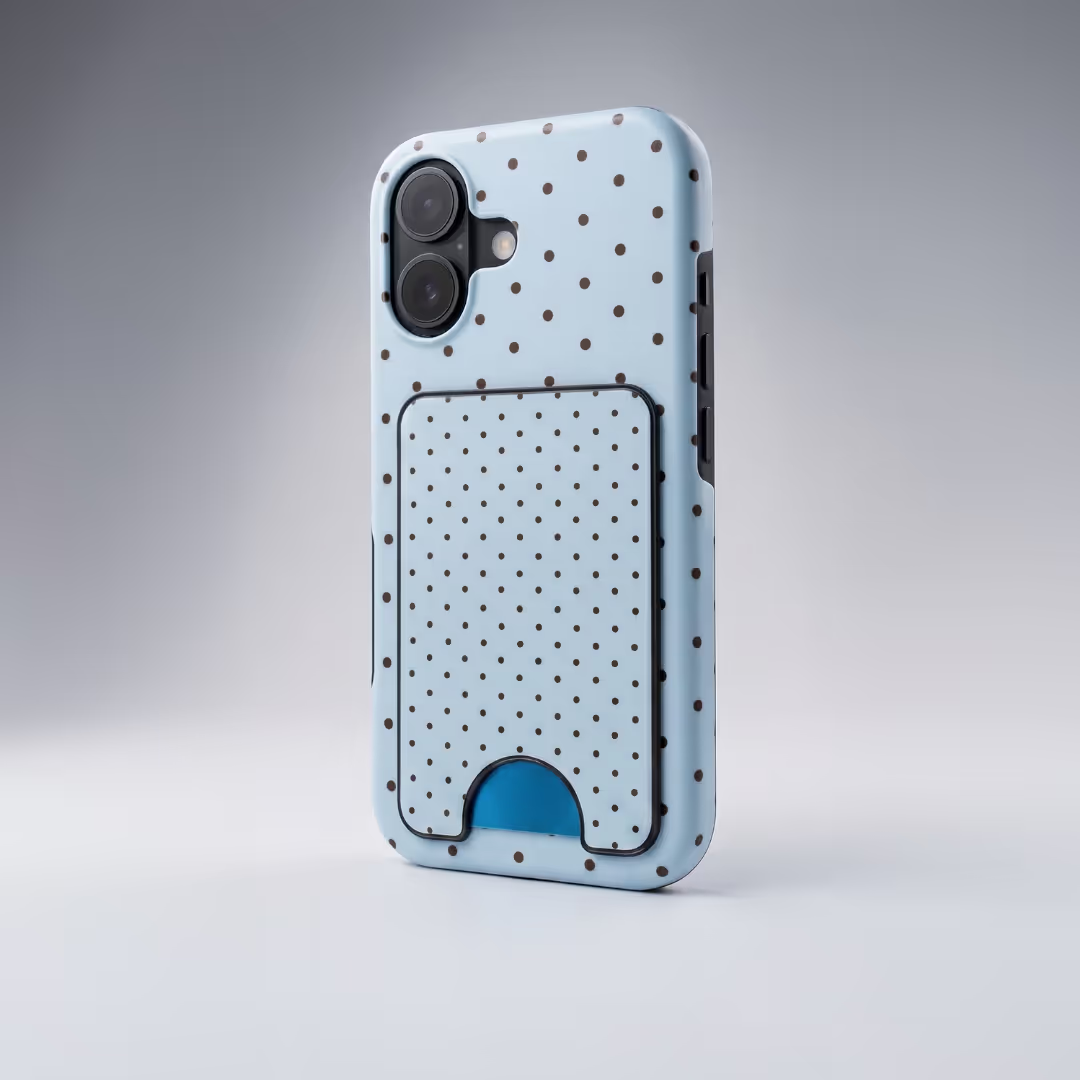
- Speed beats design talent. Five simple designs > 100 perfect ones. One Podbase seller went from zero to seven-figure yearly revenue in 13 months selling phone cases — they launched with about ten simple designs and pushed influencer marketing hard. They did not overthink the catalog. They moved.
- The biggest killer is the "guessing phase," not the market. Most aspiring clothing-brand owners spend months tweaking designs, optimizing the website, and creating hundreds of products before ever going live. Most never launch. The succeeders put 3–5 designs live within two weeks, identify what resonates, then build on top of what the market is telling them.
A clothing brand isn't won at the design stage. It's won at the "published, sample-ordered, first-five-products live" stage. Launch your clothing brand on Podbase →
Want to start a clothing line, but aren't sure where to begin? Maybe you're uncertain about inventory costs, finding suppliers, or marketing your business.
The truth is, it's easy to make mistakes when you're not certain which direction to take. Plus, with so much conflicting advice online, it becomes even more confusing.
Here's the good news: you don't need prior experience or a large budget to begin. You don't even need talented design skills, as we'll see — across hundreds of thousands of Podbase orders, what predicts seven-figure outcomes is speed of action, not aesthetic talent.
In this guide, you'll learn how to start a clothing brand in practical, beginner-friendly steps — with the actual data, from inside one of the POD platforms making those launches happen, on what separates the brands that scale from the brands that quietly die.
Why Most Brands Fail and How Your Plan Will Beat the Odds
Most stats you'll see online say something like "98% of new clothing brands fail within a few years." That number is repeated a lot but rarely sourced — and even when it's directionally accurate, it misses the more useful question: what does the 2% actually do differently?
We have data on that. As Podbase's Head of Sales puts it: "Most sellers who churn go through what we call the guessing phase. They spend months building the ideal store — tweaking designs, optimizing their website, refining their SEO, and creating hundreds of products so every possible customer can find something. Six months pass, the store has never gone live, and the initial drive that sparked the idea has quietly faded."
The 2% who succeed do the opposite: "They move fast and test first. They put three to five designs live, push their marketing hard on those specific products, identify what is actually resonating — the winning design, the static ad that converts — and then build on top of what the market is already telling them. Most successful stores are up and running within two weeks, using simple tools and basic themes, because the goal is to learn quickly, not to launch perfectly."
The data reinforces this clearly. If a seller places a sample order within the first two days of opening their store and has at least five products published within 30 days, they are already ahead of 80% of POD stores. If they make ten sales, they are in the top 10% — because most stores never reach that milestone. There's also a second predictor: sellers who surround themselves with a community, mentor, or peer group scale approximately 32% faster than solo operators going it alone.
This 10-step guide is structured around those two predictors — speed and environment. Skip the 6-month "perfect store" trap. Build for the first 30 days first.
Phase I: Strategy and Identity
You need a clear vision before you design your clothes or start your online store — but not so clear that you spend three months on it before getting anything live.
Step 1: Find Your Niche
Your niche defines who you sell to, what they want, and why they'll choose your brand. Define your ideal customer across three areas:
- Demographics: Age, gender, income
- Psychographics: Lifestyle, interests, values
- Pain Points: Sizing gaps, price concerns, sustainability needs
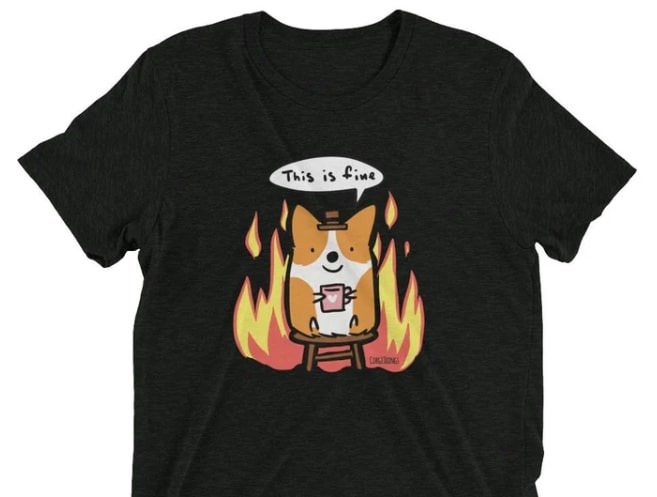
You want a specific group that's underserved — people with particular hobbies (rock climbers, eco-conscious shoppers, dog breed enthusiasts) rather than "people who like t-shirts." For example, Corgi Things focuses entirely on apparel for Corgi lovers.
A practical timing note from inside Podbase: niche selection is the step where most aspiring sellers spend too much time. As our CEO Saulius Meilutis frames it: "The third thing is impatience. You have to be patient. You have to be willing to spend. In some cases you have to be willing to run at a loss for maybe the first three to six months, and then things start to shift." That patience applies to operations — not to deciding what niche to be in. If you've been "researching your niche" for more than a week, you're already in the guessing phase. Pick something you can defend in two sentences and move to step two.
Step 2: Create Your Brand Identity
Your brand identity gives your clothing line a clear personality. It shows customers who you are, what you stand for, and why they should buy your clothes.
To create an easily recognizable brand identity:
- Choose a short, memorable, meaningful clothing brand name
- Design a simple, distinctive logo
- Write clear vision and mission statements
- Pick a color scheme that aligns with your brand's personality
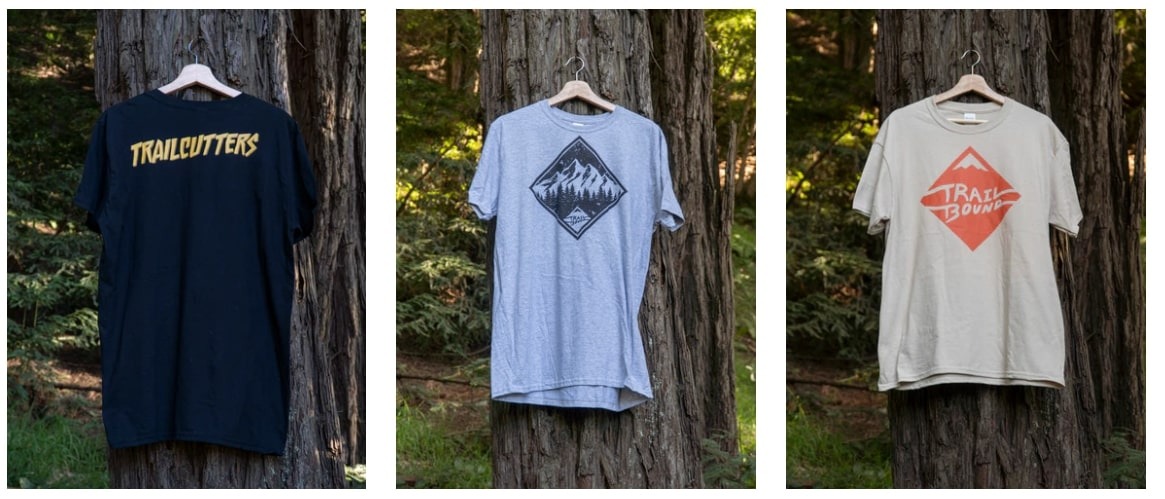
Your identity should justify your final price and connect with your audience emotionally. A luxury clothing line must look and feel premium. A playful streetwear brand should feel energetic and bold. Trailbound's identity, for example, centers on adventure and nature, with earthy tones, graphics, and outdoor photography reflecting that.
A useful Podbase data point on brand investment: across our seller base, brands that win don't necessarily spend more on identity work — they ship faster identity work. The 13-month-to-seven-figures phone case brand we'll reference later didn't have a polished brand bible. They had a clear feeling, a consistent color, and a willingness to evolve identity based on what resonated. Don't get stuck here either.
Step 3: Write a Business Plan
A business plan converts your ideas into a practical, actionable strategy. When learning how to start a clothing brand, this matters less for "convincing investors" and more for forcing you to think through your first 12 months.
Your business plan should include:
- Product Line: What you'll sell and how you'll source or make it
- Marketing Strategy: How you'll reach your target customers
- Startup Costs: Inventory, website, equipment
- Cashflow Projections: Income/expenses month-by-month for the first year
A note on marketing budgets specifically. Our CMO advises a calibrated middle range: "We are talking maybe a couple of thousand, but not over €5,000, or the equivalent amount in your own currency." This is roughly the spend needed to get enough data through Meta Ads to learn what your audience actually wants — the floor, not the ceiling. Underspending leaves you with no signal; overspending in month one before you have product-market fit is the fastest way to burn cash.
Also Read:
How Much Does it Cost to Start a Clothing Brand?
Your startup cost depends on the business model. The two main options are print-on-demand (POD) and the traditional inventory model.
POD is ideal if you want to learn how to start a clothing brand with no money or very little investment. Traditional inventory costs significantly more upfront — and the financial risk is meaningfully different.
The number this table is too generous on: $250–$1,000 is a comfortable POD startup cost, but a Podbase seller can realistically begin testing for under $50 — the cost of one or two sample orders to verify quality. You don't even need a paid Shopify plan to test (though you'll need one to publish; new Shopify users on trial accounts hit a "Shopify_Failed" wall on first publish, so factor in $30–40/month for a paid plan once you're ready to go live).
The hidden cost most articles ignore is time. Bulk inventory locks up cash for months. POD doesn't, but it does ask you to pay attention every week. The seller persona we see most often, in CEO Saulius's words, is "small wannabe entrepreneurs who get an urge to build their business, get excited by the idea of it, but then stop within the first 10 days or two weeks." If you bail at week two, the cost of POD is your sample order. The cost of traditional inventory is the entire bulk run.
Phase II: Choosing Your Model and Production
This is where your clothing brand begins to take shape — business model, pricing, production setup.
Step 4: Choose Your Business Model — Inventory vs. POD
Start by reviewing the cost comparison above. The right model fits your budget and your risk tolerance.
If you want a low-risk, affordable path, print-on-demand is the right call. It lets you design and sell without storing or managing inventory. You don't even need to print anything yourself — and as we covered in our UV printing guide, you absolutely don't need to buy any of the production equipment. Your POD partner owns it.
The traditional inventory model requires heavy upfront investment and carries more financial risk. It's most appropriate for growing businesses with proven, best-selling products — not for first launches.
Once your POD-based clothing brand identifies winners, you can selectively shift those specific SKUs to bulk runs for higher margin while keeping long-tail SKUs on POD. This is the migration pattern we see in switchers: most sellers who eventually move to Podbase don't migrate everything at once — they start with "a region, a product line, a peak season overflow." Within three months, the difference in fulfillment times, product quality, and customer feedback typically makes the wider switch obvious. Approximately 98% of sellers who work with Podbase for at least three months continue to give us a growing share of their orders.
Step 5: Finalize Your Pricing Strategy
When you start a clothing brand, setting prices strategically is necessary for profitability. Aim for retail prices that cover every cost and still leave a healthy profit margin.
Account for:
- Production costs
- Platform fees
- Printing costs
- Shipping fees
- Marketing expenses
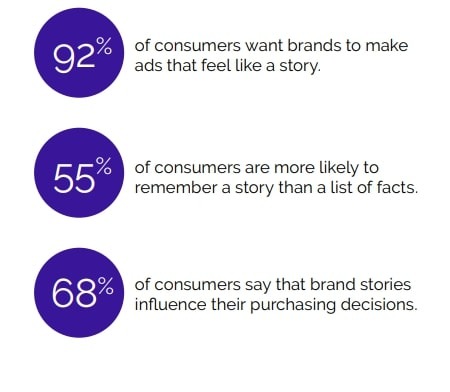
Research the market before setting final prices. A well-crafted brand story can also justify higher prices — though the often-cited "68% of customers say brand stories influence buying decisions" is one of those numbers that gets repeated more than it gets sourced. The directional point holds: customers pay more for brands whose story they recognize.
A more useful frame, from our Head of Sales: pricing isn't really the conversation that matters at the start. Quality is. "A slightly cheaper product that disappoints your customer generates a support ticket, a return, a negative review, and a lost repeat purchase. A high-quality product that holds up for years becomes a brand story your customer tells on your behalf. The margin difference people obsess over at the start is almost never the number that matters most twelve months in." Podbase pricing already sits at roughly 10–15% better margins than competitors across most product categories — up to 20% in some — without sacrificing on materials. That margin headroom is what gives a young brand the room to invest in marketing, packaging, and the things customers actually feel.
Also Read:
Step 6: Design Your First Collection
Your first collection sets the tone for your product line. Eye-catching print-on-demand designs help you grab attention quickly and distinguish your brand.
Sketch your ideas on paper or use design software to create clean mockups. This lets you visualize each piece and refine it before production.
Consider how your printing method affects design options. Direct-to-Garment (DTG) works well for detailed artwork and many colors; screen printing suits bold, simple designs with fewer colors; sublimation works on polyester; UV printing handles hard goods. A serious POD partner offers most of these, so you don't have to commit to a method before you commit to a design.
Easy print-on-demand design ideas to start with:
- Minimal text tees
- Nature-inspired designs
- Motivational quotes
- Fun and playful designs
The one piece of advice on this step that's worth repeating because almost nobody follows it: start small. Our Head of Sales: "Sellers who launch fast with five simple designs outperform sellers who spend six months building the perfect store. We know this from data across hundreds of thousands of orders." The seven-figure case study in our pipeline — a brand that went from zero to seven-figure yearly revenue in 13 months selling phone cases — launched with around ten simple designs. They didn't overthink it. They moved, tested, and built on what worked.
You don't need 50 designs. You need three that are good enough to start.
Step 7: Source Suppliers / POD Partners and Order Samples
A reliable production partner ensures your brand starts with high-quality products. You can choose POD platforms like Podbase, or high-volume manufacturers for bulk orders.
Look for suppliers with quality products, ethical practices, and fast turnaround. Check reviews, product options, and printing methods.
Place sample orders. It's the only way to verify product quality before you start a clothing brand. The data point that matters: sellers who place a sample order within the first two days of opening their store are already on the trajectory of the top 20% of stores. Most aspiring brand owners plan to order a sample and then never do.
Check your samples for:
- Product fit
- Fabric quality
- Print durability
- Color accuracy
A practical question to ask any prospective POD supplier (especially if you're considering them vs. Podbase): what is your average production-to-ship time, and how does it shift during peak season? For reference, Podbase currently runs at a 23-hour overall production-to-ship average — a 31% improvement vs. the previous six months — and during the 2025 winter peak we held a 48-hour average while several major POD providers were quoting lead times of more than a week. The peak number is the one that matters for any clothing brand expecting to ride seasonal traffic spikes.
A second question worth asking: what's your customer support response time? Podbase support holds an 11.8-hour average first response, a 24-hour full-resolution window, and a 6.4 / 7.0 CSAT — leading the POD space. Industry giants like Printify and Gelato can stretch to 24–72+ hours just for first contact during Q4 unless you're paying for top-tier subscription support. When something goes wrong on a real customer order, those hours are the difference between recovery and refund.
How to Start Your Own Clothing Brand with No Experience Using POD
If you want to learn how to start a clothing brand without experience, POD is the lowest-risk entry point. It removes financial and inventory risk and lets you focus on creating and promoting.
Here's the streamlined sequence:
- Define Your Niche. Know who you sell to and what they care about.
- Create 5–10 Simple Designs. Minimalist or text-based graphics cost less to produce and convert just as well as elaborate ones at this stage.
- Sign Up for a POD Platform. Podbase, Printful, or Printify are the main options.
- Connect Your Online Store. Link your account to Shopify, Etsy, or Wix so customers can shop. Note: new Shopify users on free trials regularly hit a "Shopify_Failed" wall when trying to publish — about one in three new Shopify-based POD sellers run into this. Skip the trial and go straight to a paid Shopify plan.
- Order Your Samples. Within 48 hours of store creation, ideally. Check fabric, fit, and print quality before launch.
- Pick One Marketing Channel and Hit It Hard. Don't try to be everywhere. 99% of Podbase's most successful sellers drive the majority of their traffic from social media ads — usually Meta first, sometimes TikTok Shop where it's available.
The pace of this matters more than the perfection of any single step. Average POD onboarding at Podbase has dropped from three months to under one month over the last cycle — a 3x speedup, driven largely by AI design tools compressing the design-to-publish workflow. An average user publishes a single product in 2–5 minutes; power users with pre-formatted designs do it in 1–2. There is no remaining excuse to spend six months on a brand that hasn't sold a single unit.
Also Read:
Phase III: Launch, Marketing, and Scaling
This is the final stage of learning how to start a clothing brand. Now, you launch your sales channels, execute your marketing plan, and start growing.
Step 8: Build Your eCommerce Storefront
You need an online store where customers can find and buy your products. Clean, easy to use, and reflective of your style.
Setting up a storefront:
- Pick Your Platform. Shopify, Etsy, WooCommerce, or Wix. Shopify is the most-used platform among Podbase sellers; Etsy is the second-strongest channel for early-stage brands.
- Upload Great Photos. Bright, clear images for every product. Photos matter more than copy at this stage.
- Write Compelling Descriptions. Simple, honest, focused on fit, feel, and benefits.
Critical: make sure your store looks good on mobile. Per Adobe Analytics' 2025 Holiday Shopping Report, mobile accounted for 56.4% of US online holiday sales between November and December 2025 — up from 54.5% the year before — and on Thanksgiving Day 2025, mobile crossed the 60% threshold for the first time. If your store isn't mobile-first, you're optimizing for a minority of buyers.
Step 9: Develop a Pre-Launch and Launch Marketing Strategy
The best way to create buzz around your clothing brand is to start marketing before you have anything to sell. Building hype around new products consistently lifts launch performance.
Tactics that work:
- Build an email list before launch. This is the single highest-ROI channel for every Podbase seller who takes it seriously. As our CMO puts it: "Email marketing is usually one of the strongest ROI channels, simply because you are monetizing people that already know your brand and in many cases already bought from you." Most sellers focus only on acquisition. The ones who do well long-term build retention from day one.
- Share sneak peeks and behind-the-scenes content on social media, including countdowns to build excitement.
- Work with influencers who match your niche and values. Influencer + UGC content reused as paid ad creative is one of the highest-leverage moves in early-stage POD — but only after you have your basics working. As our CMO advises: unlock paid social and the e-commerce funnel first, then layer in influencer marketing.
- Run paid ads to test what your audience likes. Stay in the €2K–€5K zone for the first test wave.
- Use social commerce tools to reach more social media shoppers — TikTok Shop in particular has been a strong channel for new POD brands in markets where it operates.
A note on Q4 specifically: it's the most important quarter of the year for clothing brands. As our CMO puts it, that's where "repeat purchases, promotions, bundles, gift buying behavior, and all of these things become much more important." If you're starting your brand in May or June (today's date is May 7, 2026), you have just enough runway to be ready, tested, and optimized by November — provided you don't spend the next six months in the guessing phase.
Step 10: Launch, Analyze, and Scale
Once your clothing brand is live, the work continues. Your business scales when you watch your numbers and listen to your customers.
- Track Sales. Monitor which products get the most views and purchases — let the market tell you what to make next, not your gut.
- Study Customer Feedback. Reviews and messages reveal what's working and what isn't.
- Find a Community. This is the second-biggest predictor of success in our pipeline data. Sellers who join a community, mentor, or peer group scale approximately 32% faster than solo operators. We built our Print On Demand Launch Pad on Skool specifically because of this gap — a space for POD sellers to work through every stage from first sale to consistent monthly revenue with real examples.
Scaling is about optimizing your processes and giving customers a better experience, not just spending more on marketing.
There's also a longer-term opportunity worth knowing about: B2B / corporate gifting. Over the last six months, Podbase has seen B2B inquiries grow roughly 3x, and we project the market for promotional products and B2B branded merch to grow ~20% based on internal 2026 vs. 2025 data. Once your clothing brand has 6–12 months of consistent sales, opening a "B2B / bulk orders" page on your store is one of the highest-leverage moves available.
Also Read:
Conclusion
You now know how to start a clothing brand practically and realistically. Yes, it takes work. But when you follow this 10-step plan, you remove the confusion and replace it with a sequence backed by data on what actually separates first-sale from never-launched.
The single most important reframe in this entire article is the one we opened with: the 2% who succeed follow a repeatable pattern. Sample within two days. Five products live in 30 days. Ten sales = top 10%. Find a community. Move fast.
The other side of this is the trap most aspiring clothing-brand owners fall into. The "guessing phase" — six months tweaking the perfect 100-design store before going live — is where most brands die. Speed beats design talent. Five simple designs beat 100 perfect ones. The data is unambiguous.
Each step here brings you closer to turning your idea into a profitable business. Consistency, patience on the operations side, impatience on the getting-something-live side, and a willingness to learn as you go.
Take the first step today. Sign up to Podbase, upload three to five simple designs, place a sample order, and start building the brand you've been dreaming about.
Frequently Asked Questions
1. How do you start a clothing brand in 2026?
Follow a repeatable 10-step sequence across three phases: strategy and identity (niche, brand identity, business plan), model and production (choose print-on-demand or inventory, set pricing, design a small first collection, order samples), then launch and scale (build a storefront, market pre-launch, analyze, and grow). Move fast and test rather than perfecting.
2. How much does it cost to start a clothing brand?
With print-on-demand, you can begin testing for under $50 - the cost of one or two sample orders - though $250-$1,000 is comfortable, plus roughly $30-40 a month for a paid Shopify plan to publish. The traditional inventory model costs significantly more because you fund a full bulk production run upfront.
3. Can you start a clothing brand with no money or no experience?
Yes. Print-on-demand is the lowest-risk entry point because it removes inventory and upfront production costs. The sequence is simple: define a niche, create five to ten simple designs, sign up for a POD platform, connect a store, order samples within 48 hours, and pick one marketing channel to push hard.
4. Is print-on-demand or traditional inventory better for a new clothing brand?
For a first launch, print-on-demand is better: it is low-risk, affordable, and needs no stored inventory. Traditional inventory suits growing brands with proven best-sellers, not first launches. A common pattern is to start on POD, identify winning products, then shift those specific SKUs to bulk runs for higher margin later.
5. Why do most clothing brands fail?
Most fail in the guessing phase - spending months tweaking designs, the website, and hundreds of products before ever going live, then losing momentum. The brands that succeed put three to five designs live within two weeks, order a sample in the first two days, and reach five published products within 30 days.
6. How long does it take to start a clothing brand with print-on-demand?
Most successful print-on-demand stores are up and running within about two weeks using simple tools and basic themes. Onboarding at Podbase has dropped from three months to under one over the last cycle, and an average seller publishes a single product in two to five minutes once designs are ready.

Saulius Meilutis is the CEO of Podbase, helping creators and entrepreneurs monetize their ideas with print-on-demand. He shares insights on eCommerce, growth, and building lean online businesses.

.avif)

.avif)


.avif)
.avif)
.avif)
.avif)
.avif)
.avif)

.avif)
.avif)

.avif)


.avif)
.avif)