.avif)
To make your first sale online, start with your warm network for early purchases and reviews, drive free traffic from social platforms and niche communities, optimize your store to convert, and only scale into paid ads once it does.
You have launched your print-on-demand store, your trendy designs - maybe built around the Pantone color of the year - are live, and you are ready for business. The real question is how to turn interest into that first purchase.
It matters more than it sounds. The global print-on-demand market reached roughly $12.96 billion in 2025 and is growing about 25.3% a year (see the full POD market data), yet the gap between launching and selling is exactly where most new sellers quit - many POD stores never make even ten sales. This guide walks eight steps to your first sale, with internal Podbase seller data so you treat it as a checklist you can finish, not a lucky break you wait for.
Why the First Sale Matters
Your first sale is proof of concept and momentum in one. It tells you the product is good, the website works, and the effort you put into launching was not wasted. Here are three reasons it matters so much.
Builds Confidence
Your first sale turns effort into evidence and gives you the confidence to test new strategies. You found easy things to make and sell and turned them into a business, so this is not the moment to doubt your business ideas. One sale is the signal that the rest is possible.
Validates the Product
A first sale proves real people want your print-on-demand products - their willingness to pay means your product connects with a real need. From there you can confidently create more of what sells instead of guessing. It is the difference between data and hope.
Starts the Customer Review Cycle
One sale can lead to a review, and reviews compound. Social proof shows your custom design is exactly what you say it is, which makes the next sale easier. This is not just intuition: when sellers moved to Podbase's quality-checked fulfillment, they saw a 15% increase in customer reviews left. Quality plus speed is what keeps that cycle turning.
Step 1 - Start with Your Warm Network
The fastest first sale starts close to home. Ask family and friends to visit your store, buy something, and leave an honest review. Here is the contrarian truth behind why this works: your first sale is an execution test, not a marketing miracle. “If a seller places a sample order within the first two days of opening their store and has at least five products published within 30 days, they are already ahead of 80% of POD stores. If they make ten sales, they are in the top 10% - because most stores never reach that milestone,” says Podbase Head of Sales Sidas. Starting with people who already trust you simply gets you to that milestone faster.

On forums like Reddit, many sellers note that early reviews build instant trust - one positive review can make a brand-new store look established. That borrowed credibility is the real beginning of how to get your first sale quickly.
Also Read:
- How to Use Podbase Like a Pro: The Ultimate Beginner’s Guide
- How to Sell on Amazon Without Inventory (Step-by-Step)
- How to Scale Your Small Business: From 1 to 100 Sales
Step 2 - Drive Traffic with Free Channels
Social platforms give you free tools to reach new buyers. Post short videos and images of your digital products and designs on Instagram Reels, Pinterest boards, and TikTok. Then join tech and hobby communities on Reddit and Facebook - lead with genuinely useful tips before you ever drop a store link.
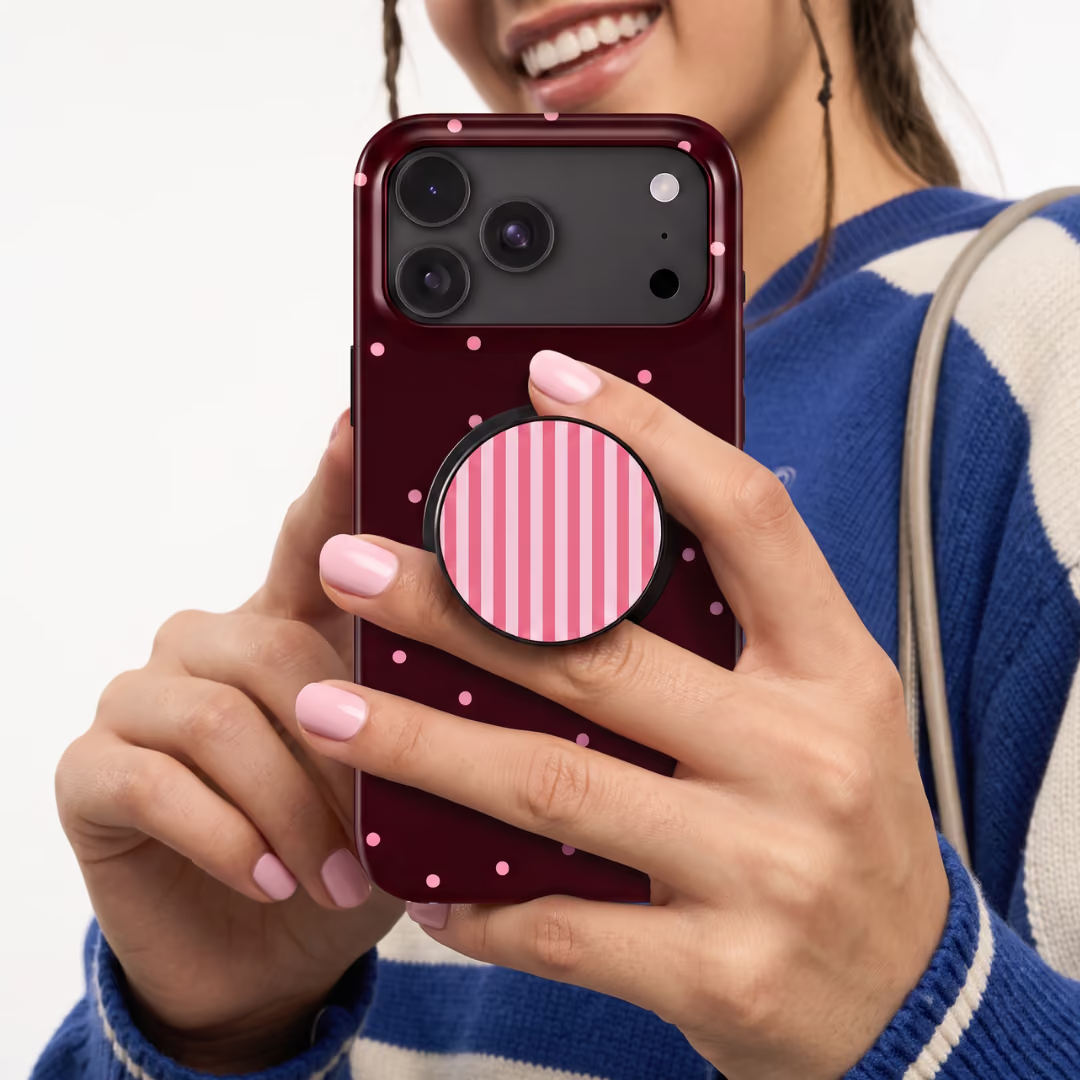
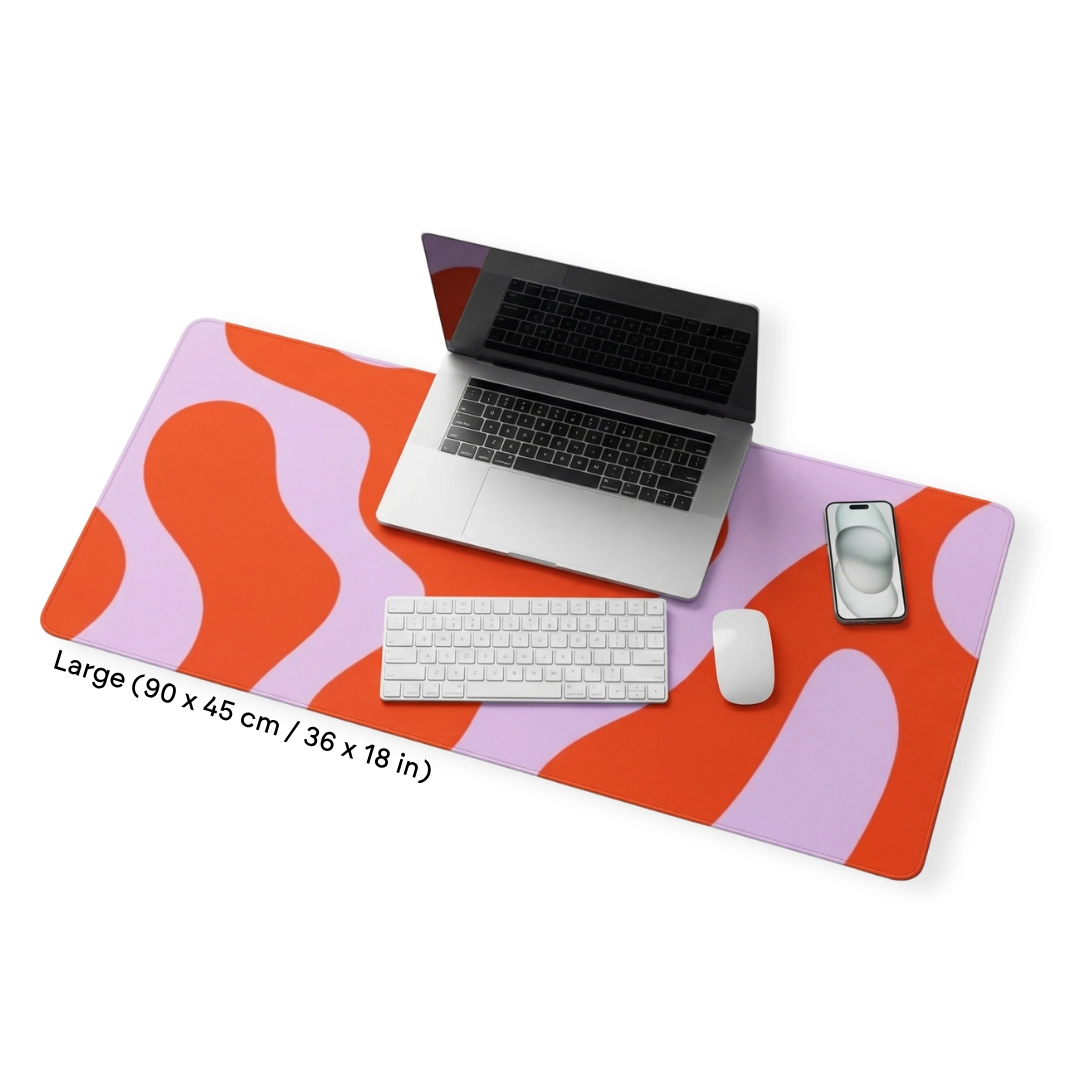
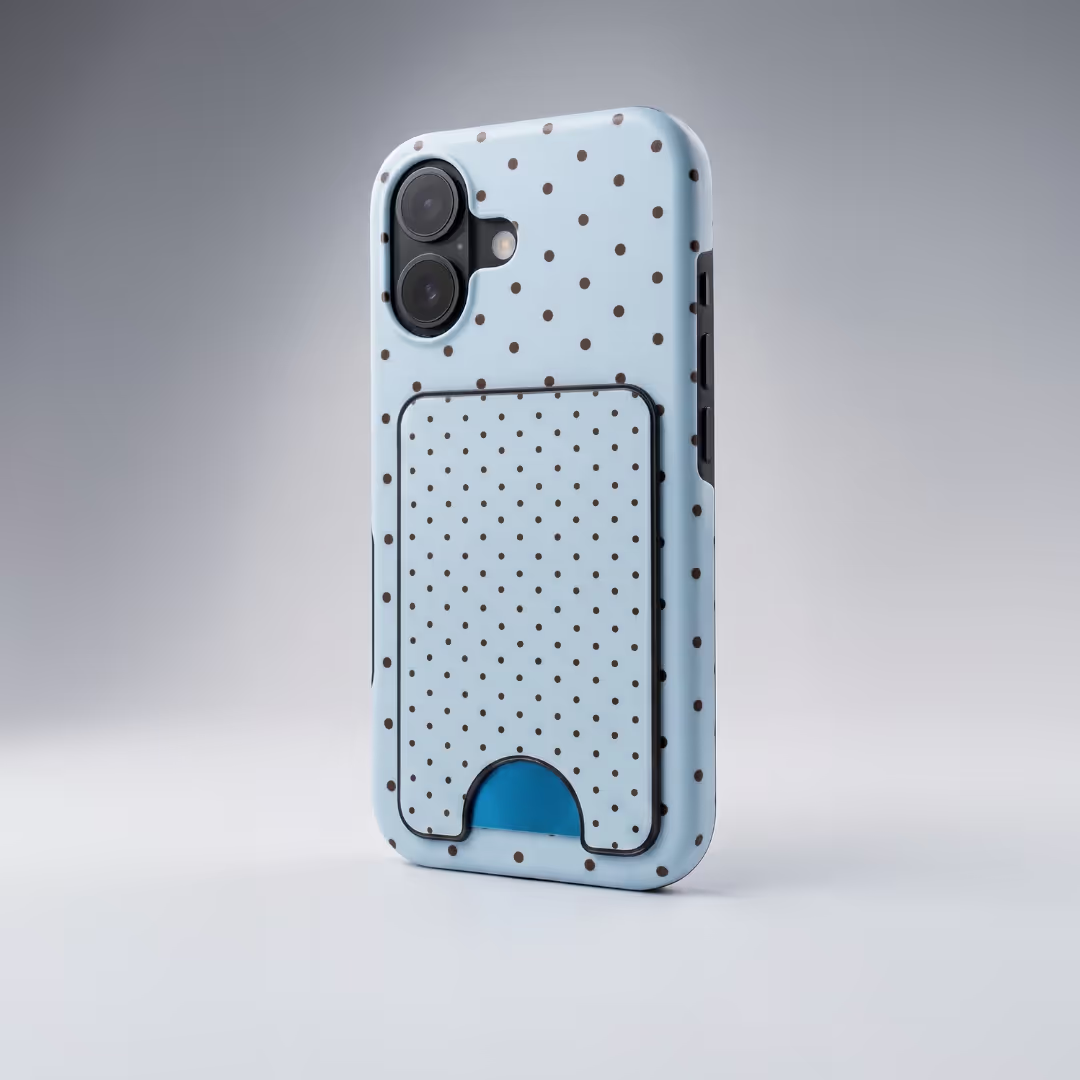
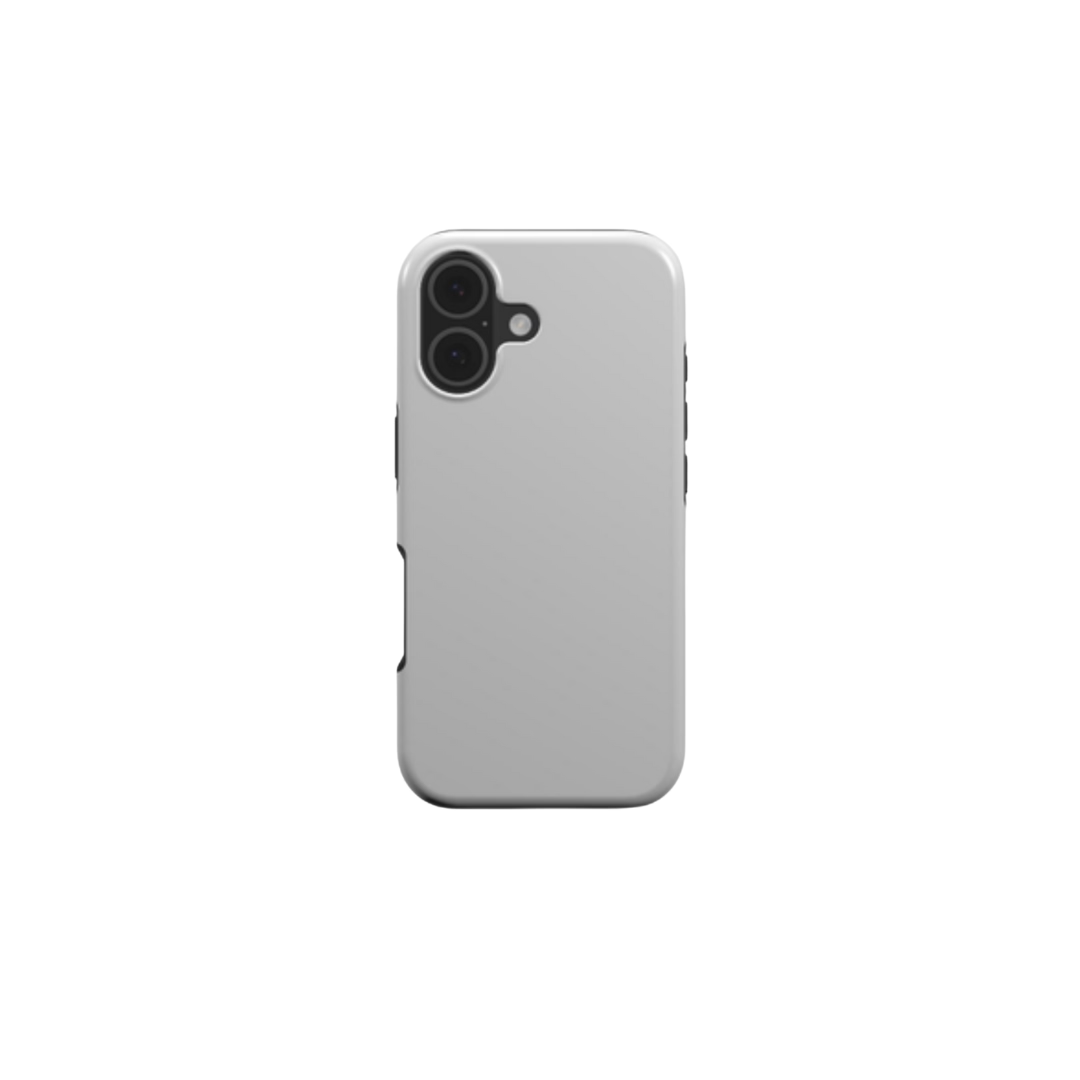
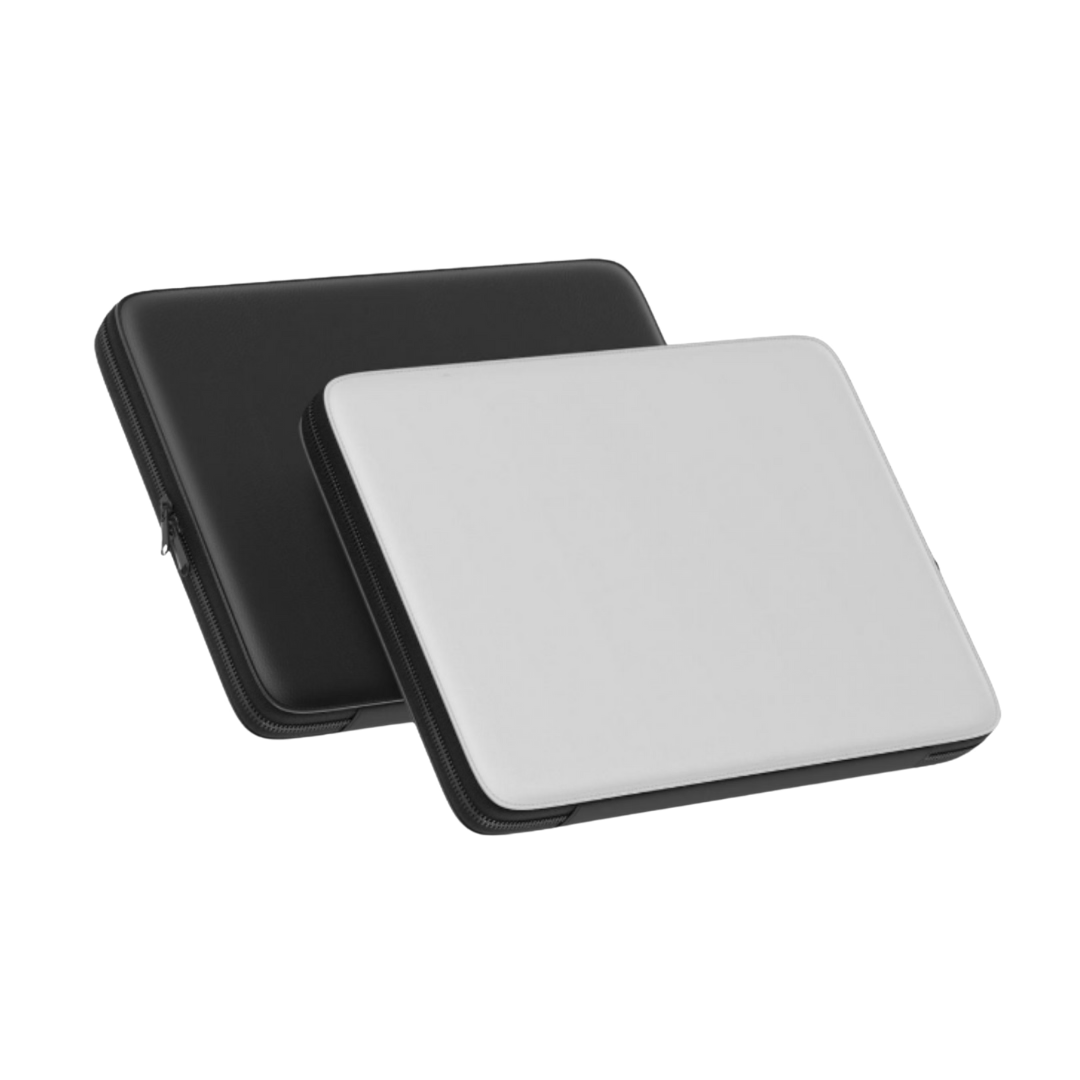
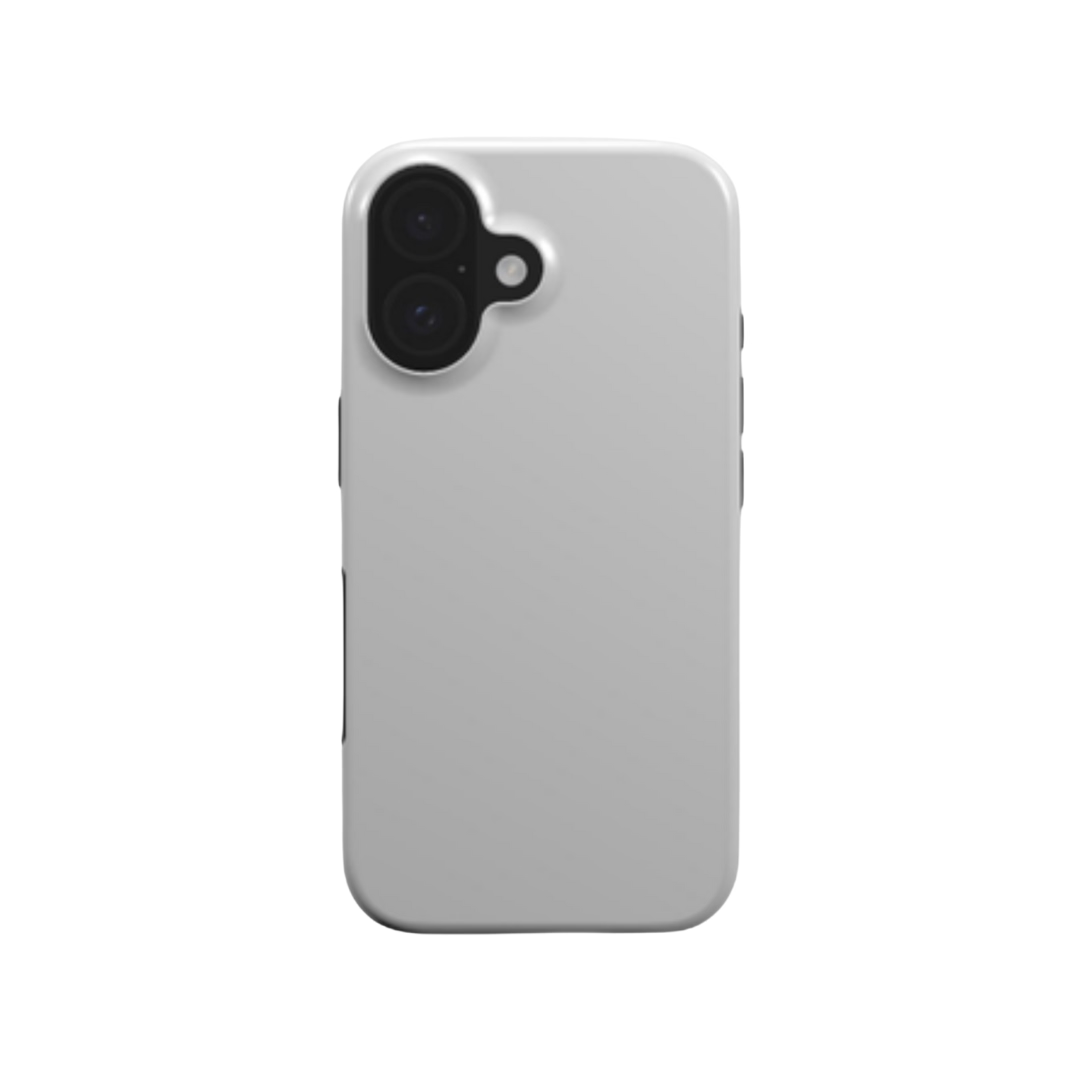
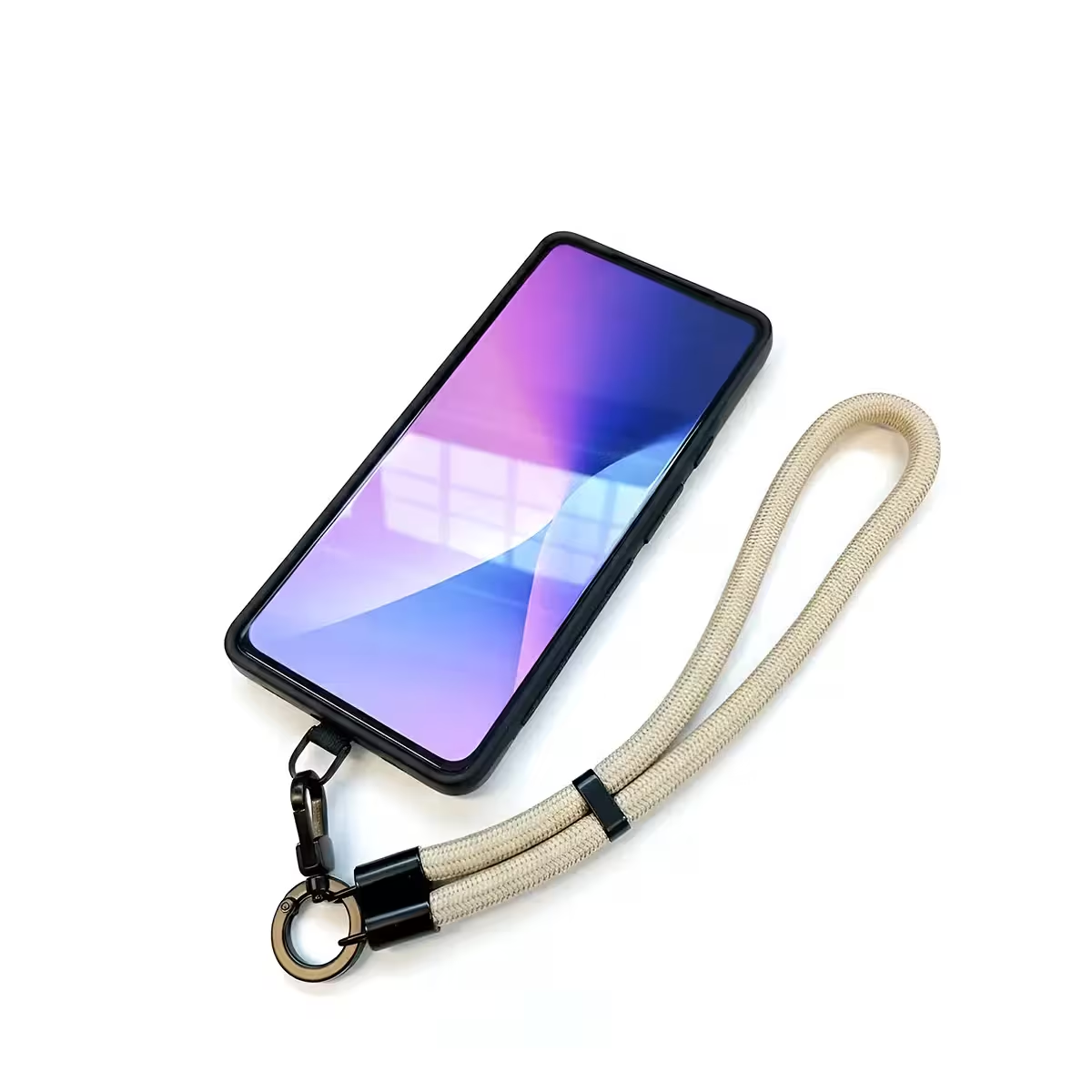
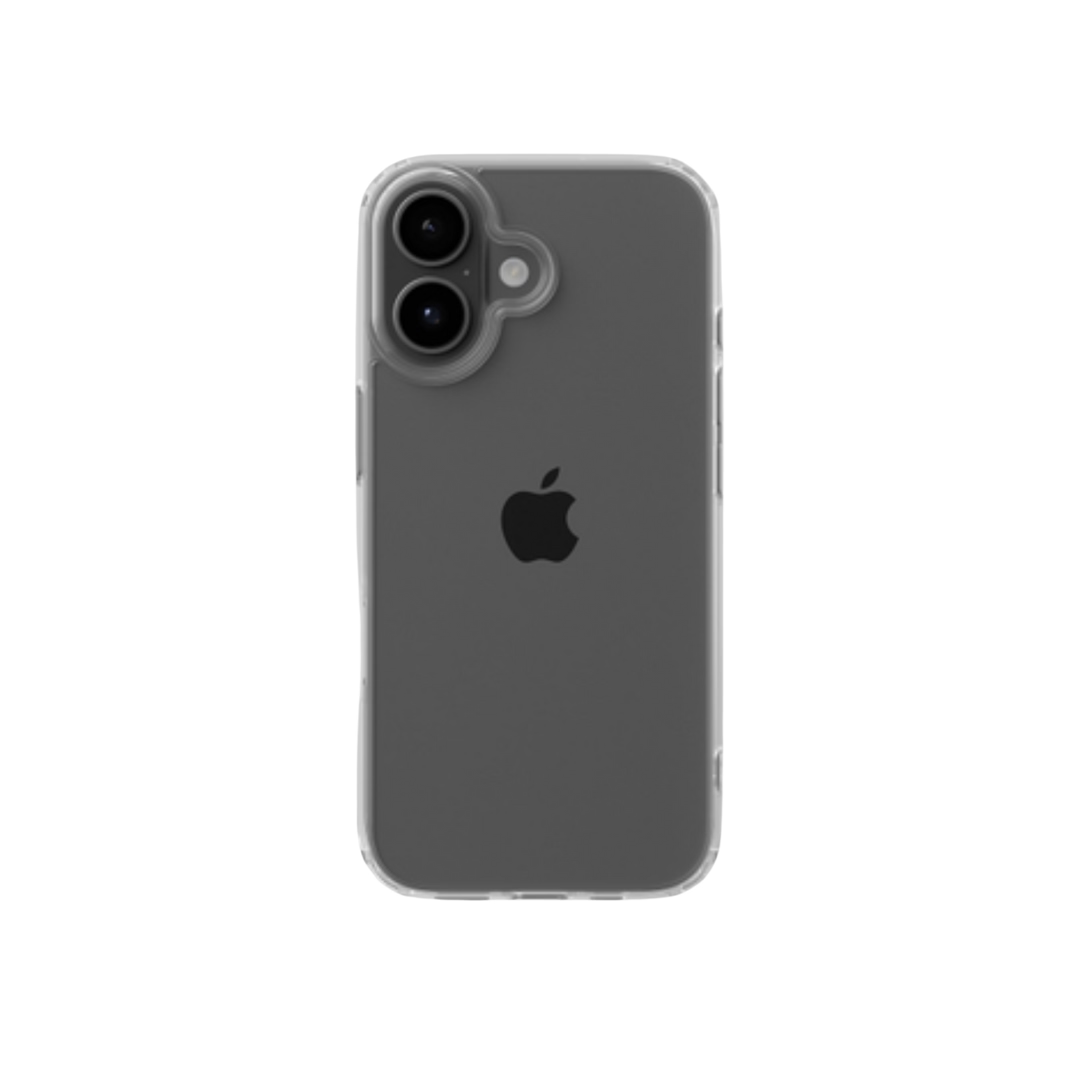
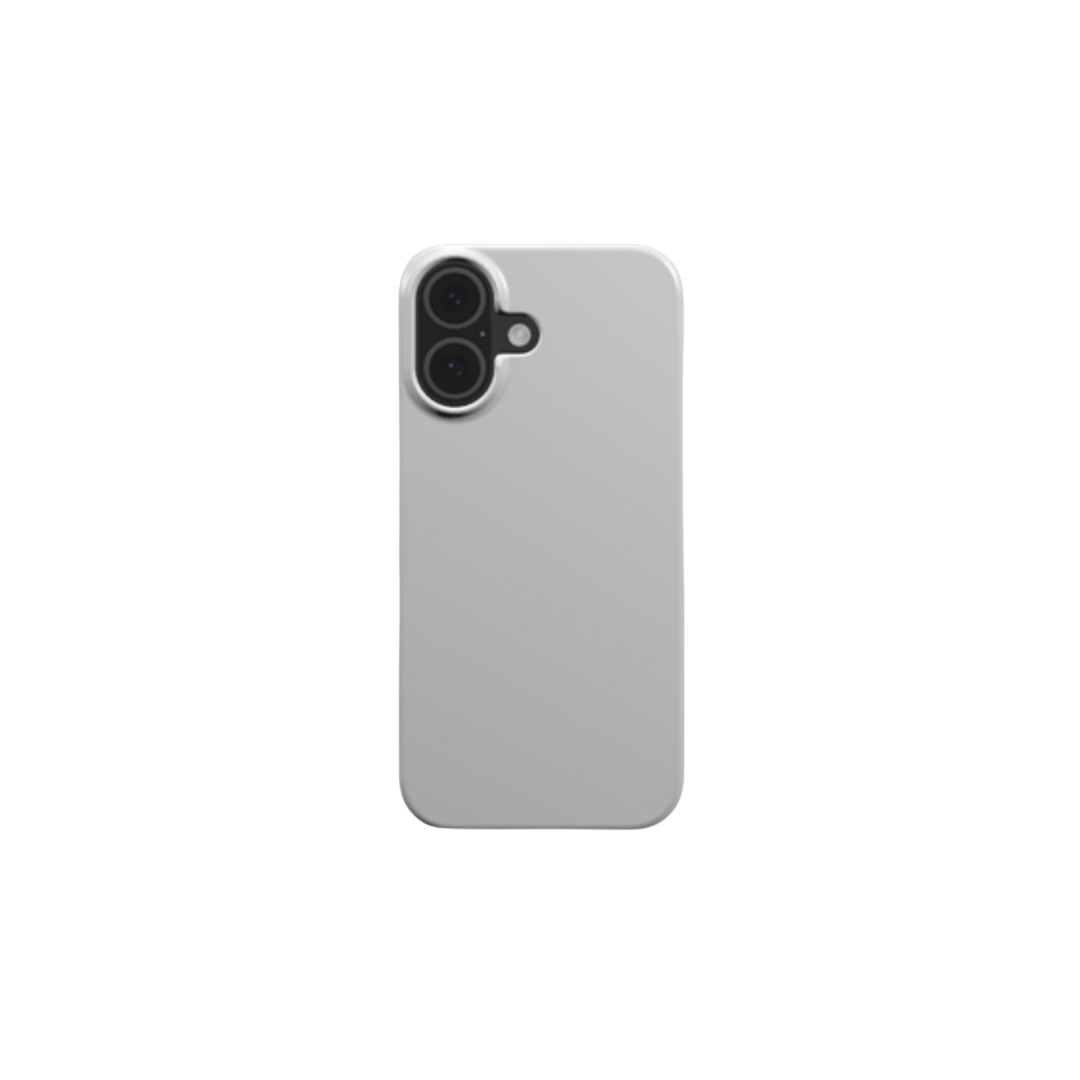
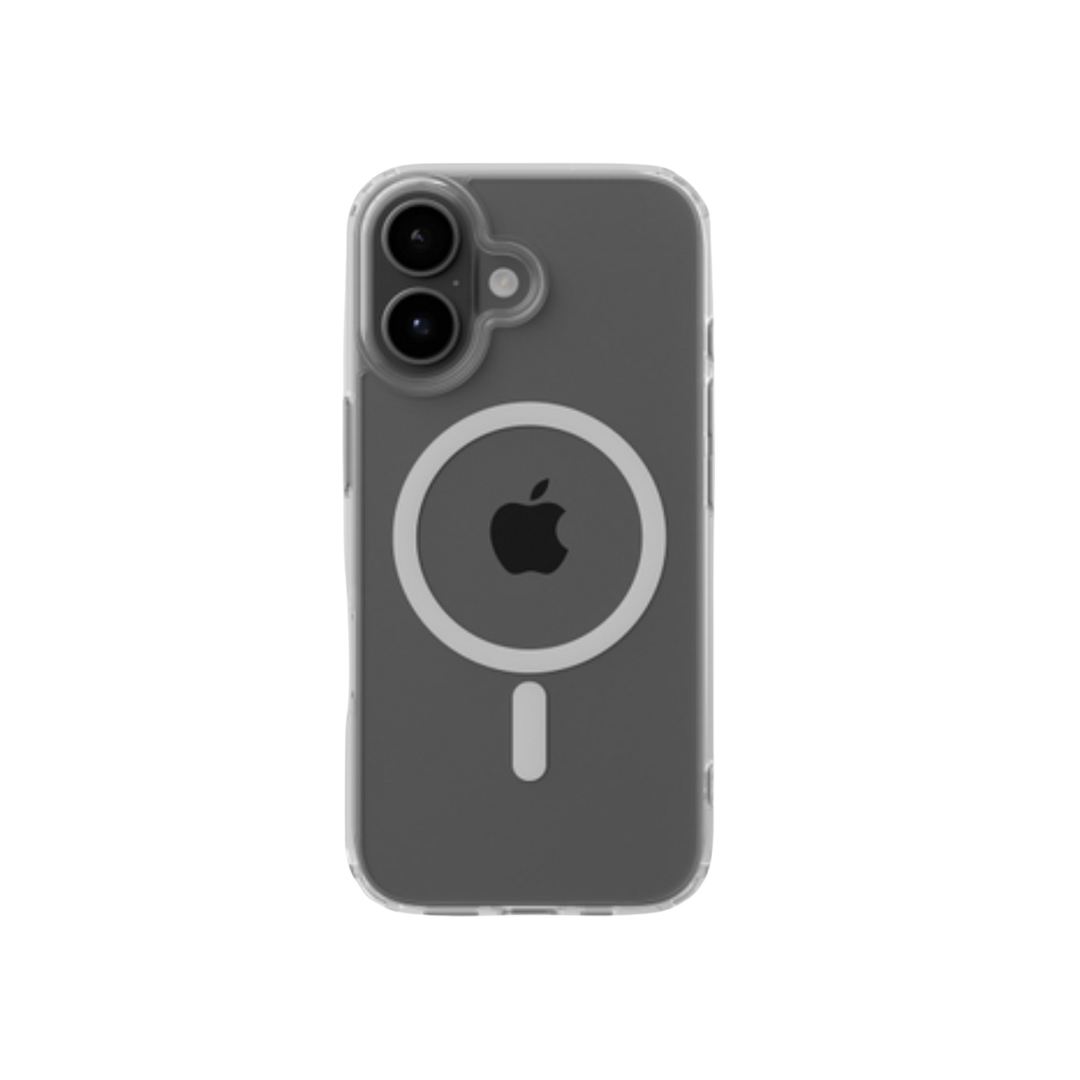
Before posting, make sure visuals are high-quality and authentic - a custom phone case on a real iPhone or a laptop case on a desk. This is also where AI changes the math. As Podbase CEO Saulius Meilutis explains, “now you can take a static picture and generate high-quality multi-angle output of your products, so you no longer have to order samples, organize photo shoots, and extend your product launch by weeks.” The repeat-purchase demand is real, too: around 68% of smartphone owners use a case, and the phone case market is projected to reach $41.4 billion by 2030 (phone case sales data).

Many Shopify sellers report their first sales came from personal networks and online communities - confirmation that free channels are a reliable path to your first sale online.
Step 3 - Optimize Your Store for Conversions
Traffic is wasted if the store does not convert, so optimize before you scale. Start with SEO: find relevant keywords and use them in product titles and descriptions so buyers can find you. As Podbase CMO Vytautas Mikaila notes, the old play of publishing broad, generic content no longer works - in 2026, relevance, specificity, and freshness are what rank.
Next, make sure product photos show every detail and color, because clear photos answer questions before buyers ask them. Podbase can generate mockup images and videos so your store looks professional and launch-ready. Then upgrade your web address: a custom domain like yourstorename.com looks far more trustworthy than a default subdomain and helps you appear on Google. Finally, use tools like Lucky Orange or Hotjar to see where visitors click, scroll, or leave before buying.

Step 4 – Use Email Marketing from Day One
Offer a small discount or freebie in exchange for an email signup, and you build a list of people already interested in your print-on-demand products. Then set up automatic flows: a welcome flow that introduces your brand, and abandoned-cart emails that recover lost sales. Most email providers offer free plans and ready-made flows so you can launch campaigns quickly.

Also Read:
- Where To Get Print-on-Demand Designs: Buy or Create
- Best Work From Home Ideas You Can Start Today
- How to Increase Sales: Go From 100 to 1,000 Orders Fast
Step 5 - Test Paid Ads on a Small Budget
Only now - after the store converts - do paid ads make sense. Start small with social media ads at around $5-10 per day; platforms like Facebook let you target by interest, age, and shopping behavior. Use Google remarketing to bring back visitors who did not buy, and increase budget toward $1,000+/month only once you know which ads and designs perform.
Treat ads as a testing lab, not a crutch. As Vytautas frames it, “it is not only about traffic. It is also about control. You can test faster, you can adjust faster, and you can find what actually resonates faster.” Spending big before you have that signal is how first-time sellers lose money.
Step 6 - Build Social Proof with Influencers
People look to others to make decisions - that is social proof, and shoppers trust it more than brand ads. Partner with micro influencers: they are cost-effective and their followers act on their recommendations. The payoff can be enormous. One Podbase seller, per our Head of Sales, “thirteen months after starting from zero, crossed into seven-figure yearly revenue selling phone cases. They launched with around ten designs, pushed hard into influencer marketing, and iterated quickly.” Do not stop at the influencer's post, either - reuse that content on your store, ads, and emails.

Step 7 - Content Marketing for Long-Term Sales
Content marketing - blog posts, videos, and social content - is slower but compounds into free, intent-driven traffic. A few tactics that work:
- Answer real questions: write blog posts targeting what your audience actually searches for online.
- Show the product: create TikTok or YouTube videos that demo your product or share helpful tips.
- Engage live: run a Q&A on social media and let your audience ask about your niche.
Social media platforms reward creativity, so even small accounts can reach thousands with relevant, timely posts. Shopify sellers confirm content and SEO lift their ranking in Google - free traffic from people already looking for what you sell. And those with a community or peer group scale roughly 32% faster than solo operators, so build in public.
Step 8 - Learn from Data and Improve
Finally, analyze your store data to see whether your marketing efforts are working. Watch where visitors leave (bounce rate), where they abandon checkout, and your conversion rate. A high bounce rate can mean slow pages or hard-to-read descriptions; checkout abandonment often means missing payment options or a lack of trust, which secure payment gateway solutions help fix. Smooth the experience with these basics:
- Transparent shopping experience: show shipping costs and delivery times up front - no surprises at checkout.
- Multiple payment options: offer popular choices like PayPal or Apple Pay.
- Trust signals: display badges like “Secure Checkout” and real customer reviews so people feel safe buying.
This is also the clearest contrarian rule in the whole guide. Many Reddit sellers warn that running ads without optimizing your store is a waste of money - rework your product pages, checkout, and customer experience before investing heavily in campaigns. Fix the funnel first; pay for traffic second.
Also Read:
- How to Start an Ecommerce Business Without Money
- How to Get TikTok Followers: Proven Growth Strategies
- 10 Best Blogging Platforms to Make Money in 2026
FAQ
1. How do I make my first sale online?
Start with your warm network of friends and family for early purchases and honest reviews, then drive free traffic from TikTok, Pinterest, and niche communities. Optimize your store with clear photos, strong copy, and a custom domain so it converts. Only test small paid ads once the store already turns visitors into buyers.
2. How long does it take to get your first online sale?
Most sellers see a first sale within 7 to 21 days of consistent promotion. Podbase Head of Sales Sidas notes that a sample order within two days and five products published within 30 days already puts you ahead of 80% of stores. Speed of execution matters more than waiting for the perfect launch.
3. Should I run paid ads to get my first sale?
No, not until your store already converts. Running ads to an unoptimized store mostly wastes money, as experienced sellers repeatedly warn. Win early sales through your warm network and free channels first, fix product pages and checkout, then start small ad tests at $5 to $10 per day before scaling spend.
4. How do I get my first sale without an audience?
You do not need an existing audience to make a first sale. Tap your warm network, share authentic product visuals in niche Reddit and Facebook communities, and post short videos on TikTok and Pinterest. Partnering with affordable micro influencers borrows their trust, putting your products in front of buyers already interested in your niche.
5. Why do most new online stores fail to make a sale?
Most new stores stall because the setup is never finished or the store does not convert, not because traffic is missing. Many POD shops never reach ten sales. Weak product pages, slow checkout, no social proof, and ad spend before optimization are the usual causes - all fixable with a tighter, proof-led launch.
6. How important are reviews for getting your first sale?
Reviews are critical because shoppers trust other buyers more than brand claims. A single early review can make a brand-new store look established and trustworthy, which lowers hesitation and lifts conversions. Asking your warm network for honest reviews on day one starts a cycle where each sale makes the next one easier to win.
Conclusion
The hardest step when you start a print-on-demand business is making that first sale - but it is a checklist, not a coin flip. Reach your warm network, drive free traffic, make the store convert, layer in email and social proof, and only then scale with ads, improving from your data the whole way. Most stores that fail simply never finish that loop.
A faster setup makes the whole process easier. Podbase gives you professional mockups, launch-ready tech accessories, and a quick way to connect your store. Also worth reading: How to Price a Product (Without Losing Profit) and Top Online Shopping Categories: 2026 Revenue & Trends. Create a Podbase account today to get started.

Saulius Meilutis is the CEO of Podbase, helping creators and entrepreneurs monetize their ideas with print-on-demand. He shares insights on eCommerce, growth, and building lean online businesses.

.avif)



.avif)
.avif)
.avif)
.avif)
.avif)
.avif)

.avif)


.avif)
.avif)

.avif)

.avif)

.avif)