You don't need to hold inventory to start selling on Amazon in 2026 - you can launch a profitable store using print on demand, dropshipping, or digital products, and pay only after a customer buys. Today you can start a business with little upfront cost: no thousands of dollars in stock, no warehouse rent.
The print-on-demand market alone reached roughly $12.96B in 2025 and is on track for about $75.30B by 2033, so the inventory-free wave you're riding is real - and many sellers earn a steady income through print on demand and dropshipping. That's why learning how to sell on Amazon without inventory is one of the smartest ways to start an online business in 2026.
This article walks you through the process step by step - from setting up your seller account to choosing the right fulfillment method - and, crucially, it flags the one method that can get your account suspended if you do it wrong, something most guides skip. Let's get started.
Why Sell on Amazon Without Inventory?
Beyond a trend, selling on Amazon without holding physical products is a proven model that thousands of entrepreneurs use worldwide. Here's why it works and who benefits most.
The Benefits: Low Risk, High Reach, No Storage Costs
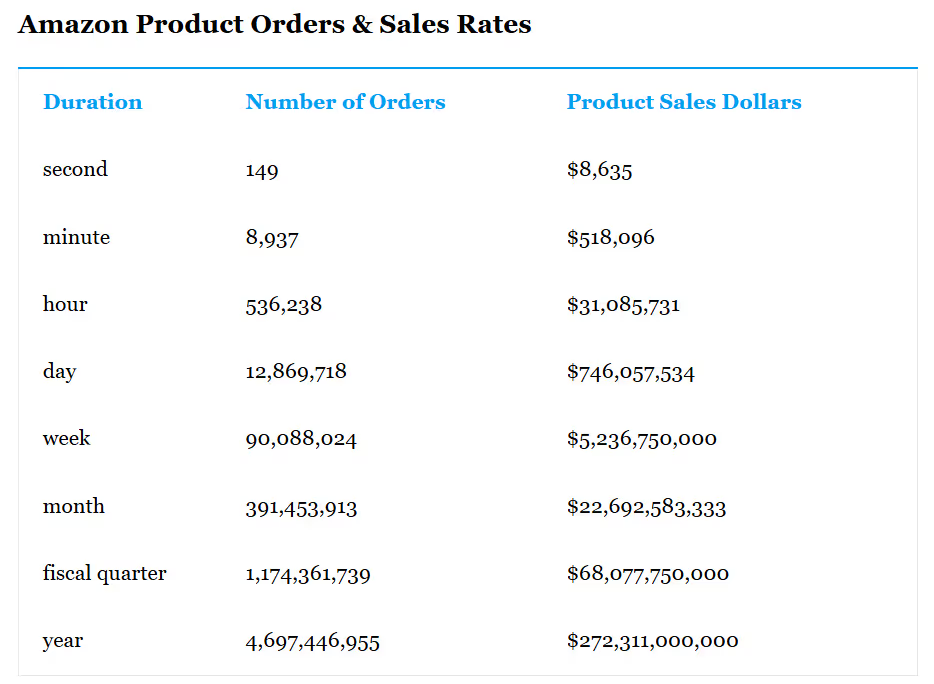
The scale is the draw: Amazon's third-party sellers move over 8,000 products per minute, and Amazon ships an estimated 20-25 million packages a day worldwide. That's an enormous pool of ready-to-buy customers - and the inventory-free model lets you reach them while skipping the biggest barrier: upfront cost. With traditional retail you buy stock before you know it will sell; here you only pay for an item after a customer orders it.
Storage becomes someone else's job - no garage full of boxes, no shipping stress. Your supplier handles printing, packing, and delivery while you focus on finding winning products and marketing them. And the financial risk drops close to zero: you can test designs without buying batches, so a flop costs you nothing in dead stock. This is exactly the risk POD was built to remove - as Justina, Podbase's Head of Product Development, puts it, on-demand production means “when the time goes to say goodbye to a particular product, we simply stop buying the material,” cutting an estimated 20-40% of the waste batch production carries. A single phone case design can sell across the world in days on Amazon's reach.
Who This Strategy Works Best For
Selling on Amazon without inventory works best for:
- Side hustlers who want a low-maintenance income stream.
- Creative pros and designers who want to monetize artwork without production headaches.
- First-time sellers who want low startup costs and minimal risk.
Also Read:
- Easy Things to Make and Sell From Home for Profit
- How to Sell Digital Art: Maximizing Earnings With POD Services
- Amazon Statistics: Key Numbers You Should Know
5 Proven Ways to Sell on Amazon Without Inventory
These five methods let you start selling without buying products upfront. Each works differently, but all skip storage and large investments. One honest ranking up front, based on what we see actually build durable businesses: POD and Merch by Amazon are the most beginner-safe; dropshipping carries the most policy risk (more on that below); affiliate and digital are great add-ons but rarely a standalone business.
1. Print on Demand (Recommended for Creators and Designers)
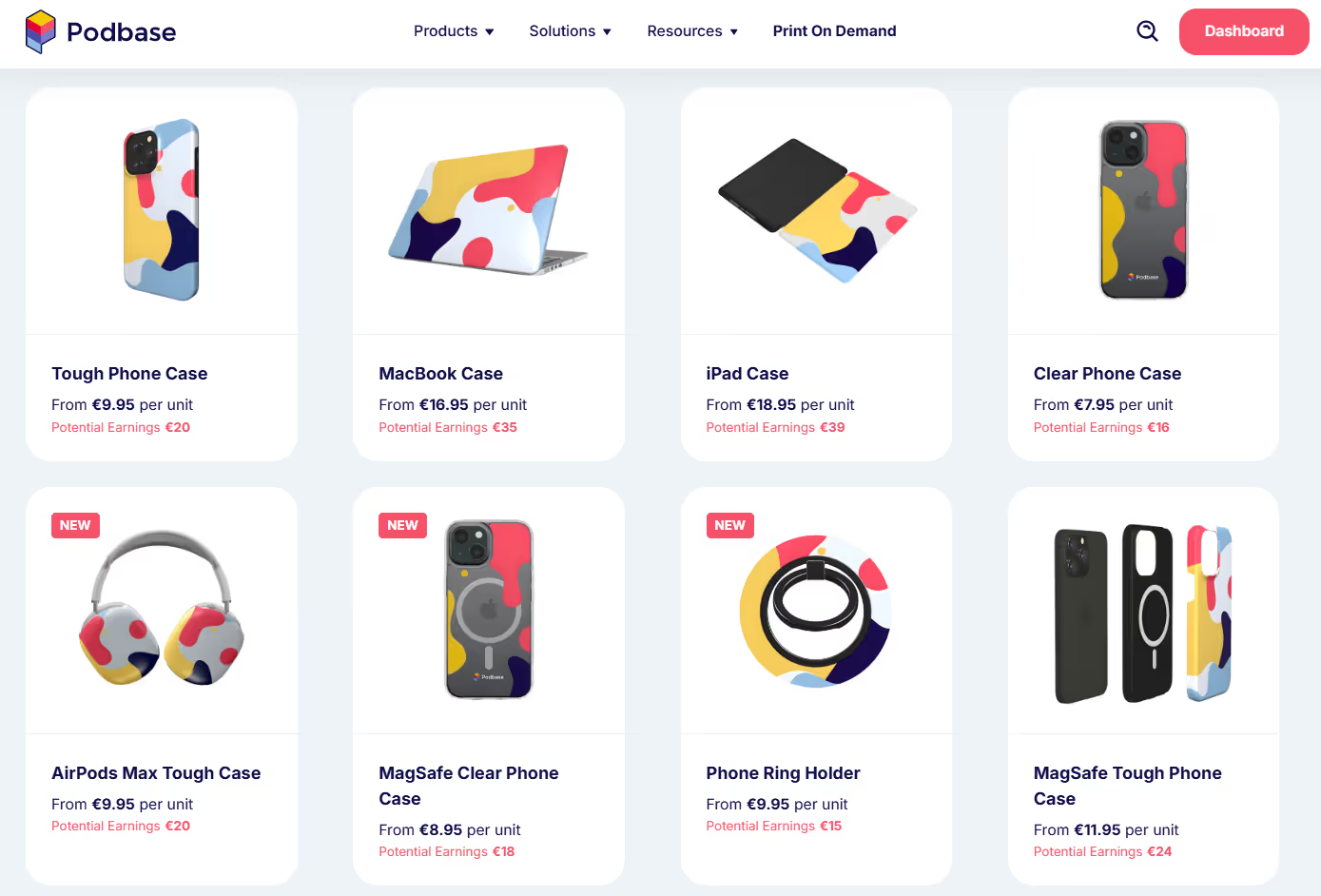
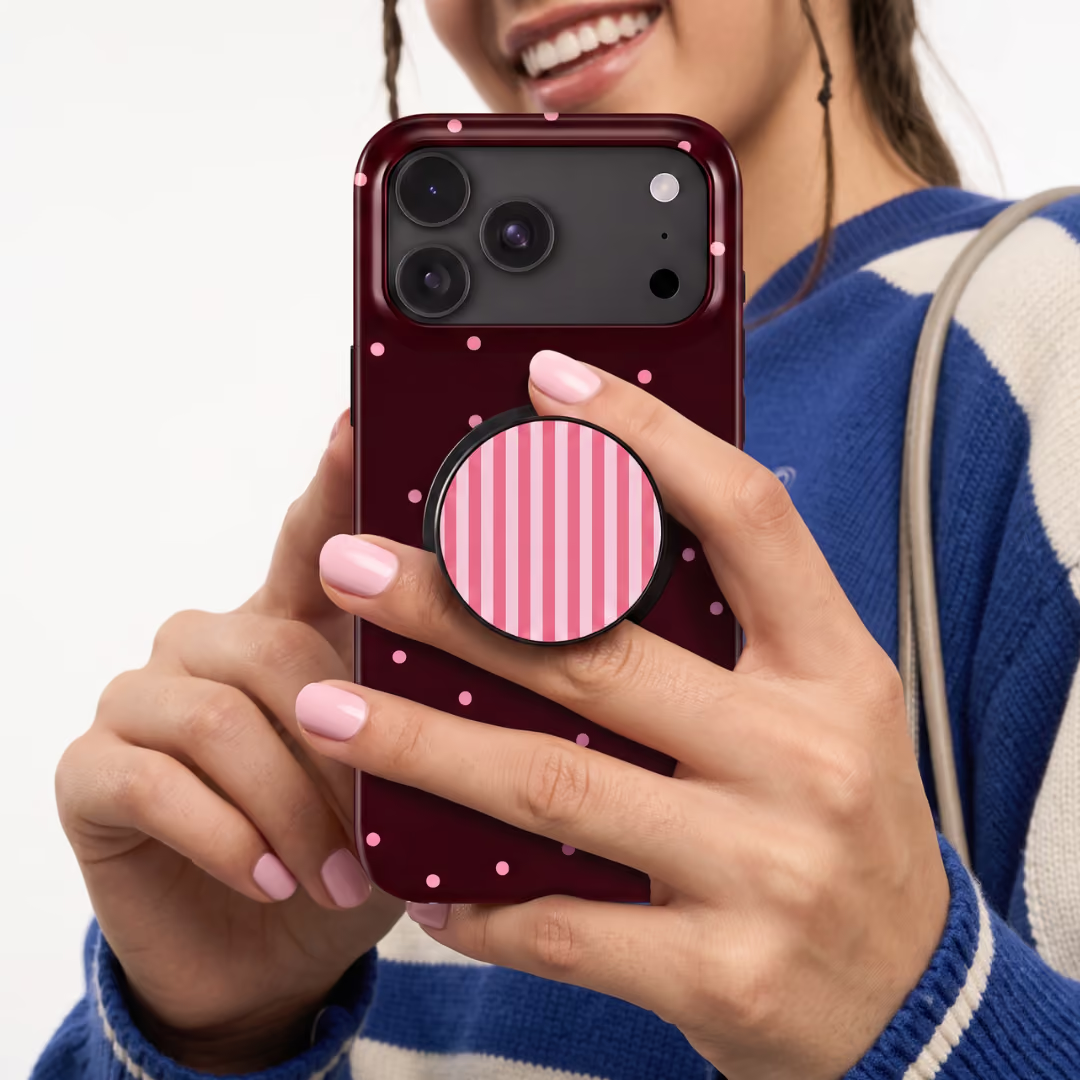
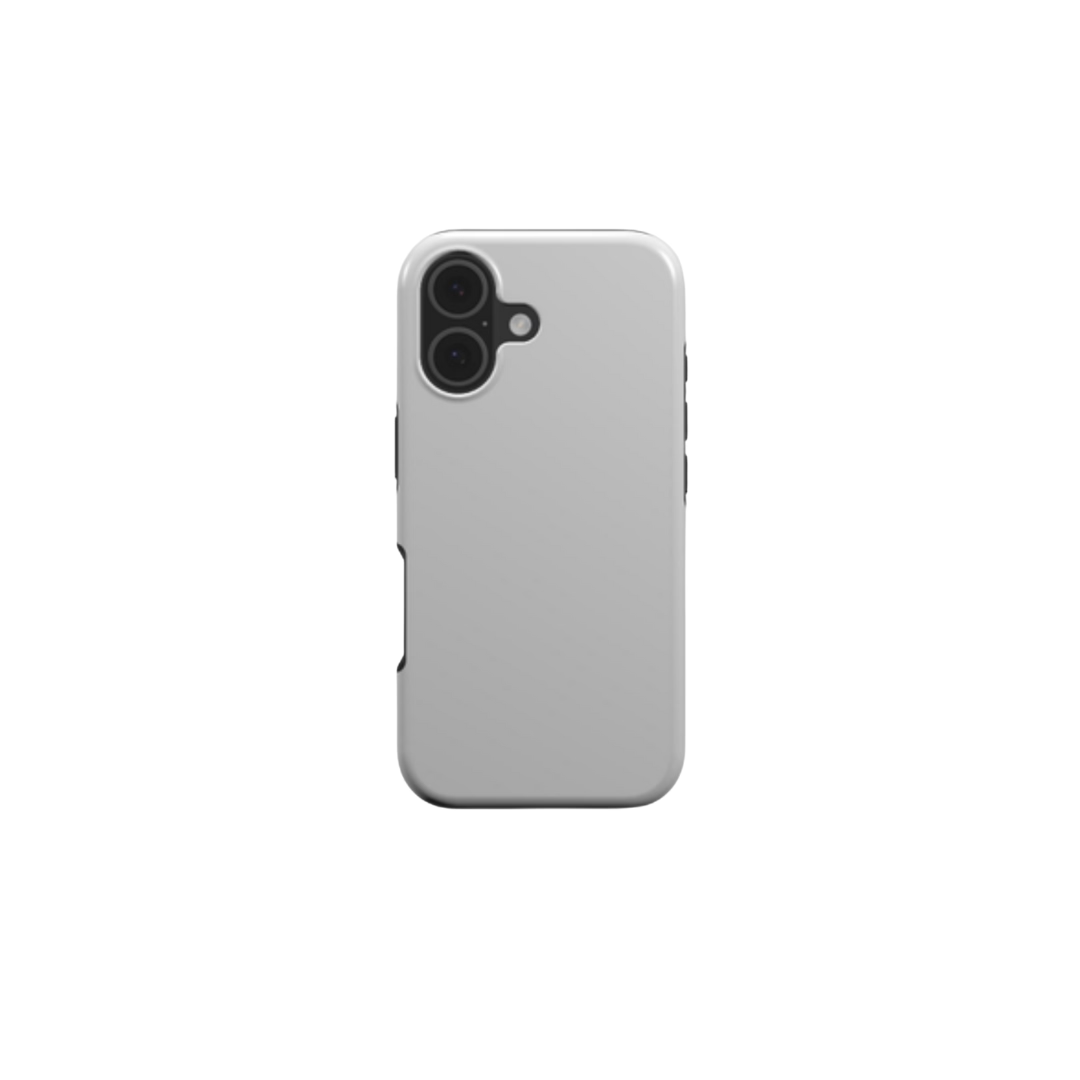
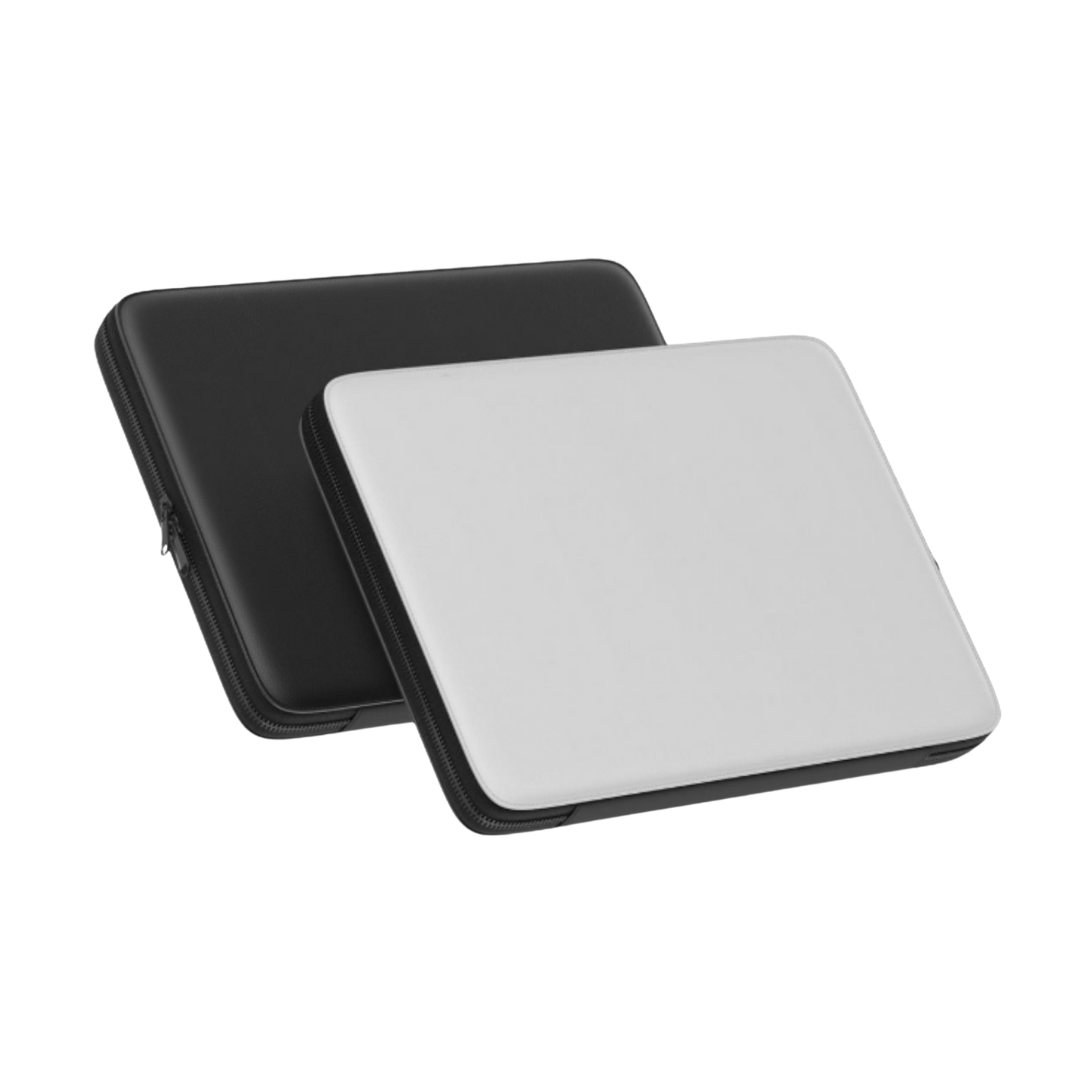
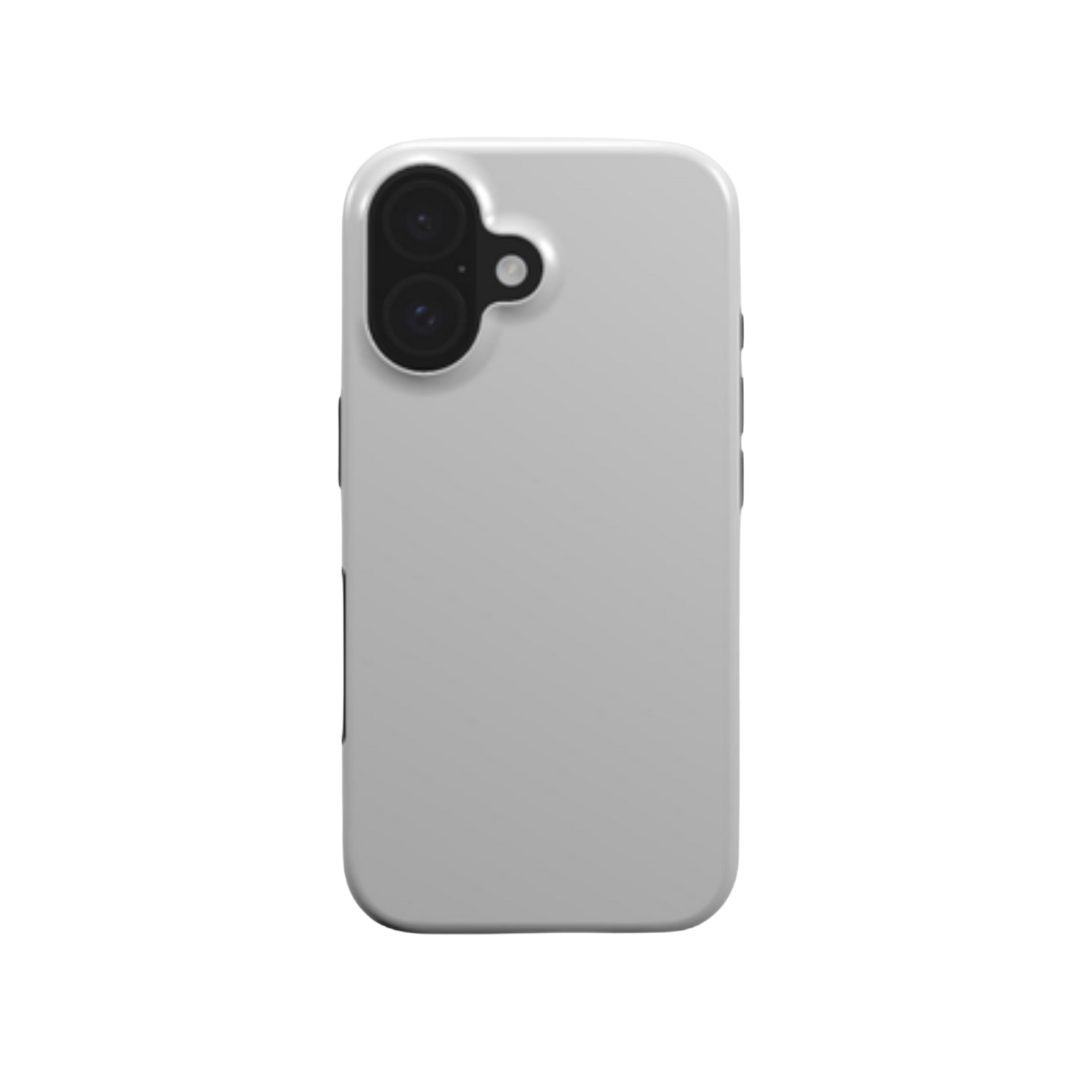
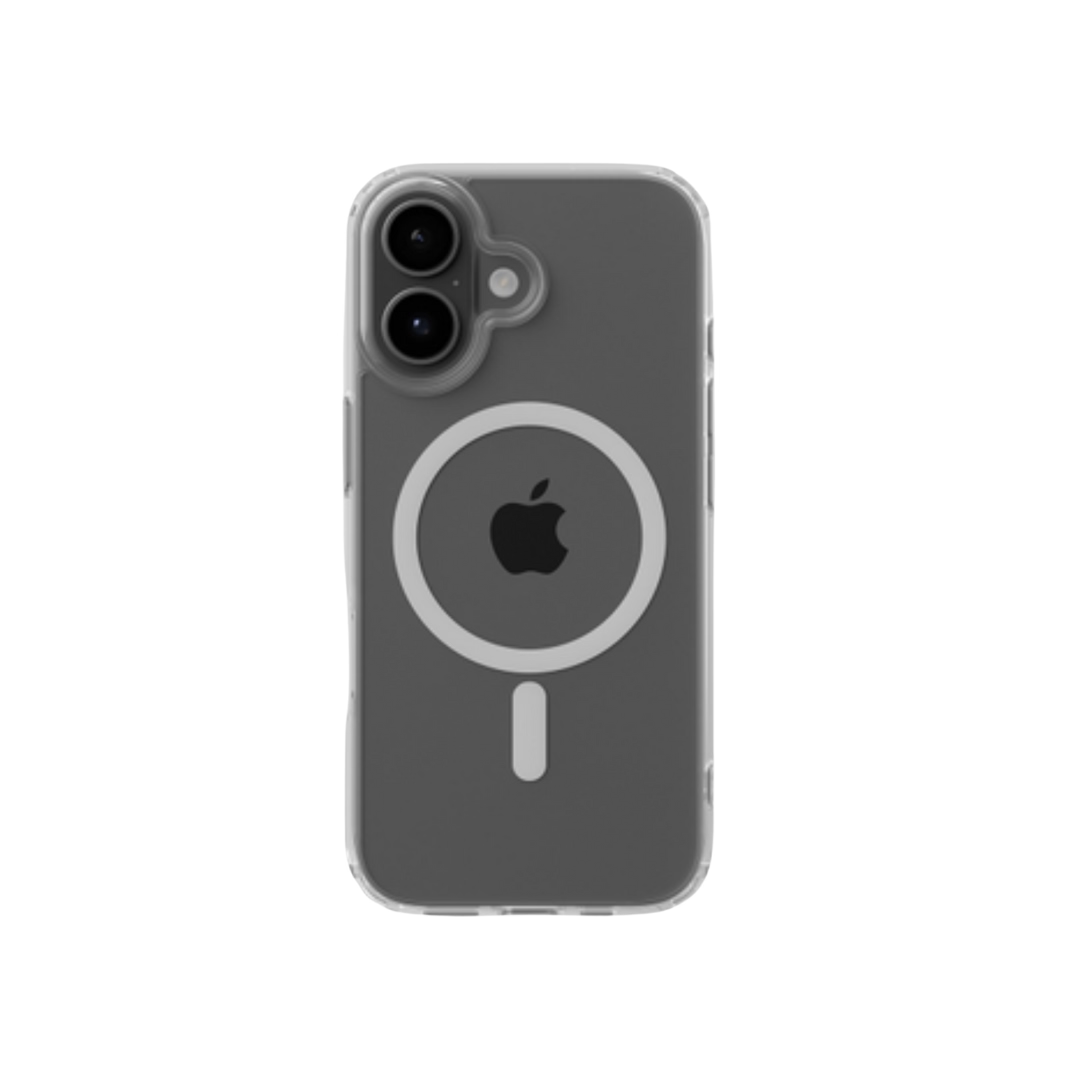
Print on demand is one of the best options for creatives. You design items like T-shirts, mugs, or phone cases; when a customer orders, your supplier prints and ships directly. The economics are why we recommend it: a phone case that costs around 10 euro from Podbase typically sells for 35-60 euro, and average POD seller margins run about 20% (up to 30% for top performers). For a deeper dive, see how to sell print on demand on Amazon.
Podbase stands out among print-on-demand platforms for Amazon sellers: there are no monthly fees, so you keep more of every sale, and global shipping runs from fulfillment centers in the US, Europe, and Asia. Custom branding lets you add your logo to packaging for a memorable unboxing. Popular best-selling POD products include:
- Laptop cases
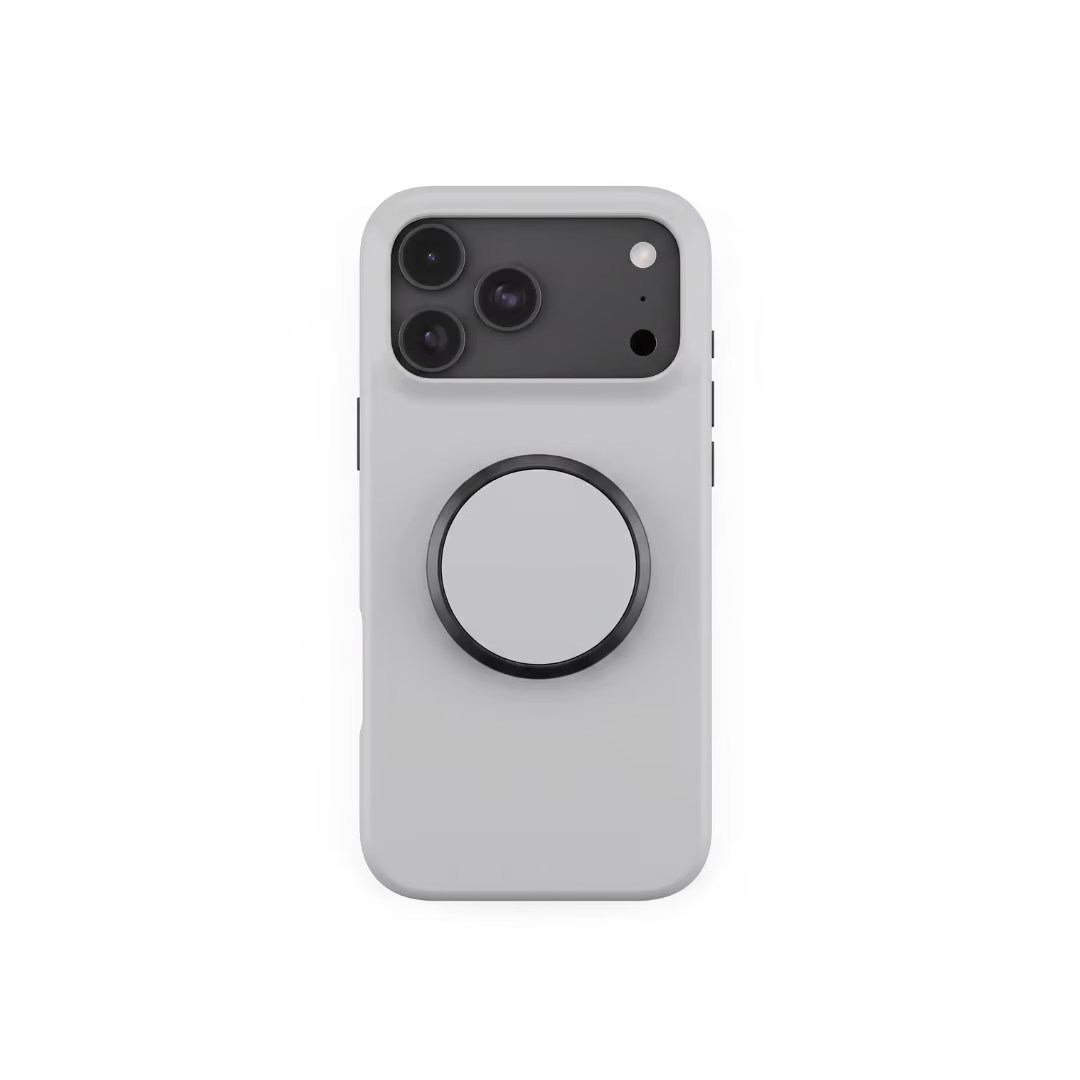
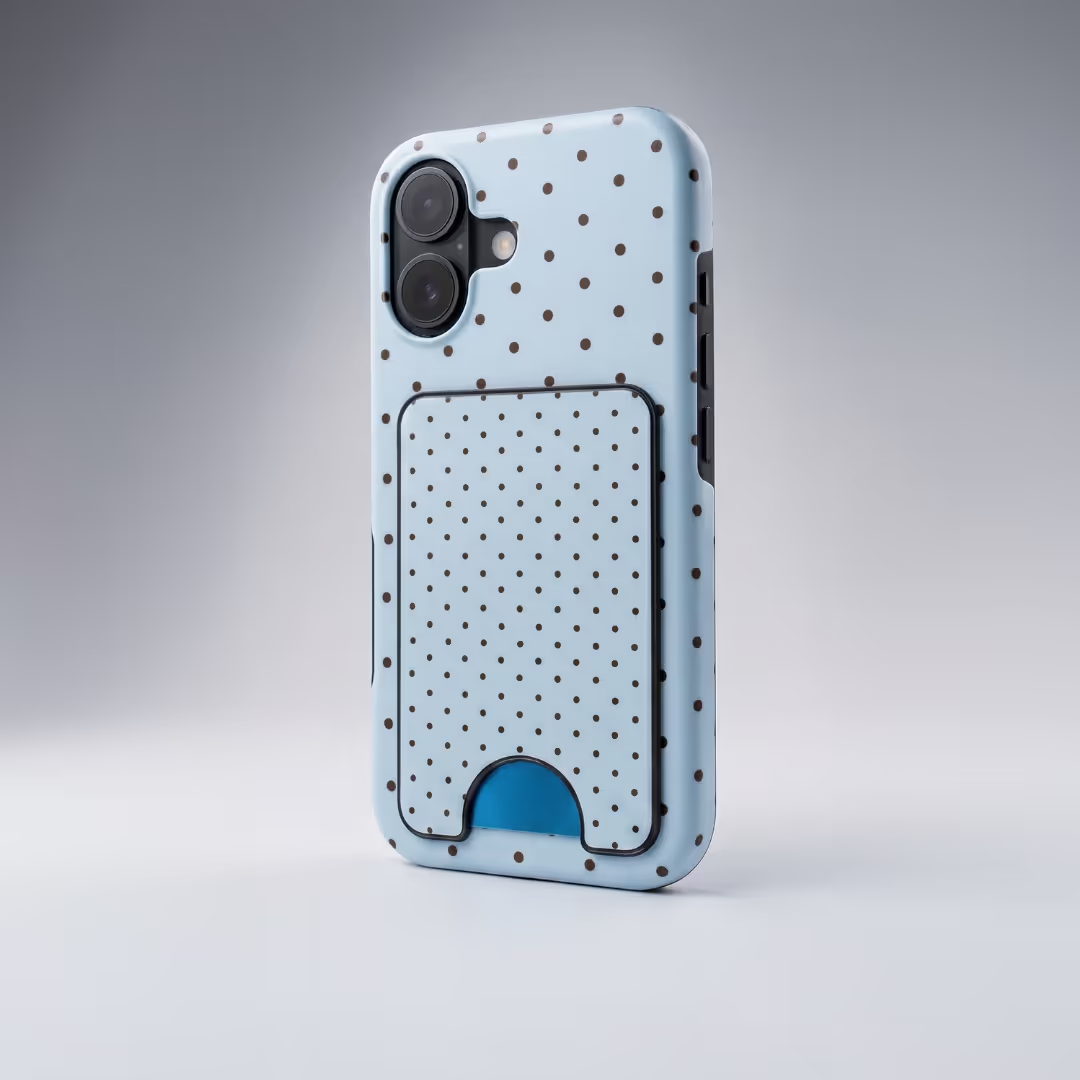
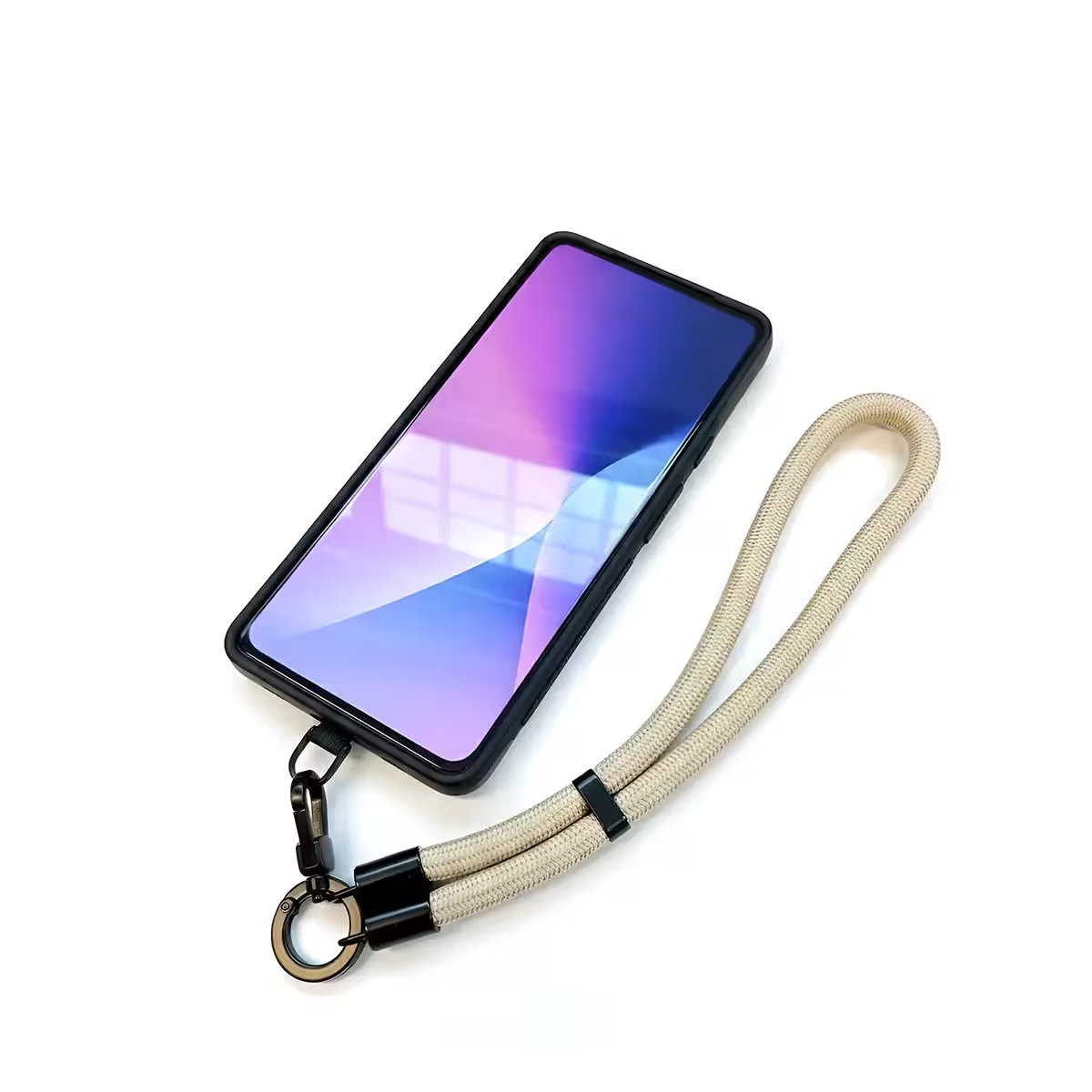
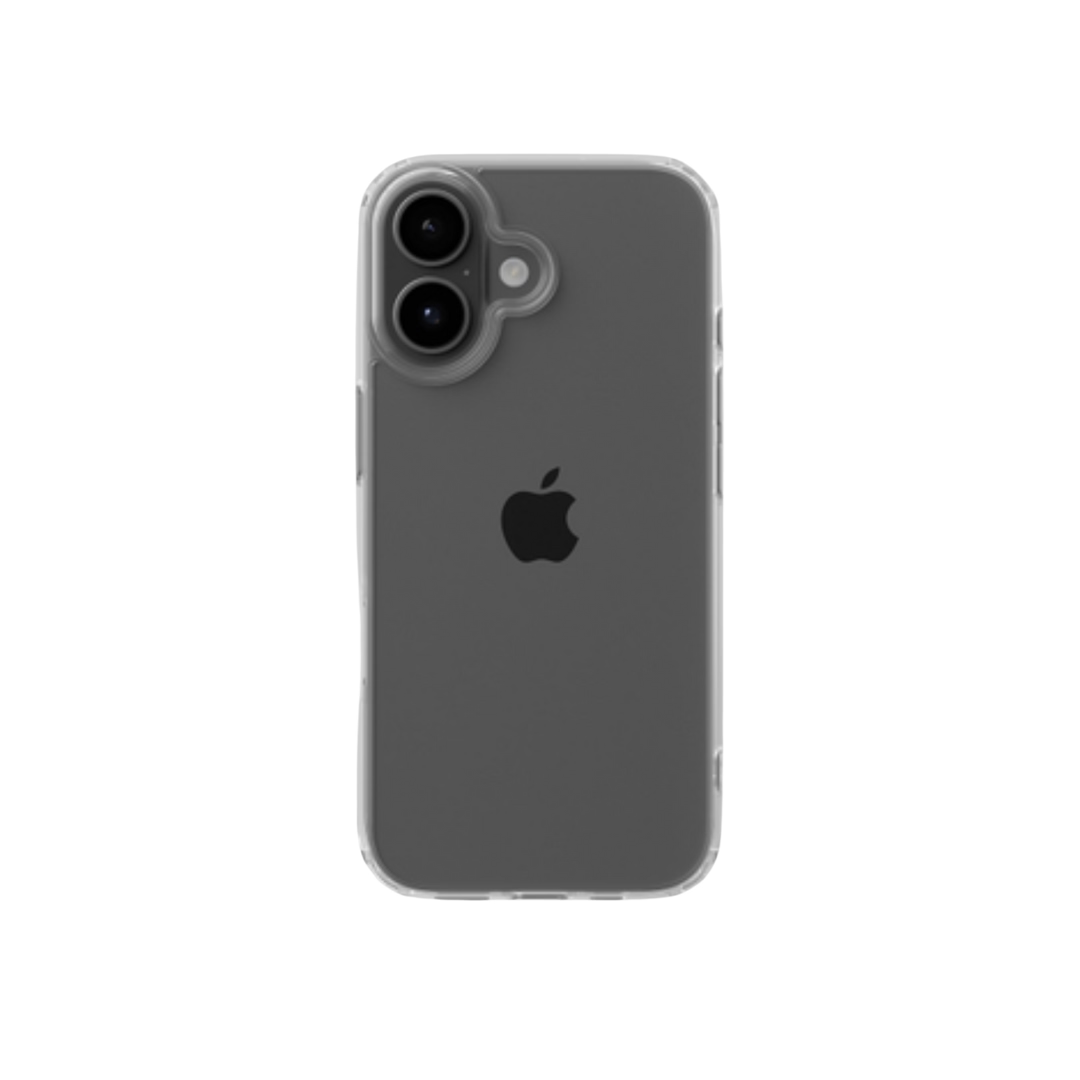
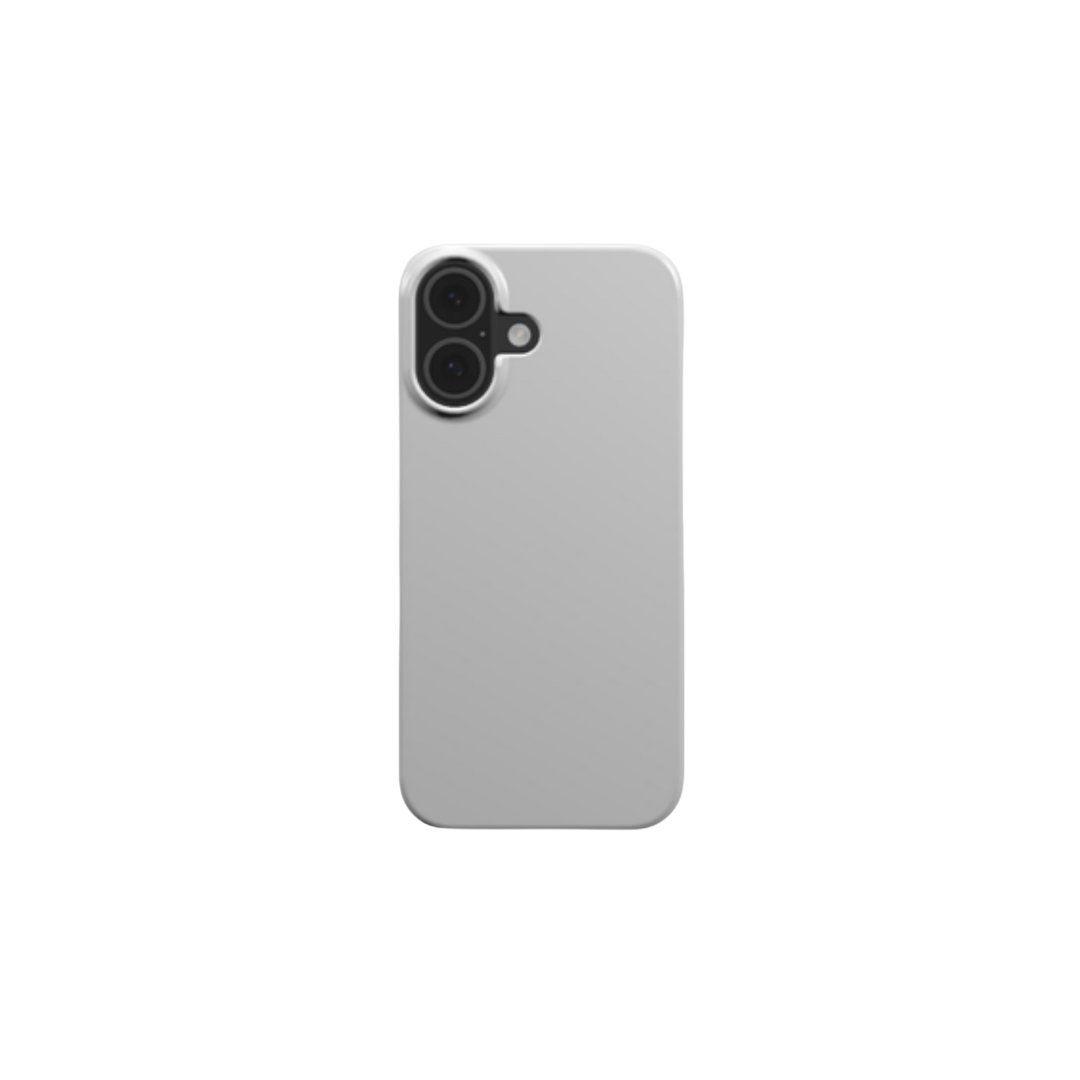
- Phone cases
- Mugs and drinkware
- Wall art
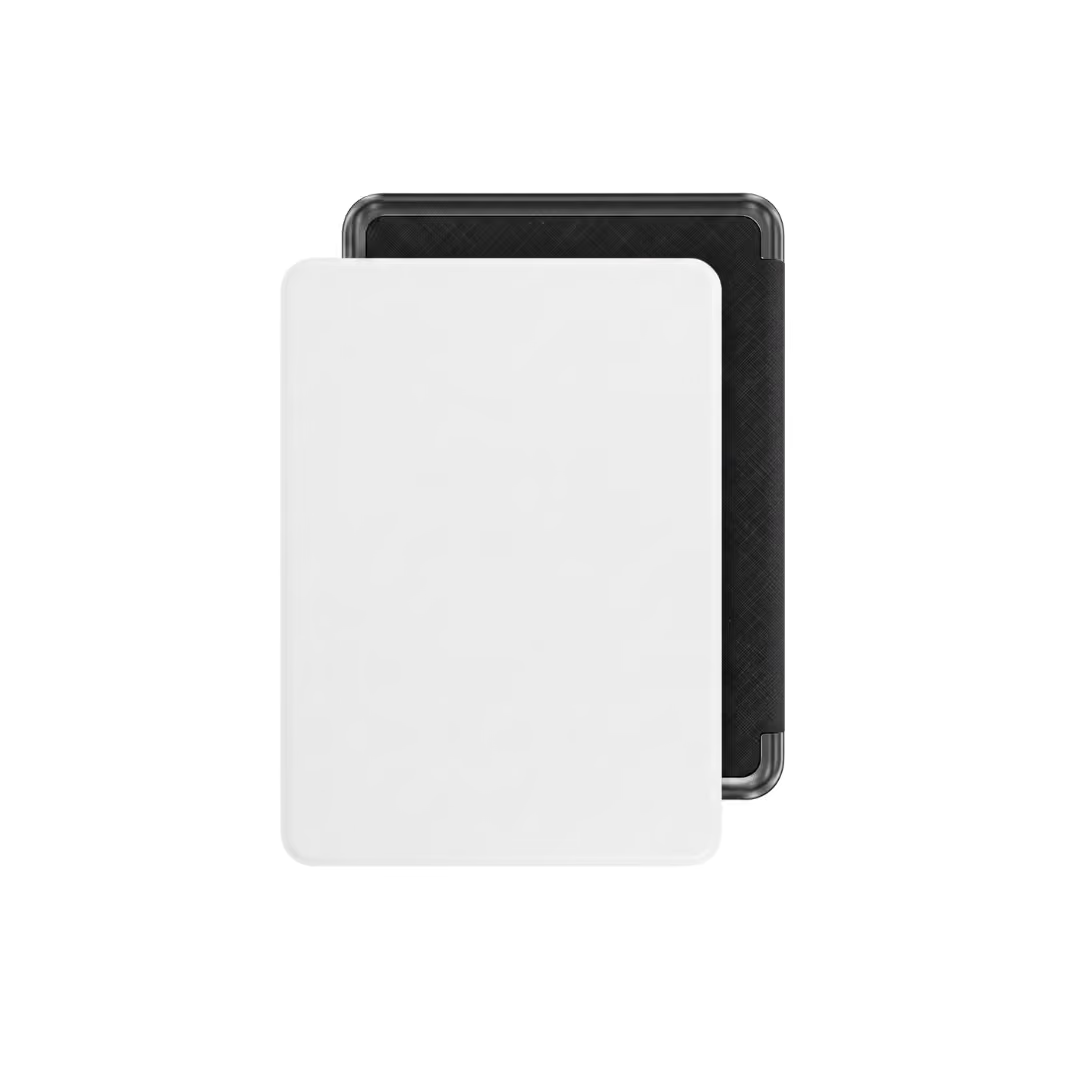
- Tablet cases
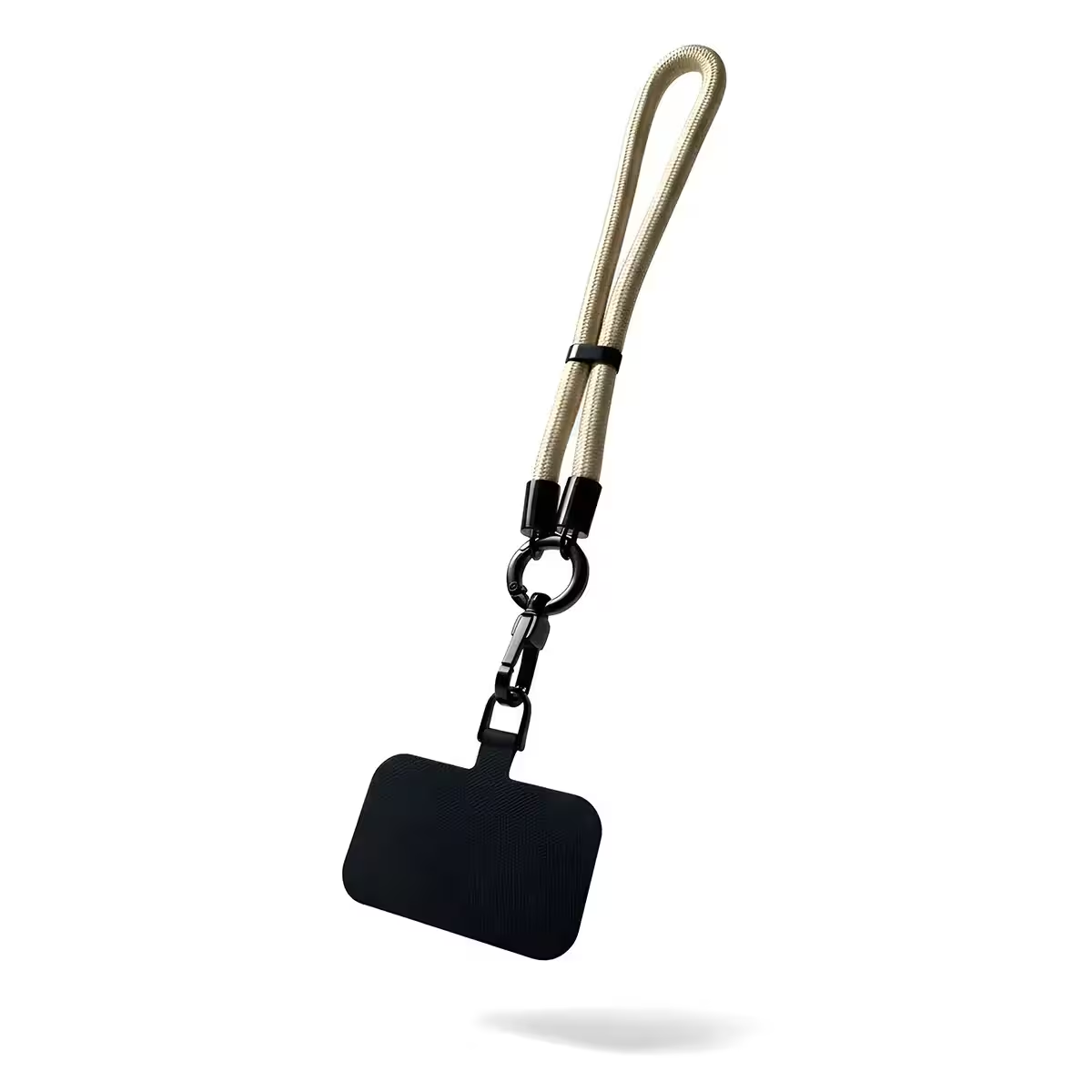
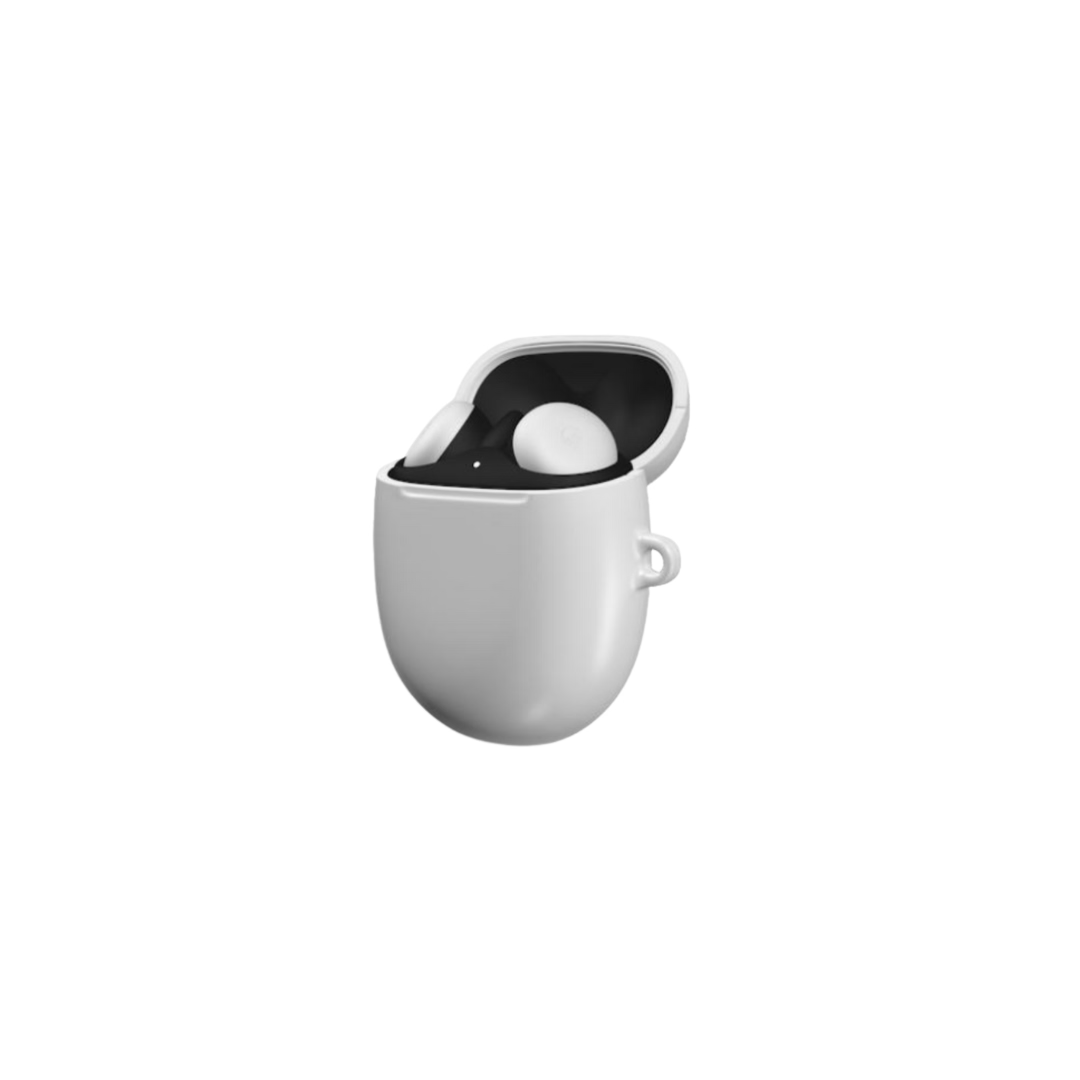
- Tech accessories
2. Dropshipping with Third-Party Suppliers
Dropshipping lets you list a supplier's products and have them ship directly to the customer when an order comes in. It's a real model - but here's the caveat almost every “sell on Amazon without inventory” guide leaves out, and it matters: Amazon's dropshipping policy prohibits classic retail dropshipping. You must be the seller of record on all packing slips and invoices, and you may not buy from another online retailer (like AliExpress) and have them ship directly with their branding. Violating this is one of the fastest ways to get an account suspended.
If you dropship, work with suppliers who will white-label under your name, order samples first, and verify shipping times - poor quality or a stray AliExpress invoice will hurt your Amazon metrics fast. This policy risk is a big part of why we steer beginners toward POD, where fulfillment is already white-labeled under your brand. If you do pursue it, focus on trending dropshipping items with solid margins and avoid overcrowded categories unless you can clearly stand out.
3. Sell Digital Products (Ebooks, Printables, Audio)
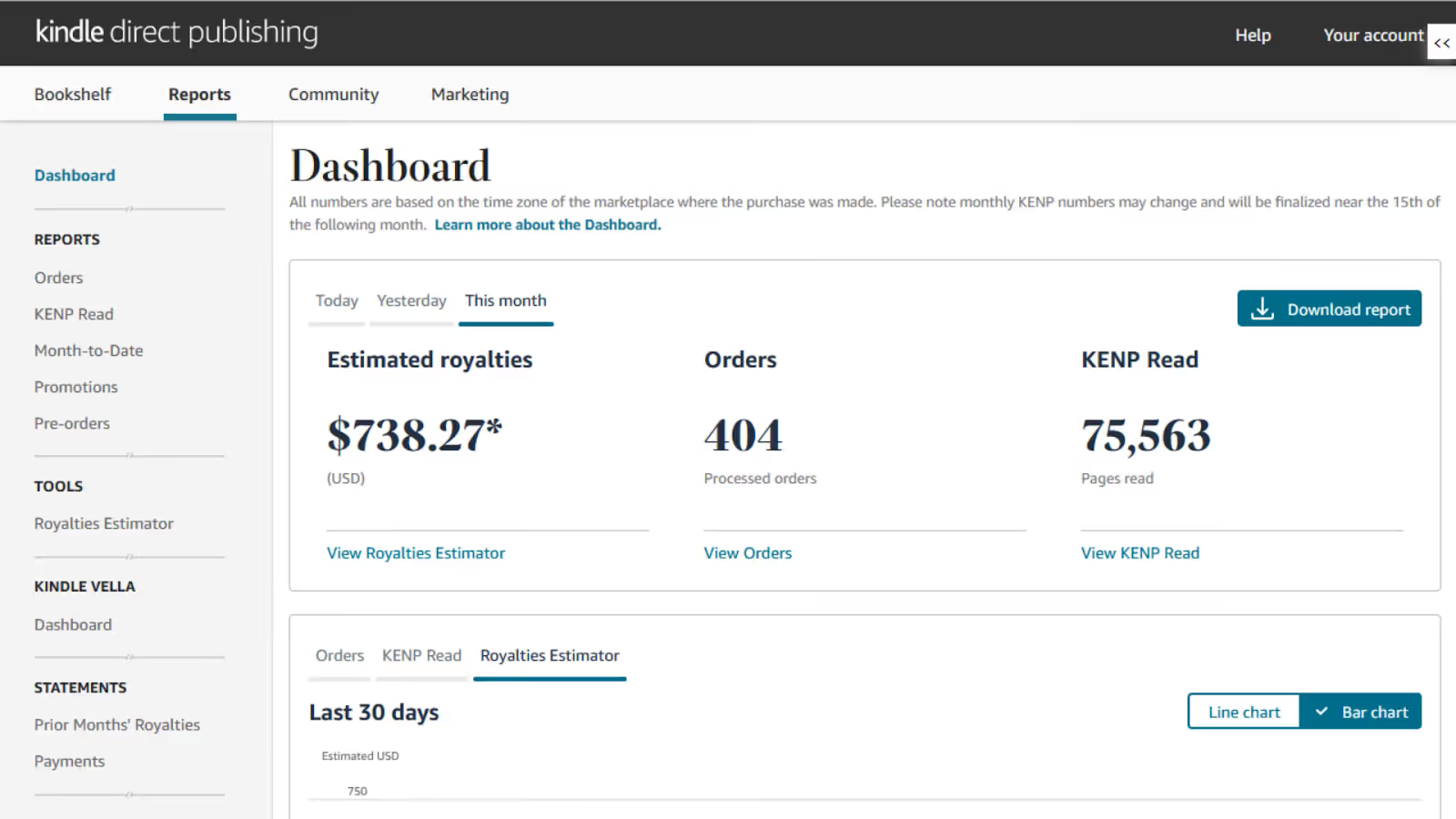
Digital products don't ship and carry very high margins. You can sell e-books (via Kindle Direct Publishing), printable planners, audio guides, or templates that customers download after purchase. Great examples include meal planners, workout guides, and budget trackers.
One honest caveat, because the “near-100% margin” framing oversells it: digital products are one-off sales with no brand and brutal competition (KDP and the printables market are saturated). They make an excellent add-on to a physical line, but rarely a durable standalone business. Physical POD behaves differently - it carries your brand and has a built-in repeat cycle (roughly 40% of buyers replace phone accessories every six months). The strongest inventory-free sellers we see pair a physical POD core with digital extras for margin.
4. Merch by Amazon
This is Amazon's built-in POD program: upload shirt or hoodie designs, Amazon prints and ships, and you earn royalties per sale based on price and product type. You have to apply and get approved, which can take weeks. Use keyword and trend research to guide designs, and never use copyrighted material - here's how to avoid copyright infringement. The trade-off vs. external POD: Merch is frictionless but limited to apparel and gives you less control over branding and margins than a platform like Podbase.
5. Affiliate Marketing via Amazon Associates
If you have an audience, Amazon Associates lets you earn a percentage when people buy through your custom links - ideal for an Instagram page, blog, or YouTube channel. Build trust by only promoting products you believe in, and stick to evergreen products with steady demand for reliable long-term income. Note this is a commission model, not a store - best as a complement to one of the methods above, not a replacement.
Also Read:
- How To Make Money Using AI Quickly and Easily
- Smart Ways to Make Money From Your Phone
- How to Scale Your Small Business: From 1 to 100 Sales
A Step-by-Step Guide on How to Sell on Amazon Without Inventory
Ready to start? Follow these five steps to launch quickly and avoid the common mistakes.
Step 1: Choose Your Business Model
Pick one method from the five above - and resist the urge to run all five at once. The single biggest reason new sellers stall isn't a bad method; it's spreading thin. “Most sellers who churn go through what we call the guessing phase,” says Sidas, Podbase's Head of Sales. “They spend months building the ideal store... six months pass, and it never goes live.” Quick guidance:
- Print on demand suits you if you have (or can hire) design skills - solid margins, gentle learning curve, lowest policy risk.
- Dropshipping can offer higher margins but takes more time and carries Amazon policy risk - supplier research and customer service are on you.
- Digital products have the best margins but need strong marketing to cut through saturated listings.
Match the model to your skills, time, and budget, then commit. Most sellers succeed by focusing, not by trying everything.
Step 2: Sign Up for Amazon Seller Central
Create your account at sellercentral.amazon.com. You'll choose between two plans (2026 pricing):
- Individual: $0.99 per item sold (best if you sell fewer than 40 items a month).
- Professional: $39.99 per month, with Buy Box eligibility, ads, and bulk tools (best above 40 items a month).
Budget for one cost most guides omit: Amazon also charges a category referral fee of roughly 8-15% per sale (a $0.30 minimum), and those rates are unchanged for 2026 - factor it into your pricing from day one. Have your business license, tax info, and bank account ready; Amazon usually verifies accounts within 24-72 hours. Complete your seller profile (business name, logo, short description) to build trust and support rankings.


Step 3: Connect to Podbase or Your Chosen Platform
If you're going with POD, Podbase keeps fulfillment simple - but be aware it doesn't sync directly with Amazon, so you'll list products manually through Seller Central. Upload 5 to 10 high-quality designs; Podbase generates realistic product mockups to showcase them. There's a real advantage to launching fast here: on Podbase, onboarding a new POD project dropped from about three months to under one month, so you can genuinely go from designs to live listings within days. For dropshipping, test suppliers and order samples before listing - poor quality hurts your Amazon performance quickly.

Step 4: List, Price, and Promote
Write keyword-rich titles that explain what the item is, who it's for, and what it does. Price fairly - don't race to the bottom, since undercutting everyone just erodes your margin (and you've already got the referral fee to cover). Write benefit-led descriptions (“soft, breathable fabric that feels good all day” beats “100% cotton”), and upload up to nine images showing the product from all angles and in use. Use Amazon ads for your first sales: start with an automatic campaign and a $5-$10 daily budget, then review after a few weeks. Don't ignore off-Amazon traffic either - 99% of Podbase sellers get the majority of their traffic from social media, and driving external visitors to your listings can accelerate Amazon's own ranking signals.
Step 5: Optimize Listings and Fulfillment
Check Seller Central metrics regularly - watch for negative feedback and shipping delays, and reply to buyer messages within 24 hours to protect your seller score. Adjust pricing with a repricer rather than by hand. Then grow what's working by adding variations: if red phone cases sell, add blue and black; if a quote mug sells, add new designs in the same theme. This is also where fulfillment quality compounds - sellers who moved to Podbase saw a 15% increase in reviews left and a 30% drop in order-issue tickets, and our production runs in hours (print stage about 6-8 hours, plus assembly and packaging, with quality checks between every stage), which keeps your Amazon metrics healthy as volume grows.
Also Read:
- Smart Ways to Make Money as an Artist
- How To Start an Online Store Without Inventory
- How to Sell Digital Products on Amazon
Why Podbase Is the Smarter POD Choice
Many print-on-demand platforms charge hidden fees and limit your control. Podbase takes a different approach - more money in your pocket, and the tools to grow faster on Amazon. For verified market context, see our print-on-demand statistics and phone case sales statistics.
Global Shipping, Fast Fulfillment
Podbase has fulfillment centers in the US, Europe, and Asia, so customers get fast shipping wherever they are. It doesn't sync directly with Amazon, but you list manually through Seller Central and Podbase handles the rest. Where some platforms take 24-48 hours just to process changes, our production runs in hours with quality checks between every stage, keeping fulfillment smooth as your volume grows.
Sell Popular Products Like Phone Cases, Mugs, and Wall Art
Podbase offers a wide range of POD products Amazon shoppers already buy:
- Phone cases with bold or trendy designs.
- Coffee mugs with quotes, art, or custom names.
- Wall prints and posters for home and office.
- Premium tech accessories that buyers treat as identity items.
These are smart picks partly because they're identity products, not commodities. As Justina notes, tech accessories “stopped being simply devices and became an extension of who we are,” which is also why 1 in 5 buyers will pay at least 20% more for a personalized version. See more on getting started with print on demand.
No Platform Fees, No Minimums
Podbase has no platform fees, no setup costs, and no order minimums - start with one product or scale to 100. Podbase only earns when you do, which is exactly the alignment you want for a business you're growing for the long term. That alignment shows in retention: about 98% of sellers who stay past three months keep giving us a growing share of their orders, and roughly 95% of sellers needing custom solutions can be served.
Also Read:
- Proven Secret Websites To Make Money Online
- Low-cost Business Ideas To Start (Podbase Advice)
- Shopify vs Amazon: Which Is Right for You?
FAQ
1. How do I sell on Amazon without inventory?
Use an inventory-free model: print on demand, Merch by Amazon, white-labeled dropshipping, digital products, or affiliate marketing. Set up an Amazon Seller Central account, list your products (for POD with Podbase you upload them manually via Seller Central), and pay only after a customer orders. Print on demand is the lowest-risk path for most beginners.
2. What is the best way to sell on Amazon without inventory?
Print on demand is the most beginner-safe method. You design products like phone cases or mugs, and a supplier prints and ships each order. A phone case costing about 10 euro from Podbase typically sells for 35-60 euro, with average POD margins around 20% (up to 30%), and fulfillment is white-labeled under your own brand.
3. Can I dropship on Amazon from AliExpress?
No. Amazon's dropshipping policy requires you to be the seller of record on all packing slips and invoices, and prohibits buying from another online retailer like AliExpress and having them ship directly. Doing so risks account suspension. Use white-label suppliers, or choose print on demand, which ships under your brand by default.
4. How much does it cost to start selling on Amazon?
Amazon offers an Individual plan at $0.99 per item sold and a Professional plan at $39.99 per month, which is worth it above roughly 40 items a month. Expect a category referral fee of about 8-15% per sale on top, and those rates are unchanged for 2026. With print on demand via Podbase there are no platform fees or minimums.
5. Is print on demand profitable on Amazon?
Yes. A phone case costing about 10 euro from Podbase typically sells for 35-60 euro, and average POD seller margins run around 20%, up to 30% for top performers. Margins are stronger when you sell personalized, identity-driven products, since 1 in 5 buyers pays at least 20% more for customization.
6. How fast can I launch an Amazon print on demand store?
Quickly. On Podbase, onboarding a new POD project dropped from about three months to under one month, and production runs in hours with quality checks between every stage. You can go from uploading five to ten designs to live Amazon listings within days, since you list manually through Seller Central.
7. Does Podbase integrate directly with Amazon?
Podbase does not sync directly with Amazon, so you list products manually through Seller Central while Podbase handles production and global shipping from fulfillment centers in the US, Europe, and Asia - all under your brand, with no platform fees or order minimums, so you keep more of every sale.
Conclusion: Build a Lean Amazon Business in 2026
Selling on Amazon without inventory opens up genuinely low-risk ways to start a business: you can test product ideas without spending thousands on stock that may not sell, and you can start today with products live within days. Start small and scale what works - pick one method and stick with it, because most sellers succeed by focusing rather than trying everything at once. And steer clear of the one trap that suspends accounts: classic AliExpress-style dropshipping that breaks Amazon's seller-of-record policy.
Combine Amazon's reach with an inventory-free model like print on demand and your business can grow fast. Podbase makes it simple - zero platform fees and global shipping. Sign up to Podbase today to get started.

Saulius Meilutis is the CEO of Podbase, helping creators and entrepreneurs monetize their ideas with print-on-demand. He shares insights on eCommerce, growth, and building lean online businesses.

.avif)



.avif)
.avif)
.avif)
.avif)
.avif)
.avif)

.avif)


.avif)
.avif)

.avif)

.avif)

.avif)