Starting a dropshipping business is exciting because of the earning potential - but success depends on finding the right products and a reliable fulfillment partner. In 2026, shoppers want practical, trendy items that ship fast and feel premium. This guide covers the best dropshipping product categories, how to find trends before they're crowded, and - the part most lists skip - how to avoid the saturation trap that kills most new stores.
Is Dropshipping Still Profitable?
Yes - dropshipping is still profitable in 2026, but the easy era is over. The model is cheap to start and flexible, which means everyone starts it. The stores that win pick the right products, build a shopping experience that feels different, and treat quality as a growth lever rather than a cost.
Here's the data behind that last point. Our Head of Sales tracks what happens when sellers upgrade their supplier quality: top sellers who migrated to Podbase saw a 15% increase in customer reviews left and a 30% drop in order-issue support tickets. Reviews and fewer refunds compound into rankings, repeat buyers, and ad efficiency - "the margin difference people obsess over at the start is almost never the number that matters most twelve months in."
Also Read:
How to Find Trending Products for Dropshipping
Better product picks come from better signals. Here's where to look:
Use Google Trends
Compare keywords and watch where interest grows. Spotting items *before* they're crowded is the whole game - rising curves beat current bestsellers.
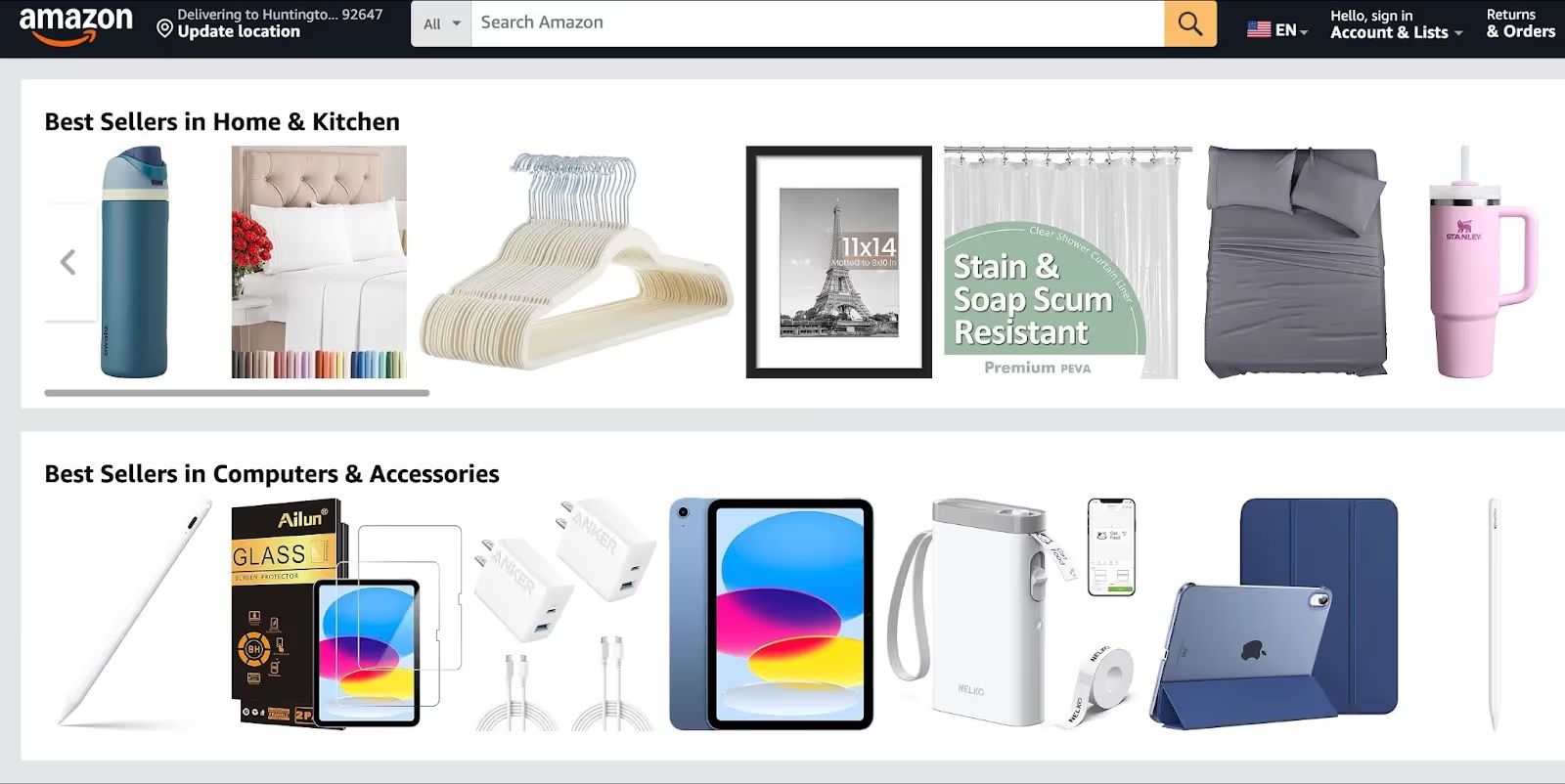
Check Bestsellers on eCommerce Sites
Amazon, eBay, and AliExpress bestseller sections update constantly. Reviews and ratings tell you what people love and what disappoints - both are useful.
Track Viral Products on Social Media
TikTok, Instagram, and Pinterest can make a product explode in days. Watch hashtags and trending posts - and move fast, because virality decays just as quickly.
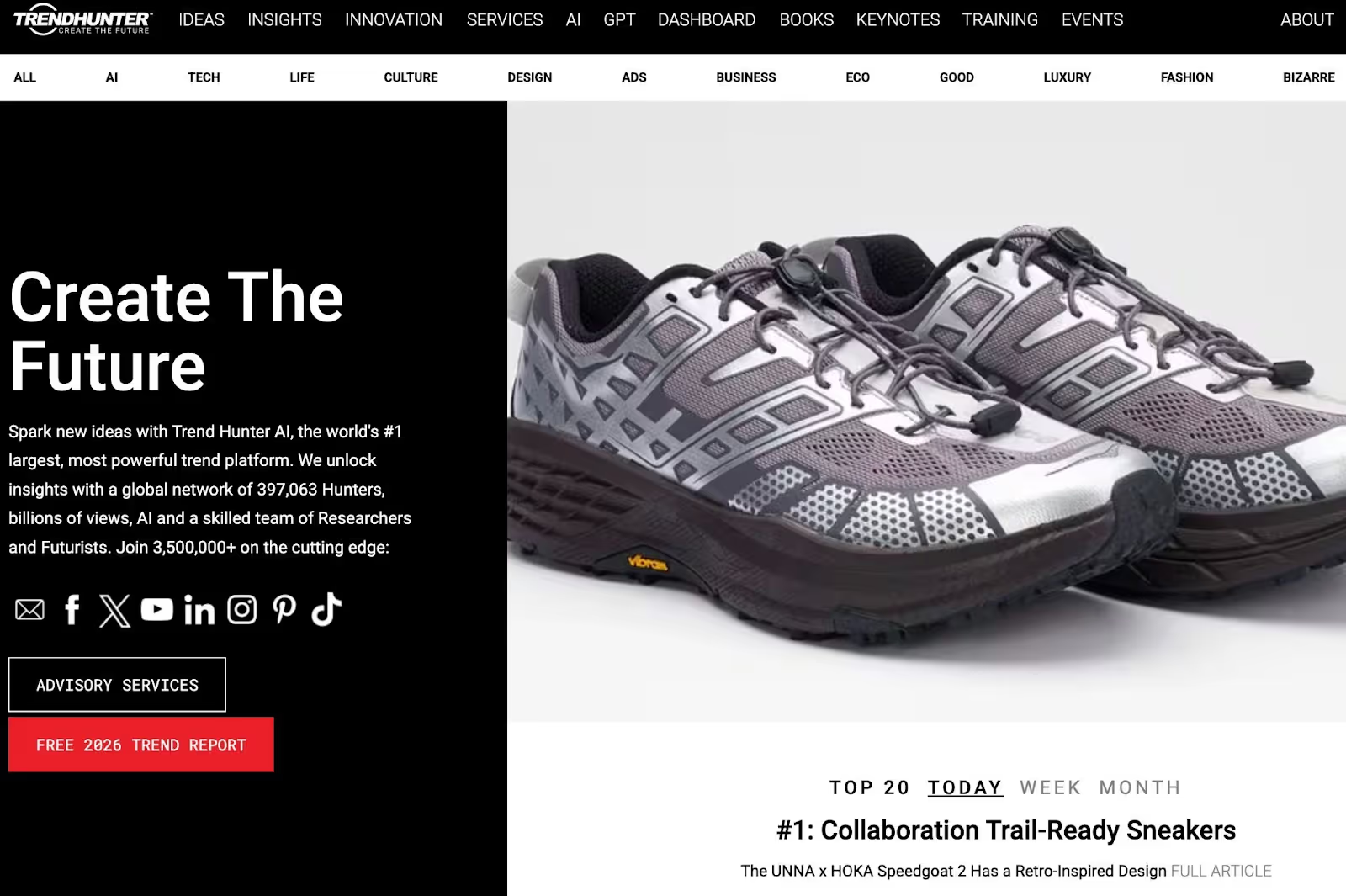
Use Trend Hunter Reports
Trend Hunter surfaces emerging product ideas across fashion, tech, and lifestyle - good for dropshipping ideas beyond the bestseller lists everyone else reads.
Use Research Tools
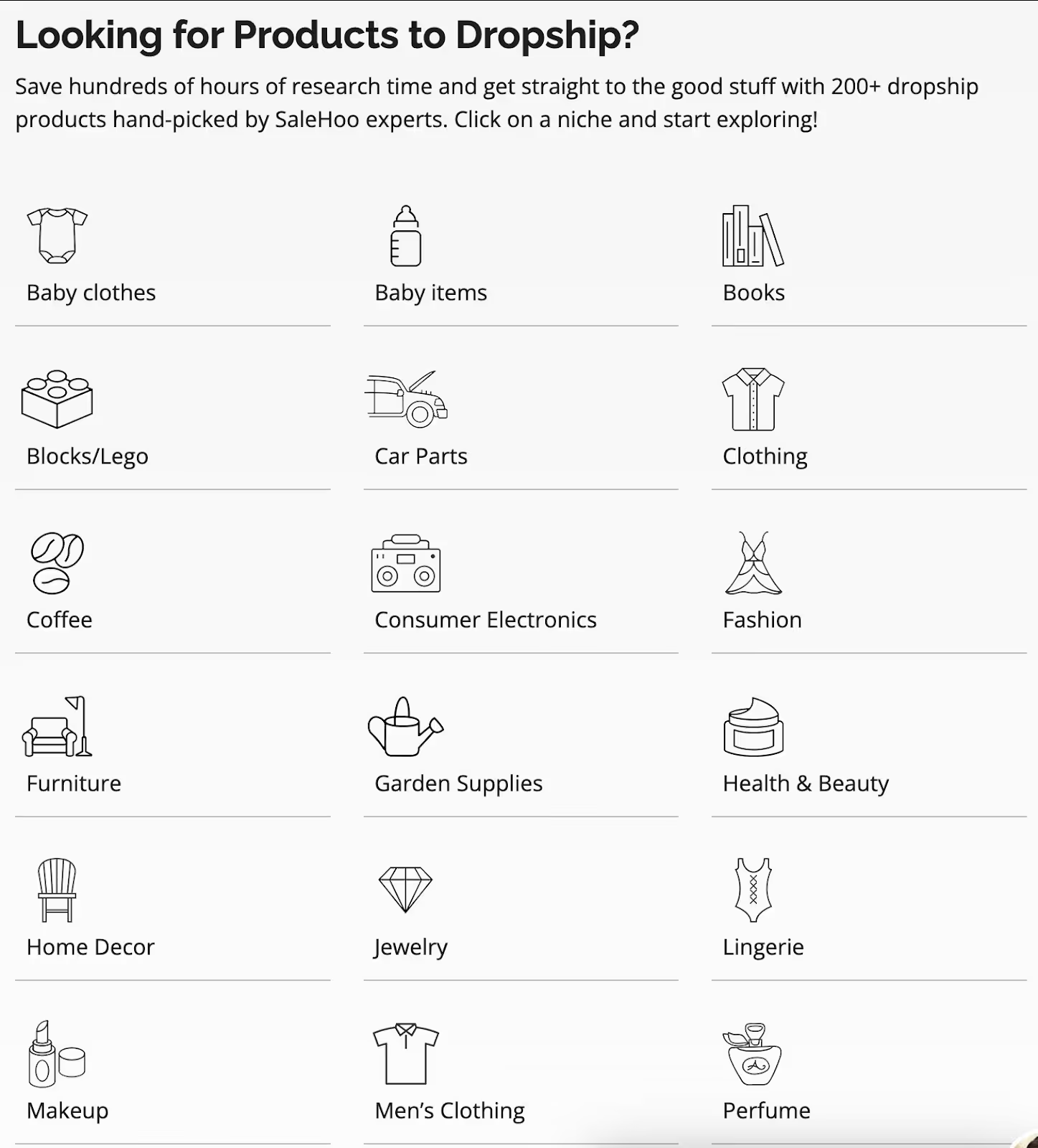
Tools like SaleHoo, Niche Scraper, or Ecomhunt show sales numbers and profit potential. They save time, though most are paid.
Track Seasonal Demand
Some products only sell in certain months (holiday décor in December). Watch the patterns and prepare early.
Join Seller Communities
Forums, Facebook groups, and Reddit communities share what's working and what to avoid. You don't have to follow every tip - but pattern-matching across many sellers beats guessing alone. This isn't a small effect: our pipeline data shows sellers with a community or peer group scaled roughly 32% faster than solo operators, which is why we run our own seller community.

Leverage Competitor Research
Browse competitor stores and the ads they run. Don't copy - adapt: improve the offer, target a different audience, or present the product better.
Test Products via Ads
You won't know until you test. Small social ad campaigns reveal what gets clicks and conversions before you commit. Two practical rules from our CMO: budget "a couple of thousand, but not over €5,000" for the learning phase, and be patient - the first months run at a higher acquisition cost while the ad platforms gather data. Impatience kills more stores than bad products do.
Also Read:
10 Best Dropshipping Products to Sell Right Now
Here are the top categories for 2026 - with honest notes on where the margins and the saturation actually sit.
1. Tech and Smart Devices
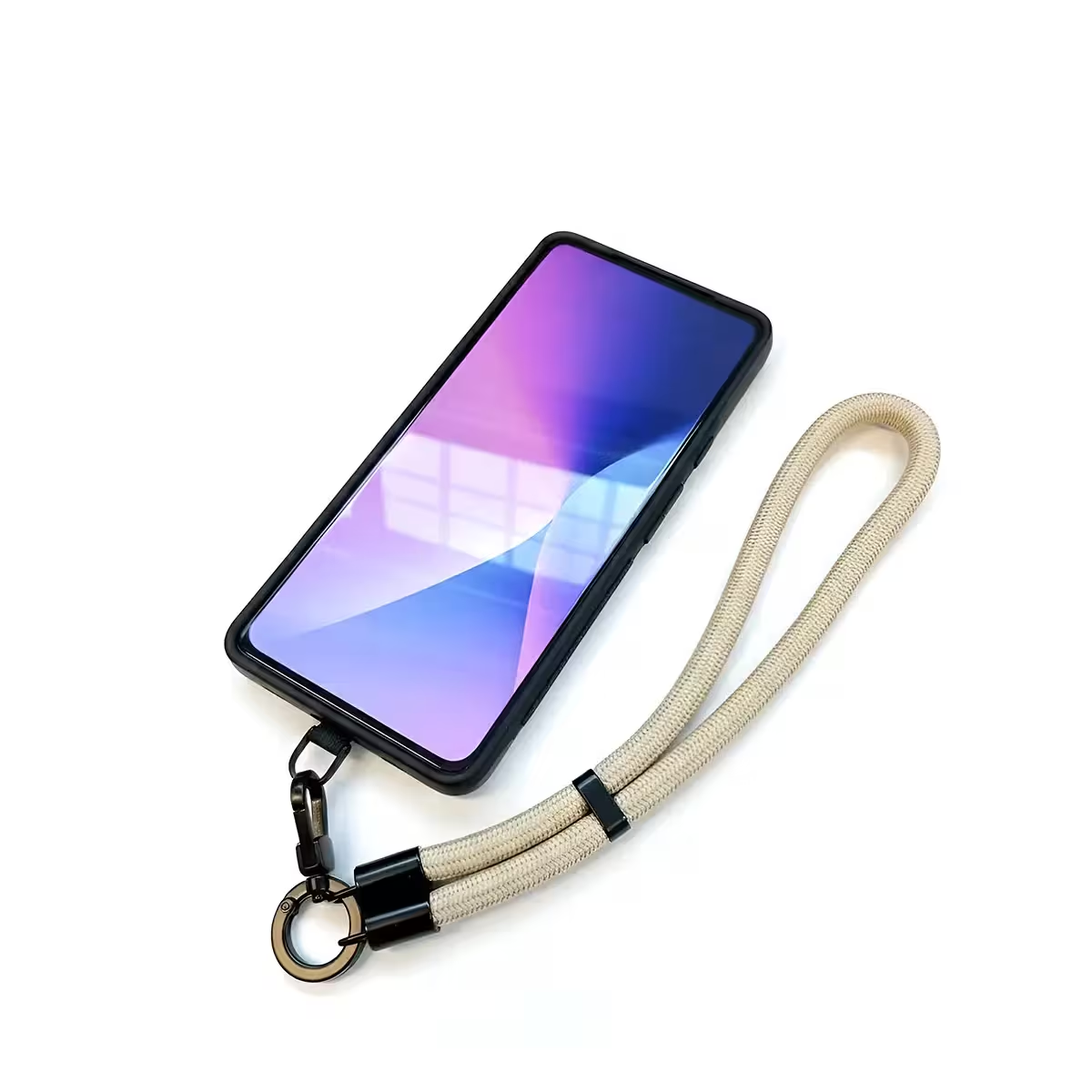
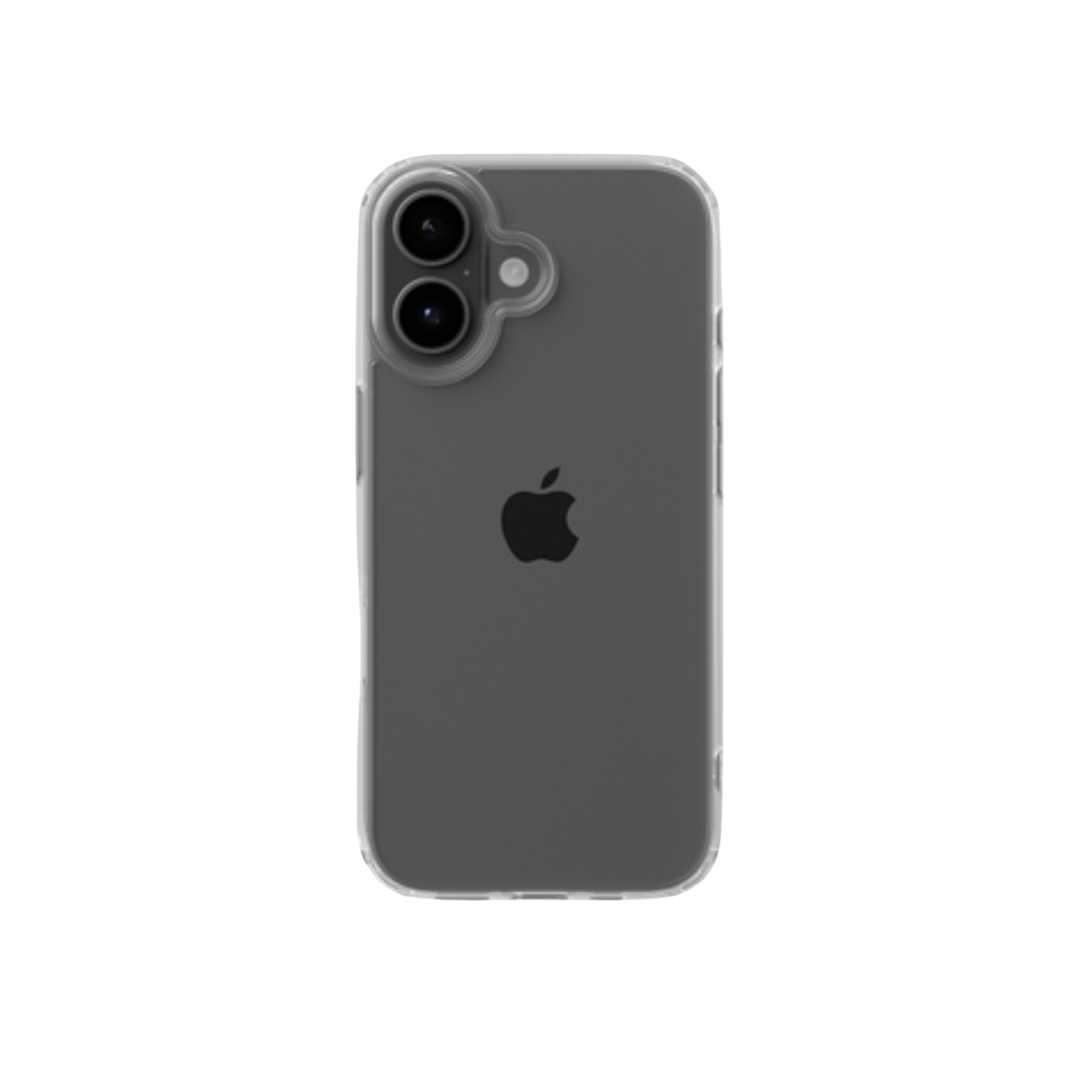
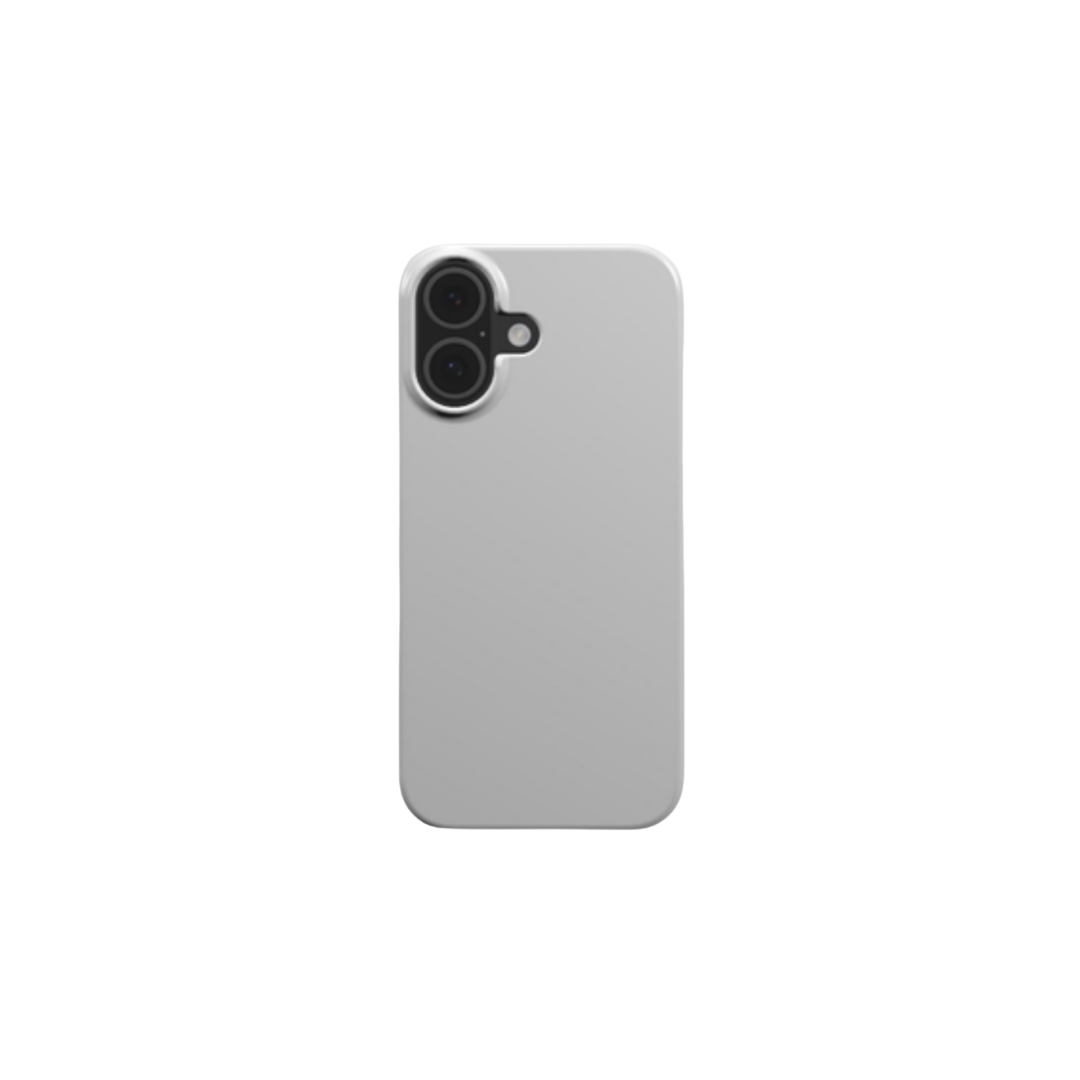
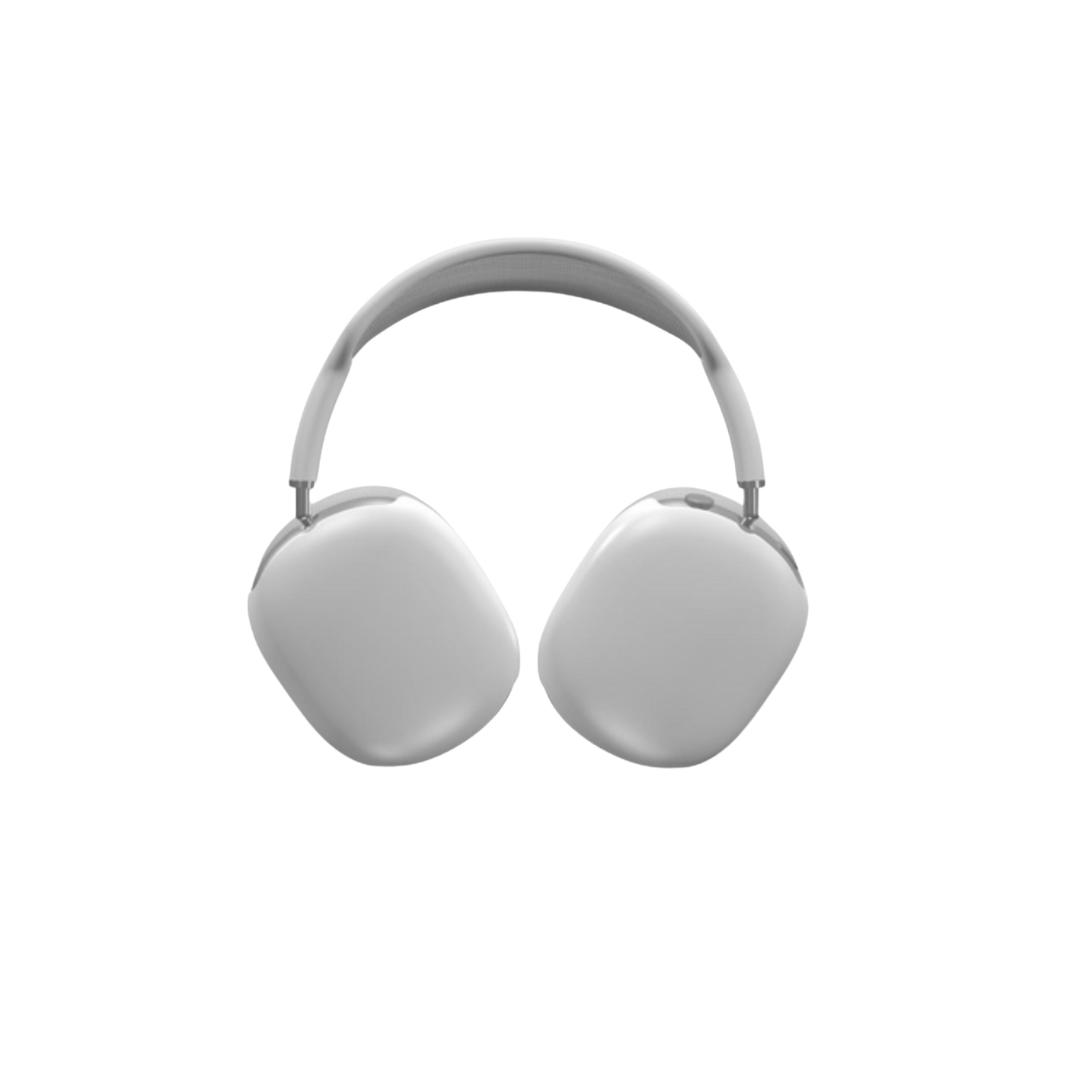
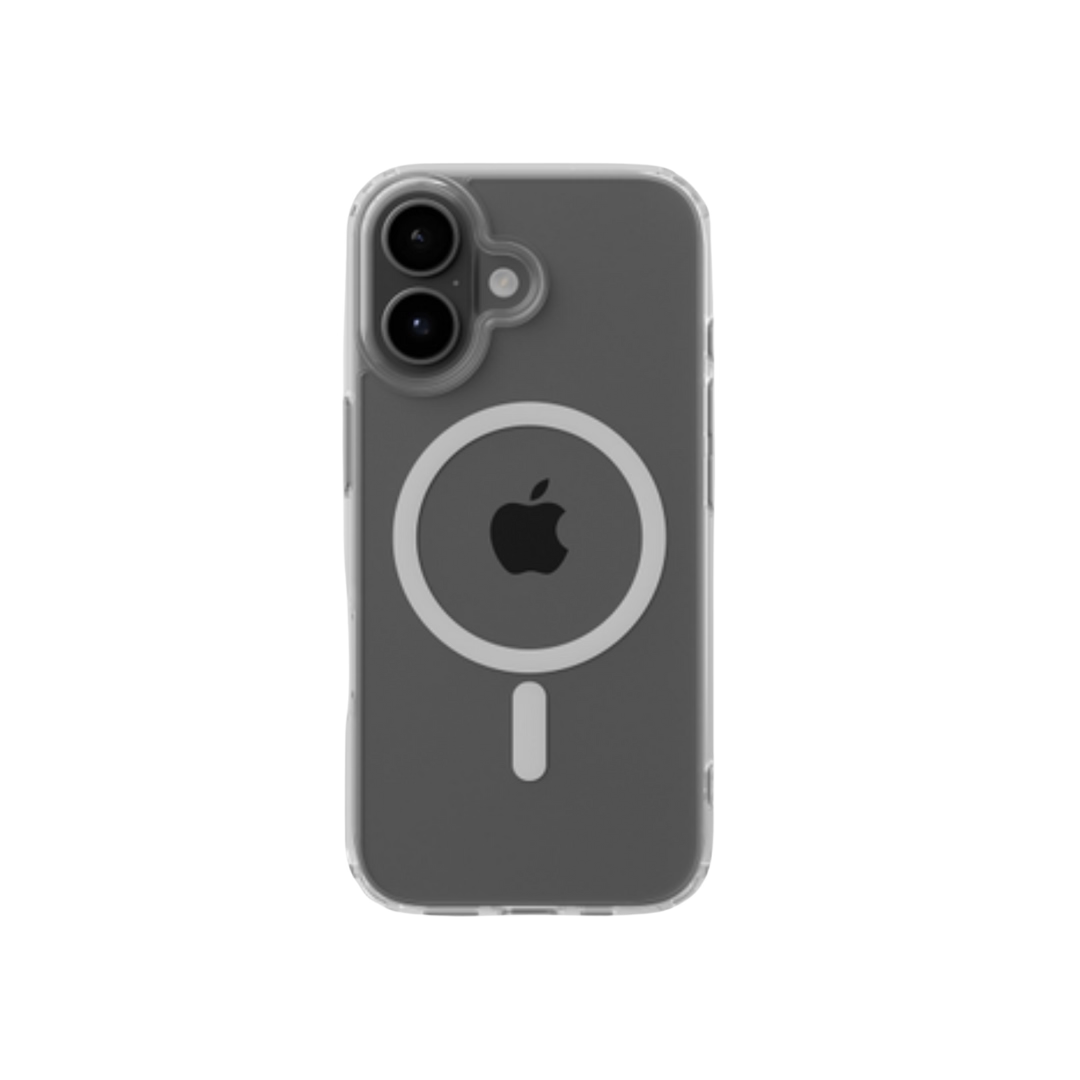
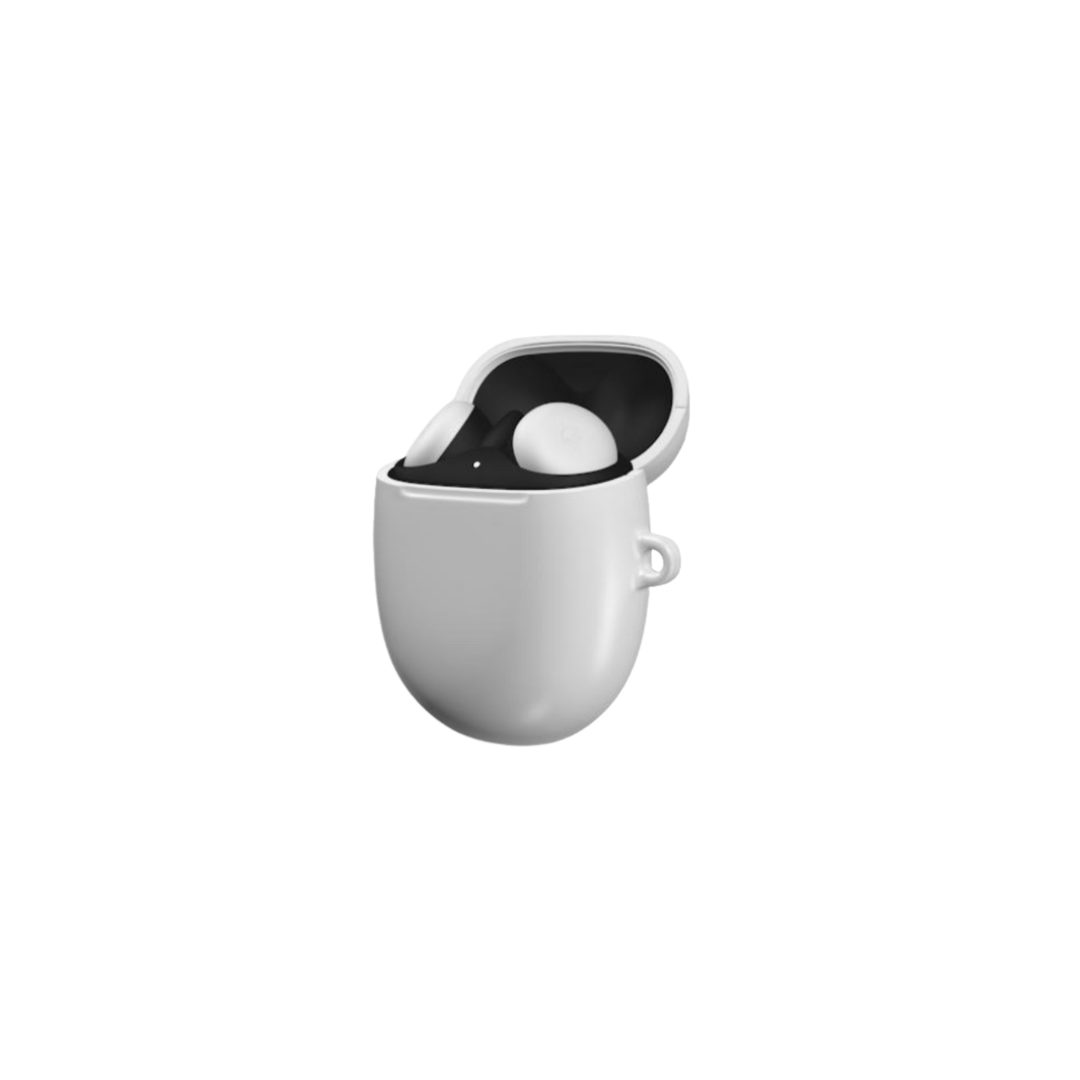
The strongest category by market size: global consumer electronics revenue passed $1 trillion, and every new device creates accessory demand. Top picks: smartwatches, wireless earbuds, smart lighting, phone accessories, portable chargers, and AirPods cases.
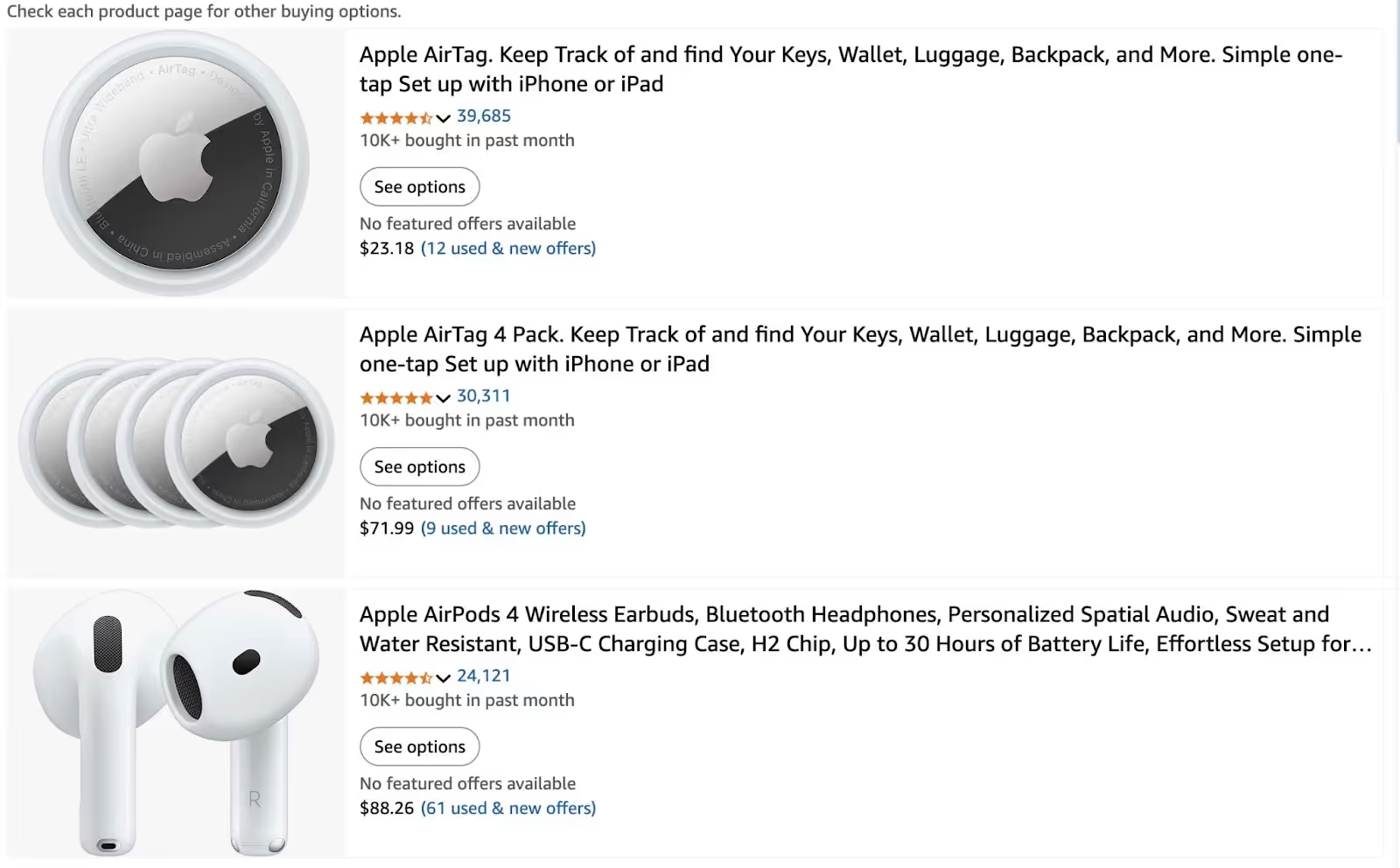
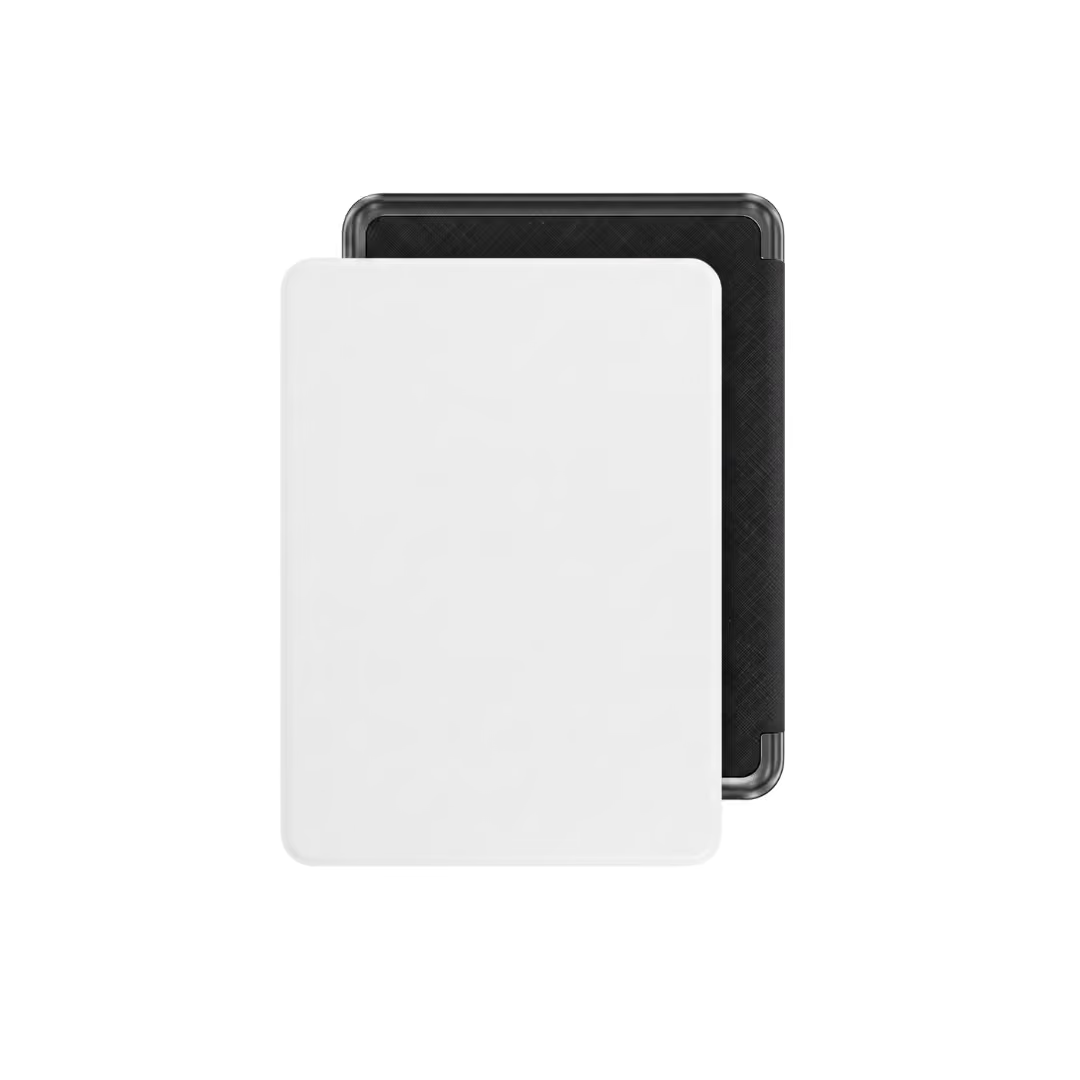
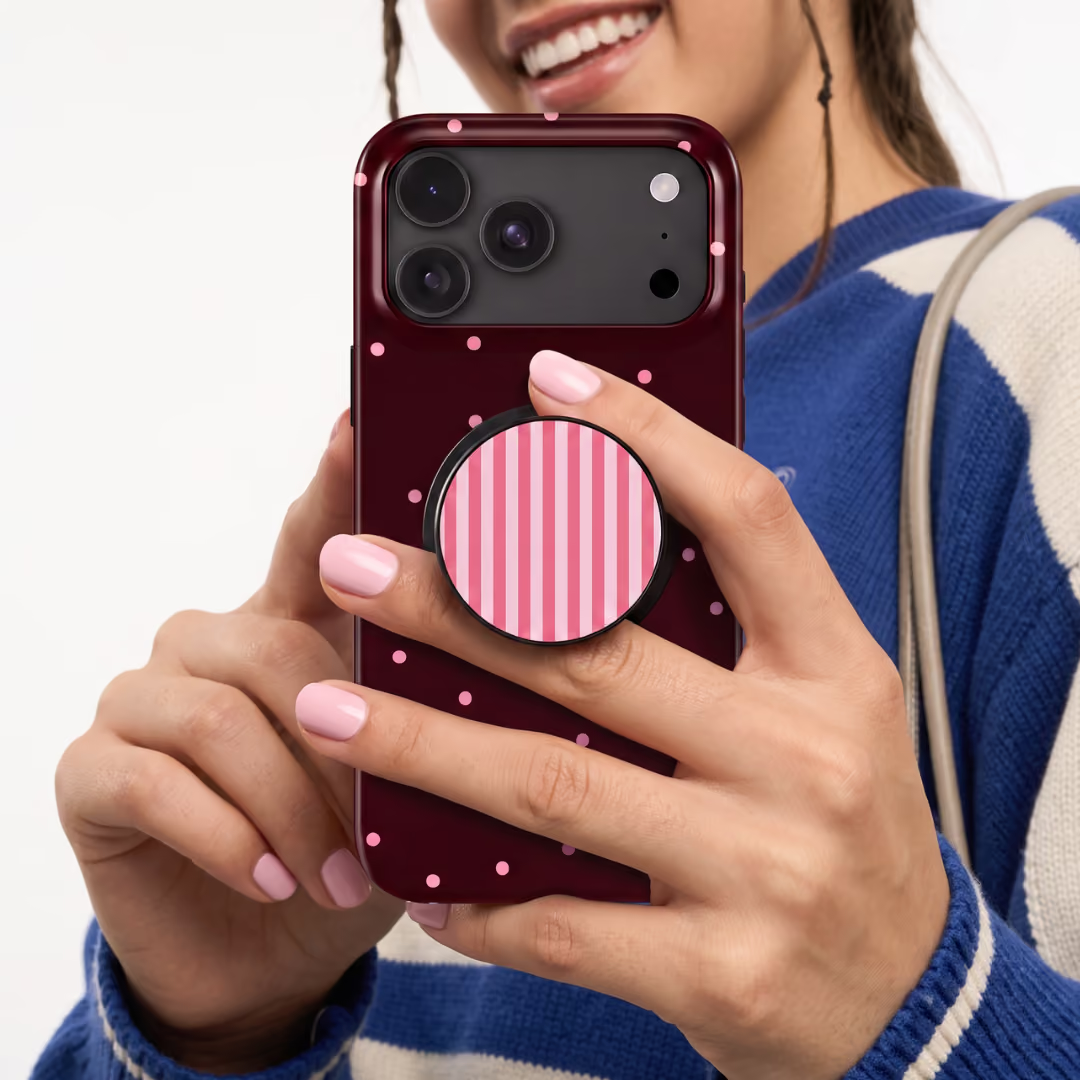
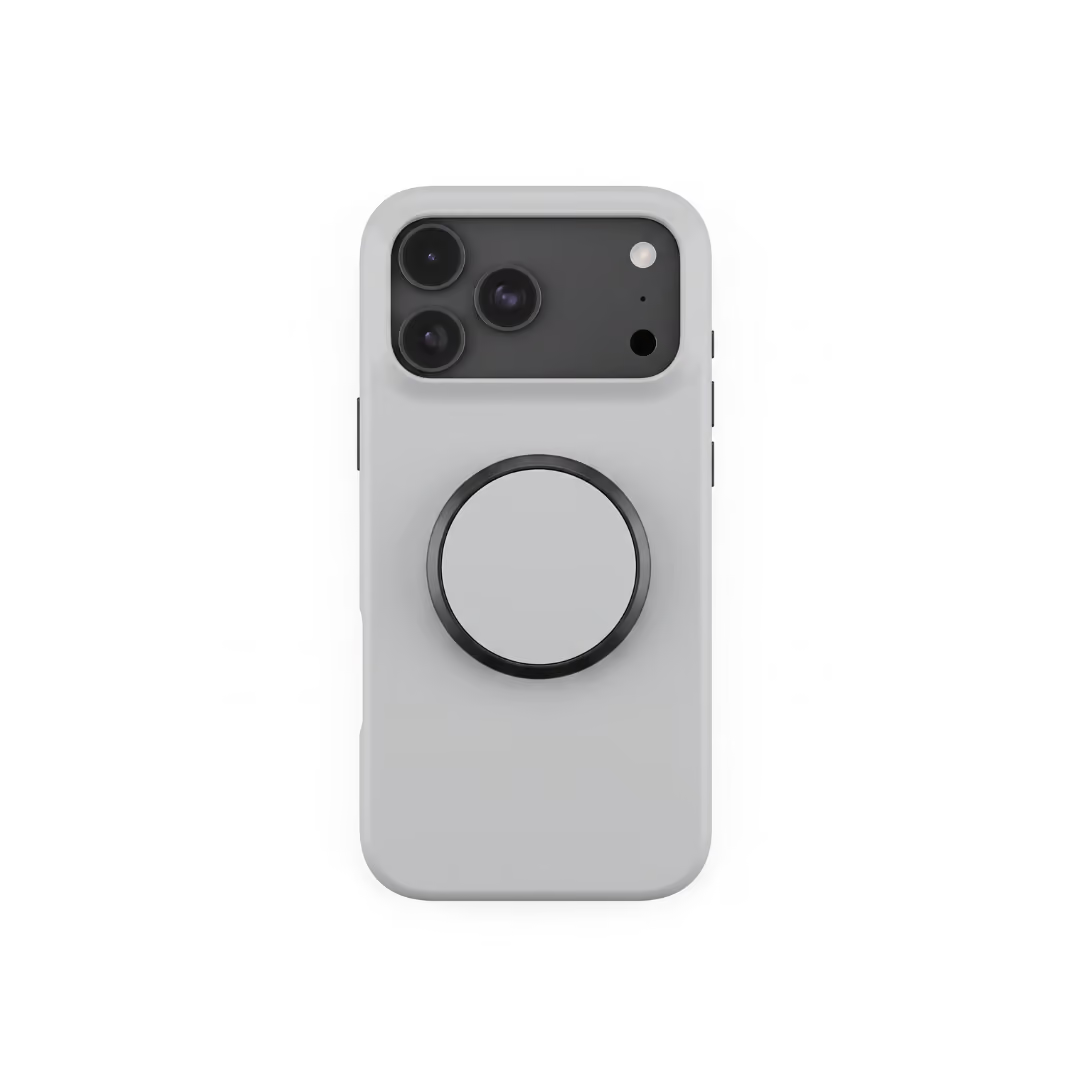
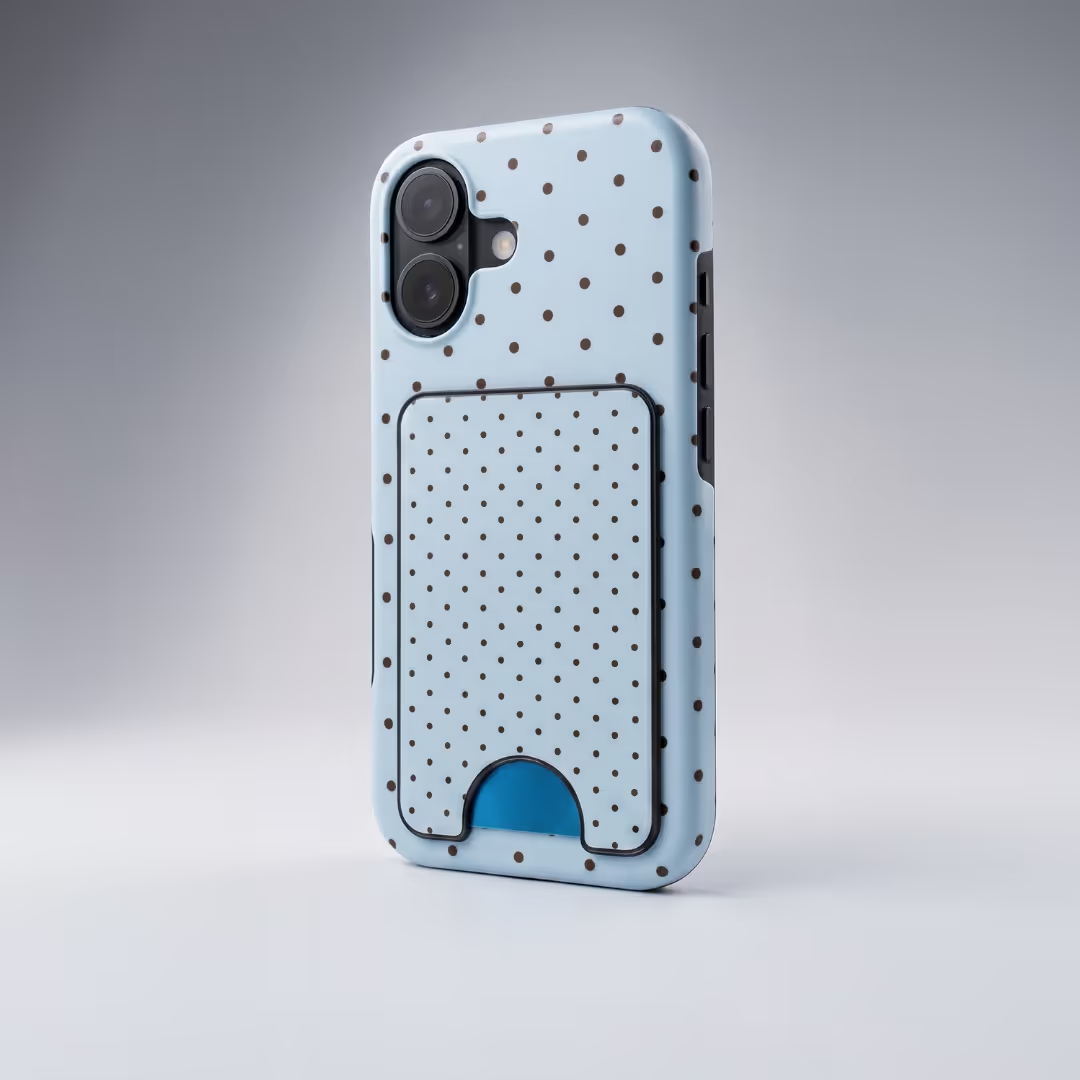
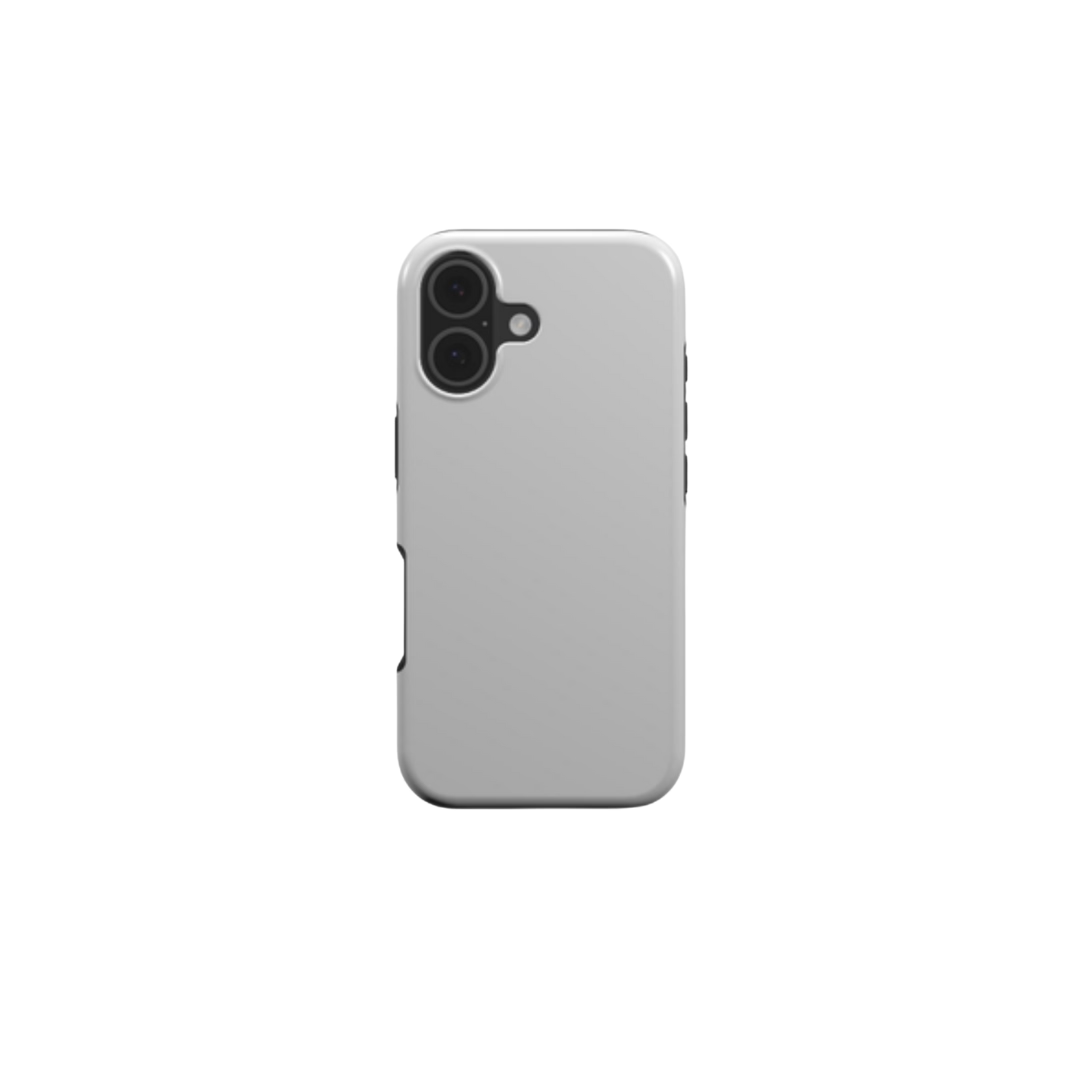
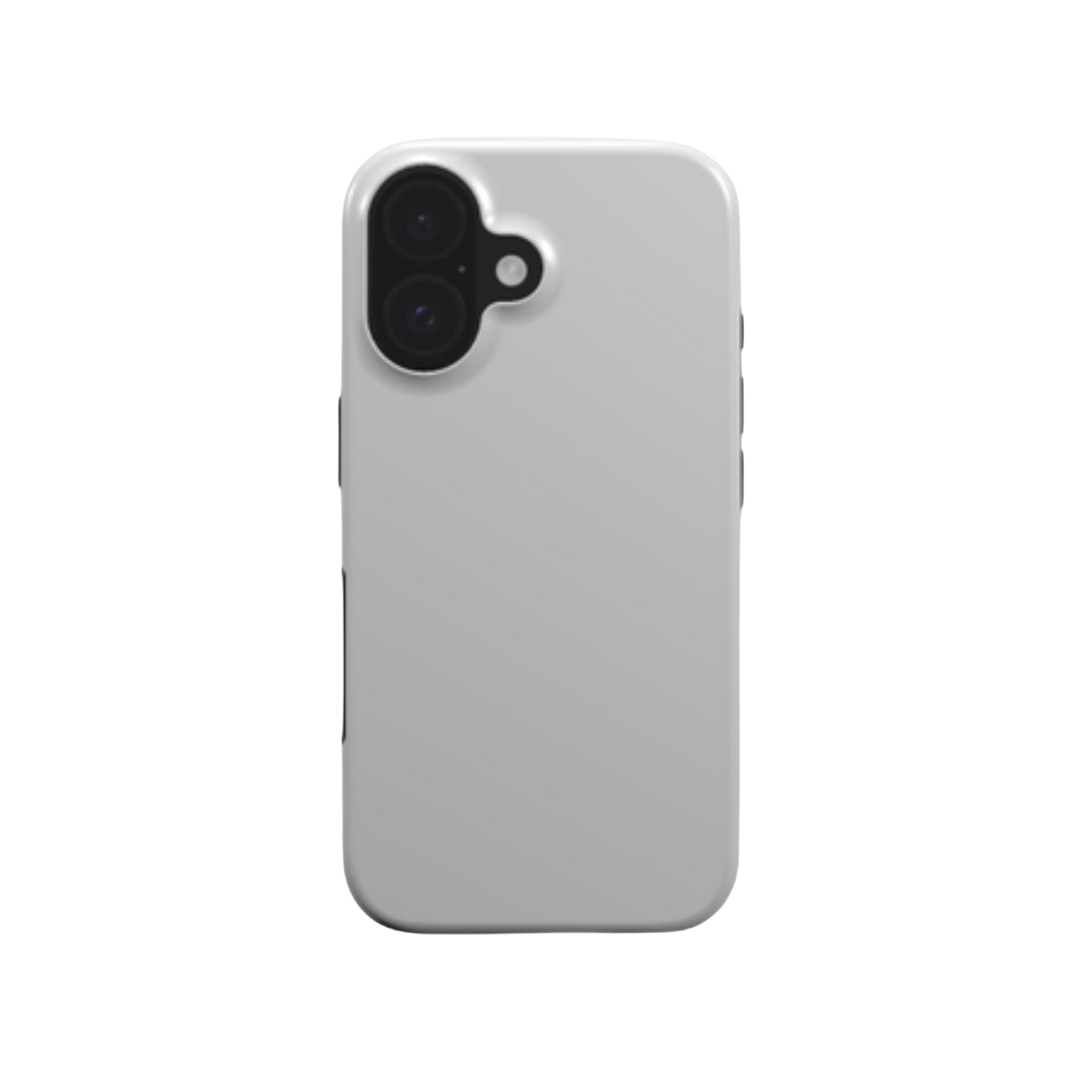
Phone accessories deserve special attention. About 68% of smartphone owners use a case, roughly 40% of Americans replace phone accessories every six months, and the case market is heading toward $41.4 billion by 2030. Even better for dropshippers: a *custom* case escapes the price war entirely - it costs around €10 from Podbase and sells for €35-60, because, as our CEO puts it, a case "became like your personal billboard." Buyers pay for identity, not just protection.
Pro Tip: Go for affordable gadgets with a clear use case and bundle accessories - a simple add-on at checkout (like a screen protector) converts 3-10% of buyers in our internal data.
2. Sustainable Living Products
Shoppers increasingly buy to reduce waste: reusable water bottles, bamboo toothbrushes, eco shopping bags, solar gadgets, refillable household items. Green products also bring repeat buyers.
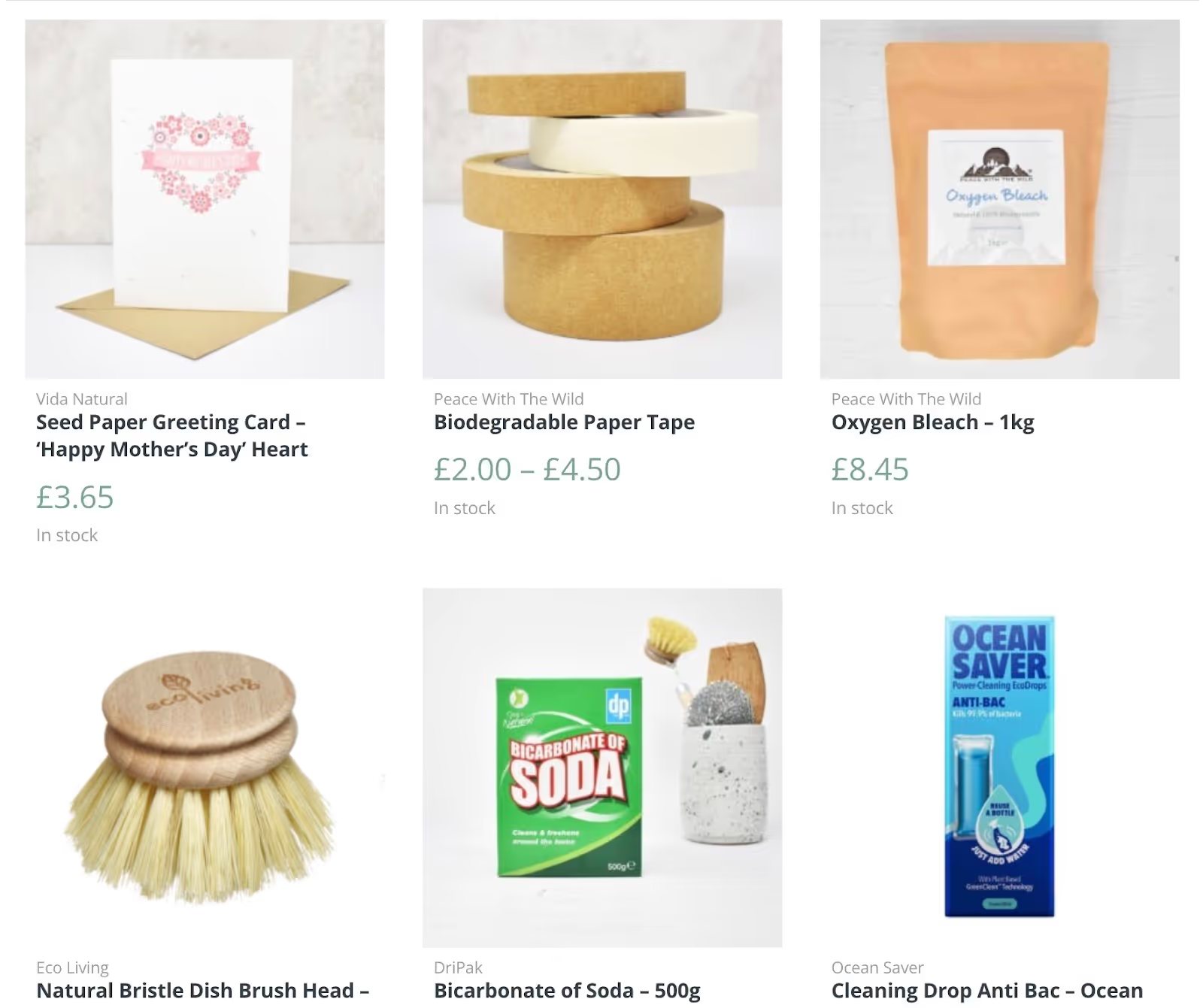
Pro Tip: Highlight the eco-benefit of each product and target audiences who value sustainability - authenticity matters more here than anywhere.
3. Health and Wellness Products
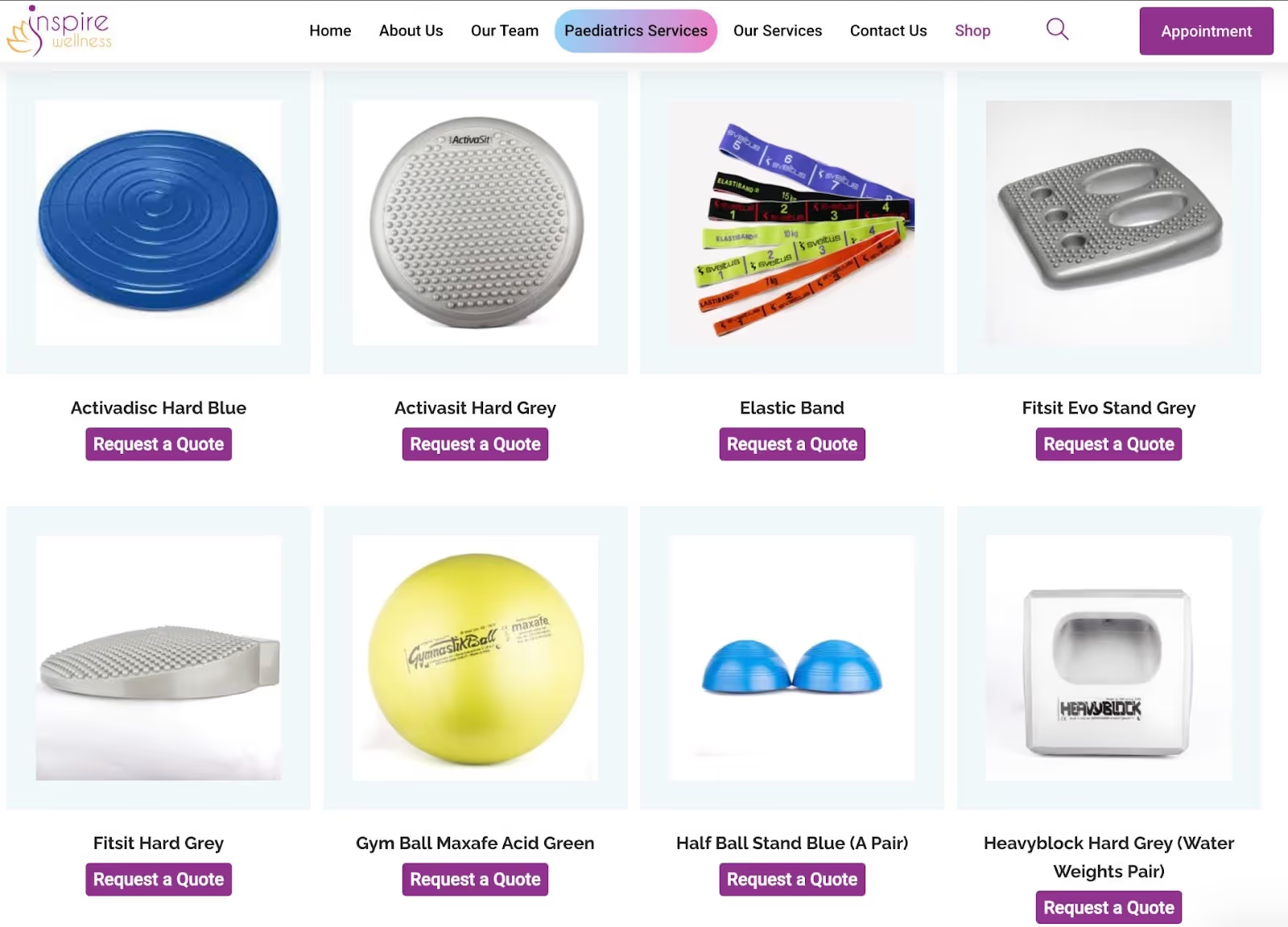
Affordable ways to stay healthy keep growing: fitness trackers, resistance bands, yoga mats, posture correctors, massage guns.
Pro Tip: Pair products with simple guides or routines to lift perceived value.
4. Home Decor
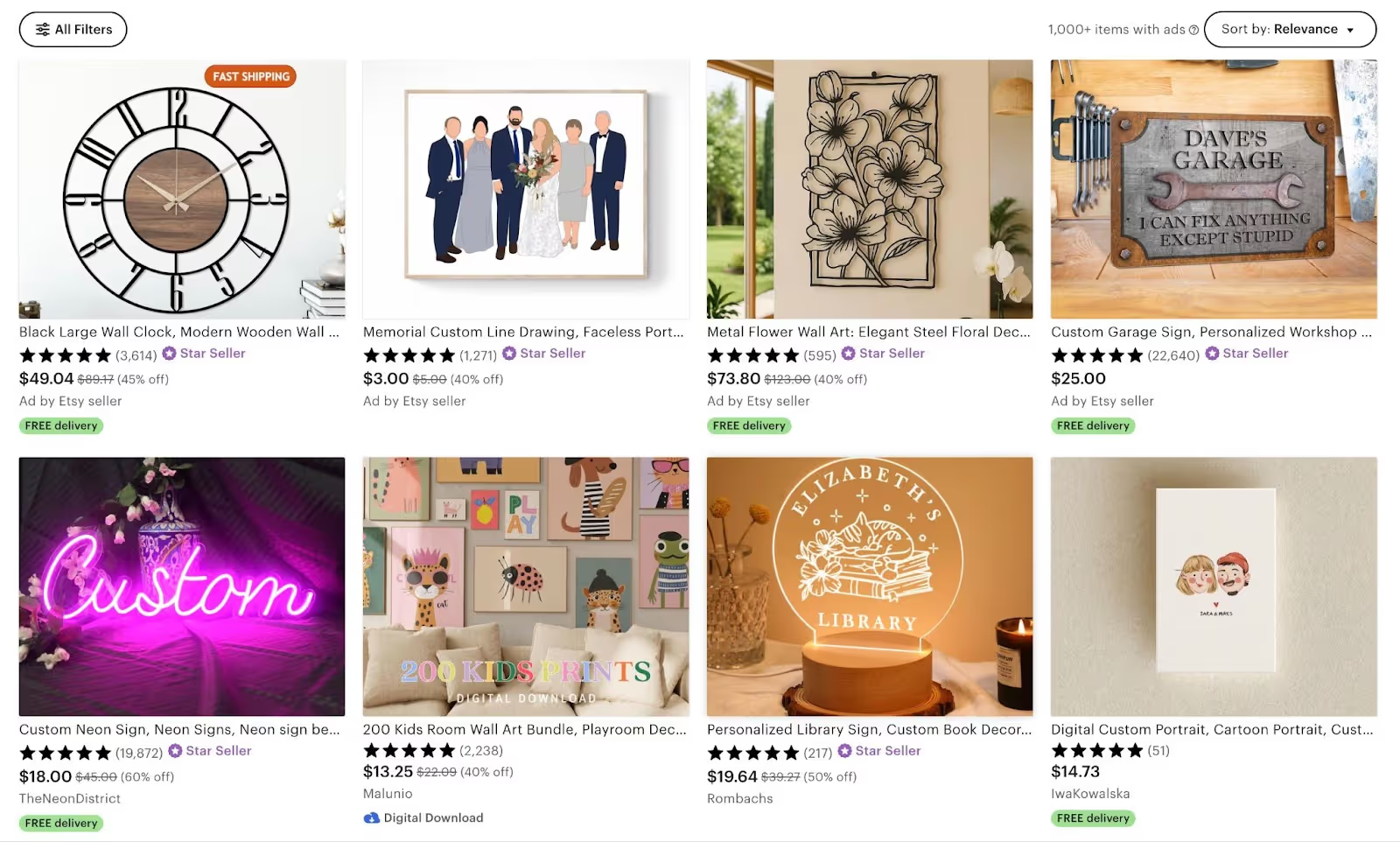
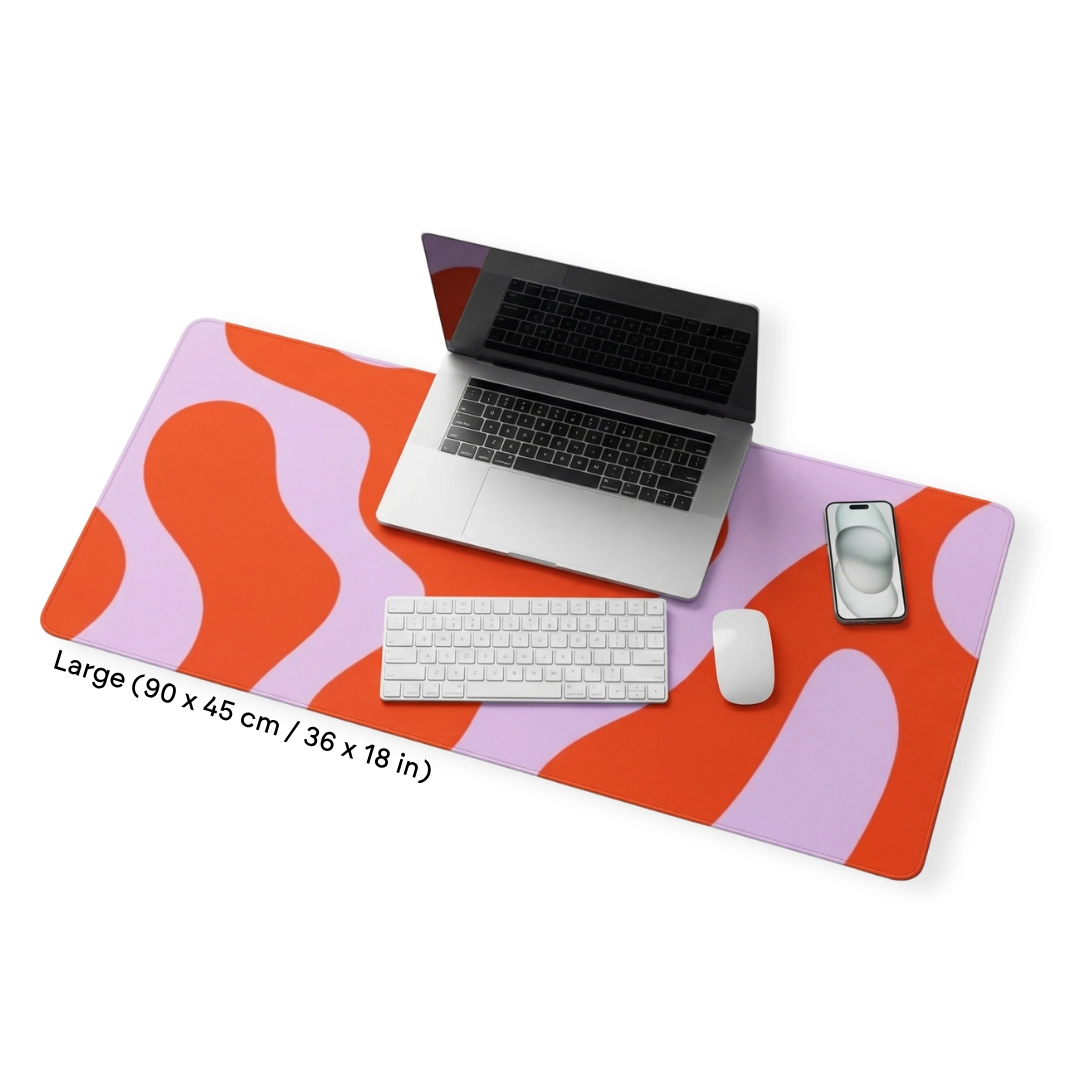
People constantly refresh their spaces with trendy, low-cost items: LED string lights, wall art prints, decorative storage, throw pillows, desk organizers.
Wall art is the quiet opportunity here: "Almost 65% of wall art sales are still offline," our CEO notes - the online shift is still early, and print-on-demand wall art means every print you sell is a design competitors can't source from the same supplier list.
Pro Tip: Sell lightweight, easy-to-ship items and promote with aesthetic lifestyle photos.
5. Beauty and Personal Care
Loyal buyers, year-round demand: skincare tools, makeup brushes, hair styling tools, facial masks, nail kits.
Pro Tip: Use influencer-style content - social proof drives this category.
Also Read:
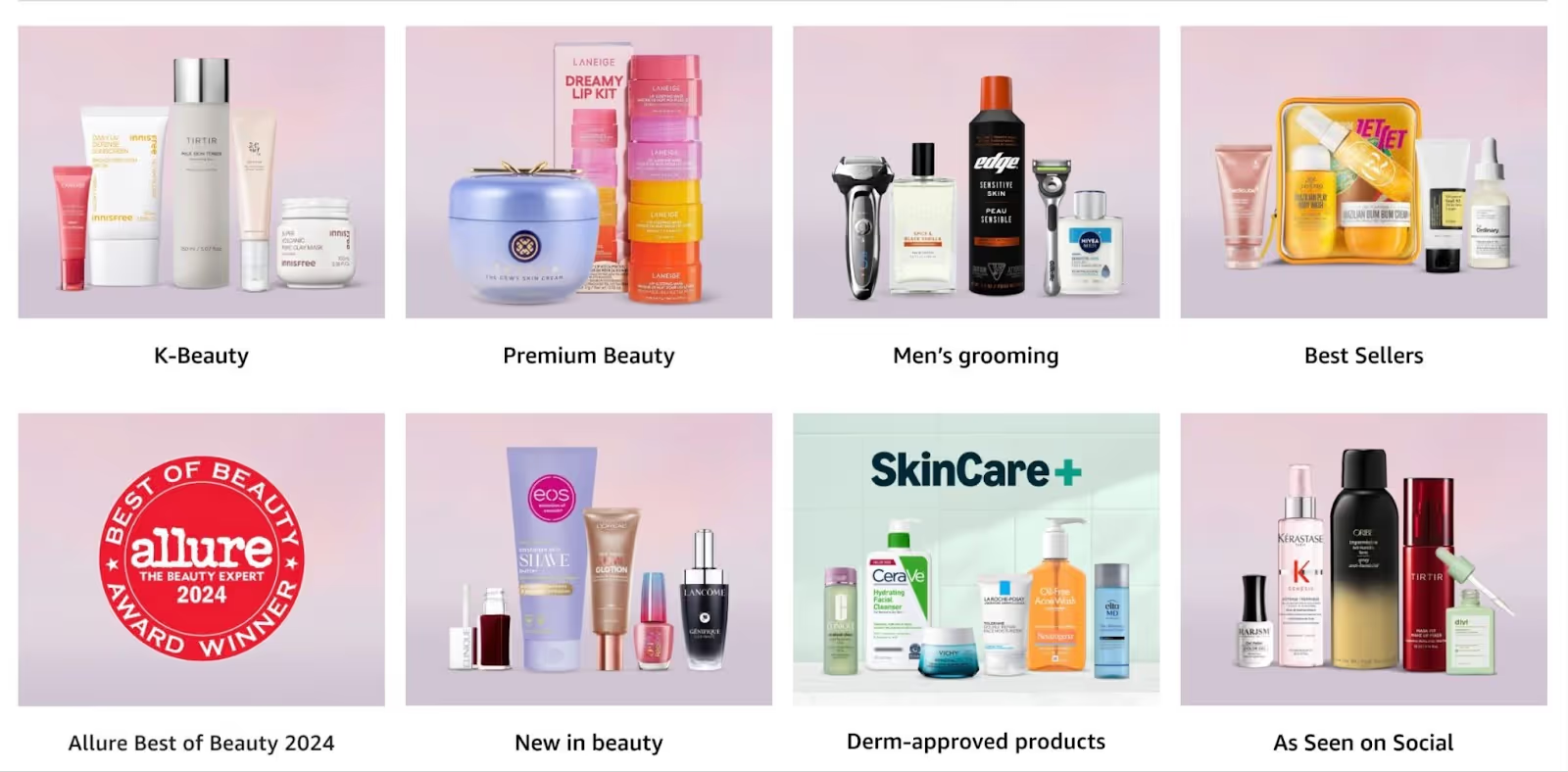
6. Sports and Fitness
Steady demand all year: dumbbells, resistance bands, running gear, water bottles, sports gloves.
Pro Tip: Bundle smaller items to increase order value.
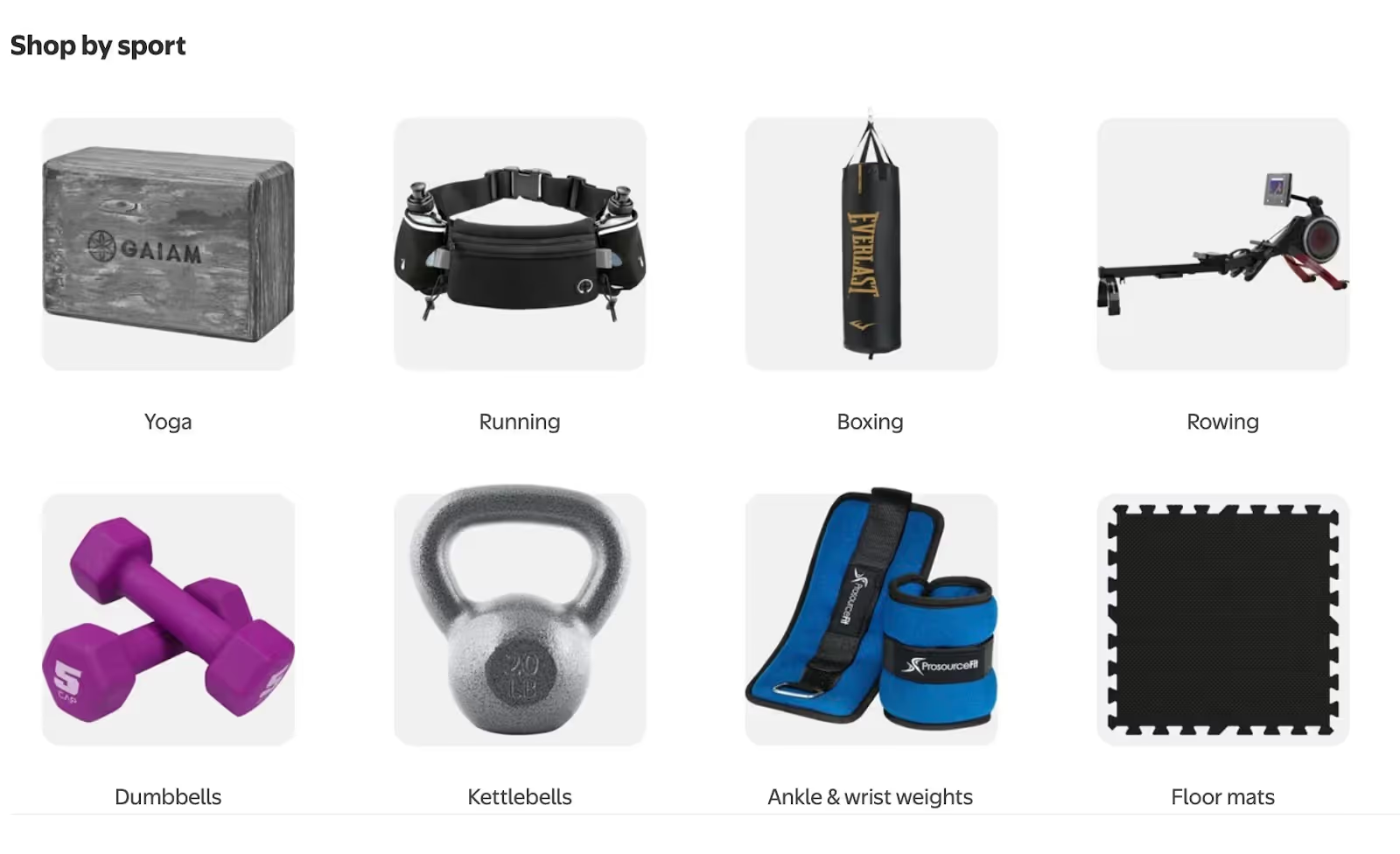
7. Pet Supplies
Owners spoil their pets, keeping the category strong: grooming kits, interactive toys, beds, feeding bowls, travel carriers.
Pro Tip: Focus on problem-solving products that make pet care easier.
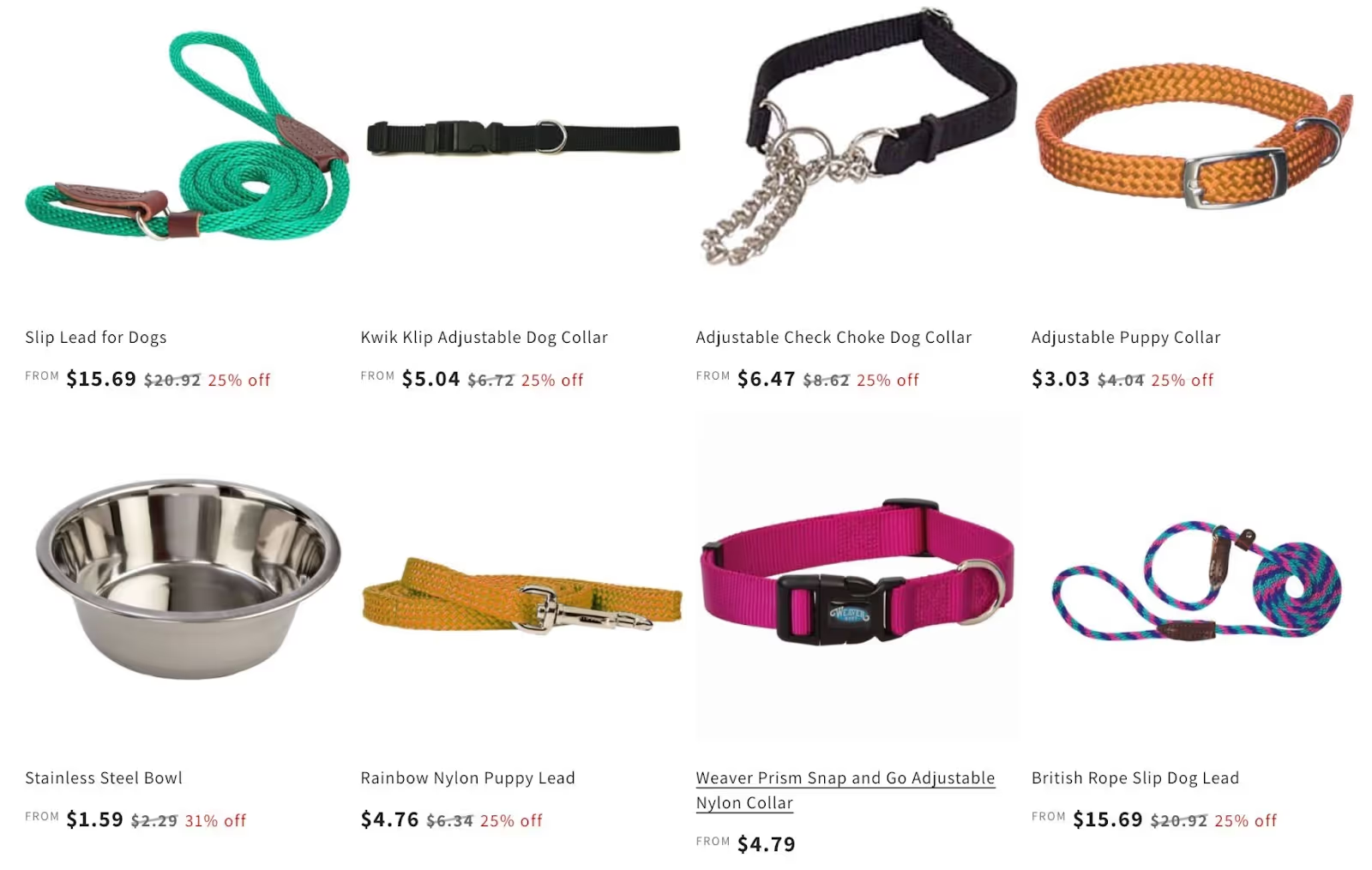
8. Car Accessories
Always in demand from drivers upgrading comfort and safety: phone mounts, seat organizers, mini vacuums, LED interior lights, dash cams.
Pro Tip: Target everyday drivers with self-install essentials.
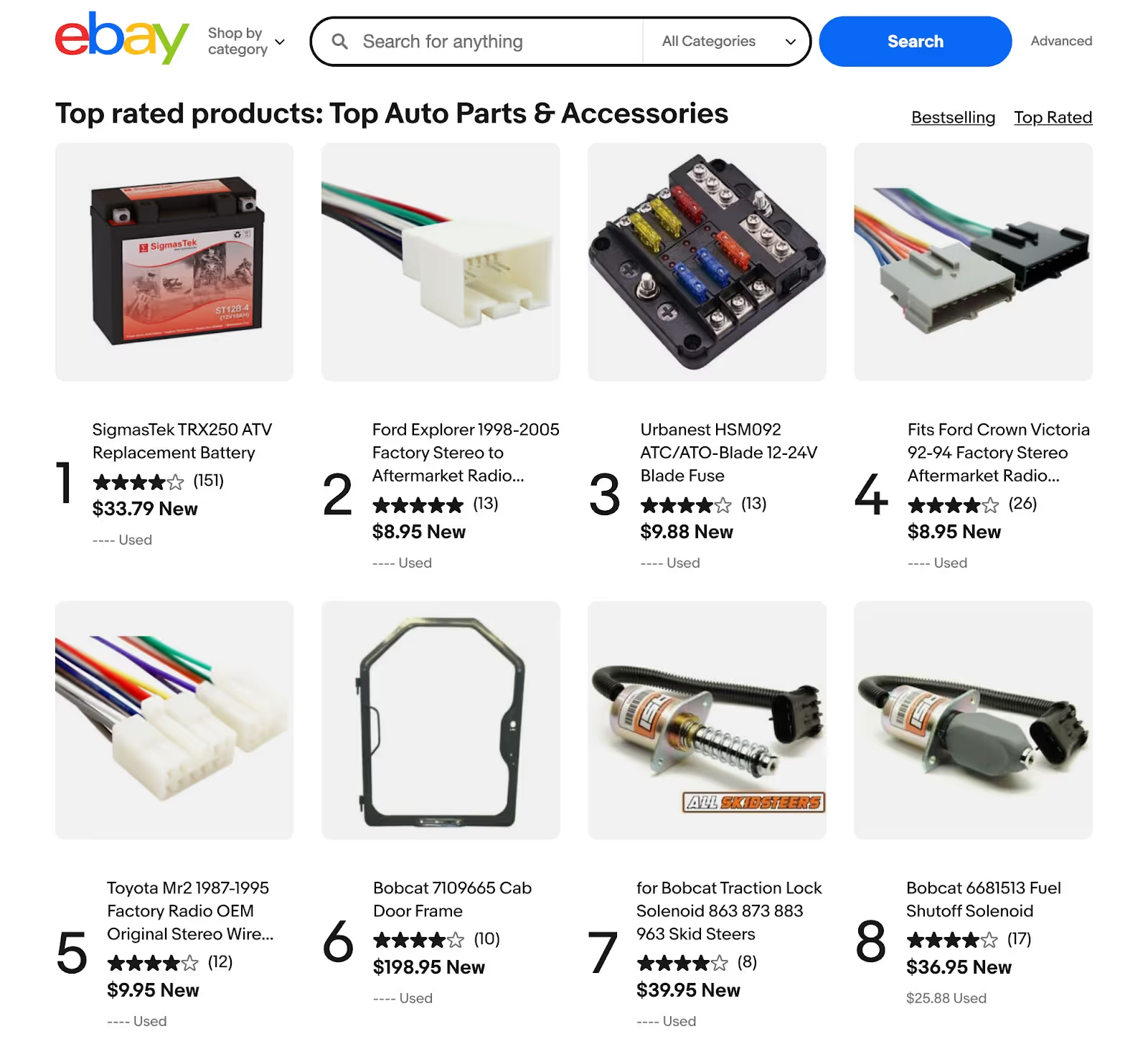
9. Baby Products
Daily-use items parents buy repeatedly: carriers, stroller organizers, soft toys, feeding sets, monitors. Safety and trust decide purchases here - quality issues are fatal in this category.
Pro Tip: Focus on affordable essentials parents constantly replace.
10. Seasonal and Festive
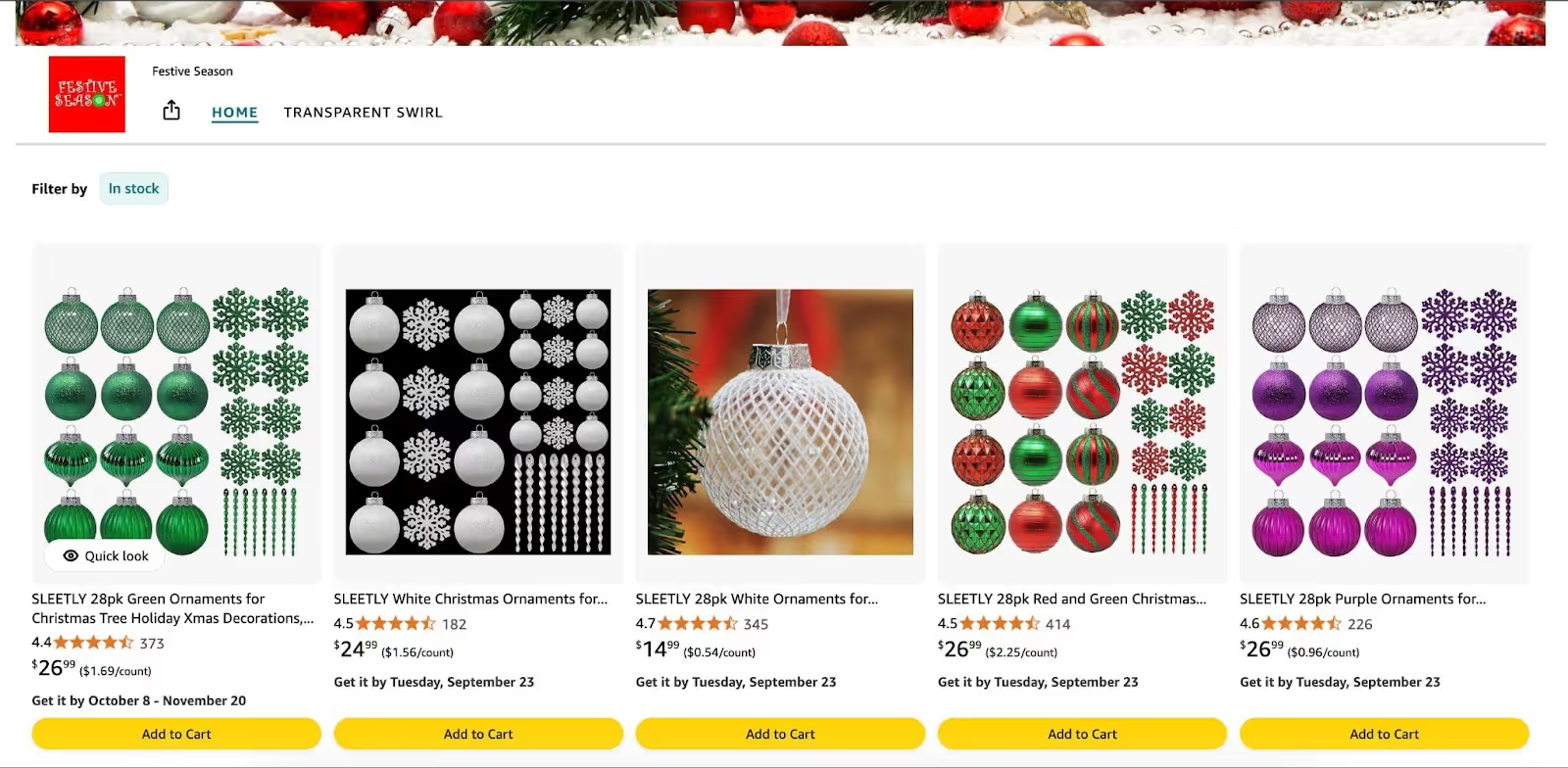
Holiday-driven spikes: Christmas décor, Halloween costumes, Valentine's gifts, party supplies, summer gear.
A structural note: seasonal is where traditional dropshipping inventory bets hurt most - order too much and you eat the leftovers. This is one place the print-on-demand model quietly wins: as our Head of Product Development explains, when demand for an item fades, "we simply stop buying [materials], so we do not have to throw away the undesired materials." Seasonal POD designs carry zero leftover-stock risk - you retire the design, not a warehouse.
Pro Tip: Prepare seasonal listings a few months early so you're indexed and visible when demand peaks.
Also Read:
What Makes a Good Dropshipping Product?
The best products are easy to sell and bring customers back. Key criteria:
- High perceived value: Items that look premium relative to sourcing cost leave room for healthy pricing.
- Steady demand: Don't chase every trend; favor items people already search for regularly.
- High quality: Customers remember experiences. A product that breaks or disappoints generates returns, complaints, and lost repeat buyers - the costs that "never show up in a margin calculation."
- Healthy profit margin: After product cost, shipping, and fees, there must be real cushion. For reference, custom POD accessories run €10 cost against €35-60 retail - margins generic gadgets rarely match.
- Lightweight and small: Cheaper to ship, less damage in transit, no scary delivery fees.
- Solves a problem: Convenience sells and earns word of mouth.
- Reliable supplier - measured the right way: Don't compare advertised shipping windows; compare the *full* order-to-doorstep timeline and the quality checks along the way. "A provider might advertise a three-to-five day shipping window, but if fulfillment takes another five business days on top of that, the real delivery window is closer to ten working days," our Head of Sales warns. Ask suppliers about fulfillment time and QC, not just shipping.
- Positive reviews: Social proof reduces checkout hesitation - and a quality supplier directly grows it (+15% reviews among sellers who switched to us).
The Saturation Trap - and the Way Around It
One honest warning before you pick from any list (including this one): every "winning products" roundup is read by thousands of sellers who then source the *same items from the same suppliers* and compete on price until nobody profits. The product wasn't wrong - the moat was missing.
The way around it is differentiation you own. Custom and print-on-demand products - phone cases, wall art, drinkware with your designs - can't be price-compared because no other store has them. The economics hold up (€10 cost, €35-60 retail, 10-15% better margins than competing platforms), the inventory risk is zero, and the model scales: one Podbase seller went from zero to seven-figure annual revenue in 13 months selling custom phone cases, starting with roughly ten designs. Generic dropshipping finds you products to resell; POD dropshipping builds you a brand.
Summary
Picking the right products is crucial to a dropshipping business that lasts. Focus on categories with steady demand, verify the full fulfillment timeline (not just the shipping window), and favor products where quality builds reviews instead of refund queues. Above all, build in differentiation - trending items get you sales this month; products only you sell get you a business.
Want the version of dropshipping where you own the designs and the margins? Get started with Podbase - no inventory, 1-3 day shipping, and products no competitor can copy-paste.
FAQ
1. What are the best dropshipping products to sell in 2026?
The strongest categories are tech and smart devices (smartwatches, earbuds, phone accessories), sustainable living products, health and wellness gear, home décor, beauty and personal care, sports and fitness, pet supplies, car accessories, baby products, and seasonal items. Tech leads by market size - consumer electronics passed $1 trillion in revenue - and custom phone accessories offer the best margins (~€10 cost, €35-60 retail via print-on-demand).
2. Is dropshipping still profitable in 2026?
Yes, but the easy era is over. Profitability now depends on differentiated products, quality suppliers, and patience through the ad-learning phase. Quality compounds: Podbase data shows sellers who upgraded suppliers saw 15% more customer reviews and 30% fewer order-issue tickets. The biggest risk is the saturation trap - selling the same generic items as thousands of other stores.
3. How do I find trending dropshipping products?
Use Google Trends to spot rising demand, monitor bestseller lists on Amazon and AliExpress, track viral products on TikTok and Pinterest, browse Trend Hunter reports, use research tools like SaleHoo or Ecomhunt, watch seasonal patterns, join seller communities, study competitors' ads, and validate with small ad tests before committing.
4. What makes a good dropshipping product?
High perceived value, steady search demand, genuine quality, healthy margins after all fees, light weight for cheap shipping, a clear problem it solves, positive reviews, and a reliable supplier - judged by the full order-to-doorstep fulfillment timeline and quality checks, not just the advertised shipping window.
5. How do I avoid competing with thousands of sellers on the same products?
Sell products competitors can't source identically. Print-on-demand items with your own designs - custom phone cases, wall art, drinkware - can't be price-compared, carry no inventory risk, and keep the whole margin (a case costs ~€10 and sells for €35-60). One Podbase seller scaled from zero to seven-figure annual revenue in 13 months with this model.

Saulius Meilutis is the CEO of Podbase, helping creators and entrepreneurs monetize their ideas with print-on-demand. He shares insights on eCommerce, growth, and building lean online businesses.

.avif)



.avif)
.avif)
.avif)
.avif)
.avif)
.avif)

.avif)


.avif)
.avif)

.avif)

.avif)

.avif)