.avif)
To sell on Etsy in 2026, open a shop, list products with strong photos and keyword-rich titles, enable Etsy Payments, and price in the platform's fees - then scale with print-on-demand so you never hold inventory. Etsy has become the go-to marketplace, with about 86.6 million active buyers as of early 2026, which means a real platform to turn a hobby or craft into a business.
Selling on Etsy is straightforward because the platform offers built-in tools to set up your store, and with the right strategy you can scale into a recognized brand. This guide breaks down seven easy steps to start selling on Etsy in 2026.
What is Etsy and How Does It Work?
Etsy is an online marketplace where people buy and sell handmade goods, vintage items, and craft supplies. It is popular with artists, crafters, designers, and collectors who want to reach buyers looking for something special.
As a seller, you can explore several Etsy shop ideas and set up your shop, then list products with photos and details for buyers to browse and purchase. Once an order is placed, Etsy processes the payment and sends your earnings to you after deducting fees.
How To Set Up an Etsy Store
Anyone can set up a store on Etsy with ease. The platform is beginner-friendly and provides a step-by-step guide for new users. Here is exactly what to do.
Step 1: Create an Etsy Shop
To sell on Etsy, first set up a store. Visit Etsy's website, select “Sell on Etsy” at the bottom of the homepage, then click “Open your Etsy shop” to begin. You will sign up with your email, Google, or Apple account.
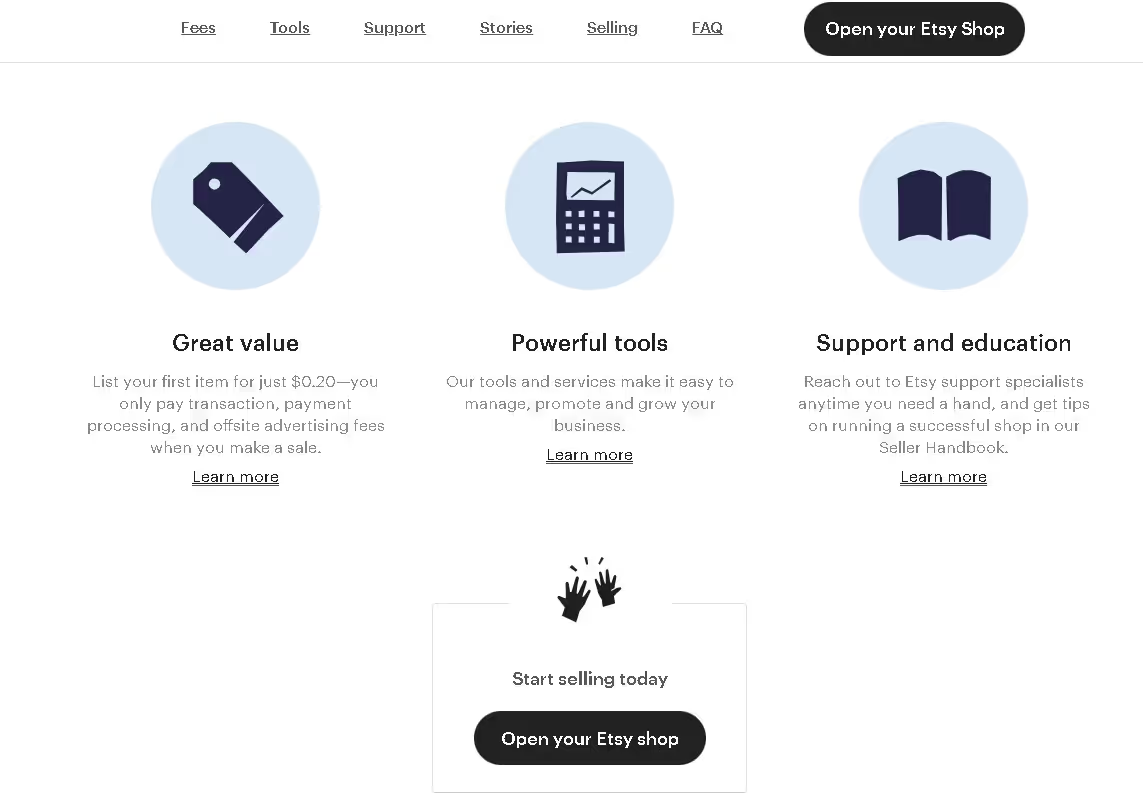
Step 2: Enter Your Etsy Shop Details
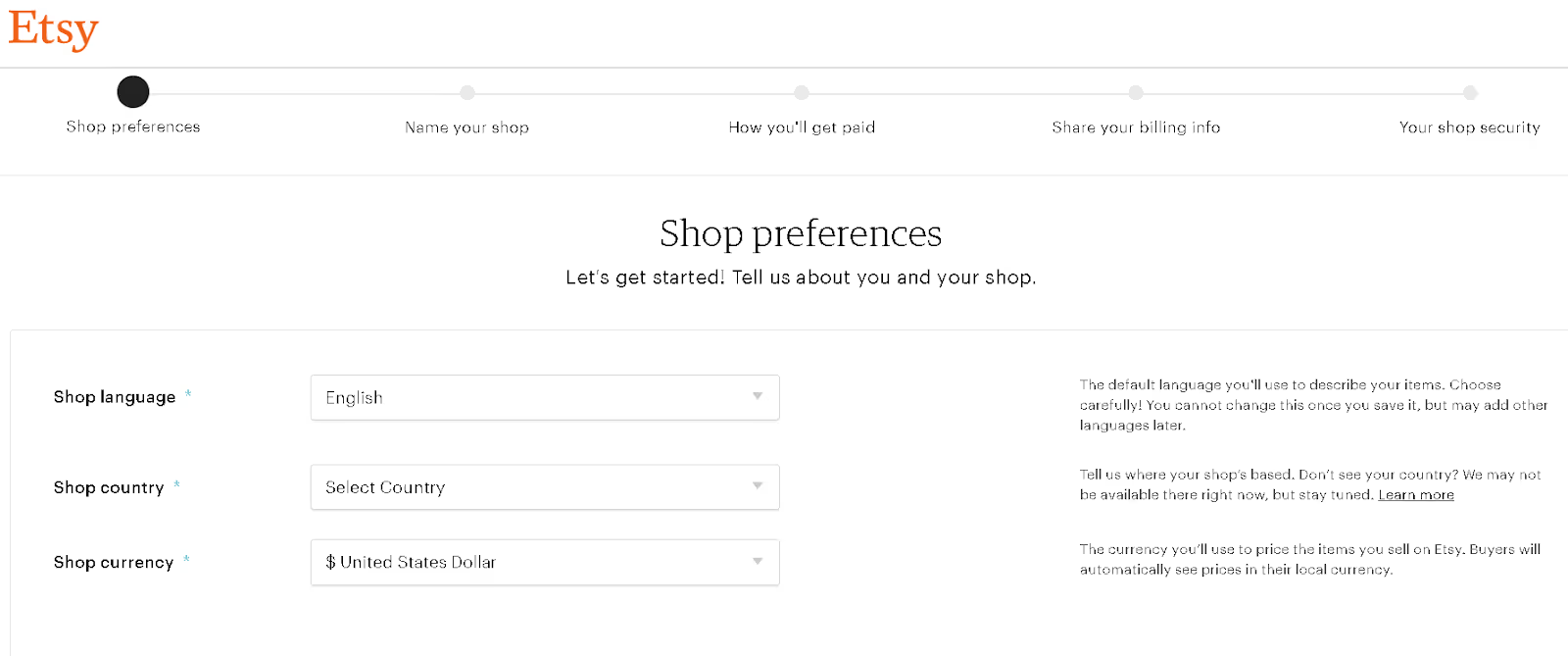
Once signed in, Etsy asks for details to set up your shop. Choose your shop's language, country, and currency. The language becomes the default for your listings and descriptions, and the currency affects how buyers see your prices.
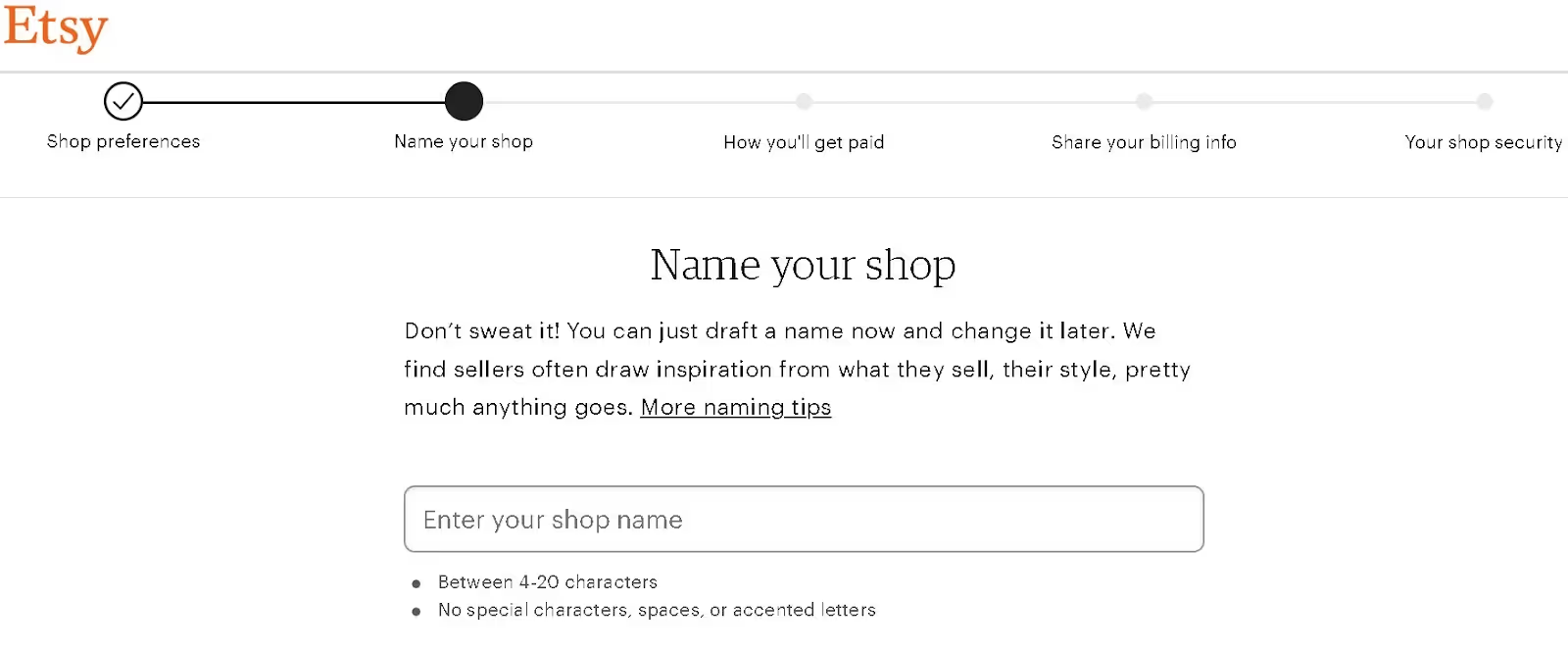
Next, customize your shop with details that reflect your brand. One of the most important steps is choosing a shop name - short, clear, and memorable, between 4 and 20 characters. Check out our Etsy shop name ideas for inspiration.
Step 3: Create Etsy Product Listings
Now showcase your products. Upload high-quality, well-lit images from different angles, and show the item in use so buyers can imagine it in their lives. Write a clear title with keywords buyers search for, and a description covering size, color, materials, features, and benefits. Finally, set prices and shipping - factor in your costs and margins.
Step 4: Set Up Your Payment and Billing Details
To get paid, Etsy uses Etsy Payments, its built-in gateway. Buyers can pay with credit cards, PayPal, Apple Pay, and more, and your earnings go straight to your bank account once you enter your banking and tax details. Etsy also deducts listing, transaction, and processing fees, so connect a debit or credit card to cover them automatically.
Step 5: Adjust Billing and Security
The final setup step is getting billing and security in order. Add a valid credit or debit card to cover Etsy's fees, and confirm your account security - Etsy may ask for identity verification or bank confirmation, so make sure all details are accurate to avoid payment delays.
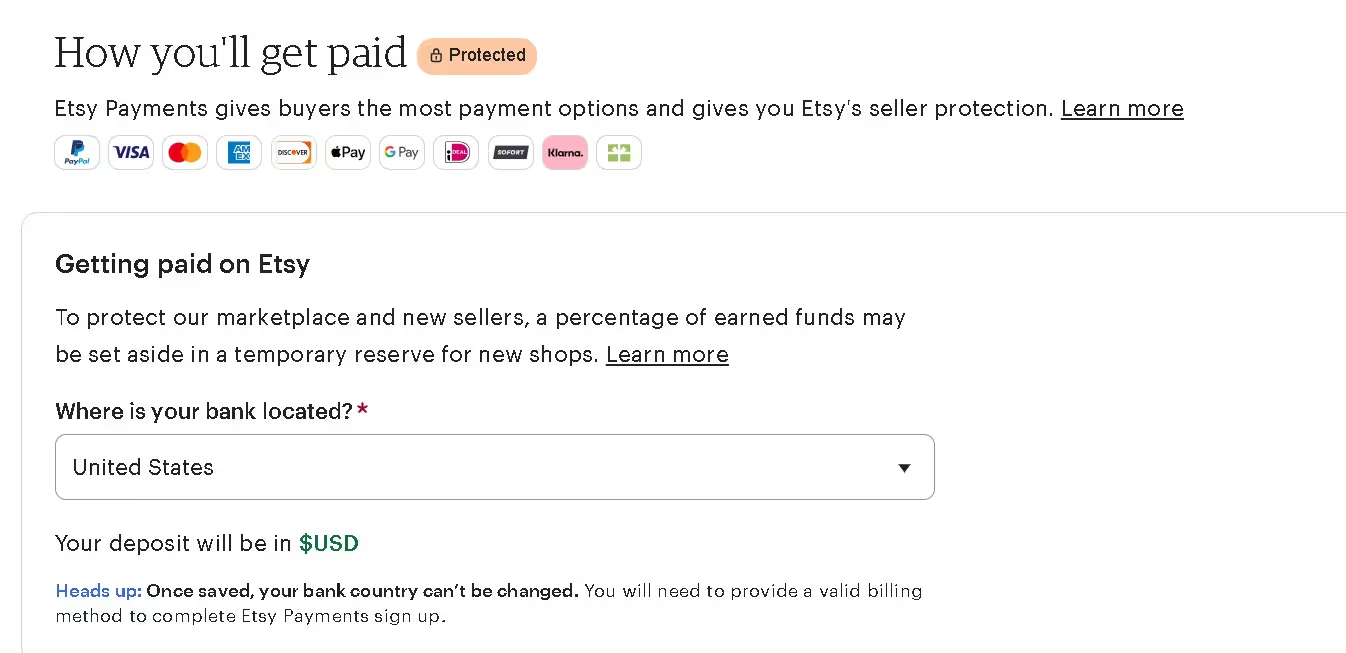
Security matters: since you handle payments and customer details, protect your shop with two-factor authentication, which adds an extra verification step at login.
Also Read:
How Much Does It Cost to Sell on Etsy?
It is important to understand the fees if you are planning to make money on Etsy. On average, Etsy fees account for 20-25% of your profit once you add everything up, so knowing them upfront helps you price correctly. Here is the breakdown at a glance, followed by the detail:
- Setup Fee: To open a shop you may pay a one-time set-up fee, applied when you confirm your shop and non-refundable once paid.
- Listing and Renewal Fee: Every listing costs $0.20 per item and stays active for four months; after that you renew it for another $0.20.
- Transaction Fee: Etsy charges 6.5% on the listing price, including shipping and gift wrapping, whether you sell domestically or internationally.
- Payment Processing Fee: When you use Etsy Payments, a processing fee applies to each transaction; the rate depends on your bank's country and is applied to the total sale.
- In-Person Selling Fee: If you use the Square reader, a $0.20 transaction fee applies to synced and non-synced listings processed manually.
- Regulatory Operating Fee: In some countries Etsy adds a small percentage-based fee per sale to cover compliance costs - worth checking if you sell internationally.
- Currency Conversion Fee: If you list in a currency different from your payment account, Etsy charges a 2.5% conversion fee when converting the buyer's payment.
- Etsy Plus and Pattern Subscriptions: Etsy Plus is optional at $10/month for extra tools and credits; Pattern, Etsy's website builder, costs $15/month after a 30-day free trial.
- Advertising and Promotional Fee: Etsy Ads let you set a budget to promote listings on Etsy; Offsite Ads run on external platforms and charge 12-15% of the price per sale.
- Delivery Fee: If you buy shipping labels from Etsy, costs vary by carrier, weight, and destination, with extras like insurance, deducted automatically from your balance.
Also Read:
What to Sell on Etsy?
The best-selling items on Etsy are often handmade, vintage, or personalized products. Here are some profitable niches to explore.
Tech Accessories
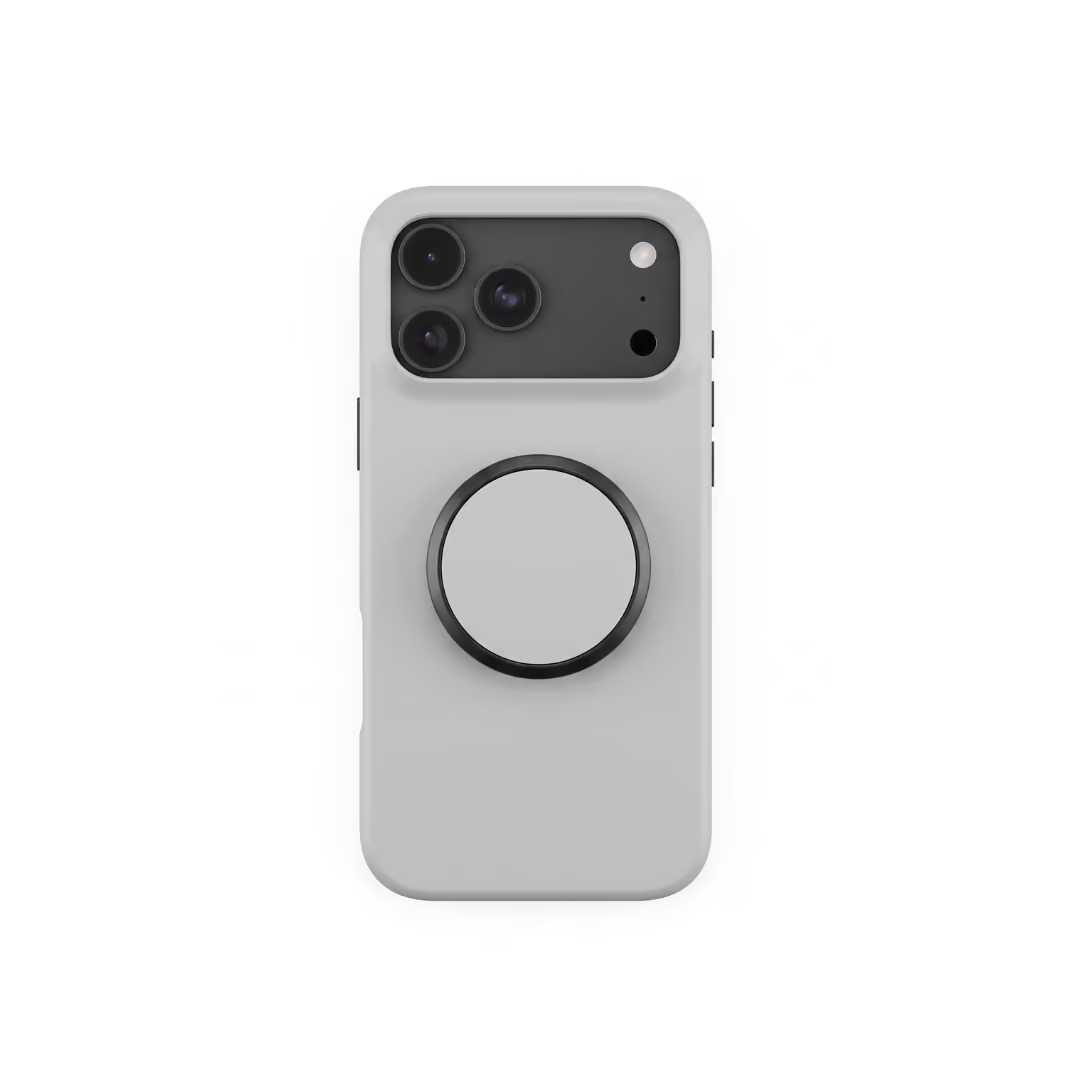
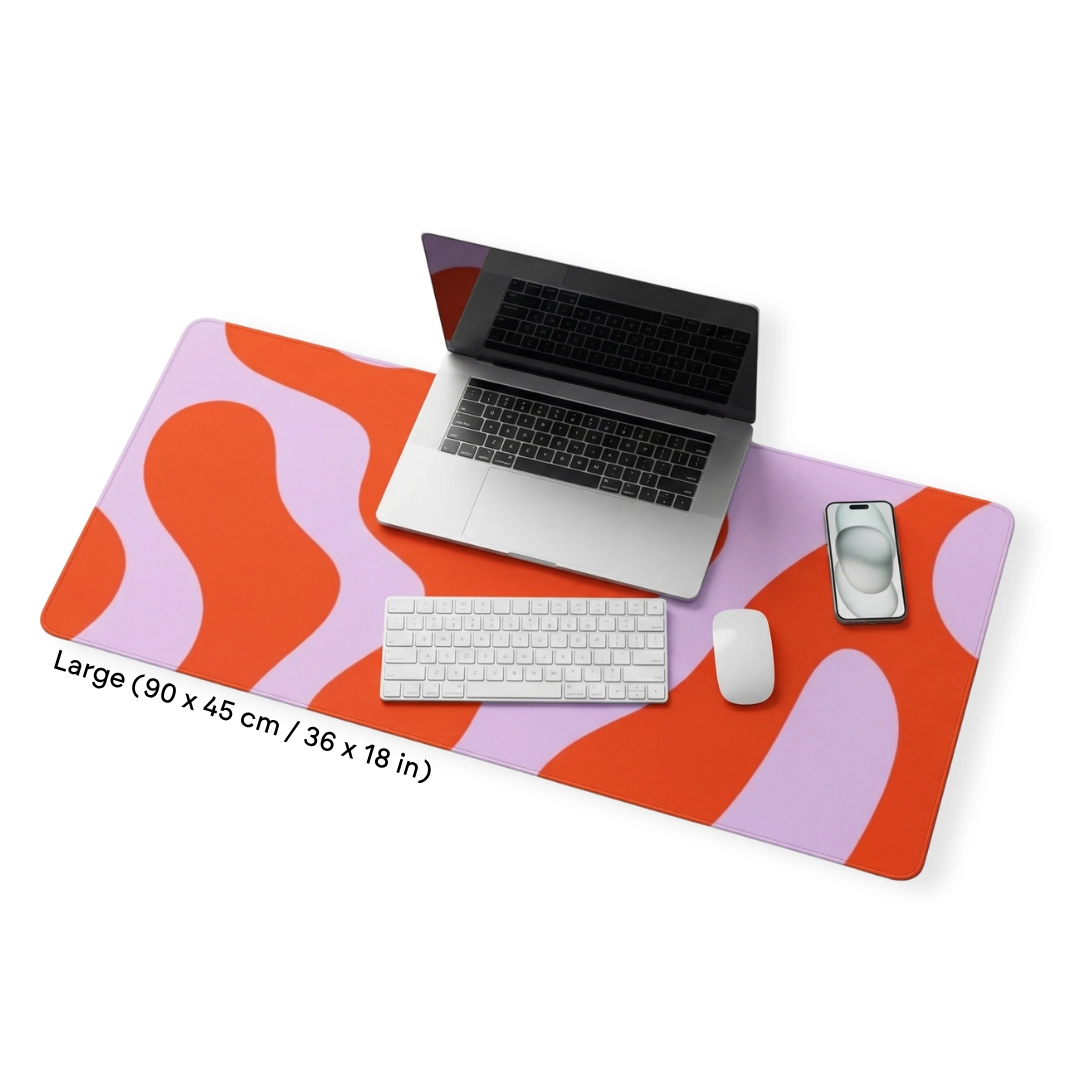
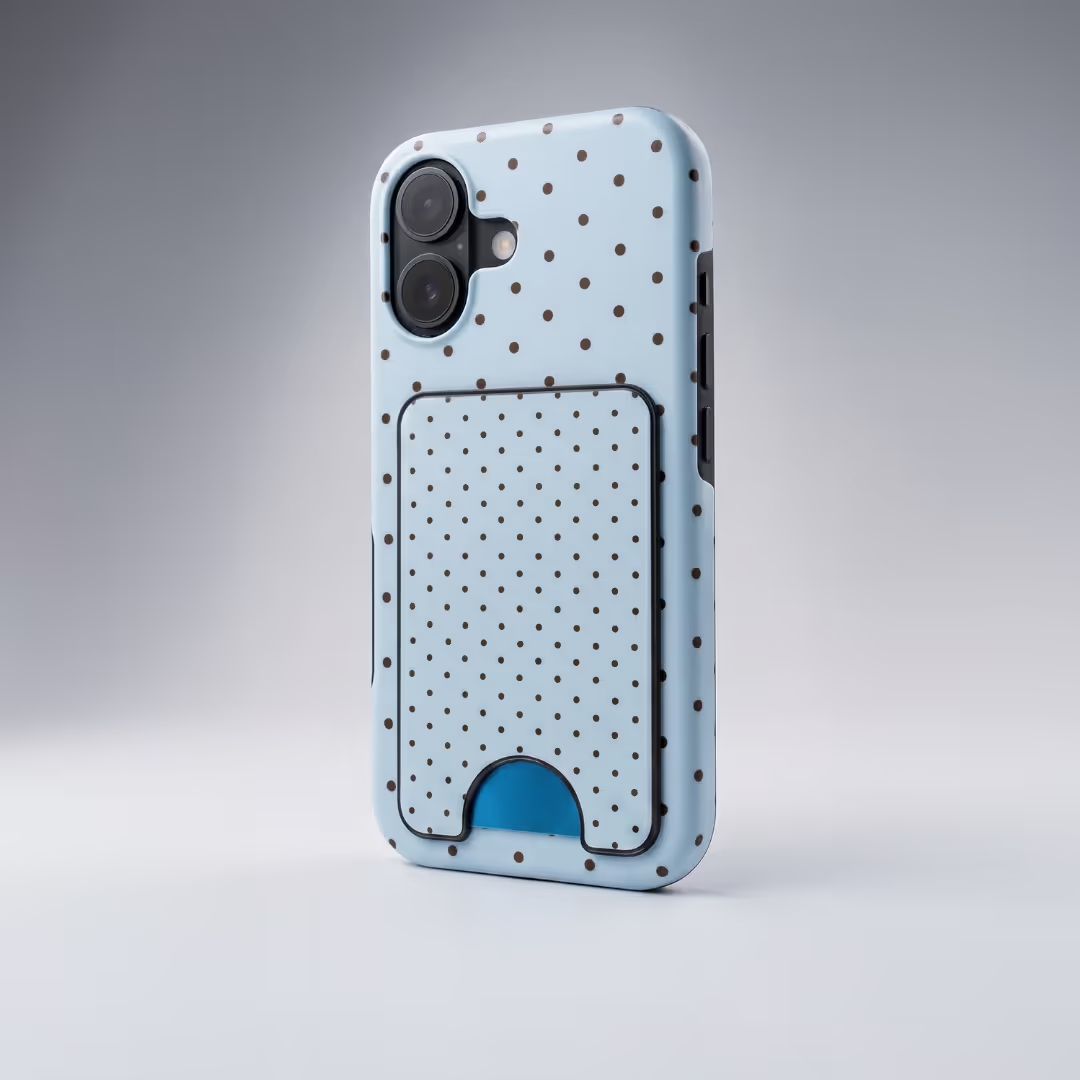
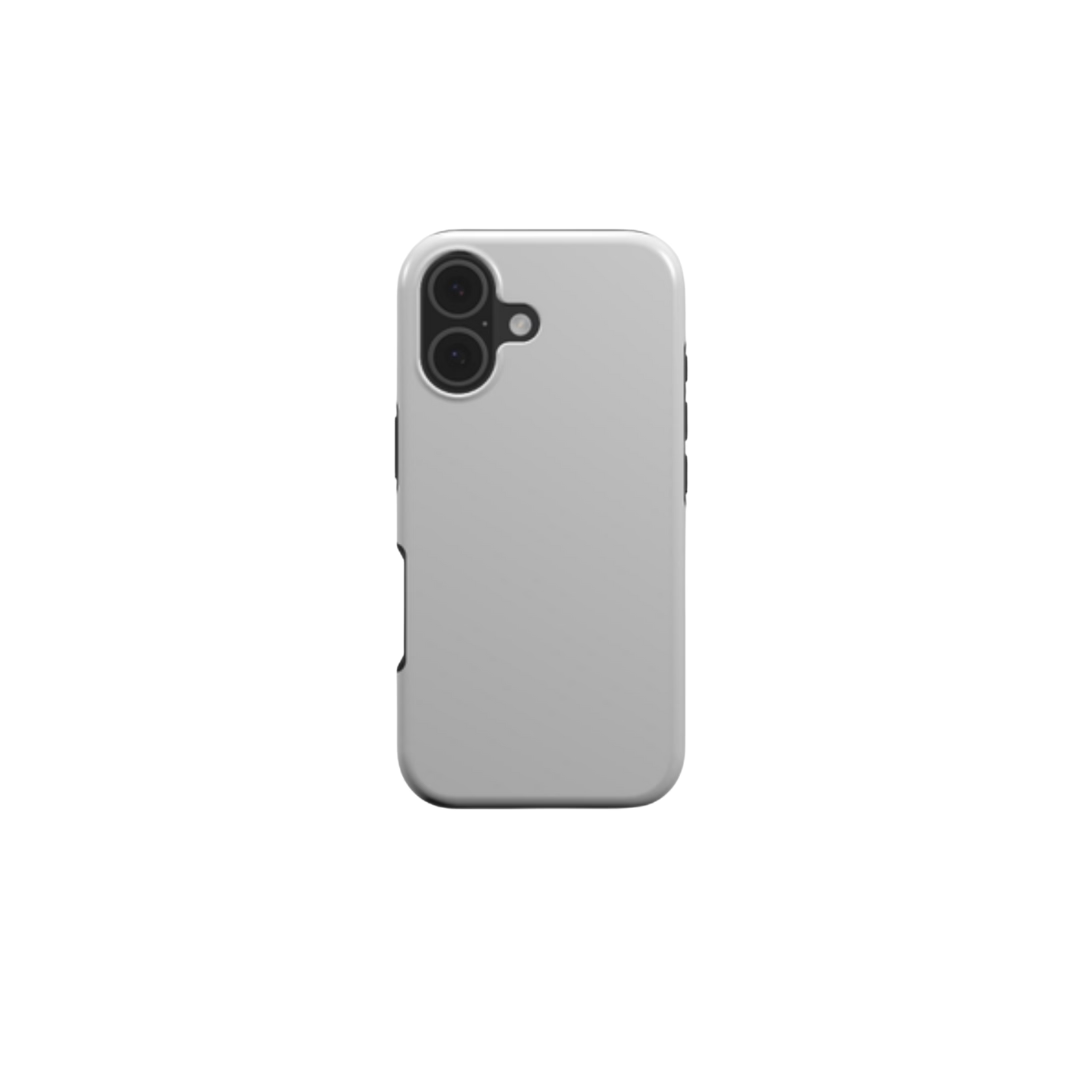
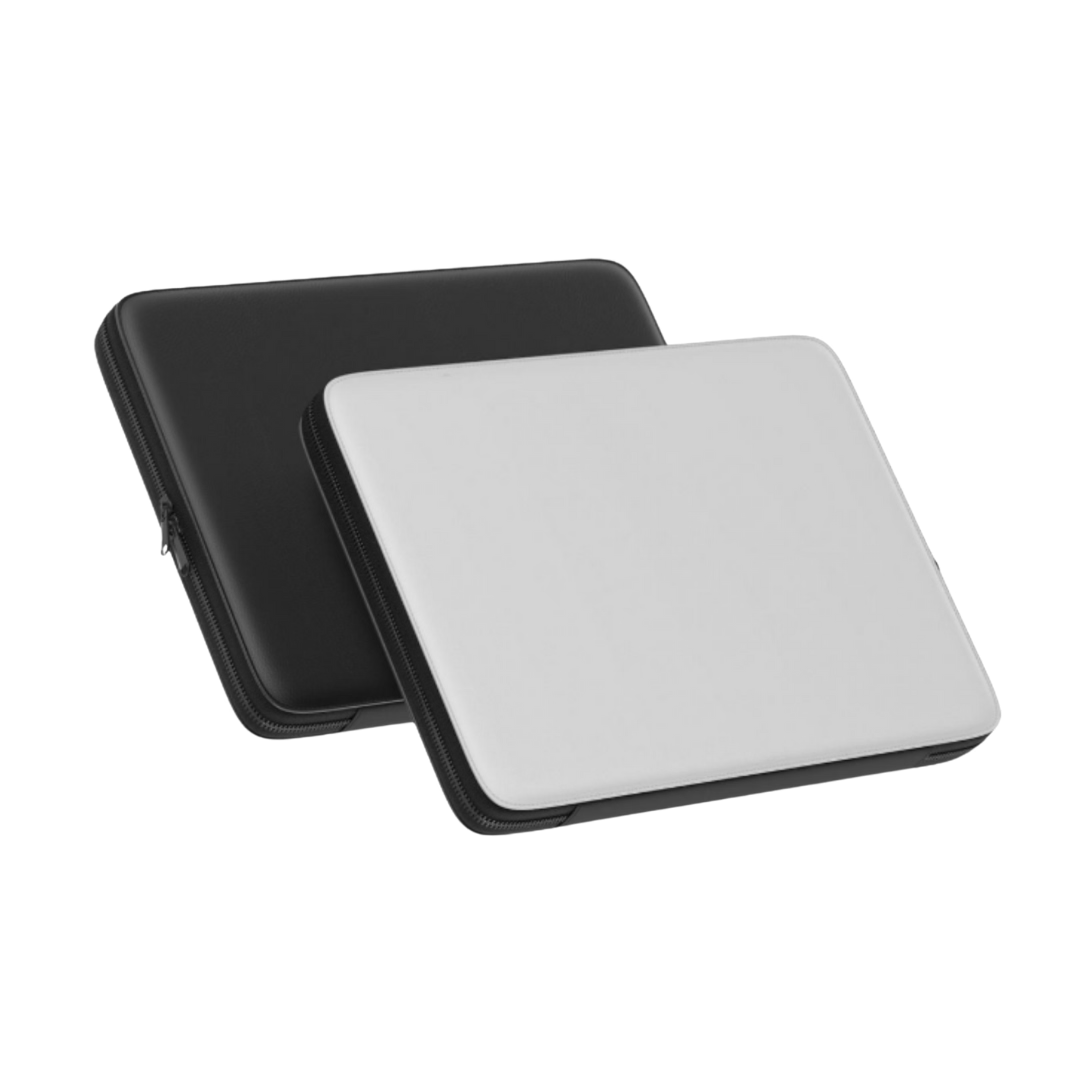
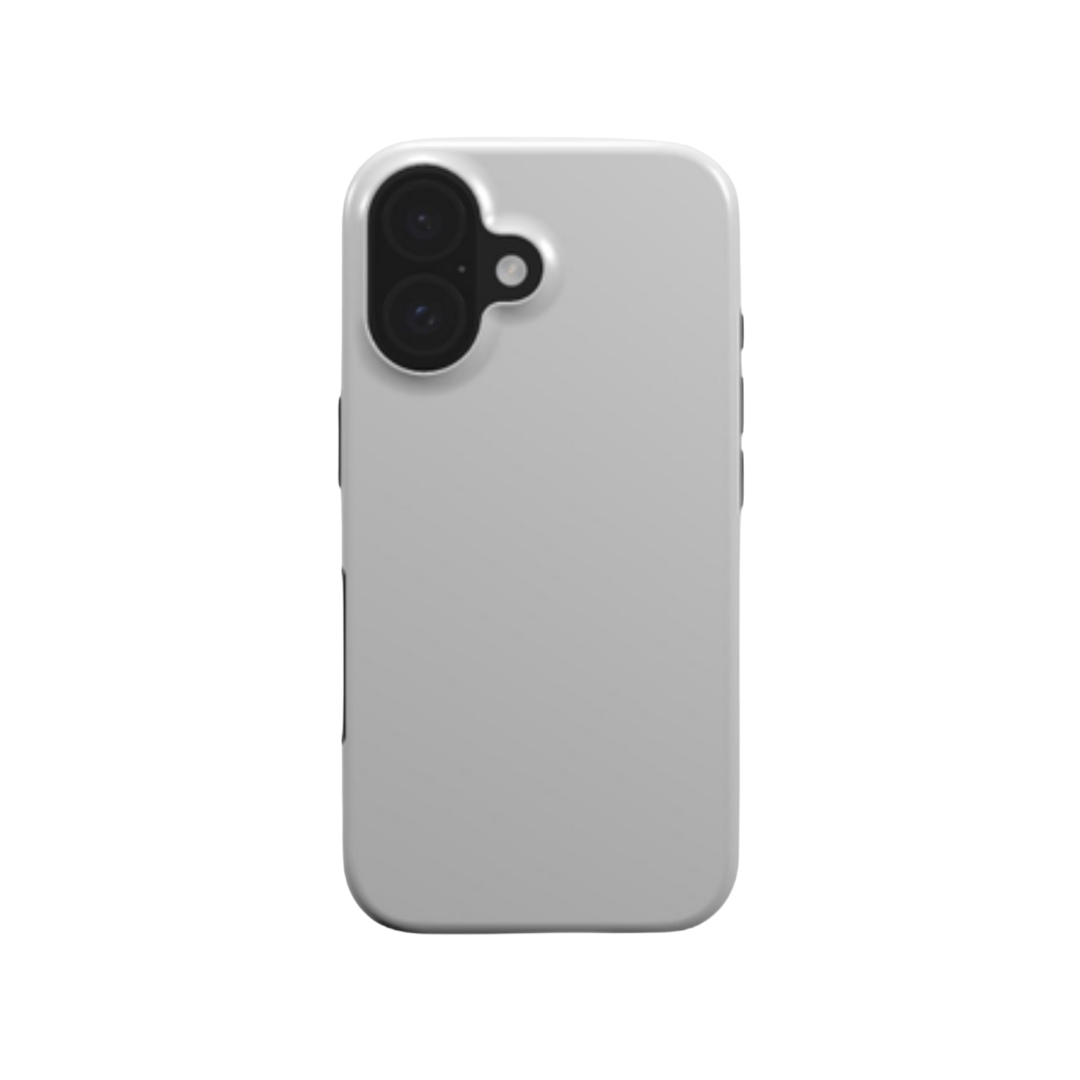
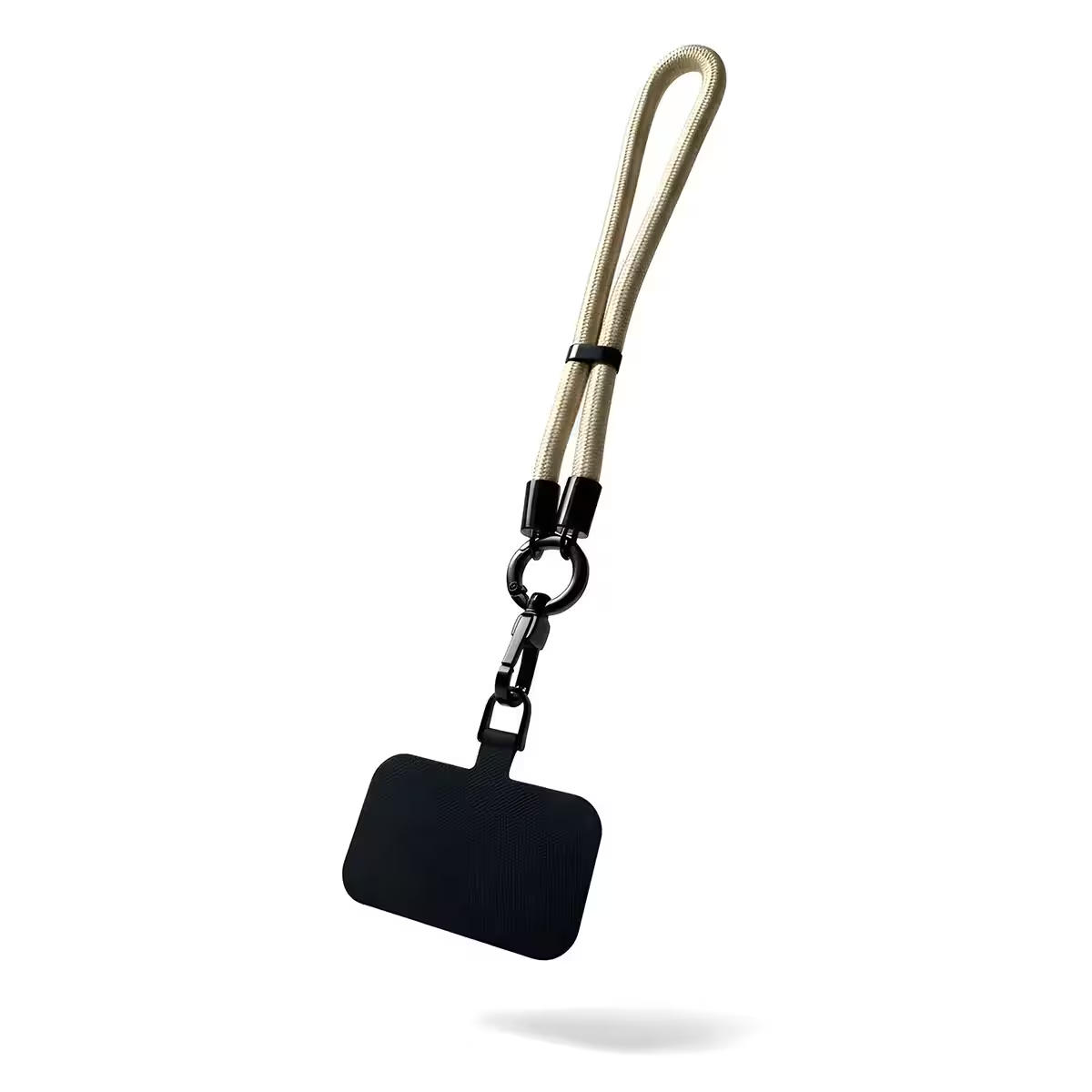
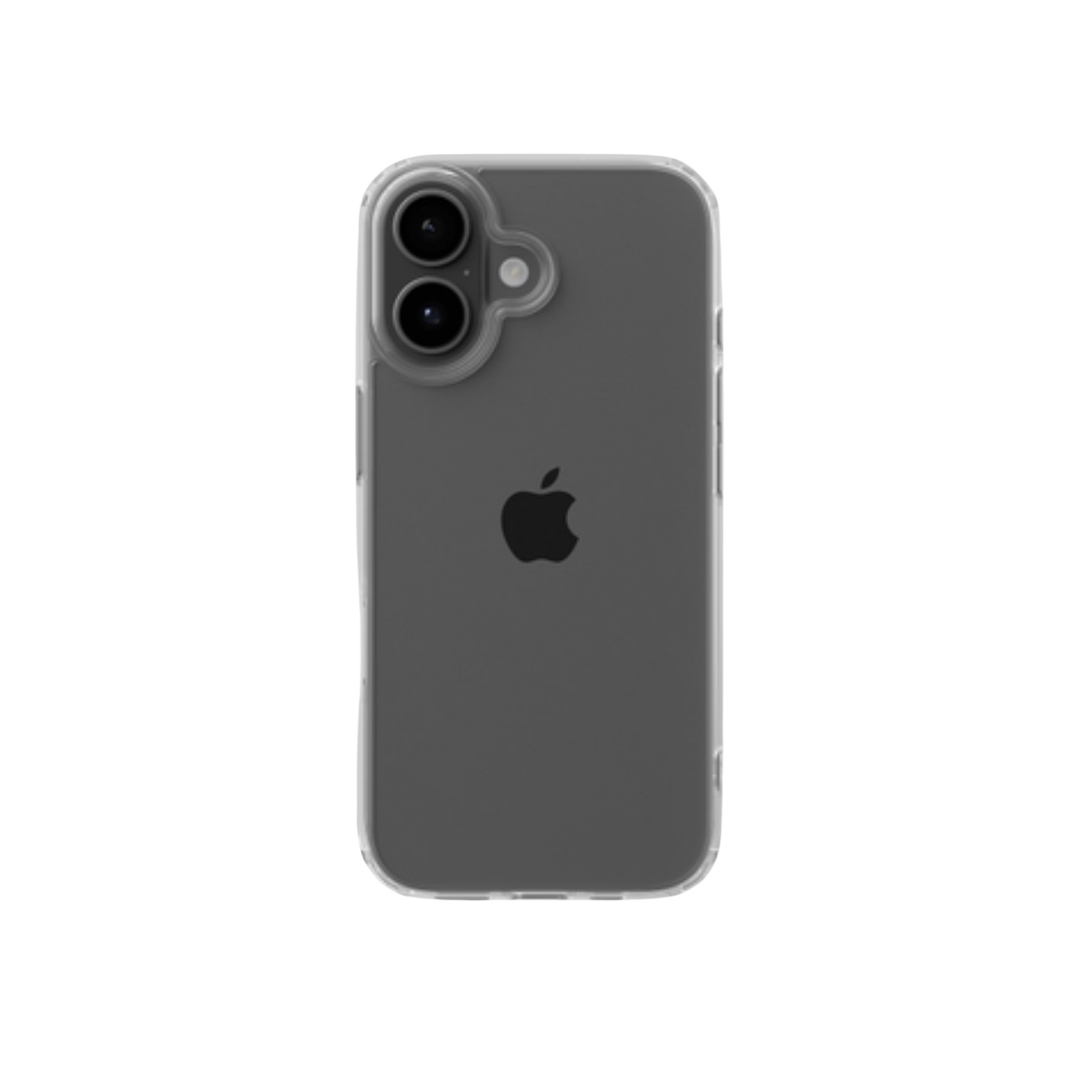
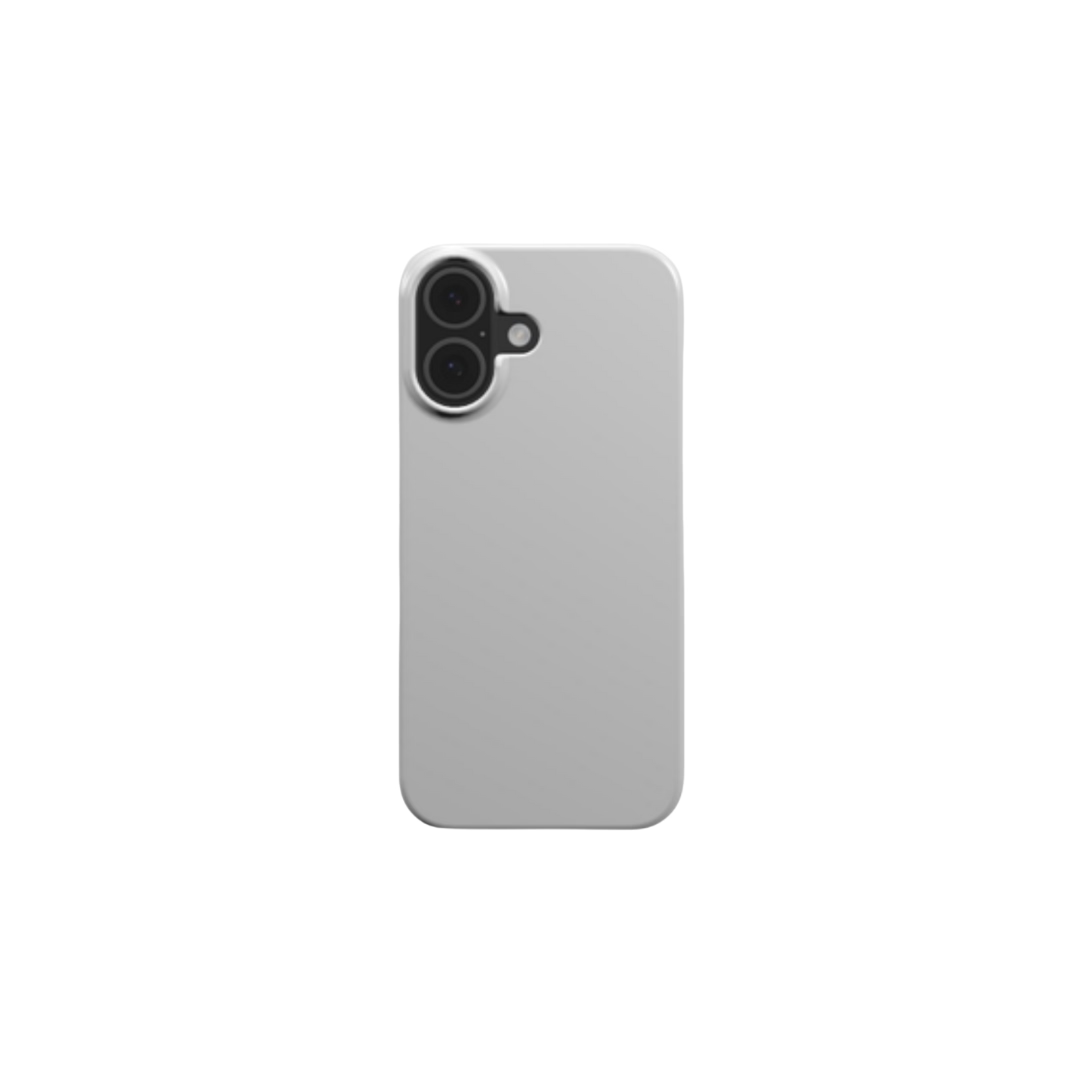
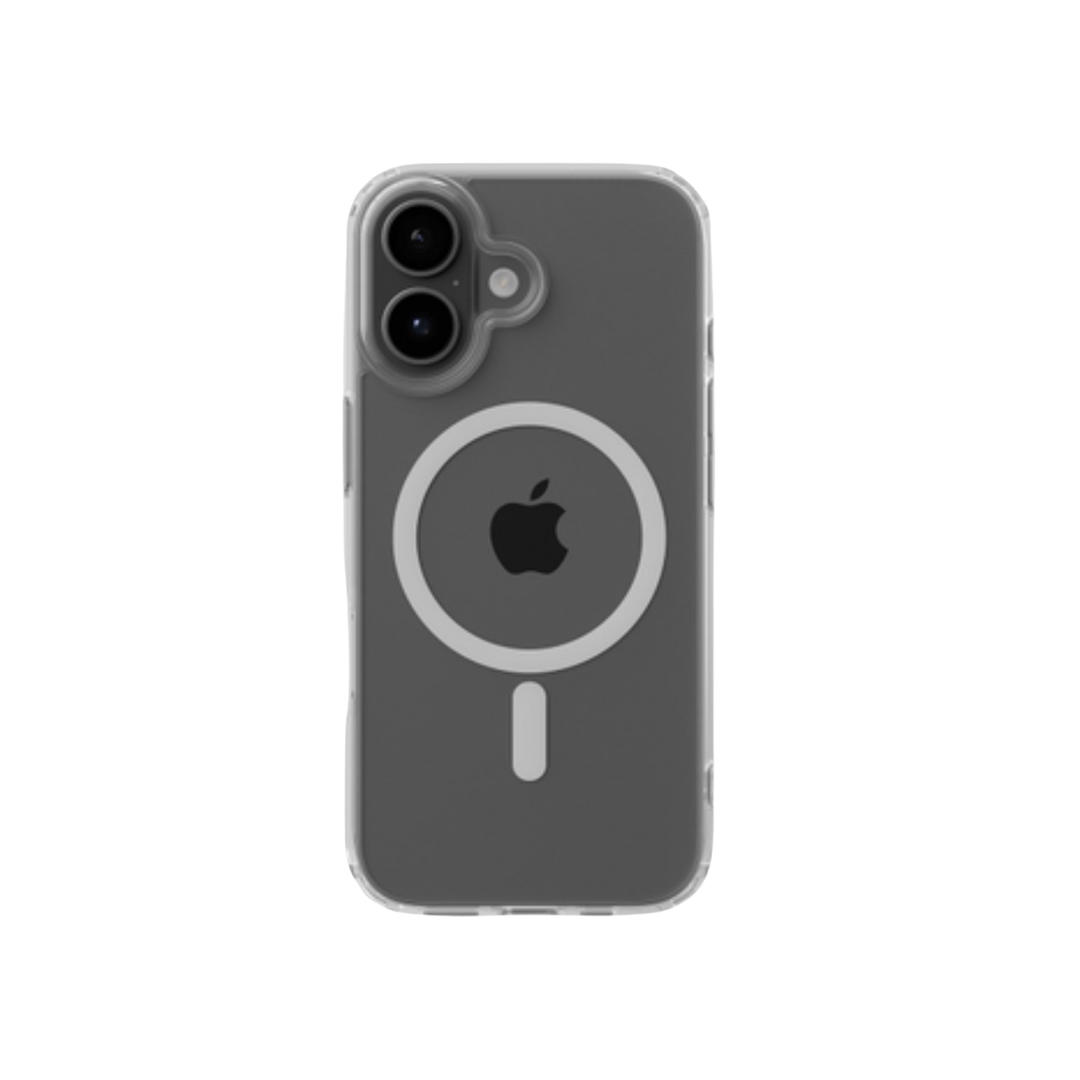
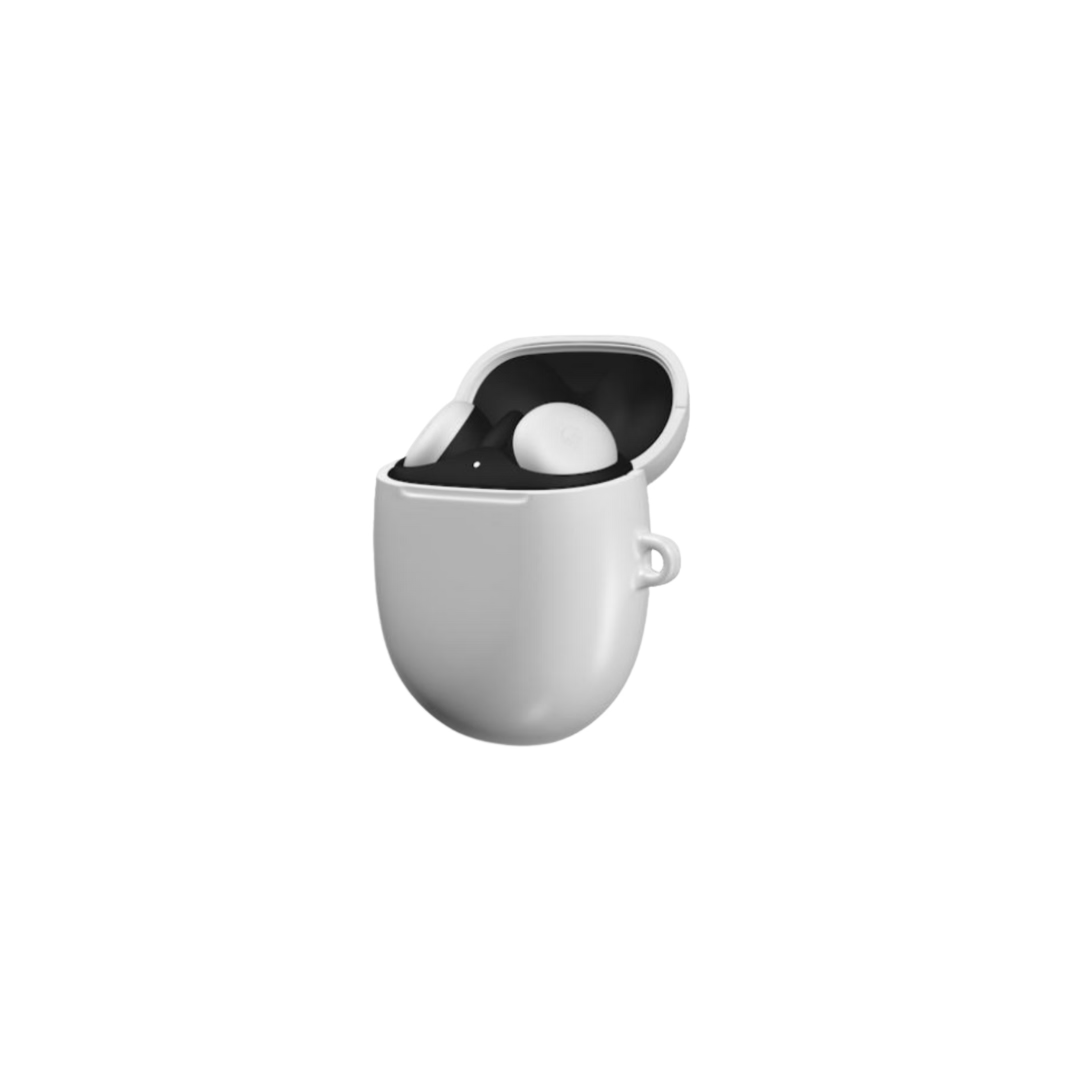
Among the top Etsy niches, tech accessories are a popular option - custom phone cases, laptop sleeves, AirPod covers, and smartwatch bands are common choices.
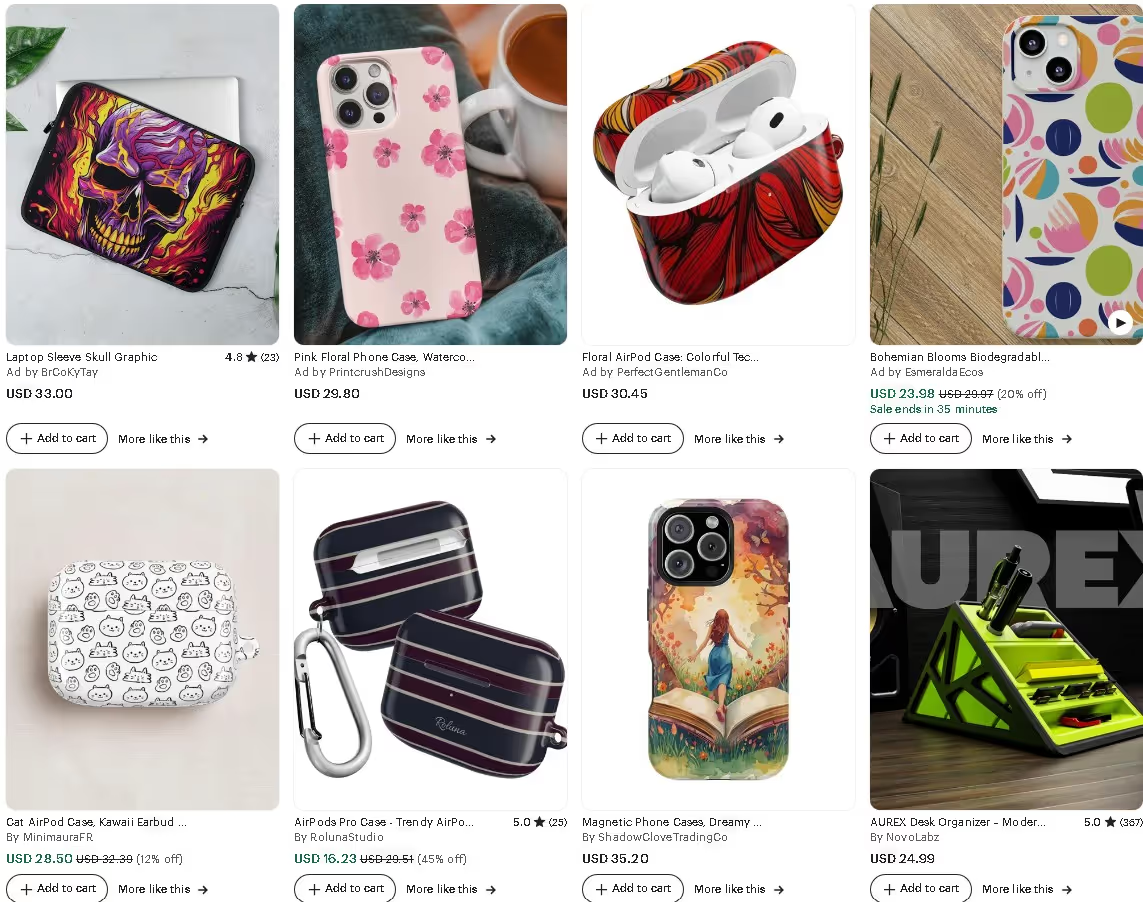
A key benefit is the strong profit margin. According to Etsy statistics, buyers are willing to pay more for personalized products, and production costs are low - especially with print-on-demand suppliers. Unlike jewelry or clothing, which are oversaturated on Etsy, tech accessories are still developing as a niche, so new sellers can stand out with the right product mix and branding.
This is exactly where print-on-demand shines for Etsy sellers. Our CEO Saulius Meilutis describes a phone case as “your personal billboard on your gadget” - an extension of identity, not just protection - which is why personalized tech accessories sell so well. With Podbase you can buy a phone case for about EUR 10 and sell it for EUR 35-60, list new-model cases the moment a device launches, and never hold inventory.
Downloadables & Printables
Digital products are another powerful print-on-demand category for Etsy. Downloadables like planners, calendars, wedding invitations, or social media templates are in high demand because they are affordable, instant to download, and customizable.
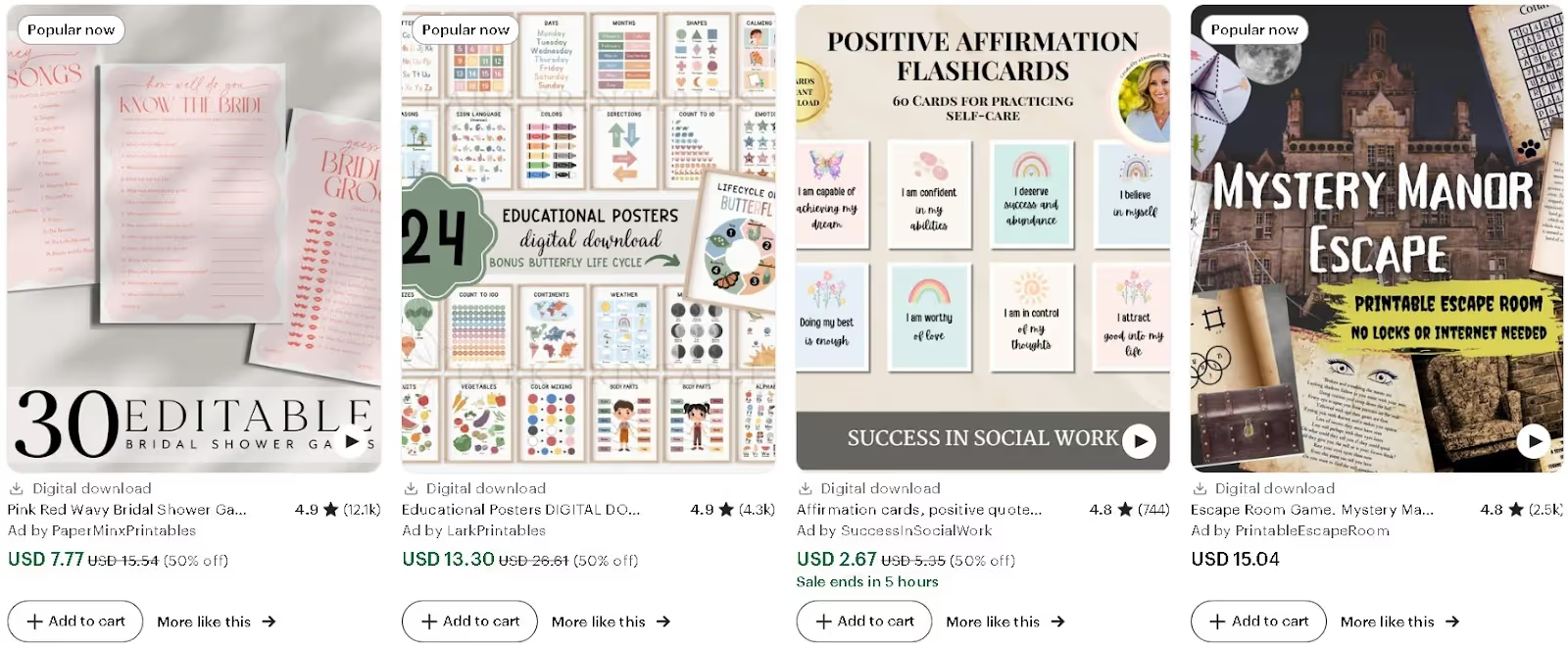
This niche stands out for low effort: no shipping costs and no inventory. Once you design a product, it sells again and again, every buyer gets instant access, and you can reach anyone with internet access worldwide - a great path to passive income.
Wall Art
Buyers want artwork that makes their space unique, and platforms like Etsy or Shopify make it easy to reach them with everything from minimalist prints to bold statement pieces.

You can offer both digital downloads and physical prints. Digital artworks appeal to buyers who want instant access and the freedom to print at home, while physical prints let you charge more with custom paper or framing. Test styles, themes, and formats - seasonal art, personalized prints, and niche-specific designs all help you carve out space.
Also Read:
What Should a New Etsy Seller Know Before Actually Selling?
Many new sellers jump in expecting quick profits, but success on Etsy takes planning and a solid understanding of how the platform works. A few important things to keep in mind:
- Read the Etsy Seller Handbook: Etsy's official guide covers what you can and can't sell, plus copyright and trademark basics so you don't accidentally list restricted or copied products.
- Understand returns and refunds: Different regions have different rules, but you are always responsible if an item arrives broken or defective.
- Invest in helpful tools early: Start with a postal scale, a label printer, and good lighting for professional photos - the right equipment makes daily work much easier.
- Photos and SEO are crucial: High-quality images attract customers, and the right keywords in titles and descriptions help your products appear in Etsy searches.
- Expect growth to be slow: It can take weeks or even months to see steady traffic and orders, so don't expect sales the moment you open.
- Know your margins: Before setting prices, calculate the real cost of materials, fees, and shipping so you aren't undercharging.
- Be ready to put in the work: Selling on Etsy takes consistent effort - writing descriptions, marketing, and answering customer questions.
- Think long-term: Consistency in updating listings, improving photos, and refining your brand leads to growth over time.
Also Read:
- Top Small Business Statistics You Should Know
- Entrepreneur Statistics: Insights for Business Builders
Biggest Mistakes New Etsy Sellers Make
Selling on Etsy is worth it if you avoid common pitfalls. Many sellers fail by repeating costly mistakes - here are the ones to avoid.
Shipping & Fulfillment Mistakes
Shipping is one of the biggest pain points. Many underestimate the cost of sending items, especially internationally, which eats into profits or loses money. Skipping tracking means replacing lost packages - doubling costs - and shipping bulky or framed items raises both cost and the risk of damage.
Pricing & Profitability Mistakes
Many sellers set prices too low, undervaluing their work, or forget to include transaction fees, payment processing, and taxes. A sale that looks healthy on paper often shrinks once those costs are factored in.
Listings & Branding Mistakes
Unclear titles and descriptions confuse buyers and lead to cancellations, complaints, or negative reviews. Weak or misleading photos are just as damaging - since buyers can't touch the product, blurry or generic images make even great products look untrustworthy.
Strategy & Growth Mistakes
Chasing SEO hacks instead of real demand wastes time on products that don't sell. Overthinking the launch and tweaking endlessly delays learning from real customers. And entering crowded markets like jewelry or clothing without a clear niche - while relying only on Etsy traffic - makes growth far harder.
Policies & Operations Mistakes
Skipping shop policies on returns, shipping, and refunds creates avoidable stress. Ignoring inventory systems like SKUs makes scaling and moving to platforms like Shopify difficult later. And overlooking self-employment tax, quarterly filings, and a basic business plan leaves sellers reacting instead of building toward stability.
Also Read:
- How to Sell on TikTok Shop: Step-by-Step Guide for Beginners
- How to Make a Website to Sell Stuff (Without Any Inventory)
FAQ
1. How do I start selling on Etsy?
To start selling on Etsy, click Sell on Etsy and open your shop, then set your language, country, currency, and a short, memorable shop name. Add listings with clear photos and keyword-rich titles, enable Etsy Payments with your bank and tax details, and publish. Many sellers scale by connecting a print-on-demand provider so they hold no inventory.
2. How much does it cost to sell on Etsy?
Etsy fees typically add up to about 20-25% of revenue. Expect a $0.20 listing fee per item that renews every four months, a 6.5% transaction fee on the item price plus shipping, payment processing fees that vary by country, and 12-15% on Offsite Ads sales. Optional Etsy Plus ($10/month) and Pattern ($15/month) add more.
3. Is selling on Etsy worth it in 2026?
Yes, selling on Etsy is worth it in 2026 if you treat it like a real business - Etsy had about 86.6 million active buyers as of early 2026. Success is rarely overnight; the sellers who win price for fees, use strong photos and keywords, and pick an under-saturated niche like tech accessories rather than crowded jewelry or clothing.
4. What sells best on Etsy?
The best-selling Etsy items are handmade, vintage, or personalized products. Profitable, beginner-friendly niches include tech accessories like custom phone cases, which are still under-saturated and high-margin, digital downloadables such as planners and templates, and wall art in digital and physical formats. Personalized products command higher prices because buyers will pay more for them.
5. Do I need inventory to sell on Etsy?
No. With print-on-demand you can sell on Etsy without holding inventory - you upload designs, and a provider prints and ships each item only after a customer orders. Connecting a POD platform like Podbase to your Etsy shop lets you focus on designs and marketing while fulfillment, with margins up to 100% higher, runs automatically.
6. How long does it take to get sales on Etsy?
Expect growth to be gradual - it can take weeks or even months to see steady traffic and orders, not instant sales. The sellers who get there faster start lean, test a few products, and iterate using real data on what gets clicks and purchases, while consistently improving photos, keywords, and listings.
Conclusion
Selling on Etsy in 2026 is full of opportunity, but it is not a shortcut to overnight success. The sellers who thrive treat their shops like real businesses: they explain their products clearly, price for fees, pick an under-saturated niche, and focus on long-term growth. Open your shop, add your first listings, and learn as you go. To remove the inventory gamble, integrate your Etsy store with a POD platform like Podbase - it handles fulfillment with margins up to 100% higher than other providers, so you can focus on designs and marketing. Create a Podbase account today to get started.

Saulius Meilutis is the CEO of Podbase, helping creators and entrepreneurs monetize their ideas with print-on-demand. He shares insights on eCommerce, growth, and building lean online businesses.

.avif)




.avif)
.avif)
.avif)
.avif)
.avif)
.avif)

.avif)



.avif)

.avif)

.avif)

.avif)

.avif)