Most sellers pay an effective 11-15% per sale before offsite ads - which is why so many Etsy sellers quietly raise prices to protect margin. This is where product choice matters. Higher-margin POD items absorb Etsy's cut far better: a phone case bought from Podbase at around 10 euros can sell for 35-60 euros, and a simple checkout add-on like a screen protector converts 3-10% of the time for roughly 10 euros of extra profit. Thin-margin products, by contrast, can get erased entirely by Etsy fees.
Limited Branding Control
Etsy gives you little room to customize your storefront - you are mostly stuck with the familiar orange layout. That is fine for validation, but it caps how much brand equity you can build. It is also the single biggest reason sellers add their own store: when they migrated their top products to a dedicated POD-backed store, our sellers saw a 15% increase in customer reviews left and a 30% drop in support tickets tied to order issues. Owning the experience pays off.
Risk of Suspension or Copycats
Etsy can suspend shops with little warning, appeals are slow, and copyright infringement is common. When your entire business lives on a platform you don't control, a single suspension can end it. A store you own can't be taken away by someone else's policy change.
Is Etsy Worth It for Small Businesses & New Sellers?
Before you dive in, weigh the return on your time and money.
- Time investment vs. payoff: your first sale can take a while, depending on product quality and visibility. Consistency wins - and there are concrete milestones. In our experience, a seller who places a sample order within their first two days and publishes at least five products within 30 days is already ahead of 80% of POD stores. Make ten sales and you are in the top 10%.
- Niche saturation: with 5.6 million sellers, multiple shops will sell what you sell. Great photos, smart titles, and a distinct brand voice are non-negotiable.
- Etsy's rules vs. owning your brand: Etsy owns the platform, so it controls fees, search, and takedowns. That is exactly why building your own site alongside Etsy is the smart play.
One more piece of hard-won advice on getting started, from Podbase's Head of Sales, Sidas: the sellers who churn tend to spend months building the perfect store in private until six months pass and it never goes live. The sellers who win move fast - three to five designs live, marketing pushed hard - and most successful stores are up and running within two weeks. Etsy's low setup cost is the perfect place to do that fast testing.
Best Etsy Niches 2026: What Still Sells and What's Trending
Trends shift, but these creative niches keep selling on Etsy:
- Jewelry: custom name necklaces and birthstone rings - small, personal, and easy to vary without inventory.
- Stickers: low-cost, fun, easy to ship; bold fonts and relatable quotes win.
- Wall art and prints: digital downloads keep this low-risk, and there is real headroom - our CEO estimates about 65% of wall art sales still happen offline, so the online lane is far from saturated.
- Personalized notebooks: names, initials, or short quotes on covers make great gifts.
- Tote bags: practical and expressive - print-on-demand makes them easy to scale.
- Drinkware: mugs and tumblers with quotes or art; strong gift appeal.
- Custom clothing: funny tees and cozy hoodies still move fast - keep sizing clear and mockups clean.
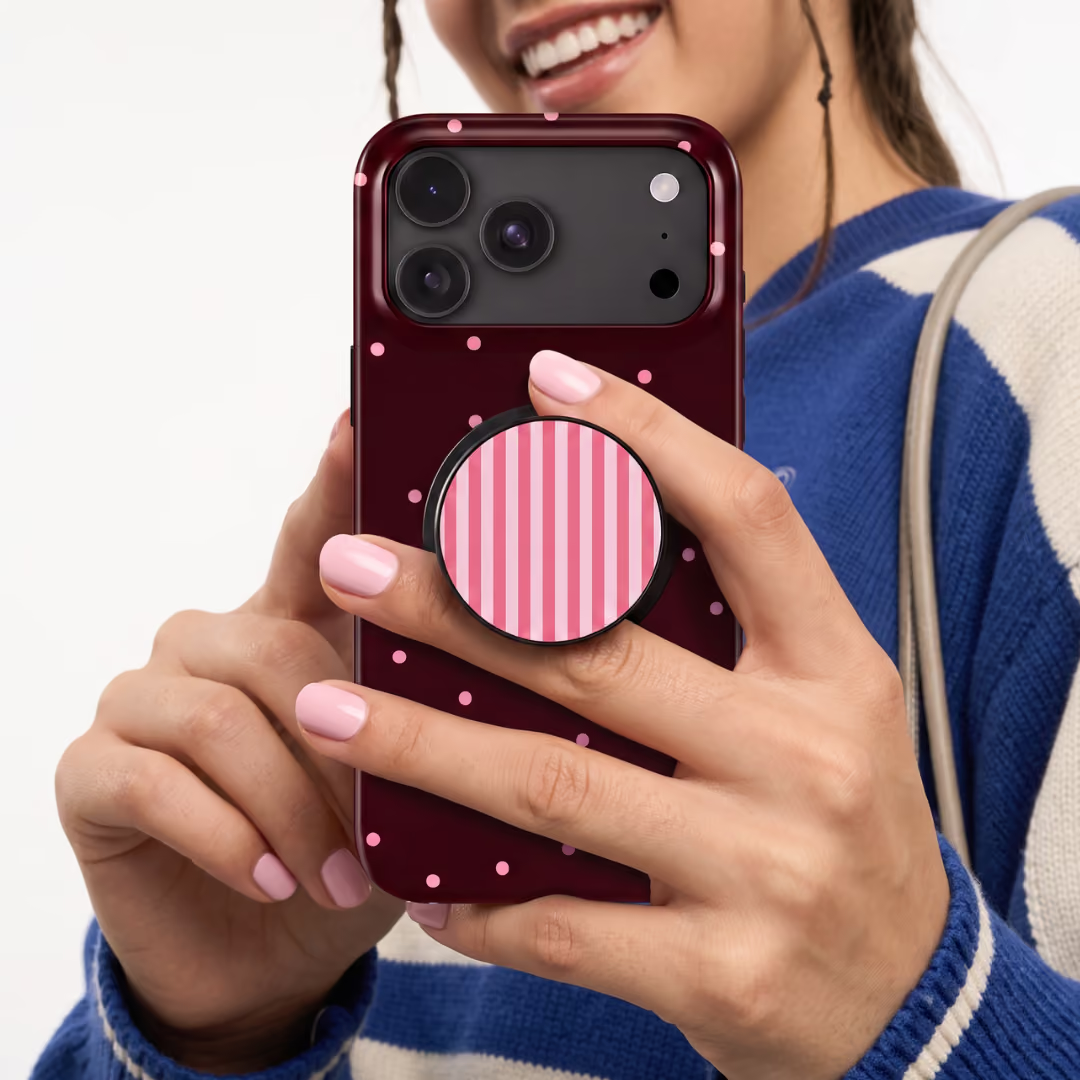
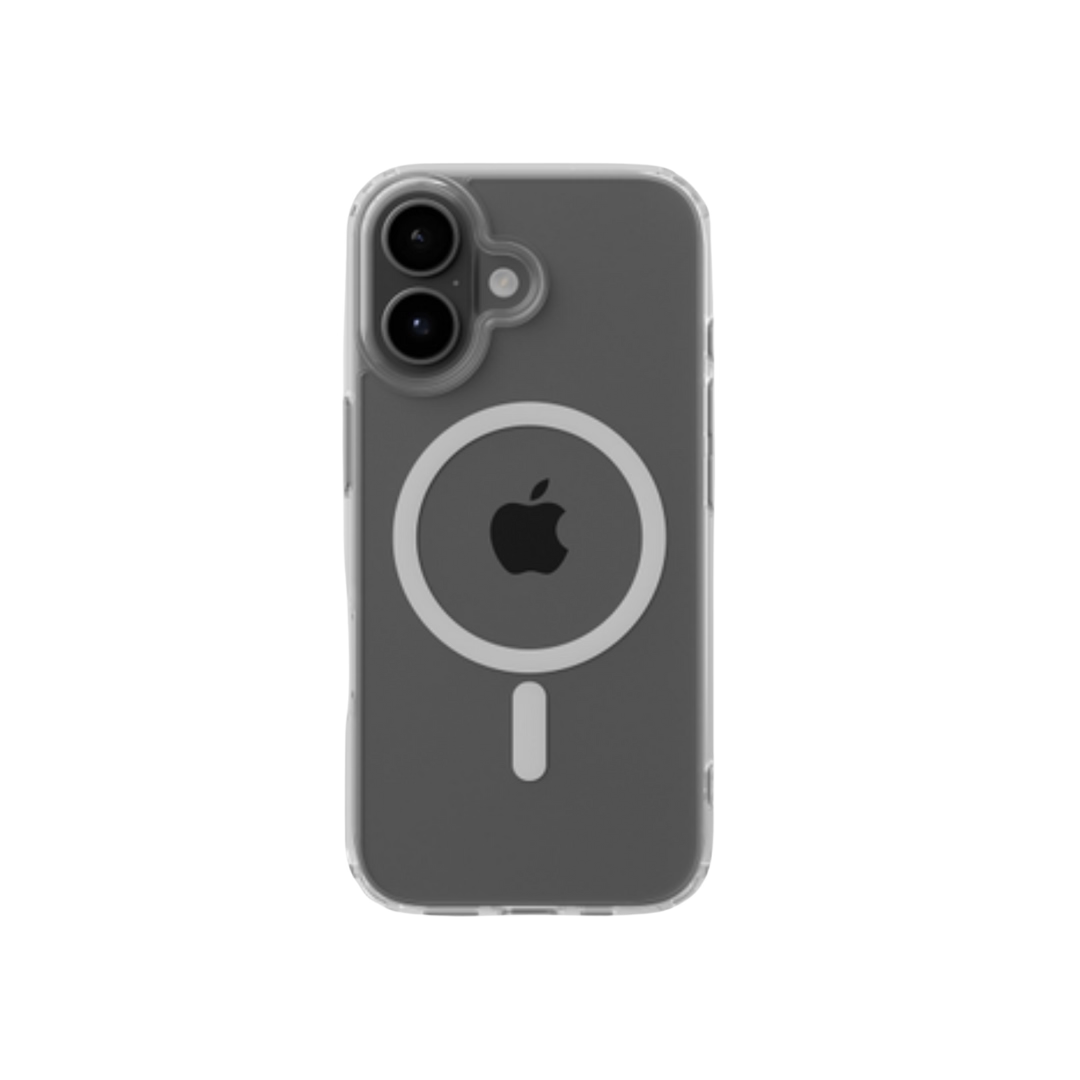
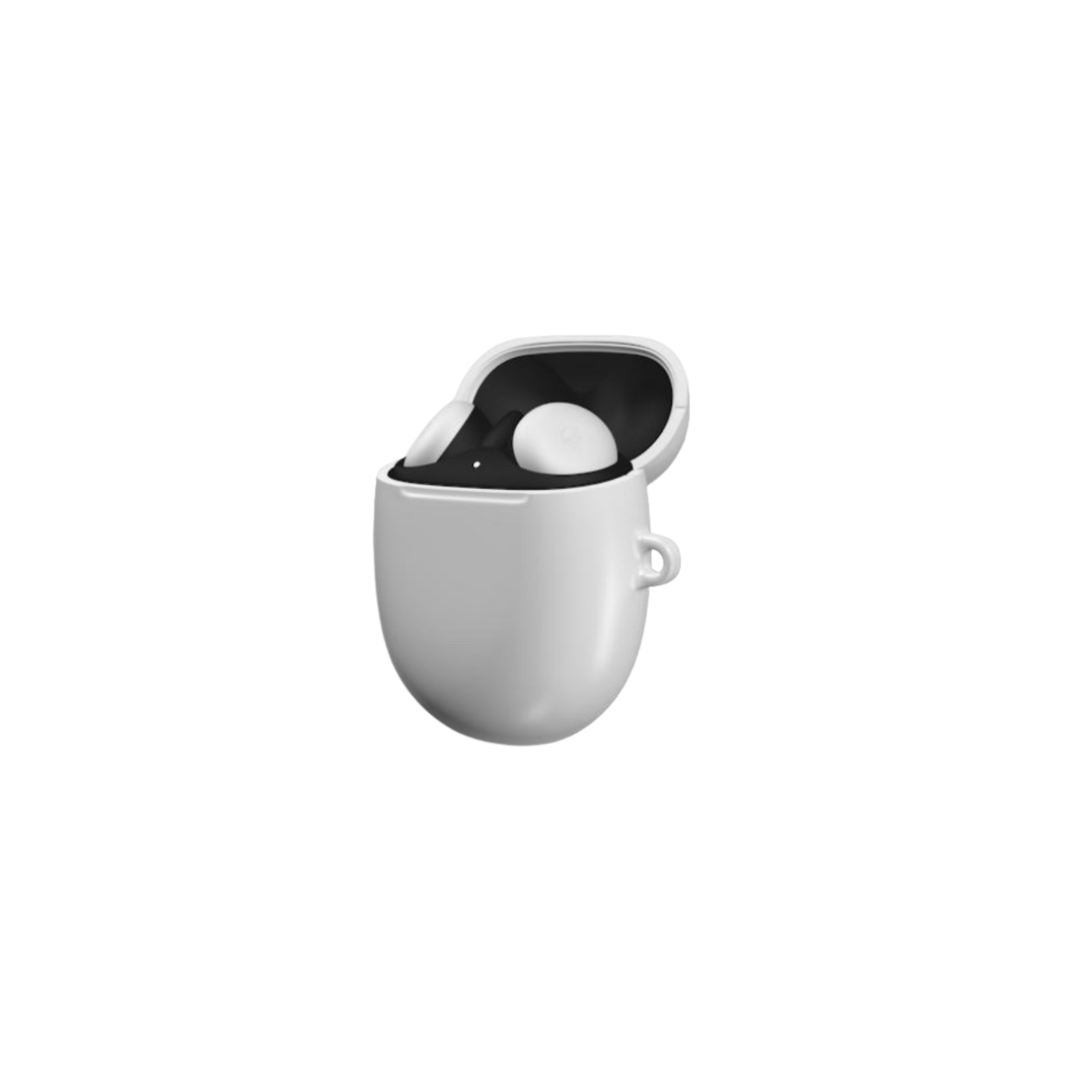
- Tech accessories: the fast-climbing category - custom phone, AirPods, and laptop cases let buyers show their personality, and POD margins here are strong.
Also Read:
How to Sell on Etsy Successfully in 2026 (SEO, Tools & Tips)
To sell on Etsy successfully, lean on these tactics and tools:
- Etsy SEO basics: your titles and tags tell Etsy what you sell. Use clear, simple words real buyers search for.
- Keyword research: match your listings to what buyers actually type. Tools like eRank and Alura help with research, traffic, and shop operations.
- Drive off-Etsy traffic: this is where most sellers underestimate the work. Our CMO is blunt about it: the majority of our sellers right now get most of their traffic from social media ads, while organic has become an advanced-player tactic. Instagram, TikTok, and Pinterest send traffic Etsy alone won't, and they build an audience you own even if a listing disappears.
Etsy Alternatives in 2026: When to Switch and Where to Go
If Etsy stops meeting your needs - or you simply want to own more of your business - here are the alternatives worth your time.
Print-on-Demand with Podbase
Is selling on Etsy worth it in 2026? The short answer: yes for validating products and tapping built-in demand, but fees now take an effective 11-15% of every sale and the market is tightening - so most serious sellers run Etsy alongside a store they own. If you run an ecommerce business, you have probably asked this exact question.
Etsy has been around since 2005 and, despite growing competition, remains one of the biggest marketplaces for handmade and custom products. Its popularity is both its strength and its weakness: being trusted by millions of buyers drives traffic you can convert into sales, but it also attracts millions of sellers, which means stiff competition. Let's settle it with current numbers - including a few from our own seller data that most comparisons never show.
Etsy in 2026: Platform Trends, Growth & Seller Landscape
Here is what the latest data says about Etsy:
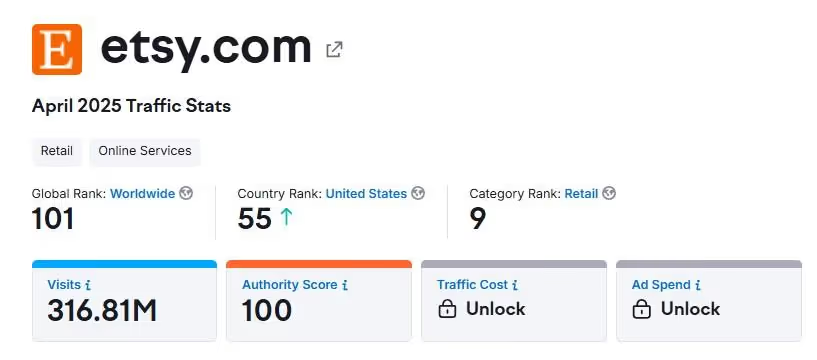
- Sellers up, buyers down: Etsy's Q1 2026 results show about 5.6 million active sellers (up 3.3% year over year) and 86.5 million active buyers (down 3.4%). That divergence matters - more sellers chasing a slightly smaller buyer pool is the textbook definition of a tightening market.
- Massive traffic: roughly 400 million visits land on Etsy every month. That reach is real, but so is the competition it attracts.
- Best-selling categories: home decor still leads, but tech accessories are climbing fast as buyers look for designs that show their personality - and print-on-demand is gaining serious traction in that lane.
Also Read:
- Shopify vs. Etsy: Which Platform Is Right for Your Business?
- How to Sell Podbase Print-on-Demand Products on Etsy
Etsy Pros in 2026: Why It Still Works for Many Sellers
Here are the benefits of selling on Etsy.
Access to a Massive Audience
Etsy puts your products in front of tens of millions of active shoppers, so you don't need a huge marketing budget to make your first sales. That is especially useful if you sell print-on-demand digital products and want to test demand before investing in your own store.
Fast & Affordable Store Setup
Etsy charges $0.20 per listing and may apply a one-time setup fee when you open your shop. Compared with subscription-based marketplaces, the upfront cost to get listed is low - which is exactly why Etsy is such a good validation layer.
Built-In Traffic and SEO
Etsy has search built in, and well-optimized listings surface to shoppers automatically. The right titles and tags can even help your shop appear in related Google searches, giving you discovery you would otherwise have to pay for.
Etsy Seller Tools & Learning Resources
You get built-in tools - the Seller Handbook and Shop Stats - to run your shop without guesswork. The dashboard tracks sales, visits, and traffic sources so you can see what is working.
Also Read:
- Best-Selling Items on Etsy [Top Picks + Trends]
- 300 Etsy Shop Name Ideas for Print on Demand Success in 2026
Etsy Cons in 2026: Fees, Competition & Platform Risks
Etsy is still a top choice for creators, but selling there comes with real trade-offs.
High Competition and Saturation
The marketplace is flooded with sellers offering near-identical products, so your designs can get buried in a sea of lookalikes. The 2026 data makes this worse, not better: with sellers up 3.3% while buyers fell 3.4%, the ratio of competitors to customers is moving the wrong way. Standing out now takes great photos, smart titles, and a genuinely distinct brand.
Rising Fees and Changing Policies
Low setup costs hide how the charges stack up. Here is the real 2026 math on a single sale:
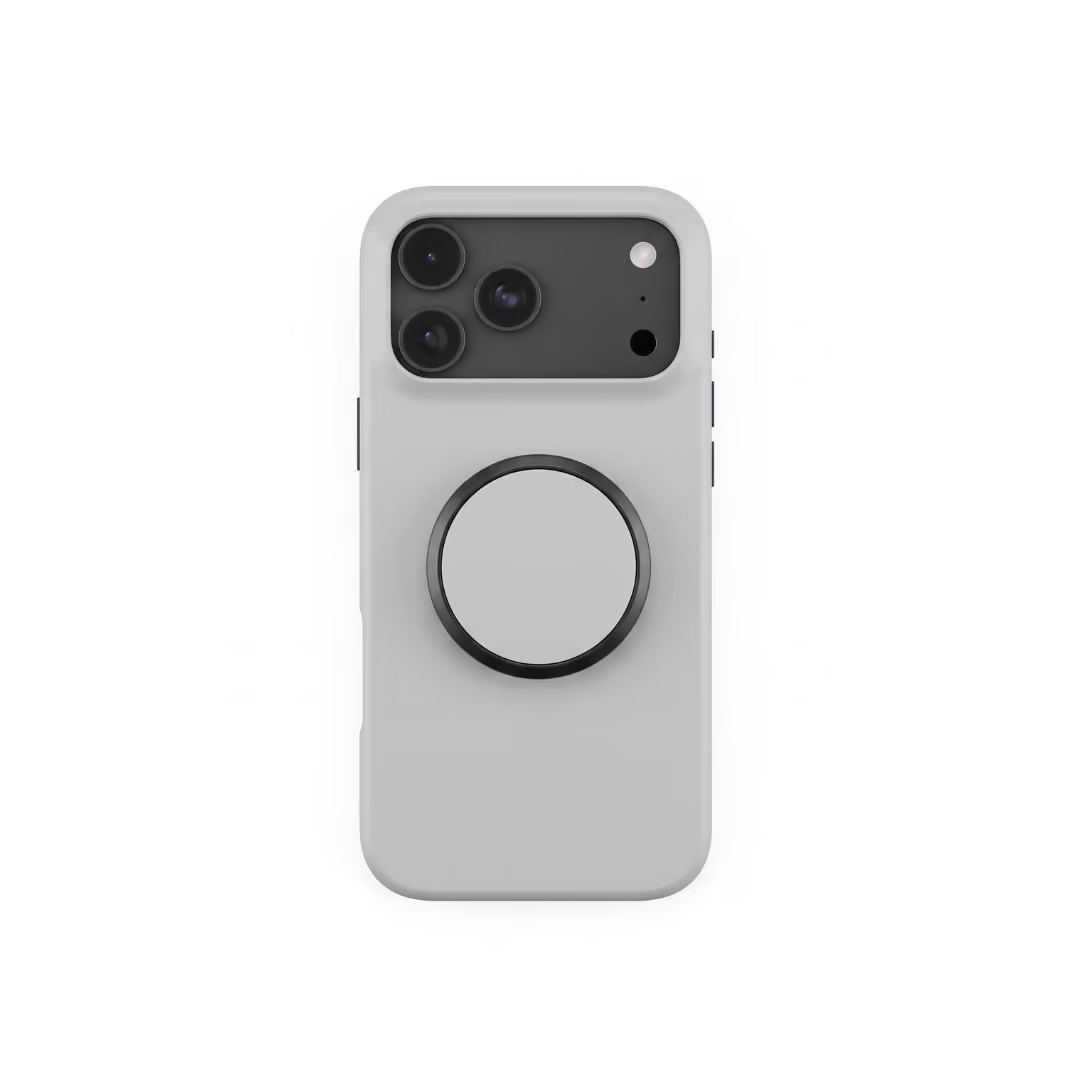
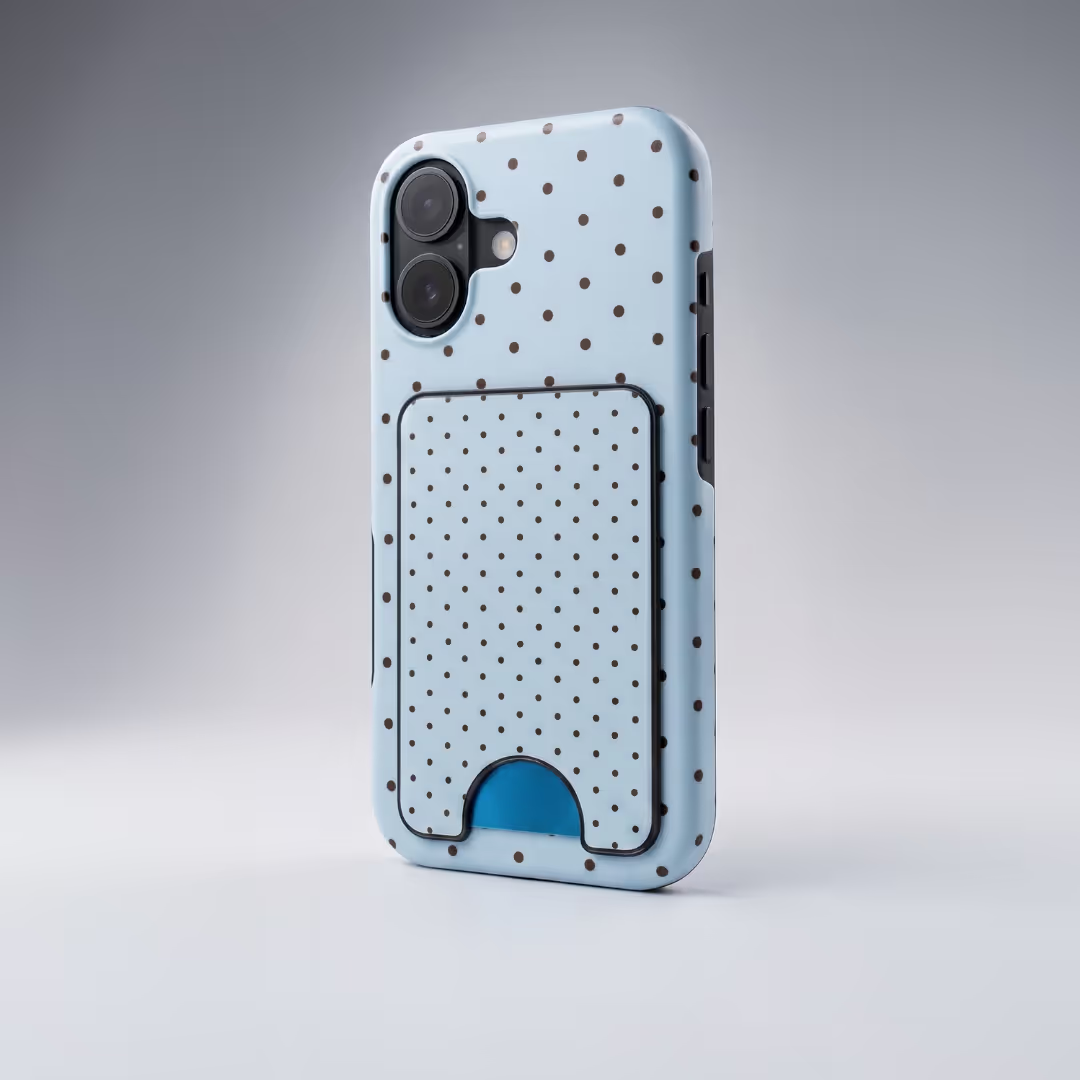
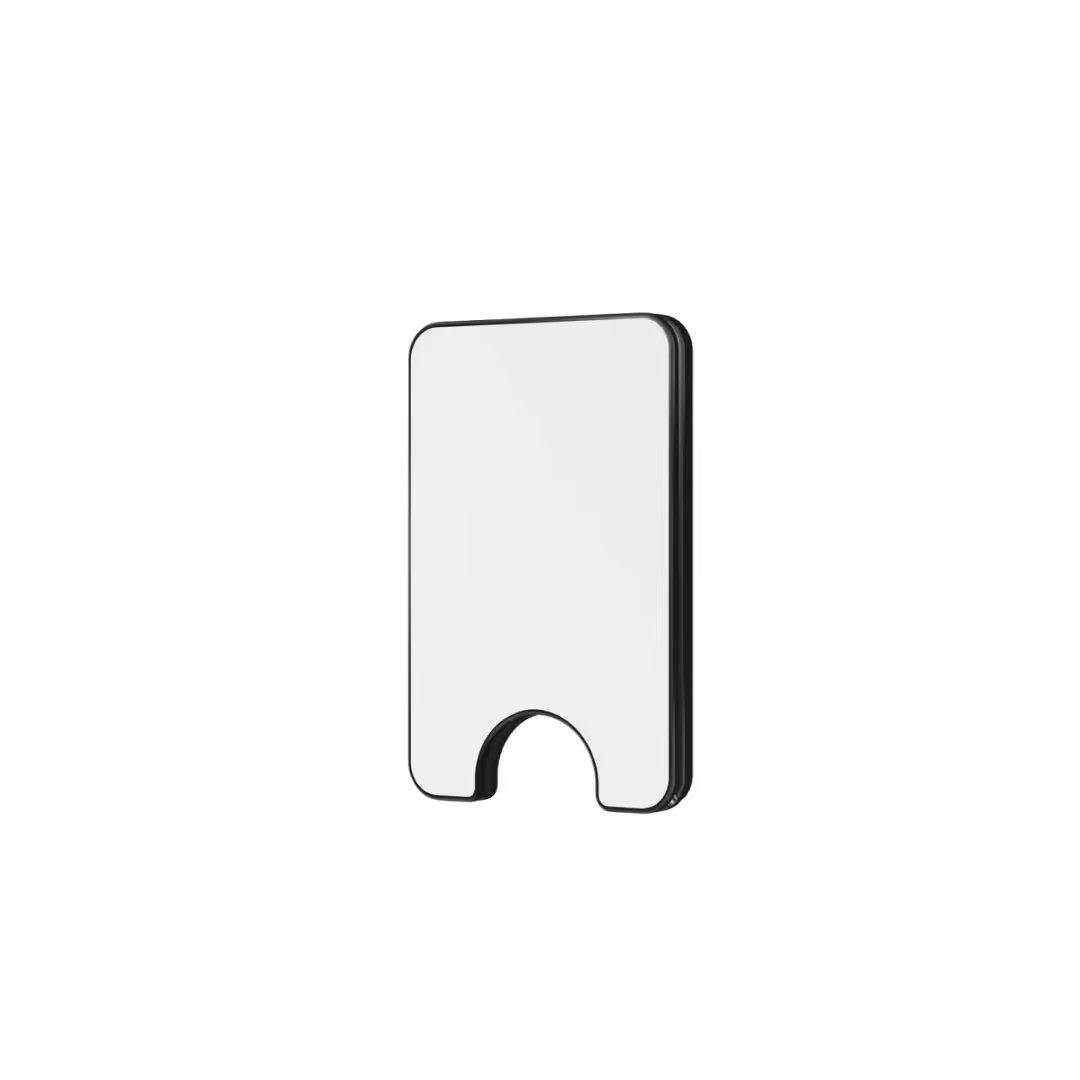
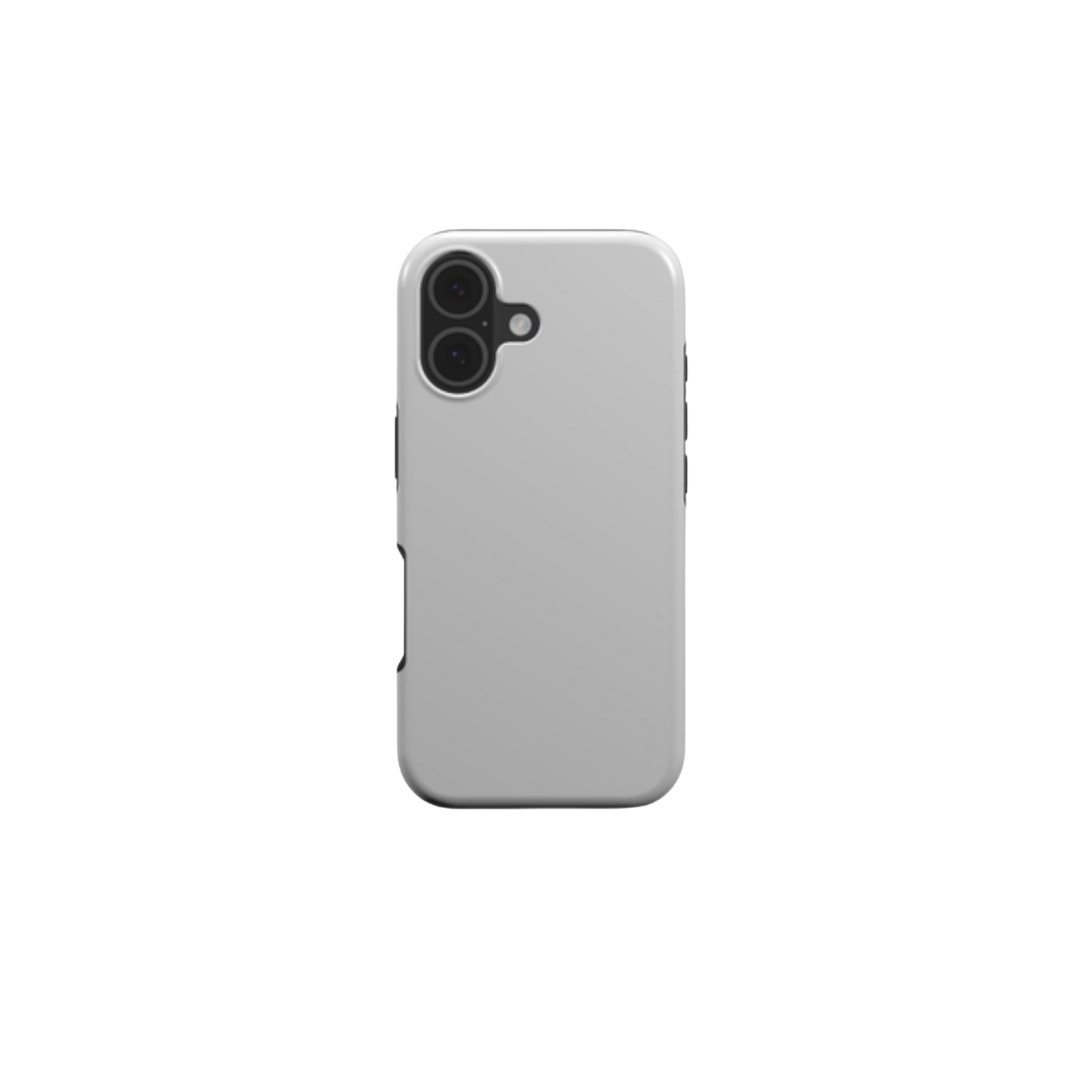
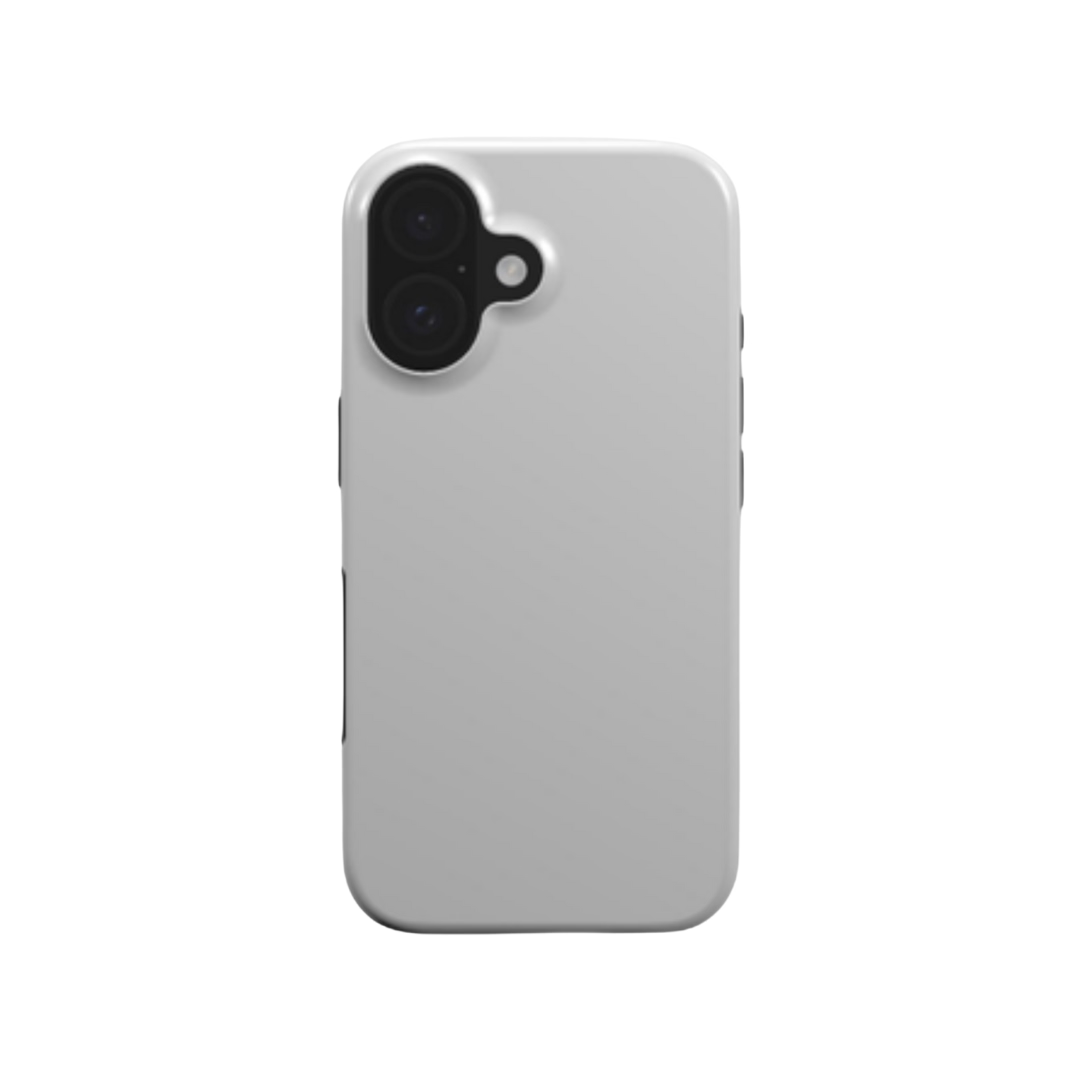
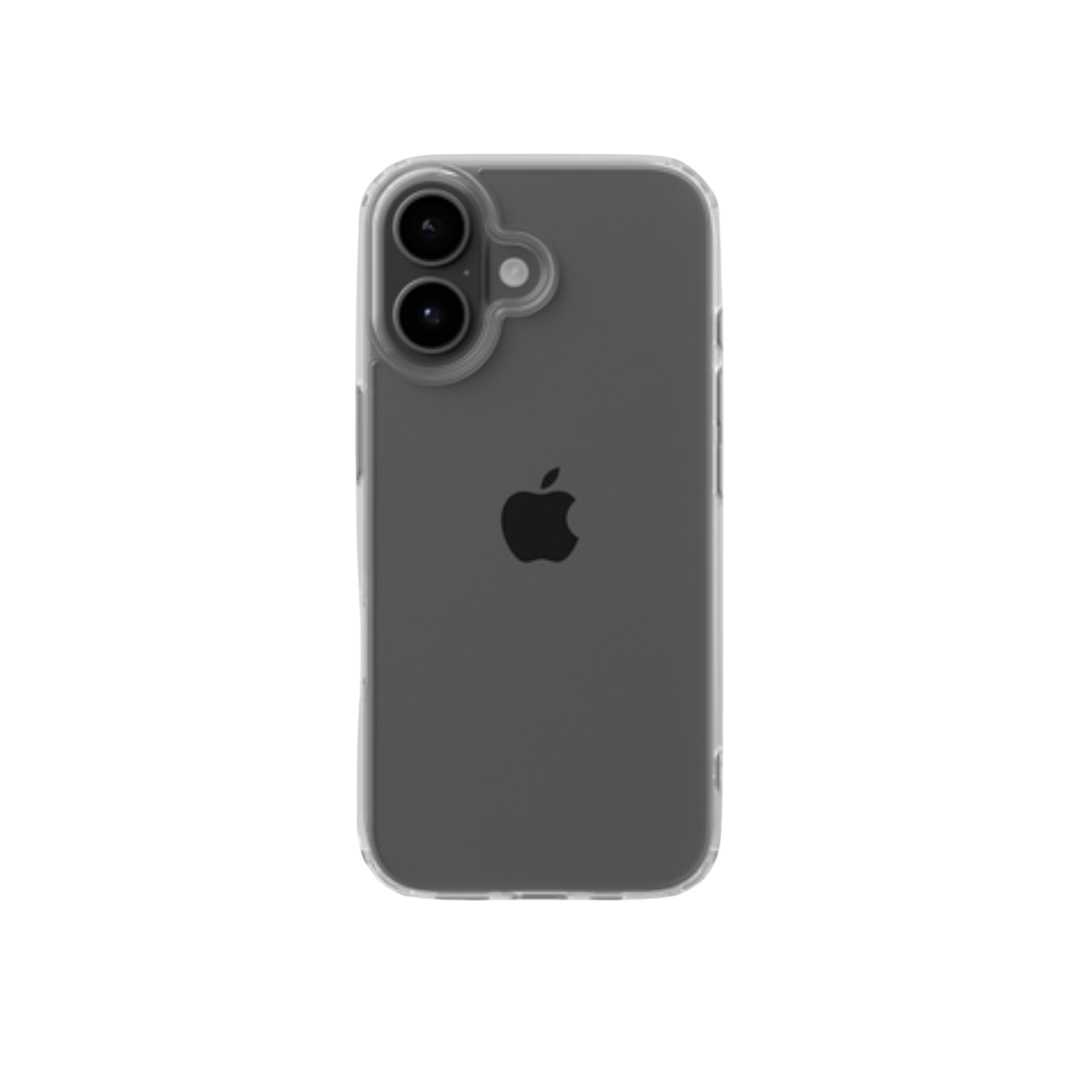
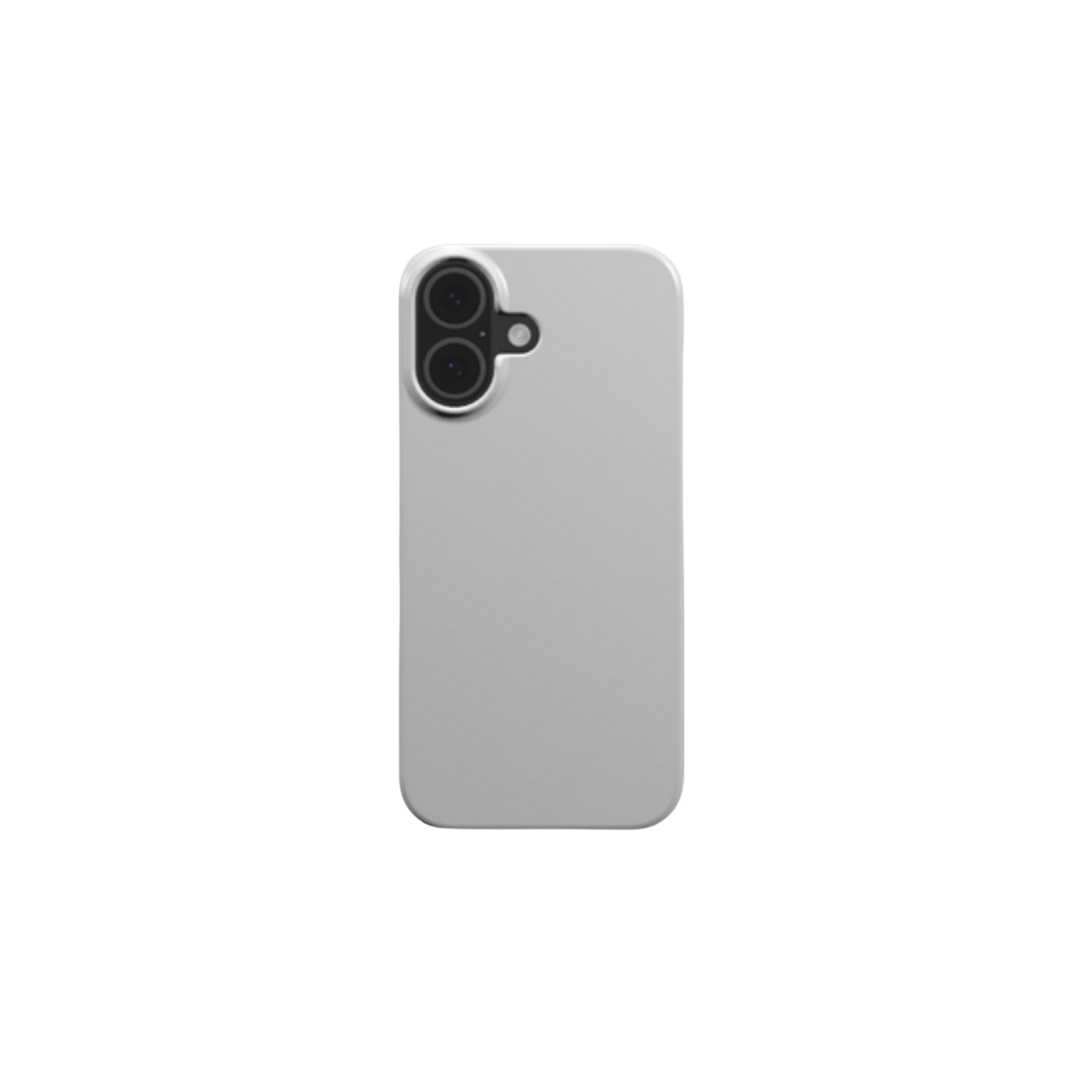
Most sellers pay an effective 11-15% per sale before offsite ads - which is why so many Etsy sellers quietly raise prices to protect margin. This is where product choice matters. Higher-margin POD items absorb Etsy's cut far better: a phone case bought from Podbase at around 10 euros can sell for 35-60 euros, and a simple checkout add-on like a screen protector converts 3-10% of the time for roughly 10 euros of extra profit. Thin-margin products, by contrast, can get erased entirely by Etsy fees.
Limited Branding Control
Etsy gives you little room to customize your storefront - you are mostly stuck with the familiar orange layout. That is fine for validation, but it caps how much brand equity you can build. It is also the single biggest reason sellers add their own store: when they migrated their top products to a dedicated POD-backed store, our sellers saw a 15% increase in customer reviews left and a 30% drop in support tickets tied to order issues. Owning the experience pays off.
Risk of Suspension or Copycats
Etsy can suspend shops with little warning, appeals are slow, and copyright infringement is common. When your entire business lives on a platform you don't control, a single suspension can end it. A store you own can't be taken away by someone else's policy change.
Is Etsy Worth It for Small Businesses & New Sellers?
Before you dive in, weigh the return on your time and money.
- Time investment vs. payoff: your first sale can take a while, depending on product quality and visibility. Consistency wins - and there are concrete milestones. In our experience, a seller who places a sample order within their first two days and publishes at least five products within 30 days is already ahead of 80% of POD stores. Make ten sales and you are in the top 10%.
- Niche saturation: with 5.6 million sellers, multiple shops will sell what you sell. Great photos, smart titles, and a distinct brand voice are non-negotiable.
- Etsy's rules vs. owning your brand: Etsy owns the platform, so it controls fees, search, and takedowns. That is exactly why building your own site alongside Etsy is the smart play.
One more piece of hard-won advice on getting started, from Podbase's Head of Sales, Sidas: the sellers who churn tend to spend months building the perfect store in private until six months pass and it never goes live. The sellers who win move fast - three to five designs live, marketing pushed hard - and most successful stores are up and running within two weeks. Etsy's low setup cost is the perfect place to do that fast testing.
Best Etsy Niches 2026: What Still Sells and What's Trending
Trends shift, but these creative niches keep selling on Etsy:
- Jewelry: custom name necklaces and birthstone rings - small, personal, and easy to vary without inventory.
- Stickers: low-cost, fun, easy to ship; bold fonts and relatable quotes win.
- Wall art and prints: digital downloads keep this low-risk, and there is real headroom - our CEO estimates about 65% of wall art sales still happen offline, so the online lane is far from saturated.
- Personalized notebooks: names, initials, or short quotes on covers make great gifts.
- Tote bags: practical and expressive - print-on-demand makes them easy to scale.
- Drinkware: mugs and tumblers with quotes or art; strong gift appeal.
- Custom clothing: funny tees and cozy hoodies still move fast - keep sizing clear and mockups clean.
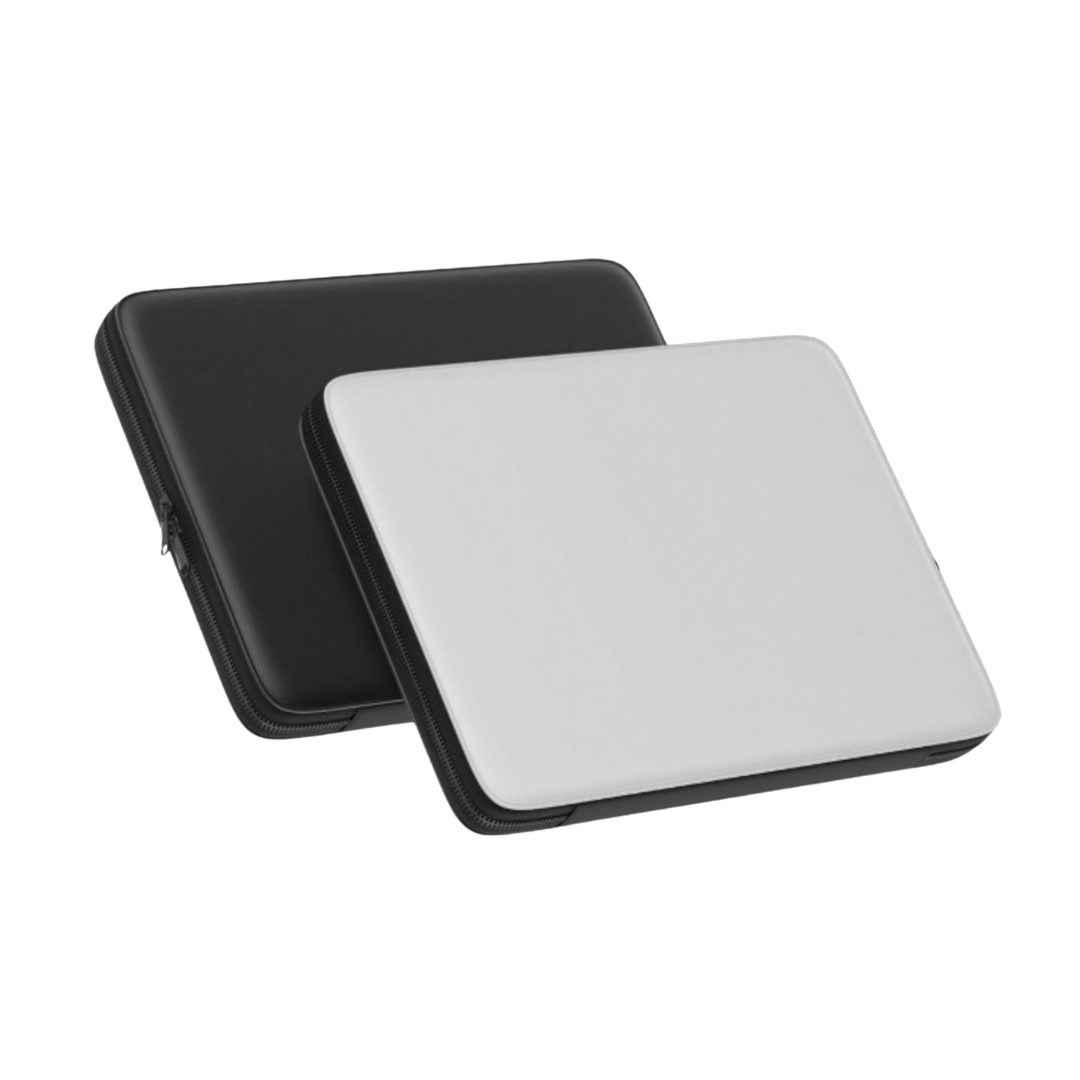
- Tech accessories: the fast-climbing category - custom phone, AirPods, and laptop cases let buyers show their personality, and POD margins here are strong.
Also Read:
How to Sell on Etsy Successfully in 2026 (SEO, Tools & Tips)
To sell on Etsy successfully, lean on these tactics and tools:
- Etsy SEO basics: your titles and tags tell Etsy what you sell. Use clear, simple words real buyers search for.
- Keyword research: match your listings to what buyers actually type. Tools like eRank and Alura help with research, traffic, and shop operations.
- Drive off-Etsy traffic: this is where most sellers underestimate the work. Our CMO is blunt about it: the majority of our sellers right now get most of their traffic from social media ads, while organic has become an advanced-player tactic. Instagram, TikTok, and Pinterest send traffic Etsy alone won't, and they build an audience you own even if a listing disappears.
Etsy Alternatives in 2026: When to Switch and Where to Go
If Etsy stops meeting your needs - or you simply want to own more of your business - here are the alternatives worth your time.
Print-on-Demand with Podbase
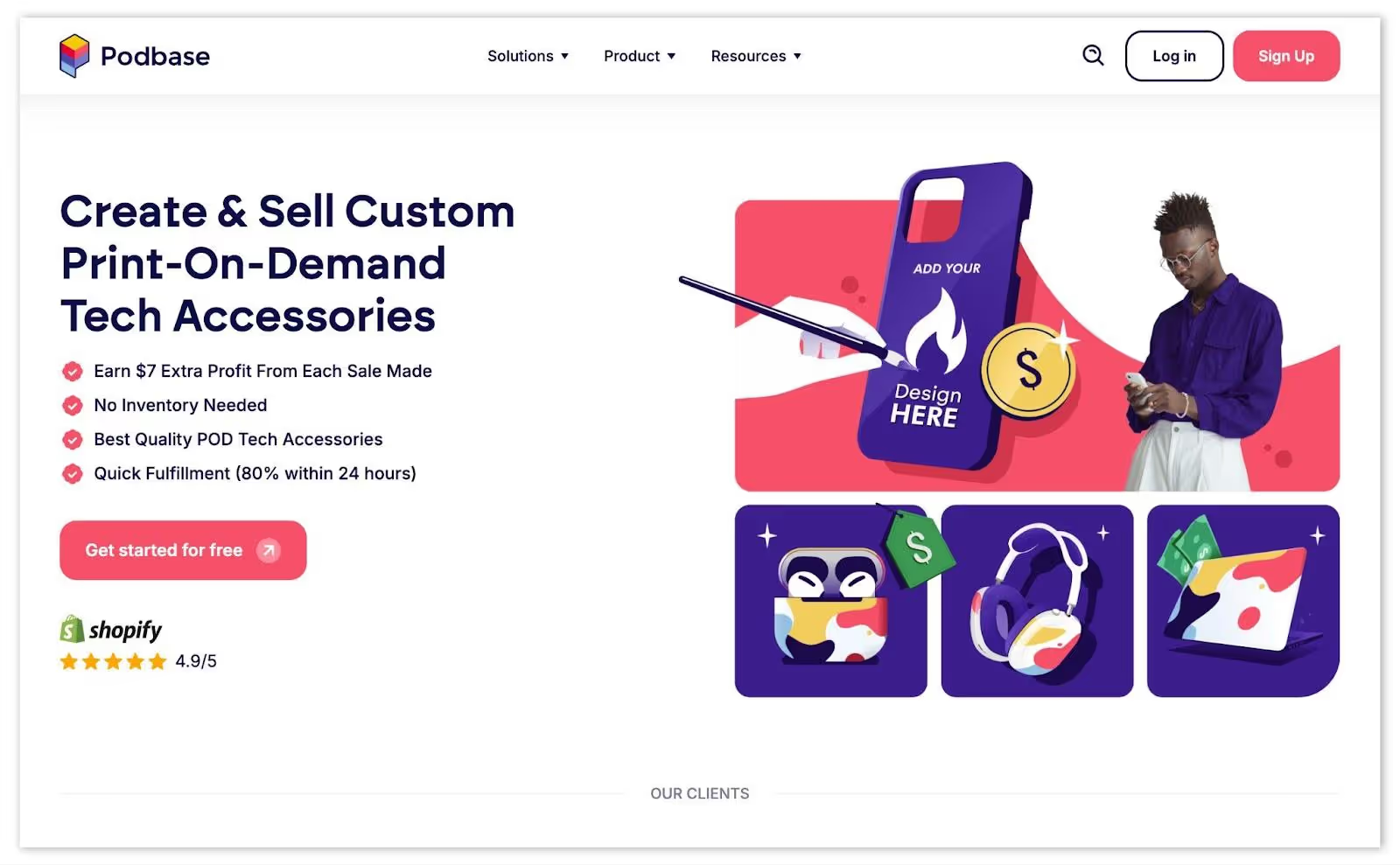
Podbase is one of the best print-on-demand platforms for sellers who outgrow Etsy's limits:
- Best for creators and tech products: Podbase produces high-quality tech products on your behalf, with a 98% customer satisfaction rate and quality checks between every production stage. Average production-to-ship time is about 23 hours.
- Better margins than the Etsy-fee squeeze: Podbase pricing runs roughly 10-15% better margins than competitors across most categories (up to 100% higher in some) - margin that helps offset Etsy's 11-15% cut while you transition.
- One catalog, every channel: seamless Etsy, Shopify, and WooCommerce integrations mean you don't rebuild your shop on each platform - you sell everywhere from one product catalog. About 98% of sellers who stay with us three months keep growing their order share, and roughly half migrate fully.
Shopify or WooCommerce
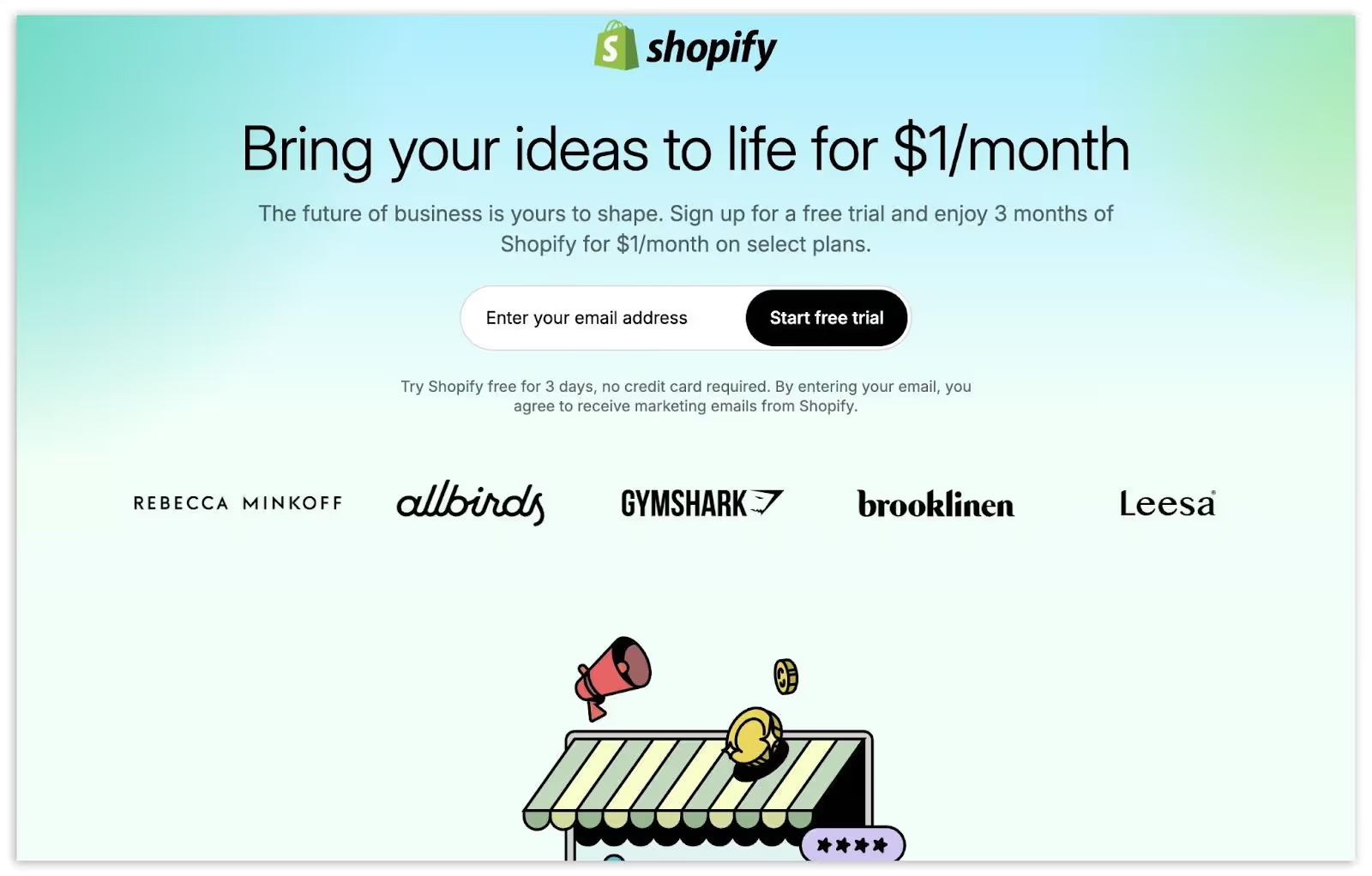
Etsy's lack of customization makes it a poor fit for sellers who want real branding control. For that, switch to Shopify or WooCommerce, which let you customize layouts with your own colors and design - and connect to Podbase so fulfillment stays hands-off. Onboarding a new POD project that used to take three months now takes under a month.
Other marketplaces
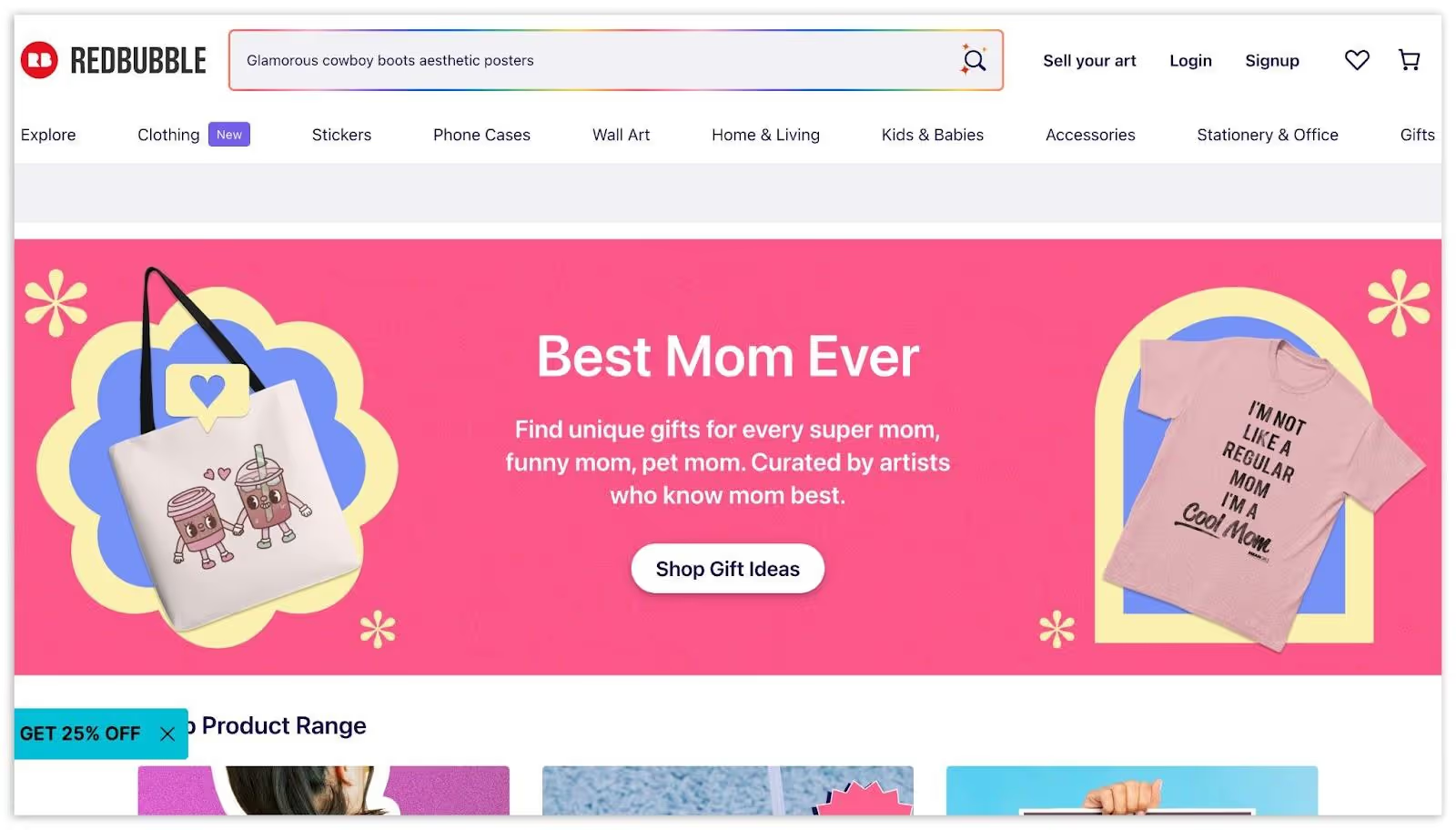
Other Etsy alternatives worth exploring:
- Amazon Handmade: taps Amazon's huge traffic and trusted checkout; good for visibility if you can handle stricter rules.
- Redbubble: built for artists and print-on-demand sellers; they handle printing, shipping, and support.
- Society6: art-and-design focused; a fit for selling tech gear like phone cases with bold or niche artwork.
Also Read:
FAQ
1. Is selling on Etsy worth it in 2026?
Yes, for validating products and reaching buyers fast - but it works best as a starting point, not a forever home. In Q1 2026 Etsy had about 5.6 million active sellers (up 3.3%) and 86.5 million buyers (down 3.4%), so competition is tightening and fees take an effective 11-15% per sale. Most serious sellers run Etsy alongside their own store.
2. How much are Etsy fees in 2026?
Etsy charges $0.20 per listing, a 6.5% transaction fee on the full order including shipping, and about 3% plus $0.25 payment processing for US sellers. Offsite ads cost 12-15% on attributed sales and become mandatory once you pass $10,000 per year. Most sellers pay an effective 11-15% per sale before offsite ads.
3. Why do Etsy sellers add their own store?
Etsy controls fees, search, branding, and can suspend shops without warning. Sellers who moved their top products to their own POD-backed store saw a 15% increase in reviews left and a 30% drop in order-issue tickets. Owning the store protects your brand and margins, and Podbase pricing runs 10-15% better than competitors.
4. What sells best on Etsy in 2026?
Top Etsy niches in 2026 include jewelry, stickers, wall art and prints, personalized notebooks, tote bags, drinkware, and custom clothing. Tech accessories such as custom phone, AirPods, and laptop cases are the fastest-climbing category. Print-on-demand makes all of these easy to scale without holding any inventory.
5. Is Etsy worth it for beginners?
Yes, because Etsy is a low-cost way to validate products, and the winners launch fast rather than perfecting in private. A seller who places a sample order within two days and publishes at least five products within 30 days is already ahead of 80% of POD stores, and ten sales reaches the top 10%.
6. What are the best Etsy alternatives?
For brand control, Shopify and WooCommerce let you fully customize your store. For other marketplaces, consider Amazon Handmade, Redbubble, and Society6. For print-on-demand fulfillment across all of them, Podbase integrates with Etsy, Shopify, and WooCommerce, so you can sell everywhere from one single product catalog.
7. Can you sell on Etsy and your own store at the same time?
Yes. Podbase integrates with Etsy, Shopify, and WooCommerce, so one product catalog can feed every channel with hands-off, on-demand fulfillment. Podbase reports a 98% customer satisfaction rate, and about 98% of sellers who stay three months keep growing their order share, with roughly half migrating fully to their own store.
Conclusion
So, is selling on Etsy worth it? Yes - with a clear-eyed plan. Etsy in 2026 is the best low-cost place to validate products and reach buyers fast. But with sellers growing while buyers shrink, fees taking 11-15% per sale, and zero control over your brand or your shop's survival, it works best as a starting line rather than a finish line.
Use Etsy to find what sells, then scale that demand on a store you own - with Podbase handling production and shipping so you can sell across Etsy, Shopify, and WooCommerce from a single catalog. Start a POD business with Podbase and create a Podbase account today to get started.

Saulius Meilutis is the CEO of Podbase, helping creators and entrepreneurs monetize their ideas with print-on-demand. He shares insights on eCommerce, growth, and building lean online businesses.

.avif)



.avif)
.avif)
.avif)
.avif)
.avif)
.avif)

.avif)



.avif)
.avif)

.avif)

.avif)

.avif)