.avif)
Want to build a brand without making products from scratch? White label products are how. You can sell branded products without a factory or a warehouse - pick a product, add your logo and packaging, and sell it as your own.
It is a model that works well for creators and side hustlers who want an easy part-time business without the risks of starting from scratch. All you need is the right supplier and a smart marketing angle. This guide covers what white label products are, the best ones to sell in 2026, where to find suppliers, white label vs private label, and how to launch with no inventory.
What Is a White Label Product?
A white label product is something made by one company but sold by another under its own brand. You don't make it yourself - you buy it, put your name on it, and sell it as your own. And no, selling white label products isn't illegal, and it isn't copyright infringement.
In fact, it's one of the simplest ways to make money online: no factory, no expertise required. Common examples include skincare (face creams, serums), coffee, protein powders, digital products like ebooks and courses, and software tools such as SEO apps, email marketing software, or website builders.
Best White Label Products to Sell Online (By Category)
Some products work better as white label than others. Here are the best white label products to sell in 2026, by category.
White Label Digital Products
Ready-made digital items you can brand and sell on websites - ebooks, online courses, printables, and templates for resumes, social posts, or planners. They're easy to deliver and need minimal storage, so overhead stays low.

White Label AI Products
AI is here to stay, and you can sell white label AI tools - copywriting apps, logo makers, even AI website builders - without writing a line of code. The market is flooded with tools that generate almost any kind of content.

Also Read:
White Label Apparel and Merch
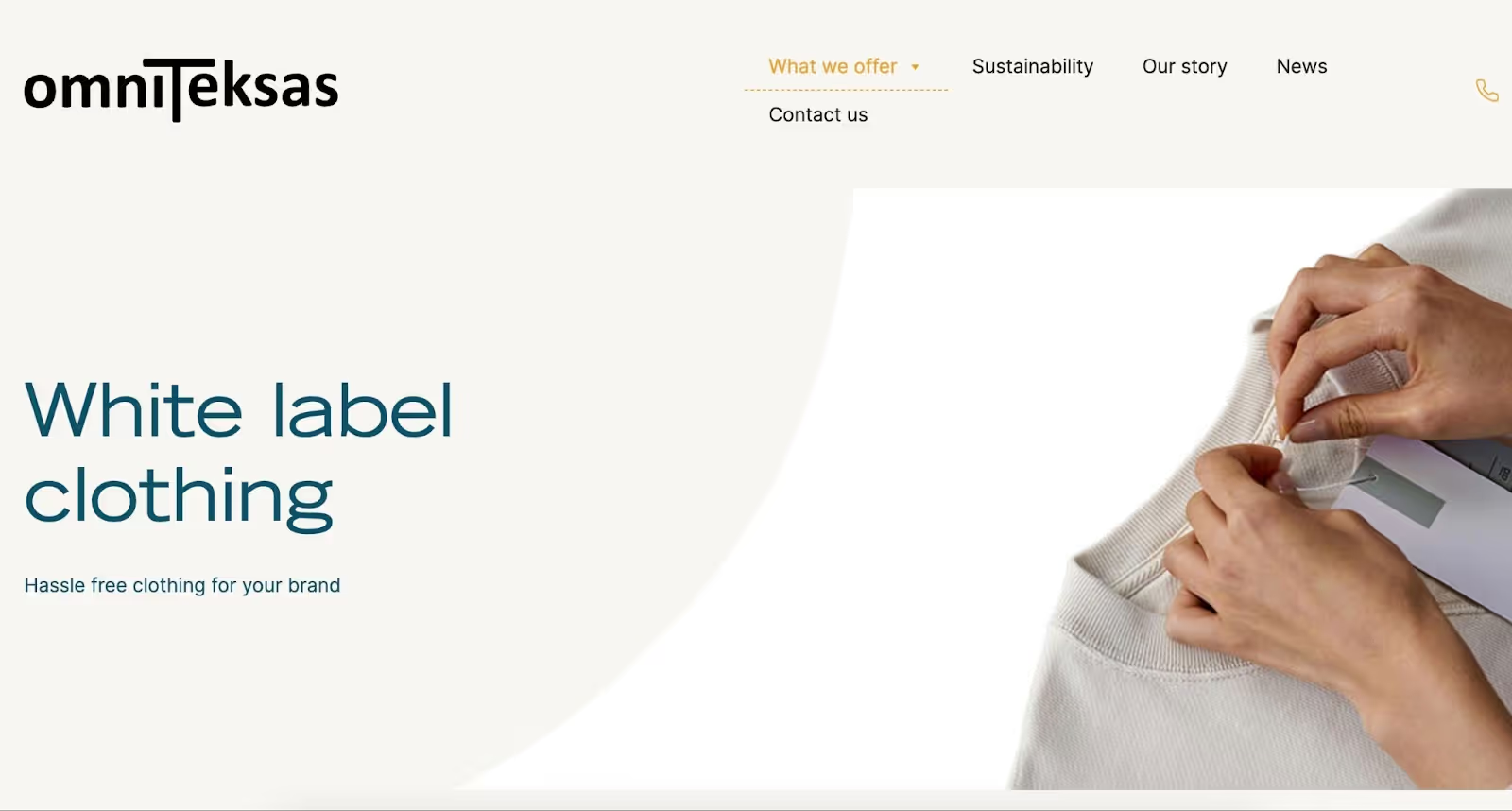
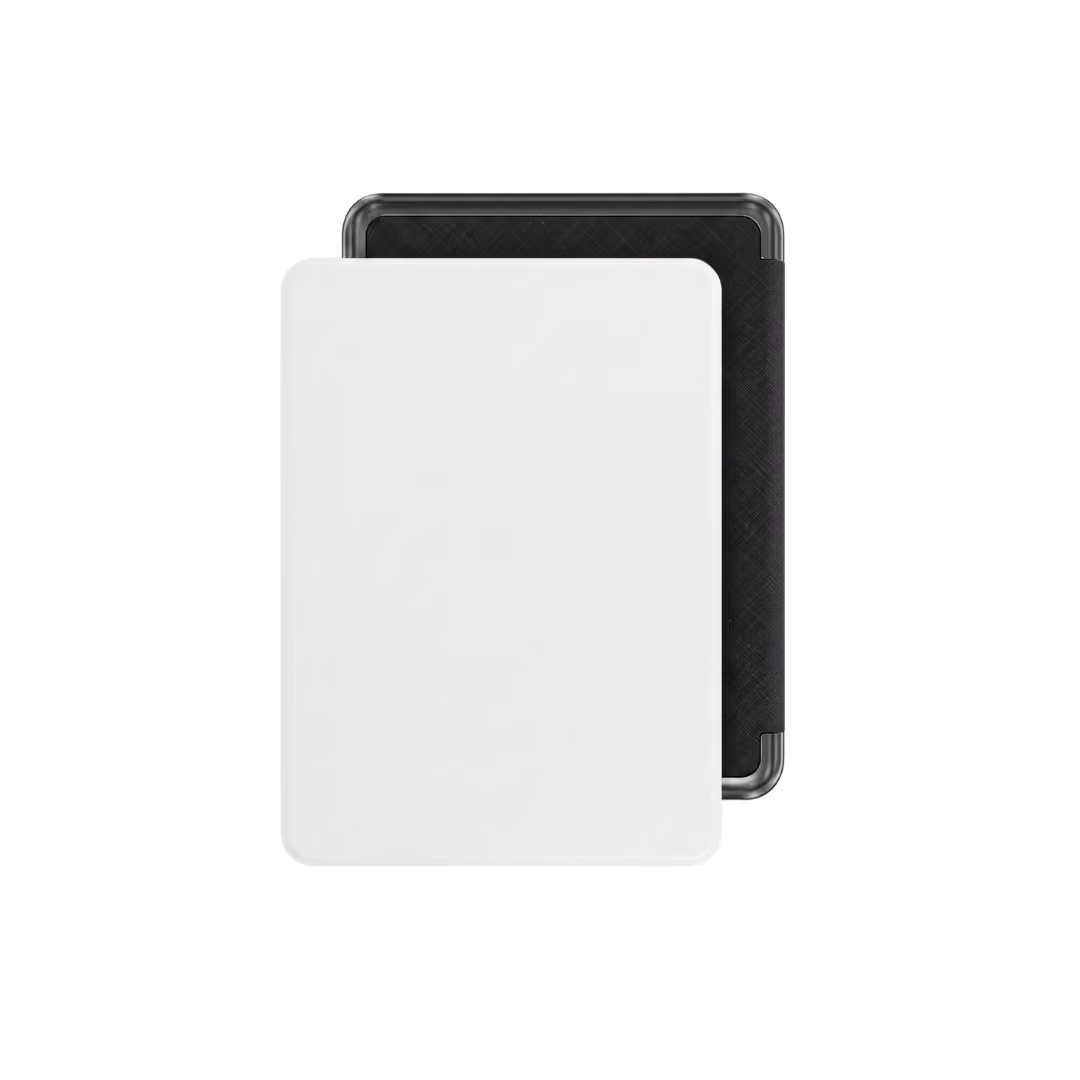
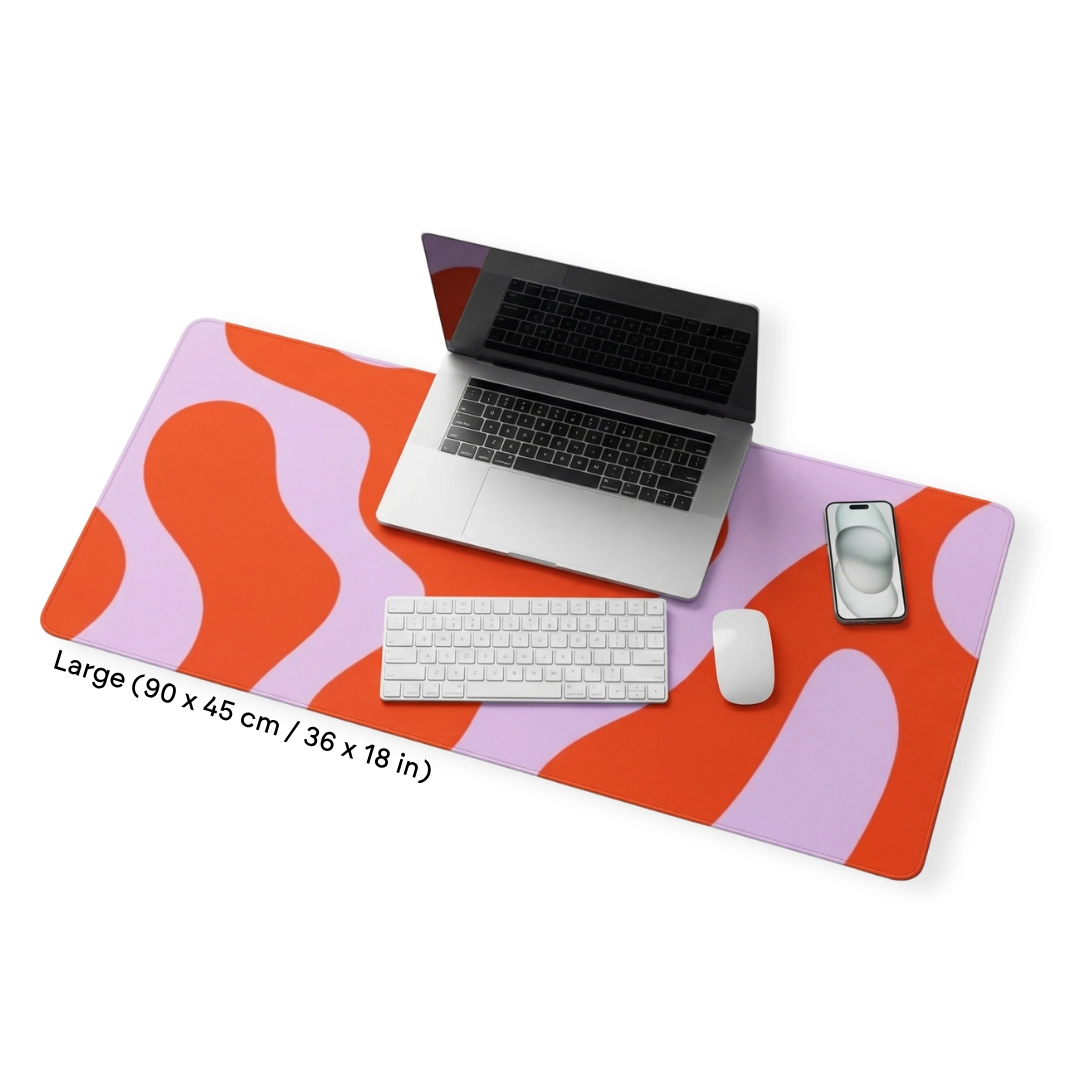
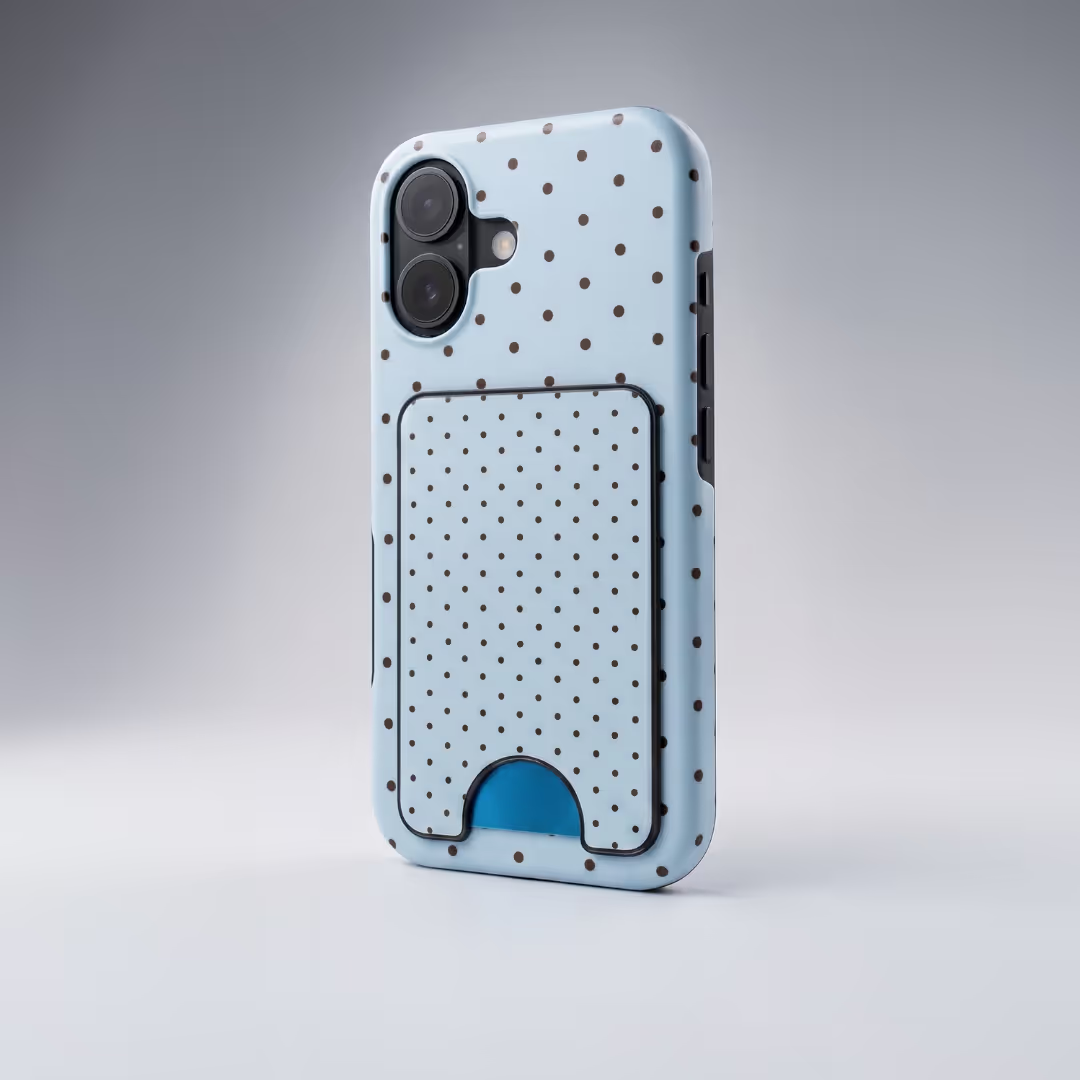
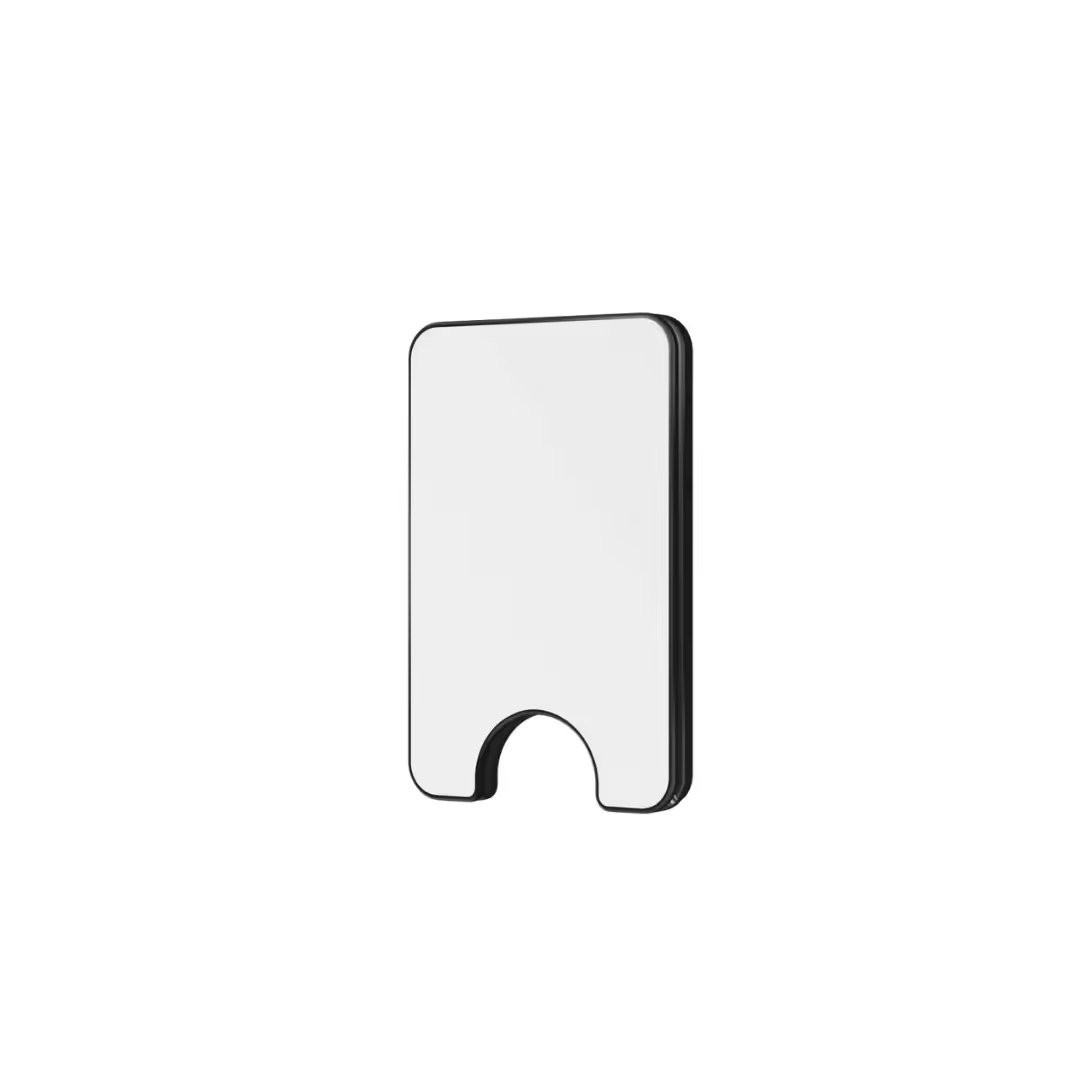
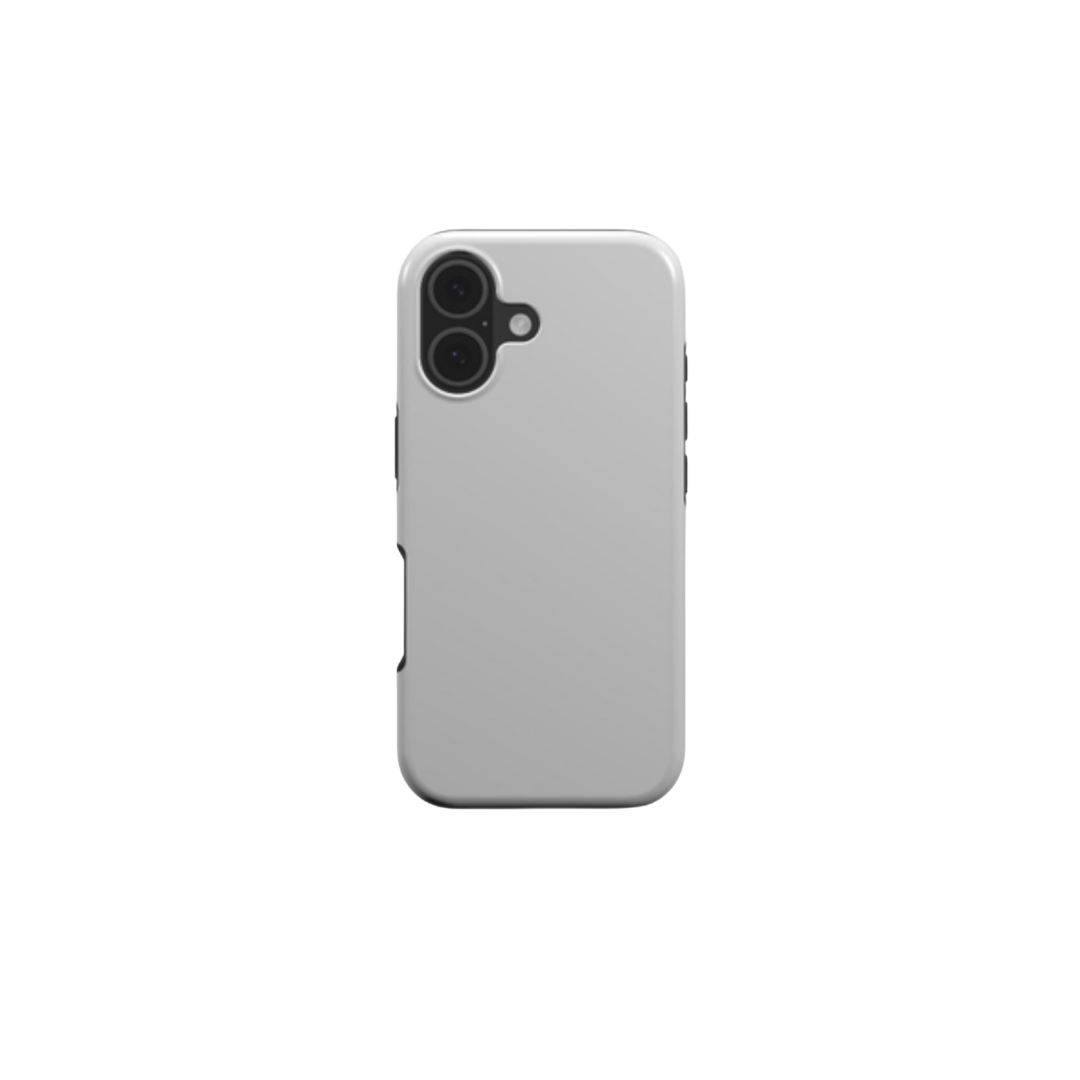
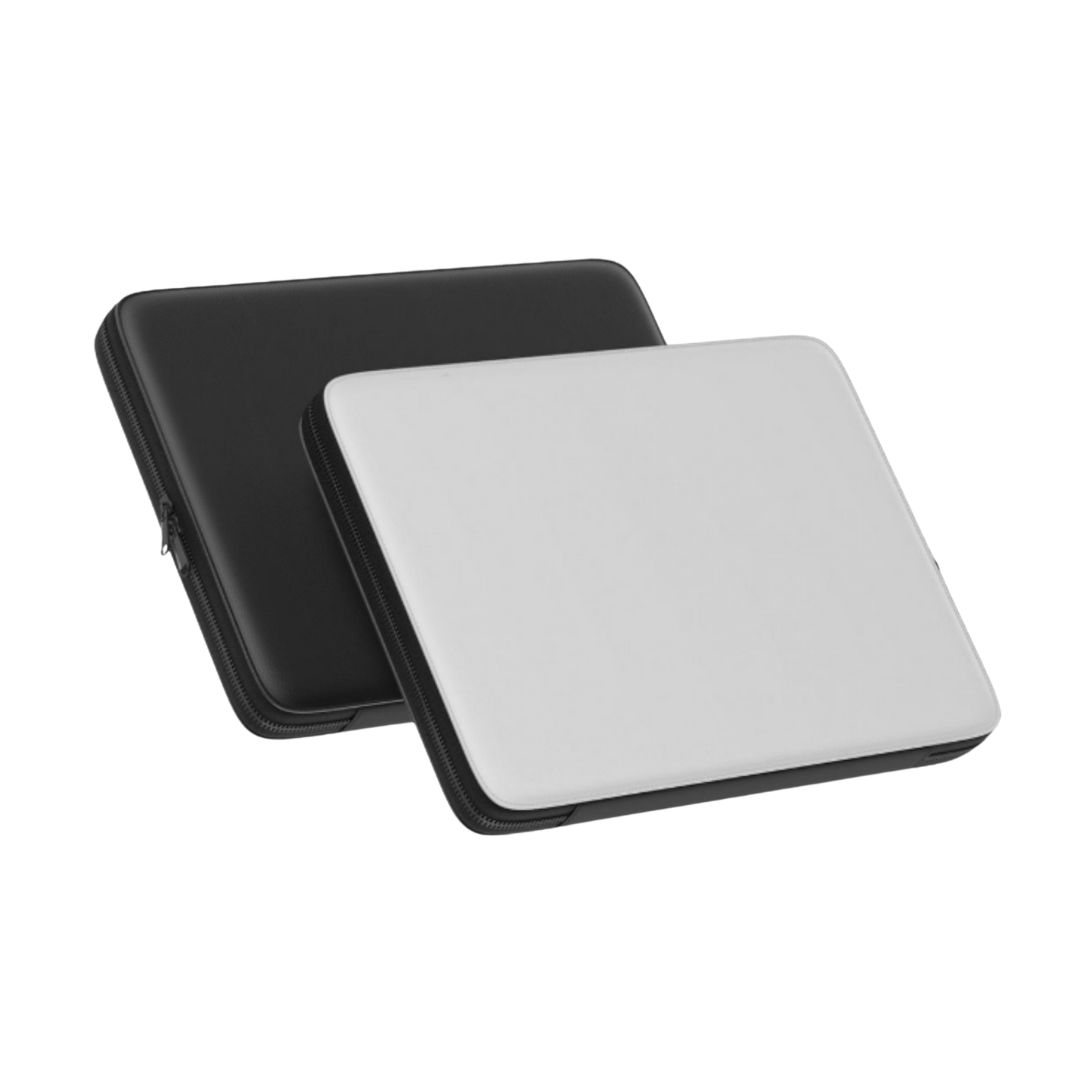
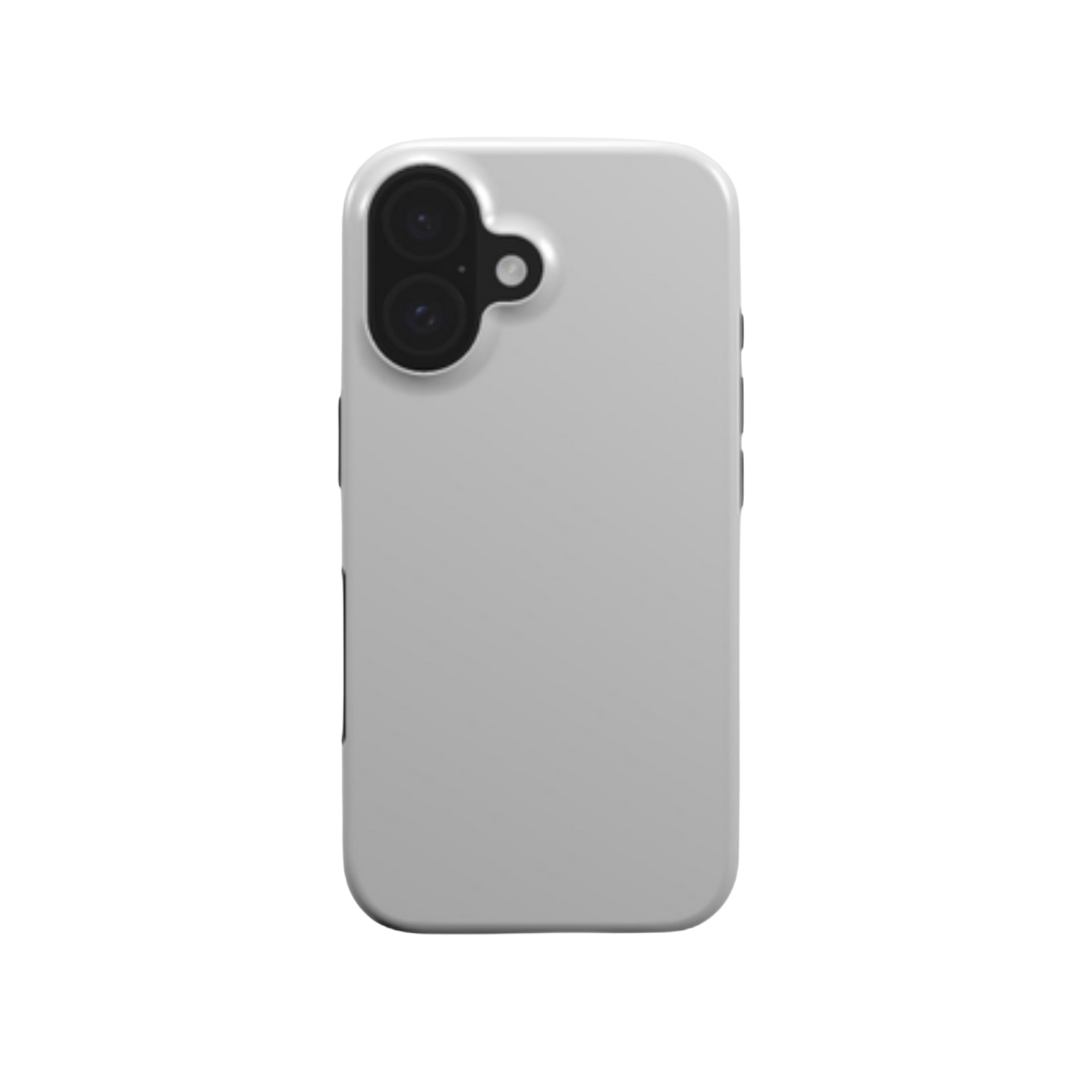
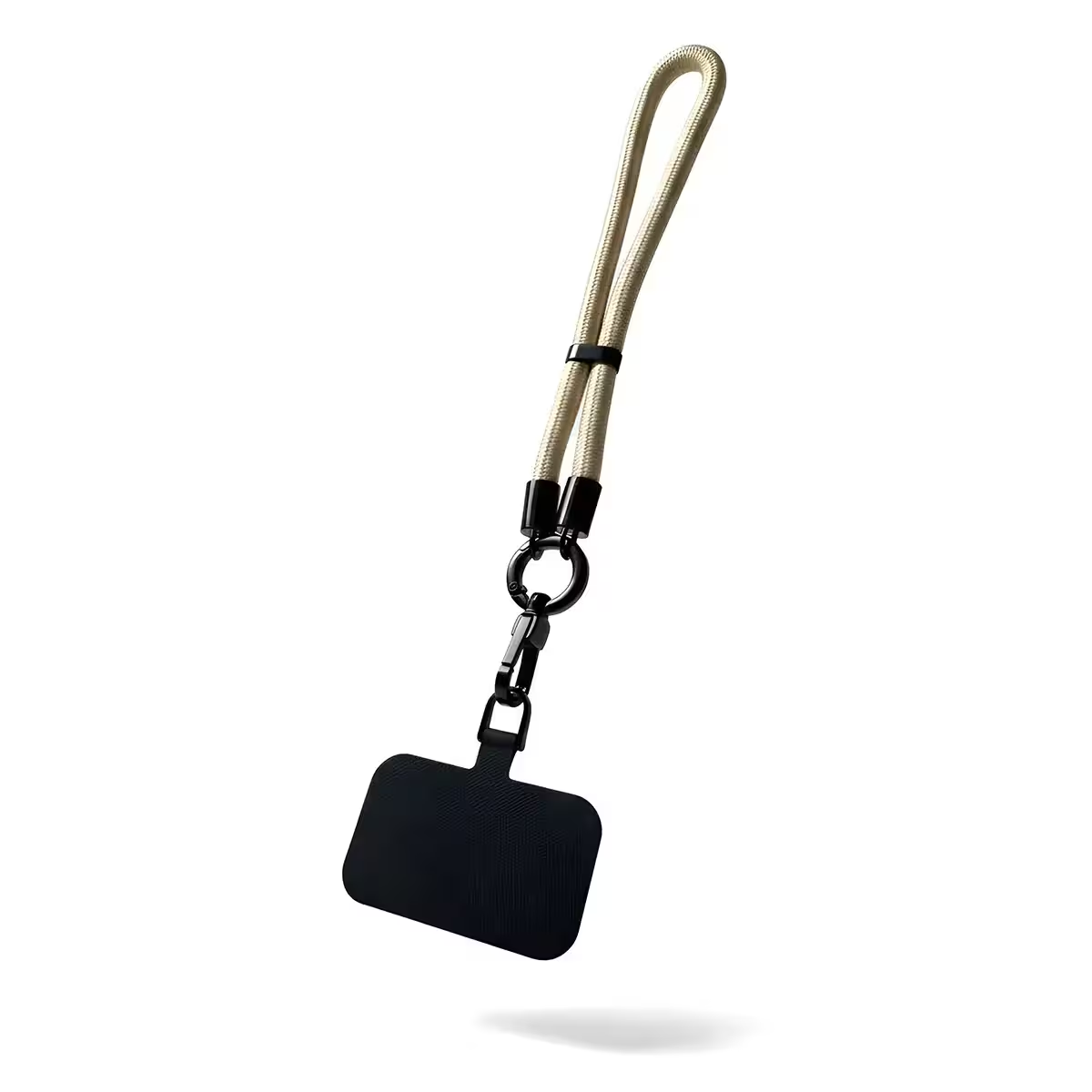
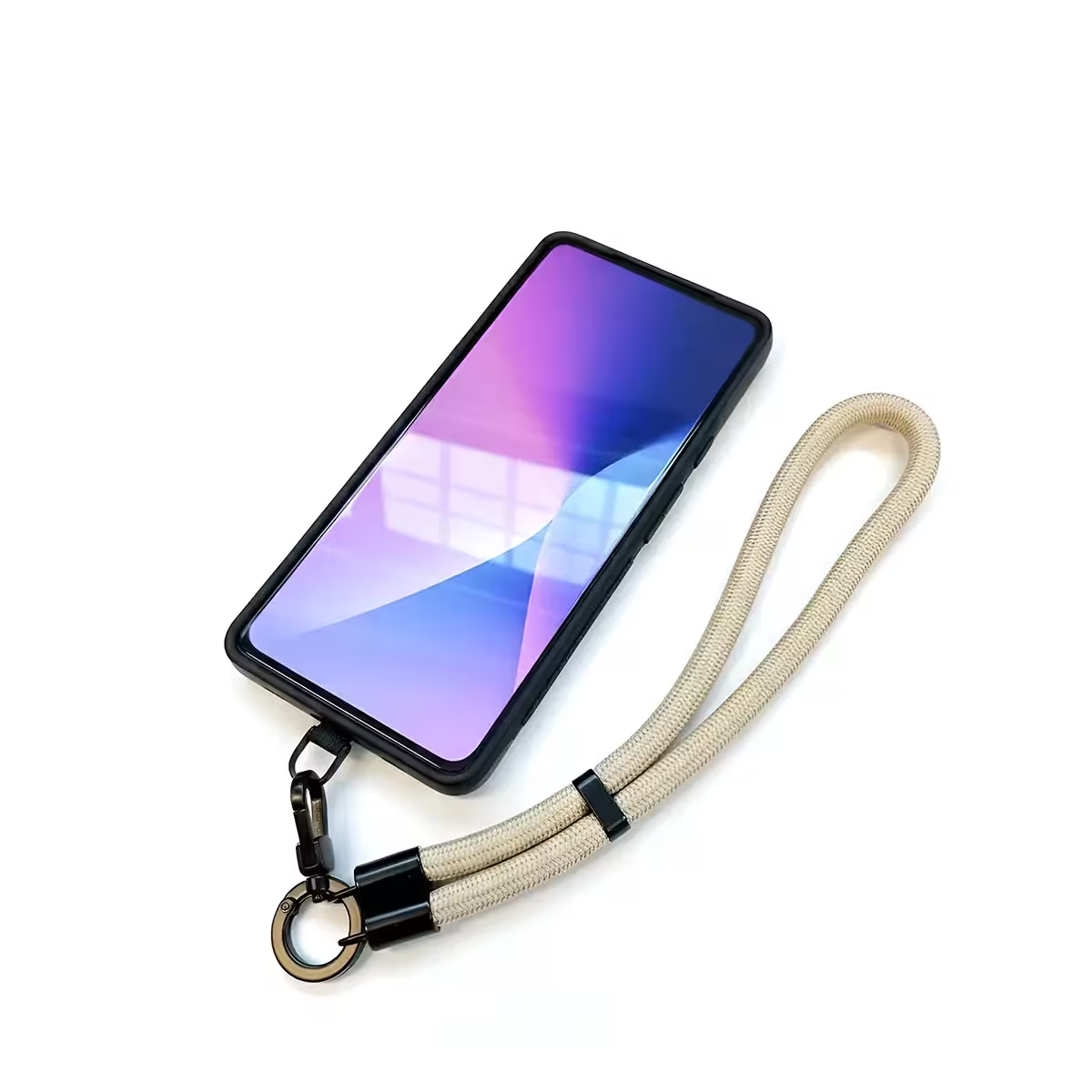
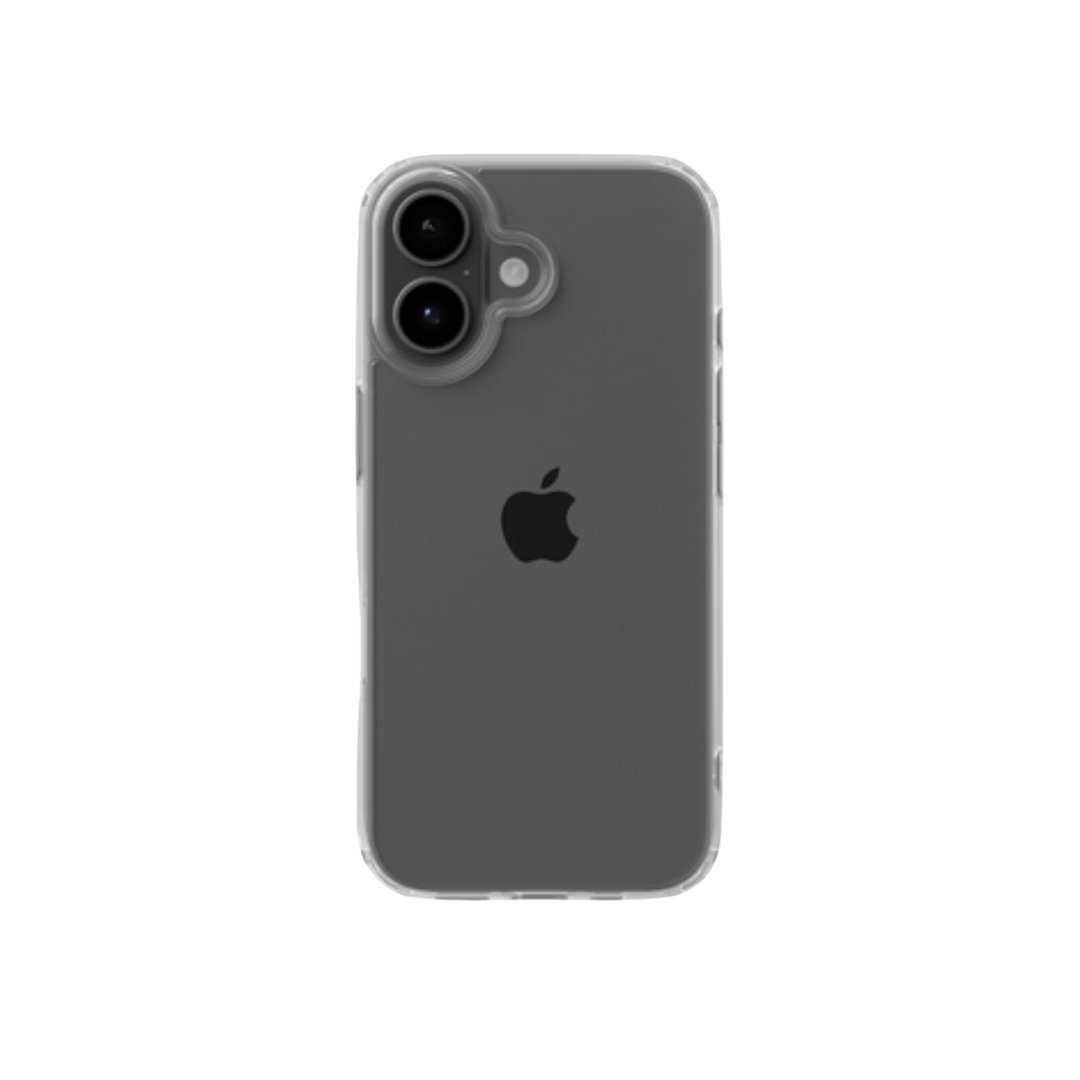
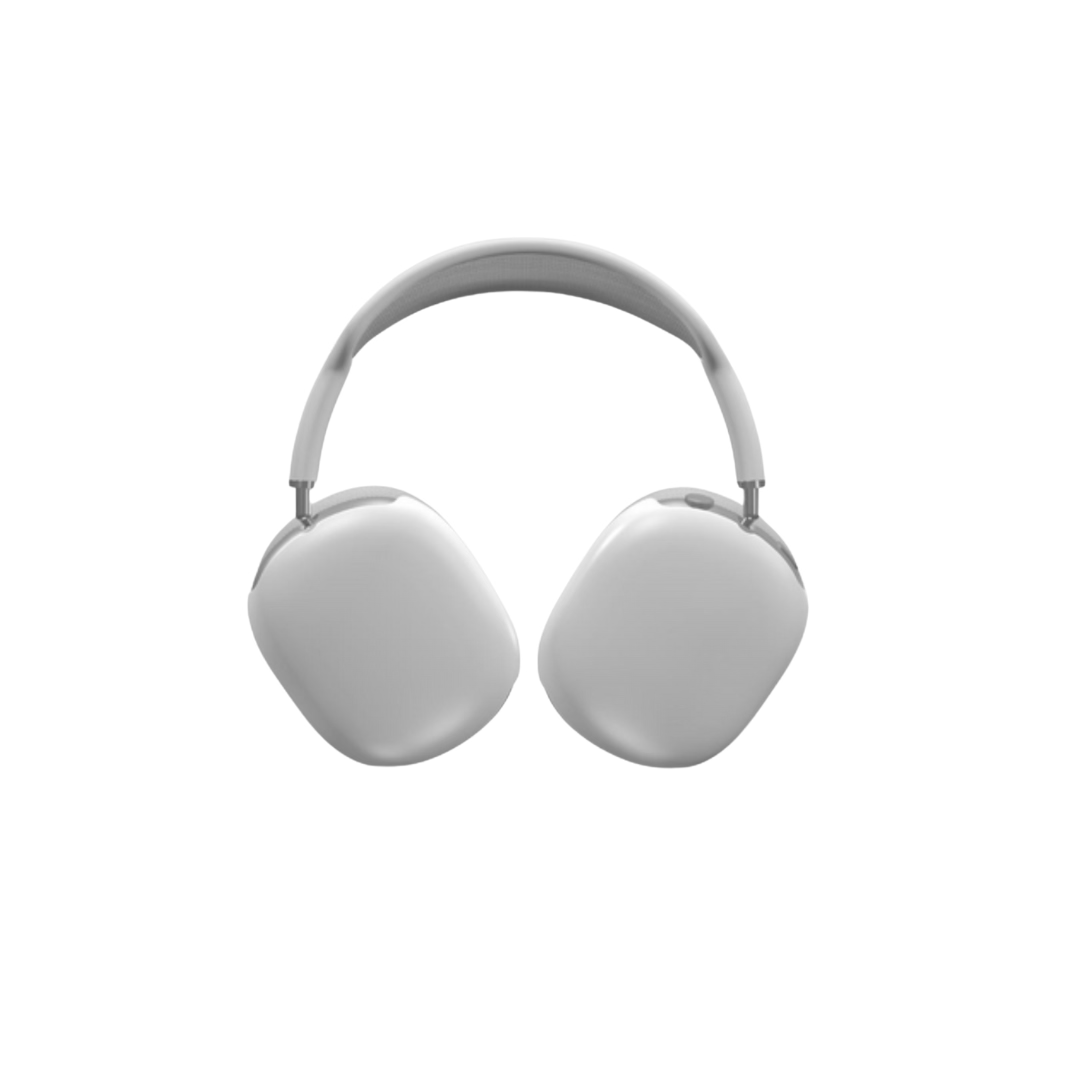
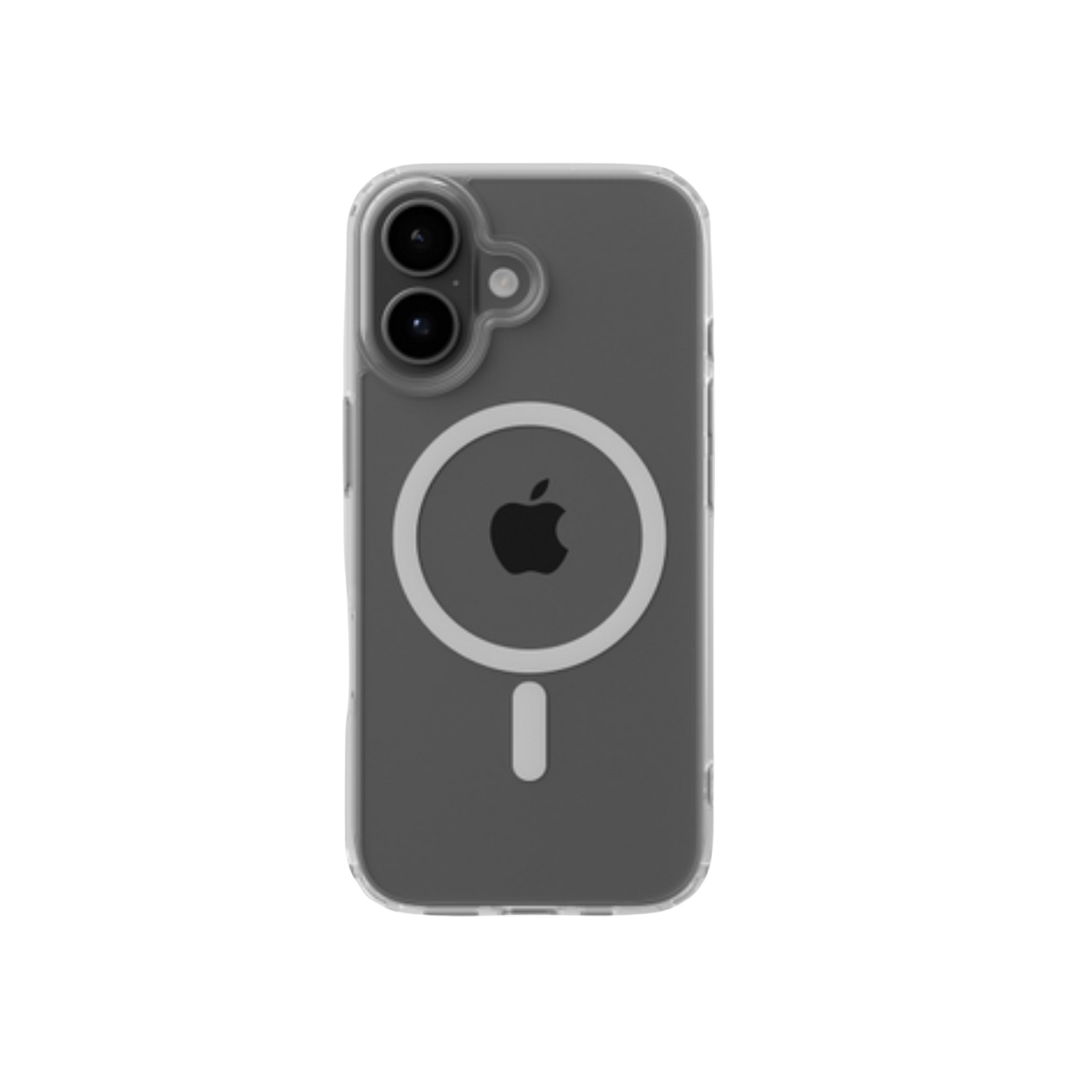
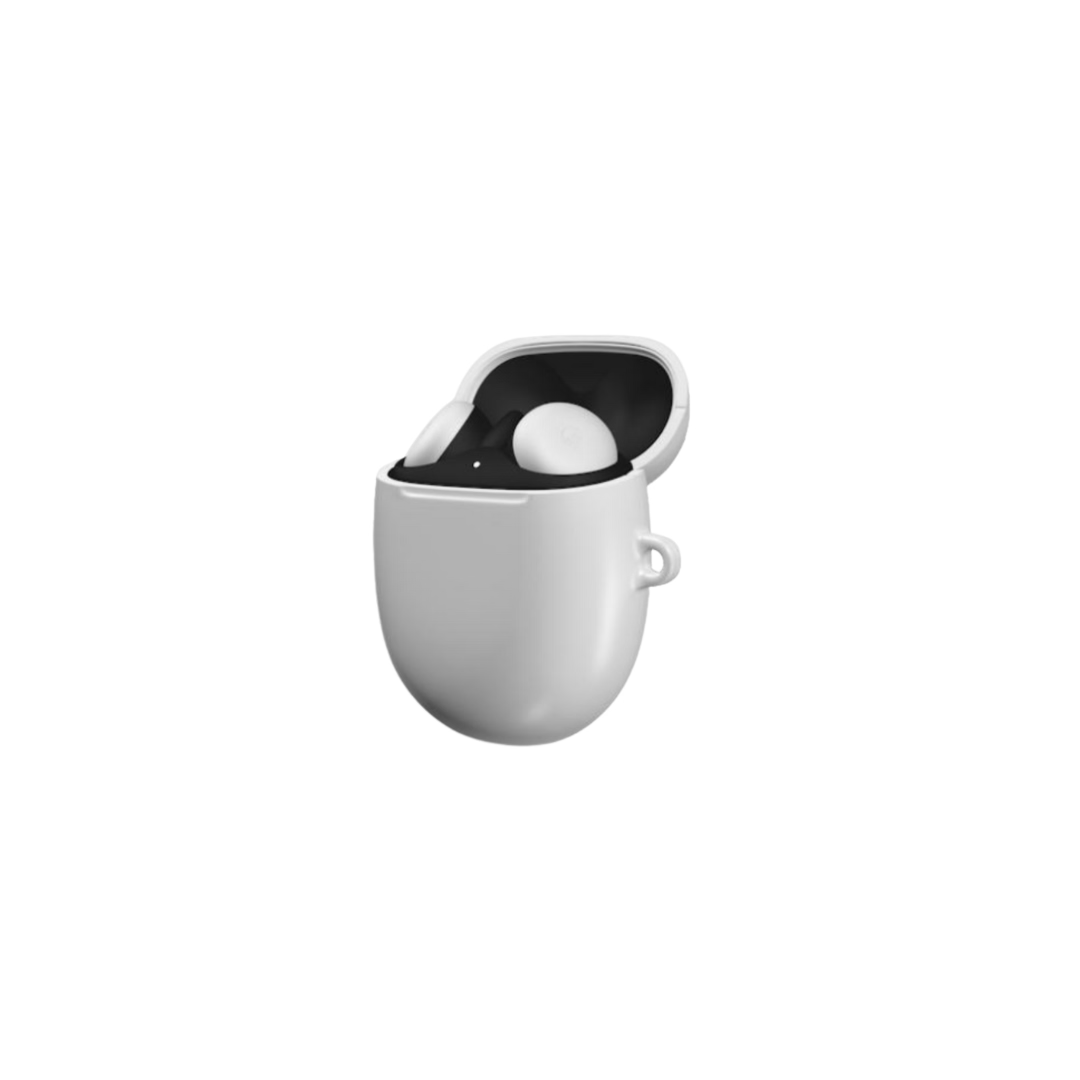
Fashion is huge and growing - the global e-commerce apparel market is projected to reach about $1.7 trillion by 2034. With white label apparel and merch, you skip stitching and warehousing: link up with an apparel maker or a reliable print-on-demand platform, then market and sell. This is also where Podbase fits - branded tech accessories, drinkware, and merch printed with your logo, with no minimum order.
White Label Wellness Products
Wellness is another large market - skincare creams, beard oils, vitamins, herbal teas. You find a reliable supplier, add your brand, and sell. It's a strong business idea for women selling to other women, since women make up about 80% of the health-and-wellness consumer market.

White Label vs Private Label: What's the Difference?
People often confuse the two. White label products are generic items sold to many sellers, who each add their own brand - fast and cheap to launch, but you share the base product with competitors. Private label products are made exclusively for one brand, with custom formulas, materials, or specs - more control and differentiation, but higher minimums and cost. In short: white label is best for launching and testing quickly; private label is best when you're ready to invest in a one-of-a-kind product. Many sellers start white label (or print-on-demand) and graduate to private label once a niche proves out.
Where to Find White Label Product Manufacturers
Your supplier makes or breaks a white label business. Here are the three main places to find one - compared at a glance, then explained.
Print on Demand Platforms
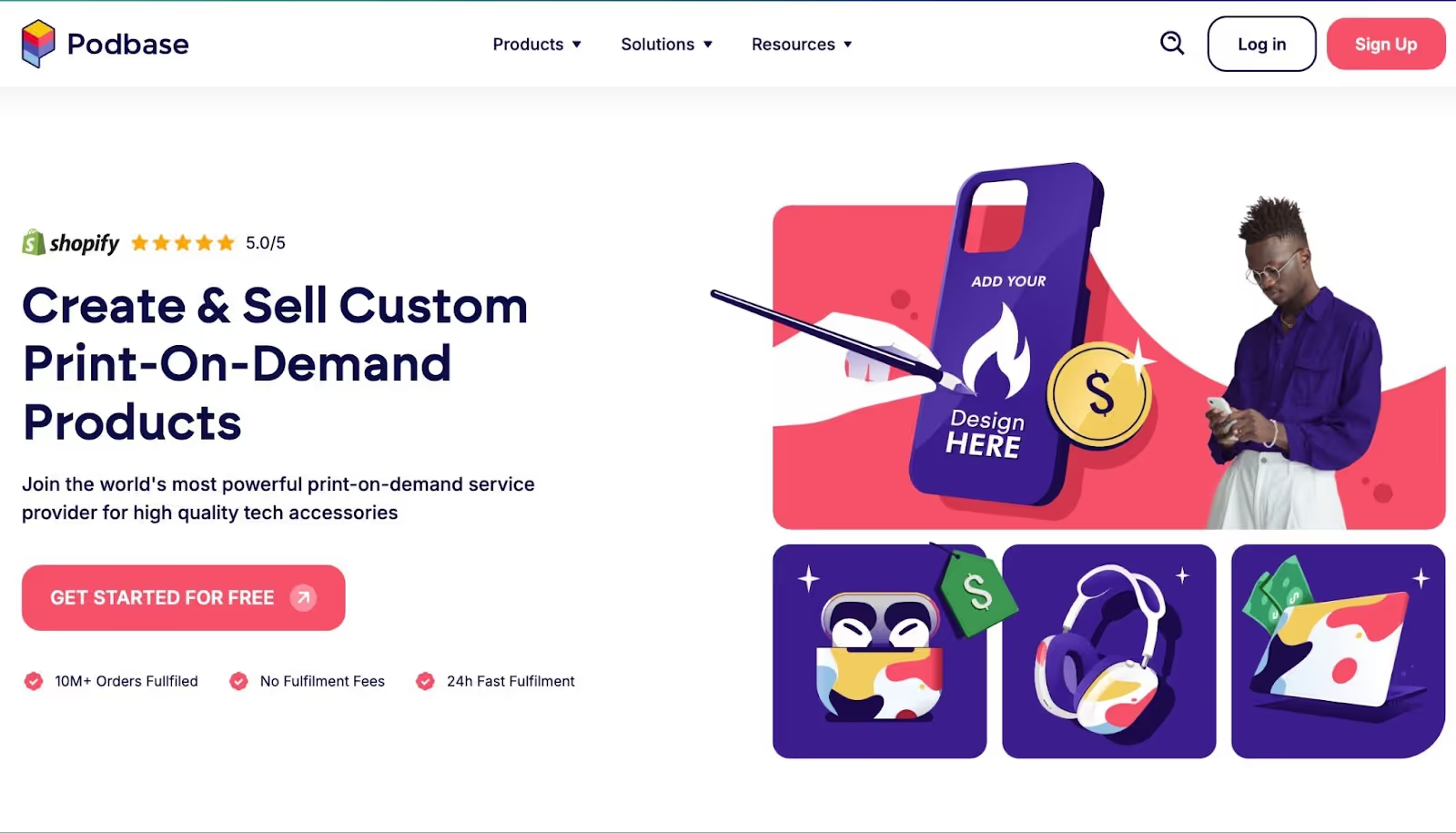
Print-on-demand platforms make it easy to start an online store without inventory. You upload a design, pick the product, and the platform prints and ships - shirts, mugs, posters, tote bags, phone cases, and more. There's no minimum order and quality is handled in-house, which removes two of white label's biggest headaches. Add branded packaging inserts to make it feel like a real brand.
Global Suppliers
Some global suppliers specialize in ready-made white label goods you order in bulk. Sites like Alibaba, DHgate, and Made-in-China connect you with manufacturers worldwide - the lowest unit cost, but high minimums and you hold the stock.

Private Label Factories
A private label factory creates ready-to-brand products according to your specifications. It offers slightly more freedom with packaging, ingredients, or materials. You’ll find these mostly in beauty, health, and supplements.
Also Read:
- Best Dropshipping Products to Sell for Big Profits
- How to Sell Podbase Print-on-Demand Products on Etsy: Step-by-Step Guide
How to Start Selling White Label Products (Step-by-Step)
Once you've found a supplier, here's how to start a white label business with less money:
- Choose a niche: pick a profitable niche you understand, with products that solve a real need.
- Source from a manufacturer: find a reliable white label supplier - and always order samples before you commit.
- Customize packaging: add your logo and colors, then set the right pricing. Good packaging is what makes it feel like a real brand.
- Launch your store: upload clear photos and descriptions, then promote on social media.
Pros and Cons of White Label Products
Pros of White Label Products
- Start fast without making the product yourself
- Low upfront cost
- Easy to rebrand and sell under your name
- Great for testing new ideas
- Products are already proven to sell
- No complex product development
Cons of White Label Products (and how POD fixes them)
- Some suppliers limit rebrands - a flexible POD platform lets you customize design, not just a logo.
- Quality depends on the supplier - choose one with in-house production and quality checks at every stage.
- Hard to build loyalty for a generic product - design-level customization and branded packaging fix this.
- Some platforms require large minimum orders - a pay-per-sale POD model has no minimums at all.
Also Read:
FAQ
1. What is a white label product?
A white label product is made by one company but sold by another under its own brand. You buy a ready-made product, add your logo, packaging, and pricing, and sell it as your own. Common examples include skincare, coffee, apparel, phone cases, and software, letting you launch a brand without manufacturing anything.
2. Is selling white label products legal?
Yes, selling white label products is completely legal and is not copyright infringement. The manufacturer produces the item and licenses you to brand and resell it. As long as you follow your supplier's terms and any product regulations, white labeling is a standard, widely used business model across retail and ecommerce.
3. What are the best white label products to sell in 2026?
Strong white label categories in 2026 include apparel and merch, tech accessories like phone cases and drinkware, wellness items such as skincare and supplements, and digital or AI products like courses and software tools. Physical branded merch via print on demand is the lowest-risk entry, since there is no inventory or minimum order.
4. What is the difference between white label and private label?
White label products are generic items sold to many sellers who each add their own brand, so they are fast and cheap to launch. Private label products are made exclusively for one brand, with custom formulas, materials, or specs, offering more control but higher minimums and cost. White label suits quick testing; private label suits differentiation.
5. How do I start a white label business with no inventory?
Use a print-on-demand platform. Pick a niche, choose products, add your branding, and connect your store. The platform prints and ships each order after a sale, so you hold no inventory and pay no upfront stock cost. With Podbase you start free and pay only when you make a sale.
6. What are the downsides of white label products?
The main downsides are limited rebranding with some suppliers, quality that depends on the manufacturer, difficulty building loyalty for a generic product, and large minimum orders from some platforms. A print-on-demand model with no minimums, in-house quality checks, and design-level customization removes most of these risks.
Conclusion
White label products are popular because they're cheap and easy to start - a real income stream without manufacturing or holding inventory. Here's the contrarian point worth keeping: the model's known weaknesses (minimum orders, inconsistent quality, weak brand loyalty) aren't inherent - they're supplier choices. Pick a no-MOQ, quality-checked, design-customizable model like print on demand and those cons mostly disappear, leaving you free to build an actual brand. Like any business, it still takes research, planning, and marketing. If you're ready to sell branded products under your own label, get started with Podbase to explore your options.

Saulius Meilutis is the CEO of Podbase, helping creators and entrepreneurs monetize their ideas with print-on-demand. He shares insights on eCommerce, growth, and building lean online businesses.

.avif)



.avif)
.avif)
.avif)
.avif)
.avif)
.avif)

.avif)


.avif)
.avif)

.avif)

.avif)

.avif)