.avif)
Small businesses now make up 99.9% of all US businesses - about 36.2 million of them - and most are run by a single person leaning on AI tools and tight budgets. That lean, capital-light profile is exactly why so many new founders start with print-on-demand. More people want to be their own boss, and starting a business is easier than ever.
Below are the top small business statistics for 2026, refreshed against the latest SBA, U.S. Chamber of Commerce, and Bureau of Labor Statistics data - with what each number means for anyone building a lean online brand.
Small Business Statistics 2026: Quick Insights
The headline numbers at a glance, with sources:
The through-line: most US small businesses are solo operators chasing healthy margins on tight resources - the exact playbook print-on-demand was built for. Skip the inventory, lean on AI tools, and let on-demand fulfillment do the heavy lifting.
What is a Small Business?
A small business can be born in your kitchen, study, or garage - a unique idea built into products or services, launched with limited investment and a small team. The U.S. Small Business Administration identifies a small business as one that is privately owned and operated, employs fewer than 500 people, earns roughly $1M-$40M in annual revenue, operates for profit, and works within a specific region. A bakery, a boutique, a print-on-demand online store, freelance services - all qualify. You can register as a sole proprietorship or LLC and acquire the industry-specific permits needed to operate legally.
Also Read:
- 30+ DIY Small Business Ideas to Start From Home
- Dropshipping vs Ecommerce: Which Is Better for You?
- Small Business Trends to Watch in 2026 (And How to Adapt)
1. How Many Small Businesses Are There in the US?
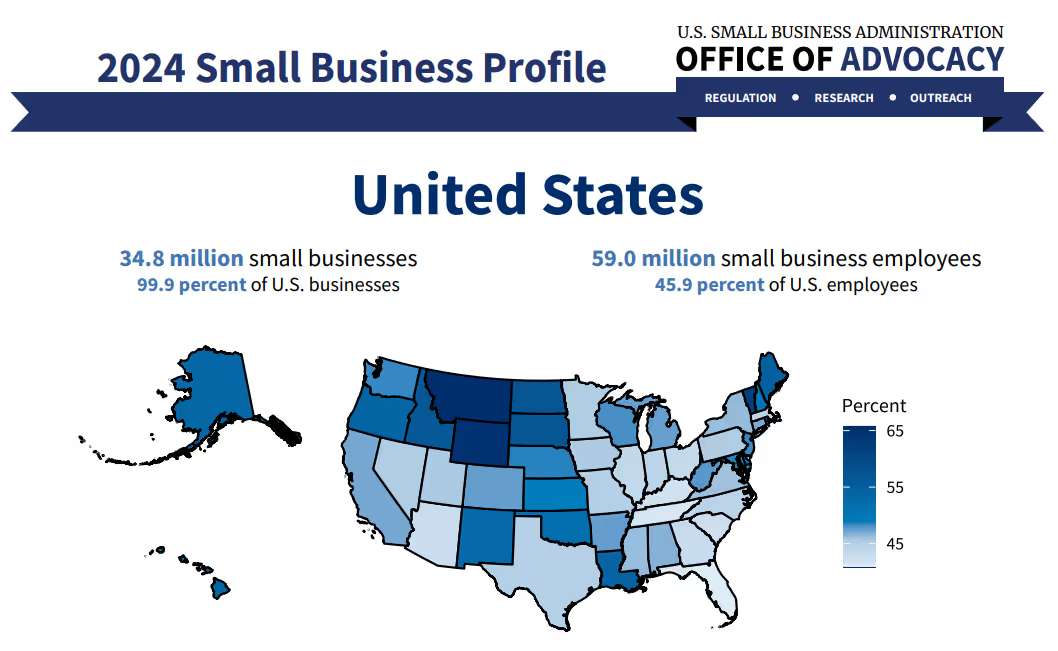
The US is the epicenter of small business. According to the SBA's 2025 Small Business Profile, there are now 36.2 million small businesses in the US - about 99.9% of all businesses in the country, and up from 34.8 million a year earlier. Of these, roughly 6.3 million are employer firms and 29.8 million are non-employer firms. Every major industry, from healthcare and technology to retail and transportation, has seen new small businesses launch.
2. The Rise of AI Tools in US Small Businesses
AI has moved from novelty to norm. According to the U.S. Chamber of Commerce's 2025 Empowering Small Business report, 58% of small businesses now use generative AI - up sharply from 40% the year before - for tasks like content, scheduling, customer communication, and digital payments. And 96% plan to adopt emerging technologies, while 82% of small businesses using AI grew their workforce over the past year.
For product sellers, the most useful AI shift is in creative production. “Now you can take a static picture and generate high-quality multi-angle output of your products showcasing all the different unique selling points - you no longer have to order samples, organize photo shoots, and extend your product launch by weeks,” says Podbase CEO Saulius Meilutis.

3. How Many Jobs Are Created by Small Businesses?
Small businesses are the country's job engine. Per the SBA's 2025 data, they accounted for about 9 of every 10 net new jobs, adding roughly 1.2 million net new jobs and opening 1.1 million new establishments between March 2023 and March 2024. Many are family-run, so alongside paid staff, friends and family often contribute to the business's growth.
Also Read:
- Dropshipping Statistics: Key Trends & Industry Insights
- Top 10 Etsy Statistics You Must Know
- Black Friday Stats: Insights for Print-on-Demand Brands
4. Small Business Employment Statistics
Small businesses employ about 62.3 million people - roughly 45.9% of all US private-sector workers, per the SBA's 2025 profile. Women make up more than 47% of the small-business workforce and own 44.1% of US small businesses, a sign of how quickly women entrepreneurs have grown their share in recent years.
5. What Percentage of Small Businesses Fail?
Launching is only half the challenge; staying afloat is the other. According to the Bureau of Labor Statistics, about 20% of small businesses fail within the first two years, and roughly 45% within five. Common causes include a weak business plan, lack of finances, inability to meet demand, and a highly competitive market.
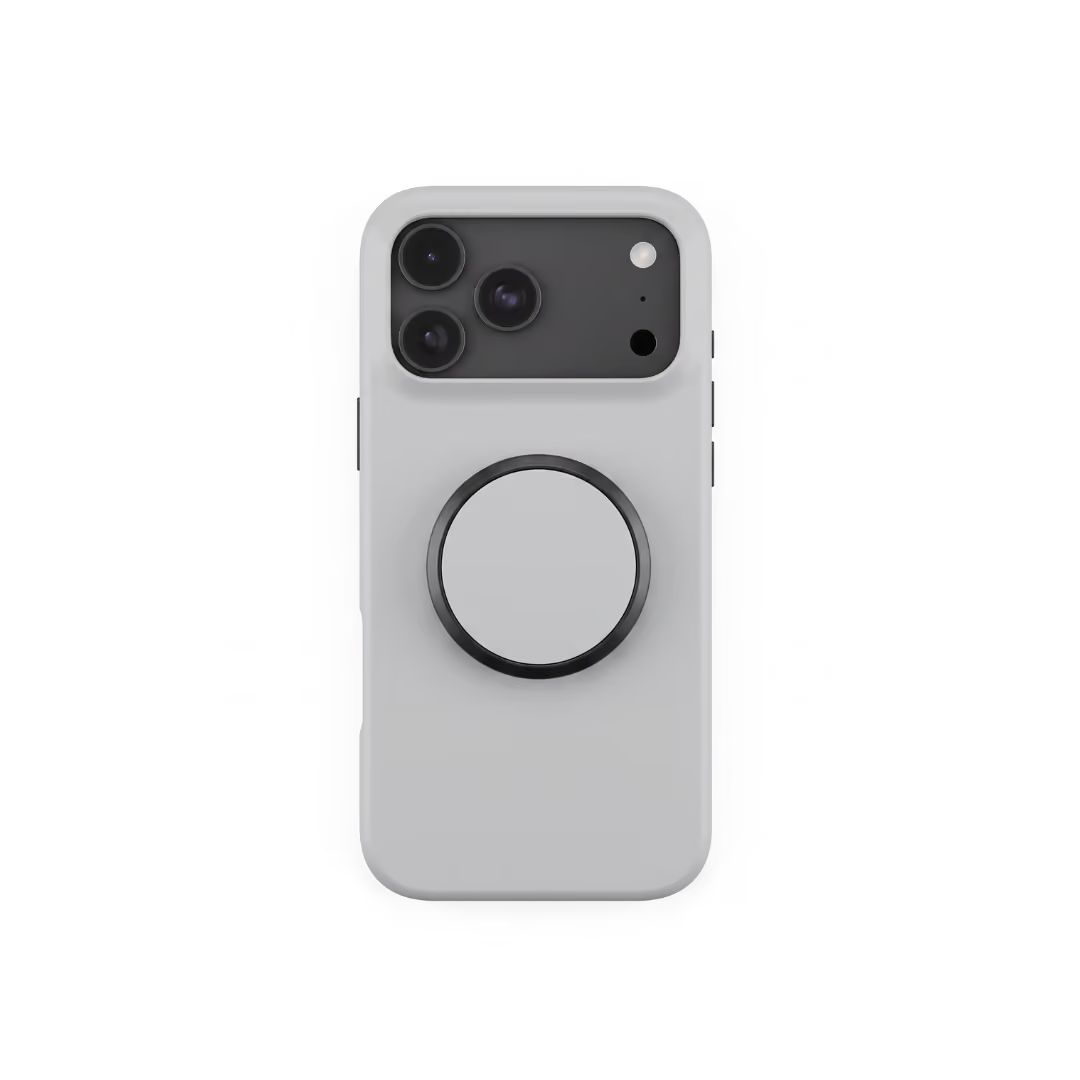
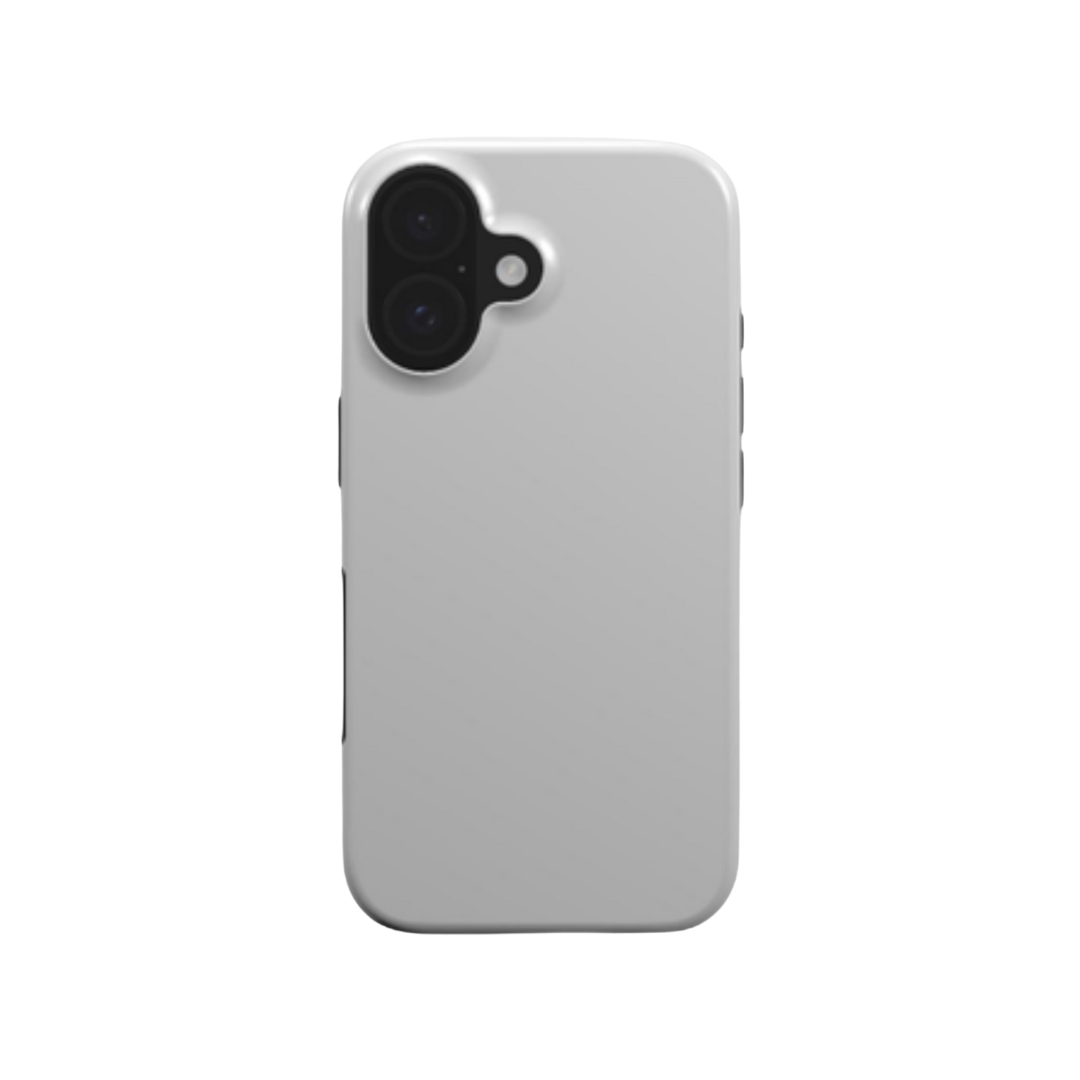
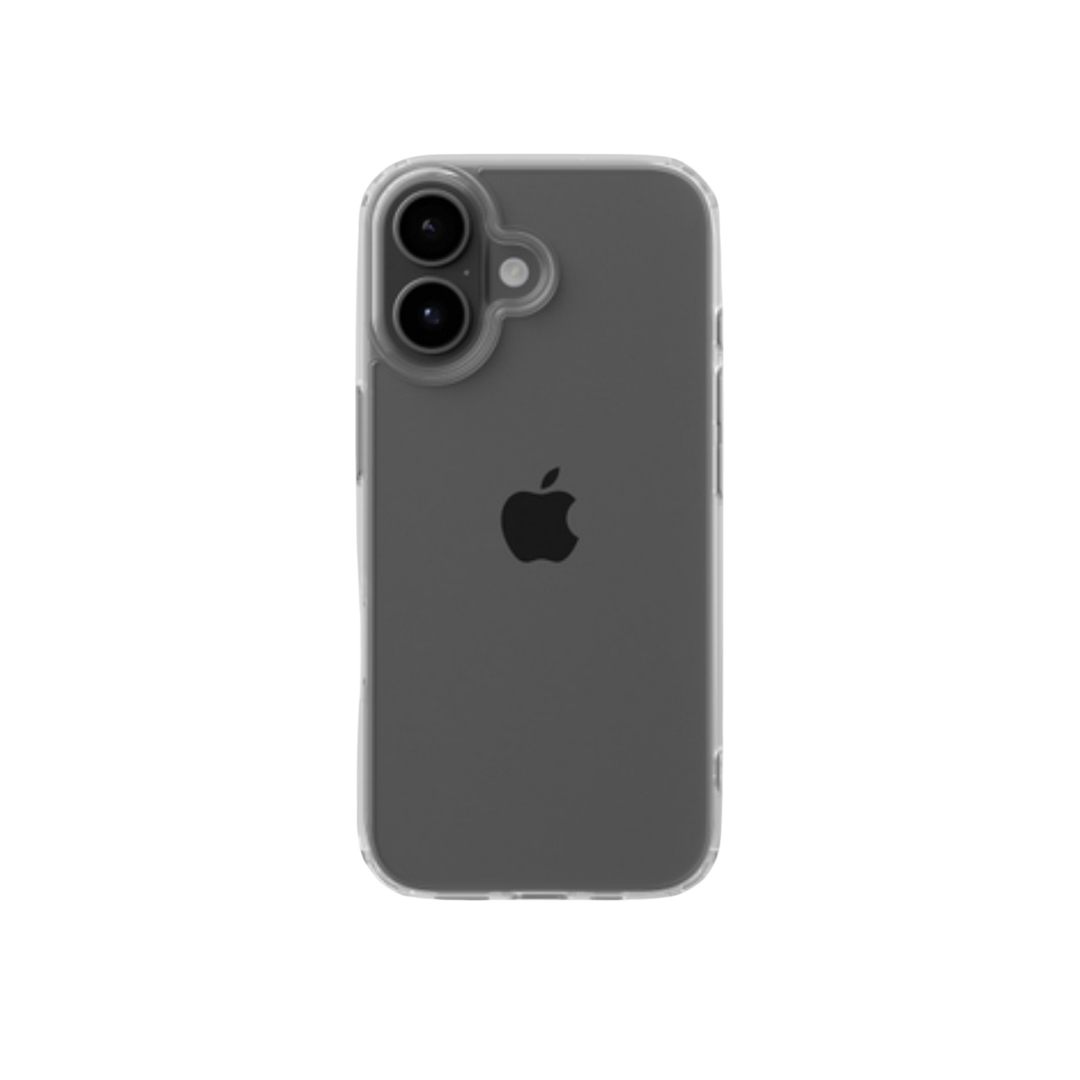
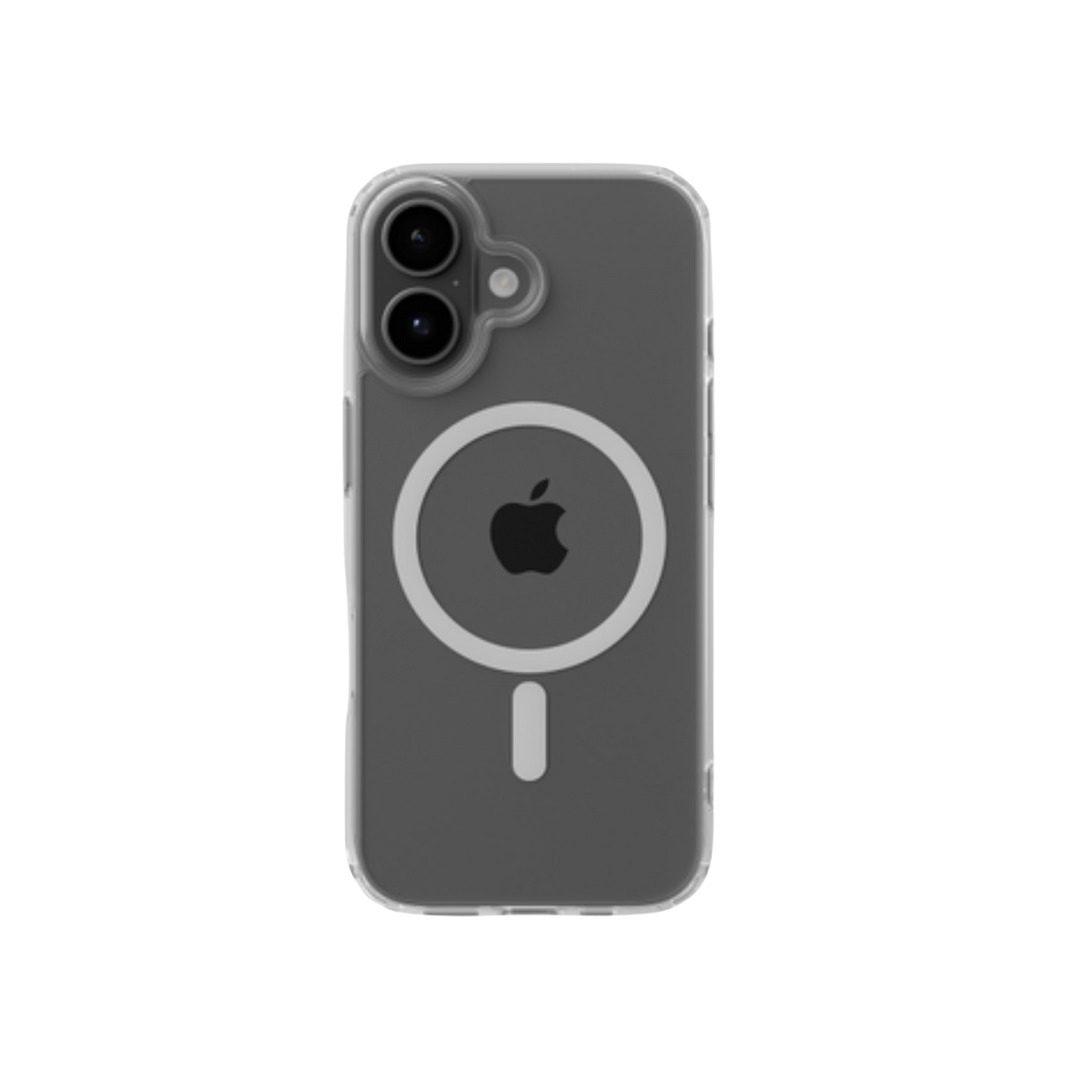
Here is the contrarian read most stat roundups miss: two of the biggest killers - lack of capital and unsold inventory - are exactly what an inventory-free model removes. With print-on-demand there is no upfront stock to fund and nothing left over if a design does not sell; you buy a custom phone case near €10 only after a customer orders, and sell it for €35-60. It does not guarantee success, but it takes the two most common failure causes off the table - and most Podbase stores get up and running within two weeks.
6. Most US Small Businesses Have No Employees
Running lean is the norm. About 29.8 million small businesses - roughly 82% of the total - are non-employer firms, meaning the owner has no paid staff (SBA, 2025). Most work solo or with a small team of friends and family, handling everything from production of print-on-demand products to marketing themselves - which is precisely why automation and on-demand fulfillment matter so much for this group.
7. Top US States by Number of Small Businesses
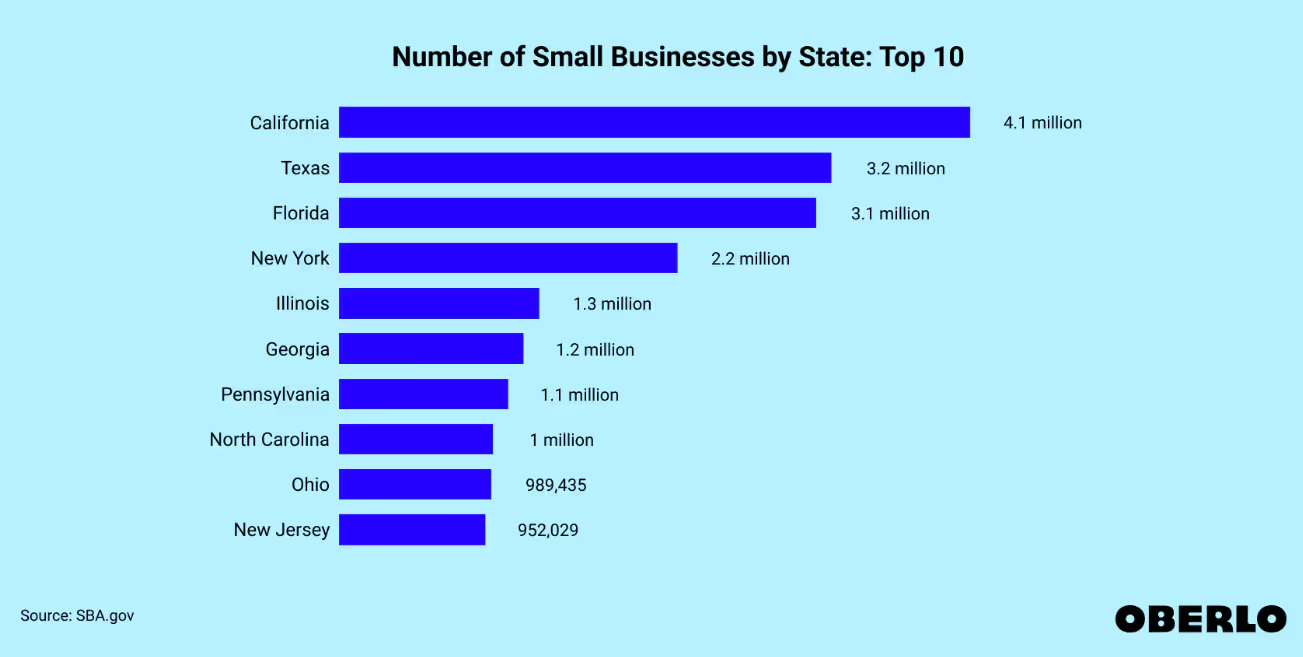
Some states are simply better launchpads. Per Oberlo and SBA data, California leads with roughly 4.2 million small businesses - the largest share of any state - followed by Texas and Florida. These states pair large populations with business-friendly conditions, making them hotspots for entrepreneurs, including online and print-on-demand sellers.
Also Read:
- Best Automated Business Ideas to Start
- Choosing the Best Ecommerce Platform for Businesses
- When Is Black Friday 2026? Dates, Deals, and E-Commerce Tips
FAQ
1. How many small businesses are in the US in 2026?
There are about 36.2 million small businesses in the United States, according to the SBA's 2025 Small Business Profile - roughly 99.9% of all US businesses. Around 6.3 million are employer firms and 29.8 million are non-employer (solo) firms. Small businesses employ about 62.3 million people, or 45.9% of the private-sector workforce.
2. What percentage of small businesses fail?
About 20% of small businesses fail within their first two years and roughly 45% within five years, according to the Bureau of Labor Statistics. Common causes include a weak business plan, lack of capital, and unsold inventory. Inventory-free models like print-on-demand reduce that risk by removing upfront stock costs.
3. How many small businesses use AI?
About 58% of US small businesses now use generative AI, up from 40% a year earlier, according to the U.S. Chamber of Commerce's 2025 report, and 96% plan to adopt emerging technologies. Owners use AI for content, scheduling, customer communication, and - for sellers - generating product mockups without photoshoots.
4. What percent of small businesses have no employees?
About 82% of US small businesses are non-employer firms - roughly 29.8 million of the 36.2 million total - meaning the owner works solo or with unpaid family, per the SBA's 2025 data. These lean operations are a natural fit for print-on-demand, which handles production and fulfillment with no staff required.
5. Which US state has the most small businesses?
California has the most small businesses - about 4.2 million, the largest share of any state - followed by Texas and Florida, according to SBA and Oberlo data. These states combine large populations with business-friendly conditions, making them hotspots for new entrepreneurs, including online and print-on-demand sellers.
6. Are small businesses a good fit for print-on-demand?
Yes. With about 82% of small businesses run solo and most now using AI tools, print-on-demand fits the lean, capital-light playbook: no inventory, no upfront stock, and production handled for you. Sellers buy items around 10 euro and sell for 35-60 euro, and most stores launch within two weeks.
Conclusion
The 2026 numbers tell a consistent story: the typical US small business is lean, solo, AI-assisted, and operating on tight resources - and the biggest reasons businesses fail are capital and inventory risk. That is the case for starting lean. Print-on-demand lets you skip inventory, lean on AI tools, and let on-demand fulfillment carry the load, so you can test ideas without betting your savings. Build your POD brand with Podbase today.

Saulius Meilutis is the CEO of Podbase, helping creators and entrepreneurs monetize their ideas with print-on-demand. He shares insights on eCommerce, growth, and building lean online businesses.

.avif)







.avif)
.avif)
.avif)
.avif)
.avif)
.avif)

.avif)




.avif)
.avif)

.avif)

.avif)

.avif)