This guide shows how to make money on Pinterest in 2026 - no blog or big following needed. You'll learn six proven methods: affiliate links, print-on-demand products, sponsored pins, traffic-driving, Shopify product pins, and group boards. Whether you're starting from zero or scaling an ecommerce side hustle, each tactic comes with concrete steps - plus the data on why Pinterest rewards newcomers more than any other platform.
Pinterest isn't just for saving home décor ideas. People come for recipes, fashion, DIY hacks, planners, gifts, and creative inspiration - and when the right idea clicks, they buy. That's what makes it exceptional for targeted traffic.
Why Pinterest Is a Hidden Goldmine for Online Income
Pinterest reached an all-time high of 631 million monthly active users in Q1 2026 - up 11% year over year, its tenth straight quarter of double-digit growth. Unlike social feeds, Pinterest works like a visual search engine, which means it slots into your social media marketing plan as a discovery channel, not just another posting obligation.
Two structural advantages make it unusually friendly to people starting from zero:
Content compounds. Pins stay alive far longer than posts elsewhere - per a Tailwind benchmark, pins between 90 days and one year old still average about 44 saves, and pins over two years old around 49. A good pin keeps working for years; a feed post is gone by dinner.
Discovery is unbranded. 96% of top Pinterest searches contain no brand name. Users search "minimalist desk setup," not a company - which puts a brand-new account's pin right next to anyone's. More on why that matters below.
Also Read:
- Pinterest Statistics You Need to Know in 2026
- 10 Low-Cost Business Ideas To Start
- Side Hustles for College Students
6 Proven Ways to Make Money on Pinterest
A quick comparison to pick the right model for your goals, skills, and budget:
1. Use Affiliate Links in High-Performing Pins
Affiliate earning works even without a blog:
- Sign up for affiliate programs that match your niche
- Choose products you trust and your audience wants
- Create pins that link directly to those products
- Use clear images, short text, and searchable keywords
- Test different pin designs and double down on what gets clicks
Honest framing: affiliate income is a slice of someone else's sale. It's the fastest start - and the natural stepping stone to method #2, where the whole margin is yours.
2. Sell Print-on-Demand Products via Pinterest

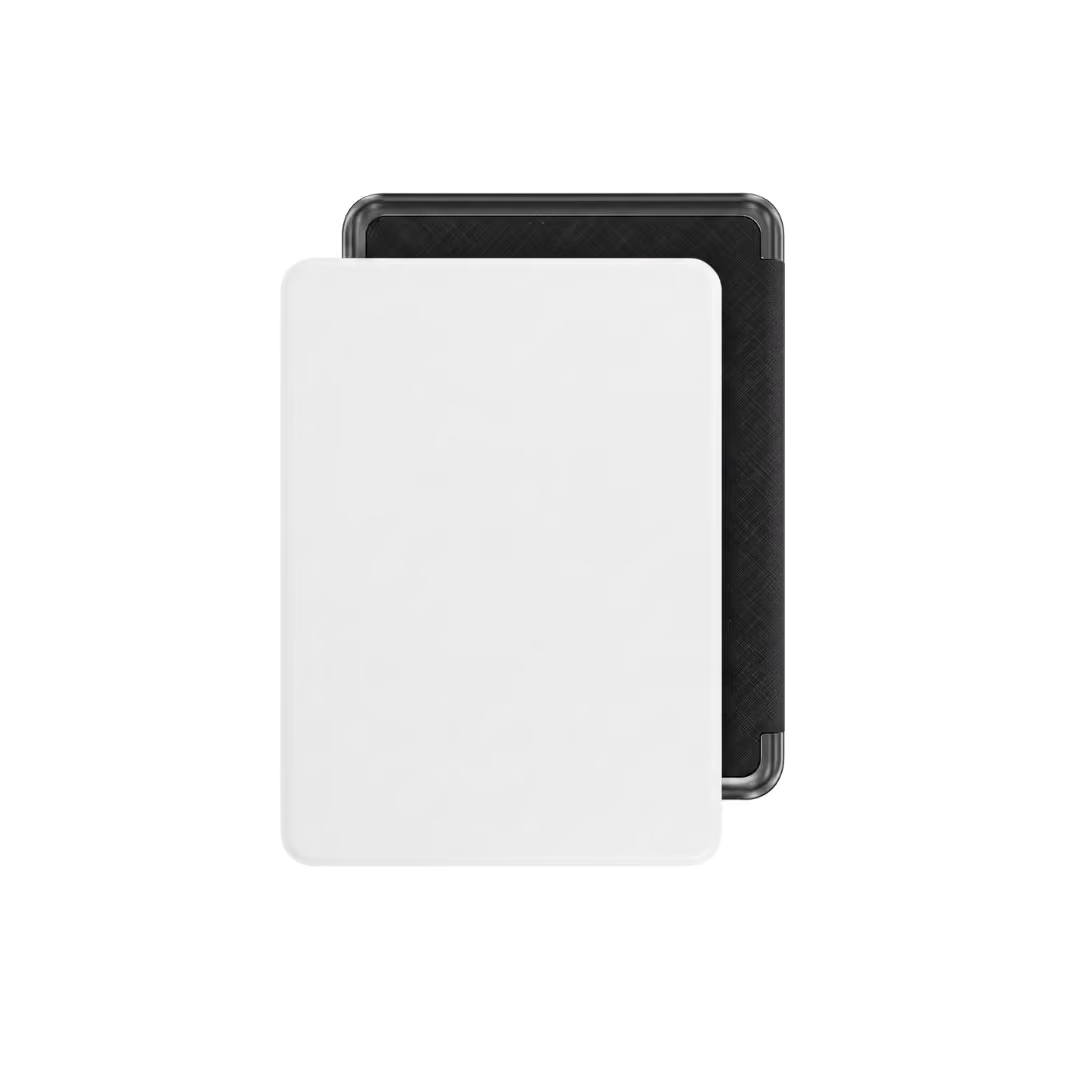
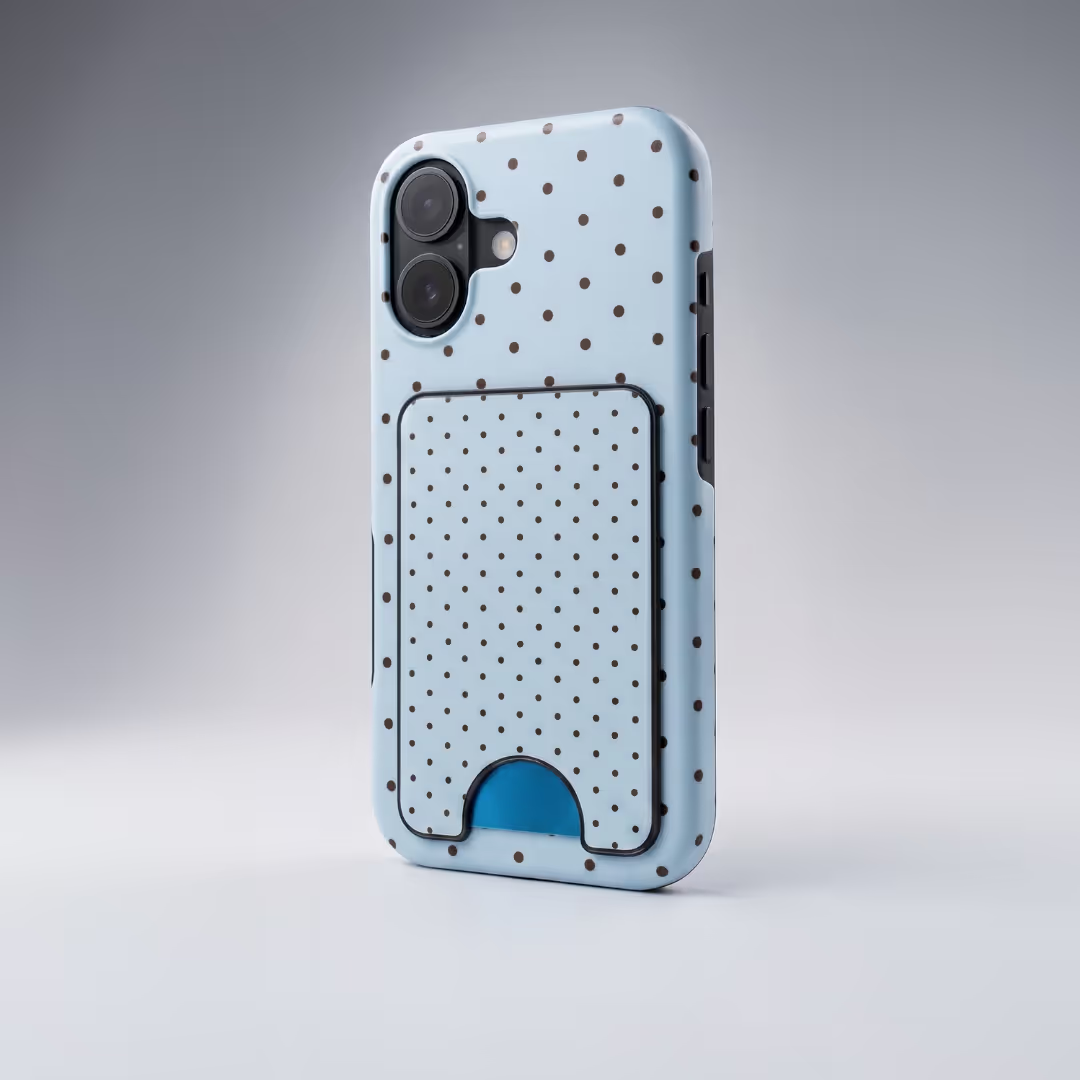
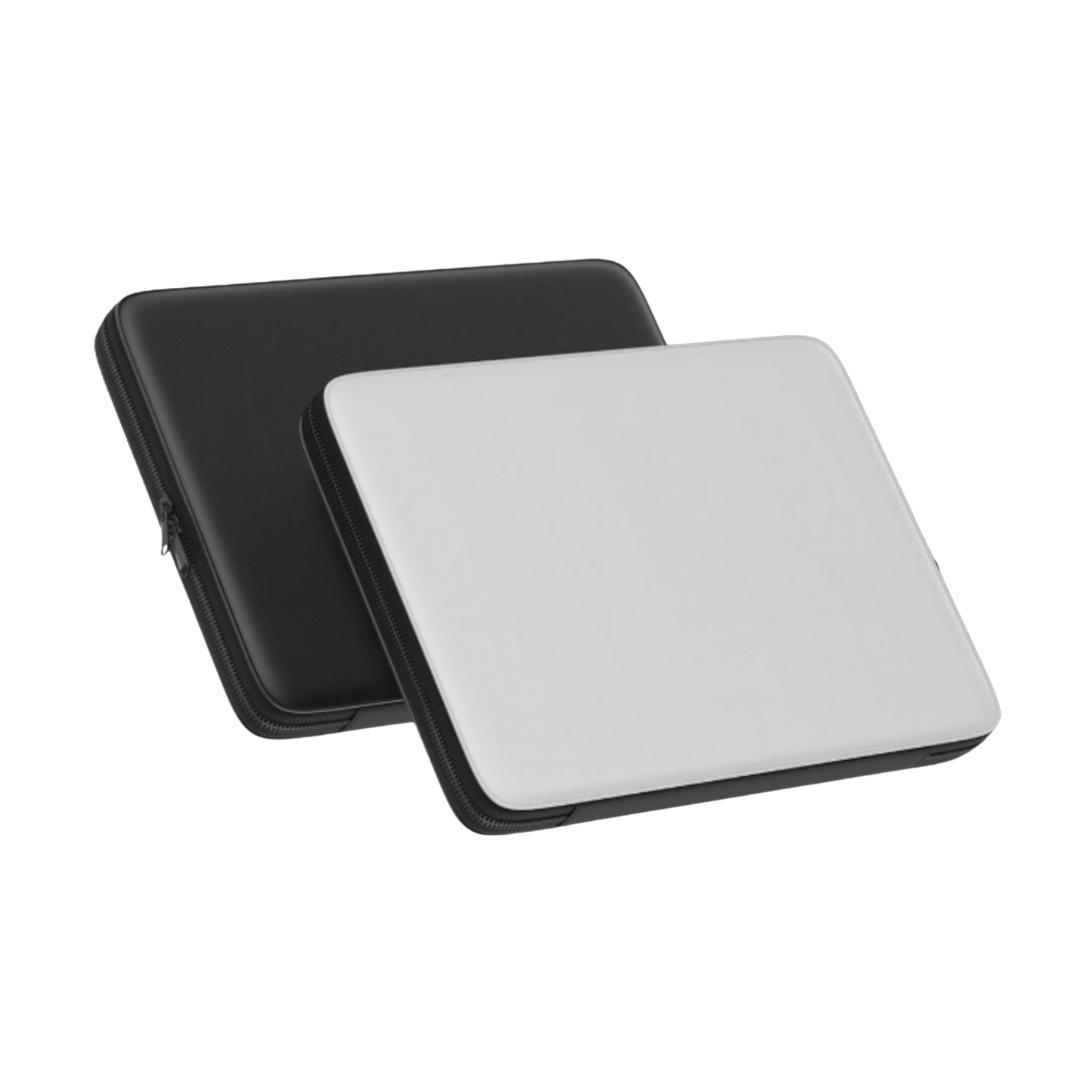
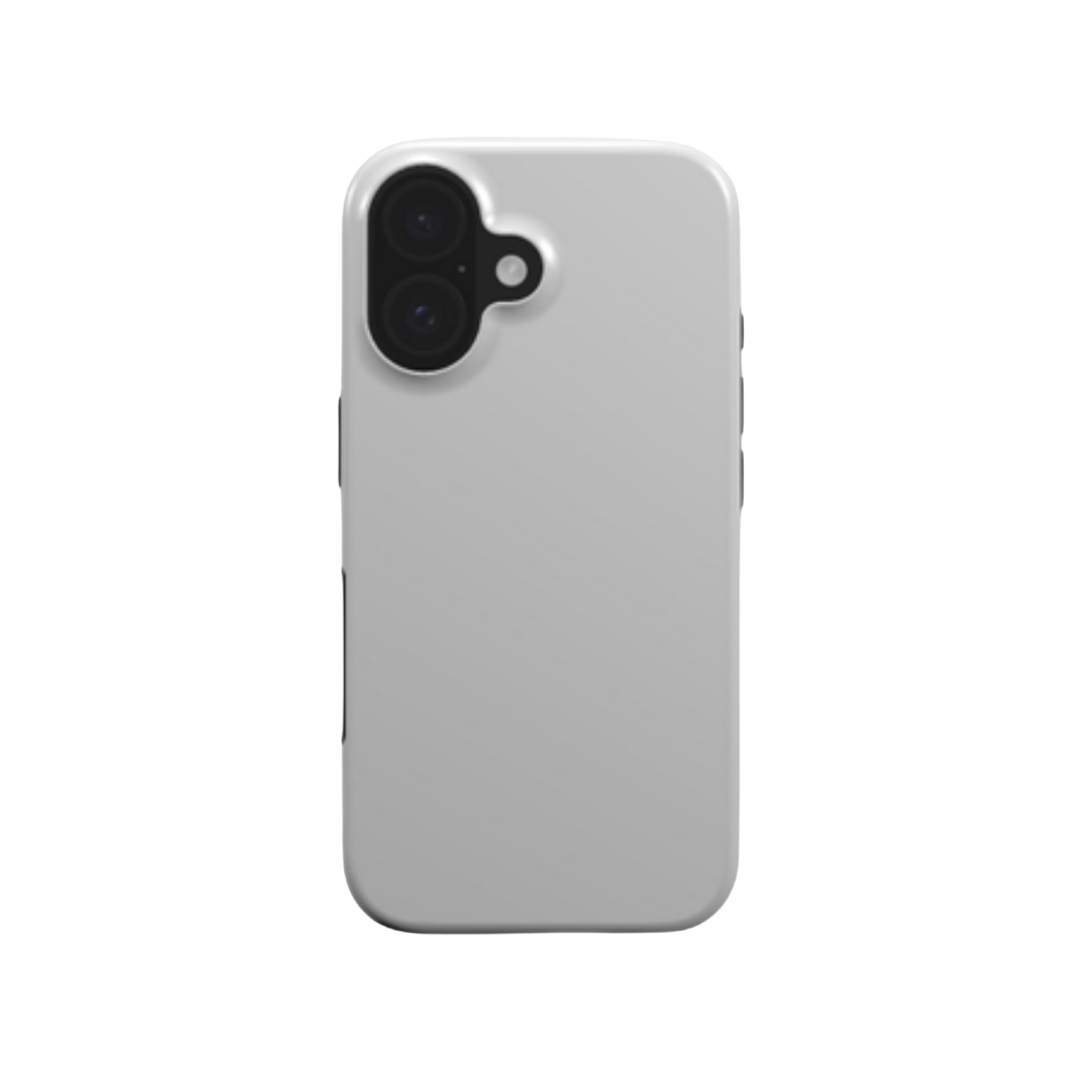
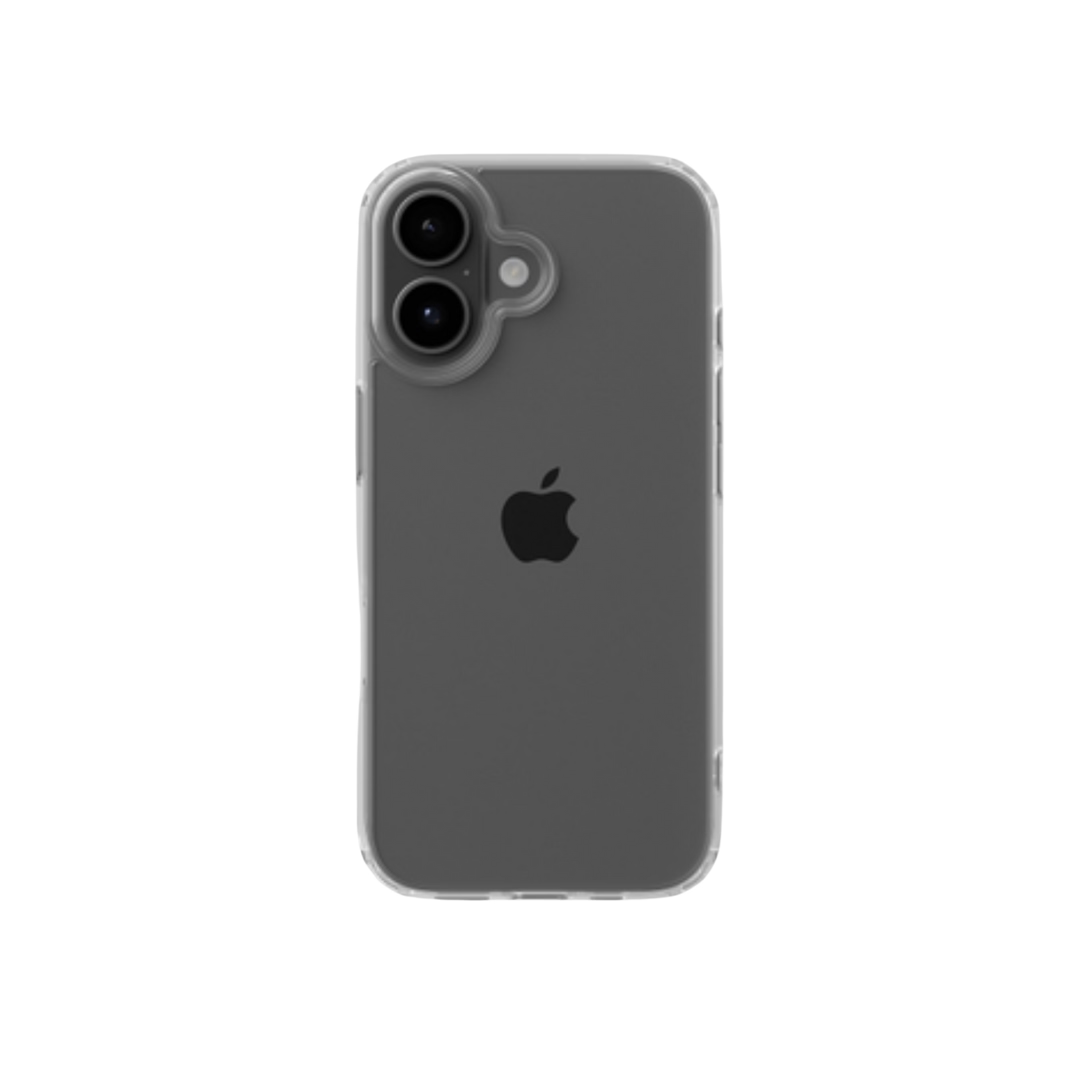
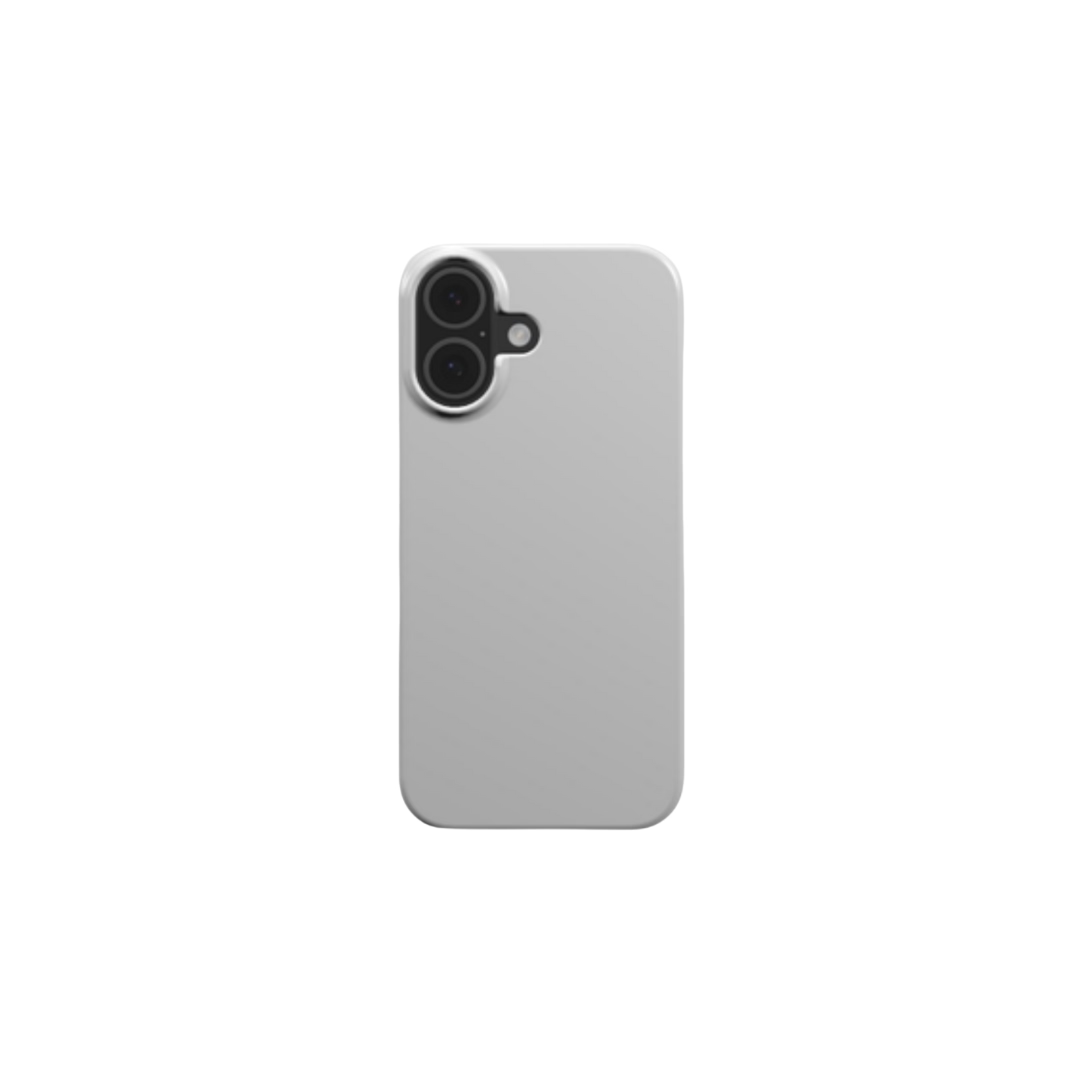
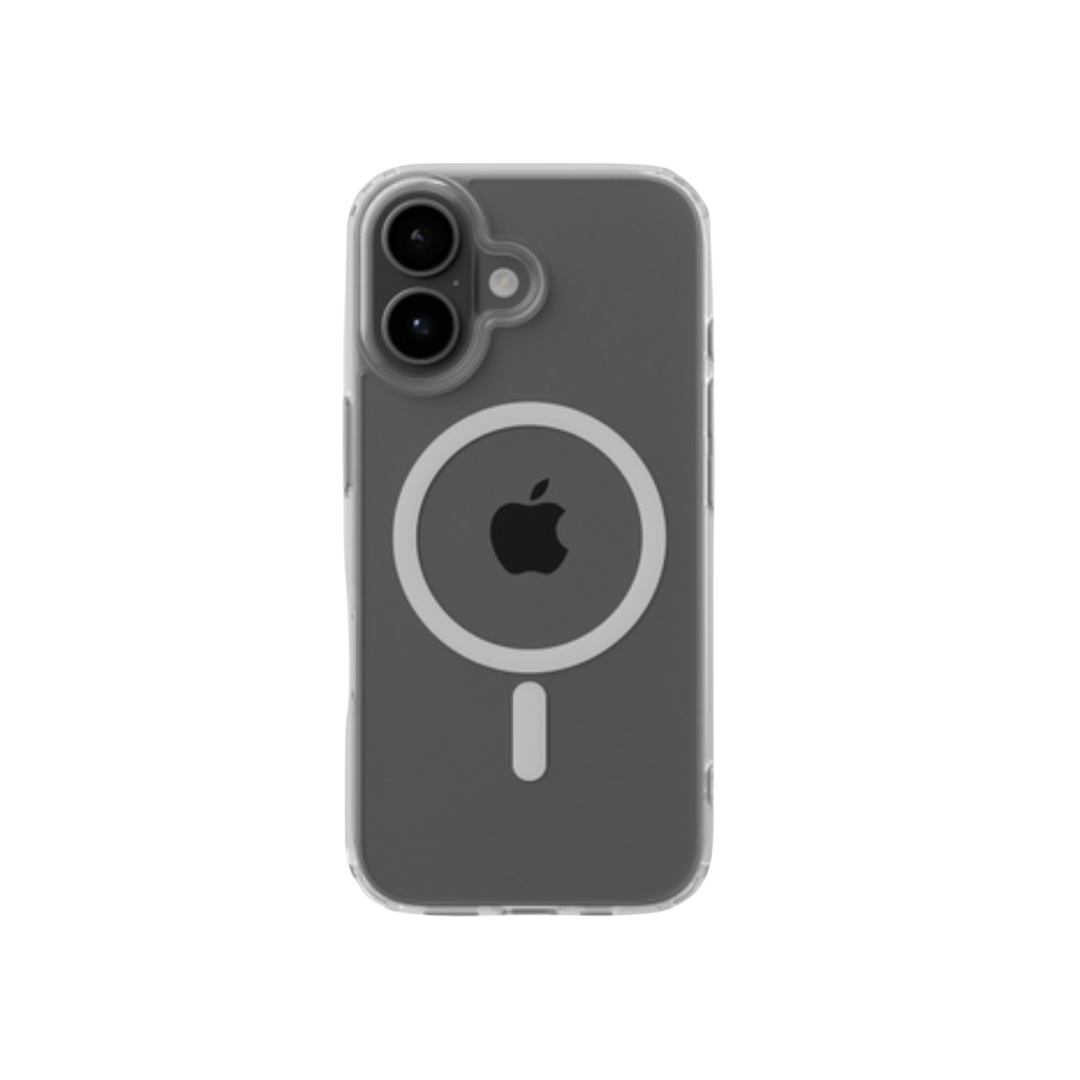
Selling print-on-demand products is the highest-ceiling method on this list, because you own the product and the margin. With POD you design products and sell them with no inventory, no shipping, and no upfront cost - a custom phone case costs around €10 from Podbase and typically sells for €35-60.
How to do it:
- Upload your designs to a POD platform and connect your store
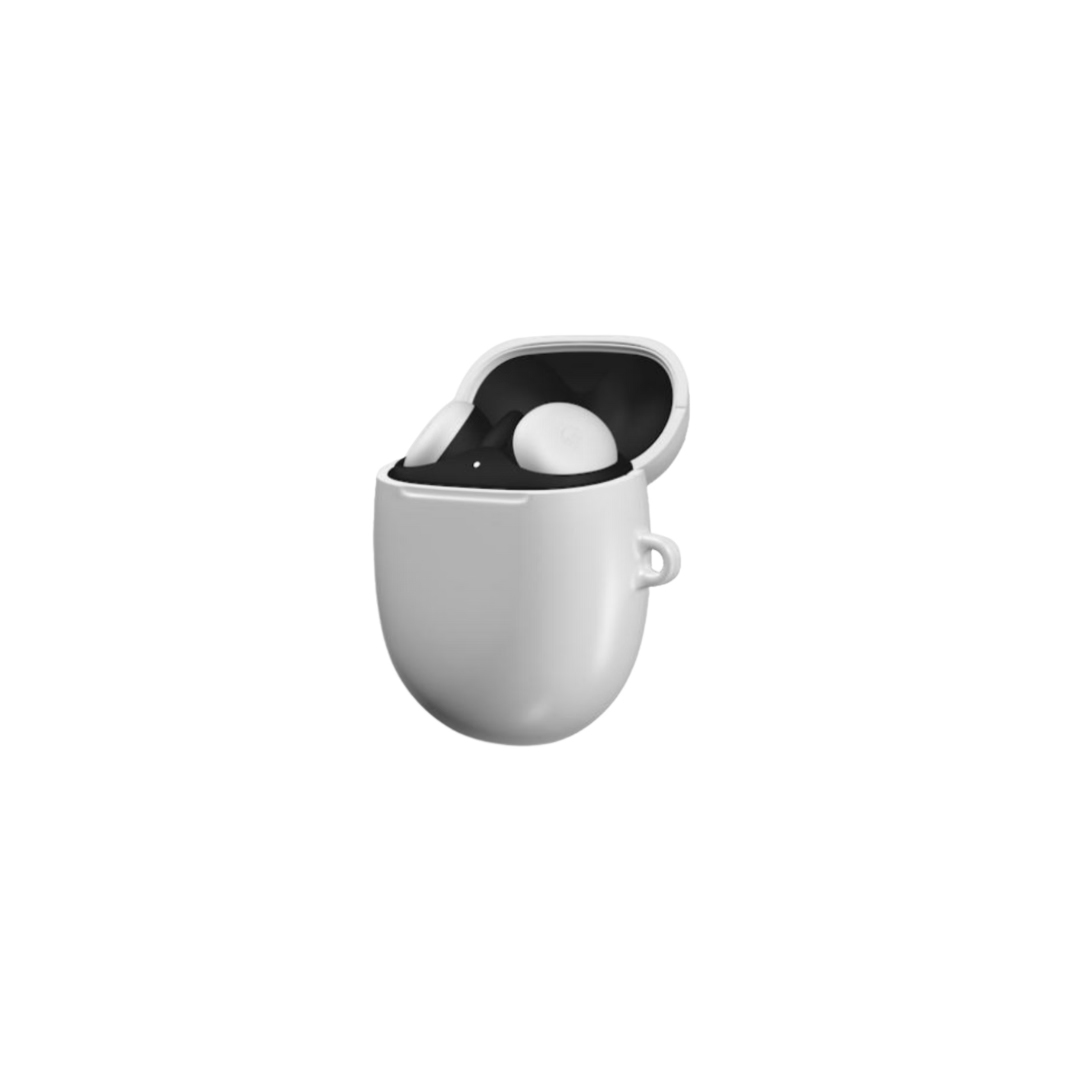
- Focus on items that suit Pinterest's visual culture: phone cases, wall art, laptop sleeves, planners
- Use lifestyle mockups and vertical pins
- Write searchable pin titles and keyword-rich descriptions
- Link every pin directly to the product page
Pinterest and POD fit unusually well. The platform's biggest categories - home décor, style, gifting - map straight onto POD products. Wall art especially: "Almost 65% of wall art sales are still offline," notes our CEO, while Pinterest is full of people actively planning gallery walls. And the speed bar is low: across our seller data, publishing just five products within your first 30 days puts you ahead of 80% of POD stores. One Podbase creator went from zero to seven-figure annual revenue in 13 months selling phone cases - starting with about ten designs.
3. Offer Sponsored Pin Partnerships
Sponsored pins suit creators who'd rather monetize content than products. Engagement and pin quality matter more than audience size:
- Build a focused board in your niche with consistent visuals
- Pitch small businesses with a clear offer
- Show past performance or potential reach
- Offer to create pins featuring their products
4. Drive Traffic to a Blog or Landing Page
Pinterest can feed a blog, landing page, or store without ad spend:
- Design pins with bold titles and eye-catching graphics
- Link to helpful content - gift guides, tips, product lists
- Use keywords people already search on Pinterest
- Track clicks and optimize your top performers
If your content matches what people already want, they click and convert. For ideas, look at what people sell to make money online and build content around those searches.
5. Promote a Shopify Store With Product Pins
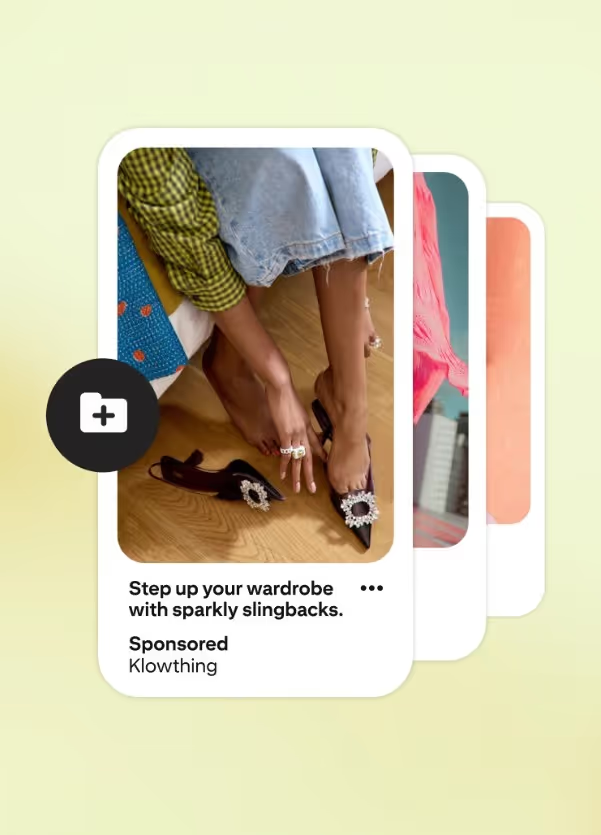
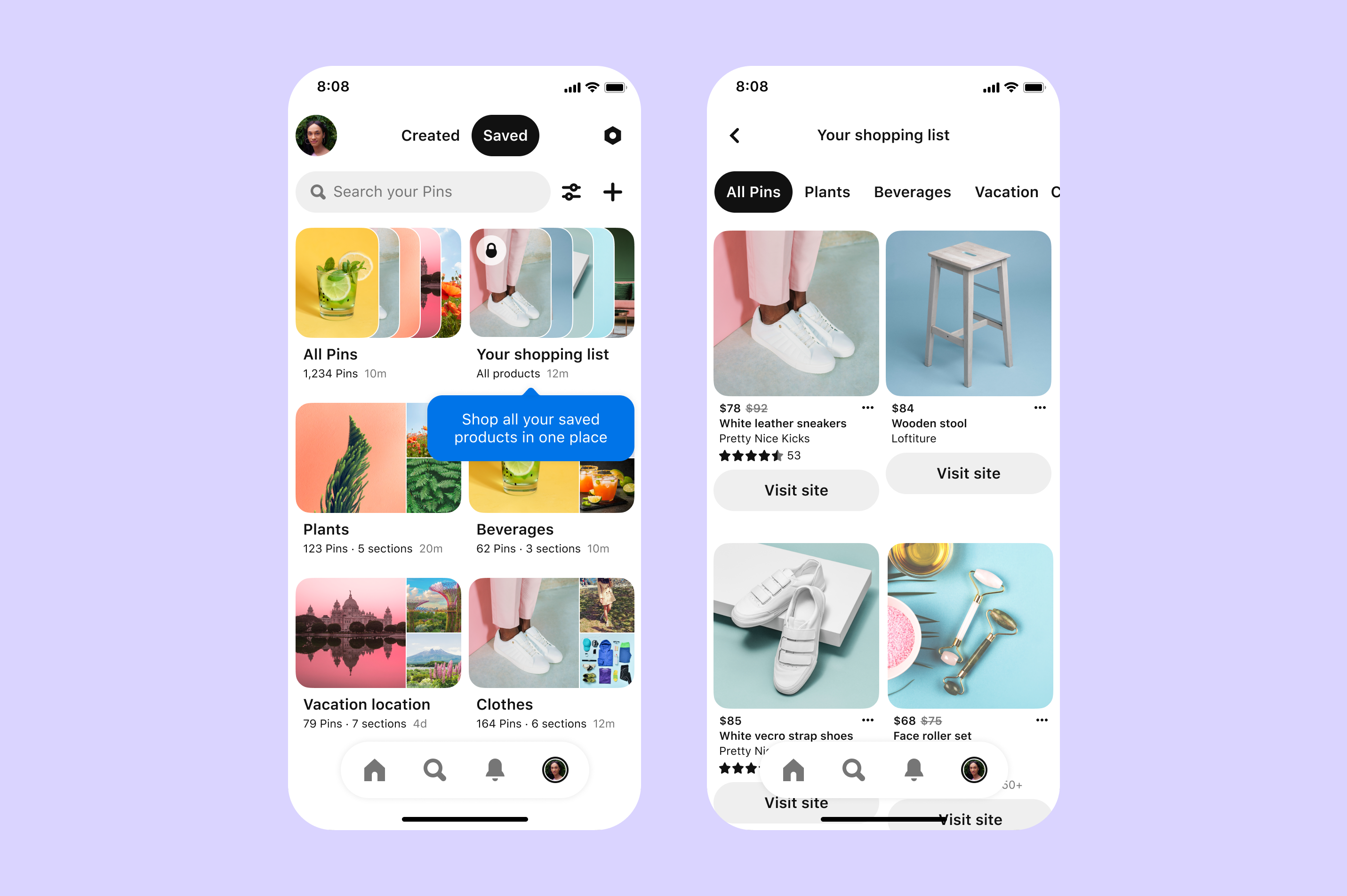
Pinterest connects directly to Shopify, turning pins into shoppable product tags:
- Add product pins showing price and availability
- Use high-quality photos and keyword tags
- Create seasonal boards to stay relevant
- Use Pin Analytics to improve performance
Beginners can start a Shopify store with Podbase handling production and shipping - your pins sell products you never touch.
6. Join Group Boards to Multiply Reach
Group boards expose your pins to established audiences without posting more. Find active boards in your niche and contribute genuinely strong pins that match what members search for. It's the easiest amplifier for every other method on this list.
Also Read:
Pinterest Monetization for Beginners: What You Need to Start
Get the setup right from day one:
- Switch to a business account - it unlocks analytics, ads, and audience insights.
- Research keywords with Pinterest Trends, Google Keyword Planner, or Ubersuggest, and write clear, keyword-rich descriptions.
- Learn basic [advertising](https://www.podbase.com/glossary/advertising) terms before spending on ads.
- Track everything in Pinterest Analytics - clicks, saves, views - and spot what works fast.
One tactic worth stealing from our seller playbook: treat organic pins as a free testing lab. The pins that earn unusual saves are pre-validated demand - exactly the designs worth ad budget and product launches. It matters because Pinterest ads convert unusually well (roughly 32% higher ROAS than other platforms), so knowing *which* pin to boost is half the profit.
How to Make Money on Pinterest Without a Blog
No blog required. Many sellers connect product listings from Etsy, Shopify, or Podbase straight to their pins with clear images and keyword descriptions. It works for physical and digital goods - especially inventory-free models where a fulfillment partner handles production and shipping while you focus on pins and designs.
Pinterest for Print-on-Demand Sellers
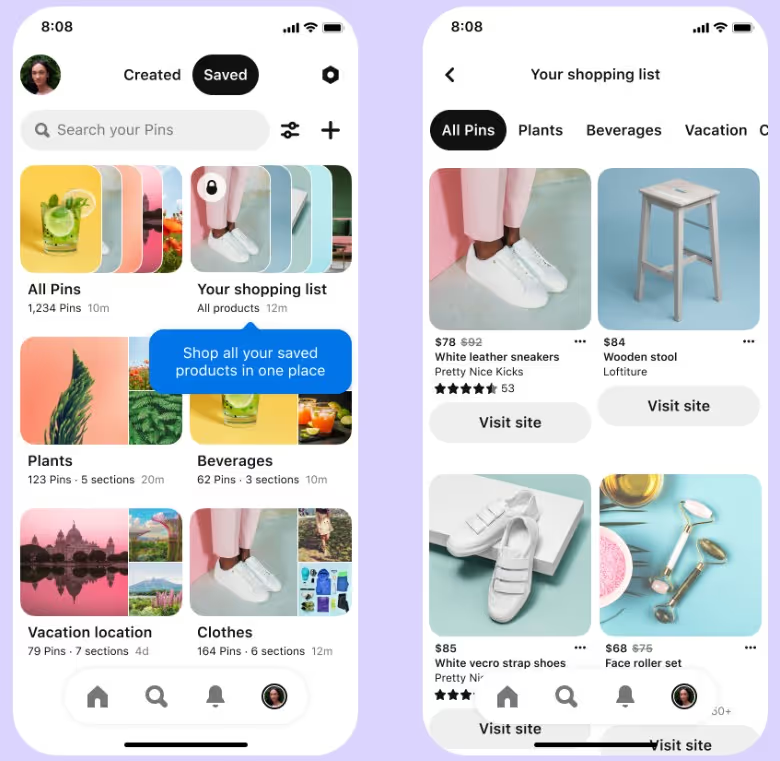
If you run a POD store, Pinterest can drive steady sales on a small budget.
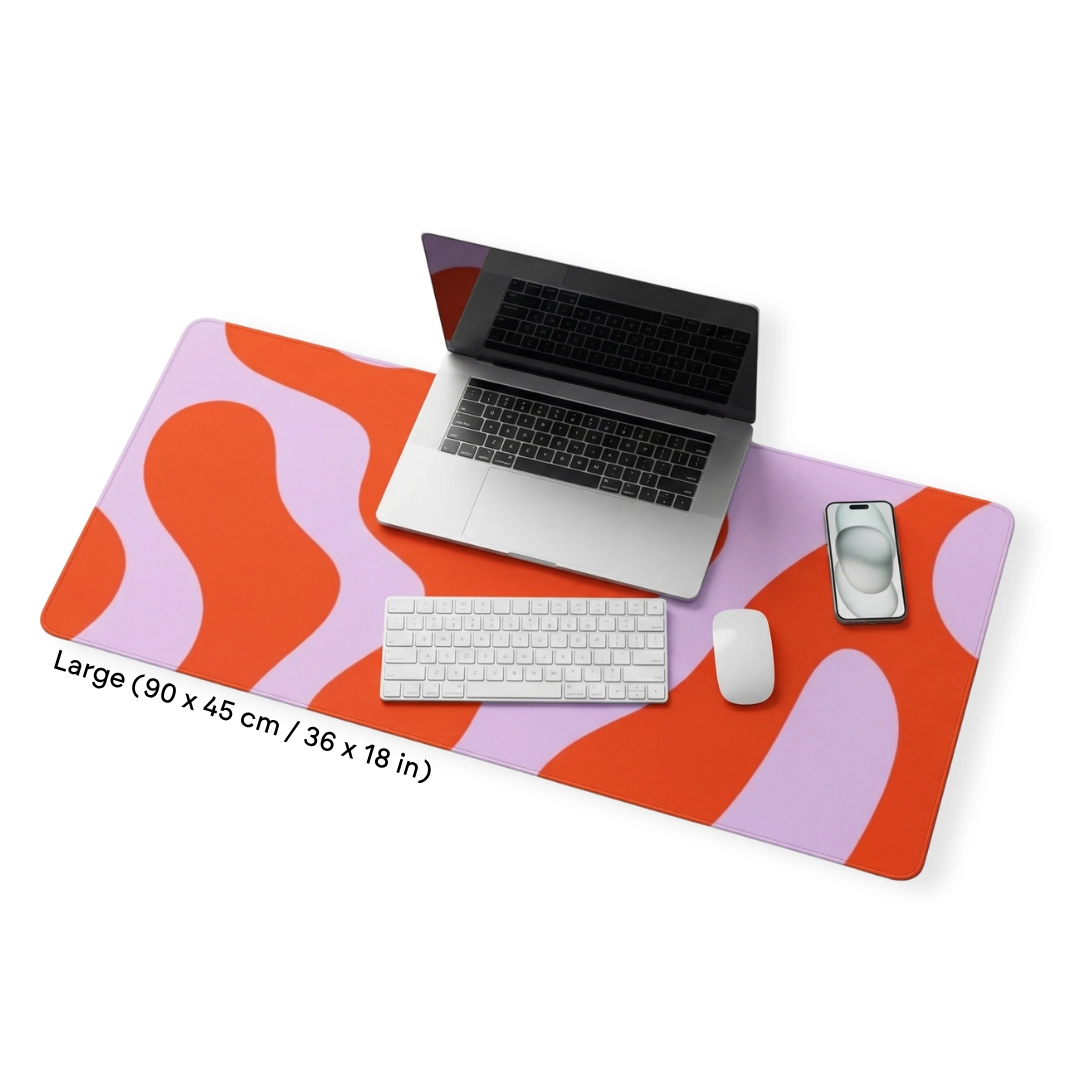
Focus on niches that perform: tech accessories, home décor, planners, and seasonal items earn more clicks and saves than general categories. Use lifestyle mockups - the product on a desk, in a bag, on a bedroom wall - and short, clear titles with the keywords buyers search.
Design tips for pins that travel:
- Keep the design clean and simple
- Use bright, eye-catching colors
- Add short, easy-to-read text
- One clear message per pin
- Avoid clutter
Post during high-traffic windows (evenings and weekends), then boost your best organic performers with Pinterest Ads - start small and track clicks, saves, and conversions.
Also Read:
Do You Need Followers to Make Money on Pinterest?
No - and this is the most misunderstood thing about the platform. Pinterest surfaces pins by keywords and relevance, not follower count. The data explains why: with 96% of top searches unbranded, users are searching for ideas, not accounts - so a week-old shop's pin can outrank a million-follower brand if it matches the search better.
Compare that to the rest of social media, where our CMO is blunt: organic reach "is not really a beginner game anymore," and 99% of our sellers get the majority of traffic from paid ads. Pinterest is the exception worth testing precisely because its search-driven, compounding pins give organic content a real shot. Focus on pin quality, strong visuals, and clear keyword descriptions - smart content beats a large audience here.
Ready to put products behind your pins? Start with Podbase free - design today, pin tomorrow, and ship worldwide with zero inventory.
FAQ
1. How do you make money on Pinterest in 2026?
Six proven methods: affiliate links in high-performing pins, selling print-on-demand products (phone cases, wall art, planners), sponsored pin partnerships with brands, driving traffic to a blog or landing page, connecting a Shopify store with shoppable product pins, and joining group boards to multiply reach. Affiliate links are the fastest start; print-on-demand has the highest ceiling because you own the product and margin.
2. Can you make money on Pinterest without a blog?
Yes. Connect product listings from Etsy, Shopify, or a print-on-demand platform like Podbase directly to your pins - no blog needed. Affiliate links can also point straight to merchant pages. Inventory-free models work especially well, since a fulfillment partner handles production and shipping while you focus on pins.
3. Do you need followers to make money on Pinterest?
No. Pinterest surfaces pins by keywords and relevance rather than follower count, and 96% of top searches are unbranded - users search for ideas, not accounts. A new account's well-optimized pin can outrank established brands. Pin quality, strong visuals, and keyword-rich descriptions matter far more than audience size.
4. Is Pinterest good for selling print-on-demand products?
Exceptionally good. Pinterest's biggest categories - home décor, style, gifting - map directly onto POD products, 85% of weekly users have purchased after seeing a brand's Pin, and Pinterest ads deliver roughly 32% higher ROAS than other platforms. A custom phone case costs about €10 from Podbase and sells for €35-60, and pins keep generating saves for years.
5. How long do Pinterest pins keep working?
Far longer than posts on other platforms. Tailwind benchmark data shows pins between 90 days and one year old still average about 44 saves, and pins over two years old around 49. Pinterest content compounds like SEO rather than expiring like a social feed post.

Saulius Meilutis is the CEO of Podbase, helping creators and entrepreneurs monetize their ideas with print-on-demand. He shares insights on eCommerce, growth, and building lean online businesses.

.avif)





.avif)
.avif)
.avif)
.avif)
.avif)
.avif)

.avif)


.avif)

.avif)

.avif)

.avif)

.avif)