Print-on-demand and dropshipping are both low-risk, inventory-free ways to start an online store in 2026 - the difference is what you sell: print-on-demand (POD) prints your own original designs on demand, while dropshipping resells generic products from a supplier.
Both are popular for the same reason: you can launch without warehouses, bulk orders, or upfront stock. But they diverge sharply on the things that decide whether a store lasts - branding, margins, and quality control. This guide breaks down how each works, where they differ, and which fits your goals.
Quick Comparison: Print-on-Demand vs Dropshipping
Shared Benefits
- No inventory or warehousing needed
- Low startup investment
- Hands-off fulfillment via third parties
- Beginner-friendly with minimal experience required
Key Differences
In short: dropshipping is built for speed and breadth, POD for originality and margin. The rest of this guide shows why that gap matters.
What Is Print-on-Demand (POD)?
Print-on-demand (POD) is an ecommerce model where products are printed and shipped only when a customer orders. You hold no inventory - your POD provider handles production through delivery.
It is a collaboration between three players: a seller, a POD provider, and a customer. The seller creates and lists custom products with a provider like Podbase - drinkware, wall art, mugs, t-shirts, or tech accessories. When an order comes in, the provider manufactures, prints, packs, and ships it directly to the customer.

That leaves the seller free from logistics to focus on design and marketing. With POD you can test new ideas at minimal risk, produce unique items from phone cases to posters, and serve specific niches - fitness, gaming, pet lovers - without bulk orders.
Print-on-Demand Pros
Here are six reasons POD can be an excellent model to start with.
1. Low Barrier to Entry
Launching a print-on-demand business needs little money - no equipment, no warehouse. A computer and good internet are enough. In fact, Podbase reports average project onboarding has dropped from about three months to under one month with AI-assisted setup, so you can be live in weeks.
2. No Storage or Shipping Involved
You never rent storage or track stock. When an order comes in, your POD partner handles production, packaging, and shipping end to end.
3. Easy to Customize or Change
POD lets you add new designs, tweak existing ones, or drop in seasonal themes instantly, and experiment with styles and product types to see what resonates - no inventory to write off when you pivot.

4. Worldwide Distribution
POD goes global instantly. Providers have supplier and shipping networks that manufacture and deliver internationally, so you compete worldwide without bulk print runs or complex logistics.
5. Wide Range of Products
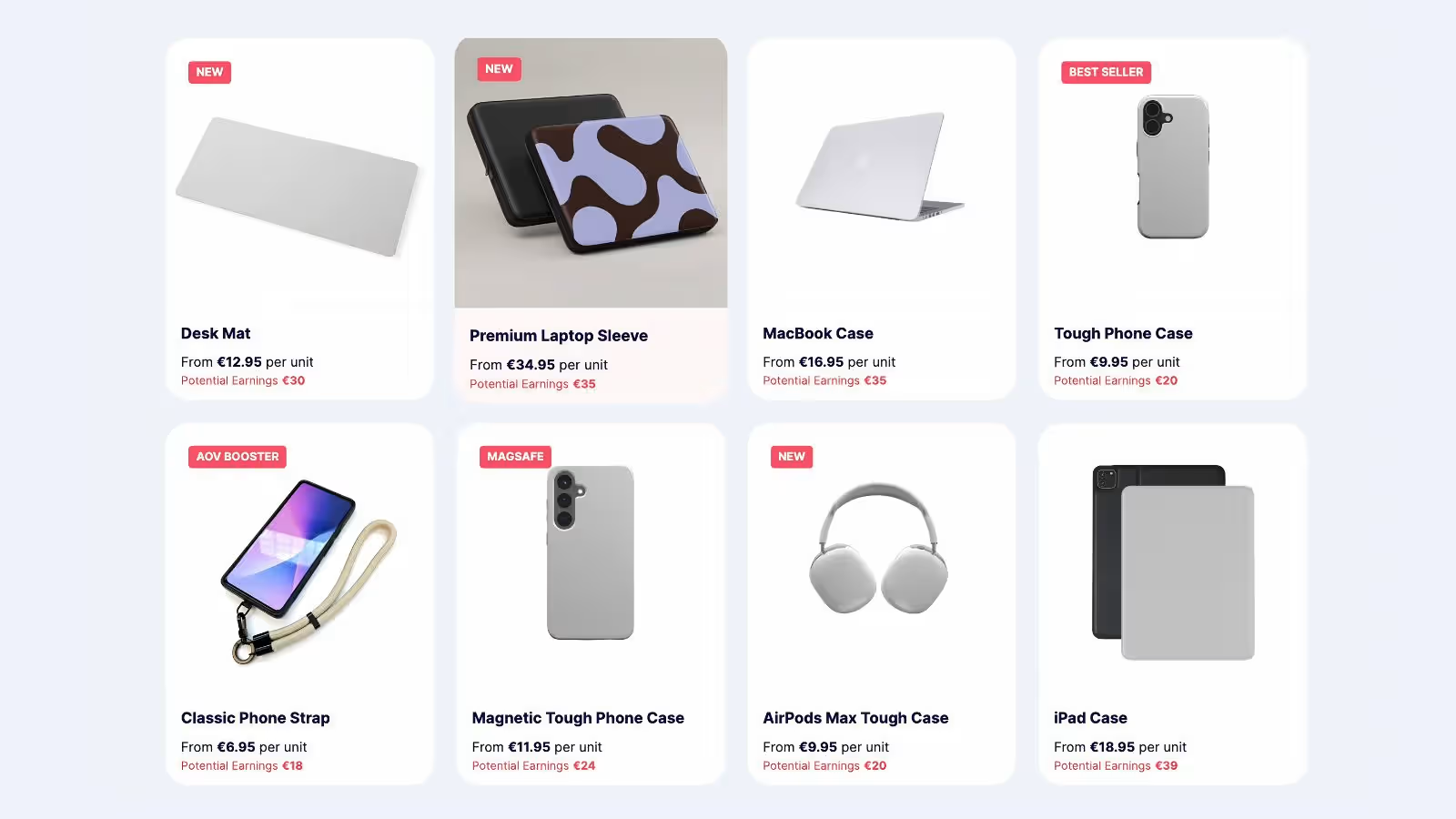
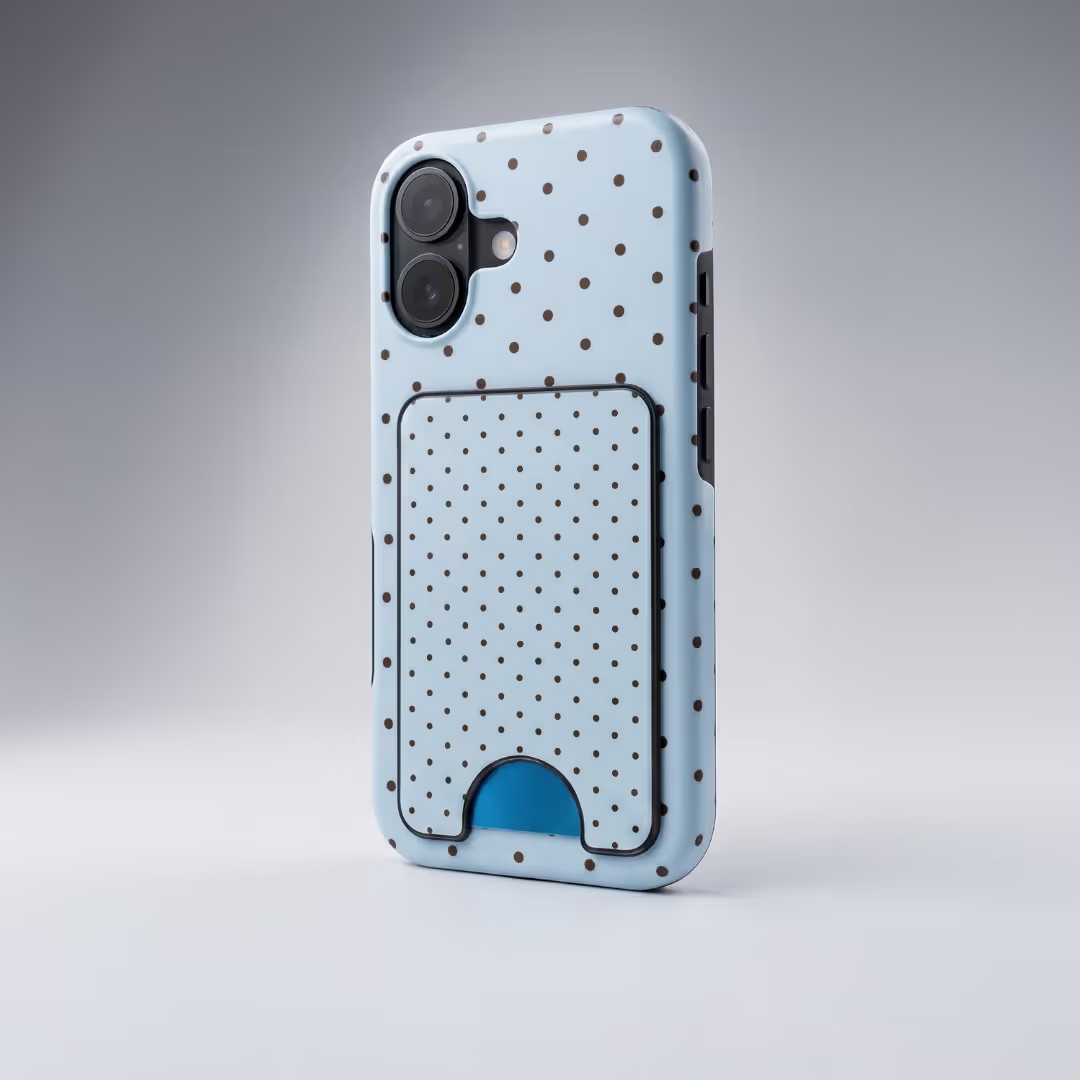
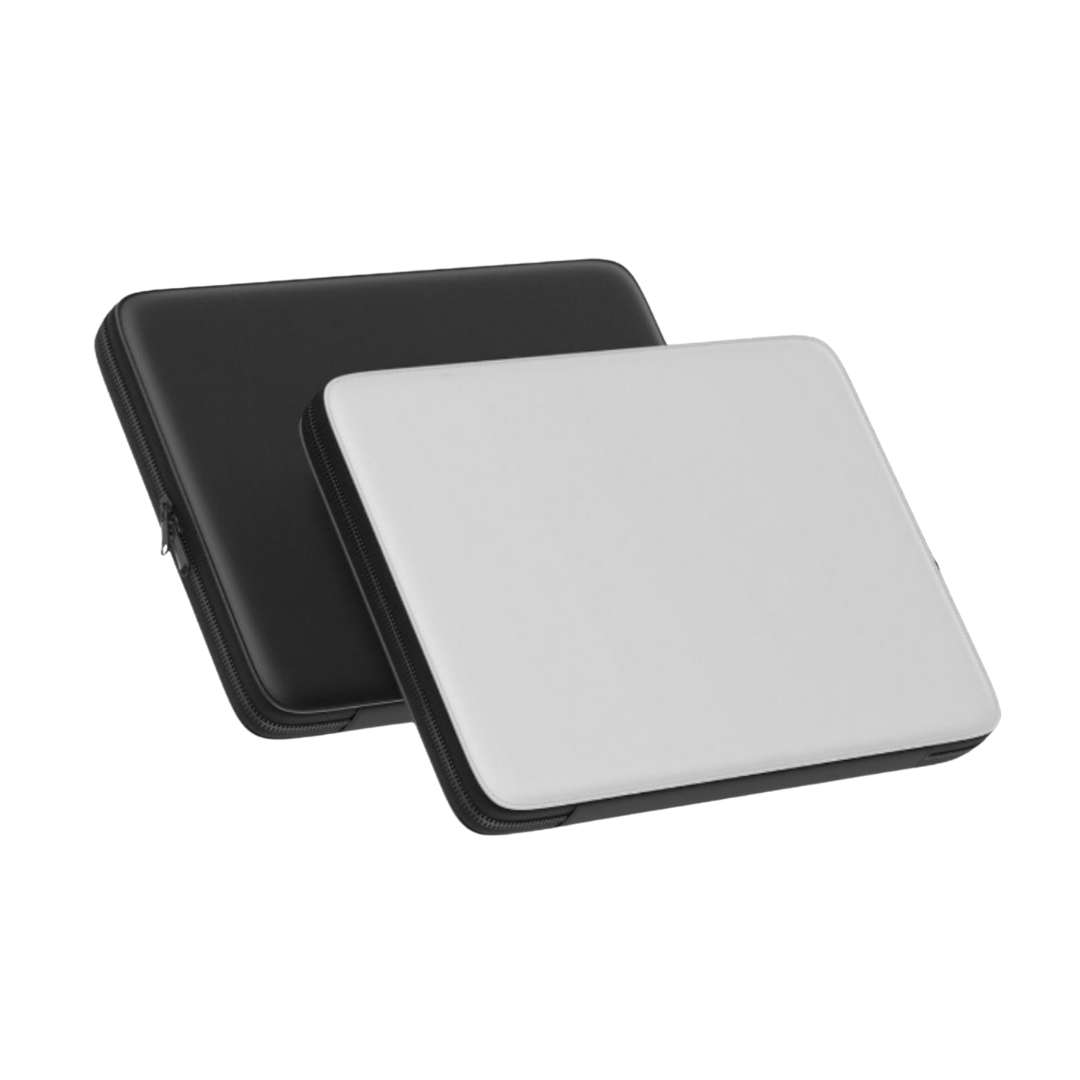
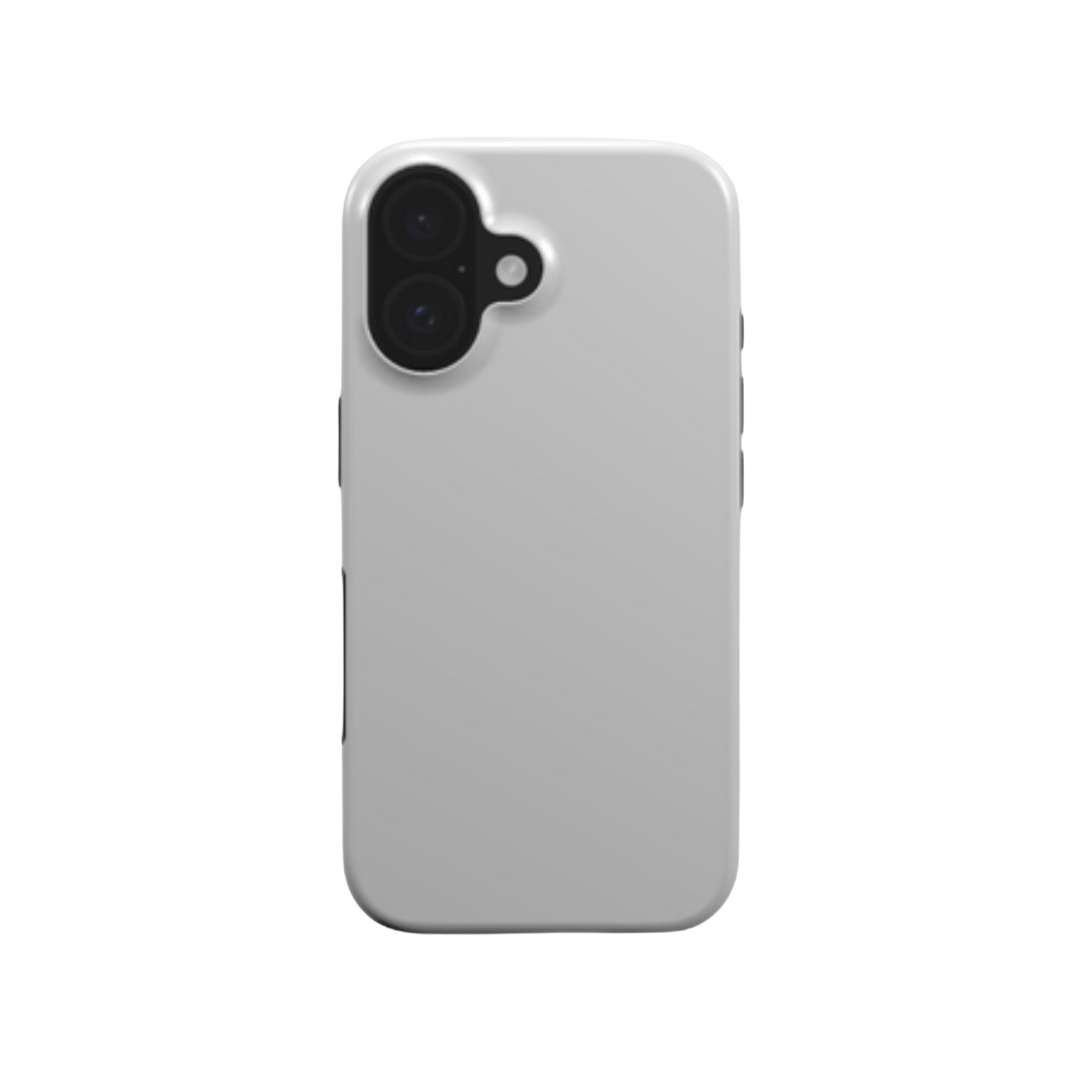
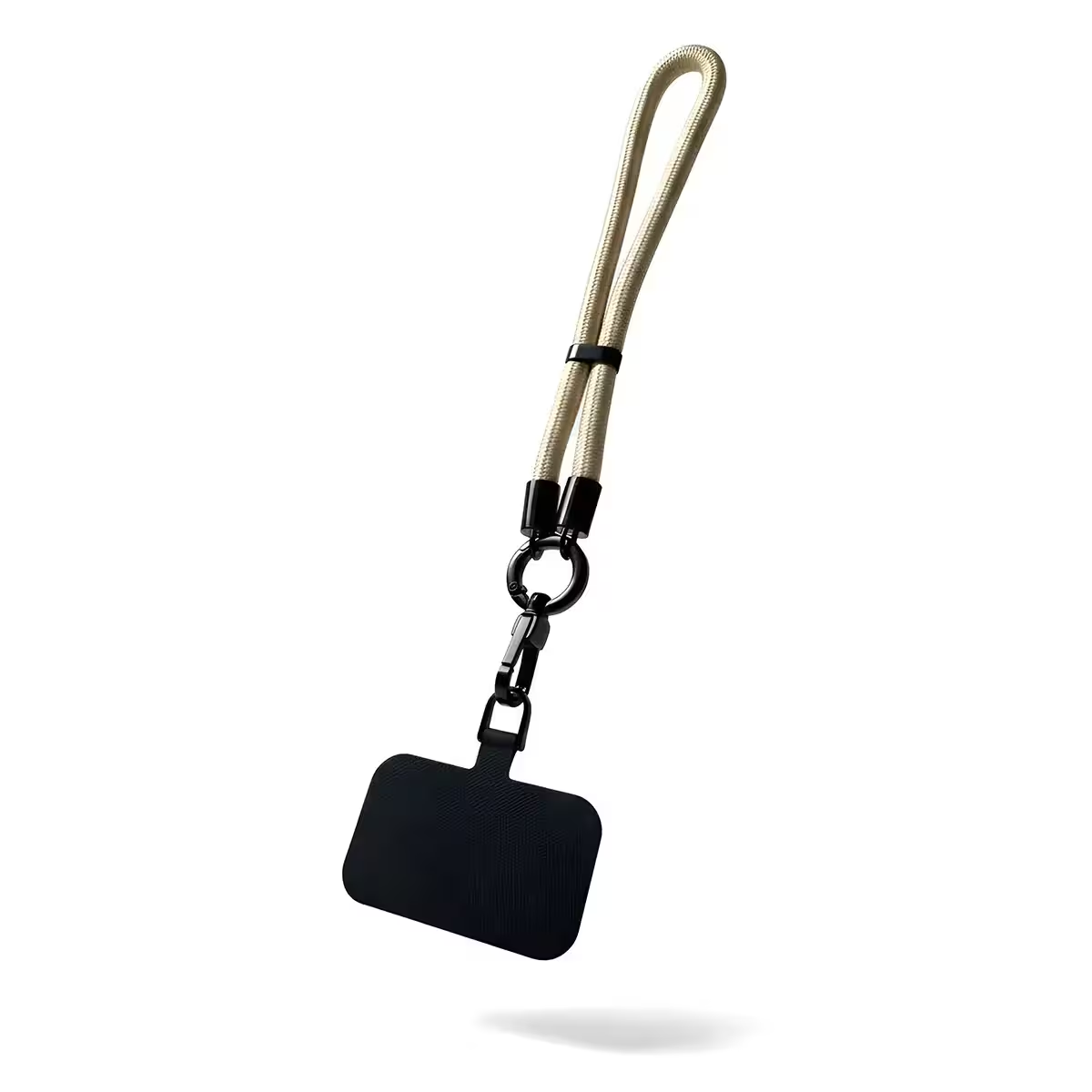
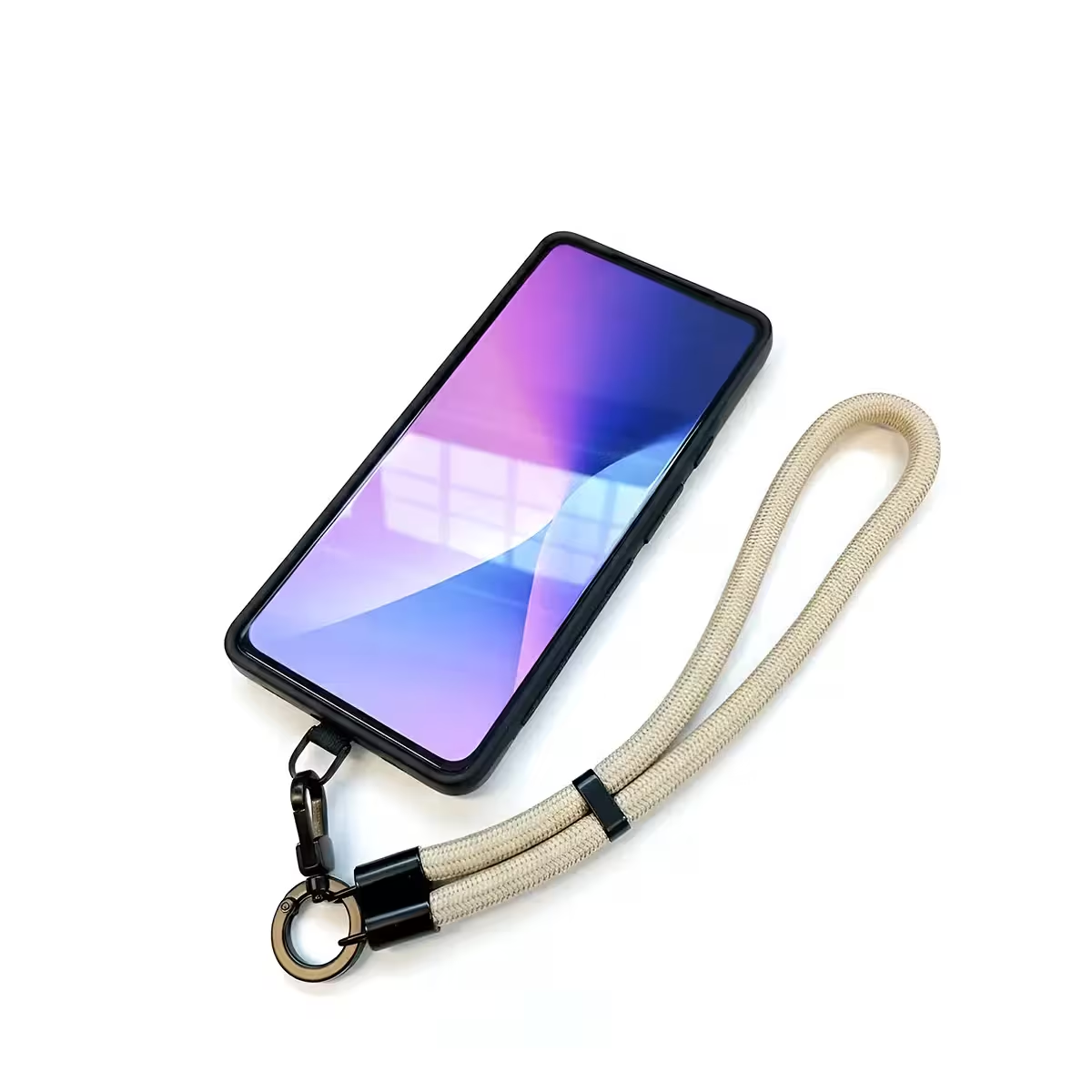
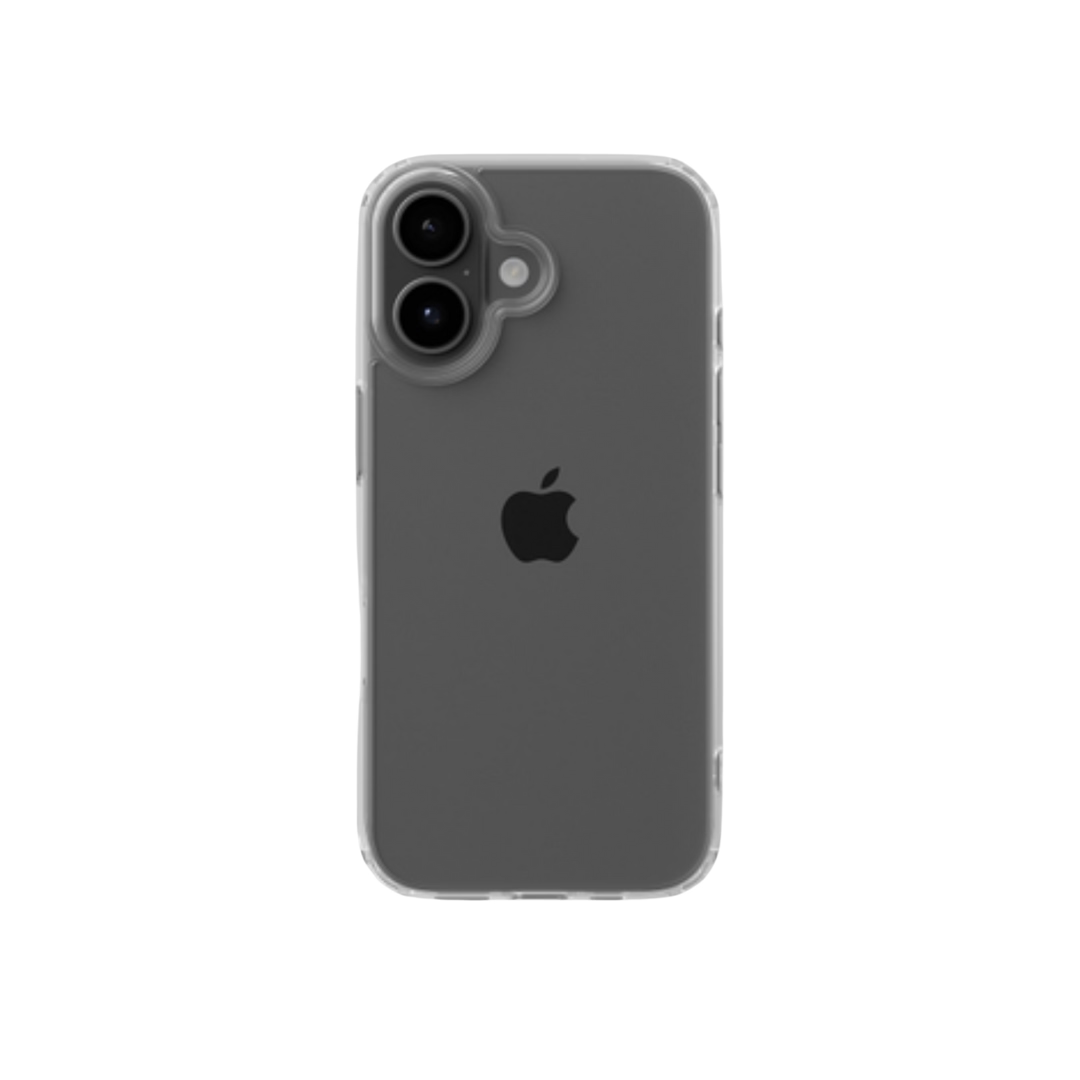
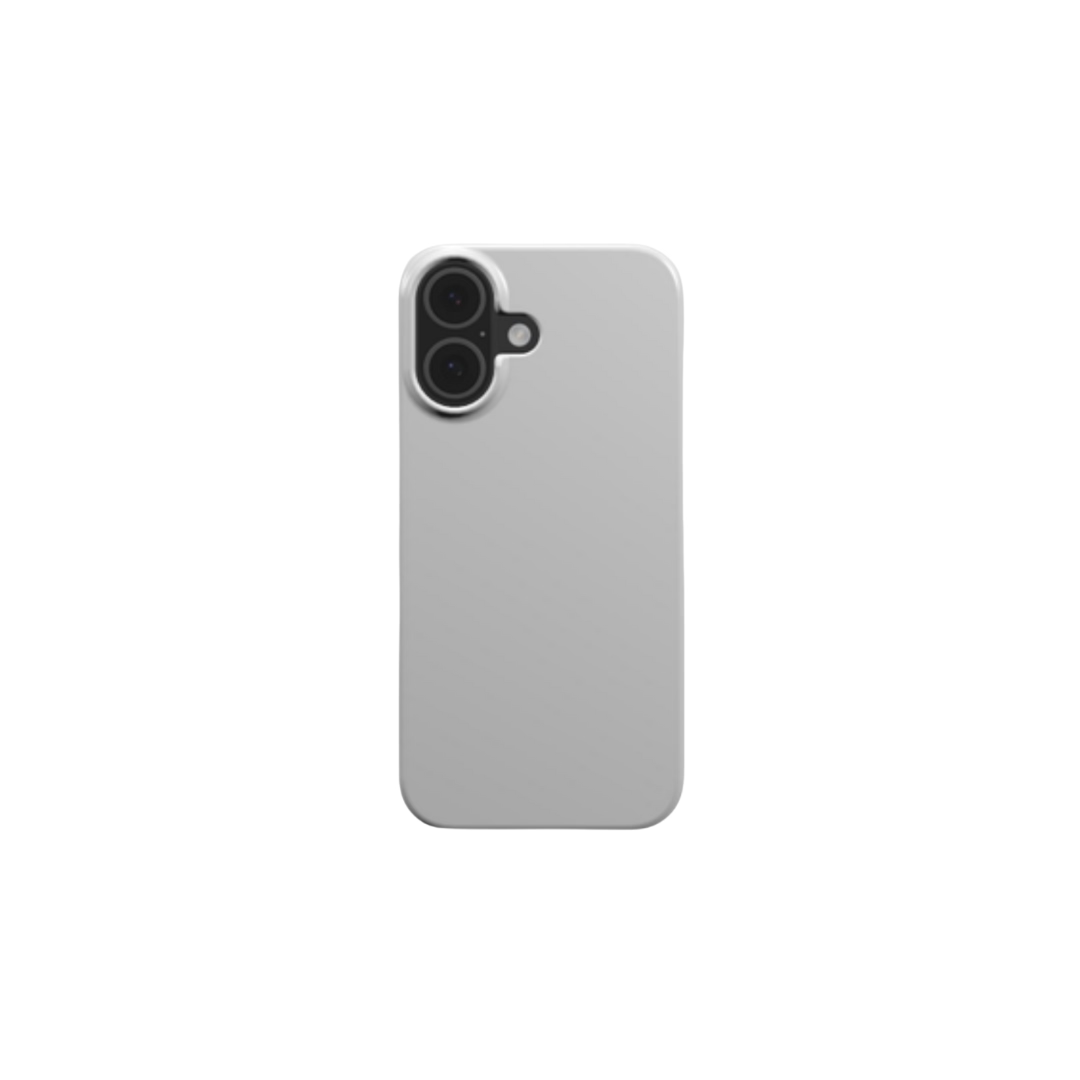
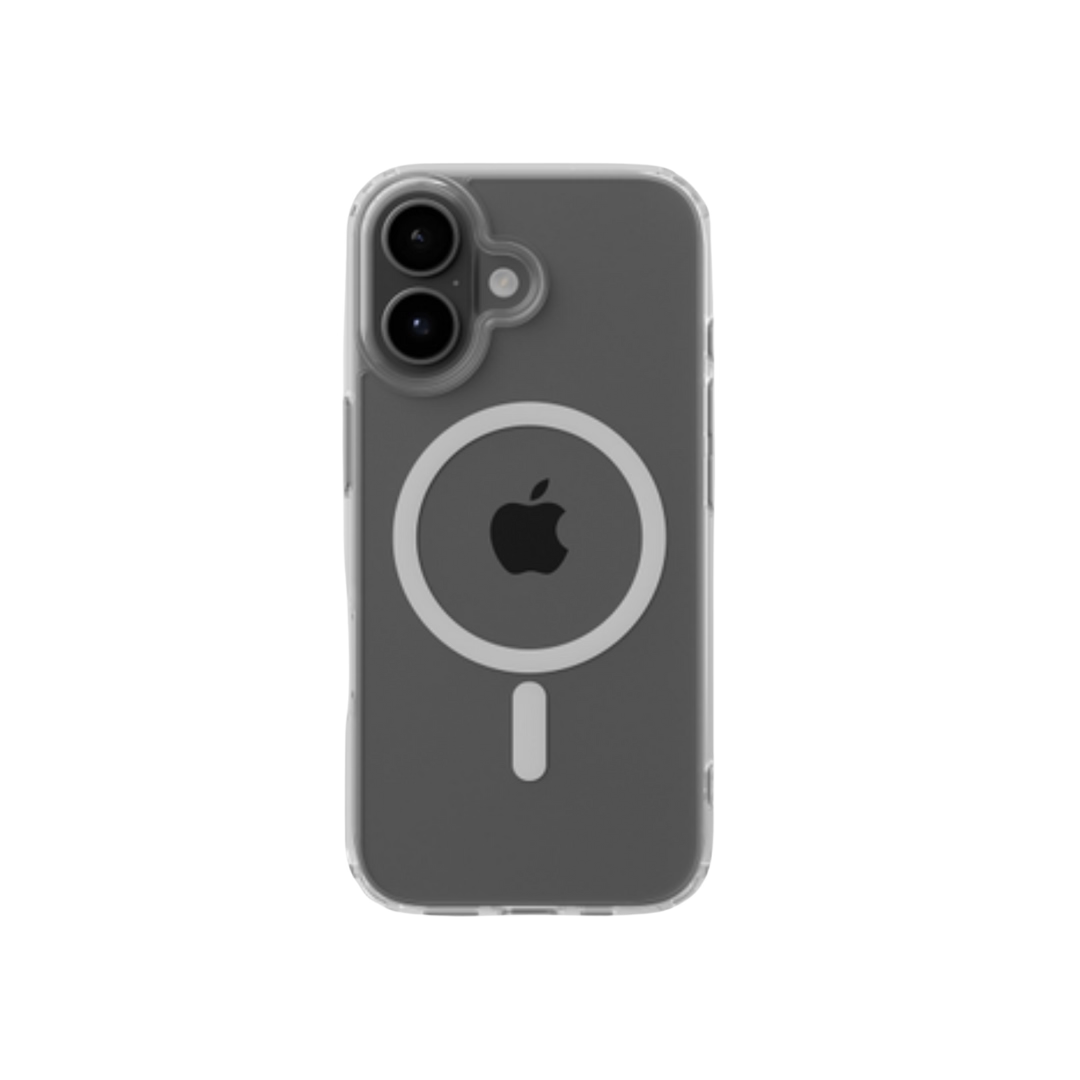
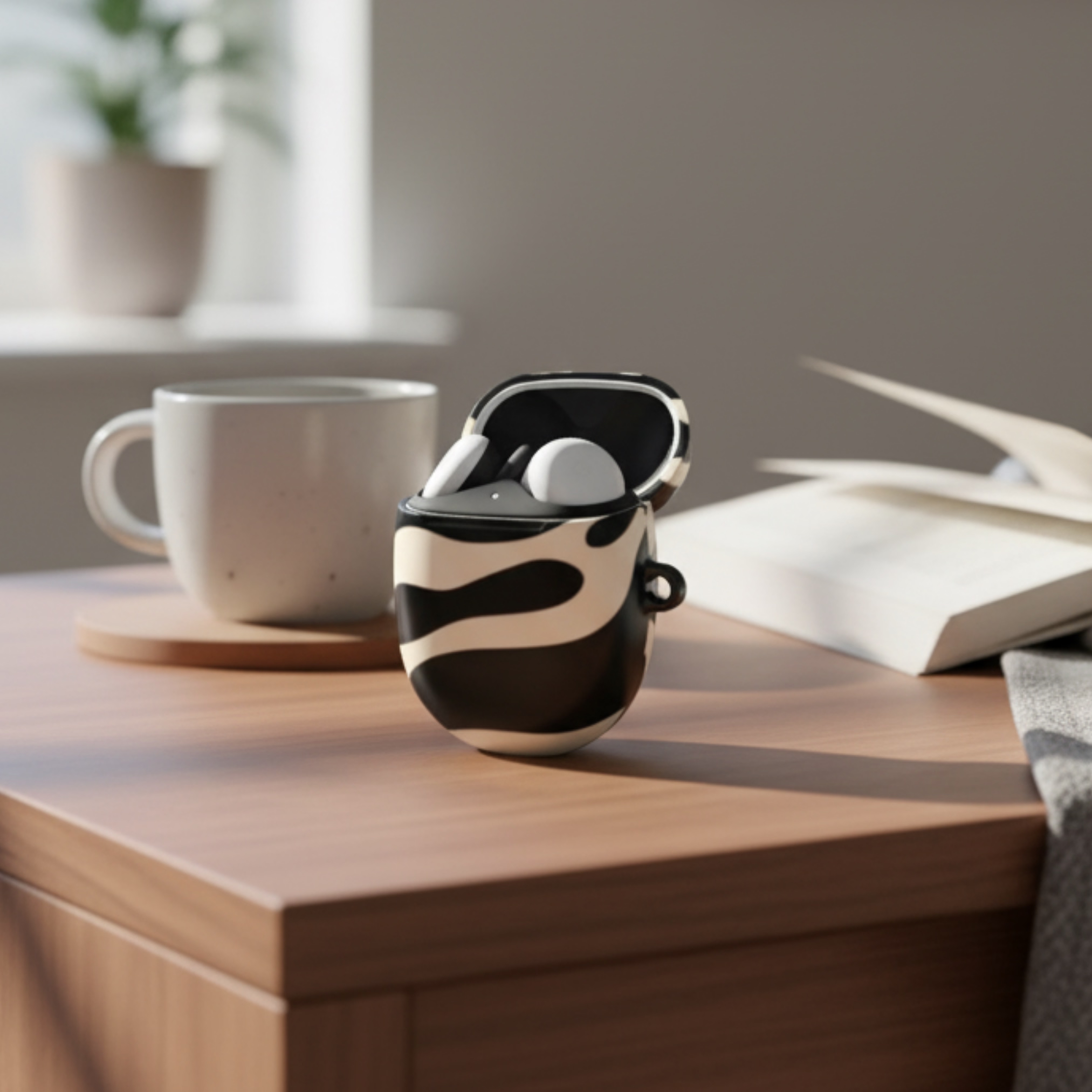
Customize across apparel, home decor, and accessories - including specialty items like ring holders, phone cases, and laptop cases. If a design takes off, you scale it instantly with no excess-inventory risk.
Also Read:
- Best AI Tools for Entrepreneurs to Scale Smarter in 2026
- 30+ DIY Small Business Ideas to Start From Home in 2026
6. Freedom
Run your POD business from anywhere, anytime, with no inventory or location constraints - leaving room to balance business and life.
Print-on-Demand Cons
POD has drawbacks too - but here is where the conventional wisdom is outdated, and the provider you choose changes the answer entirely.
1. Lack of Control Over Quality
The standard knock on POD is that you cannot control quality because providers use one-size-fits-all materials. That is true for marketplace-style aggregators - but not for a vertically integrated manufacturer. Podbase's operations team is explicit: “Print quality is our top priority... we test a wide range of materials before launching, and color accuracy is tested with a spectrophotometer.” The fix for the quality con is choosing a provider that owns its production, not avoiding POD.
2. Possible Delays in Customer Service
Because POD relies on a third party for production and shipping, support issues can lag. The counter is measurable: sellers who migrated to Podbase saw a 30% drop in order-issue support tickets and a 15% rise in customer reviews - fewer problems reach the customer in the first place.
3. Longer Production Times
Made-to-order can mean slower shipping - the most cited POD disadvantage. But production is not the bottleneck people assume: a Podbase print runs in 6-8 hours plus about two hours for assembly and packaging, with QC checks between stages, and local/regional fulfillment keeps delivery fast.
What Is Dropshipping?
Dropshipping is a model where the seller never handles the product. A third-party supplier sources, stores, and ships items directly to customers. As with POD, you do not pay for a product until a customer orders it.
How Dropshipping Works
- Select a supplier: Find and sign an agreement with a trustworthy supplier (or platform) that offers the products you want to sell.
- Launch your online store: Create your store, list products, and set your prices with a markup for profit.
- Receive a customer order: A customer buys, pays, and gets an order confirmation - just like any online purchase.
- Forward the order to the supplier: You pass the order details to your supplier, who handles the rest.
- Supplier packs and ships: The supplier packs the item and ships it directly to your customer.
- Customer receives the product: The package arrives - but you still own customer happiness, so support is on you.
Dropshipping Pros
Dropshipping has clear perks that made it popular.
1. Low Startup Costs
No budget tied up in inventory means no risk of unsold stock draining your cash early on.
2. Low Entry Barrier
No inventory to buy and no warehouse staff to hire, so you start lean.
3. Scalability
Your supplier handles logistics, so you can add products and grow without building out storage or operations.
4. Operate From Anywhere
Run the store from home, on the road, or abroad - it is not tied to a location.
Dropshipping Cons
The drawbacks are where dropshipping and POD diverge most.
1. Stiff Competition
Low entry barriers breed fierce price competition - and it shows in survival rates. Only about 24% of POD/dropshipping-style stores are still operating three years after launch, and Shopify alone hosts roughly 62.8% of dropshipping stores, so you are crowded in from day one.
2. Shipping Challenges
Orders from multiple suppliers mean multiple shipments, costs, and arrival times - and cross-border sourcing adds delays that are hard to resolve quickly.
3. Lack of Customization Options
Standard supplier products are hard to differentiate, which makes building a distinct brand difficult.
4. No Control Over Supplier Price Changes
When suppliers raise prices, your margins shrink and you have little recourse.
5. Low Profit Margins
Low overhead comes with slim returns - you often need high volume just to break even.
6. Difficult to Build a Brand
When everyone resells the same items from the same suppliers, your store blends into the crowd, making loyalty hard to earn.
Key Similarities Between POD and Dropshipping
Both models share the fundamentals that make them beginner-friendly: no inventory, minimal risk, hands-free fulfillment, easy scaling, a wide product range, and little experience required. You only pay for products after they sell, so neither ties up cash in stock that might never move. This shared DNA is exactly why the two get confused - and why the differences below matter so much.
Main Differences Between Print-on-Demand and Dropshipping
1. Competition
Without a unique identity, customers cannot tell you from competitors, and dropshippers end up in a race to the bottom on price. POD flips this: a custom design lets you charge more than a plain product - 1 in 5 buyers pays at least 20% more for a custom item, which lets POD sellers stand out instead of slashing prices.
2. Product Quality
Dropshipping carries a low-quality reputation because so many stores chase the cheapest goods. POD lets you present unique, higher-perceived-value products. Either way, vet your supplier and order samples - but with a single quality-controlled manufacturer, consistency is far easier to guarantee.
3. Product Originality
Dropshipping is restrictive - many sellers offer identical supplier items. POD is built on originality: one-of-a-kind designs tied to your brand, so you can ride trends fast. Shakira did exactly this, launching custom merch off her viral Bzrp hit to give fans something unique.

4. Shipping Times
POD often ships faster despite being made to order, because production is quick and many providers fulfill locally. Dropshipping frequently relies on distant suppliers, leading to weeks-long deliveries that frustrate customers.
5. Market Growth
Dropshipping is a mature, saturated market, while the print-on-demand market is still expanding fast. It is forecast to grow from about $12.96 billion in 2025 to roughly $75.30 billion by 2033 - around 25% a year (Straits Research) - with the US market alone projected to jump from $2.53 billion in 2024 to $26.95 billion by 2034 (Precedence Research).

6. Customization
POD allows deep personalization - unique designs per order, ideal for branding-led businesses. Dropshipping uses pre-manufactured products, limiting how much you can differentiate.
7. Fulfillment Process
POD products are made fresh to order, reducing inventory risk. Dropshipping ships from supplier stock, which can stall on out-of-stocks or shipping issues - and with less control for you.
Also Read:
Print-on-Demand vs Dropshipping: Which Is More Profitable?
Print-on-demand generally offers better margins thanks to custom designs and stronger branding - you are not just selling products, you are selling art, personality, and niche relevance. Concretely, Podbase pricing runs about 10-15% better margins than competitors across most categories (up to 20% in some), and a phone case bought for around €10 can sell for €35-60.

Dropshipping operates in a more price-sensitive environment - generic products available from many sellers push buyers toward the cheapest option, eroding margins. And because dropshippers depend on third-party stock, quality issues, delays, or damaged items trigger refunds and returns that the dropshipping business absorbs, cutting into profit further.
Verdict: if you want long-term branding and higher profits, print-on-demand is the way to go.
Also Read:
How to Choose the Right Business Model for You
Both are low-risk and inventory-free, but they fit different goals. Weigh these areas:
- Profitability: If maximizing margins is the priority, POD's custom, premium-priced products usually win.
- Customization and branding: POD gives full creative control from design to packaging, building a stronger brand identity.
- Scalability: Dropshipping scales product range fast; POD's personalized offerings build a more loyal customer base for long-term growth.
- Quality control: With POD you pick your provider - choose one that owns production; with dropshipping, vet suppliers and order samples.
- Branding opportunities: POD products carry your designs; dropshipping items often arrive with the manufacturer's branding, limiting your identity.
FAQ
1. What is the difference between print-on-demand and dropshipping?
Print-on-demand prints your original designs on products only after a customer orders, so every item is custom and branded to you. Dropshipping resells generic, pre-made products from a supplier who ships them directly. Both avoid holding inventory, but POD gives you design control and branding, while dropshipping competes mainly on price.
2. Is print-on-demand better than dropshipping?
It depends on your goal, but for branding and margins, print-on-demand usually wins. POD lets you sell unique designs customers pay a premium for, while dropshipping resells the same products as everyone else. Dropshipping can move faster on product variety, but POD builds a defensible brand and healthier long-term profit margins.
3. Which is more profitable, print-on-demand or dropshipping?
Print-on-demand generally offers higher margins because custom products command premium pricing. Podbase sellers see margins about 10-15% higher than other platforms, and 1 in 5 buyers pays at least 20% more for a custom item. Dropshipping relies on high volume and low prices, which thins profit in competitive markets where most sellers offer the same goods.
4. Is print-on-demand cheaper than dropshipping to start?
Both are low-cost and inventory-free - you only pay for a product after it sells, so startup costs are minimal either way. Neither requires warehousing or bulk orders. The bigger difference shows up later: dropshipping's price competition squeezes margins, while POD's custom products help protect them over time as you build a recognizable brand.
5. Is print-on-demand or dropshipping better for beginners?
Both are beginner-friendly and need little capital or experience. Dropshipping lets you list many products quickly, while print-on-demand has you create designs first. Beginners who want a lasting brand usually do better with POD, since a single vetted manufacturer means more consistent quality and fewer customer-service headaches while they learn the business.
6. Can you do both print-on-demand and dropshipping?
Yes. Many stores combine them - using print-on-demand for branded, custom hero products and dropshipping for complementary generic items. The key is keeping quality consistent, since customers judge your whole store by its weakest product. Leading with POD's original designs gives the store a brand identity that dropshipping alone cannot build or sustain.
Start Your Print-on-Demand Business Today With Podbase
Print-on-demand and dropshipping both let you start lean - but POD is the model that compounds, turning original designs into a brand with margins worth defending. If that is your goal, partner with a provider that owns its production. With 10 years of manufacturing experience, Podbase helps you bring ideas to life with top-quality print-on-demand products. Sign up today to get started.

Saulius Meilutis is the CEO of Podbase, helping creators and entrepreneurs monetize their ideas with print-on-demand. He shares insights on eCommerce, growth, and building lean online businesses.

.avif)



.avif)
.avif)
.avif)
.avif)
.avif)
.avif)

.avif)


.avif)
.avif)

.avif)

.avif)
.avif)