The fastest way to monetize social media in 2026 is to stop renting your audience to advertisers and start selling them something you own - and print-on-demand lets you do that with no inventory and no upfront cost.
The opportunity is enormous. The creator economy is now worth over $250 billion and more than 207 million people worldwide call themselves creators. Even small accounts can earn: a Shopify survey found micro-influencers can make up to $100 for a single paid post. More active followers means more income - but how you monetize matters even more than how many followers you have.
Want to learn how to monetize social media? This guide shows 15+ simple ways to do it, the best techniques for each platform, and the mistakes to avoid. We will also flag the one distinction most guides miss - the difference between rented income and owned income. Let us get started.
What Does It Mean to Monetize Social Media?
Monetizing social media means earning a steady income from your followers. Both creators and small business owners can use different methods to make money online, from ad payouts to selling products directly.
Thanks to the creator economy, it is easier than ever to sell products or content on social platforms, and a wave of new tools helps you grow your brand and your income. But there is a fork in the road worth naming early: rented income (ad funds, brand deals) stops the moment a platform changes its rules or a campaign ends, while owned income (your own products) keeps paying. The strongest creators build both - and weight toward what they own.
Also Read:
- How to Start an Ecommerce Business Without Money
- Smart Ways to Make Money From Your Phone
- Social Media Advertising: How To Run Your First Ad Campaign
Best Platforms to Monetize Your Social Media
Here is how to monetize your social media followers on the top three channels - and what each platform requires before it pays you natively.
1. Instagram
Three simple ways to earn on Instagram:
- Affiliate marketing: share affiliate links in posts or your bio and earn a commission on each sale.
- Paid shoutouts: make Reels or go live to promote a sponsor with a clear call-to-action.
- Brand sponsorships: create sponsored campaigns, unboxings, or promo videos with brands.
Worth noting: none of these require a follower minimum to start, and Instagram is where the “owned income” move pays off fastest - tagging your own custom products in the same Reels that already drive engagement.
2. TikTok
Strategies to monetize TikTok content:
- Creator Rewards Program: the program that replaced the old Creator Fund. You need to be 18+, have 10,000 followers, and reach 100,000 video views in the previous 30 days. It pays far more per view than the old fund - but still pennies compared with selling a product. See our full guide to monetizing TikTok.
- Live gifting: followers send virtual gifts during live streams that you cash out.
- Sponsored challenges: join a UGC-style brand challenge and get paid if your video is accepted.
3. YouTube
Ways to generate income as a YouTube creator:
- AdSense via YPP: join the YouTube Partner Program (1,000 subscribers + 4,000 watch hours) to run ads.
- Memberships: offer paid channel memberships with exclusive content and perks.
- Merch Shelf: showcase your products below your videos so viewers can buy without leaving YouTube.
Social Media Monetization Strategies (2026 Edition)
Wondering how to monetize a social media audience? Here are 15 proven ways, ordered roughly from highest-control (you own it) to lowest.
1. Sell Digital and Physical Products
Selling your own products is the highest-leverage way to monetize social media because you keep the full margin. Digital products include artwork, ebooks, templates, and calendars; physical items you can make and sell range from apparel to accessories. One counterintuitive pricing note from our sales team: do not race to the bottom. Our data shows 1 in 5 buyers pays at least 20% more for a custom product, so personalization - not the lowest price - is what converts an audience.
2. Sell Print-on-demand Merch
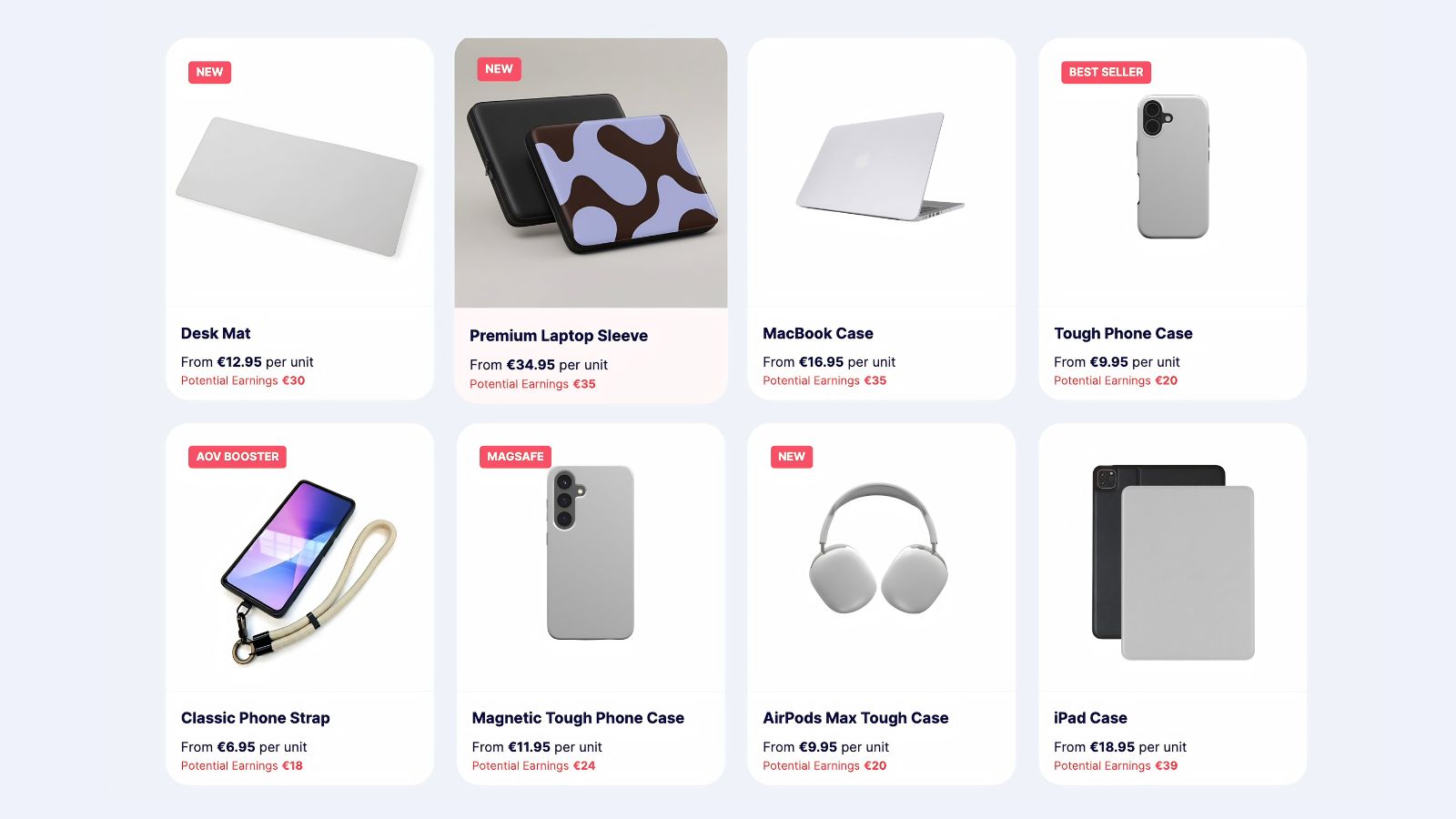
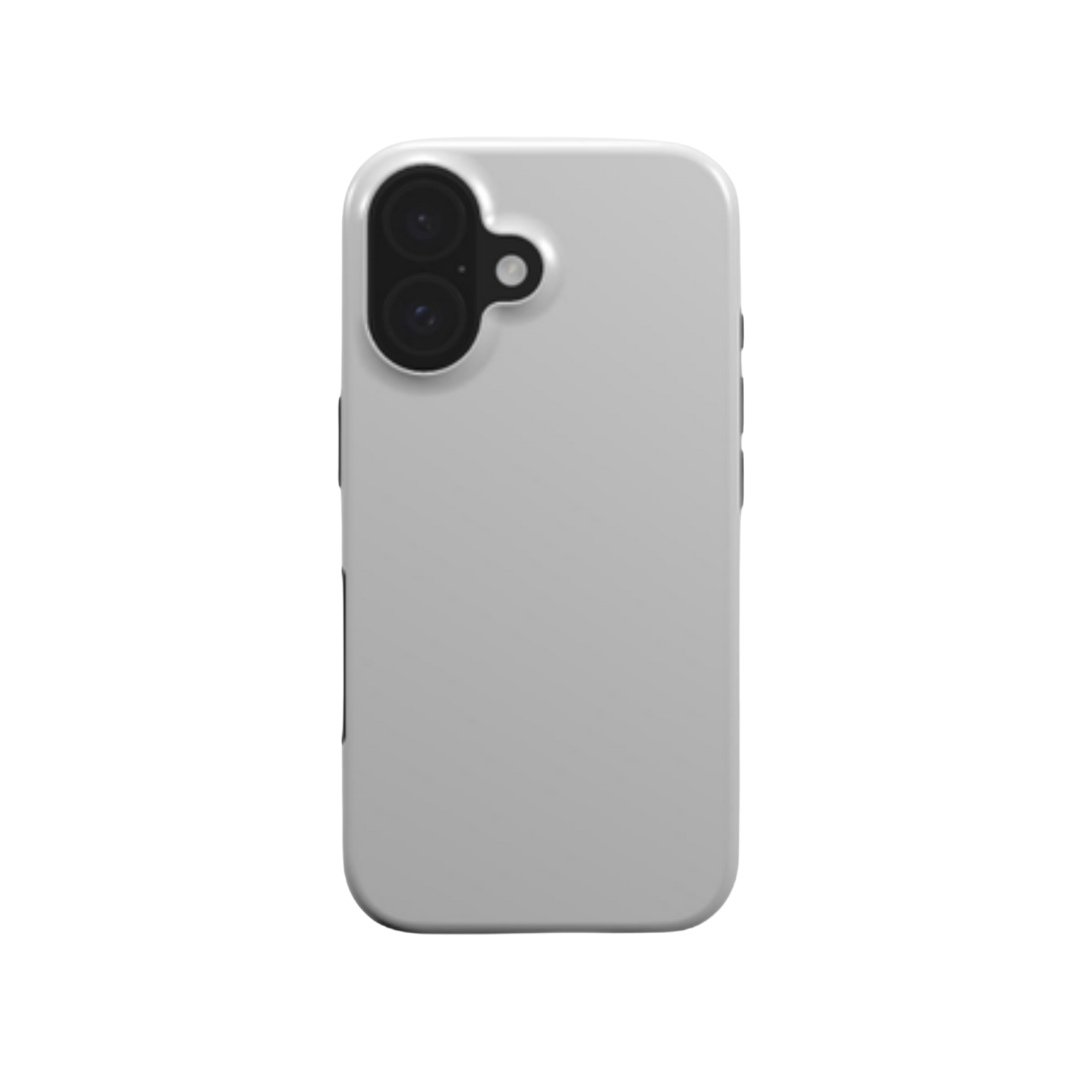
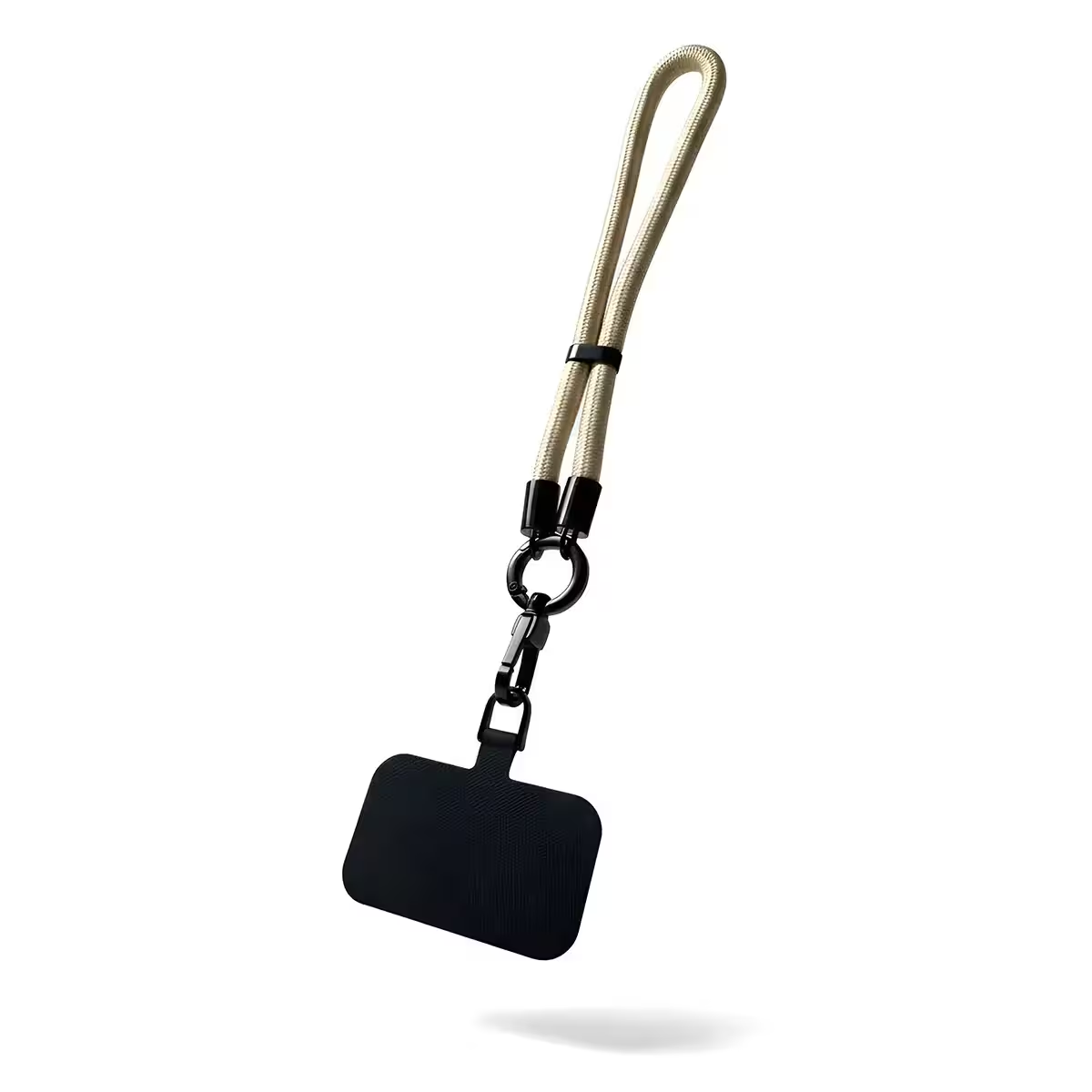
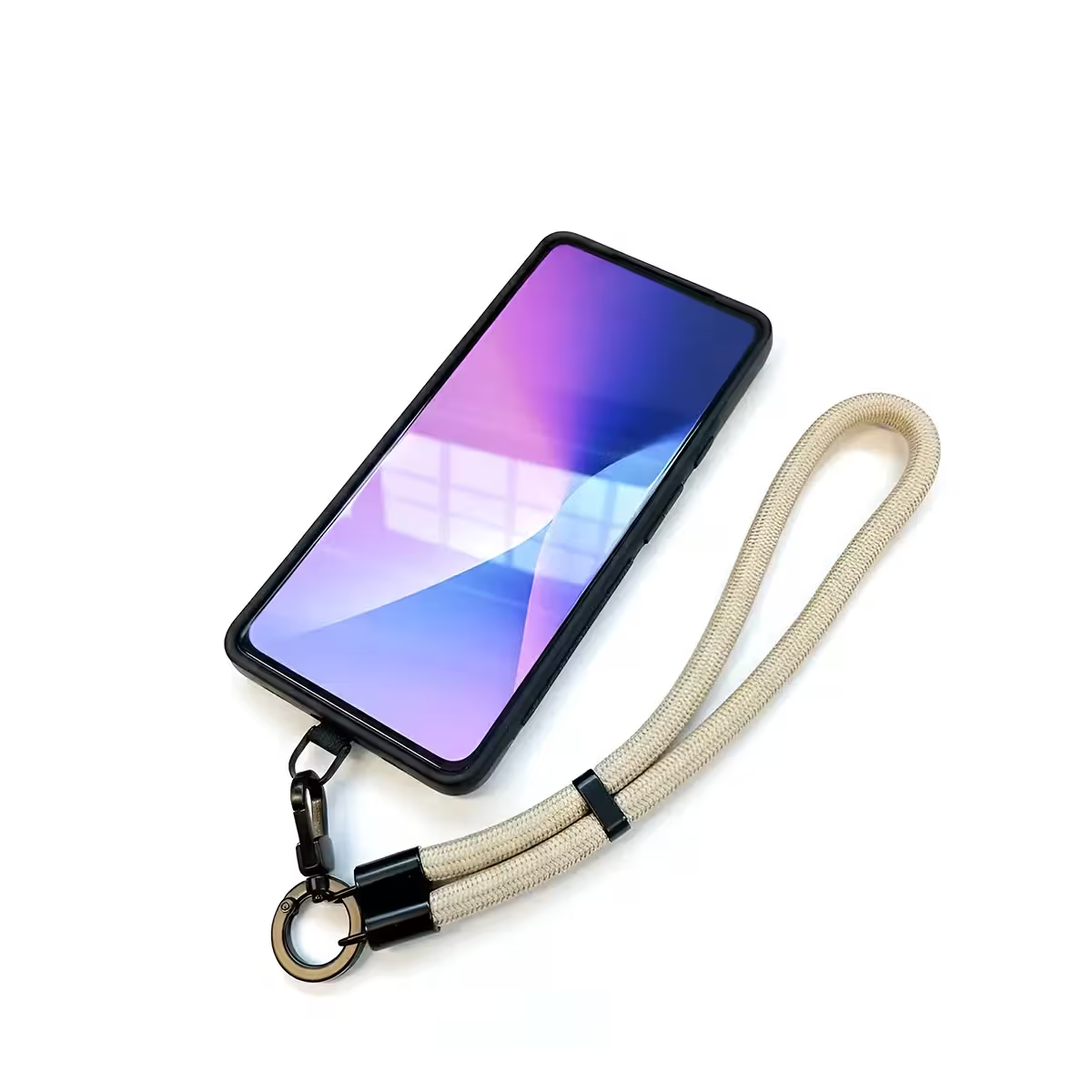
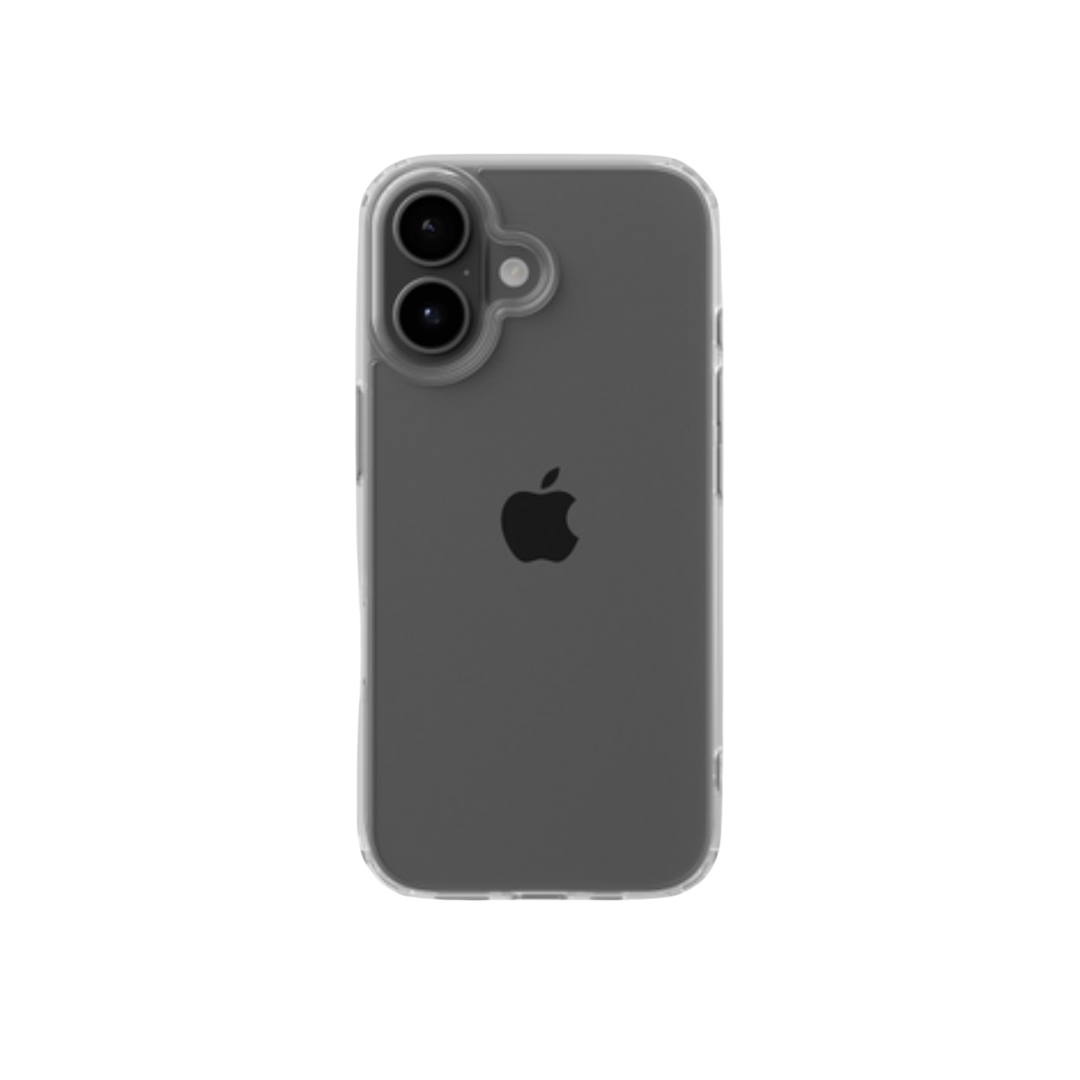
Starting a print-on-demand business is the cleanest version of owned income. Platforms like Podbase turn your ideas into products with no inventory: once an order is placed, we manufacture and ship it for you. The economics are why creators love it - “you can buy from Podbase for 10 euro and sell them for 35-60 euro,” says CEO Saulius Meilutis, and Podbase margins run roughly 10-15% better than competitors. As he puts it, a custom phone case “became like your personal billboard on your gadget” - which is exactly what an engaged audience wants to buy.
3. Use Subscription Models
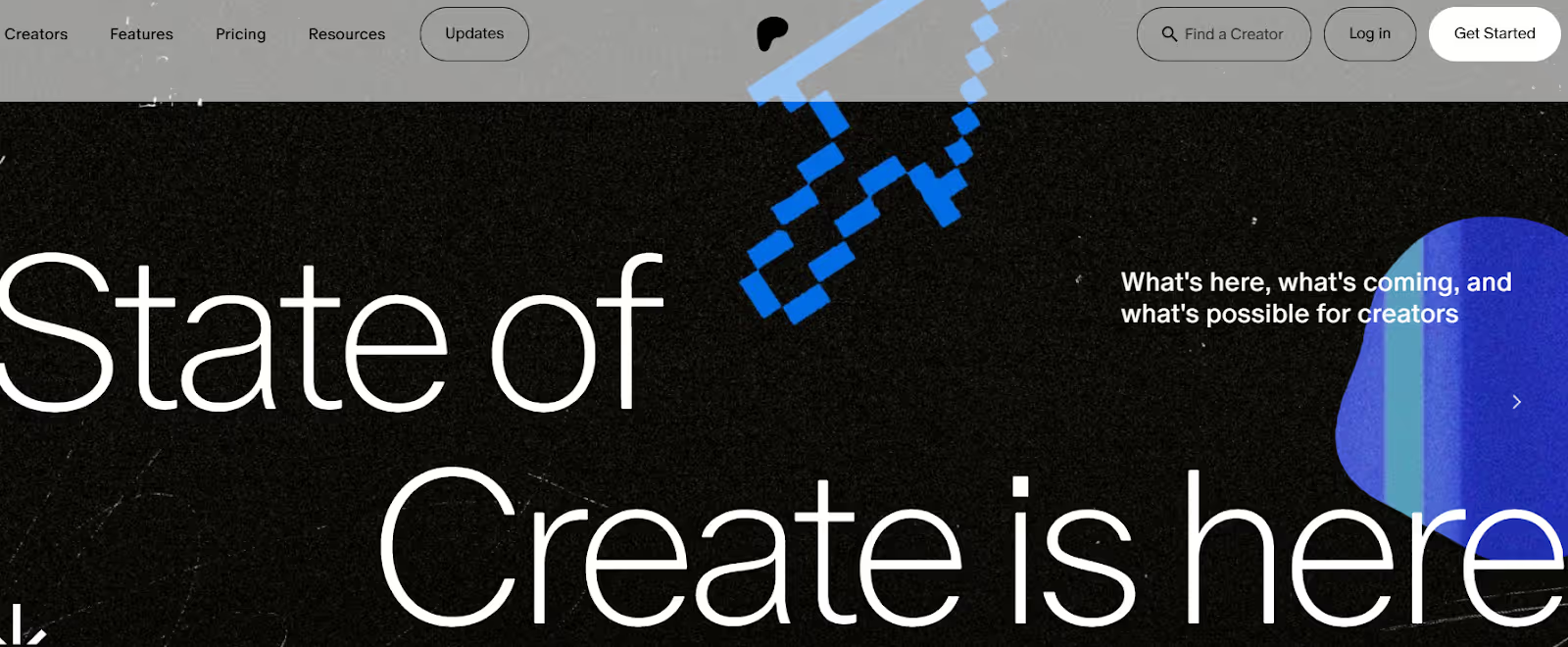
Top platforms let creators build members-only communities, and fans pay a recurring fee to join. Patreon and Ko-fi are popular homes for this. Community is not just a revenue line - it compounds everything else: our sales data shows sellers with a community or peer group scale about 32% faster than solo operators.
4. Host Paid Events
Live streams, product launches, webinars, podcasts, and interviews are all paid-event formats. Charge a small fee for attendance, and use a Q&A or behind-the-scenes segment to attract more people.
5. Offer Paid Services
Use your skills - web development, design, analytics, accounting - to take on projects. Join Facebook or LinkedIn groups to grow your network, and offer a little free work early to build trust.
6. Offer Coaching Services
Many influencers earn through one-on-one or group coaching. Popular areas include fitness, music, cooking, and DIY crafts - anything where your audience already trusts your expertise.
7. Create Sponsored Posts
Brands collaborate with creators on sponsored posts, which often out-engage branded content because they feel organic. Our CMO, Vytautas Mikaila, notes the real advantage is control: sponsored and paid content is “not only about traffic - it is also about control. You can test faster, adjust faster, and find what resonates faster.” Just remember this is rented income; pair it with a product you own.
8. Receive Virtual Badges
Instagram Badges, Facebook Stars, and YouTube Supers let fans tip you during live streams, which you cash out. It is a fun, low-effort stream - but a small one, best treated as a bonus on top of product sales.

Also Read:
- How to Make Extra Income While Working Full-Time
- How to Make Money Using AI (Proven Methods)
- How to Sell on Instagram: Complete Guide
9. Post Paid Reviews
Brands hire creators to try and honestly review products on video. A single paid review can grow into a multi-video deal with Reels and a blog post, multiplying your leads and income.
10. Collaborate for Cross Promotion
Partner with a creator in a related field to reach a new but relevant audience. A finance creator and a SaaS founder, for example, can co-promote an investing tool and split the upside.
11. Sell Online Courses
Package your knowledge into recorded courses or customizable programs. Fitness creators selling workout plans and personalized diet guides are a classic, high-margin example.

12. Become a Dropshipper
Try creative dropshipping business ideas and sell products you source from suppliers. It is lower-control than print-on-demand because quality and shipping are out of your hands - vet suppliers carefully, since late deliveries hit your reviews and your brand.
13. Become a Brand Ambassador
Once you have built a reputation, brands will sign you to long-term ambassador deals across multiple campaigns. There is a B2B version of this too: Podbase has seen roughly 3x more B2B inquiries over the last six months, with brands seeking creators to produce custom merch for their audience rather than one-off posts.
14. Accept Donations
Fundraising works well on social media. Run a campaign for a cause, or add a donation button so loyal followers can support special projects directly.
15. Co-Host Contests and Giveaways
Co-host contests and giveaways with brands. They pay you to create and share campaign content; in return they gain followers and leads, and you earn while growing your own audience.
Also Read:
Tools and Platforms That Help You Monetize
A quick look at the native and third-party tools that make monetizing social media easier.
1. Platform-Native Tools
These help brands discover you for paid partnerships:
- YouTube Partner Program
- TikTok Creator Marketplace
- Meta's branded content tools
2. Third-Party Platforms
These help you build owned income and community:
- Patreon (memberships and community)
- Substack (paid newsletters)
- Podbase (custom merch and print-on-demand, no inventory)
Common Monetization Mistakes to Avoid
Avoid these common mistakes to monetize successfully:
- Ignoring engagement: brands check your engagement rate before signing you, so do not chase follower count alone.
- Using the wrong strategy: not every method fits every audience - match the tactic to what your followers actually want.
- Underpricing your offerings: low prices signal low quality and erode trust. As our Head of Sales warns, “a cheap product that fails after a few days carries a cost that never shows up in a margin calculation” - the unhappy customer and the bad review cost you far more than the few dollars you saved. Research the market and price for the value you deliver.
Also Read:
- Top Secret Websites To Make Money [Ultimate List]
- New & Classic Part-Time Business Ideas (That Actually Work)
- The Best Time to Post on Instagram
FAQ
1. How do you monetize a social media audience?
Combine several income streams: selling your own products (print-on-demand merch or digital goods), affiliate marketing, brand deals, sponsored posts, subscriptions, and platform payouts. The most durable income comes from products you own rather than ad revenue, because you keep the margin and the customer relationship.
2. How many followers do you need to make money on social media?
Fewer than most people think. You can sell merch or affiliate products with no follower minimum. Platform ad funds need scale - TikTok's Creator Rewards Program requires 10,000 followers and 100,000 views in 30 days - but selling your own product depends on audience fit, not size. Engagement beats raw follower count.
3. What is the best way to monetize a social media audience?
Selling your own products is the most scalable method because it is owned income, not rented. Ad payouts pay pennies per view and brand deals end with the campaign, but merch keeps the margin and the customer. Podbase data shows 1 in 5 buyers pays at least 20% more for a custom product.
4. How do you monetize social media without a big following?
Sell products instead of renting your reach to advertisers. With print-on-demand, even a small, engaged audience can buy a custom phone case or poster, with no inventory and no upfront cost. A highly engaged niche of a few thousand often outsells a passive audience of a hundred thousand.
5. How much do micro-influencers make per post?
Micro-influencers can earn up to around $100 for a single paid post, according to Shopify, though rates vary by niche and engagement. That brand-deal income is real but capped and inconsistent. Pairing it with your own merch line turns one-off payments into a repeatable revenue stream you control.
6. What are the TikTok monetization requirements in 2026?
TikTok's Creator Rewards Program requires you to be at least 18, have 10,000 followers, and reach 100,000 video views in the previous 30 days, using a personal account in good standing. Selling your own products through TikTok Shop or print-on-demand has no follower threshold, so you can earn from day one.
7. Is selling merch better than brand deals?
For most creators, yes, over time. Brand deals are rented income that stops when the contract ends, while merch is owned income you can sell repeatedly. Print-on-demand removes inventory risk and Podbase margins run 10-15% better than competitors. Many creators run both: brand deals for cash now, merch for compounding income.
Conclusion
Monetizing social media in 2026 is less about going viral and more about building a mix of revenue streams - and making at least one of them a product you own. Stack affiliate income, brand deals, and subscriptions for cash flow, but anchor them with merch or digital products that keep paying long after a campaign ends. Focus on engagement over follower count, price for value rather than the bottom, and test tools until you find your mix. Create a Podbase account today to get started selling custom products to your audience - with no inventory and no upfront cost.

Saulius Meilutis is the CEO of Podbase, helping creators and entrepreneurs monetize their ideas with print-on-demand. He shares insights on eCommerce, growth, and building lean online businesses.

.avif)






.avif)
.avif)
.avif)
.avif)
.avif)
.avif)

.avif)



.avif)

.avif)


.avif)

.avif)

.avif)