To sell on Instagram in 2026, switch to a business account, set up Instagram Shopping, tag your products in posts and Reels, and build content that turns your feed into a storefront in front of more than 3 billion potential customers.
That reach is real, but it is not the whole story. Instagram is now one of the most-used platforms for discovering and buying products, and people browse, discover, and buy without ever leaving the app. The sellers who win are not the ones posting the most - they are the ones tagging products worth stopping for.
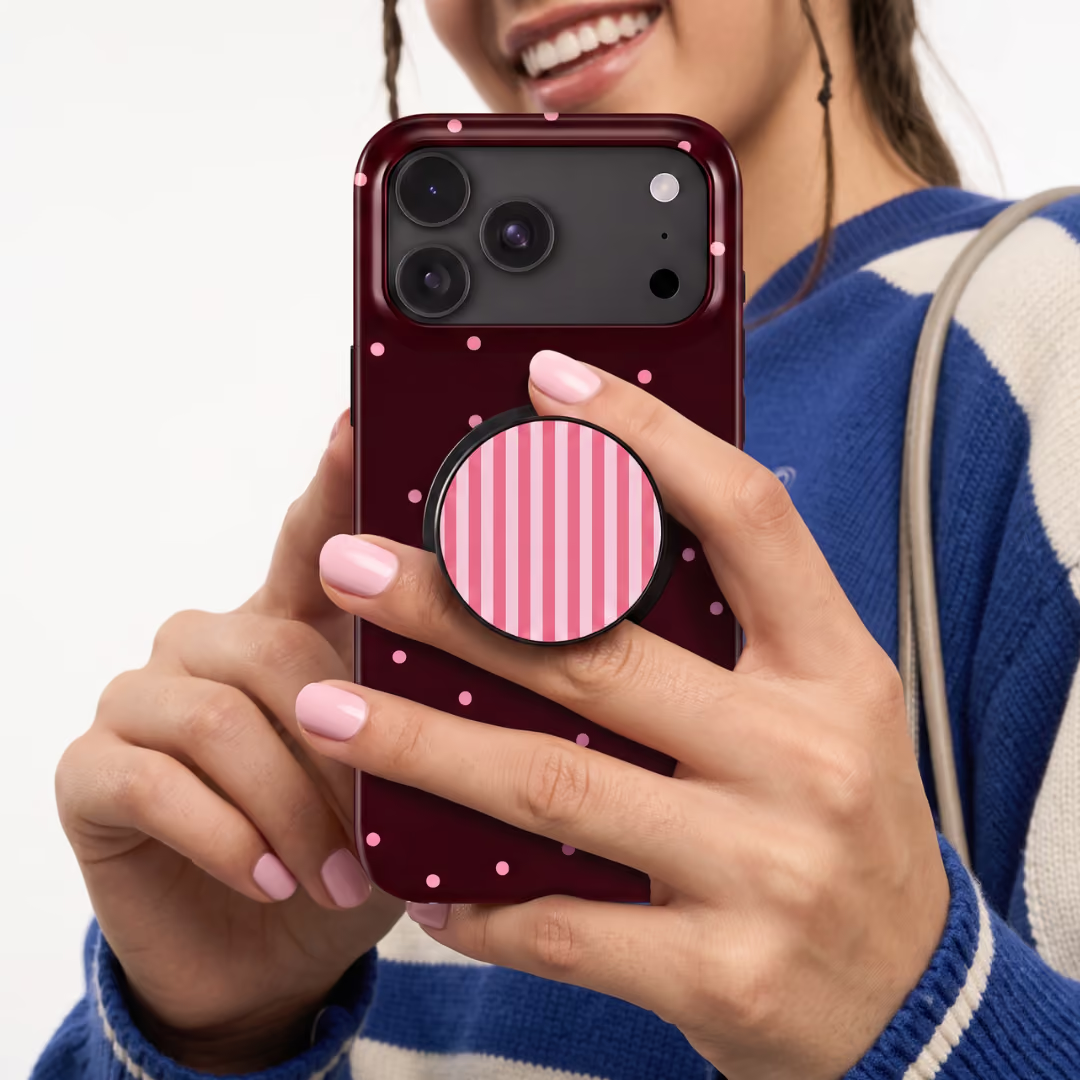
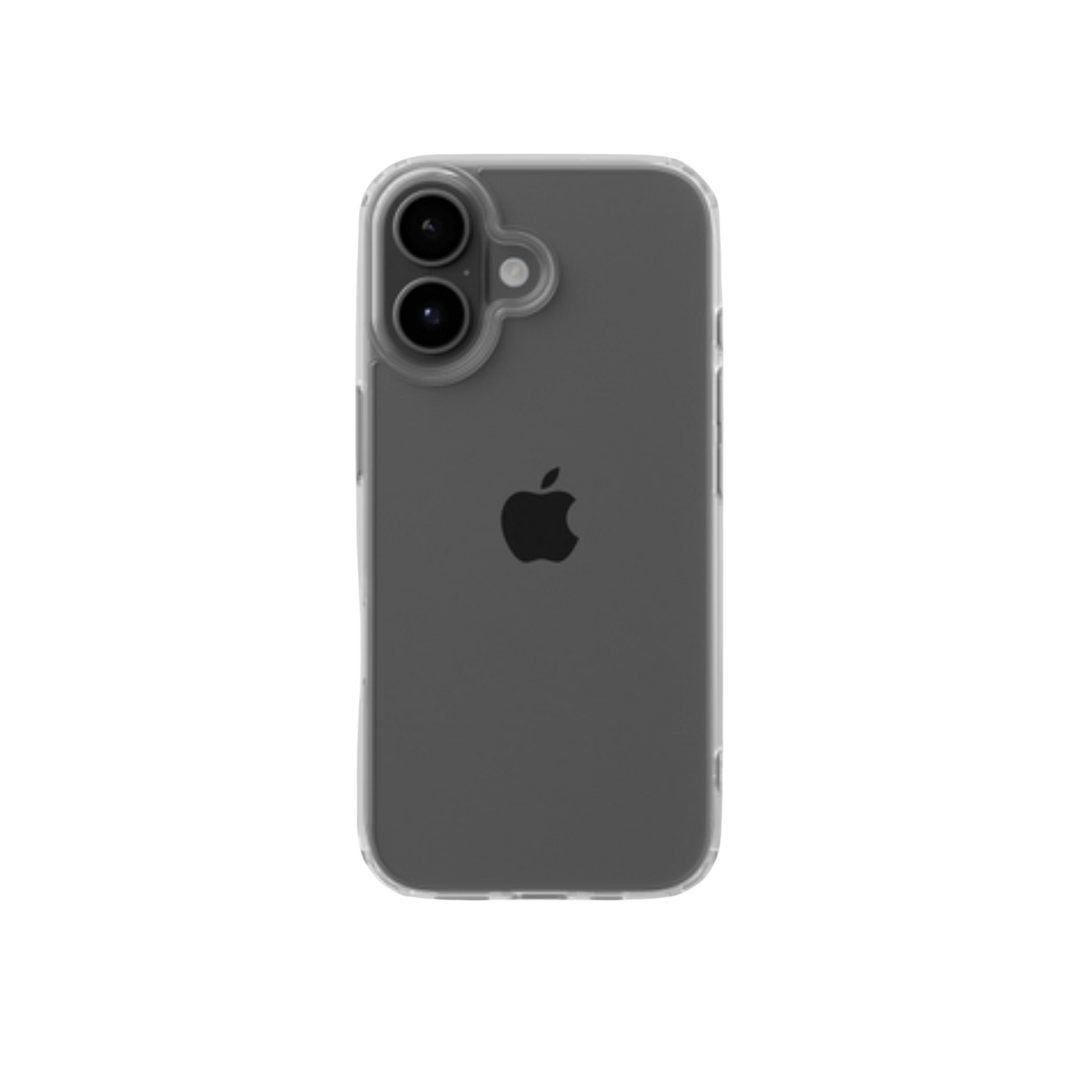
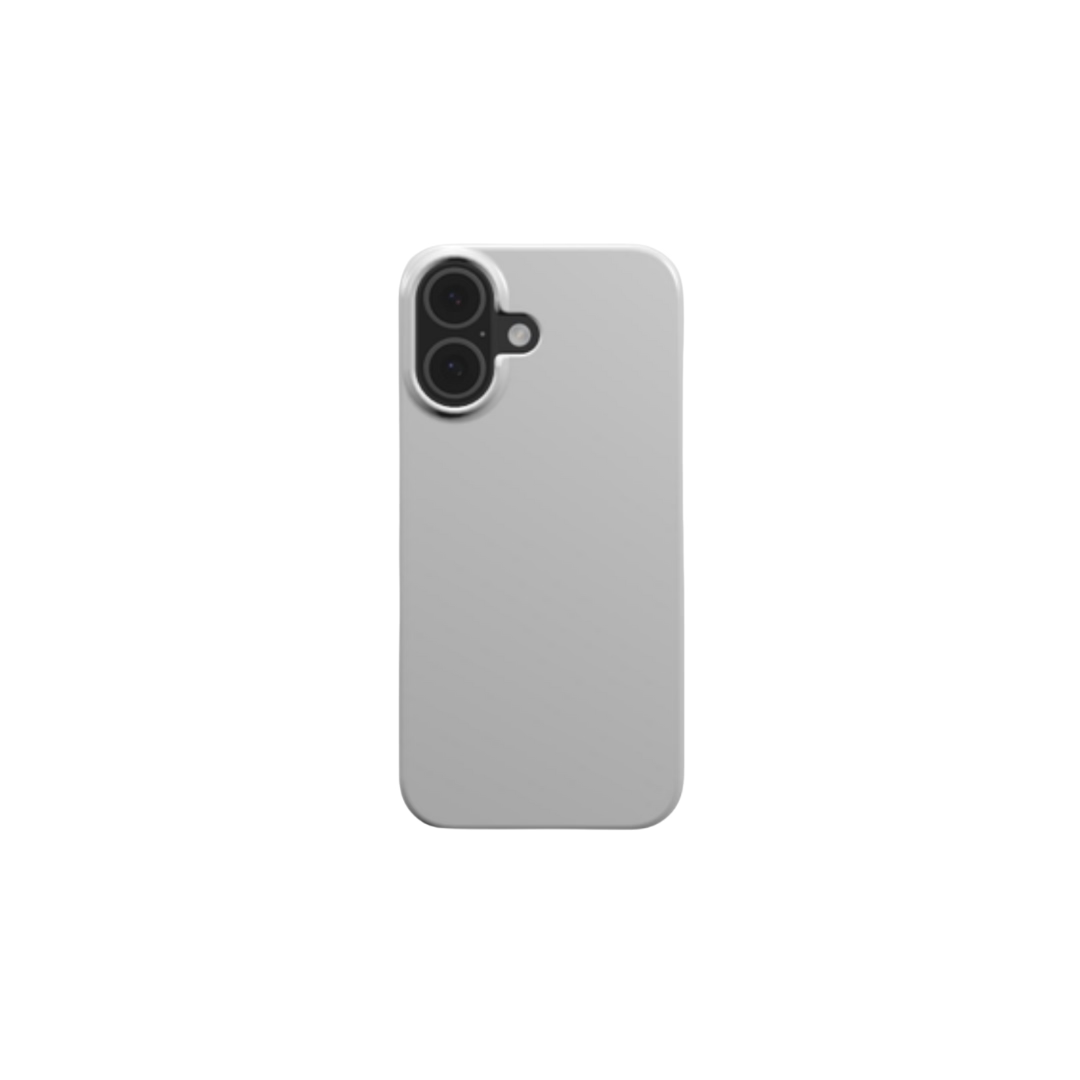
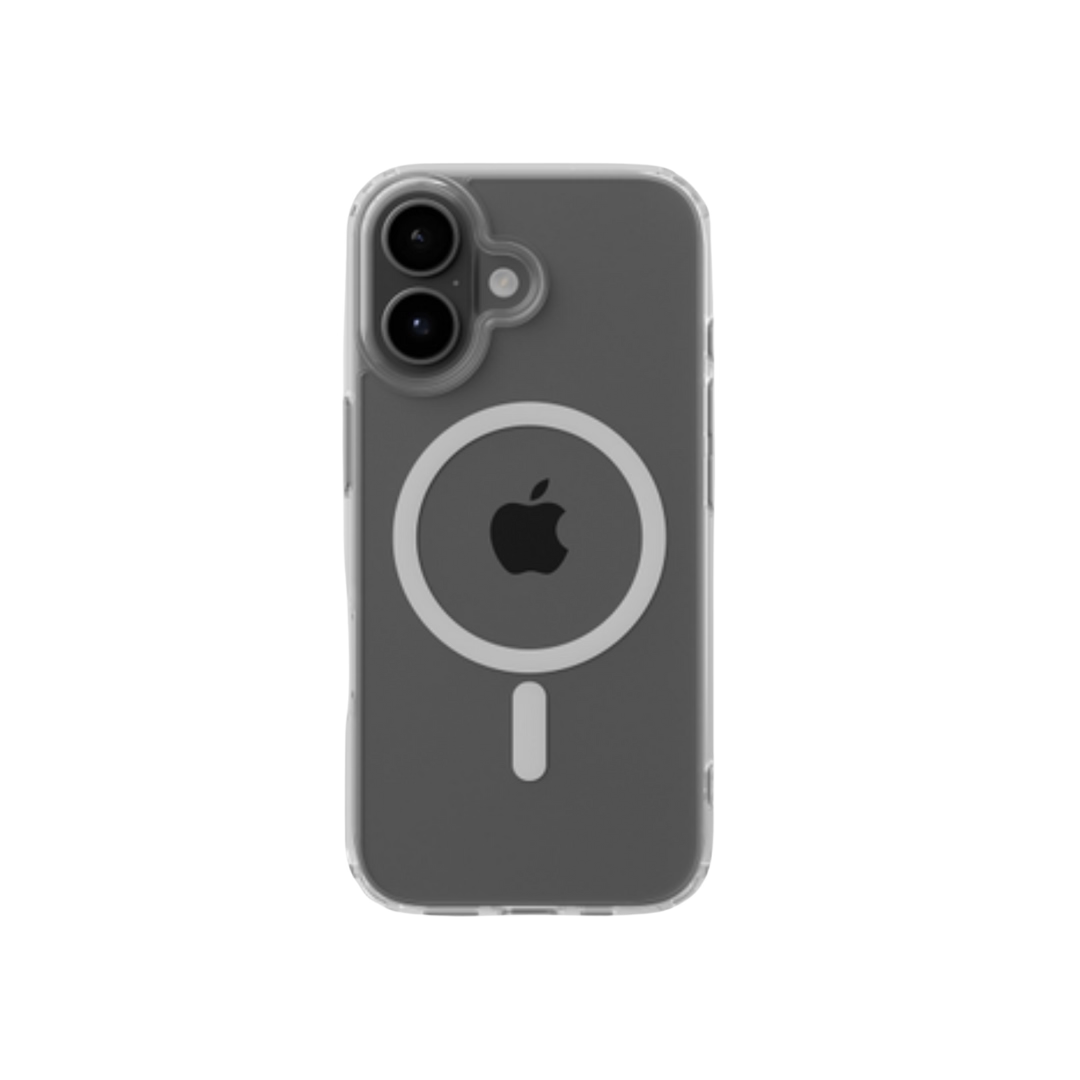
That distinction matters most for print-on-demand sellers. A custom phone case or a piece of wall art is built for a feed: it photographs well and doubles as self-expression. As our CEO Saulius Meilutis puts it, a case "became like your personal billboard on your gadget." Generic dropshipped products rarely earn that second look.
This guide covers everything you need: account setup, Instagram Shopping features, content that converts, and the advanced tactics that separate beginners from sellers who do this profitably. Where it helps, we have folded in what we see across thousands of Podbase stores.
What is Instagram Shopping and Why It Matters
Does Instagram have a marketplace? In practice, yes. With Instagram Shopping, the app becomes a built-in storefront where you can sell products directly inside the feed - no separate website required to get started.
1. Understanding Instagram Shopping Features
Instagram Shopping is a commerce feature that lets you sell products directly inside the app. The core tools are Instagram Shop, product tags, and shopping ads:
- Instagram Shop: creates a storefront on your profile where people browse your catalog.
- Product tags: let you mark items in posts, Reels, and Stories so a tap leads straight to checkout or your store.
- Shopping ad campaigns: put your products in front of new audiences who do not yet follow you.
In some regions, Instagram also offers in-app checkout, letting customers buy without leaving the platform.
2. Instagram Commerce Statistics for 2026
The numbers show why Instagram Shopping matters for anyone learning how to sell on Instagram:
- Fashion is the top search category, with 12% of users exploring fashion content - a strong signal for visual, style-driven products.
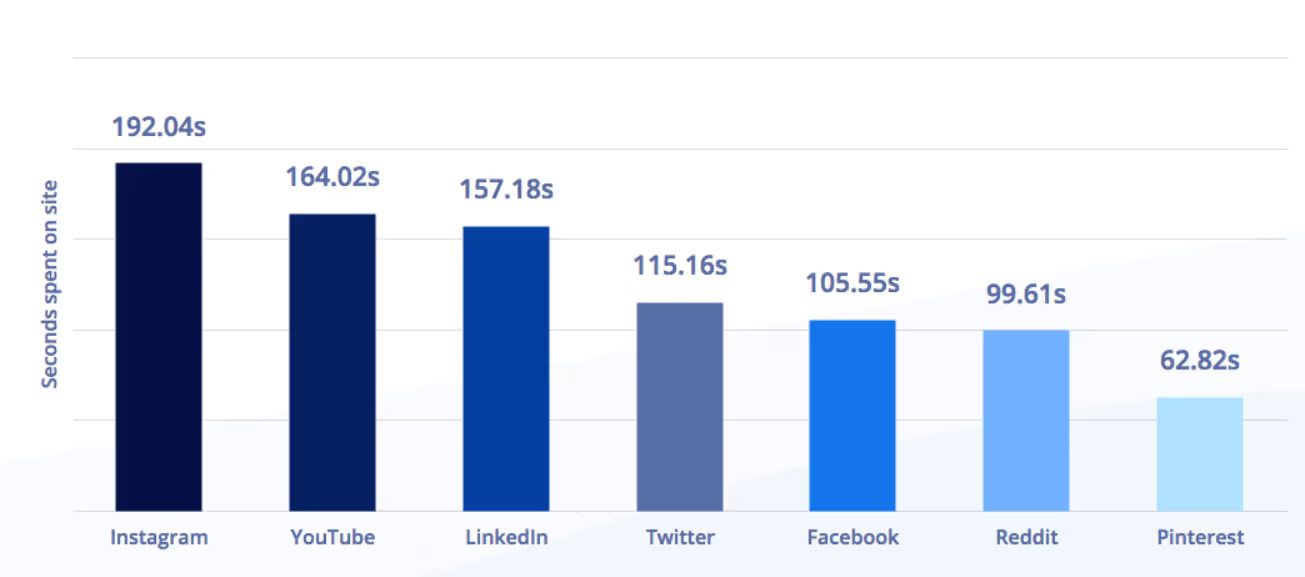
- Users spend more time on Instagram than on most social media platforms, averaging 192.04 seconds per visit.
- 40.1% of Instagram shoppers spend over $200 each year on the app.
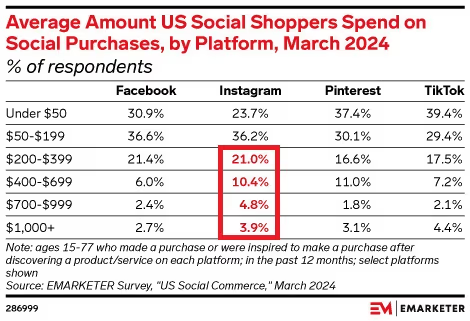
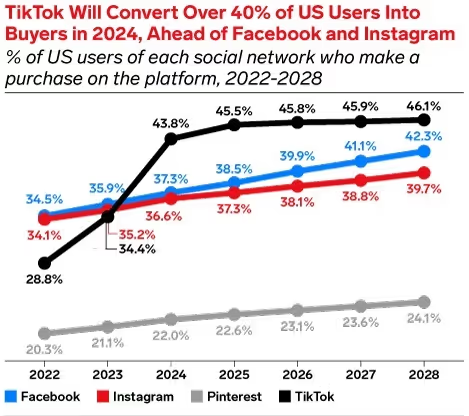
- In 2026, about 47% of U.S. social buyers are expected to shop on Instagram, and more than a third of U.S. Instagram users now buy directly through the app.
- Instagram’s global ad revenue is forecast to reach roughly $84 billion in 2026 - up sharply year over year, which means more sellers competing for attention and higher stakes on getting your product right.
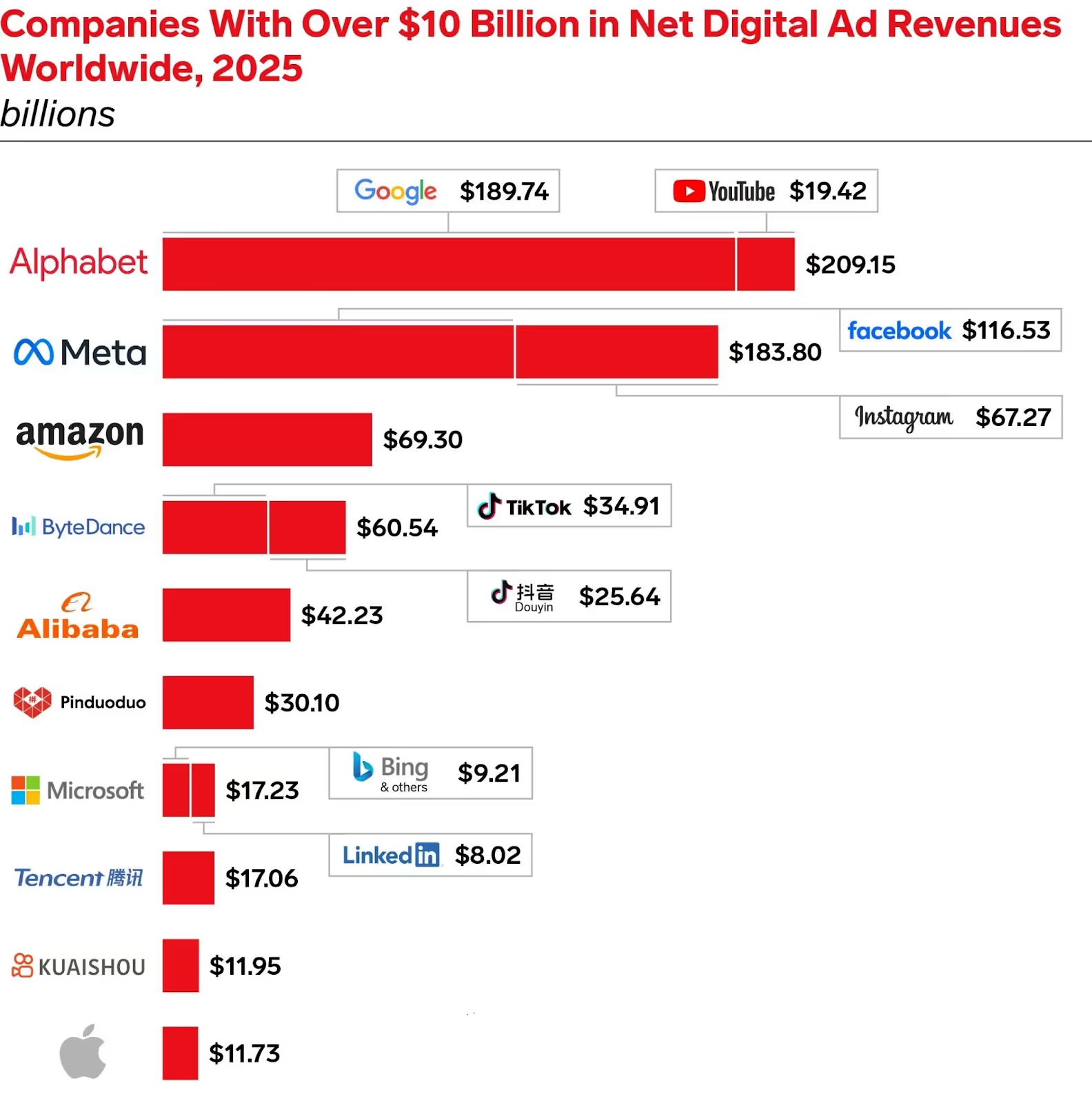
Here is our contrarian read on these numbers: rising reach and ad revenue do not help you if your product is interchangeable. As Instagram gets more crowded, the advantage shifts from "post more" to "sell something only you offer." That is why our custom tech accessories sellers tend to outperform generic catalogs on the same ad spend.
Also Read:
- How to Make Money on Social Media (Even Without Followers)
- What is social media marketing?
- The Best Time to Post on Instagram
Prerequisites for Selling on Instagram
Before you learn how to sell on Instagram, you need to meet a few basic requirements.
1. Instagram Business Account Requirements
You must have a business account, because personal profiles do not qualify. Switching is free and takes only a few minutes:
- Go to profile settings.
- Select Switch to Professional Account.
- Choose Business.
Your profile must also be complete. Add your contact info, website, and business category.
2. Product Eligibility and Commerce Policies
Instagram limits what you can sell. Some of the core rules:
- Only physical goods - clothes, accessories, phone cases, laptop cases, or tablet cases.
- No weapons, adult items, or illegal products.
- Compliance with local laws.
- Clear refund and return policies.
3. Supported Markets and Regions
Instagram Shopping is live in over 20 countries, including the US and UK. Some areas also support in-app checkout, but not all.
If your region is not supported, you can still use product tags that link to DMs. This is a great option for anyone learning how to sell things on Instagram without a website.
Step-by-Step Guide: How to Set Up Instagram Shopping
Now that you know the basics, here is a clear process. There are five main steps, and you can even learn how to sell on Instagram for free by following them.
1. Create and Optimize Your Business Profile
Your first step is converting to a business account, then making the profile work hard:
- Complete every section of your profile.
- Write a clear bio that explains what you sell.
- Use your logo or a brand image as your profile picture.
- Add your website link - this increases sales and traffic.
2. Connect Meta Business Manager
- Create an account.
- Add your Instagram profile.
- Set up a linked Facebook page.
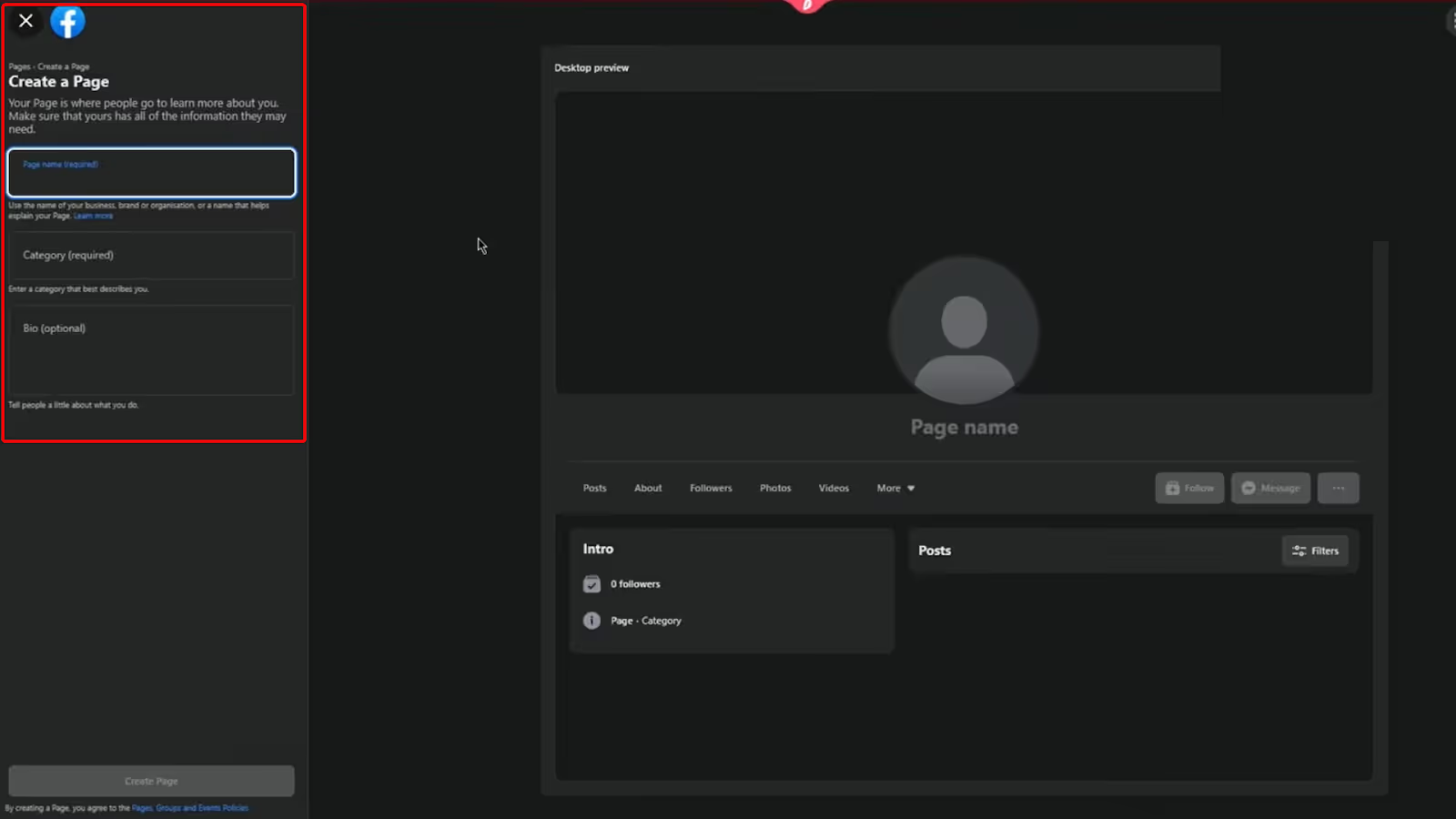
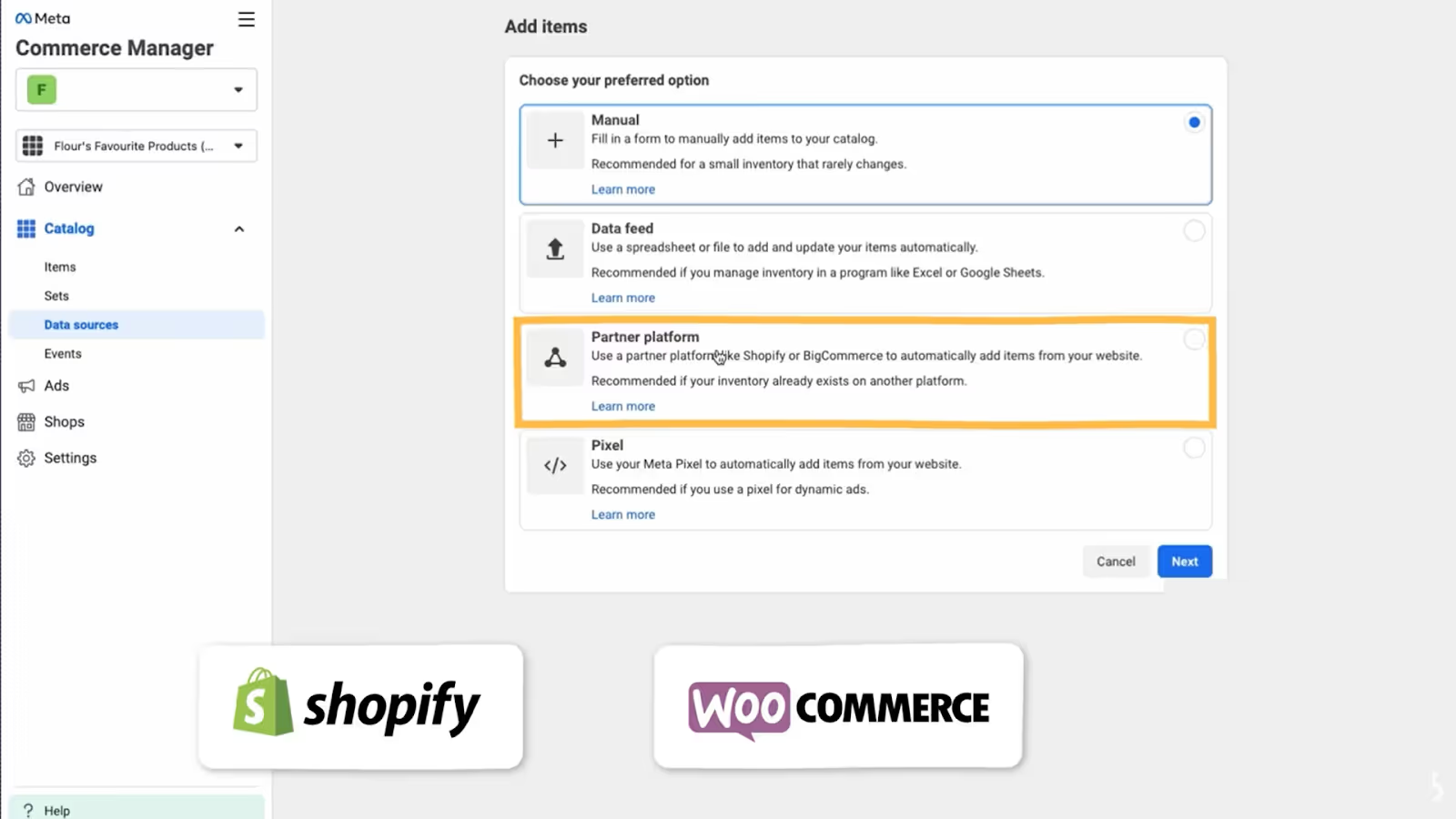
Step 3: Create Your Product Catalog
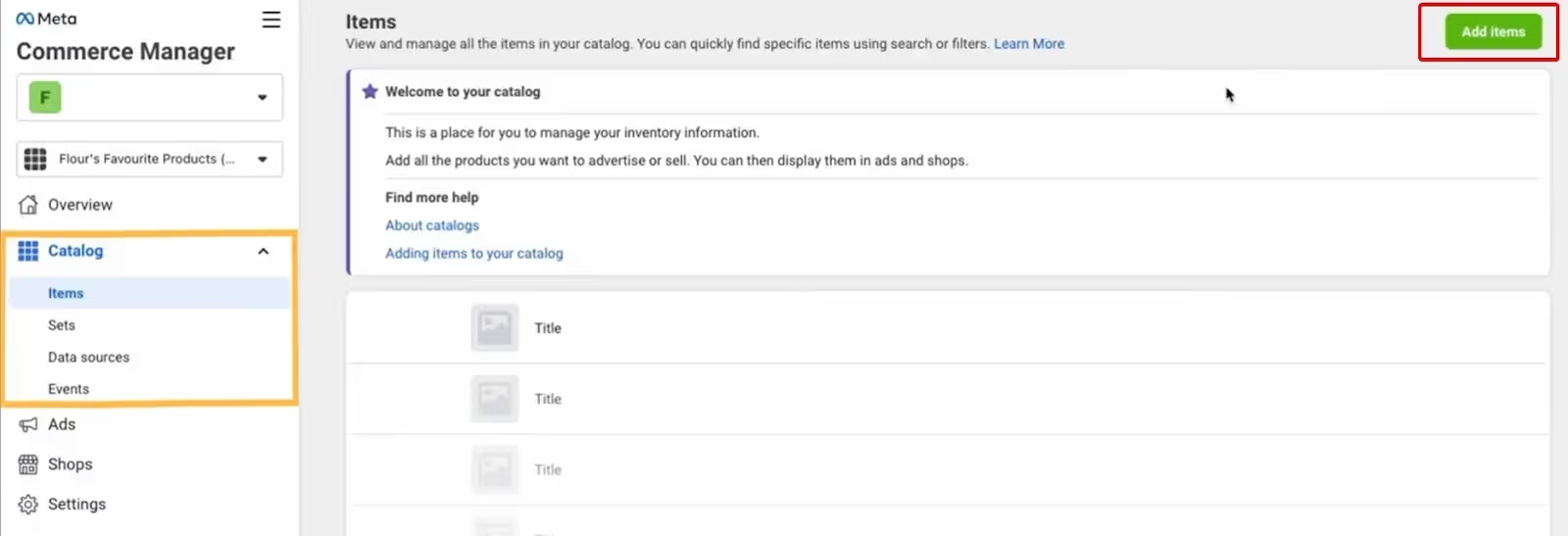
Your product catalog stores all item information. It is a vital step in selling on Instagram.
- Upload products manually with Commerce Manager, or sync with Shopify.
- Include product names, descriptions, prices, and photos.
- Use at least one clear image per item.
4. Submit for Instagram Shopping Approval
Instagram reviews all accounts before granting Shopping access. Reviews usually take 3-5 business days. Follow all Commerce Policies during the process - and keep posting regular content while you wait.
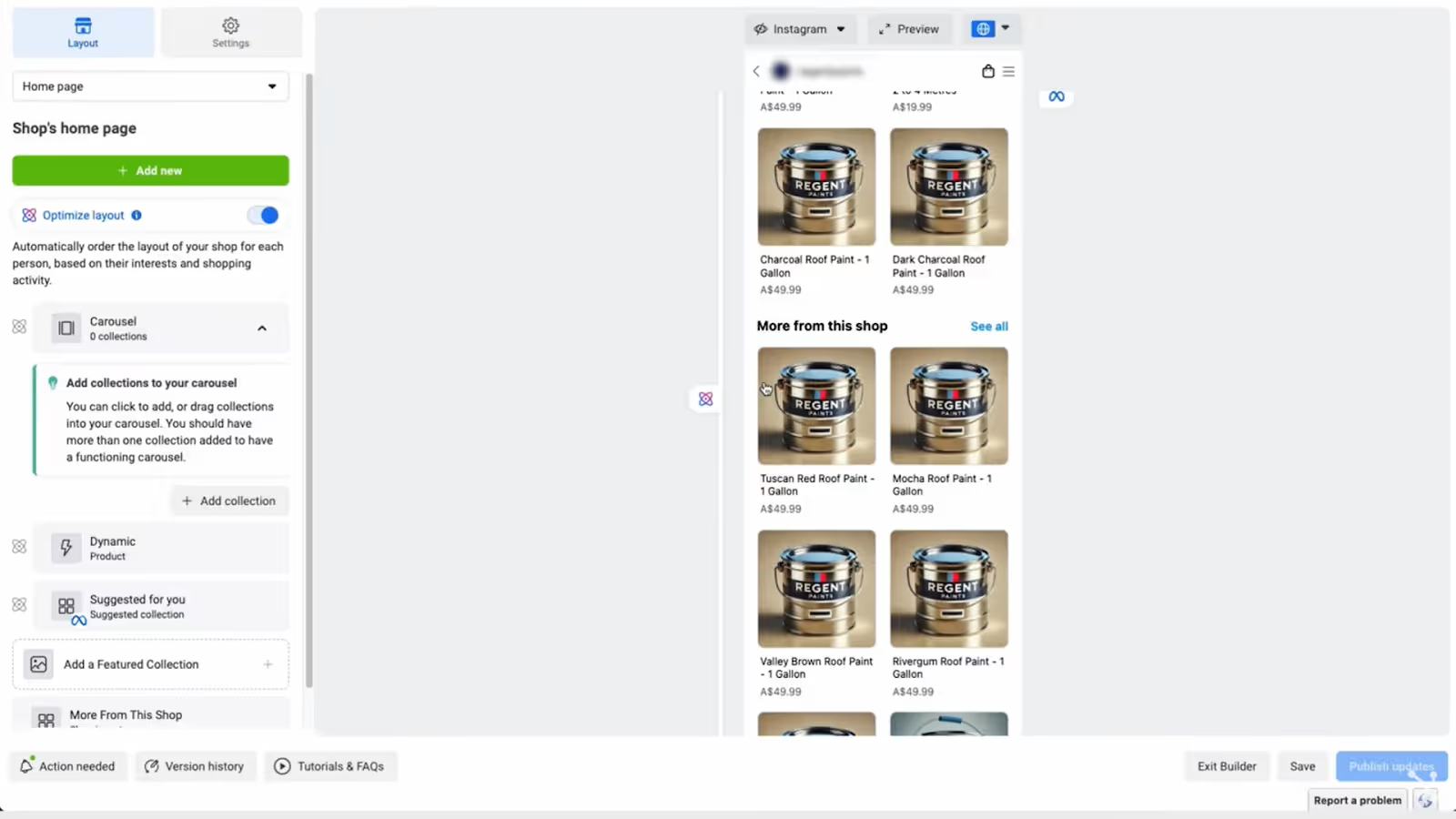
5. Set Up Your Instagram Shop
Once approved, your Shop tab becomes a storefront. Organize products into collections, feature best sellers first, and make sure every item links to a working product page or checkout.
Instagram Selling Strategies That Drive Sales
Setting up a shop is just the first step. To succeed, you need strategies that convert followers into paying customers.
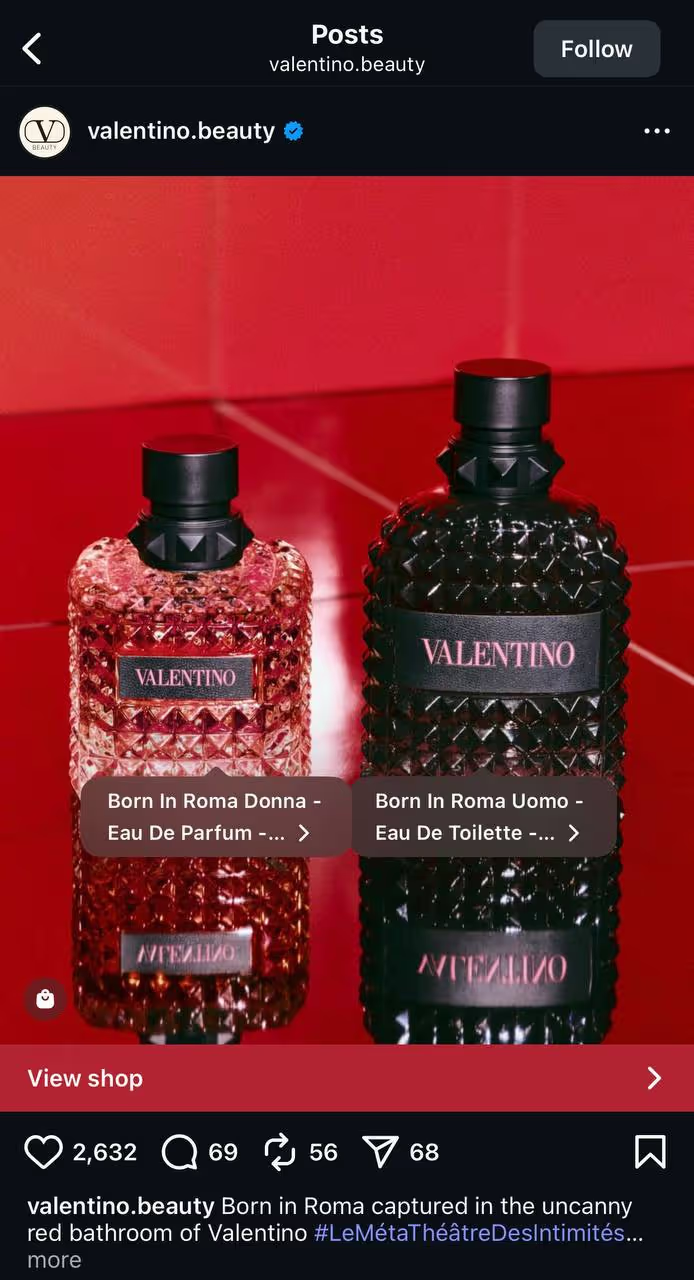
1. Product Tagging Best Practices
Smart tagging is a big part of selling on Instagram. Tags drive sales, but using too many can backfire - be strategic:
- Limit yourself to 1-3 tags per post.
- Place them where they do not block key visuals.
- Focus on the items most relevant to the post.
2. Creating Shoppable Content That Converts
Your posts should sell naturally without feeling like ads:
- Share behind-the-scenes content to build trust.
- Repost user-generated content (with permission) to highlight real customers.
- Use lifestyle photography instead of plain product shots.
This is also where print-on-demand has a quiet edge. With AI mockups, "you can take a static picture and generate high-quality multi-angle output of your products," says Saulius Meilutis - so you can fill a content calendar with shoppable images before you have ordered a single sample.
3. Instagram Stories for Product Promotion
Stories reach your most engaged followers first.
- Use product stickers to make items instantly shoppable.
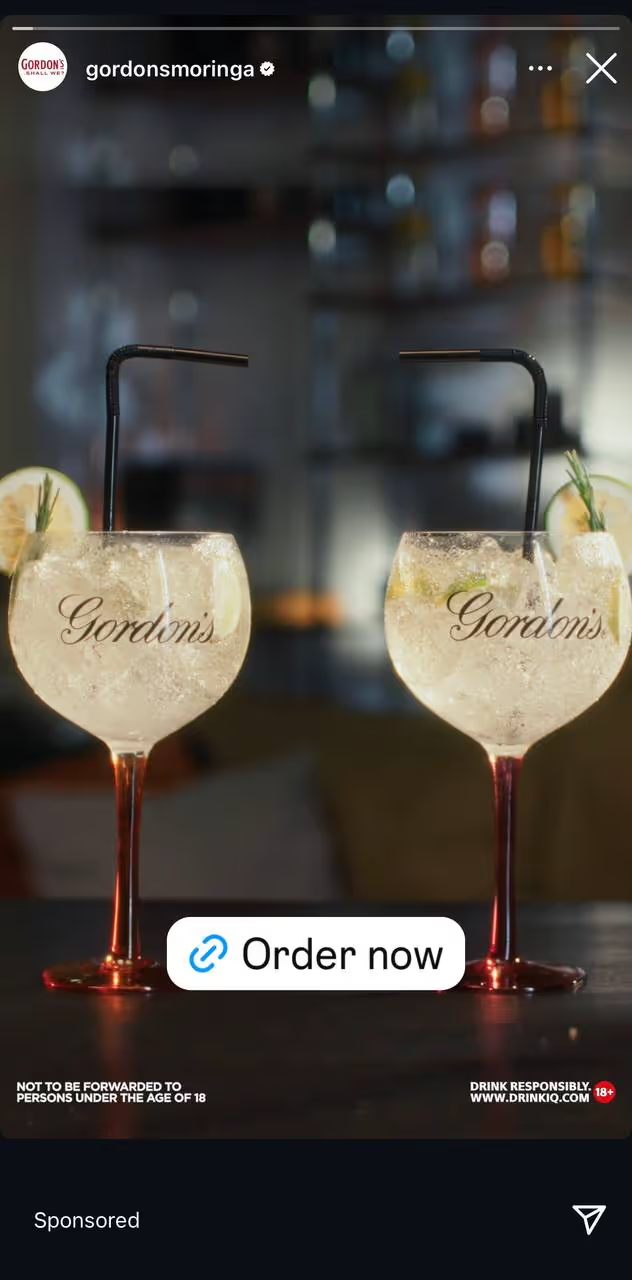
- Add countdowns to create urgency for launches or sales.
- Lean into scarcity - Stories disappear in 24 hours, which makes them naturally urgent.
4. Instagram Reels for Product Discovery
Reels are the best way to reach new audiences. Use trending audio and hashtags to boost visibility while showing your products in action.
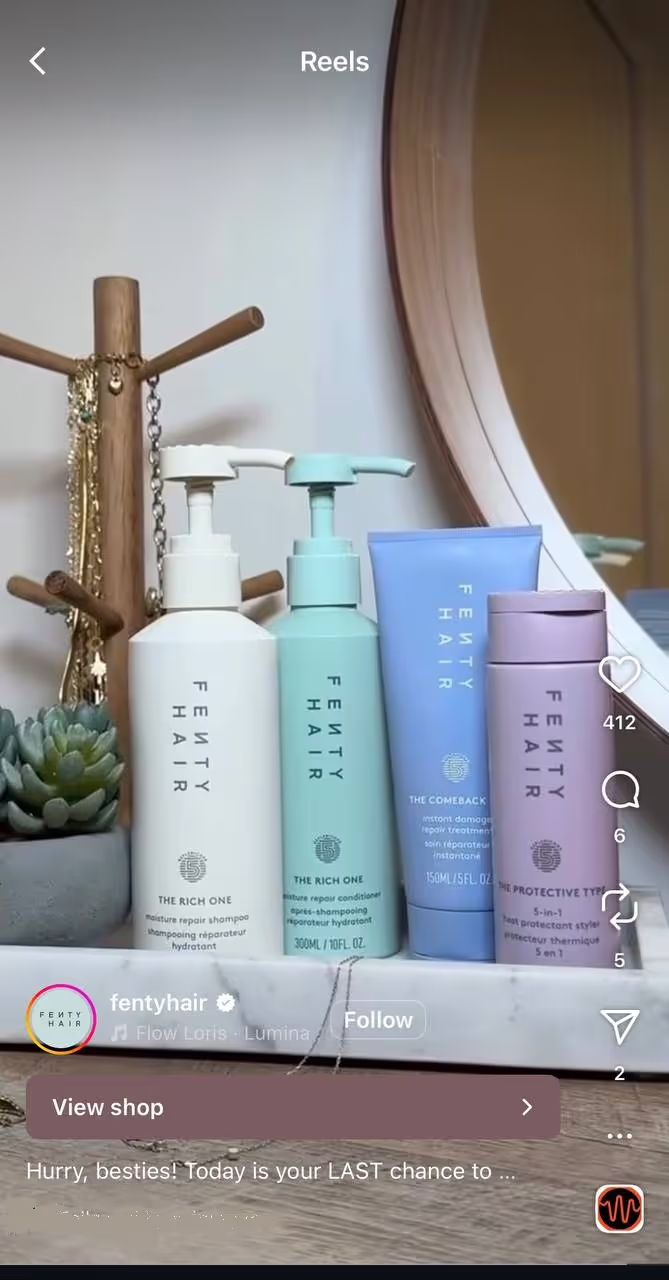
- Keep Reels under 90 seconds.
- Open with a hook to grab attention quickly.
- Focus on quick demos that highlight your product’s value.
Our CMO Vytautas Mikaila frames the real advantage of this content as control, not just reach: "You can test faster, you can adjust faster, and you can find what actually resonates faster." Reels let you trial designs and angles cheaply before you put money behind the winners.
Also Read:
Advanced Instagram Marketing Techniques
Basic strategies are useful, but advanced tactics separate beginners from sellers who do this at scale.
1. Instagram Advertising for Product Sales
Organic reach only goes so far. Paid ads let you reach people who do not follow you but might want your products. Shopping ads are especially powerful because they show product details directly in the feed. Start with a small budget of $5-10 per day and test what converts, then retarget people who visited your store but did not buy.
Here is the part most ad guides skip: ads only stay profitable if your margins can absorb them. A phone case you buy from Podbase at around €10 can sell for €35-60, on pricing that runs 10-15% better margins than other POD providers. That spread is what lets you bid for cold traffic and still come out ahead.
2. Influencer Partnerships and Collaborations
The right influencer can introduce your products to thousands of buyers. But bigger is not better: nano-influencers with 1,000-10,000 followers average a 2.71% engagement rate on Instagram, far above the roughly 0.6% of accounts over one million.
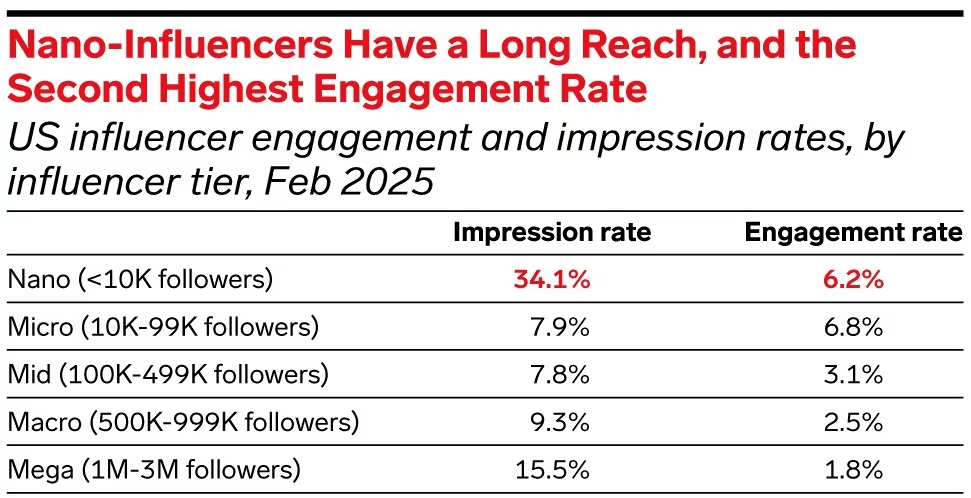
When choosing partners, focus on audience fit over follower count. A micro-influencer with 5,000 niche followers often beats one with 50,000 general followers - especially for a specific, customizable product.
3. Instagram Live Shopping Events
Live shopping creates urgency that posts and Reels cannot. Buyers ask questions in real time and get immediate answers, which helps them decide faster.
- Promote live events ahead of time through Stories and countdown stickers.
- Highlight key details like sizes, colors, and pricing during the session.
- Offer limited discounts available only during the live to encourage on-the-spot buying.
Optimizing Your Instagram Sales Funnel
Not every follower is ready to buy right away. Here is how to move them closer to a purchase.
1. Building an Engaged Following
Focus on attracting people who actually need your products. Use hashtags your ideal customers search for, not just popular ones. Consistency builds trust over time, so post regularly without sacrificing quality.
2. Converting Followers to Customers
Most followers will not buy immediately. Share customer testimonials and reviews regularly - social proof removes doubt and shows real people love your products. Create urgency with limited-time offers, but use it sparingly to avoid seeming fake.
3. Customer Retention Through Instagram
Follow up with customers after they receive orders, and reshare their photos. This is where fulfillment quietly decides your fate: sellers who switched to Podbase’s automated, quality-checked production saw 15% more customer reviews and 30% fewer order-issue tickets. On Instagram, that review volume is the social proof that drives the next sale.
Also Read:
Instagram Shopping Tools and Integrations
The right tools save time and make selling easier. Anyone learning how to sell on Instagram should know which ones matter most.
1. Best eCommerce Platforms for Instagram Integration
Shopify is the easiest platform to connect with Instagram, syncing your products automatically; in some regions customers can check out without leaving the app. Other strong choices include WooCommerce, BigCommerce, and Squarespace. The best platform is the one that fits your store today - and Podbase integrates with all of them through Shopify, Etsy, WooCommerce, and an Open API.
2. Instagram Analytics and Tracking Tools
Instagram Insights is the built-in tool that shows which posts drive visits, clicks, and engagement. Check it weekly to spot patterns. For deeper tracking, try Later, Hootsuite, Facebook Ads Manager, or Sprout Social - worth it if you post often or run more than one account.
3. Automation Tools for Instagram Selling
Smart tools handle routine work while keeping things personal:
- ManyChat and MobileMonkey: chatbots for common questions.
- Buffer and Later: schedule posts in advance.
- Zapier: connect Instagram to your email or CRM.
Common Instagram Selling Mistakes to Avoid
Many sellers slip up in ways that cost them sales. To master how to sell on Instagram, know what not to do.
1. Content and Strategy Mistakes
- Posting too many promos.
- Posting at random times.
- Using blurry or poor-quality photos.
- Adding hashtags that do not fit your product.
2. Technical Setup Errors
- Broken product links.
- Checkouts that take too many steps.
- Missing product details.
- Wrong prices or outdated stock levels.
3. Customer Service and Product Quality Failures
- Slow replies to DMs and no quick replies for common questions.
- Weak return policies, or ignoring negative comments instead of fixing the issue.
The most expensive mistake is the one buyers see after checkout. As our Head of Sales Sidas puts it, "A cheap product that fails after a few days carries a cost that never shows up in a margin calculation. That customer tells their friends." On Instagram, that story travels fast - so product quality is a marketing decision, not just an operations one.
Future of Instagram Commerce
Instagram’s shopping tools keep evolving. Staying ahead of these changes gives you an advantage.
1. Upcoming Instagram Shopping Features
Instagram is expanding AR try-on features that let customers see how items look before buying - useful for accessories and apparel. AI product recommendations are also getting better at surfacing your products to users based on their interests, even if they do not follow you. Live shopping is adding interactive features like in-broadcast polls and group sessions.
2. Preparing Your Instagram Strategy for 2026 and Beyond
To stay ahead, lean into the formats Instagram favors - video, especially Reels and Stories, gets far more reach than static posts. Do not rely only on follower count: build an email list through Instagram by offering guides or discounts. Finally, diversify, using Instagram as your main hub while growing on other platforms too. Print-on-demand makes this easy, because the same catalog - phone cases, wall art, drinkware - sells across every channel without inventory risk.
Getting Started: Your Instagram Selling Action Plan
You now understand how to sell on Instagram in theory - here is how to apply it.
1. 30-Day Quick Start Guide
- Week 1: set up your business profile and apply for Instagram Shopping. While waiting for approval, plan your first month of content.
- Week 2: create your product catalog and start posting consistently. Mix product showcases with behind-the-scenes content.
- Week 3: begin using product tags once approved. Launch Story highlights for different product categories and engage with your target audience.
- Week 4: test your first paid ads with a small budget. Analyze which content performs best and double down on what drives sales.
2. Essential Tools and Resources
Start with free tools before investing in paid ones:
- Instagram Creator Studio for scheduling and analytics.
- Canva for creating graphics and story templates.
- Your smartphone with good lighting.
As you grow, consider scheduling tools like Later or Buffer, plus email marketing platforms to capture leads.
Also Read:
FAQ
1. How do I start selling on Instagram in 2026?
Switch to a free Instagram business account, connect Meta Business Manager, build a product catalog, and submit for Instagram Shopping approval, which takes three to five business days. Once approved, tag products in posts, Reels, and Stories. Sellers with a distinctive, customizable product like print-on-demand phone cases convert browsers faster than generic listings.
2. Can you sell on Instagram for free?
Yes, you can sell on Instagram for free. A business account, a product catalog, and Instagram Shopping all cost nothing to set up, so your only required spend is the product itself. With print-on-demand fulfillment you pay only after a customer orders, meaning there is no upfront inventory cost to start selling.
3. Do you need a website to sell on Instagram?
No, you do not strictly need a website to sell on Instagram. In supported regions, in-app checkout lets customers buy without leaving the app, and product tags can link to direct messages where shopping is unavailable. Connecting a Shopify or WooCommerce store, however, syncs your catalog automatically and unlocks more reliable product tagging.
4. How long does Instagram Shopping approval take?
Instagram Shopping approval usually takes three to five business days. Instagram reviews every account against its Commerce Policies before granting access, so keep posting regular content while you wait. To avoid rejection, ensure you sell eligible physical goods, complete your business profile, and add clear refund and return policies before you submit.
5. What products sell best on Instagram?
Visually distinctive, personalized physical products sell best on Instagram, with fashion, accessories, and custom tech items leading the way. Fashion is the top shopping category. Print-on-demand products like custom phone cases work especially well because they photograph beautifully and double as self-expression, giving scrollers a reason to stop and tap your product tag.
6. How many followers do you need to sell on Instagram?
You do not need a large following to sell on Instagram. Engagement matters more than size: nano-influencers with 1,000 to 10,000 followers average a 2.71% engagement rate, far above the roughly 0.6% seen by accounts over one million. A small, engaged audience that trusts your recommendations consistently outsells a large, passive one.
Conclusion
Instagram puts more than 3 billion users within reach, and your products can get in front of them if you follow the right steps. Set up Instagram Shopping correctly, create content that helps people rather than just sells to them, and build real relationships with your followers over time. Even 1,000 engaged followers can outperform 100,000 passive ones.
Most of all, sell a product worth tagging. Test what works for your audience, lean on the margins and fulfillment quality that keep you profitable, and be patient - a profitable Instagram business takes time, but it can become one of your best sales channels. Thinking of starting a print-on-demand business for your Instagram shop? Sign up with Podbase today to create and sell custom products.

Saulius Meilutis is the CEO of Podbase, helping creators and entrepreneurs monetize their ideas with print-on-demand. He shares insights on eCommerce, growth, and building lean online businesses.

.avif)



.avif)
.avif)
.avif)
.avif)
.avif)
.avif)

.avif)


.avif)
.avif)

.avif)

.avif)

.avif)