The most popular social media platforms in the US for 2026, ranked by global users, are Facebook, Instagram, WhatsApp, YouTube, and TikTok, each now counting billions of users. For print-on-demand (POD) sellers, social media is one of the cheapest ways to get noticed, talk to customers, and sell more, often without heavy ad spend.
The catch is that you don’t need to be everywhere; you need to be where your buyer already scrolls. As Podbase CMO Vytautas Mikaila puts it, paid social is “not only about traffic. It is also about control. You can test faster, you can adjust faster, and you can find what actually resonates faster.” Pair one visual platform (Instagram or TikTok) with one direct channel (WhatsApp or Messenger) and let your designs do the work.
Below we break down the top platforms by global user count and what each is best for when you’re building a print-on-demand brand. Figures are the latest available from DataReportal and Statista (2026).
What Is a Social Media Platform?
A social media platform is a website or app where people post, share, and talk. You can post text, pictures, videos, or go live. Popular platforms include Facebook, Instagram, TikTok, YouTube, and X (formerly Twitter).
Top 10 Most Popular Social Media Platforms in the US (2026)
Here are the top 10 most popular social media platforms in the US and globally, ranked by monthly active users. As of early 2026, about 5.66 billion people - roughly 69% of the world - use social media, and the average person is active on about 6.75 platforms a month, so choosing the right ones matters more than chasing all of them.

1. Facebook
User count: ~3.07 billion. Facebook remains the most popular social media platform in the US, used by people of all ages. It’s a high-traffic ecommerce platform where you can sell unique, customized POD products and target audiences precisely with ads.
2. Instagram
User count: ~3.0 billion (up from 2.0 billion a year earlier - Instagram crossed the 3 billion mark in 2026). Since Instagram is all about visual content, it works really well for visual profitable business niches like fashion, home decor, and custom tech accessories. Reels and in-app shopping make it a natural storefront.
3. WhatsApp
User count: ~3.0 billion. WhatsApp is increasingly used by businesses to talk to customers - sending product updates directly and staying in touch after a purchase. It’s the dominant messaging layer in many markets, so it’s a strong direct-to-customer channel.
4. YouTube
User count: ~2.58 billion. YouTube is a great place to show off products with video. POD companies can publish product demos, unboxing videos, and behind-the-scenes design content, and Shorts now competes directly with TikTok for short-form discovery.
Also Read:
- Top 10 Etsy Statistics You Must Know
- Pinterest Statistics You Need to Know
- How to Sell on Instagram: Complete Guide
5. TikTok
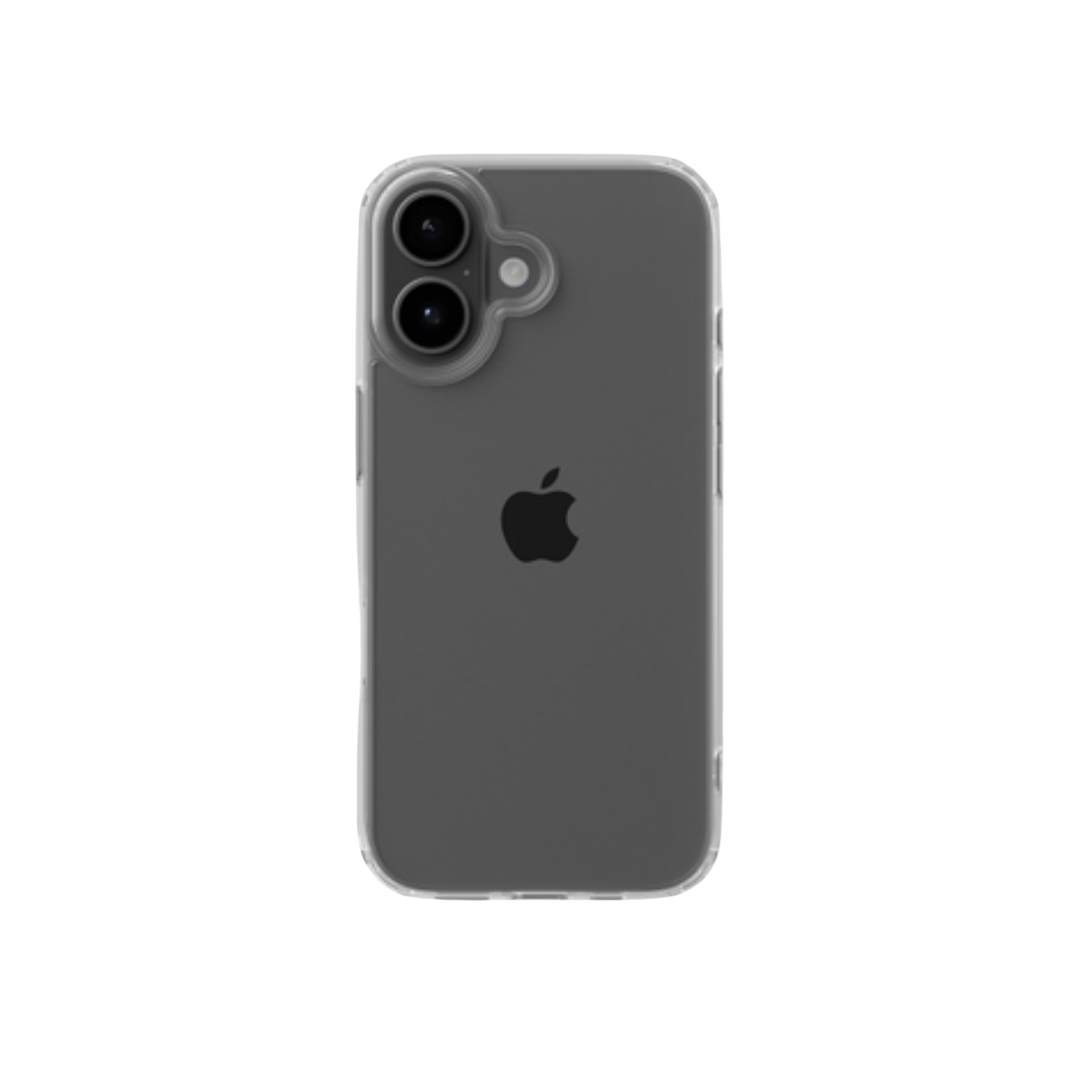
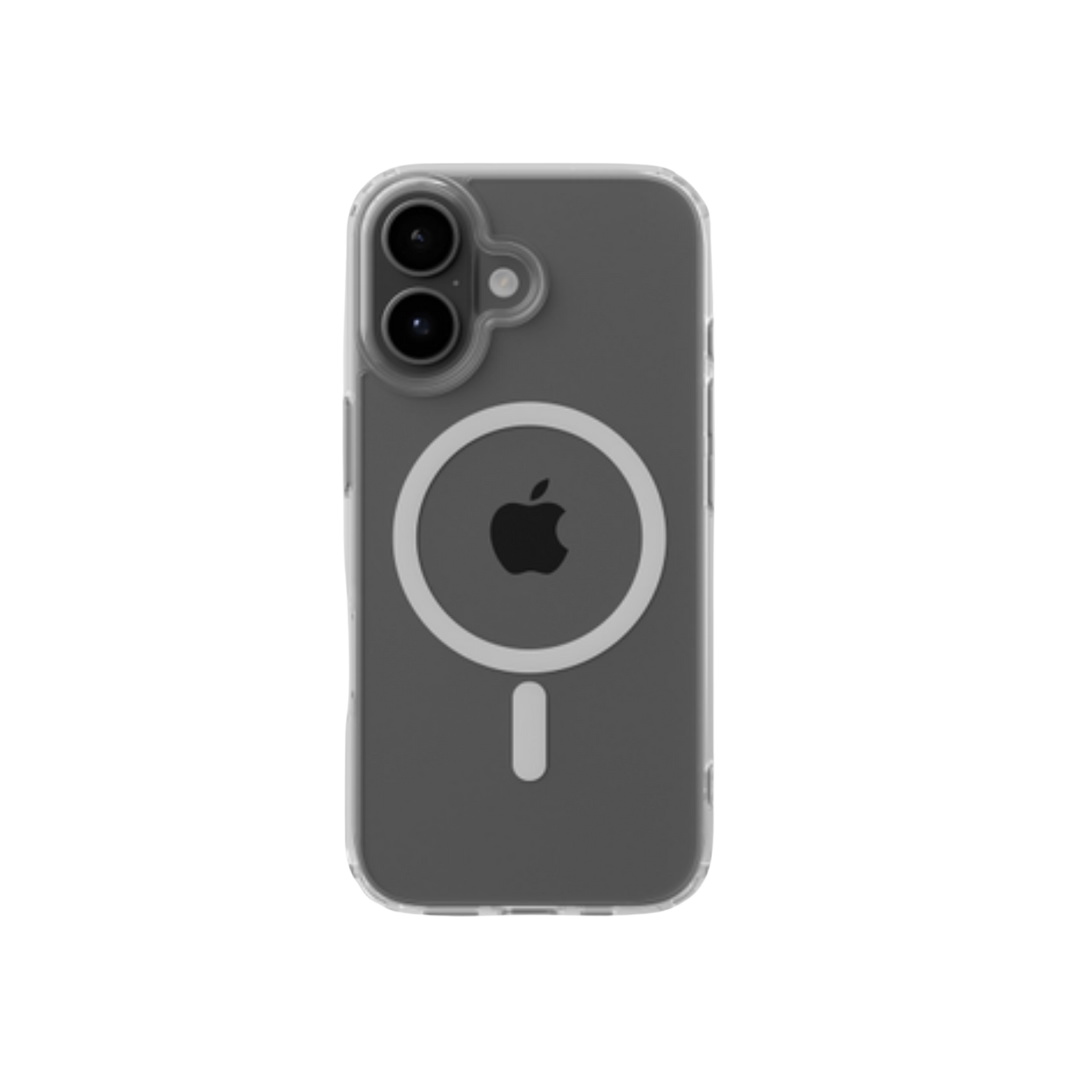
User count: ~2.0 billion (up from about 1.59 billion a year earlier). TikTok is the go-to platform for reaching Gen Z and Millennial shoppers, and short, creative videos let POD sellers highlight best selling products, share behind-the-scenes content, or jump on trends that go viral. It’s where the video-plus-iteration playbook compounds: one business we work with reached seven-figure yearly revenue selling phone cases after launching with around ten designs and pushing hard into influencer marketing. Starting a shop? Check the 2026 TikTok shop fees to protect your margins.
6. WeChat
User count: ~1.41 billion. WeChat is China’s dominant super-app for messaging, payments, and shopping in one place. Few people in the US use it, but it’s valuable for print-on-demand businesses selling into China.
7. Telegram
User count: ~1.0 billion (Telegram crossed the 1 billion mark in 2026). It’s a growing platform for community building and direct engagement, and POD entrepreneurs can use it to run exclusive subscriber groups and share product drops. Community matters commercially too: our Head of Sales found that sellers with a peer group or mentor scaled about 32% faster than solo operators.
Also Read:
- 25 Profitable Dropshipping Business Ideas You Can Start
- Best AI Tools for Entrepreneurs to Scale Smarter
8. Messenger
User count: ~942 million. Messenger, Facebook’s companion app, remains relevant for one-to-one customer communication and chatbot automation, and it’s useful for retargeting users who’ve interacted with Facebook or Instagram ads.
9. Snapchat
User count: ~932 million. Snapchat is popular with Gen Z and Millennials. It has fewer shopping features but is great for advertising, and POD brands can run fun, trendy campaigns or AR filters. See how Rituals combined video and AR to drive 76M+ impressions and brand growth.

10. Douyin
User count: ~728 million. Douyin is China’s version of TikTok. If you already make TikTok videos, you can reuse many of them on Douyin to reach Chinese audiences without much extra work.
Also Read:
- What Are White Label Products? (+ How to Sell Them)
- Top 10 YouTube Statistics You Must Know
- The Best Time to Post on Instagram
FAQ
1. What is the most popular social media platform in 2026?
Facebook is the most popular social media platform in 2026, with about 3.07 billion monthly active users. Instagram and WhatsApp follow closely, each near 3.0 billion, then YouTube at roughly 2.58 billion and TikTok crossing 2.0 billion. Together these five platforms reach the large majority of the world’s 5.66 billion social media users.
2. How many social media platforms should a print-on-demand seller use?
You do not need to be everywhere. Most print-on-demand sellers do best pairing one visual platform, such as Instagram or TikTok, with one direct channel like WhatsApp or Messenger. Focusing on where your buyer already scrolls lets you test creative faster and find what resonates, rather than spreading effort thin across every network.
3. Which social media platform is best for selling print-on-demand products?
It depends on your goal. Instagram and TikTok are strongest for visual product discovery and viral reach, YouTube builds trust through demos and unboxings, and Facebook offers the broadest audience with precise ad targeting. WhatsApp and Messenger are best for direct customer communication. Match the platform to where your target buyers already spend time.
4. Is TikTok or Instagram better for print-on-demand sellers?
Both work well, and many sellers use them together. TikTok, with about 2 billion users, excels at viral short video that reaches new Gen Z and Millennial buyers fast. Instagram, near 3 billion users, is stronger for a polished visual catalog, Reels, and in-app shopping. Test creative on both, then double down where engagement is highest.
5. How many people use social media worldwide in 2026?
About 5.66 billion people use social media worldwide in 2026, roughly 69% of the global population, according to DataReportal. Users now outnumber non-users two to one, and the typical person is active on about 6.75 platforms each month. That breadth is why choosing the right platforms, not all of them, matters for sellers.
6. Which social platforms are best for talking directly to customers?
WhatsApp, Facebook Messenger, and Telegram are best for direct customer communication. WhatsApp and Messenger, each near or above 940 million to 3 billion users, handle order updates, support, and ad retargeting, while Telegram is ideal for building exclusive subscriber groups and announcing product drops to an engaged community.
Conclusion
If you sell print-on-demand products, the most popular social media platforms are how more people discover and connect with your brand. Facebook delivers reach and targeting, YouTube builds trust through video, Instagram showcases your products, and TikTok turns short clips into viral demand, while WhatsApp, Messenger, and Telegram keep you close to customers and WeChat and Douyin open the China market. You don’t have to win all of them - pick the one or two where your buyer already scrolls, test relentlessly, and let your designs lead. Create a Podbase account today to start turning that attention into sales.

Saulius Meilutis is the CEO of Podbase, helping creators and entrepreneurs monetize their ideas with print-on-demand. He shares insights on eCommerce, growth, and building lean online businesses.

.avif)






.avif)
.avif)
.avif)
.avif)
.avif)
.avif)

.avif)




.avif)
.avif)

.avif)

.avif)

.avif)