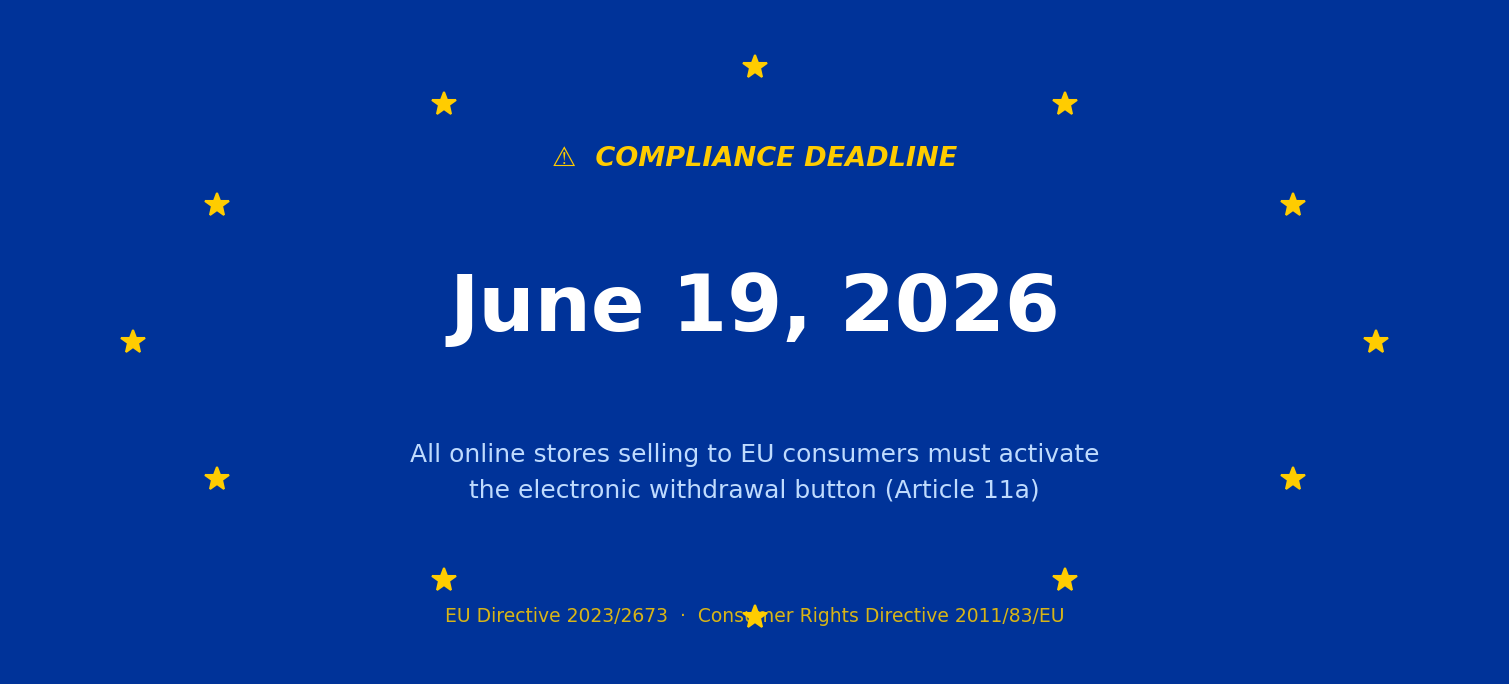
June 19, 2026. That's the date every online seller should have circled.
A new EU rule - EU Directive 2023/2673 - takes effect that day. It requires every online store selling to EU customers to add a clearly visible electronic withdrawal button. Miss the deadline, and your 14-day cooling-off period doesn't stay at 14 days. It extends automatically to 12 months and 14 days. A customer who bought a phone case from you in January could legally cancel in December.
EU consumer law has protected online shoppers with a right of withdrawal since 2014. The new directive doesn't change that underlying right - it changes how customers exercise it. This guide covers what the rule requires, who it applies to, which products are exempt, and what print on demand sellers specifically need to do before the deadline.
What Is the EU Right of Withdrawal?
Under EU consumer protection law, anyone who buys goods, services, or digital content online from an EU-targeted store has the right to cancel within 14 days - for any reason at all. No explanation required. Sellers can't charge a restocking fee. The customer gets their money back.
This 14-day cooling-off period has been in place since 2014 under the EU Consumer Rights Directive (2011/83/EU). If you're already selling to EU customers through Shopify, WooCommerce, Etsy, or any other platform, this rule already applies to you. The 2026 update doesn't create a new right - it changes the mechanics of how customers use it.
The 14-day clock starts the day a customer receives physical goods. For services and digital content, it starts when the contract is concluded. Once a customer exercises the right, you're required to issue a refund within 14 days of receiving the returned goods, or proof that the customer has sent them back.
Here's a detail that trips up many sellers: you must clearly inform customers of this right before they buy. Skip that obligation, and the cooling-off period doesn't expire at 14 days. It automatically extends to 12 months and 14 days from the delivery date. That penalty is baked directly into EU law. For sellers just starting with print on demand, getting this right from day one saves a lot of headaches.
What's New in 2026?
EU Directive 2023/2673 adds Article 11a to the Consumer Rights Directive. The core principle: if a contract can be concluded with a click, it should be reversible with a click.
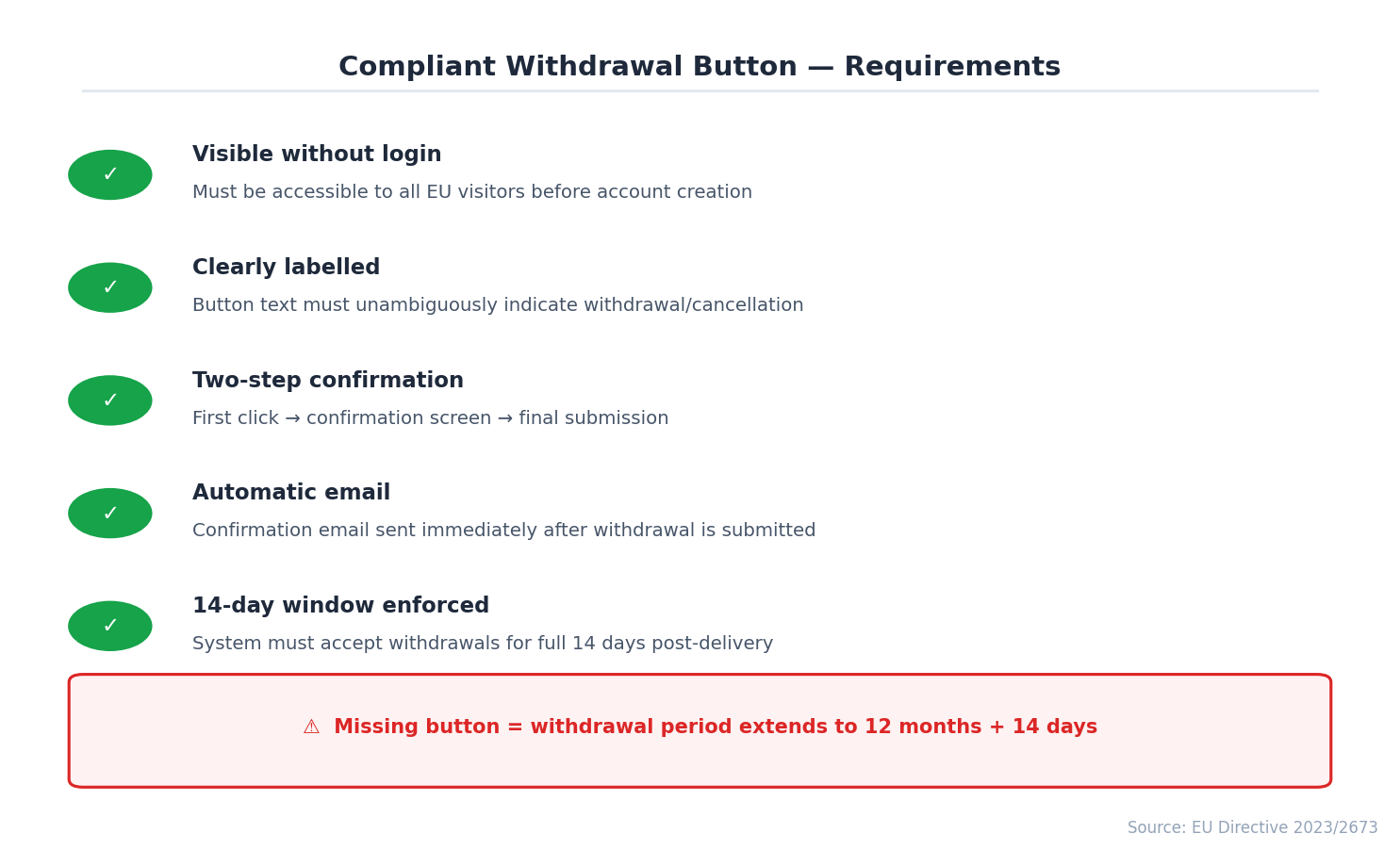
Right now, customers who want to cancel a purchase typically have to send an email, fill out a PDF form, or navigate a contact page. That's changing. From June 19, 2026, every online store must provide:
- A clearly visible withdrawal function (button or link), accessible without customer login;
- A two-step confirmation: the customer enters their name and order details, then confirms the withdrawal;
- An automatic confirmation email sent to the customer immediately on a durable medium.
The label must leave no room for ambiguity. Something like "Withdraw from contract here" works. "Contact us" doesn't. And the button can't be hidden - footer placement is allowed, but an unobtrusive text link explicitly doesn't meet the requirement under the directive's legislative reasoning.
Withdrawal Button vs. Cancellation Button - What's the Difference?
Easy to confuse, important to get right. Germany and some other EU countries already require a cancellation button for subscriptions and ongoing contracts. That is a separate requirement - not the same thing.
The withdrawal button applies to one-off purchases: the customer cancels the contract, returns the goods, and receives a full refund. The cancellation button ends a subscription going forward - no refund of past payments. If your store offers both one-time purchases and subscriptions, you may need both. One doesn't replace the other.
Who Does It Apply To?
Any business selling goods, services, or digital content online to EU consumers. Your company's location doesn't matter.
A Shopify seller based in California. A WooCommerce shop in London. An Etsy store in Canada. If you ship to EU addresses, advertise in EU markets, or accept orders from EU customers - EU consumer law applies to you, and so does the June 2026 button requirement. The directive is explicit: scope is determined by where the consumer is located, not where the business is registered.
Affected platforms include Shopify, WooCommerce, Etsy, Amazon, TikTok Shop, and any standalone storefront that sells to EU buyers.
One exemption: pure B2B businesses selling exclusively to other companies. As soon as individual consumers can purchase from your store, the requirement applies. Small businesses and solo sellers get no size-based exemption. If you're building your first print on demand store and selling to EU markets, our complete beginner's guide to print on demand walks through the essentials of setting up a compliant operation from the start.
Which Products Are Exempt?
The right of withdrawal - and therefore the button requirement - has statutory exemptions. The most relevant for POD sellers:
- Perishable goods - fresh food, plants, similar items with a short shelf life;
- Sealed hygiene and health products that have been opened - cosmetics, pierced earrings, certain medical devices;
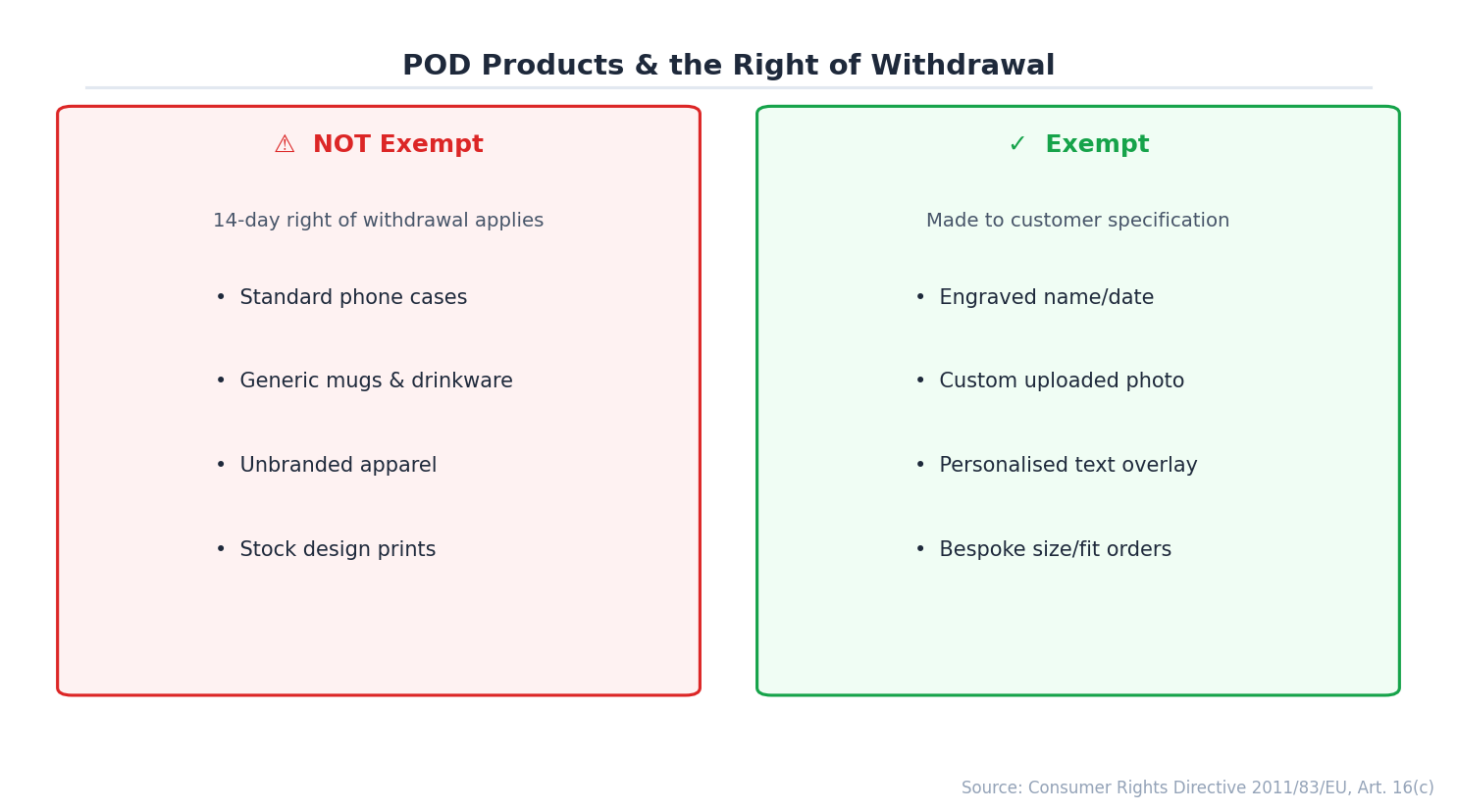
- Custom or personalized items made to the customer's exact specifications;
- Digital content where delivery has begun, and the consumer gave explicit prior consent to forfeit the withdrawal right before the cooling-off period expired.
The customised/personalised exemption is what most POD sellers ask about - and it's narrower than many assume.
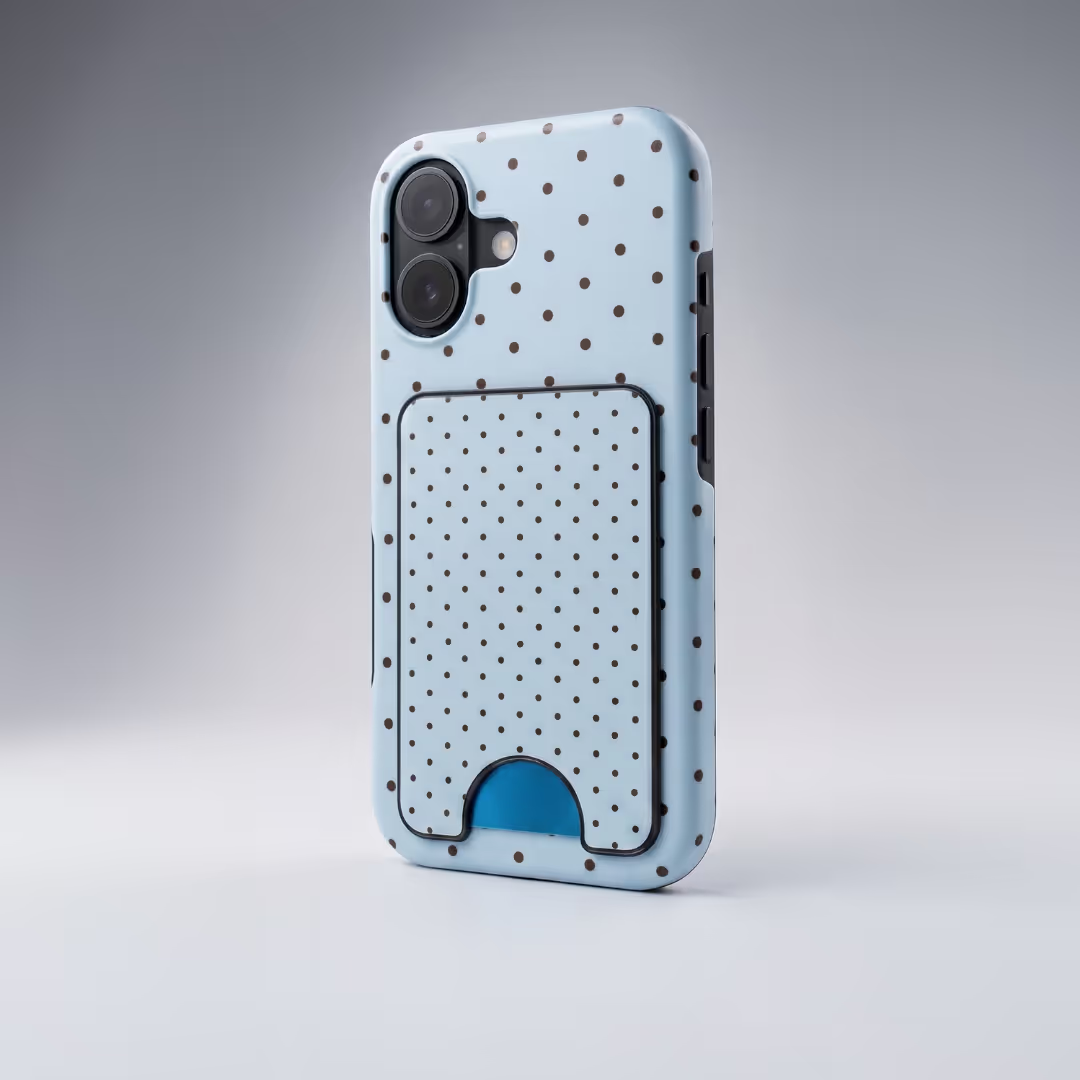
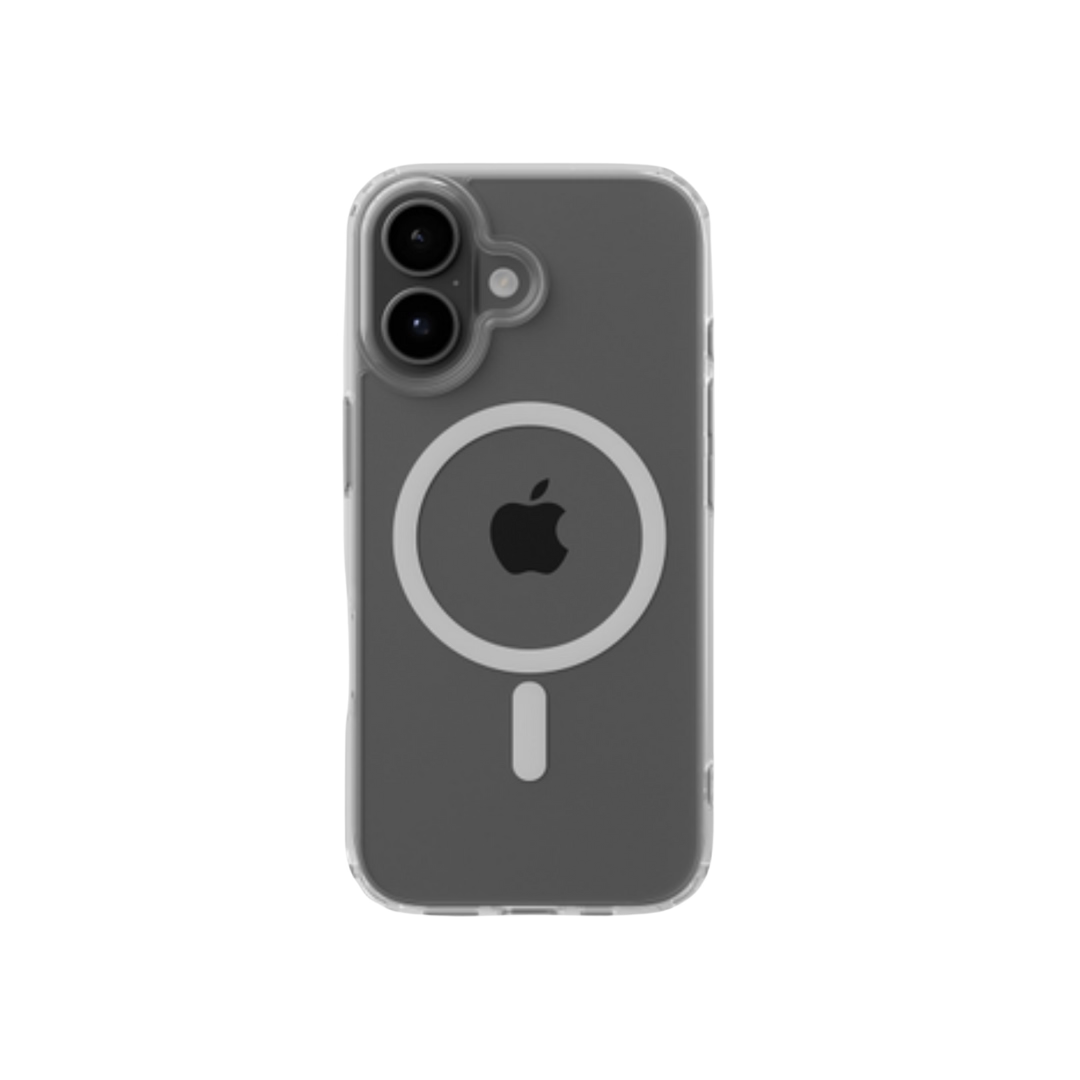
Pro Tip: "Personalized" means manufactured to a specific customer's unique requirements: a mug engraved with their name, a phone case featuring a photo they uploaded. A pre-designed catalog item - even a limited-edition or eye-catching print - is not personalized under EU law. Standard POD products like mugs, phone cases, and unbranded apparel do not qualify for the exemption.
If part of your catalog is genuinely personalized, document this clearly in product descriptions and terms and conditions. Don't apply a blanket return policy that treats personalized and non-personalized products identically - that creates unnecessary legal exposure. When in doubt, a lawyer specializing in EU consumer law is the right call.
What Are the Penalties for Non-Compliance?
Three consequences - and the third is the most financially dangerous.
Legal warnings. Consumer protection bodies and trade associations in Germany, Austria, France, and other EU member states actively monitor compliance with e-commerce withdrawal requirements. Missing or malfunctioning withdrawal rights are among the most common grounds for cease-and-desist notices issued to online sellers in Europe. These don't require a consumer complaint to trigger - competitors and industry watchdogs can and do initiate them.
Fines. In Germany, violations can attract fines up to €50,000. Across the EU, companies with annual turnover above €1.25 million face potential fines of up to 4% of total EU-wide turnover under the Consumer Rights Enforcement framework. Some member states set maximum penalties of up to €2 million, regardless of company size.
Extended withdrawal period. A non-compliant store's 14-day cooling-off period never starts. It defaults to 12 months and 14 days from the delivery date. An order placed in January can be legally canceled the following December. For seasonal products, high-ticket orders, or personalized items you mistakenly assumed were exempt - this is a serious commercial risk.
12 months + 14 days: The automatic withdrawal period that applies to every EU sale from a non-compliant store after June 19, 2026. Source: EU Consumer Rights Directive, as amended by Directive 2023/2673.
What Does This Mean for POD Sellers?
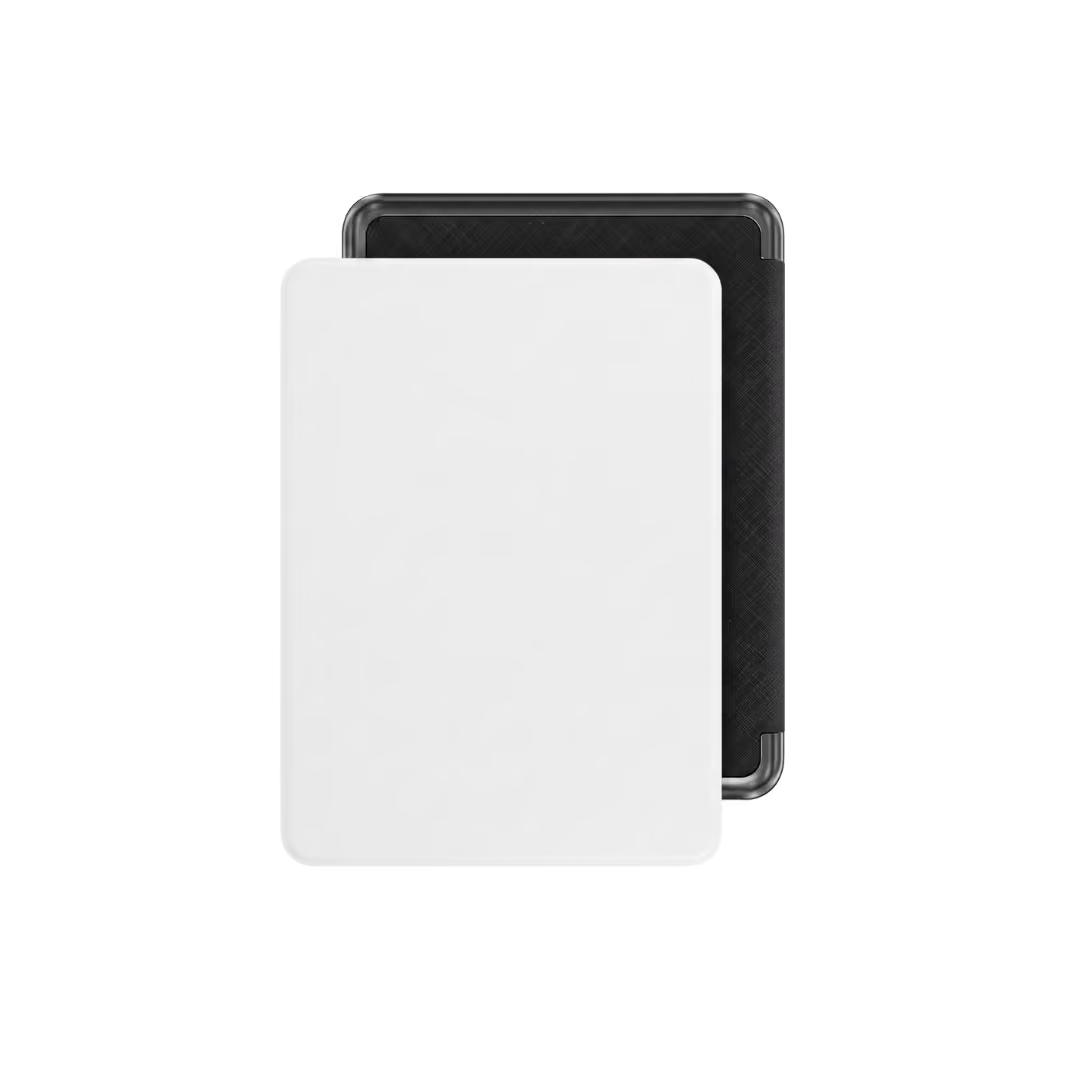
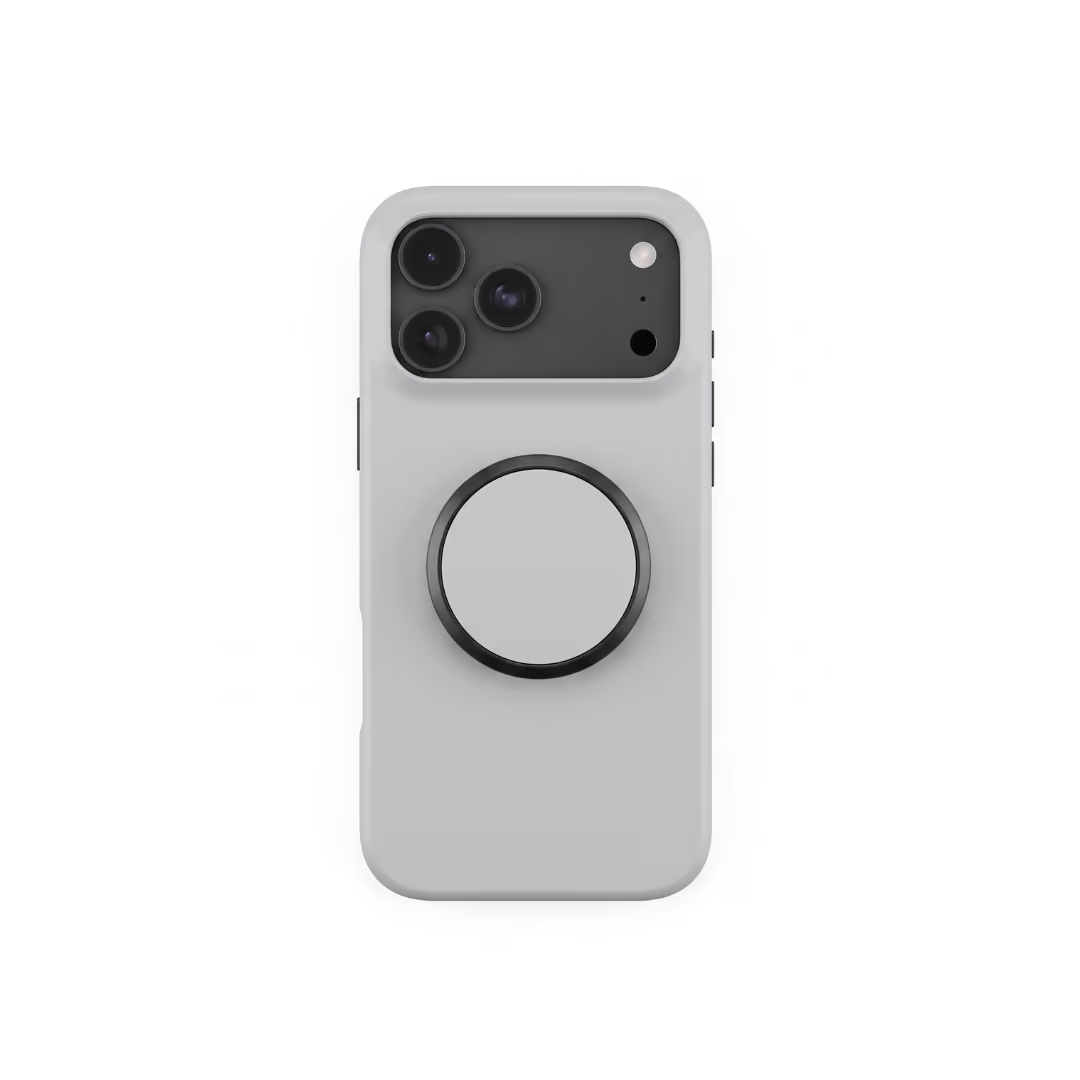
Standard POD products - phone cases, mugs, tote bags, apparel with pre-designed prints - are covered by the withdrawal rule. No exemption applies unless a customer specifically commissioned something built to their unique specifications.
Here's where the compliance conversation gets particularly interesting for POD.
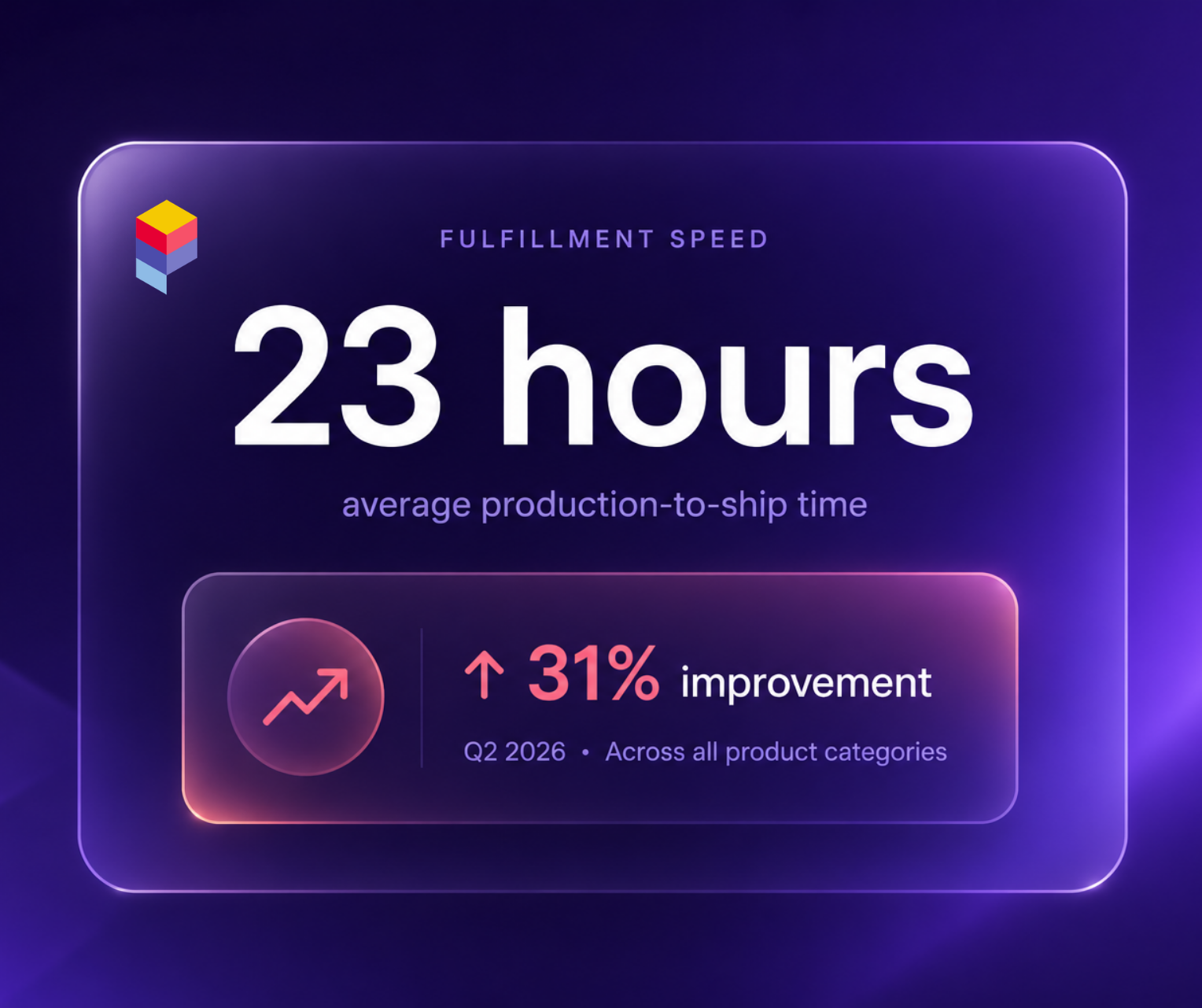
Most compliance guides treat the 14-day withdrawal window as a pure burden. But for POD sellers using fast fulfillment, it's a manageable operational challenge - if you're set up correctly. At Podbase, our average production-to-ship time across all product categories is 23 hours. That's a 31% improvement over the previous six months, according to Ieva, our Manufacturing & Operations Coordinator. By the time most customers consider withdrawing, their order has likely already shipped and arrived.
That's not a loophole. It's a workflow signal. "What sellers should be comparing is not just raw shipping data, but the full timeline from when an order is placed to when it lands at the customer's door - and how many quality checks happen along the way," says Sidas, Podbase's Head of Sales. Fast fulfillment means orders arrive quickly - and that means your returns process needs to match your production pace.
For POD sellers selling to EU customers, compliance means three things:
- Add the withdrawal button before June 19, 2026. Shopify merchants can use the free combination of Shopify Forms + Shopify Flow + Flow Mail, or a dedicated compliance app like Revoq. WooCommerce stores have solid options, including the vendor EU Order Withdrawal Button (free, open source) and Germanized ≥ 4.0 (built-in). Etsy and Amazon sellers should check platform-level compliance tools as marketplace rules evolve.
- Separate your personalized products from your standard catalog. If part of your range is genuinely custom-made to customer specifications, document it clearly in product descriptions and your terms of service. Don't mix personalized and non-personalized products under the same return policy without distinguishing them.
- Build a returns workflow that handles withdrawals quickly. Refunds are due within 14 days of receiving returned goods. Fast production means orders arrive fast - and your post-purchase process needs to be just as tight as your production process.
Once compliance is sorted, there's a lot of business to focus on. See how to use Podbase like a pro to get more out of your store.
Conclusion
June 19, 2026 is a hard deadline with no grace period. Before it hits, there are four things to take care of:
- Confirm whether your products are subject to the right of withdrawal or genuinely exempt under EU law
- Add a compliant withdrawal button - visible, no login required, two-step confirmation with automatic email
- Update your withdrawal policy to reference the new function clearly
- Build a returns workflow that handles requests quickly and documents them properly
The right of withdrawal itself isn't new. EU consumers have had 14 days to cancel online purchases since 2014. What's changing is the mechanism - and the enforcement exposure for stores that don't have it. For sellers already running tight operations, this is a minor adjustment. For sellers who've let policies drift, the June 2026 deadline is the moment to fix it.
Staying compliant doesn't have to slow you down. Podbase gives you fast fulfillment and no inventory risk - connect your store today.

Saulius Meilutis is the CEO of Podbase, helping creators and entrepreneurs monetize their ideas with print-on-demand. He shares insights on eCommerce, growth, and building lean online businesses.

.avif)





.avif)
.avif)
.avif)
.avif)
.avif)
.avif)

.avif)




.avif)

.avif)

.avif)

.avif)

.avif)