In 2026, top influencer marketing trends include using nano influencers, UGC, and AI content generation. You no longer need a huge budget to win with creator marketing today.
This shift helps print-on-demand sellers. For years, they could not compete with big brands. Now you need trust, performance-based deals, and authentic content to drive real sales.
This guide breaks down the top influencer marketing trends in 2026 and how they impact your POD business. You will learn how influencer marketing helps more people find your business. You’ll also learn how to find the right influencers to achieve that.
The Biggest Influencer Marketing Trends in 2026
Influencer marketing’s market size is estimated to be $40.51 billion in 2026. It is projected to reach $152.56 billion by 2031. Clearly, marketers trust it.
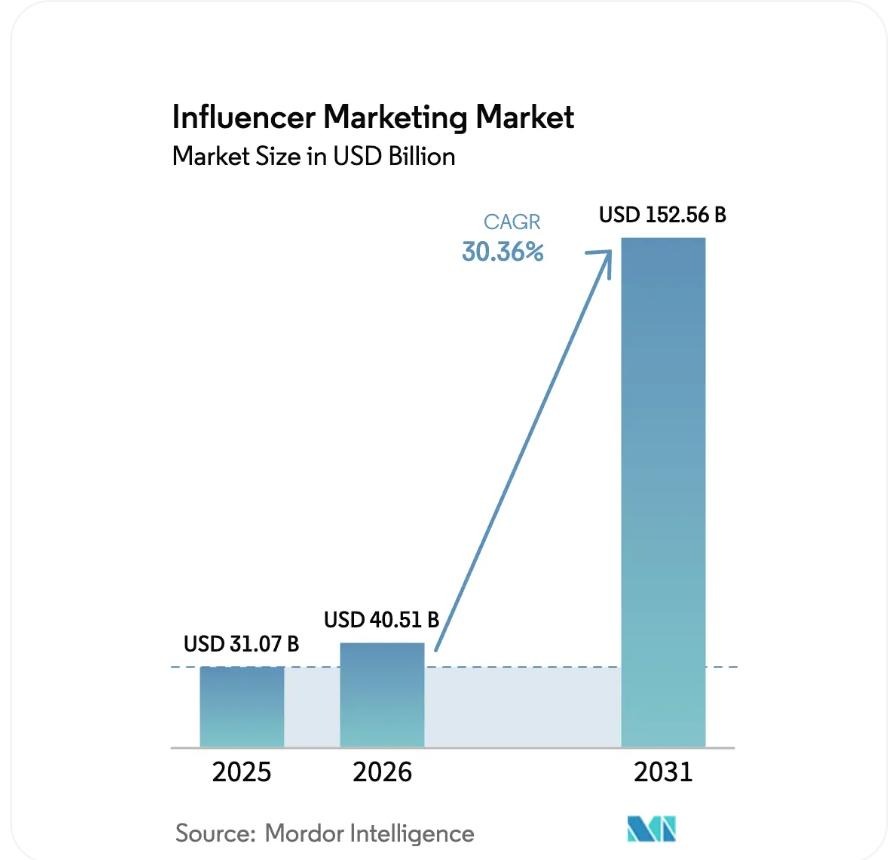
There are several influencer marketing trends driving this growth. Let’s discuss the most important ones.
1. Micro and Nano Influencers Lead Performance
Micro and nano influencers have small but loyal audiences that trust them. That’s one reason why they have better conversion rates. A small creator feels like a friend rather than a celebrity doing a paid promotion.
An Influencer Marketing Hub report says 51% of brands plan to work with more nano influencers.
This is one of the top influencer marketing trends for small POD sellers. It allows them to spend less and yet get good results.
2. Performance-Based Deals are Dominant
Influencer marketing trends now favor affiliate partnerships. Brands pay creators when they generate results, not upfront. The creator gets a unique link or code and only earns when someone buys.
As a POD seller, you have no financial risk.
3. Long-Term Partnerships Replace One-Off Campaigns
Consistency builds trust. One of the emerging influencer marketing trends involves brands committing to long-term partnerships.
Ongoing creator partnerships significantly increase brand recall. When a creator shares your product multiple times, followers start to trust it.
Also Read:
4. UGC is Becoming a Core Asset
User-generated content (UGC) involves using authentic customer images and videos. Using UGC is among the fastest-rising influencer marketing trends. A creator’s video featuring your tote bag may drive more sales than a professional photoshoot.
This creates a UGC flywheel:
- Creators and customers make content
- That content brings new customers
- Those new customers make more content
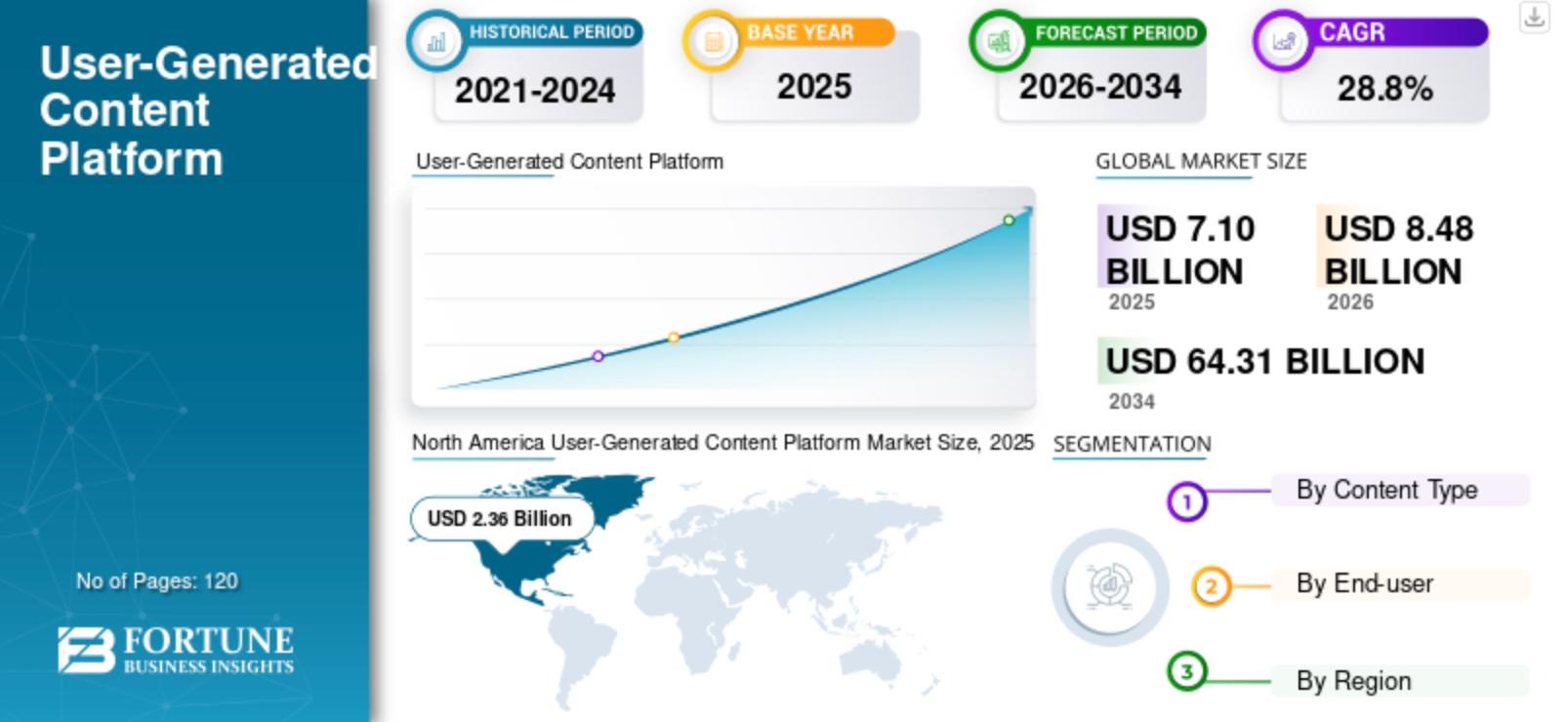
UGC itself is growing with a global market size of $7.1 billion. That’s worth exploring for POD sellers.
5. Creator Commerce and Shoppable Content are Expanding
Creator storefronts like TikTok Shop provide opportunities for turning casual internet users into instant buyers.
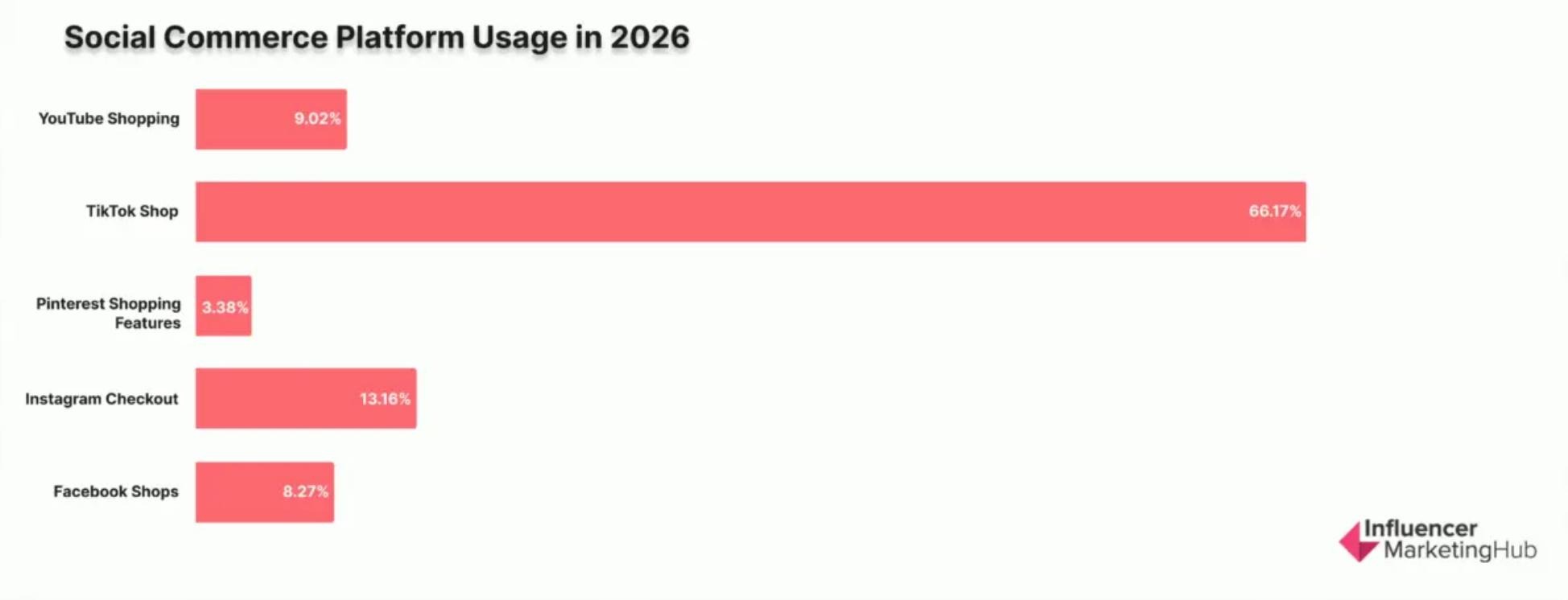
Using creator storefronts is a good influencer marketing strategy for small brands. It allows people to buy without leaving the platform.
Your POD products should be shoppable with one click. So link your product catalog to your TikTok Shop to make buying easier.
6. AI-Assisted Creator Matching and Campaign Management
The use of AI in influencer marketing is among the emerging influencer marketing trends in 2026. It can be used for content creation, campaign performance tracking, and ROI prediction.
AI reduces manual tasks like creating influencer briefs, saving you time. Here is how brands are using AI.
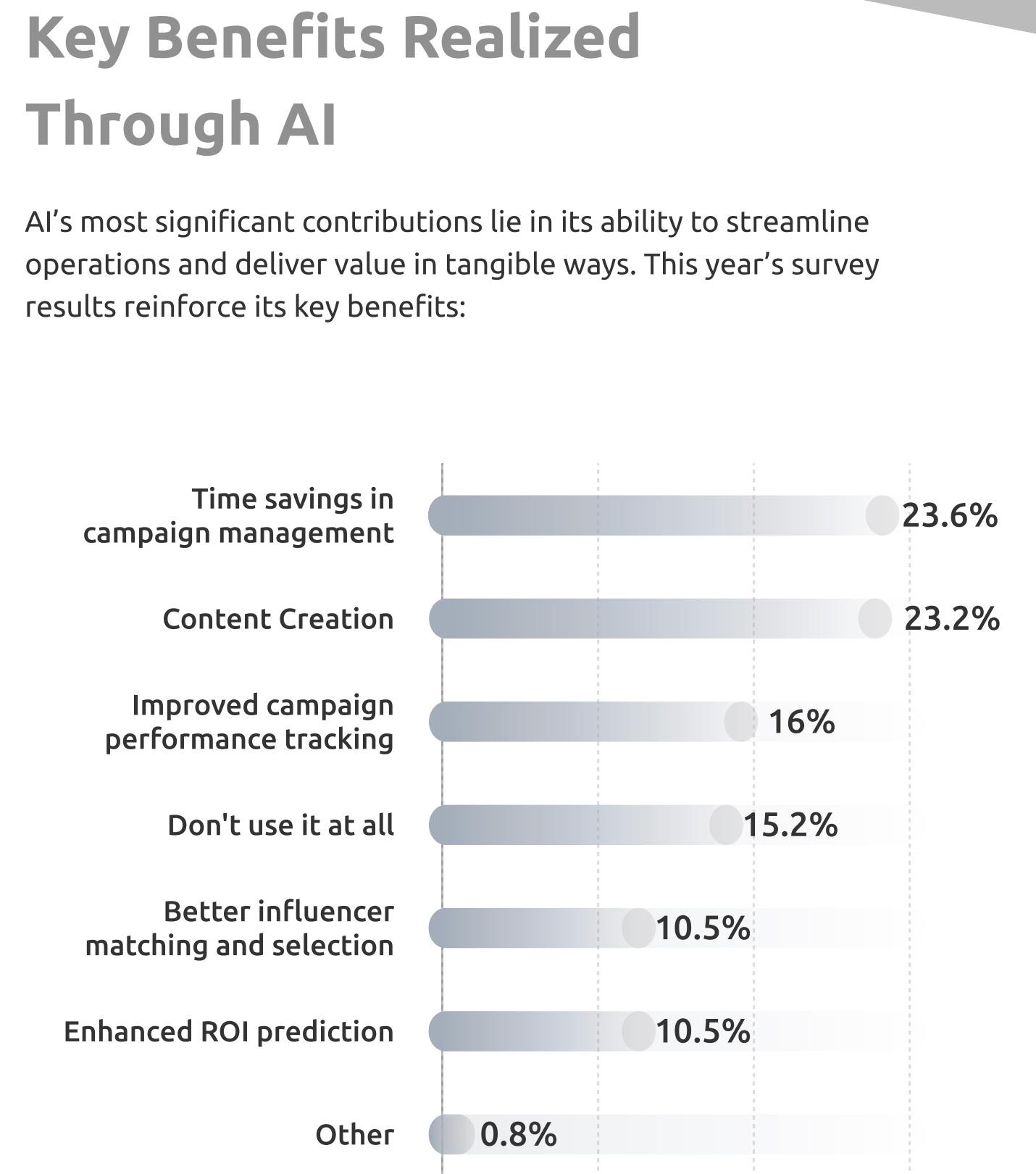
Using AI also helps small brands compete with larger companies. Tools like Modash can do background checks on influencers. This saves you time and money when searching for the right influencer.
7. Credibility Matters More Than Relatability
Audiences now value expertise over personality. A funny content creator with millions of followers may be entertaining. But funny content doesn’t always sell products. People want real info.
Find creators with real authority in your niche. If you sell tech accessories, partnering with a tech influencer builds more trust than working with a general lifestyle creator.
Also Read:
Why Influencer Marketing Is So Accessible for POD Sellers
The following four major shifts have made influencer marketing affordable for print-on-demand businesses in 2026.
- Nano Creators Leveling the Playing Field: Small POD brands can now compete with big brands. A nano-influencer charges $5 to $ 1,000 per post, depending on the platform.
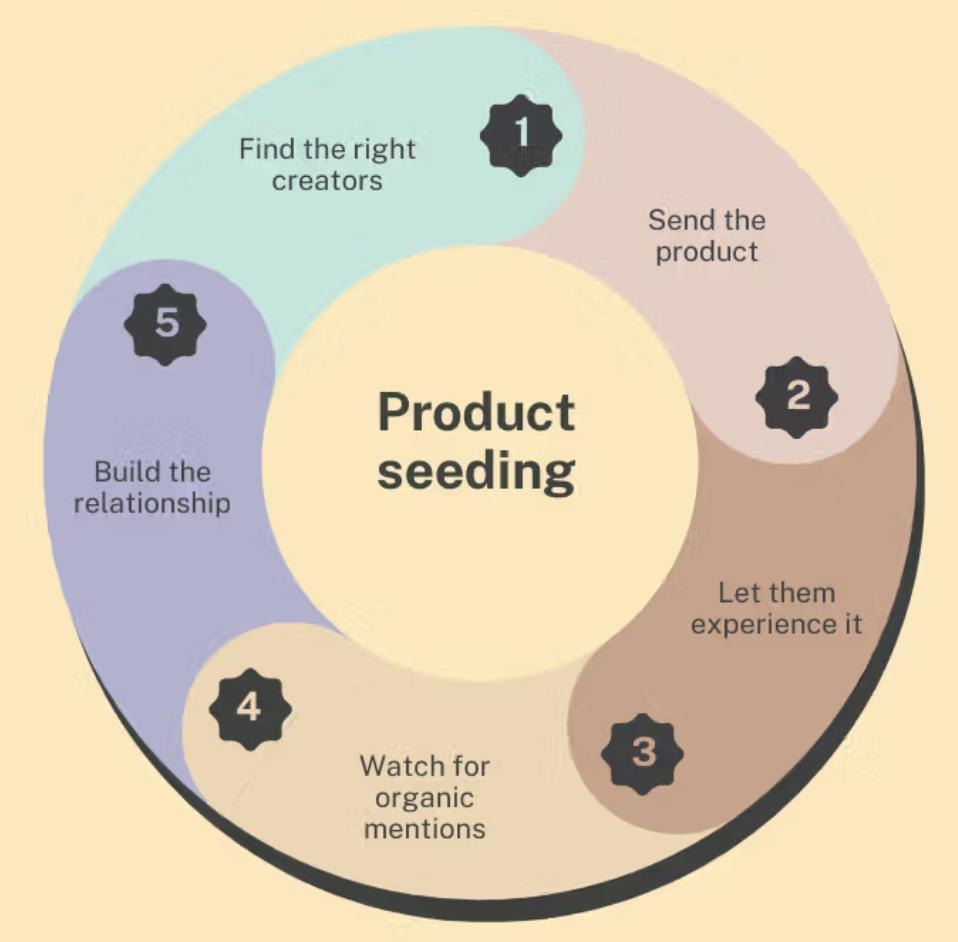
- Product Seeding Costing Less Than Ads: Send free products to influencers. This may give you better reach than paid ads. Seeding lets influencers get to know your product so they can market it better. Here’s how product seeding works.
- Affiliate Deals with Zero Upfront Cost: Commission-only models are becoming popular because they protect your cash flow. You can set up affiliate programs through platforms like Shopify and pay only when a sale happens.
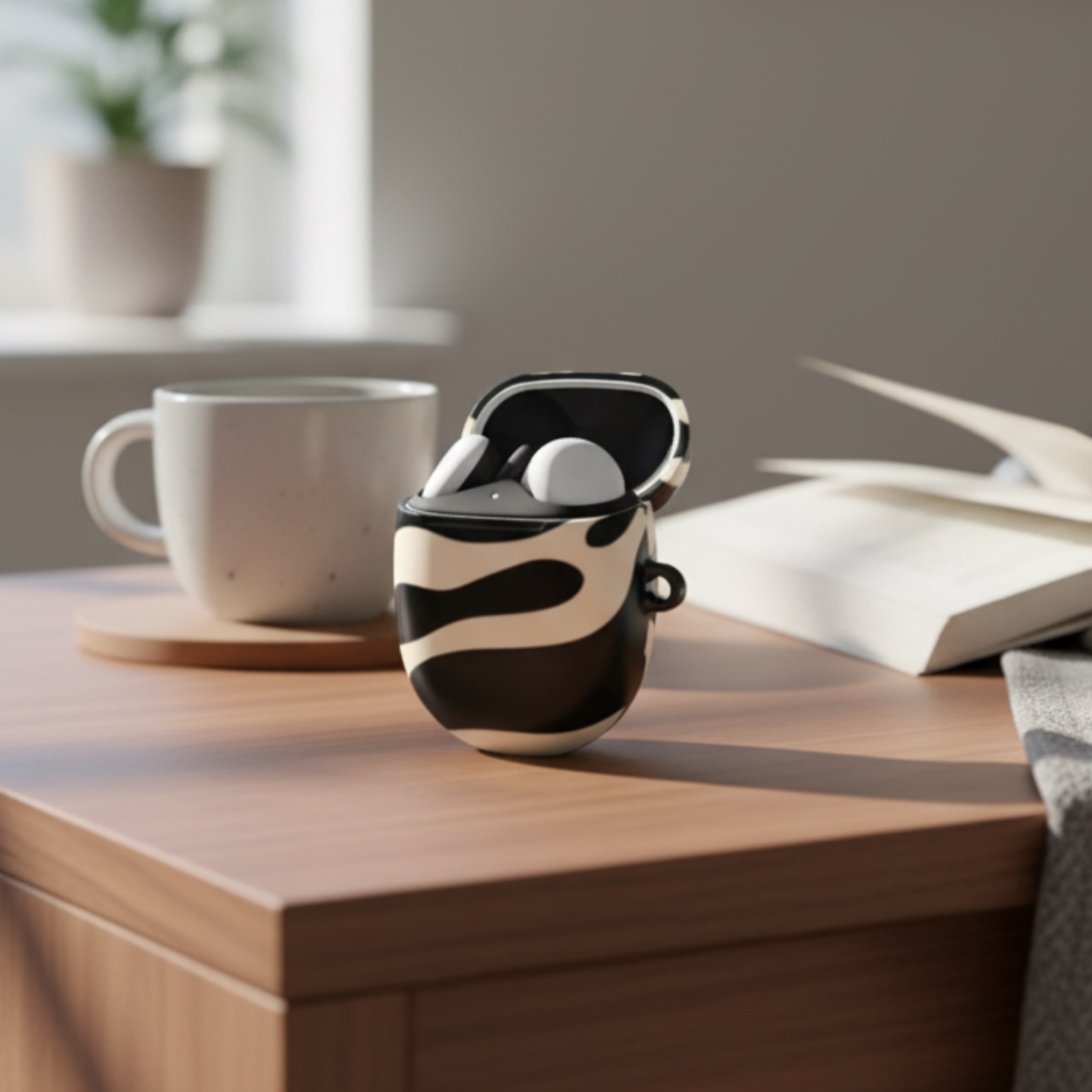
- POD Products are Ideal Influencer Content: Print-on-demand items, such as custom mugs, are visual, gift-worthy, and niche-specific. They’re ideal influencer content because creators love showing them, and the audience responds emotionally.
How to Find the Right Influencers for Your POD Store
Now that you know the latest influencer marketing trends, you need to implement them. For that, you must find the right creators. Here’s how you can do that.
1. Define Your Audience
Know who you want to reach before you look for an influencer. If you sell yoga pants, target fitness enthusiasts. If you sell dad-joke mugs, your audience will be men with children.
Define the audience first, then find who they already follow.
2. Find Social Media Hashtags
Content creators make their money through social media platforms. Search for niche hashtags to find relevant influencers. The ones in your niche would likely use those hashtags. It’s a simple way to find influencers who might be right for you.
3. Use Creator Discovery Tools
There are several tools you can use to find influencers. Some examples include Modash, Creator.co, and TikTok Creator Marketplace.
Some tools check engagement. Others detect fake followers. According to Influencer Marketing Hub, the latter is one of the most common issues.
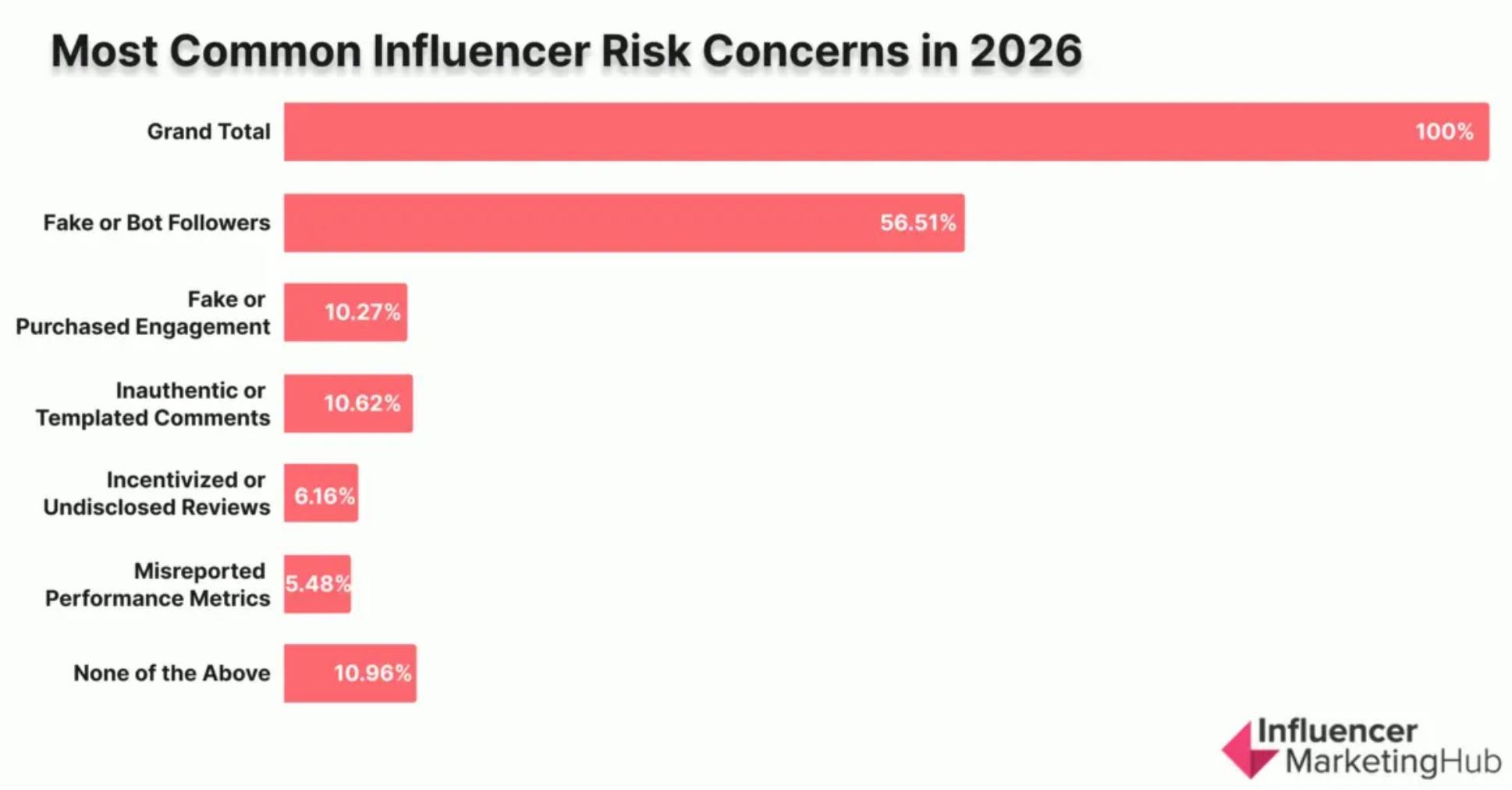
4. Evaluate Creators Carefully
A recurring theme for most influencer marketing trends is that having a large follower list doesn’t always drive better results.
Evaluate creators to ensure they add value to your POD brand. Check their engagement rates and the originality of their interactions with their audiences.
Also Read:
How to Reach Out to Influencers (and What to Offer)
To make the most of the 2026 influencer marketing trends, you need a good outreach message. It should convince a creator to work with your brand. So make it personal, clear, and valuable. Here’s how you can get a positive response.
Product Gifting Outreach
Send a direct message that shows you actually know their content. Mention a specific video they made and explain why your product fits their audience.
Next, offer a free product with no strings attached. Ask them to only post about it if they genuinely like it. This reduces the pressure and gives them time to use the product.
Affiliate Deals
You can offer 10%-20% commission on the first few sales. It can motivate an influencer to come on board. Consider offering a unique discount code for their followers.
For example, one where the creator gets 20% of every sale, and their followers save 10%.
Set up automatic payments via an affiliate app or platform. This way, influencers get paid on time. This builds trust and opens the door for long-term partnerships.
Co-Creation Invitations
Invite creators to suggest a product design before you start promoting your POD business. Ask them what they wish existed in your niche. Then, create that or something similar with their help.
You can give them 30% commission for every sale to grant them ownership. This gives the creator a reason to continue promoting because they helped make it.
Create a Collaboration Brief
Create a brief that outlines your goals and the campaign duration. Include product photos, key selling points, and your brand voice guidelines.
Provide all the required disclosures for ads and sponsored content. Clearly mention the creative freedoms they're allowed to exercise and what they shouldn’t include.
Measuring the Success of Influencer Campaigns
To improve social media advertising, measure what worked and what failed. Here are the influencer marketing 2026 metrics you need to track:
- Referral traffic from unique links that show immediate interest
- Promo code redemptions that tell you exactly how many sales each creator drives
- Affiliate link clicks, which show how many people considered buying
- Follower growth from creator mentions
- Engagement on reposted UGC that tells you which content actually performs
You should also track short- and long-term ROI. Short-term ROI comes from direct sales in the first 7 days, which pay for the campaign. Long-term ROI comes from customers who buy again within 90 days.
Finally, at the end of the campaign, decide whether to continue or end the partnership. You can achieve this by:
- Keeping any creator who brings in more money than they cost within 60 days
- Ending your collaboration with creators who cost more than they earn
- Giving new creators at least 3 months to prove themselves
Additionally, keep asking your best creators for feedback because they know their audience better. Their suggestions may become your next micro-influencer marketing for POD.
Also Read:
FAQ
1. How do I find influencers for my print-on-demand store?
Use Modash or TikTok Creator Marketplace. Search your niche keyword. Filter by follower count between 1,000 and 50,000. Check the ones with high engagement rates, then send outreach messages.
2. How much does influencer marketing cost for small brands?
Nano influencers cost $5 to $1000 per post, depending on the platform. Product seeding costs vary by the type of product. Affiliate programs cost nothing to start.
3. What is a micro-influencer, and why are they better for POD?
A micro-influencer has 10,000 to 100,000 followers. They get higher engagement than bigger accounts because their audience trusts them like a friend. For POD sellers, one micro-influencer gives you the organic reach you need to move products.
4. Should I pay influencers or offer free products?
Start by sending free products to smaller creators. Once you start seeing results, you can shift to paid partnerships. You can also offer affiliate commissions. These encourage influencers to do their best to drive results.
5. How do I measure the ROI of influencer marketing?
Use promo codes and affiliate links to track sales from each creator. Compare revenue to total campaign cost to measure ROI.
6. What types of POD products work best for influencer campaigns?
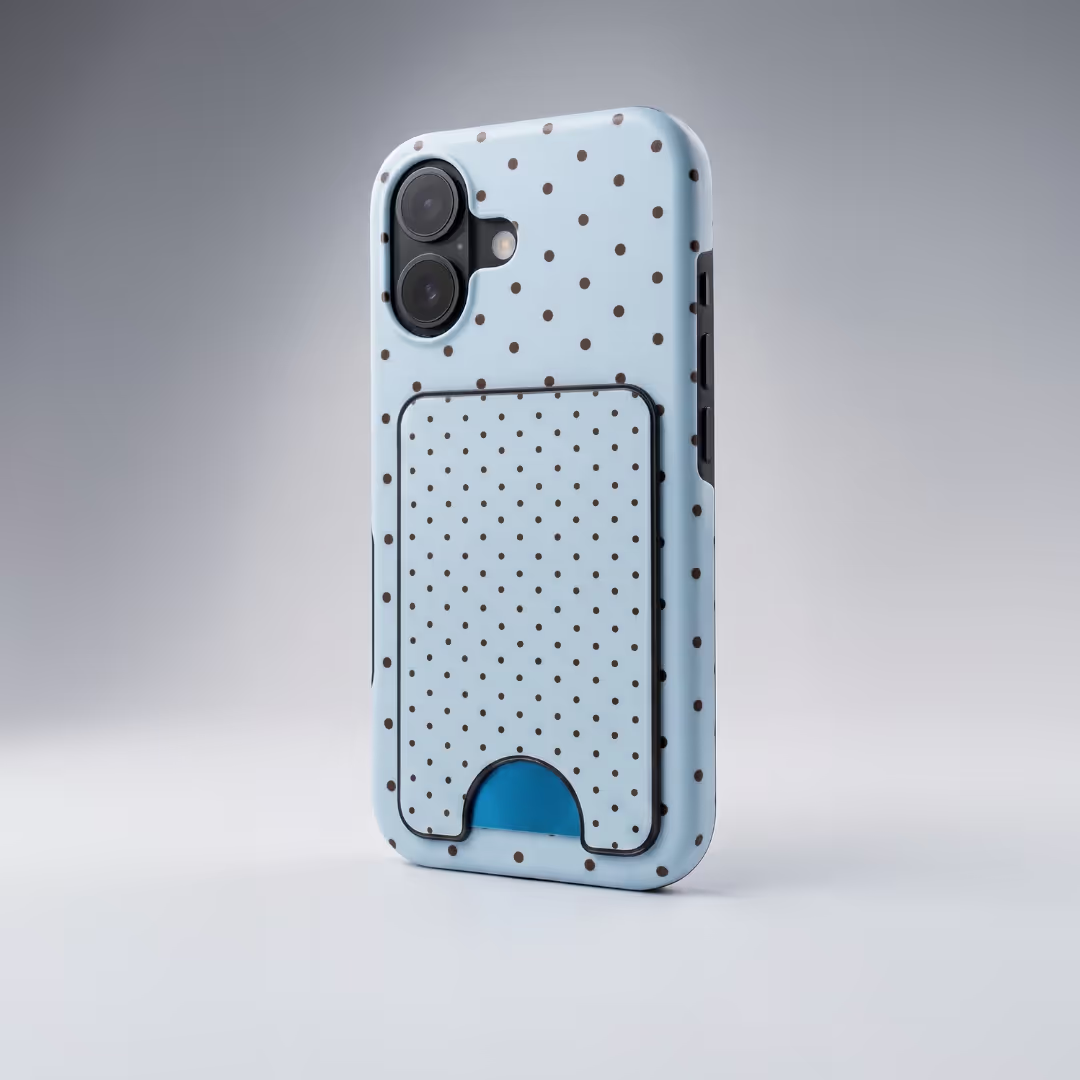
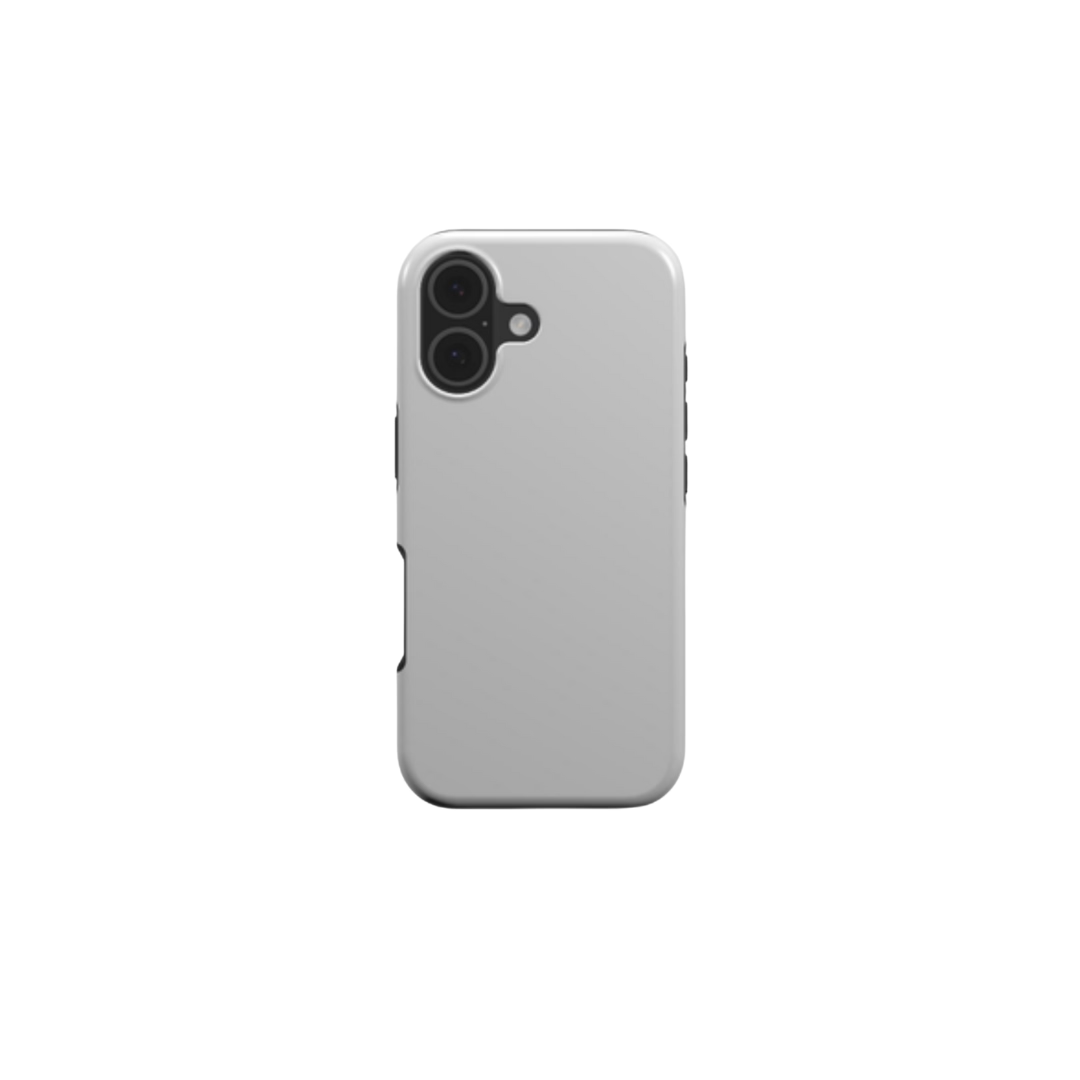
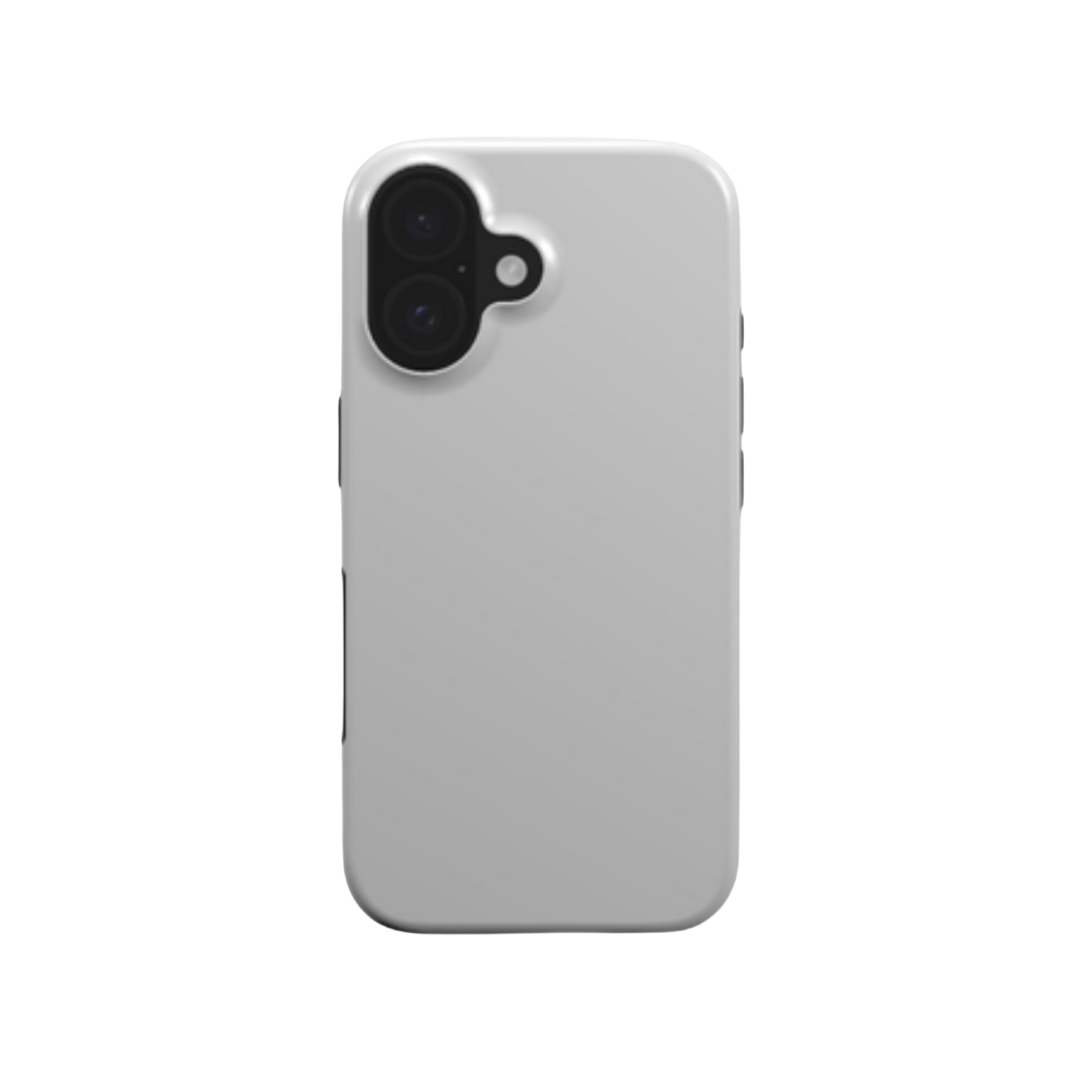
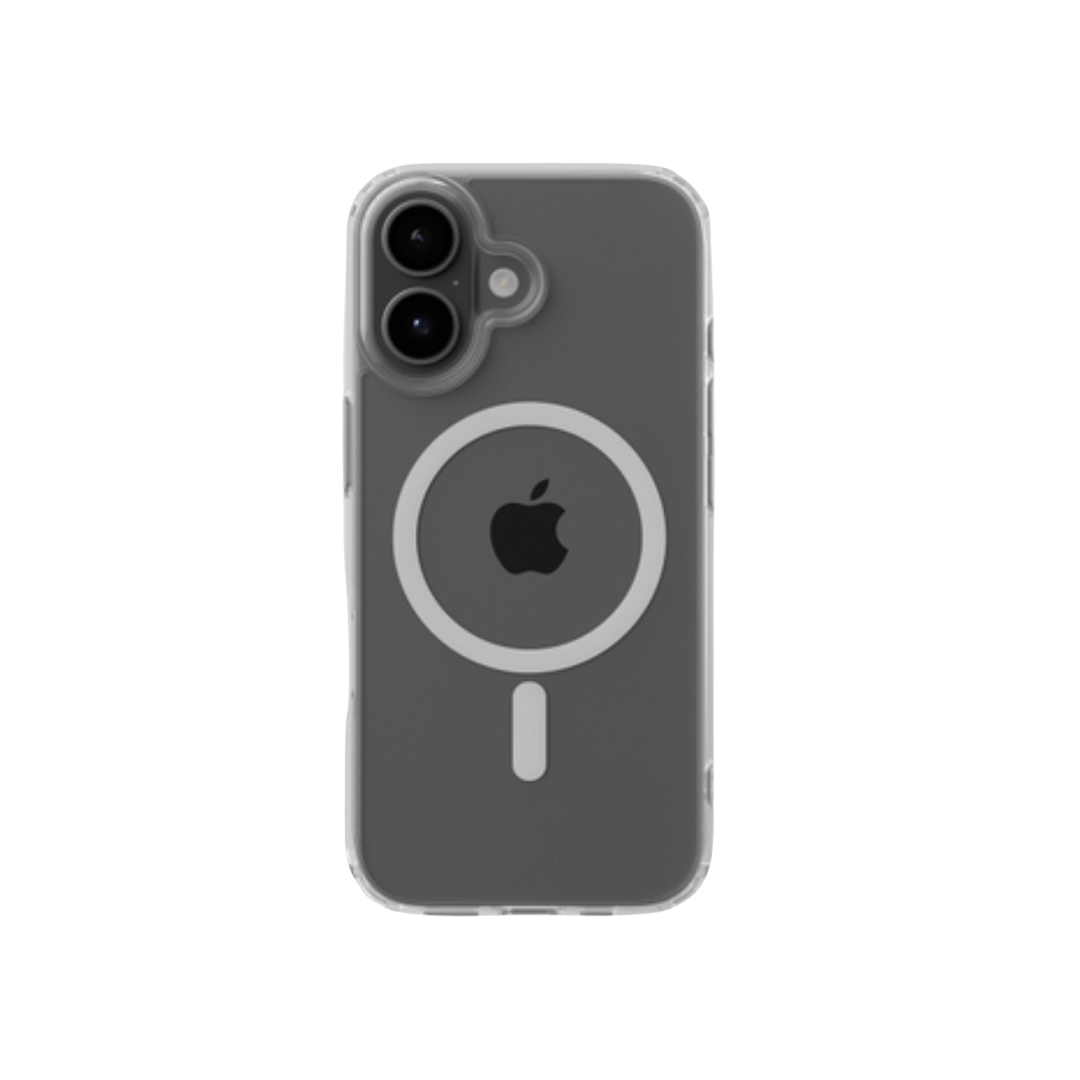
Visual, funny, or niche-specific items work best. Phone cases, tote bags, coffee mugs, and hoodies all perform well. Avoid plain items with no design. After all, creators cannot make exciting content from boring products.
Conclusion
Today’s influencer marketing trends make one thing clear: creators want to promote products they believe in. That starts with offering high-quality products, and Podbase makes that easy.
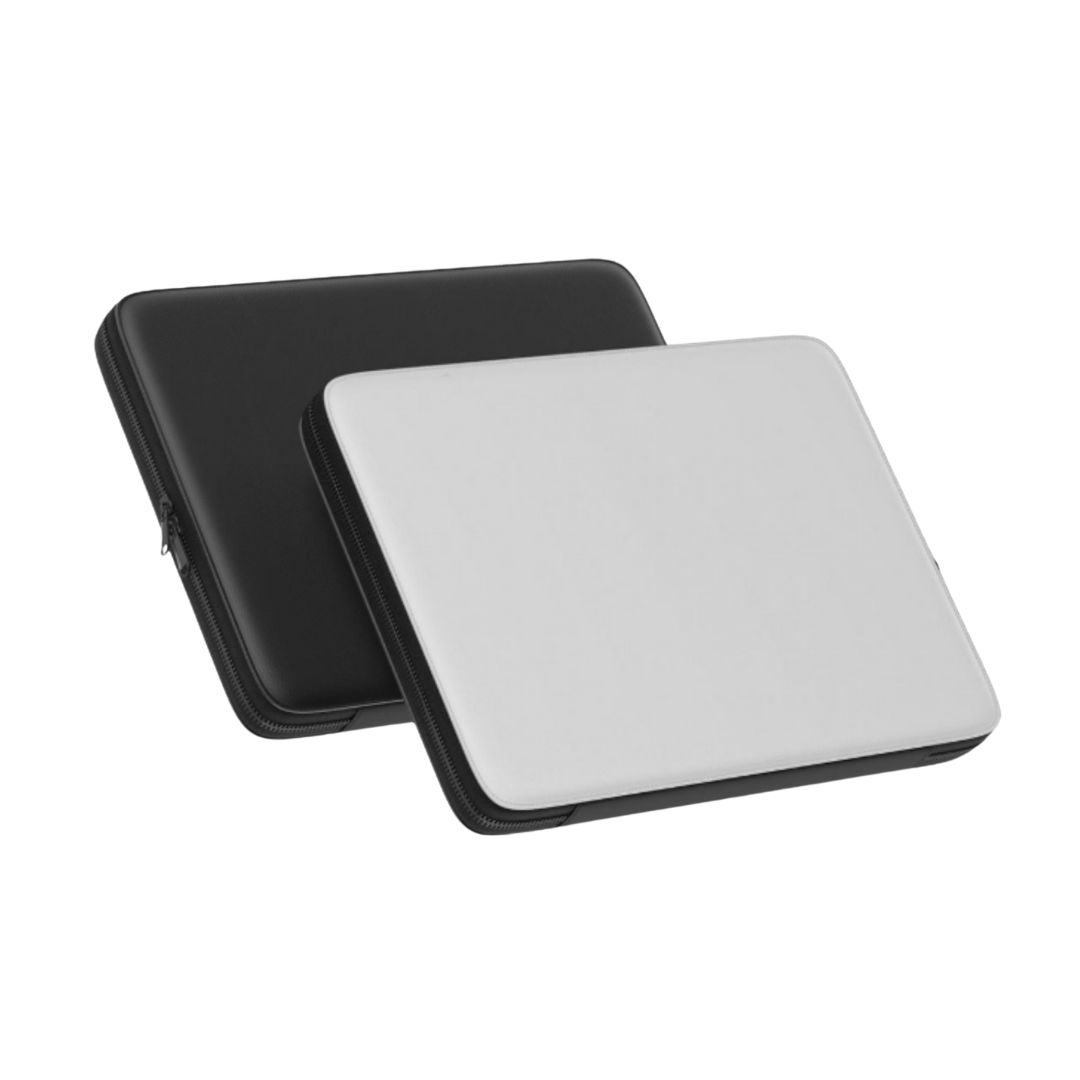
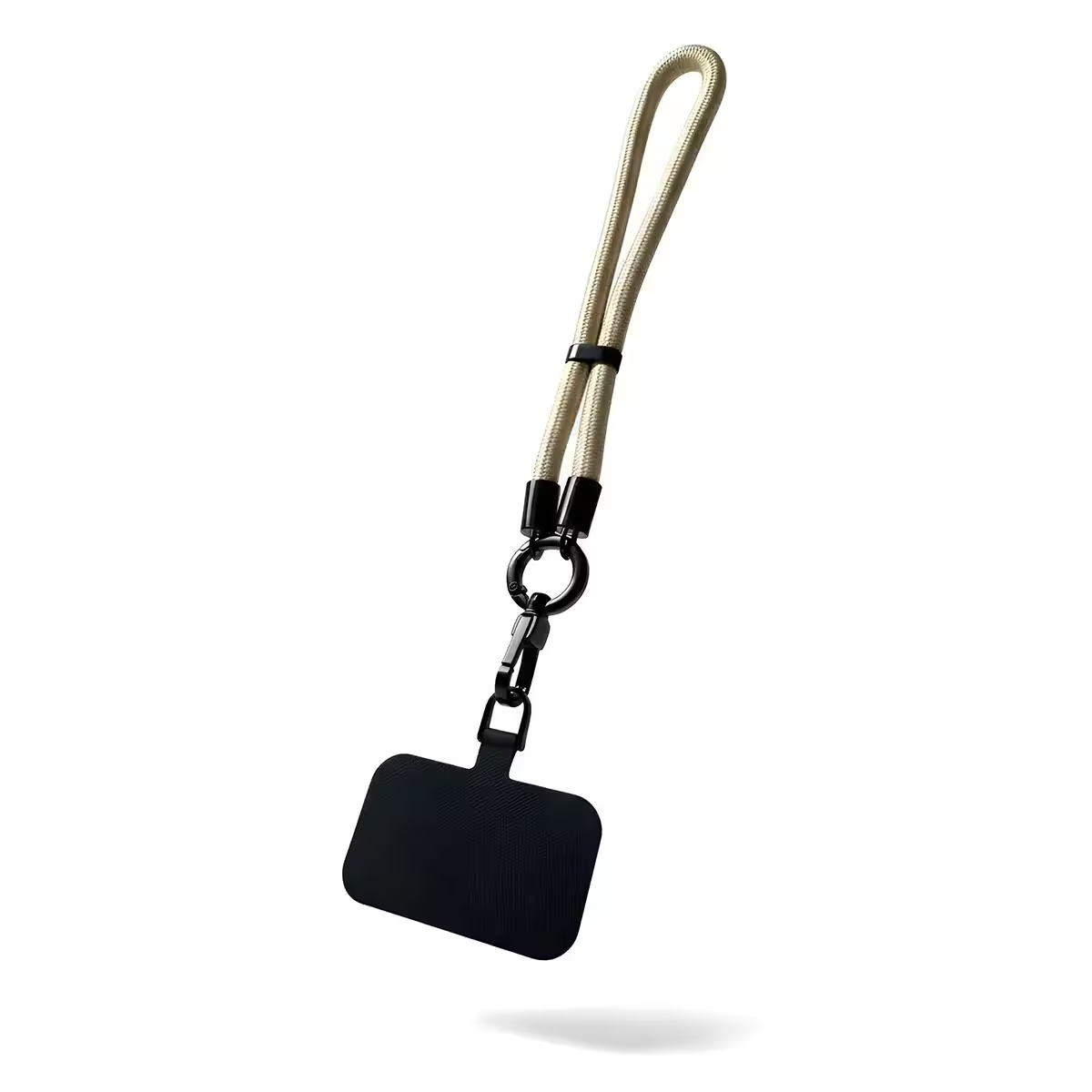
You can create print-on-demand mugs, t-shirts, phone cases, and more. The best part is that you don’t need to keep any stock. Podbase handles the storage, printing, and shipping for you. You just focus on designing and marketing products.
Now you know how to use influencers for your POD store. Start with high-quality products from Podbase that creators will be proud to share.

Saulius Meilutis is the CEO of Podbase, helping creators and entrepreneurs monetize their ideas with print-on-demand. He shares insights on eCommerce, growth, and building lean online businesses.

.avif)



.avif)
.avif)
.avif)
.avif)
.avif)
.avif)

.avif)


.avif)
.avif)

.avif)

.avif)
.avif)