Sublimation printing is a method that uses heat to turn ink into a gas that bonds into polyester and polymer-coated surfaces, creating bright, durable designs that won't crack, peel, or fade - making it one of the top print-on-demand methods in 2026.
You can sublimate shirts, mugs, phone cases, and much more, and the colors stay sharp even after many washes. Thanks to better, cheaper tools, you can launch a small setup for under $1,000 - or skip the equipment entirely and let a supplier print for you.
In this guide you will learn how sublimation printing works step by step, which materials it suits, how it compares with DTF, DTG, and screen printing, and how to start a profitable business - with internal Podbase production data so you get the real picture, not the brochure version.
What Is Sublimation Printing?
Sublimation printing uses heat to move dye onto a material, with the ink changing from solid straight to gas without becoming liquid first. That phase change is called sublimation, which is where the method gets its name. Here is how it differs from regular heat transfer:
- Standard heat transferssit on top of the fabric like a sticker.
- Sublimation inkbecomes part of the material itself.
- The gaspenetrates the fibers and forms a lasting bond.
This is exactly how Podbase Operations lead Ieva describes our own process: “sublimation is where the ink turns to gas and becomes part of the material.” Because of that bond, sublimation only works on 100% polyester fabrics or polymer-coated items - cotton and other natural fibers do not hold the ink, since you need synthetic surfaces that open up when heated.

Why It Matters in 2026
So why is sublimation printing so popular? Mainly quality: the colors are bright, the details are sharp, and the prints stay smooth - and unlike vinyl transfers, sublimated prints don't crack, peel, or fade. It is also more efficient than screen printing because you print only what is ordered, with no big batches or wasted stock.
That print-only-what-sells model is the whole point of POD. As Podbase Head of Product Development Justina notes, “POD significantly reduces the risk of overstocking the same items” - so creators can test new designs without gambling on inventory. The market backs it up: the global print-on-demand sector is growing at roughly 25.3% a year (see Podbase's verified POD statistics).
How Does Sublimation Printing Work (Step-by-Step)
Knowing how the sublimation process works helps you avoid mistakes and get better results. Here it is in five simple steps.
Step 1: Create Your Designs - design your artwork in a graphics program using CMYK colors, then flip (mirror) it before printing so it appears correctly on the product. Ieva is blunt about why this matters: “the most accurate results are achieved when designs are submitted in high resolution and in the CMYK color space.”
Step 2: Print with Sublimation Ink - load sublimation paper into your printer, use real sublimation ink that turns to gas under heat, and print your flipped design onto the paper.
Step 3: Position the Design - place the printed paper face down on your blank item, align it carefully, and secure it with heat-resistant tape.
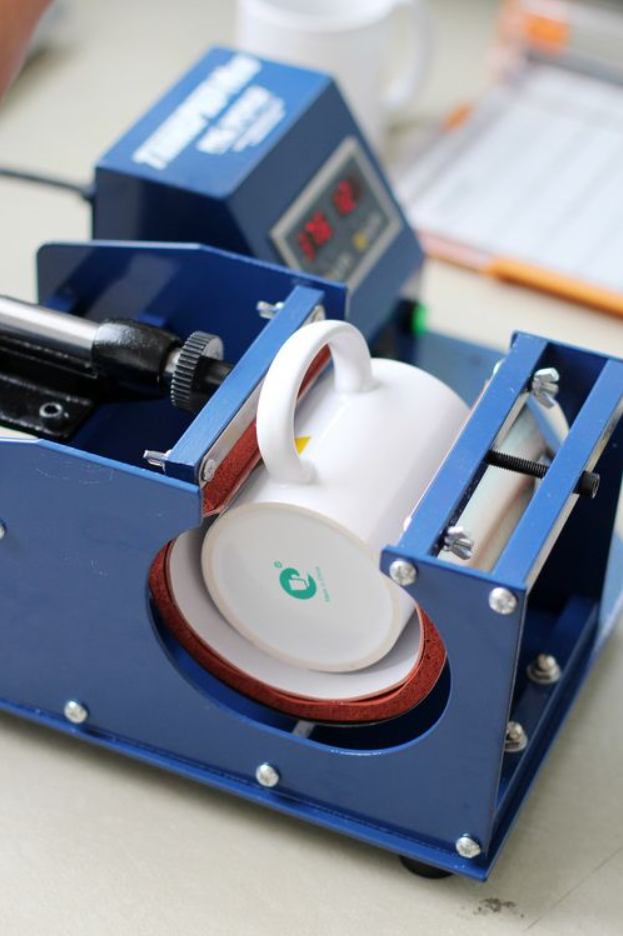
Step 4: Add Heat and Pressure - set your heat press to 375-400°F and press for 30-60 seconds with even pressure. Always check the blank's instructions for the best settings.
Step 5: Transfer and Cool - the heat turns the ink to gas, which bonds with the polyester fibers for a print that won't peel or fade. Let the item cool for a minute, then remove the paper to reveal the design.
Equipment You'll Need
To start sublimation printing yourself, you need a few key tools:
- Printer- an Epson SureColor F170 or Sawgrass SG1000 works well for beginners.

- Ink and paper- trusted brands like A-Sub or TexPrint give better results.
- Heat press- a flat, mug, or tumbler press depending on your products.
- Blanks- polyester shirts, coated mugs, or special sublimation surfaces.
- Heat-resistant tape- keeps designs in place during pressing.
- Protective sheets- Teflon or parchment sheets prevent ink bleed.
Here is the contrarian truth most sublimation guides skip: buying that machine is the slowest, riskiest way for most POD sellers to start. If the equipment feels costly, Podbase can handle product printing and shipping for you - you focus on designs while we manage production, with no equipment, no learning curve, and professional quality control on every order. That is also why onboarding a new POD project with us now takes under a month instead of the three it used to.

Also Read:
- Digital Printing Guide | Methods, Benefits, and Uses
- Best Print-on-Demand Companies & Sites
- What Is UV Printing? The Complete Guide for Print On Demand
What Materials Can You Sublimate On?
Picking the right material is key to great sublimation results, because the ink needs synthetic fibers to bond. Not every surface works.
Material Compatibility
Sublimation printing works best on polyester fabrics and polymer-coated items. For good results, use:
- 100% polyester fabricslike jerseys, leggings, and workout shirts.
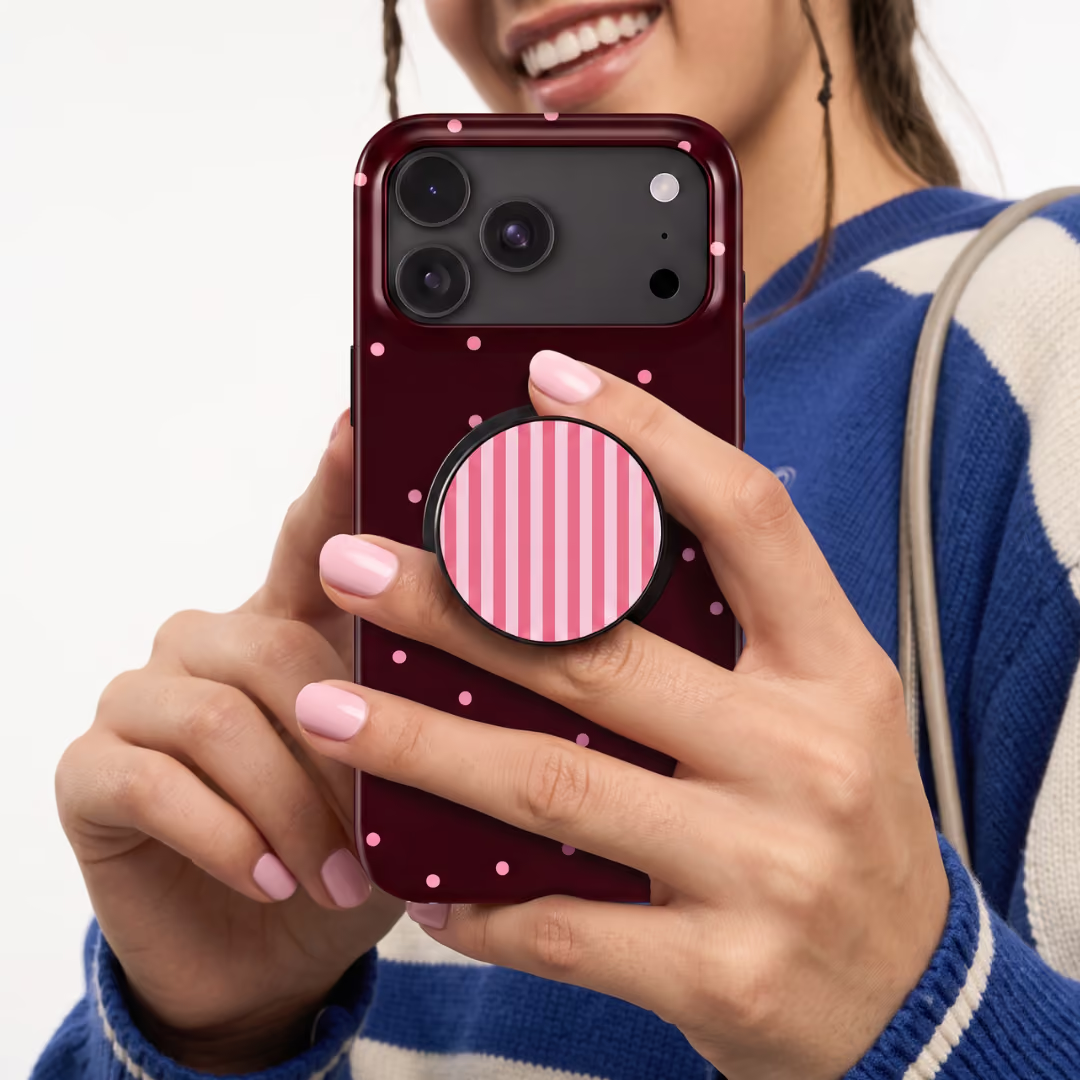
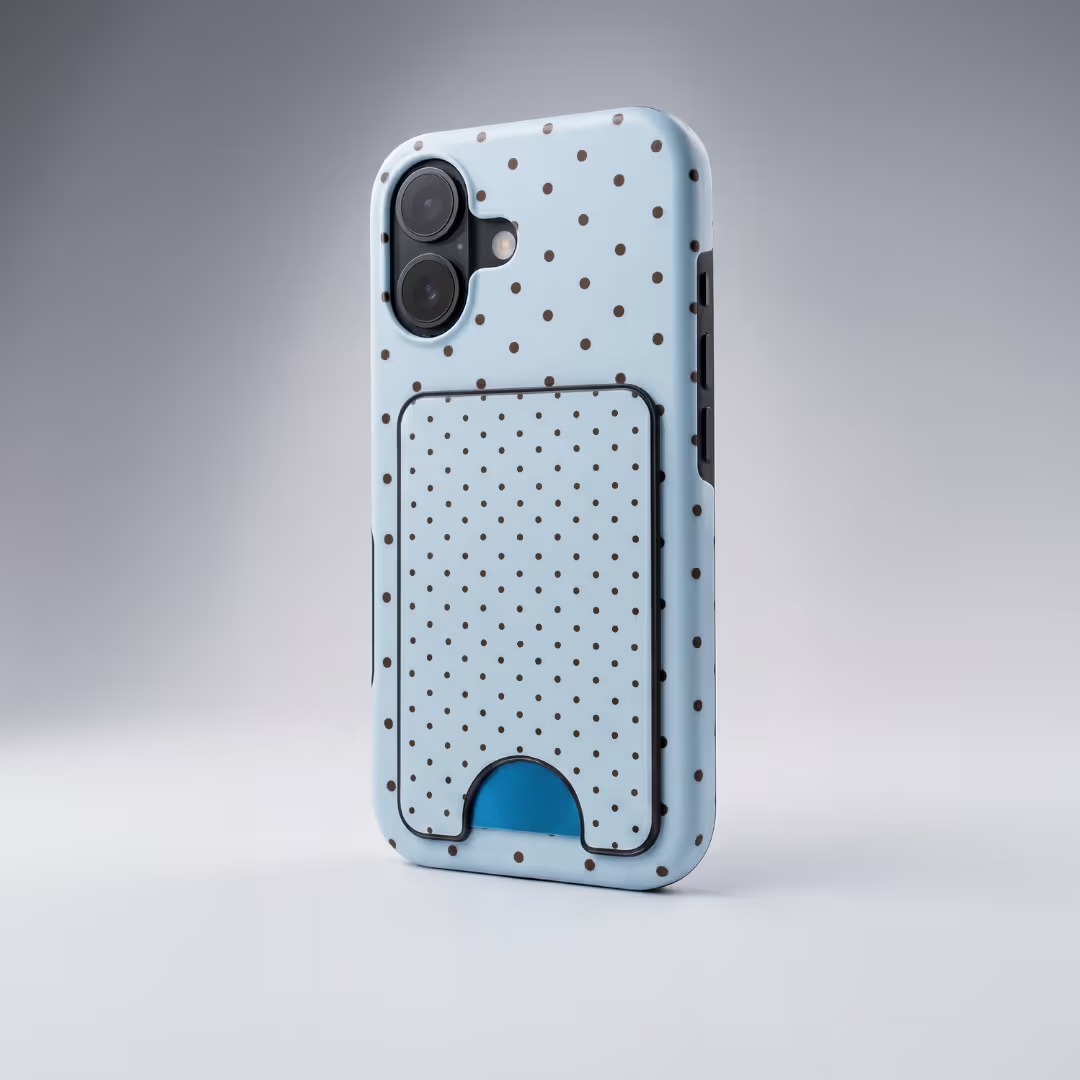
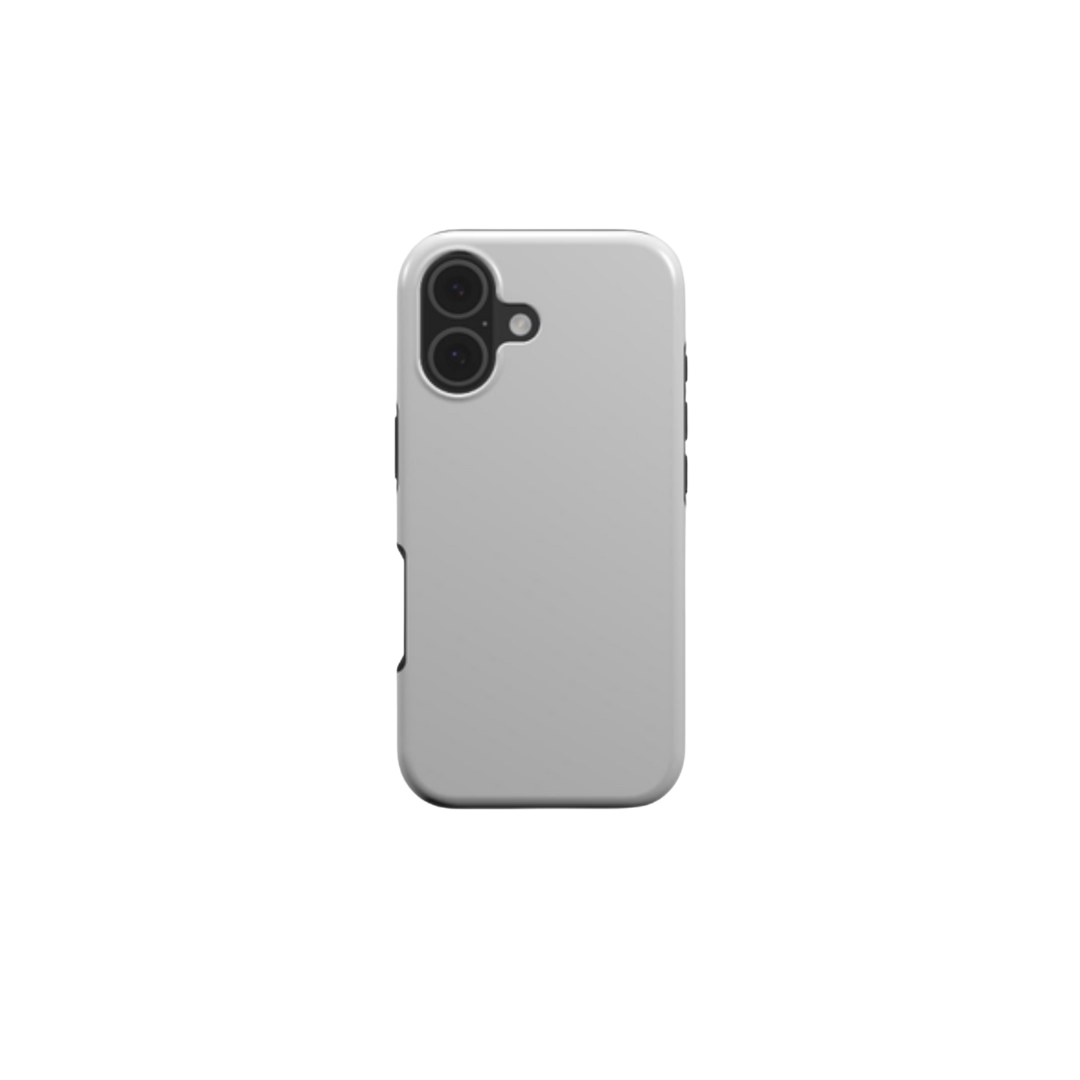
- Polymer-coated itemssuch as mugs, phone cases, and metal panels.
- Polyester blendswith at least 65% polyester content.
Can you sublimate on cotton? Not really - pure cotton doesn't bond with sublimation ink. Some treated cotton fabrics use a polymer spray, but the colors look lighter, and blends with 50% polyester or more show the design, just less vividly than pure polyester. The table below summarizes what works and the typical heat settings.
Bestselling Sublimation Products in 2026
Some products consistently sell well for print-on-demand creators:
- Apparel- polyester shirts, tank tops, and leggings remain bestsellers.
- Drinkware - mugs and tumblers bring high profits and steady demand.
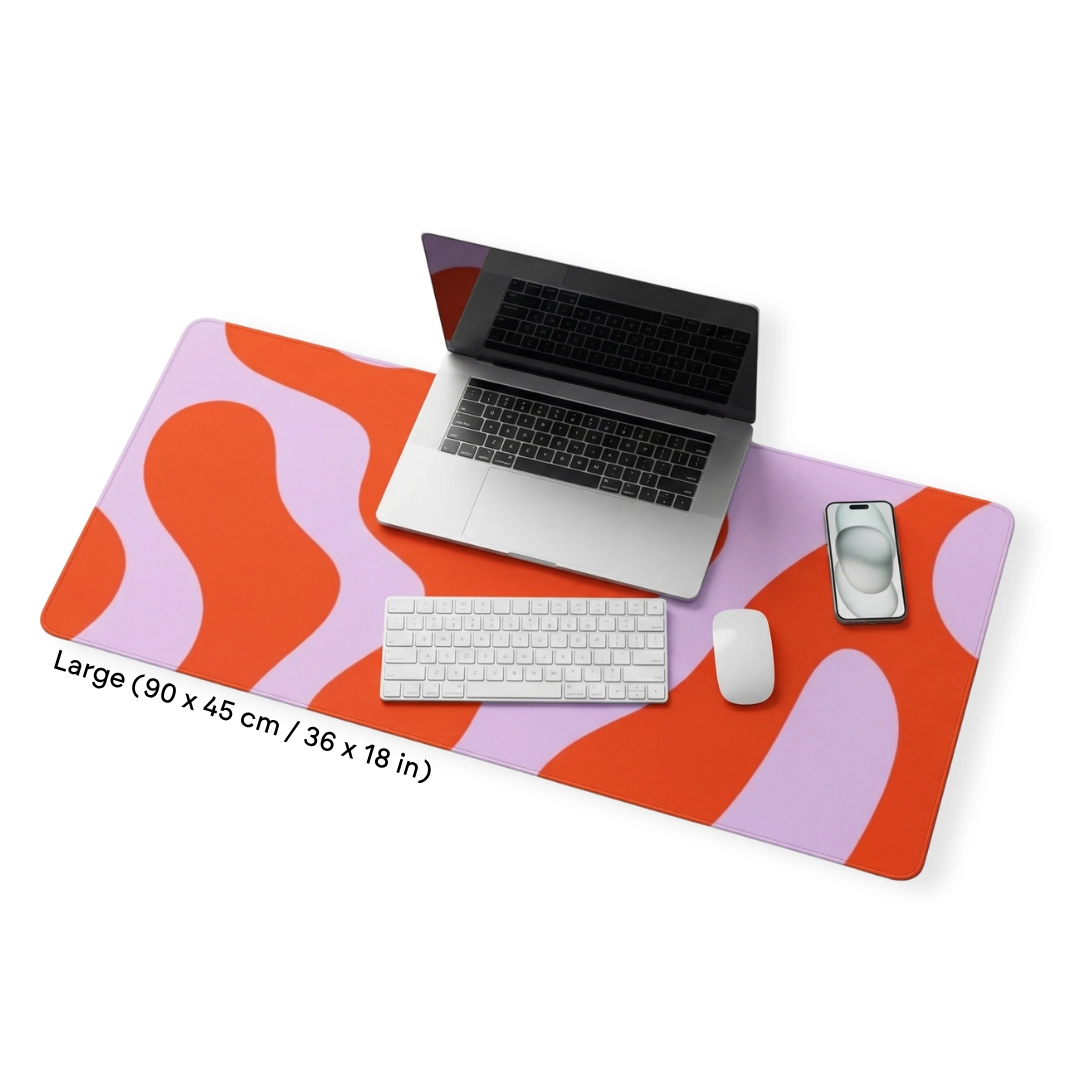
- Home decor- coasters, ornaments, and photo panels make great gifts.
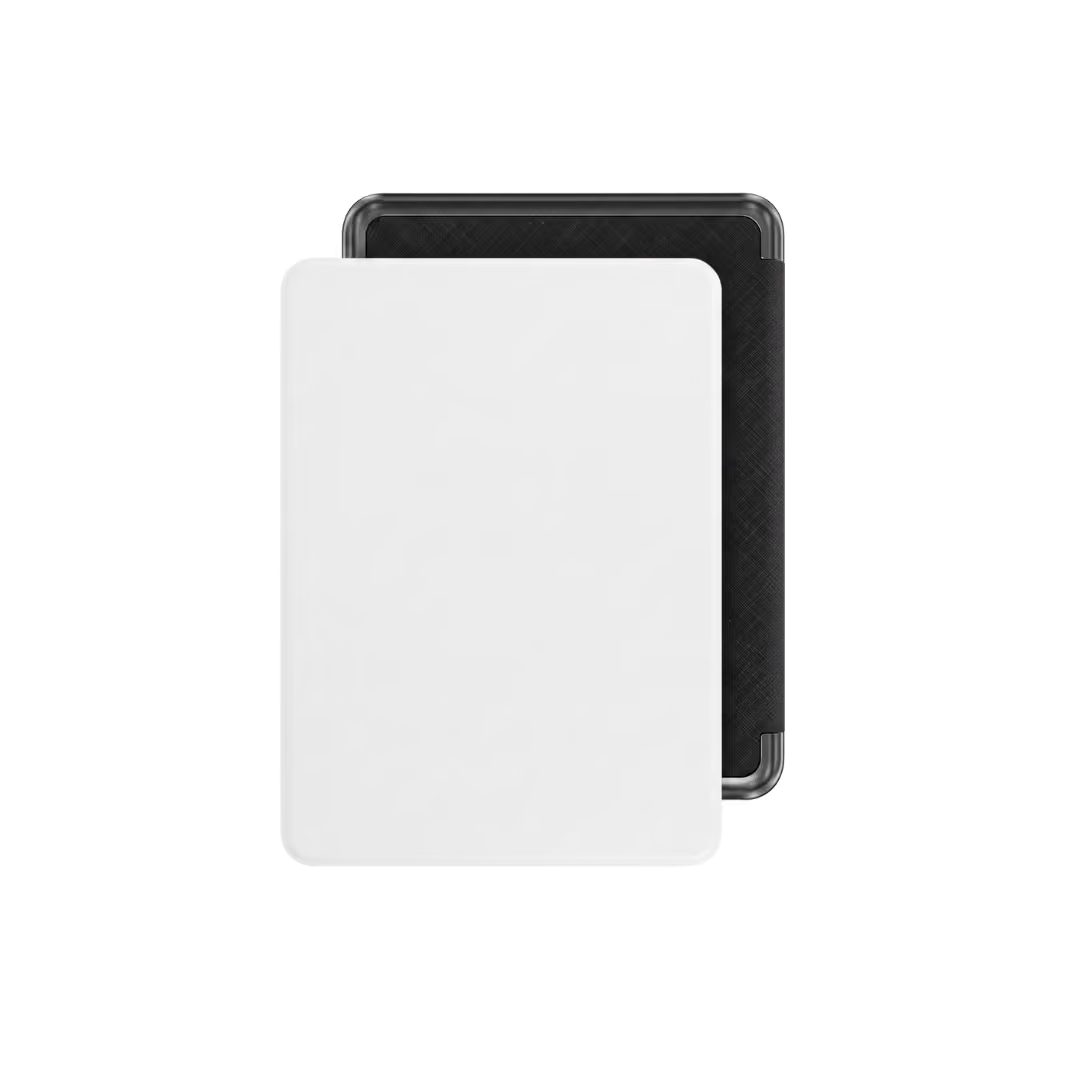
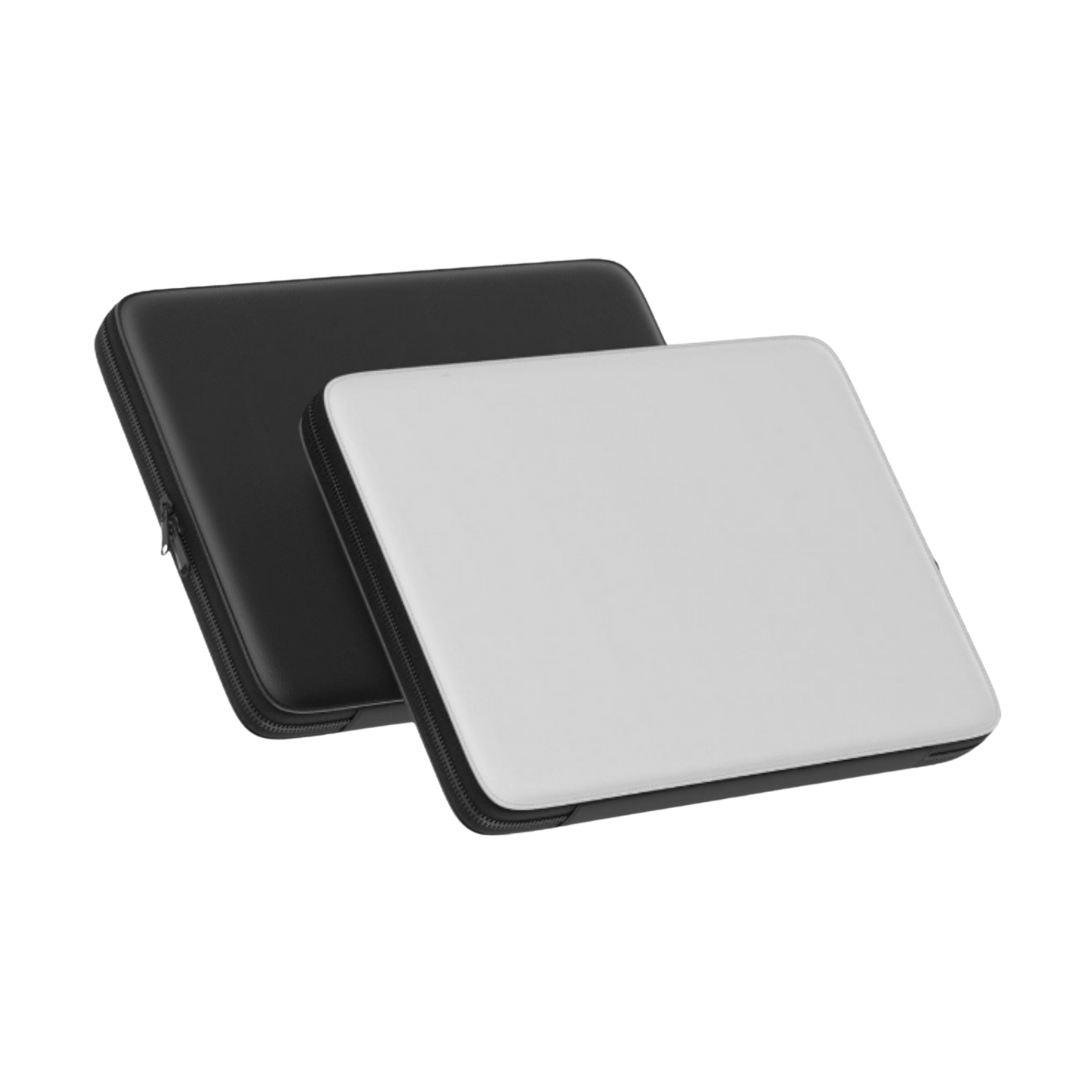
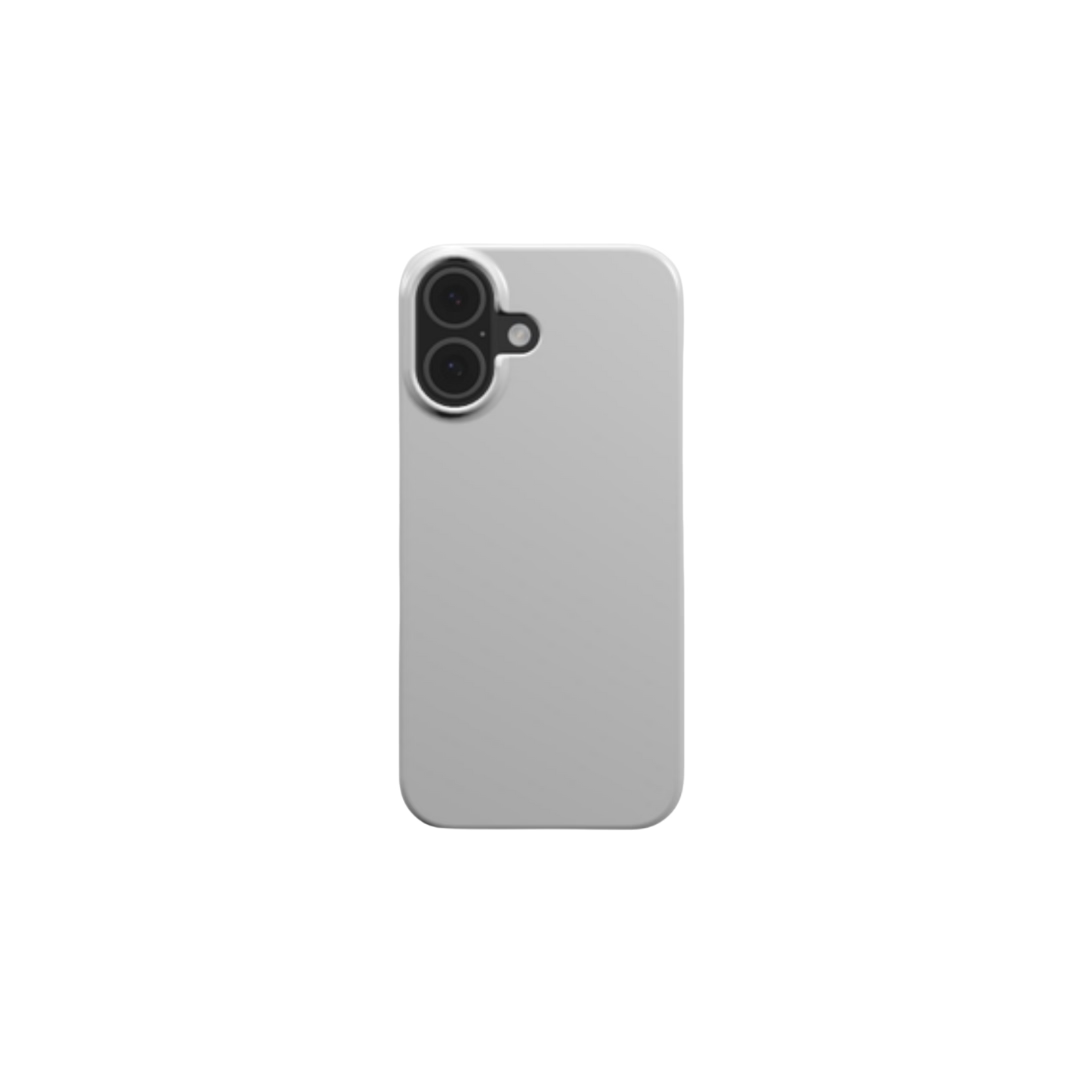
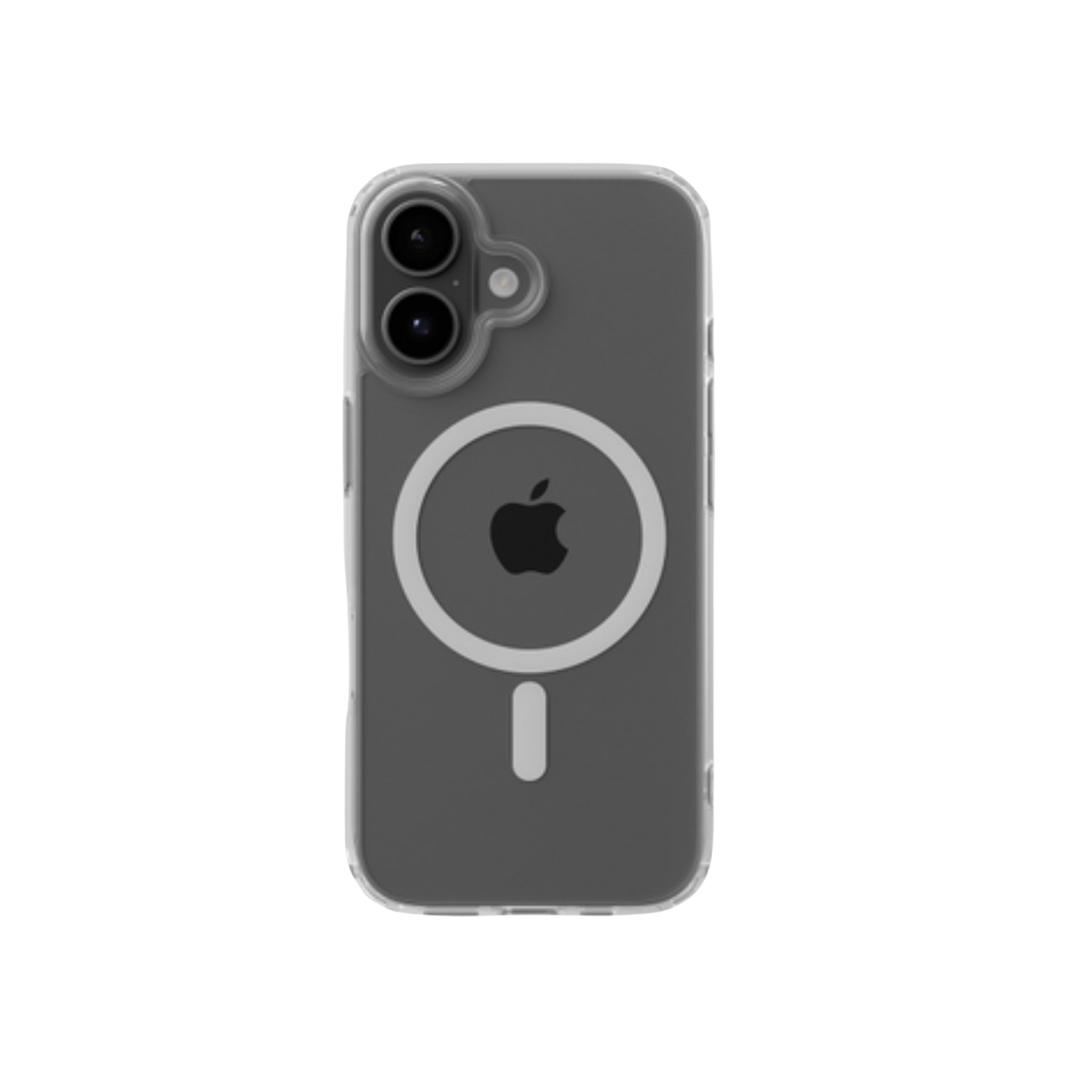
- Tech accessories- custom phone cases, laptop sleeves, and tablet covers sell fast.
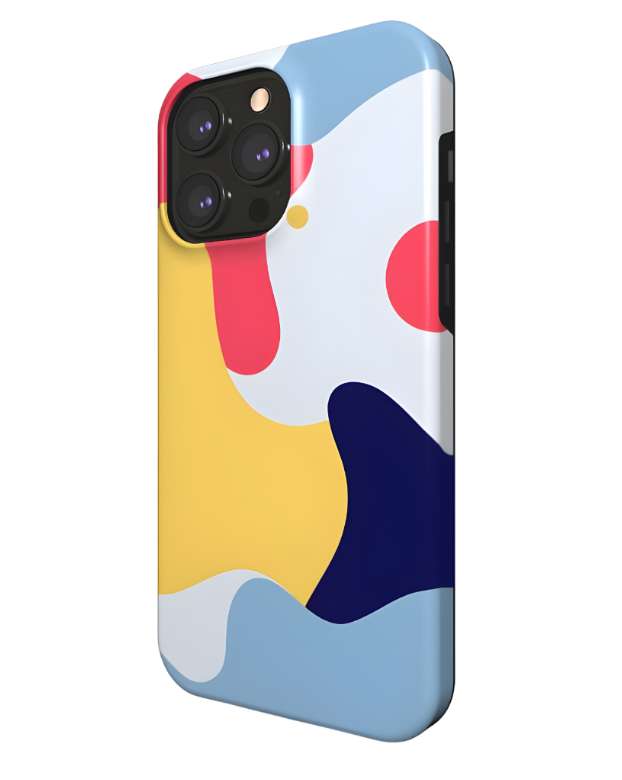
The numbers favor these categories. The global personalized gifts market was worth about $28.47 billion in 2024 and is expected to reach roughly $42 billion by 2029, while the print-on-demand sector sat at about $9.4 billion in 2024 and is projected to hit $59.4 billion by 2033. Tech accessories ride an even steeper curve - around 68% of smartphone owners use a case, and the phone case market alone is projected to reach $41.4 billion by 2030 (phone case demand data). And because 1 in 5 buyers will pay at least 20% more for a custom product, sublimated mugs, custom drinkware, and coated tech accessories carry healthy margins. Start small, test designs, and scale your business when you see what works.
Sublimation Printing Pros and Cons
Every printing method has trade-offs. The biggest benefit of sublimation is quality - designs stay sharp after hundreds of washes with a smooth, soft finish - while the biggest drawback is material limits, since you can't print pure cotton. Here is the full picture.
One nuance worth adding from our side of the press: that quality advantage is not just nice-to-have, it sells. As Podbase Head of Sales Sidas puts it, “a high-quality product that holds up, looks good over time, and arrives quickly sells without additional spend.” The flip side is just as real - a cheap print that fails shows up later as a return and a bad review.
Also Read:
- Profitable Dropshipping Business Ideas You Can Start
- How to Start a 3D Printing Business From Home Profitably
Sublimation vs DTF vs DTG vs Screen Printing
Your printing method shapes your costs, quality, and product range, and each one suits different goals. Here is how sublimation compares with the other popular methods.
Quick Comparison
Which Method Fits You Best?
- Choose sublimationif you sell polyester or coated items like mugs, shirts, or phone cases and want bright, photo-quality designs that stay vivid wash after wash.
- Choose DTFif you want flexibility across fabric types - great for small batches, cotton apparel, and mixed products.
- Choose DTGif you focus on cotton t-shirts or hoodies and want soft, full-color prints.
- Choose screen printingif you handle bulk orders with one to four colors and want the lowest cost per unit.
Many successful print-on-demand sellers mix methods - for example, sublimation for drinkware and DTF for shirts. Podbase itself runs several techniques in-house: as Ieva explains, the lineup includes sublimation, UV printing, and heat press, with “extra quality checks as safeguards” between every stage.
Also Read:
How to Start a Sublimation Printing Business in 2026
Starting a sublimation printing business is easier than ever - the tools are a one-time cost and you can sell online with little setup. Many creators begin as a side hustle, then grow full-time. The key is to plan well and start small.
Step 1: Choose Your Niche - pick one product type or customer group first, and look for growing print-on-demand niches where sublimation performs best, like home decor, apparel, tech accessories, or personalized gifts. Check what's selling on Etsy and study competitor pricing first.
Step 2: Get Your Equipment - buy the tools you need to test: a beginner dye-sublimation printer, a heat press, ink and paper, and a few blanks to practice on. (Or skip this entirely with a POD supplier - see the cost table below.)
Step 3: Design Your Artwork - create designs in Canva or Illustrator, or buy commercial-use graphics. Keep everything high-resolution and in CMYK.
Step 4: Make and Photograph Samples - print 5-10 samples and shoot clear photos from every angle, with a few lifestyle shots. This is another place AI changes the math: per Podbase CEO Saulius Meilutis, “you can take a static picture and generate high-quality multi-angle output of your products, so you no longer have to order samples, organize photo shoots, and extend your launch by weeks.”
Step 5: Launch Your Store - start on Etsy, Shopify, or TikTok Shop; Etsy brings quick traffic while Shopify offers more control.
Step 6: Promote on Social Media - share your process and finished designs, and partner with small niche influencers. Consistent, honest content builds trust fast.
Step 7: Price for Profit - include materials, time, and shipping when setting prices, aim for healthy margins, and adjust as you grow. For reference, a phone case bought at around EUR 10 from a POD supplier commonly retails for EUR 35-60.
Here are the estimated costs of starting a sublimation business - DIY versus outsourcing.

Environmental Impact and Sustainability
Sublimation is one of the more eco-friendly printing options. It uses no water (unlike DTG, which needs pre-treatment and washing), the inks are non-toxic, and because the heat press only runs while printing, it is energy-efficient with little waste.
The main concern is polyester, which isn't biodegradable. You can reduce your impact with blanks made from recycled polyester - many suppliers now offer them - and by looking for OEKO-TEX-certified or eco-labeled options that meet global safety and sustainability standards. It is increasingly worth it commercially, too: more customers choose brands that care about the environment, and many will pay a bit more for sustainable products - the same willingness-to-pay that makes custom products profitable in the first place.
Also Read:
- How to Make Money on Etsy: Pro Tips for Sellers
- Start a Shopify Store with Podbase: Your Success Guide
FAQ
1. What is sublimation printing and how does it work?
Sublimation printing uses heat to turn solid dye directly into a gas that bonds into polyester or polymer-coated surfaces. You print a mirrored design on sublimation paper, then heat-press it at 375-400 degrees Fahrenheit. The ink becomes part of the material rather than sitting on top, producing bright, smooth prints that resist cracking and fading.
2. Can you sublimate on cotton?
No, you cannot reliably sublimate on pure cotton because the ink needs synthetic fibers to bond with. Sublimation works on 100% polyester, blends with at least 65% polyester, and polymer-coated items like mugs and phone cases. Treated cotton with a polymer spray can take ink, but the colors come out noticeably lighter.
3. What materials can you sublimate on?
Sublimation works best on 100% polyester fabrics such as jerseys and activewear, polyester blends with 65% or more polyester, and polymer-coated items including mugs, tumblers, metal panels, phone cases, and laptop sleeves. Natural fibers like cotton and silk do not hold the ink, so light-colored synthetic surfaces give the brightest, longest-lasting results.
4. How much does it cost to start sublimation printing?
A do-it-yourself sublimation setup typically costs between $650 and $1,600, covering a printer, heat press, ink, paper, and starter blanks. Alternatively, you can start with no equipment cost by outsourcing production to a print-on-demand supplier, which handles printing, quality control, and shipping while you focus on designs and selling.
5. What is the difference between sublimation, DTF, and DTG?
Sublimation bonds ink into polyester and coated items for vivid, fade-proof prints. DTF transfers a printable film onto almost any fabric, including cotton, with a slight layer. DTG prints directly into cotton for a soft full-color finish. Many sellers mix methods - sublimation for drinkware and coated goods, DTF or DTG for cotton apparel.
6. Is sublimation printing durable and does it fade?
Sublimation printing is highly durable and resists fading because the dye becomes part of the fiber rather than sitting on the surface. Designs stay sharp after hundreds of washes, with no cracking or peeling. At Podbase, color accuracy is verified with a spectrophotometer and high-resolution CMYK files to keep results consistent across every order.
Conclusion
Sublimation printing gives creators an easy way to make bright, long-lasting products that customers love. Focus on polyester fabrics and polymer-coated blanks - especially high-margin tech accessories and drinkware - start small, learn the process, and scale as you grow.
And remember the choice underneath it all: you can run the press yourself, or let a quality-checked supplier do it. If handling production feels like too much, Podbase manages printing and shipping so you focus on design and sales. Sign up with Podbase for free today to kickstart your sublimation printing business.

Saulius Meilutis is the CEO of Podbase, helping creators and entrepreneurs monetize their ideas with print-on-demand. He shares insights on eCommerce, growth, and building lean online businesses.

.avif)



.avif)
.avif)
.avif)
.avif)
.avif)
.avif)

.avif)


.avif)

.avif)

.avif)

.avif)

.avif)