.avif)
This article covers how to start a 3D printing business from home, including startup costs, essential tools, and 10 product ideas that sell. From custom phone cases and home decor to miniatures, pet tags, and organizer parts - this guide explains what equipment to buy, where to sell your creations, and how to keep costs low. Whether you're a hobbyist or side hustler, this step-by-step guide helps you launch a profitable 3D printing business - and shows where pairing your printer with a print-on-demand partner like Podbase lets one store sell far more than your machine alone could produce.
Ever thought your 3D printing hobby could make you money?
Yes, that's right. Starting a 3D printing business from home might be the side hustle you've been looking for. But owning a 3D printer isn't enough - costs add up quickly without a clear plan.
To build a profitable business, you'll need the right tools, creative product ideas, and a solid marketing strategy. In this guide, we'll walk through exactly what you'll need, the startup costs, and the best 3D printing business ideas.
Is 3D Printing a Good Business to Start in 2026?
Yes - 3D printing is not only a good business but a fast-growing one. The industry has grown steadily for years and shows no signs of slowing.
The global 3D printing market is expected to hit $134.58 billion by 2034, an 18.52% CAGR from 2025 to 2034. What's more, worldwide 3D printer shipments are projected to exceed 8 million units by 2027.
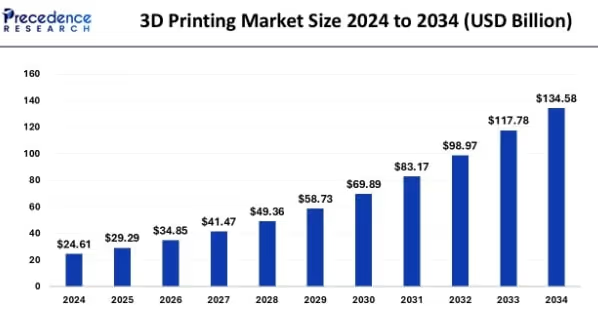
Here's what's driving the growth:
- Demand for personalized items is skyrocketing, especially in fashion, decor, and tech accessories.
- Affordable printers and software make it easy to start.
There's a bigger pattern behind both trends, and it's the same one powering print-on-demand: consumers increasingly expect products made *for them*, and on-demand manufacturing - whether a desktop printer or an outsourced production line - is how small sellers deliver that without inventory risk. If you have an eye for design, a 3D printing business can provide reliable income.
What You Need to Start a 3D Printing Business
Starting a 3D printing business from home doesn't need to be expensive or complicated. With the right tools and materials, you can bring your 3D printing business ideas to life.
Choosing the Right 3D Printer
Your 3D printer is the foundation of the business. Select one that fits your budget, skill level, print volume, and product type. Reliable, affordable options:
- Creality Ender 3 V2
- Anycubic Kobra Go
- Prusa Mini+
- Elegoo Mars 3
Essential Software and Tools
Besides the printer, you'll need to design and prepare models for printing. Great tools include:
- Tinkercad
- Fusion 360 (Hobby license)
- Cura
- Blender
- Meshmixer
Filament and Materials Overview
Filament is your raw material. Choose what fits your product and customers. Cost-effective options:
- PLA
- ABS
- PETG
- TPU
One quality habit worth borrowing from professional production: test every new material before selling it. In our own facility, no product launches until materials pass durability testing, and every order gets quality checks between production stages. At home, that means printing and stress-testing a sample of each design before you list it - the sellers who sample early dramatically outperform in our data.
How Much Does It Cost to Start a 3D Printing Business?
On average, expect to spend $1,000-10,000 depending on equipment and materials. The best part: working from home removes rent and most utilities.
To reduce costs:
- Use open-source design files.
- Use free design and slicer software like Tinkercad, Fusion 360, or Cura.
- Start with PLA filament.
- And a structural cost note: every product you *don't* have to print yourself is capital you don't spend. Flat-printed items (phone cases, posters, mugs) can run through a POD partner with zero equipment cost - more on the hybrid approach below.
10 Product Ideas for a 3D Printing Side Hustle
Here are 10 profitable 3D printing business ideas you can try.
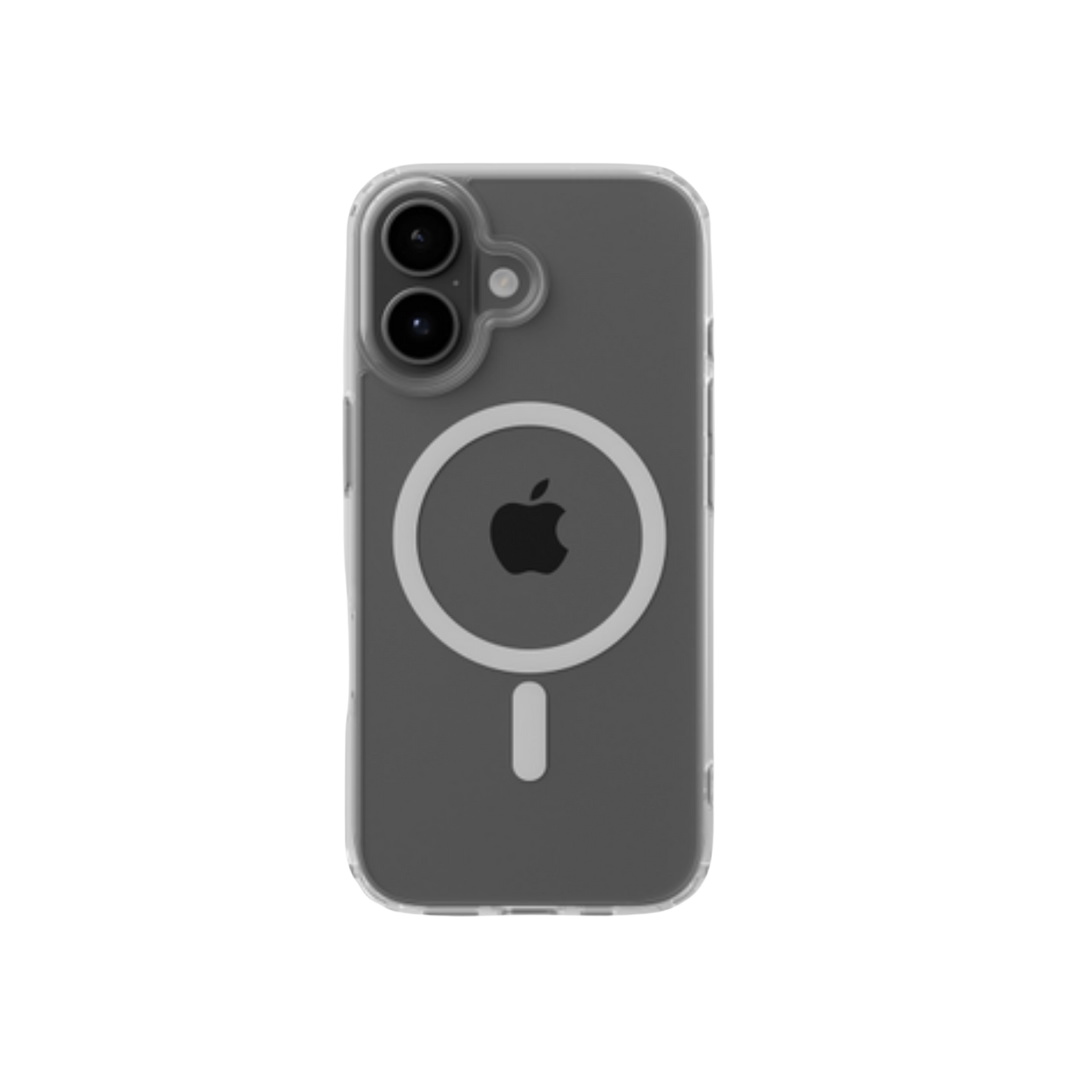
1. Custom Phone Cases
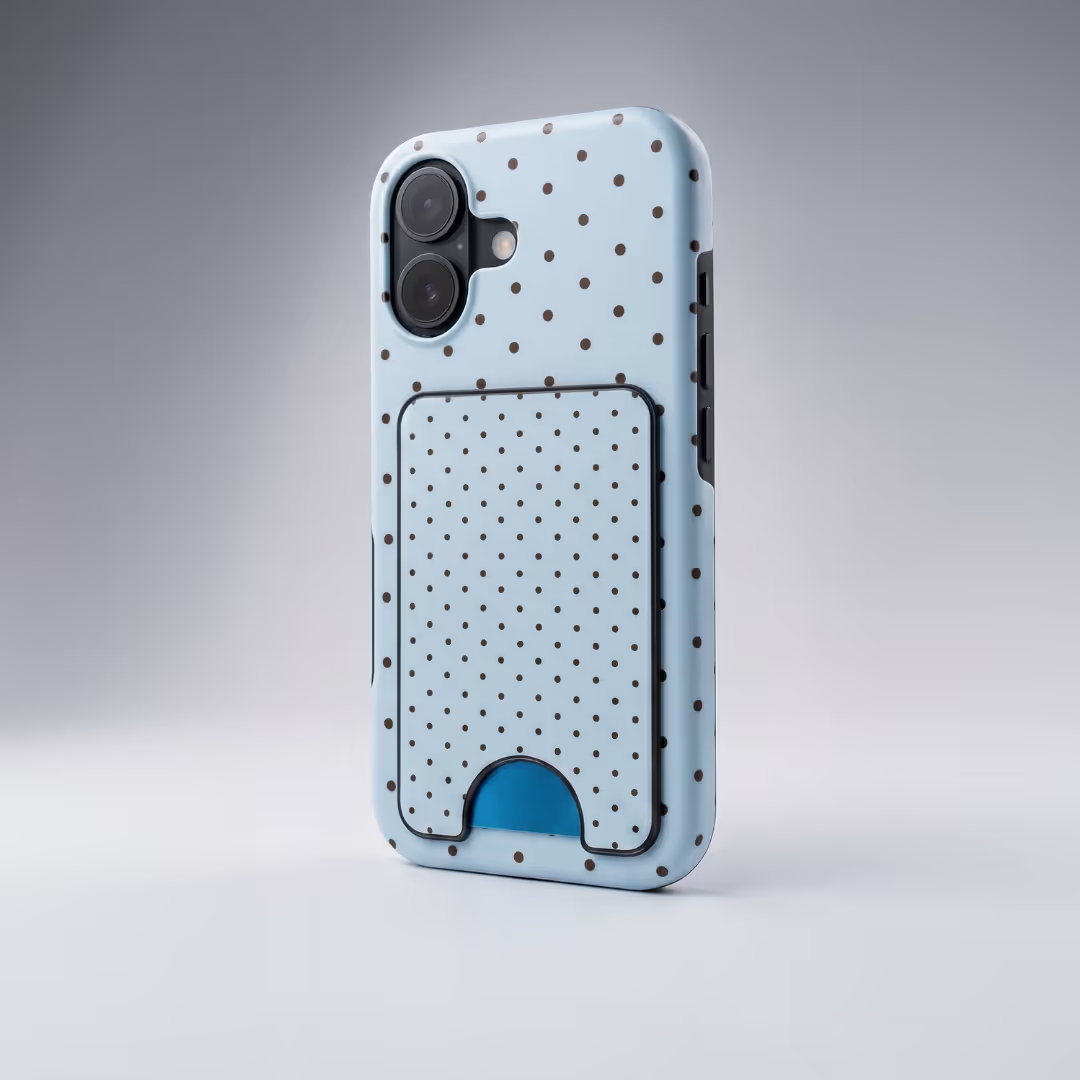
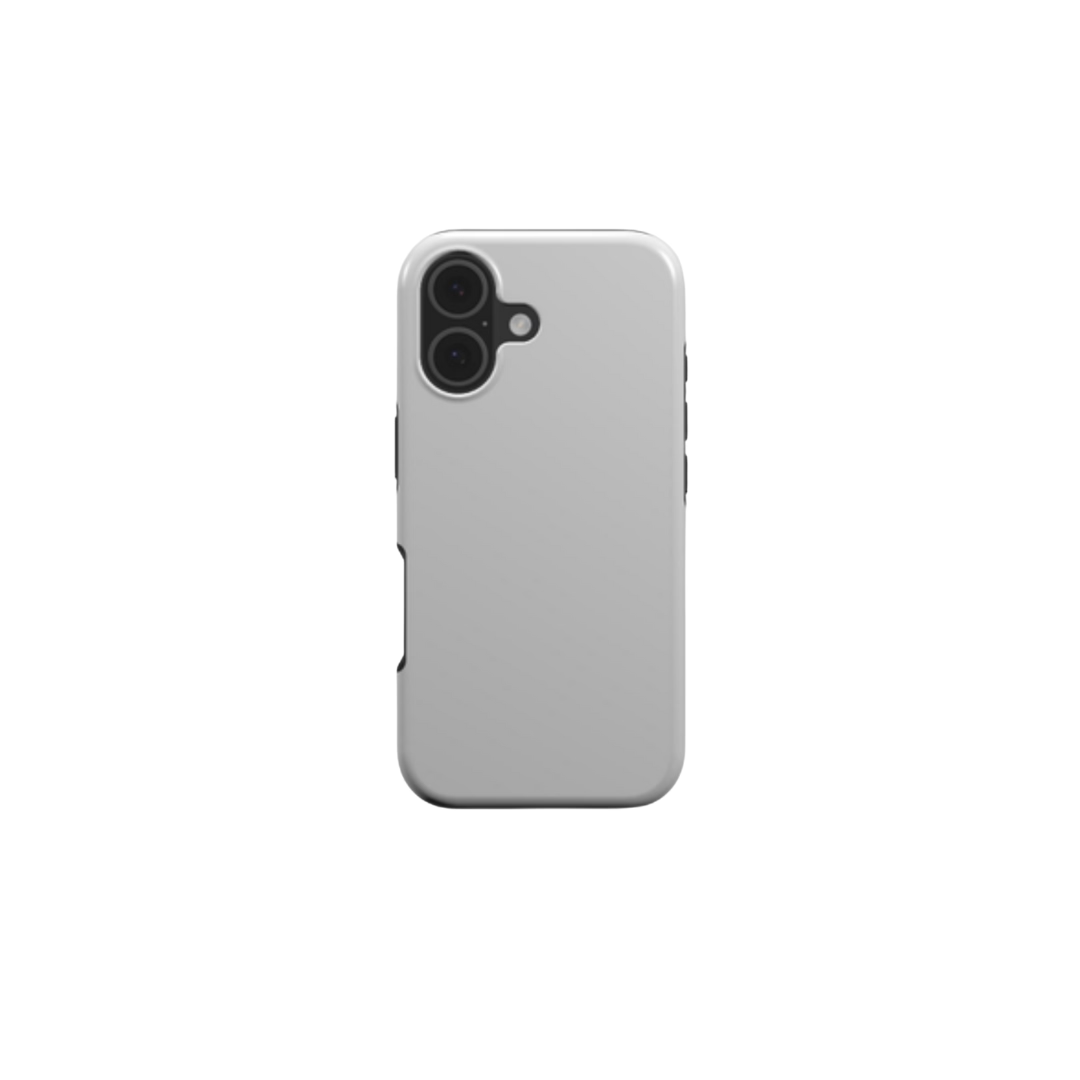
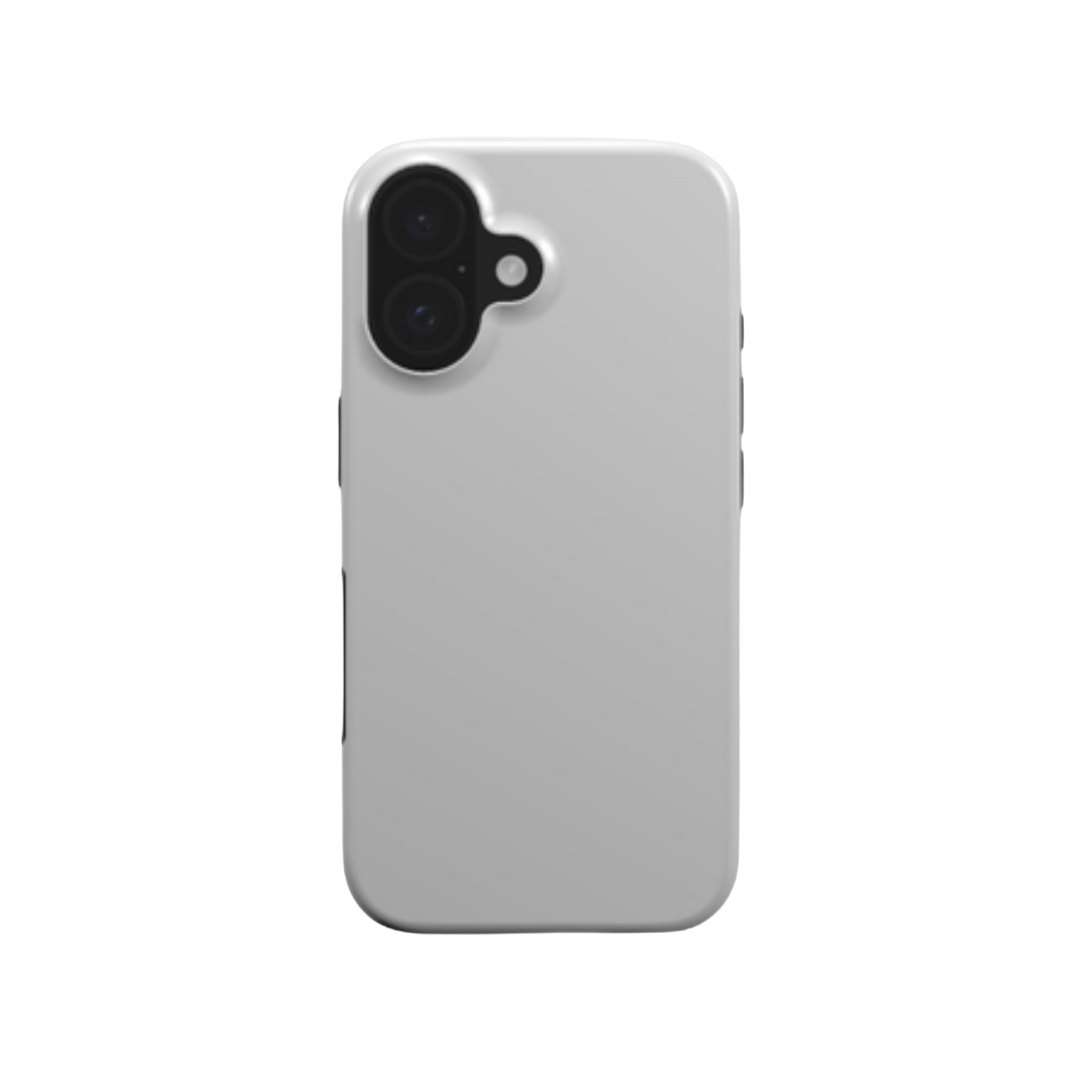
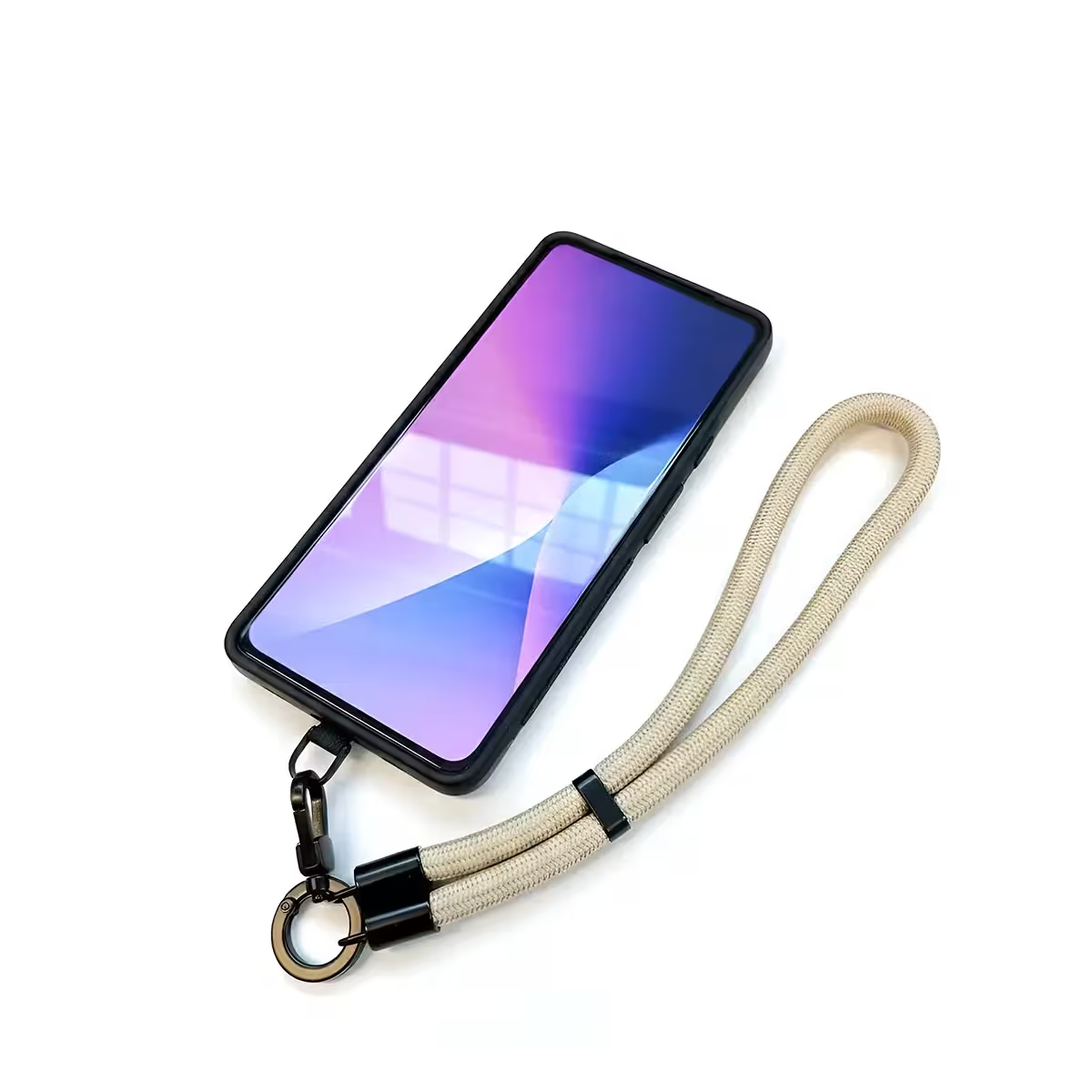
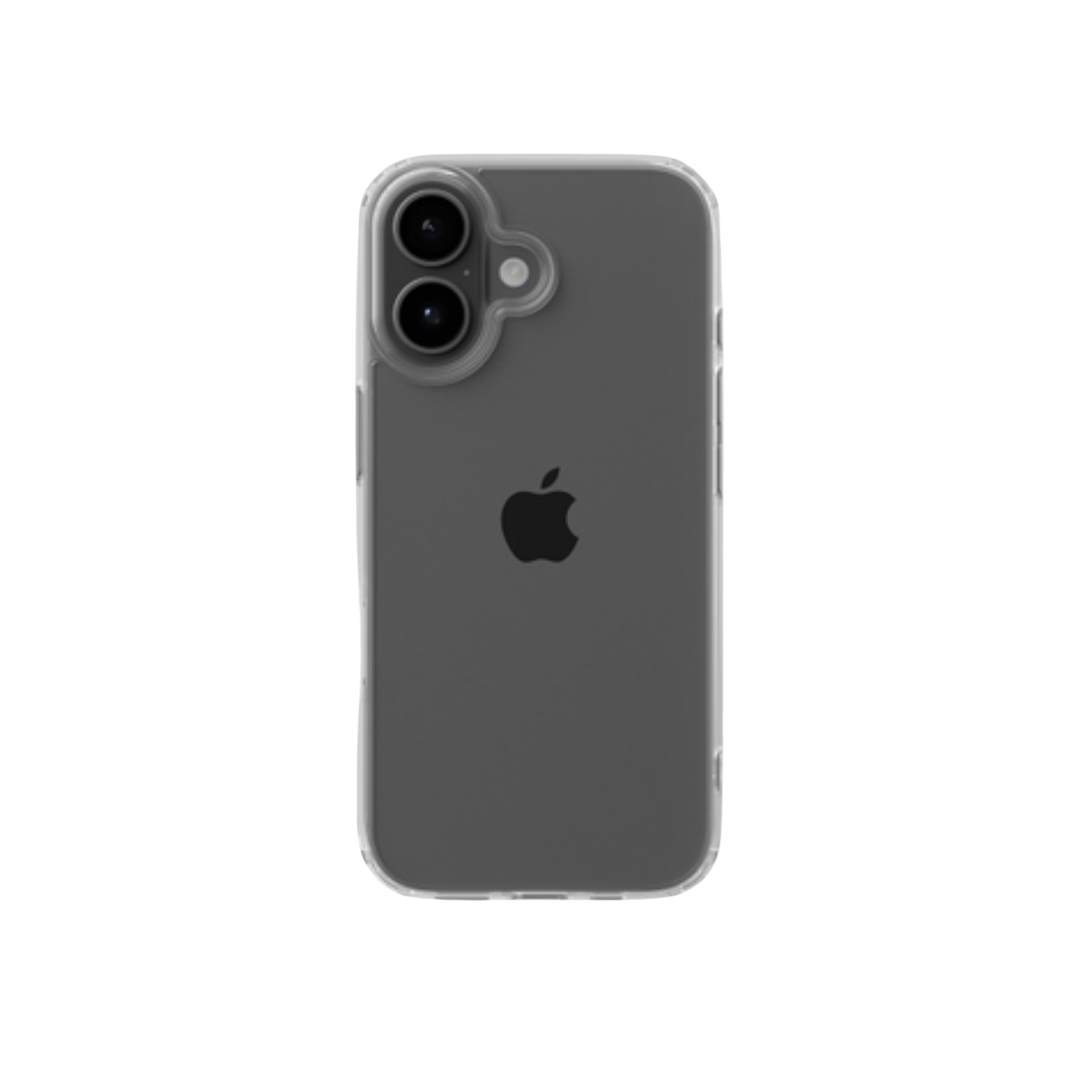
Phone accessories are a profitable niche, and custom cases are among the most popular - about 68% of smartphone owners use one, and ~40% of Americans replace phone accessories every six months.

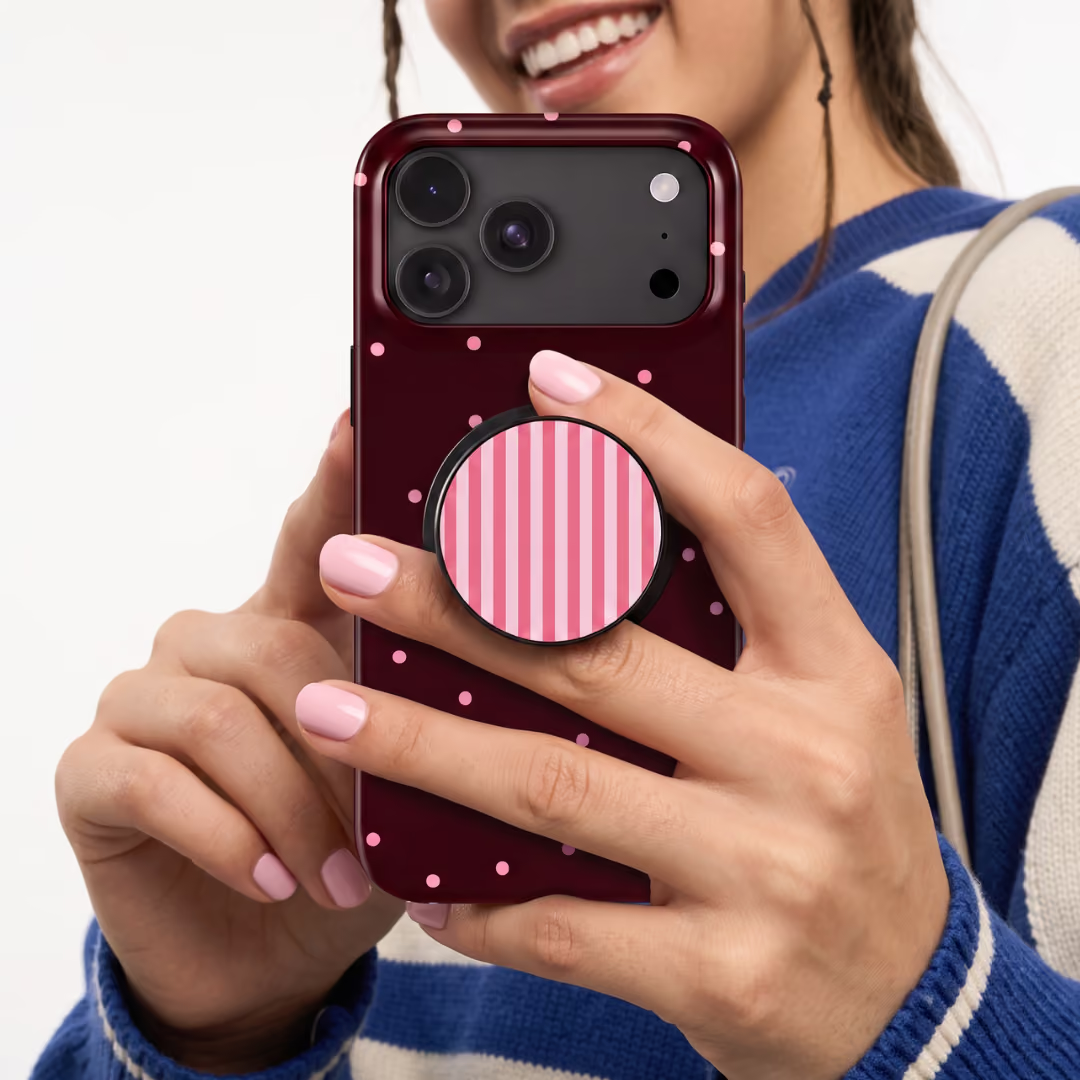
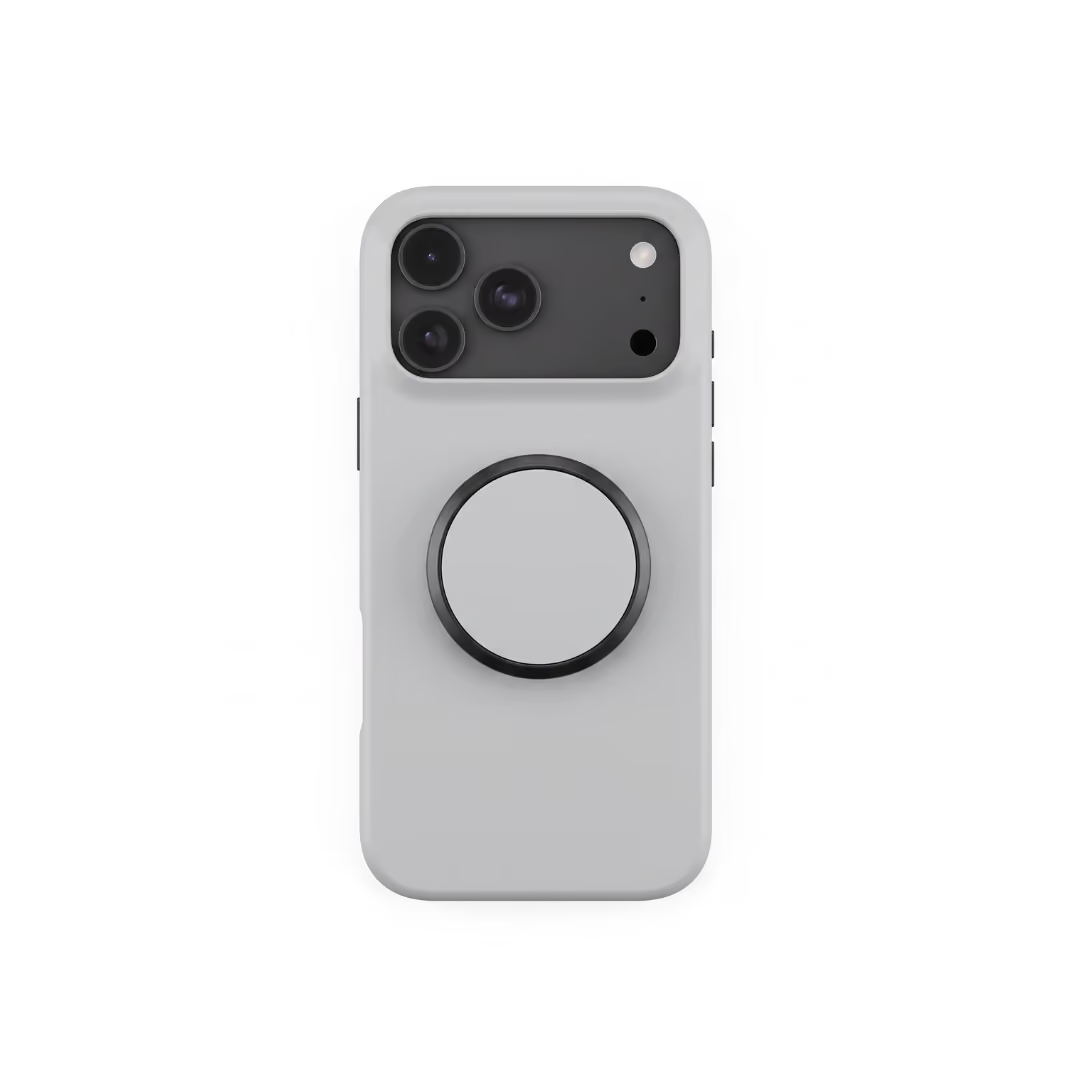
An honest production note: 3D-printed cases are great for unique structural designs (geometric textures, integrated stands, rugged shells), but for printed *graphic* designs, dedicated POD production gives sharper results at lower cost - design custom phone cases through a partner like Podbase and save your printer hours for what only it can make. Many sellers run both case types in one store.
Why They Sell: People want cases that express their personality and style - and they replace them often.
Where to Sell: Etsy, Shopify, TikTok Shop
Tools to Use: Blender (structural designs), Canva + Podbase (graphic designs)
2. Jewelry and Fashion Accessories
Print earrings, rings, pendants, cufflinks, or sunglasses frames in fun colors or metallic finishes.
Why They Sell: Shoppers love original fashion that's uniquely theirs. Accessories make great gifts and impulse buys.
Where to Sell: Etsy, Instagram Shop, Amazon Handmade
Tools to Use: Tinkercad, Fusion 360, Blender
3. Miniature Figurines and Gaming Accessories
Design fantasy miniatures, custom dice holders, terrain pieces, card organizers, or game tokens for games like Warhammer.
Why They Sell: Gamers love customizing their play experience with unique setups and favorite characters.
Where to Sell: Etsy, eBay, MyMiniFactory, online gaming forums
Tools to Use: Blender, ZBrush, PrusaSlicer
4. Art
Create sculptural pieces for home decor or office art: abstract sculptures, busts, typography art, layered shadow boxes - with personal twists like custom names or quotes.
Why They Sell: Art lovers are drawn to unique decor; 3D-printed art stands out from mass-produced pieces.
A pairing tip with real economics behind it: complement your 3D sculptures with flat wall art prints of the same designs via POD - roughly 65% of wall art still sells offline, so the online lane is far less crowded than it looks, and posters have no sizing issues and few returns.
Where to Sell: Etsy, Shopify
Tools to Use: Blender, Tinkercad, Podbase (for print versions)
5. Home Decor Items
Try modern vase designs, drawer knobs, coaster sets, candle holders, or patterned lamp shades.
Why They Sell: People love adding personality to their spaces with custom pieces.
Where to Sell: Etsy, Amazon Handmade
Tools to Use: Cura, Inkscape, Fusion 360
6. Personalized Keychains
Small but marketable - print keychains with names, initials, inside jokes, pets, or sports shapes. A fast way to start earning.
Why They Sell: Cheap to produce, easy to personalize, great gifts and promo items.
Where to Sell: Shopify, Etsy, TikTok Shop, local gift shops
Tools to Use: Canva, FreeCAD, Tinkercad
7. Educational Models and Learning Aids
Design ABC blocks, anatomical models, scientific prototypes, or geometric shapes.
Why They Sell: Parents, students, and teachers want tools that combine fun with learning.
Where to Sell: Etsy, social media forums
Tools to Use: Fusion 360, MakePrintable, Blender
8. Pet Tags and Accessories
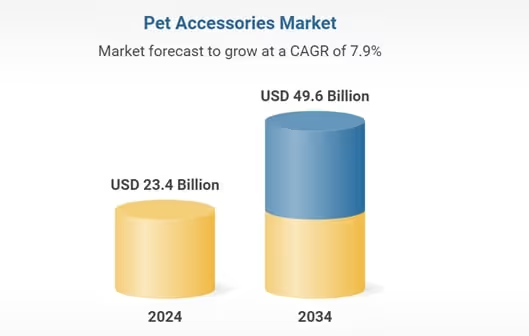
The pet accessories market is expected to grow from $23.4 billion to $49.6 billion by 2034. Sell custom name tags, leash hooks, food bowl labels, and more.
Why They Sell: People treat pets like family and pay for cute, custom gear.
Where to Sell: Instagram, Etsy, TikTok
Tools to Use: Tinkercad, Fusion 360, Canva (for tag graphics)
Also Read:
- How to Make Your First Sale Online: A Step-by-Step Guide
- 25+ Print on Demand Tips for Beginners and Sellers
9. Home Organizers and Storage Solutions
Design desk trays, drawer dividers, cable organizers, or spice racks.
Why They Sell: People love tidy homes. Clever, practical, customizable designs sell fast.
Where to Sell: Amazon, eBay, Etsy, Shopify, Reddit forums
Tools to Use: OpenSCAD, Fusion 360, Gridfinity
10. Custom Replacement Parts
Print washer knobs, missing clips, remote battery covers, and other hard-to-find parts.
Why They Sell: It's cheaper to replace a part than a whole appliance.
Where to Sell: eBay, Shopify, Etsy, social media platforms
Tools to Use: Thingiverse, Fusion 360, digital calipers
How to Make Money With Your 3D Printer
Here are several ways to monetize a 3D printing business.
Print and Sell Products
Create physical items and sell them on Etsy or Shopify. Custom niche products have more demand and less competition - the same rule we apply to our own catalog: narrow beats broad, in products and audiences alike.
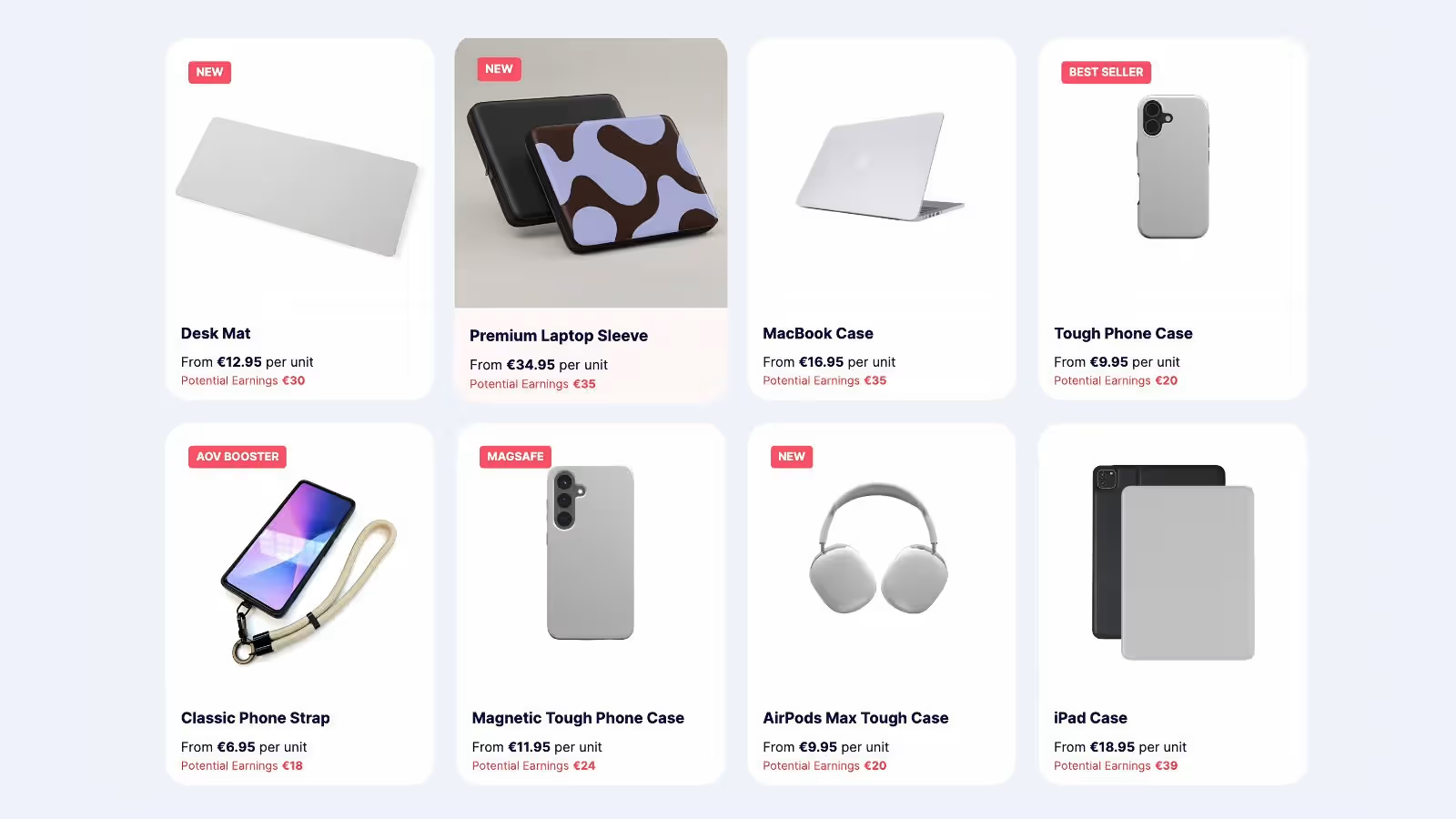
The hybrid move most home printers miss: your machine has finite hours, so reserve it for products only 3D printing can make (structural, sculptural, mechanical), and run flat-printed companions - tech accessories, wall art, mugs - through a POD partner. One brand, two production lines, and only one of them consumes your evenings. (The economics hold up: a POD phone case bought for ~€10 retails at €35-€60, and a simple checkout add-on converts at 3-10%, adding ~€10 profit per order.)
Offer Custom Print Services
Many small businesses need 3D-printed parts but lack a printer or skills. Create custom models for artists and businesses - service income is the fastest cash in this business.
Sell 3D Models or Templates
Skilled designers can sell original models on platforms like Gumroad - upload, promote, and earn passive income. The usual digital-product trade-off applies: zero delivery cost, but endless undercutting; pairing files with printed versions of the same designs protects your pricing.
Run a Local Repair or Prototyping Shop
Offer repair services or prototypes for local customers. Partner with schools or startups, and create a Google Business Profile to get found locally.
Where to Sell Your 3D-Printed Products
The platform you choose shapes how much you earn and how fast you grow.
Etsy
Etsy is a top platform for unique 3D-printed products - custom jewelry, decor, and game accessories are proven Etsy shop ideas. All you need is a seller account, and Etsy's built-in traffic makes it the ideal test market for new designs.
TikTok Shop
If your designs are practical or eye-catching, sell directly through shoppable videos - satisfying print timelapses are some of the platform's most reliable viral content. Our CMO's read applies here: social commerce is "the number one place to sell your e-commerce products," and one viral video can validate a design overnight.
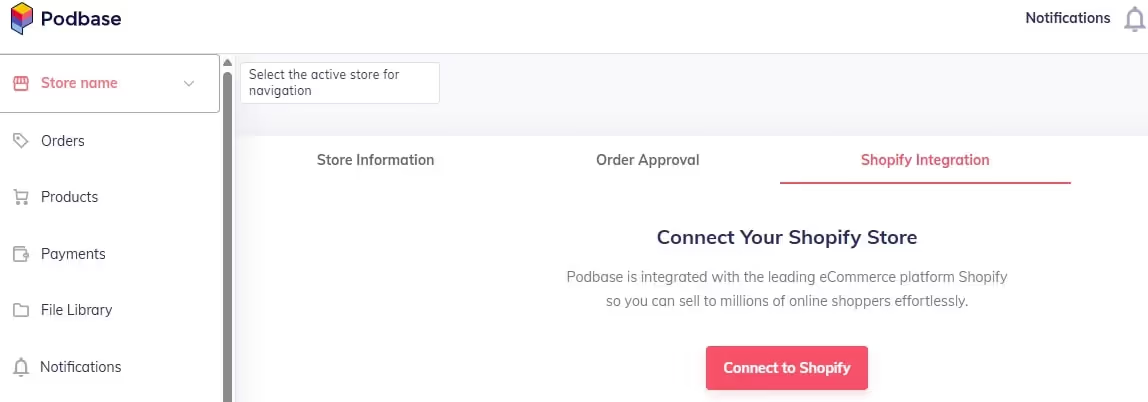
Your Shopify Store
A Shopify store gives you full control over branding, pricing, and customer experience - and it's where validated designs scale, because an owned store plus email list are the strongest-ROI assets in ecommerce. Connect print-on-demand, email marketing, and SEO tools; Podbase integrates directly, so your POD companion products fulfill automatically alongside your 3D-printed line.
Faire for B2B
For part-time or full-time wholesale, Faire connects you with independent retailers stocking unique products. Worth noting: B2B demand for quality branded goods is climbing fast - we've seen roughly 3x more B2B inquiries in six months on our side of on-demand manufacturing.
Tips to Keep Costs Low and Profits High
You don't have to drain your savings to start a 3D printing business:
- Use Free 3D Modeling Tools: Tinkercad and Fusion 360 (hobby license) cover most needs without paid software.
- Track Materials: Use cost-tracking software like Craftybase to monitor material use per product - it's how you price accurately and spot which on-demand items are most profitable.
- Reuse Failed Prints or Buy Filament in Bulk: Melt misprints with a filament recycler or repurpose them for testing; bulk filament from trusted suppliers lowers unit costs.
- Use Open-Source Models When Possible: Thingiverse and Printables offer free models to build on - customize them, since originality is what earns the margin.
- Outsource what your printer shouldn't do: every hour your machine spends on a flat-printed product it could be spending on a high-margin structural one. Let POD handle the flat goods.
And the final tip is about pace, not pennies: most aspiring sellers quit within 10-14 days, before the market tells them anything. Publish five products within 30 days - across our data, those sellers are ahead of 80% of stores - and let real feedback, not guesswork, pick your winners. Start your POD companion line free.
FAQ
1. Is 3D printing a profitable business in 2026?
Yes - the global 3D printing market is projected to reach $134.58 billion by 2034 (18.52% CAGR), driven by demand for personalized products. Profitability depends on niche selection and speed: sellers who publish five products within 30 days are ahead of 80% of on-demand stores, while most who fail simply quit in the first two weeks.
2. How much does it cost to start a 3D printing business from home?
Typically $1,000-$10,000: a printer runs $200-$5,000, filament $20-$200 per spool, plus software, tools, and shipping supplies. Cut costs with free tools (Tinkercad, Cura), PLA filament, open-source models - and by routing flat-printed products (phone cases, posters, mugs) through a zero-equipment print-on-demand partner.
3. What are the best things to 3D print and sell?
Top sellers include custom phone cases, jewelry, gaming miniatures and accessories, sculptural art, home decor, personalized keychains, educational models, pet tags (a market growing from $23.4B to $49.6B by 2034), home organizers, and replacement parts. Structural, personalized designs that mass production can't match sell best.
4. What's the difference between 3D printing and print-on-demand?
Both are zero-inventory, on-demand manufacturing. With 3D printing you run the factory - full control, but your machine-hours cap output. With print-on-demand, a partner like Podbase produces and ships flat-printed goods (cases, wall art, mugs) automatically. Many home sellers run both under one brand: 3D print the structural products, POD the rest.
5. Where should I sell 3D-printed products?
Etsy is the best test market thanks to built-in buyer traffic; TikTok Shop converts viral print-timelapse content directly into sales; a Shopify store is where validated designs scale with full margin control; and Faire opens wholesale to independent retailers. Most successful sellers validate on Etsy or TikTok, then scale on an owned store.
6. Why do most home 3D printing businesses fail?
Rarely because of the printer - usually because of quitting early and unfocused catalogs. Most aspiring sellers stop within 10-14 days, before real market feedback. Pick a tight niche, stress-test material samples before listing, publish five products in your first month, and let sales data choose what to scale.

Saulius Meilutis is the CEO of Podbase, helping creators and entrepreneurs monetize their ideas with print-on-demand. He shares insights on eCommerce, growth, and building lean online businesses.

.avif)



.avif)
.avif)
.avif)
.avif)
.avif)
.avif)

.avif)


.avif)
.avif)

.avif)

.avif)
.avif)