.avif)
The best passive income for artists comes from creating something once - a design, a course, a template - and earning from it repeatedly, with print-on-demand, licensing, and digital downloads leading the way.
In 2026, artists have more ways than ever to earn beyond one-time gigs. The shift matters because the income that actually lasts is rarely the purely digital kind - it is the streams where a physical, branded product sits on top of your art. As our CEO, Saulius Meilutis, points out, around 65% of wall art sales are still offline, which leaves “huge potential for digital web sales.”
In this guide, we will walk through 10 proven passive income ideas for artists - and show, with first-party Podbase data, which ones compound and which stay flat.
Why Artists Need Passive Income in 2026
This section covers the what, why, and how of building passive income as an artist.
What Is Passive Income for Artists?
Passive income for artists is money you earn without active, ongoing involvement. Instead of trading time for money, you create a product or system once and profit from it repeatedly. Unlike freelance gigs, these streams grow over time with minimal extra work - whether through print-on-demand services for artists, licensing, or selling digital products. It is not about getting rich quickly; it is about steady, compounding income.
Benefits: Freedom, Focus, and Financial Stability
The biggest benefit is time. You focus more on your craft and less on chasing clients, which lets your creativity flow and reduces burnout. Steady income also cushions the slow months, giving you room to explore bold ideas and develop a unique style.
There is a risk angle too. With print-on-demand, you never buy stock up front. As our Head of Product Development, Justina, puts it: “POD significantly reduces the risk of overstocking the same items - it is not only clients that don’t have to buy hundreds of cases with hopes they will sell them all one day.” For an artist, that means experimenting with new designs costs nothing but your time.
How AI and Automation Make It Easier Than Ever
AI now automates much of the income-generation process. Tools like ChatGPT write product descriptions, blog posts, and course outlines; Canva generates design ideas and high-quality visuals; Loom and Synthesia simplify recording tutorials. And AI-powered ecommerce platforms automate fulfillment, customer service, and delivery.
This is not hype - it has changed how fast artists can launch. Our CEO describes the shift: “You can take a static picture and generate high-quality multi-angle output of your products showcasing all the different unique selling points - you no longer have to order samples, organize photo shoots, and extend your product launch by weeks.” Average POD onboarding has fallen from three months to under one.
10 Proven Passive Income Ideas for Artists
Here are our top 10 ways to make money as an artist. Before the detail, here is how the models compare at a glance:
1. Sell Art Prints with Print-on-Demand
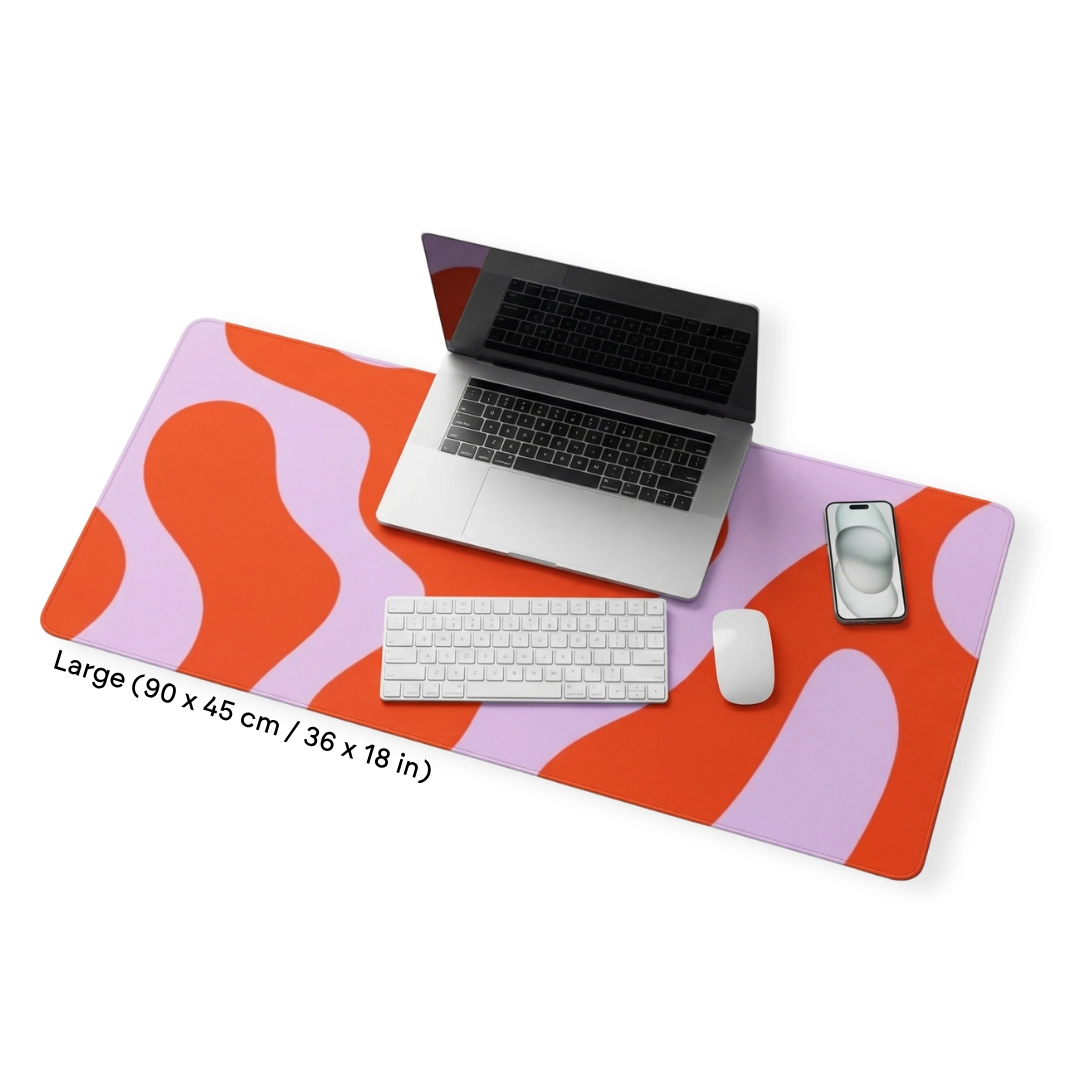
Upload your designs to print-on-demand sites for artists like Podbase. When customers order, the service prints and ships your art for you. You can start without inventory, there are no minimum orders, and royalties accumulate with every sale.
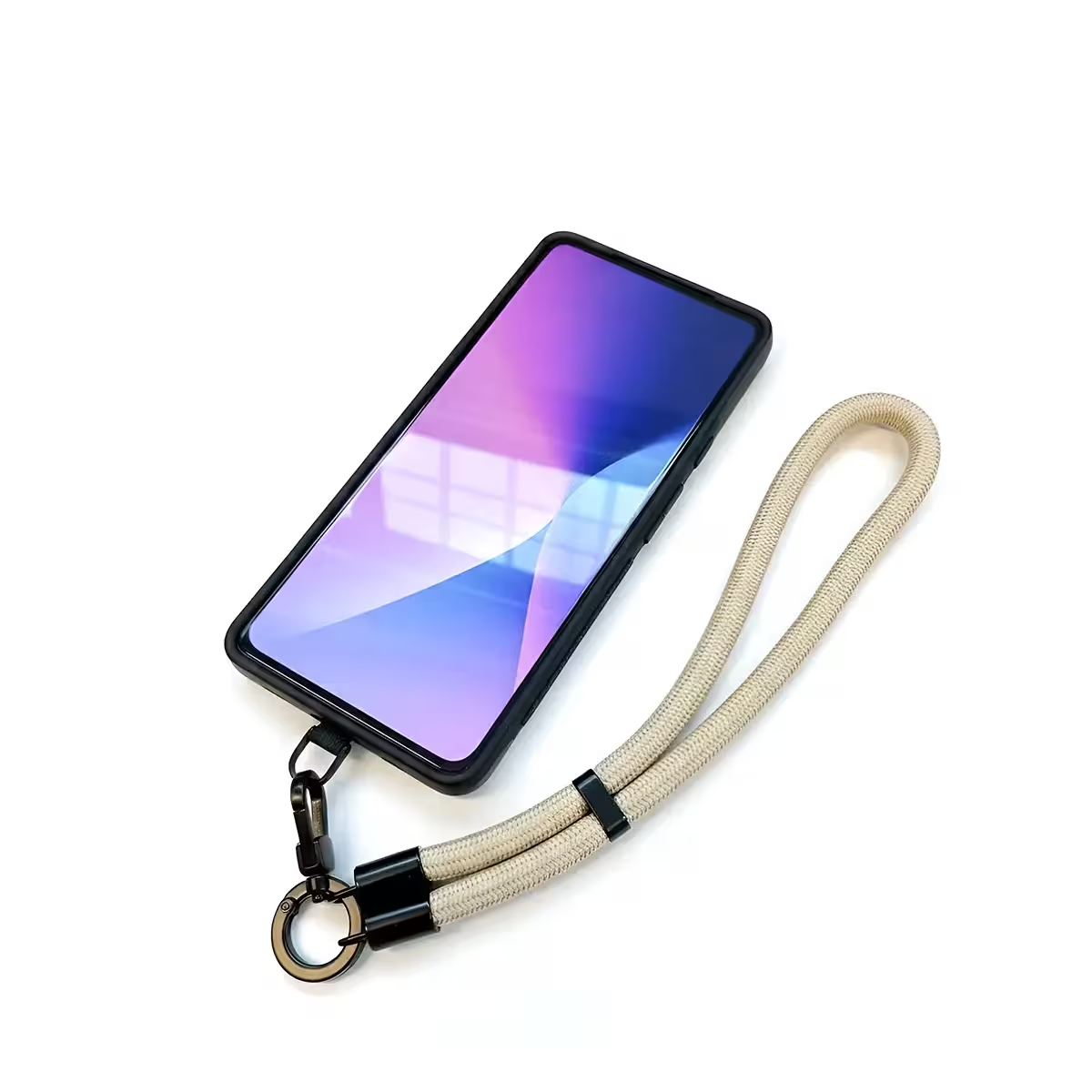
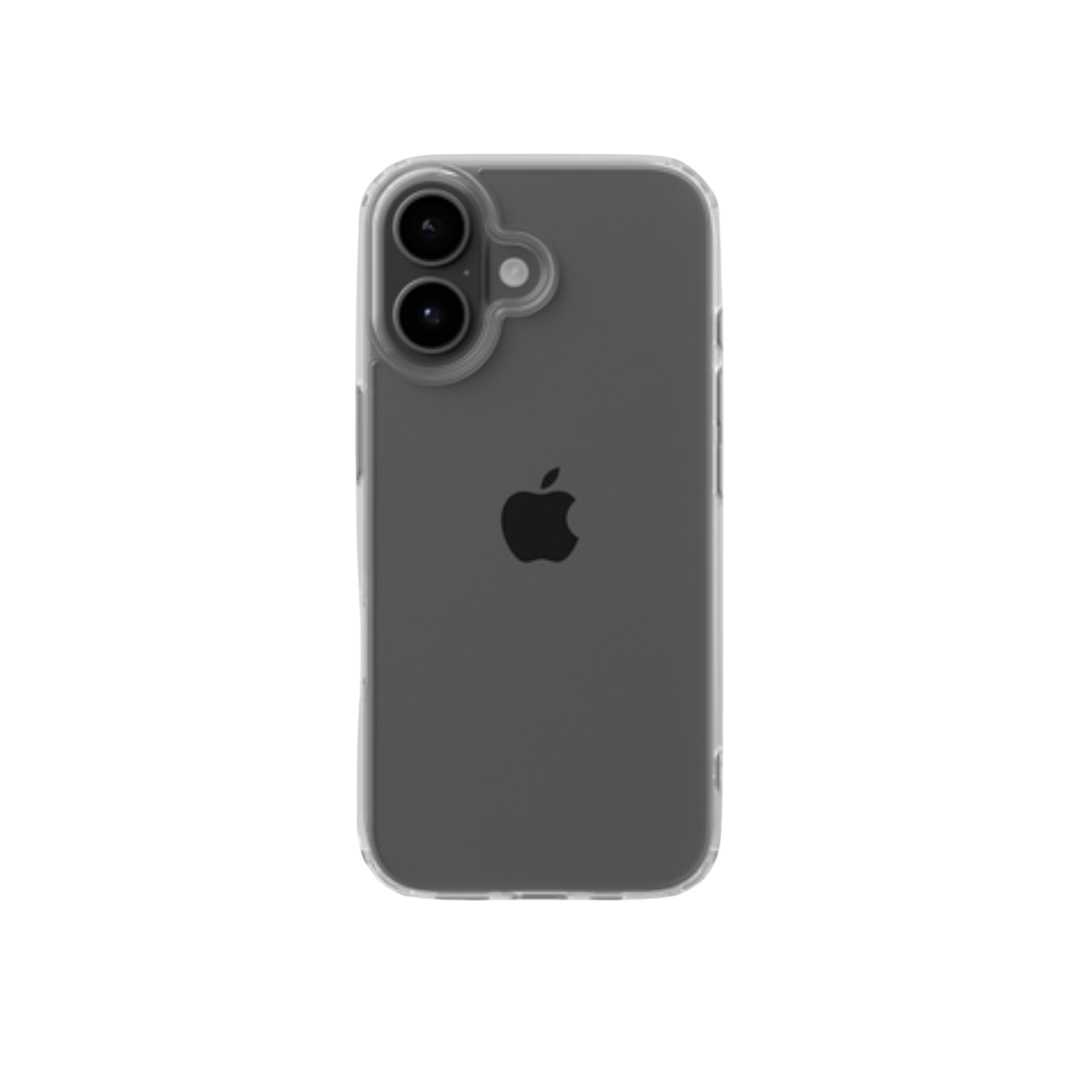
This is the single strongest stream for visual artists, and the reason is margin. A custom phone case bought from Podbase for about €10 routinely sells for €35-60, and our pricing runs 10-15% better than competitors. Pair prints with wall art and phone cases to capture that largely-offline market online.
Also Read:
2. Offer Digital Downloads of Your Work
Platforms like Etsy make it easy to sell digital products like wallpapers and stickers. You upload the design once; buyers get an instant download link, with no shipping. The catch worth naming: digital-only files compete almost entirely on price. That is why the smartest artists pair a download with a physical POD version of the same art.
3. License Your Artwork for Products
Licensing lets companies use your art on their merch in exchange for royalties - you get paid each time your design is used on products like custom phone cases. Personalization is what makes this lucrative: 1 in 5 buyers pays at least 20% more for a custom product. Create a licensing agreement and use services like Art Licensing International to reach brands seeking original designs.
4. Create and Sell Online Courses or Tutorials
Teaching online lets you share your skills with thousands, not just one student. Platforms like Udemy let you upload a course once and earn as learners enroll anytime - making it one of the strongest passive streams for artists who can teach.

5. Write and Sell Ebooks
Write short ebooks on creative techniques or business advice for other artists - a book on how to make and sell custom phone cases, for example. Sell through Amazon Kindle or your own site, and it keeps earning long after you write it.
Also Read:
- How to Sell Photography Prints Online (Step-by-Step Guide)
- How to Make Money Without a Job in 2026 - 18 Real Ideas
6. Launch a Paid Subscription for Exclusive Content
Subscriptions create stable income while deepening your connection with loyal followers. Offer behind-the-scenes videos, members-only tutorials, or early access to digital products, and use platforms like Patreon or Substack to manage payments.

7. Earn Through Affiliate Marketing
Promote art supplies, software, or tools and earn a commission. Share affiliate links in YouTube descriptions, blogs, or newsletters. It is a strong passive stream once you have an engaged audience.
8. License Your Art for Book Covers or Media
Writers, filmmakers, and publishers need original visuals. License your art for book covers, films, or games - each license brings recurring payments and puts your work in front of new audiences worldwide.
9. Create and Sell Customizable Design Templates
Templates for phone case designs, business cards, or wedding invites sell well online. Use Canva or Adobe Express to build customizable files buyers can edit themselves. Once listed, they keep selling.

10. Offer Recorded Art Classes or Pre-Made Curriculum
Package past workshops into pre-recorded classes and sell them to schools, hobbyists, or homeschoolers. This model suits artists with teaching skills who want a hands-off income stream.
Also Read:
Tools to Set It All Up (With AI Help)
Use these tools and AI solutions to build and manage your passive income streams.
AI Tools for Product Creation
AI helps generate creative merch ideas, refine designs, and automate workflows. Tools like ChatGPT, Midjourney, and Leonardo speed up content creation - and as our CEO notes, AI can now turn a single image into multi-angle product visuals, cutting launch time from weeks to minutes.
Platforms to Host Your Passive Income Business
Shopify and Etsy handle digital sales and delivery; Udemy hosts online courses. For print-on-demand, Podbase automates everything from design upload to fulfillment. Each platform plays a role in building passive income for artists.
Podbase + ChatGPT + Canva = A Lean Artist’s Toolkit
The right tool combination makes all the difference. Podbase is a POD service that automates everything from design upload to delivery, and you can sync stores like Shopify and WooCommerce. Use ChatGPT for SEO-friendly product copy, and Canva to design prints, templates, ebooks, and graphics. Together they form a powerful, low-cost stack for independent artists.
How to Scale Your Revenue Streams
Here are simple strategies to grow and multiply your passive income sources.
Combine Passive Income Models
Each stream has limits, but combining them compounds the impact. Sell digital products, online courses, wall art, and POD tech accessories together. The more streams you build - especially physical ones layered on your digital art - the steadier your business becomes.
Collaborate With Other Artists
Work with other creators to co-launch courses, bundle products, or cross-promote. There is hard data behind this: our Head of Sales, Sidas, notes that sellers with a community, mentor, or peer group scaled roughly 32% faster than solo operators. Collaboration expands reach and accelerates growth.
Consistent Content Marketing With AI-Powered SEO
Regular blogs, videos, and reels keep your audience engaged, and AI helps optimize them for search. As our CMO, Vytautas Mikaila, frames the post-2026 reality: “The game is now about relevance, usefulness, specificity, freshness, and whether your content actually brings something real to the user.” Consistency builds trust and drives organic traffic to your passive income projects.
Also Read:
- Money-Making Hobbies That Can Earn You Money This Year
- Low-Cost Business Ideas To Start (Podbase Advice)
FAQ
1. What is the best passive income for artists?
Print-on-demand is the best passive income stream for most artists. You upload a design once, and a supplier prints and ships products like wall art, phone cases, or drinkware on every order - so royalties accumulate without inventory or shipping work. It pairs naturally with digital downloads and licensing for a fuller income ladder.
2. Can artists really make passive income?
Yes, artists can build real passive income, though it is rarely fully hands-off. You create a product or system once - a print design, a course, a template - and earn from it repeatedly. The work is front-loaded; income compounds as you add streams and let automation handle fulfillment and delivery.
3. How do artists make passive income with print-on-demand?
Artists upload artwork to a print-on-demand platform like Podbase, list it on products, and earn a margin on every sale while the platform prints and ships. There are no minimum orders and no inventory. A custom phone case bought for about €10 can sell for €35-60.
4. How much can an artist earn from passive income?
Earnings vary widely by audience and number of streams, from pocket money to full-time income. With print-on-demand, Podbase sellers run 10-15% better margins than competitors, and personalized products command premium prices - one in five buyers pays at least 20% more for a custom item. More streams mean steadier revenue.
5. Is selling digital art or physical prints better for passive income?
Both work best together. Digital downloads deliver instantly with near-pure-profit margins but face heavy price competition. Physical prints and POD products command higher prices and build a brand. Layering a physical product on top of your digital art is what turns sporadic sales into compounding, defensible income.
6. What tools do artists need to start passive income in 2026?
A lean stack covers most artists: a print-on-demand platform like Podbase for physical products, ChatGPT for SEO-friendly product copy and course outlines, and Canva for designs and mockups. AI now generates multi-angle product visuals from a single image, cutting launch time from weeks to minutes.
Conclusion
Passive income for artists is real in 2026, but the streams that actually compound share one trait: they put a product - ideally a physical, branded one - between your art and your audience, then let automation do the rest. Start with one model, add others as you grow, and lean on AI to cut the setup work.
If you are ready to turn your art into steady income, Podbase lets you sell prints and products with no inventory, 10-15% better margins than competitors, and fulfillment handled for you. Create a Podbase account today to get started.

Saulius Meilutis is the CEO of Podbase, helping creators and entrepreneurs monetize their ideas with print-on-demand. He shares insights on eCommerce, growth, and building lean online businesses.

.avif)





.avif)
.avif)
.avif)
.avif)
.avif)
.avif)

.avif)





.avif)

.avif)


.avif)

.avif)

.avif)