AI technology has changed the print-on-demand business dramatically. ChatGPT's built-in image generator makes it easy to create custom artwork - and it just took a major leap: in April 2026, OpenAI released ChatGPT Images 2.0, replacing the earlier GPT-4o image pipeline with a far more capable model (and retiring DALL-E entirely).
If you're asking, "Can ChatGPT make images for my products?" - the answer is yes. Type a short prompt, and it produces original, polished art for you.
This guide shows you how to use the ChatGPT image generator to create designs your customers will buy: faster, cheaper, and with more variety than traditional design workflows.
TL;DR: Use ChatGPT Images to Power Your POD Designs
Want faster, cheaper, AI-made product designs? Here's the playbook:
- Turn text into custom images instantly using detailed prompts
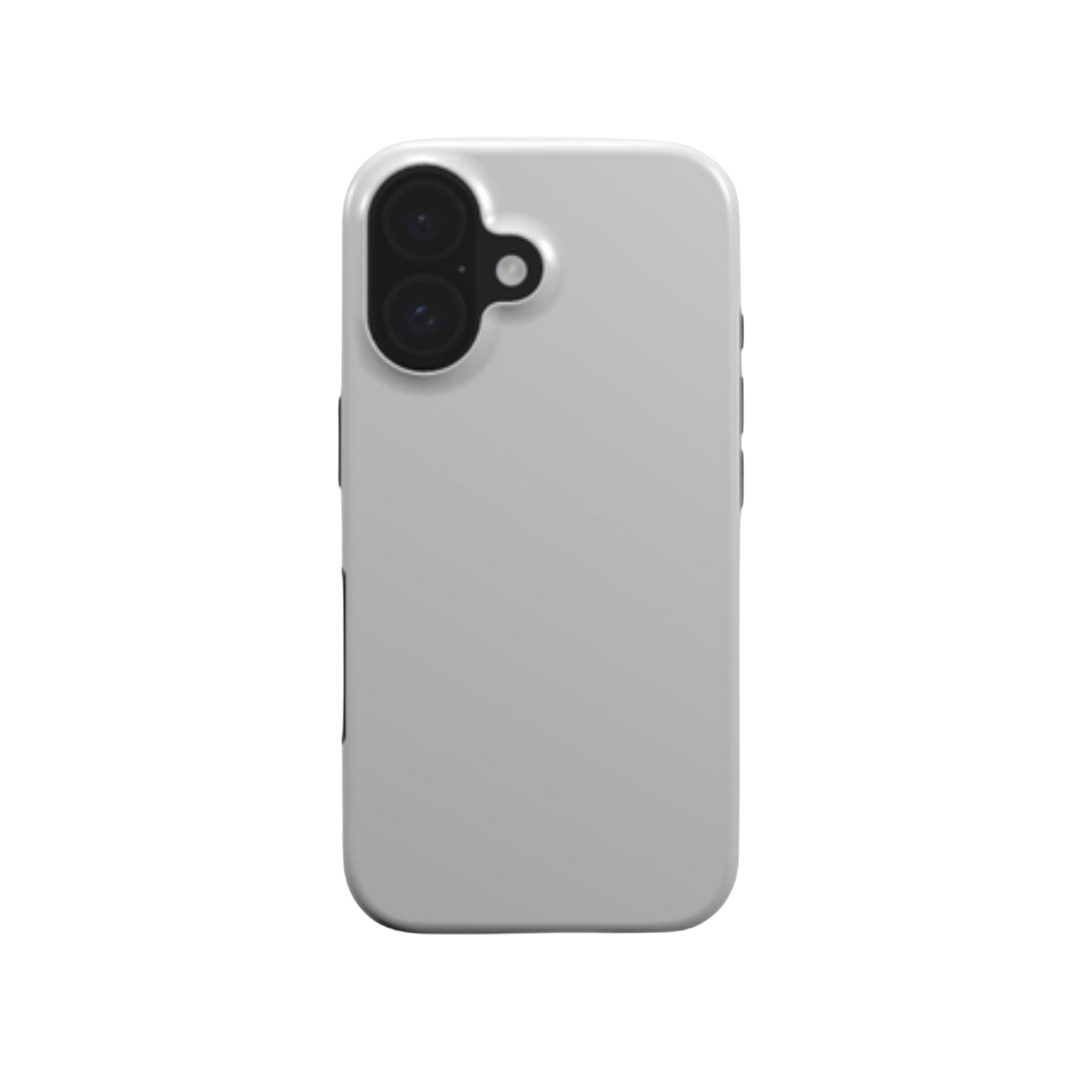
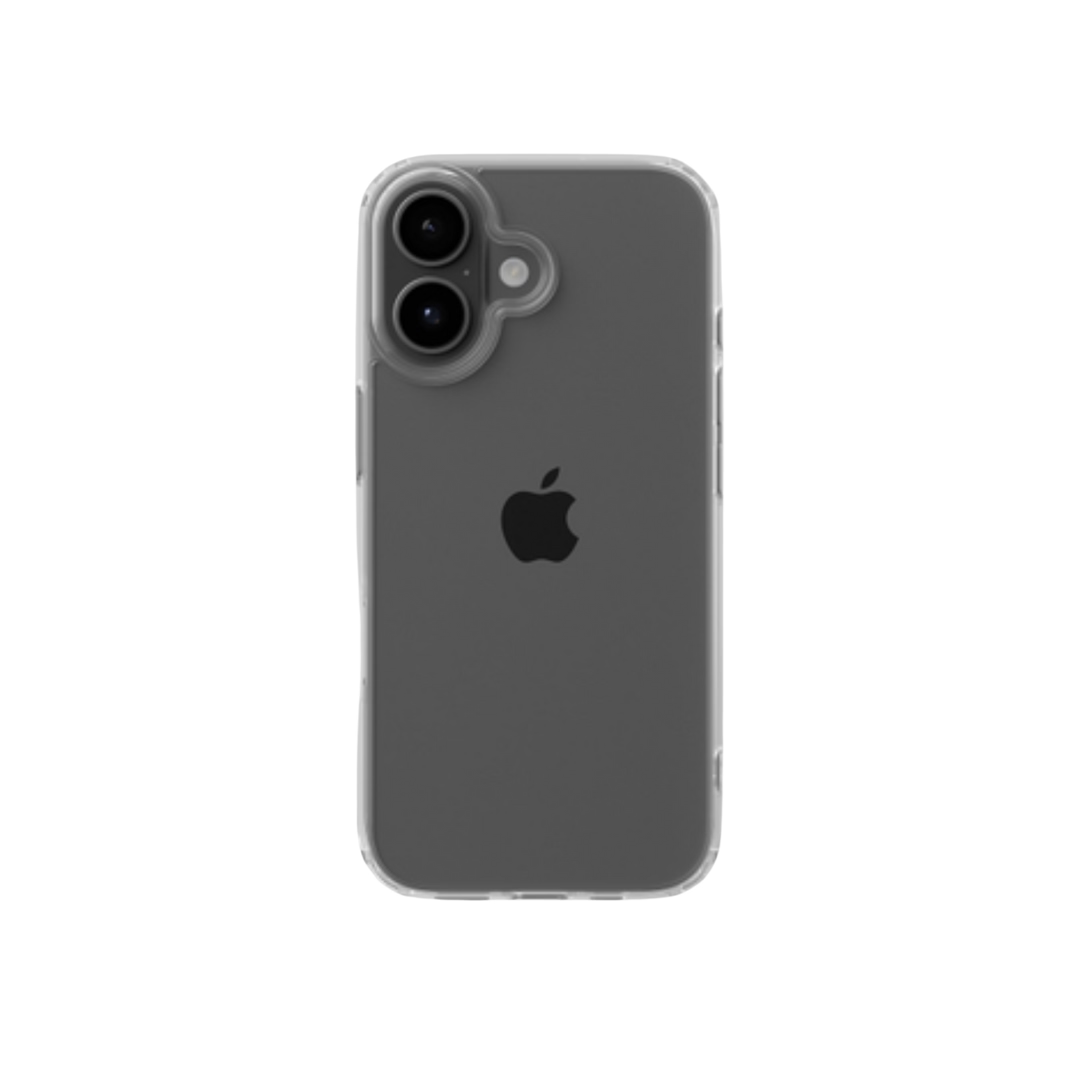
- Design products like phone cases, laptop skins, and digital prints
- Use the new text rendering - Images 2.0 finally generates readable text, unlocking quote and typography designs
- Create in batches to build seasonal collections and trend-driven drops
- Refine image styles (watercolor, retro, minimalist) to match your brand
- Prep for print - convert to 300 DPI, CMYK before uploading
- Boost store profits with faster launch cycles and more products
This guide walks through setup, design strategy, image quality tips, and integration with POD platforms like Podbase and Etsy.
What Is the ChatGPT Image Generator?
ChatGPT's image generator turns your text prompts into clear, high-quality pictures, combining visual and language understanding in one tool. The current version - ChatGPT Images 2.0, launched April 21, 2026 - is available on all ChatGPT plans and runs on OpenAI's state-of-the-art GPT Image 2 model.
It helps print-on-demand business owners because:
- It saves serious time when developing product ideas
- It's easy to try different styles in seconds
- It now renders text accurately - the biggest single upgrade for POD sellers, since typography art, quotes, and slogans are among the best-selling design styles and were previously where AI images fell apart
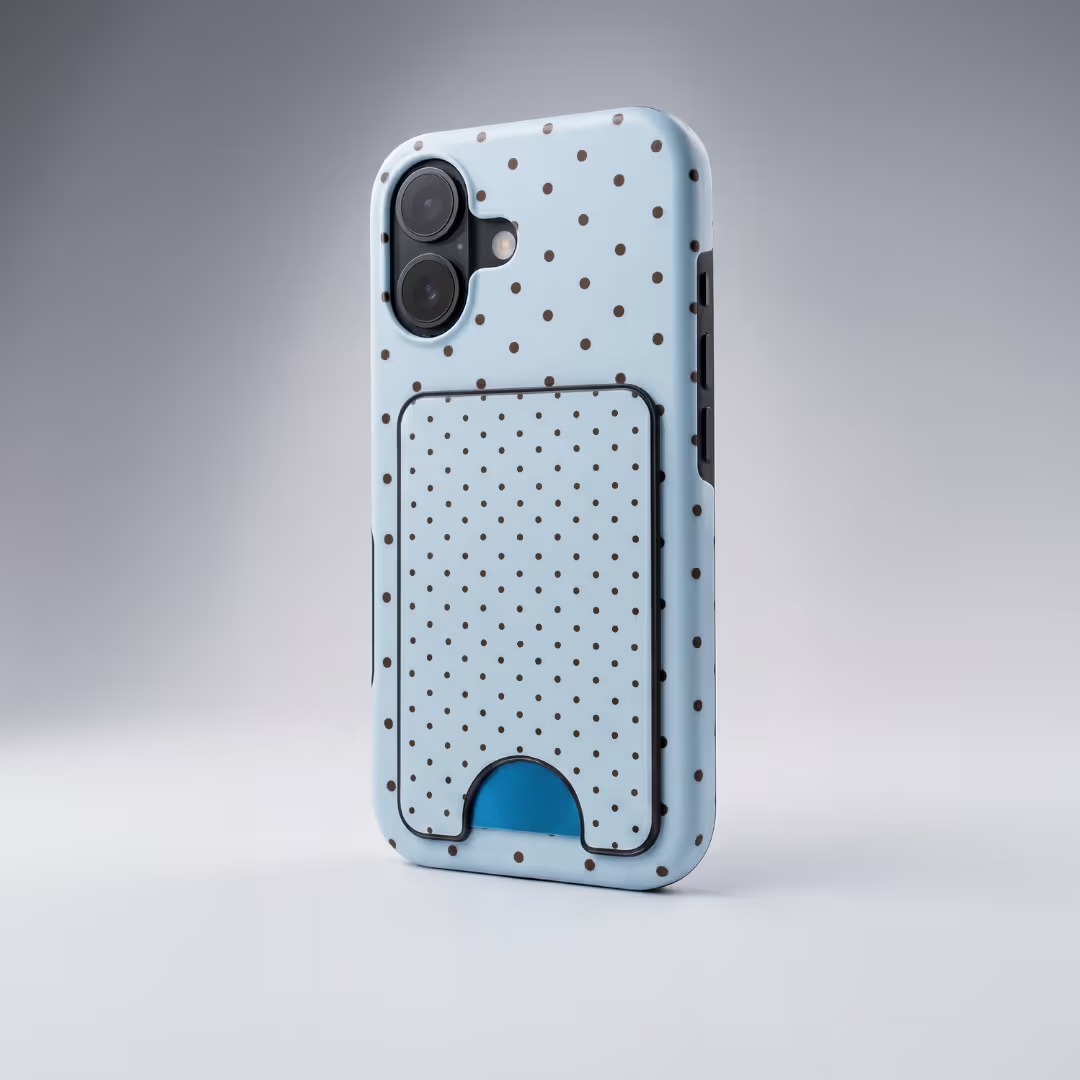
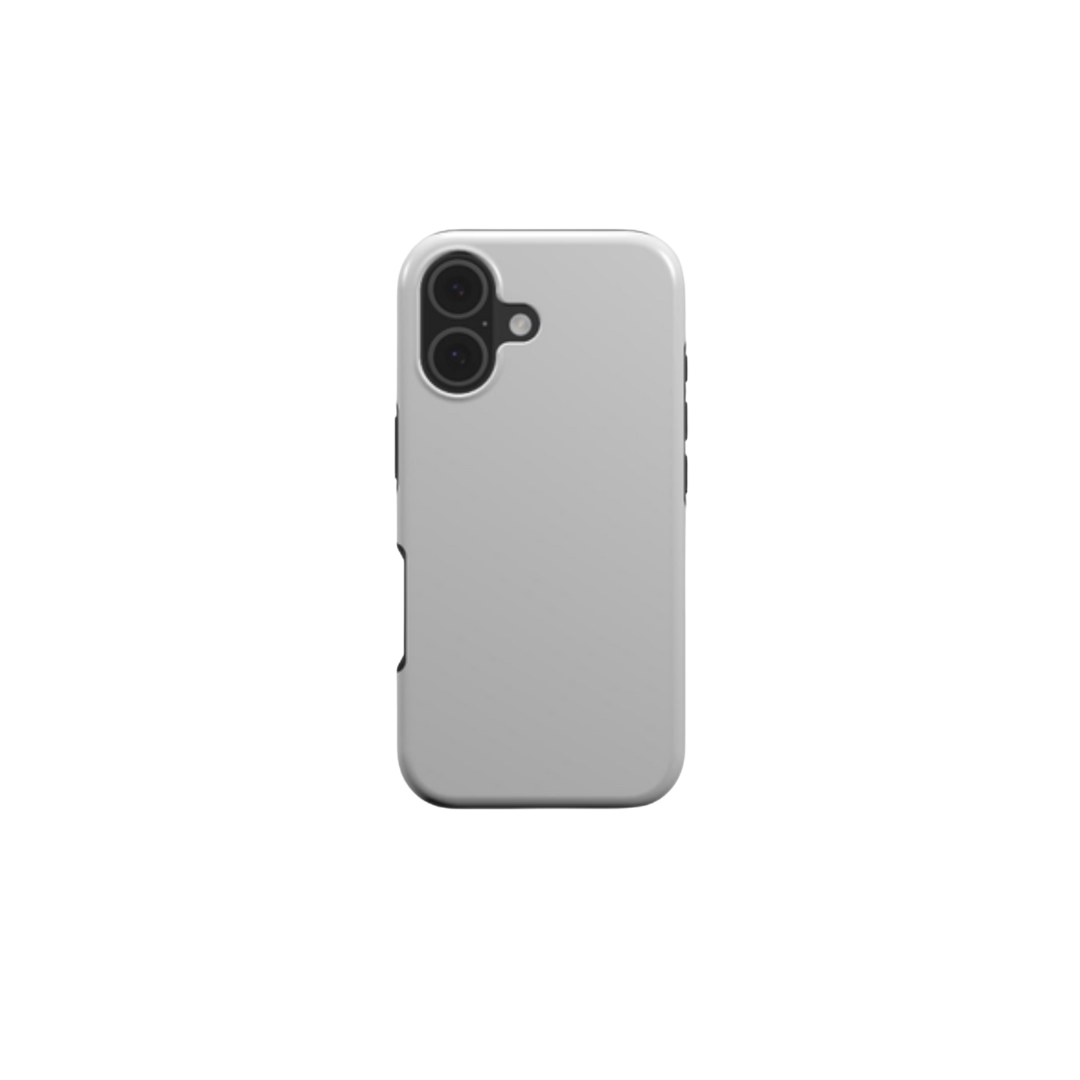
Use it to design tech accessories like phone cases, laptop skins, tablet covers, posters, and more.
Step 1: How to Start Using the ChatGPT Image Generator
Getting started takes two minutes:
- Log in or sign up at chat.openai.com
- Image generation with Images 2.0 is available on all plans - free users get limited generations, while Plus, Team, and Enterprise tiers get higher limits and priority capacity
- Start a new chat and ask ChatGPT to create an image
Here's a sample prompt:
"Design an aesthetic and minimalist mountain landscape with soft pastel tone colors. Use this as a MacBook cover mockup."
The generator creates a unique image from your request. If needed, refine it conversationally until it's right.
Tip: Be specific. Mention colors, style (realistic, cartoon, minimalist), and purpose (e.g., phone case). The more descriptive your prompt, the better the result.
Also Read:
- How To Sell Digital Art: Maximizing Earnings With POD Services
- Print On Demand Design Ideas for 2026: What's Trending Now
Step 2: Understanding Key Features of ChatGPT Image Generation
Here are the features POD sellers should know:
- Natural Language Understanding: Describe ideas in everyday language - no technical terms needed.
- Accurate Text in Images (new): Images 2.0 generates readable, correctly spelled text inside images - finally making AI viable for quote designs, slogans, and typography art straight from the generator.
- Different Art Styles: Realistic photos to artistic illustrations; match any brand style for phone cases or tech accessories.
- Make Changes Easily: Don't like the first image? Just say what to change - the chat format makes iteration fast.
- All-in-One Tool: Built into ChatGPT; no switching apps or learning new software.
- No Design Experience Needed: Beginners, small businesses, and solo creators can produce high-quality images without hiring a designer.
- Quick and Efficient: Mockups and designs in minutes - launch products fast and stay ahead of trends.
- Easy Customization: Your prompt controls colors, objects, layouts, and backgrounds.
One framing from our own experience worth holding onto: because everyone now has this tool, the generator itself isn't your edge. As our CEO puts it, "you still need creativity in how to be more efficient than your competitors." Use AI for volume and speed; supply the taste, niche knowledge, and curation yourself - that's what actually sells.
Also Read:
- How To Make Printables To Sell Online: And Make Money
- How To Start a Print-on-Demand Business: Full Guide
Step 3: Creating Your First Design
Follow these steps to craft your first design with ChatGPT 4o image generation:
- Write a Prompt: Describe your desired design in detail. For example, “Design an abstract tech pattern using electric blue and neon green. Apply it to a phone case.”
- Adjust as Needed: Don’t like the first result? Tweak your prompt to achieve the result you want. You can mention textures, lighting, perspectives, or other elements for a unique design.
- Download Your Image: When you’re satisfied, download the file. ChatGPT image creator saves it as a PNG by default.
Ask ChatGPT to convert it to JPG, WEBP, or even the vector-style SVG. ChatGPT 4o image generator can also help resize or compress images for web or print.
Prompt Examples That Work for Tech Accessory Designs
- "Create a watercolor galaxy with purple and blue nebulae on a black background. This design can serve as the background for a premium laptop skin."

- "Design a retro wave pattern with neon pink grid lines. Apply this vibrant 80s aesthetic to a dark blue background for a trendy phone case."

- "Generate a marble texture in gold, white, and black tones for a tablet cover."

Prep for Print (The Step Most Guides Skip)
AI images come out screen-ready, not print-ready. Before uploading to any POD platform:
- Request high resolution in your prompt, then verify the file meets 300 DPI at your product's print dimensions - upscale if needed
- Convert to the CMYK color space - RGB files (especially gradients) are the most common cause of prints that don't match the screen
- Check the design guide for your product's exact dimensions
In our production, color accuracy is verified with a spectrophotometer - but it can only match what you submit. A two-minute file check prevents the one-star "colors looked different" review.
Also Read:
- Unlocking Profit Potential: How Much Money Can Custom Phone Cases Make?
- Best Print-on-Demand Niches: How to Discover Profitable Ideas for Your Business
Step 4: Integrating AI-Generated Images into Your POD Business
After creating images, add them to your POD workflow:
- Prepare Images for Production: Check dimensions, file formats, and the 300 DPI/CMYK requirements above.
- Upload Designs to Your POD Service: Podbase makes this seamless for tech accessories, with specific design requirements documented per product.
- Create Mockups to Showcase Products: Podbase auto-generates professional mockups when you upload - no photoshoot needed. Quality mockups measurably influence purchasing decisions.
- Develop a Consistent Release Schedule: Plan seasonal collections or themed series. AI generation makes producing a coherent collection - not just one-off designs - realistic for a solo seller.
- Track Performance Metrics: Note which styles, colors, and themes sell, then refine your prompts toward what customers actually want. Save winning prompts - they're your reusable assets.
One legal note: never prompt for trademarked characters, logos, or celebrity likenesses - avoid copyright infringement by keeping designs original or "inspired-by" rather than imitative.
Also Read:
- 10 Printify Alternatives: A Deep Dive Into Leading POD Platforms
- How to Make Money Using AI (13 Proven Methods)
Step 5: Maximizing Efficiency and Profitability
Here's how to turn the image generator into actual margin:
- Create Designs in Batches: Generate several concepts in one session - it keeps ideas flowing and feeds your testing pipeline. The speed math matters: sellers who publish five products within 30 days are ahead of 80% of POD stores, and AI is how a solo seller hits that pace. (Across our own workflows, AI cut typical launch time from about three months to under one.)
- Skip Expensive Tools and Freelancers: AI art is faster and more affordable for consistent results - keep your COGS minimal to protect margin.
- Save Winning Prompts: Reuse and tweak proven prompts to multiply successful designs with less effort.
- Use Your Extra Time Wisely: Spend the saved hours on marketing and listings - in our seller data, distribution decides outcomes more than design volume does.
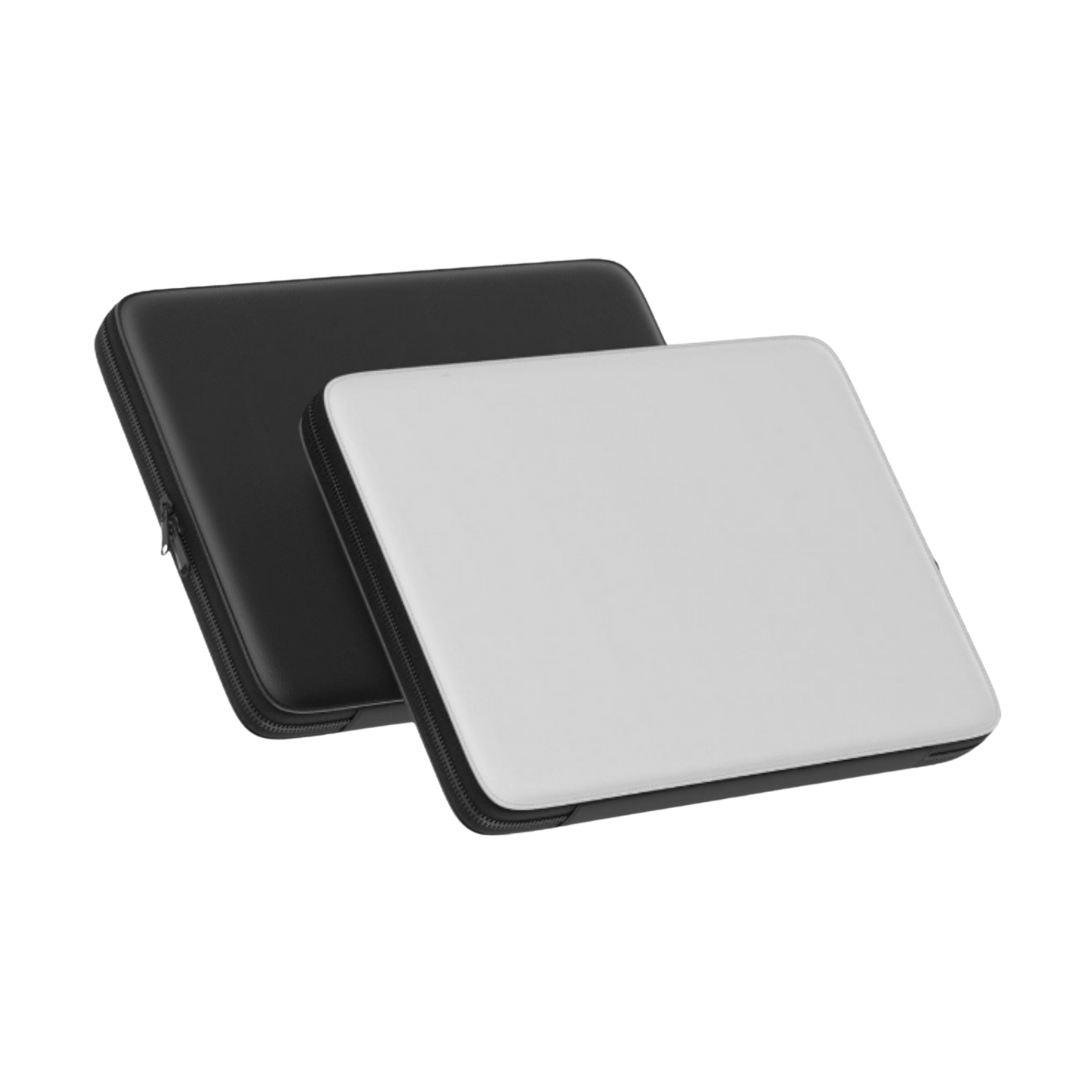
- Expand Your Product Line Easily: Apply one winning design across phone cases, laptop sleeves, and posters - and pair complementary items at checkout, where a simple add-on converts at 3-10% and adds ~€10 profit per order.
Final Thoughts
ChatGPT's image generator gives you enormous creative range in print-on-demand - no special training required. With Images 2.0's text rendering, even quote and typography designs (the genre AI used to fail at) are now a prompt away.
Follow the steps in this guide to work faster, save money, and offer more designs. Just remember the 2026 reality: the generator is everyone's floor. Curation, niche fit, and print-ready files are the edge - and speed compounds all three.
*Ready to launch?* Combine AI-powered design with Podbase's production - spectrophotometer-verified color, printing within 24 hours of each order, and no inventory - for faster creation and increased profits.
Also Read:
- Best AI Tools For Print-on-Demand Businesses To Use
- How to Make Money with Canva in 2026 (Beginner Guide)
FAQ
1. Can ChatGPT generate images for print-on-demand products?
Yes. ChatGPT's built-in image generator (Images 2.0, released April 2026) turns text prompts into original artwork suitable for phone cases, laptop skins, posters, and other POD products. It's available on all ChatGPT plans, with free users getting limited generations and paid tiers getting higher limits.
2. What replaced the ChatGPT 4o image generator?
ChatGPT Images 2.0, released April 21, 2026, replaced the GPT-4o image pipeline. It runs on OpenAI's GPT Image 2 model with dramatically improved text rendering, multilingual support, and visual reasoning. OpenAI also retired DALL-E 2 and 3 in May 2026, making Images 2.0 the single image system in ChatGPT.
3. Why does Images 2.0's text rendering matter for POD sellers?
Typography art, quotes, and slogans are among the best-selling POD design styles - and accurate in-image text was exactly where earlier AI generators failed. Images 2.0 generates readable, correctly spelled text, so quote posters, slogan phone cases, and typography designs can now come straight from a prompt.
4. Are AI-generated images print-ready?
Not by default - AI images come out screen-ready (RGB, screen resolution). Before uploading to a POD platform, verify the file meets 300 DPI at your product's print size and convert to CMYK; RGB gradients are the most common cause of prints that don't match the screen. Podbase verifies color with a spectrophotometer, but it can only match the file you submit.
5. Can you sell AI-generated designs legally?
Generally yes, on platforms like Podbase and Etsy - but never prompt for trademarked characters, brand logos, or celebrity likenesses, and check each platform's AI-content policies. Original or 'inspired-by' designs keep you safe; imitative ones invite takedowns.
6. Does using AI image generation actually make POD businesses more profitable?
It compounds speed, which Podbase data shows is the strongest success predictor: AI workflows cut typical launch time from three months to under one, and sellers who publish five products within 30 days are ahead of 80% of POD stores. But since everyone has the same tools, curation, niche fit, and marketing - not raw generation - determine who profits.

Saulius Meilutis is the CEO of Podbase, helping creators and entrepreneurs monetize their ideas with print-on-demand. He shares insights on eCommerce, growth, and building lean online businesses.

.avif)



.avif)
.avif)
.avif)
.avif)
.avif)
.avif)

.avif)


.avif)
.avif)

.avif)

.avif)
.avif)