To make printables to sell online in 2026, you design high-resolution digital files for a specific niche, list them on a marketplace like Etsy, and pair each file with an on-demand physical version so you earn from both the download and the printed product. Selling printables is one of the leanest ways to monetize creativity: thanks to print-on-demand (POD), you skip inventory and fulfillment entirely.
But let's be honest about 2026 from the start. Demand for digital products has exploded - Etsy now serves 90 million+ active buyers who increasingly prefer instant downloads - and that popularity cuts both ways. A flat PDF is trivially easy for the next seller to imitate and undercut. The creators who actually make money do two things differently: they niche down hard, and they pair the digital file with a physical, on-demand version customers can buy without the creator ever touching inventory. This guide covers the full process and shows you exactly where the real margin is.
Quick Summary
- What printables are: High-resolution digital files customers download and print on paper, fabric, glass, plastic, and more.
- Why the model works in 2026: Low startup costs, a scalable catalog, global reach, and hands-off fulfillment when paired with print-on-demand (POD). The digital planners market alone is on track to exceed $7 billion by 2033.
- The honest catch: Pure digital files are easy to copy and easy to undercut. The sellers who win pair printables with on-demand physical products and pick a specific niche instead of going broad.
- Design principles: Simplicity, readability, visual appeal, good UX, fit-for-purpose function.
- Tools: Free - Google Docs/Sheets, Inkscape, Canva, GIMP, Fotor. Paid - Procreate, Photoshop, InDesign, Affinity, Illustrator.
- Where to sell: Etsy (90M+ active buyers), Shopify, Amazon KDP, or your own site. Combine channels for reach.
- Price cues: Worksheets a few dollars to $10-$20, planners $5-$25, wall art $5-$50+, party sets $5-$20, labels $2-$10, seasonal $3-$15, journals $5-$20.
- POD workflow: Integrate Podbase, upload art, auto-fulfill after purchase, ship direct to customers with tracking.
What Are Printables?
Printables are high-resolution digital files that customers download, print, and use across different settings - paper, fabric, glass, plastic, and more. When you're learning how to create digital printables to sell, think about which surfaces they'll live on, because that decision is where the money quietly hides (more on that below).
The possibilities are virtually limitless, including wall art, journals, stationery, activity books, greeting cards, home decor, and stickers and labels.

From a consumer's perspective, printables offer a versatile, cost-effective way to get instant access to physical versions of digital designs. That appeal is why the category keeps growing - the global digital planners market alone is projected to exceed $7 billion by 2033, and printables sit inside the much larger print-on-demand market, which is on track to grow from roughly $12.96 billion in 2025 to about $75.30 billion by 2033.
Creating and selling printables online has real benefits for entrepreneurs and creatives:
- Low Startup Costs: Unlike physical products, printables need minimal initial investment - good design software and creativity.
- Scalable Income Potential: A single file can sell repeatedly. There's no hard ceiling, but - see the next section - there's no guaranteed floor either.
- Scalable Catalog: Expand your product line easily by creating new printables to meet demand.
- Wide Market Reach: Selling online opens you to a global customer base.
- Hands-off Fulfillment: Paired with POD, you can outsource printing, packaging, and shipping entirely.
The "Passive Income" Myth - and Where the Real Money Is
Most printables guides sell you a dream: make a file once, earn forever. Here's the contrarian truth backed by how products actually sell in 2026.
A pure digital download has no moat. The moment your planner sells well, a dozen sellers copy the concept and compete on price until the category bottoms out near $3. Our CMO, Vytautas Mikaila, describes the same dynamic in content terms, and it applies perfectly to product design: "The old way of doing organic, where you just publish a lot, go broad, and expect traffic to keep coming the same way, is clearly not enough anymore. Right now the game is much more about relevance, usefulness, specificity, freshness." Going broad with generic printables makes you, in his words, "just another page in the pile."
Two moves change the economics:
- Niche down ruthlessly. A "budget planner" competes with everyone. A "budget planner for freelance tattoo artists who invoice in two currencies" competes with almost no one - and can charge more.
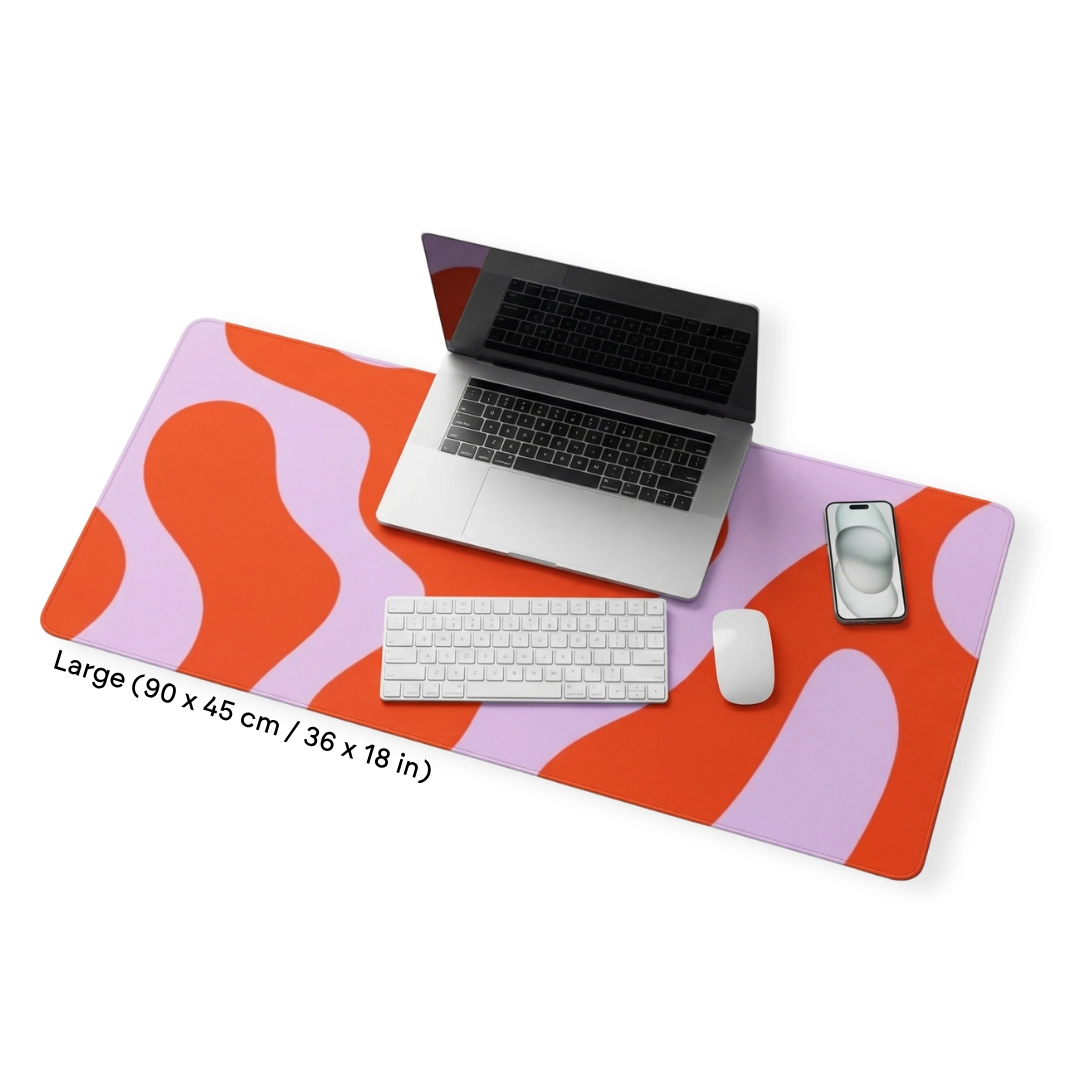
- Sell the physical version too. This is the part most printables articles miss. With a POD partner like Podbase, the same wall-art design you sell as a $5 download can also be sold as a framed, ready-to-hang print fulfilled on demand - no inventory, no shipping on your end. This matters because ~65% of wall art sales still happen offline, a massive gap for creators who can offer the printed product online. And Podbase sellers run 10-15% better margins than competitors on physical products, turning a low-ticket download into a real order value.
The takeaway: treat the printable as the top of your product ladder, not the whole ladder.
How to Know Your Target Market for Selling Printables
A printables business can be promising and sustainable - but only if you know who you're designing for. Knowing your market lets you create designs that match your audience's needs and build marketing around where they already spend time.
For example, if you design planners and organizers, your audience might be busy professionals, students, or productivity enthusiasts.
Once you've identified your niche, do thorough market research to understand trends, popular categories, and customer preferences. Evaluate your competition to see which printables sell fast and which are saturated. When researching, look into:
- Best-selling printables in your niche: what is already converting and at what price.
- Blogs and influencers discussing printables: where your audience gets ideas.
- Popular hashtags and social conversations: the language and trends buyers use.
The top-performing digital product categories on Etsy in 2026 are printable and digital planners, digital wall art (SVGs and clipart), Canva templates, digital invitations, and educational worksheets - with customizable, niche-specific, and seasonally relevant products seeing the highest sales. Use that as your starting map, then niche down within it.
How to Make Printables to Sell Online
To succeed, you must make printables your audience finds appealing and usable. Keep these design principles in mind:
- Simplicity: Avoid clutter. Use clean layouts and white space to create balance and visual hierarchy.
- Readability: Use clear, legible fonts that hold up wherever the file is printed.
- Visual Appeal: Use trendy, engaging graphics, illustrations, or photos.
- User Experience: Keep layouts clear and intuitive, especially for checklists and puzzles.
- Functionality: Design with the intended purpose in mind - planning, learning, or decoration.
Free tools you can use: Microsoft Word or Google Docs, Excel or Google Sheets, Inkscape, Canva, GIMP, and Fotor. Paid tools worth considering: Procreate, Photoshop, Adobe InDesign, Affinity Designer, and Adobe Illustrator.
To get the most from these tools:
- Keep designs simple and uncluttered: let the message and function lead.
- Use legible fonts with proper spacing: readability survives every print size.
- Refine your skills and experiment: test new techniques on low-stakes products.
- Leverage templates and pre-made elements: speed up output without losing quality.
- Prioritize user experience: intuitive layouts earn better reviews.
Once your designs are ready, lean on a print-on-demand service like Podbase to handle fulfillment and to offer printed versions of your designs. Podbase integrates with storefronts like Etsy and Shopify, prints and ships directly to customers, and removes inventory and logistics from your plate. A practical note from our operations team: print runs take roughly 6-8 hours with multiple quality checkpoints, and color accuracy is verified with a spectrophotometer - which is why submitting high-resolution files in CMYK gives you the closest match to what your customer sees on screen.
Benefits of pairing printables with POD: easy scalability, hands-off fulfillment, global reach, a low-risk product sandbox, robust customization, and little to no upfront inventory cost.
How to Start Selling Printables Online
Next, decide where to sell. The main options:
- Etsy: One of the most popular marketplaces for digital products, with a built-in audience of 90 million+ active buyers already searching for creative items. Pairs well with a POD back end.
- Shopify: Build a fully customized store and integrate POD services like Podbase directly.
- Amazon (KDP): Sell planners, journals, and activity books as digital downloads.
- Your Website: WordPress or Squarespace give you complete control.
For an effective storefront:
- Categorize printables for easy browsing: help buyers find a fit fast.
- Integrate secure, trusted payment gateways: reduce checkout friction.
- Use high-quality product images and a clean layout: show the printable in use.
- Write clear, concise descriptions: state size, format, and what's included.
- Add a robust search: so buyers find specific designs fast.
- Offer bundle deals or discounts: lift average order value.
- Encourage reviews and testimonials: build trust with new buyers.
One thing our seller data is blunt about: ship before it's perfect. Sellers who place a sample order in their first two days and publish 3-5 products within 30 days are already ahead of 80% of stores; ten sales puts them in the top 10%. As our Head of Sales, Sidas, warns, the sellers who fail usually get stuck in "the guessing phase" - endlessly polishing a shop that never goes live. Publish, then improve.
After setup, promote your printables through email marketing, social media, influencer collaborations, SEO, and paid ads (Google, Facebook, or Instagram).
Digital Products and Printables You Can Sell
Printables are one slice of a much bigger digital-products opportunity. Here are the categories that sell, with realistic price ranges.
Educational Materials
Perfect for parents, teachers, and students. Pricing runs from a few dollars for simple worksheets to $10-$20 for comprehensive study guides. Examples: stationery, study guides, educational posters, worksheets, flashcards.

Planners and Organizers
Ideal for busy professionals, students, and productivity enthusiasts. Typically $5-$25. Examples: grocery lists, habit trackers, meal planners, budget planners, goal-setting templates, and daily/weekly/monthly planners. (This is the category powering that $7B+ digital-planner market.)

Art and Decor
A favorite for creatives. Costs vary from $5 for simple prints to $50+ for large, high-quality wall art. This is the category to sell as on-demand physical prints too. Examples: wall art prints, inspirational quotes, coloring pages, craft templates.

Event and Party Supplies
For party hosts, event planners, and DIY enthusiasts. Generally $5-$20. Examples: banners, invitations, favor boxes, thank-you cards, party decorations.

Labels and Stickers
A great starting point for beginners. Sold for $2-$10 per sheet or set. Examples: sticker sheets, product labels for handmade items, customizable organization labels.

Seasonal and Holiday-Themed
Tied to seasons and holidays, typically $3-$15. Examples: holiday greeting cards, gift tags and wrapping paper, seasonal decorations and craft templates.

Journaling and Self-Care
For self-care, personal growth, and well-being. $5-$20. Examples: gratitude logs, mood trackers, guided journals, affirmation cards, inspirational quotes.

Business Templates
For professionals and businesses. Examples: invoices, resume templates, social media templates, spreadsheets, and Canva template kits - among the top sellers on Etsy in 2026.

You can also sell games and activity printables (mazes, crosswords) and digital stamps and clipart for cardmaking and graphic design.
Also Read:
- How to Sell Wall Art Online: A Complete 2026 Guide
- 25+ Print on Demand Tips for Beginners and Sellers
- How to Price a Product (Without Losing Profit)
To Conclude
You now know how to make printables to sell online - from targeting the right market to designing, listing, and promoting. The opportunity is real and growing, but in 2026 the winners aren't the people making one more generic planner. They're the ones who niche down and turn a flat file into a product ladder: the download, plus the printed version customers can buy on demand.
If you're ready, a print-on-demand service like Podbase lets you do exactly that - design once, sell both the file and the physical print, and let fulfillment run itself. Give Podbase a try today.

Saulius Meilutis is the CEO of Podbase, helping creators and entrepreneurs monetize their ideas with print-on-demand. He shares insights on eCommerce, growth, and building lean online businesses.

.avif)



.avif)
.avif)
.avif)
.avif)
.avif)
.avif)

.avif)



.avif)
.avif)

.avif)

.avif)

.avif)