Learning how to sell wall art online is one of the smartest ways to enter a growing market without a high upfront cost. Wall art is one of the most-searched home decor categories on Etsy, and print on demand lets you sell it without keeping stock - which removes most of the risk for first-time sellers.
The timing is good, too. Home decor is the fastest-growing POD category, expected to grow at a 28% CAGR from 2026 to 2035. And here is a number worth sitting with: our CEO Saulius Meilutis notes that “almost 65% of wall art sales are still offline, so there is huge potential for digital web sales.” That offline gap is the opportunity.
In this complete guide, we will walk through each step - from designing your first wall art print on demand product to listing it properly and making your first sale.
Why Wall Art Is One of the Best POD Niches in 2026
There are many POD niches, but wall art stands out because it fits a basic, repeating buying habit. People never stop decorating - they look for new art prints when they move, renovate, or just want a fresh look. That creates steady demand when you sell wall art online.
- Bigger orders: buyers often want 2 or 3 prints together rather than one, which lifts your average order value - wall art is naturally a set-based purchase.
- Lower risk: flat prints are simpler than most products, which usually means fewer returns and fewer customer issues.
- Better margins: Podbase wall art runs on a pay-per-sale model with margins 10-15% better than competitors - and wall art is now one of our three core categories alongside tech accessories and drinkware.
What Types of Wall Art Sell Best
Wall art in 2026 is moving toward pieces that feel more personal, more curated, and less cluttered. Etsy’s Spring and Summer 2026 report shows searches for “wall art decor” are up 110% - more proof this is a profitable niche. Here are the types of wall art that sell best, and the demand signal behind each.
Motivational and Quote Prints
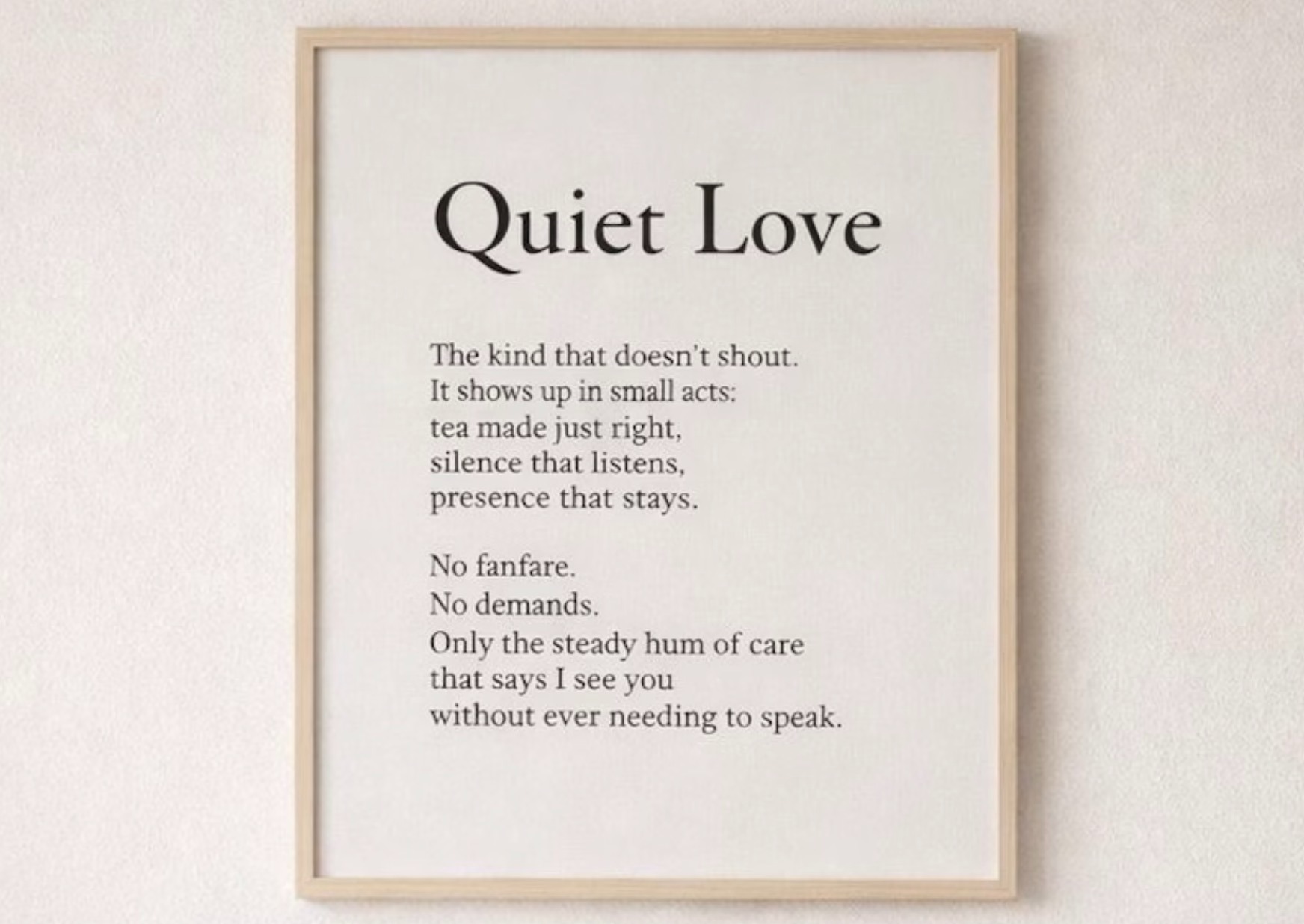
These sell because they are easy to understand, easy to gift, and easy to style in a set. Buyers love them because they feel personal and are a simple way to decorate a wall - and sets play straight into wall art’s natural higher order value.
Minimalist Line Art

This fits 2026’s move toward fewer, stronger pieces and more visual calm. MyPhotoStation’s 2026 wall-art guide says 55% of global respondents prioritize comfort as a daily need, pointing to quiet luxury and intentional minimalism - which is why minimalist line art will keep winning.
Abstract and Color-Field Art
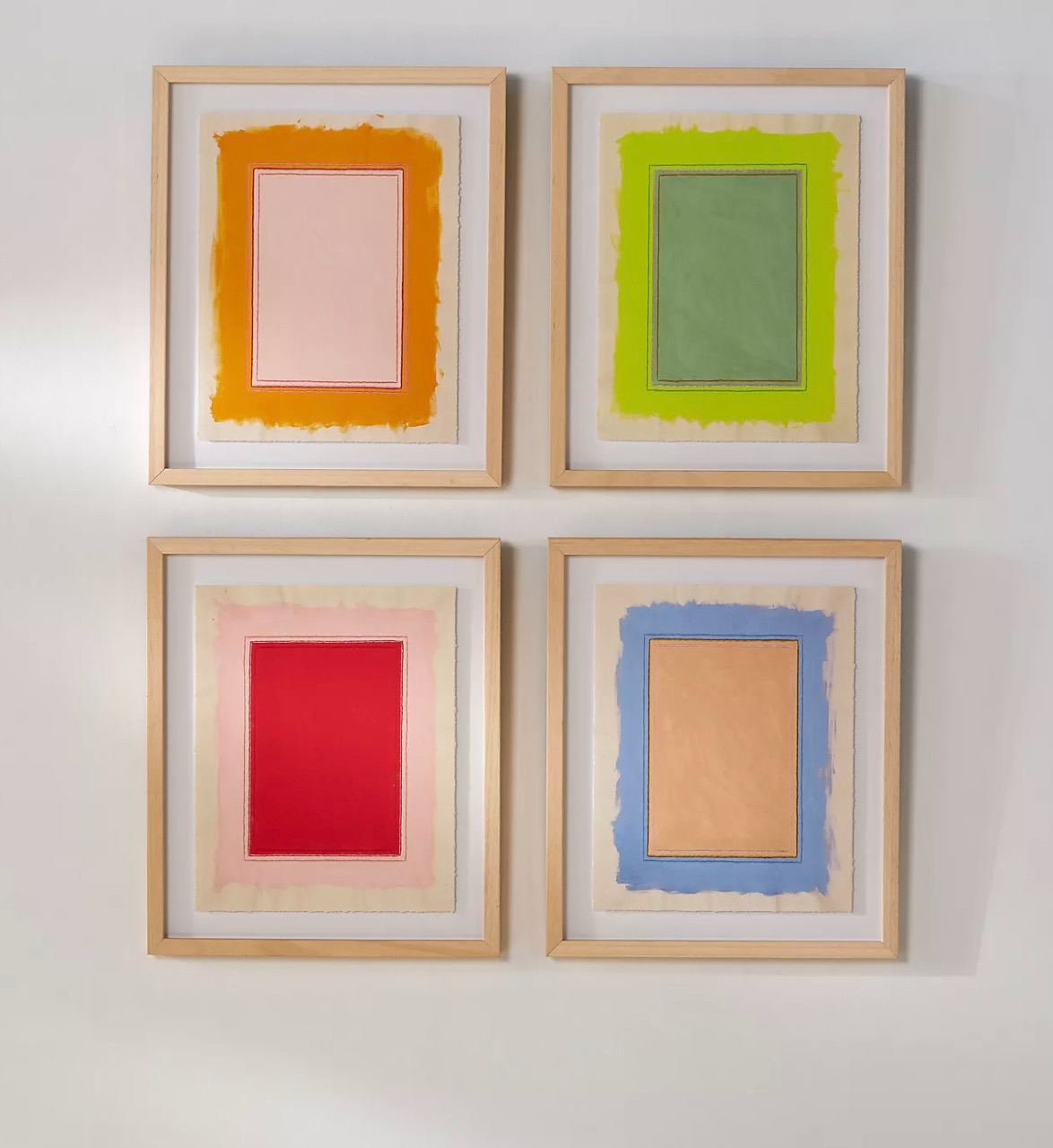
The Etsy trends report shows searches for “abstract art” went up 38%. These provide depth, contrast, and color in a chic way, which is why most stores that sell wall art keep abstract designs in their collection.
Botanical and Nature prints
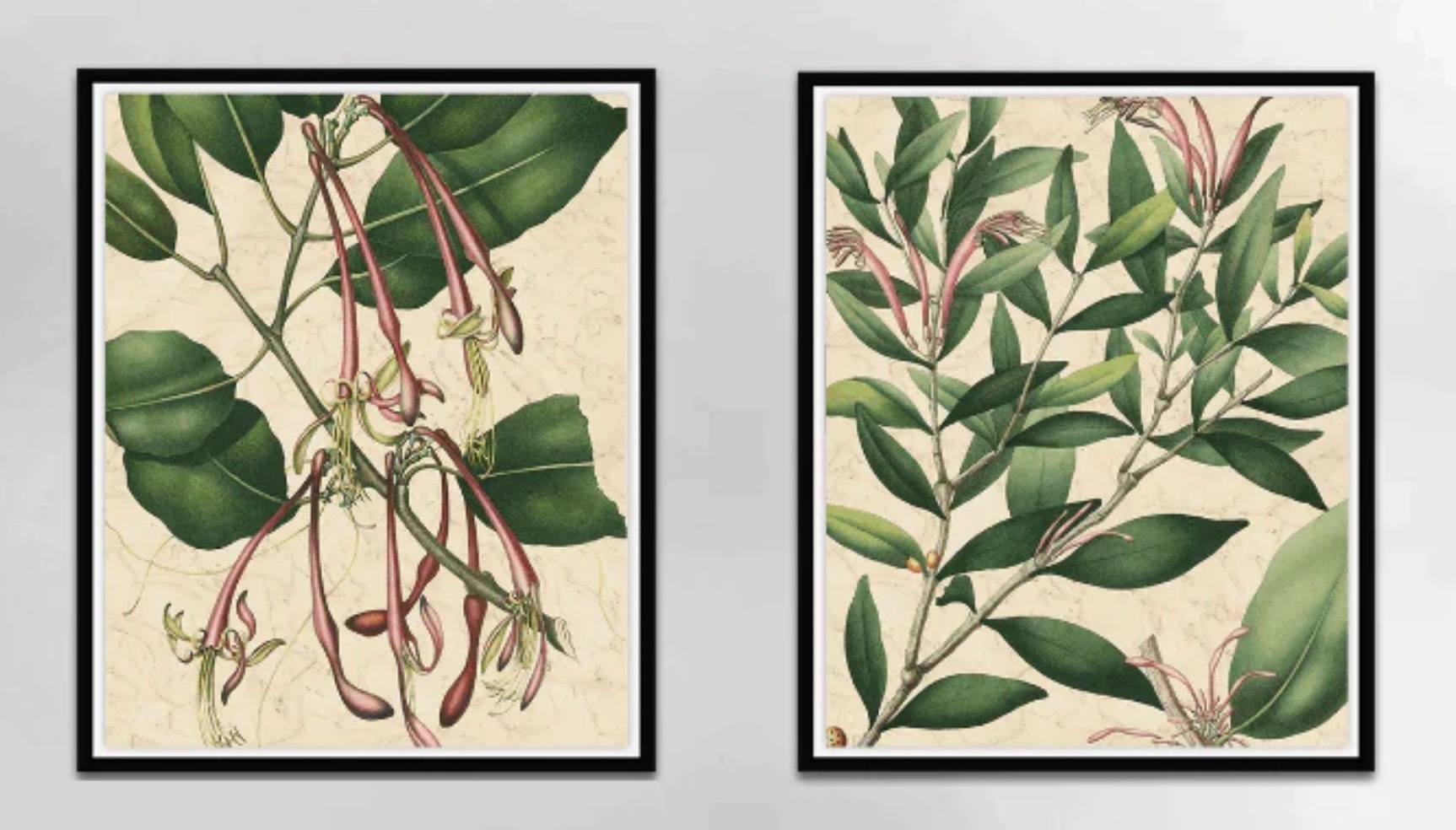
A natural fit for the 2026 move toward organic, grounded interiors - and a great gift for plant lovers. These pieces create a calming atmosphere instantly, so stores that sell canvas wall art should keep this category in the mix.
Retro and Vintage-Inspired Posters
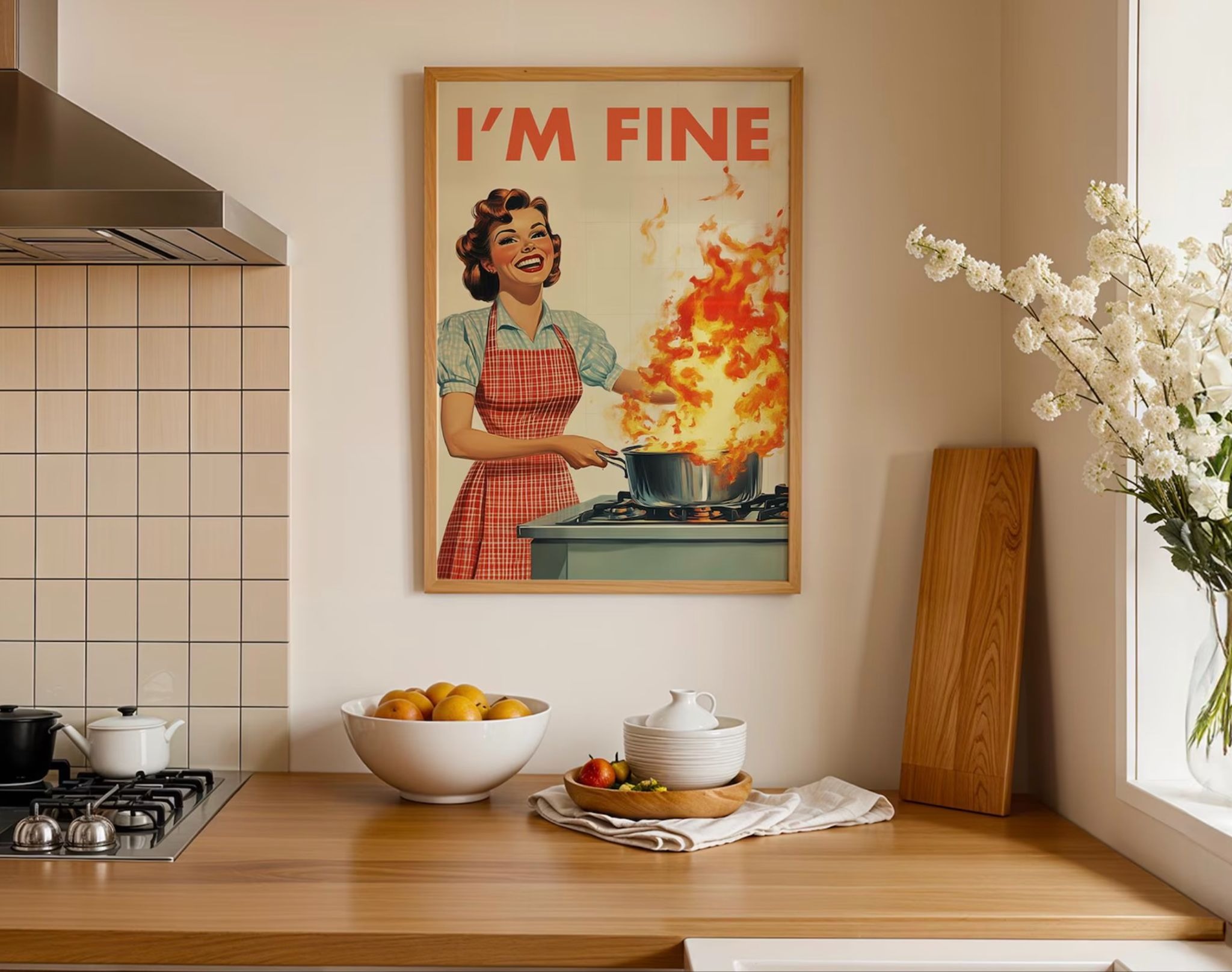
This category plays on nostalgia. Pinterest’s 2026 trends report highlights “Funhaus” - playful, colorful designs - which matches the retro aesthetic perfectly.
Niche-specific art

Astrology, animals, sports, travel, and other specific niches cater to dedicated interests that never go out of demand. The Etsy report shows millennials love “fan wall art,” with searches up 18% - buyers want art tied to personal interests, not generic filler.
Nursery and children's art
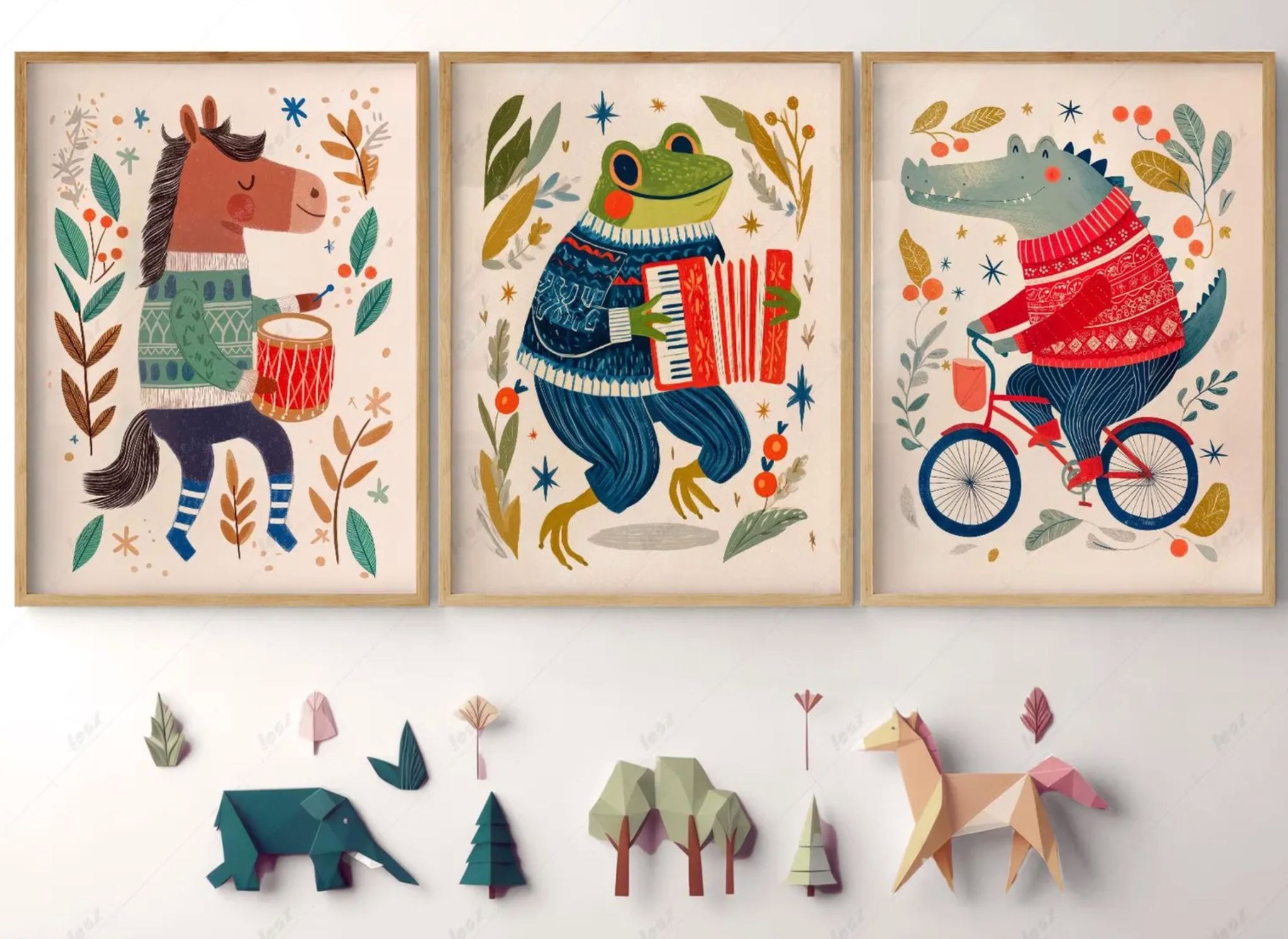
Playful, giftable, and perfect for a child’s room - another evergreen category of best-selling POD products. Pinterest predicts “circus nursery” searches up 50%; the aesthetic shifts, but parents always decorate kids’ rooms.
Also Read:
- How To Sell Digital Art: Maximizing Earnings With POD Services
- Passive Income for Artists: Easy Ways to Make Money
Creating Wall Art That Sells
Creating wall art that sells is not only about making something that looks nice. The file also has to print well, fit common sizes, and look convincing in a mockup. Get any of those wrong and the design becomes far harder to sell. This is exactly where a POD partner’s print standards matter - at Podbase, color accuracy is verified with a spectrophotometer, and designs print best when submitted in high resolution and CMYK.
- Start with print quality: use 300 DPI minimum for sharp detail and to avoid pixelation when artwork is enlarged.
- Design for standard sizes: most buyers want frame-ready prints, so design for 2:3, 3:4, 4:5, and square ratios - these cover most formats sold online.
- Choose the right tool: pick design tools by comfort level - Canva is easy for beginners, Illustrator gives more control, Procreate suits drawing, and Midjourney can spark early ideas.
- Get the color right: RGB is for screens, CMYK is closer to print output. Submit CMYK or your final print may look dull - we color-check every file against a spectrophotometer reference.
- Create product mockups: a good mockup is the difference between a click and a sale. Podbase’s mockup generator creates lifestyle previews that show the art in a real room, so buyers understand the product faster.
A strong wall art product is clear, print-ready, and easy to picture in real life - and original, to avoid copyright infringement. One operator note from our product team: sellers kept asking for more options, so we added matte and thicker paper and frames that look premium and still ship safely. Those finish choices are part of why a print converts.
Also Read:
Where and How to Sell Wall Art Online
There are four key platforms where you can sell wall art online, and each does a different job. The table below compares them at a glance.
- Etsy: good for search-led sales. Use clear titles, useful tags, and simple descriptions so buyers find your wall art faster.
- Shopify: best for a branded store - customize the theme and make the shop feel like your own art label.
- Own website: best for full control; Podbase supports custom stores through its Open API, so you shape the entire buying experience.
- TikTok Shop: useful for visual selling - show the art on a wall or during setup to build trust and speed up decisions. Mind the TikTok Shop fees when you price.
As you grow, you will likely sell wall art in more than one place. Podbase connects with Etsy, Shopify, and other platforms, so you do not manage orders manually - which is what keeps a multi-channel store closer to passive.
Pricing Wall Art for Maximum Profit
Pricing wall art is about covering costs and keeping margin without making the product feel cheap. The good news with POD is no upfront inventory, so your risk stays low while you test trending designs. Before setting a price, account for:
- Production cost (printing + materials)
- Shipping cost
- Platform fees (Etsy, Shopify, etc.)
- Payment processing fees
- Design tools or software
- Marketing or ad spend
If you are learning how to sell print-on-demand wall art, start with a good POD partner. Podbase lets you start for free and charges no fulfillment fees - you only pay when you get an order, which makes testing prices easy. It also offers multiple wall art formats, from posters to framed prints.
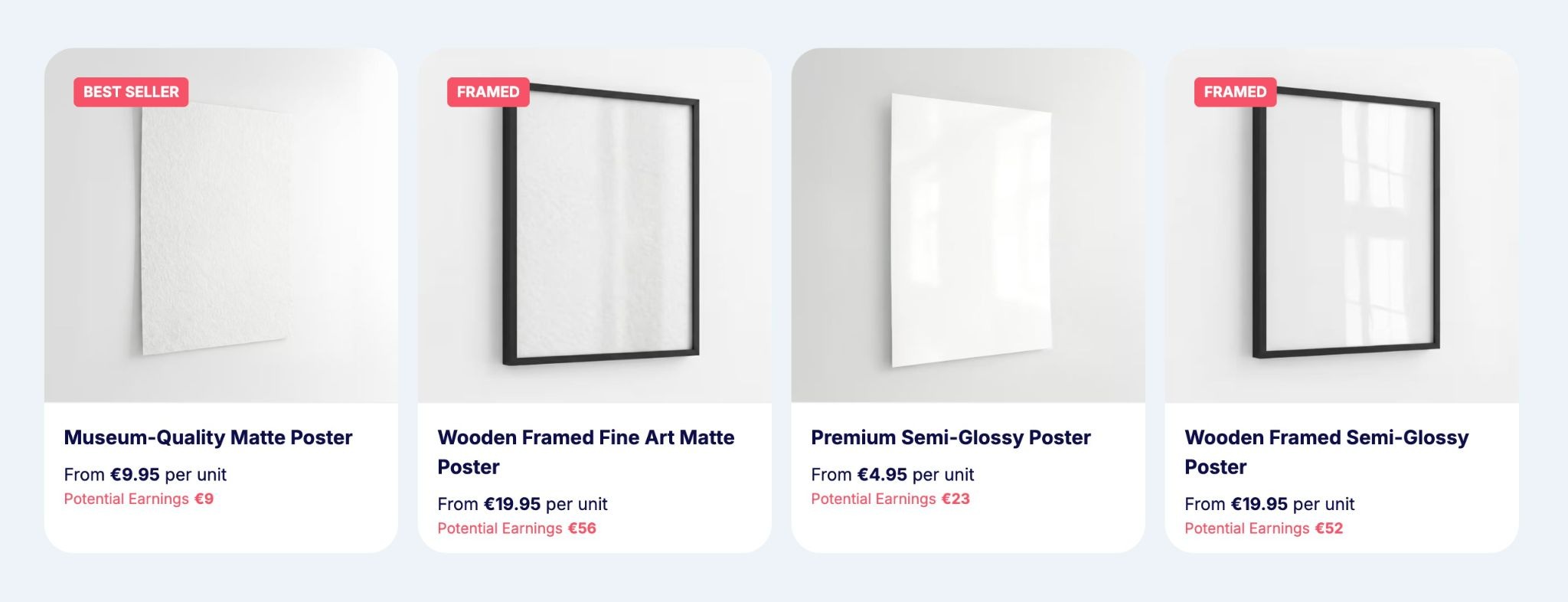
Then use pricing psychology: $24.99 often feels cheaper than $25 for practically the same price. Bundle pricing works well for cohesive sets, and clear tiers (small vs large prints) make decisions easier. For most wall art brands, premium pricing is the better route - buyers are paying for taste, style, and how a piece changes a room. If your presentation is strong, premium is the safer, more scalable choice.
Marketing Your Wall Art Store
The best marketing tip we can give: use channels that show your art in real spaces. A plain product image is not enough - help buyers picture the piece on their wall, in a room, with furniture around it. These channels do that well:
- Pinterest: post art in real room setups, not just mockups. If it fits a buyer’s idea board, it can convert later. See our Pinterest selling guide.
- Instagram: this is where buyers check your brand feels legit - post consistently and sell on Instagram with a mix of wide room shots and detail shots.
- TikTok: art-reveal and room-transformation videos drive interest - unboxing, hanging a frame, or a before-and-after wall. Learn to sell on TikTok Shop.
- Email: where conversions happen over time. A small discount, a new drop, or a reminder brings buyers back later.
Each platform does a different job - together they help people discover your art, trust it, and finally buy it.
FAQ
1. Is selling wall art online profitable?
Yes. Wall art is one of the most-searched home decor categories, and home decor is the fastest-growing print-on-demand category at a 28% CAGR through 2035. Margins are healthy because buyers pay for taste and style, flat prints have low return rates, and customers often buy 2-3 prints as a set, raising average order value.
2. How do I start selling wall art online with no inventory?
Use print on demand. You upload a print-ready design, connect a platform like Etsy, Shopify, or your own site, and a POD partner prints and ships each order after a sale. With Podbase you start free and pay only when you get an order, so you can test designs without locking money into stock.
3. What wall art sells best in 2026?
The strongest sellers in 2026 are motivational and quote prints, minimalist line art, abstract and color-field pieces, botanical and nature prints, retro and vintage posters, niche-specific art, and nursery art. Etsy searches for wall art decor are up 110%, with abstract art up 38% - signals of where demand is concentrating.
4. Where is the best place to sell wall art online?
Etsy is best for search-led discovery, Shopify for a branded store, your own website for full control, and TikTok Shop for visual, video-led selling. Most sellers eventually use more than one. Podbase connects with Etsy, Shopify, and custom stores via Open API, so orders flow automatically without manual management.
5. How should I price wall art for profit?
Account for production, shipping, platform fees, payment processing, design tools, and ads, then add margin. Use pricing psychology ($24.99 beats $25), clear size tiers, and bundle sets. For most wall art brands premium pricing is the safer, more scalable route because buyers are paying for taste and how a piece transforms a room.
6. What file size and format should wall art be?
Design at a minimum of 300 DPI to avoid pixelation when enlarged, and build for standard ratios - 2:3, 3:4, 4:5, and square - so prints fit common frames. Work in CMYK rather than RGB for accurate print color. Podbase checks color accuracy with a spectrophotometer, so submitting high-resolution CMYK files gives the best results.
Conclusion
Wall art works when the design is good and the buying process is easy. You can start small, test ideas, and grow without much risk. Here is the contrarian part worth remembering: with 65% of wall art still sold offline, the winning move in 2026 is not chasing the most listings - it is presenting a curated, well-mocked-up set on a channel you control, and letting print-on-demand handle fulfillment. Podbase gives you that infrastructure - pay-per-sale pricing, spectrophotometer-checked color, premium paper and frames, and automatic order routing. Start selling wall art with Podbase today, or switch your provider to Podbase to keep more of every sale.

Saulius Meilutis is the CEO of Podbase, helping creators and entrepreneurs monetize their ideas with print-on-demand. He shares insights on eCommerce, growth, and building lean online businesses.

.avif)



.avif)
.avif)
.avif)
.avif)
.avif)
.avif)

.avif)




.avif)

.avif)

.avif)

.avif)
.avif)