Amazon is one of the best platforms to launch a print-on-demand business in 2026. This beginner's guide walks through both routes - Amazon Merch on Demand and third-party POD via a Seller account - covering setup, supplier choice, high-converting listings, ads, and scaling. You'll also get the honest economics most guides skip: when Merch on Demand's royalties make sense, when owning your margins beats them, and why on Amazon your supplier's quality control quietly decides your review score - and therefore your rankings.
Amazon is the most trusted storefront in ecommerce, which makes it an ideal launchpad for first-time entrepreneurs: the buyers are already there. This guide breaks down every step, from creating an account to marketing your designs and scaling with analytics.
What Is the Best Print-on-Demand Strategy for Amazon?
The right strategy depends on how much control - and how much margin - you want. There are two routes for starting a print-on-demand business on Amazon.
Amazon Merch on Demand
Amazon's own POD program (formerly Merch by Amazon) lets you sell custom-designed apparel - t-shirts, hoodies - directly on the marketplace. Amazon handles printing, packing, and shipping; you earn a royalty per item sold and hold zero inventory. Note that Merch on Demand requires its own application and account, separate from Seller Central.
How it works:
- Apply to the Amazon Merch on Demand program
- Upload designs to the Merch dashboard
- Choose products and add keywords
- Amazon fulfills every order
- Keep adding designs to grow royalties
Pros: Zero risk and upfront cost; Prime delivery; runnable entirely from your phone. Cons: Approval isn't instant - and the economics are capped. You earn a fixed royalty (typically a few dollars per shirt) in POD's most saturated category, with no control over production quality or branding.
Third-Party POD + Amazon Seller Account
Third-party selling is the heart of the marketplace - about 61% of all paid units sold on Amazon come from third-party sellers. Pair a Seller account with a POD provider (like Podbase or Printful) and you list custom products with full control over pricing, branding, and catalog.
- Create an account with your POD provider
- Integrate it with your Amazon Seller account
- Create designs and set up products on the provider's platform
Orders fulfill either FBM (Fulfilled By Merchant - your POD provider ships directly) or FBA (you send pre-printed stock to Amazon's fulfillment centers).
Pros: Full margin control, more product variety, real branding. Cons: More setup - and heavy reliance on your POD provider's turnaround and quality.
That last con deserves a number, because it's the route's only real risk. As our Head of Sales puts it: "A provider might advertise a three-to-five day shipping window, but if fulfillment takes another five business days on top of that, the real delivery window is closer to ten working days." On Amazon, late or faulty orders become one-star reviews. Judge providers by the full order-to-doorstep timeline and their quality checks - Podbase produces in 1-3 days with QC between every production stage, which is exactly why migrating sellers saw 15% more reviews and 30% fewer order issues.
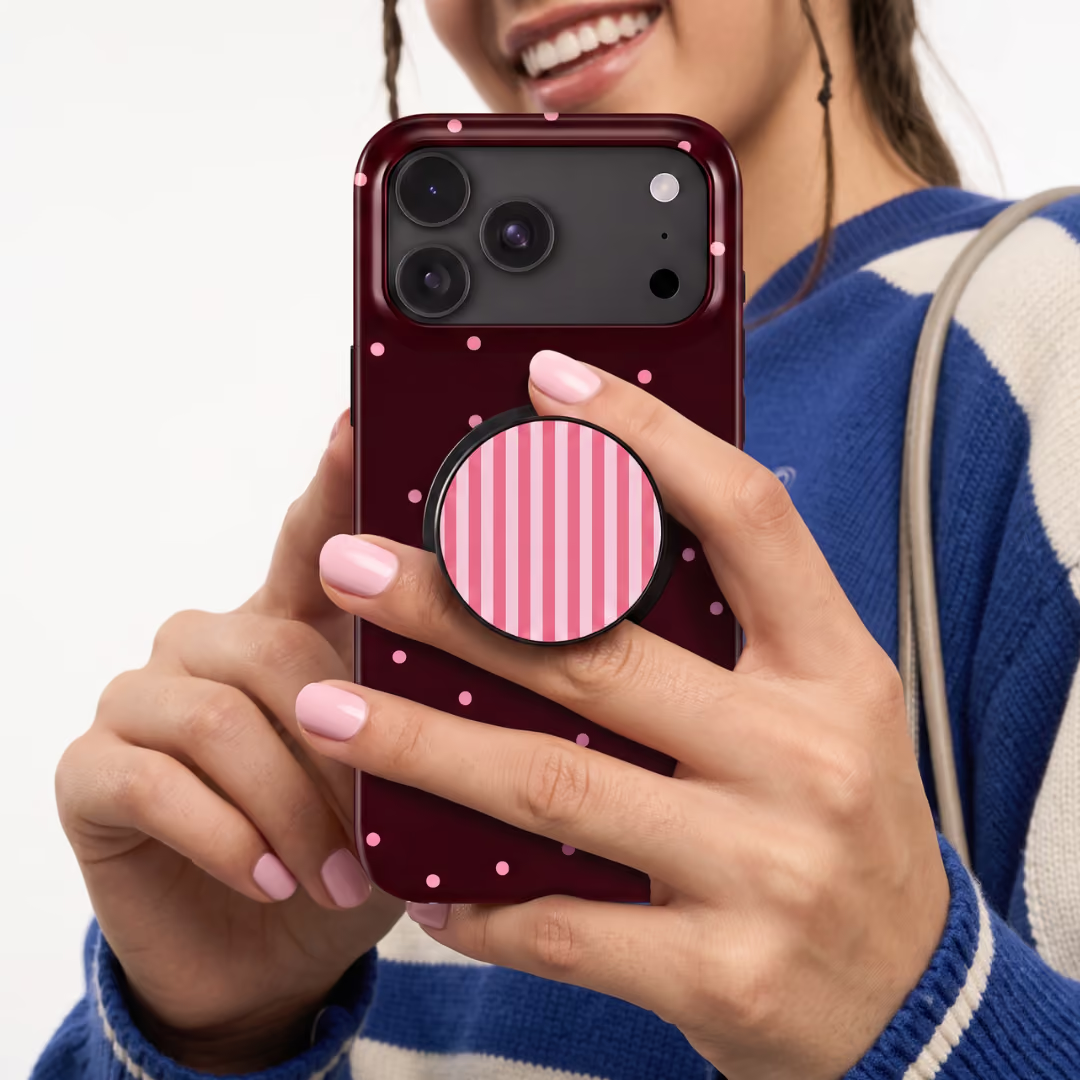
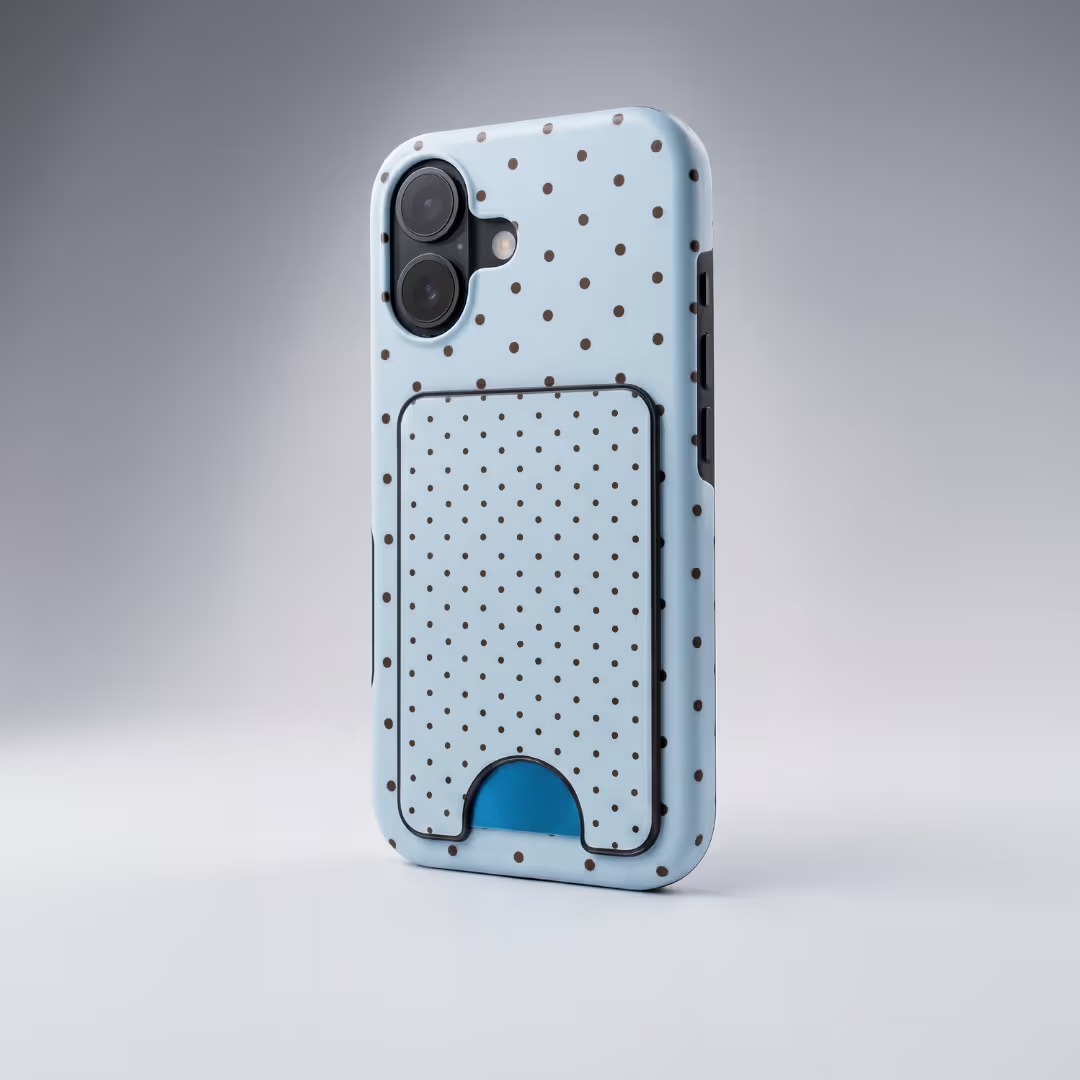
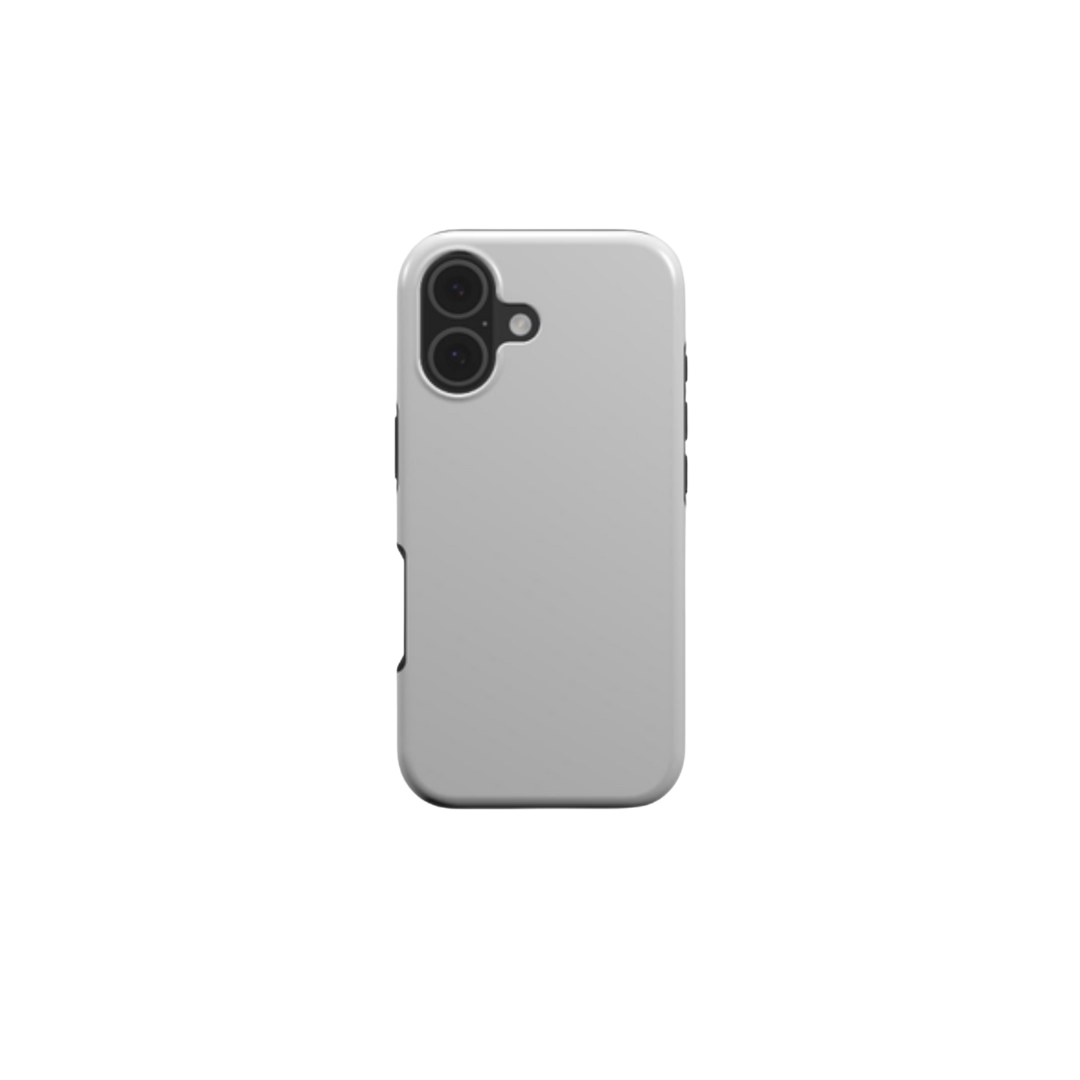
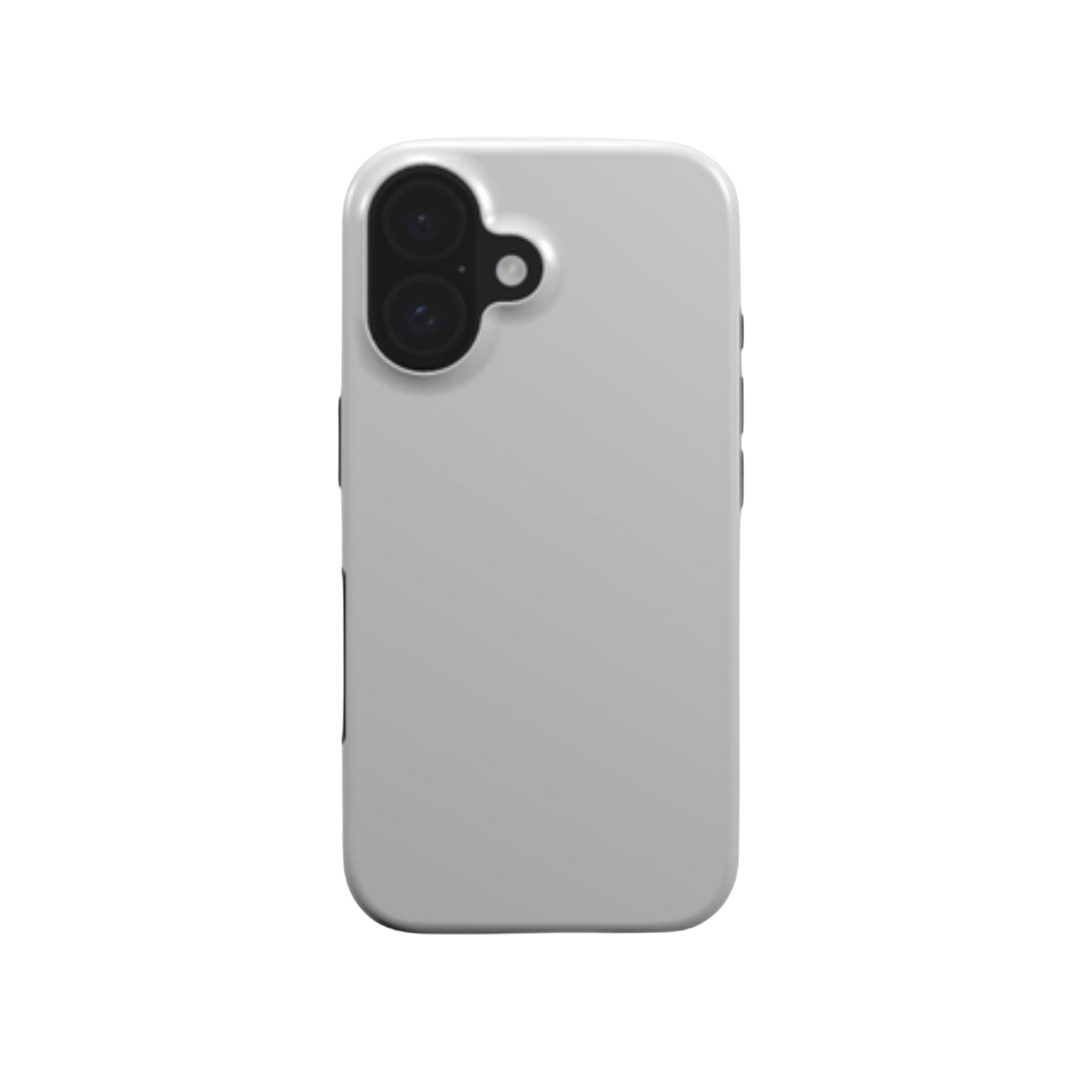
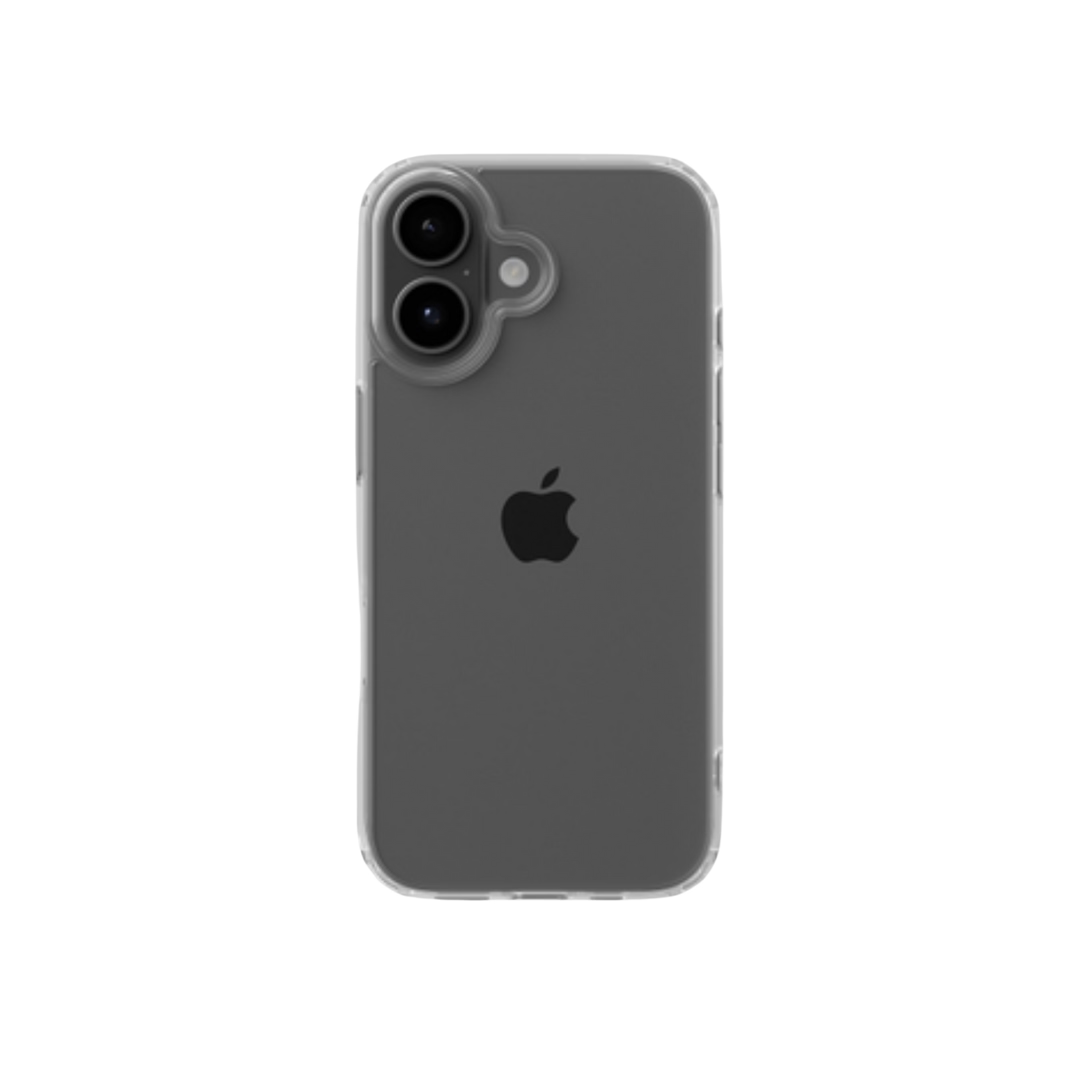
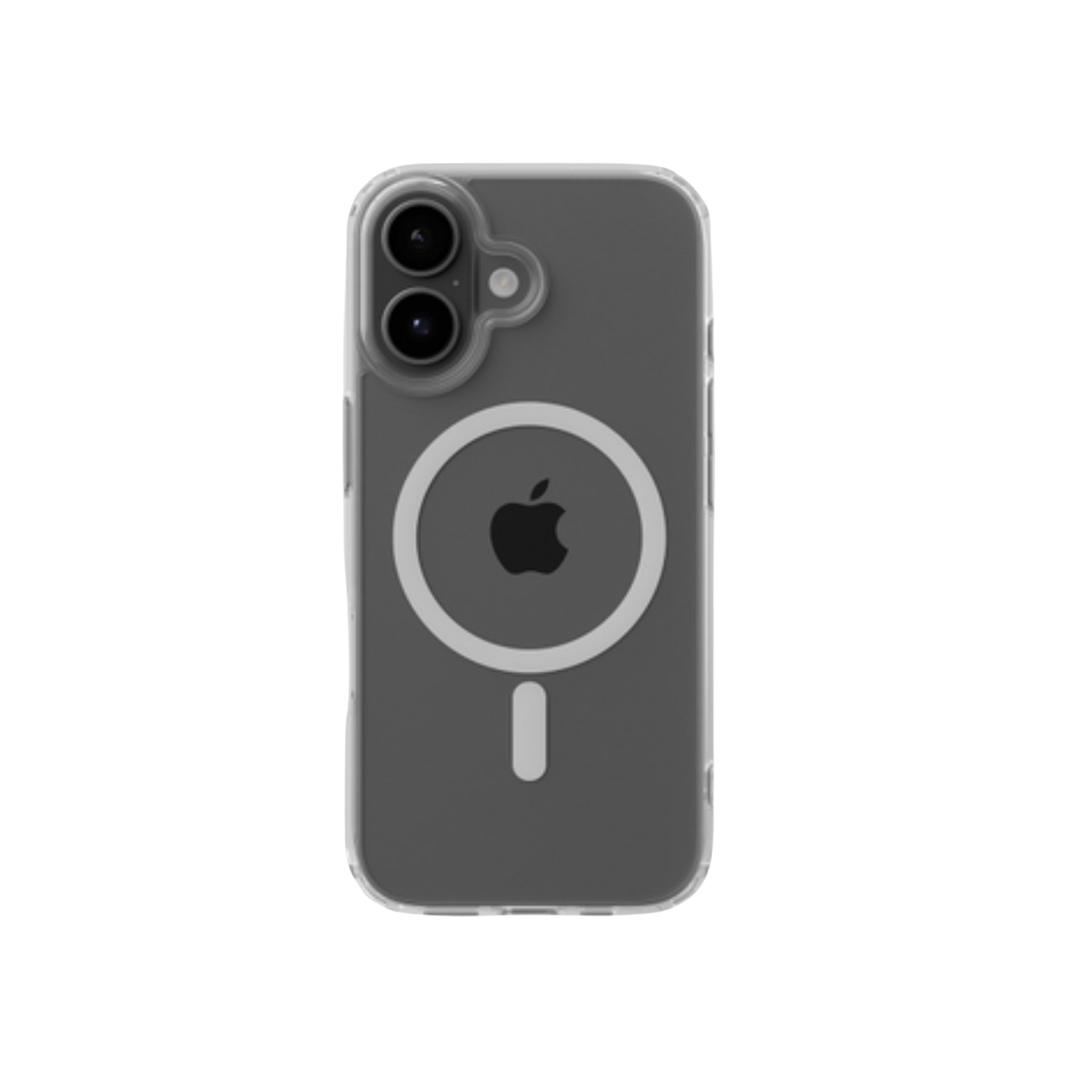
The honest comparison: Merch on Demand is the easiest start; third-party is the better business. A royalty caps your upside in the most crowded category (apparel), while accessories through your own account keep the whole margin - a phone case costs ~€10 and sells for €35-60. Start with whichever gets you moving, but know which game you're playing.
Also Read:
- Podbase vs Printify: Detailed Expert Comparison
- Podbase vs Printful: Comprehensive Comparison
- Amazon Statistics: Key Numbers You Should Know
Steps to Sell POD Products on Amazon
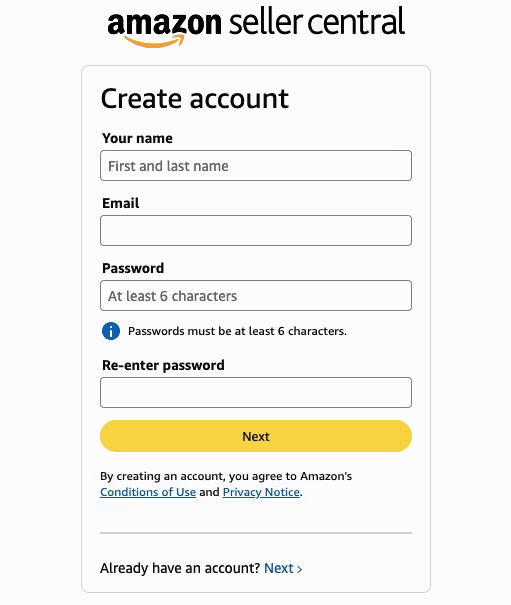
1. Set Up Your Amazon Seller Account
Your Seller account is where you list and manage products (required for third-party POD):
- Create your account at sell.amazon.com
- Choose a plan: Individual (no monthly fee, $0.99 per sale) or Professional ($39.99/month - worth it past ~40 sales/month)
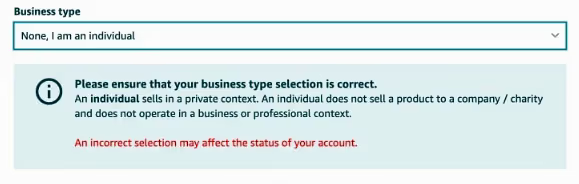
- Enter business details and complete identity verification (ID, bank account, tax info)
- Set your store name
- Handle product IDs: use standard barcodes (GTINs/UPCs) or apply for a GTIN exemption - common for custom POD products. Choose your category, enter your store name as the brand, and upload clear mockups
- Once approved, click Add a Product and complete title, description, price, and shipping
- Read Amazon's referral fee schedule before pricing - typically ~15% per sale in most categories
2. Find & Partner With a Reliable POD Supplier
Your supplier choice matters more on Amazon than anywhere else, because Amazon punishes fulfillment failures with review damage you can't undo. Look for:
- Real product quality - order a sample before listing anything
- Fast, verifiable production - ask for production time, not just shipping time
- Native integration with Amazon (and Shopify if you multichannel)
- Responsive support - when a faulty order hits a Prime customer, a half-day resolution versus a three-day one decides the review
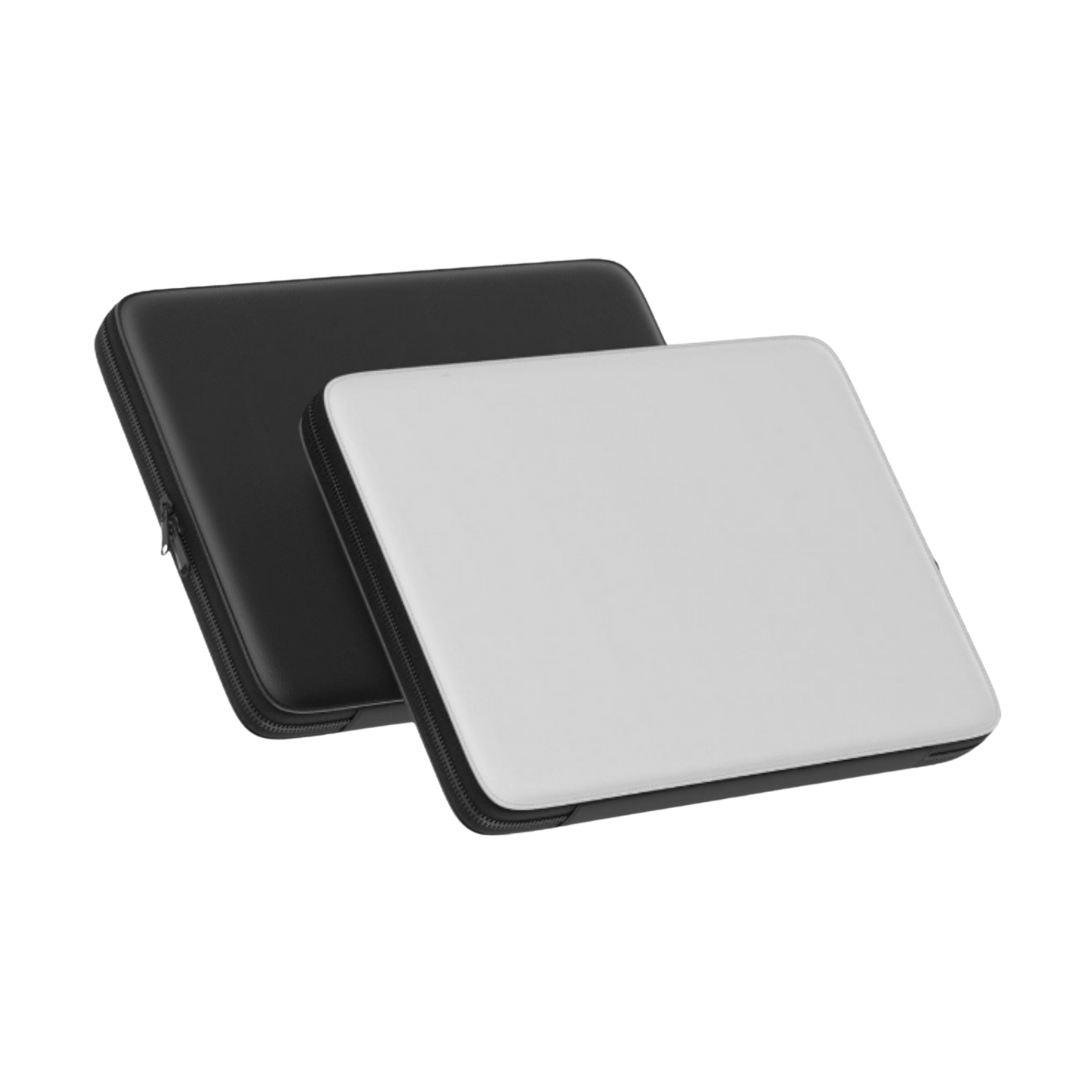
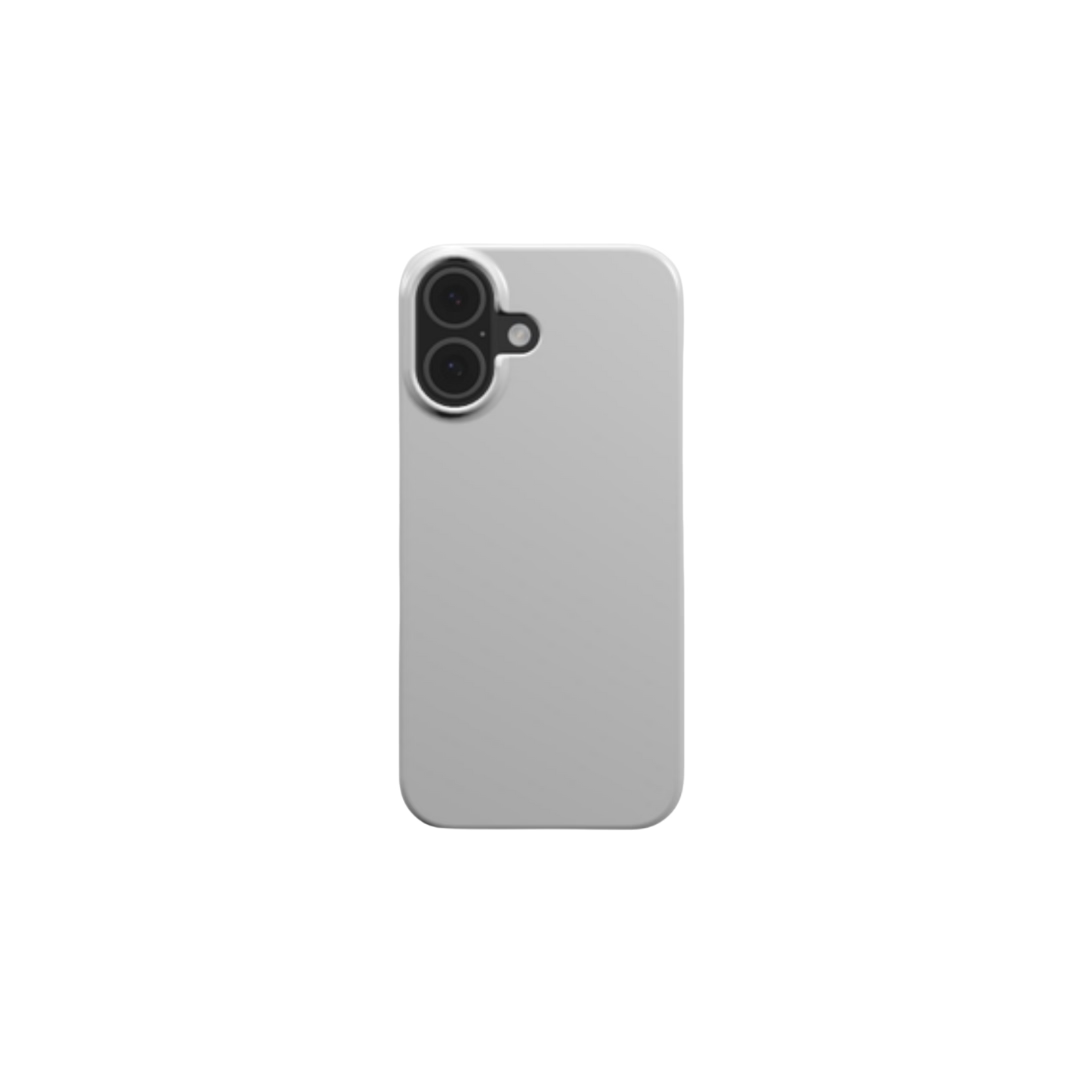
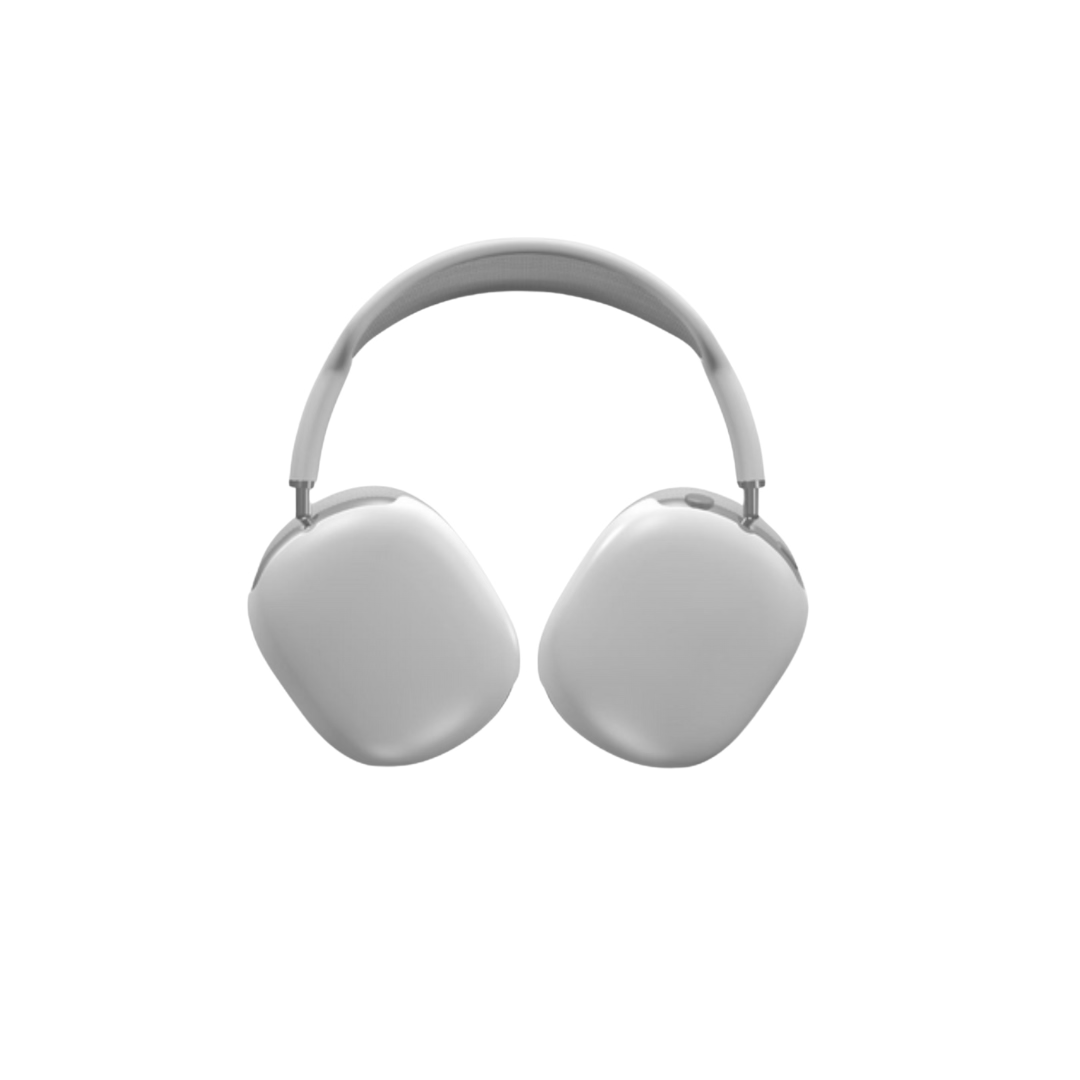
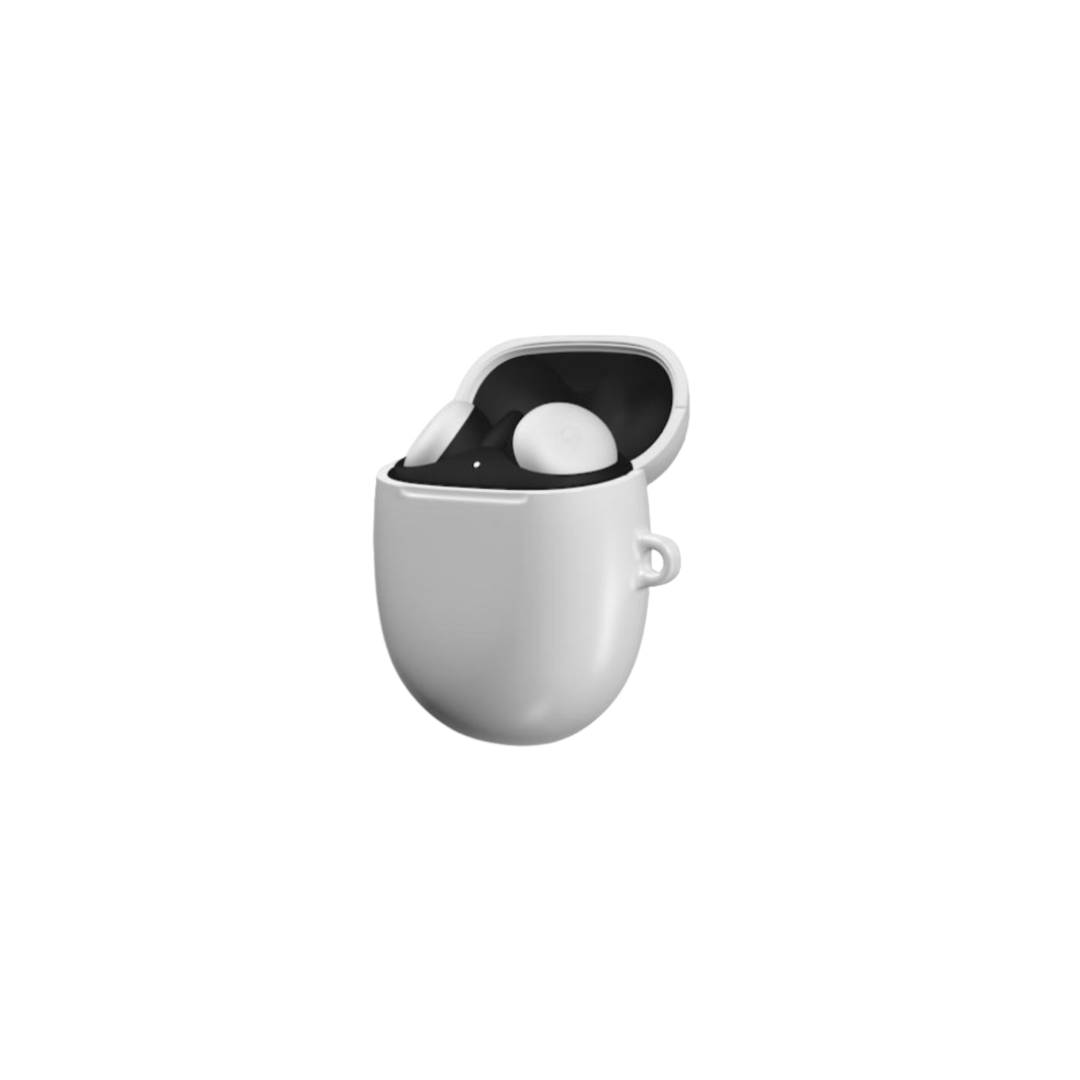
- The right products for your niche - phone cases, laptop cases, tote bags, and other profitable items
Popular beginner-friendly options include Printify, Printful, and Podbase - with Podbase strongest for tech accessories and wall art, where quality is verified with a spectrophotometer and margins run 10-15% better than competing platforms.
3. Create High-Converting Amazon POD Listings
Strong listings get seen and convert:
- Research high-traffic keywords with Amazon autocomplete or Jungle Scout; lead your title with the most relevant ones
- Make the title clear: what the product is and who it's for
- Upload plenty of sharp images (1000×1000px+) from multiple angles
- Write bullet points around benefits, not just features
- In the description, explain how the product solves a problem or makes a great gift
- Register your brand to unlock A+ Content - banners, visuals, and brand storytelling
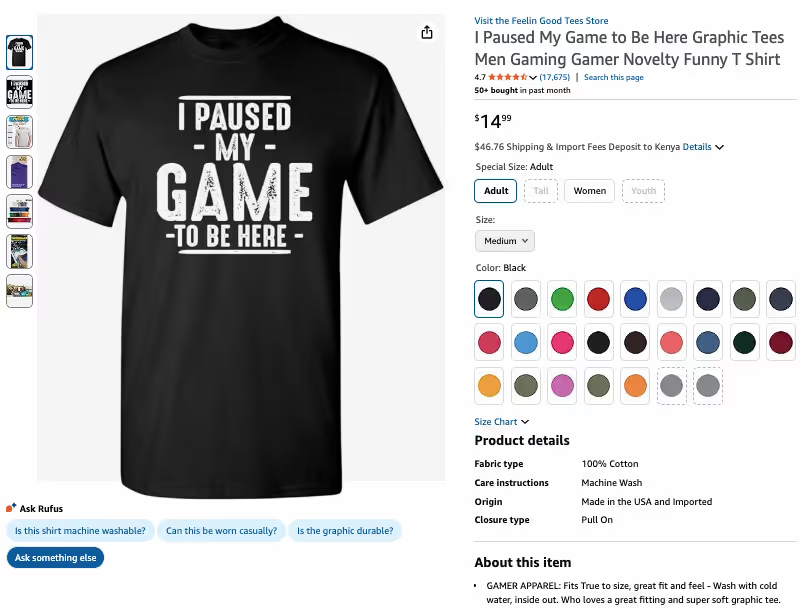
A useful benchmark: top POD listings combine a humor- or identity-led title, a clean product image, detailed information, and competitive pricing - then compound social proof as reviews accumulate. That's the flywheel: quality supplier → happy customers → reviews → rankings → more sales.
4. Launch & Market Your Products
- Run a launch campaign: a limited-time discount or bundle attracts first buyers and early reviews
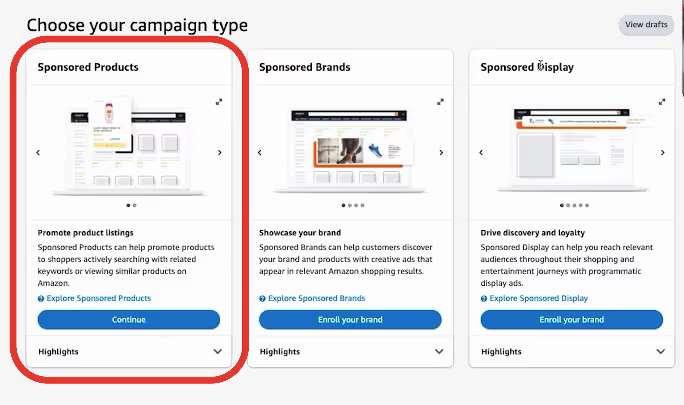
- Use Sponsored Product ads: small businesses using Amazon Ads attribute up to 30% of sales to them. Find them under Advertising → Campaign Manager, set budget, keywords, and targeting
- Budget realistically: our CMO's guidance for paid testing applies to Amazon PPC too - plan "a couple of thousand, but not over €5,000" for the learning phase, and expect early acquisition costs to run high before the data optimizes. Impatience kills more new stores than bad products
- Promote externally: TikTok, Instagram, and Pinterest traffic boosts listings; Amazon's algorithm rewards external demand
- Use your list: email subscribers and social followers are launch fuel
- Recycle UGC: customer photos and unboxings make your best ad creative
Also Read:
5. Optimize & Scale Your Business
After your first sales, let data drive:
- A/B test main images for click-through
- Scale winning ads; cut losers
- Test automatic vs manual ad targeting
- Use automation tools like Merch Informer or Flying Upload to speed listing
- Build reusable design templates - and lean on AI. As our CEO notes, adapting existing designs to new product requirements used to mean hours in Photoshop; now "you can just simply write a prompt with all the requirements, upload your designs, and the output is here really fast." That's how solo sellers maintain hundred-product catalogs
- Track per-product profit in a spreadsheet or analytics tool
- Watch Amazon's policy updates so you stay compliant
How to Sell Print on Demand on Amazon: 3 Tips for Success
1. Find Your Niche
- Target a specific passionate audience; think sub-niches ("vintage car lovers," not "car fans")
- Validate with Amazon autocomplete - suggestions reveal real searches
- Check trends with Google Trends and Keyword Planner
- Confirm demand: products with a BSR under ~500,000 sell regularly
- Study competition: if it's crowded and your design isn't distinctive, pick a different angle
Before designing anything, run a trademark check on the USPTO database - using protected phrases is the fastest way to lose an Amazon account. (More in our copyright guide for POD.)
2. Excellent Customer Support
Support converts one-time buyers into repeat ones - and protects the review score everything else depends on:
- State processing times, potential delays, and return policies upfront
- Build response templates for common issues, then personalize each reply
- Meet customers where they are: email, Instagram DMs, even WhatsApp
- Track feedback patterns - three complaints about the same issue is a supplier conversation, not a coincidence
3. Use Analytics to Grow Your Amazon POD Store
Track what works, fix what doesn't. Start with Amazon's built-in reports - impressions, CTR, and conversion rate. High clicks with no purchases means improve the listing (or stop paying for those clicks).
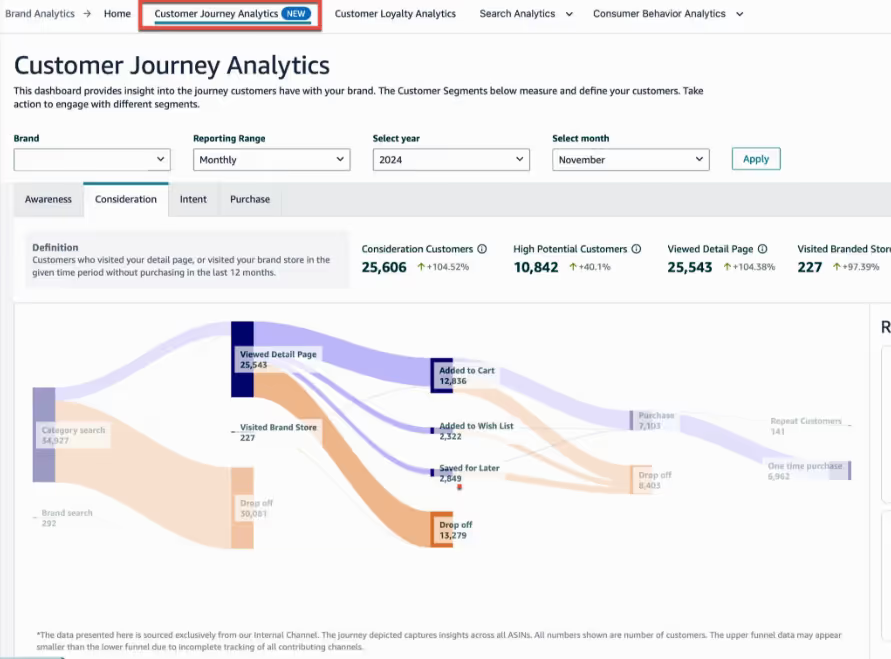
Brand Registry members get Amazon Brand Analytics: top search terms, customer demographics, product comparisons, and customer journey analytics that show where shoppers stop before buying.
Key numbers to watch:
- ACoS (Advertising Cost of Sale) - keep it below your margin
- AOV (Average Order Value) - lift it with bundles; in our internal data, even a simple accessory add-on at checkout converts 3-10% of buyers
- CTR - weak click-through means the image, title, or price needs work
Also Read:
Final Thoughts
Selling print on demand on Amazon comes down to setup plus strategy: choose your route (Merch on Demand royalties for the easiest start, or a Seller account with a quality POD partner for real margins), nail a niche, create listings that convert, and let analytics steer growth. Remember the Amazon-specific truth most guides skip - your supplier's quality control becomes your review score, and your review score becomes your rankings.
Pick your niche, get five products live this month, and let the market vote. Start with Podbase free - 1-3 day production, quality checks at every stage, and margins built for the long game.

Saulius Meilutis is the CEO of Podbase, helping creators and entrepreneurs monetize their ideas with print-on-demand. He shares insights on eCommerce, growth, and building lean online businesses.

.avif)



.avif)
.avif)
.avif)
.avif)
.avif)
.avif)

.avif)


.avif)
.avif)

.avif)

.avif)

.avif)