Podbase vs Printify in 2026 comes down to one decision: do you want the widest possible catalog from a network of third-party providers (Printify), or in-house manufacturing built for speed, margin, and consistency in tech accessories (Podbase)?
You have designs ready, a vision for a print-on-demand business, and maybe a few orders. But choosing the right POD partner can get overwhelming. Some platforms ship fast but cost more; others are cheaper but slower or harder to use. As an entrepreneur, your margins, delivery speed, and customer satisfaction all hinge on this choice.
This guide compares Podbase and Printify on pricing, shipping, products, quality, and support - with real numbers from inside Podbase, not just feature lists. Let us get into it.
Why Compare Podbase and Printify
The print-on-demand market is crowded, but platforms do not offer the same value. Your choice of print-on-demand platform affects how fast you deliver, how much you make, and how customers see your brand. It is not just about features - it is about picking the tool that fits your workflow and supports long-term growth.
There is a deeper distinction worth naming up front: Printify is an aggregator that routes your orders to outside print shops, while Podbase is an originator that manufactures in-house. That single difference shapes everything below - quality consistency, fulfillment speed, margins, and how much control you keep over your brand.
Key Features at a Glance
Here is a clear side-by-side comparison of Podbase vs Printify on the features that move margins and customer satisfaction:
Also Read:
Cost Effectiveness
Picking a profitable print-on-demand business model starts with a platform that supports growth. Here is how Podbase vs Printify shapes your budget and profitability.
1. Pricing Structures Explained
Podbase pricing:

- No monthly fees
- Tiered pricing based on product type and volume
- Focused on tech accessories, wall art, and drinkware
The economics are the headline. “You can buy from Podbase for 10 euro and sell them for 35-60 euro,” says CEO Saulius Meilutis - and our pricing runs roughly 10-15% better margins than competitors across most categories, reaching up to 20% in some. A custom iPad case, for example, costs about €18.95 per unit and retails far higher.
Printify pricing:
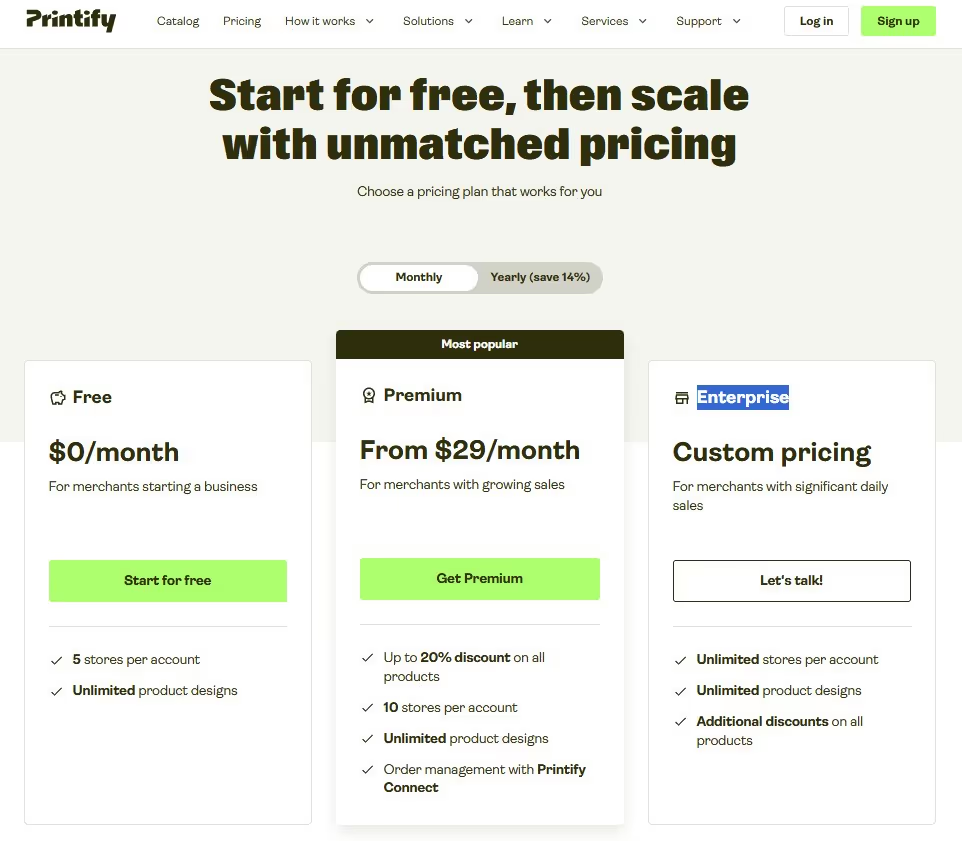
- Free plan covers up to five stores with unlimited designs
- Premium plan now costs $39/month (or $299/year, about $24.99/month) and unlocks up to ~20% discounts and ten stores
- Enterprise allows unlimited stores and custom pricing
Note the shift: Printify raised Premium from $29 to $39/month in February 2026. So the discounts you unlock now have to clear a higher monthly hurdle before they pay off - whereas Podbase's better base margins require no subscription at all.
2. Additional Costs to Consider
Hidden costs quietly shrink your margin. Here is how the two compare on extra fees.
Printify hidden costs:
- Shipping variability: each provider sets its own rates, which differ by region and product.
- Sales tax and VAT: charged based on buyer location unless exemption certificates are provided.
- Payment gateway fees: PayPal and Stripe add transaction charges.
- Bulk order handling: large orders may trigger separate provider rules, lead times, or fees.
Podbase hidden costs:
- Shipping rates: transparent, but international delivery can add up if not optimized.
- Import duties: non-EU customers may face customs fees depending on destination laws.
- VAT obligations: EU sellers reselling under business accounts may need to self-manage VAT.
- Integration: Podbase supports Shopify, Etsy, WooCommerce, and BigCommerce; custom setups may need third-party tools.
Shipping Efficiency and Reliability
Shipping is where the aggregator-vs-originator split is most visible. As our Head of Sales puts it, what matters is “the full timeline from when an order is placed to when it lands at the customer's door - and how many quality checks happen along the way.”
1. Shipping with Podbase
Regions covered:
- Podbase dropshipping covers Europe, North America, and select other countries
- EU orders ship from Lithuania
- Coverage is more limited outside the EU/US
Shipping times (economy):
- Central & Northern EU: 2-4 business days
- UK & Ireland: 3-5 business days
- Rest of Europe: 4-7 business days
- USA & Canada: 4-7 business days
- Asia-Pacific & Oceania: 6-10 business days
- Rest of World: 7-14 business days; Express: 1-5 business days worldwide
Reliability:
80% of orders ship within 24 hours, every order has real-time tracking, and express shipping is fast and reliable. Because production is in-house, a print takes about 6-8 hours and assembly and packaging around 2 hours, with quality checks between every stage - though fewer fulfillment centers can cause delays in peak season.
2. Shipping with Printify
Regions covered:
- Ships to many countries worldwide
- Print partners in the US, UK, Canada, Australia, and Germany
- Some orders are produced locally to arrive faster
Shipping times:
- US: 2-7 business days
- UK and EU: 2-9 business days
- International: 10-30 business days; express varies by provider
Reliability:
Speed depends on which provider prints your order. A large partner network helps avoid peak-season slowdowns, and most orders include tracking - but cross-border production can be slow, and consistency varies because no two providers run identical operations.
Also Read:
Customization and Product Options
Both platforms let sellers create custom products. Here is what each offers.
1. Podbase Product Offerings
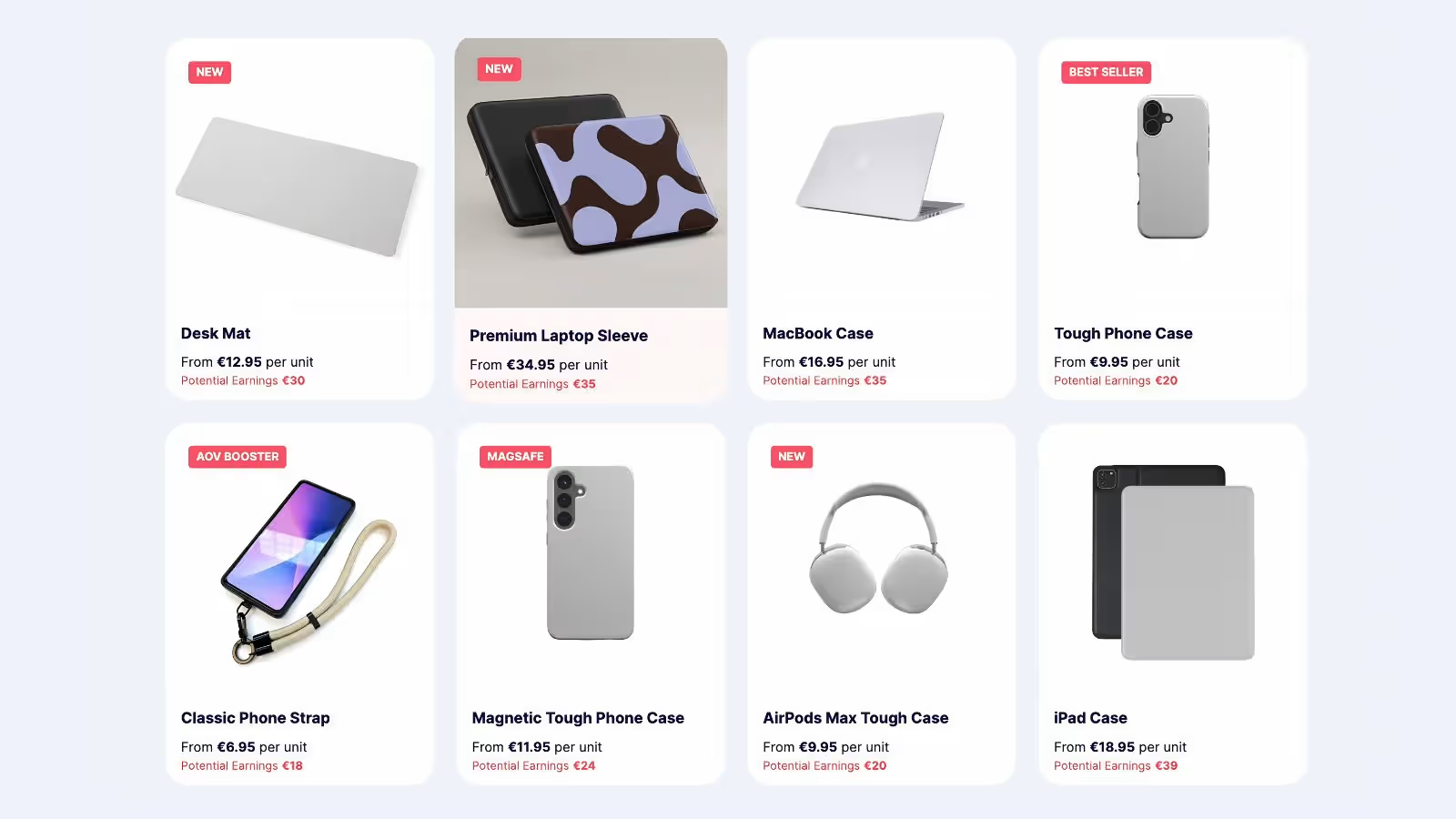
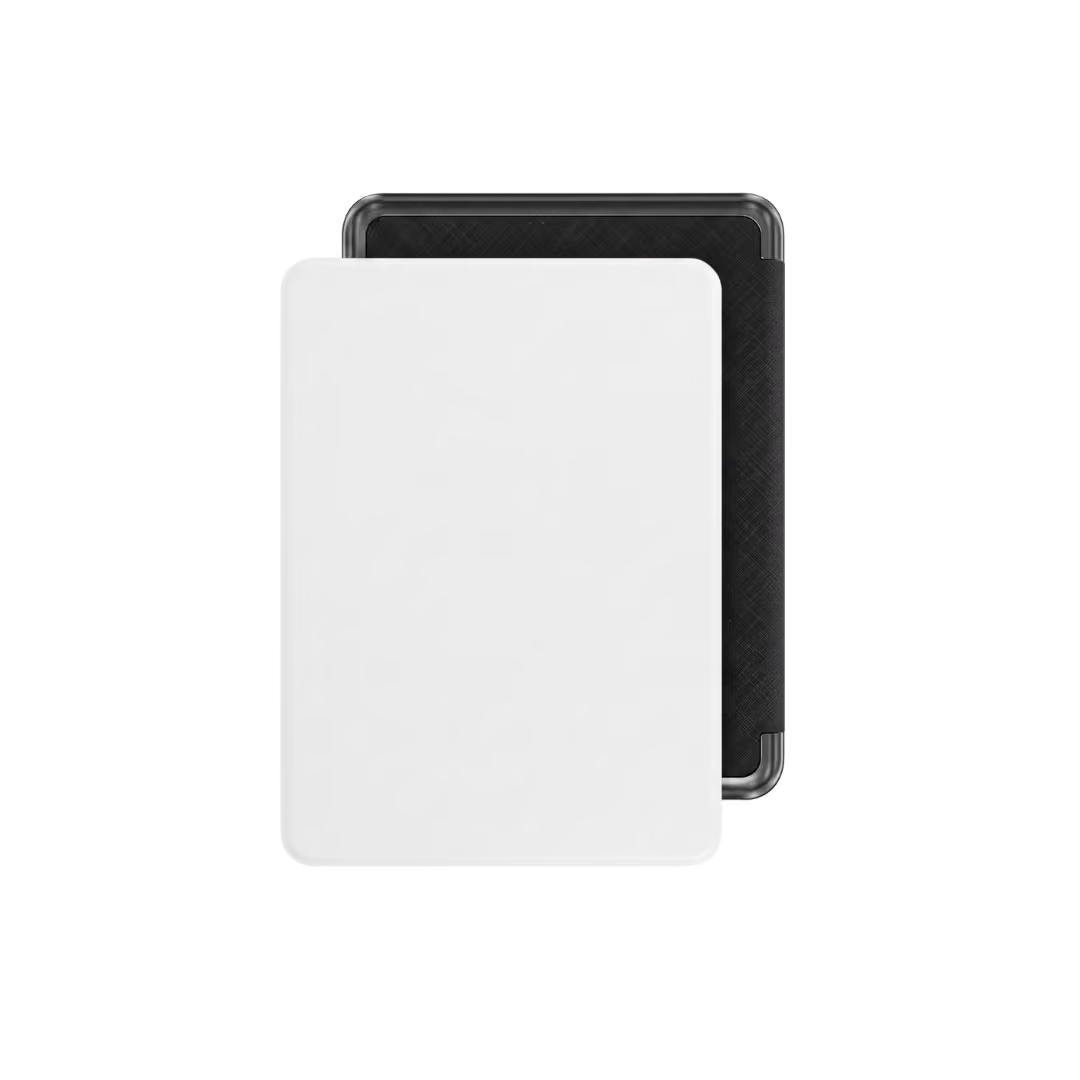
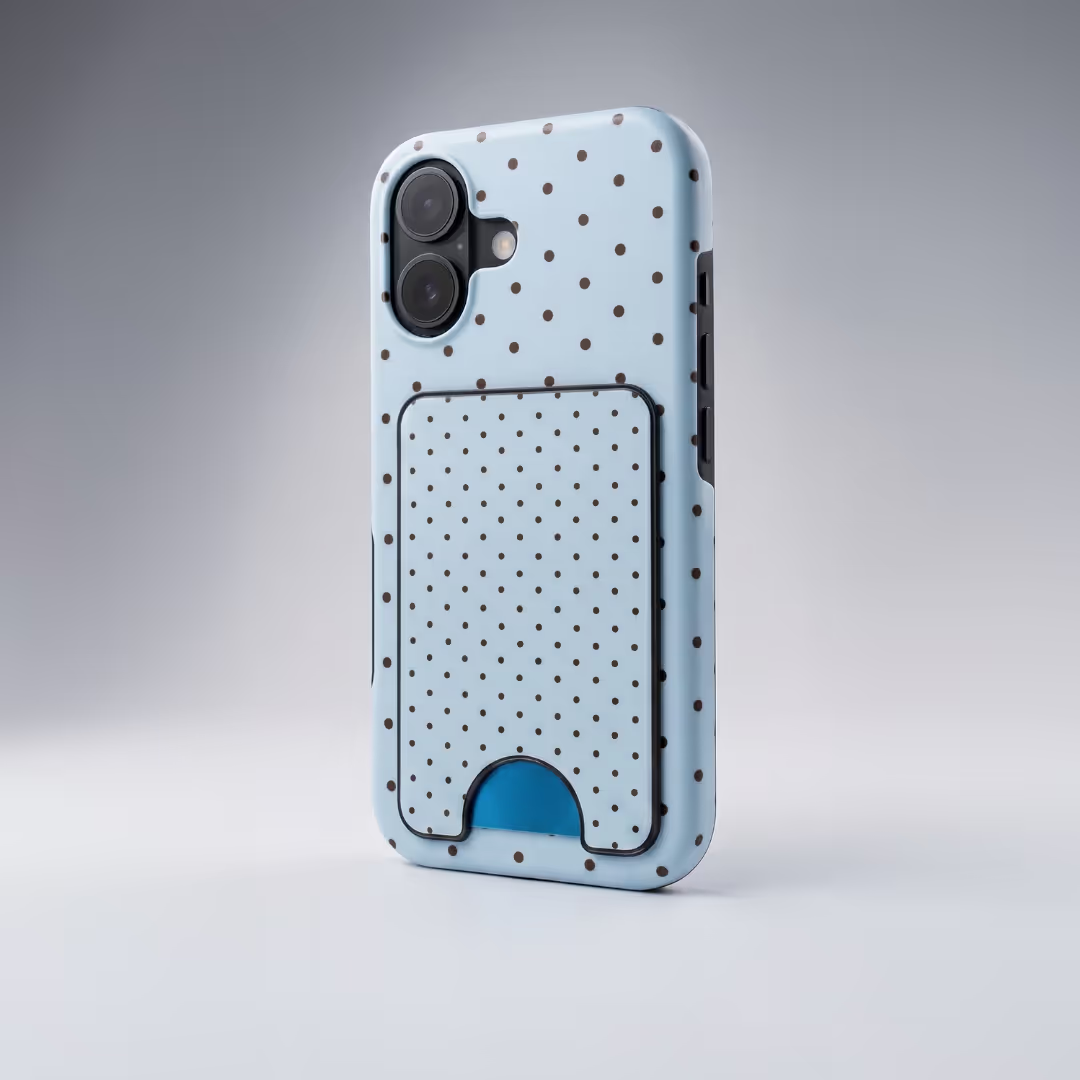
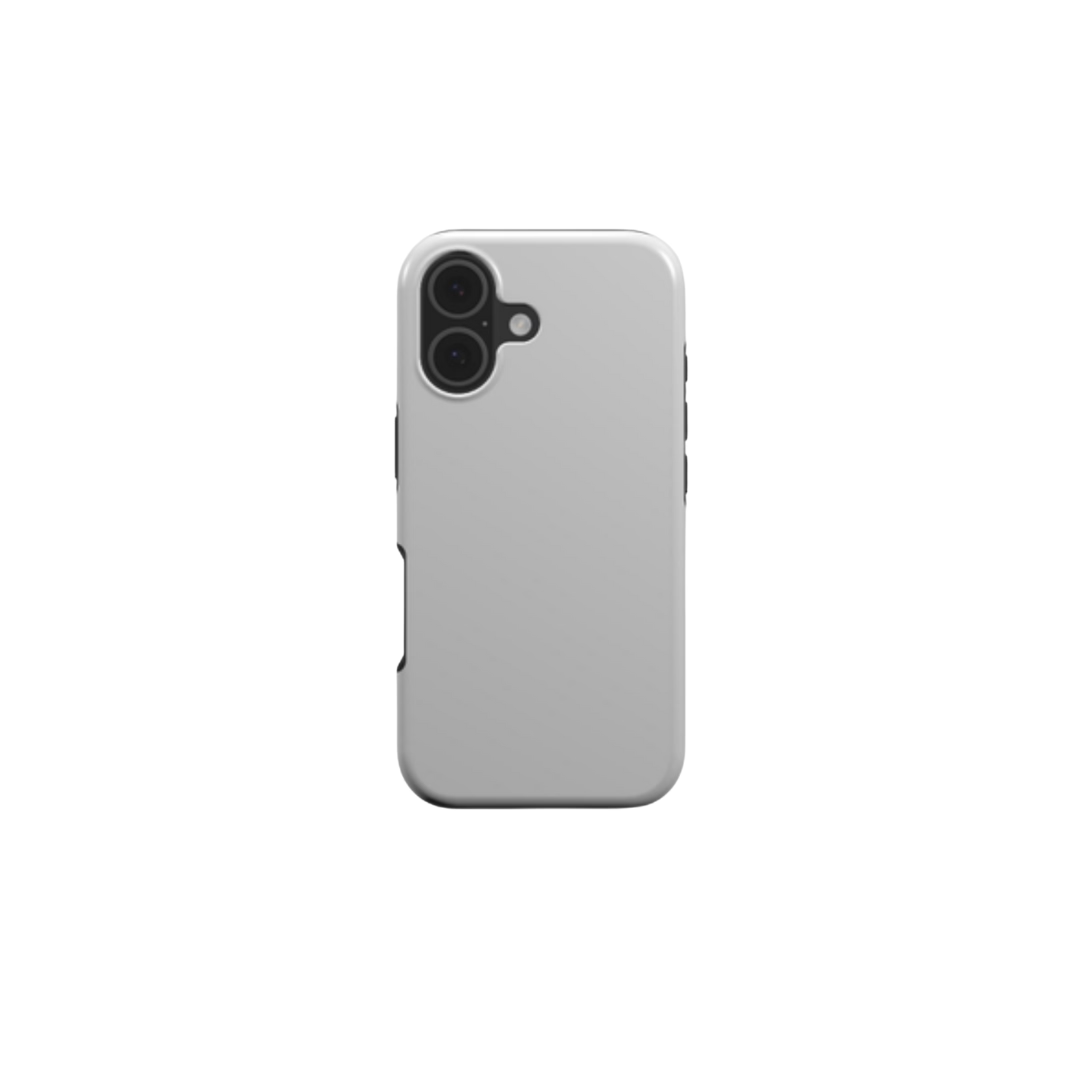
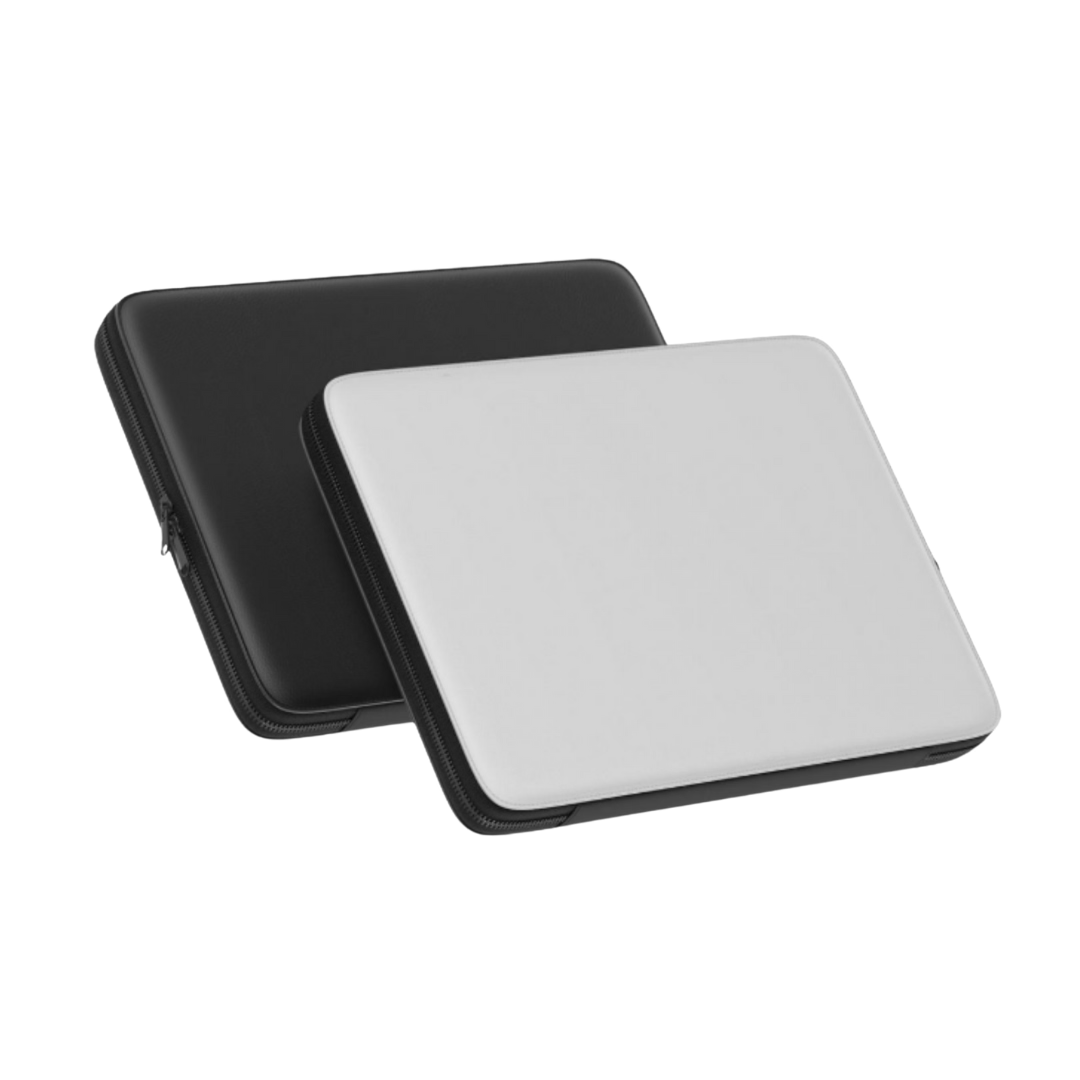
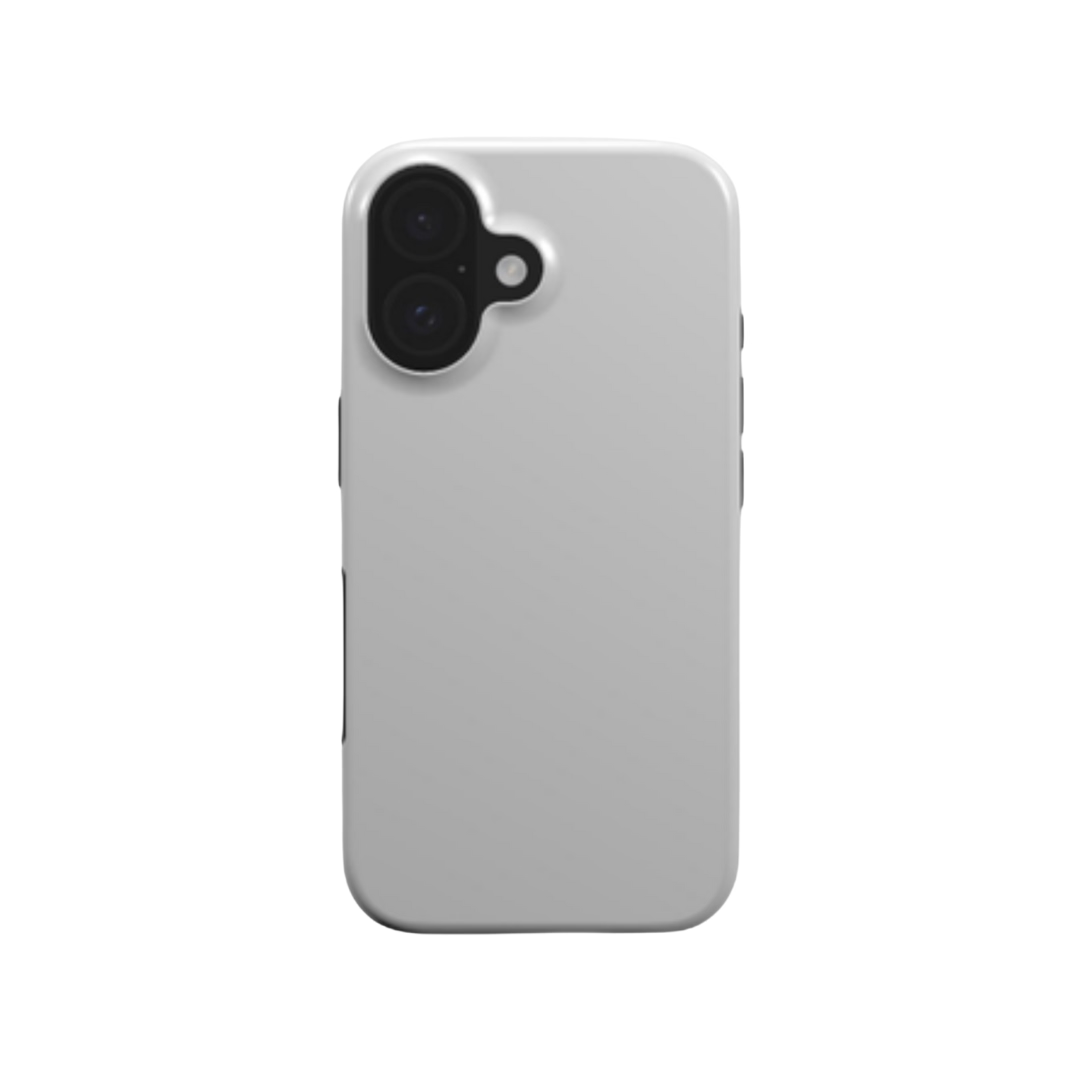
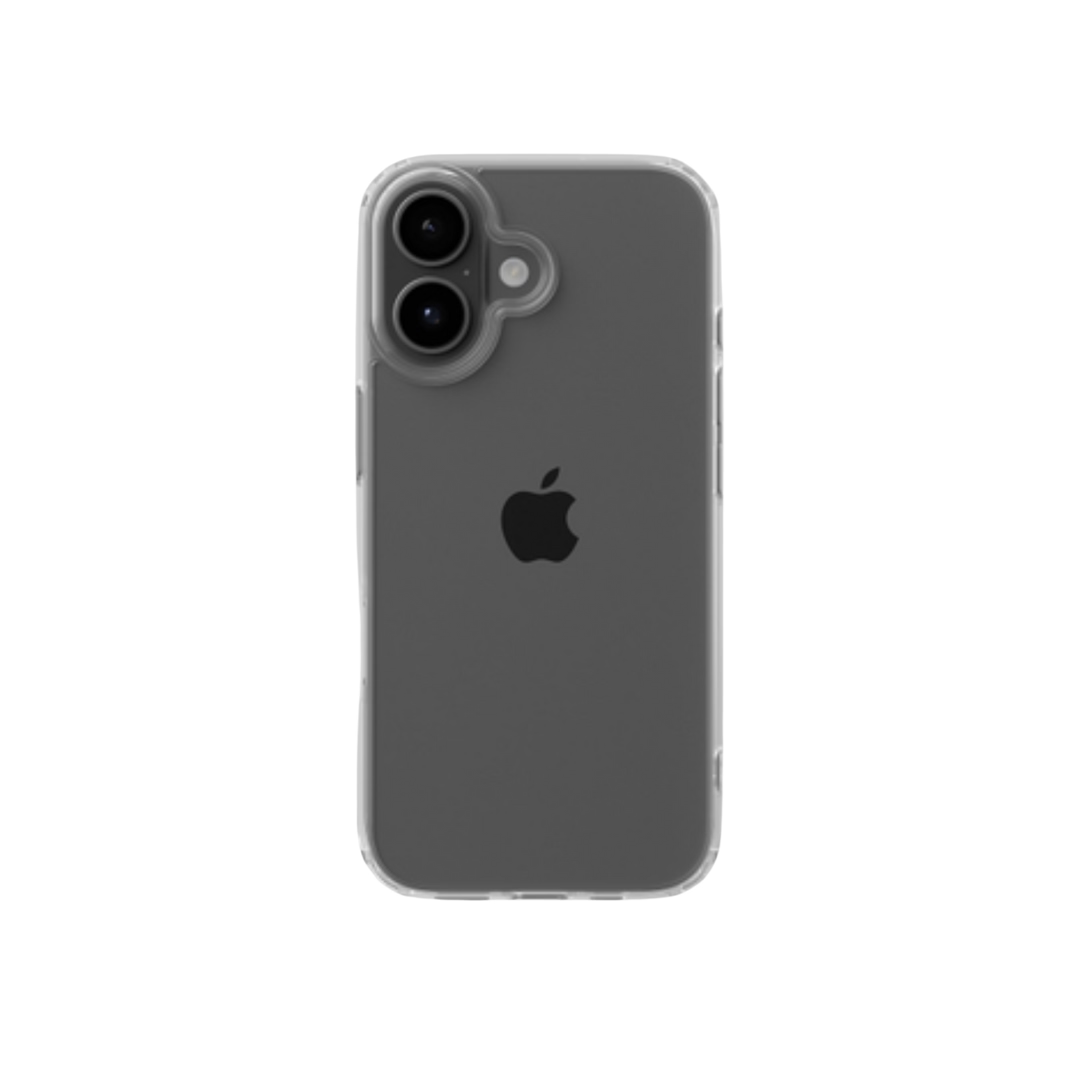
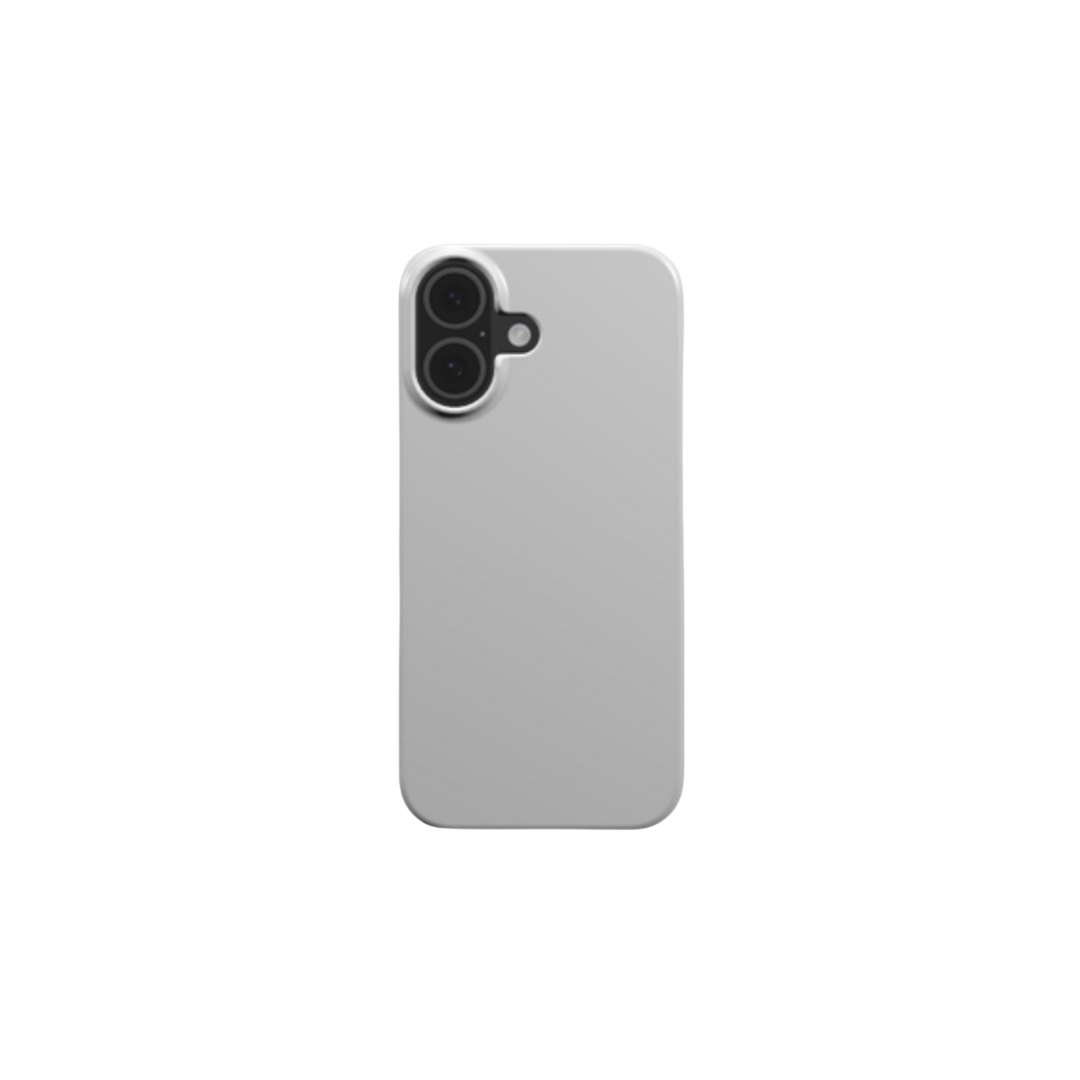
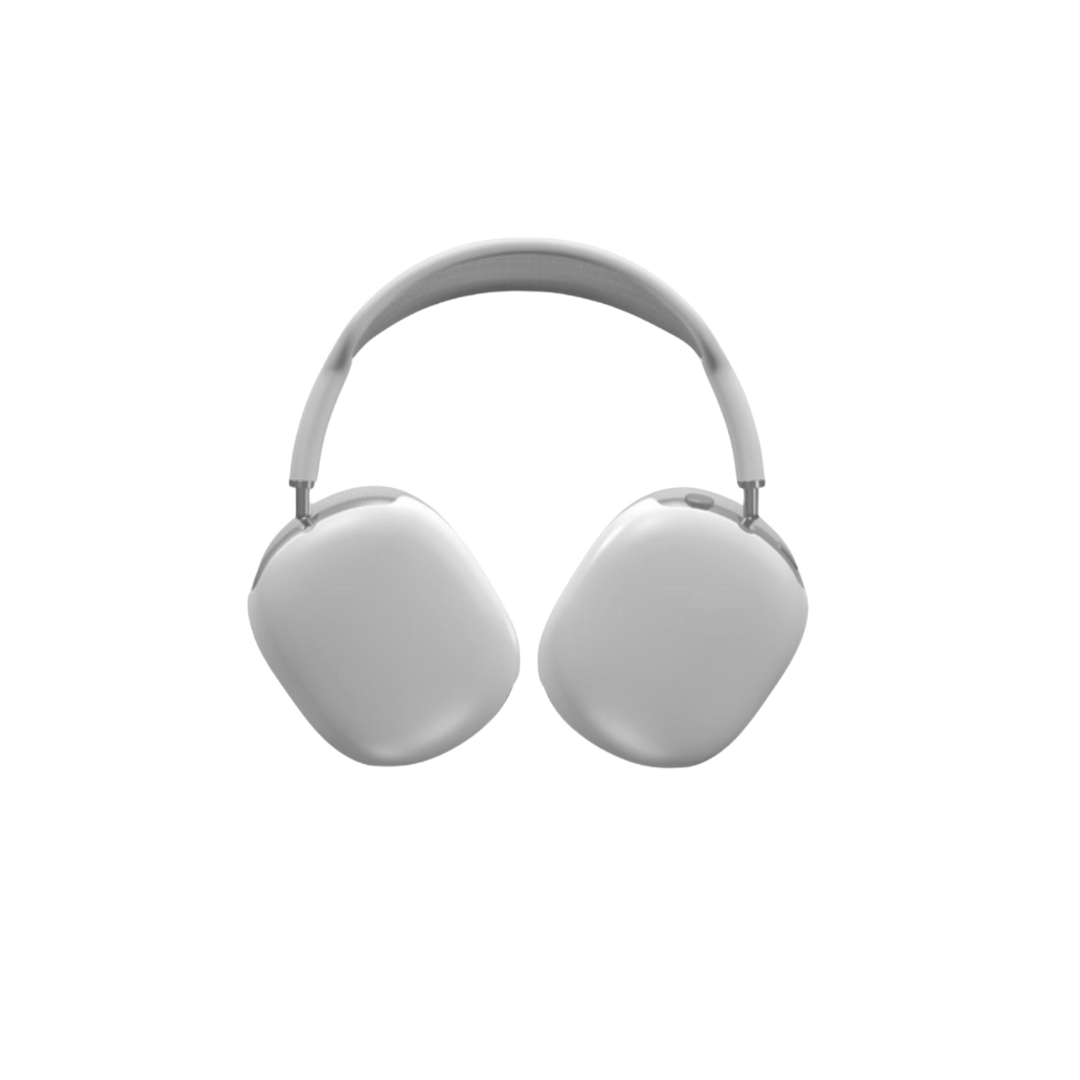
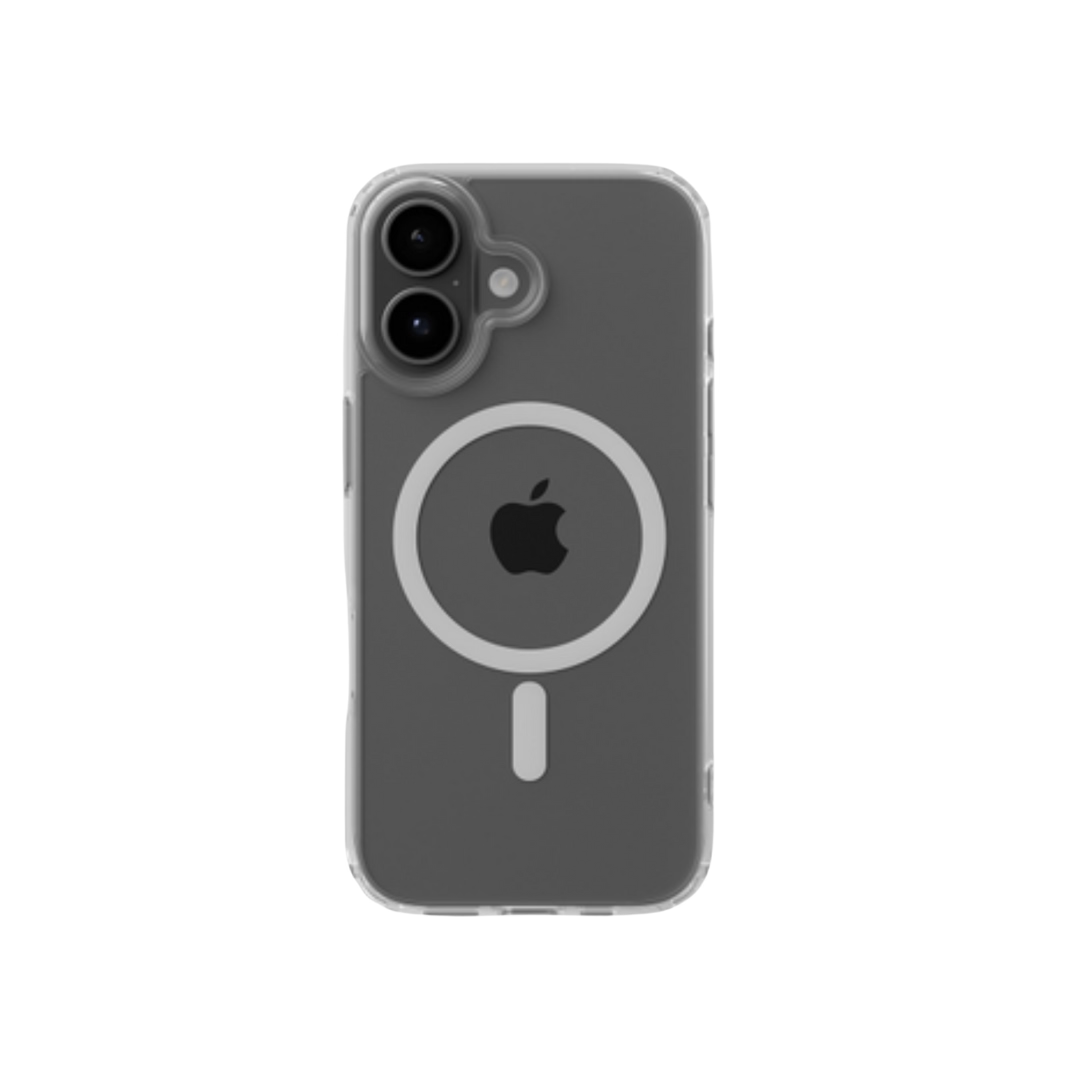
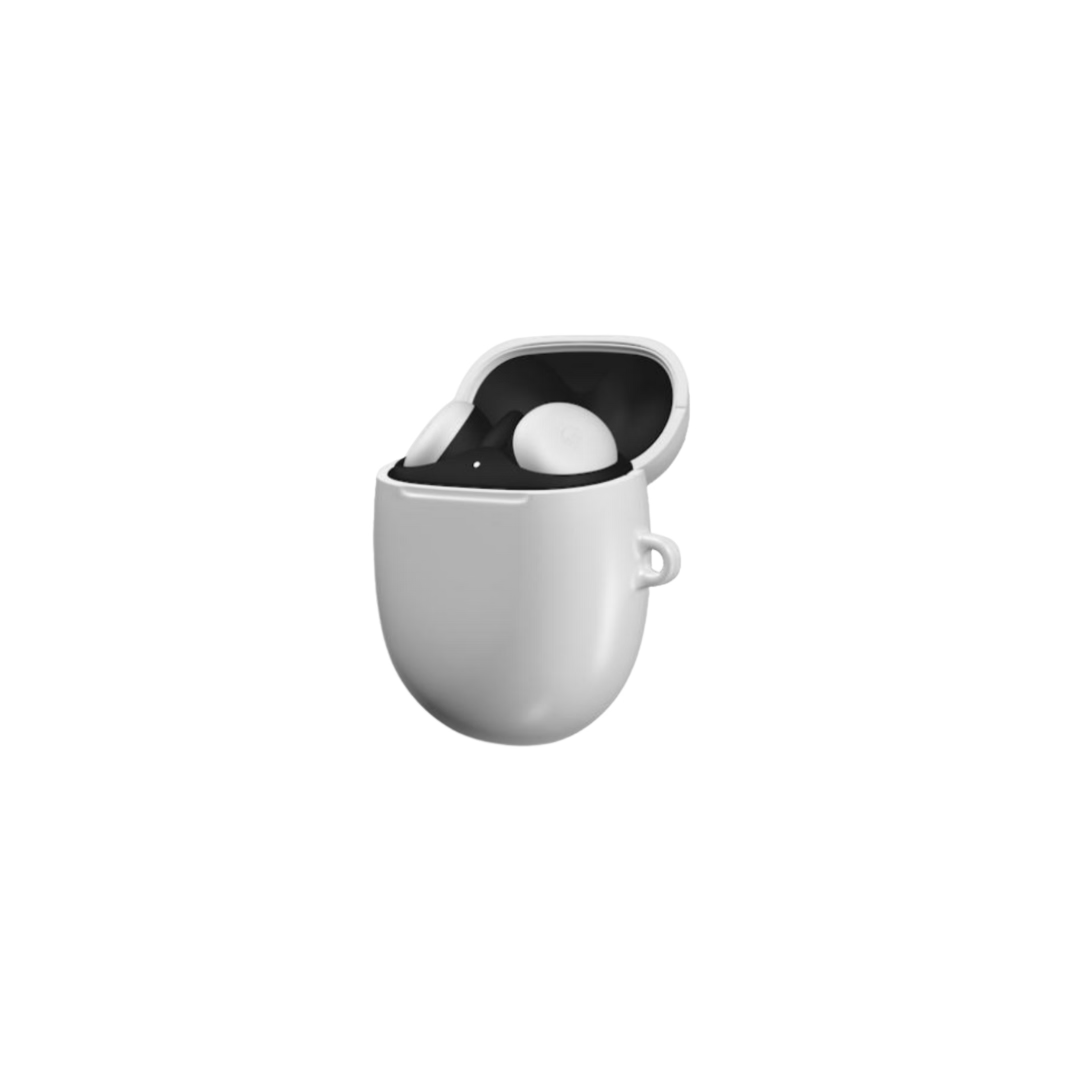
Podbase focuses on tech accessories, wall art, and drinkware. You can make custom phone cases, laptop sleeves, iPad covers, AirPods cases, and earbud shells. The catalog is smaller, but everything is printed in-house, so designs look sharp and last longer.
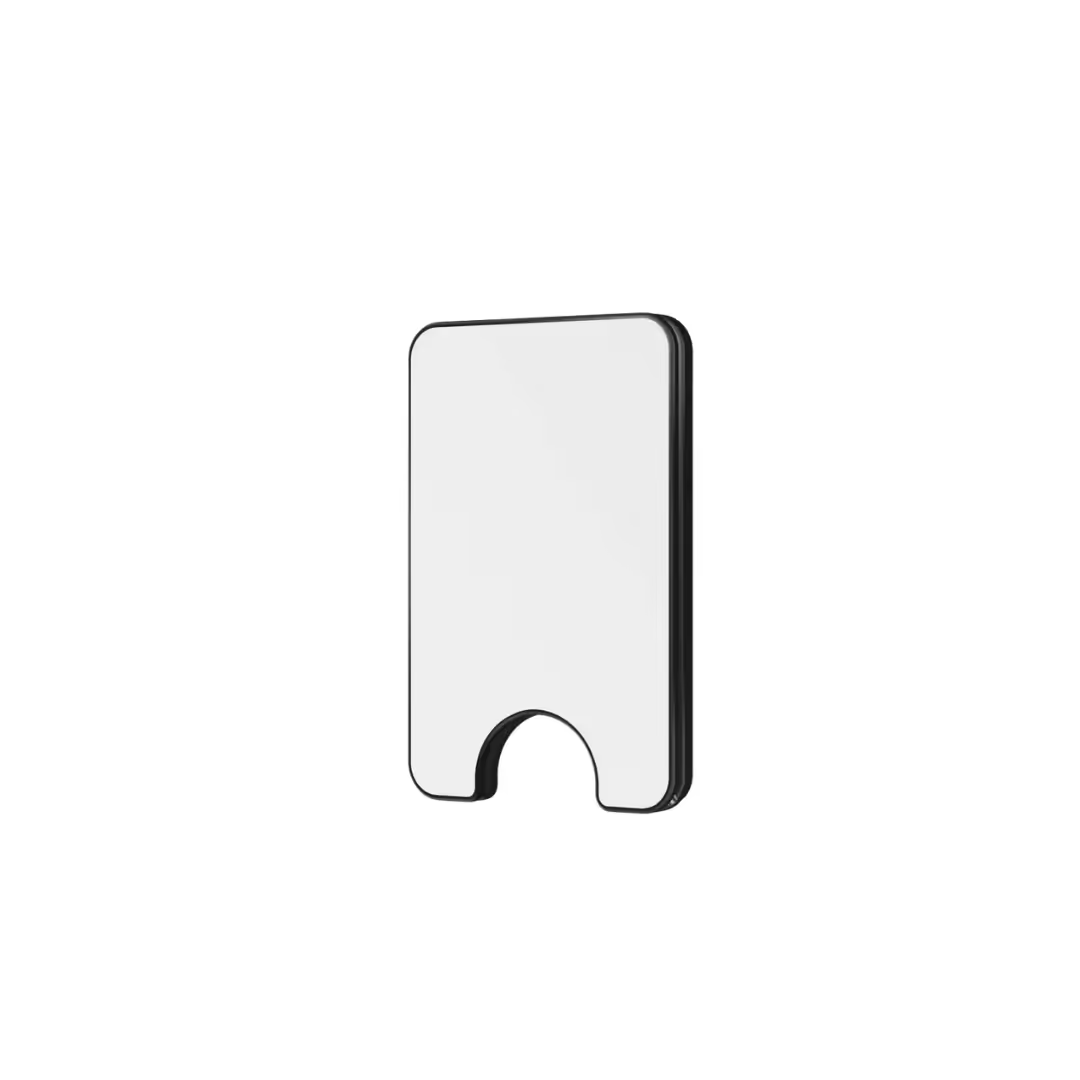
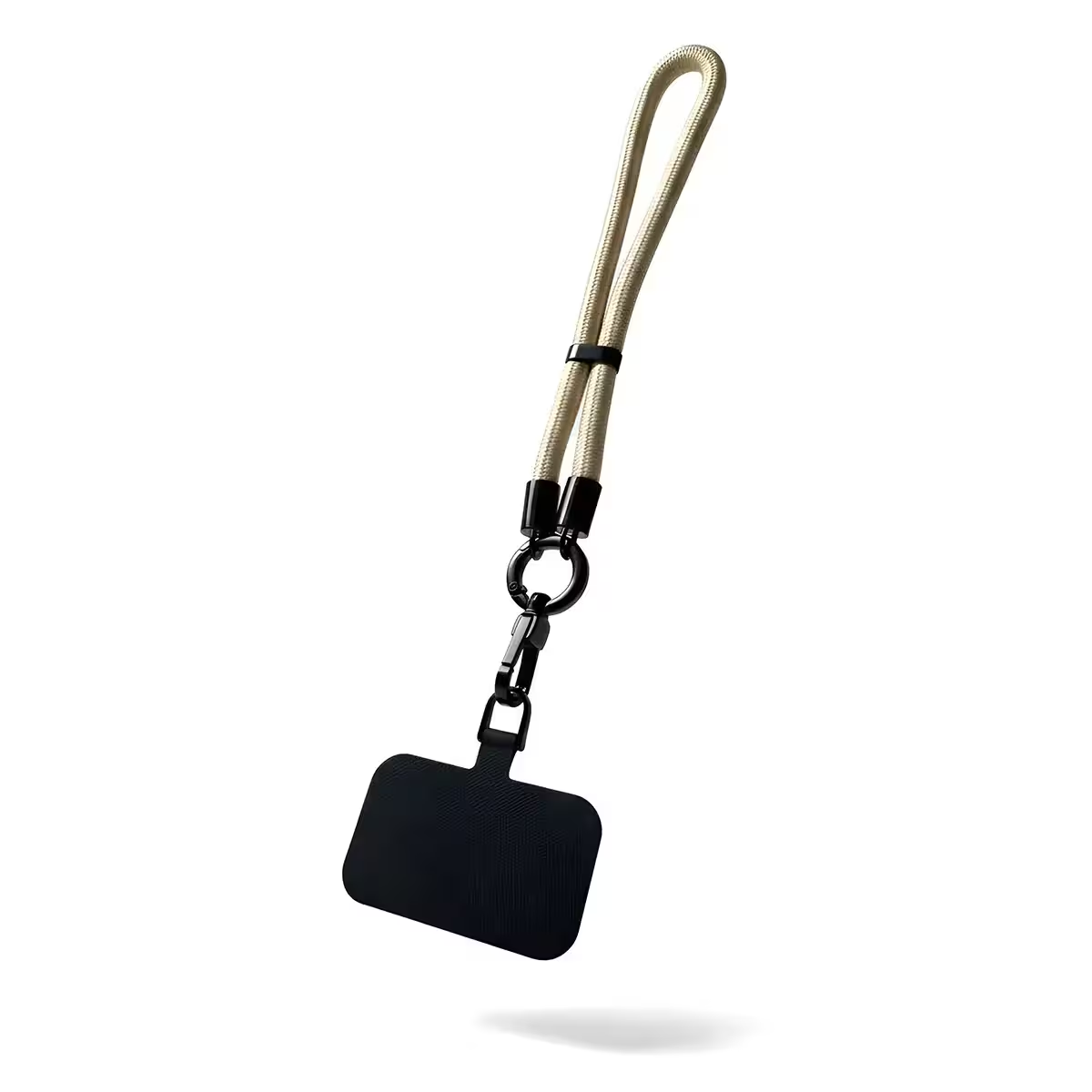
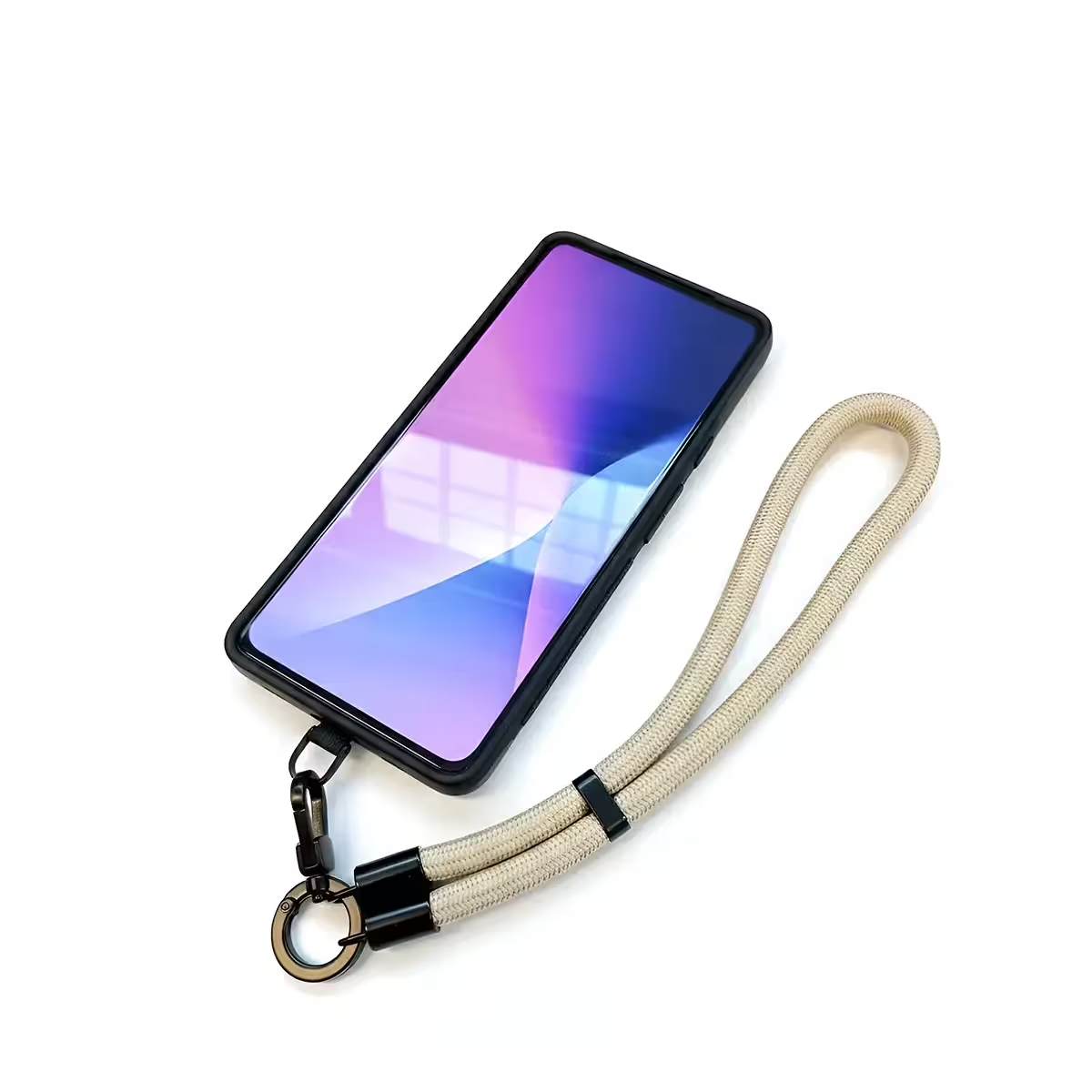
Quality is the point of the smaller catalog. “Print quality is our top priority - we put a lot of effort into color accuracy, durability, and consistency in every order,” says Ieva from our manufacturing team, where color is verified with a spectrophotometer. You can also add custom notes, packing slips, and neck labels. The range keeps expanding too: Podbase is building a phone-centric lineup - straps, a magnetic wallet, a grip variation, and powerbanks later this year. If you want quality over quantity, Podbase is the pick.
2. Printify Product Offerings

Printify offers a large catalog of 900+ products: clothing, laptop cases, home items, accessories, and more, with print styles like DTG, embroidery, and all-over print. Quality varies by provider - Printify itself recommends checking reviews and ordering samples - but it is great for sellers who want maximum options and creative freedom.
Platform Integration and Ease of Use
Both let you run a print-on-demand business, but they give you different tools.
1. Podbase: Simple and Focused
Podbase is clean and beginner-friendly. The dashboard is simple, adding products and designs is quick, and it integrates with Shopify, Etsy, WooCommerce, BigCommerce, and TikTok, so you connect your store in minutes. That speed compounds: our average new-project onboarding has dropped from three months to under one, and AI mockups let you launch products without a photo shoot. If you are starting a tech accessory business that needs to move fast, Podbase fits.
2. Printify: More Tools, More Options
Printify offers more features and connects to Shopify, Etsy, WooCommerce, and BigCommerce, with built-in design tools, mockups, and order automation. You can pick from many print partners, which makes it powerful but adds a learning curve. It is a better fit if you want a broad catalog and are willing to manage more moving parts.
Customer Support and Resources
Good support makes running a POD store easier. Here is how the two compare.
1. Podbase Support Overview
Podbase offers email, on-site live chat, and a help center covering shipping, design, and account issues, with quick chat replies. Support is also where switchers feel the gap: “What surprises switchers most is customer support - if your supplier is too big to care, their response times get slower,” says CEO Saulius Meilutis. We meet custom-solution requests about 95% of the time, and around 98% of sellers who stay at least three months keep growing their order share with us.
2. Printify Support Overview
Printify offers live chat during working hours and resolves most issues within a few hours, backed by a clear help center. Support is easy to reach - just be aware that fulfillment questions sometimes route back to the individual print provider.
Also Read:
- 15 Best Redbubble Alternatives for Print-on-Demand
- 25 Profitable Dropshipping Business Ideas You Can Start
Pros and Cons: A Quick Recap
1. Podbase
Pros:
- No monthly fee and better base margins (10-15% over competitors)
- In-house manufacturing for consistent, high quality
- Fast fulfillment - 80% of orders ship in 24 hours
- Custom branding on packaging; beginner-friendly dashboard
Cons:
- Smaller product catalog than Printify
- Fewer store-automation tools
- Works best in the US/EU; lighter coverage elsewhere
2. Printify
Pros:
- Very large product catalog (900+) and many print partners
- Broad ecommerce integrations
- Worldwide shipping via a global provider network
Cons:
- Premium now $39/month to unlock the best discounts
- Quality and shipping vary by provider
- Dashboard can overwhelm beginners
Verdict: Which Platform Suits Your Needs?
Choose Printify if you want the widest catalog and are building across many categories like apparel - and you are comfortable managing variable quality and per-provider shipping. Choose Podbase if you sell tech accessories and want lower costs, faster and more predictable fulfillment, consistent in-house quality, and custom branding. For a focused, margin-first brand, the originator model wins.
FAQ
1. Is Podbase or Printify better?
It depends on your goal. Printify is better for catalog breadth, with 900+ products across many categories from third-party providers. Podbase is better for tech accessories, where in-house manufacturing delivers faster fulfillment, more consistent quality, and 10-15% better margins. Pick breadth from Printify or focused quality and margin from Podbase.
2. Is Podbase cheaper than Printify?
For its categories, usually yes. Podbase has no monthly fee and runs roughly 10-15% better base margins than competitors. Printify is free to start, but its Premium plan now costs $39 per month (or $299 a year) to unlock about 20% in discounts. For tech accessories, Podbase's base pricing is hard to beat.
3. Does Printify have better quality than Podbase?
Not consistently. Printify's quality varies by print provider, which its own listings acknowledge, so order samples. Podbase prints everything in-house with spectrophotometer color checks and multiple QC stages, so quality stays consistent. Sellers who switched to Podbase saw 15% more reviews and 30% fewer order-issue tickets.
4. How much does Printify cost in 2026?
Printify has a free plan covering up to five stores. Its Premium plan rose to $39 per month (or $299 per year, about $24.99 monthly) in February 2026 and unlocks up to roughly 20% product discounts plus ten stores. Enterprise offers custom pricing. Shipping and provider fees are charged separately.
5. What is the best Printify alternative for tech accessories?
Podbase is a strong Printify alternative for tech accessories like phone cases, laptop sleeves, and AirPods cases. It manufactures in-house rather than routing to third-party providers, ships 80% of orders within 24 hours, and offers better margins. You can buy a phone case at around 10 euro and sell it for 35-60 euro.
6. Which ships faster, Podbase or Printify?
Podbase ships 80% of orders within 24 hours from its EU facility, with express delivery in 1-5 business days worldwide. Printify fulfillment depends on which provider makes your order, typically 2-7 days in the US and longer internationally. For predictable speed, Podbase's single in-house network has an edge.
7. Can I switch from Printify to Podbase?
Yes. Podbase integrates with Shopify, Etsy, WooCommerce, BigCommerce, and TikTok, so you can connect your store in minutes and keep selling. Podbase meets custom-solution requests about 95% of the time, and around 98% of sellers who stay at least three months keep growing their order share.
Conclusion
Podbase vs Printify is really a choice between breadth and depth. Printify gives you the biggest catalog and a global provider network; Podbase gives you in-house quality, 24-hour fulfillment on most orders, better margins, and no monthly fee - the originator advantages that compound as you scale a focused brand. If tech accessories are your lane, the move is clear as Podbase is one of the best Printify Alternatives.
Create a Podbase account today to get started, or switch from your current provider in minutes.

Saulius Meilutis is the CEO of Podbase, helping creators and entrepreneurs monetize their ideas with print-on-demand. He shares insights on eCommerce, growth, and building lean online businesses.

.avif)



.avif)
.avif)
.avif)
.avif)
.avif)
.avif)

.avif)


.avif)
.avif)

.avif)

.avif)

.avif)