Choosing the right platform can make or break your print-on-demand hustle. This Podbase vs Gelato comparison matters because the two take very different paths: Podbase is a quality-first platform built for premium tech accessories with transparent pricing and human support, while Gelato is known for its global print network and a huge product range.
So how do they actually stack up on pricing, shipping, print quality, ease of use, and sustainability — and which one fits your brand goals best? Let’s break it all down, with the operational data behind each platform rather than just the marketing claims.
What Makes Each Platform Unique?
Podbase Overview

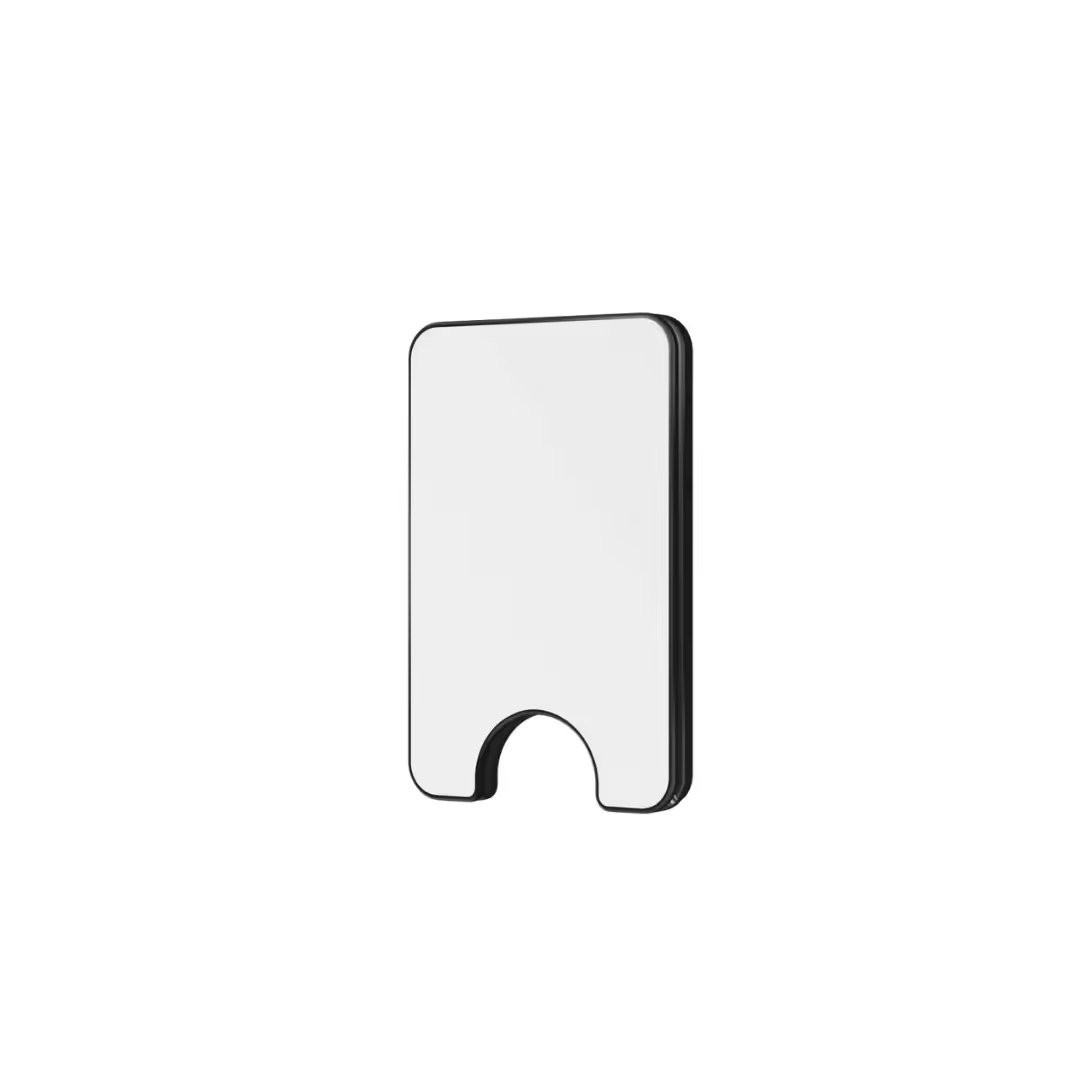
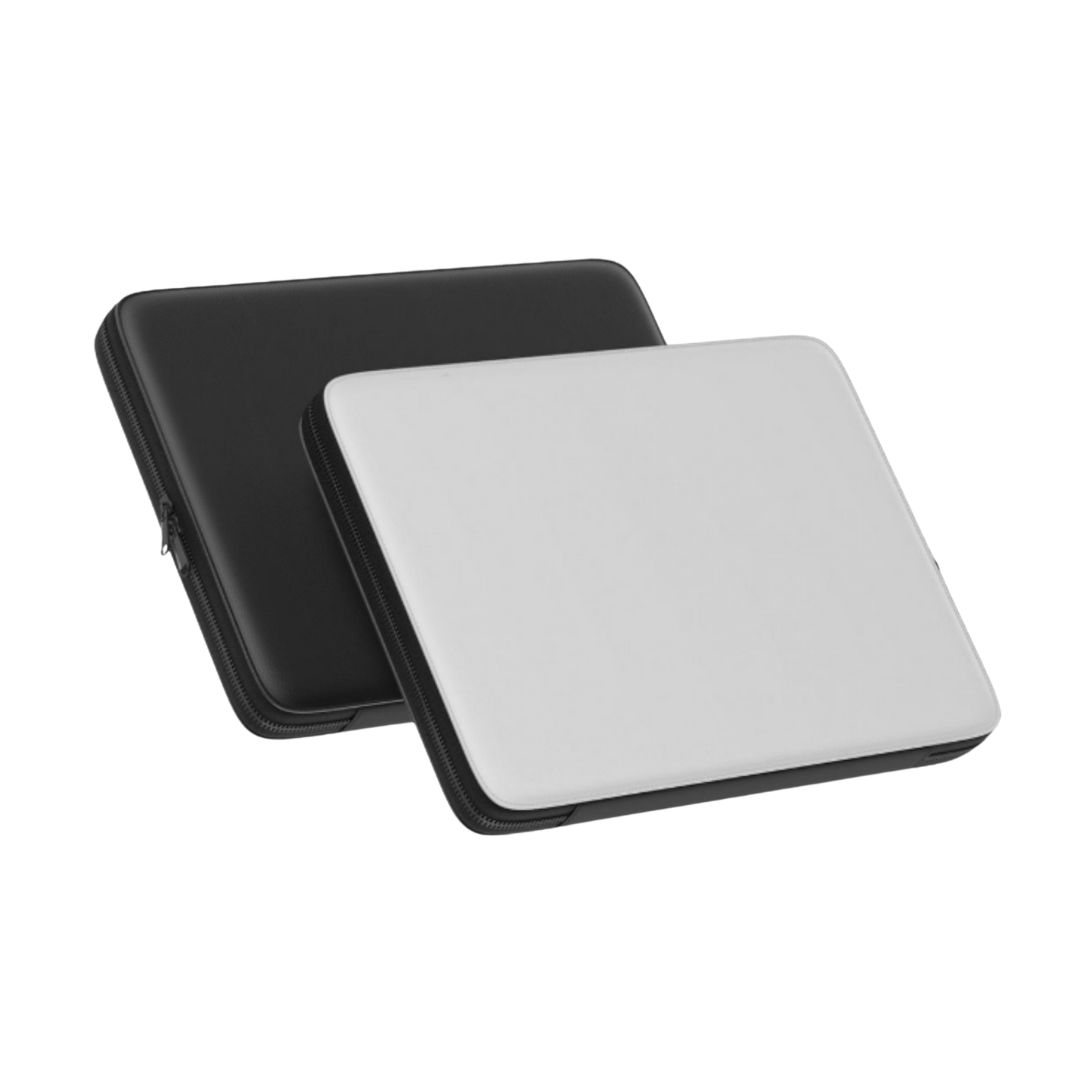
Podbase is built around high-quality customization — vivid prints and detailed design control. It focuses on tech accessories like phone cases, laptop cases, drinkware, and wall art, which suits small shops and creators with a specific style. The platform puts creators first with smooth design uploads, professional previews, and real human support — big-business tools without the complexity.
Gelato Overview
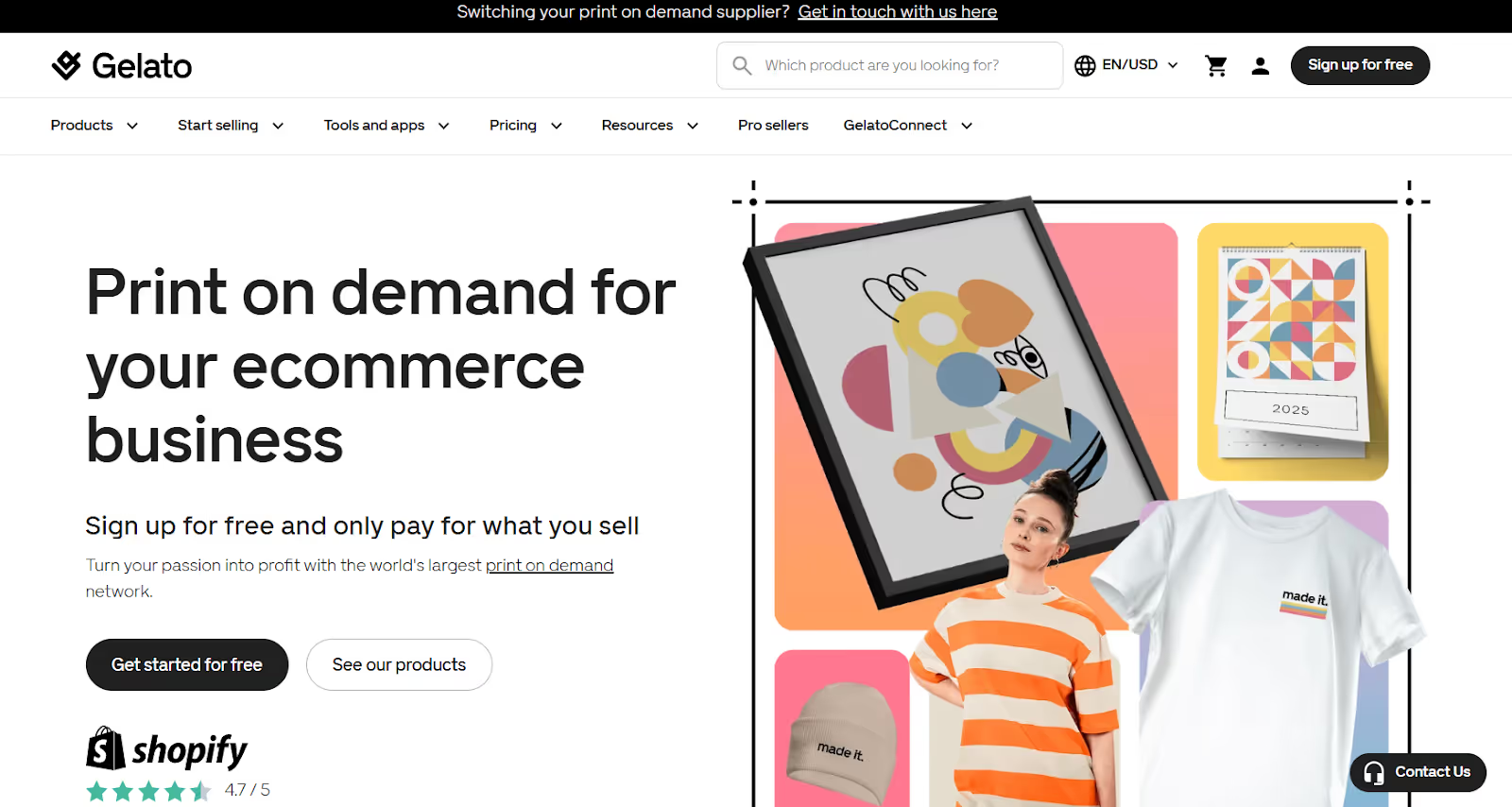
Gelato offers a far broader catalog than Podbase — t-shirts, posters, mugs, even books. It works with 130+ printing partners across 32+ countries and serves customers in 200+, routing each order to the facility nearest the buyer for faster delivery and lower shipping emissions. The trade-off of that distributed model is that price and finish can differ depending on which hub produces the item. Gelato is strongest for creators focused on mass production and wide global distribution.
Also Read:
- What Is Print-On-Demand: Everything You Need To Know About It
- Best Gelato Alternatives for Print-on-Demand
Podbase vs Gelato: Feature Comparison at a Glance
Before the section-by-section breakdown, here’s how the two platforms compare across the features that matter most:
Pricing Models Compared
Podbase Pricing Structure
On Podbase you see costs up front and only pay when you sell — no hidden fees, no required subscription, and volume discounts as you grow. Transparent pricing makes your margins easy to predict, which matters most when you’re starting your POD business. Margins also run roughly 10-15% better than competitors across most categories, and Podbase advertises up to 100% higher margins than other POD providers on select products.
Gelato Pricing Breakdown
Gelato’s product cost varies by region — the price depends on where the item is produced and shipped, plus local pricing and currency. Gelato also offers an optional Gelato+ subscription (about $23.99/month, or $19.99 billed annually) that unlocks larger product discounts, premium mockups, and branded label options, alongside a free tier and a custom Platinum plan for high-volume sellers. It’s a good fit for big brands, but smaller creators should plan carefully to protect their margins.

Shipping Speed and Global Reach
Podbase Shipping and Fulfillment
Most Podbase orders are printed and shipped from the EU within 24 hours — around 80% of orders within a day, averaging roughly 23 hours from order to shipment. Tracking is included and packaging is clean, safe, and white-labeled. Shipping is flat-rate and predictable, with a lower rate on every extra item, so you know your cost and delivery window before checkout: economy delivery runs 2-14 business days (as few as 2 days to Central and Northern Europe) and express 1-5 business days.
Our Head of Sales, Sidas, argues this is what sellers should actually compare: “What sellers should be comparing is not just raw shipping data, but the full timeline from when an order is placed to when it lands at the customer’s door — and how many quality checks happen along the way.” On that fuller measure, consistency beats a fast-but-variable network.
Gelato Shipping Efficiency
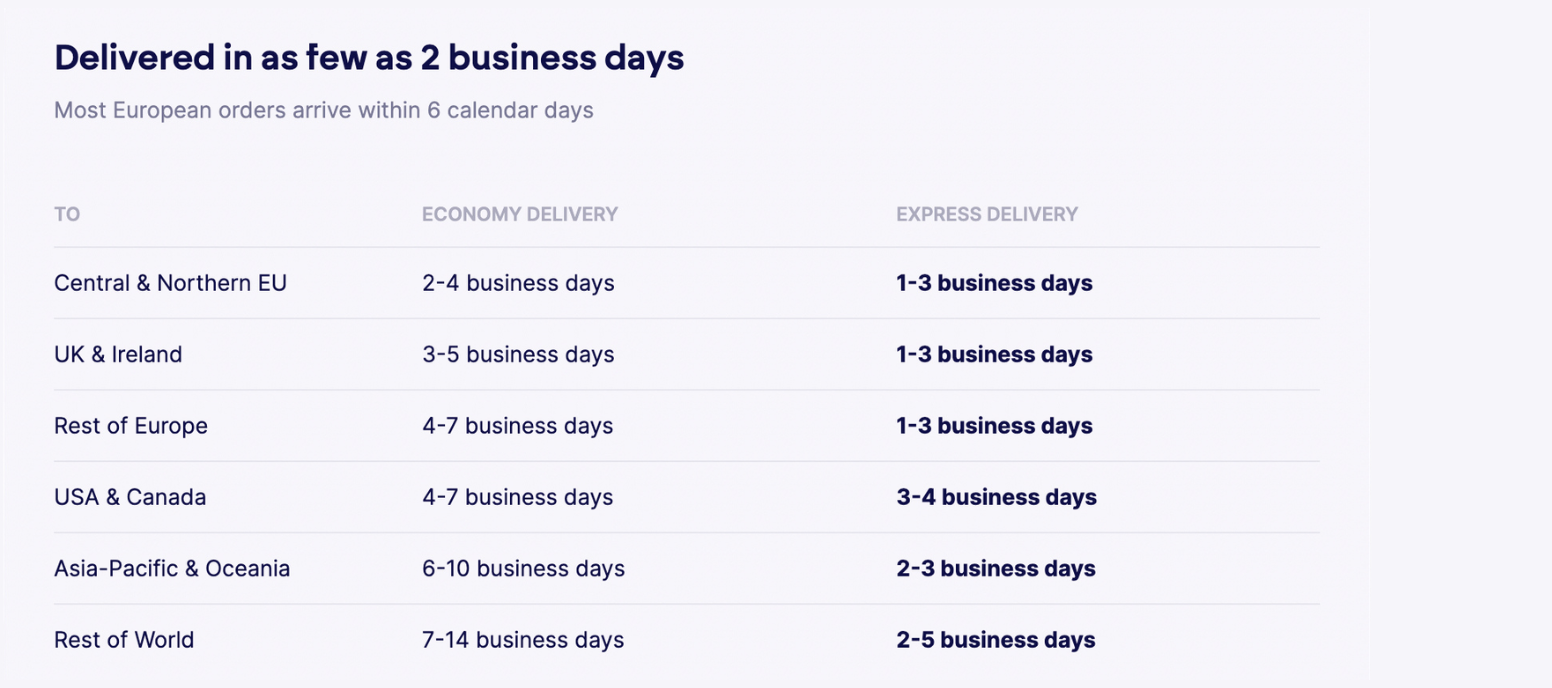
Gelato ships from local production hubs in 32+ countries, which can mean very fast delivery — sometimes as quick as two days — especially for buyers outside North America. But costs and times vary widely by destination: some regions are quick, others take weeks. Live tracking is available from the dashboard, and sellers can unlock white-label packaging, branded labels, and personalized inserts.
Also Read:
Product Catalog and Print Quality
What You Can Sell with Podbase
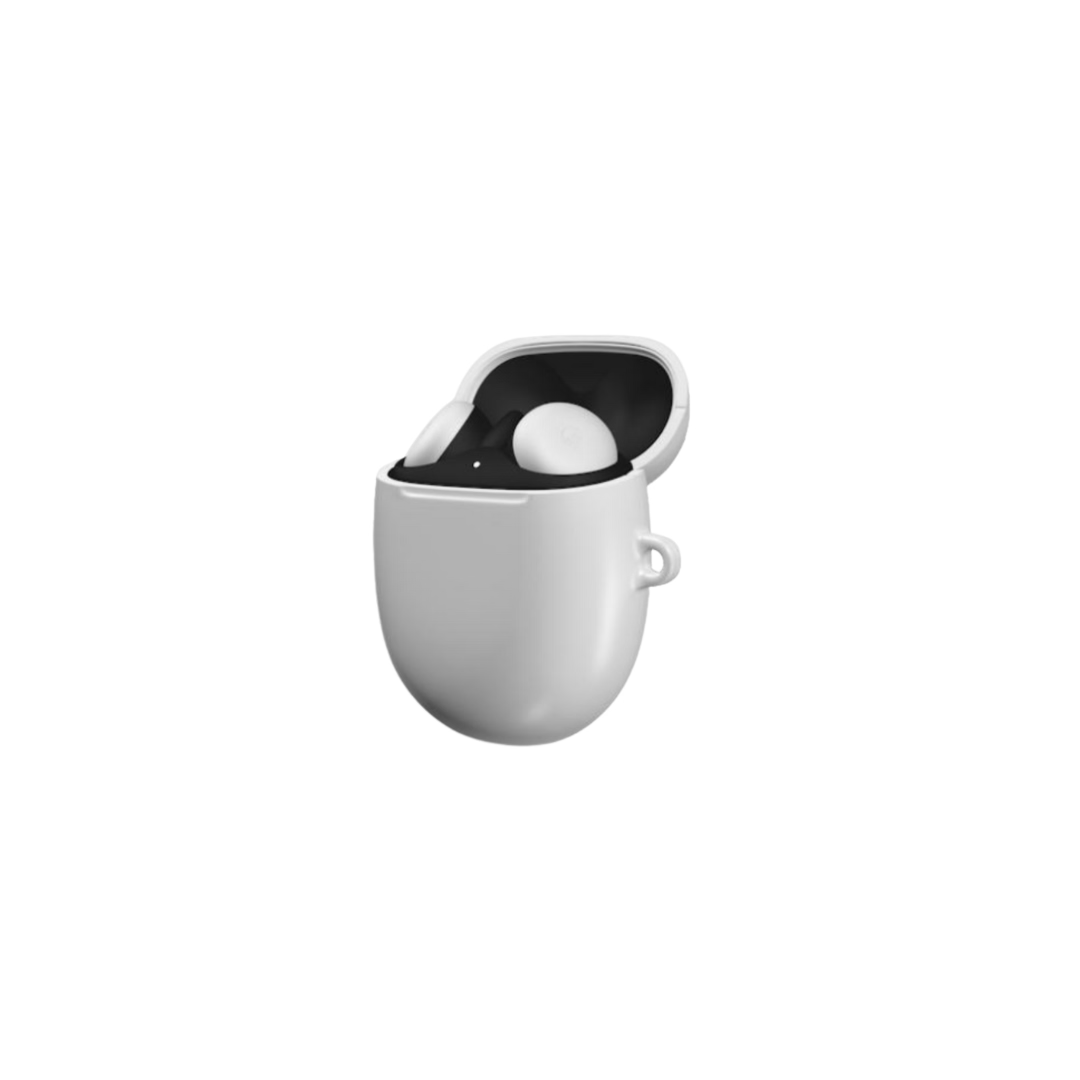
Podbase focuses on tech accessories — phone cases, laptop cases and sleeves — plus premium drinkware and wall art. What sets it apart is how the products look and feel: prints are sharp and fade-resistant, and the items don’t feel mass-produced. That consistency is engineered, not lucky — color accuracy is verified on a spectrophotometer and there are quality checks between every production stage. For creators who want a polished, premium store, a focused catalog is a feature, not a limitation.

What You Can Sell with Gelato

Gelato’s catalog is broad — t-shirts, posters, mugs, notebooks, calendars, and more — and it leans into sustainability with options like organic cotton and recycled materials, all produced on demand so there’s no upfront stock. The caveat of printing across many partners is that quality and price can shift depending on which facility makes the item, so products may not always be identical batch to batch.
Ease of Use and Integrations
Selling with Podbase
Podbase is built to be easy for creators — no coding required, a simple dashboard, a quick product builder, and professional previews. It integrates with major platforms like Etsy, Shopify, and WooCommerce, and its Open API connects your store to 140+ production partners worldwide. Support is responsive, with a dedicated agent for setup, design, and shipping — part of why average onboarding for a new project has dropped from about three months to under one.
Selling with Gelato
Gelato integrates with plenty of platforms too — Shopify, Etsy, TikTok Shop, Wix, and custom tools. It’s powerful, but with many buttons and settings it can feel overwhelming, and there’s a learning curve if you’re not tech-savvy. Support is ticket-based rather than a personal agent, which is the main day-to-day difference from Podbase.
Also Read:
- What Is Automated Dropshipping? How to Streamline Your Ecommerce
- Easy Things To Make and Sell From Home for Profit
Sustainability and Ethical Production
Both platforms care about the planet, but they approach it differently. Podbase:
- Smaller catalog lowers waste and overproduction risk
- ~80% of orders ship within 24 hours — fewer delays and returns
- Recyclable materials like polycarbonate and water-based inks
- Clean ink formulas reduce exposure to toxic compounds
Gelato:
- Partners with suppliers aligned with the UN Global Compact
- Local printing in 32+ countries cuts long-distance shipping emissions
- Eco-friendly options like FSC-certified paper and organic cotton
- Transparent reporting on emissions and delivery footprint
Switching from Gelato to Podbase
If you already sell on Gelato and mainly offer tech accessories, switching is low-risk. Most sellers migrate to Podbase in a day to about a week, and our team can meet custom requirements roughly 95% of the time. The results show up in the metrics: sellers who moved to Podbase saw about 15% more customer reviews and 30% fewer order-issue support tickets, and around 98% are still active after three months. The pattern is consistent — a focused, quality-controlled catalog with personal support tends to retain customers better than a broad, variable network.
FAQ
1. Is Podbase or Gelato better for print on demand?
It depends on your goals. Podbase is better for premium tech accessories — phone cases, laptop cases, drinkware, wall art — with transparent pricing, consistent quality control, and dedicated human support. Gelato is better for sellers who want the widest possible catalog and a global production network for high-volume, international fulfillment.
2. How is Podbase pricing different from Gelato’s?
Podbase uses transparent, pay-per-sale pricing with no required subscription and volume discounts as you grow. Gelato’s product cost varies by the region it prints and ships from, and it offers an optional Gelato+ subscription (about $23.99/month, or $19.99 billed annually) that unlocks larger product discounts and branding features.
3. Is Gelato cheaper than Podbase?
It depends on region and plan. Gelato’s regional pricing can be competitive, and its Gelato+ subscription adds up to 25-35% product discounts. Podbase keeps pricing transparent with no subscription and margins roughly 10-15% better than competitors across most categories, so a phone case bought near €10 can retail for €35-60.
4. How fast does Podbase ship compared to Gelato?
Podbase prints and ships about 80% of orders within 24 hours from the EU, averaging roughly 23 hours from order to shipment, with flat, predictable rates. Gelato routes each order to the nearest of 130+ partners in 32+ countries, so delivery can be very fast locally but varies by destination and region.
5. Can I migrate from Gelato to Podbase?
Yes. Most sellers migrate from another provider to Podbase in a day to about a week. Podbase’s team meets custom requirements roughly 95% of the time, and sellers who switched saw about 15% more customer reviews and 30% fewer order-issue support tickets, with around 98% still active after three months.
6. Which platform is better for selling phone cases and tech accessories?
Podbase is purpose-built for tech accessories, so it’s the stronger choice for phone cases, laptop and tablet cases, and similar products. Its production is color-tested on a spectrophotometer with quality checks between every stage, and the economics are favorable — a case bought near €10 often retails for €35-60.
Conclusion
The verdict comes down to fit. Choose Gelato if you need a wide range of products and a global production network, and you’re comfortable with a more complex, high-volume system. Choose Podbase if you want premium quality, transparent pricing, consistent QC, and personal support — it’s built for creators growing niche tech accessory brands. If that’s you, create a Podbase account today to get started.

Saulius Meilutis is the CEO of Podbase, helping creators and entrepreneurs monetize their ideas with print-on-demand. He shares insights on eCommerce, growth, and building lean online businesses.

.avif)








.avif)
.avif)
.avif)
.avif)
.avif)
.avif)

.avif)







.avif)

.avif)


.avif)

.avif)

.avif)