If you searched for the iPhone SE 4, here's the direct answer most articles still bury: the iPhone SE 4 was never released. Apple retired the SE brand entirely and replaced it with a new budget line - the "e" series. The phone all those SE 4 rumors described arrived in February 2025 as the iPhone 16e, and as of March 2026, the current budget iPhone is the iPhone 17e.
This page originally tracked the SE 4 rumor cycle. We've updated it to tell you what actually happened, what the iPhone 17e offers today, how the old rumors scored against reality - and why every one of these launches matters if you sell phone cases and tech accessories.
What Happened to the iPhone SE 4?
Through late 2024, leaks pointed to an "iPhone SE 4" arriving in spring 2025 with a complete redesign: an edge-to-edge OLED display, Face ID replacing the home button, USB-C, a 48MP camera, and Apple's newest chip. The product that shipped matched that description almost exactly - but Apple named it the iPhone 16e, launched in February 2025, and quietly ended the SE line after three generations.
The naming change signaled a strategy change. Instead of an irregular budget release every few years, the "e" model is now part of Apple's annual cycle - a budget sibling to each flagship generation. The iPhone 17e followed in March 2026, and an 18e is widely expected on the same cadence.
The short version: there is no SE 4, there will be no SE 4, and if you're shopping for Apple's budget iPhone in 2026, you're shopping for the iPhone 17e.

The iPhone 17e: Apple's Current Budget iPhone
Announced March 2, 2026, with pre-orders from March 4 and availability in 70+ countries from March 11, 2026 (Apple, CNBC):
- Price: from $599 with 256GB - the headline price held from the 16e, but base storage doubled, making it effectively ~$100 cheaper per gigabyte.
- Chip: Apple's A19, with roughly 30% faster graphics than the 16e, plus the new C1X cellular modem.
- MagSafe wireless charging - added to the budget line for the first time (the 16e lacked it).
- Colors: black, white, and a new soft pink.
- The rest of the package: edge-to-edge OLED display, Face ID, USB-C, 48MP main camera - the modern iPhone experience at the entry price.
For budget-minded buyers, the value proposition is simple: flagship-adjacent hardware, $200+ below the iPhone 17. For accessory sellers, two of those bullets matter enormously - and we'll get to them.
How the SE 4 Rumors Scored Against Reality
A quick scorecard for everyone who followed the rumor cycle (and a useful lesson in how Apple leaks age):
- Edge-to-edge OLED, Face ID, no home button - as leaked (16e).
- 48MP main camera - as leaked.
- USB-C - as leaked.
- Apple's flagship chip - yes (A18 in the 16e; A19 in the 17e).
- $499-549 price - missed; the 16e launched at $599; the 17e holds $599 but doubles storage to 256GB.
- The "SE 4" name - missed; retired; the budget line became the annual "e" series.
The pattern worth remembering: hardware leaks were accurate; pricing and branding weren't. If you make purchase - or product-stocking - decisions around Apple rumors, weight the supply-chain leaks over the marketing guesses.

Image via Instagram
Why Every "e" Launch Matters for Print-On-Demand Businesses
- Launch volume × case adoption = the addressable wave. Apple's budget iPhones sell in the millions, and roughly 80% of phone users worldwide put a case on their device. Multiply a launch by that adoption rate and you see the market created in a single week.
- Be proactive, not reactive - the Podbase way. New device models are a logistics problem for inventory-based sellers and an opportunity for POD. Our Head of Product Development, Justina, describes how we handle it: "For these devices, the work begins the second their predecessor hits the shelves… If everything goes smoothly, we usually have the materials and user interface ready a couple of weeks before the device launch. It helps our users prepare their stores for the device launch before it happens and be proactive rather than reactive." Translation: your 17e (and future 18e) case listings can be live before the launch-week search spike, not scrambling after it.
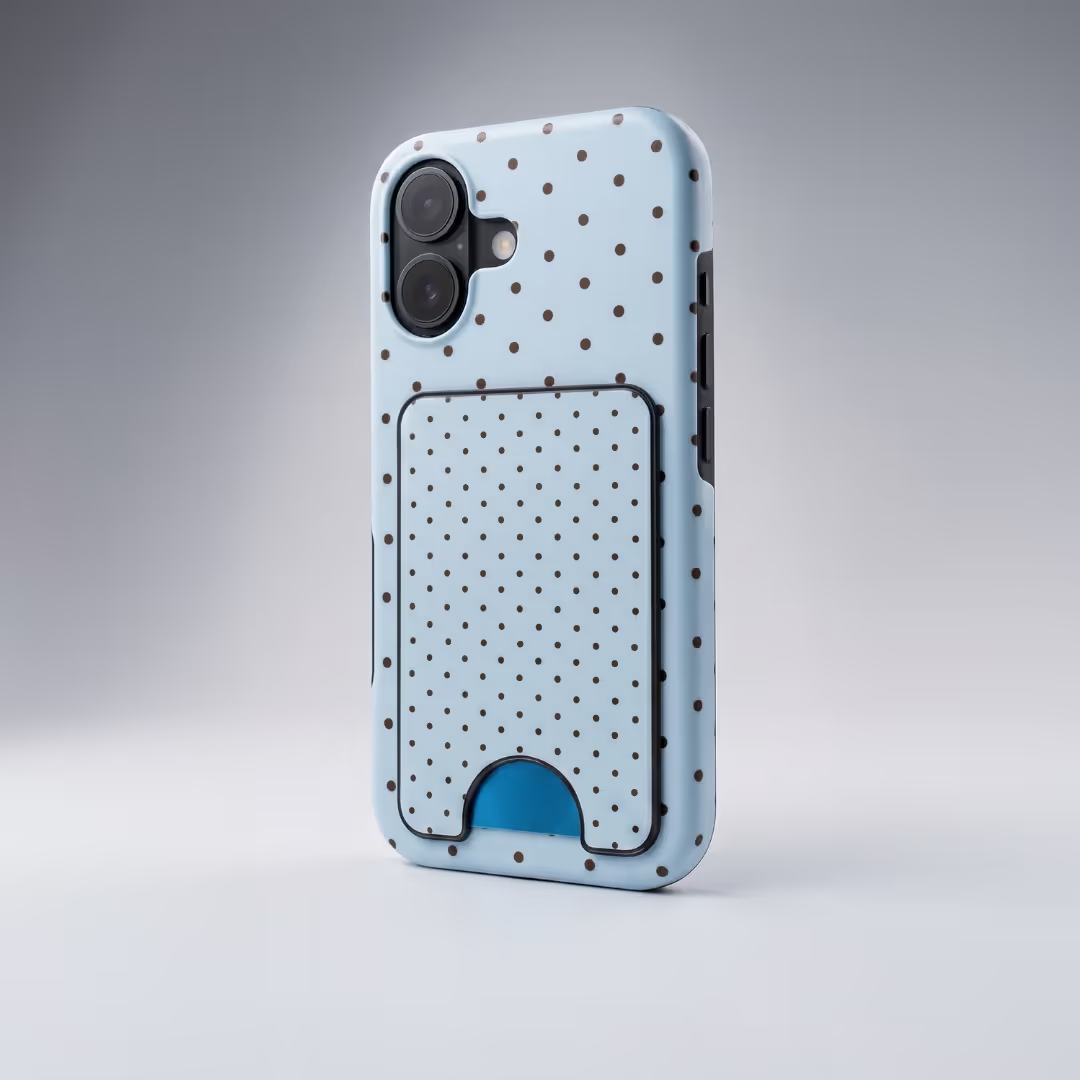
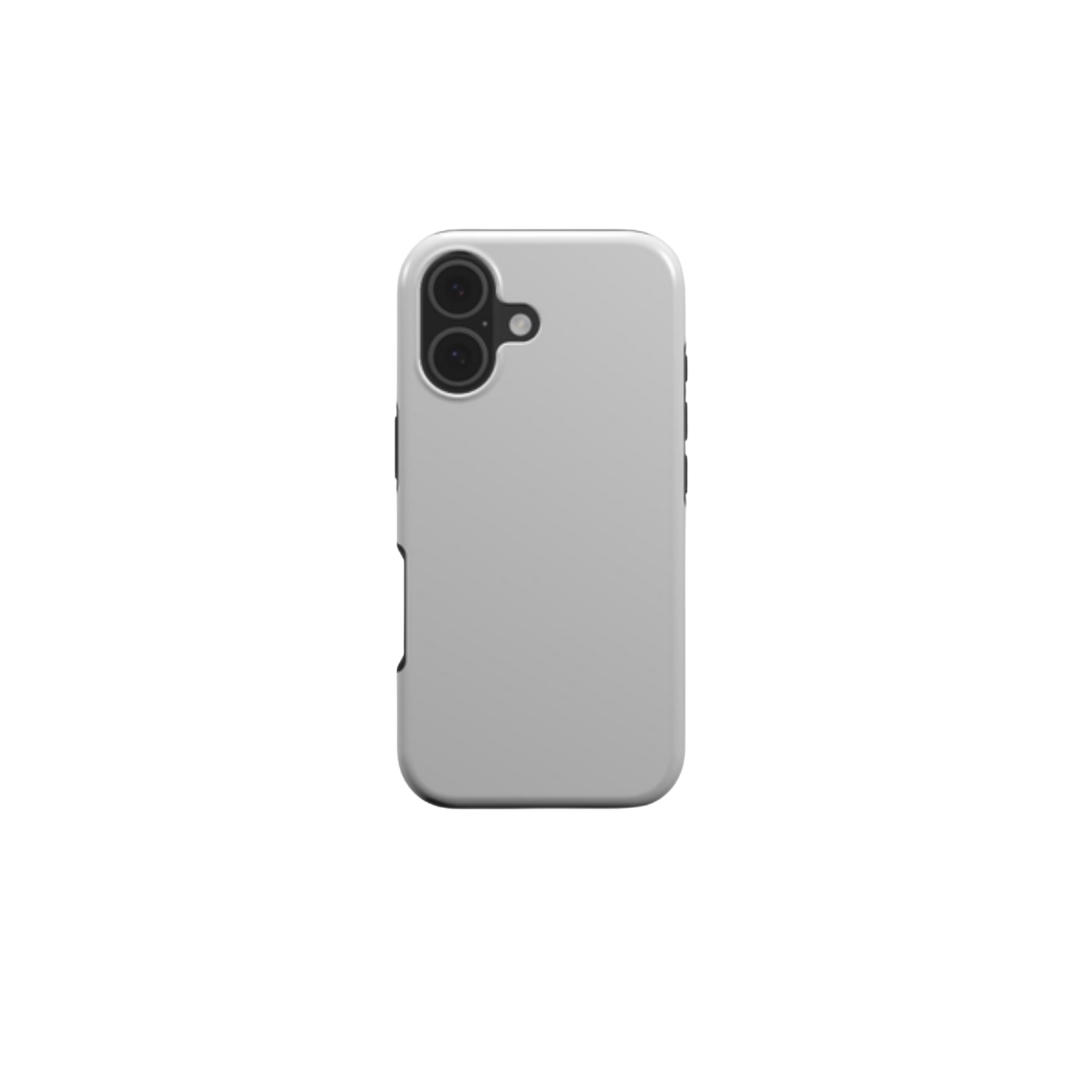
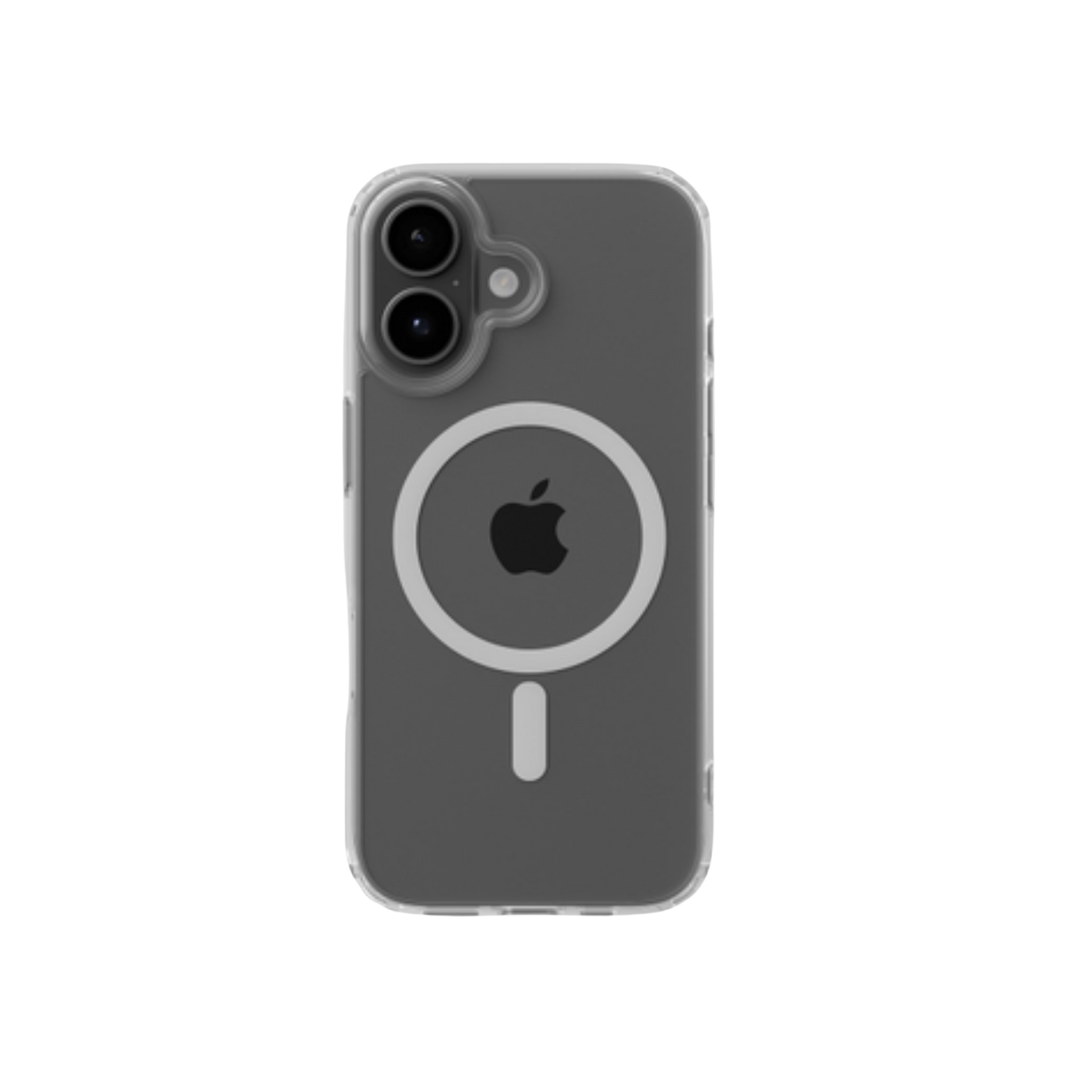
- MagSafe on the 17e expands the premium SKU set. With MagSafe finally on the budget line, MagSafe-compatible cases - like Podbase's MagSafe Tough Case (€11.95 base, ~€24 earnings) and MagSafe Clear Case - now address Apple's highest-volume price tier. Premium accessory, mass-market device.
- The economics hold: a custom case costs ~€10 on Podbase and sells for €35-60, checkout upsells (screen protectors) convert at 3-10%, and production-plus-dispatch runs 24-48 hours - fast enough to ride a launch wave while it's cresting.
- Repeat purchases compound the launch. About 40% of buyers replace phone accessories every six months - a launch-week customer is the start of a cycle, not a one-off.
- First-mover branding still applies. Being early with quality designs for a new model builds the credibility that carries your store through the year - and with AI mockups, a full 17e collection can go live without a photo shoot.
If you're new to this, the launch cadence is honestly one of the best on-ramps into POD: a guaranteed demand spike, on a known date, every year. Here's how to start a print-on-demand business around it.
Also Read:
- How To Make Phone Cases And Start Selling Online
- Phone Case Sales Statistics: Trends & Data for POD Stores

Also read:
- Top 10 Printify Alternatives for Print-on-Demand in 2025
- 12 Printful Alternatives: Finding The Right POD For Your Business
- Print-On-Demand: Your Complete Beginner's Guide For 2024
- How To Make Printables To Sell Online: And Make Money
Final Thoughts
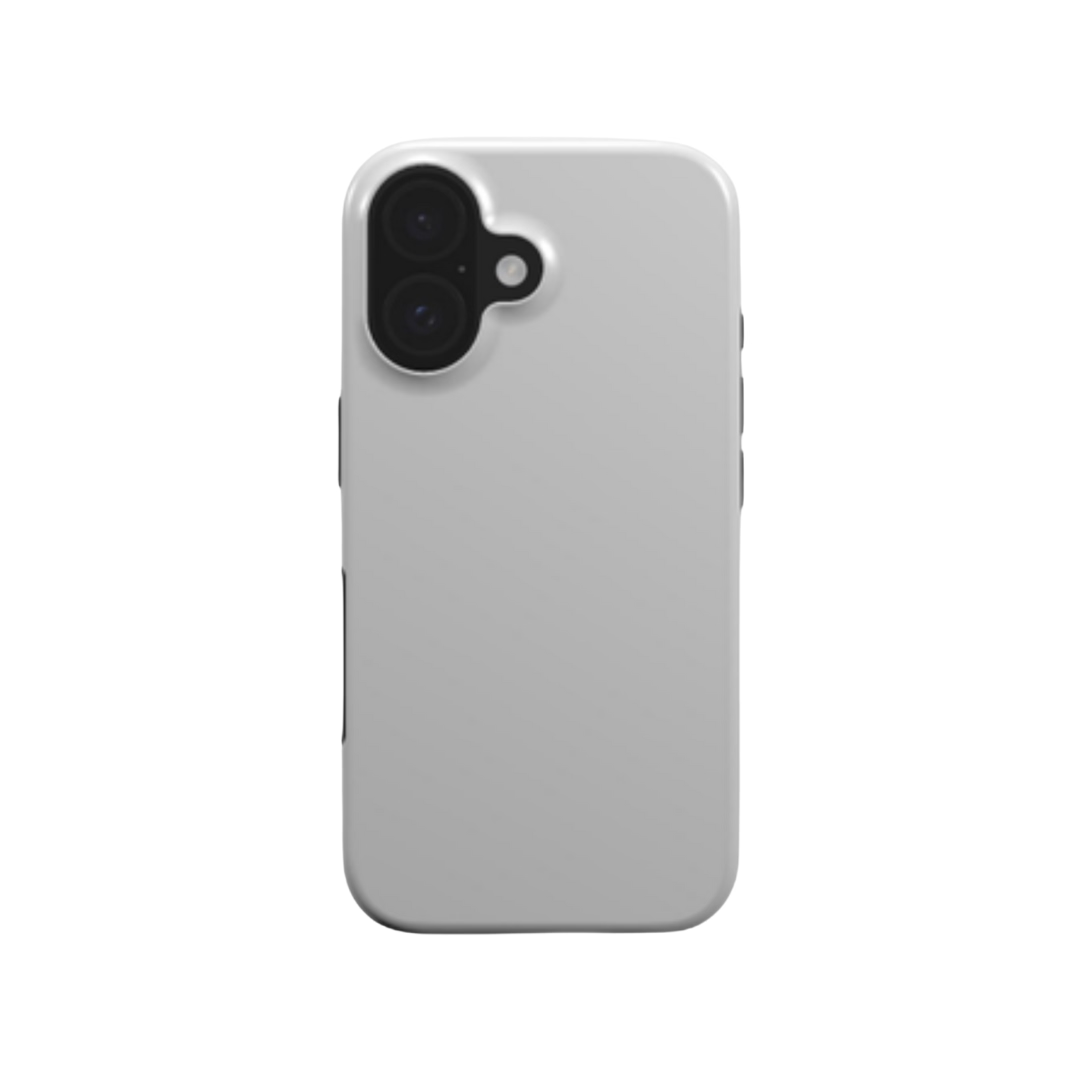
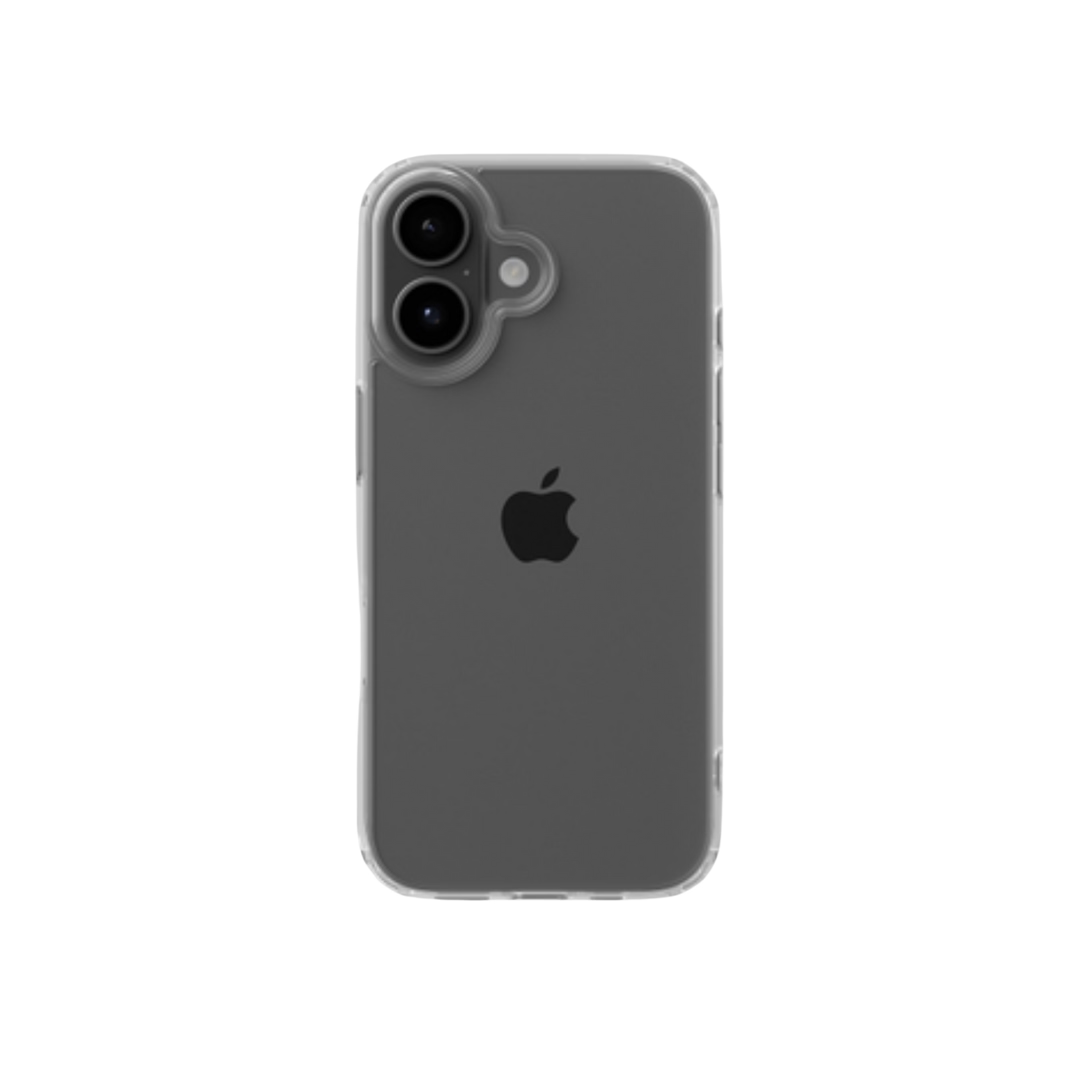
You can use print-on-demand services like Podbase to easily create and sell custom accessories, such as iPhone 16e and 17e cases.
Stay ahead of the competition, start designing your iPhone cases with Podbase, and start selling today!

Saulius Meilutis is the CEO of Podbase, helping creators and entrepreneurs monetize their ideas with print-on-demand. He shares insights on eCommerce, growth, and building lean online businesses.

.avif)



.avif)
.avif)
.avif)
.avif)
.avif)
.avif)

.avif)



.avif)

.avif)

.avif)

.avif)

.avif)