Testing before scaling, choosing the right niche, and conducting extensive market research are among the many habits of successful POD sellers. These are key to launching a successful POD business.
The best part is: you can learn these habits. And that’s good because the print-on-demand space rewards consistency and curiosity. Even more, it’s against perfectionism, overthinking, and working in isolation.
Now, what you need is a roadmap. In this post, we’ll look at 12 habits of successful POD sellers that you can learn. You’ll also learn how to build each one.
Let’s get started.
Habit 1: They Test Before They Scale
One of the main habits of successful POD sellers is that they don't launch 100 products in the hope that something sticks. Instead, they start small, watch what sells, and then scale and invest in what works.
With this habit, you can save time and money and reduce the stress of trying to do too many things at once. So, to build it:
- Start every new product niche with a small test batch
- Track saves, clicks, and conversions regularly
- Then, only expand your listings after you see early signs of ROI
No successful seller waits for "perfect." So, launch 5-10 products in a niche. Watch what sells and gets saves and clicks, then double down and scale your business.
Habit 2: They Pick a Niche and Own It
Generalists tend to struggle with POD businesses. That’s why niching down is one of the top habits of successful POD sellers.
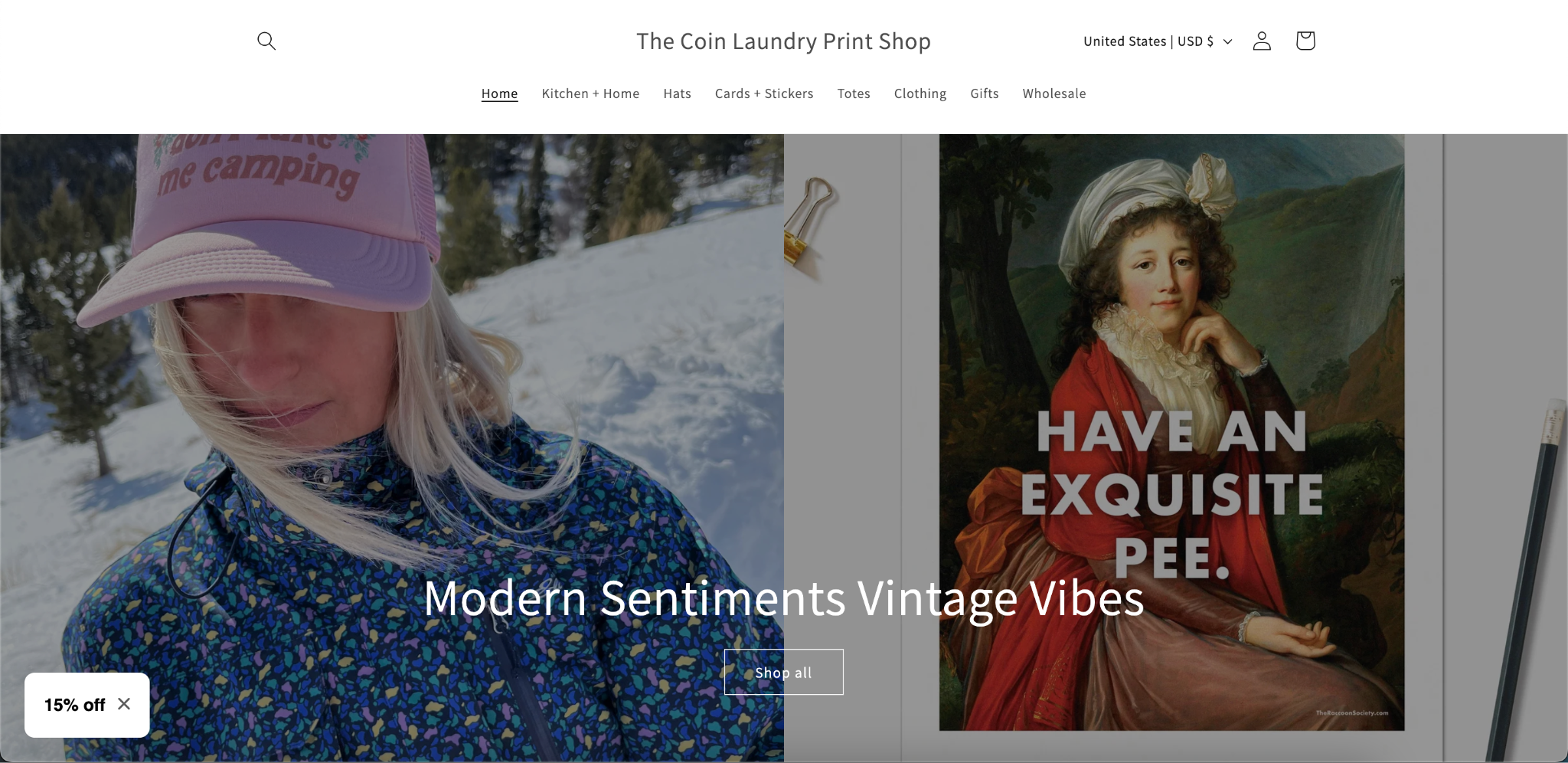
So, don’t try to sell to everyone. Instead, choose a specific niche and target audience. It could be anything from pet accessories for dog moms to tech accessories for gamers. Here’s an example of a store that sells hand-printed products for budget buyers.
This way, you become the go-to shop for that audience. You also build trust with them and get repeat business.
Additionally, it helps improve your SEO ranking. That’s because your tags, titles, and listings are easily recognizable.
Habit 3: They Research Before They Design
When it comes to design, top POD sellers don't guess what looks cool or even open Canva. And this is one of the top habits of successful POD sellers.
Smart sellers check Etsy search, Google business trends, TikTok, and Pinterest first. This is because they use data-informed designs, which beat gut-feel designs every time.
So, research what people are already searching for. This tells you where demand exists, so you don’t end up selling products that don’t serve your target audience.
To build this habit, you can:
- Search Etsy for trending keywords in their niche
- Check Google Trends for seasonal spikes
- Scroll through TikTok and Pinterest for the latest designs and styles
- Look at bestselling competitors to spot gaps you can fill
Habit 4: They Don't Overthink — They Ship
Perfectionism is your most dangerous enemy as a POD seller. And one of the defining habits of successful POD sellers is acting fast rather than overthinking.
That’s because overthinking kills your momentum. While you’re still editing and waiting for the perfect listing, your competitors could publish ten.
So, one of the key habits of successful POD sellers is that they don’t wait for things to be perfect, but take quick action. They know that waiting can cost you money.
Even more, shipping consistently feeds POD platforms like Podbase. This way, the more active your shop is, the more the platform shows your listings to buyers.
To build this habit, you can create a publishing cadence where you:
- Commit to a specific number of new listings per week, even if it’s just 3-5
- Set a timer for design work, where you stop editing when the timer ends
- Publish, then improve based on real feedback
This way, even if there are small issues, you can fix them later. It’s better than not having the product live.
Also Read:
- How to Make Extra Income While Working Full-Time: Ideas
- Spring Products to Sell: Ideas for Online Stores
Habit 5: They Treat POD Like a Business
One of the key habits of successful POD sellers is tracking everything. They know their revenue, costs, and profit margins.
Even more, they set quarterly goals for these metrics and review them regularly. But that’s not all. They also reinvest profits instead of cashing out too early.
Successful POD seller treat their store like a real business and a reliable way to make money without a job. It even helps them make smarter decisions about where to spend their time and money.
If you want to build a similar habit, you should:
- Track margins to know your profit per product after fulfillment and platform fees
- Set goals like monthly revenue targets to keep you focused
- Reinvest early by putting profits back into ads, new designs, or better tools
- Review weekly with a check-in to keep you on track
Habit 6: They Learn From Analytics
Successful Etsy POD sellers analyze their data every week. They do this consistently, but not obsessively.
They look at what sold, what got saved, and what got clicks but no conversions. Then they decide to double down on what works and cut what doesn't, based on the data.
So, what you can do is use:
- Etsy statistics to track views, visits, and conversion rates
- Shopify Analytics to monitor traffic sources and revenue trends
- Google Analytics to understand where your audience comes from
- TikTok Insights to see which content drives traffic to your shop
Habit 7: They Show Up Consistently on Social Media
Posting 3-5 times per week can help you double your follower growth rate. This tells you that showing up can help you build trust, which drives sales. That’s why consistency on social media is one of the most useful habits of successful POD sellers,
You don’t need to post daily, but you need a regular plan. And how top POD sellers think is that quality content beats random volume every time.
So, to stay consistent:
- Choose 2-3 platforms where your audience spends time
- Batch-create content once a week to schedule ahead
- Use a spreadsheet or even a basic content calendar like this:
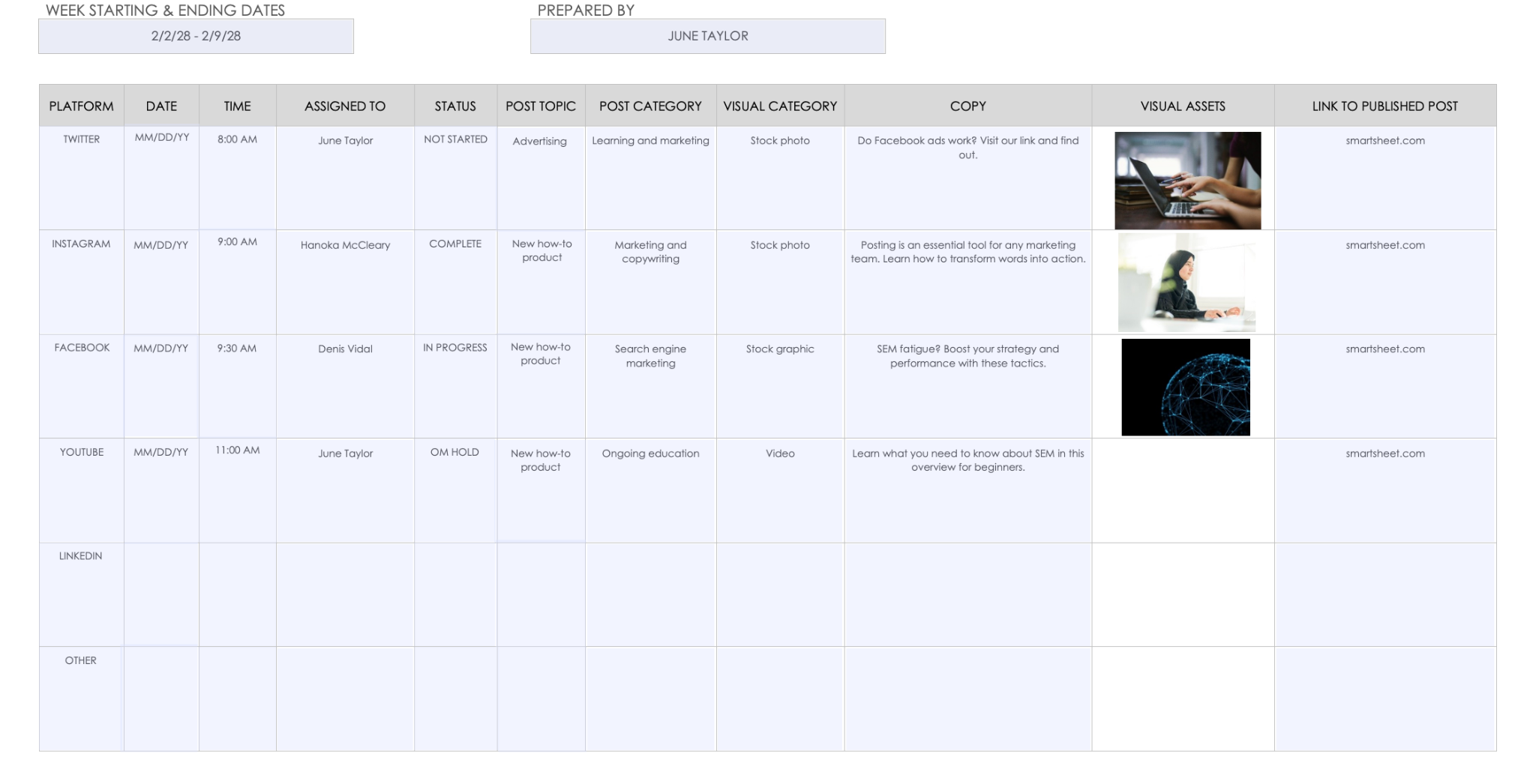
You can even mix product posts with behind-the-scenes and educational content. This consistency improves brand recognition, which is a competitive edge.
Habit 8: They Share Knowledge in Communities
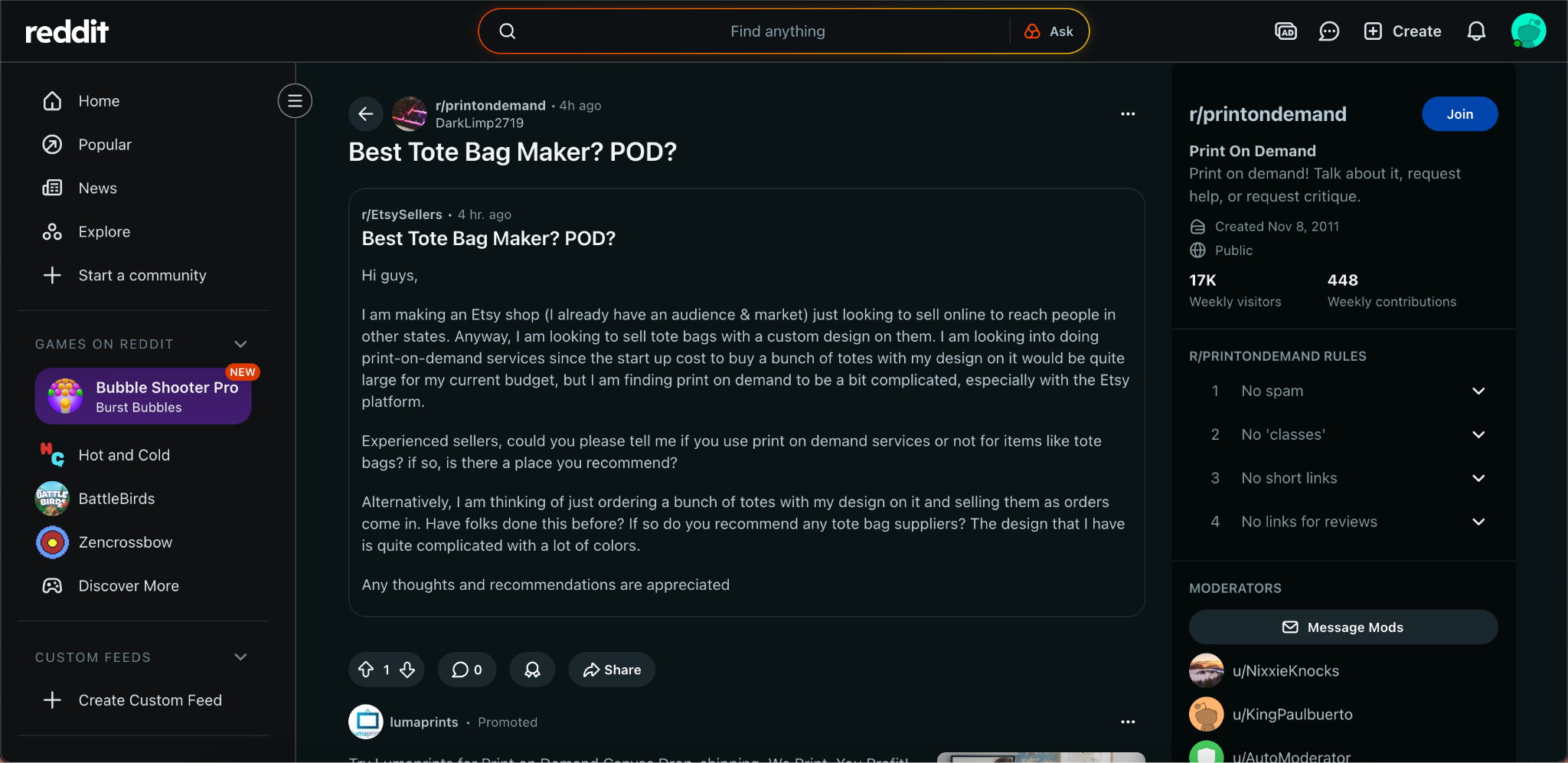
One of the top print-on-demand success habits is being active in groups and communities. They share tips in Facebook groups and answer questions on Reddit's r/Etsy and r/printondemand, like this:
They also join and engage in Discord communities built for ecommerce and design. And because they give value, it pays off in followers, collaborators, and customers.
So, to form this habit, you can show up in:
- Facebook Groups and search for POD seller communities with active members
- Reddit and check r/printondemand and r/Etsy for real seller conversations
- Discord and join niche-specific servers that connect you with serious sellers
- YouTube comments to engage with creators in your space
You can learn from these communities. This helps you grow faster than doing it solo.
Also Read:
Habit 9: They Obsess Over Customer Experience
One of the most important print-on-demand best practices is prioritizing customer experience. That’s why successful POD sellers have a habit of writing clear, detailed product descriptions.
Additionally, they respond to customer messages quickly, since 66% of customers expect a response within 5 minutes. They also respond to both good and bad reviews with professionalism and care.
To stand out more, they even use tools like Podbase’s packaging inserts to surprise and delight their buyers. This creates a memorable unboxing moment and gives your buyers a reason to come back.
So, to do this:
- Use clear descriptions to answer every question before it gets asked
- Reply to messages fast, preferably within a couple of hours at most
- Review engagement, thank buyers, and address concerns publicly
You can also use packaging inserts, like a thank-you card, discount code, or care guide, to turn a one-time buyer into a loyal customer
Habit 10: They Expand Smart, Not Fast
If you want to get into the POD seller mindset, you must master one platform before moving on to another. For instance, they focus on Etsy or Shopify first. Then, they expand to Amazon or TikTok later.
Even more, they wait for their core product range to stabilize first before adding new categories. They also choose a reliable POD partner that can scale with them.
So, here’s a quick checklist you can use to learn this habit:
- Master your primary platform before adding a second
- Keep your product range focused until sales are consistent
- Choose a POD fulfillment partner with proven quality and scalability
Once you’ve done this, expand based on data to grow smartly.
Habit 11: They Stay Inspired and Keep Learning
POD trends change fast, and platforms update their algorithms often. That’s why one of the most important habits of successful POD sellers is following design trends on platforms like Pinterest.
Additionally, they stay up to date on POD news and ecommerce developments. They also take courses to close skill gaps, watch tutorials, and read blogs like this one.
To build this learning habit and make money as an artist, you can:
- Spend a couple of minutes daily consuming relevant content
- Follow POD creators and ecommerce educators on YouTube and TikTok
- Bookmark resources like this blog for regular reading
- Register for a course when you're ready to level up
This curiosity compounds over time, and these small daily learnings add up to give you an advantage.
Habit 12: They Don't Quit After a Slow Month
The truth is: POD is a long game. In fact, most successful POD stores took 6 to 18 months to gain real traction. So, a good POD seller routine is to see these slow months as part of the process.
One way to stay motivated is to remember your “Why.” This way, you remember the long-term goal and ask what you can test, adjust, or improve.
So, to learn this habit:
- Write down your “Why” so you can revisit it when motivation drops
- Track your progress metrics beyond revenue, like listings published, skills learned, and communities joined
- Connect with other POD sellers who've been through the same slow patches
This way, if sales go down, you don’t quit. Instead, remember the goal and keep working towards it.
Also Read:
FAQ
1. How long does it take to become a successful POD seller?
Most successful POD stores take 6 to 18 months to gain real traction. And in the early months, you can test, learn, and build your product base.
2. How many products should I have in my POD store?
You can start with 10-15 focused, well-researched listings. And once that’s stable, you can add more products and categories.
3. Do I need design skills to run a successful POD business?
No. You can hire a freelance designer. But if you have basic design skills, you can use tools like Canva to create clean, sellable designs.
4. What's the biggest mistake beginner POD sellers make?
They try to sell to everyone. Beginners often skip niche research and list random products in unrelated categories. This can affect your SEO, confuse buyers, and make it hard to build a loyal audience. So, pick a niche and focus on it.
5. How do the most successful POD sellers find design inspiration?
Through research before designing. They browse Pinterest, TikTok, and Etsy for trending styles. And they check Google Trends for seasonal demand and to study what's already selling.
6. Is print-on-demand still a good business model in 2026?
Yes. The global print-on-demand market is projected to reach $57.49 billion by 2033. This shows that the market will continue to grow.
Conclusion
So, you see?! Success in print-on-demand is about the habits you build. From testing before scaling to using analytics to draw insights, there are many habits of successful POD sellers. If you want to succeed, you can build these habits.
You don't need to build all 12 habits of successful POD sellers overnight. Start with one, then test before you scale.
So, start building your habits today. Then, let Podbase handle fulfillment so you can focus on growing. This way, you spend your time on designing, testing, and scaling, so connect your store today.

Saulius Meilutis is the CEO of Podbase, helping creators and entrepreneurs monetize their ideas with print-on-demand. He shares insights on eCommerce, growth, and building lean online businesses.

.avif)









.avif)
.avif)
.avif)
.avif)
.avif)
.avif)

.avif)






.avif)

.avif)


.avif)

.avif)

.avif)