Before algorithms took over, style was shaped by mixtapes, mall culture, and whatever showed up on MTV. Now '90s fashion is back, and it isn't subtle - the chunky sneakers returned, the denim went baggy again, and Y2K revival is right behind it. The only thing missing is the dial-up tone.
The smartest print-on-demand sellers know that building a brand around retro style is a huge opportunity. There's clear demand - the question is which products you put it on, and how fast you move. This post covers the best '90s outfits and aesthetics, what made them iconic, and exactly how to turn them into a print-on-demand store that actually sells.
Why '90s Fashion Is Dominating Again
'90s style is back because two large groups shape this market at once. Millennials remember these looks from childhood, while Gen Z finds them fresh and expressive. That shared taste drives demand across age groups - and expands your reach without changing your core design ideas.
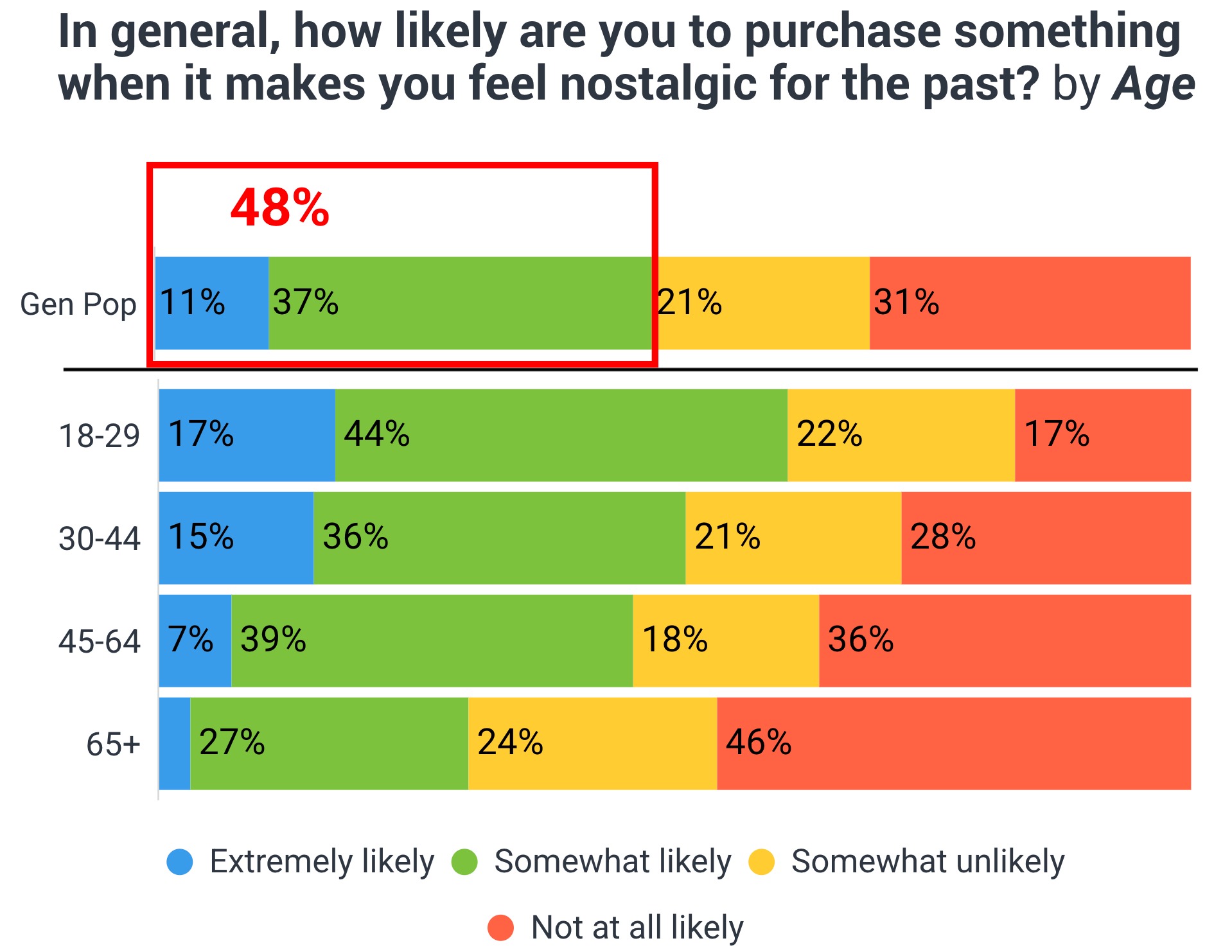
The numbers back it up. A 2025 Civic Science survey found up to 48% of American adults are likely to purchase nostalgia-driven products, with millennials and Gen Z leading across all age groups. TikTok then accelerates the cycle: outfit clips, thrift hauls, and styling tips push retro looks into feeds and turn nostalgia into purchases. That matters for where you sell, too - our CMO notes that "99% of our sellers right now are getting the majority of their traffic from social media ads," so the same feeds spreading the trend are where retro products convert.
Here's the part most "trend roundups" miss, and it's the most useful insight for a POD seller. Nostalgia isn't just driving one-off apparel purchases - it's changing how people buy accessories. As our CEO explains, a device case "became like your personal billboard on your gadget," and shoppers now "look for different design cases to match different outfits and style choices." In other words, a '90s-themed phone case isn't a single sale; it's a wardrobe item people rebuy as their style shifts. That repeat behavior is what makes retro a brand opportunity, not just a one-week spike.
Also Read:
The Greatest '90s Fashion Trends (with POD Application)
Turning a look into sellable products is where sellers get stuck. Below are the top apparel and accessory trends with real POD potential - and a note on which translate best to high-margin daily-carry items.
Grunge & Flannel
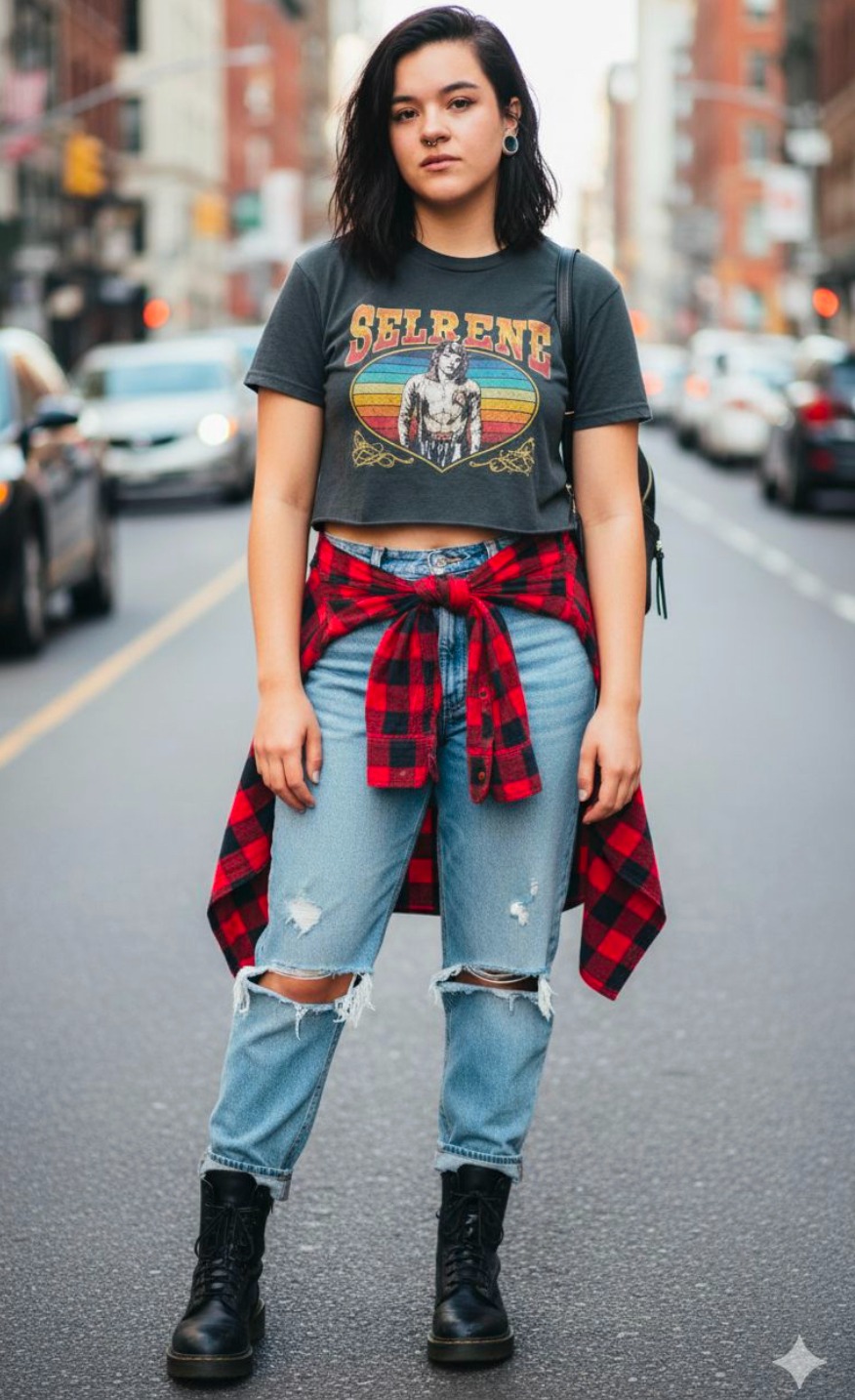
- What it is: Ripped jeans, combat boots, and plaid shirts tied at the waist.
- What made it iconic: Nirvana and Pearl Jam wore it on stage as a rejection of polished '80s style; thrifted flannels signaled indifference to status.
- Apply it to POD: Oversized graphic tees with faded, band-style art. Distressed textures also translate beautifully to phone cases and wall art prints - and on a daily-carry case, that "worn-in" look reads as authentic rather than cheap.
Hip-Hop Streetwear
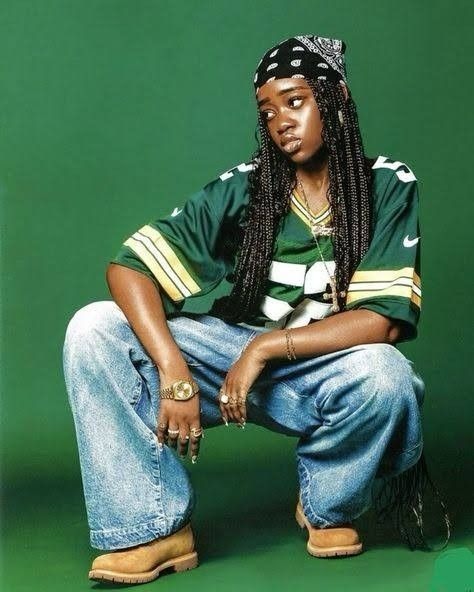
- What it is: Baggy jeans and large logos, popularized by artists like Tupac and Aaliyah.
- What made it iconic: Brands like FUBU turned streetwear into a language of identity and pride.
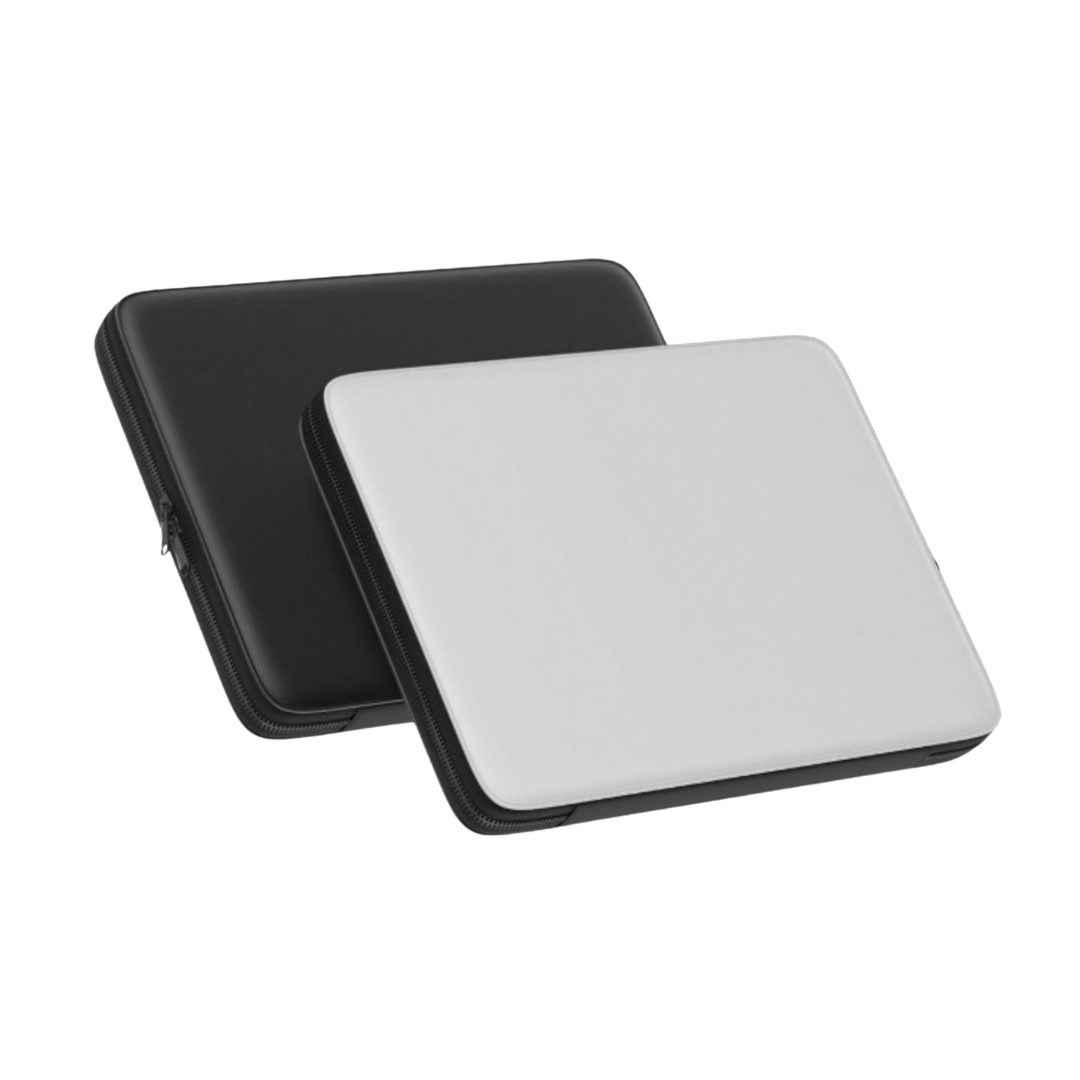
- Apply it to POD: Bold, chest-dominant logo graphics for hoodies and sweatshirts that read clearly on social feeds. Carry the same high-impact look onto tumblers, phone cases, and laptop sleeves for a coordinated drop.
Minimalist '90s Style
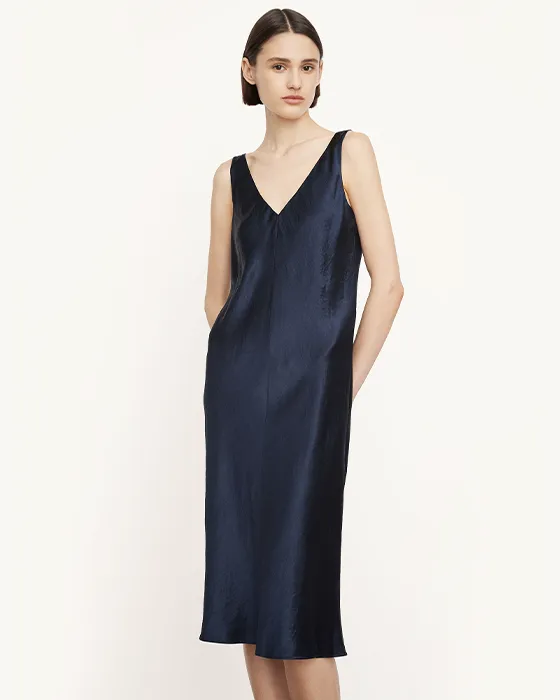
- What it is: Clean lines, restraint, neutral slip-dress simplicity (Carolyn Bessette Kennedy, Winona Ryder).
- What made it iconic: A deliberate, almost defiant contrast to the era's louder trends.
- Apply it to POD: Monochrome prints on tote bags or yoga mats, and clean sans-serif text on water bottles. Minimalism is forgiving to print and pairs naturally into a set - a cream journal and a matching ceramic mug.
Neon & Color Blocking
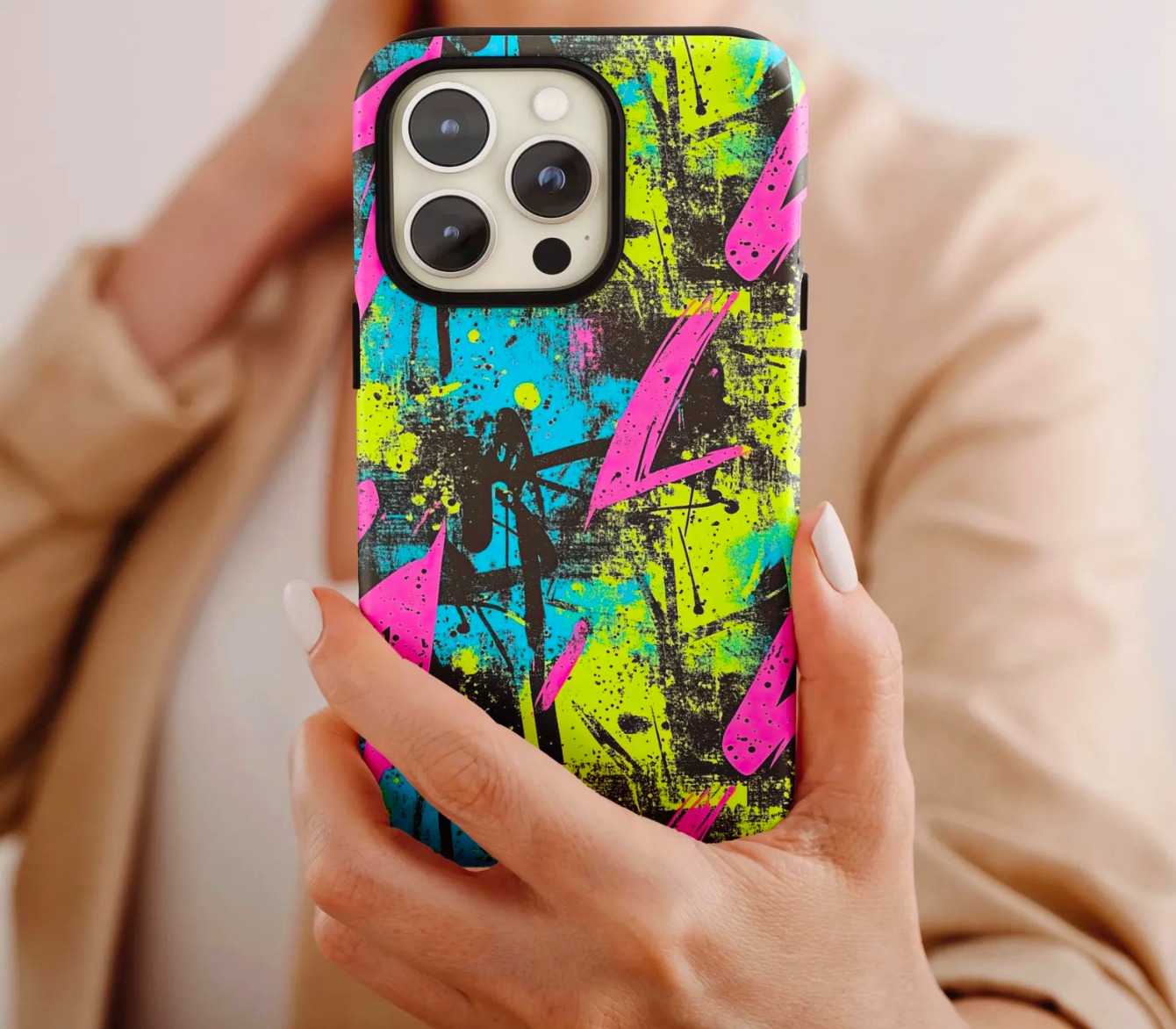
- What it is: Bright pink, electric blue, and lime green in bold, high-contrast blocks.
- What made it iconic: Saved by the Bell and Nickelodeon turned fashion into attention-grabbing color.
- Apply it to POD: Color-blocked phone cases with two or three bold sections, mugs with contrasting handle and body, neon geometric posters. One technical note that decides whether neon works or flops: color accuracy. Our operations team verifies color with a spectrophotometer, and prints reproduce most faithfully when designs are supplied in high resolution and the CMYK color space - neon is exactly where cheap printing visibly falls apart.
Skater Culture
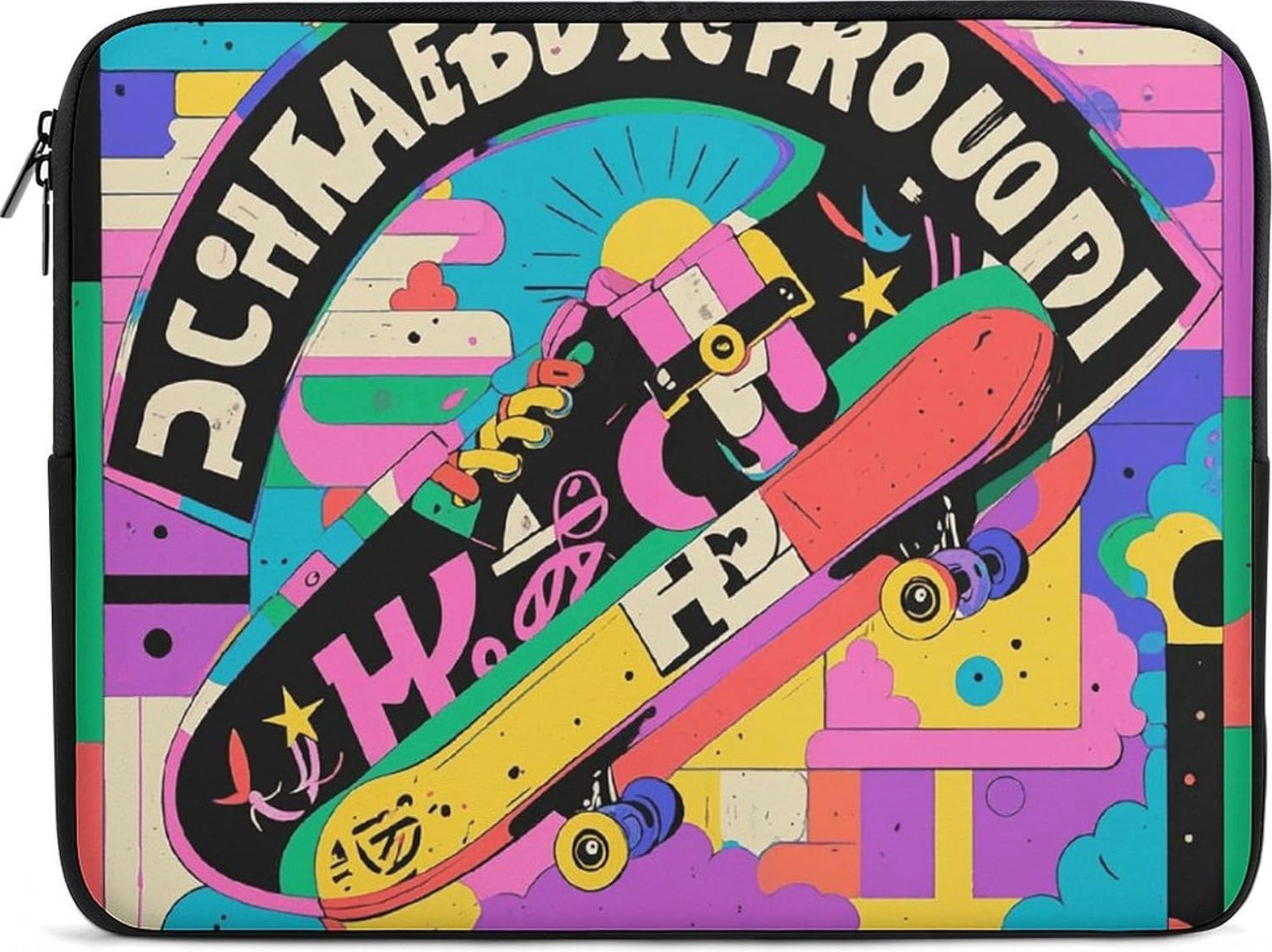
- What it is: Loose fits, cartoon characters, and graffiti-style art rooted in DIY, anti-mainstream identity.
- What made it iconic: Magazines like Thrasher built a visual language young people loved.
- Apply it to POD: Sticker-style graphics for laptop cases, AirPod cases, and other add-ons, plus T-shirts that give the artwork room to breathe.
Band & Pop Culture Graphics
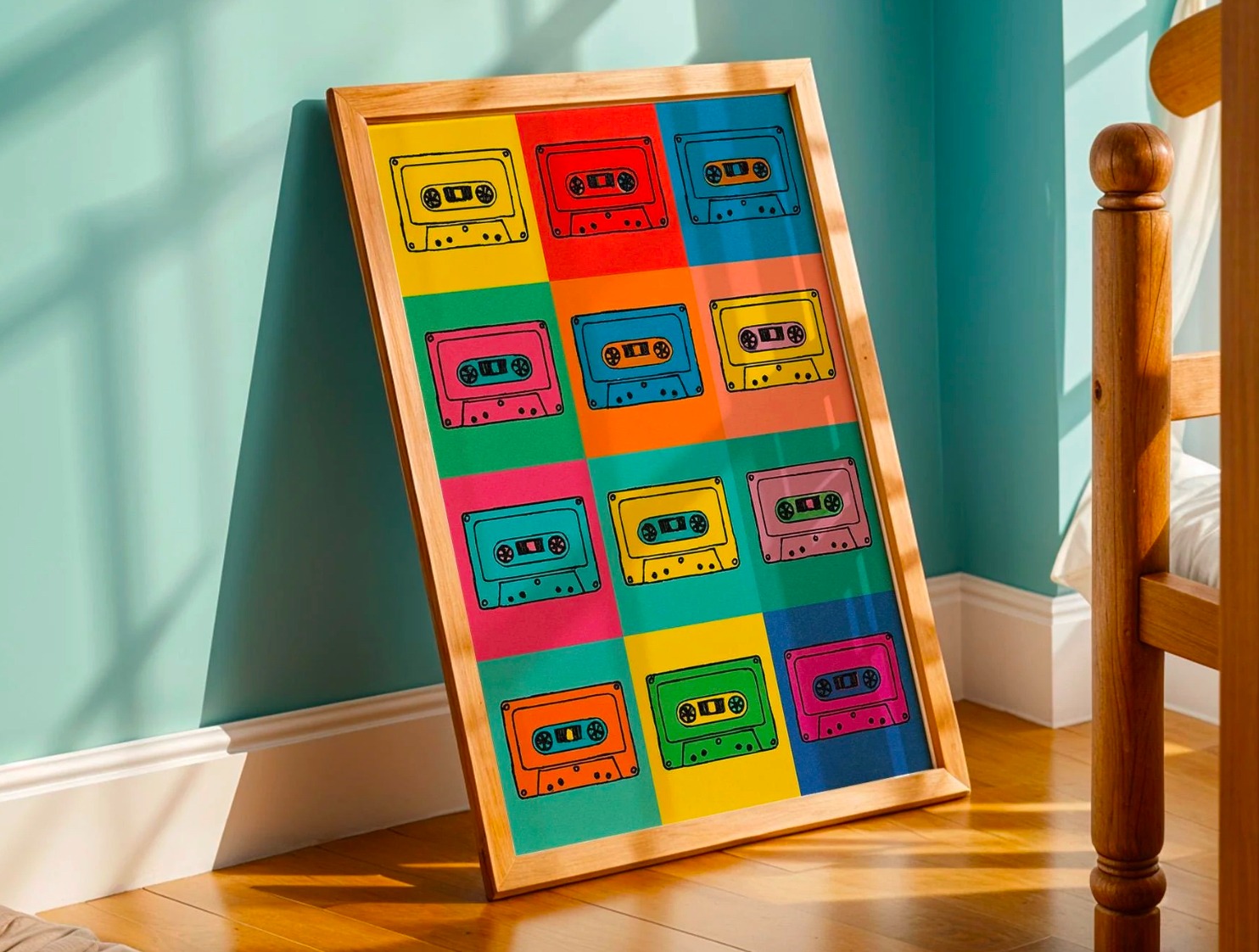
- What it is: Oversized album-inspired prints, tour-merch aesthetics, bold screen-printed visuals.
- What made it iconic: Music merch became fashion; the line between music and style blurred.
- Apply it to POD: Vintage-concert-poster-style wall art. Create original art that evokes the era rather than copying trademarked names - this is also where digital artists thrive, since, as our CEO notes, fans will pay "€40-€60 for a case that has your favorite artist's design on it" instead of a €1,000 framed canvas.
Denim Everything
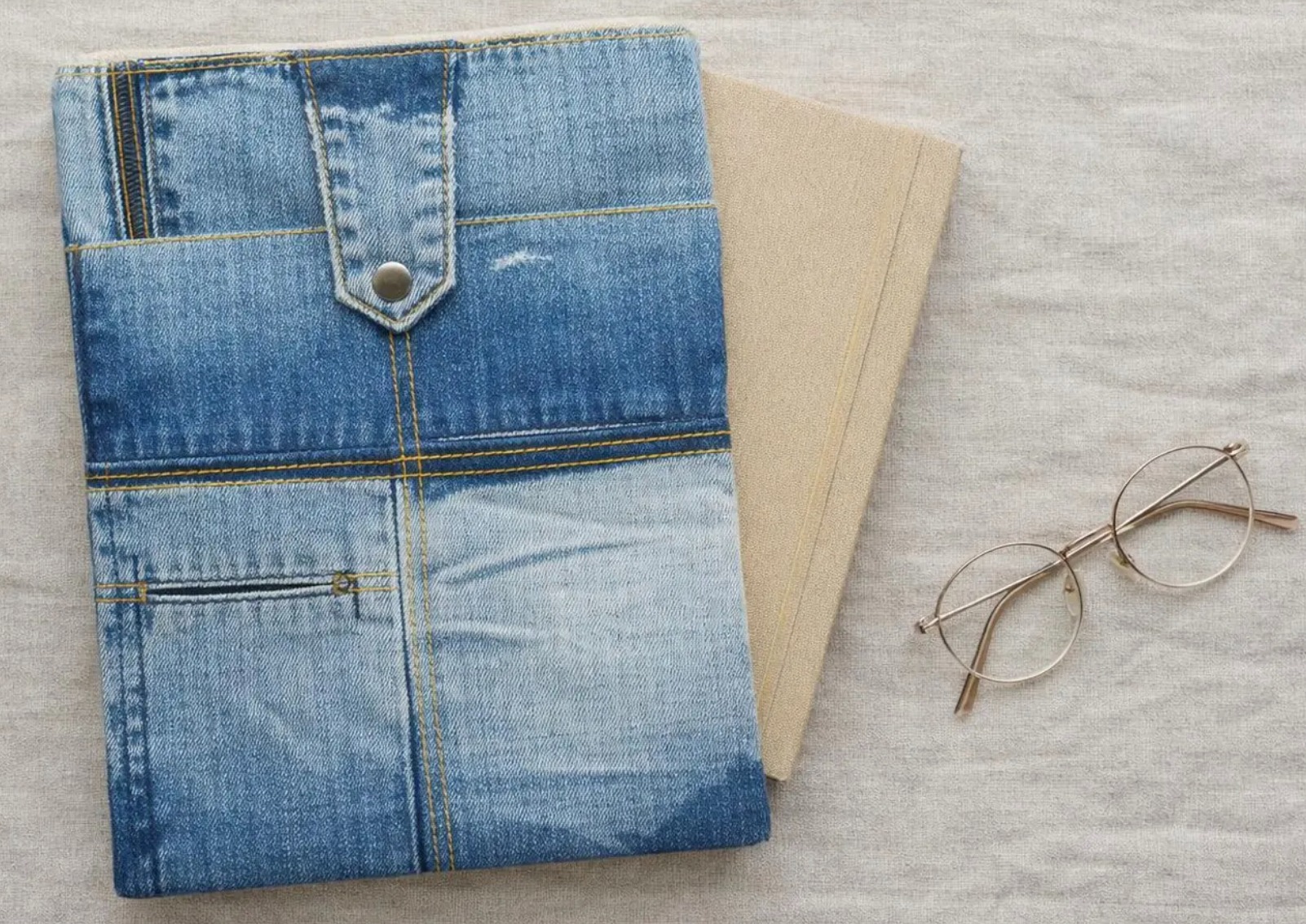
- What it is: Head-to-toe denim in layered, matching tones (Britney and Justin's coordinated denim).
- What made it iconic: Familiar, personalizable, and endlessly adaptable.
- Apply it to POD: Use denim-texture mockups to showcase digital products, or design journals and card wallets with denim-look covers.
Kitsch & Irony
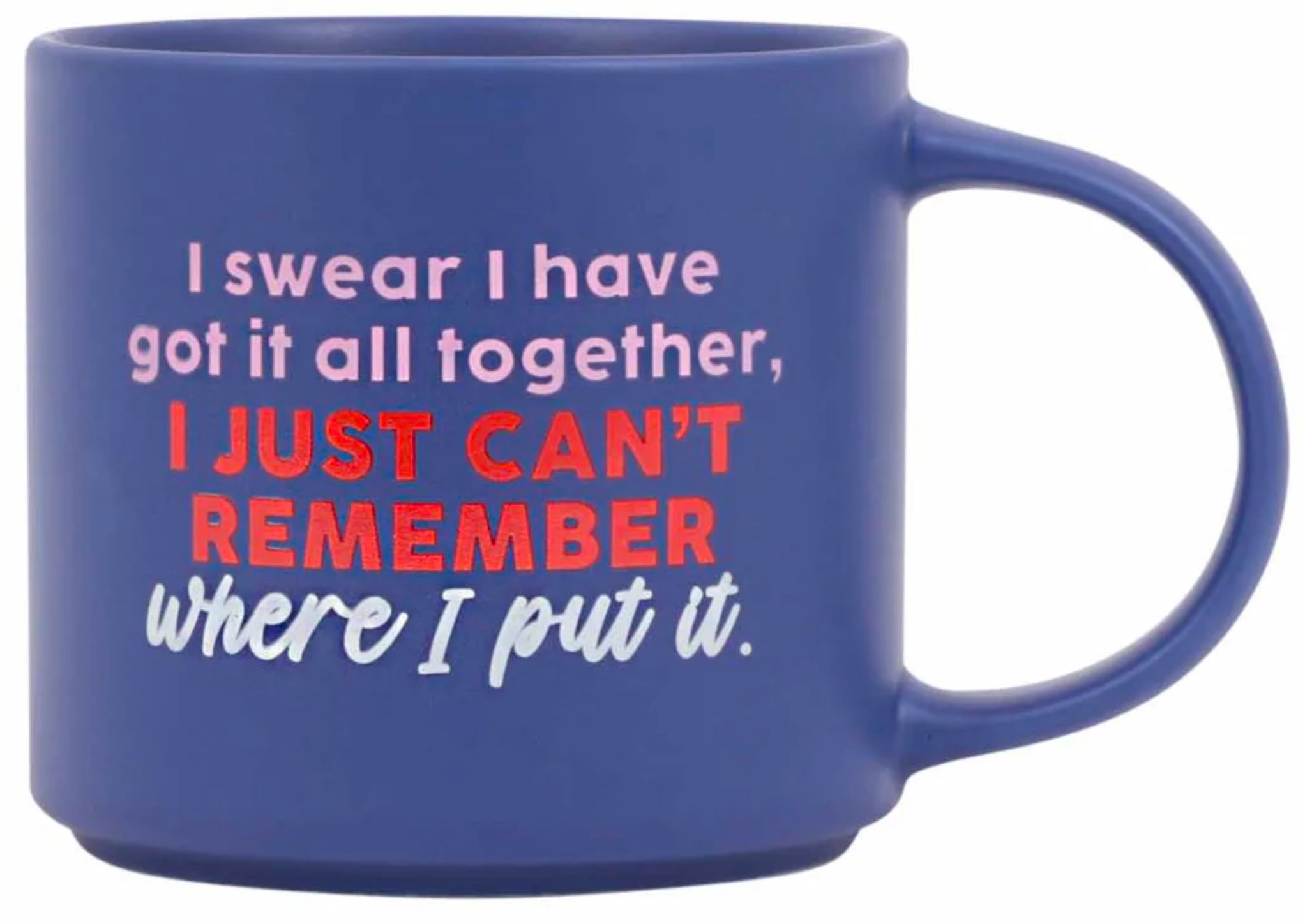
- What it is: Tacky tropical prints and cheesy quotes - "so bad it's good."
- What made it iconic: Infomercial culture and films like Austin Powers made intentional bad taste a statement.
- Apply it to POD: Funny, ironic quotes on mugs and totes with clip-art flowers or dolphins. The humor of wearing an outdated '90s joke today is the whole product.
Also Read:
The Contrarian Take: Don't Sell the T-Shirt - Sell the Billboard
Most '90s and Y2K trend guides funnel you straight into apparel: jeans, flannels, slip dresses. Here's why that's the hardest, lowest-margin way to ride nostalgia - and what our data suggests instead.
Apparel is the most saturated, most size-and-return-heavy category in print-on-demand. Daily-carry accessories are the opposite: one size, high perceived value, and a surface people see dozens of times a day. The economics aren't close - a phone case costs around €10 from Podbase and sells for €35-60, and our pricing runs roughly 10-15% better margins than competitors. More importantly, the buying behavior fits the trend perfectly: because a case is a "personal billboard," shoppers buy several to match outfits and moods, so a retro aesthetic becomes repeat revenue rather than a single tee.
This is also where tech accessories beat apparel on identity. As our Head of Product Development puts it, accessories "stopped being simply devices and became an extension of who we are as persons. That is why people are constantly looking for the cases that suit their personalities, hobbies and interests." Nostalgia is identity - which is exactly what a case, not a generic T-shirt, signals.
None of this means skip apparel entirely. It means anchor the brand on high-margin accessories that move fast, and let tees be the add-on rather than the foundation.
How to Turn '90s Trends Into a Cohesive Brand
You don't need to chase every trend to stand out. Pick a few that fit together and build a cohesive brand around them.
1. Build a Story, Not Just a Trend
Treat each aesthetic as raw material, not a finished idea. Start with a theme - late-night skate culture, retro arcade, grunge zine - and connect every design to it for consistency.
2. Create a Capsule Collection
A capsule keeps your brand focused and recognizable: five to eight products with a consistent palette, fonts, and graphics. This isn't just a branding nicety - it matches what actually scales in our data. Our Head of Sales notes that the sellers who win "put three to five designs live, push their marketing hard on those specific products," and are "up and running within two weeks." The losers spend six months in what we call the "guessing phase," perfecting a store that never launches. Concretely: a seller who places a sample order in their first two days and has five products live within 30 days is already ahead of 80% of POD stores - and one such seller scaled from zero to seven-figure annual revenue in 13 months on roughly ten phone-case designs.
3. Name Your Niche Clearly
Broad labels feel vague. A name like "Blast From The Past Streetwear" tells people exactly what they're getting and guides your online store design choices.
4. Match Mockups to the Era
Your product photos should look like they belong in the era. Avoid sterile studio shots; use grainy textures and place products in skate parks or city streets. Mockups are also where trends reward speed - because Podbase ships within one to three days and you hold no inventory, you can publish a new retro design the moment a specific aesthetic starts trending and let the market tell you what's working.
Best Podbase Products for '90s and Y2K Designs
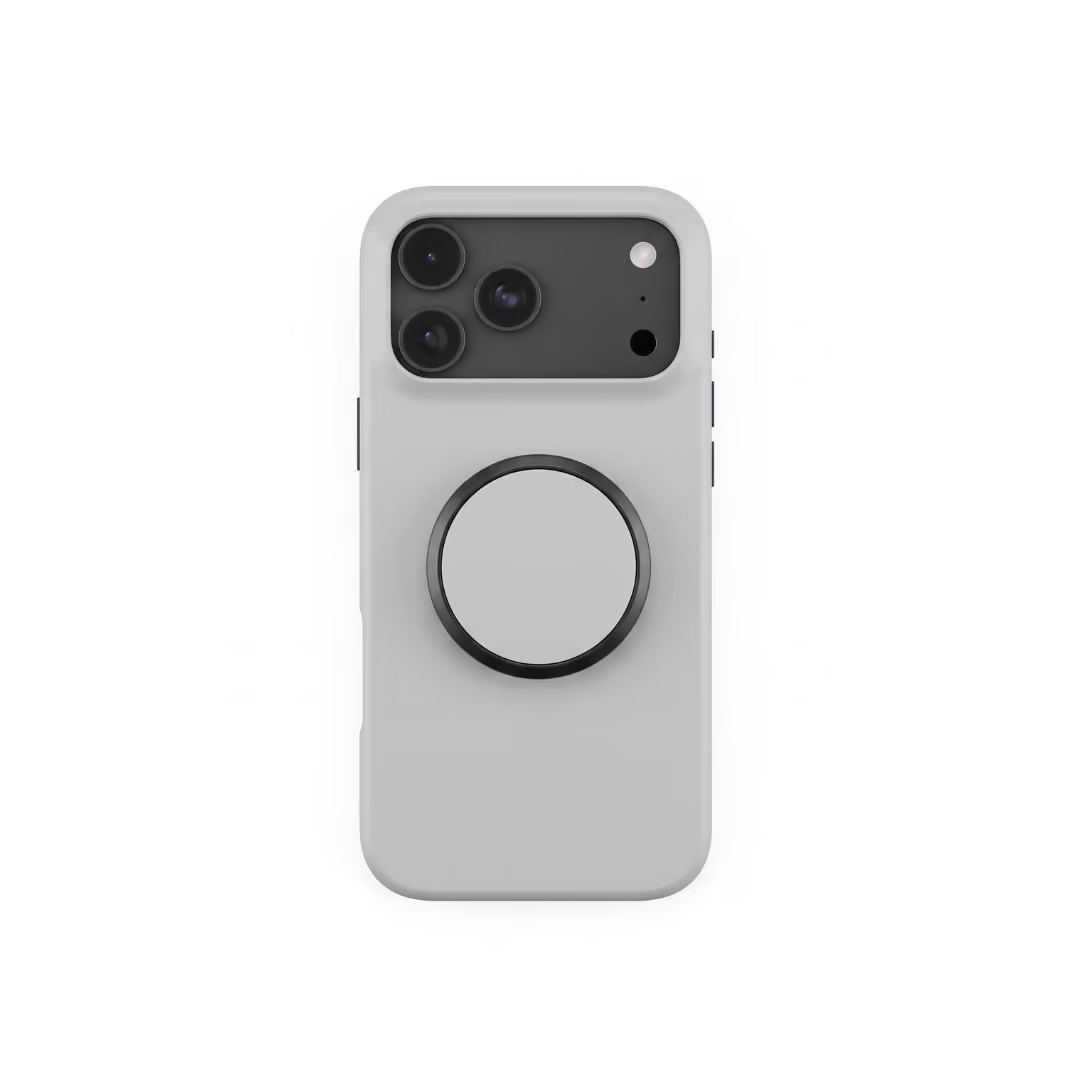
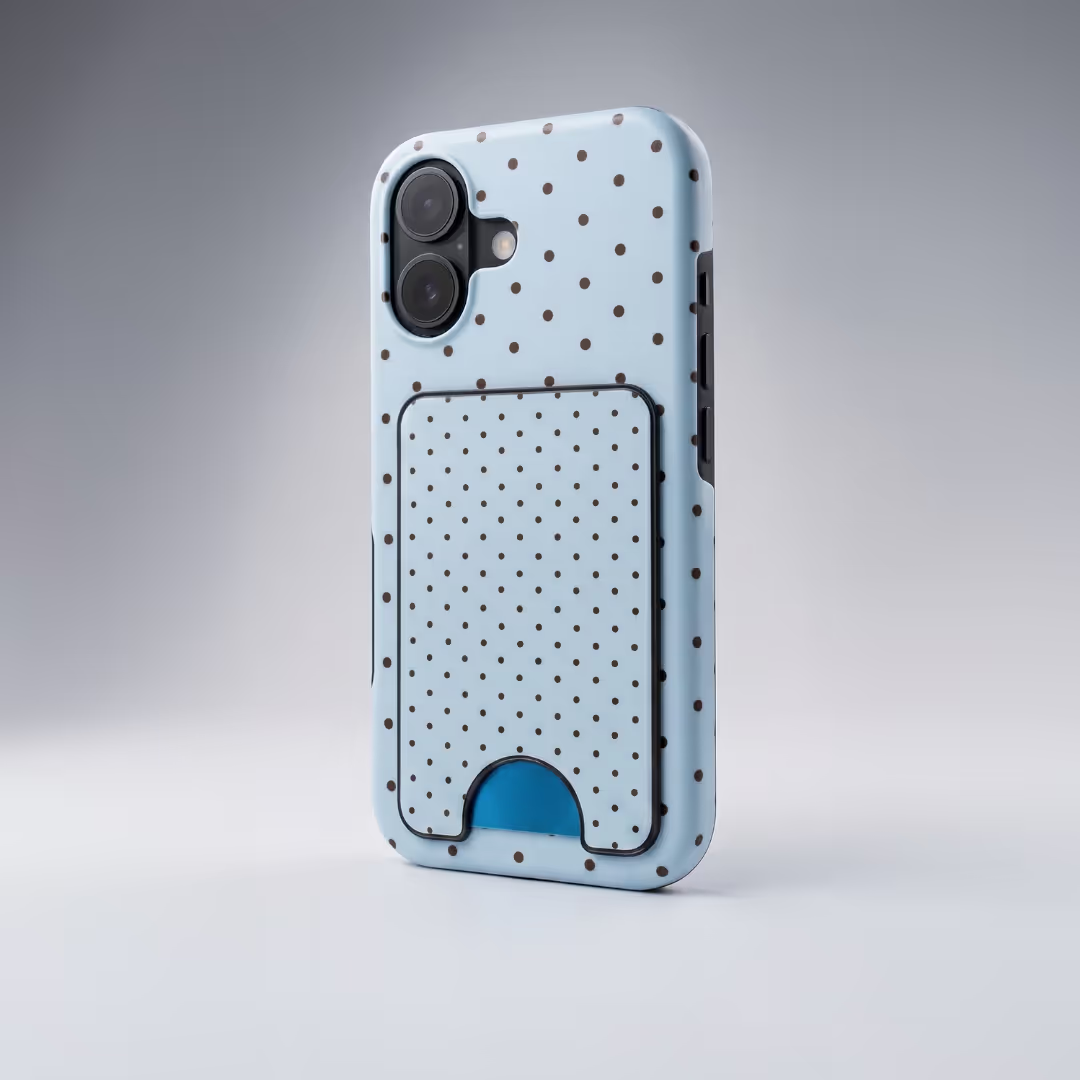
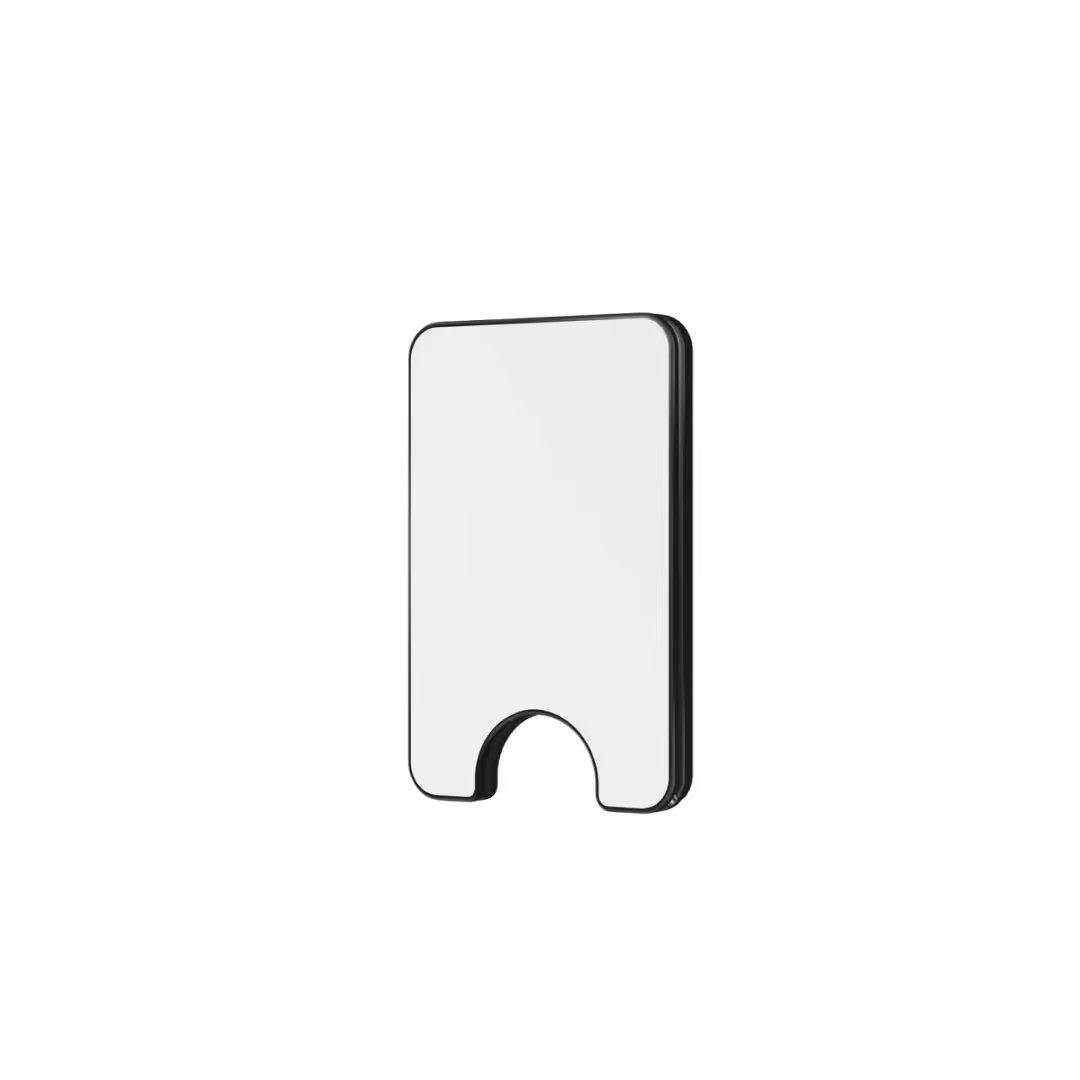
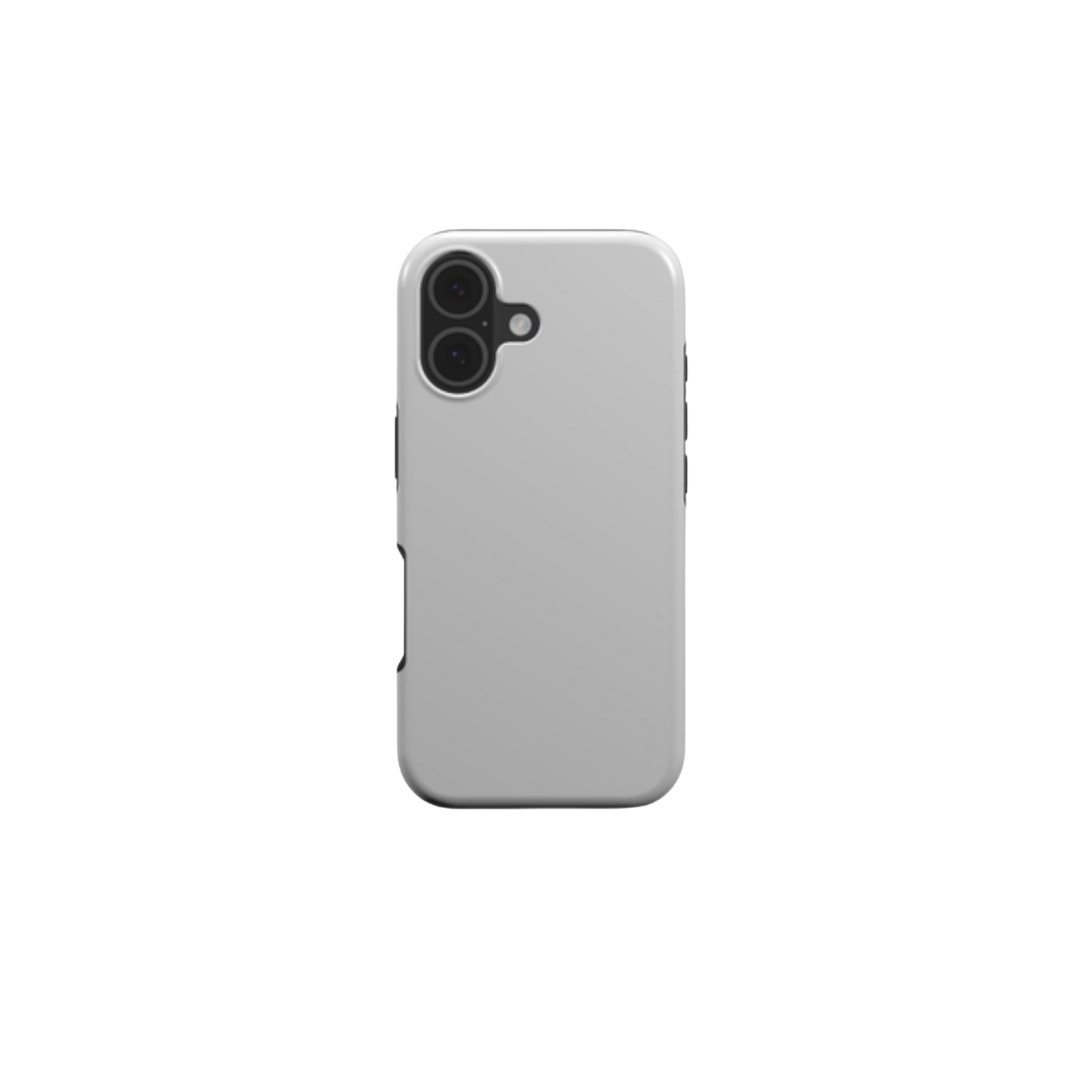
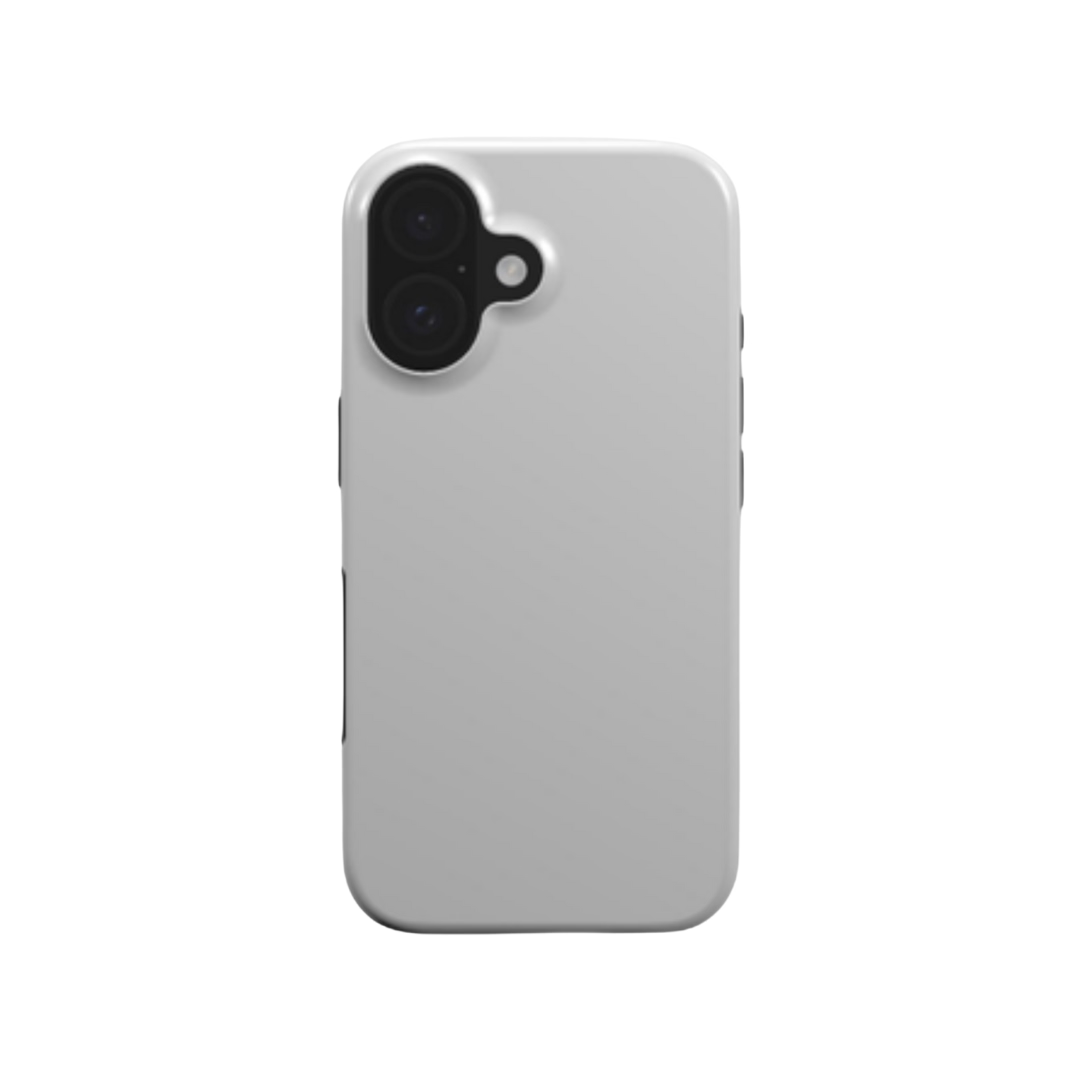
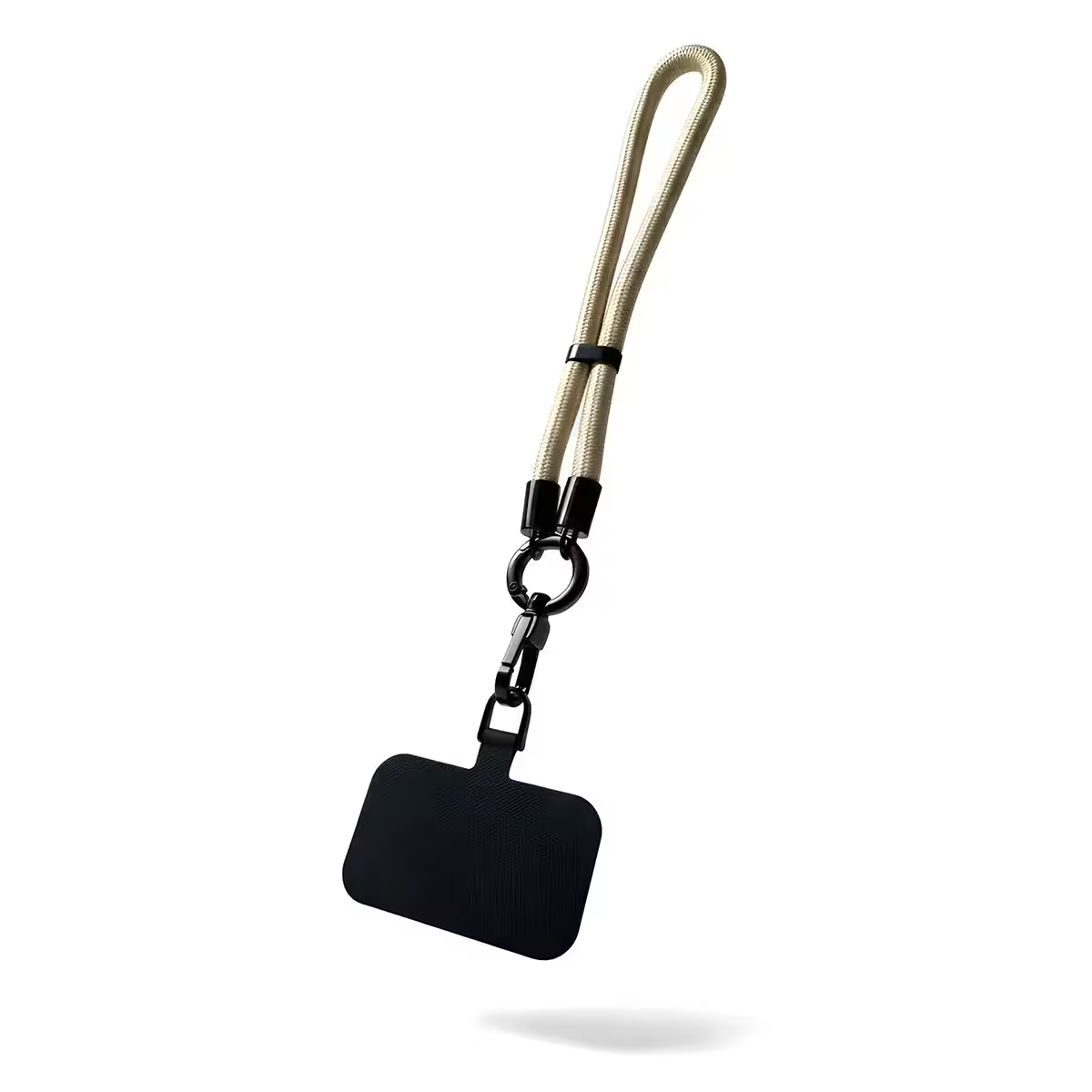
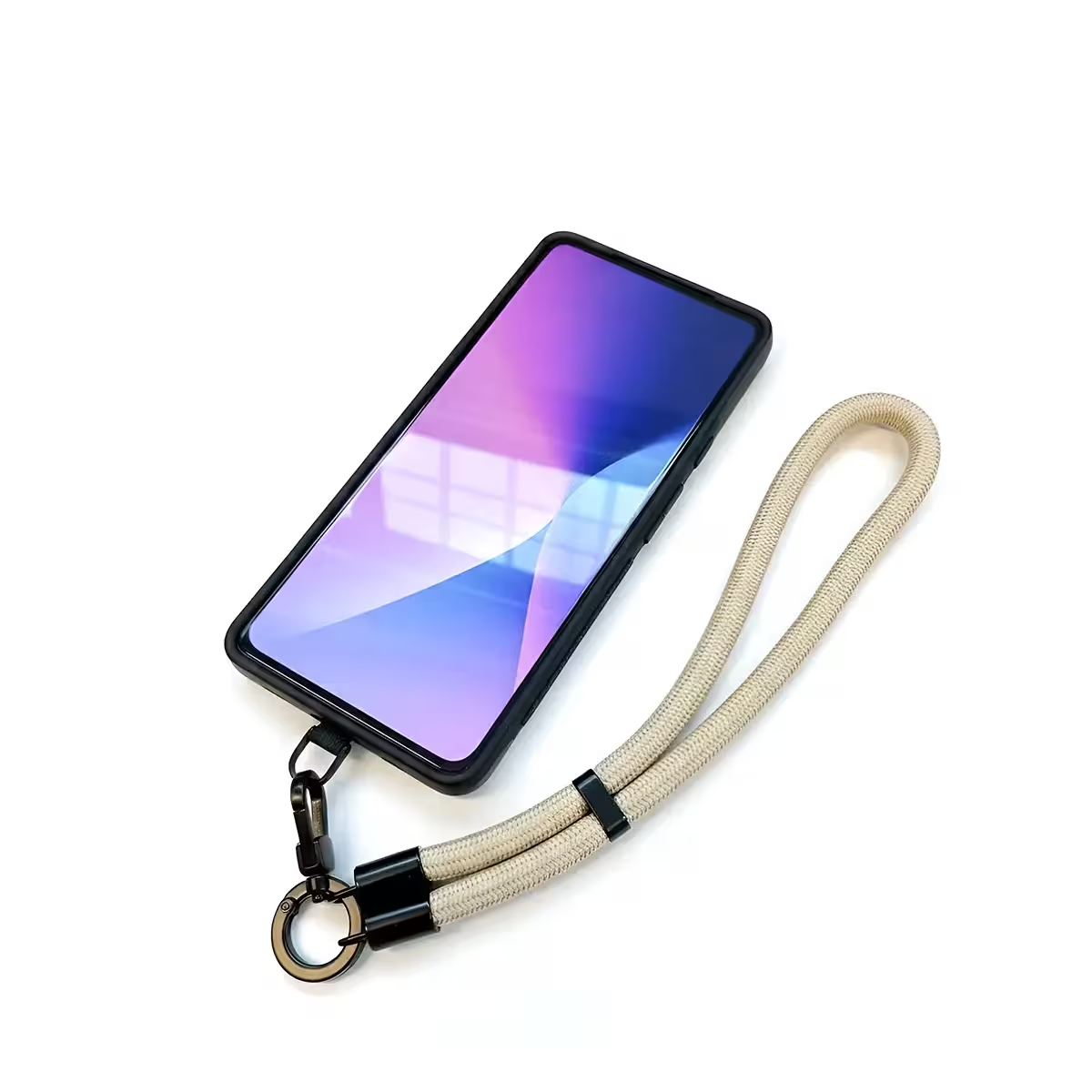
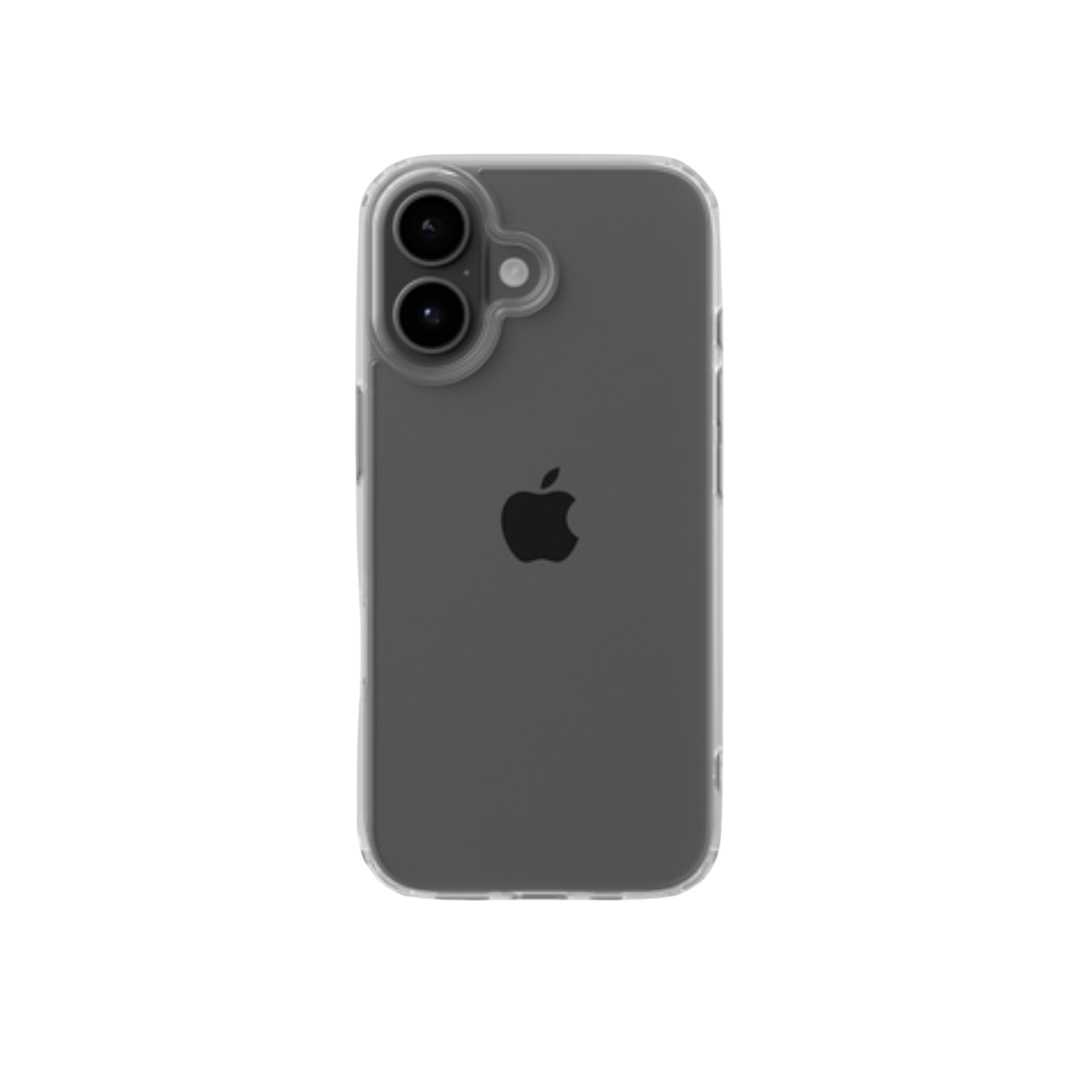
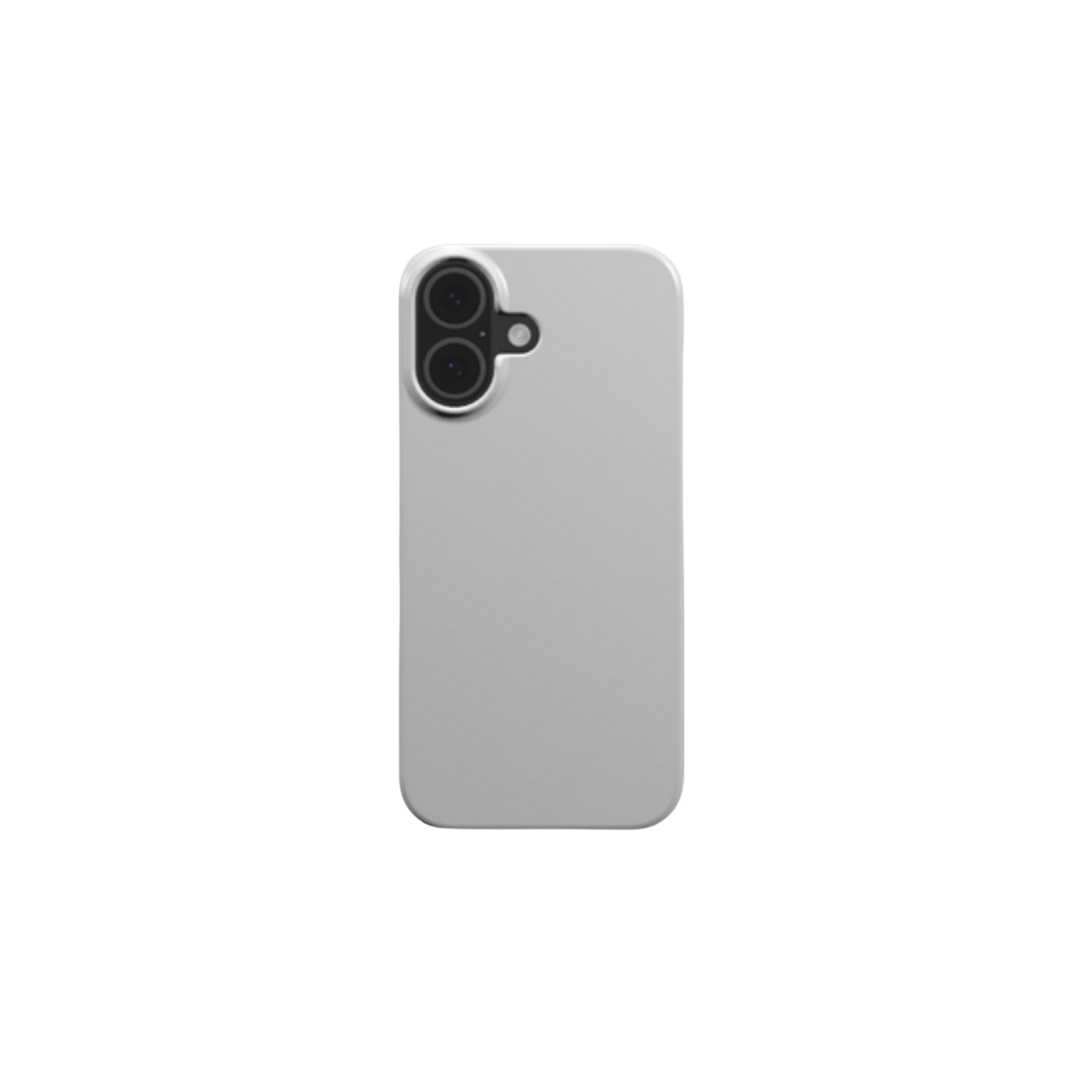
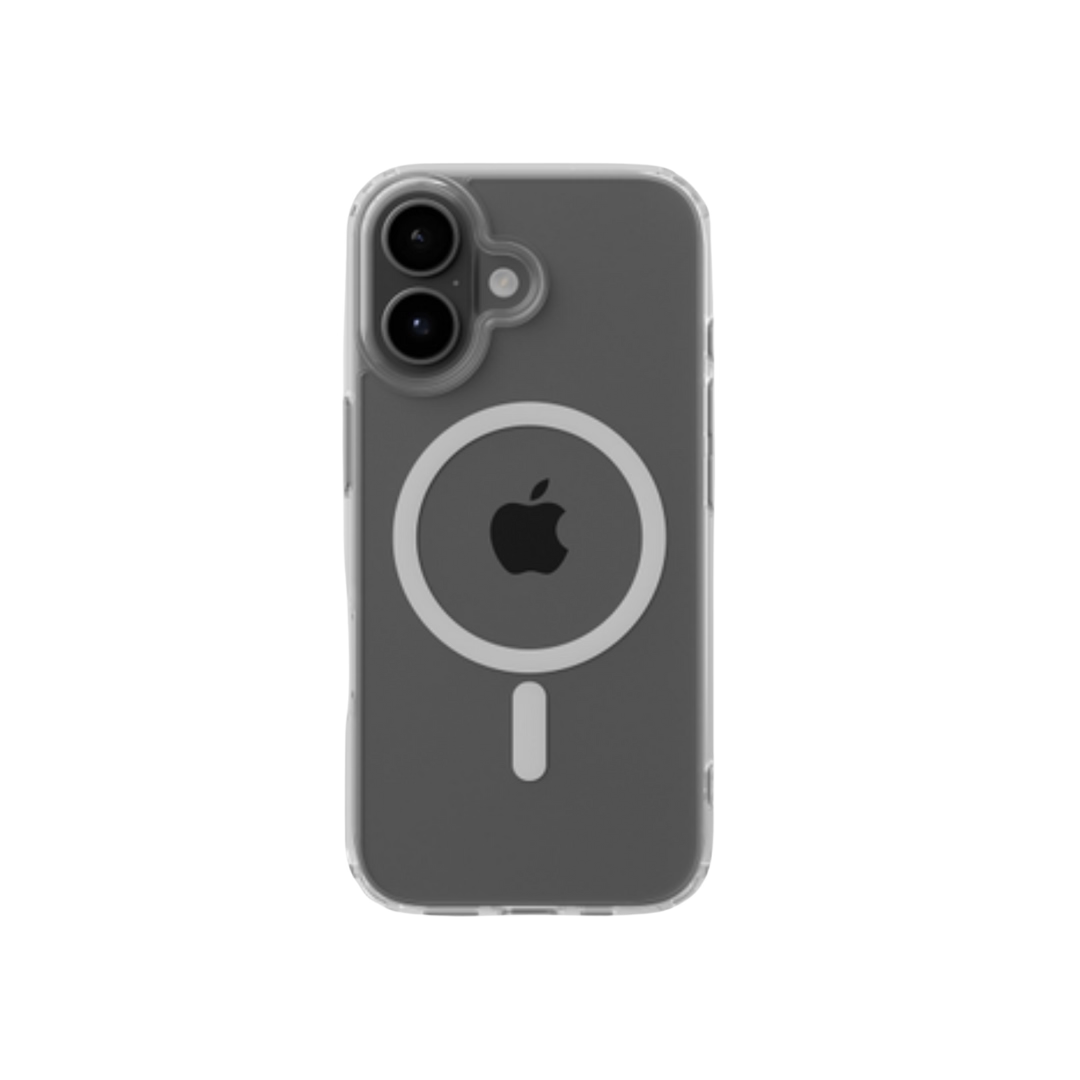
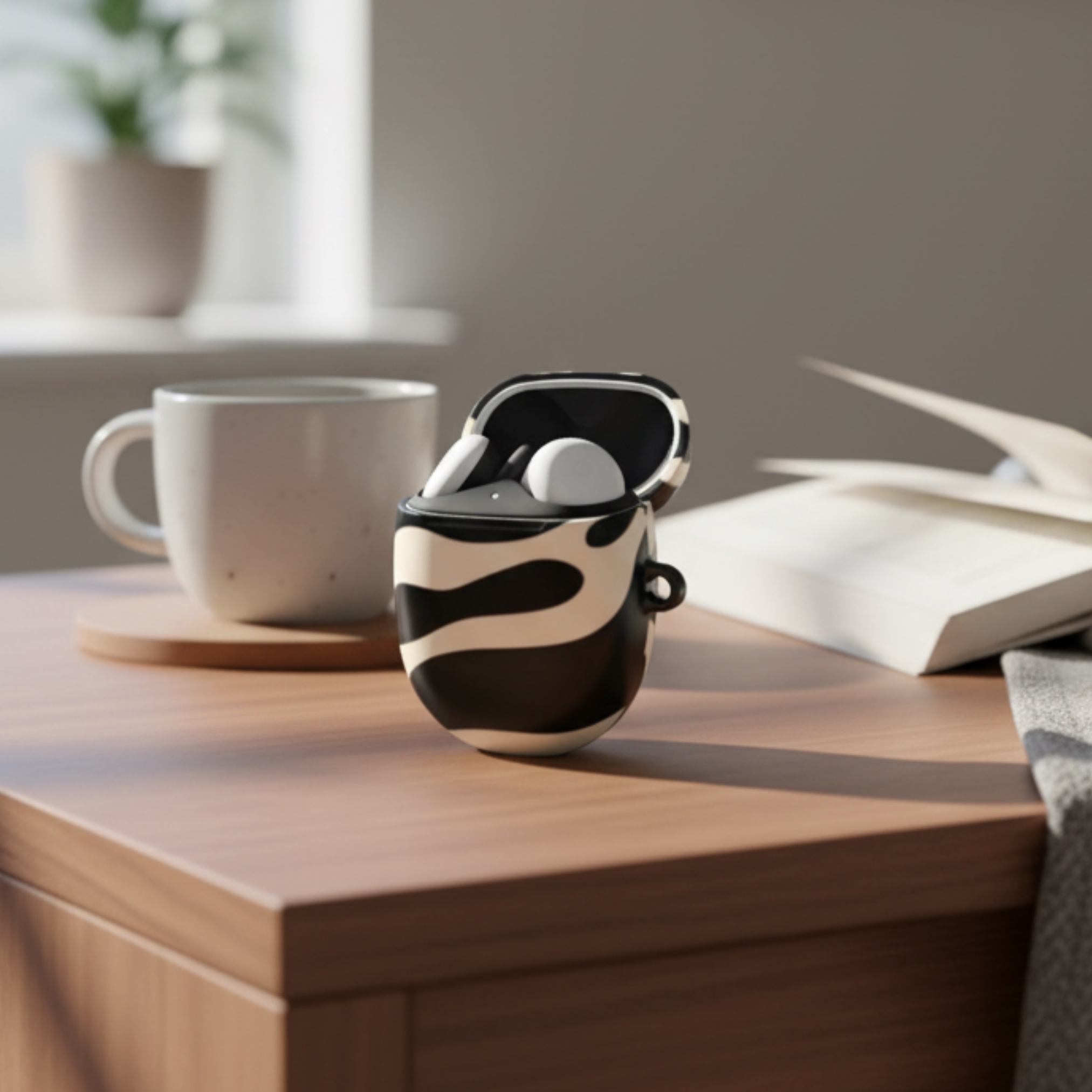
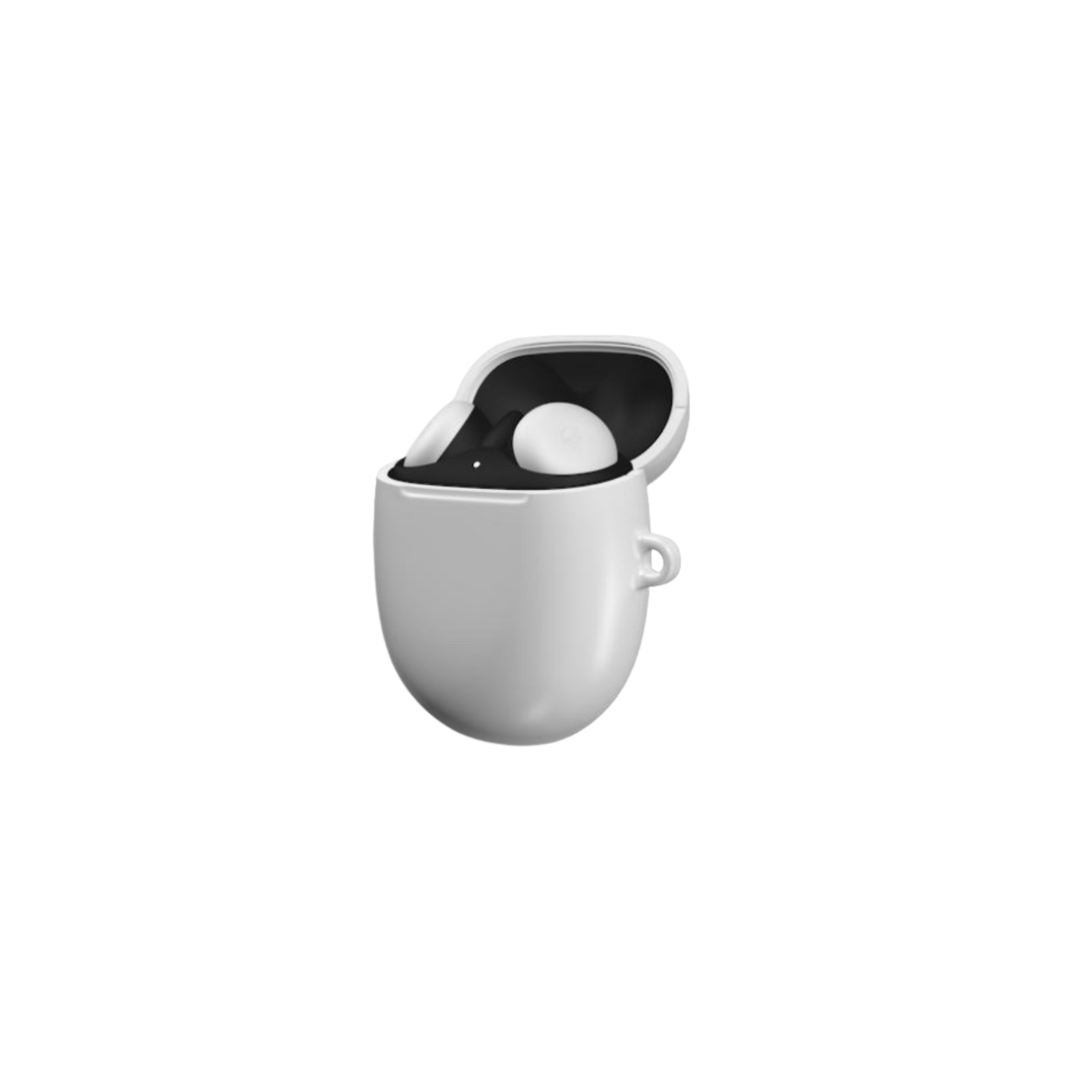
Start with everyday items that put bold visuals in front of people constantly: phone cases and AirPod cases. These are the highest-leverage retro products because they're carried daily, sit at premium margins, and - as the search data shows - buyers actively look for them: terms like "retro phone case" and "90s phone case" are low-competition and purchase-intent heavy. Use the color of the year, graffiti-style text, and neon patterns to stand out.
Then move to products that support larger graphics. Wall art and laptop cases give you room for full scenes - skate culture, neon pop, vintage concert posters. Because nostalgia spans both décor and tech, a matching phone case and wall-art print is a natural bundle that lifts average order value.
Finally, lean on a print-on-demand partner built for speed and quality. Podbase ships in one to three days and holds your risk to a design file - when a '90s or Y2K micro-trend spikes, you react in days, not weeks, with no leftover stock if it fades.
Conclusion
Retro nostalgia - '90s and the Y2K wave right behind it - can anchor a brand with a distinct, instantly recognizable look. Grunge, hip-hop streetwear, neon, and kitsch all resonate because nostalgia is identity, and identity is exactly what people want on the items they carry every day.
The winning move isn't to crowd into apparel; it's to put a focused retro aesthetic on high-margin, daily-carry products, launch a tight capsule fast, and iterate on what sells. Phone cases, wall art, drinkware, laptop and AirPod cases all give you room for bold graphics or clean minimalism. Take advantage of Podbase and start creating retro merch that grabs attention - then scales.
FAQ
1. What are the biggest '90s fashion trends making a comeback?
Grunge and flannel, hip-hop streetwear, minimalist slip-dress style, neon and color blocking, skater culture, band and pop-culture graphics, head-to-toe denim, and kitsch/irony are all back. They resonate because nostalgia spans two big audiences at once - millennials who lived it and Gen Z who find it fresh - which widens a brand's reach without changing its core designs.
2. Why is '90s fashion trending again in 2026?
Nostalgia sells: a 2025 Civic Science survey found up to 48% of American adults are likely to buy nostalgia-driven products, led by millennials and Gen Z. TikTok accelerates the cycle with outfit clips and thrift hauls, and since 99% of Podbase sellers get most of their traffic from social media, the same feeds spreading the trend are where retro products convert.
3. What's the best product to sell a '90s aesthetic on?
Daily-carry tech accessories - phone cases, AirPods cases, laptop sleeves - beat apparel for trend selling. They're one size (no returns from sizing), high perceived value, and seen dozens of times a day. A phone case costs about €10 from Podbase and sells for €35-60, with margins 10-15% better than competitors, and buyers purchase several to match different outfits.
4. Should I sell '90s designs on T-shirts or accessories?
Anchor the brand on high-margin accessories and treat apparel as the add-on. Apparel is the most saturated, size-and-return-heavy POD category, while a phone case is one size, premium-margin, and functions as a 'personal billboard' people rebuy as their style shifts. That repeat behavior turns a retro aesthetic into recurring revenue rather than a single tee sale.
5. How do I build a cohesive '90s POD brand instead of random products?
Pick a specific theme (late-night skate culture, retro arcade, grunge zine), name the niche clearly, and launch a focused capsule of five to eight products with a consistent palette and fonts. This matches what scales in Podbase data: winners put three to five designs live fast and market hard, and a seller with five products live within 30 days is ahead of 80% of POD stores.
6. How do I make sure neon and bold '90s colors print correctly?
Supply artwork in high resolution and the CMYK color space - neon is exactly where cheap printing visibly falls apart. Podbase verifies color accuracy with a spectrophotometer rather than eyeballing it, so bold color-blocked and neon designs reproduce faithfully and arrive matching what you posted, protecting your reviews.

Saulius Meilutis is the CEO of Podbase, helping creators and entrepreneurs monetize their ideas with print-on-demand. He shares insights on eCommerce, growth, and building lean online businesses.

.avif)



.avif)
.avif)
.avif)
.avif)
.avif)
.avif)

.avif)


.avif)

.avif)

.avif)

.avif)
.avif)