Most creators think about merch too late. They build an audience first, then add merch as an afterthought - and miss a key growth opportunity. We see the same pattern across our own seller base: the majority of aspiring sellers, as our CMO Vytautas Mikaila puts it, "get excited by the idea of it, but then stop within the first 10 days or two weeks." The creators who win don't wait until they're big. They start while the audience is still small and engaged.
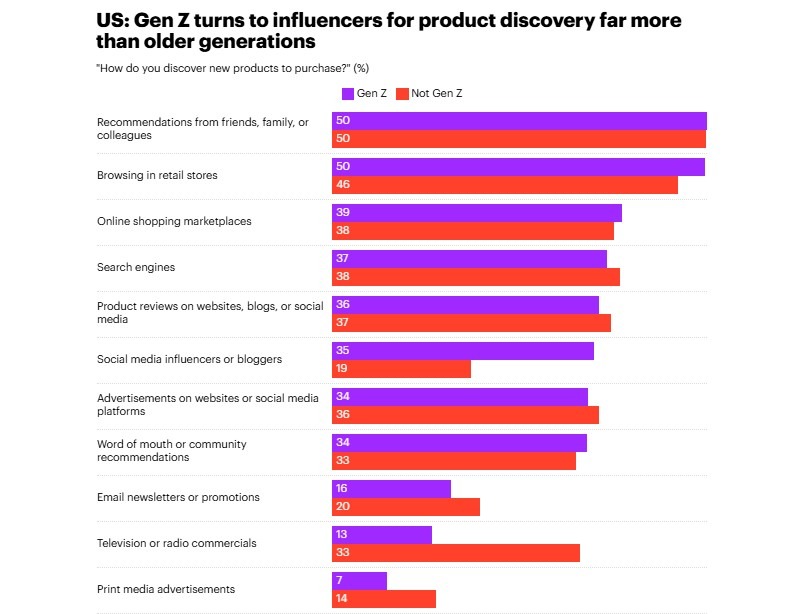
Content creator merch is a great way to build your brand. When someone uses your phone case design, they're promoting your business - they become part of your story. And the timing has never been better: the global creator economy is now worth roughly $234 billion in 2026 (up from about $191 billion in 2025), with over 207 million creators worldwide. About 35% of Gen Z hear about products through influencers or bloggers, which means your audience already looks to creators like you for recommendations.
Content creator merch lets you turn audience trust into something tangible. It gives fans a simple way to support and connect with your brand. It also lets you keep more of what you earn - no ad-revenue shares, no platform commissions. You set your own price and build a direct relationship with your audience. That ownership is the whole point: platform payouts rise and fall with algorithm changes, but a product you own doesn't.
In this guide, you'll learn how to sell merch as a content creator - brand identity, product selection, store setup, and promotion. We'll also look at Podbase, a zero-inventory, no-upfront-cost fulfillment platform built for tech accessories like phone cases, laptop sleeves, and AirPods cases. These products have strong, recurring demand and high margins, and they work for creators in almost every niche.
Before You Sell Anything - Define Your Creator Brand Identity
Your content creator merch will sell well if it reflects your personality. So know your brand before you pick a single product. Here's how to define it:
- Start with Three Words: Ask what words your most loyal fans would use to describe your content. Pick three that will guide your products, colors, and fonts.
- Audit Your Current Brand Signals: Look at what already attracts attention in your community - colors, fonts, phrases, inside jokes, or symbols they recognize. Turn these into POD design ideas instead of generic stock art.
- Define Your Audience: Know your customers so you can sell products that interest them. A gaming creator and a fitness creator can both sell phone cases - but their audiences want different designs, colors, and bundles.
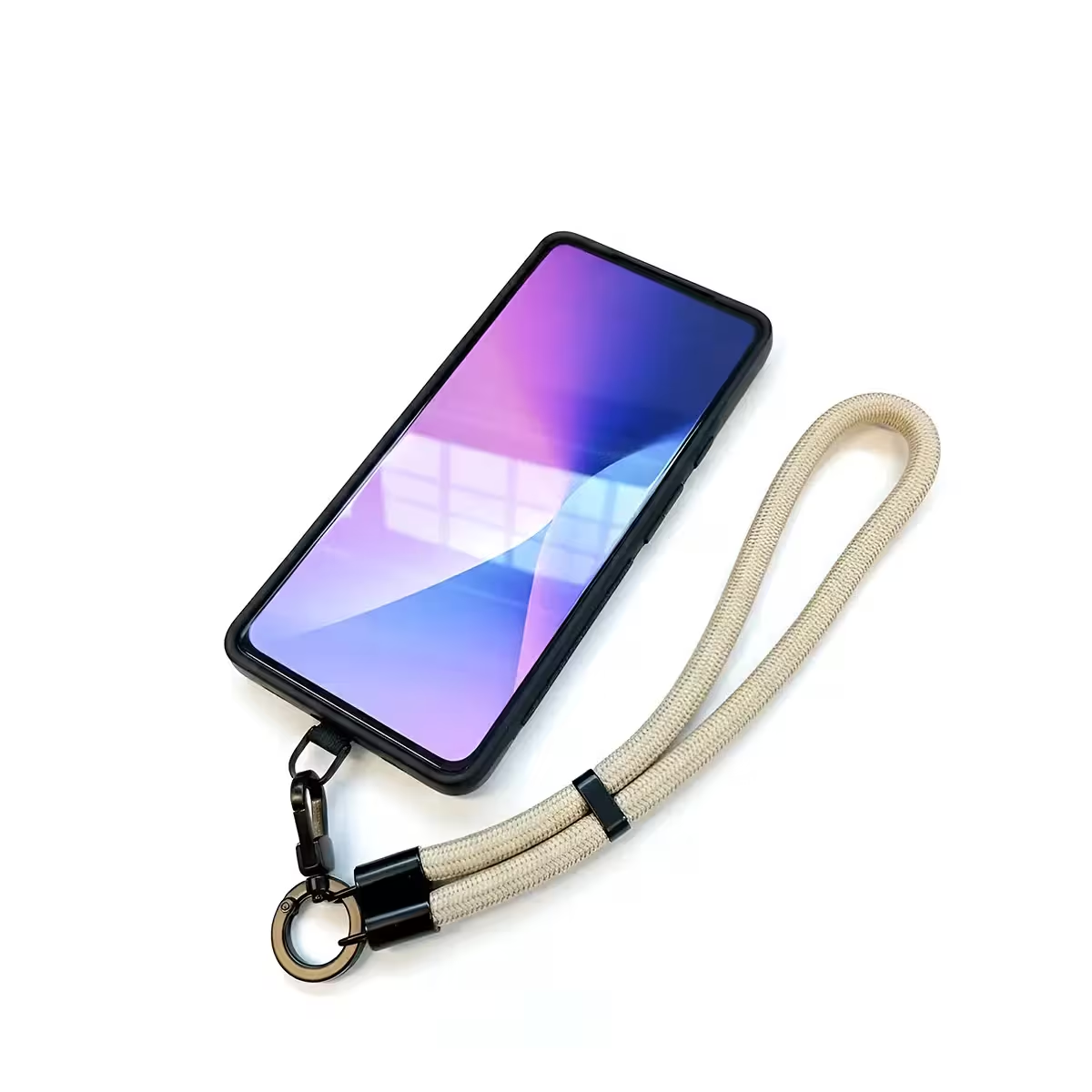
- Apply the Daily-Use Test: Merch that sits in a drawer builds zero brand loyalty. Phone cases, laptop sleeves, and AirPod cases are visible because they're used daily. This isn't just intuition - our Head of Product describes tech accessories as having "become an extension of who we are as persons," which is exactly why tech accessories outperform apparel in creator merch categories.
- Keep Your Name Consistent: Use your name consistently across your store, social handles, logo, and packaging. This signals professionalism and builds trust, even with a small audience.
Choosing the Right Merch Products for Your Audience
The best content creator merch is something people use daily, keeping your brand visible. Here's how to choose.
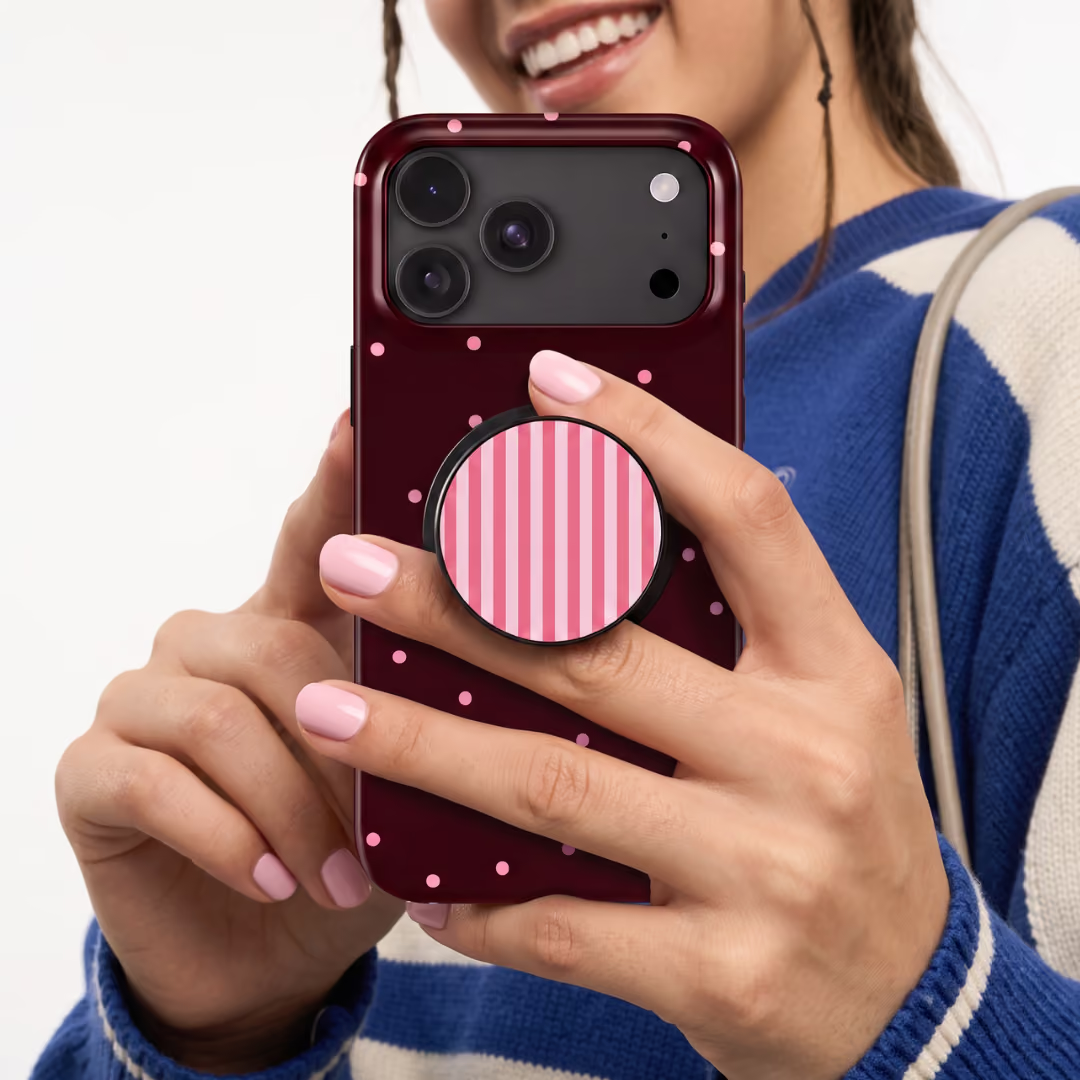
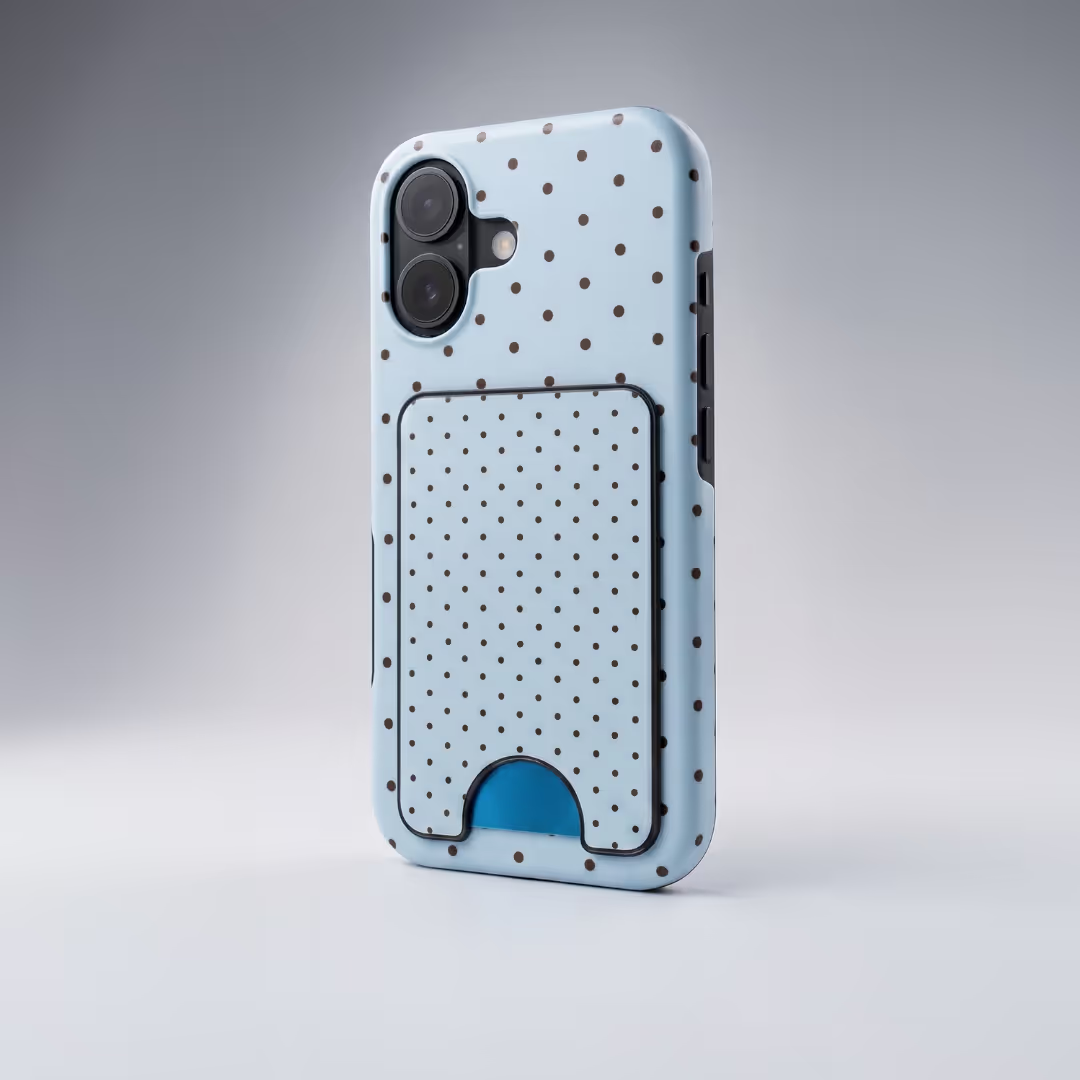
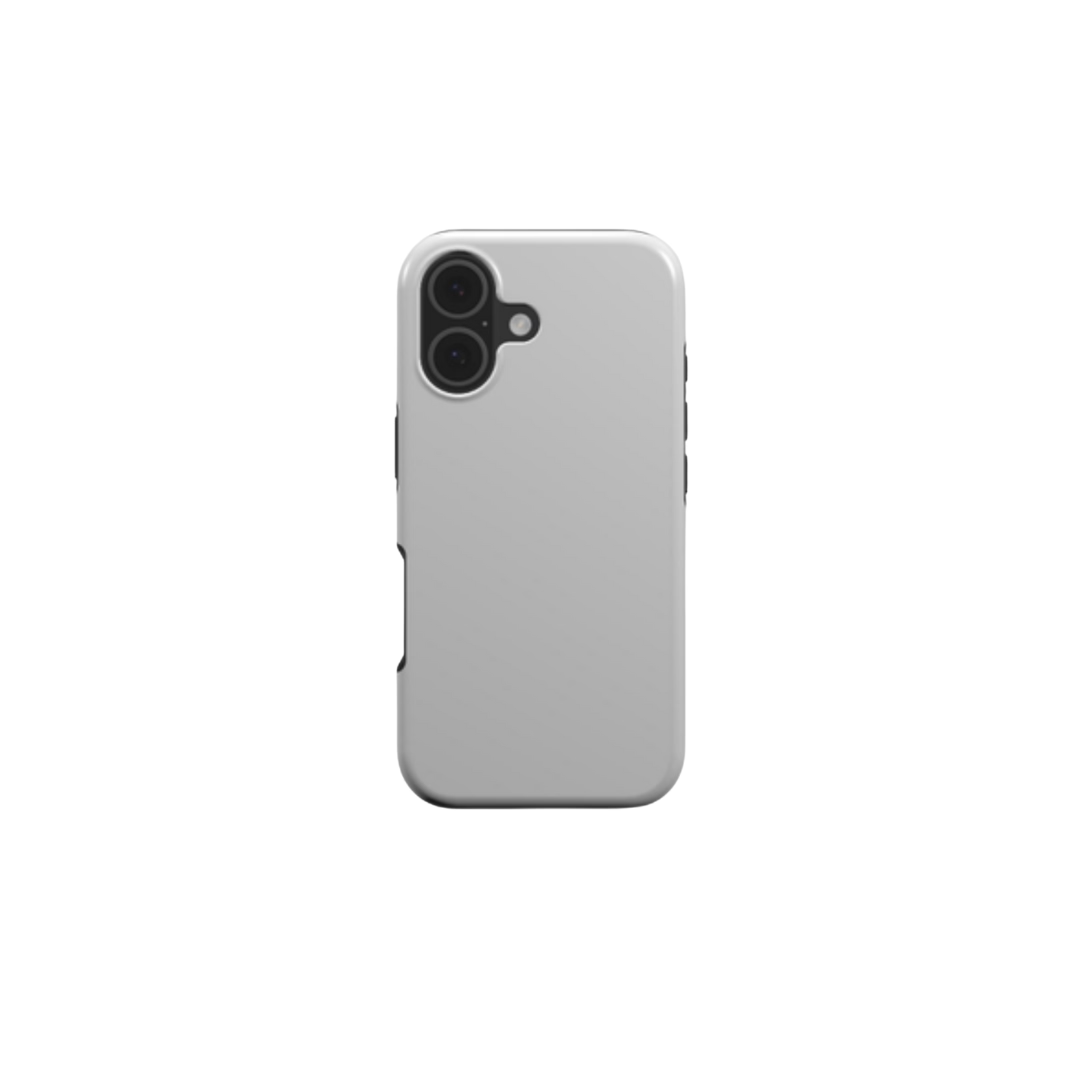
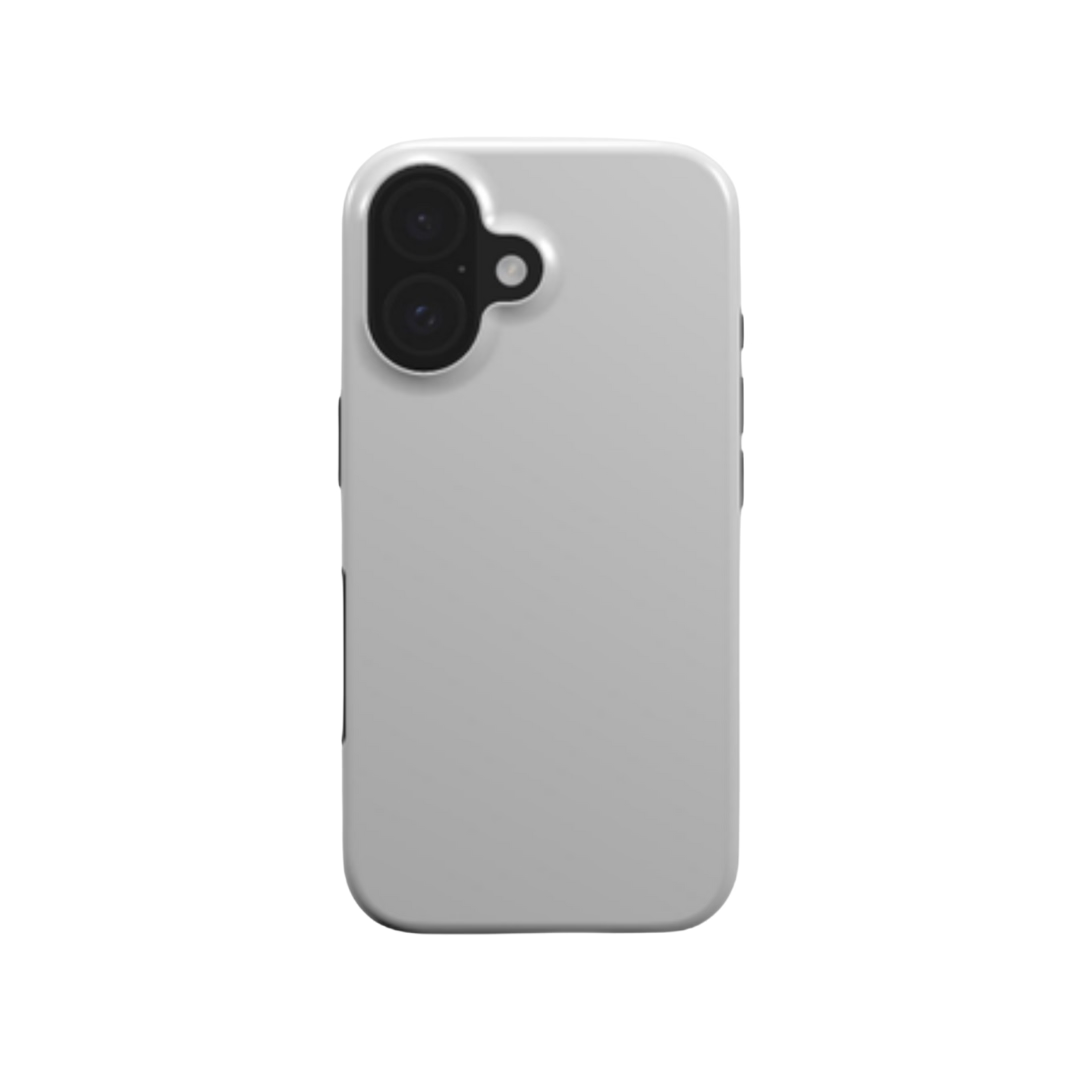
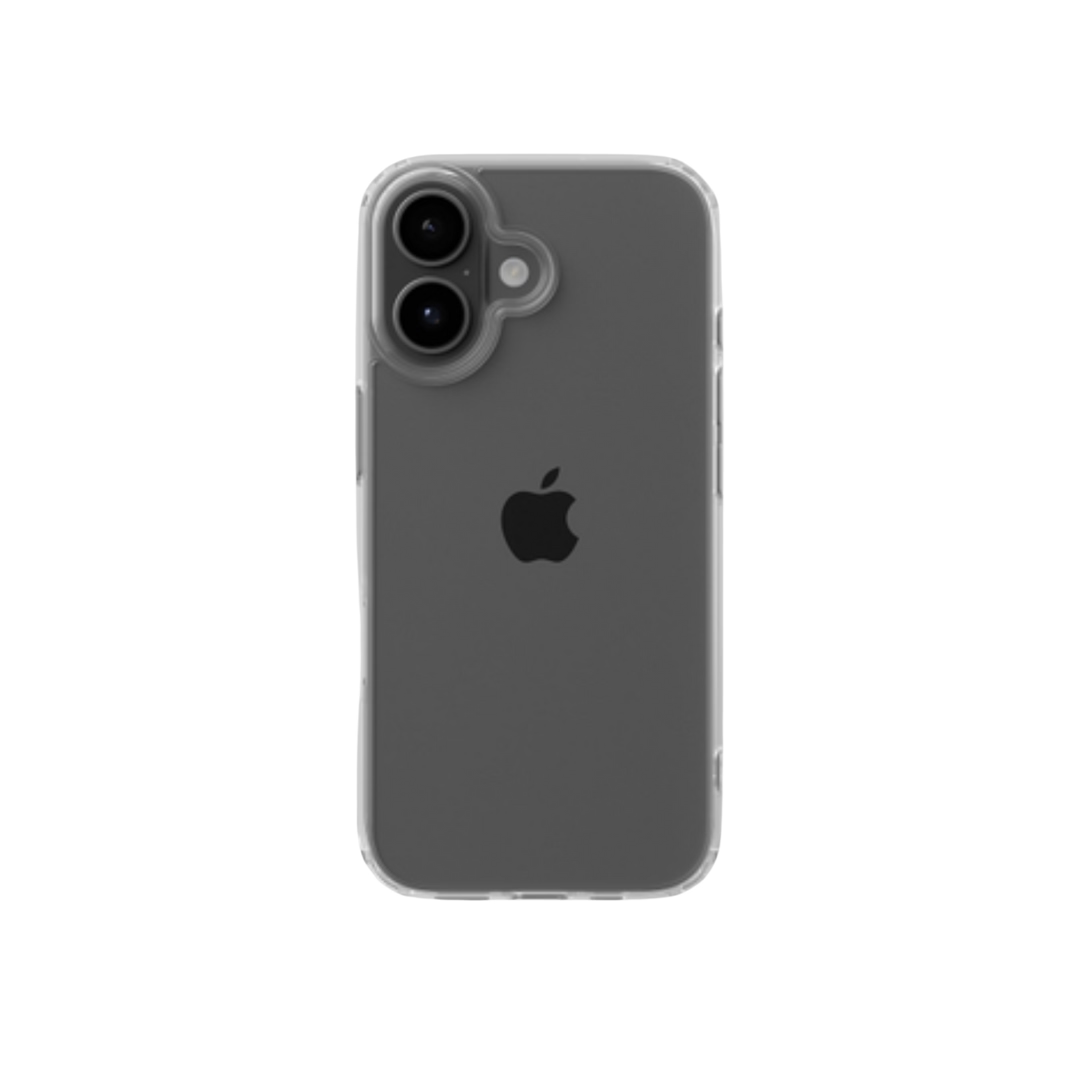
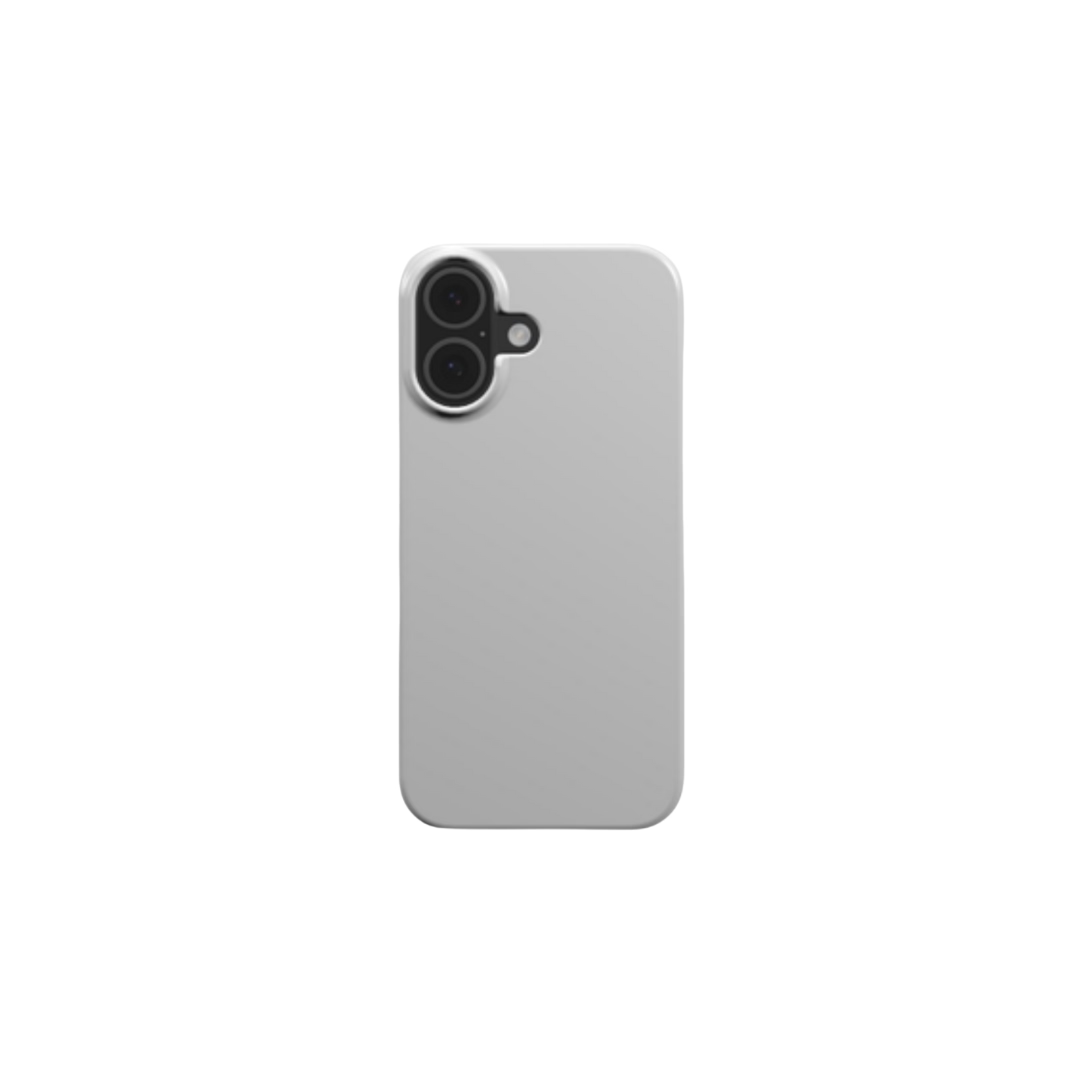
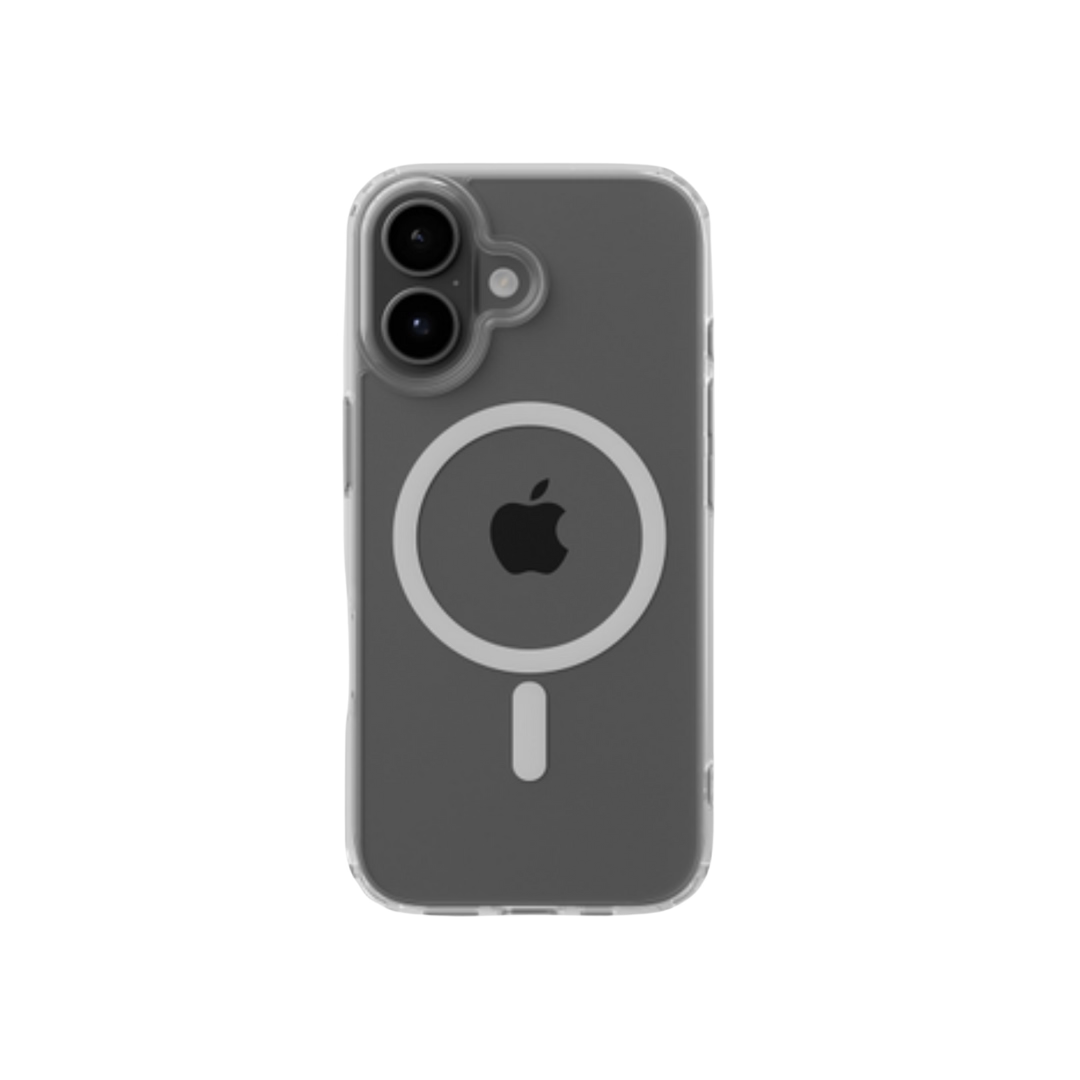
- Tech Accessories Are the Sweet Spot: This is where we part ways with the standard "sell t-shirts and hoodies" advice. Apparel is casual and stays home; a branded phone case comes to the meeting, the café, and the desk. Our CEO calls a case "your personal billboard on your gadget" - and the demand is structural, not faddish: roughly 68% of smartphone owners use a case, and about 40% of Americans replace phone accessories every six months. That turns creator merch into recurring revenue instead of a one-time sale.
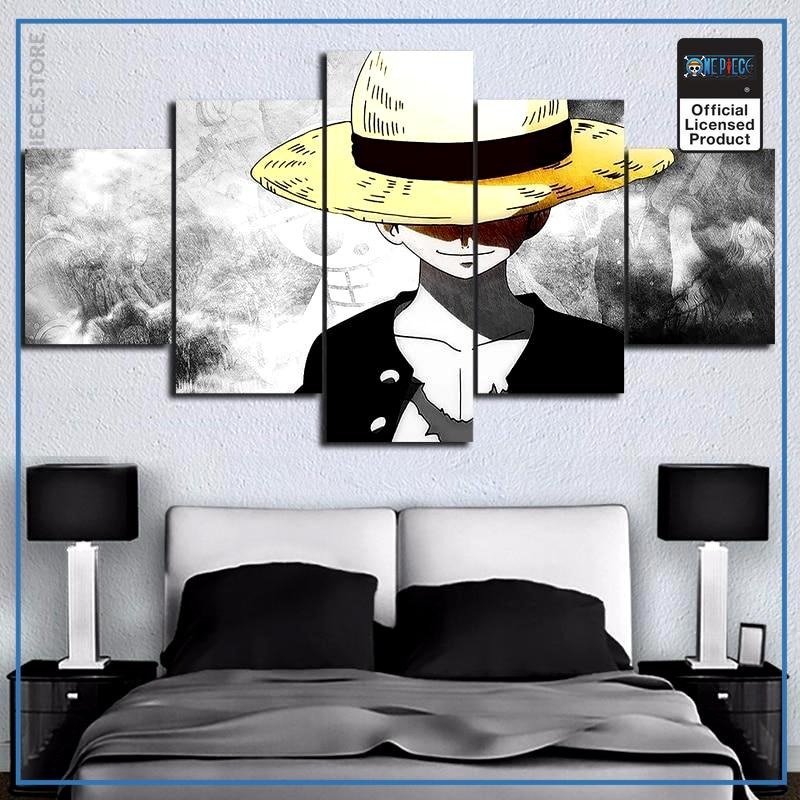
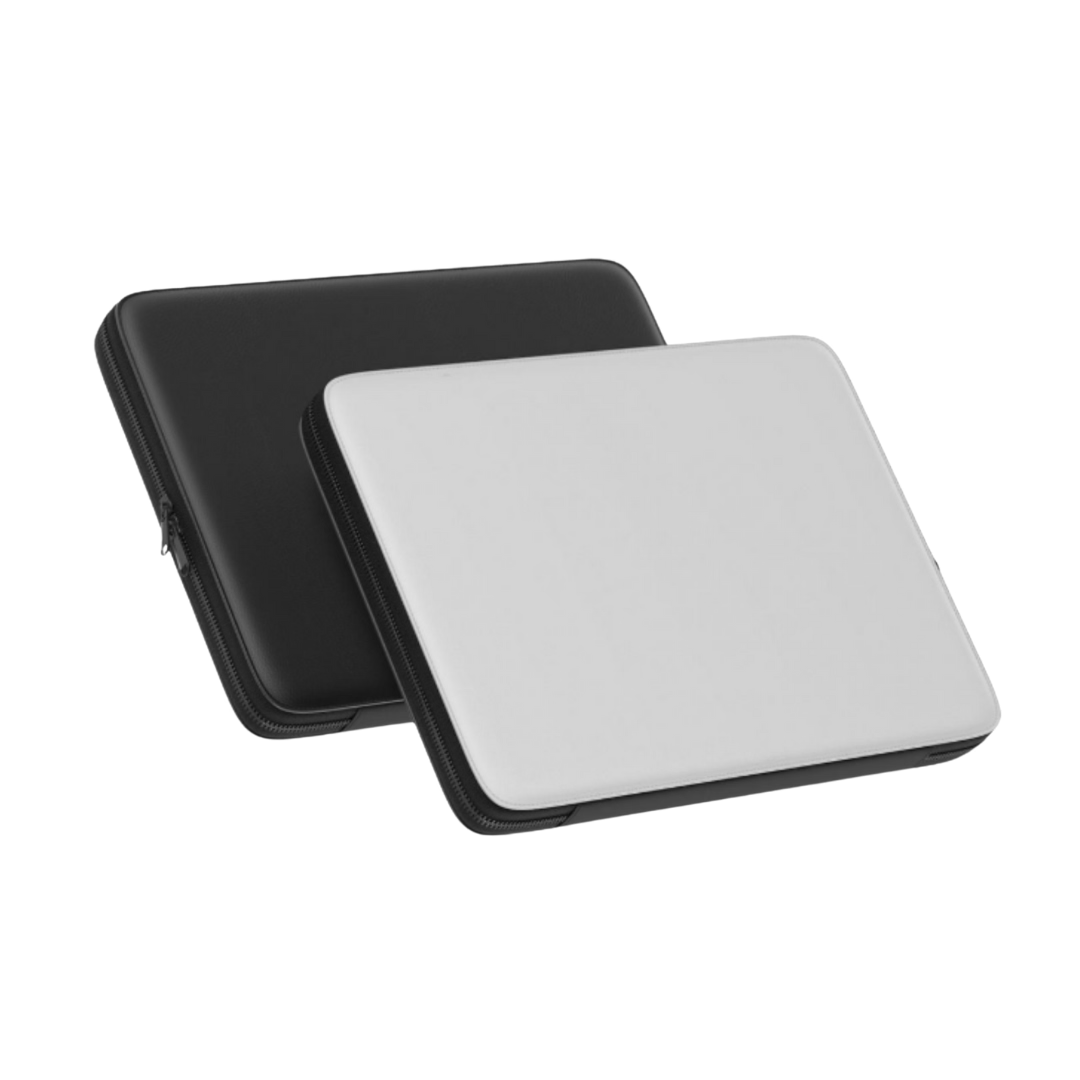
- Match Products to Your Audience's Life: Choose products your audience uses regularly. Lifestyle and aesthetic creators can offer wall art and phone cases; corporate or professional creators can sell company merch ideas like laptop cases and drinkware.
- Start with a Small Lineup: A 50-product store confuses buyers and weakens focus. Launch with three to five products, then expand once you know what your audience responds to. Our seller data is blunt on this: "Sellers who launch fast with five simple designs outperform sellers who spend six months building the perfect store," says our Head of Sales - and sellers who publish five products within 30 days are already ahead of 80% of POD stores.
- Use Wall Art for Easy Wins: Unlike apparel, a poster has no sizing issues and fewer returns, and looks great in almost any space. It's a high-margin, low-risk product for lifestyle and aesthetic creators.
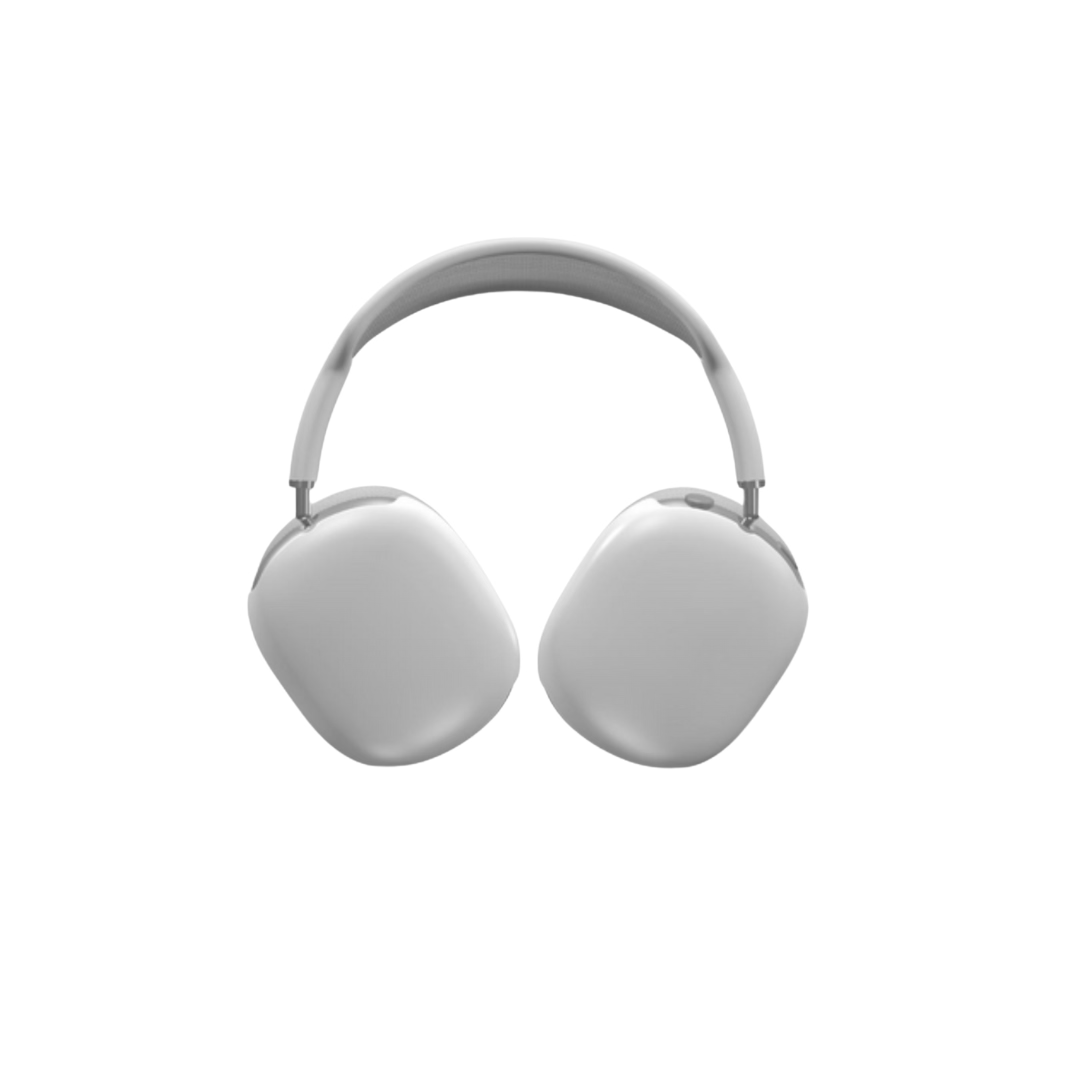
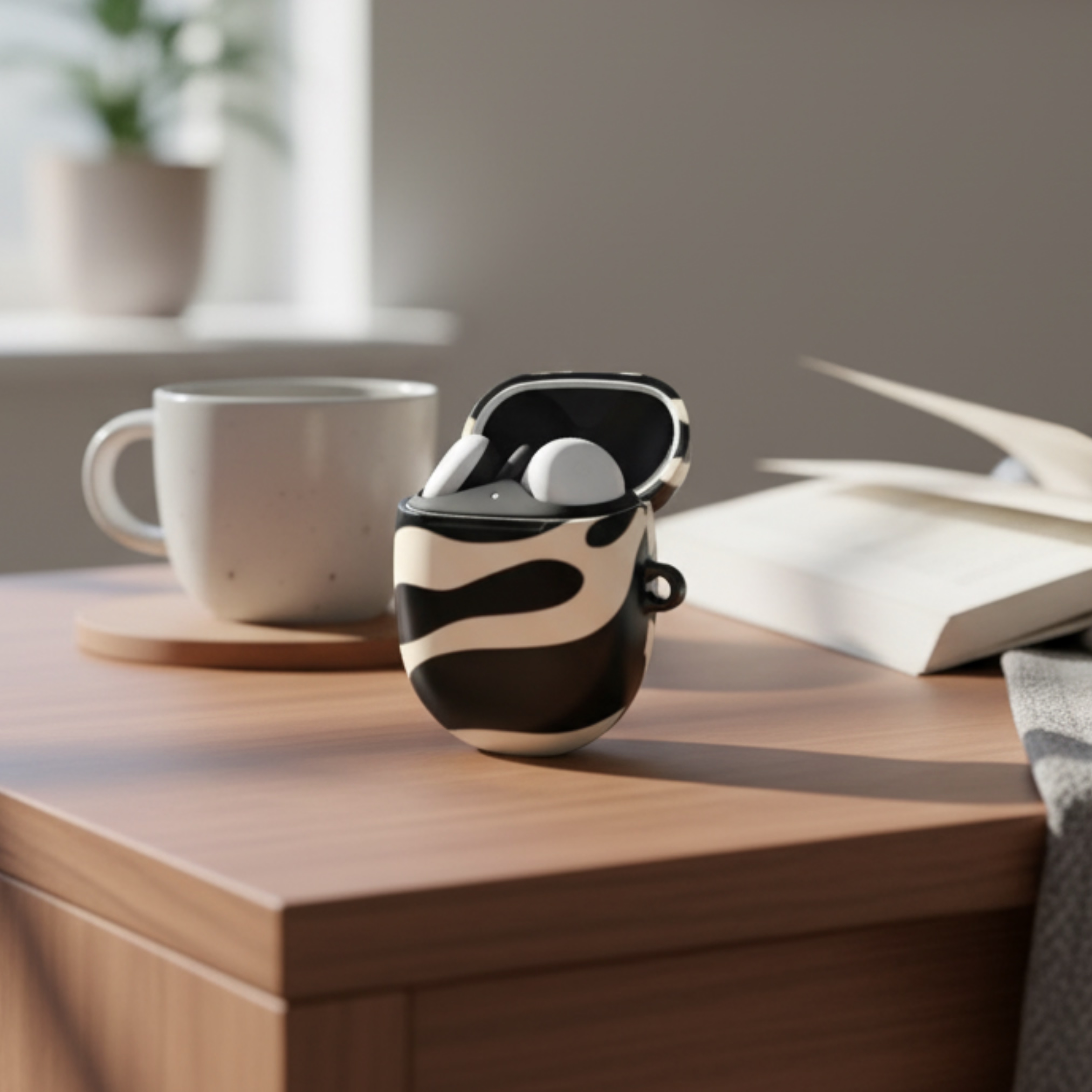
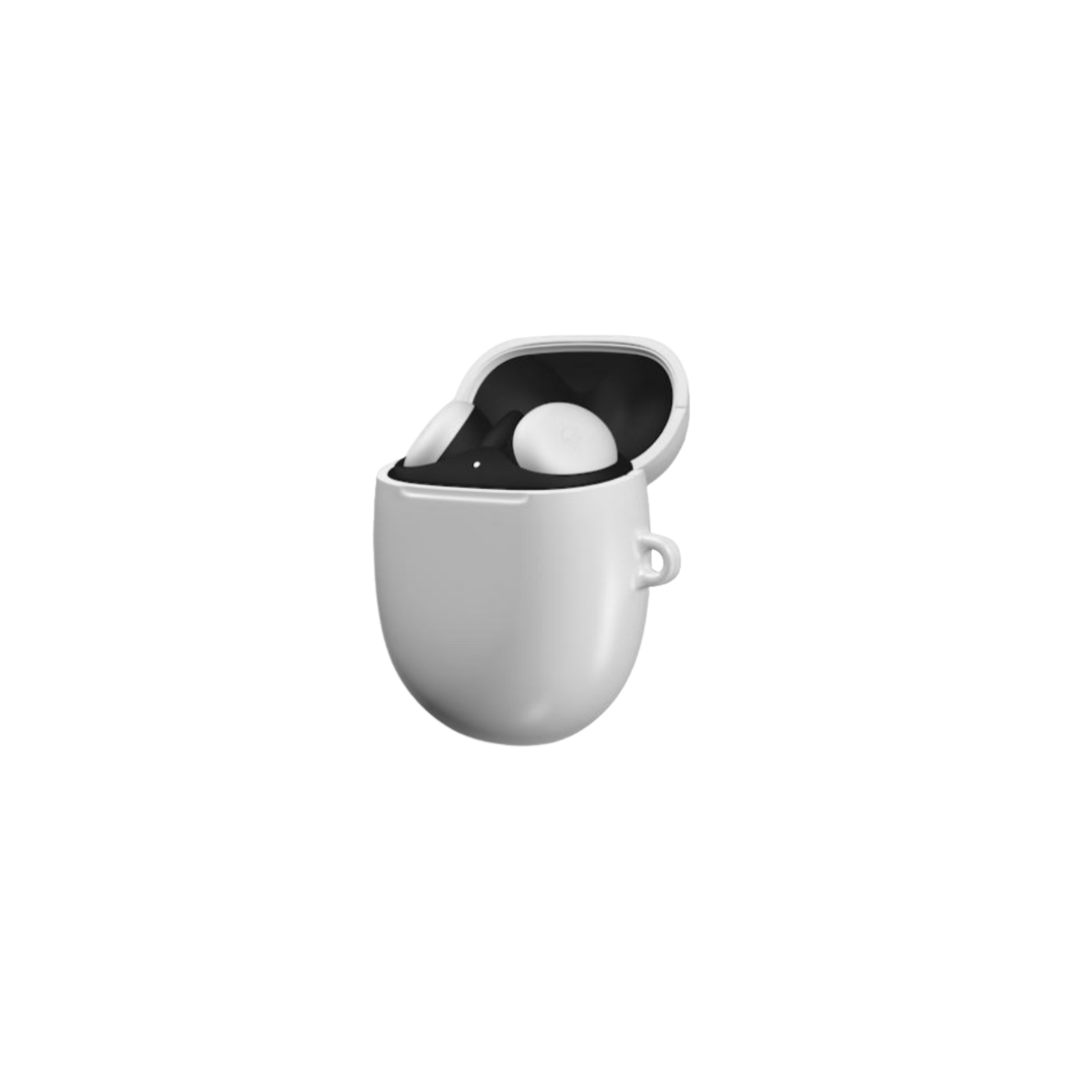
- Increase AOV with AirPod and Earbud Cases: These pair naturally with a phone case - low base cost, high perceived value. Podbase offers Apple, Samsung, and Google Pixel Buds cases to cover most of your audience. (This is the same checkout-pairing logic that, in our data, lifts order value 3-10% when a complementary add-on is offered.)
- Know Your Margins Upfront: Podbase offers transparent pricing on every item. Phone cases start at €6.11 with about €20 potential earnings; laptop cases start at €16.95 and can earn about €35. Across most categories our pricing runs 10-15% better than competitors (up to 20% in some) - margin headroom that lets a creator fund their own growth.
Also Read:
How to Make Merch That Your Audience Actually Wants to Buy
Design is where many creators get stuck - but you don't need to be a designer. Here's how to make content creator merch your audience connects with.
- Use Your Existing Brand Assets: Start with elements your audience already recognizes - logo, colors, phrases, symbols. Merch aligned with your brand identity compounds awareness every time it's seen.
- Apply the Inside Joke Rule: Use the catchphrases and in-jokes your audience shares with you. They signal exclusivity, build community, and drive higher sales and loyalty.
- Use AI Tools to Create Designs: Tools like Canva AI, ChatGPT 4o, Adobe Firefly, and Midjourney speed things up. Start with a clear prompt, refine in Canva, export at 300 DPI, and upload to Podbase. In our own workflows, AI has collapsed what used to be a multi-week sample-and-photoshoot process into a same-day task - so you can test ten design ideas in the time it used to take to test one.
- Keep Designs Simple: Printify data shows designs with one or two elements and simple palettes consistently outperform complex ones. Simple also reads more clearly on a phone case or laptop sleeve, where the print area is small.
- Use Podbase's Mockup Generator: Upload your design and Podbase auto-generates professional product photos - no camera, studio, or photoshoot needed. Color accuracy isn't guesswork either: our production verifies it with a spectrophotometer, so what your audience sees on screen is what arrives.
- Test Designs with Your Audience: Launch three to five options and let your audience vote via an Instagram Stories poll or community post. It's product research and marketing at once - and it taps a real advantage: sellers who involve a community scale about 32% faster than those going it alone.
Setting Up Your Merch Store: Platforms and Options
Once your designs are ready, choose a platform based on your audience size, budget, and goals. Here are four options plus a setup checklist.
- Etsy: Great for new creators thanks to built-in buyer traffic and a low barrier to entry - you don't need a website to sell. Transaction fees are higher, but it's worth trying for beginners.
- Shopify: Best for full brand control and a standalone storefront. It takes more setup but offers better margins and branding long-term, and connects directly with Podbase.
- WooCommerce: A fit if you already run a WordPress site or blog, with the lowest ongoing cost among ecommerce platforms. Also connects with Podbase.
- Link-in-Bio Stores: Platforms like Stan Store or Beacons let you sell from a single link - the better choice if you want to be a Merch on Demand creator without building a full store.
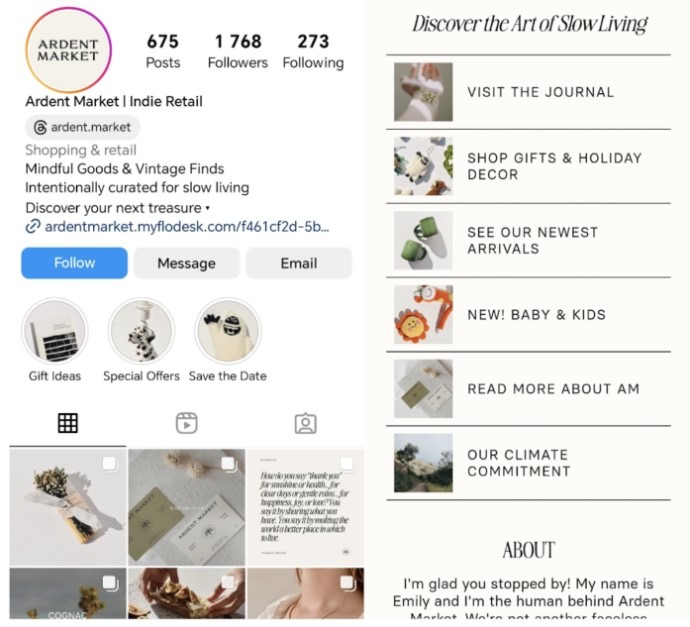
Podbase connects natively with Shopify, Etsy, and WooCommerce, and offers an open API for creators who want a custom setup. There's a quiet security benefit here too: routing orders and payment data through established, compliant platforms means you inherit their security investment instead of building it alone.
Follow this checklist to launch your content creator merch store:
- Add a brand name and logo
- Connect your fulfillment partner
- Upload three to five products with titles and descriptions
- Write a short "about" section describing your brand
- Add your store link to your social profiles
How to Promote Your Merch Without Feeling Salesy
Most creators struggle to promote without sounding salesy. These tips help you present products without annoying your audience.
- Show, Don't Sell: Let your merch appear naturally in daily content. Using your phone case design in a vlog drives more sales than a dedicated sales video - people trust what they see you use. This matches what we see in seller data: social content converts best when it isn't treated as a hard ad.
- Film Your Own Unboxing: When your sample arrives, record it and be honest about the quality. As our CMO notes, the real value of creator content often "isn't the post itself - it's the creative that comes out of it." A genuine unboxing is more persuasive than any paid ad, and you can reuse it.
- Involve Your Community: Ask for input on designs, let fans vote on colors or names. When they help create it, they're far more likely to buy it - and you get the 32% community acceleration we see across our pipeline.
- Use Limited Drops and Restocks: Set a time or quantity limit ("available for 72 hours") to create urgency without discounting.
- Mention Your Merch Everywhere: Add it to posts, captions, pinned comments, and video descriptions so your store is easy to find the moment your audience is ready to buy.
- Explore Affiliate Options: Podbase offers a 10% commission per order, so you can promote the platform while selling your own products - an extra income stream on top of your merch.
How Much Can Creators Make Selling Merch?
Your merch income depends more on engagement than follower count. A creator with 10,000 highly engaged fans can outsell one with 100,000 passive followers - engagement drives conversion, and conversion drives revenue. This is the same pattern we see in POD generally: audience size predicts far less than how connected and active that audience is.
Realistic benchmarks by creator tier:
Most creators see 1-3% conversion regardless of follower size. The difference comes from engagement and how often you promote.
Here's a margin sample using Podbase pricing for a phone case:
This is gross margin before platform and payment fees, but it shows how a single product can carry real income. And merch compounds: each product you add contributes to the stream, and - unlike ad revenue - you keep earning even when you post less. It's worth being clear-eyed about why this beats chasing platform payouts: a phone case you designed earns on your terms; a Spotlight or ad payout earns on the platform's.
Also Read:
- How to Monetize Social Media: Turn Followers Into Income
- The Best Digital Product Ideas To Sell Online
Final Thoughts
Selling content creator merch increases your visibility, builds a real relationship with your audience, and earns you money on your own terms. Start simple, focus on what your audience actually wants, test ideas, and improve from feedback.
Two things separate creators who build a real merch income from those who don't: they start before they feel ready, and they pick products people use in public every day. If you want a low-risk way to begin, Podbase lets you launch without inventory and scale as demand grows - with tech accessories built to keep your brand visible long after a t-shirt would have gone in a drawer. Create an account on Podbase to get started.
Also Read:
- How to Start a Print-on-Demand Tech Accessories Brand (Phone Cases & More)
- Is Print-On-Demand Profitable? An In-Depth Guide
FAQ
1. When should a creator start selling merch?
Sooner than most people think. The creators who win start while their audience is still small and engaged, rather than waiting until they are big. Most aspiring sellers quit within 10-14 days, so simply launching puts you ahead. Sellers who place a sample order within 2 days and publish 5 products within 30 days are already ahead of 80% of print-on-demand stores.
2. What kind of merch sells best for content creators?
Tech accessories that are used in public every day - phone cases, laptop sleeves, and AirPods cases - outperform apparel. A t-shirt stays home, but a branded phone case comes to the meeting, the cafe, and the desk, acting as a personal billboard. Demand is structural: about 68% of smartphone owners use a case and roughly 40% of Americans replace phone accessories every six months, which turns merch into recurring revenue.
3. How many products should I launch with?
Start with three to five products, not fifty. A large catalog confuses buyers and dilutes focus. Sellers who launch fast with five simple designs outperform those who spend six months building the perfect store, and publishing five products within 30 days already puts you ahead of 80% of POD stores. Expand once you see what your audience responds to.
4. How much money can creators make selling merch?
Income depends more on engagement than follower count. Most creators convert at 1-3% regardless of size. As a rough guide, micro creators (5k-20k followers) can earn about 300-1,500 EUR per month, mid-tier creators (20k-100k) about 1,000-5,000 EUR, and large creators (100k+) 5,000-20,000+ EUR with dedicated drops. A single phone case at 24.99 EUR retail on a 6.11 EUR base leaves about 18.88 EUR gross margin per unit.
5. How do I design merch if I am not a designer?
Start with brand assets your audience already recognizes - your logo, colors, catchphrases, and inside jokes - then use AI tools like Canva AI, ChatGPT, Adobe Firefly, or Midjourney to speed up creation. Keep designs simple: one or two elements and a clean palette consistently outperform complex art and read more clearly on a small print area. Podbase's mockup generator turns your design into professional product photos with no photoshoot.
6. How do I promote merch without sounding salesy?
Show, do not sell. Let your merch appear naturally in everyday content - using your own phone case in a vlog converts better than a dedicated sales video. Film an honest unboxing of your sample, involve your community in design choices (community involvement is linked to about 32% faster scaling), use limited drops for urgency, and mention your store across posts, captions, and video descriptions so it is easy to find.

Saulius Meilutis is the CEO of Podbase, helping creators and entrepreneurs monetize their ideas with print-on-demand. He shares insights on eCommerce, growth, and building lean online businesses.

.avif)



.avif)
.avif)
.avif)
.avif)
.avif)
.avif)

.avif)


.avif)
.avif)

.avif)

.avif)
.avif)