Have you ever come across two stores selling the same thing, with the same design? But you notice that one makes 10 sales a month, while the other makes 300? That’s the importance of branding — it makes your products stand out. A catchy brand name, unique logo, and strong visual identity will distinguish your brand from others.
In the print-on-demand niche, your designs get you noticed. But it’s your branding that will make your products memorable.
In fact, nearly 90% of customers are willing to pay more for a brand they trust, which comes from consistent branding. This shows you the importance of branding and that you shouldn’t focus only on designs, listings, and trends.
In this guide, you’ll learn the importance of branding for your POD business’s success. You’ll also get a breakdown of how to build your brand to attract buyers and drive repeat purchases.
Let’s get into it.
What Is Branding (and What It Isn't)?
Branding is not just your logo; it includes other brand elements like your name, colors, fonts, and other visual elements. It’s everything that makes your brand distinctive from others.
Your brand identity also includes your store name, visual style, tone of voice, POD niche, and the values you communicate. Think of it as the feeling your store gives people. And that feeling is what encourages loyalty.
A common misconception with branding is that "I just sell products, I don't need a brand." But the truth is: Every store has a brand, whether you build it intentionally or not. And a generic store with no clear identity still sends a message, but just not a good one.
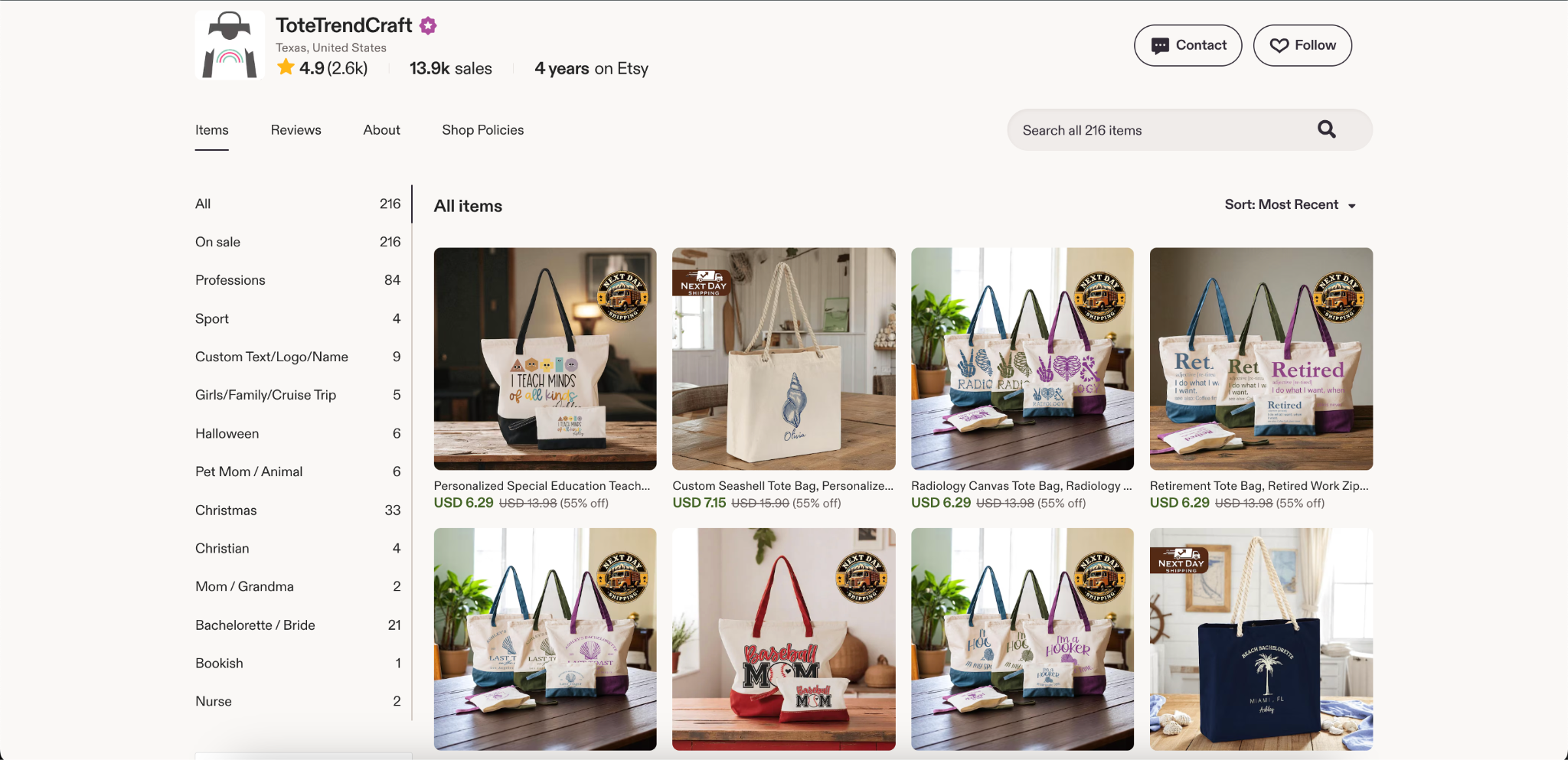
Think about it this way. Say two shops sell the same teacher-themed tote bag. One has a cohesive name, consistent mockups, and a clear niche, like this:
But the other has a random store name and mismatched product photos like this:
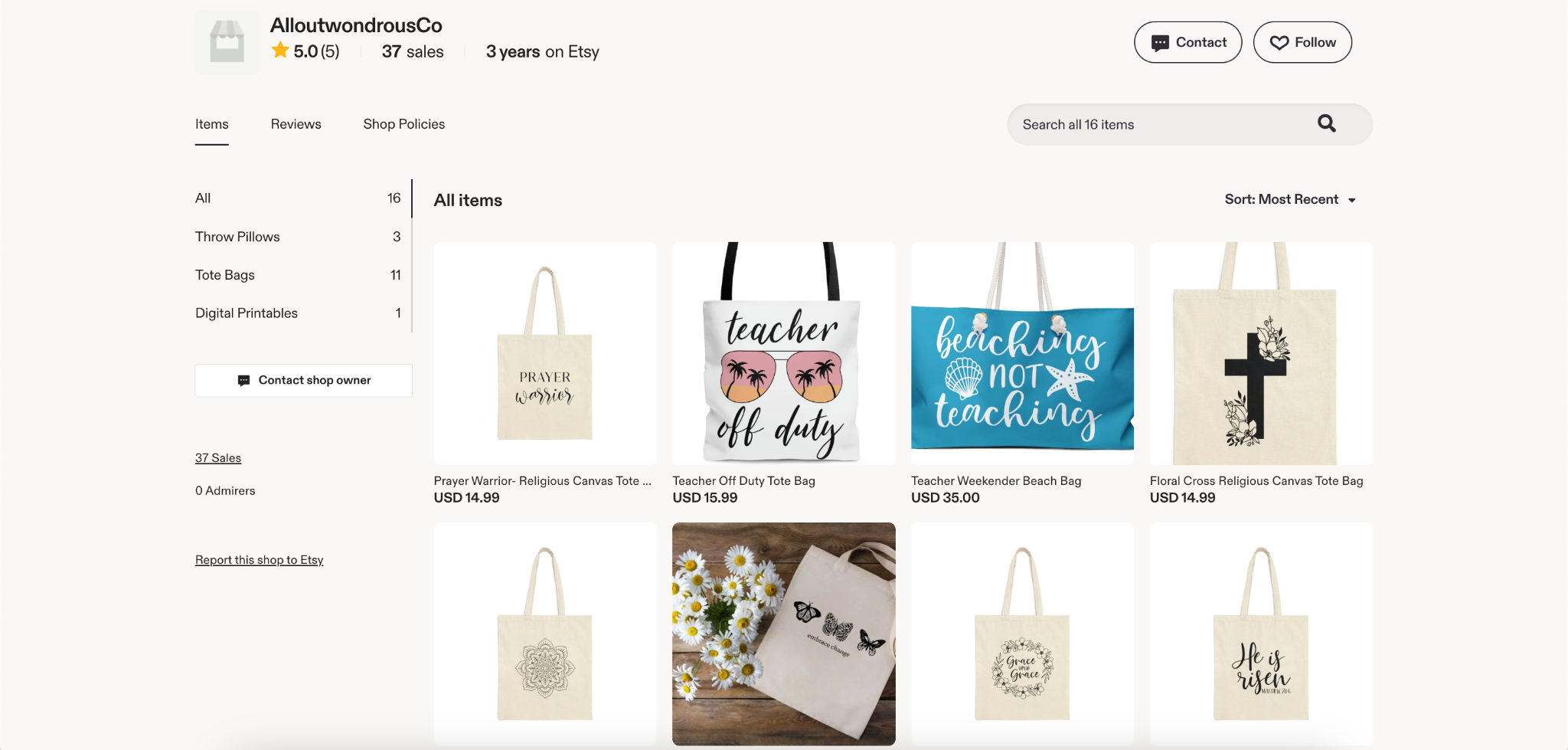
In this case, buyers are more likely to trust the first one more, even if the products are identical. This shows the importance of branding in building trust. They might not even need to read your description before wanting to buy from you.
So, what is the importance of branding in business?
It makes you stand out, shows professionalism, and tells shoppers your company is legit.
Also Read:
Why Is Branding Critical for POD Success?
A strong brand builds trust with customers, fosters loyalty, and allows you to charge more.
If you want to understand the importance of branding, consider the following benefits.
- Builds Trust: A professional-looking store converts better. Your buyers feel safe buying from a shop that looks intentional and consistent, underscoring the importance of branding in building trust.
- Drives Repeat Purchases: People return to your brand if they recognize and connect with it. That’s the importance of branding — it can help grow your revenue through repeat business.
- Supports Premium Pricing: Branded products command higher prices than generic ones. Buyers pay for perceived value, and your branding helps you create that perception. This shows the importance of branding in your pricing strategy.
- Makes Marketing Easier: A clear brand attracts the right audience. So, you spend less time chasing customers and more time converting them, which shows the importance of branding in marketing.
- Long-Term Asset: A strong brand is a business moat that compounds over time. So, the longer you build it, the harder it becomes for competitors to replicate.
What are the Core Elements of a Strong POD Brand?
Now, what does a strong print-on-demand brand look like in practice? Here are the five elements you need to build one.
Brand Name and Niche Positioning
Before you start an online store, think of your brand name. Your store name is the first signal you send to a buyer. So, it should tell them what your brand stands for and who it serves. Here’s an example:
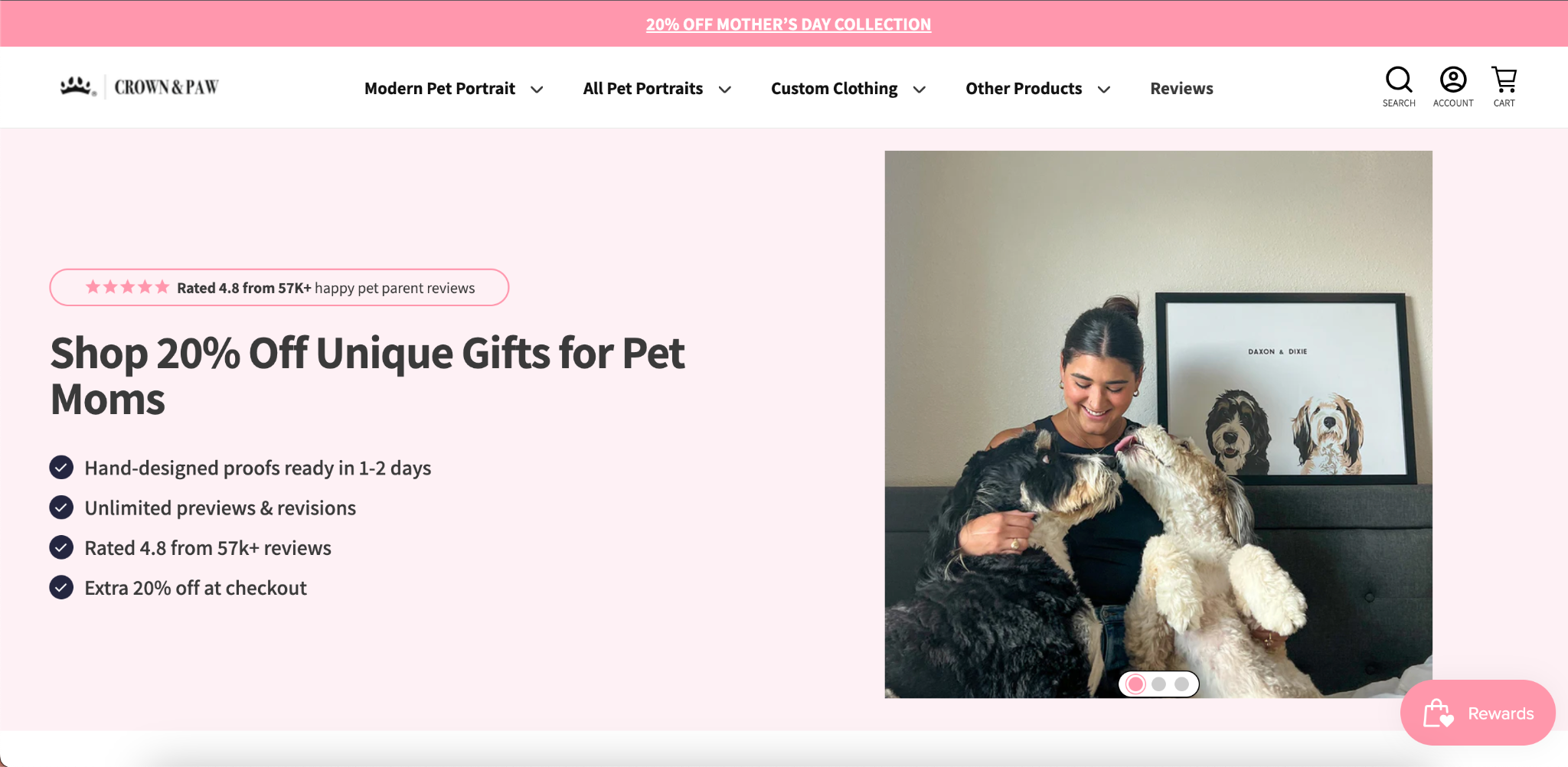
For instance, a business name like "Cool Prints Shop" doesn’t exactly say much. But "The Hiker's Press" or "Desk Plant Studio" immediately shows customers who your target audience is. This helps them figure out if your brand is relevant to them.
Niche positioning is just as important here. So, the more specific you are about who you serve, the easier it is to attract loyal buyers.
Visual Identity
Your visual identity includes your logo, color palette, typography, and overall design style. You should keep these elements consistent across all products and platforms.
So, use the same colors and fonts across your store, social media, and product mockups. This repetition builds brand recognition, as over time, buyers start to recognize your aesthetic before they even see your store name.
The good thing is that you don't need to be a professional designer to do this. You can use design tools like Canva to quickly build a consistent visual identity.
Store Aesthetic
Your store aesthetic is how your shop looks as a whole. This includes your banner image, mockup styling, shop sections, and listings.
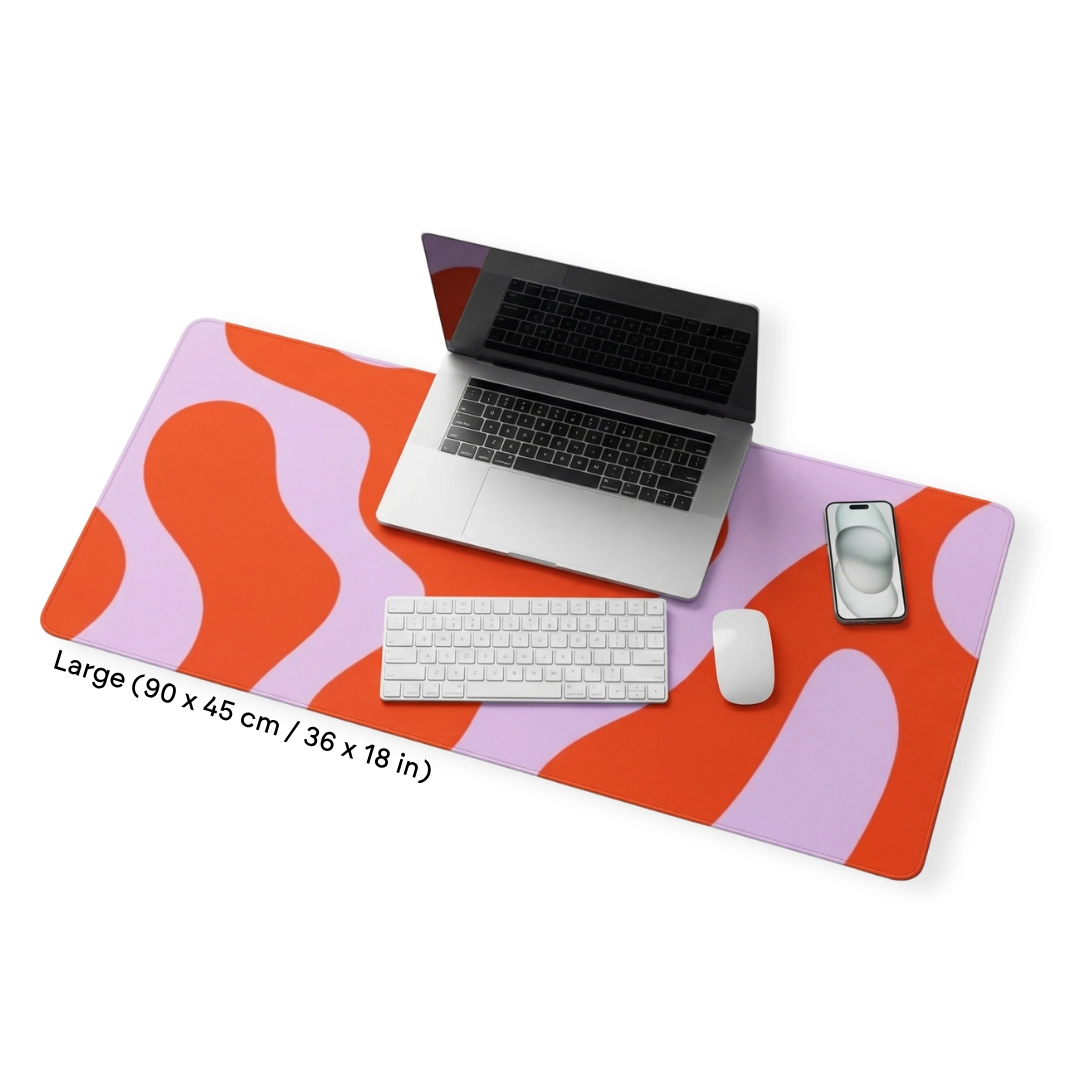
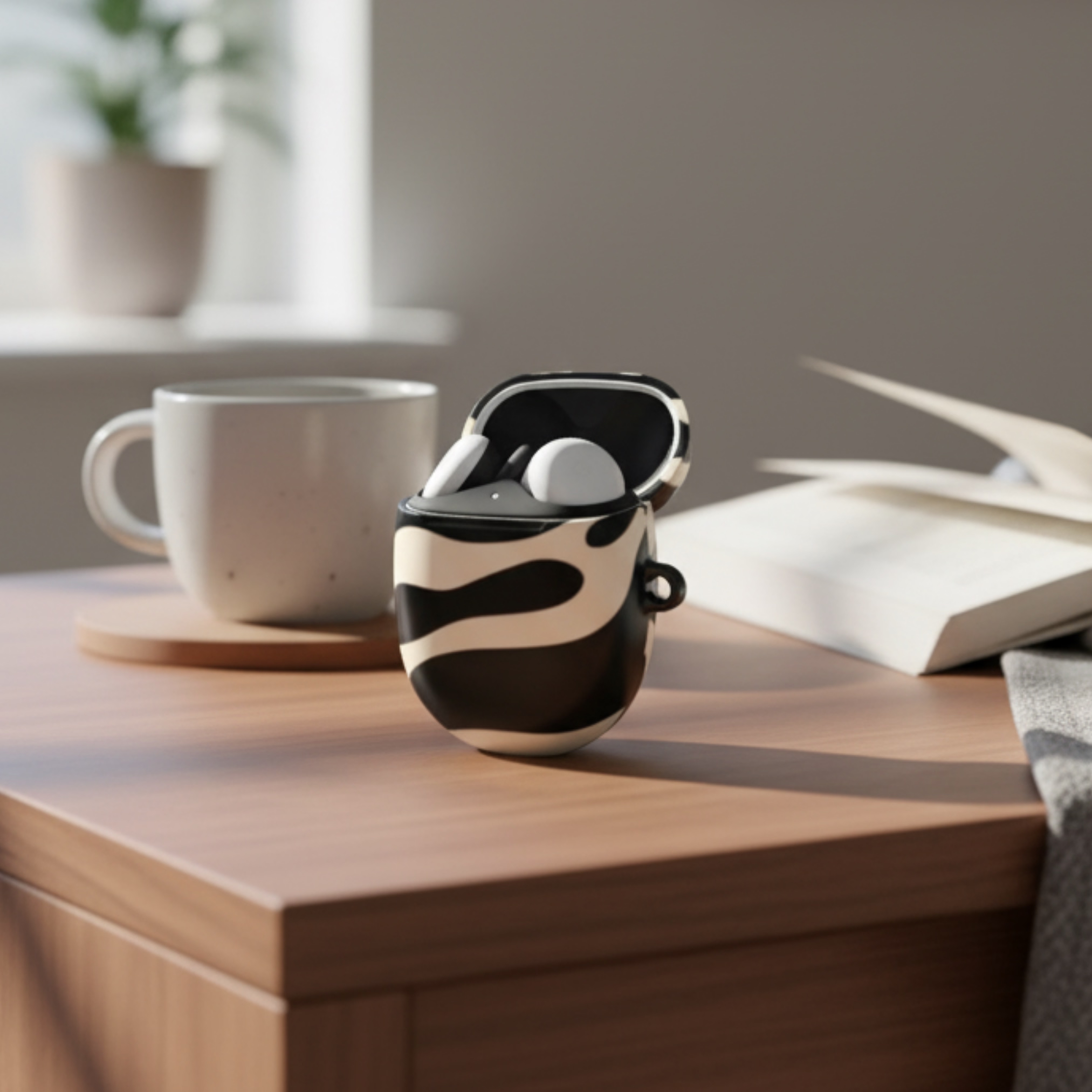
A clean, consistent store aesthetic tells buyers you take your business seriously. It also makes browsing easier, which shows the importance of branding in keeping people on your page longer. So, use lifestyle mockups that match your brand's vibe, like this:
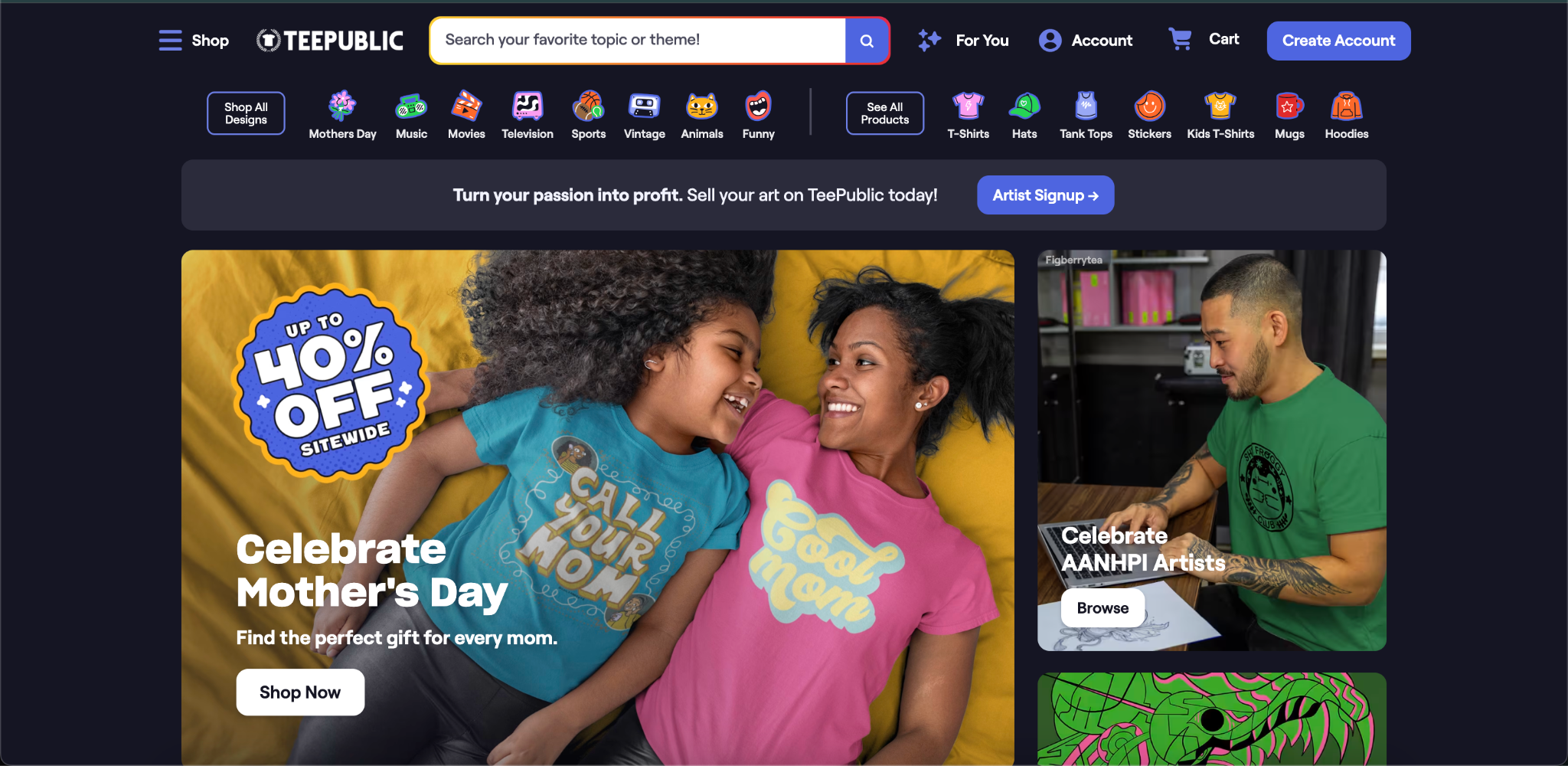
For instance, if you have a minimalist brand, you can use clean, simple mockup backgrounds. But if you have a bold, colorful brand, you can go brighter. The key is to make sure everything feels like it belongs together.
Tone of Voice
Your tone of voice is how you sound across every customer touchpoint. This includes product descriptions, review responses, and social media captions.
For example, if your brand sells products for dog moms, you can be playful and warm. But if you have a brand for working professionals, then you can be clean and direct. Whichever tone you use, keep it consistent.
This consistency helps you build familiarity, and that familiarity builds trust. Your buyers feel like they know you and your brand, which makes them more likely to buy again.
Packaging and Unboxing Experience
The unboxing moment is a brand moment. So, don’t ignore it.
You can add a branded packaging insert, like a thank-you card, a discount code for the next order, or a care guide. This helps you turn a delivery into an experience. And it shows buyers you care about more than just the sale.
The good part: You can use tools like Podbase's packaging inserts to make this easy. This way, you can build a simple, well-designed insert that creates a memorable moment. And this keeps buyers coming back and telling others about your store.
Also Read:
- How to Make Your First Sale Online: A Step-by-Step Guide
- How to Use Podbase Like a Pro: The Ultimate Beginner’s Guide
How to Present Your Products Professionally
Even a great brand can lose buyers if the product presentation is weak. So, you need to know how to make sure your listings are presented well and do your brand justice.
To do this, use lifestyle mockups and not just flat product images. These lifestyle mockups show your buyers what a product looks like in reality, like this:
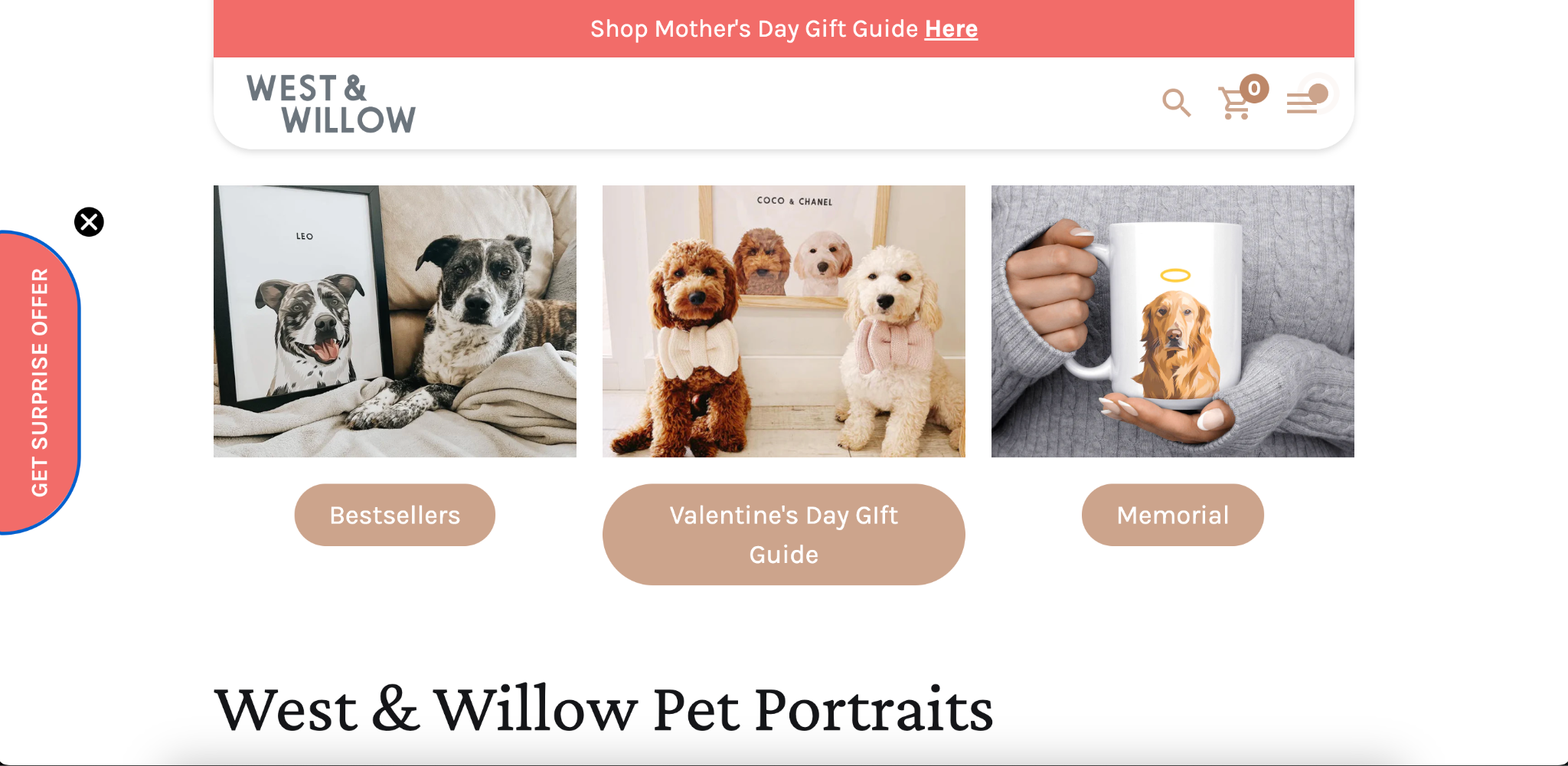
Even more, they help your buyers picture themselves using or wearing it. And this emotional connection drives more clicks and conversions.
You should write descriptions that describe the features but also sell a feeling. So don't just list what the product is. Tell the buyer what it means. For instance, you can say, "A mug for the teacher who gives everything."
Another important thing here is to stay consistent across all platforms. So your Etsy shop, Shopify or WooCommerce store, and Instagram page should all look and sound like the same brand. That’s the thing about branding — if you’re inconsistent, it can break trust and confuse potential buyers.
You also need to respond to reviews in your brand voice. That’s because how you respond to reviews is part of your brand image.
For instance, you can give a warm, genuine response to a five-star review to reinforce your identity. You can also give a professional response to a complaint to show buyers you stand behind your products.
How Can You Build Brand Loyalty in a POD Store?
Getting a first sale is good. But turning that buyer into a repeat customer can help grow your business.
To build loyalty around your POD brand, use email marketing. After a purchase, send a simple post-purchase sequence.
You can use this to thank the buyer, share what makes your store unique, and let them know what's coming next. So, when you drop a new collection, email your list first.
Another thing you can do is build a community in your niche. For instance, if you sell to hikers, show up where hikers hang out.
You can even create content that speaks to their lifestyle, not just to your products. Over time, your brand becomes part of their identity too.
Additionally, you can use packaging inserts to drive repeat purchases. These feel like a gift and not an ad. It reaches your buyer at the best possible moment, when they're excited about their new purchase.
On top of that, you should establish a consistent new-product cadence. So, regularly add new products to your store to give buyers a reason to come back. Then, announce these drops on social media and via email to keep your audience engaged.
Also Read:
FAQ
1. Do I need a logo to start a print-on-demand store?
No, but having one helps. A simple, clean logo makes your store look more professional and builds visual recognition. You can create one using Canva. But start simple and refine it as your brand grows.
2. How do I choose a niche for my POD brand?
Start with what you know or care about. Then, research whether there's demand for it on Etsy, Pinterest, or Google Trends.
3. Can I build a brand on Etsy, or do I need my own website?
Yes. You can build a brand on Etsy. But use your banner, shop sections, and listing descriptions to create a consistent identity. You can start on Etsy and add a Shopify store later as your brand expands.
4. How important is packaging for print-on-demand products?
It’s very important. Packaging is often the only physical touchpoint you have with a buyer. And you can use a branded insert or thoughtful packaging to drive repeat purchases and word-of-mouth referrals.
5. How long does it take to build a recognizable POD brand?
Most sellers start seeing brand recognition after 6 to 12 months of consistent effort. The key thing is consistency. So, show up with the same visual identity, tone, and quality, and recognition builds naturally over time.
6. What makes a POD store look unprofessional?
Inconsistent mockups, mismatched fonts and colors, vague product descriptions, and a lack of a clear niche make a POD store look unprofessional. These tell buyers the store isn't serious. So, fix these first to make your store look more trustworthy and credible.
Conclusion
So you’ve seen the importance of branding and how it’s not your biggest advantage in print-on-demand. It helps you build trust, supports higher prices, and turns casual buyers into loyal customers.
You don’t need to build a perfect brand overnight, though. So, choose a niche, pick a name and tone that fits, and create consistent visuals. Then, build from there and use every touchpoint, from product photos to packaging, to reinforce who you are.
Your brand starts with your products. So, build a store with Podbase and get premium quality, fast fulfillment, and packaging options to make every order feel intentional.

Saulius Meilutis is the CEO of Podbase, helping creators and entrepreneurs monetize their ideas with print-on-demand. He shares insights on eCommerce, growth, and building lean online businesses.

.avif)



.avif)
.avif)
.avif)
.avif)
.avif)
.avif)

.avif)


.avif)

.avif)

.avif)

.avif)
.avif)