Thinking about starting an online store? Many people get stuck on the "ecommerce vs dropshipping" question - but there isn't one perfect answer. What works depends on your goals, time, and budget.
Before the comparison, one reframe worth making upfront, because it changes how you read everything below. Dropshipping vs ecommerce is a slightly misleading matchup: dropshipping is a type of ecommerce, not its opposite. The decision you're actually making is about two sliders - how much inventory risk you carry, and how much control you have over the product and brand. Generic dropshipping is low-risk but low-control; traditional ecommerce is high-control but high-risk. The interesting question is whether you can get the best of both - and you can.
This post compares both models honestly, then shows where print-on-demand fits.
What's the Difference Between Ecommerce and Dropshipping?
Both let you sell products online; they differ in how fulfillment works behind the scenes.
What Is Traditional Ecommerce?
Traditional ecommerce means you buy products first, store them, and ship them yourself. You handle inventory, packing, shipping, and customer service. That's total control - and higher startup costs and daily workload.
What Is Dropshipping?
Dropshipping is a way to sell products without inventory. When someone buys, a supplier ships the item to the customer. No upfront product purchase, no storage - cheaper and easier to start, but with less control over shipping and product quality.
Is Dropshipping a Type of Ecommerce?
Yes - dropshipping is a type of ecommerce, because you're still selling products online. The only difference is how orders are fulfilled: in dropshipping a supplier holds the goods and ships them; in traditional ecommerce you do. This is why "vs" is the wrong word - you're choosing a fulfillment model within ecommerce, not between two separate businesses.
Also Read:
What Is Automated Dropshipping? How to Streamline Your Ecommerce
Best Businesses to Start With Less Money (AI & POD)
Startup Costs and Setup Comparison
Starting an online store costs money, but the model determines how much. Here's how dropshipping and traditional ecommerce compare on cost to launch.
Upfront Inventory Costs
Traditional ecommerce makes you buy products before selling them - money tied up in inventory, storage, and shipping supplies, with real loss if items don't sell. Dropshipping (and print-on-demand) flips that: you pay for a product only after a customer buys it. Lower risk and lower cost are exactly why beginners start here.
Site Setup and Tools Required
Both models need a storefront. To build one you'll want tools for design, payments, and product listings:
Canva: banners, logos, and social posts.
Shopify Payments: built into the Shopify store; no extra setup.
PayPal: widely trusted for accepting payments.
A fulfillment app (like Podbase for custom products, or Spocket for reselling US/EU dropshipping products).
Platforms You Can Use
You can run your store on Shopify, WooCommerce, or connect a fulfillment partner like Podbase:
Shopify and WooCommerce work for both dropshipping and traditional ecommerce - themes, apps, and payment tools, though some setups need extra plugins.
Podbase is the fulfillment layer for custom print-on-demand products - beginner-simple, with no storage, printing, or shipping on your end. You design the product; it handles the rest.
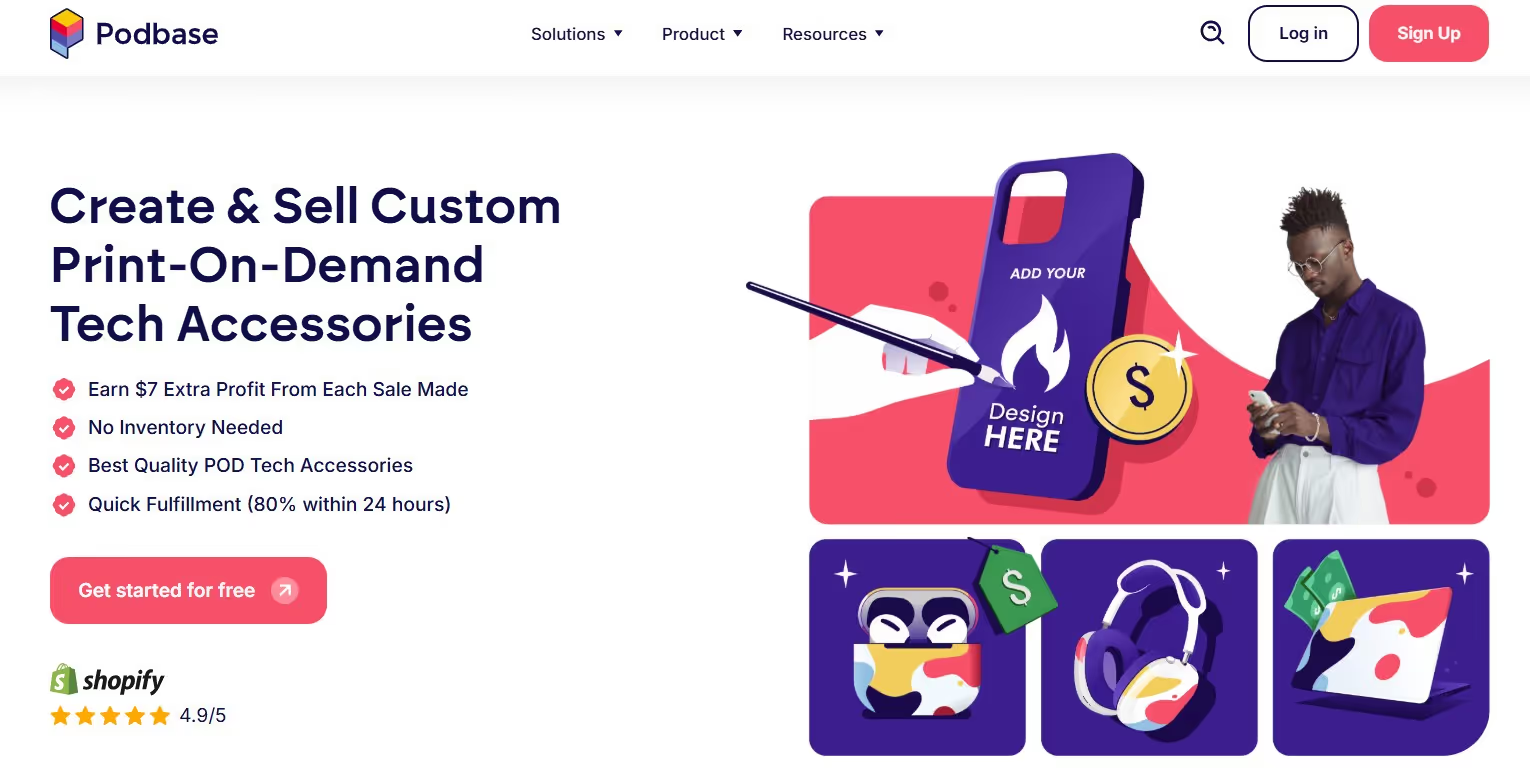
That last point is the practical reason POD reads as the "easy mode" of this whole comparison: it's one of the best ways to make money online without inventory, and you can start free.
Also Read:
Profitable Niches You Can Start To Make Money
Digital Dropshipping: The Smartest Way to Sell
Profit Margins: Dropshipping vs Ecommerce
How much you make depends on your costs and prices. Here's how the two models compare on profitability - and where the usual comparison quietly misleads.
Pricing Control and Wholesale Costs
In traditional ecommerce you buy at wholesale and set retail, and bulk buying lowers your cost per item. In dropshipping the supplier sets a base cost (often above wholesale), but you still set your selling price - typical dropshipping profit margins land around 15-30%.
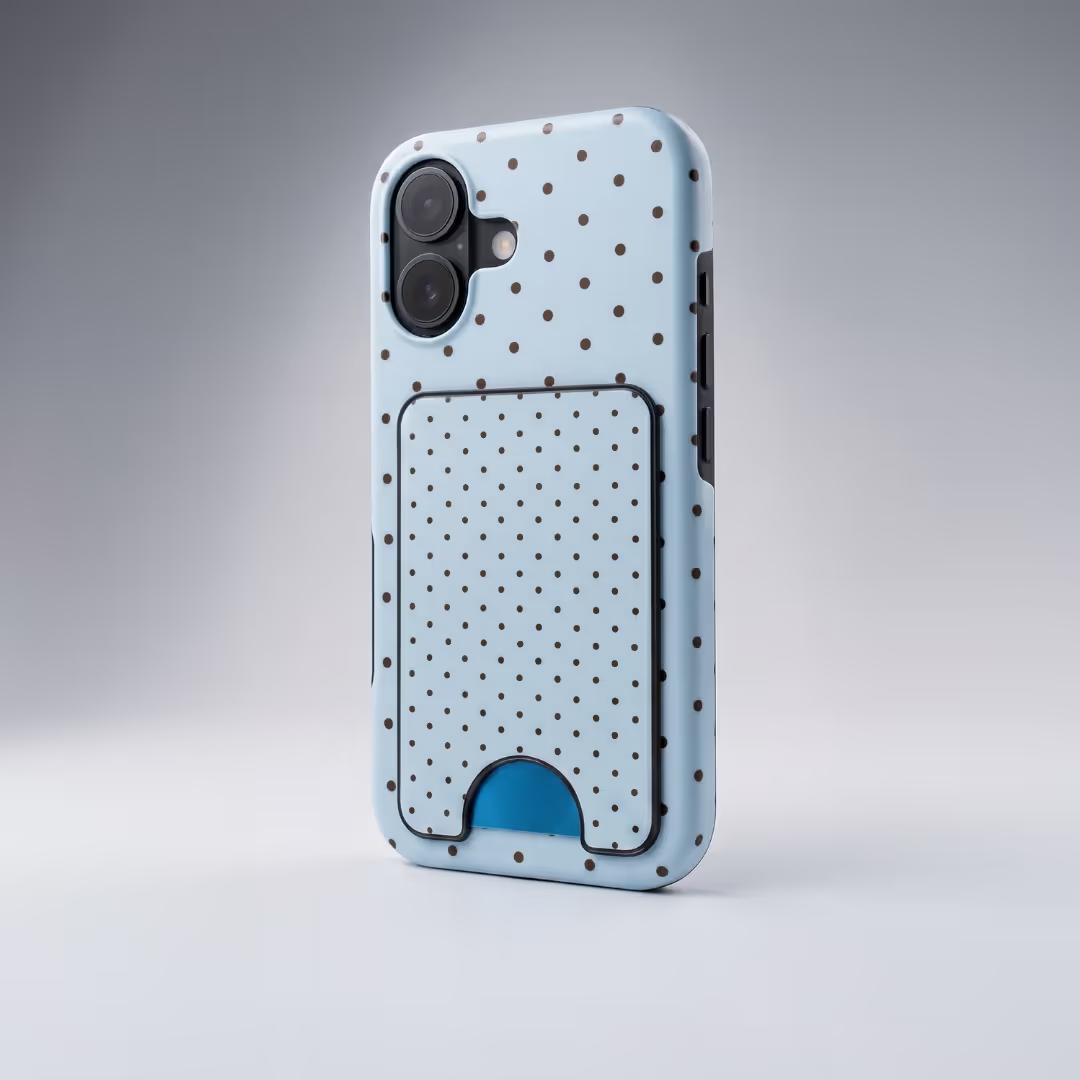
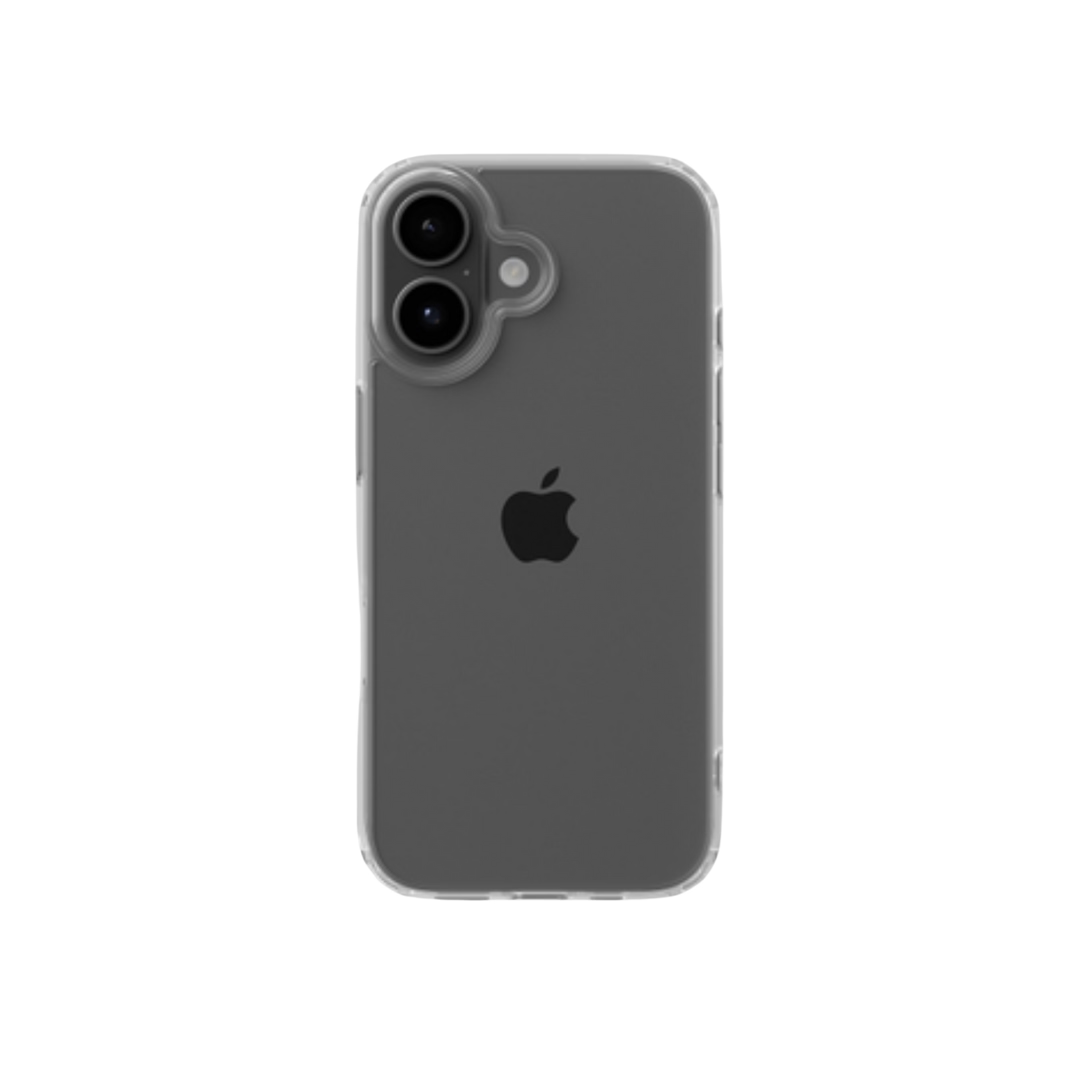
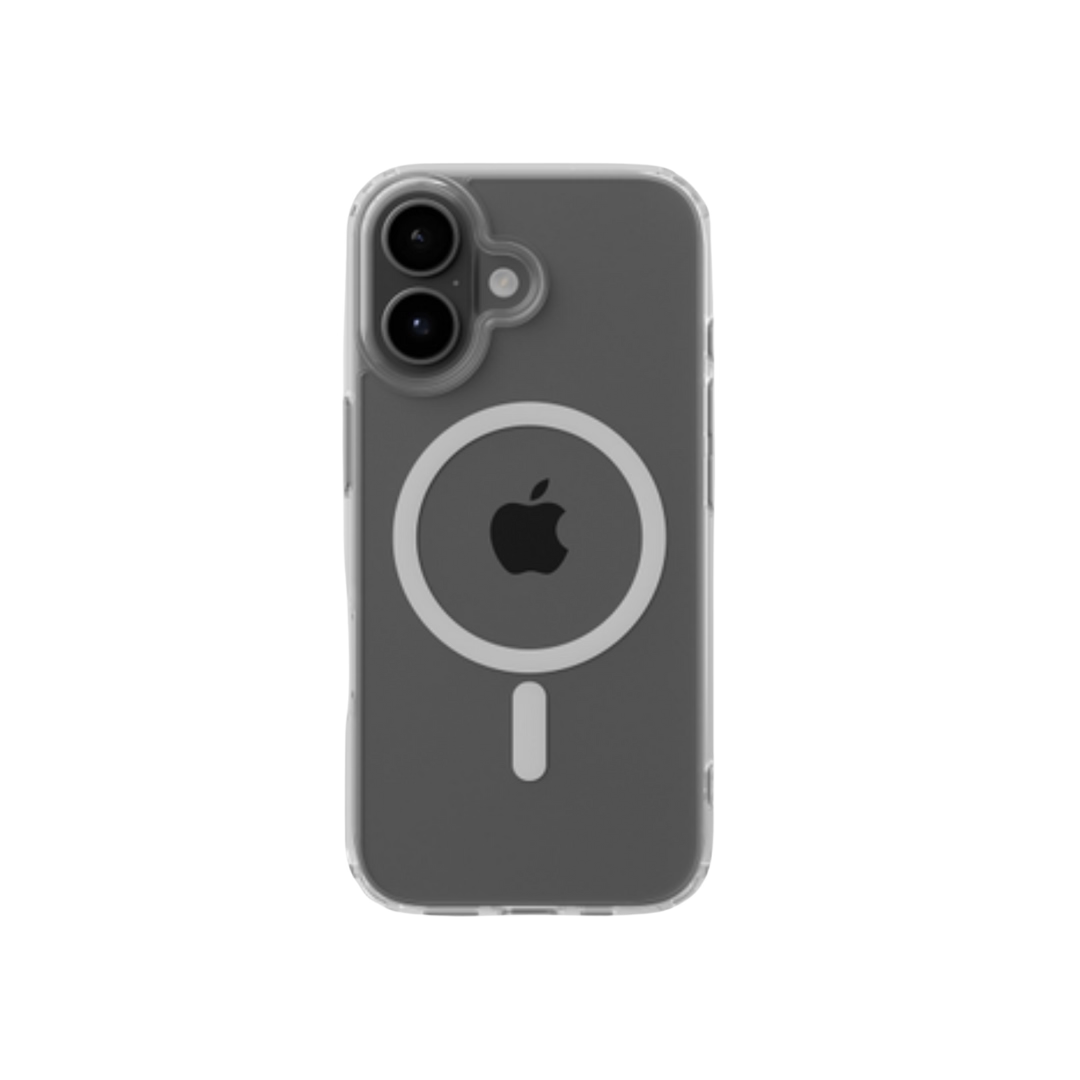
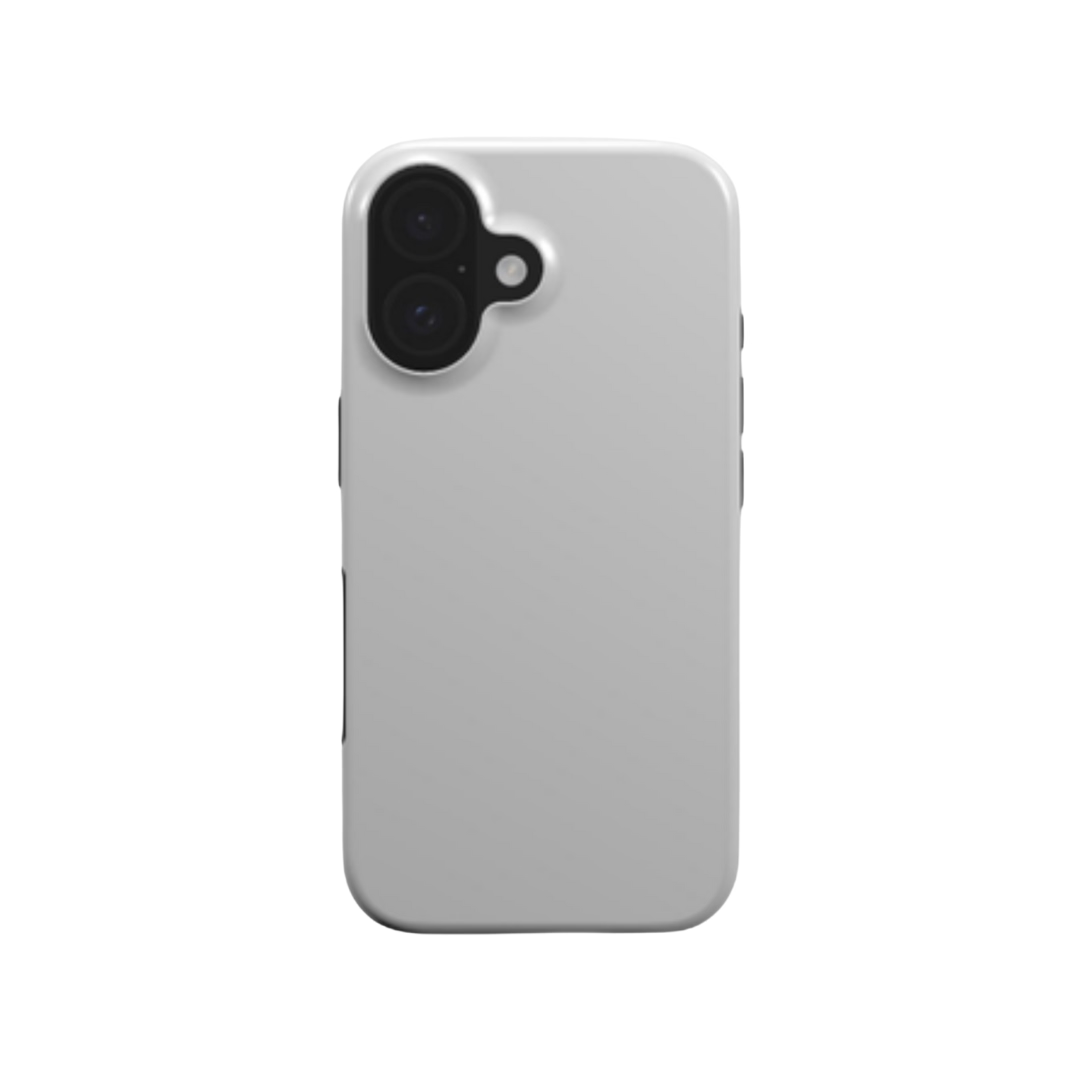
Here's what that range hides, though: it's the margin on commodity products anyone can resell. The moment your product is custom - your design, your brand - the comparison changes, because buyers pay a personalization premium. A custom phone case produced for about 10 EUR commonly retails at 35-60 EUR. That's not a dropshipping margin or a wholesale margin; it's a "you own the design" margin.
Fulfillment Fees and Supplier Margins
Dropshipping suppliers build packing, shipping, and storage into the product cost, and may charge extra for fast shipping or special packaging. Traditional ecommerce lets you control shipping - cheaper methods, negotiated carrier rates, better supplier margins on bulk - but managing it takes real time and effort. It's a classic trade of money for control.
Real Profit Scenarios (Side-by-Side)
A simple commodity-product example shows the textbook difference:
Dropshipping: product cost $18 (from supplier, shipping included), selling price $30 gives $12 profit per sale.
Traditional ecommerce: product cost $10 (bought in bulk) + $5 shipping, selling price $30 gives $15 profit per sale.
Ecommerce wins this example by managing costs - but notice both are reselling the same generic $30 product, so both compete on price against everyone else selling it. Now run the custom-product line: a 10 EUR case sold at 45 EUR nets roughly 35 EUR before fees, on a product no competitor can list identically. The biggest profit lever isn't dropshipping vs ecommerce - it's commodity vs custom.
Risk and Scalability
Every model carries risk; the question is which kind, and how well it grows.
Managing Stock vs On-Demand Fulfillment
Traditional ecommerce means buying and storing stock before you sell - capital at risk if items don't move or get damaged, plus the labor of packing every order. Dropshipping and POD keep zero stock: the supplier or print partner handles storage and shipping, and you pay only after a sale. The trade-off in generic dropshipping is supplier dependence - stockouts become your problem and your customer's disappointment. (POD softens this: products are made to order, so there's no "out of stock" on your own designs.)
Branding and Customer Experience
Branding is traditionally ecommerce's edge: you control packaging, inserts, and the unboxing, which builds trust and repeat business. Generic dropshipping is weakest here - plain packaging, no personal touch, and any late or wrong delivery lands on your reputation.
But this is exactly the gap POD closes. Platforms like Podbase offer white-label packaging with your business name and logo, plus custom inserts - so you get the branded experience of traditional ecommerce without holding a single unit. It's the reason POD doesn't fit neatly on the "low control" end of the dropshipping slider.
Long-Term Growth and Automation Potential
Both models scale. Traditional ecommerce takes more upfront work but grows fast with automation for shipping, inventory, and analytics. Dropshipping and POD scale through automated product imports, emails, and order tracking - and faster still inside a focused profitable niche like apparel or tech accessories. Our own pipeline data backs the niche point: specialized sellers scale about 32% faster than generalists, because a clear audience converts better and resists price competition.
Also Read:
What Can I Sell to Make Money Online? Top Categories
Choosing the Best Ecommerce Platform for Businesses
Top 10 Ecommerce Statistics You Must Know
Why Print-on-Demand Might Be the Best Hybrid
This is the resolution to the whole "vs" debate. A print-on-demand business takes dropshipping's low risk and zero inventory and pairs it with traditional ecommerce's branding and margins - the two things each model was supposed to force you to choose between.
No Inventory or Warehousing
Items are made only after an order, so there's no money tied up in stock and no warehouse to manage - the dropshipping advantage, kept intact.
Custom Products Like Phone Cases or Earbuds
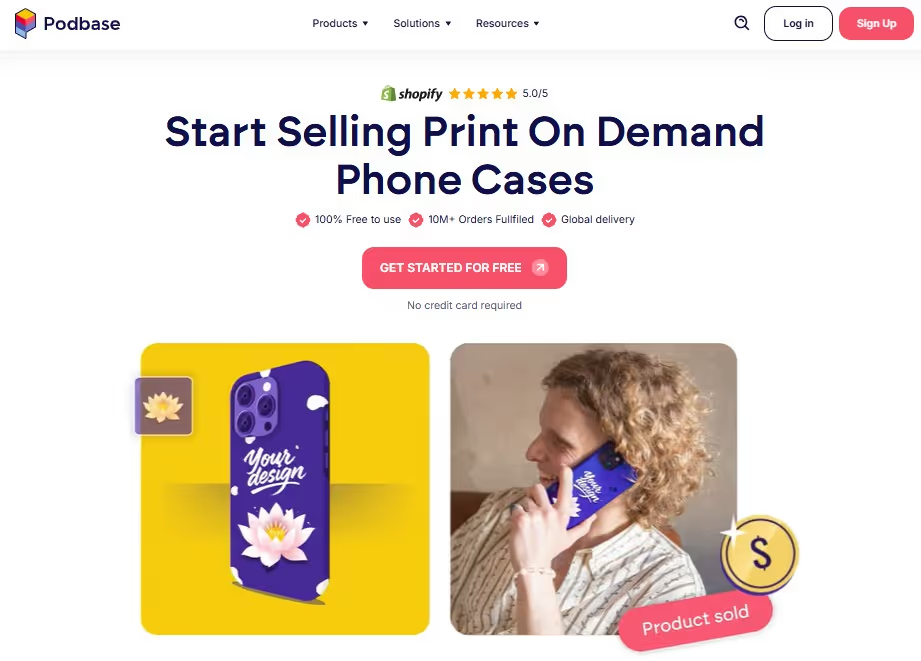
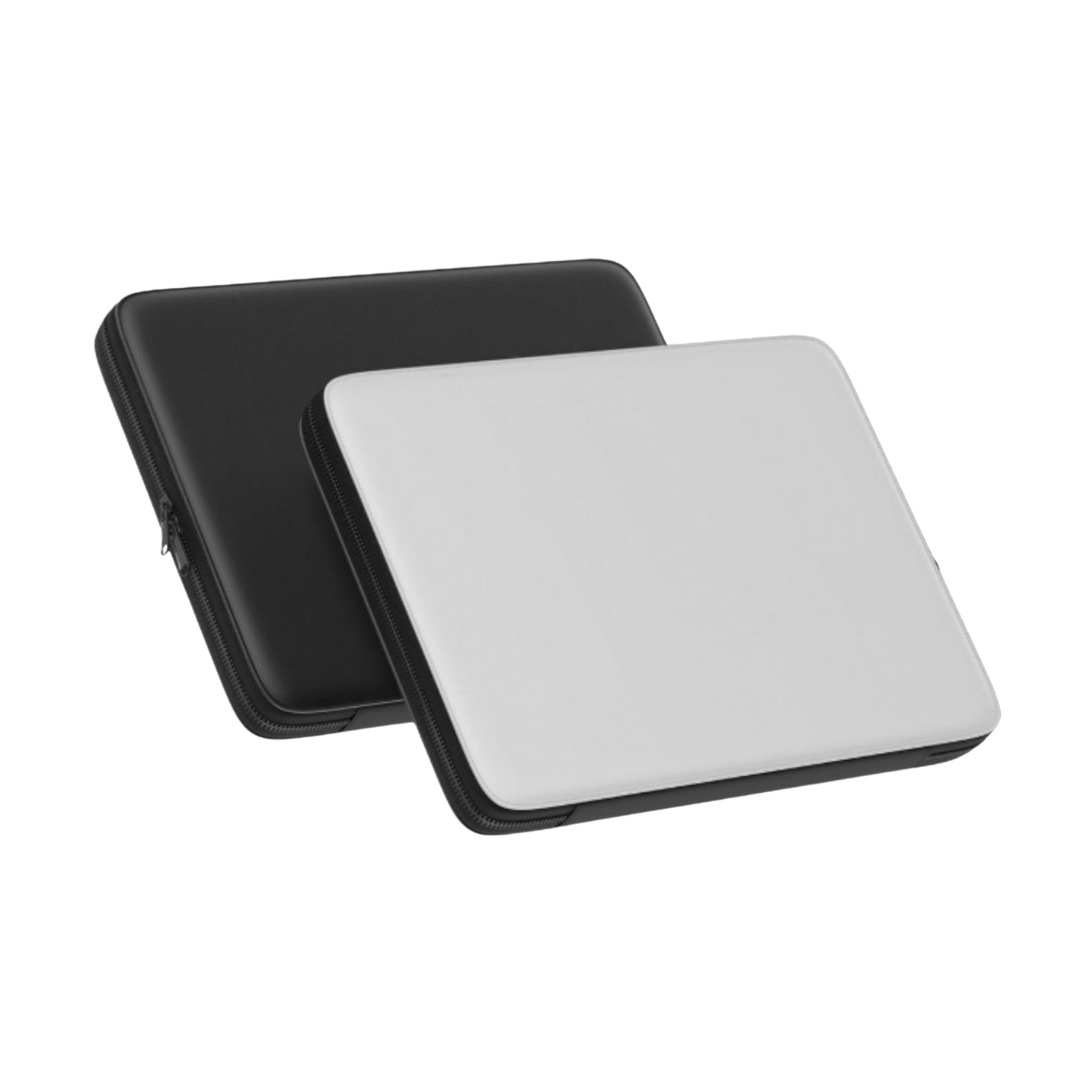
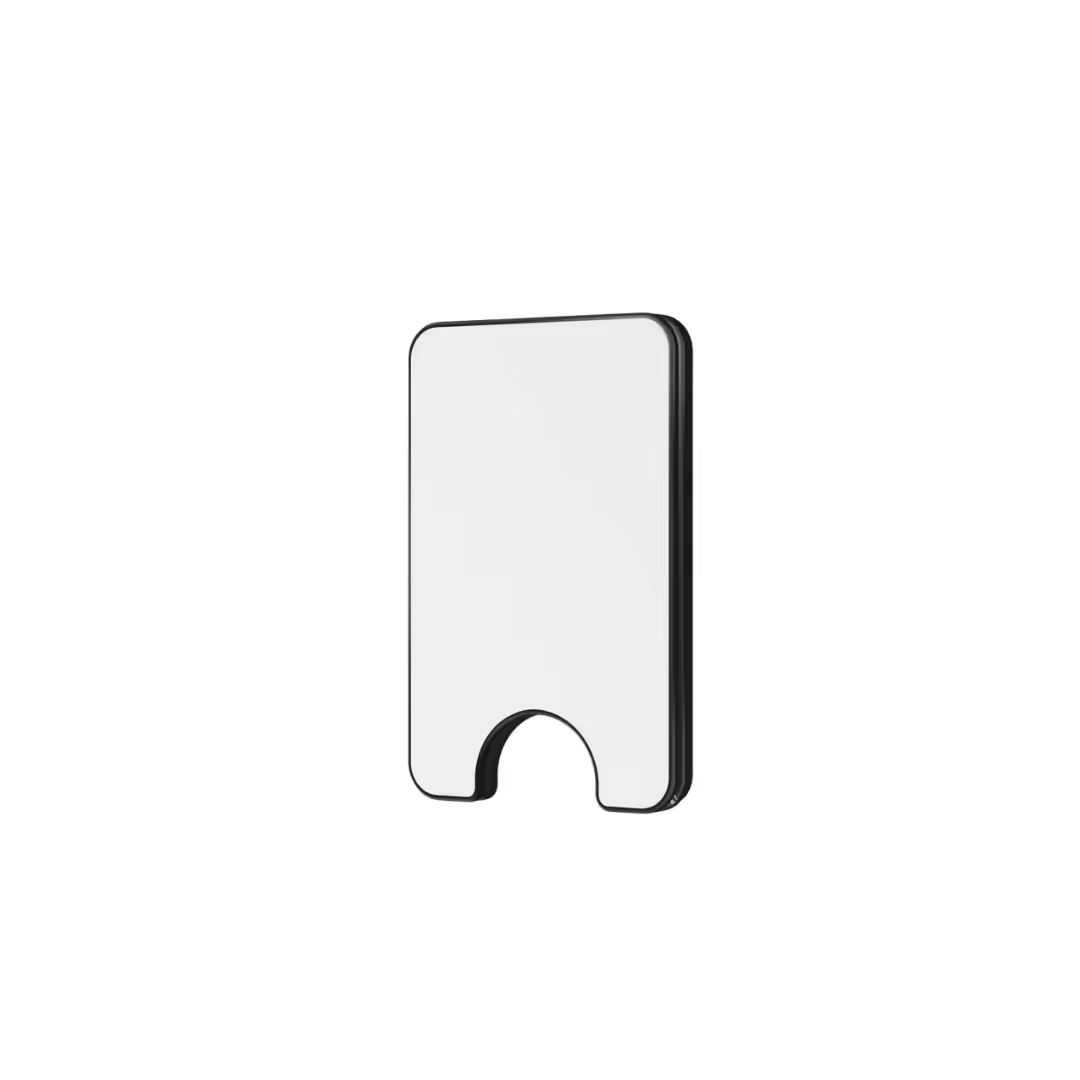
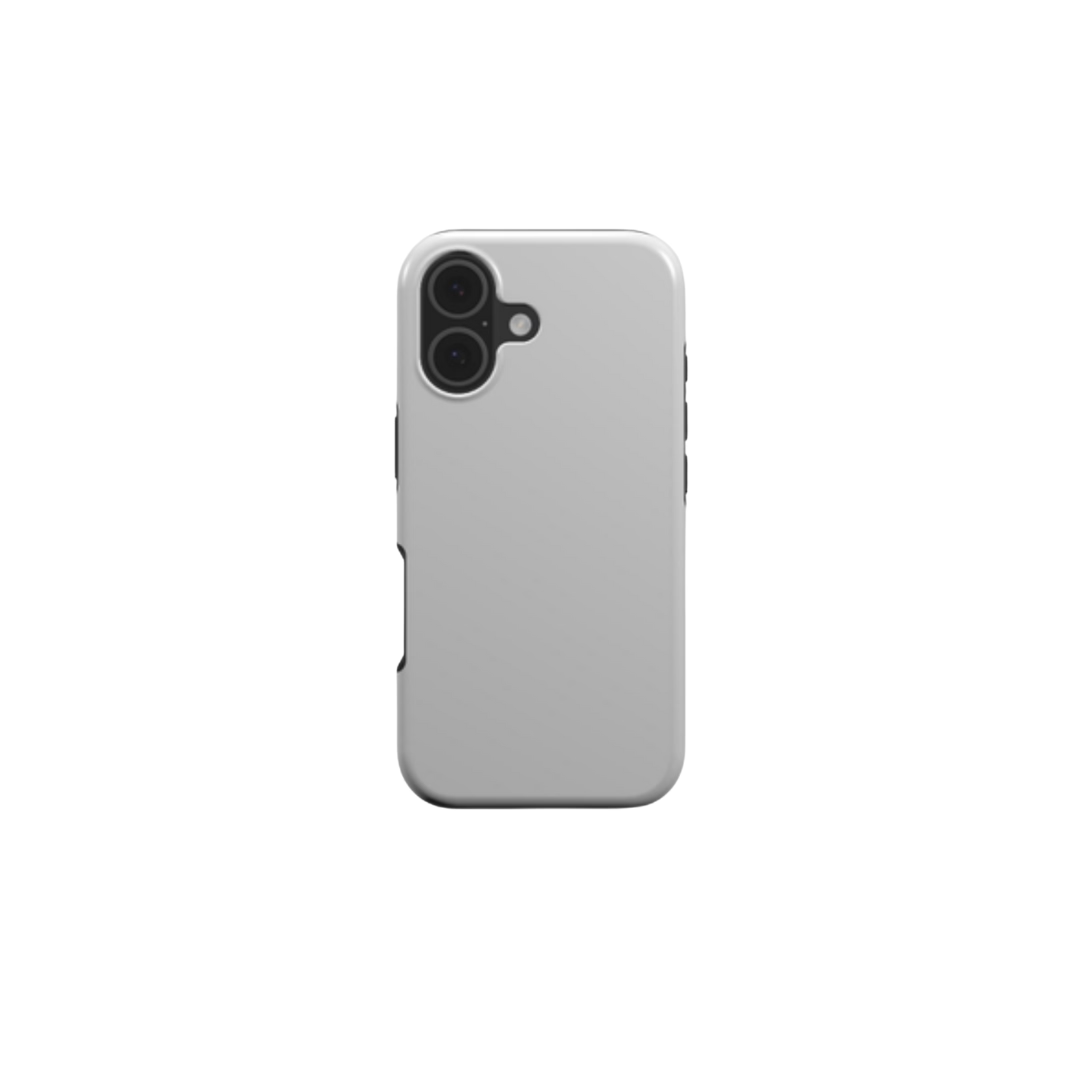
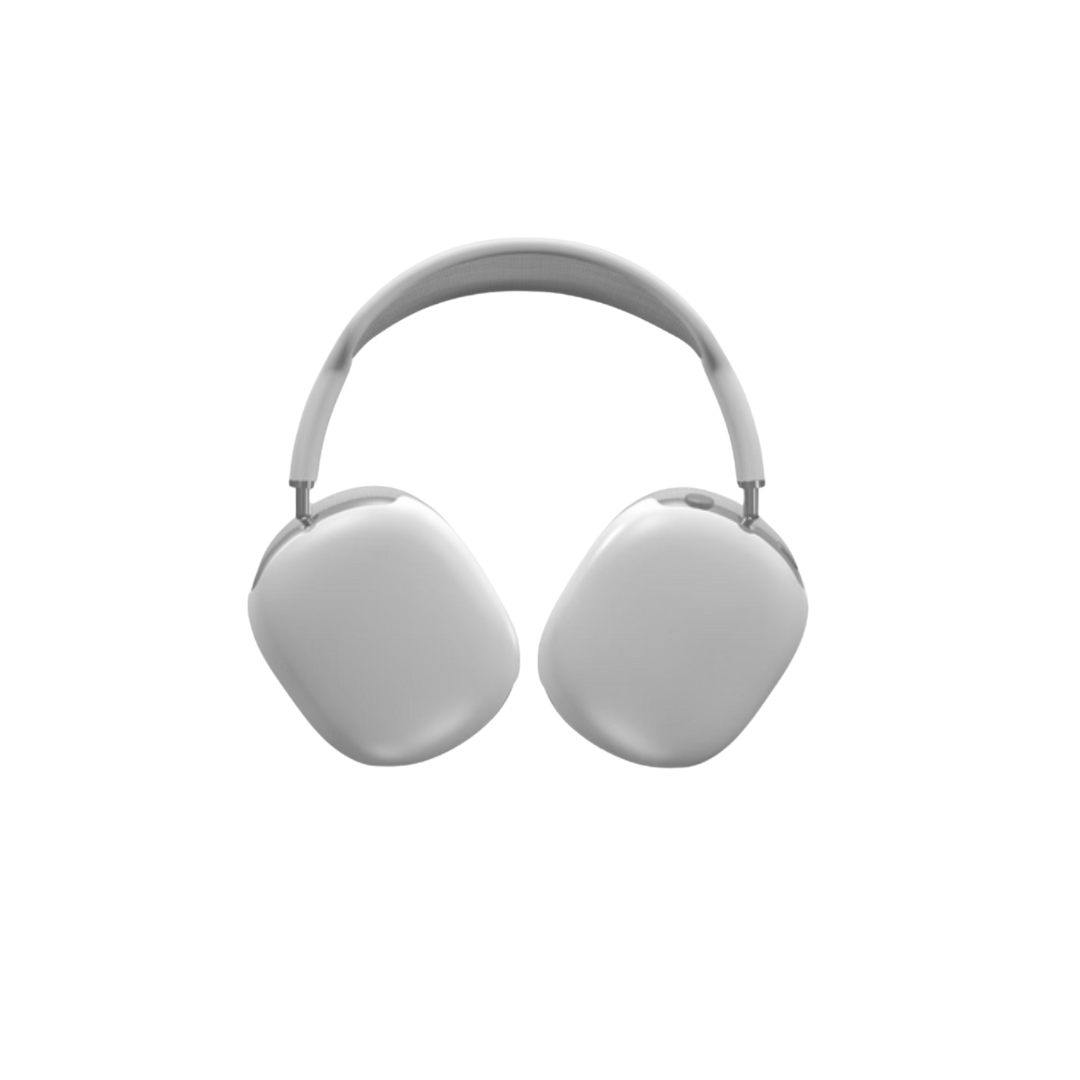
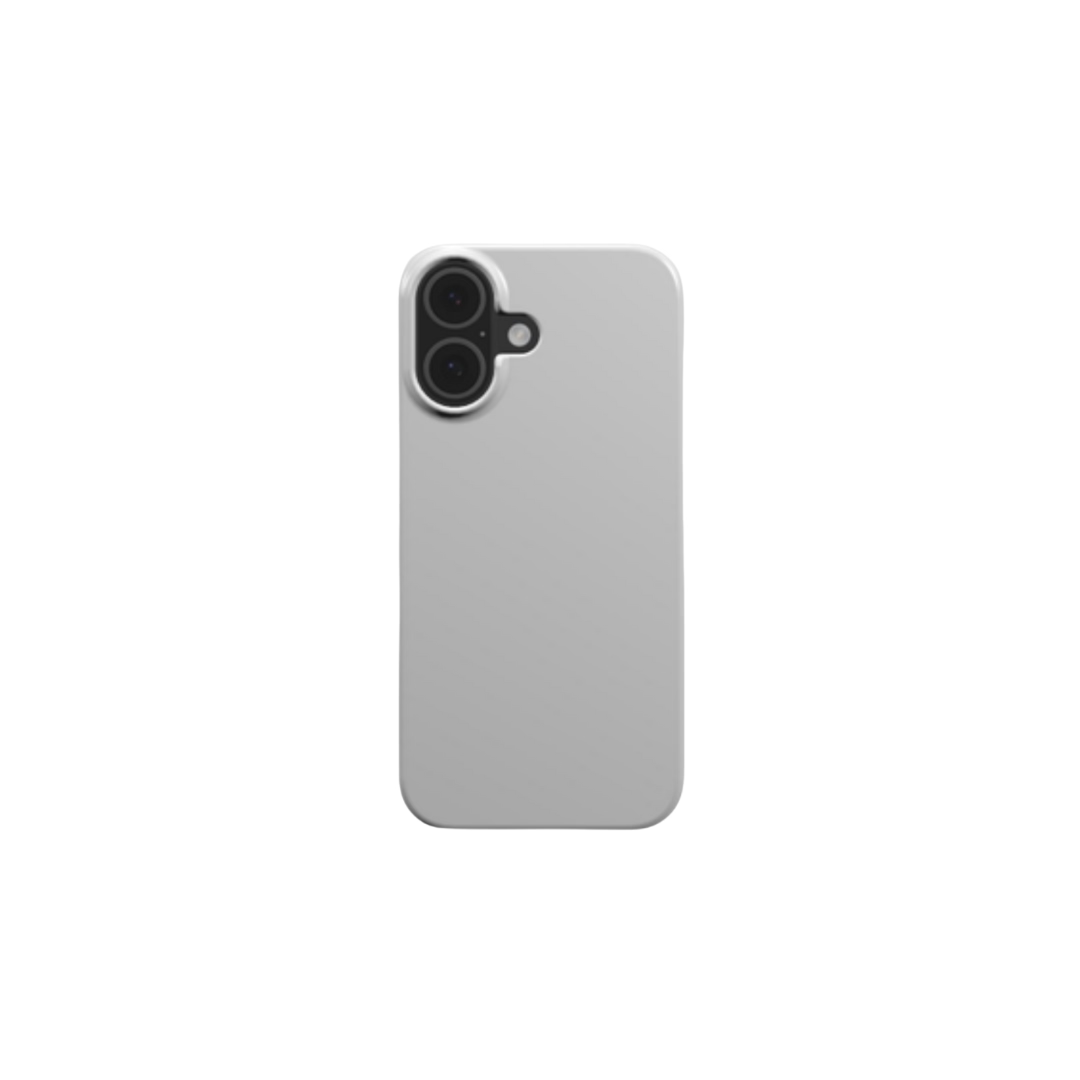
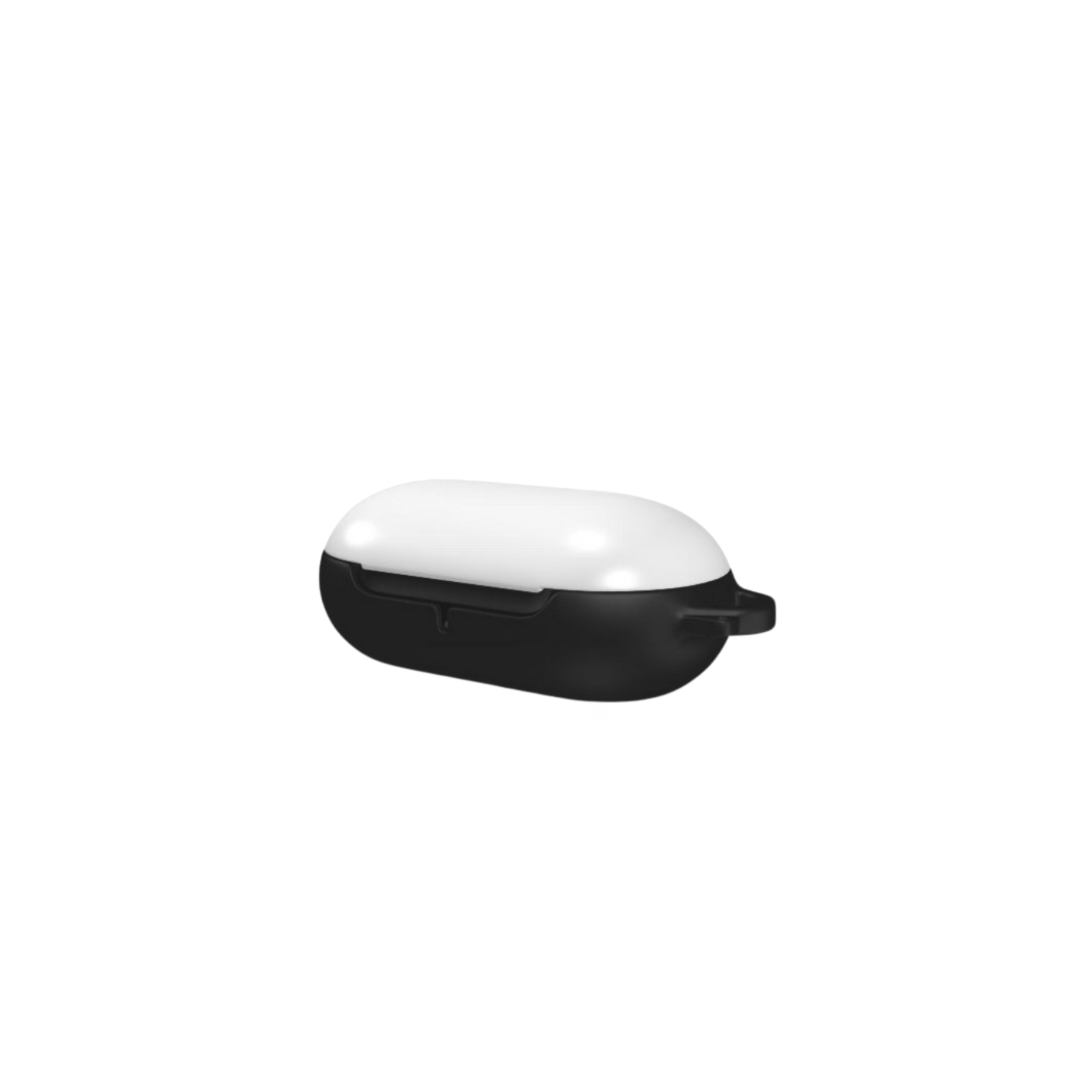
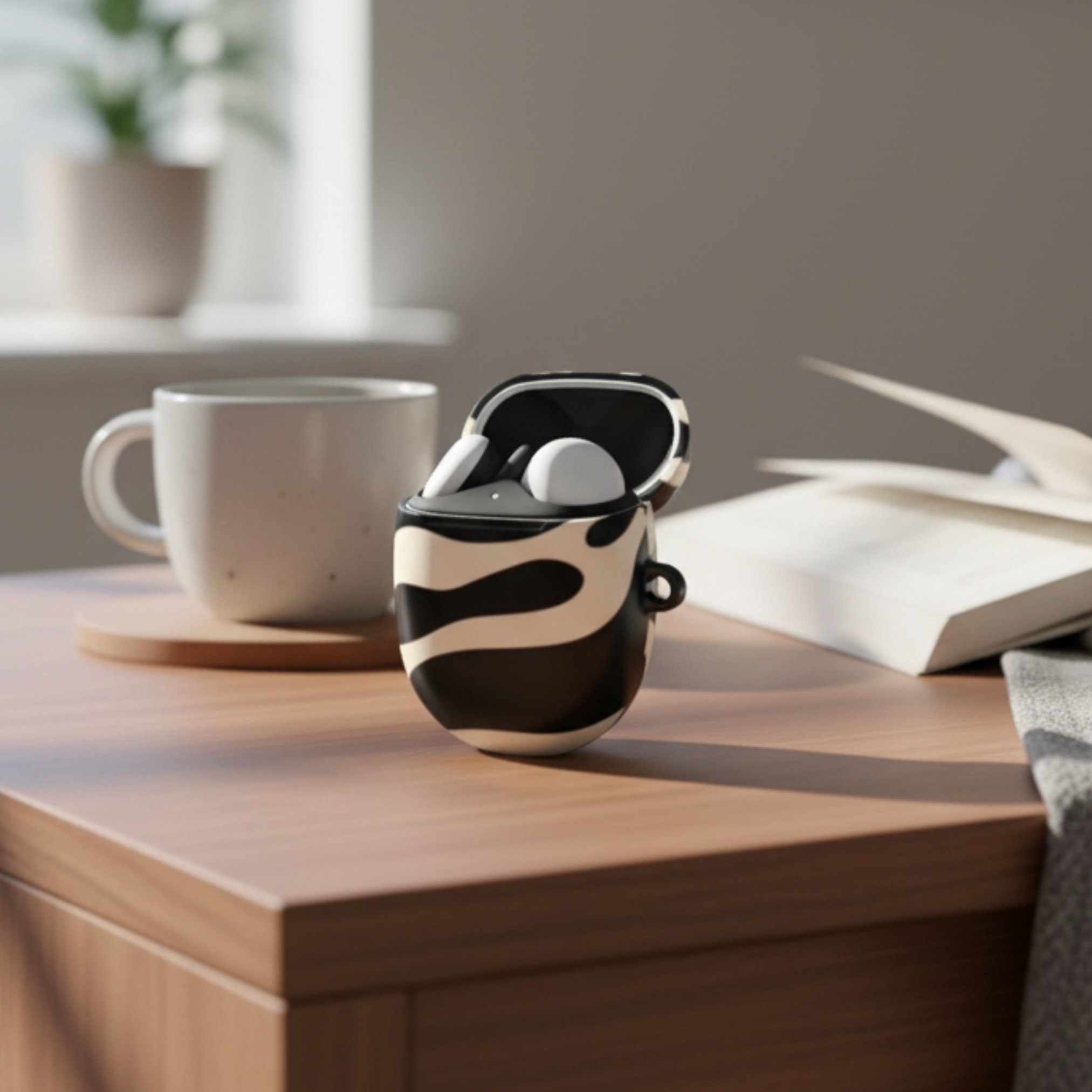
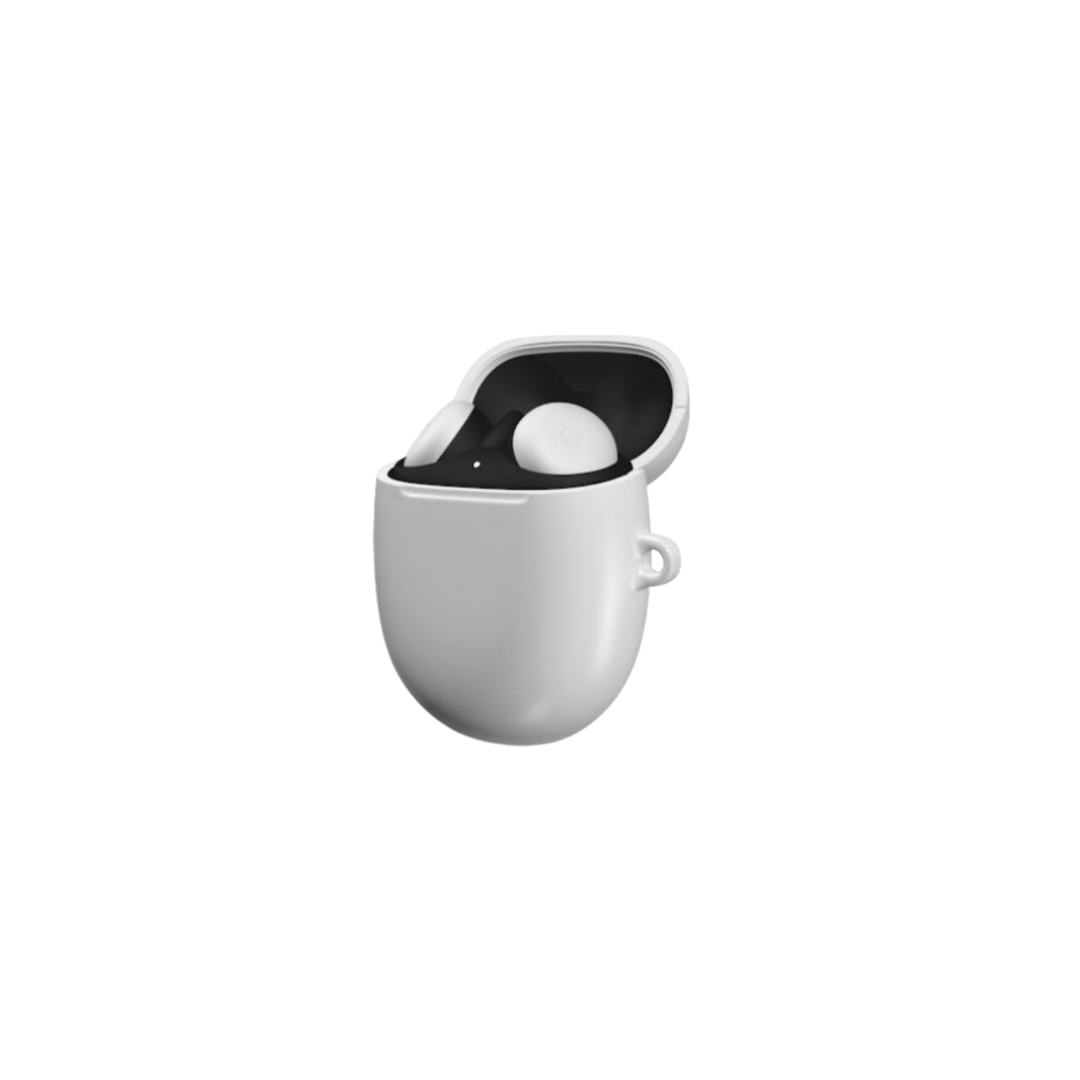
You sell unique items carrying your designs - custom phone cases, AirPod cases, drinkware, apparel - that stand out and can't be price-matched against an identical listing. This is the ecommerce advantage (a real brand) without the inventory risk.
Print-on-Demand for Ecommerce Beginners
POD is beginner-friendly: low startup cost, no special skills, just your phone and the internet. And because Podbase ships in about 23 hours on average, "no inventory" doesn't mean slow delivery - you clear the speed bar buyers now expect from everywhere.
How to Choose the Right Model for Your Business
Your choice depends on your skills, capital, and goals. Weigh the pros and cons honestly - or use these shortcuts.
Beginner? Try Dropshipping or POD
You can start dropshipping or print-on-demand with little money or experience - no stock, no self-shipping. Ideal for testing ideas before going bigger. Between the two, POD lets you test with products you actually own, so a winning test becomes a brand rather than a price war.
Want Control and Higher Margins? Go Traditional (or POD)
Traditional ecommerce gives you full control of products, pricing, and experience, and the highest margins - but it takes the most work and capital. Worth noting: POD delivers much of that control (custom product, branded packaging, set-your-own price) at a fraction of the risk, which is why it's the middle path so many start with.
Blend Both Models for a Hybrid Strategy
Many sellers mix models: test products with POD, then add bulk-bought bestsellers once demand is proven. Here's the three-way comparison:
Inventory needed: Dropshipping - no. Ecommerce - yes. POD - no.
Upfront costs: Dropshipping - low. Ecommerce - medium to high. POD - low.
Product customization: Dropshipping - limited. Ecommerce - full. POD - high (your own designs).
Profit margins: Dropshipping - low to medium. Ecommerce - high. POD - medium to high (personalization premium).
Shipping control: Dropshipping - low (supplier). Ecommerce - high (you). POD - medium (partner handles it, fast).
Branding options: Dropshipping - limited. Ecommerce - full. POD - strong (white-label packaging and inserts).
Ease of setup: Dropshipping - very easy. Ecommerce - moderate. POD - easy.
Best for: Dropshipping - beginners testing fast. Ecommerce - sellers wanting full control. POD - creatives and brand builders who want control without inventory.
Also Read:
How to Sell Photography Prints Online (Step-by-Step Guide)
Smart Ways to Make Money as an Artist
Conclusion
Dropshipping vs ecommerce: which is better? It depends on what you value - but the framing hides the better question. Both are ways to sell online; the choices that actually move your profit are commodity vs custom and how much inventory risk you carry.
If you want low risk and a real brand, print-on-demand is the hybrid that delivers both. Start small, test your ideas, and grow at your own pace - connect Podbase to your store and sell custom products without holding inventory.
FAQ
1. What is the difference between dropshipping and ecommerce?
Both sell products online; they differ in fulfillment. In traditional ecommerce you buy, store, and ship products yourself, which gives full control but higher cost and workload. In dropshipping a supplier holds the goods and ships them when a customer orders, which is cheaper and easier to start but gives you less control over shipping and quality.
2. Is dropshipping a type of ecommerce?
Yes. Dropshipping is a fulfillment model within ecommerce, not its opposite - you are still selling products online. The only difference is that a supplier holds and ships the goods rather than you, which is why 'dropshipping vs ecommerce' is a misleading framing.
3. Which has better profit margins, dropshipping or ecommerce?
On commodity products anyone can resell, traditional ecommerce usually edges out dropshipping (whose margins run about 15-30%) by managing costs through bulk buying. But the bigger lever is commodity versus custom: a custom phone case produced for about 10 EUR commonly retails at 35-60 EUR because buyers pay a personalization premium no commodity carries.
4. Is print-on-demand better than dropshipping?
Print-on-demand is a hybrid that keeps dropshipping's low risk and zero inventory while adding traditional ecommerce's branding and margins. Products are made to order, you sell custom designs that can't be price-matched, and with white-label packaging you get a real brand without holding stock - which is why many sellers treat POD as the middle path.
5. Which model is best for beginners?
Dropshipping and print-on-demand are both beginner-friendly because they need little money and no self-shipping, making them ideal for testing ideas. Between the two, POD lets you test with products you actually own, so a winning test becomes a brand rather than a price war.
6. Does no inventory mean slow shipping?
Not necessarily. Made-to-order does not have to be slow - Podbase ships orders in about 23 hours on average, so a zero-inventory POD store can still clear the delivery-speed bar that buyers now expect from every online seller.

Saulius Meilutis is the CEO of Podbase, helping creators and entrepreneurs monetize their ideas with print-on-demand. He shares insights on eCommerce, growth, and building lean online businesses.

.avif)

.avif)


.avif)
.avif)
.avif)
.avif)
.avif)
.avif)

.avif)
.avif)

.avif)


.avif)
.avif)
.avif)