In 2026, company merchandise has evolved from "cheap giveaways" to a vital tool for building brand culture in hybrid and remote work environments. This guide covers 10 premium company swag ideas — branded tech accessories, power banks, high-quality apparel — that employees actually use and value, plus the data on why quality beats quantity, and how print-on-demand lets companies order custom kits for new hires or conferences without inventory or storage. We close with a playbook for POD sellers who want to land company clients.
Company merch builds culture inside the office and brand recognition outside it. Startups especially need ways to stand out — and the way we work has changed: remote work grew from 20% in 2020 to 28% in 2023, so for distributed teams, merch is often the most tangible connection to the company.
It matters just as much at conferences: instead of cheap items people throw away, high-quality swag keeps brands memorable long after the event ends. And the market is moving — at Podbase, B2B merch has become one of the fastest-growing segments we serve, with almost three times as many B2B inquiries over the last six months and an expected ~20% growth in promotional products, a trend our early-2026 internal data already confirms.
Why Company Merch Is Important
Company merch — tech accessories, apparel, desk gear — makes your brand recognizable, welcomes new hires, and turns staff into ambassadors.
Strengthens Brand Identity
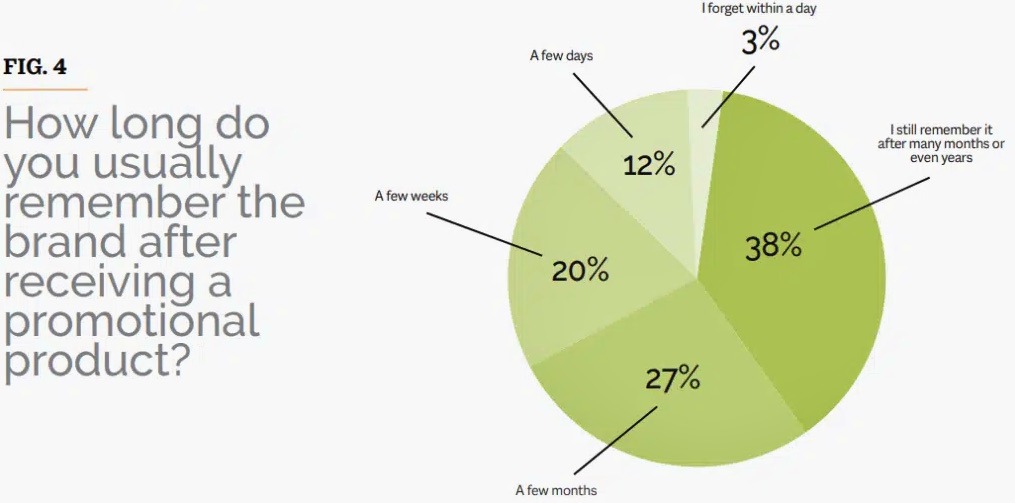
A PPAI study found 38% of people still remembered a brand months or even years after receiving a branded gift — and 76% looked up the brand while 72% made a purchase after receiving a promotional item.
Boosts Employee Engagement & Belonging
A Custom Ink survey found that 93% of employees would stay another year if they received the right merch, 81% of unhappy employees said company items could encourage them to stay, and 92% felt more connected to their team.
Enhances Conference Visibility
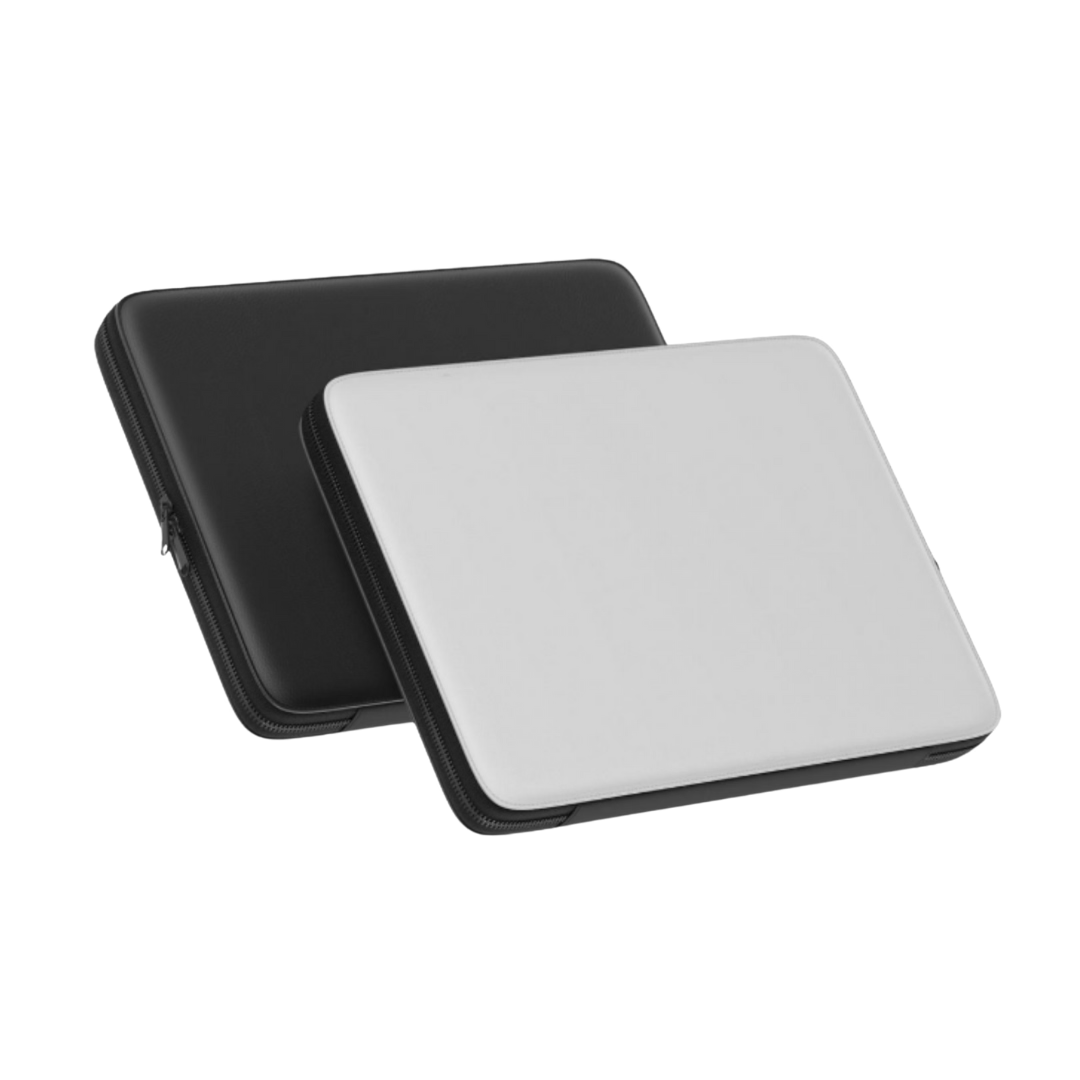
Attendees sit through dozens of pitches; useful gifts are what survive the trip home. 75% of consumers said receiving a promotional product at an event made the experience more memorable. The buying logic worth stealing comes from one of our own B2B clients, who ordered roughly a thousand branded laptop sleeves for a single event: every time the recipient opens that laptop - in a café, a meeting, an airport - the brand is visible. As our Head of Sales summarizes it, "the cost per impression on a product that lasts five to ten years and travels everywhere with its owner approaches zero over time."
Turns Employees into Brand Ambassadors
A study of 300,000 employee reviews found employees champion a brand when they feel proud of it, identify with it, believe in the product, can express themselves through it, and trust it. Merch feeds all five - unboxing posts, hoodies worn on weekends, cases carried everywhere.
A real example: as Omnisend grew, it upgraded its merch to high-quality tech accessories, and employees were happy to use and share them. The detail that made it work was precision - Omnisend had previously struggled with color reproduction, and our production team solved it with a custom color formulation that reproduced their exact brand colors, verified by spectrophotometer. Read the full case study. For corporate merch, brand-color accuracy isn't cosmetic; an off-shade logo quietly says "we cut corners."
Improves Onboarding Experience
A welcome gift eases first-day nerves - and for remote workers, a package in the mail is the company's handshake. Keep onboarding merch effective:
- Avoid cheap items - quality signals respect
- Make it personal - a handwritten note from a manager multiplies the impact
- Get the timing right - the kit should arrive before or on day one
Also Read:
10 Company Merch Ideas That Actually Get Used
The best company swag ideas share one trait: people use them weekly, not once.
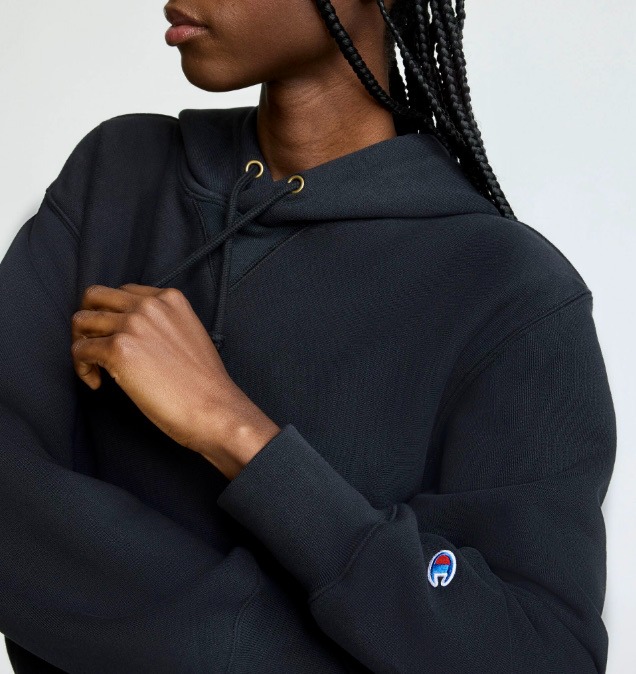
1. Branded Hoodies - Comfortable, premium hoodies are a staple for tech and remote teams. Worn often = repeat brand exposure. Use subtle placement (chest or sleeve embroidery) for a premium feel.
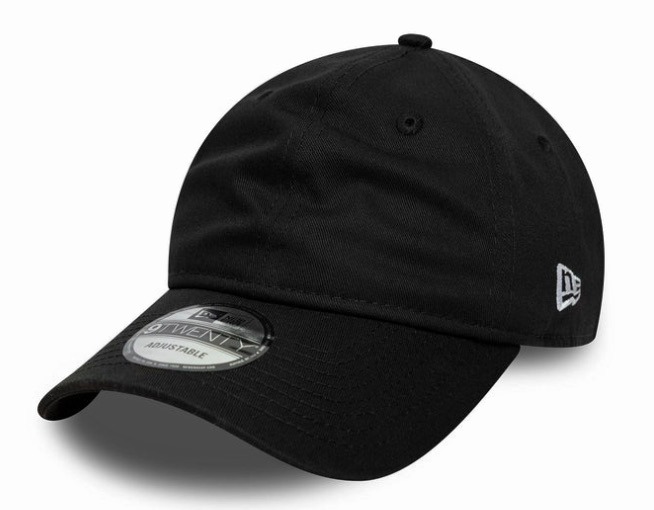
2. Custom Caps - Breathable cotton or durable polyester, worn at events and casual days. Minimal embroidered logos on the front or side work best.
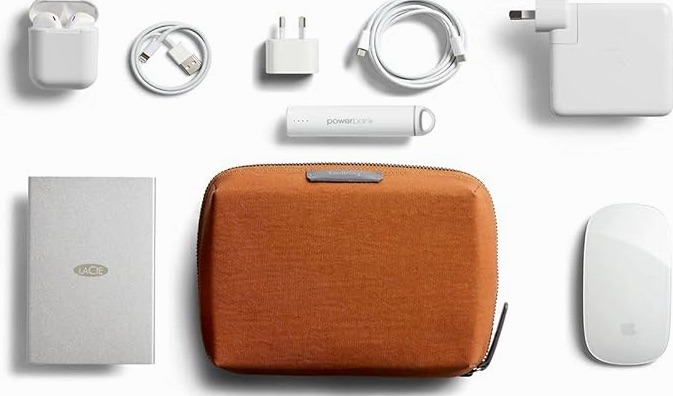
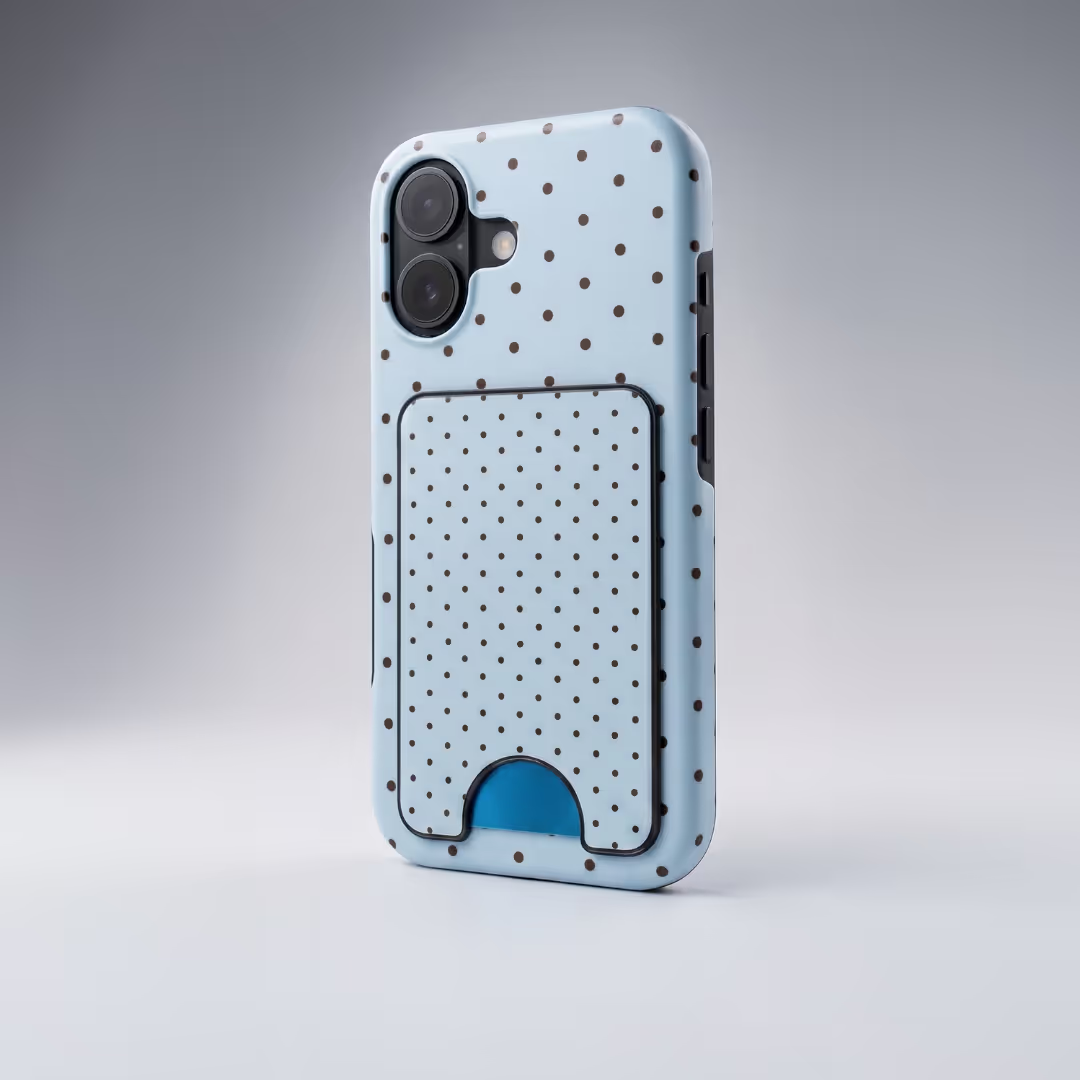
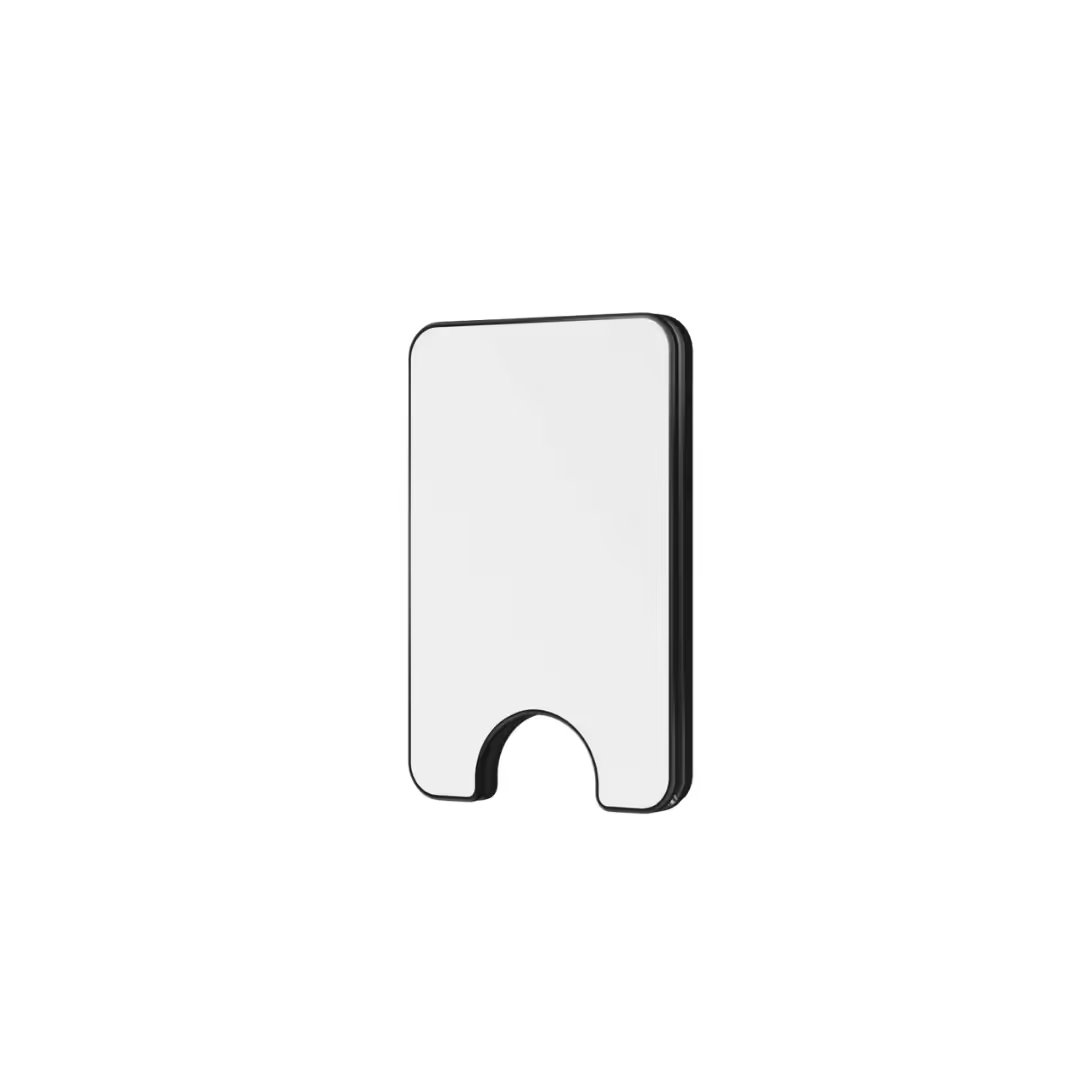
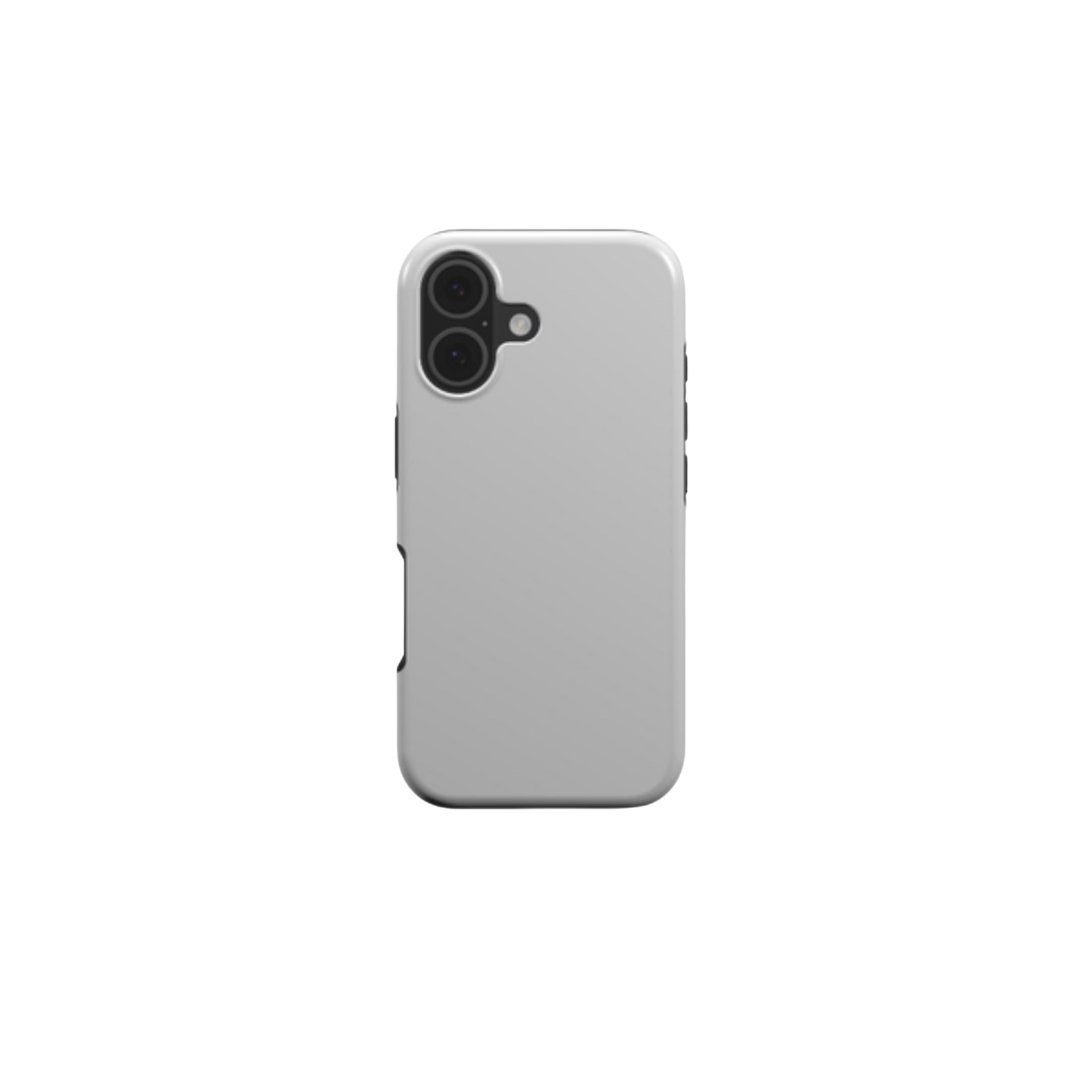
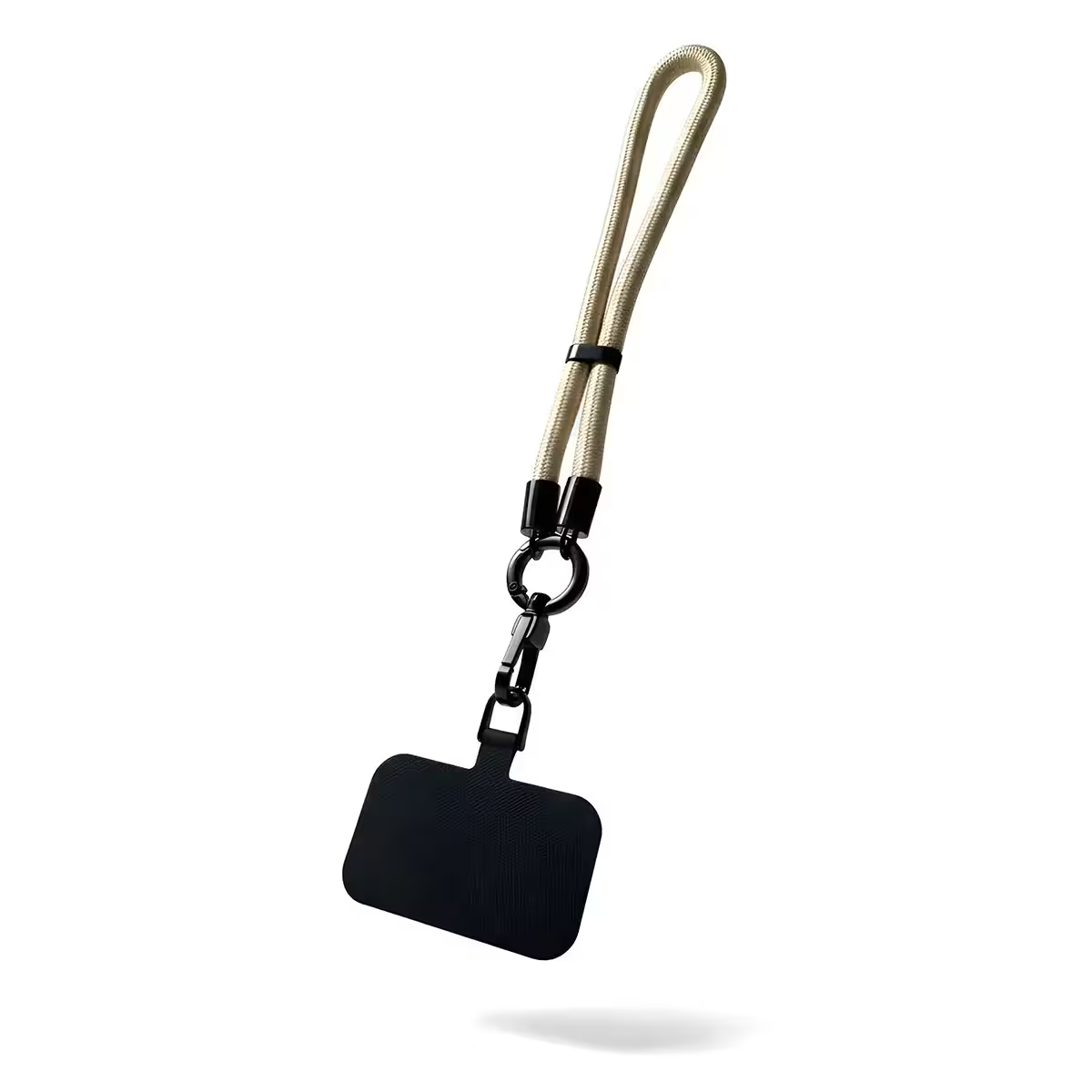
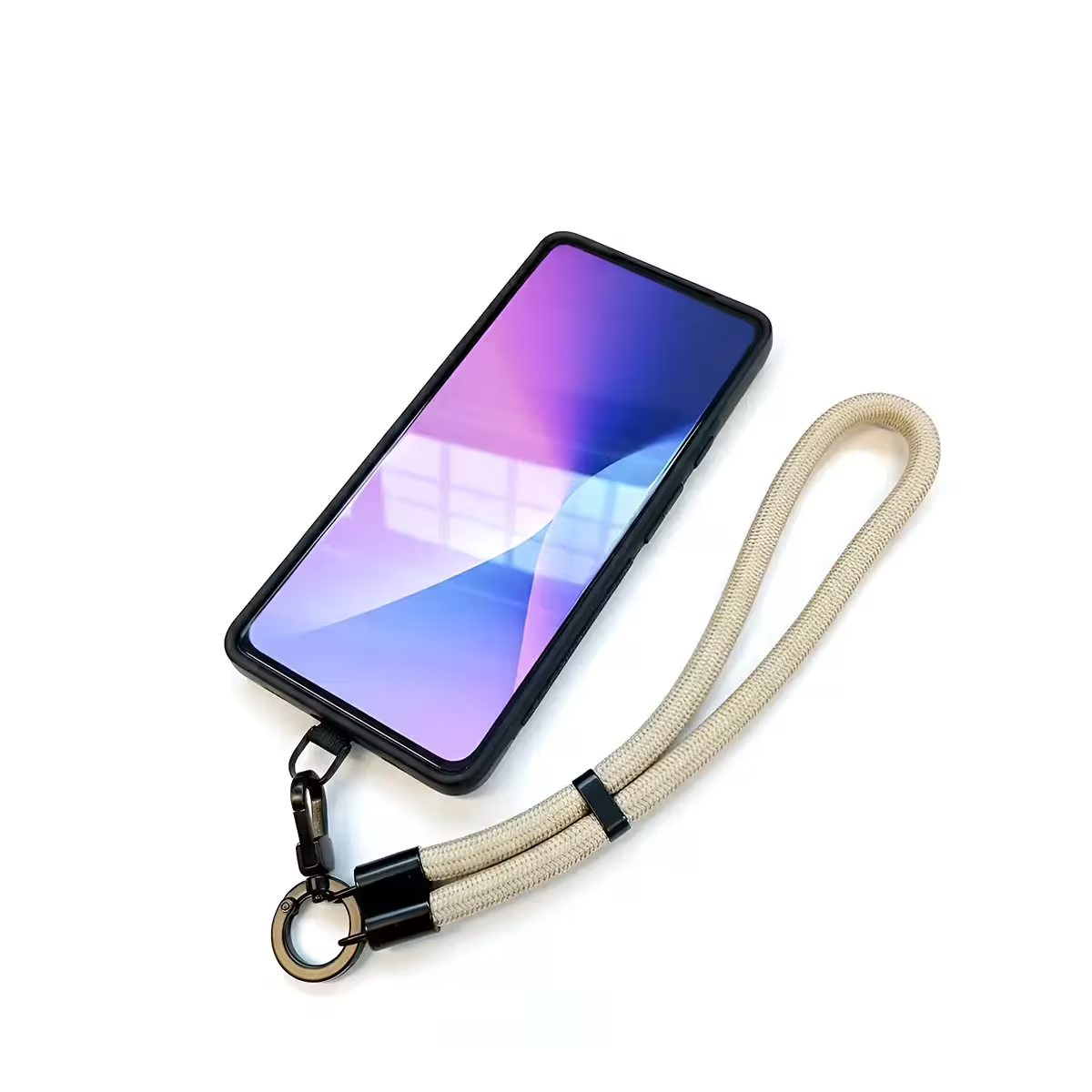
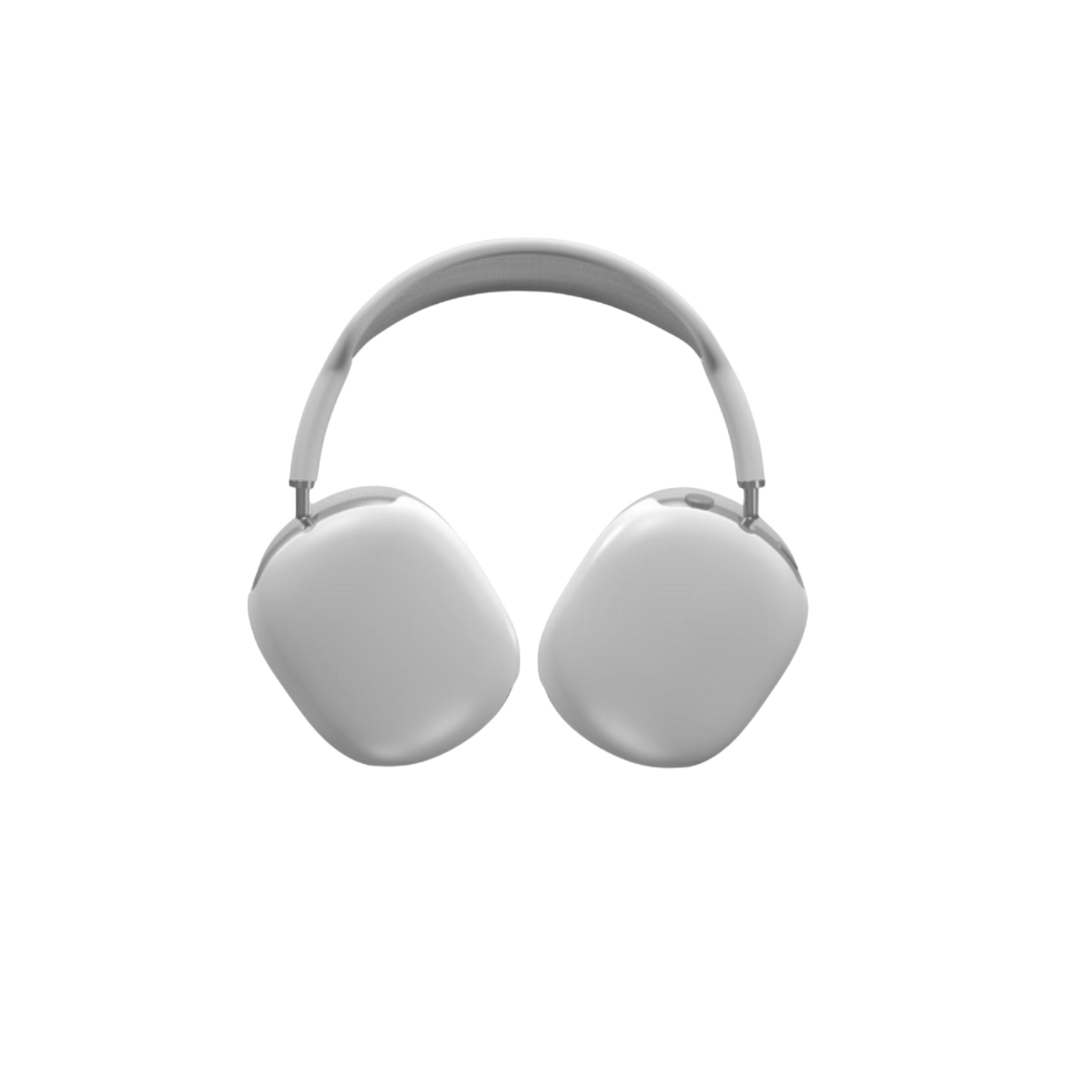
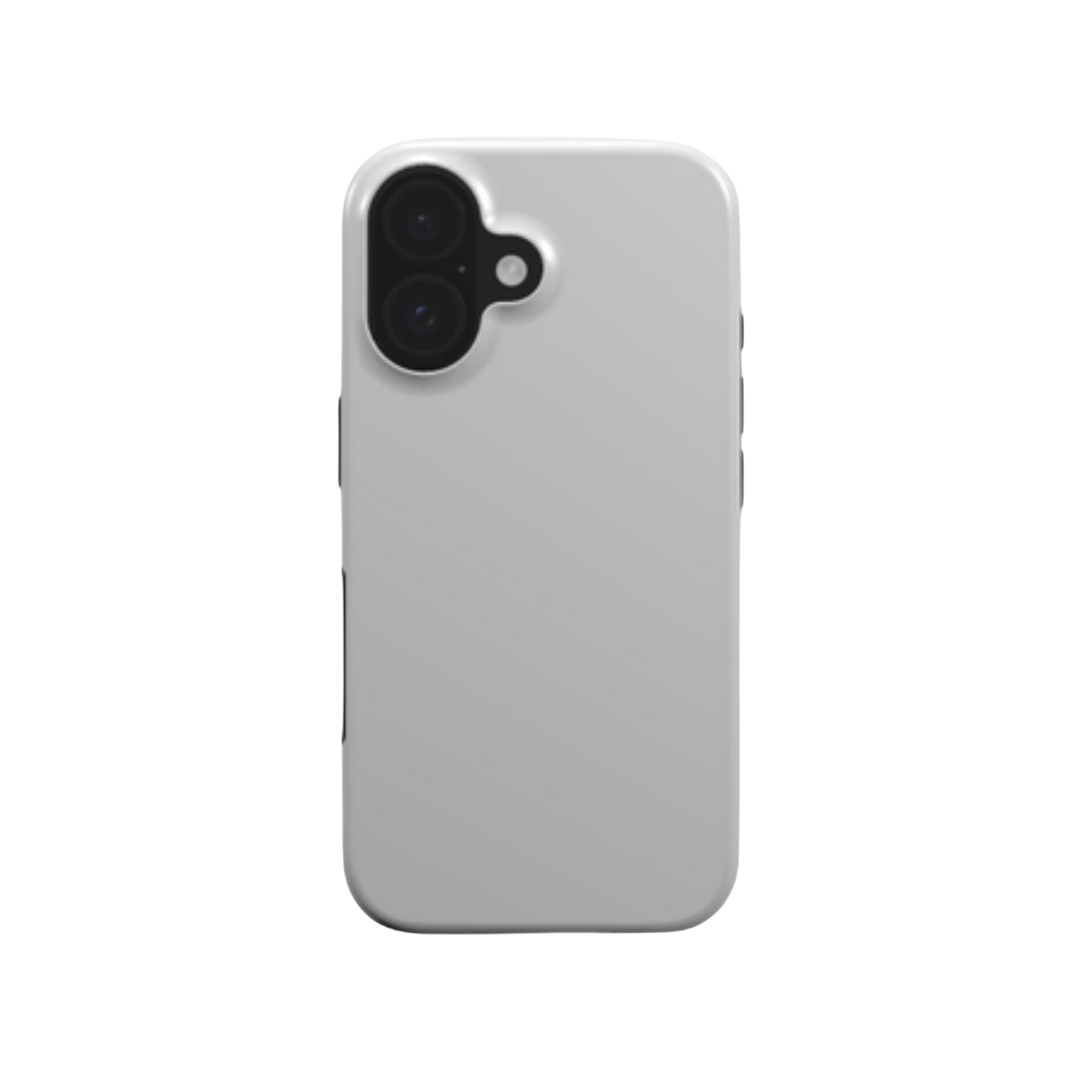
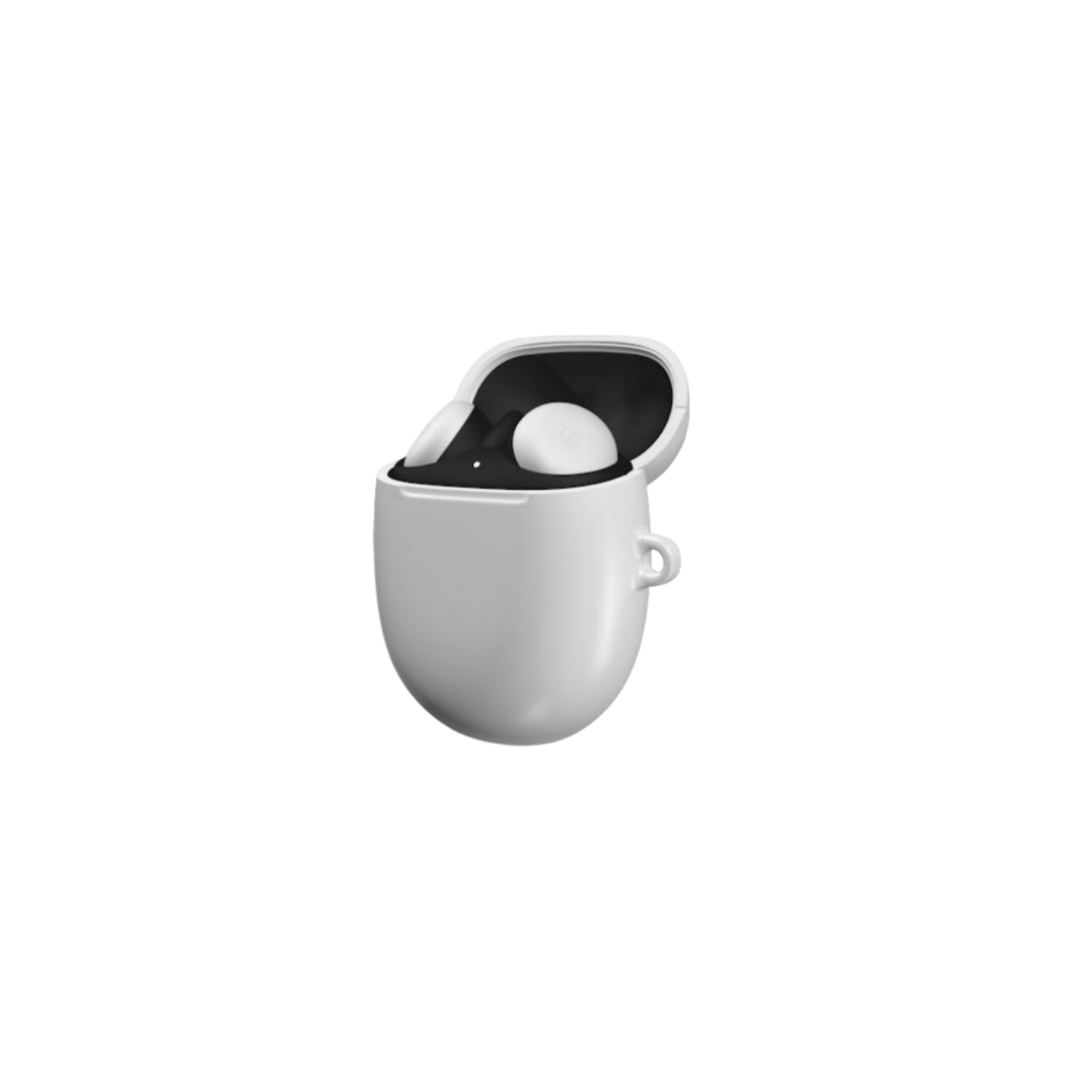
3. Tech Accessory Kits - Cables, chargers, power banks, phone cases.
These are the highest-retention swag category because people use them daily - and there's a deeper reason they outperform: as our Head of Product Development puts it, tech accessories "stopped being simply devices and became an extension of who we are as persons." A branded case that people actually like becomes, in our CEO's words, a "personal billboard" for your company.
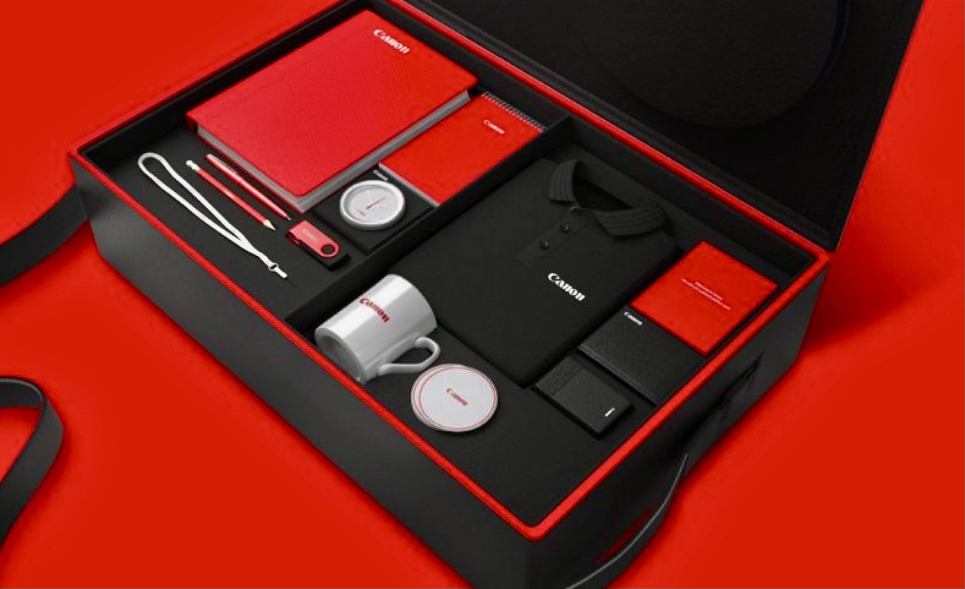
4. Employee Welcome Kits - A branded hoodie, notebook, water bottle, and tech gadget.
Canon's kits (polo, USB drive, notebook, stickers) show the structure; quality of each item decides the impression.
5. Custom Water Bottles
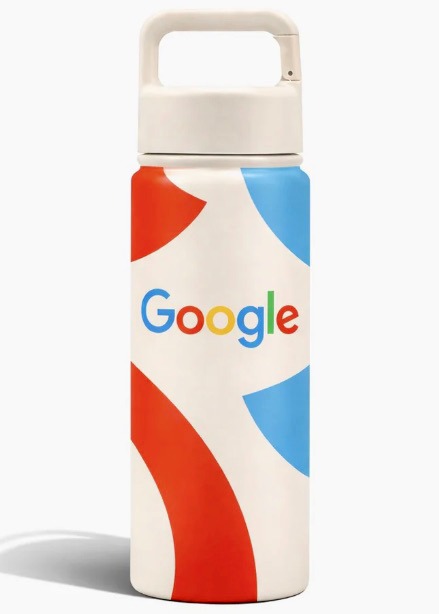
Print logos on stainless steel, BPA-free, or insulated bottles. People use them at work, meetings, or the gym, and they replace single-use plastic — making them high-retention merch.
Merch can include custom swag like a bottle with a logo and a clip for bags:
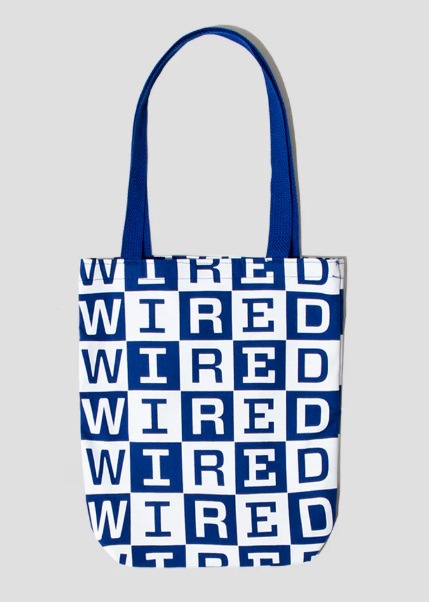
6. Tote Bags
People use tote bags for shopping, school, work, or at conferences, where they carry materials. They are lightweight, durable, and practical for everyday use.
For example, here’s a tote from WIRED you could use as inspiration for your company merch. It features the logo and a creative merch design:
7. Desk Accessories
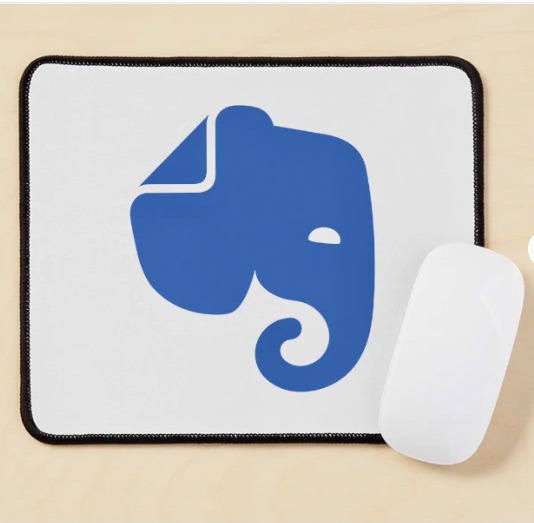
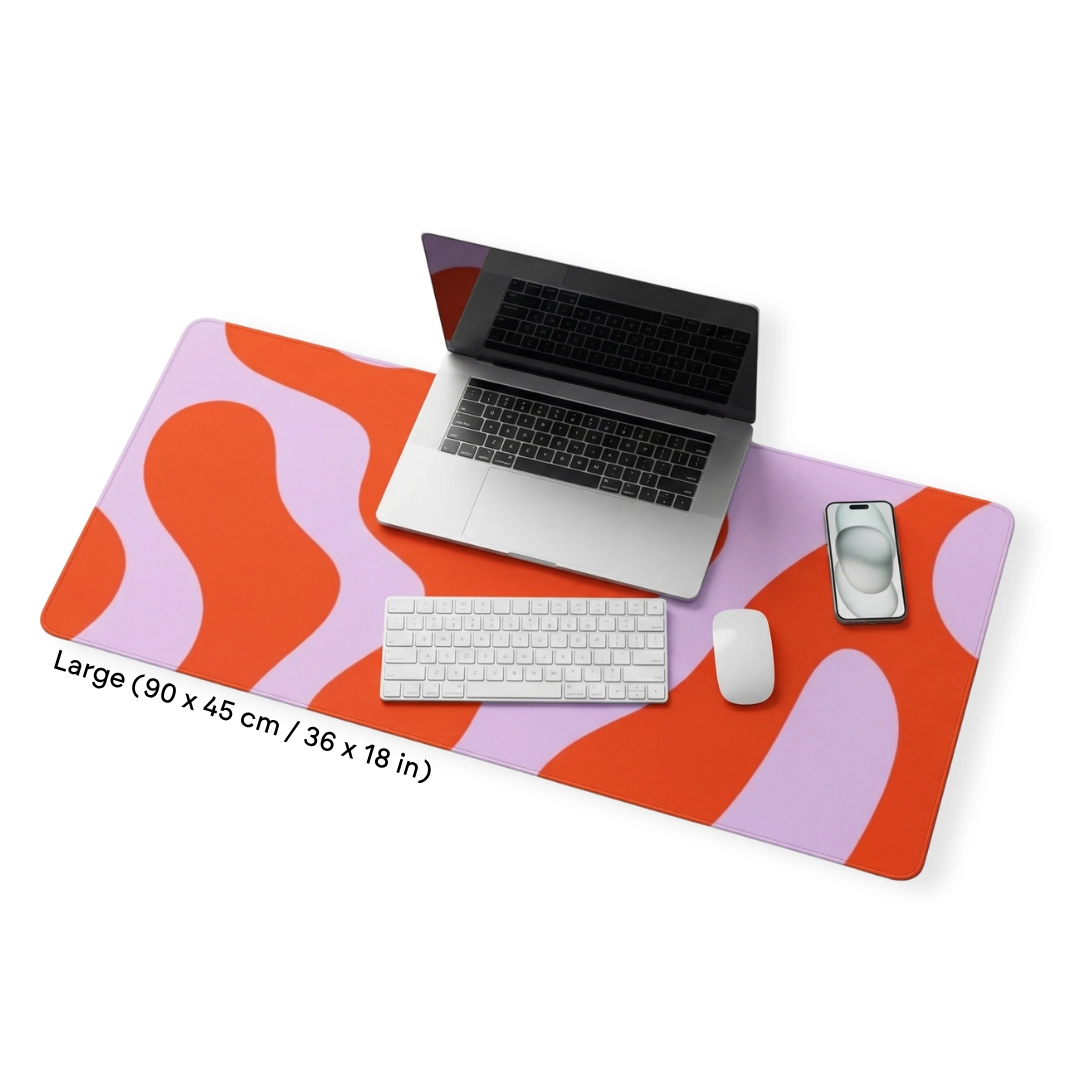
These are items like mouse pads, desk mats, pen holders, phone stands, or cable organizers.
An example of cool company merch ideas is this mouse pad with Evernote’s logo. It has a simple design, so the branding feels natural. Clean designs also fit most workspaces, making them more likely to be used daily:
Also read:
High Demand Products With Low Competition to Launch
How to Scale Your Small Business: From 1 to 100 Sales
8. Posters and Office Wall Art
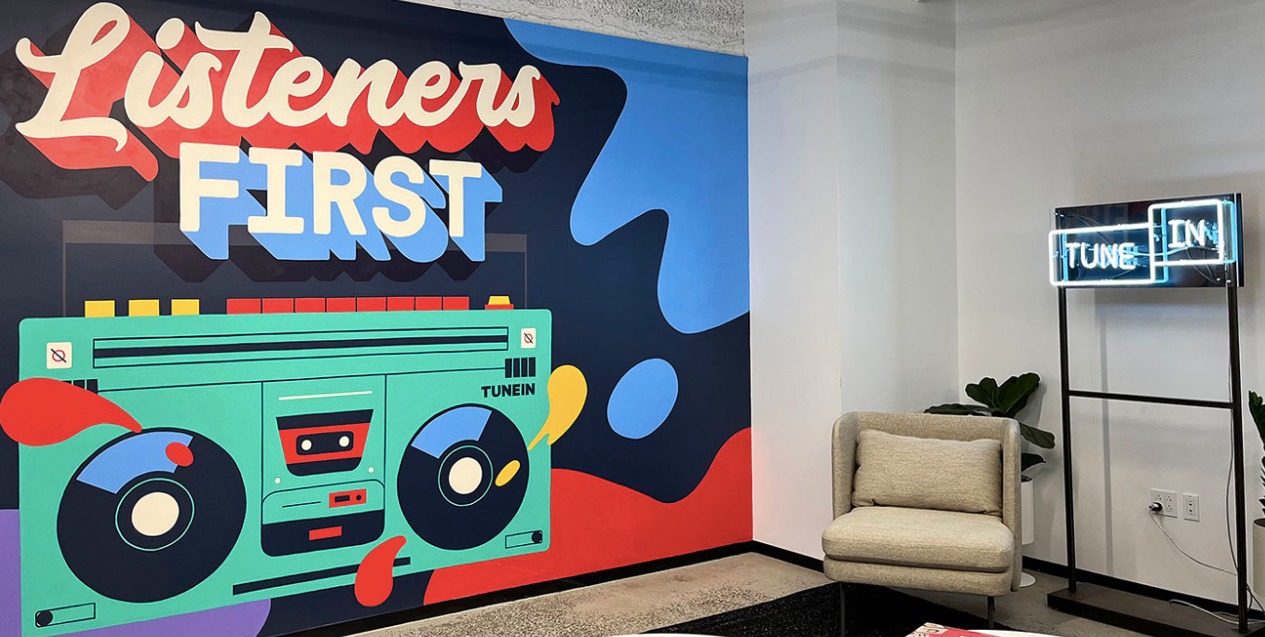
Wall art and posters can show your mission, values, or graphics that reflect company culture.
For example, TuneIn’s NYC office features custom art with the company’s colors. This is a creative way to add personality and culture to the workspace:
9. Event-specific Limited Merch
Limited-edition merch creates excitement and encourages social sharing.
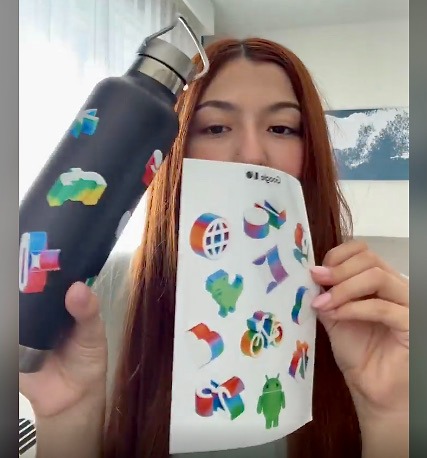
For example, Google’s I/O 2025 attendees got swag bags with stickers, a water bottle, a cap, and a tote:
10. Matching Team Apparel
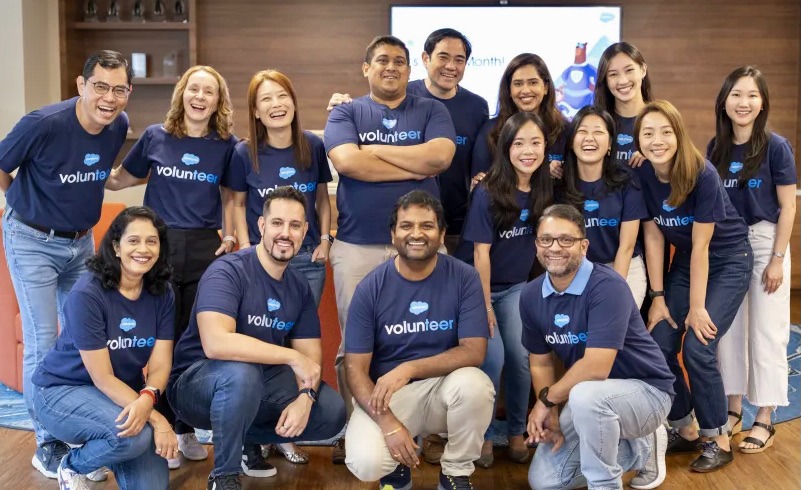
Team apparel includes high-quality shirts, jackets, and hoodies with subtle branding, worn at trade shows or team-building events.
For example, Salesforce sent a team to volunteer at a nonprofit. Everyone wore the same branded shirts. It made the company easy to spot and gave the team a shared identity:
What Makes Company Merch Successful in 2026
The market shifted, and we watched it happen from the order book. For years, corporate swag was driven purely by cost - "how cheaply can we get something with our logo on it?" That mindset is gone. As our Head of Sales observes from current B2B conversations: companies "are no longer just asking what they can put their name on. They are asking what product is *worth* putting their name on." Here's what that means in practice:
Simple and Clean Designs
People wear and use what matches their lives. Favor white space, readable fonts, and neutral colors (white, black, gray, beige) - clean design reads as premium, loud branding reads as advertising.
Choose Useful Items Over Cheap Gifts
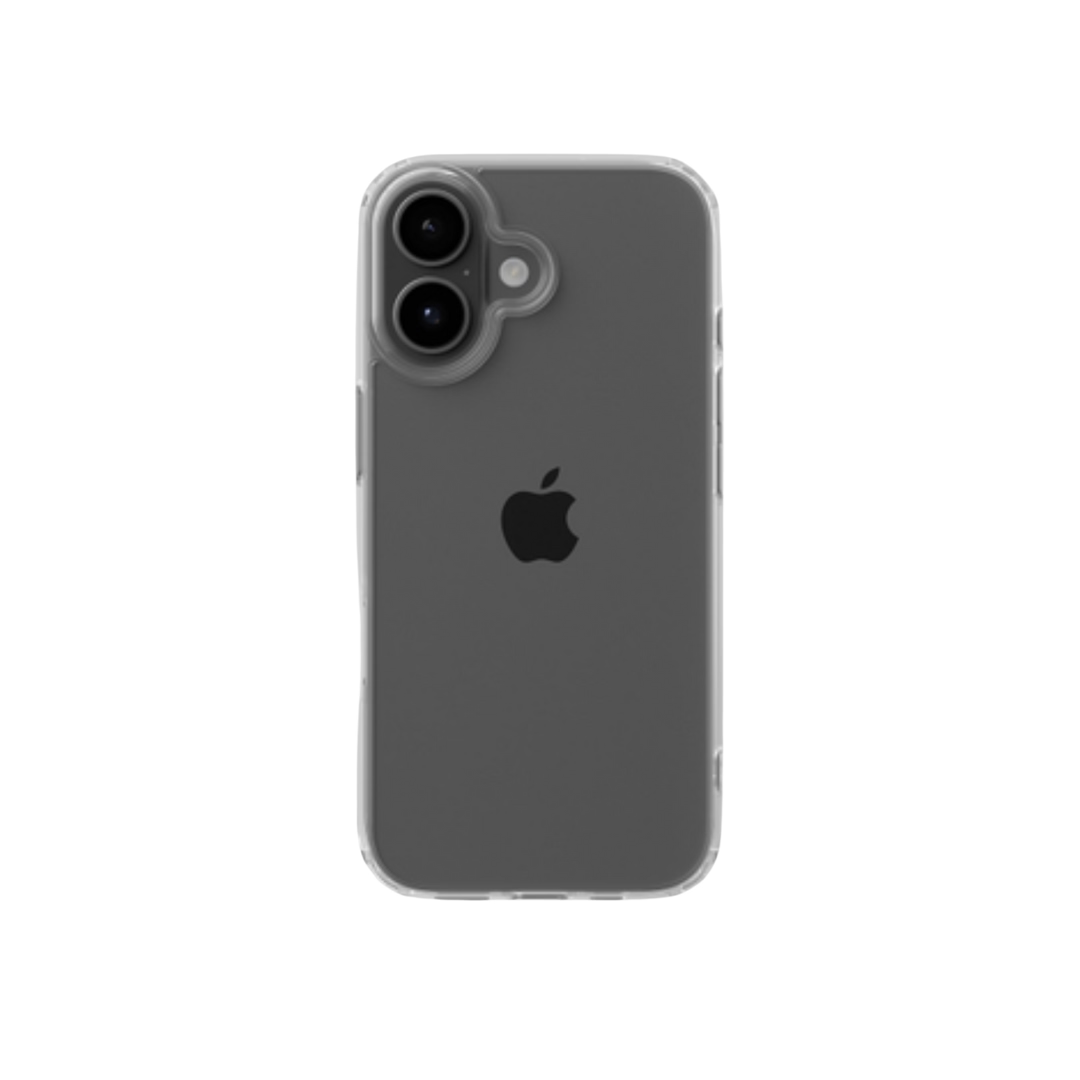
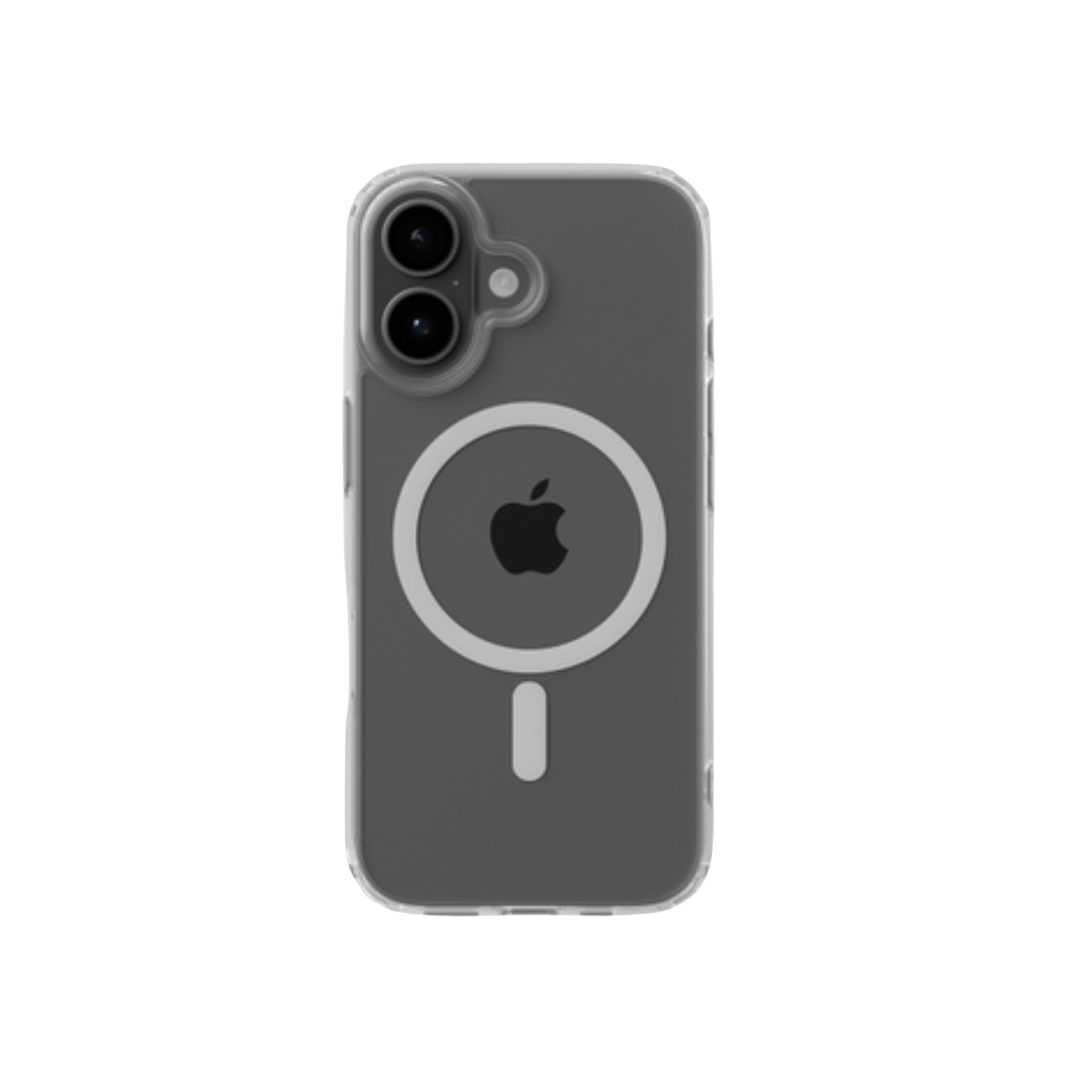
Match the item to the context: towels or jackets for sports events, laptop sleeves and portable chargers for tech meetups, everyday carry (phone accessories, quality pens) for general audiences. The procurement reframe from our CEO is the test worth applying to every line item: a company protecting 1,000 work phones can buy generic clear cases in bulk for ~€10 each - or, for the *same €10*, branded quality cases with the company design. "It is the same 10 euro spent, but one option comes with a free employer-branding perk." Same budget; one choice builds the brand, the other doesn't.
Sustainability & Eco-Conscious Materials
Skip cheap plastics where possible; bamboo and RPET (fabric from recycled bottles) signal the values many teams expect. Print-on-demand helps structurally too - producing only what's ordered means no carton of leftover XXL polos in a storage closet.
Customization for Different Teams or Events
Personalization is what bulk ordering can't do: team in-jokes for the sales department, individual names on welcome-kit items. Made-to-order production makes per-person customization routine rather than a special request.
Also Read:
How POD Sellers Can Approach Companies as Merch Providers
Selling merch to companies is one of the highest-value plays for a print-on-demand seller - and the demand side is moving toward you (recall: ~3x B2B inquiries in six months at Podbase alone).
Identify Local Startups & Growing Teams
Startups need branded items but lack storage and bulk budgets; every new hire means another welcome kit. Find them via LinkedIn (hiring sprees, fresh funding), local business and tech events, and creators with loyal audiences but no merch.
Offer Sample Kits
Study the company's brand and colors, build digital mockups of their logo on products, then send a sample kit - quality t-shirts, caps, tech accessories - showcasing print methods (DTG, embroidery, UV). This mirrors how the biggest deals actually close: in our own B2B pipeline, "most of the convincing is not done through the talking stages" - prospects experience the product as their customer would, test it side-by-side against their current supplier, and the quality does the selling.
Emphasize No Inventory & On-Demand Production
Traditional merch forces bulk buys and storage; POD lets companies order exactly what they need, when they need it - including per-item personalization like names. You handle design, printing, and shipping, which also enables last-minute event orders.
Position as Long-Term Fulfillment Partner
Frame yourself as infrastructure, not a vendor: direct shipping to employees' homes (essential for remote teams), branded packaging, small pilot orders that scale into recurring programs. Start partial and grow - in our pipeline, businesses that begin with a region or a single event typically expand their share once the feedback comes in.
Why Podbase Is a Strong Partner for Company Tech Merch
Company merch works when it's high-quality, useful, and accurately branded - and tech accessories are the category employees and conference attendees actually use daily.
What Podbase brings as the production layer behind your B2B offer:
- Premium tech focus - phone cases, laptop sleeves, desk mats, drinkware: the high-retention categories, with 300+ products
- Brand-color precision - custom color formulations where needed, verified by spectrophotometer (the fix that won the Omnisend account)
- Speed - production within 24 hours and same-day order starts for B2B clients, with full automation configured within about a week
- No inventory, per-item personalization - names on welcome kits, last-minute event runs, direct-to-employee shipping
- Seller economics - 30-60% margins on tech accessories, with Shopify, Etsy, and WooCommerce integrations plus an Open API for custom workflows
Start selling company merch with Podbase - and turn the corporate swag budget that used to buy landfill into long-term brand assets.
Also Read:
FAQ
1. Why is company merch important in 2026?
Merch builds culture inside the company and brand recognition outside it, and matters more as work goes remote. A PPAI study found 38% of people remembered a brand months or years after receiving a branded gift, while 76% looked it up and 72% bought after. For distributed teams, merch is often the most tangible link to the company.
2. What are the best company merch ideas that actually get used?
The highest-retention items are used weekly, not once: branded hoodies, custom caps, tech accessory kits (cables, power banks, phone cases), employee welcome kits, insulated water bottles, tote bags, desk accessories, office wall art, event-specific limited editions, and matching team apparel. Tech accessories lead because people use them daily.
3. How much does custom company merch cost versus generic swag?
Often the same. A company protecting 1,000 work phones can buy generic clear cases in bulk for about 10 euros each, or for the same 10 euros get branded quality cases with its design. As Podbase's CEO frames it, the same budget buys one option that builds the brand and one that does not.
4. Does branded merch actually improve employee engagement?
The data says yes. A Custom Ink survey found 93% of employees would stay another year if they received the right merch, 81% of unhappy employees said company items could encourage them to stay, and 92% felt more connected to their team. Quality welcome kits also ease onboarding, especially for remote hires.
5. Can companies order custom merch without holding inventory?
Yes. Print-on-demand lets companies order exactly what they need, when they need it, including per-item personalization like names on welcome kits. There is no bulk buy, no storage, and no leftover stock. The provider handles design, printing, and direct-to-employee shipping, which also enables last-minute event orders.
6. How can print-on-demand sellers win company clients?
Target local startups and growing teams that need branded kits but lack storage, then send a sample kit with their logo on real products. In Podbase's B2B pipeline most convincing happens when prospects test the product side-by-side against their current supplier. Position yourself as a long-term fulfillment partner, starting with a pilot that scales.

Saulius Meilutis is the CEO of Podbase, helping creators and entrepreneurs monetize their ideas with print-on-demand. He shares insights on eCommerce, growth, and building lean online businesses.

.avif)

.avif)


.avif)
.avif)
.avif)
.avif)
.avif)
.avif)

.avif)
.avif)

.avif)


.avif)
.avif)
.avif)